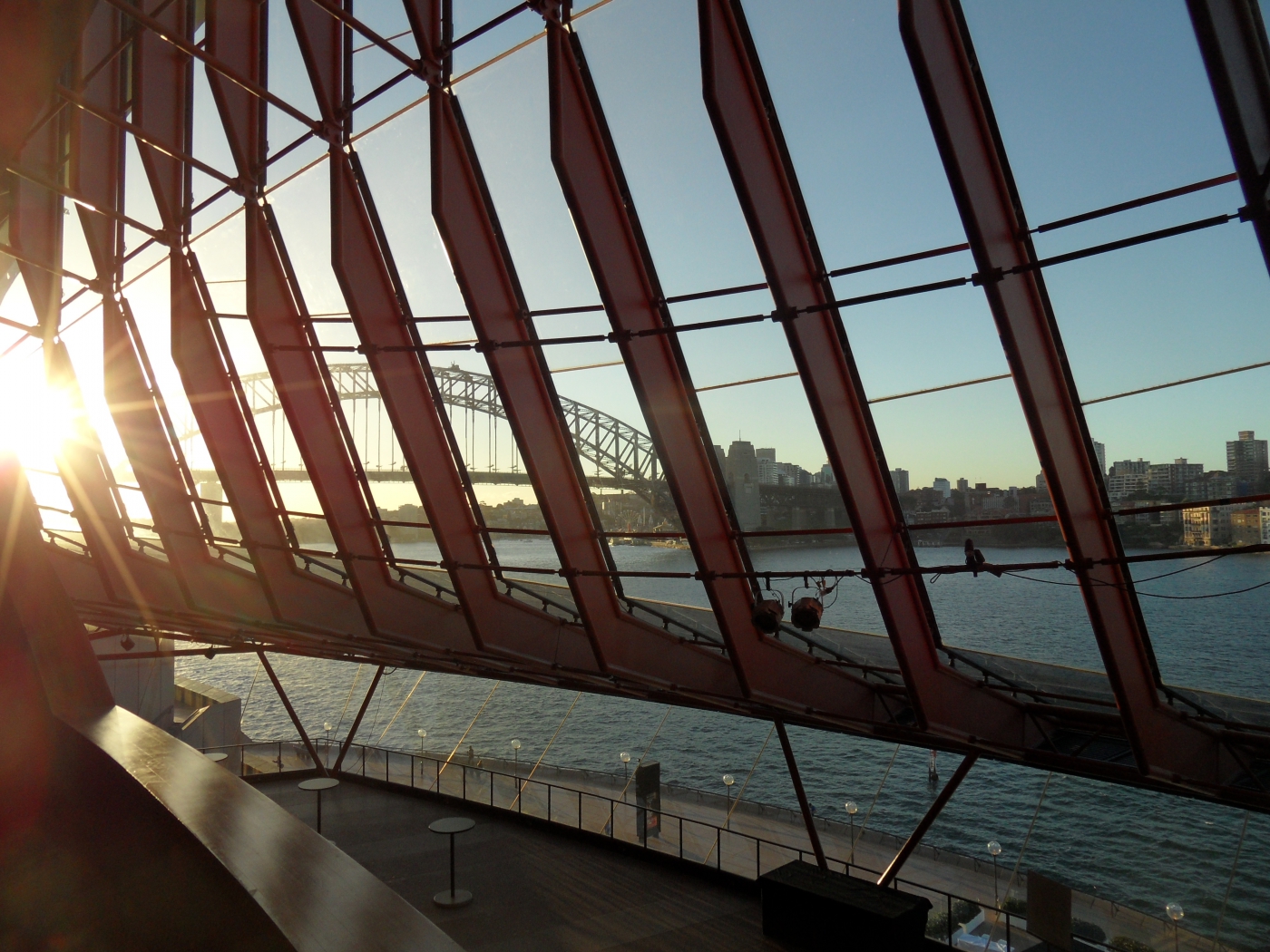
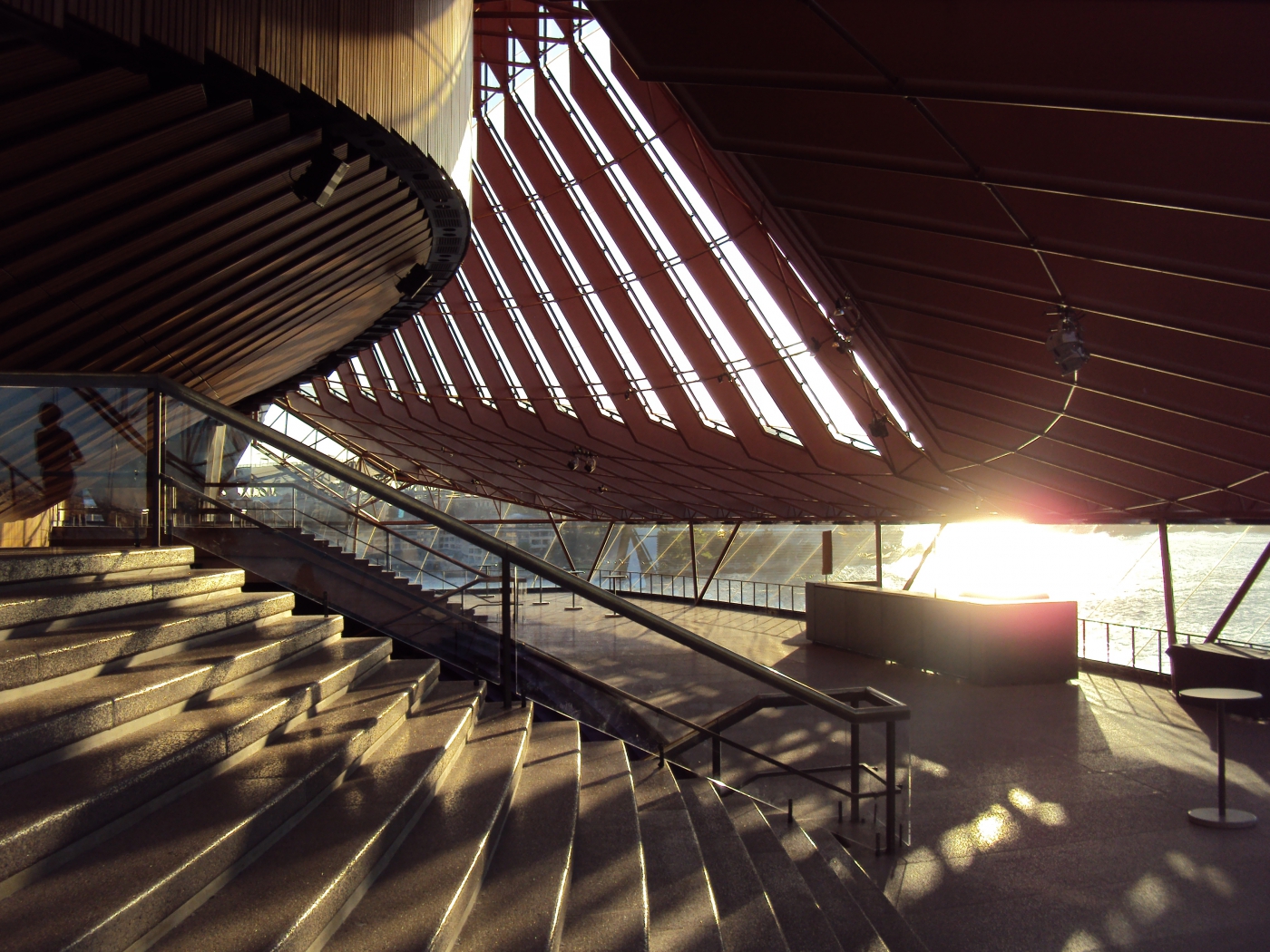
Sydney Opera House
Sydney, Australia
13.05.2014

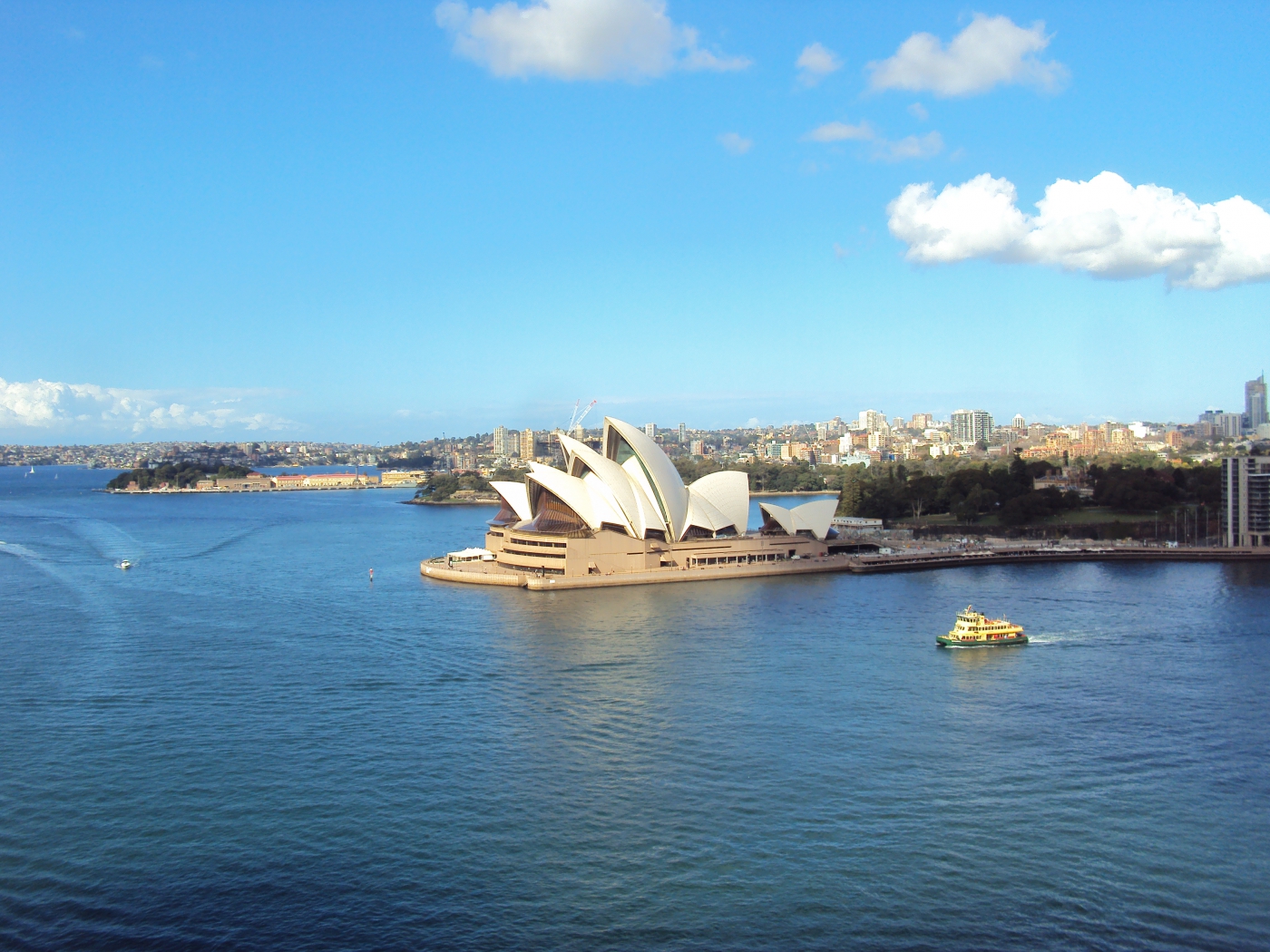
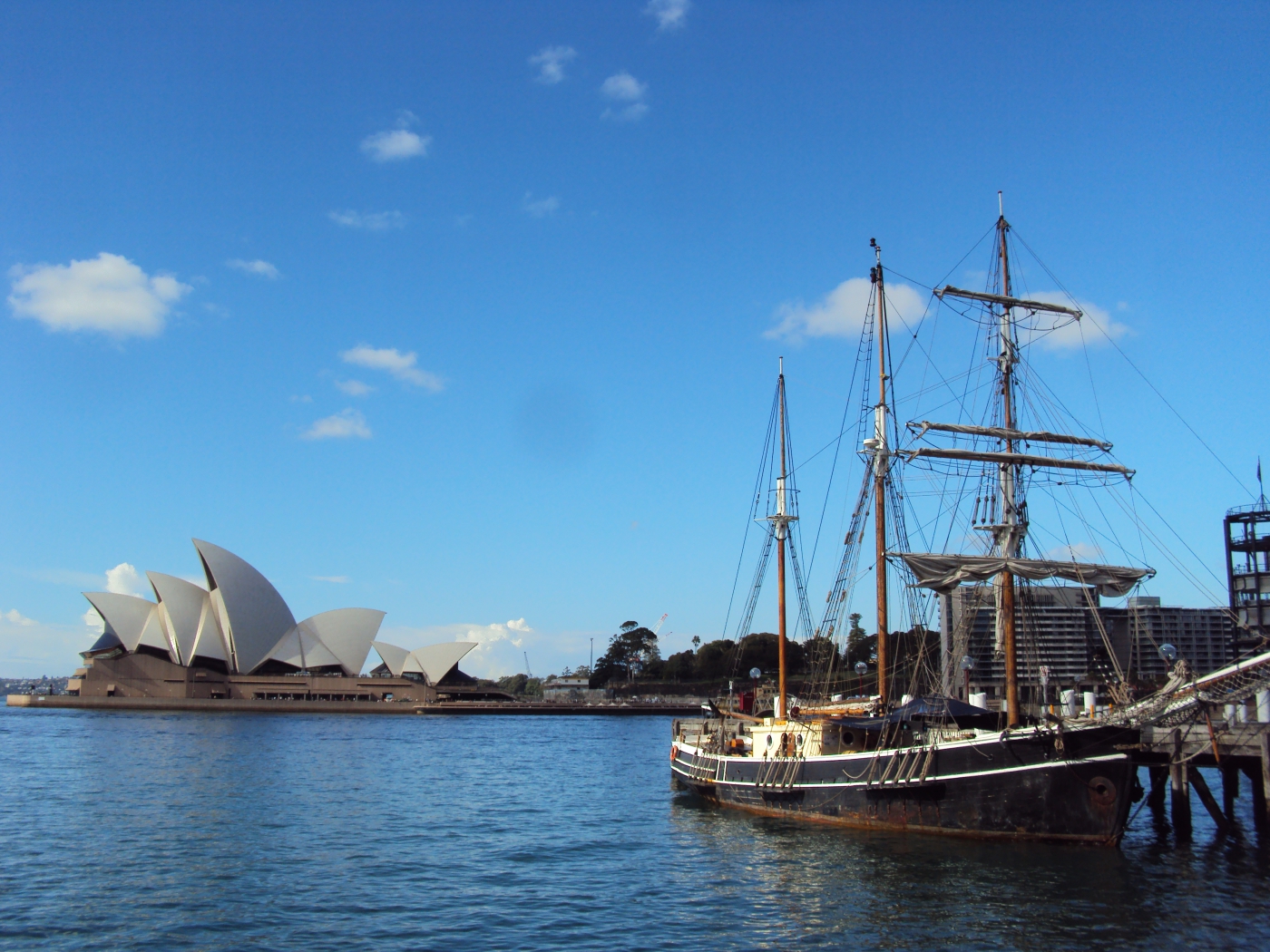
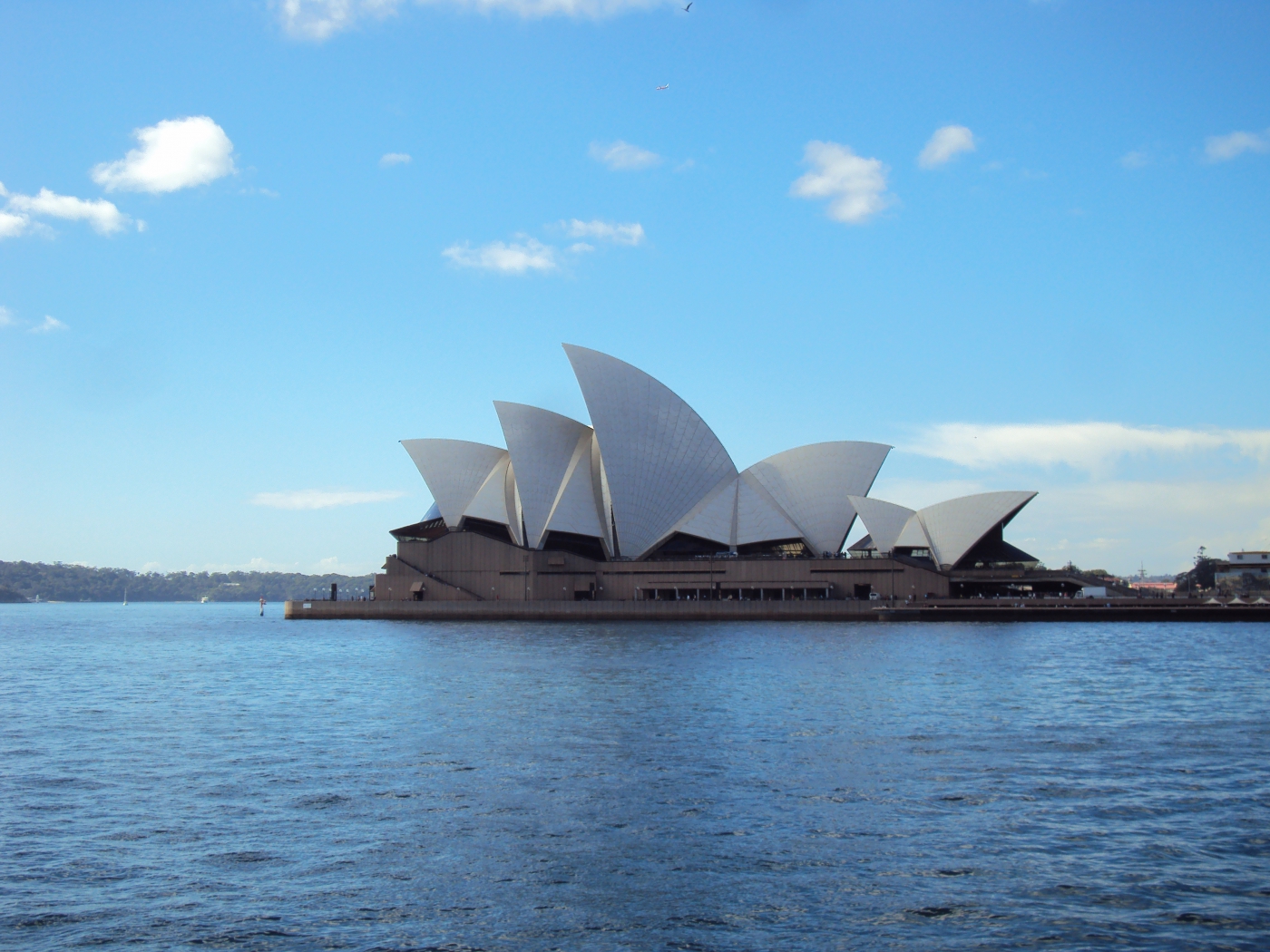
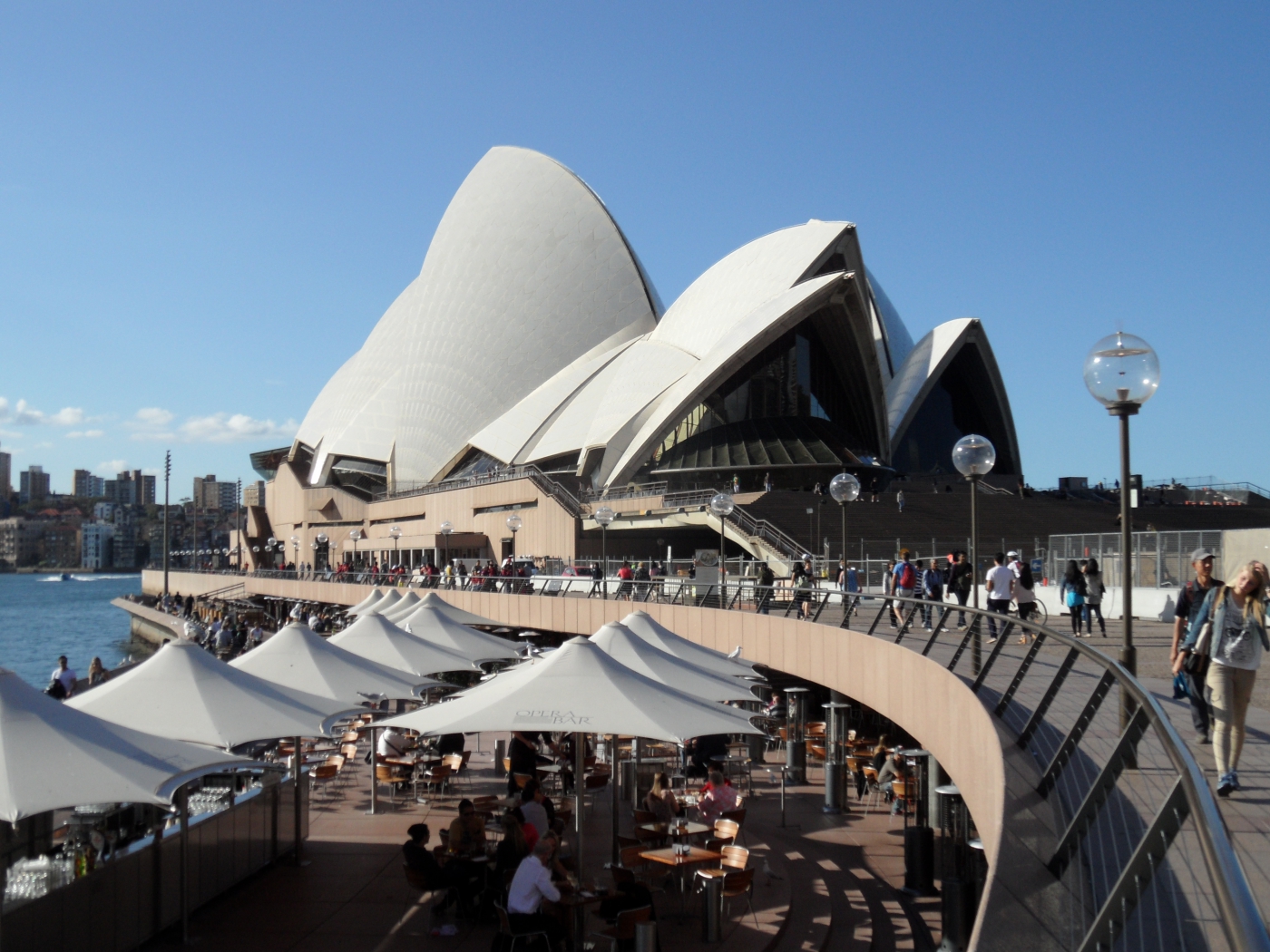
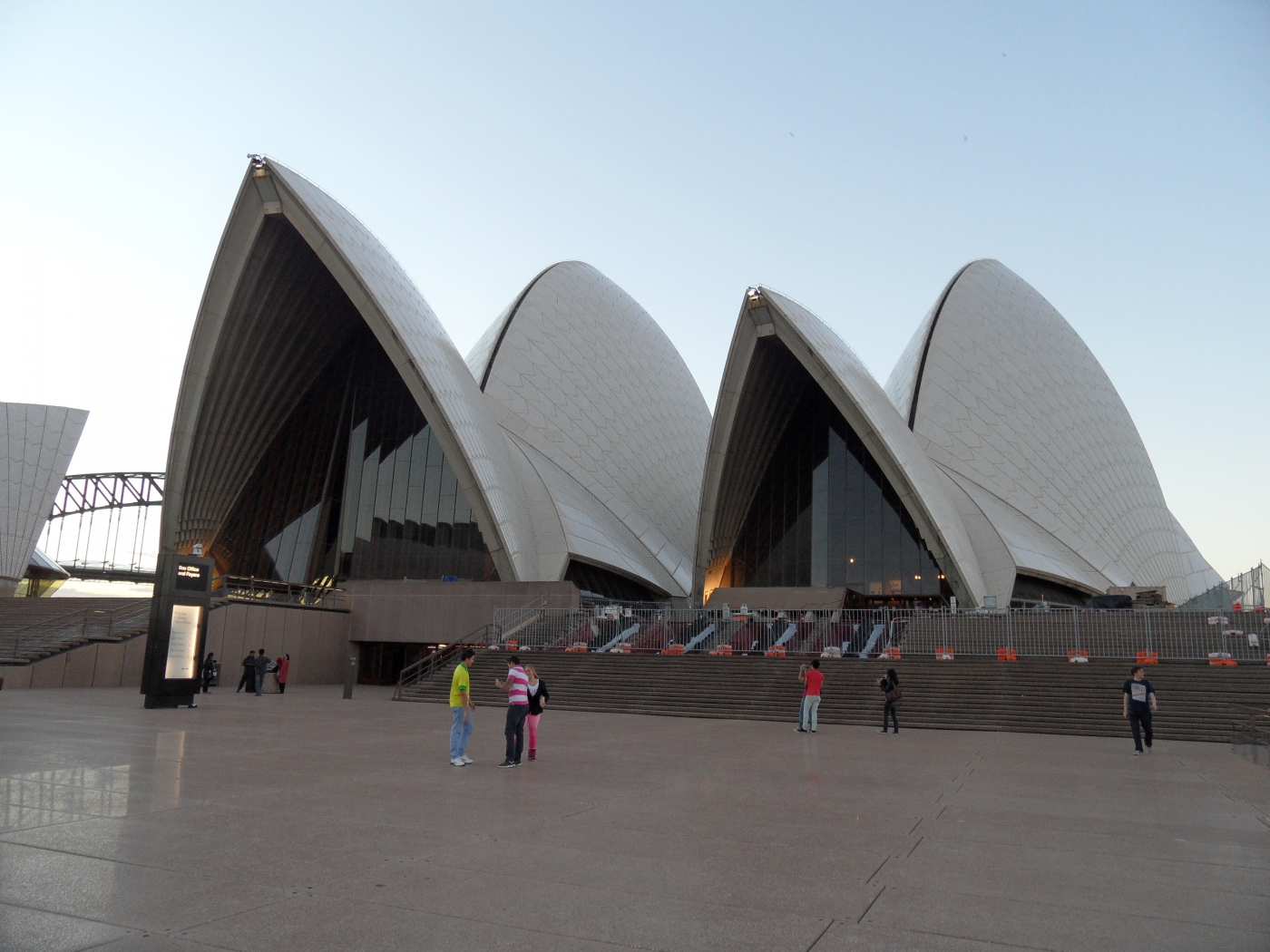
The Sydney Opera House, majestically perched on Bennelong Point in Sydney Harbour, is not merely a building but a global symbol of architectural innovation and human creativity. Inscribed on the UNESCO World Heritage List in 2007, it stands as one of the 20th century's most iconic buildings, renowned for its distinctive shell-like roof structures and its dramatic setting.
A Vision Takes Shape
The genesis of this architectural marvel began in the mid-1950s when the New South Wales government sought a national opera house. An international design competition was launched in 1956, attracting over 230 entries from 32 countries. The winning design, announced in 1957, came from the relatively unknown Danish architect, Jørn Utzon. His radical proposal, initially dismissed by some judges, was championed by the renowned architect Eero Saarinen, who recognized its genius.
Architectural Innovation
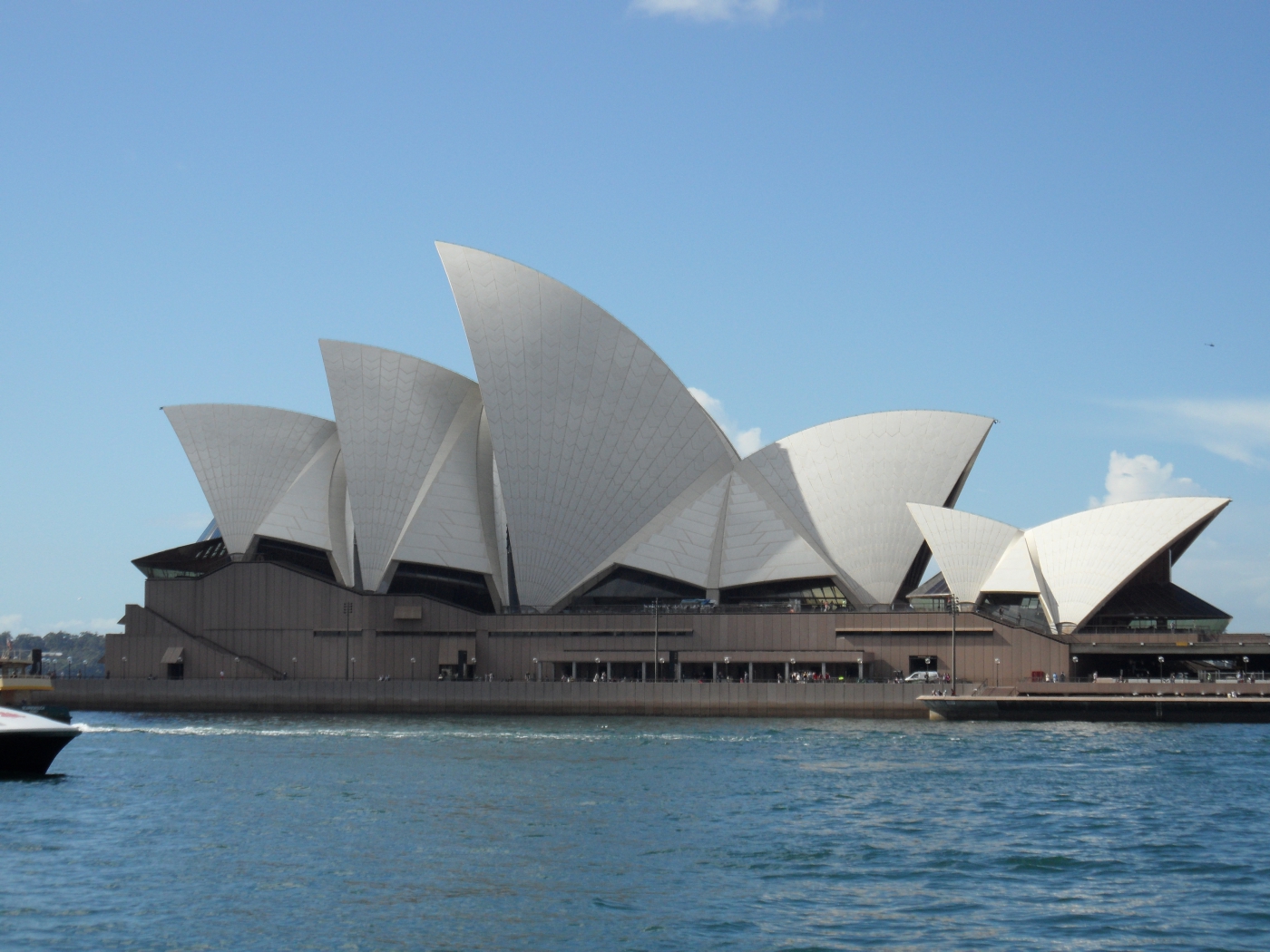
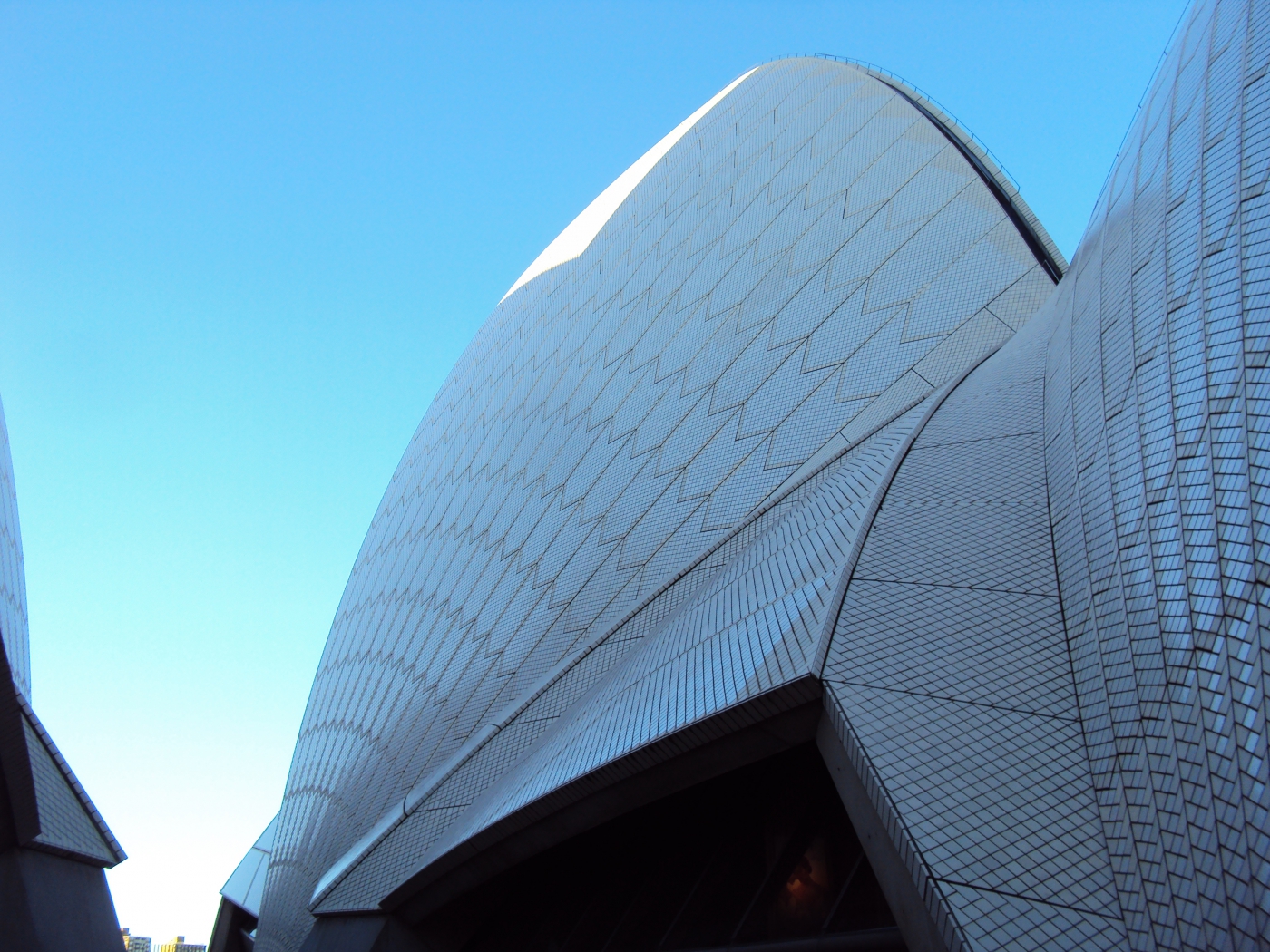
Utzon's vision was audacious, featuring a series of large precast concrete shells forming the roofs of the structure. This groundbreaking design pushed the boundaries of engineering and construction. Collaborating closely with the engineering firm Ove Arup & Partners, Utzon developed innovative solutions, particularly for the complex geometry of the shells. The sheer scale and complexity of realizing these "shells" presented unprecedented challenges, requiring new construction techniques and significant financial investment in materials like reinforced concrete.
Challenges and Triumph
The construction process, which began in 1959, was fraught with difficulties, including technical complexities, cost overruns, and political disputes. These pressures ultimately led to Jørn Utzon's resignation in 1966, a controversial event that left the final stages of the interior design to local architects. Despite these setbacks, the building was finally completed and officially opened by Queen Elizabeth II on October 20, 1973.
Global Icon and Heritage
Today, the Sydney Opera House is one of the world's busiest performing arts centers, hosting over 1,500 performances and attracting millions of visitors annually. Its inscription as a UNESCO World Heritage site highlights its "outstanding universal value" as a "masterpiece of 20th-century architecture," celebrating its innovative design, engineering prowess, and its enduring cultural significance. It remains a testament to human ambition and the power of visionary architecture.
Further Reading
Inaugurated in 1973, the Sydney Opera House is a great architectural work of the 20th century that brings together multiple strands of creativity and innovation in both architectural form and structural design. A great urban sculpture set in a remarkable waterscape, at the tip of a peninsula projecting into Sydney Harbour, the building has had an enduring influence on architecture. The Sydney Opera House comprises three groups of interlocking vaulted ‘shells’ which roof two main performance halls and a restaurant. These shell-structures are set upon a vast platform and are surrounded by terrace areas that function as pedestrian concourses. In 1957, when the project of the Sydney Opera House was awarded by an international jury to Danish architect Jørn Utzon, it marked a radically new approach to construction.
The Sydney Opera House is a multi-venue performing arts centre in Sydney, New South Wales, Australia. Located on the foreshore of Sydney Harbour, it is widely regarded as one of the world's most famous and distinctive buildings, and a masterpiece of 20th-century architecture.
Designed by Danish architect Jørn Utzon and completed by an Australian architectural team headed by Peter Hall, the building was formally opened by Queen Elizabeth II on 20 October 1973, 16 years after Utzon's 1957 selection as winner of an international design competition. The Government of New South Wales, led by the premier, Joseph Cahill, authorised work to begin in 1958 with Utzon directing construction. The government's decision to build Utzon's design is often overshadowed by circumstances that followed, including cost and scheduling overruns as well as the architect's ultimate resignation.
The building and its surrounds occupy the whole of Bennelong Point on Sydney Harbour, between Sydney Cove and Farm Cove, adjacent to the Sydney central business district and the Royal Botanic Garden, and near to the Sydney Harbour Bridge.
The building comprises multiple performance venues, which together host over 1,800 performances annually, attended by more than 1.4 million people. Performances are presented by numerous performing artists, with many resident companies such as Opera Australia, the Sydney Theatre Company and the Sydney Symphony Orchestra. As one of the most popular visitor attractions in Australia, the site is visited by more than ten million people annually, and approximately 350,000 visitors take a guided tour of the building each year. The building is managed by the Sydney Opera House Trust, an agency of the New South Wales State Government.
In 2007, the Sydney Opera House became a UNESCO World Heritage Site, having been listed on the (now defunct) Register of the National Estate since 1980, the National Trust of Australia register since 1983, the City of Sydney Heritage Inventory since 2000, the New South Wales State Heritage Register since 2003, and the Australian National Heritage List since 2005. The Opera House was also a finalist in the New 7 Wonders of the World campaign list.