Historic Centre (Old Town) of Tallinn
Tallinn, Estonia
20.07.2016

Nestled on the southern coast of the Gulf of Finland, the Old Town of Tallinn stands as a remarkably preserved testament to a bygone era, offering a captivating journey into medieval Northern Europe. Designated a UNESCO World Heritage site in 1997, its cobblestone streets, Gothic spires, and fortified walls tell a vivid story of centuries of trade, power, and cultural exchange.
The Heart of Hanseatic Trade
Tallinn's strategic location made it a coveted prize. Its origins as a significant settlement trace back to the 13th century when Danish King Waldemar II conquered the area after the Battle of Lyndanisse in 1219, establishing Danish Estonia. The city, then known as Reval, quickly flourished as a vital trading hub within the powerful Hanseatic League from the late 13th to the mid-16th century. This period saw the city grow immensely wealthy, as evidenced by its grand architecture, acting as a crucial link between Western and Northern Europe and the vast markets of Russia. The Teutonic Order also played a significant role in its early development and fortification.
A Tale of Two Towns: Toompea and Lower Town
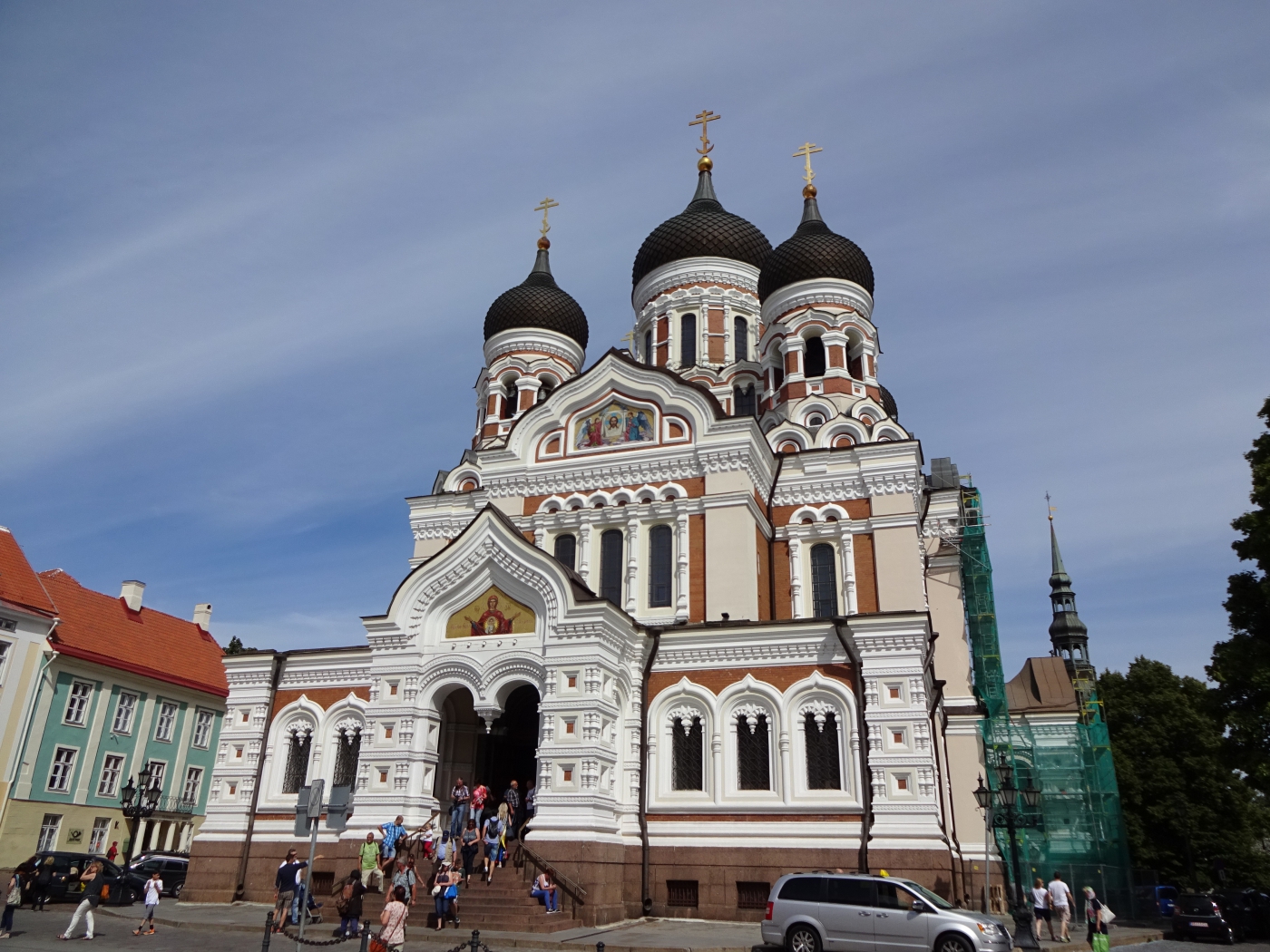
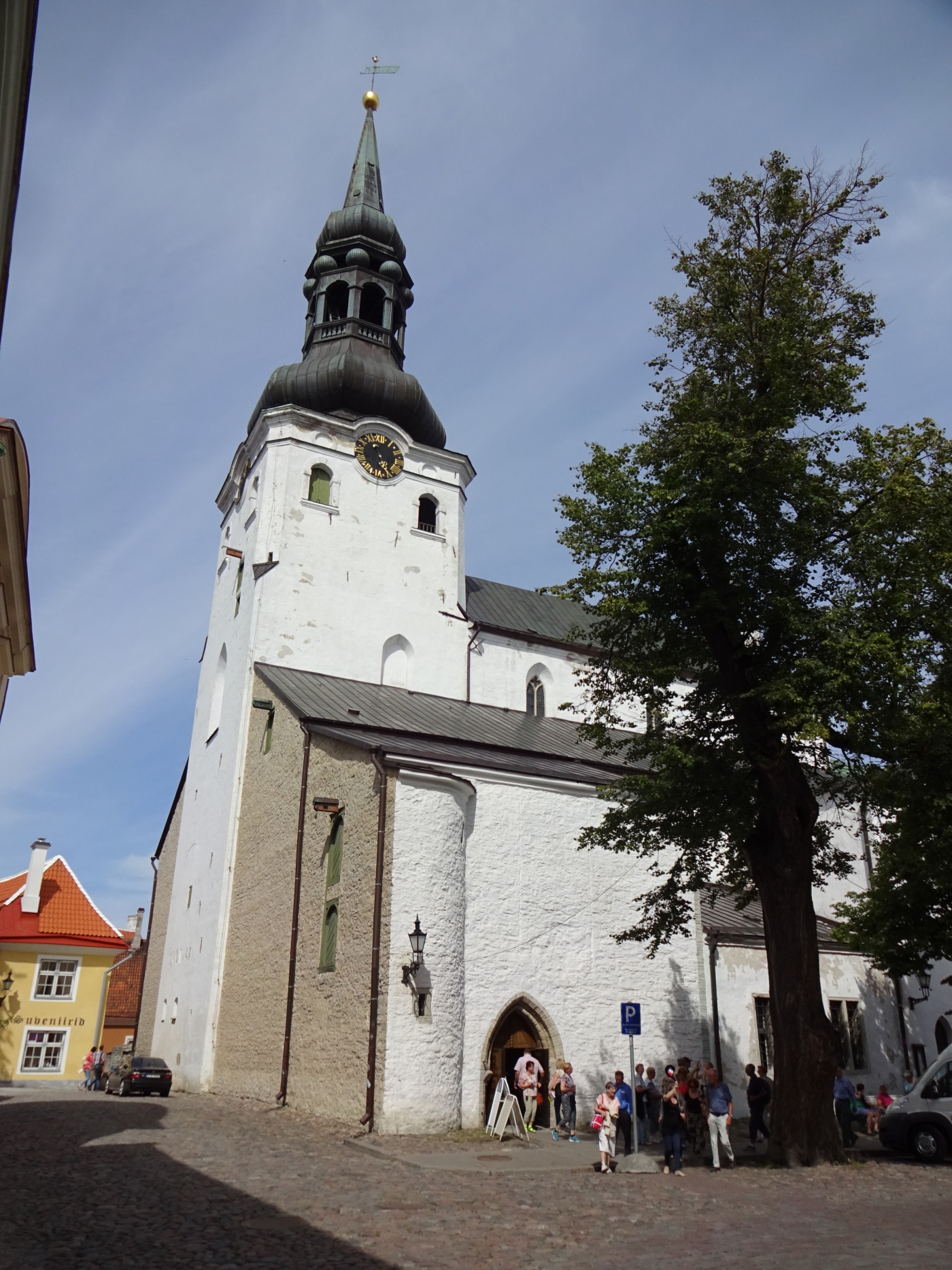
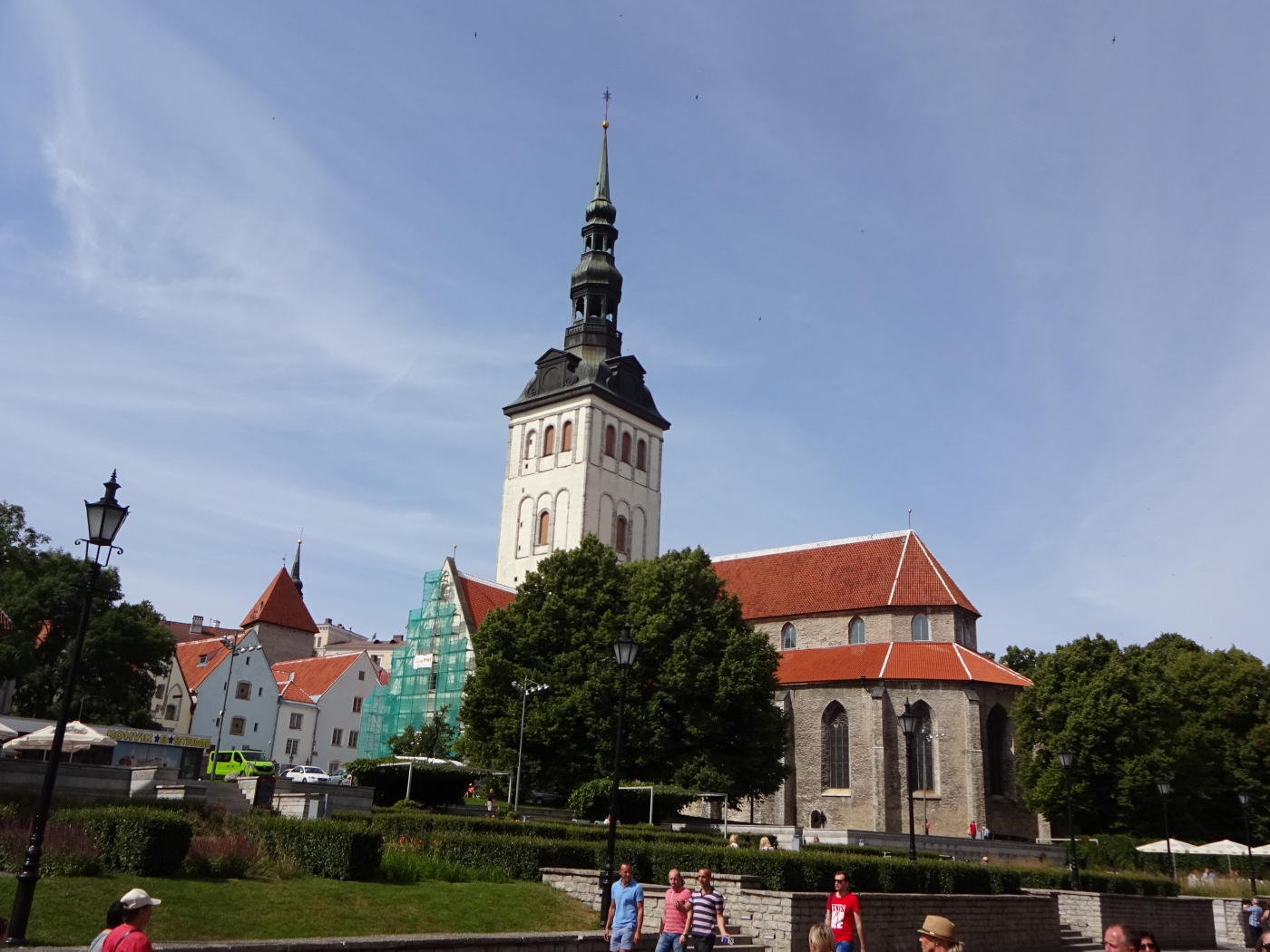
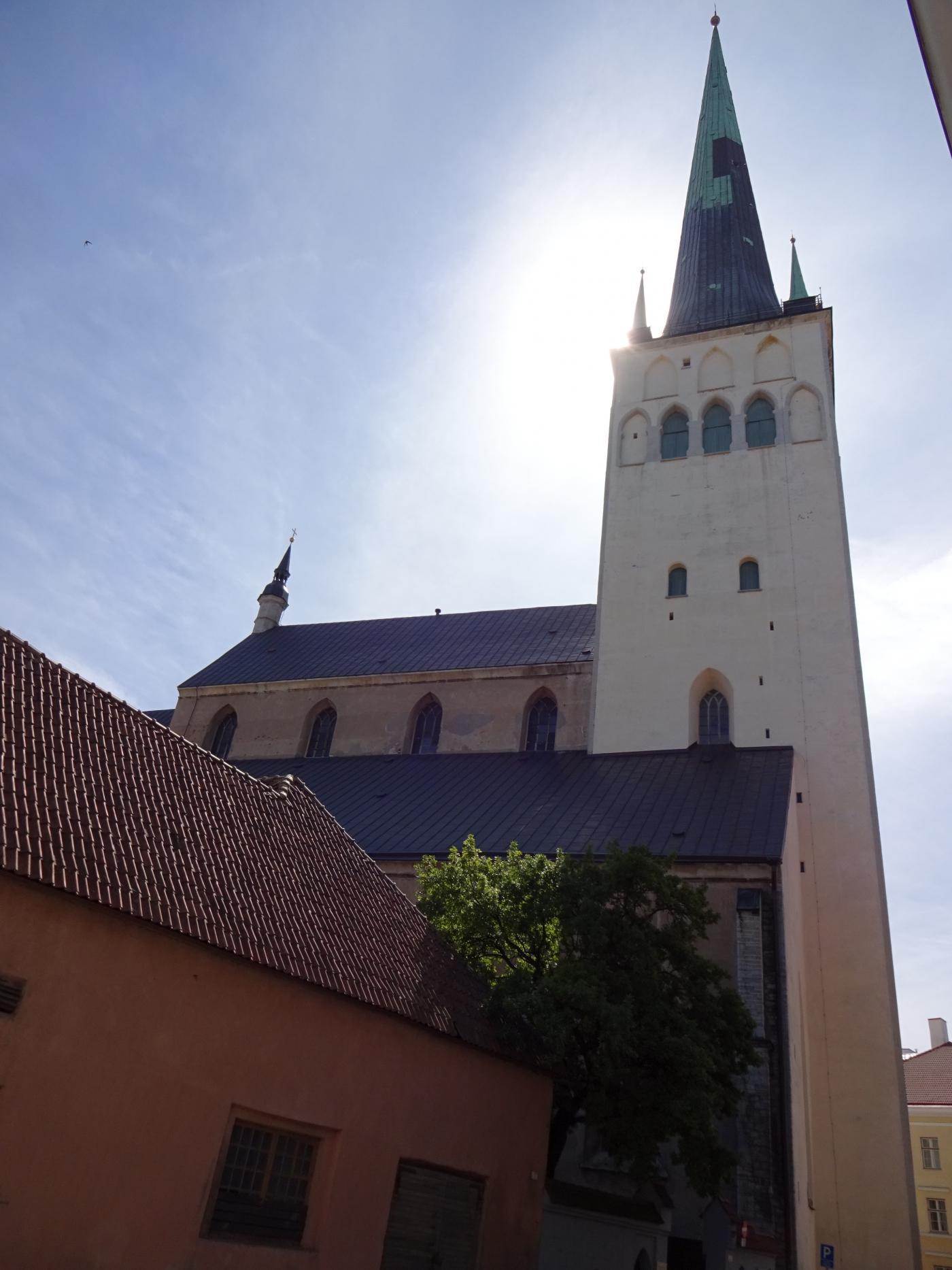
The Old Town of Tallinn is distinctly divided into two historic parts: the aristocratic Toompea Hill and the vibrant Lower Town. Perched atop Toompea, one finds the impressive Toompea Castle, which today houses the Riigikogu, Estonia's Parliament, its history dating back to the 9th century. Adjacent stands the majestic Russian Orthodox Alexander Nevsky Cathedral, an architectural marvel from the late 19th century, and the ancient Dome Church (St. Mary's Cathedral), a Lutheran church with origins in the 13th century, serving as a cornerstone of Estonian religious history.
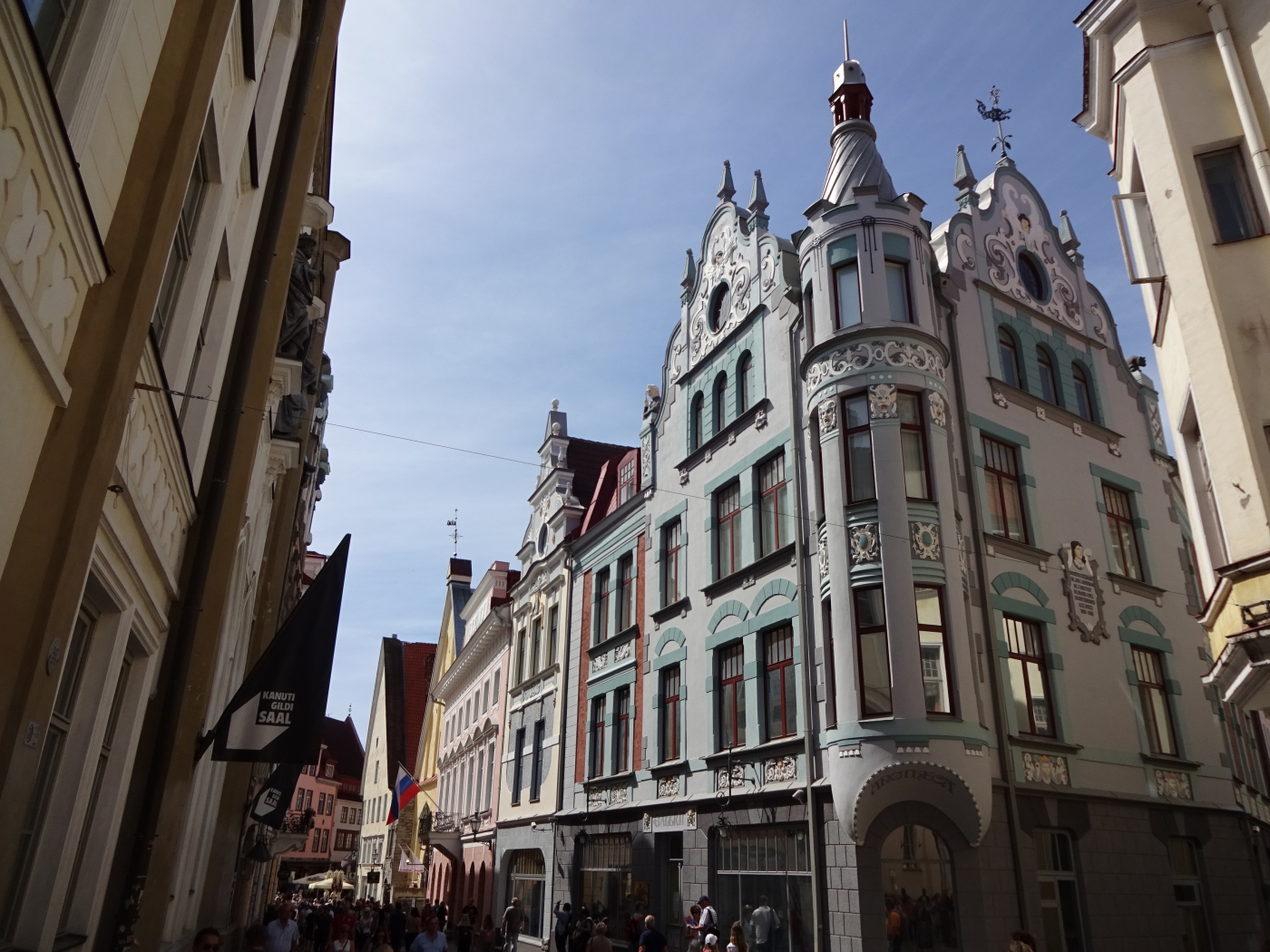
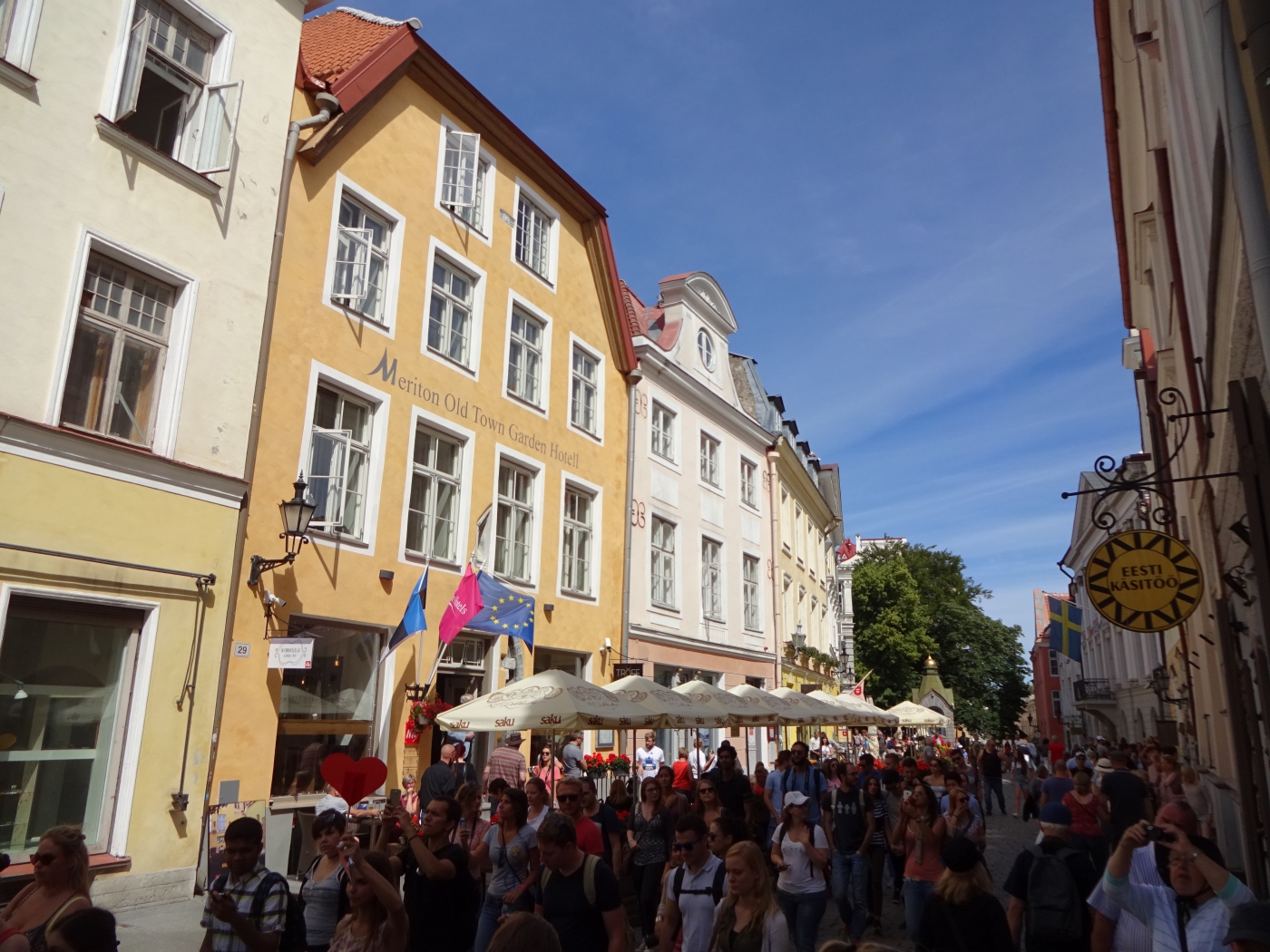
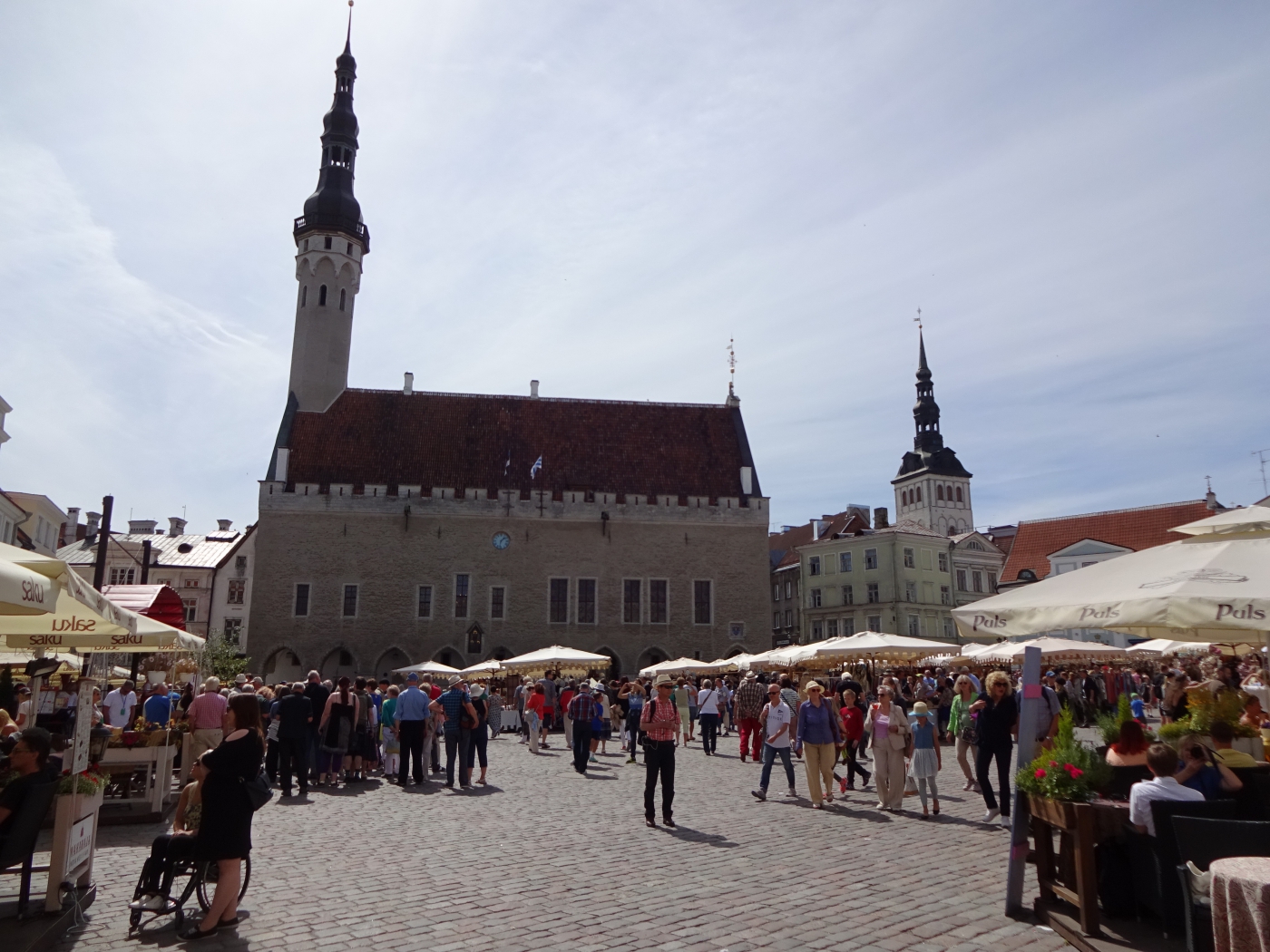
Below, the Lower Town retains its intricate medieval street plan, a labyrinth of cobblestone alleys and gabled merchant houses. The bustling heart of this area is Town Hall Square (Raekoja plats), dominated by the magnificent Gothic Tallinn Town Hall, the only surviving Gothic town hall in Northern Europe, completed in 1404. Nearby, the grand Great Guild Hall, once a meeting place for Tallinn's most influential merchants, and the splendid House of the Brotherhood of Blackheads, an association for unmarried merchants and ship owners, offer fascinating glimpses into the city's rich mercantile past.
Enduring Legacy
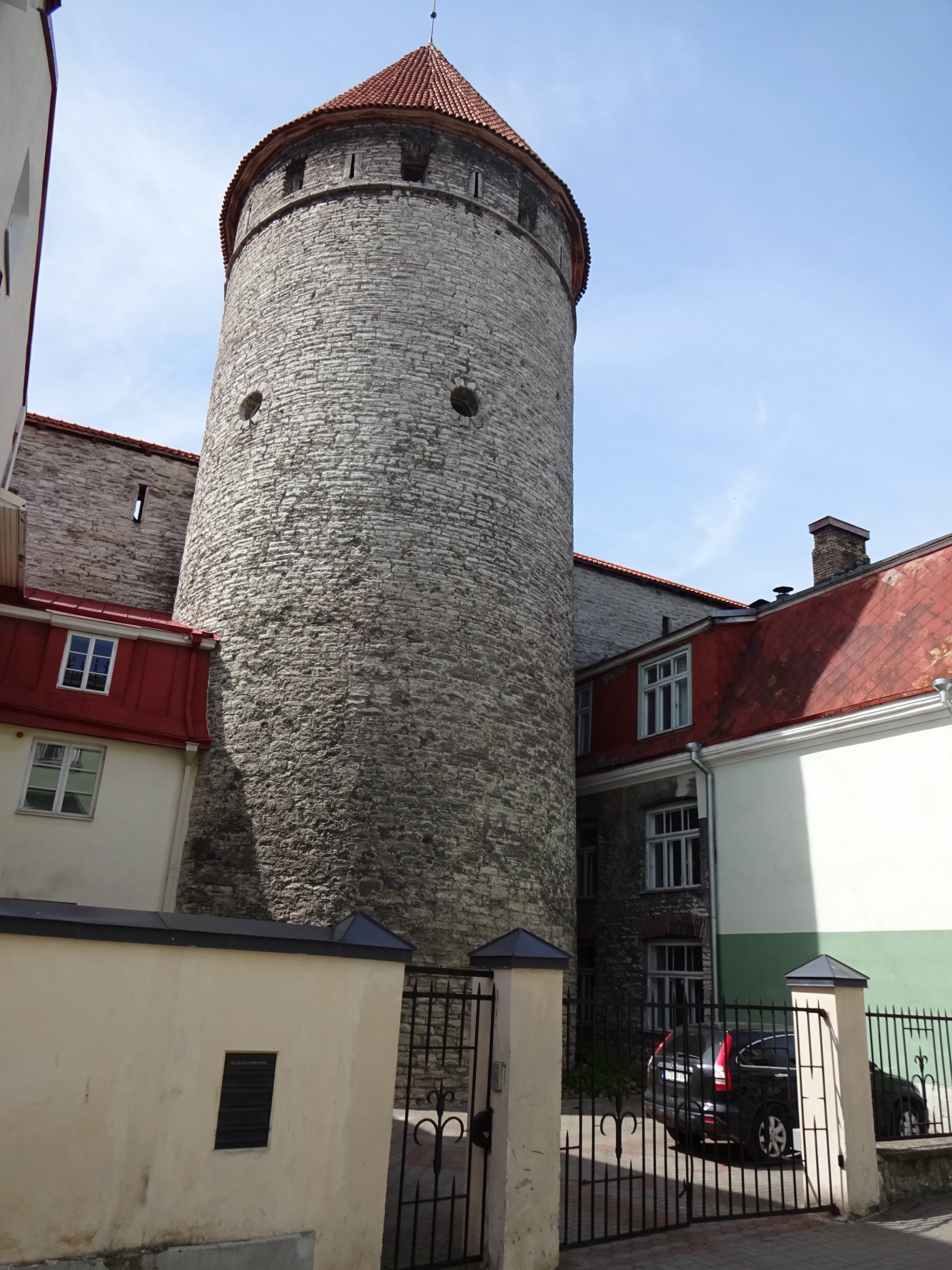
Encircling this historical treasure trove are the formidable City Walls, largely intact and considered among the best-preserved medieval fortifications in Europe. Punctuating the landscape are impressive towers like Kiek in de Kök, a cannon tower offering panoramic views, and the stout Fat Margaret tower, historically guarding the port entrance. The Old Town of Tallinn thus represents an outstanding example of a Northern European medieval trading city, its architectural coherence and historical authenticity offering an unparalleled journey back in time, rightfully earning its place on the UNESCO World Heritage List.
Weiterführende Links
The origins of Tallinn date back to the 13th century, when a castle was built there by the crusading knights of the Teutonic Order. It developed as a major centre of the Hanseatic League, and its wealth is demonstrated by the opulence of the public buildings (the churches in particular) and the domestic architecture of the merchants' houses, which have survived to a remarkable degree despite the ravages of fire and war in the intervening centuries.
Tallinn Old Town (Estonian: Tallinna vanalinn) is the oldest part of Tallinn, Estonia. Old Town of Tallinn has managed to wholly preserve its structure of medieval and Hanseatic origin. Old Town represents an exceptionally intact 13th century city plan. Since 1997, the area has been registered in the UNESCO World Heritage List. The old town is bordered by the Walls of Tallinn. Its area is 113 ha and there is a buffer zone of 2,253 ha.
The majority of the Old Town's structures were built during the 13th–16th centuries.
During World War II, while the German army occupied Estonia in 1941–1944, Tallinn Old Town suffered from several instances of aerial bombing by the Soviet air force. During the most destructive Soviet bombing raid on 9–10 March 1944, over a thousand incendiary bombs were dropped on Tallinn, causing widespread fires, destroying about 10% of the buildings in the Old Town, killing hundreds, and leaving over 20,000 people without shelter.