Millenary Benedictine Abbey of Pannonhalma and its Natural Environment
Pannonhalma, Hungary
11.11.2018

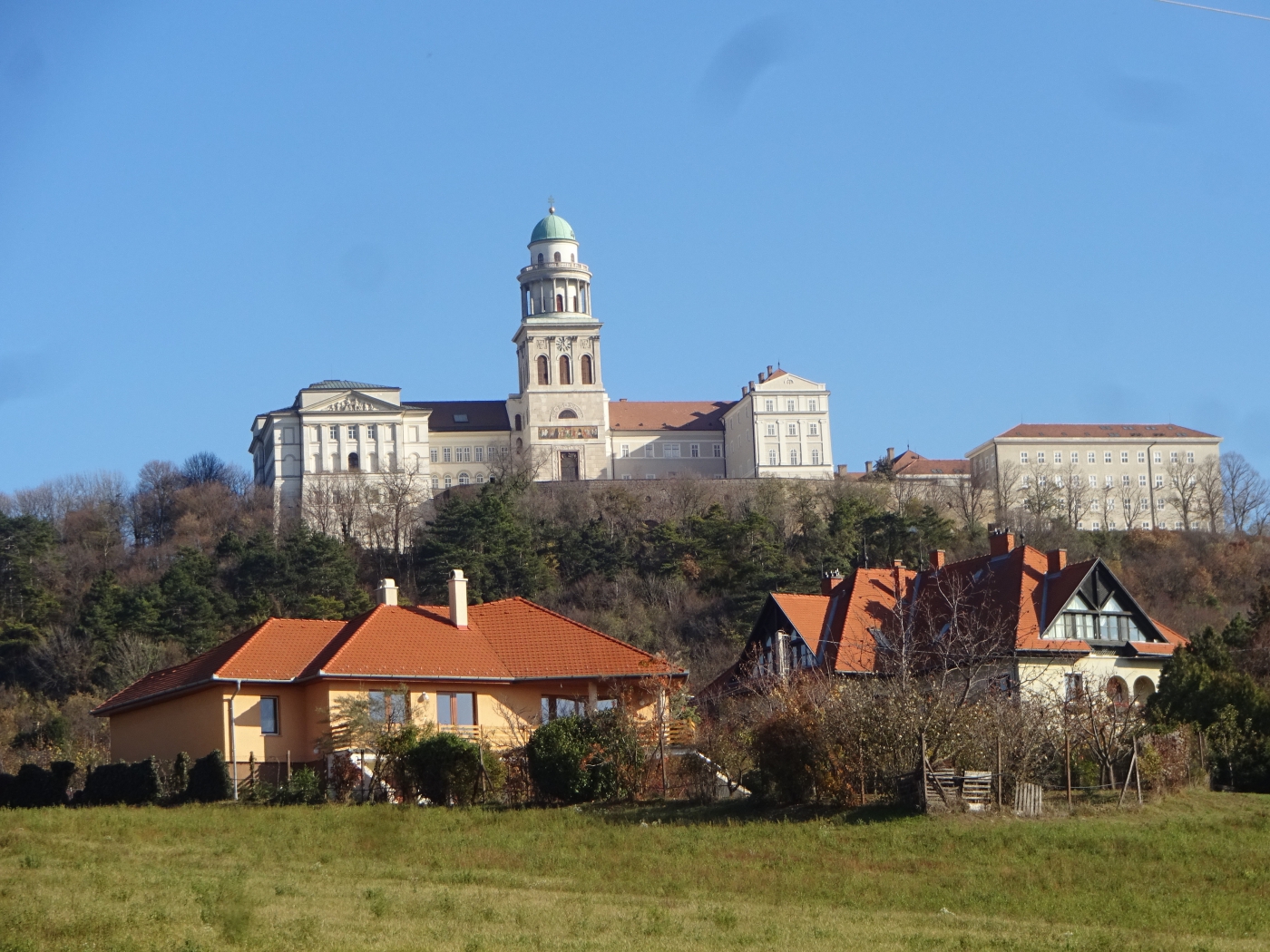
The Millennium Benedictine Abbey of Pannonhalma and its Natural Environment, nestled atop St. Martin's Hill (also known as Pannonhalma Hill) in western Hungary, stands as a profound testament to a thousand years of continuous monastic life, Christian culture, and intellectual endeavor. Founded in 996, this archabbey became a pivotal center for the spread of Christianity throughout the Carpathian Basin, profoundly shaping the early Hungarian state.
A Millennium of Monastic Life
The abbey's origins trace back to Prince Géza, who invited Benedictine monks to settle here, establishing the very first Benedictine monastery in Hungary. His son, Saint Stephen I, Hungary's first king, continued to champion the abbey, ensuring its prosperity and role in the Christianization of the Magyar tribes. Over the centuries, Pannonhalma has witnessed the ebb and flow of history, enduring Mongol invasions in the 13th century and Ottoman occupation in the 16th and 17th centuries, yet the Benedictine community has persistently maintained its presence and mission.
Architectural Heritage and Cultural Treasures
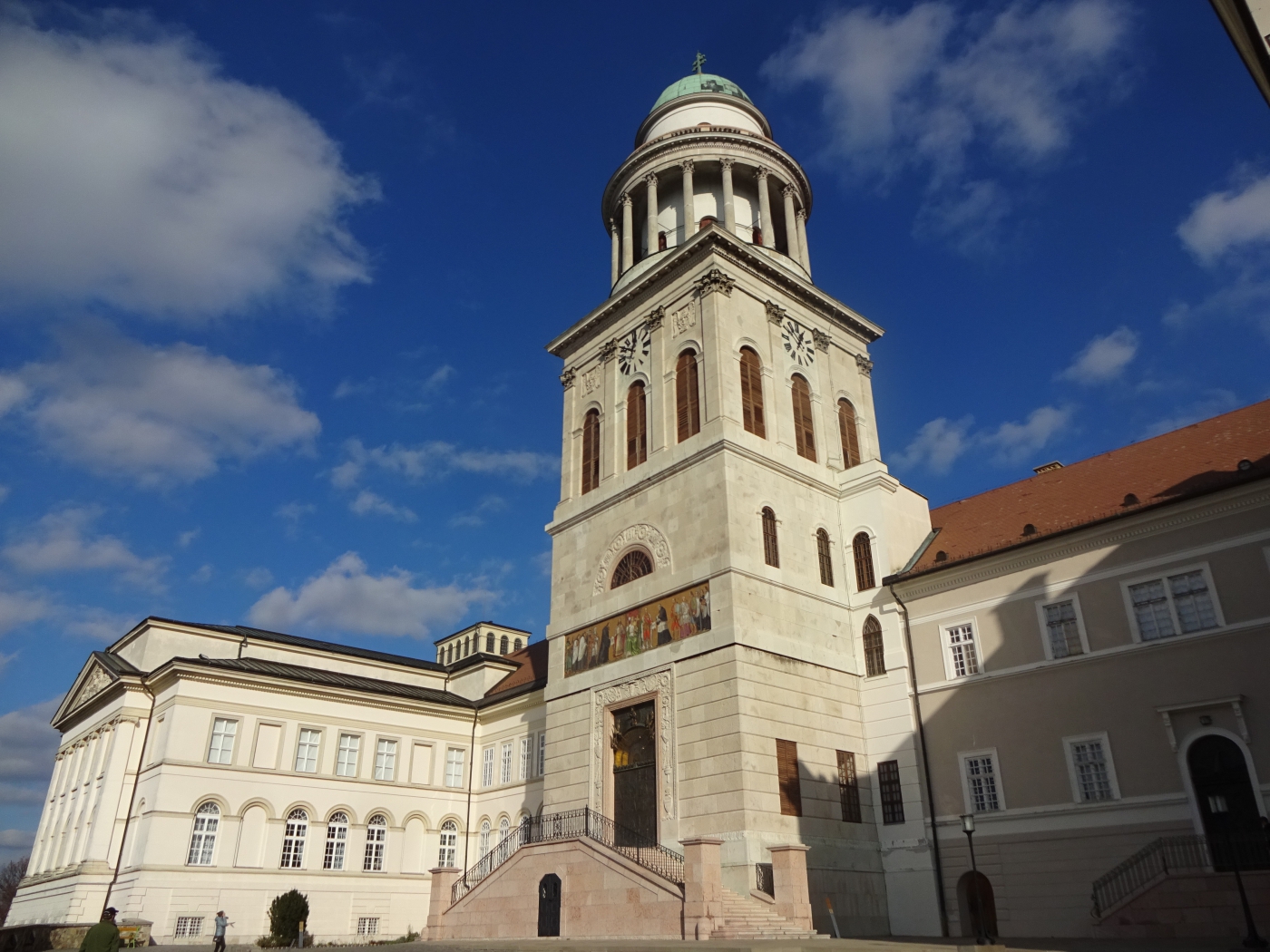
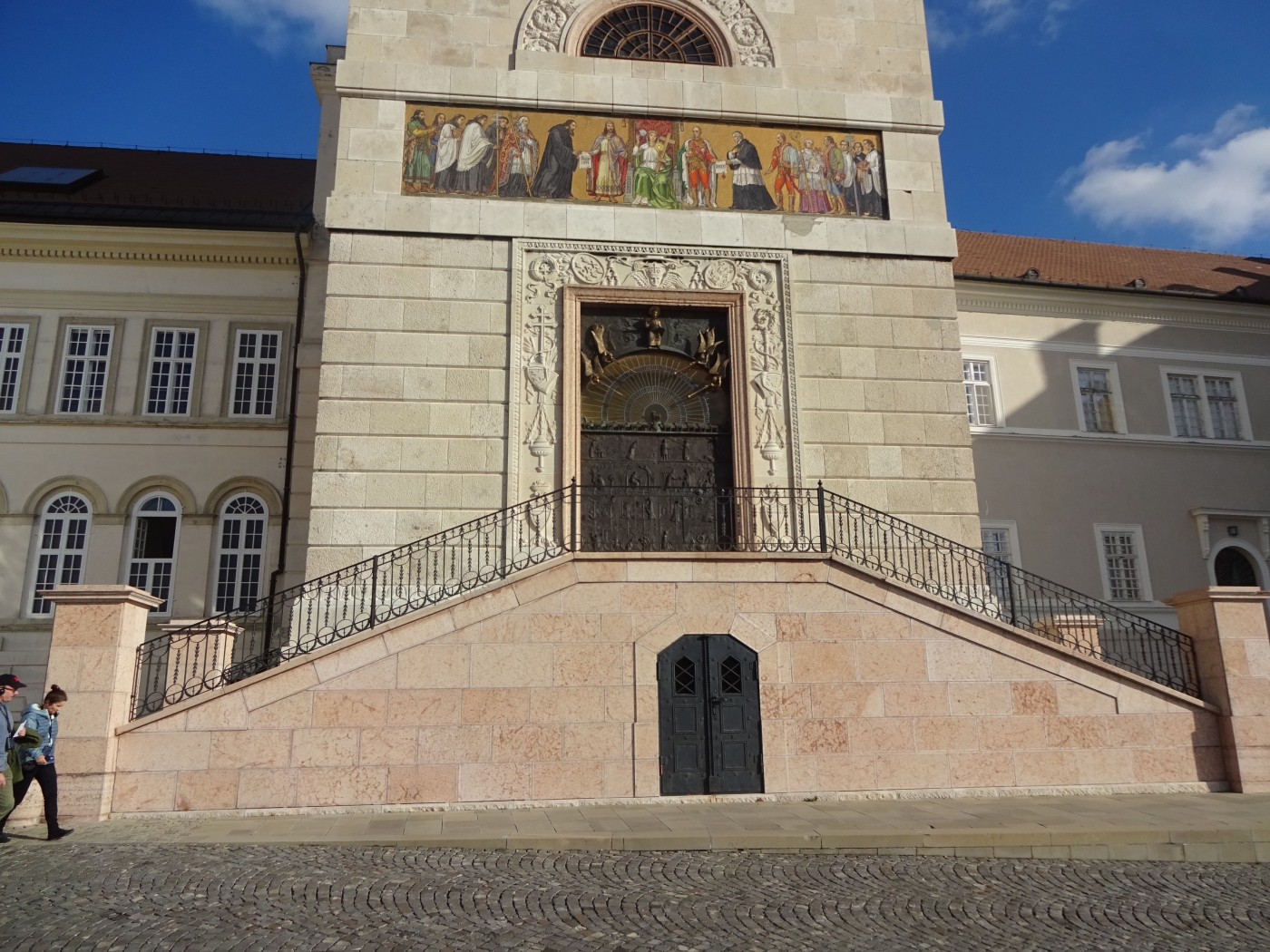
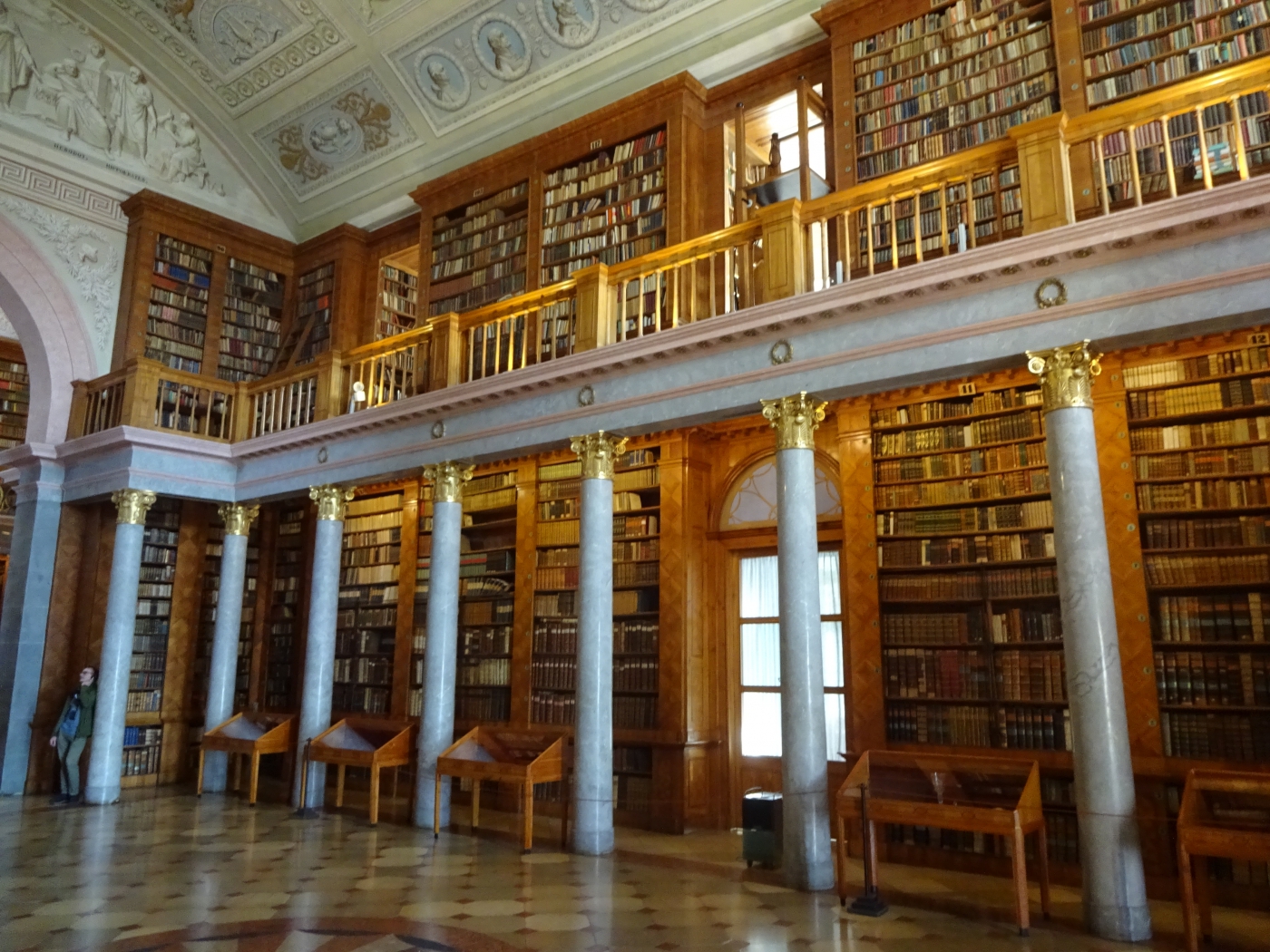
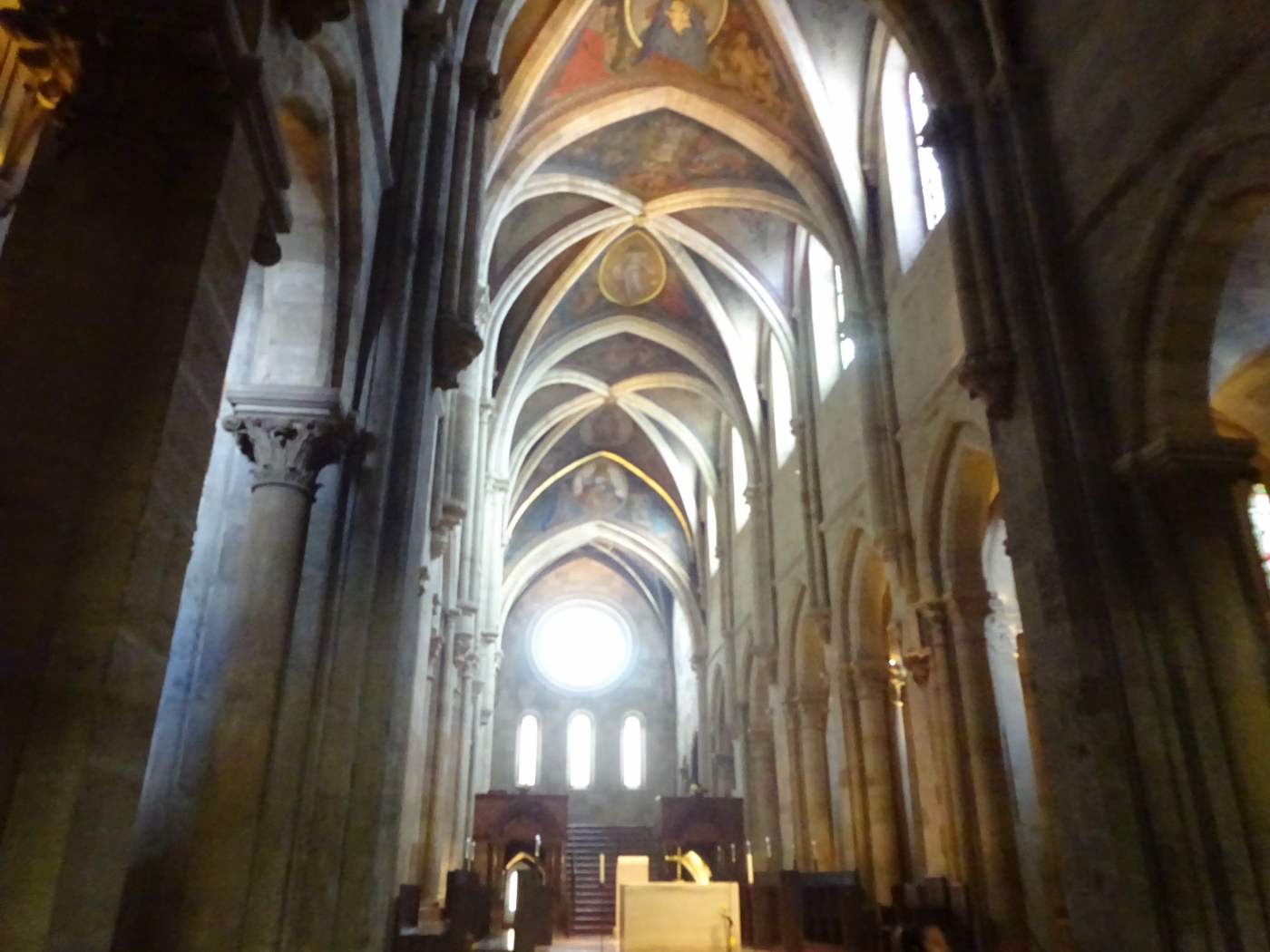
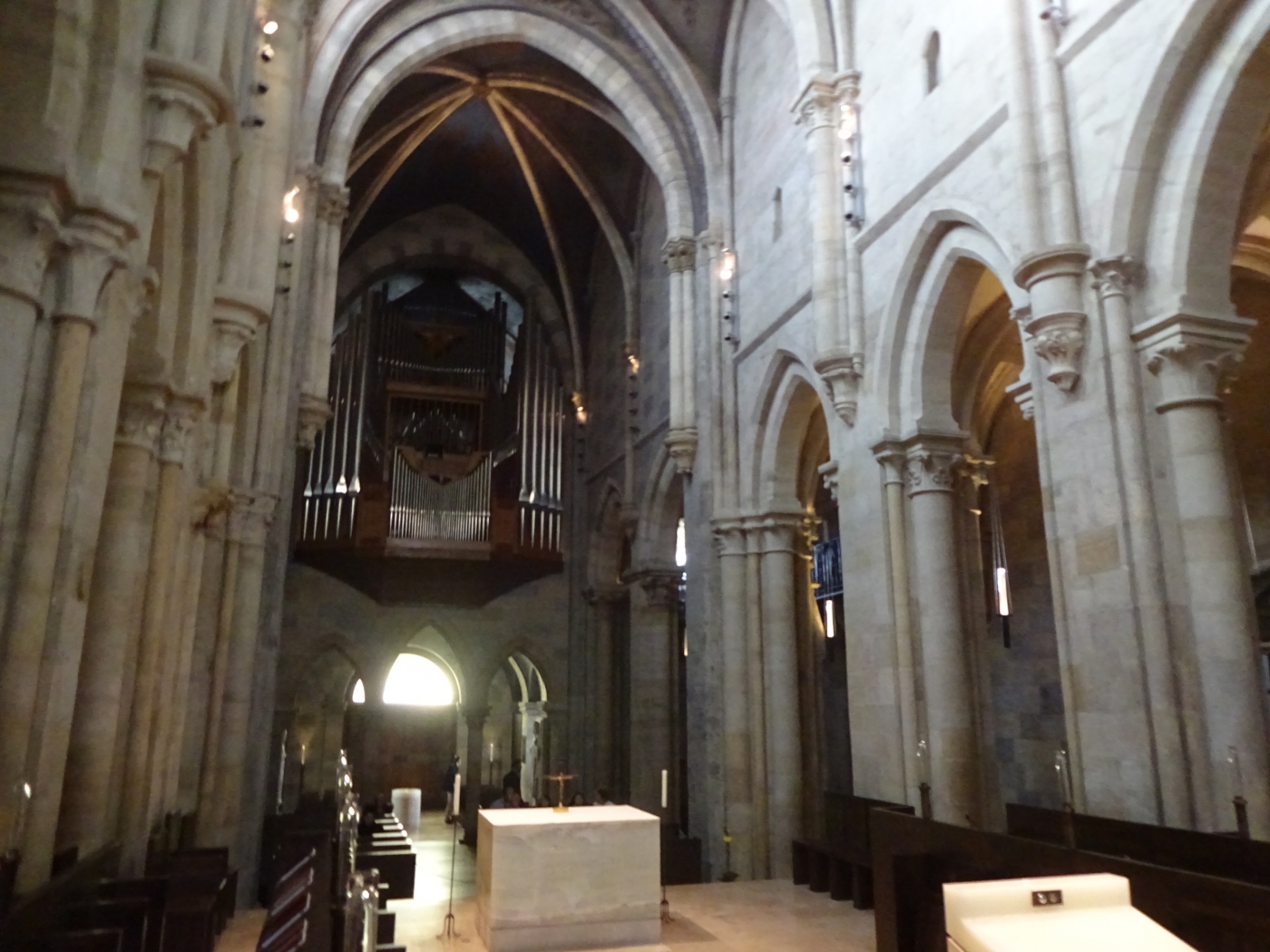
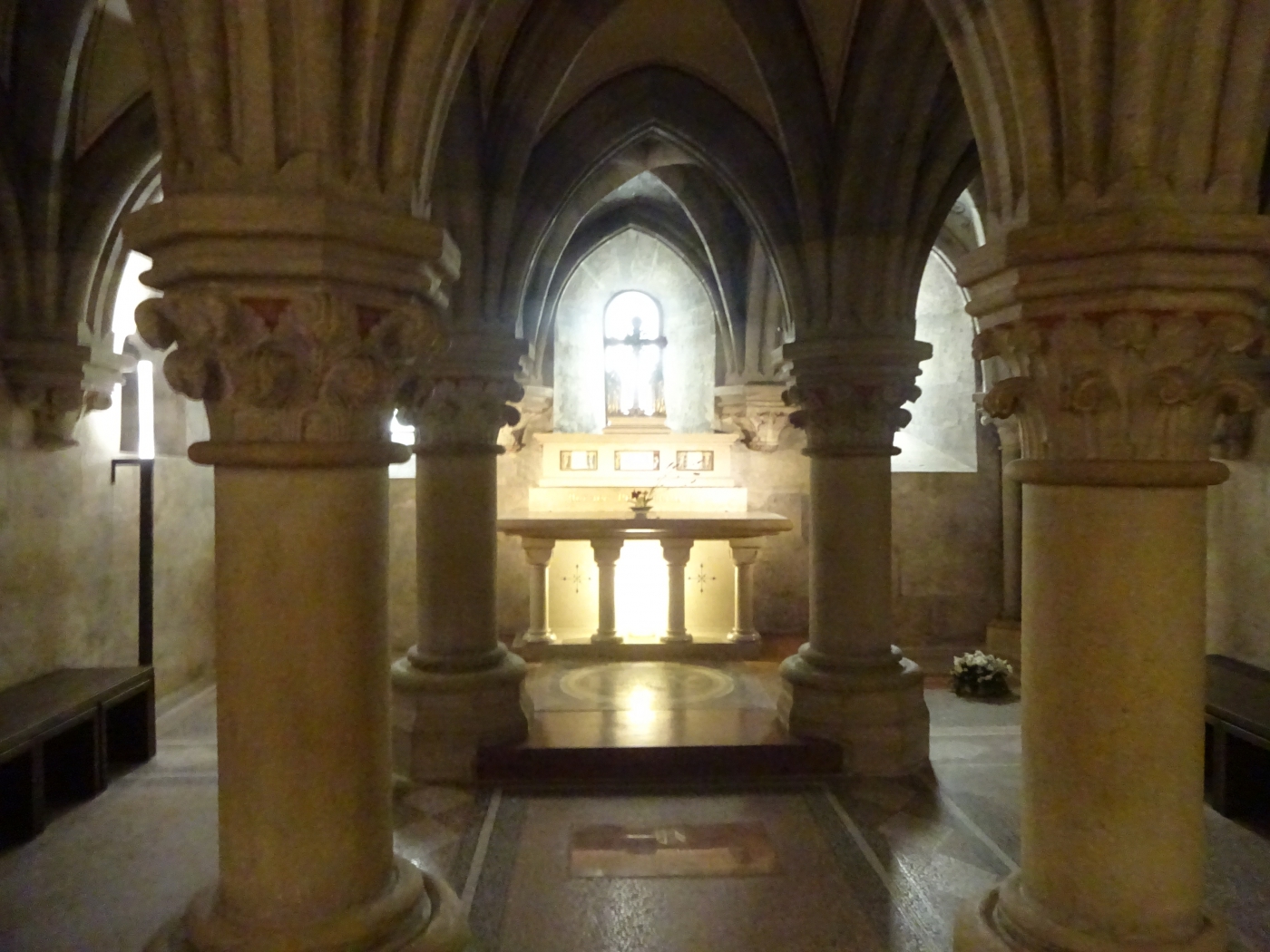
The architectural complex is a magnificent blend of styles, reflecting its long history of construction and reconstruction. The impressive Basilica showcases a blend of Romanesque and Gothic elements, with its crypt being a prime example of early monastic architecture. Adjacent to it is the vast Library, home to an invaluable collection of ancient manuscripts and over 360,000 books, making it one of Hungary's most significant cultural institutions. The abbey also houses a renowned secondary school, a theological college, and a flourishing winery, continuing its tradition of education and craft.
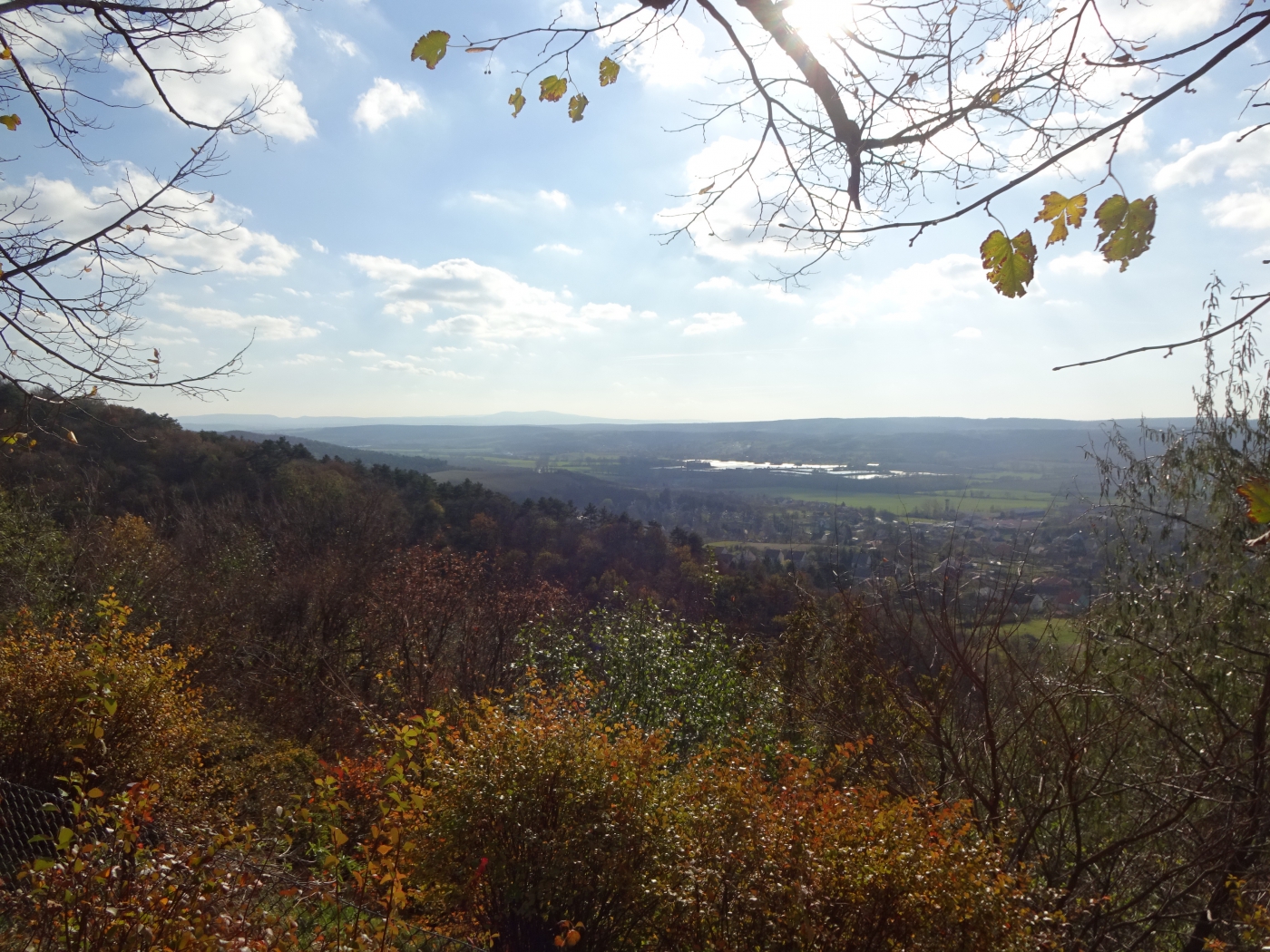
Its designation as a UNESCO World Heritage site in 1996 recognizes not only its outstanding universal value as a living monastery but also its remarkable natural setting. The surrounding landscape, cultivated by the monks for centuries, contributes to the site's unique character, offering both spiritual tranquility and a glimpse into a sustainable way of life maintained across generations.
Weiterführende Links
The first Benedictine monks settled here in 996. They went on to convert the Hungarians, to found the country's first school and, in 1055, to write the first document in Hungarian. From the time of its founding, this monastic community has promoted culture throughout central Europe. Its 1,000-year history can be seen in the succession of architectural styles of the monastic buildings (the oldest dating from 1224), which still today house a school and the monastic community.
The Benedictine Pannonhalma Archabbey or Territorial Abbey of Saint Martin on Mount Pannonhalma (lat. Archiabbatia or Abbatia Territorialis Sancti Martini in Monte Pannoniae) is a medieval building in Pannonhalma and one of the oldest historical monuments in Hungary. Founded in 996, it is located near the town, on top of a hill (282 m). Saint Martin of Tours is believed to have been born at the foot of this hill, hence its former name, Mount of Saint Martin (Hungarian: Márton-hegy), from which the monastery occasionally took the alternative name of Márton-hegyi Apátság. It is the second largest territorial abbey in the world, after the one in Monte Cassino.
Its sights include the Basilica with the Crypt (built in the 13th century), the Cloisters, the monumental Library with 400,000 volumes, the Baroque Refectory (with several examples of trompe-l'œil) and the Archabbey Collection (the second biggest in the country). Because of the exceptional architectural evolution of the abbey over its 1000-year history and its historical importance as an international cultural and religious center, the abbey and its surroundings were inscribed on the UNESCO World Heritage List in 1996.
About 50 monks live in the monastery. The abbey is supplemented by the Benedictine High School, a boys' boarding school.