Acropolis, Athens
Athen, Greece
04.05.2019

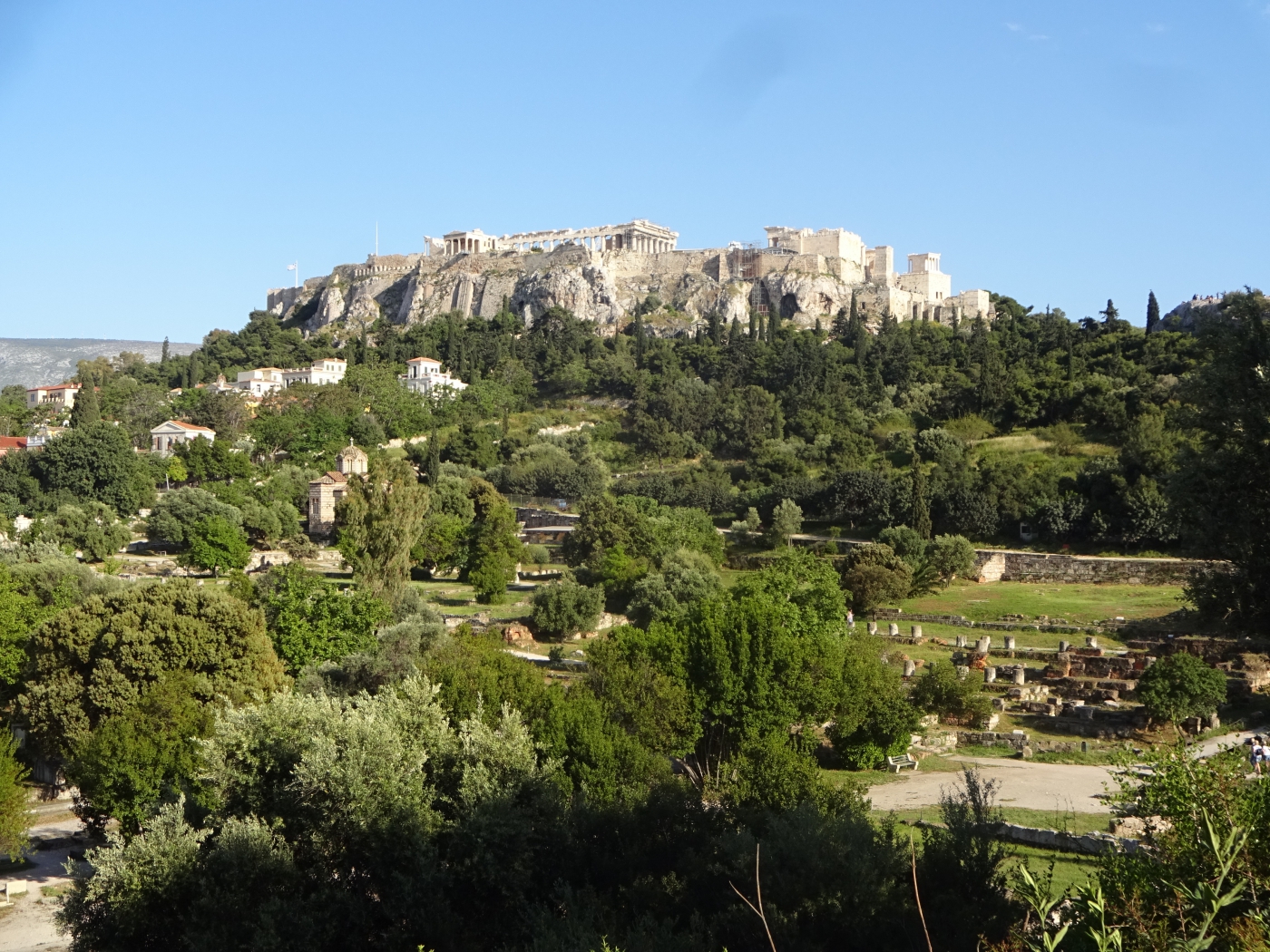
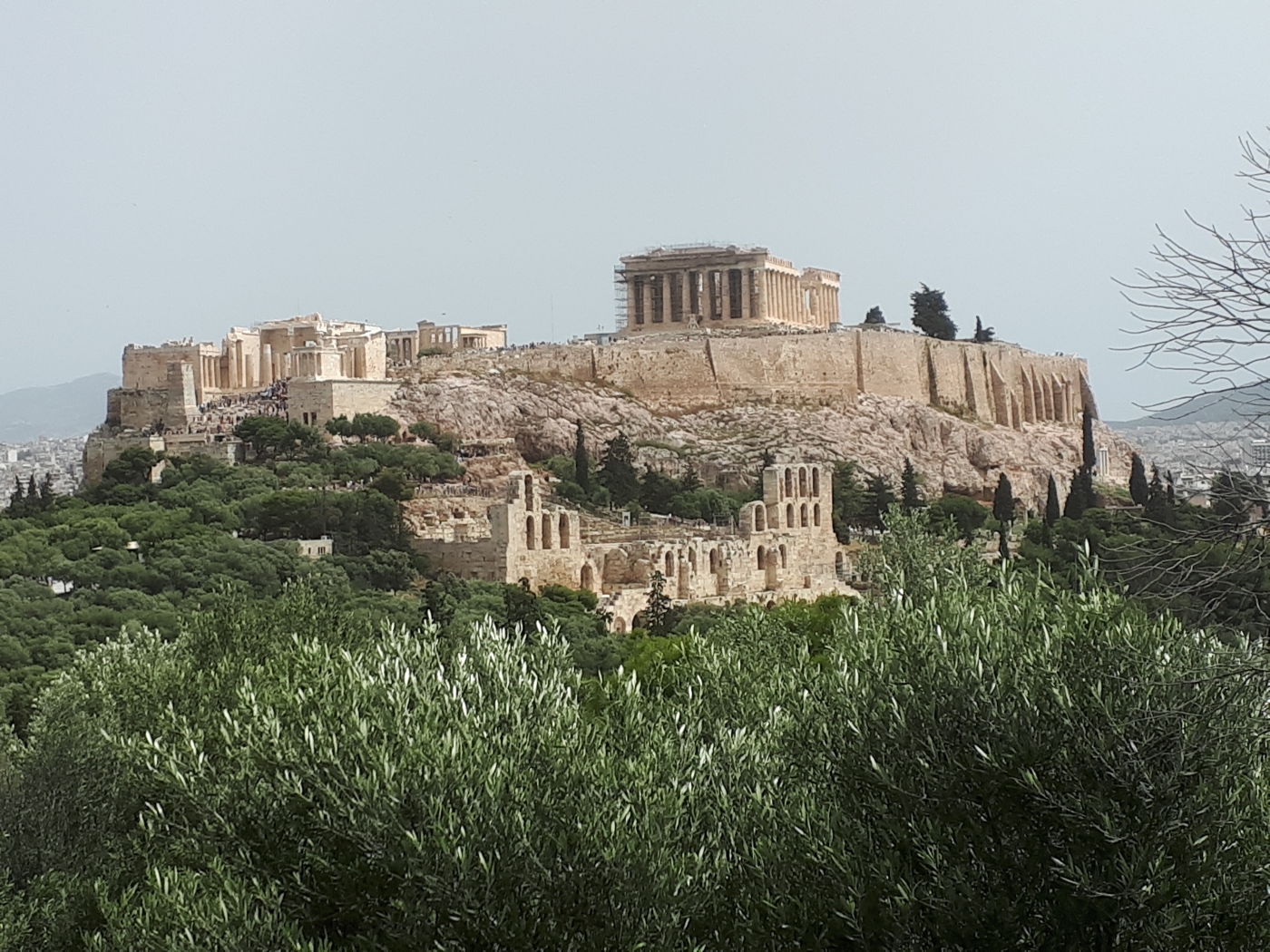
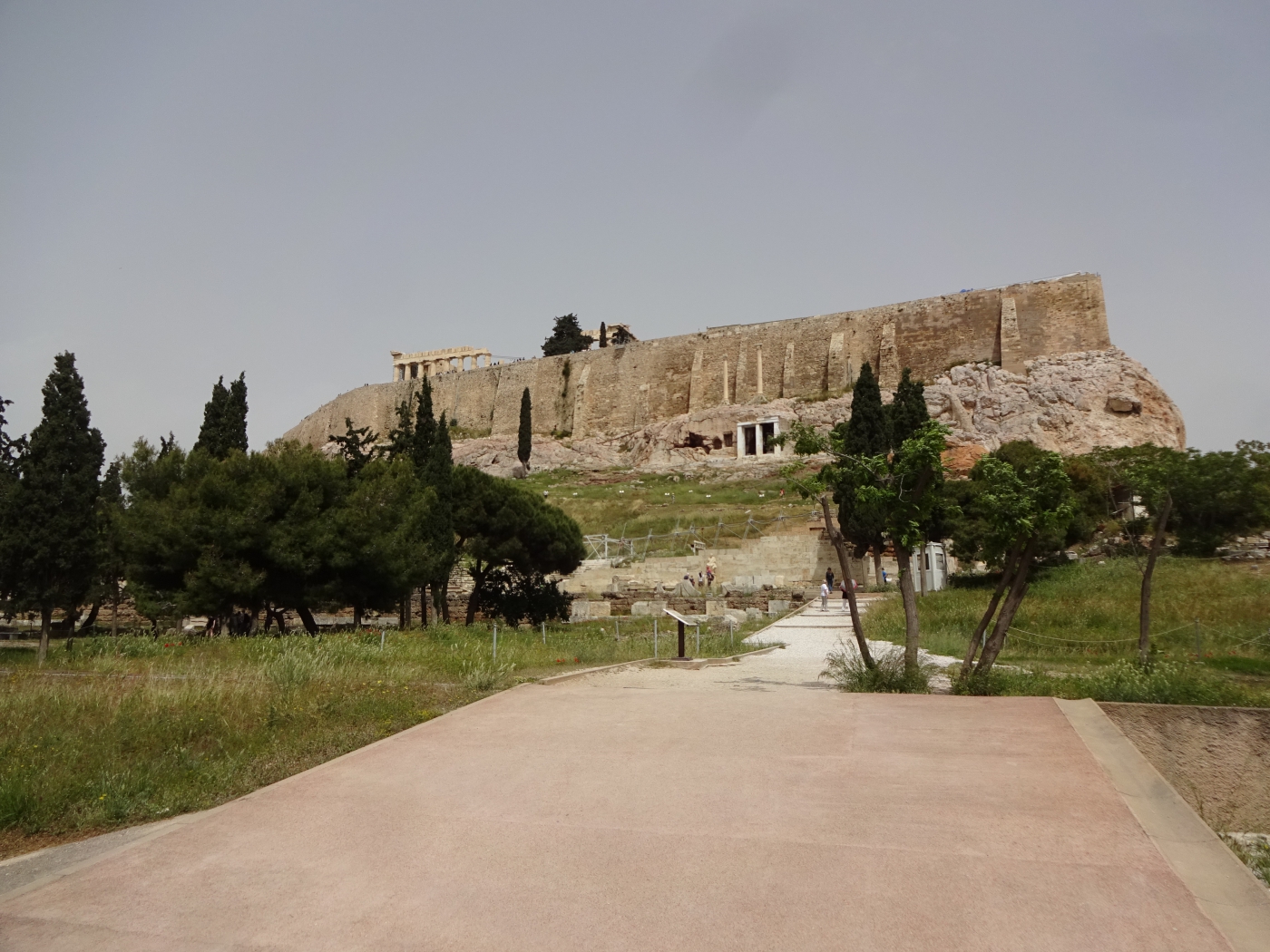
The **Acropolis of Athens**, a monumental rocky outcrop dominating the skyline of Greece's capital, stands as a profound testament to ancient Greek civilization. Designated a UNESCO World Heritage site, it embodies the spirit of classical antiquity, a place where groundbreaking democracy, philosophy, and art flourished. Its enduring structures, even in ruin, continue to inspire awe and serve as a cornerstone of Western cultural heritage.
A Citadel Through Millennia
The history of the **Acropolis** stretches back to the Neolithic period, but it truly emerged as a significant center during the **Mycenaean** era (c. 1600–1100 BC), when it was fortified with massive cyclopean walls, serving as a royal residence and a citadel. Following the collapse of the Mycenaean civilization, the site evolved into a sacred precinct, dedicated primarily to the goddess **Athena**, the patron deity of Athens.
The Golden Age of Pericles
A pivotal moment occurred in 480 BC when the **Persian** invaders sacked Athens, devastating the existing temples on the **Acropolis**. Yet, from these ashes rose an unprecedented era of reconstruction under the visionary leadership of **Pericles** in the 5th century BC. This period, known as the Golden Age of Athens, saw the construction of the magnificent structures we largely recognize today. The renowned sculptor **Phidias** was entrusted with overseeing this ambitious building program, which transformed the plateau into a symbol of Athenian power and culture.
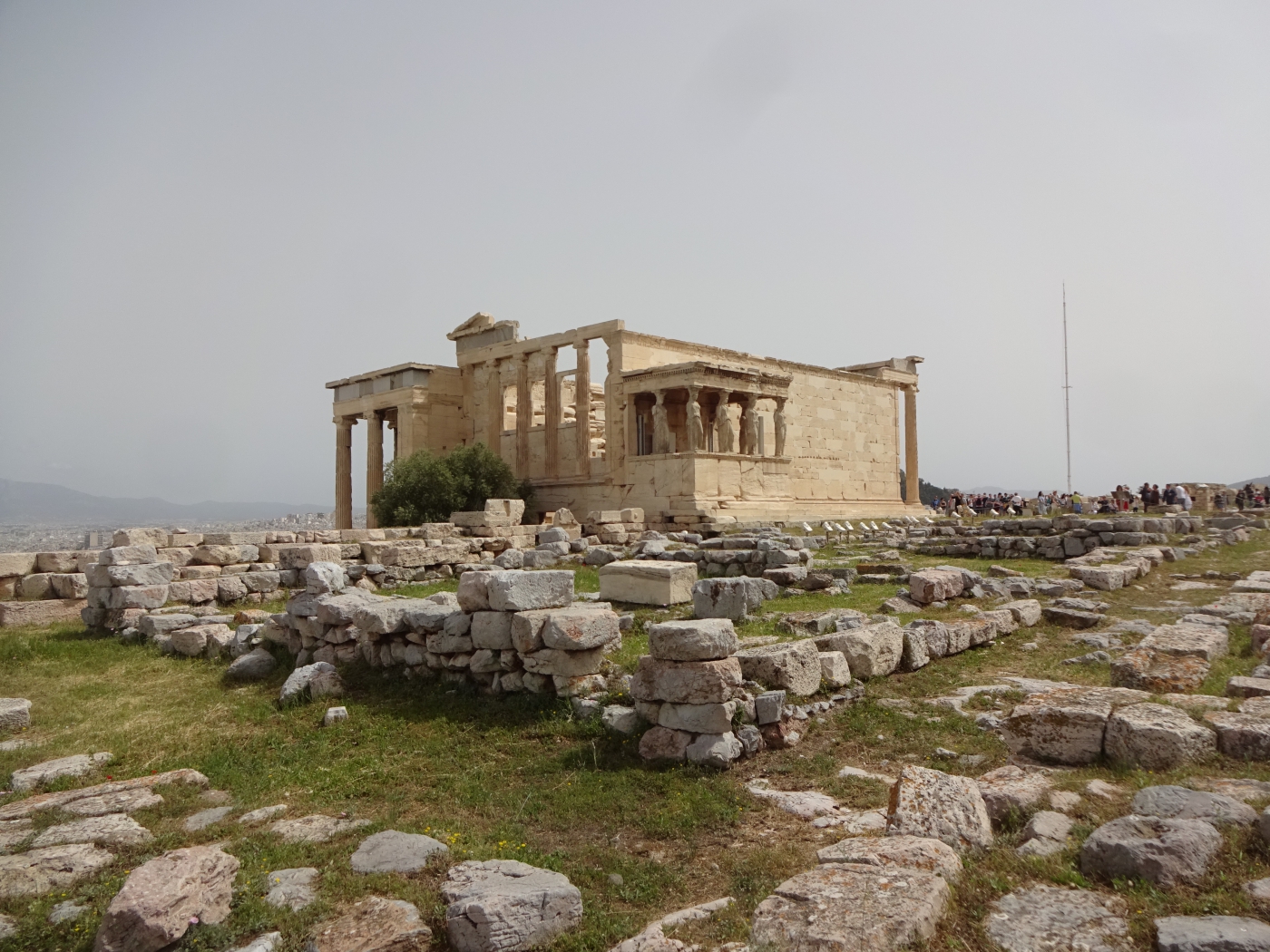
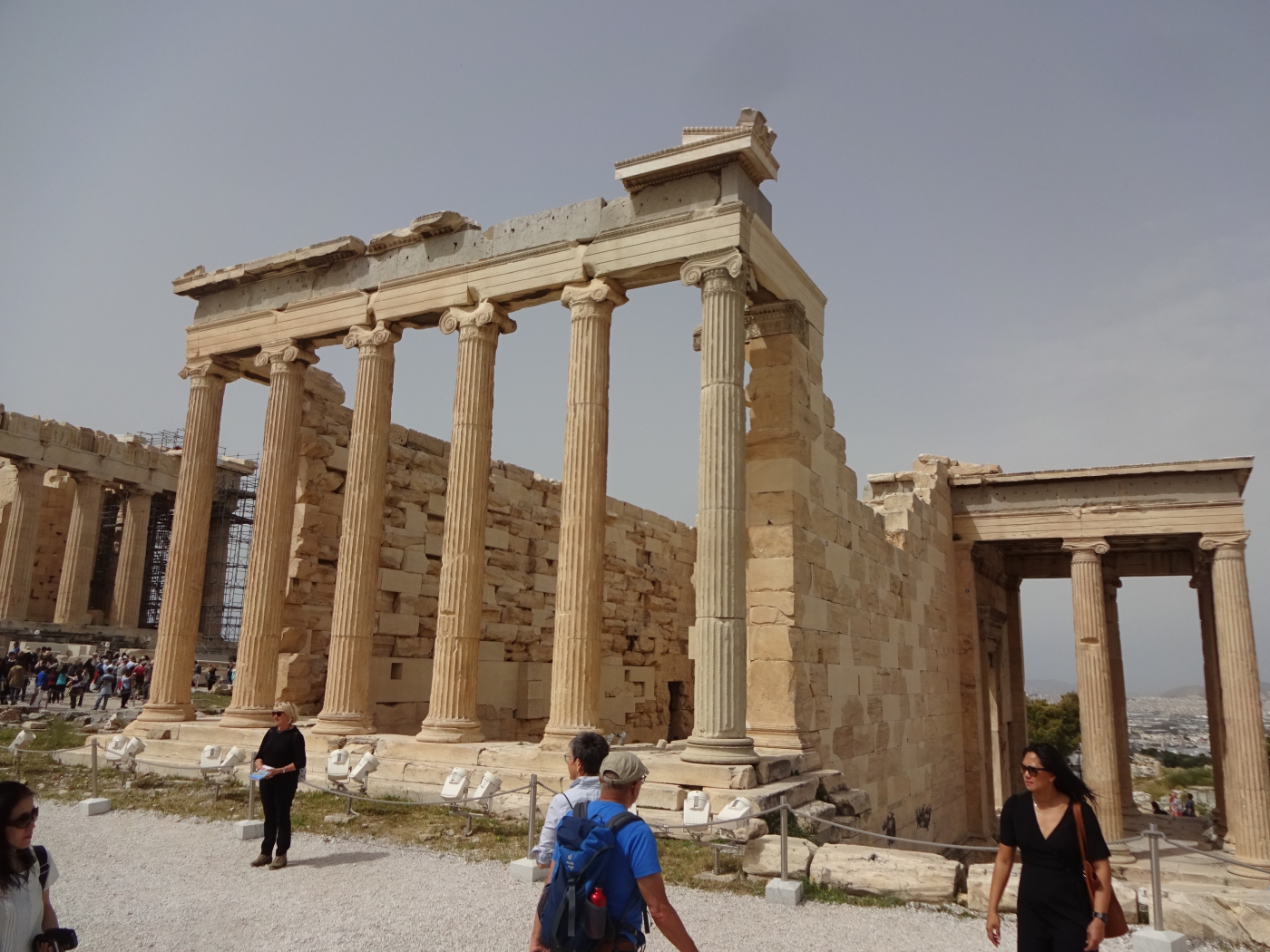
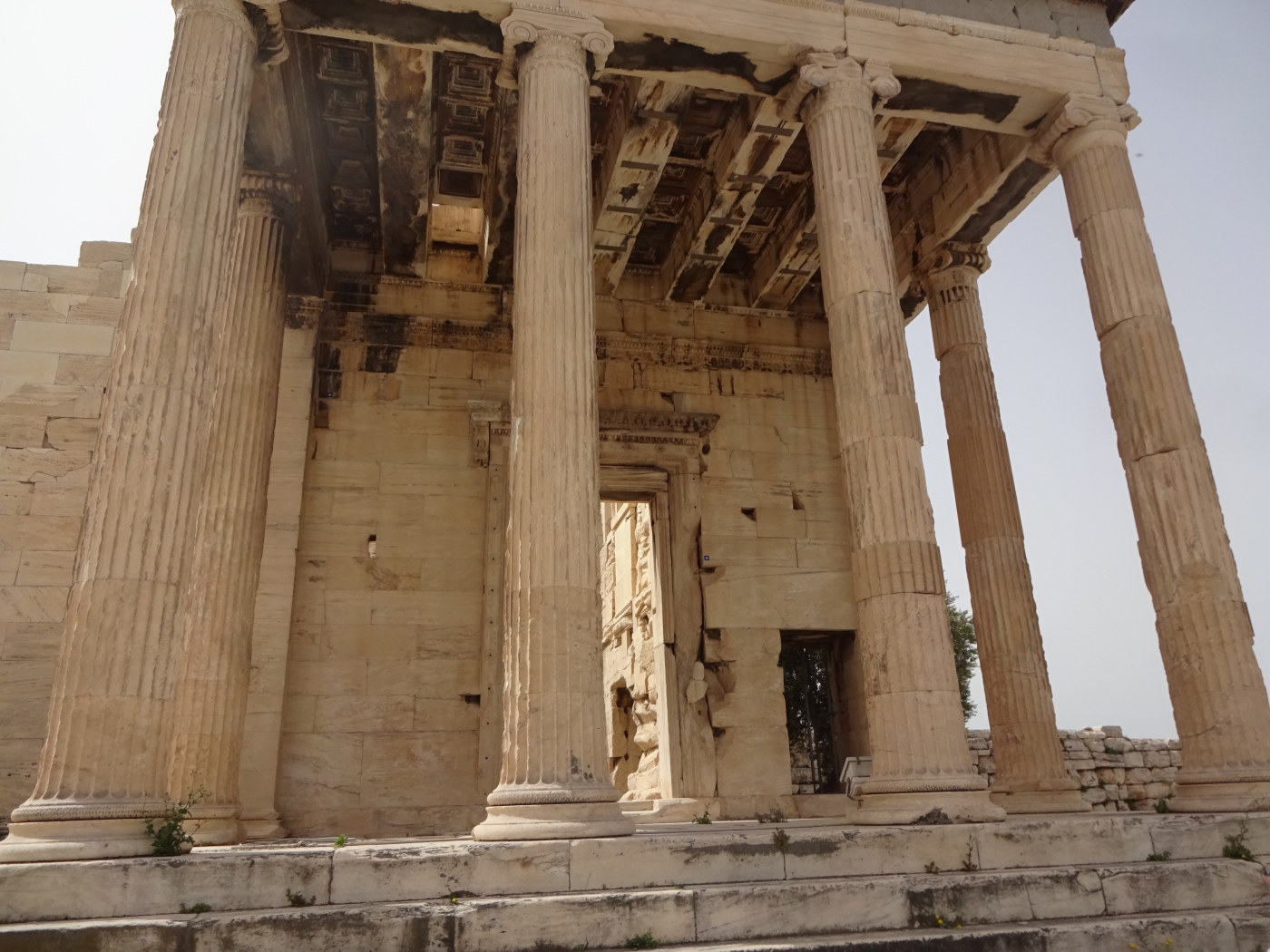
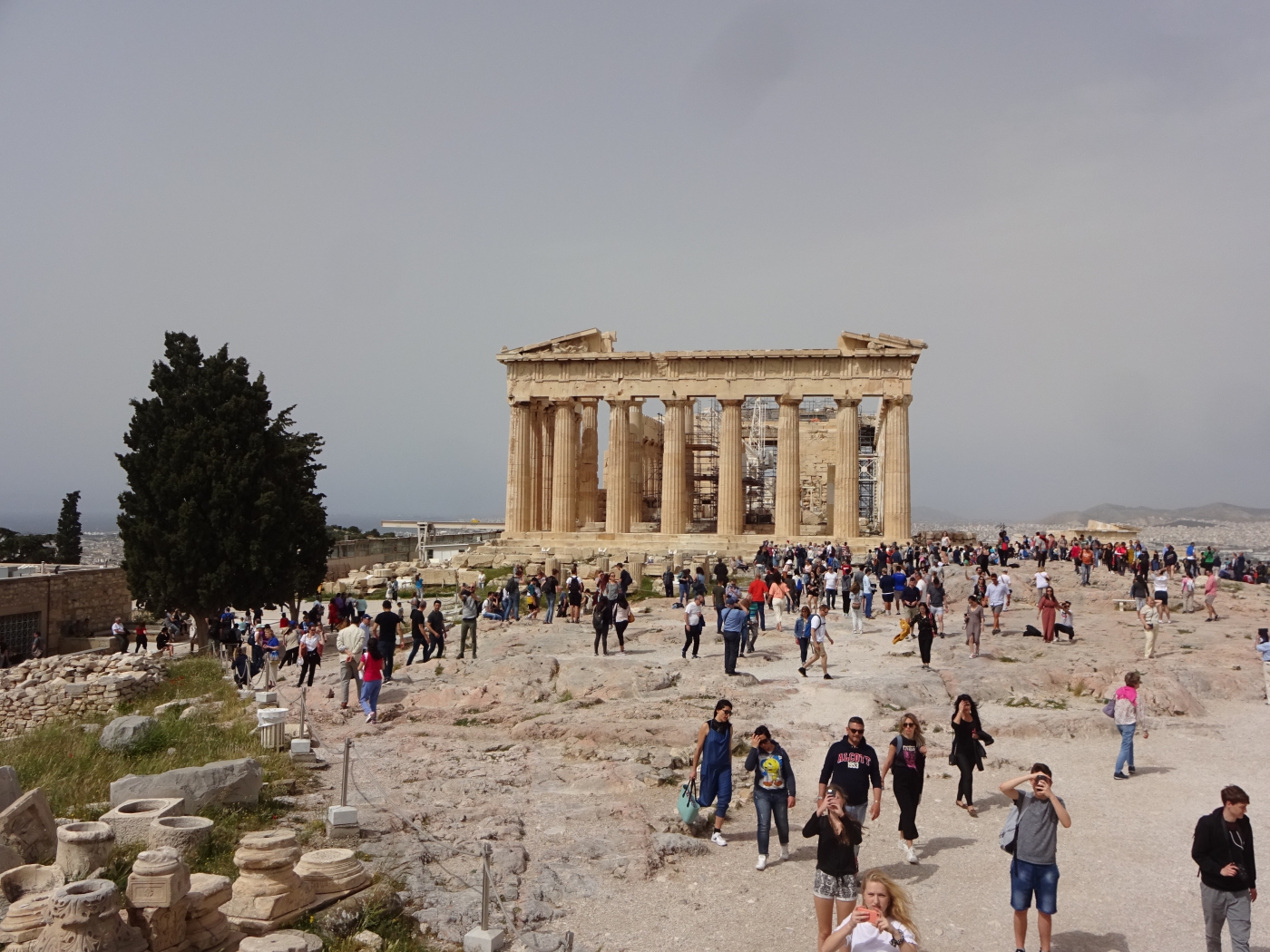
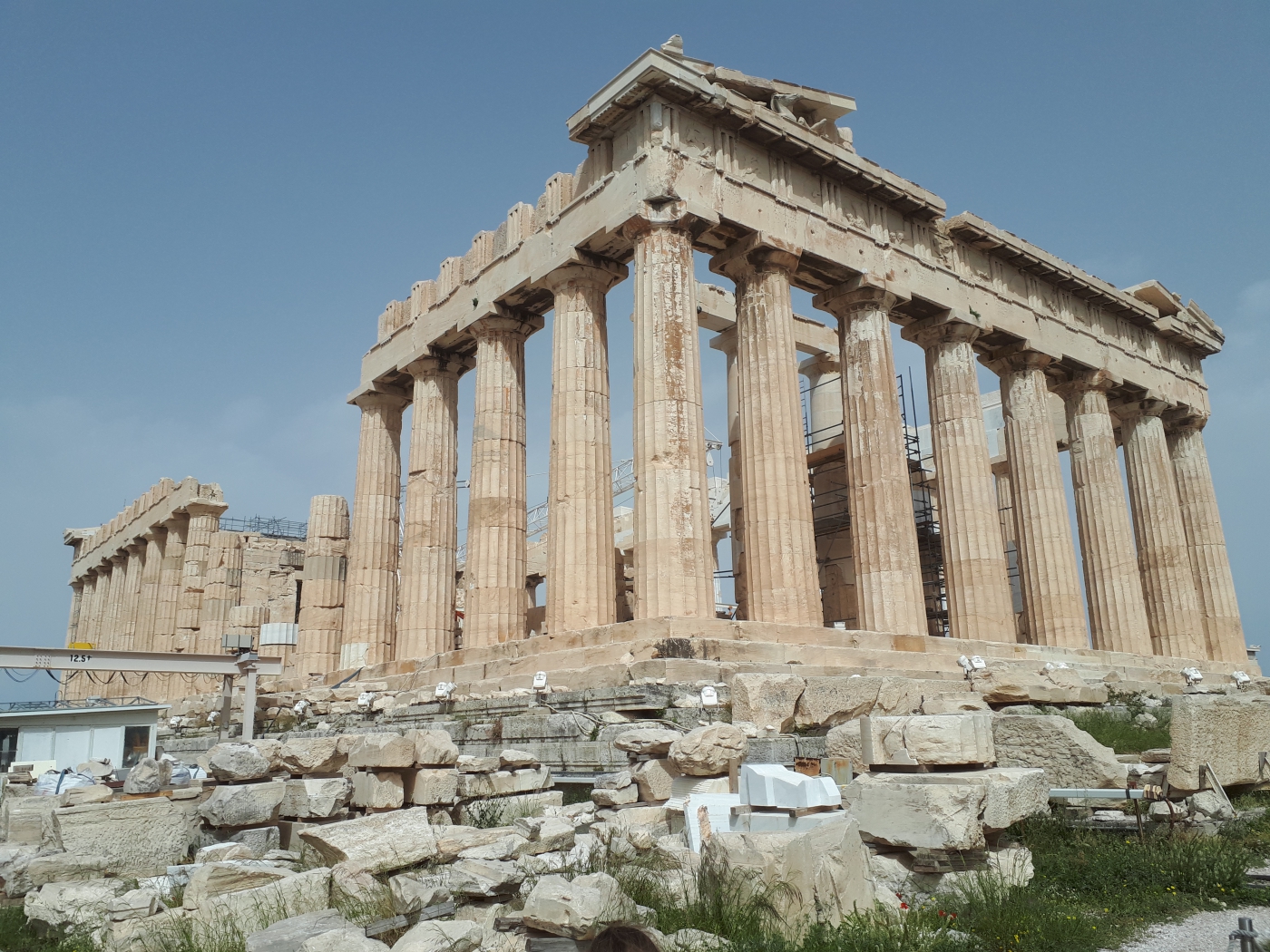
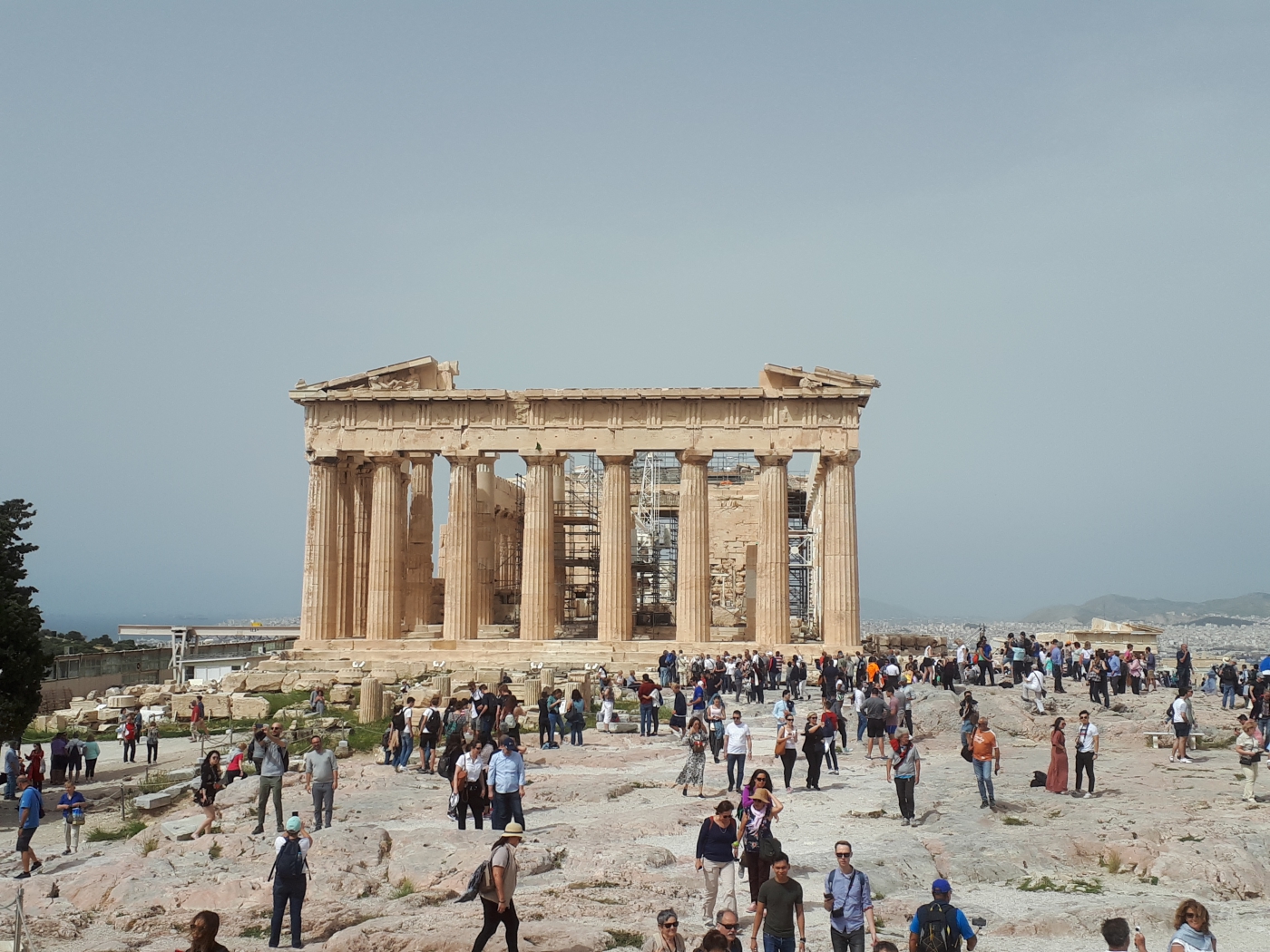
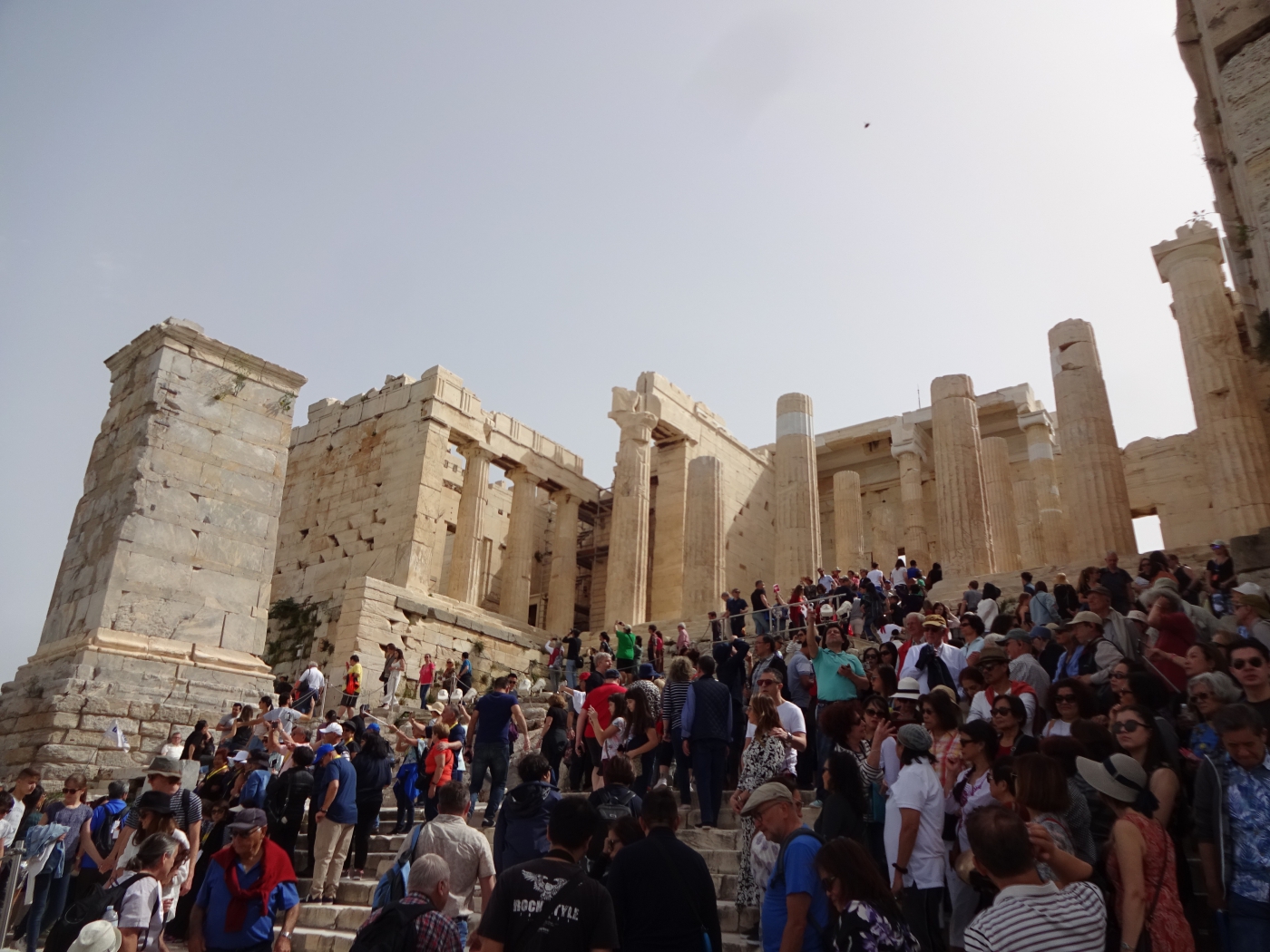
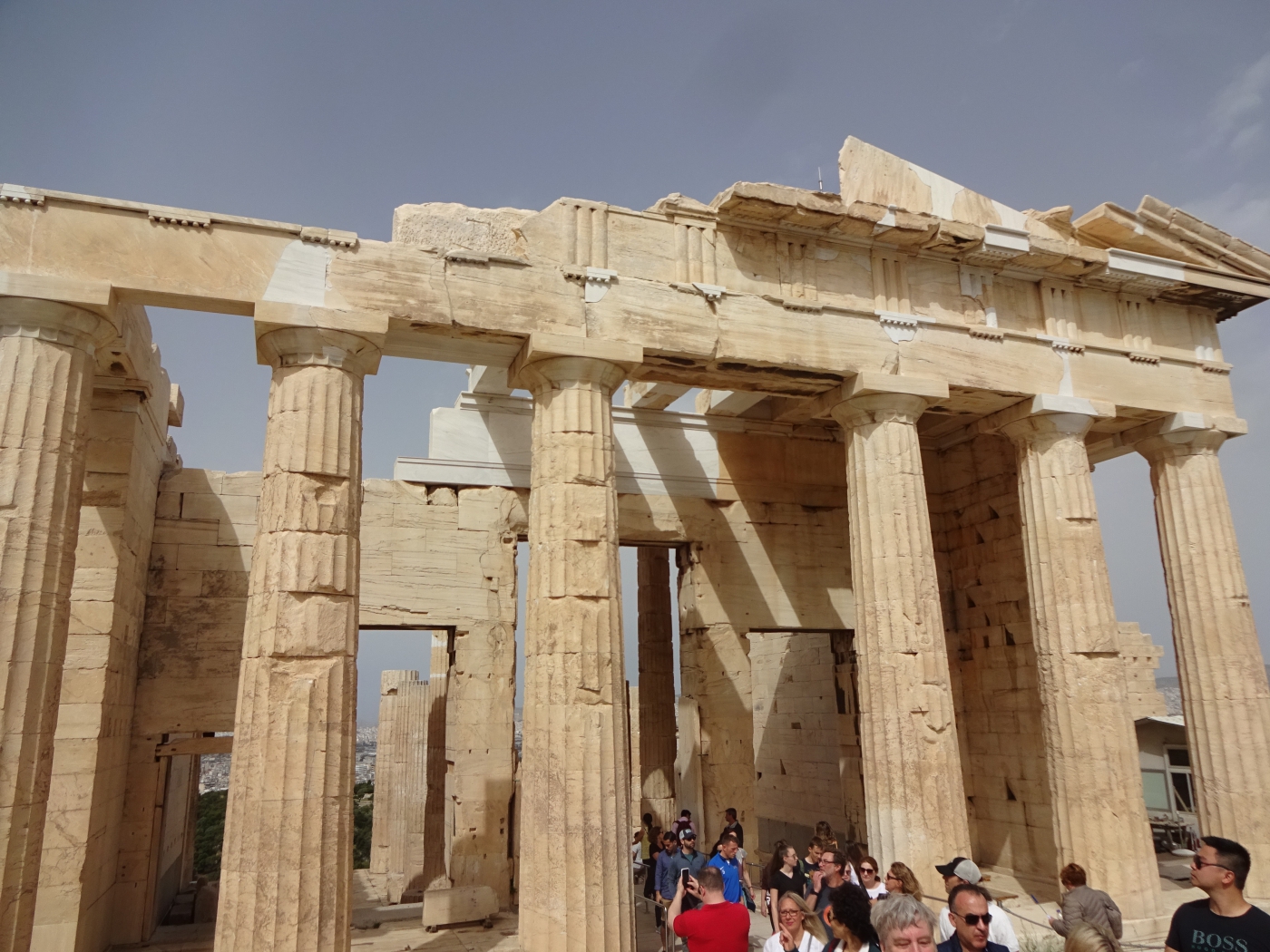
Central to this revitalization was the **Parthenon**, an unparalleled Doric temple dedicated to **Athena Parthenos**, completed in 438 BC. Its exquisite friezes and sculptural decoration, a marvel of ancient art, depicted mythological scenes and Athenian processions. Adjacent to it stands the monumental gateway, the **Propylaea**, designed by **Mnesicles**, providing a grand entrance to the sacred area. To the south-west, the elegant **Temple of Athena Nike**, a small Ionic temple, celebrates Athenian victories. Finally, the **Erechtheion**, with its distinctive Caryatid porch, was built on an older, more sacred site, housing various ancient cults and marks of divine events.
Transformations and Enduring Legacy
Over the centuries, the **Acropolis** witnessed numerous transformations: it served as a Christian church, an Ottoman mosque, and even a gunpowder magazine, leading to the devastating explosion of the **Parthenon** in 1687 during a siege. Extensive restoration efforts, notably since the 19th century, aim to preserve these irreplaceable monuments for future generations, ensuring the **Acropolis** remains a vibrant symbol of humanity's artistic and intellectual achievements.
Weiterführende Links
The Acropolis of Athens and its monuments are universal symbols of the classical spirit and civilization and form the greatest architectural and artistic complex bequeathed by Greek Antiquity to the world. In the second half of the fifth century bc, Athens, following the victory against the Persians and the establishment of democracy, took a leading position amongst the other city-states of the ancient world. In the age that followed, as thought and art flourished, an exceptional group of artists put into effect the ambitious plans of Athenian statesman Pericles and, under the inspired guidance of the sculptor Pheidias, transformed the rocky hill into a unique monument of thought and the arts. The most important monuments were built during that time: the Parthenon, built by Ictinus, the Erechtheon, the Propylaea, the monumental entrance to the Acropolis, designed by Mnesicles and the small temple Athena Nike.
The Acropolis of Athens (Ancient Greek: ἡ Ἀκρόπολις τῶν Ἀθηνῶν, romanized: hē Akropolis tōn Athēnōn; Modern Greek: Ακρόπολη Αθηνών, romanized: Akrópoli Athinón) is an ancient citadel located on a rocky outcrop above the city of Athens, Greece, and contains the remains of several ancient buildings of great architectural and historical significance, the most famous being the Parthenon. The word Acropolis is from Greek ἄκρον (akron) 'highest point, extremity' and πόλις (polis) 'city'. The term acropolis is generic and there are many other acropoleis in Greece. During ancient times the Acropolis of Athens was also more properly known as Cecropia (Κεκροπία), after the legendary serpent-man Cecrops, the supposed first Athenian king.
While there is evidence that the hill was inhabited as early as the 4th millennium BC, it was Pericles (c. 495–429 BC) in the fifth century BC who coordinated the construction of the buildings whose present remains are the site's most important ones, including the Parthenon, the Propylaea, the Erechtheion and the Temple of Athena Nike. The Parthenon and the other buildings were seriously damaged during the 1687 siege by the Venetians during the Morean War when gunpowder being stored by the Turkish rulers in the Parthenon was hit by a Venetian bombardment and exploded.