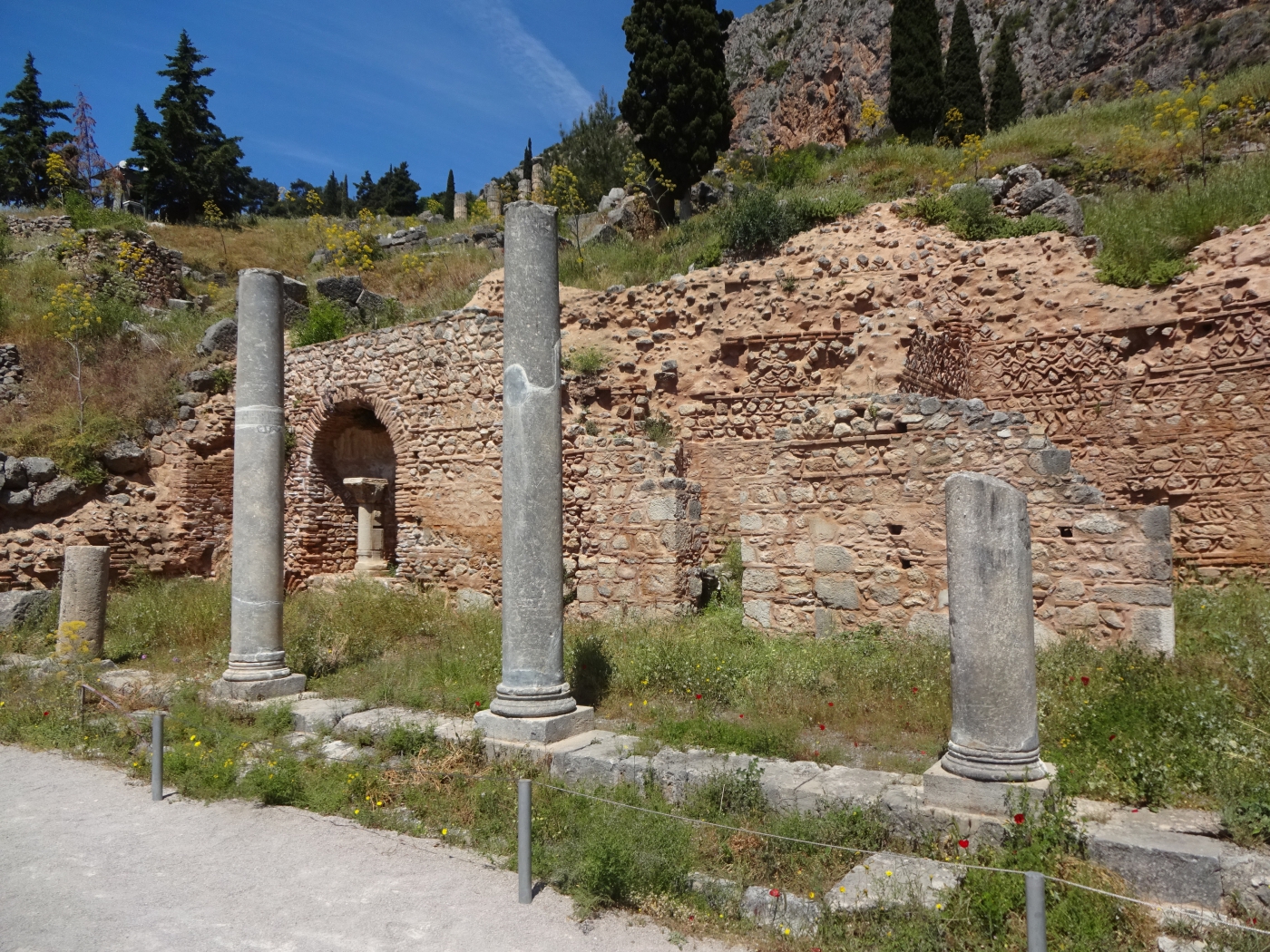
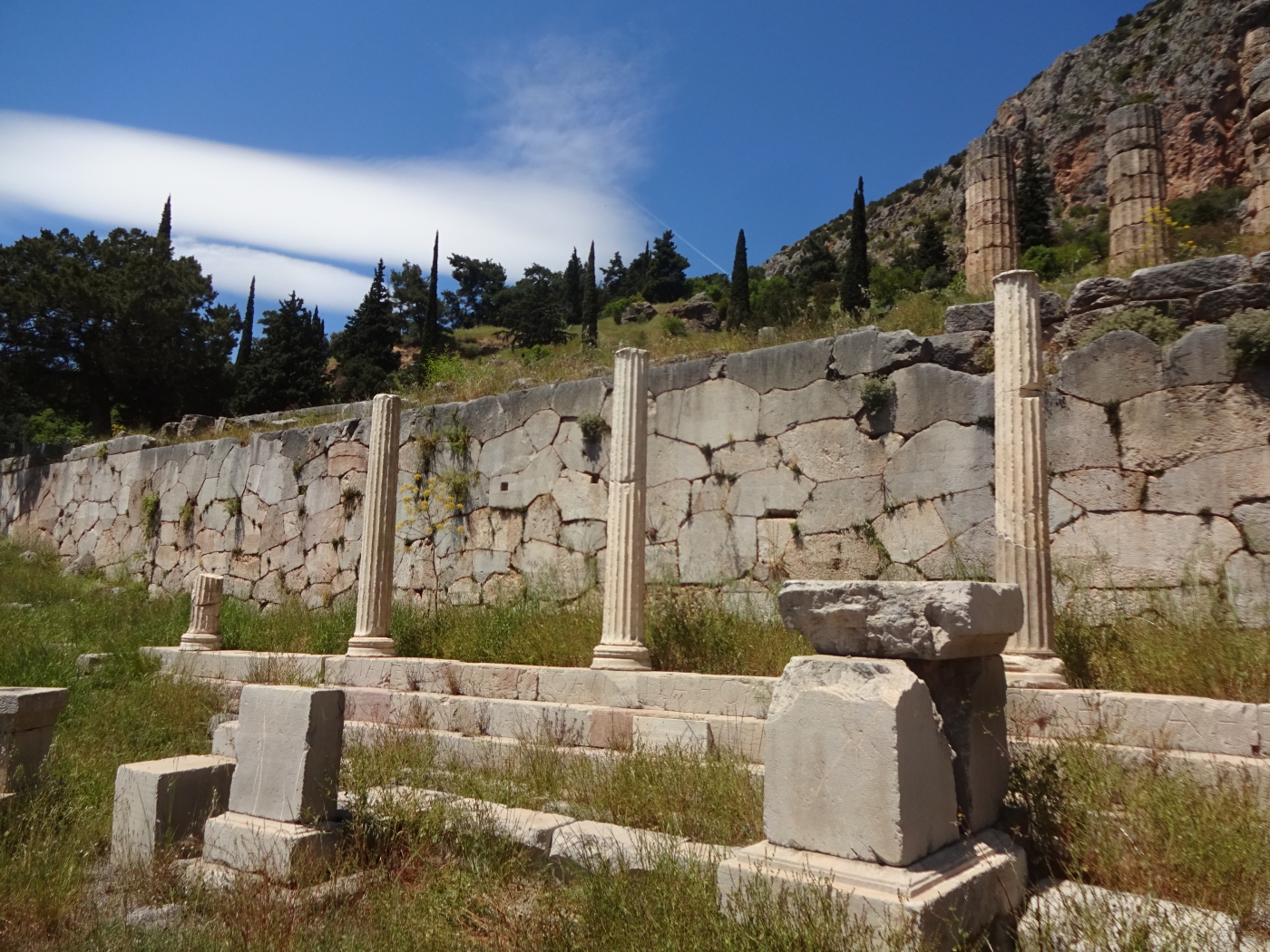
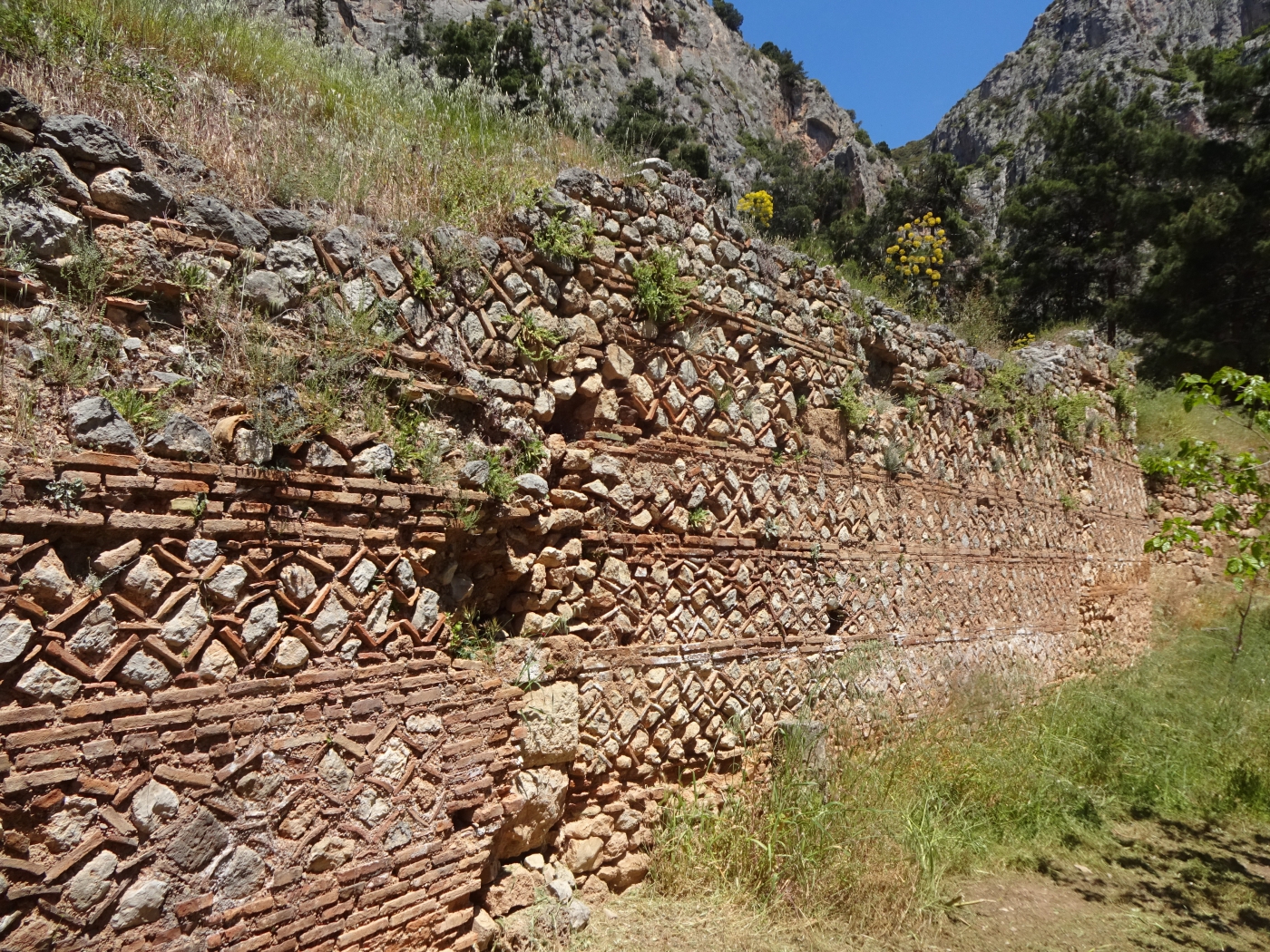
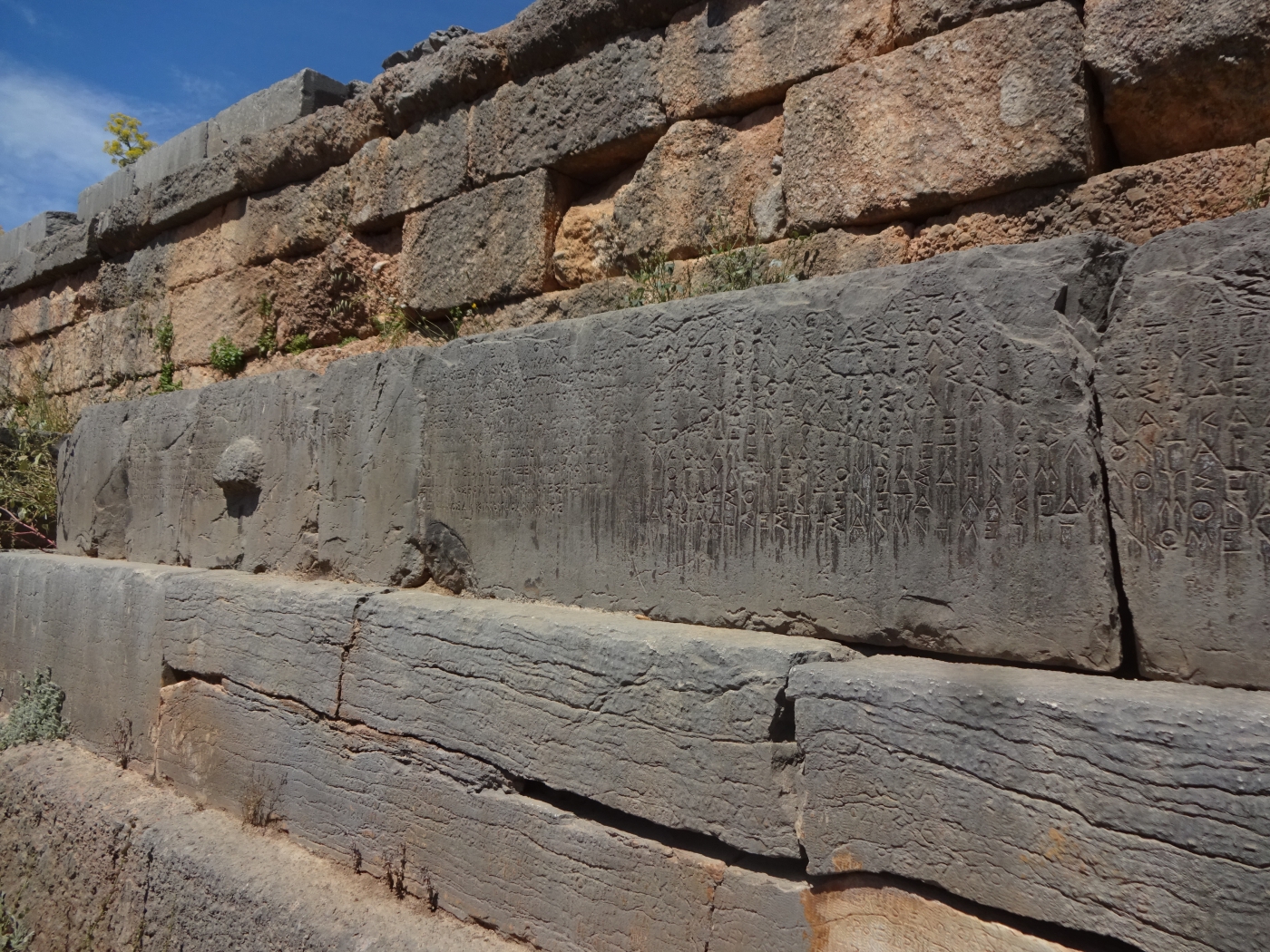
Archaeological Site of Delphi
Delphi, Greece
09.05.2019

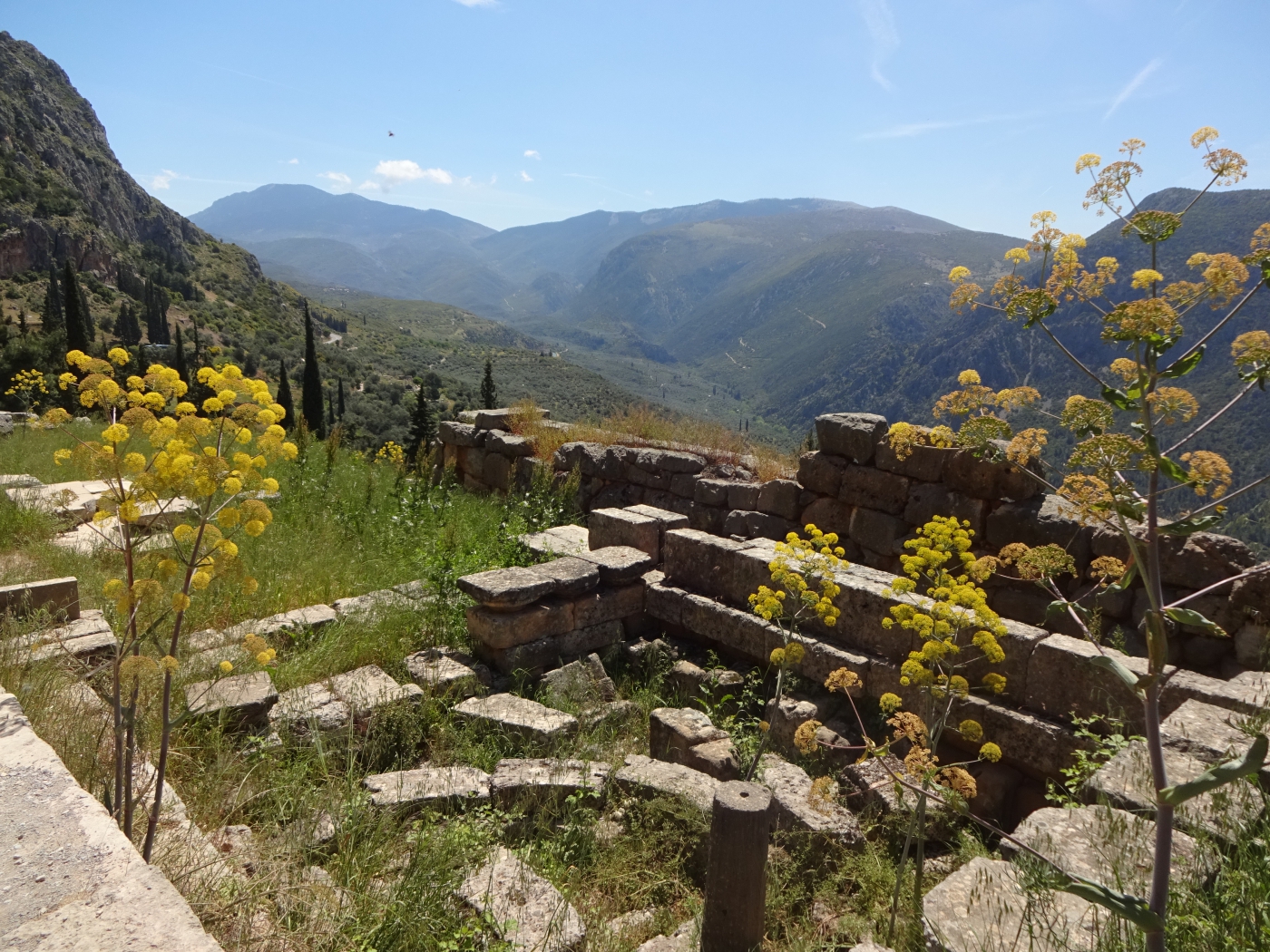
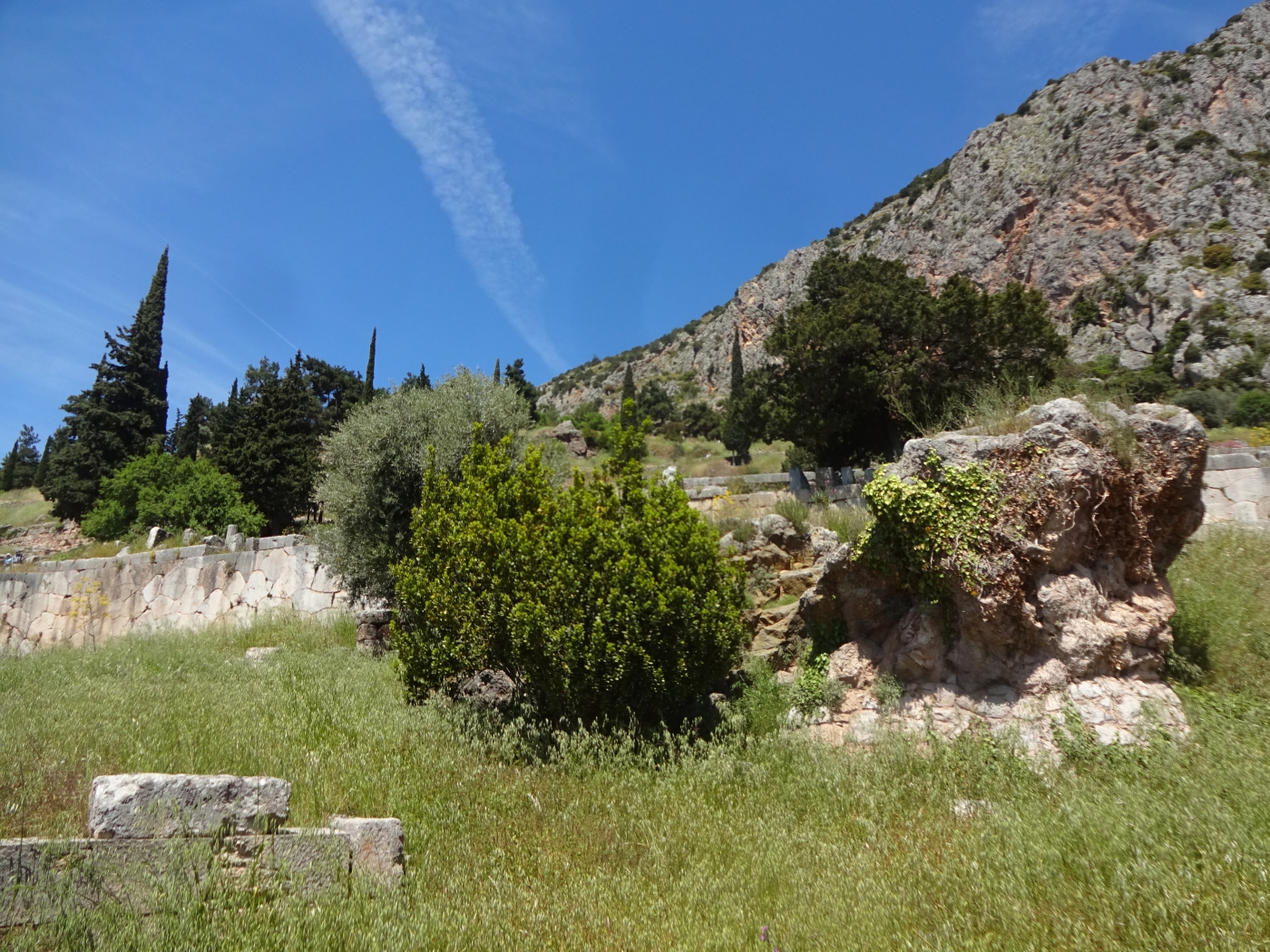
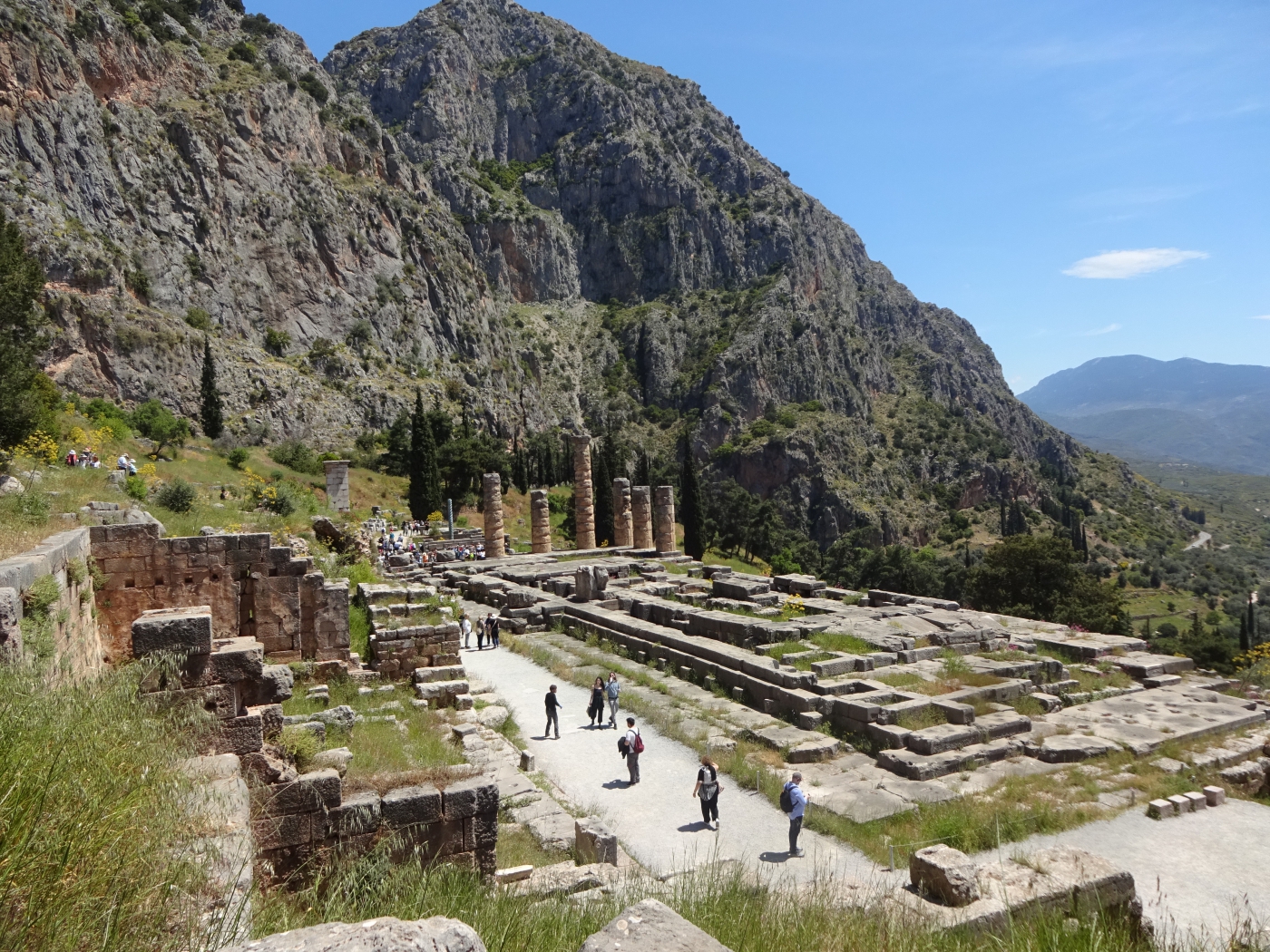
The Archaeological Site of Delphi, dramatically located on the slopes of Mount Parnassus in central Greece, was considered the "omphalos" or navel of the world by the ancient Greeks. For over a millennium, it served as the most important religious centre and symbol of unity for the Hellenic world, drawing pilgrims from across the Mediterranean.
The Oracle's Influence
At the heart of Delphi's fame was the Oracle of Delphi, where the priestess Pythia, inspired by Apollo, delivered prophecies. Rulers, generals, and citizens consulted the Oracle on crucial decisions, shaping ancient Greek history and making Delphi a powerful political and spiritual hub.
Architectural Grandeur
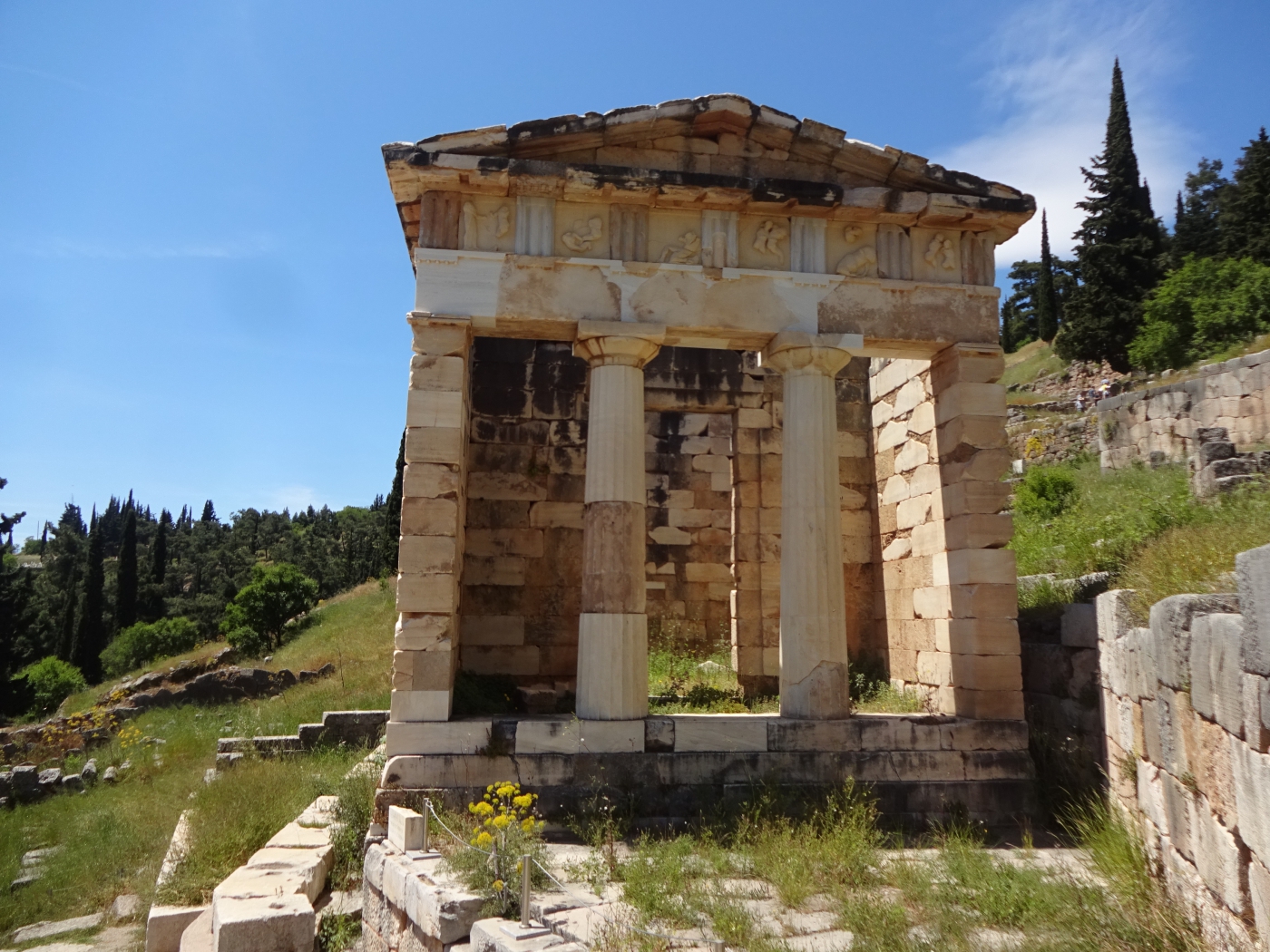
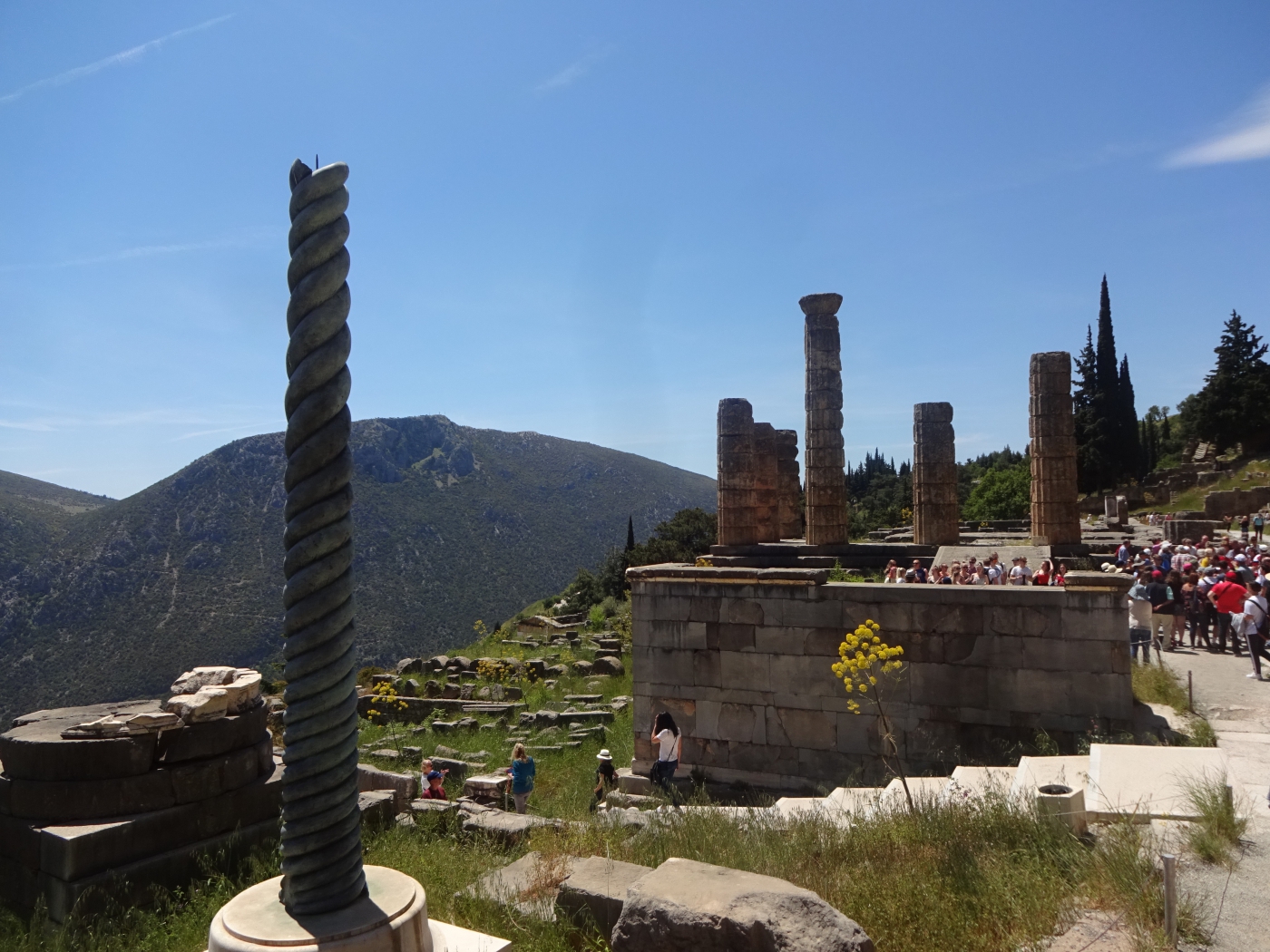
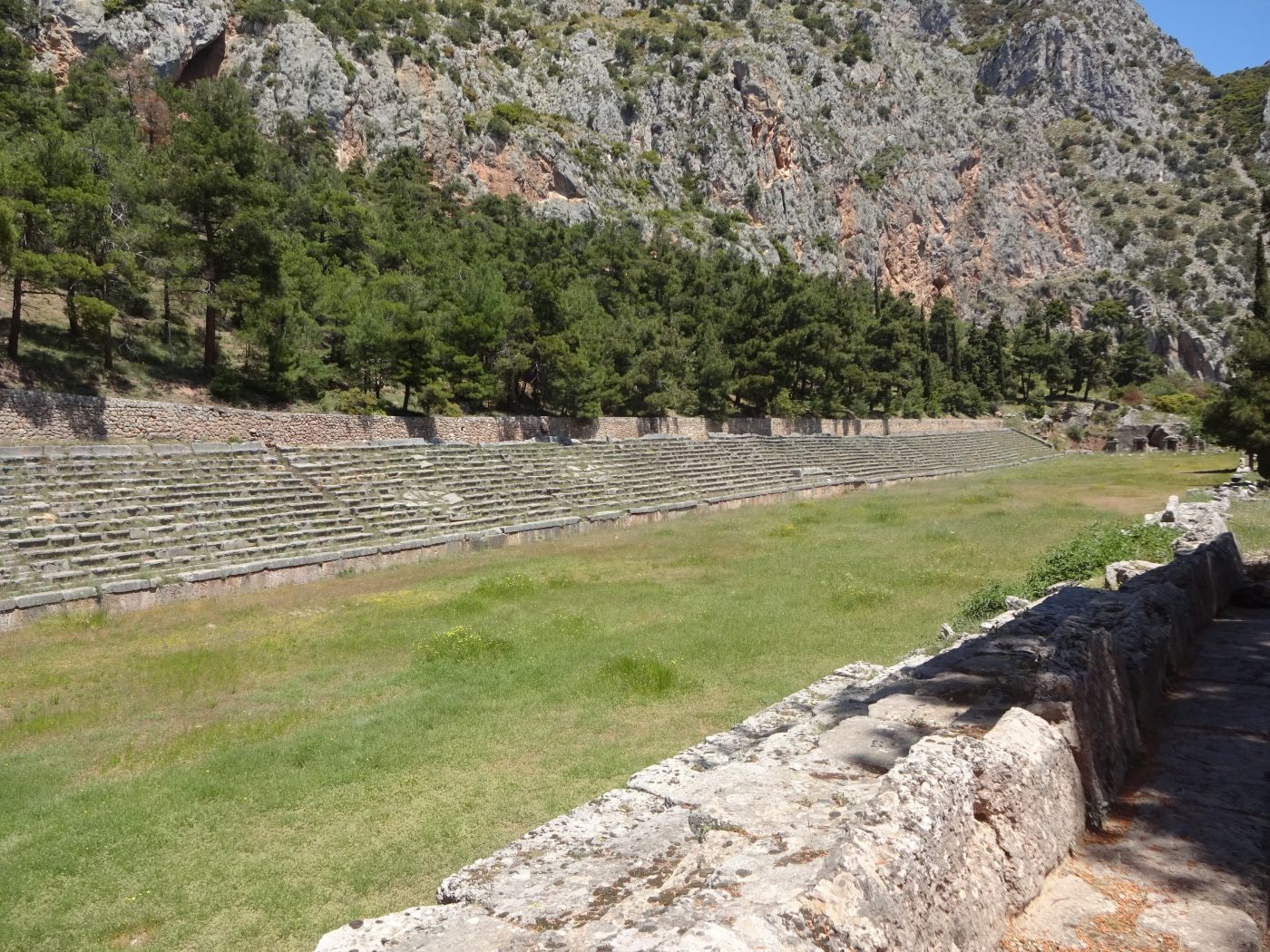
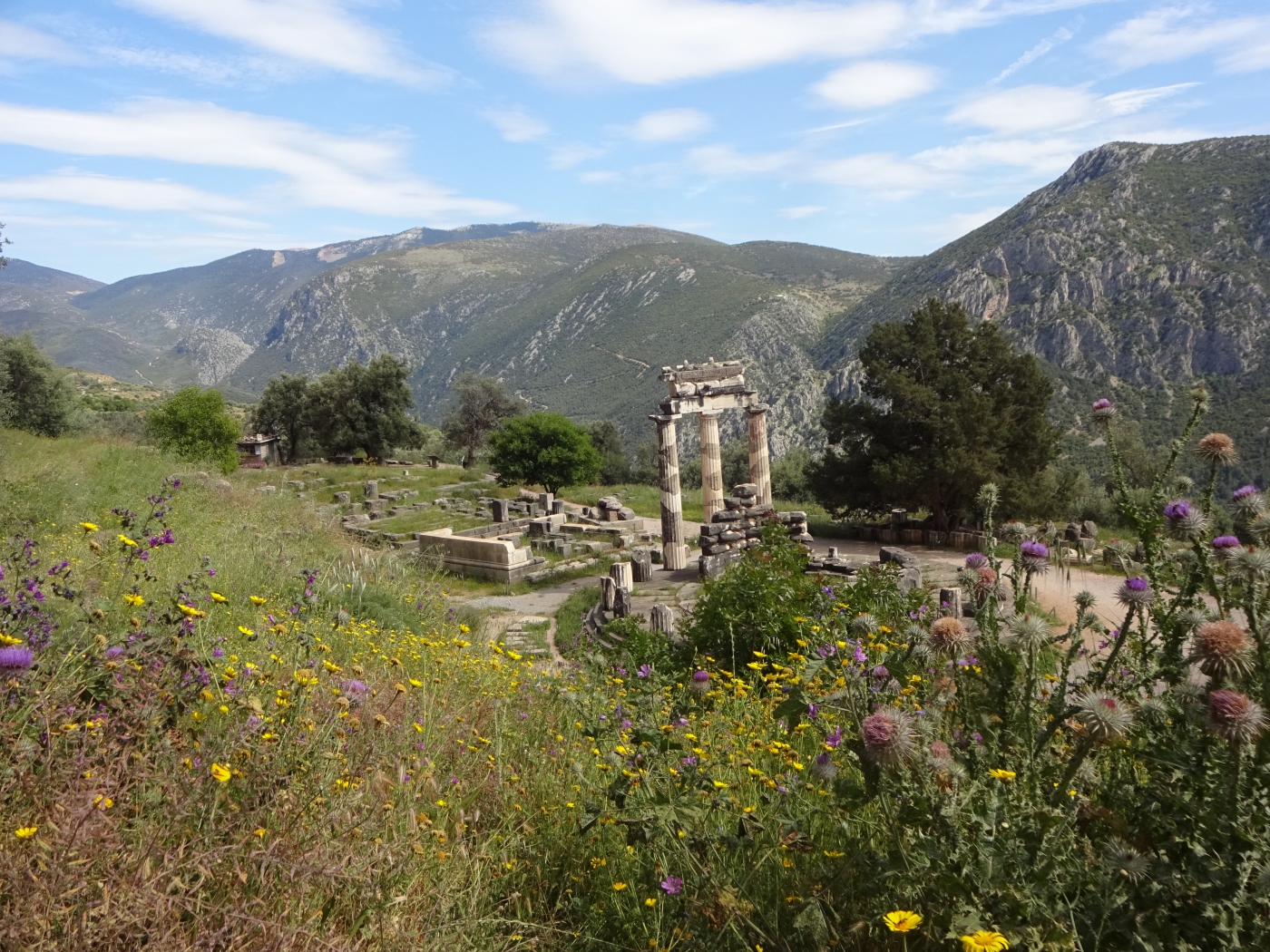
The sacred precinct, the Sanctuary of Apollo, is dominated by the impressive ruins of the Temple of Apollo, which housed the Pythia's prophetic tripod. Surrounding it were treasuries from various Greek city-states for votive offerings, including the well-preserved Treasury of the Athenians. Visitors can also explore the magnificent Delphi Theatre, offering breathtaking valley views, and the ancient Stadium, where the Pythian Games – athletic and artistic contests akin to the Olympics – were held every four years.
From Glory to Decline
Delphi's golden age spanned from the 8th century BC into the Roman period. Even Roman emperors like Augustus and Hadrian revered the site. However, with Christianity's rise, the Oracle's pagan practices declined. Its ultimate closure came in 393 AD when Emperor Theodosius I outlawed all pagan cults, silencing the Oracle forever. The site fell into ruin until systematic excavations by French archaeologists in the late 19th century revealed its astonishing treasures.
Recognizing its unparalleled historical and cultural significance, the Archaeological Site of Delphi was inscribed as a UNESCO World Heritage site in 1987, preserving its legacy as a pivotal location in ancient civilization.
Further Links
The pan-Hellenic sanctuary of Delphi, where the oracle of Apollo spoke, was the site of the omphalos, the 'navel of the world'. Blending harmoniously with the superb landscape and charged with sacred meaning, Delphi in the 6th century B.C. was indeed the religious centre and symbol of unity of the ancient Greek world.
Delphi (; Greek: Δελφοί [ðelˈfi]), in legend previously called Pytho (Πυθώ), was an ancient sacred precinct in central Greece. It was the seat of Pythia, the major oracle who was consulted about important decisions throughout the ancient classical world. The ancient Greeks considered the centre of the world to be in Delphi, marked by the stone monument known as the Omphalos of Delphi. The term omphalos was the Greek word for "navel."
According to the Suda, Delphi took its name from the Delphyne, the she-serpent (drakaina) who lived there and was killed by the god Apollo (in other accounts the serpent was the male serpent (drakon) Python).
The sacred precinct occupies a delineated region on the southwestern slope of Mount Parnassus. It is now an extensive archaeological site, and since 1938, it has been a part of Parnassos National Park.
The precinct is recognized by UNESCO as a World Heritage Site in having had a great influence in the ancient world, as evidenced by the various monuments built there by most of the important ancient Greek city-states, demonstrating their fundamental Hellenic unity.