Sanctuary of Asklepios at Epidaurus
Epidauros, Greece
07.05.2019

The Sanctuary of Asklepios at Epidaurus, situated in a tranquil valley in the Peloponnese, Greece, stands as the most celebrated healing centre of the ancient Greek world. This UNESCO World Heritage site was devoted to Asklepios, the revered god of medicine. Its serene ambiance and architectural legacy provide deep insights into ancient therapeutic practices, religious beliefs, and a holistic approach to well-being.
The Healing Cult of Asklepios
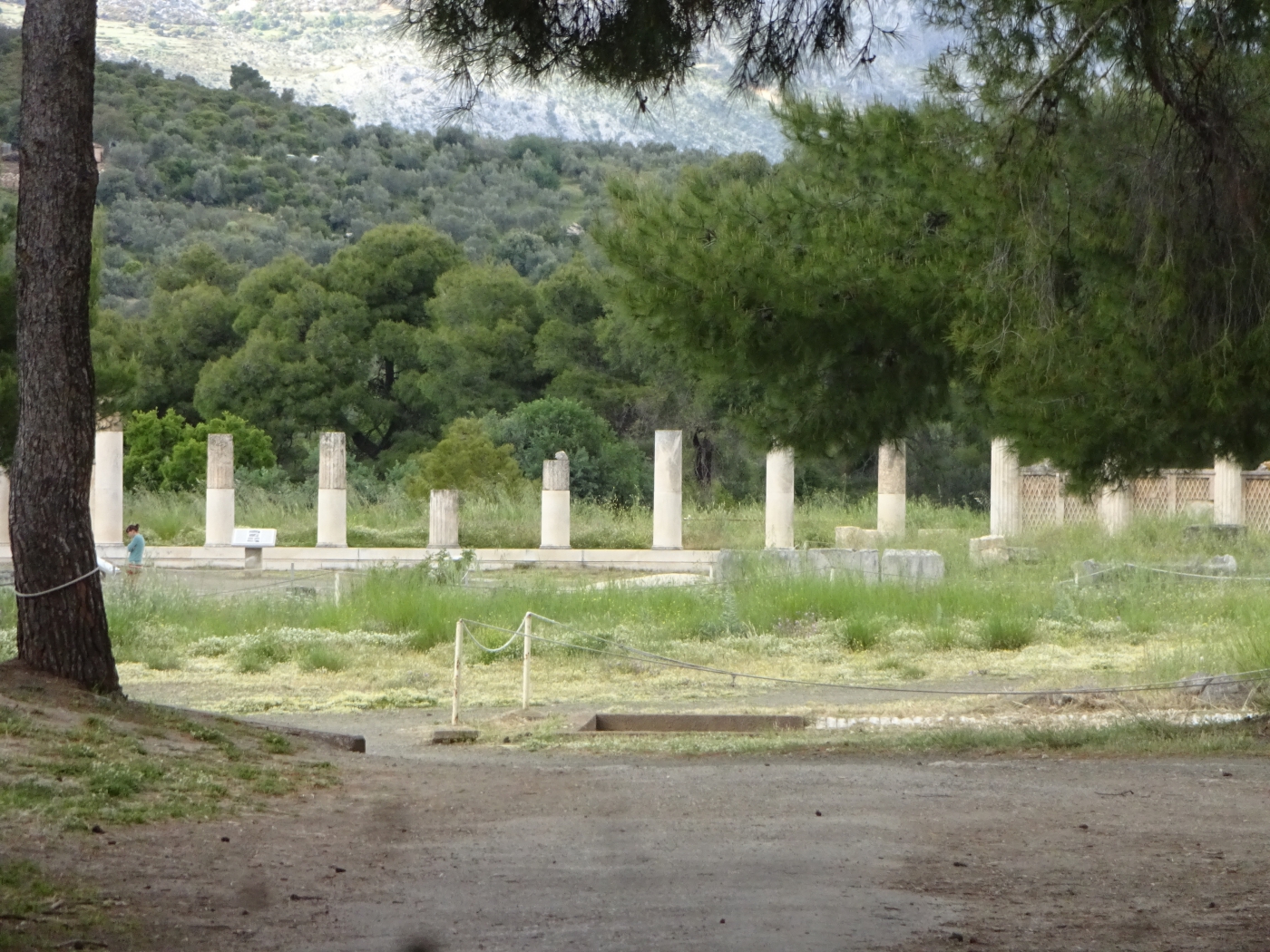
From the 6th century BCE, the cult of Asklepios flourished, drawing pilgrims across the Greek world seeking cures. A core ritual was enkoimesis (incubation) in the Abaton, a dormitory. Patients would sleep there, hoping for dream visions from the god or his sacred snakes, which priests interpreted to reveal treatments. These often involved diet, exercise, and medicinal plants.
Architectural Grandeur
By the 4th century BCE, Epidaurus evolved into an extensive complex. The grand Temple of Asklepios housed the god's chryselephantine statue by Thrasymedes of Paros. Nearby, the enigmatic circular Tholos, attributed to Polycleitus the Younger, intrigued with its intricate design and debated purpose, possibly linked to chthonic rites. Other key structures included the Propylaia and support buildings.
Cultural and Athletic Hub
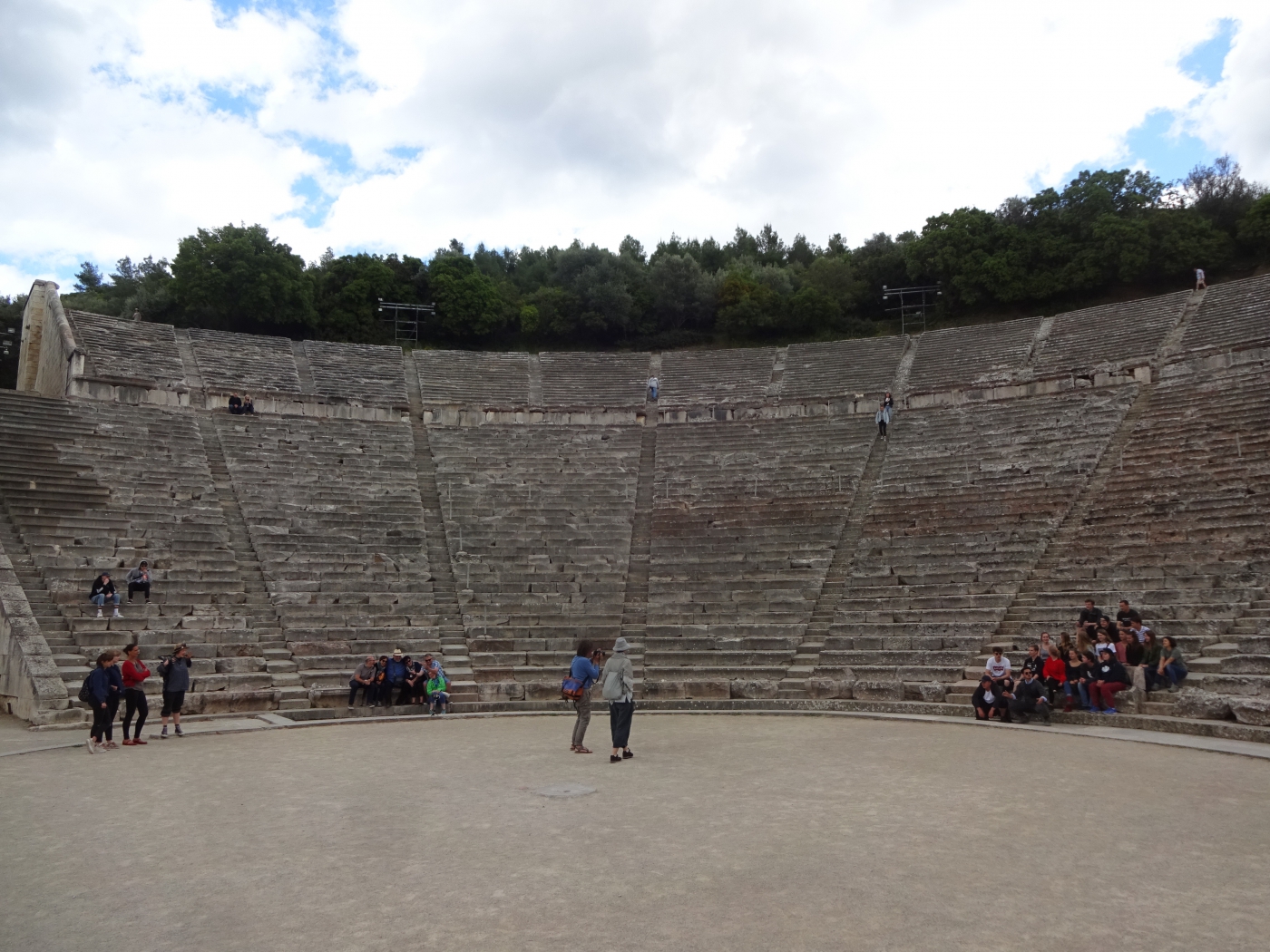
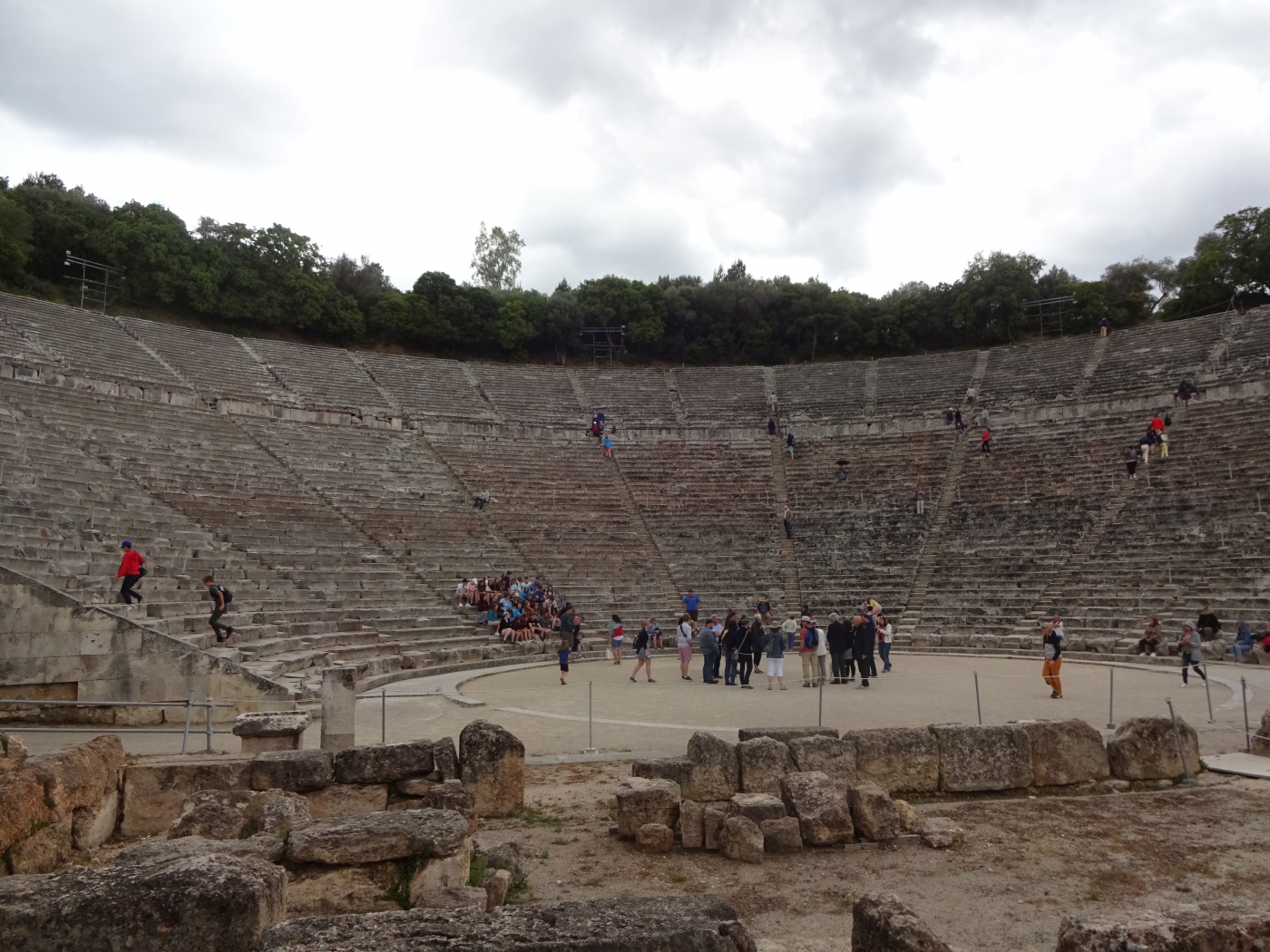
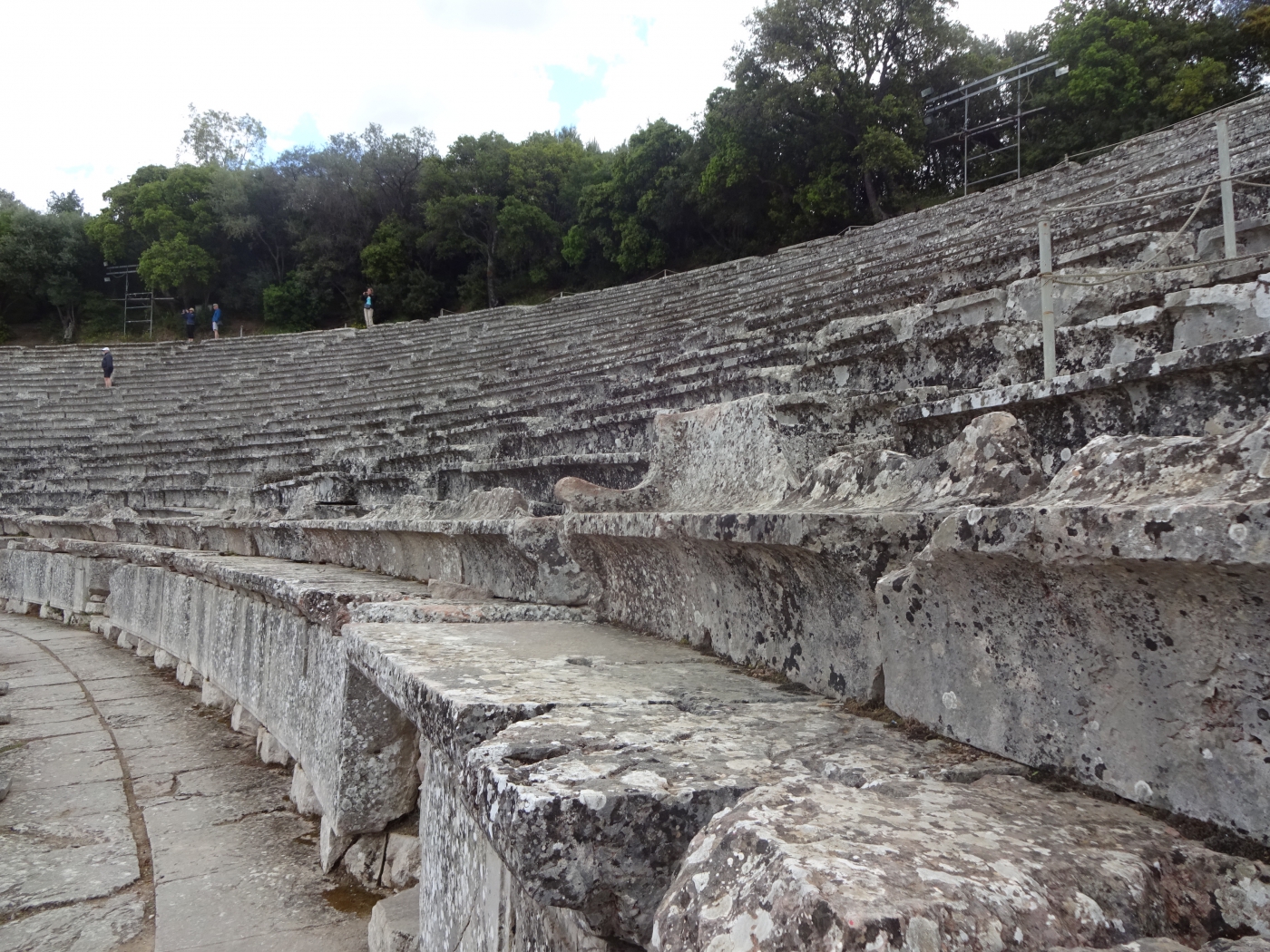
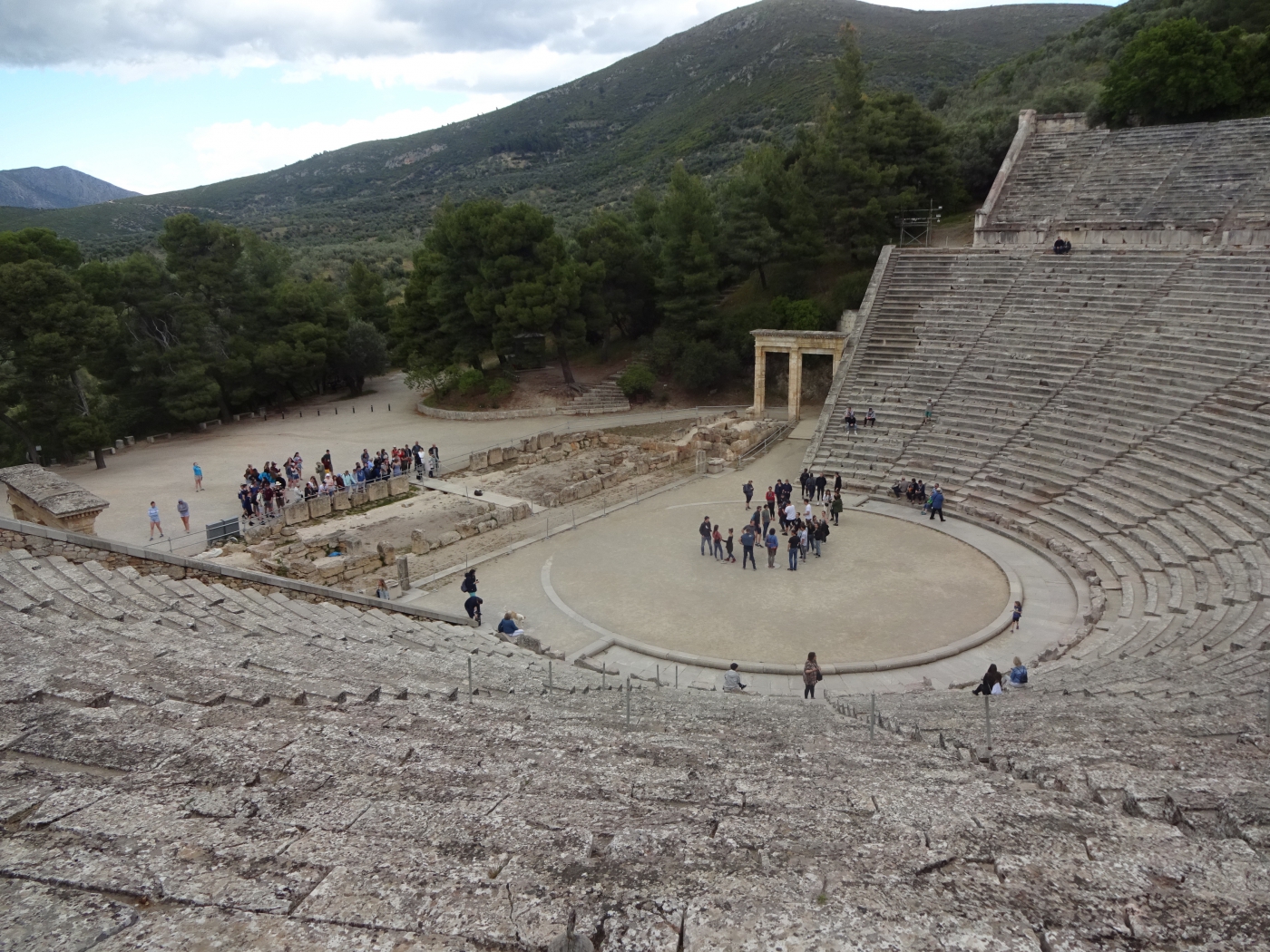
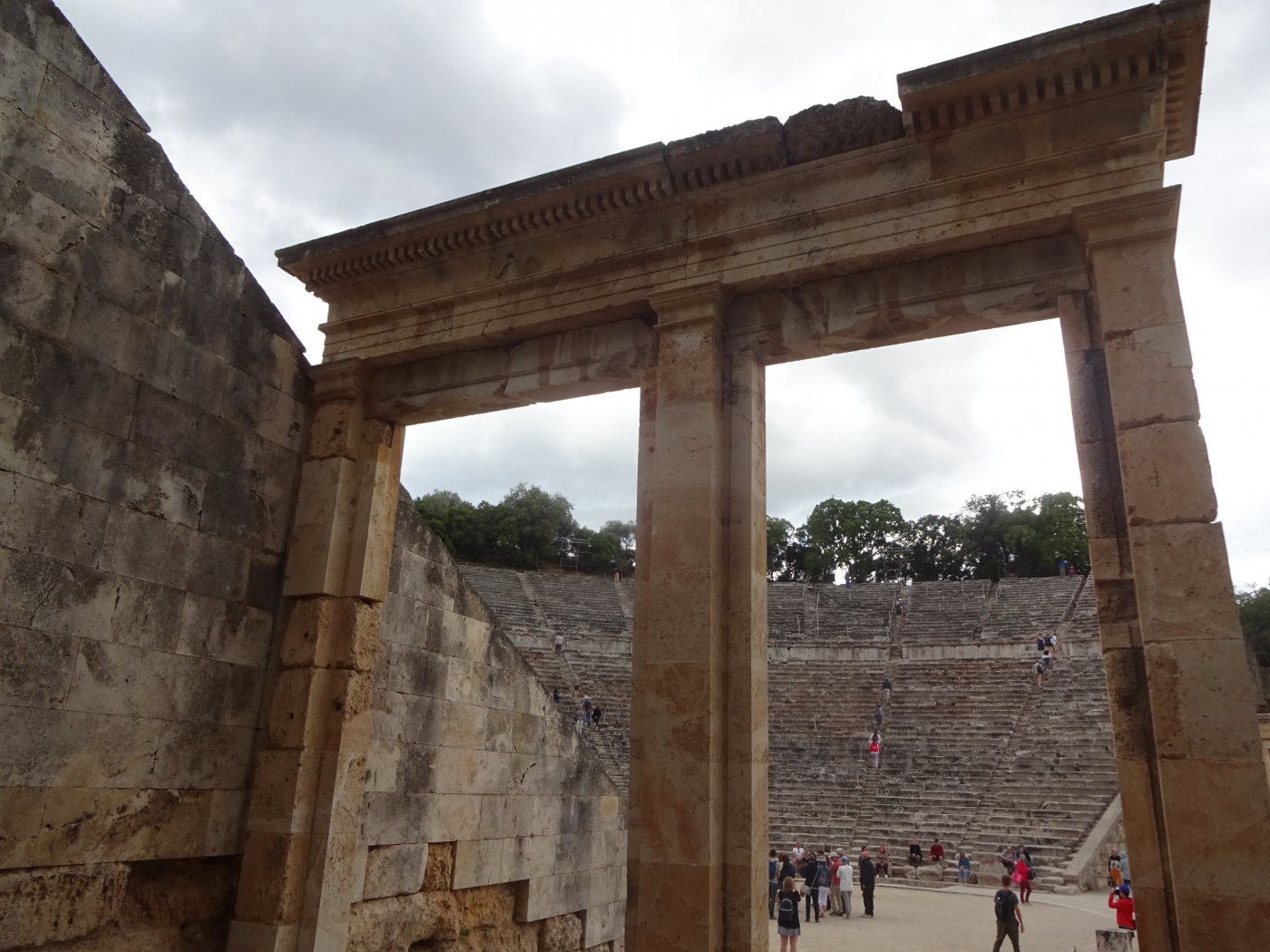
Beyond healing, Epidaurus was a vibrant cultural centre. It featured a Stadium for athletic games honouring Asklepios. Its most iconic feature is the magnificent Theatre of Epidaurus, by Polycleitus the Younger. Dating from the late 4th century BCE, it is world-renowned for exceptional acoustics and harmonious proportions. Seating up to 14,000, it hosted dramatic performances, integral for emotional catharsis alongside physical treatment.
The sanctuary thrived into the Roman era, maintaining prestige until its decline with the rise of Christianity. Today, its ruins eloquently demonstrate a historical convergence of architecture, medicine, religion, and art, forming a unique and profoundly influential ancient civilization.
Weiterführende Links
In a small valley in the Peloponnesus, the shrine of Asklepios, the god of medicine, developed out of a much earlier cult of Apollo (Maleatas), during the 6th century BC at the latest, as the official cult of the city state of Epidaurus. Its principal monuments, particularly the temple of Asklepios, the Tholos and the Theatre - considered one of the purest masterpieces of Greek architecture – date from the 4th century. The vast site, with its temples and hospital buildings devoted to its healing gods, provides valuable insight into the healing cults of Greek and Roman times.
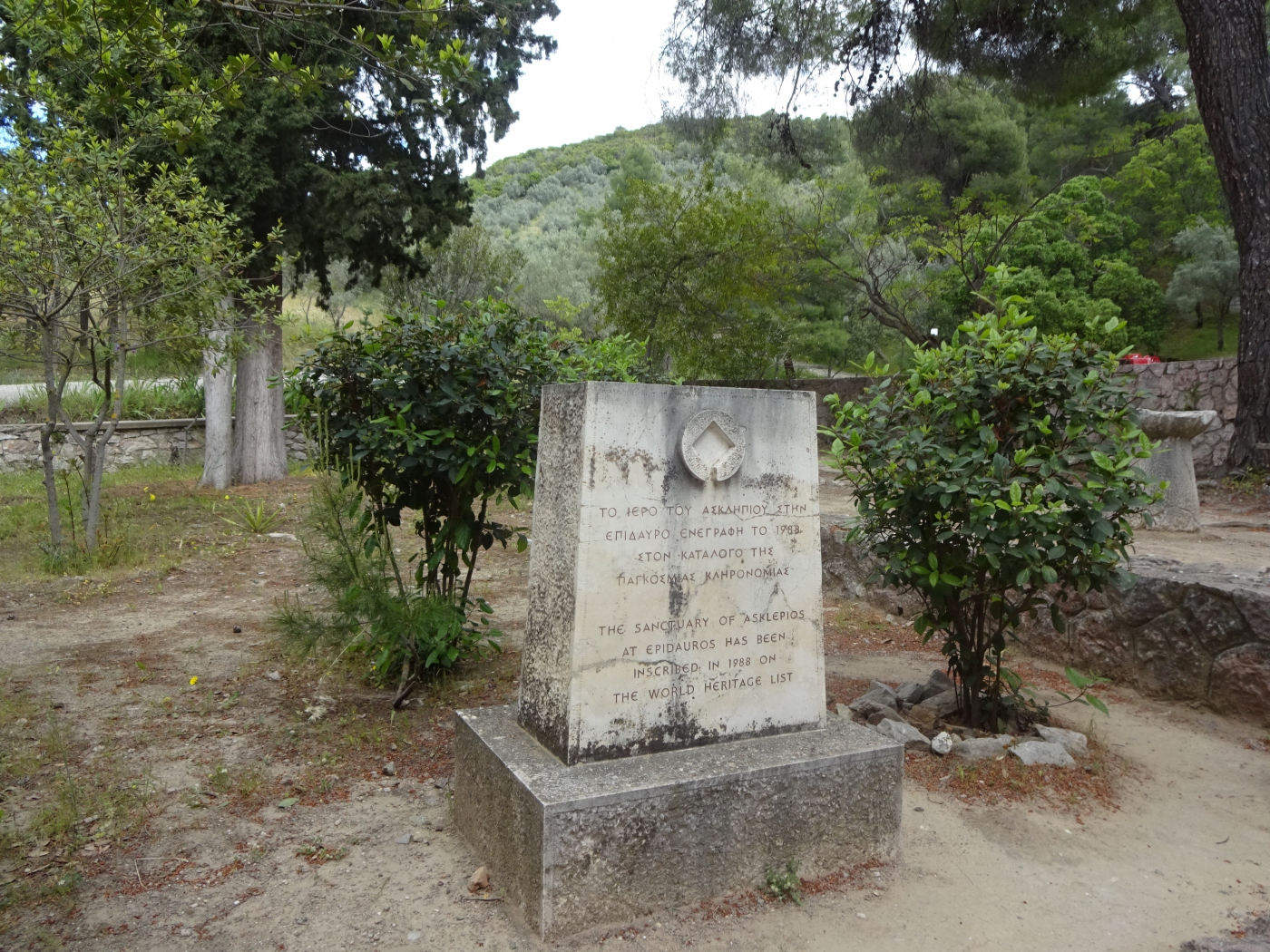
The Sanctuary of Asclepius was a sanctuary in Epidaurus dedicated to Asclepius. Especially in the Classical and Hellenistic periods, it was the main holy site of Asclepius. The sanctuary at Epidaurus was the rival of such major cult sites as the Sanctuary of Zeus at Olympia and Apollo at Delphi. The temple was built in the early 4th century BC. If still in use by the 4th century AD, the temple would have been closed during the persecution of pagans in the late Roman Empire, when the Christian Emperors issued edicts prohibiting non-Christian worship. In 1988, the temple was inscribed on the UNESCO World Heritage List because of its exceptional architecture and its importance in the development and spread of healing sanctuaries (asclepeia) throughout classical antiquity. It was excavated between 1881 and 1928 by Panagiotis Kavvadias (and, from 1887, Valerios Stais), and between 1948 and 1951 by John Papadimitriou.