Kalkalpen National Park - Wild Ditch - Ancient and Primeval Beech Forests of the Carpathians and Other Regions of Europe
Reichraming, Austria
08.06.2019

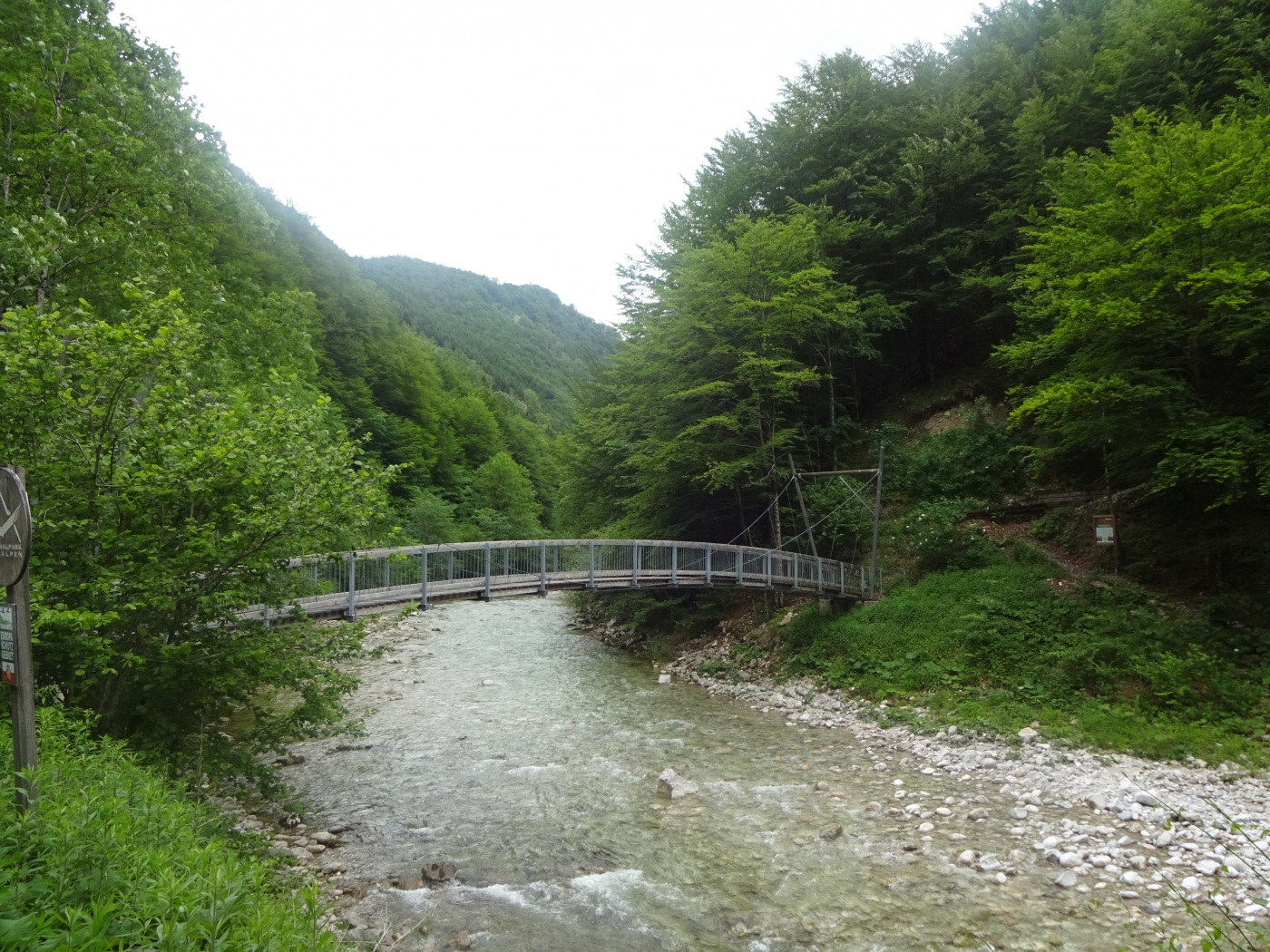
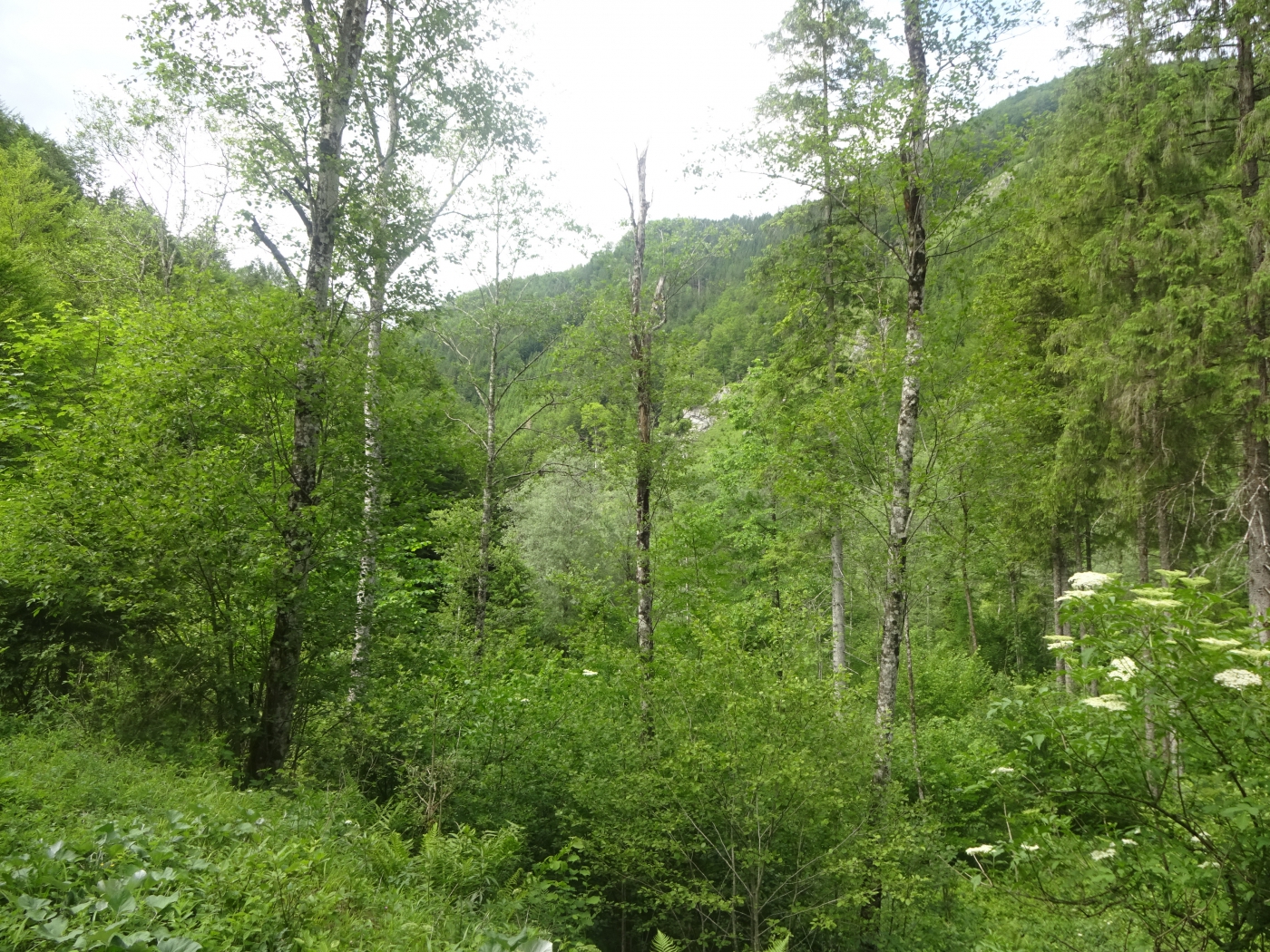
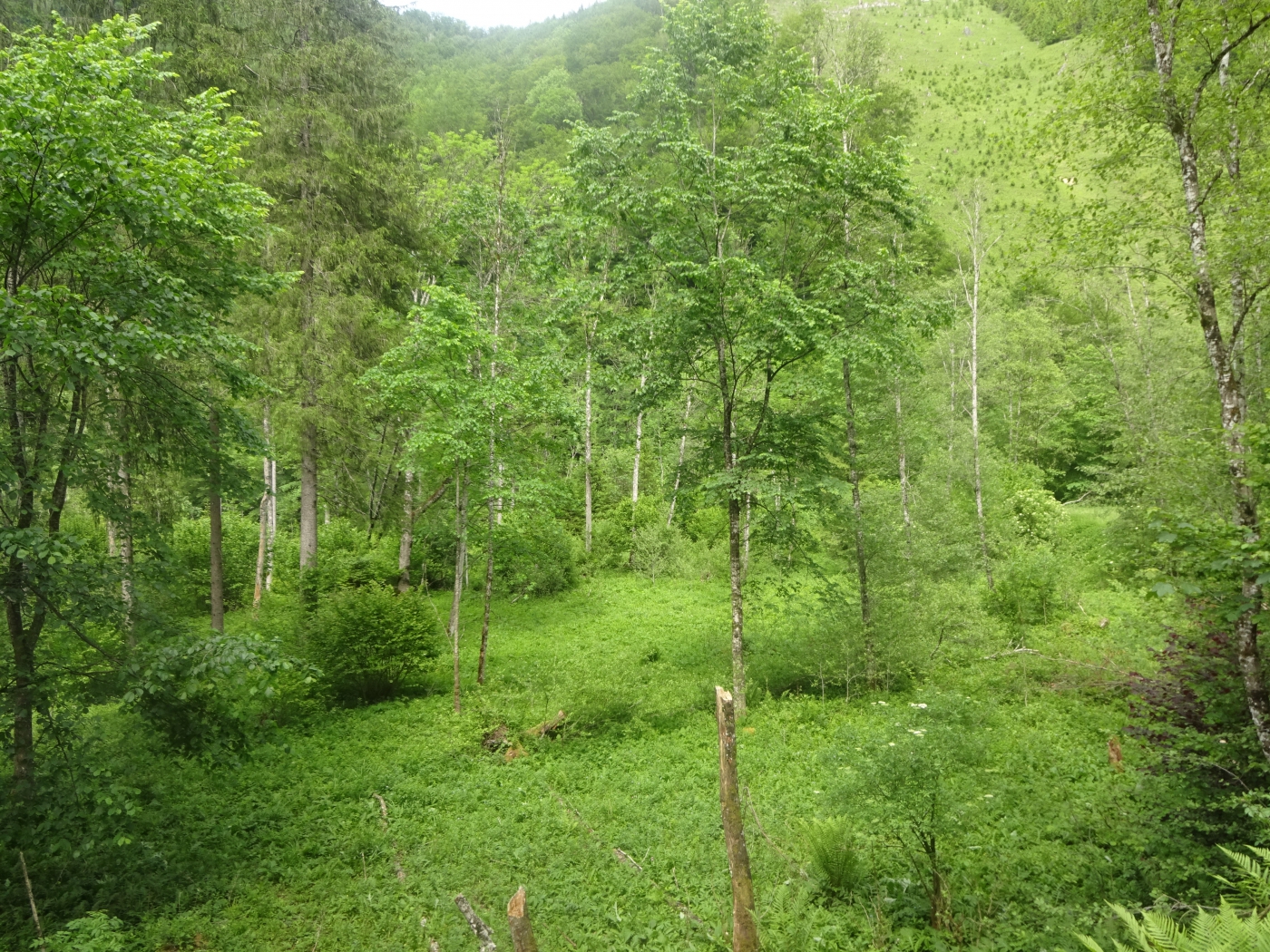
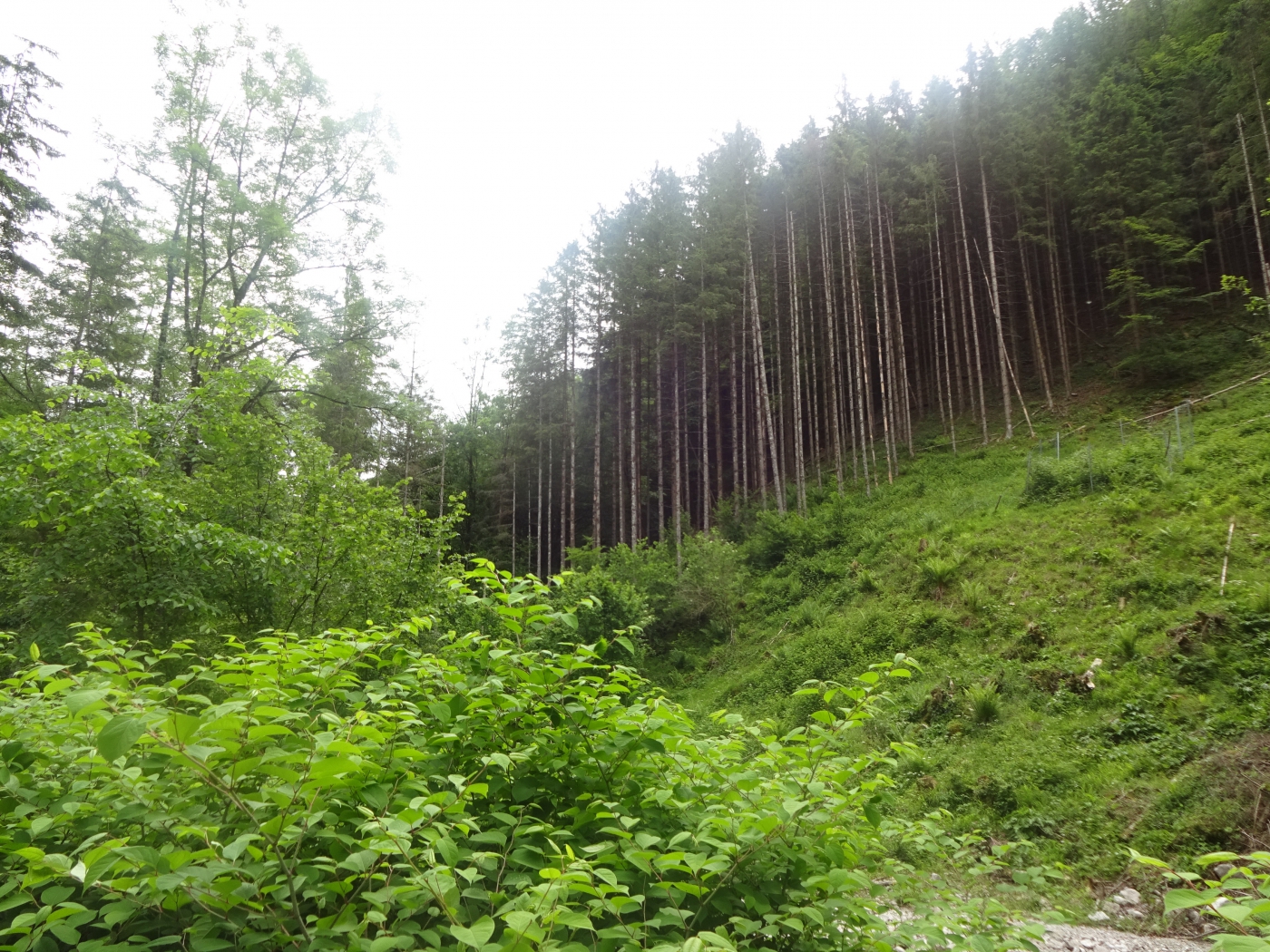
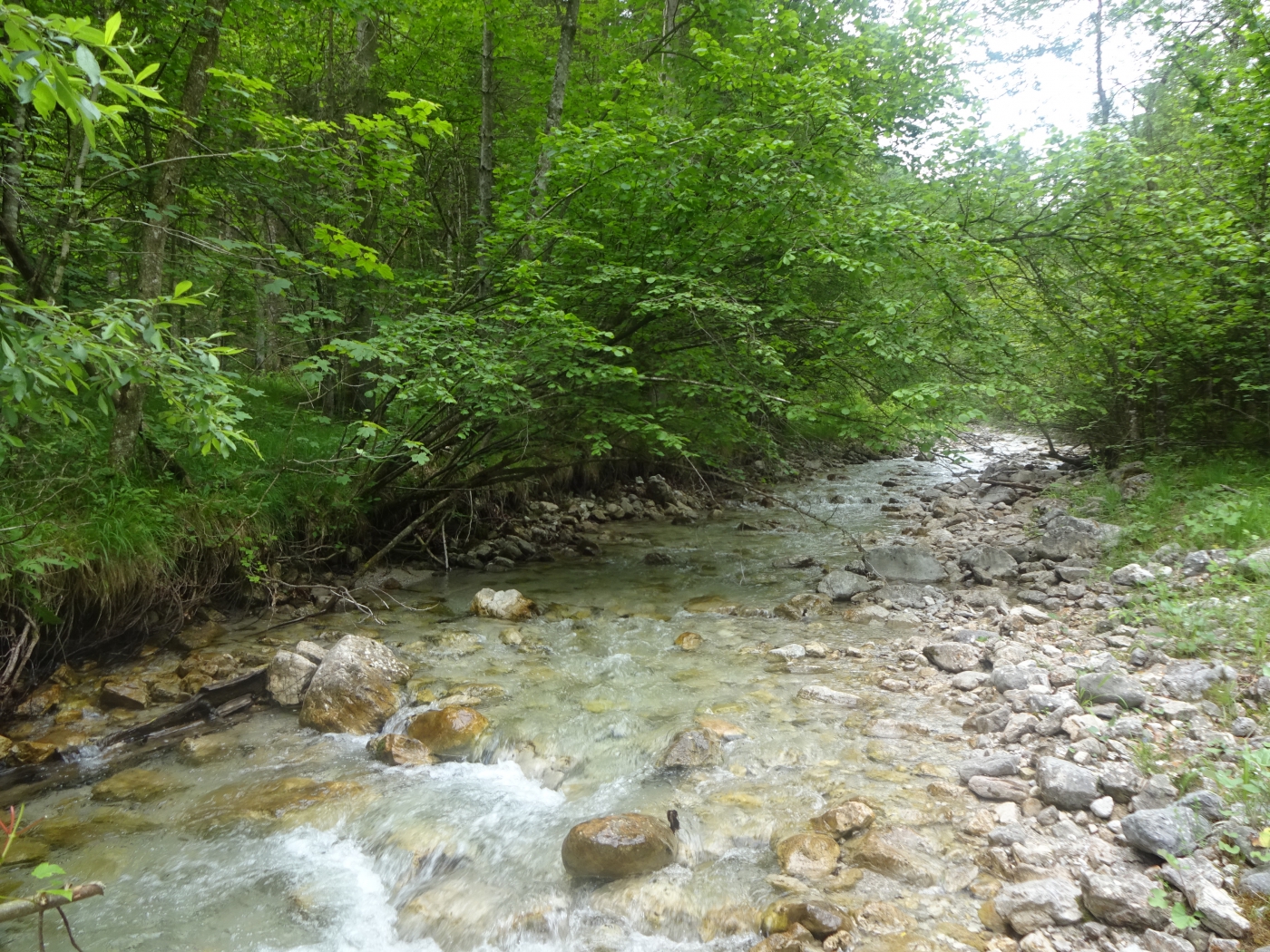
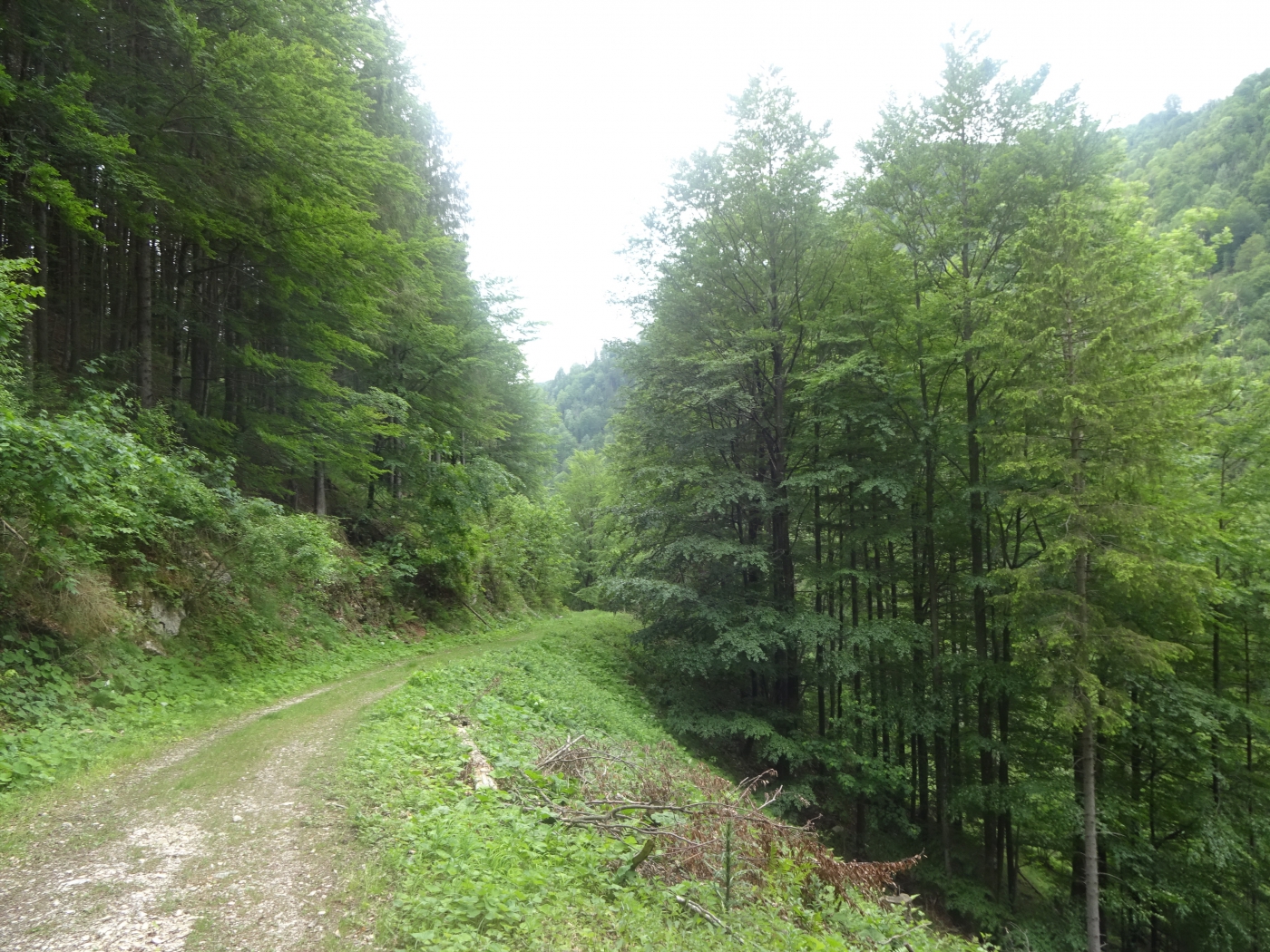
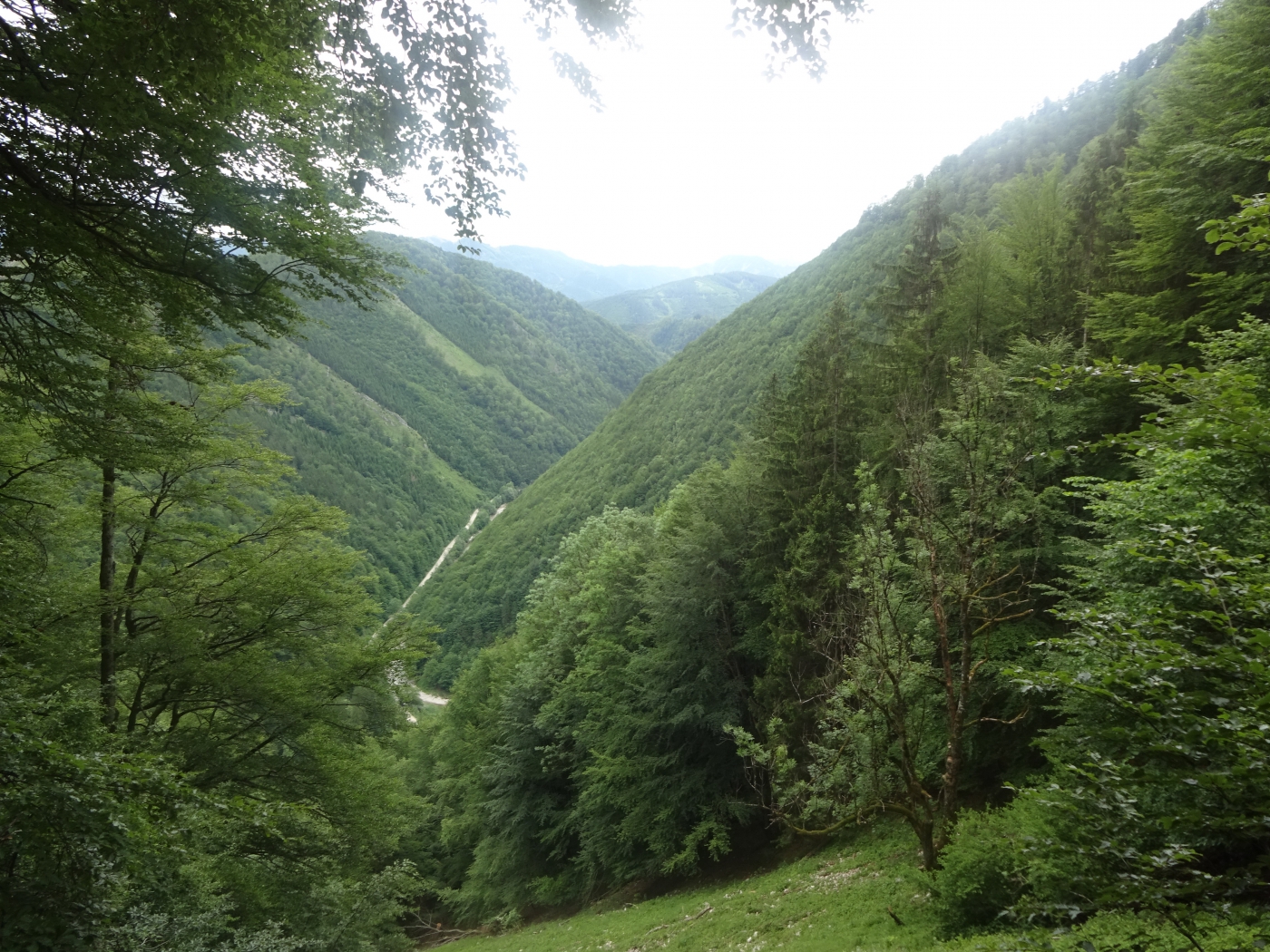
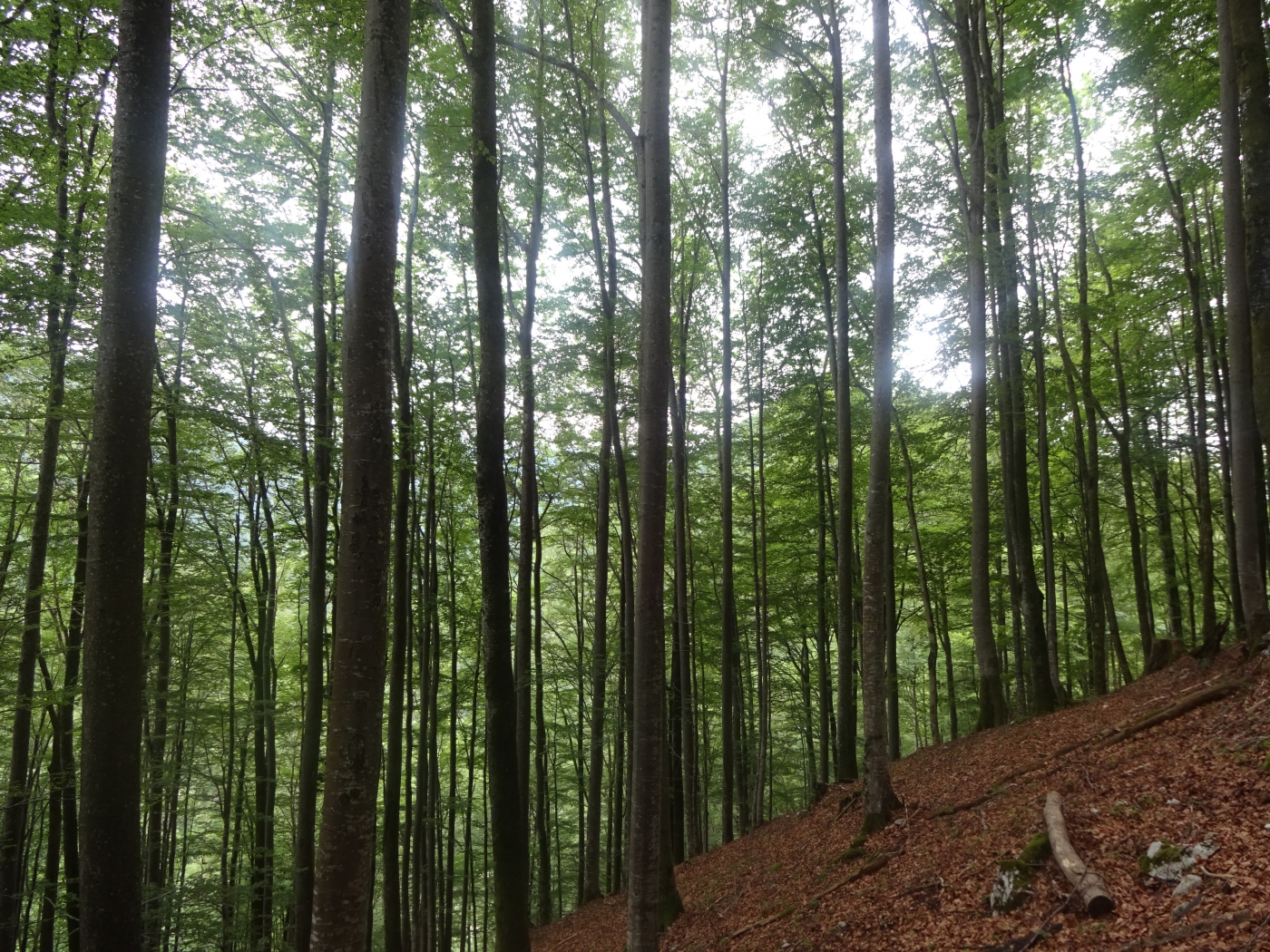
The tranquil expanse of the Wilder Graben, nestled within the Kalkalpen National Park near Reichraming in Upper Austria, represents a crucial component of the UNESCO World Heritage site "Ancient and Primeval Beech Forests of the Carpathians and Other Regions of Europe." This remarkable area stands as a testament to the continent's ecological past, preserving some of the finest examples of pristine European beech forests.
A Living Relic of Post-Glacial Europe
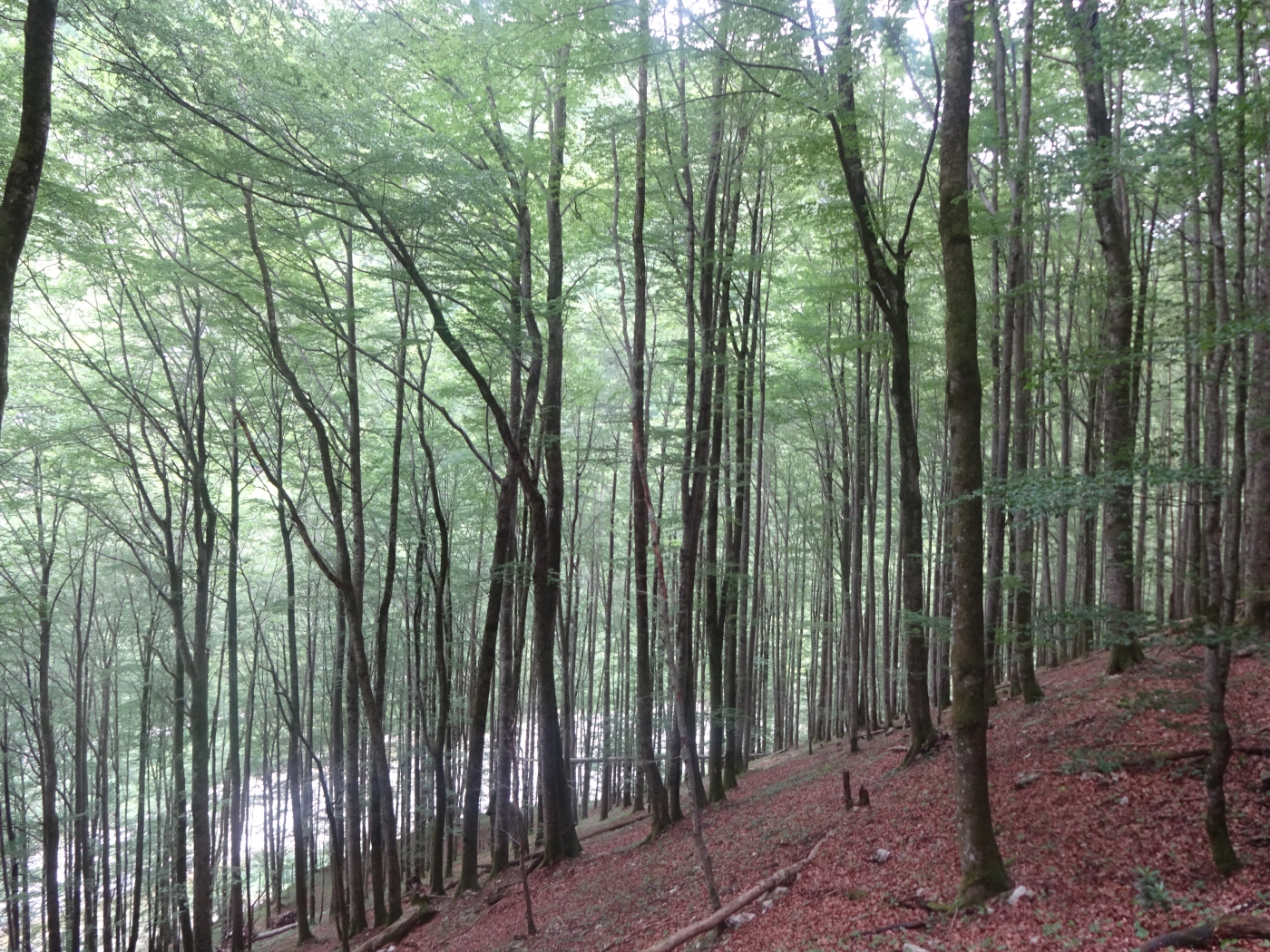
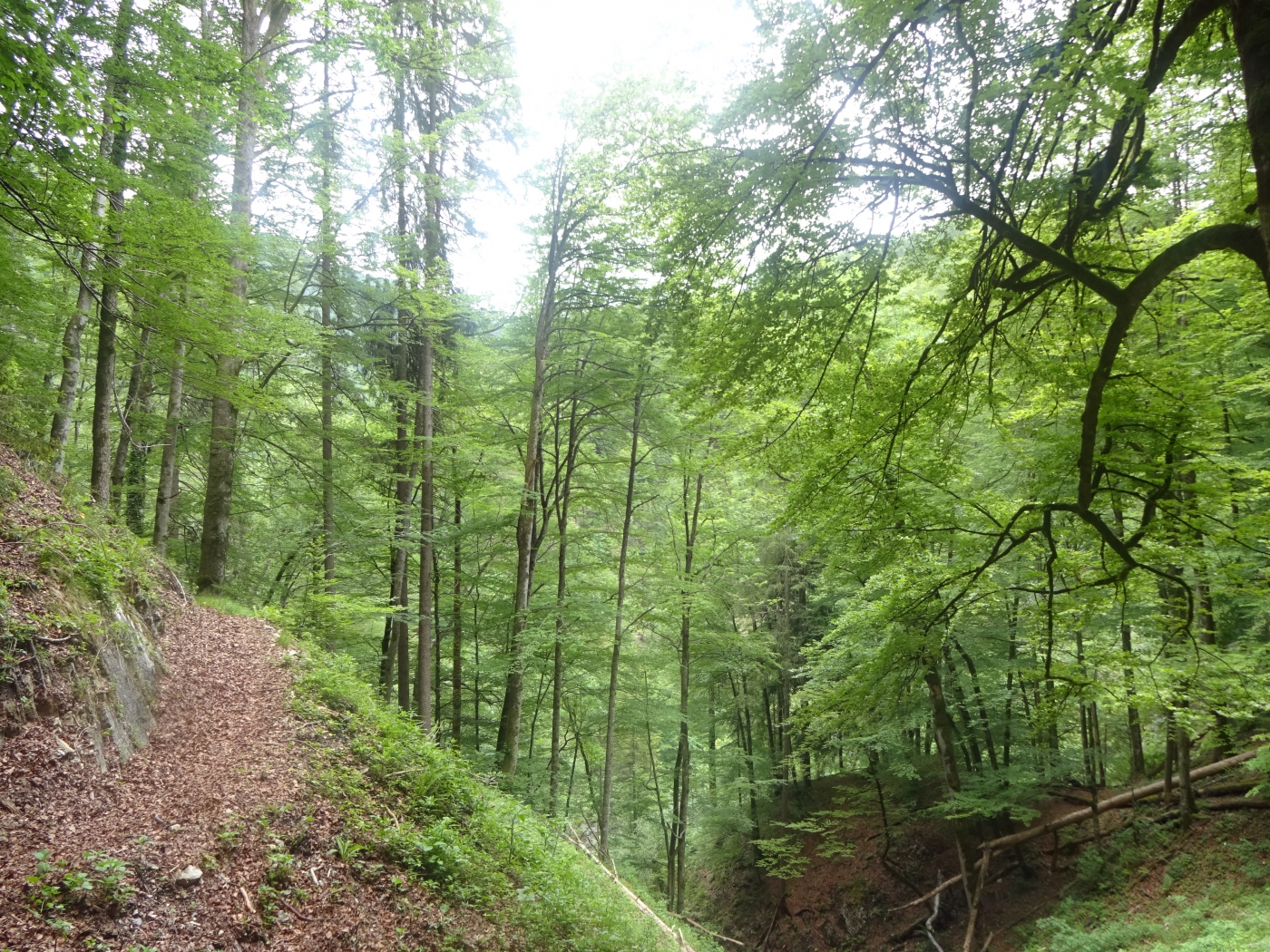
These venerable forests are not merely collections of trees; they are living relics, showcasing the undisturbed post-glacial expansion of the European beech (Fagus sylvatica) across Europe. After the last Ice Age, beech trees began their remarkable spread from a few isolated refugia, eventually dominating vast swathes of the continent. The Wilder Graben provides an unparalleled window into this natural phenomenon, demonstrating complete ecological processes, including natural regeneration, decay, and the intricate web of life that thrives within these ancient woodlands. Its isolation has largely protected it from significant human intervention, allowing nature to dictate its course for centuries.
Where Wilderness Persists
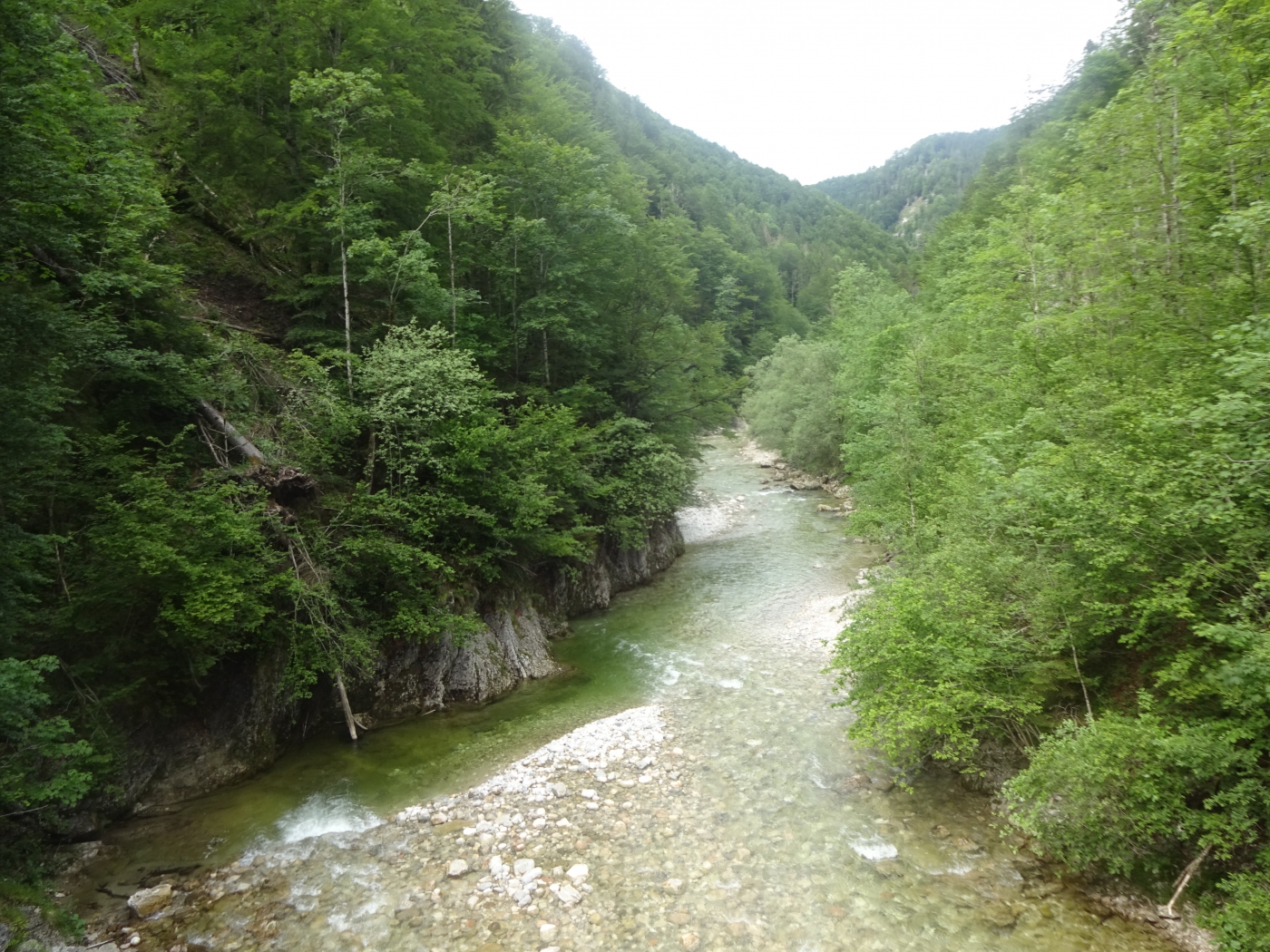
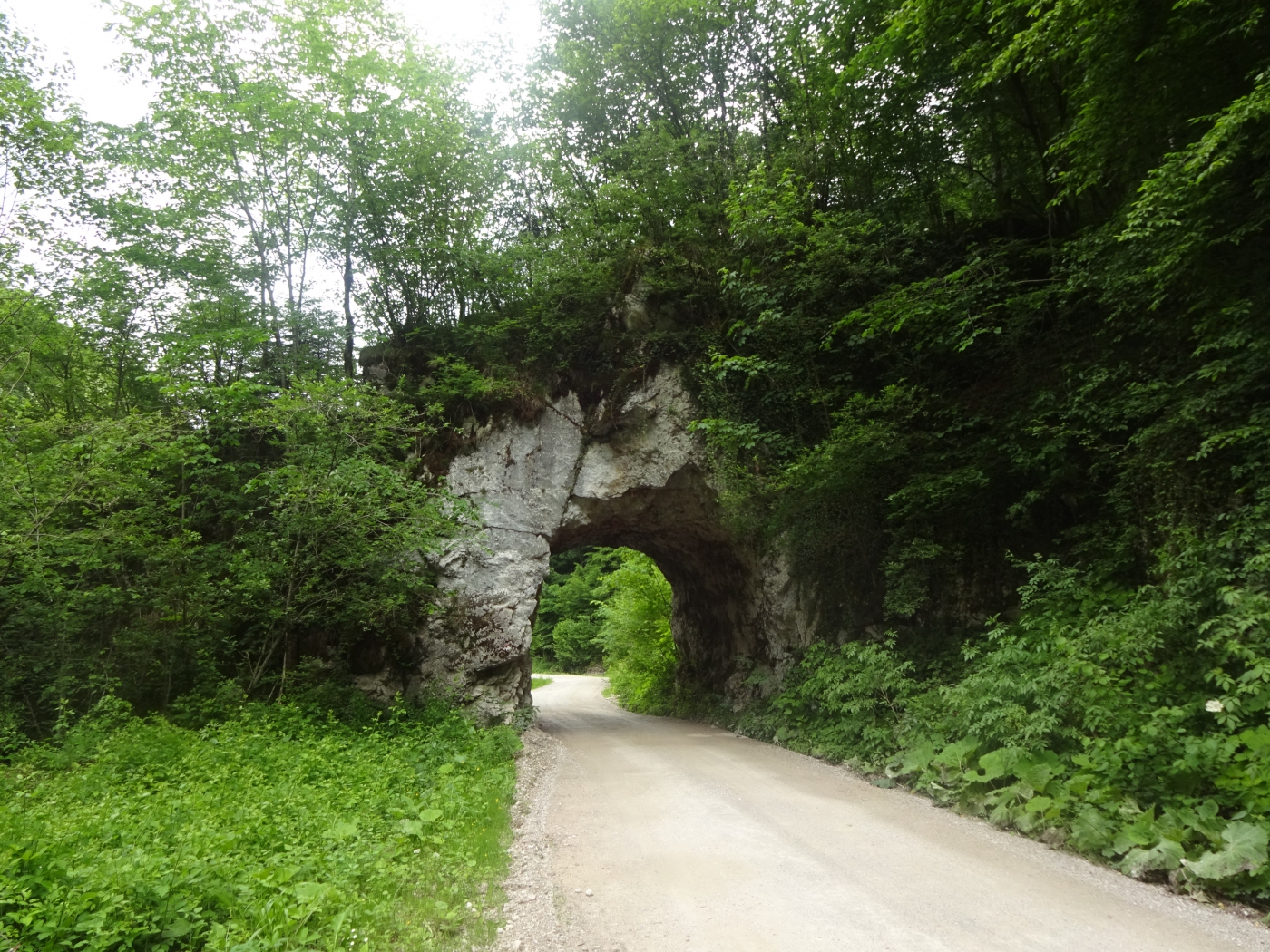
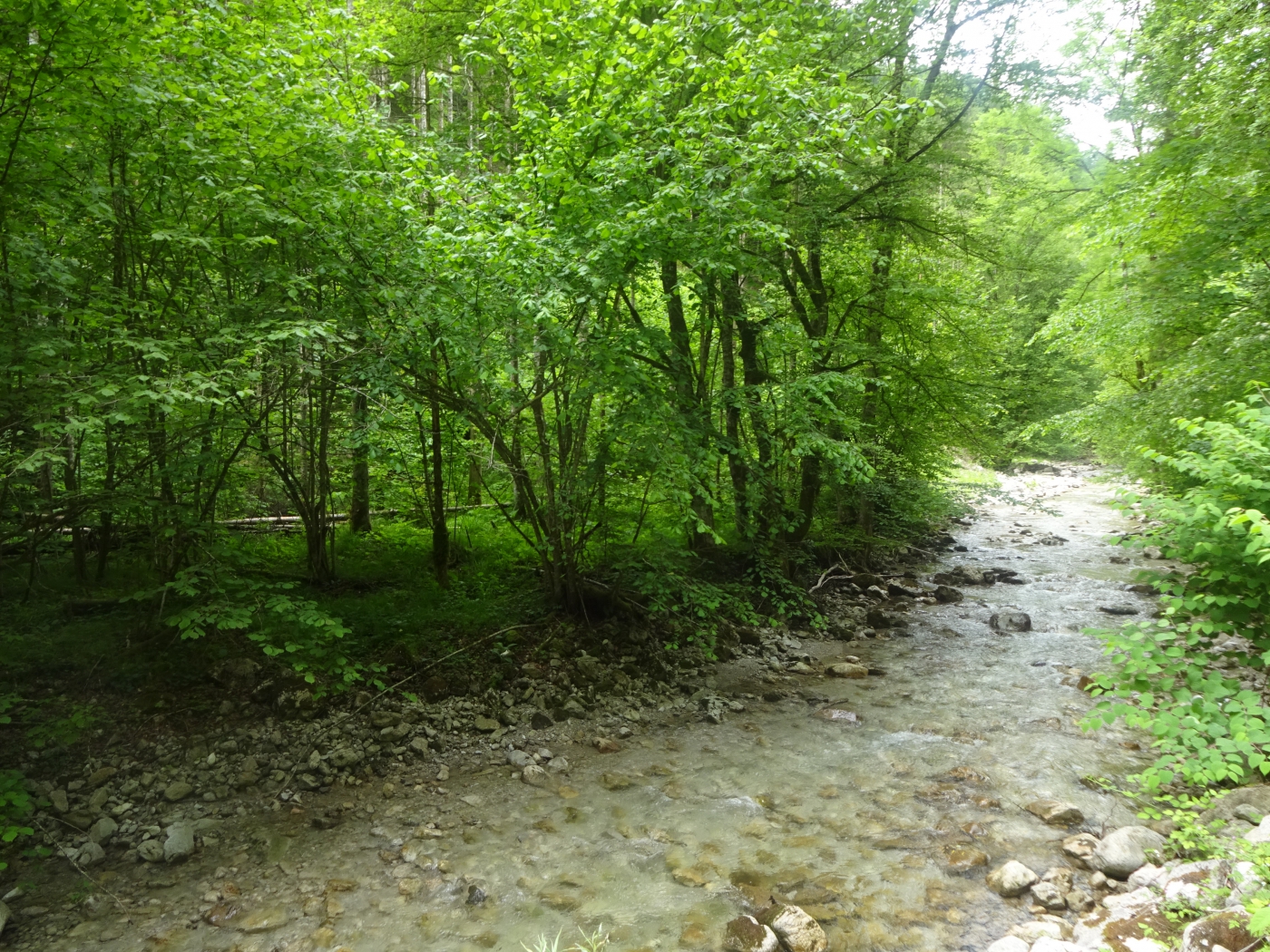
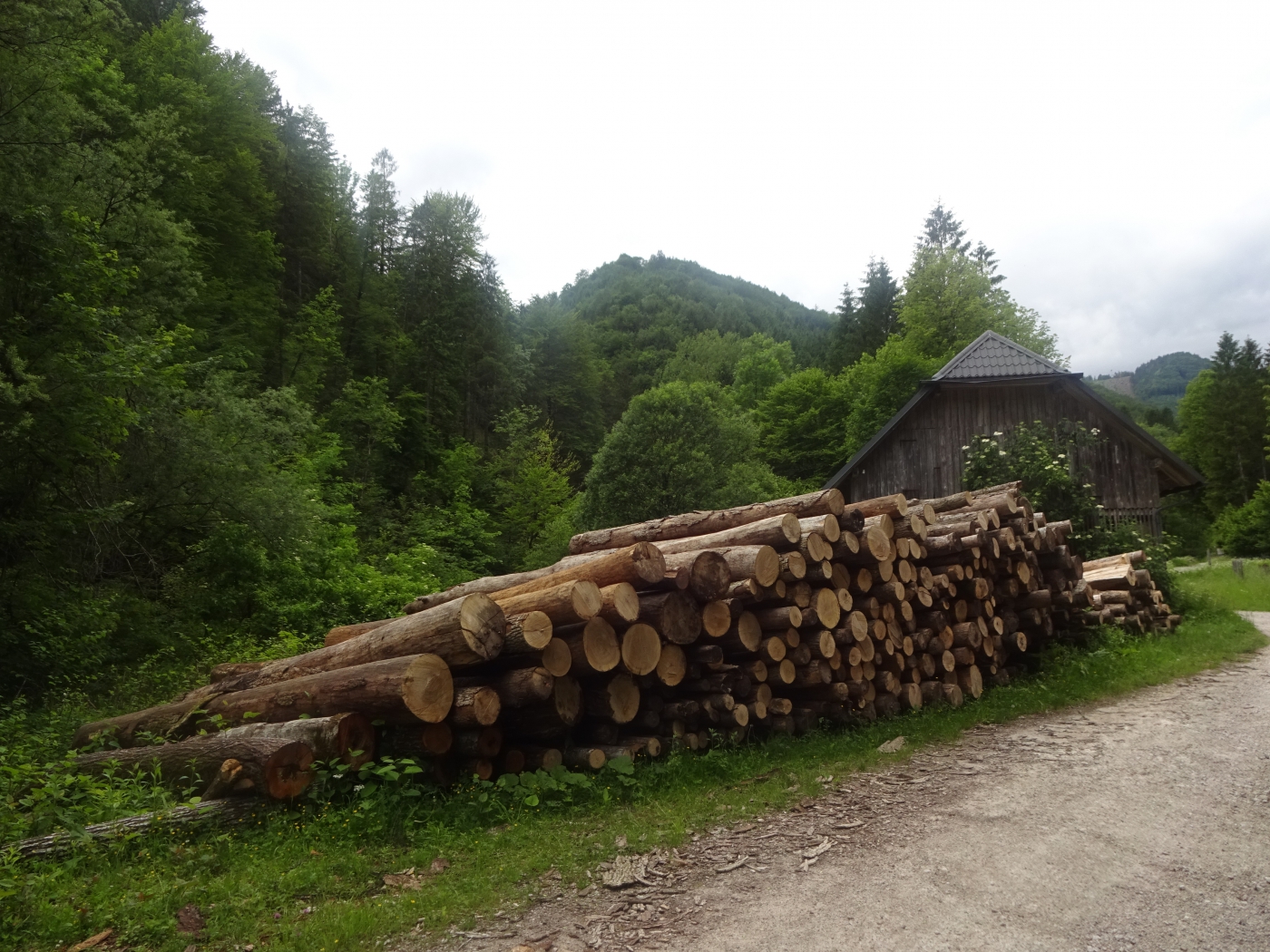
The Kalkalpen National Park, established in 1997, encompasses a rugged landscape of limestone Alps, deep gorges, and pristine rivers, creating a natural fortress where wilderness can persist. The Wilder Graben component specifically highlights the exceptional natural values of the Reichraminger Hintergebirge. Historically, the challenging topography of this region made widespread intensive forestry difficult. While timber rafting on the Enns river was a vital economic activity for centuries, accessing and exploiting the deep, remote valleys like the Wilder Graben proved impractical or was deliberately avoided due to early protection efforts or difficult terrain, thus safeguarding its primeval character. Today, it remains a sanctuary where the majestic beech can live out its full life cycle, forming an invaluable natural laboratory for scientific research and a breathtaking example of nature’s enduring power.
Weiterführende Links
- Ancient and Primeval Beech Forests of the Carpathians and Other Regions of Europe
- Kalkalpen National Park
- Fagus sylvatica
This transnational property includes 93 component parts in 18 countries. Since the end of the last Ice Age, European Beech spread from a few isolated refuge areas in the Alps, Carpathians, Dinarides, Mediterranean and Pyrenees over a short period of a few thousand years in a process that is still ongoing. The successful expansion across a whole continent is related to the tree’s adaptability and tolerance of different climatic, geographical and physical conditions.