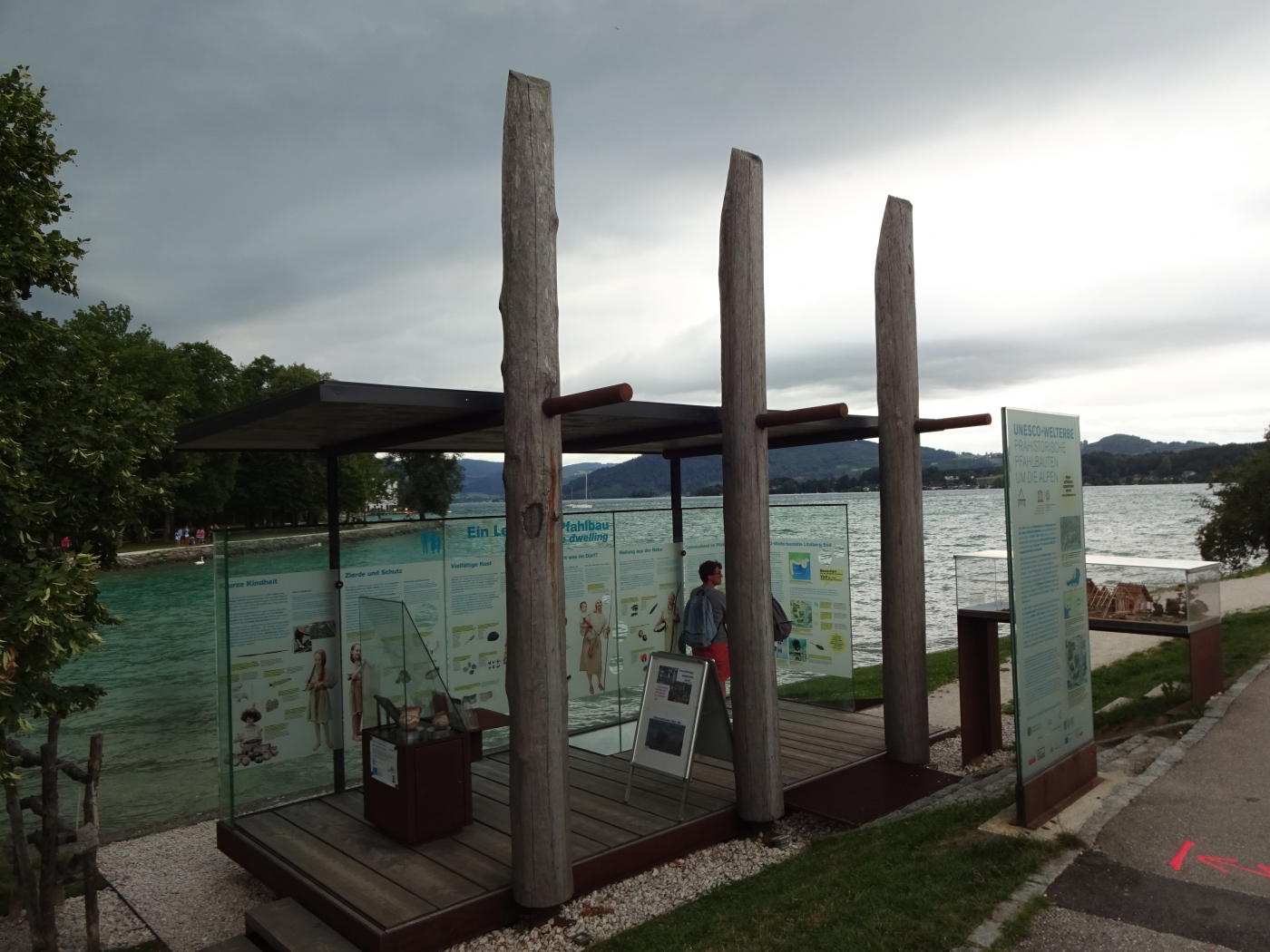
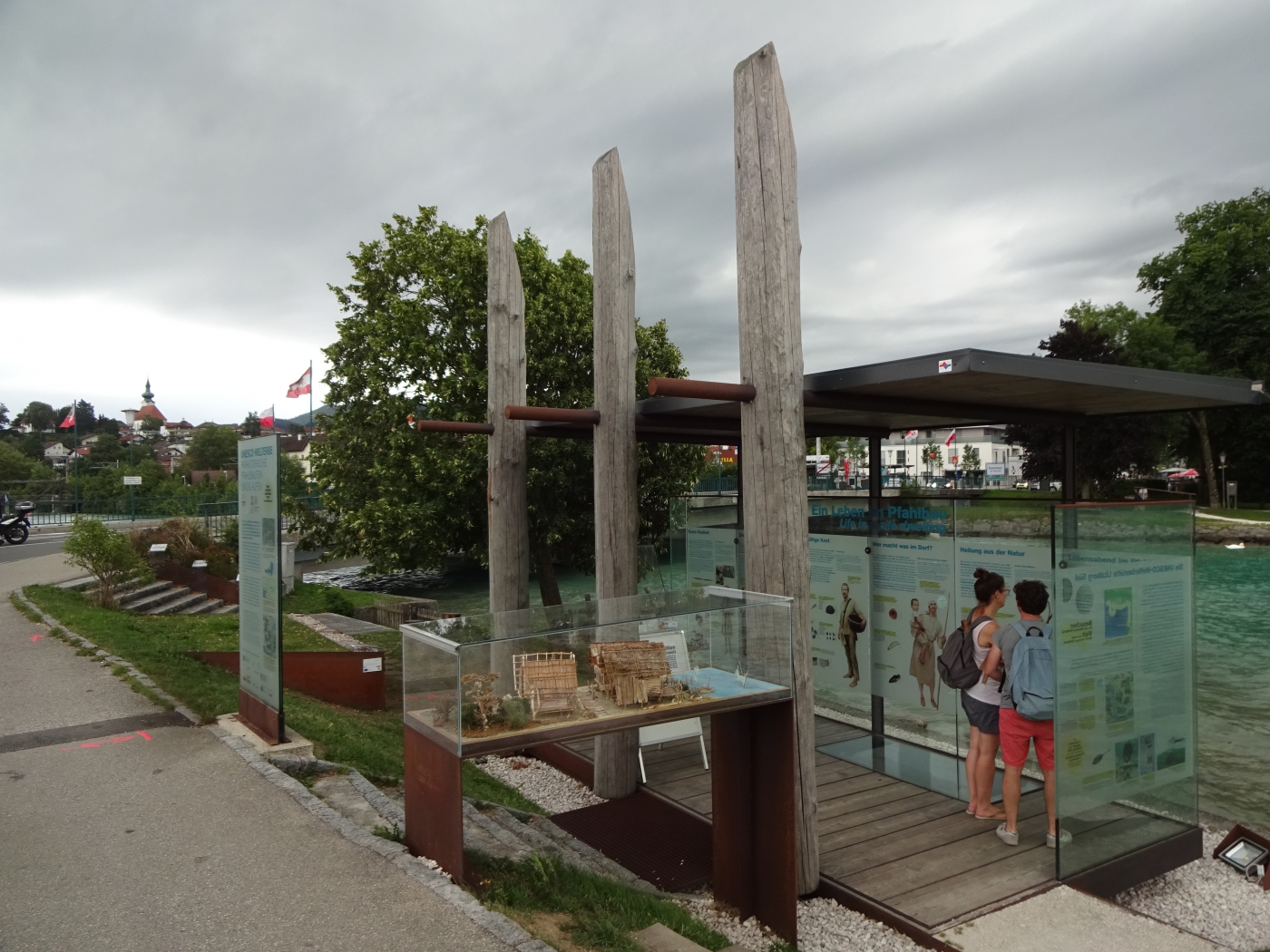
Prehistoric pile dwellings at Attersee - Prehistoric Pile Dwellings around the Alps
Seewalchen am Attersee, Austria
10.08.2019

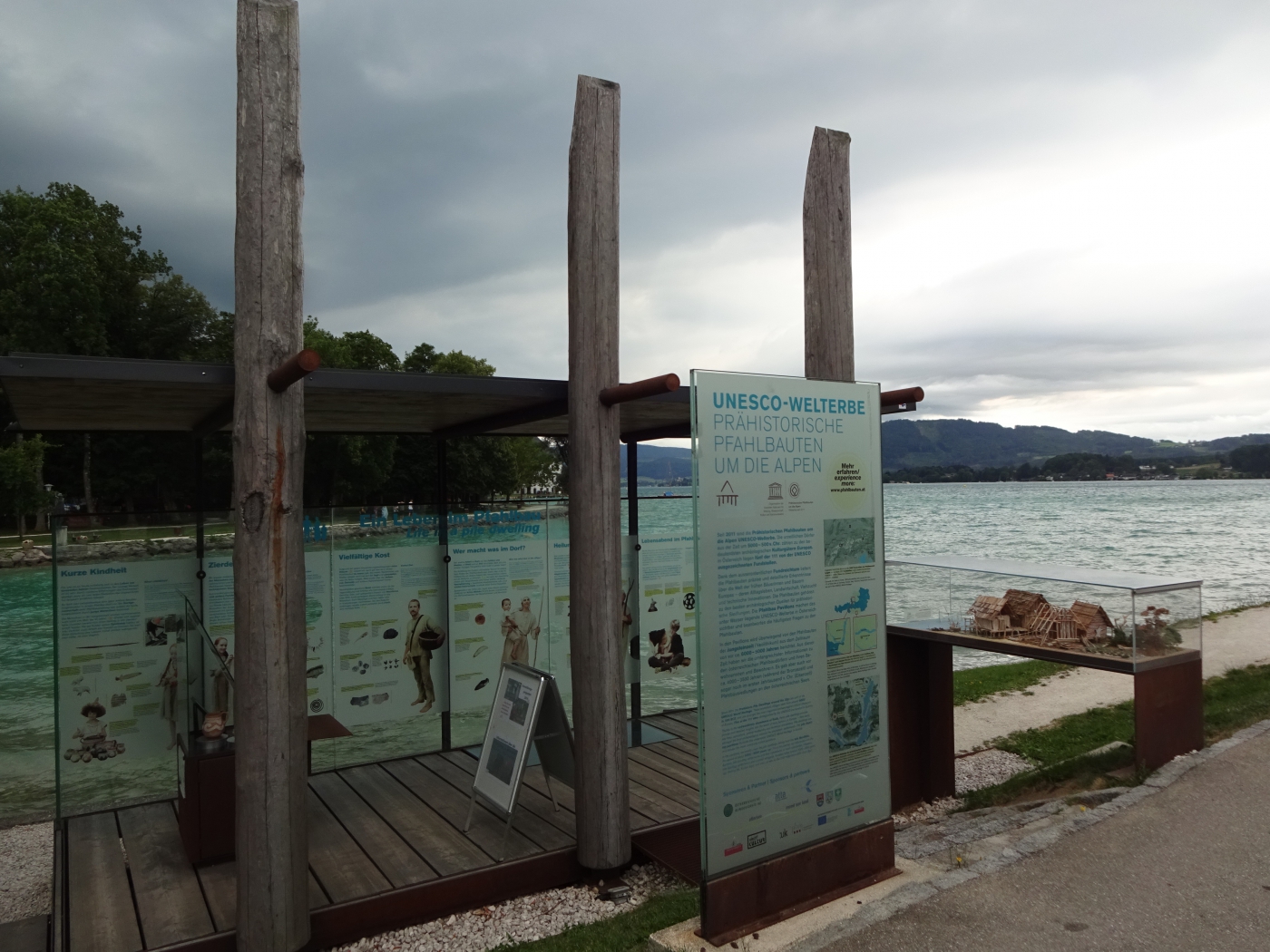
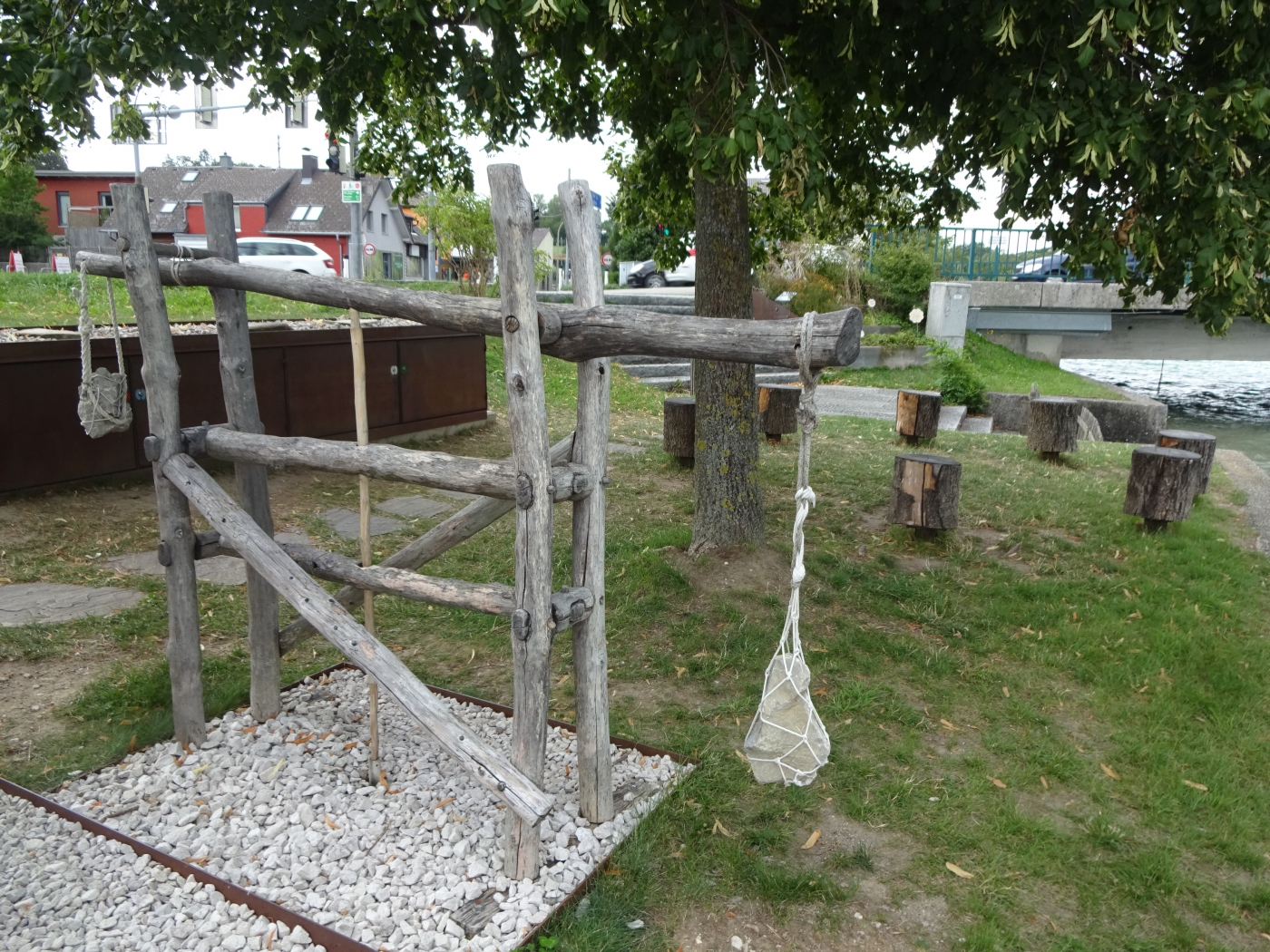
The serene waters of **Lake Attersee** in **Upper Austria** hold secrets spanning millennia, offering an unparalleled window into early European prehistory. Nestled near **Seewalchen am Attersee**, the remnants of ancient pile dwellings form a crucial part of the **UNESCO World Heritage site** "**Prehistoric Pile Dwellings around the Alps**". These submerged and waterlogged archaeological sites provide extraordinarily well-preserved insights into the lives of communities from the **Neolithic** and **Bronze Age**, roughly spanning from 5000 to 500 BC.
A Glimpse into Prehistory
The **Attersee** pile dwellings are unique time capsules. The constant presence of water has created anaerobic conditions, safeguarding organic materials that would normally decay. This includes wooden tools, textiles, food remains, and even parts of the timber structures themselves. These discoveries reveal sophisticated early farming practices, animal husbandry, and elaborate craftsmanship, challenging earlier notions of primitive prehistoric societies.
Life on the Lake
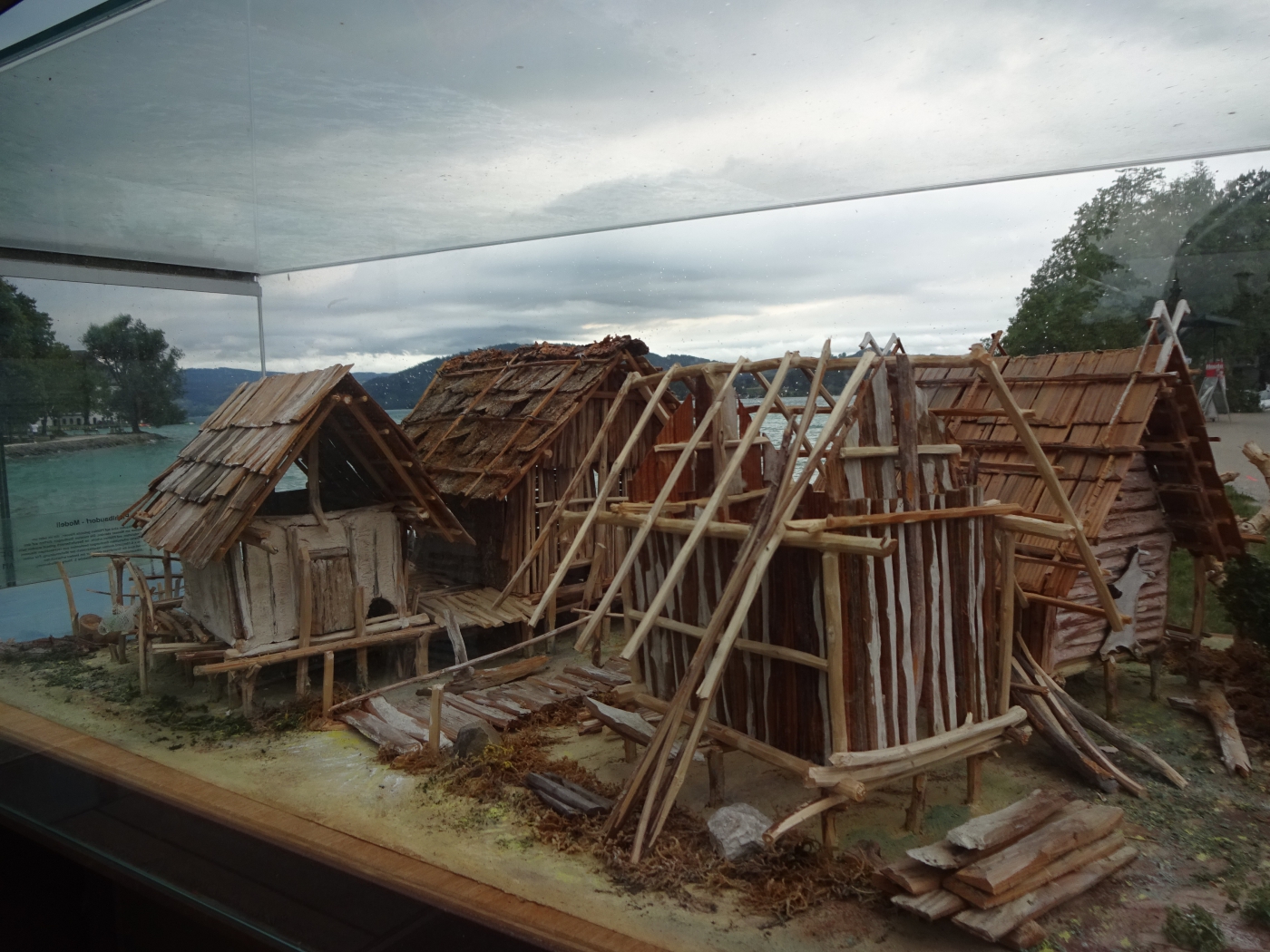
Imagine communities living directly over the water, their homes supported by sturdy wooden piles driven into the lakebed. These settlements offered protection and access to resources, shaping a distinctive aquatic culture. Archaeological excavations, particularly those led by pioneers like **Matthias Öhler** in the late 19th and early 20th centuries, have meticulously uncovered the foundations and countless artifacts, painting a vivid picture of daily routines, trade networks, and social structures. The excellent preservation allows for dendrochronological analysis, providing precise dating for many of the structures.
Enduring Legacy
The significance of the **Attersee** sites, along with others within the wider World Heritage designation, lies in their ability to inform us about the first settled farming communities in Europe. They illustrate how early humans adapted to their environment, managed resources, and coped with environmental changes, including fluctuations in lake levels. As a collective, these pile dwellings stand as a testament to human ingenuity and resilience, making them an invaluable part of our shared global heritage.
Further Reading
This serial property of 111 small individual sites encompasses the remains of prehistoric pile-dwelling (or stilt house) settlements in and around the Alps built from around 5000 to 500 B.C. on the edges of lakes, rivers or wetlands. Excavations, only conducted in some of the sites, have yielded evidence that provides insight into life in prehistoric times during the Neolithic and Bronze Age in Alpine Europe and the way communities interacted with their environment. Fifty-six of the sites are located in Switzerland. The settlements are a unique group of exceptionally well-preserved and culturally rich archaeological sites, which constitute one of the most important sources for the study of early agrarian societies in the region.
Prehistoric pile dwellings around the Alps are a series of prehistoric pile dwelling (or stilt house) settlements in and around the Alps built from about 5000 to 500 BC on the edges of lakes, rivers or wetlands. In 2011, 111 sites located variously in Switzerland (56), Italy (19), Germany (18), France (11), Austria (5) and Slovenia (2) were added to the UNESCO World Heritage Site list. In Slovenia, these were the first World Heritage Sites to be listed for their cultural value.
Excavations conducted at some of the sites have yielded evidence regarding prehistoric life and the way communities interacted with their environment during the Neolithic and Bronze Ages in Alpine Europe. These settlements are a unique group of exceptionally well-preserved and culturally rich archaeological sites, which constitute one of the most important sources for the study of early agrarian societies in the region.
Contrary to popular belief, the dwellings were not erected over water, but on nearby marshy land. They were set on piles to protect against occasional flooding. Because the lakes have grown in size over time, many of the original piles are now under water, giving modern observers the false impression that they have always been this way. Climate change is changing the habitats of these sites.