Strasbourg, Grande-Ãle and Neustadt
Strasbourg, France
03.04.2017

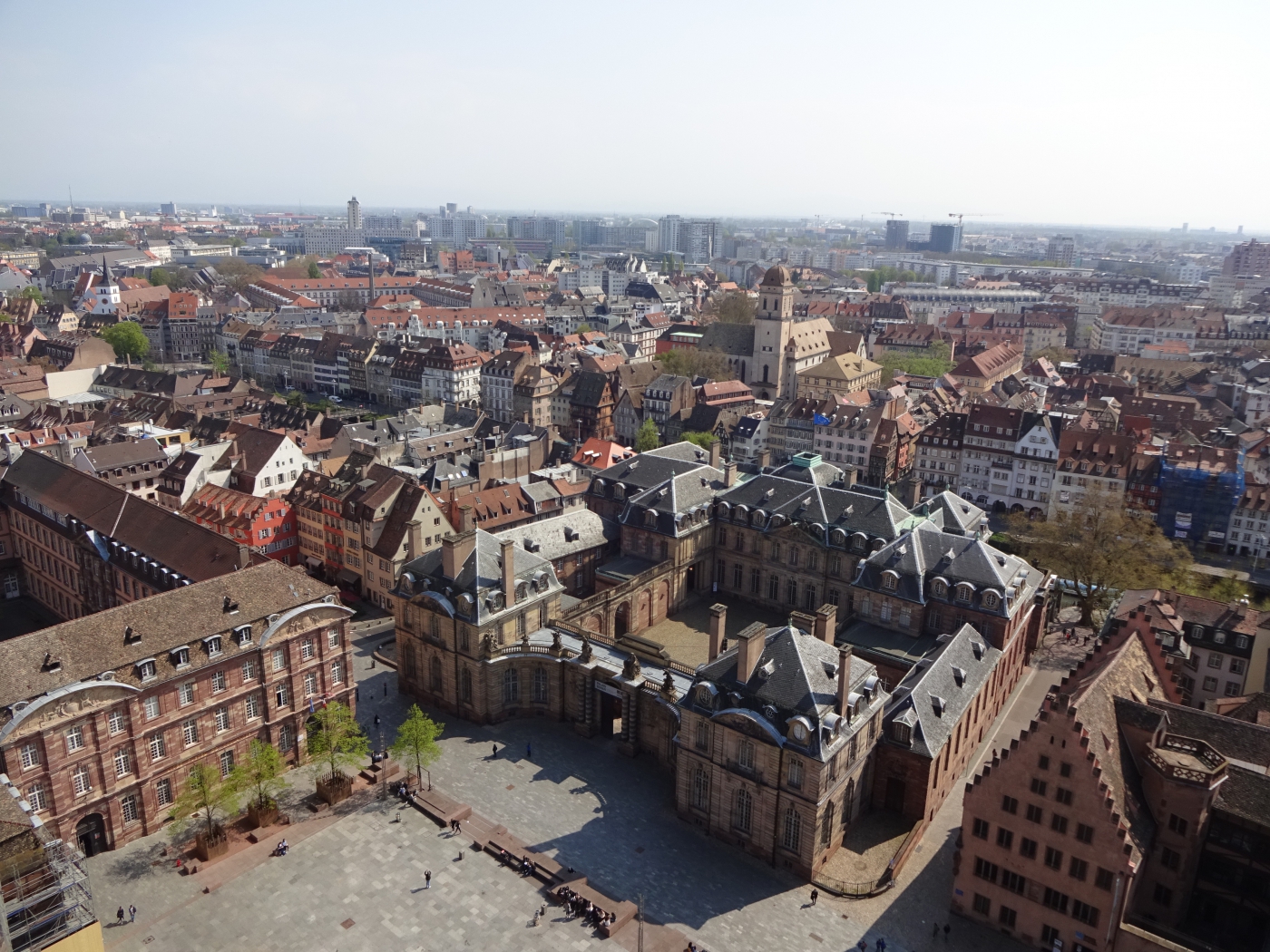
Strasbourg, a city at the crossroads of Europe, proudly hosts a remarkable UNESCO World Heritage site encompassing its historic heart, the Grande-Île, and the distinctive Neustadt. This ensemble vividly illustrates the evolution of a European city over millennia, showcasing architectural brilliance and urban planning reflecting periods of both French and German influence.
The Ancient Heart: Grande-Île
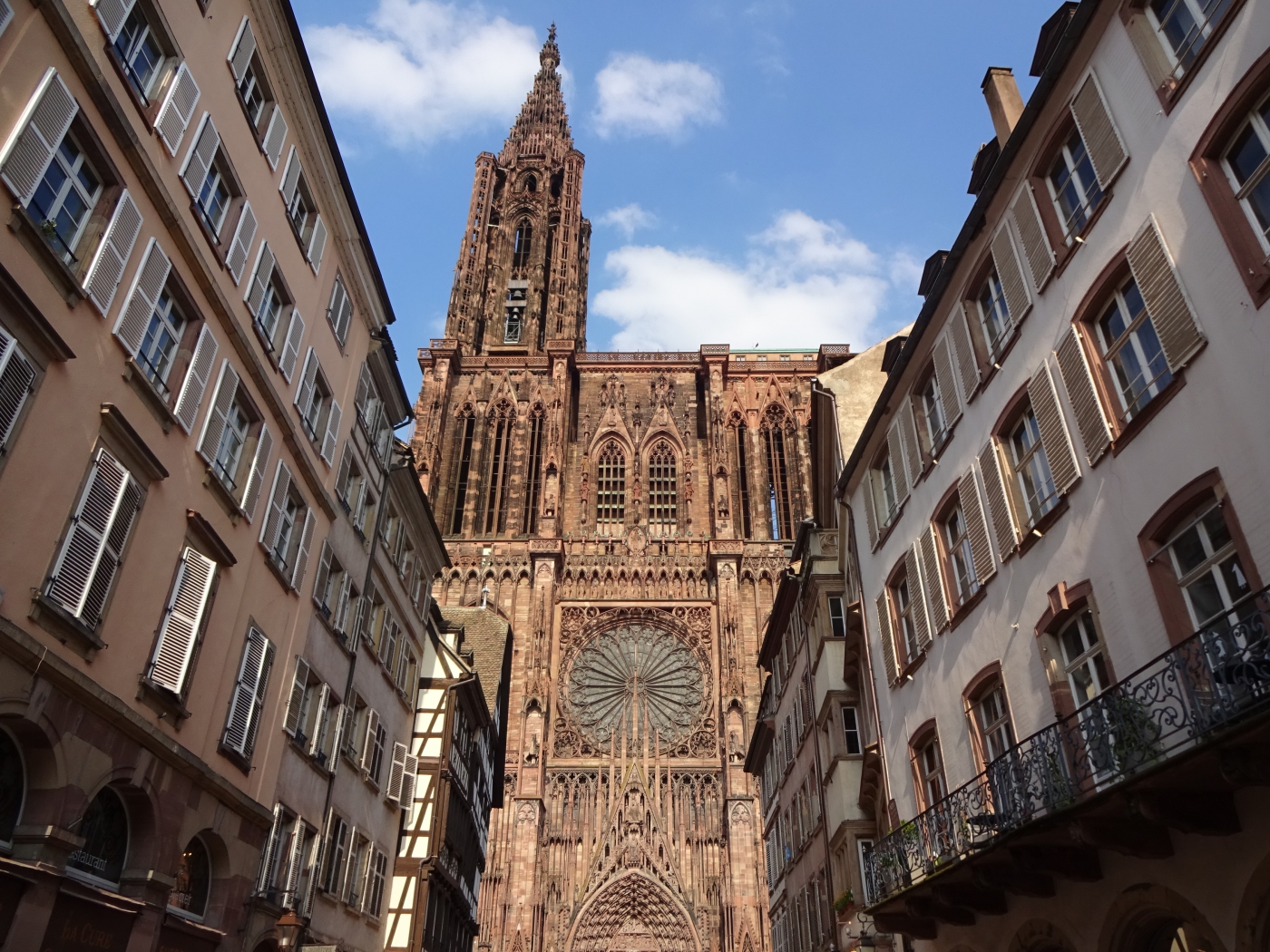
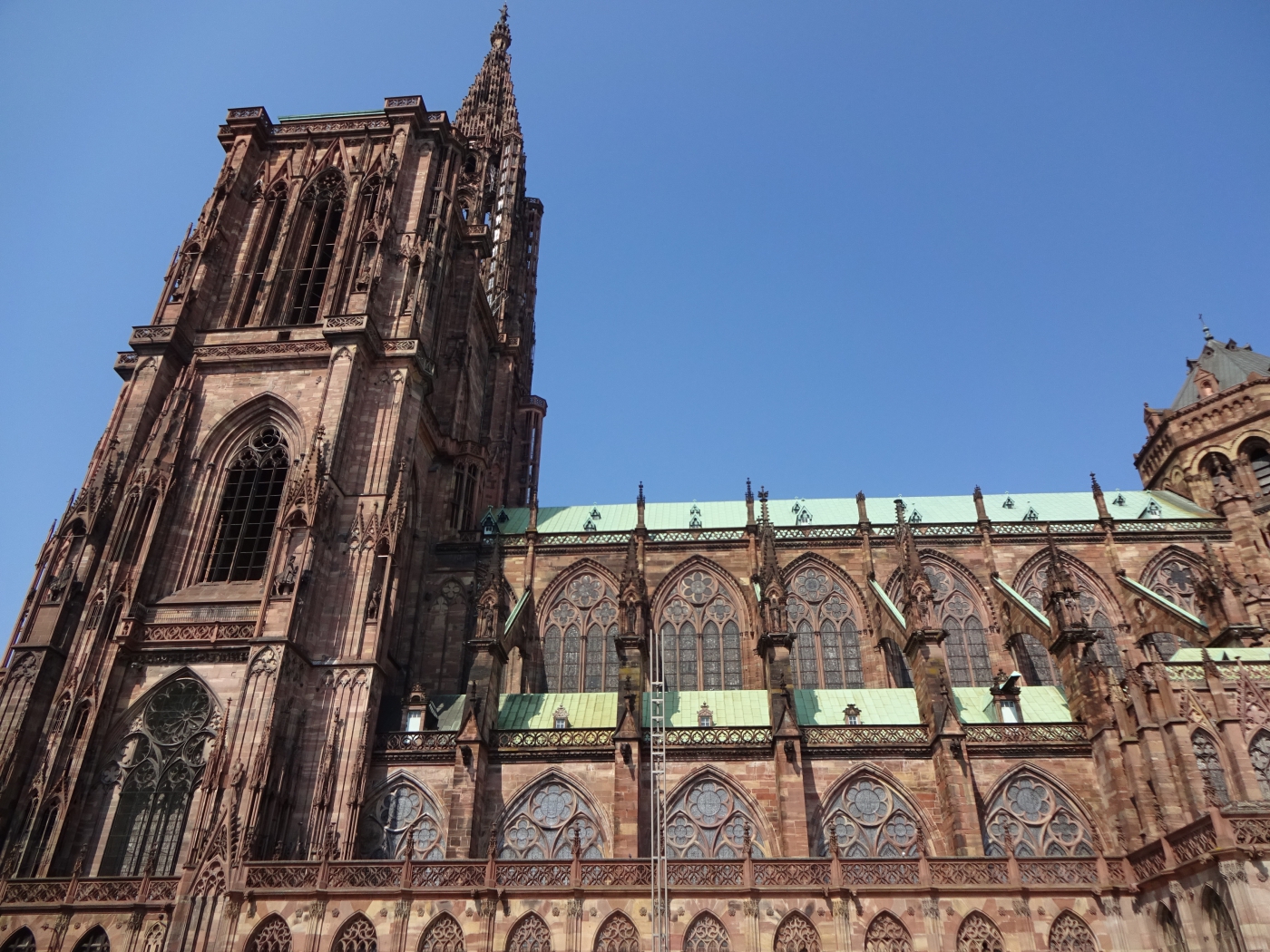
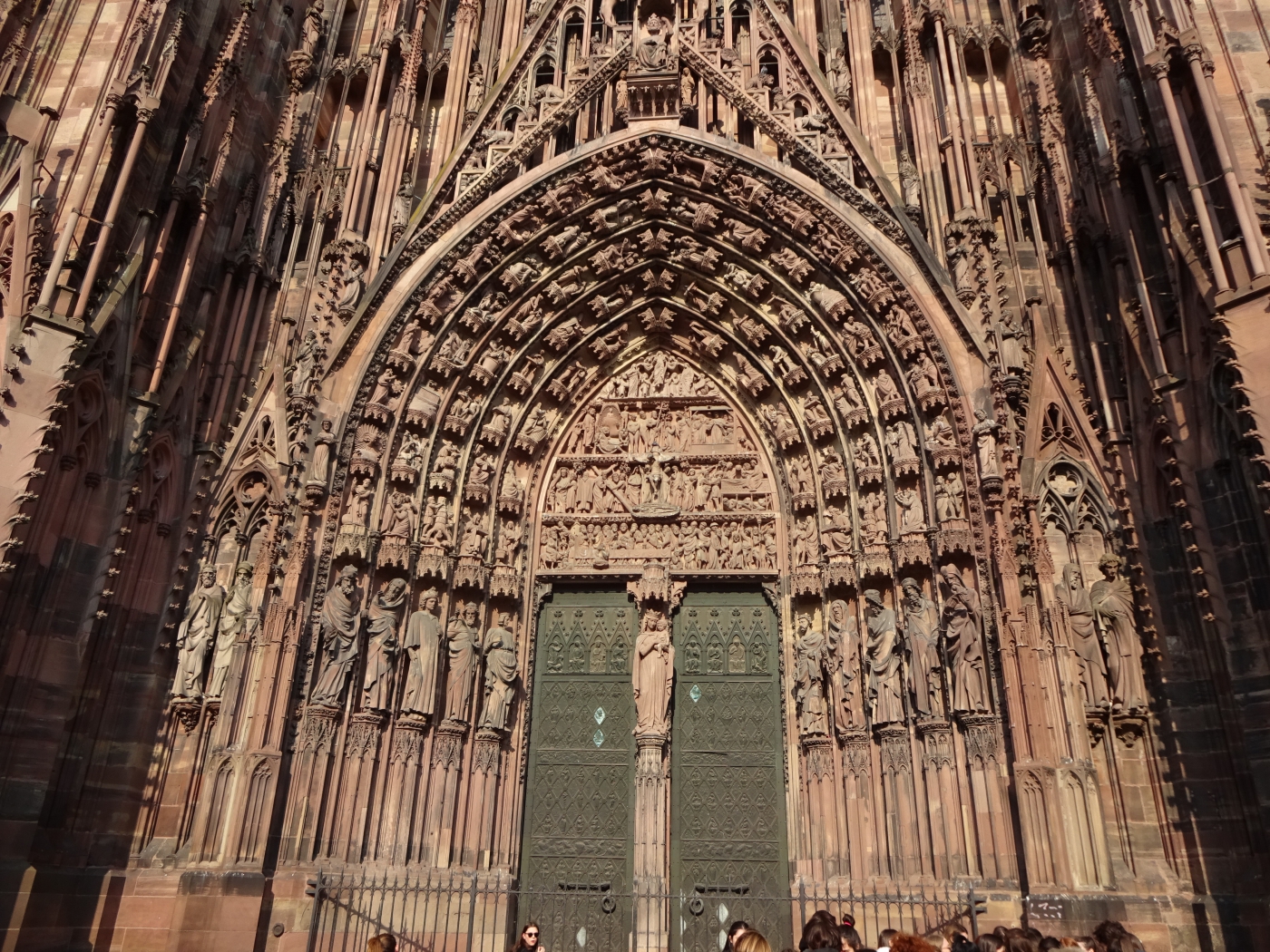
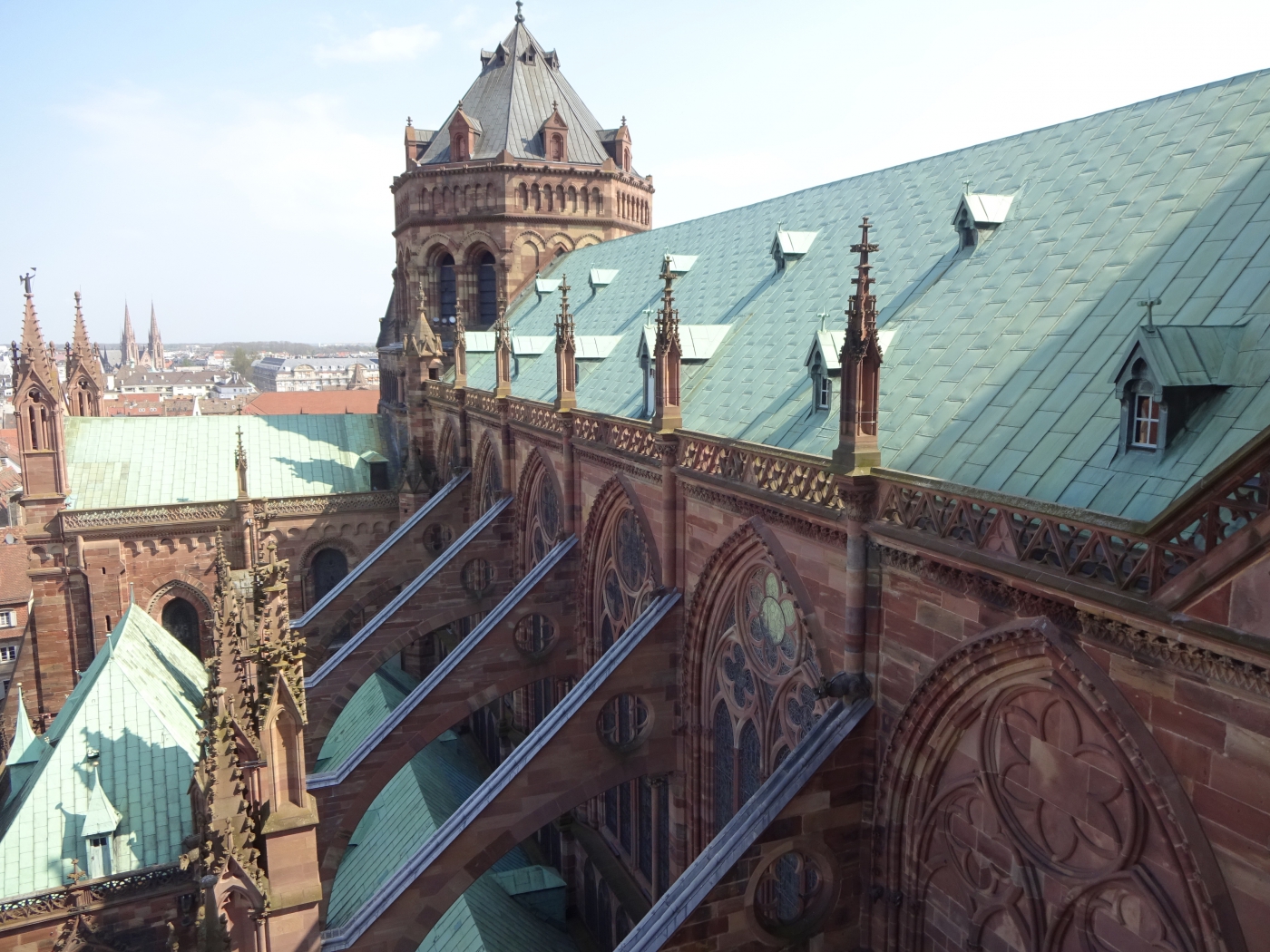
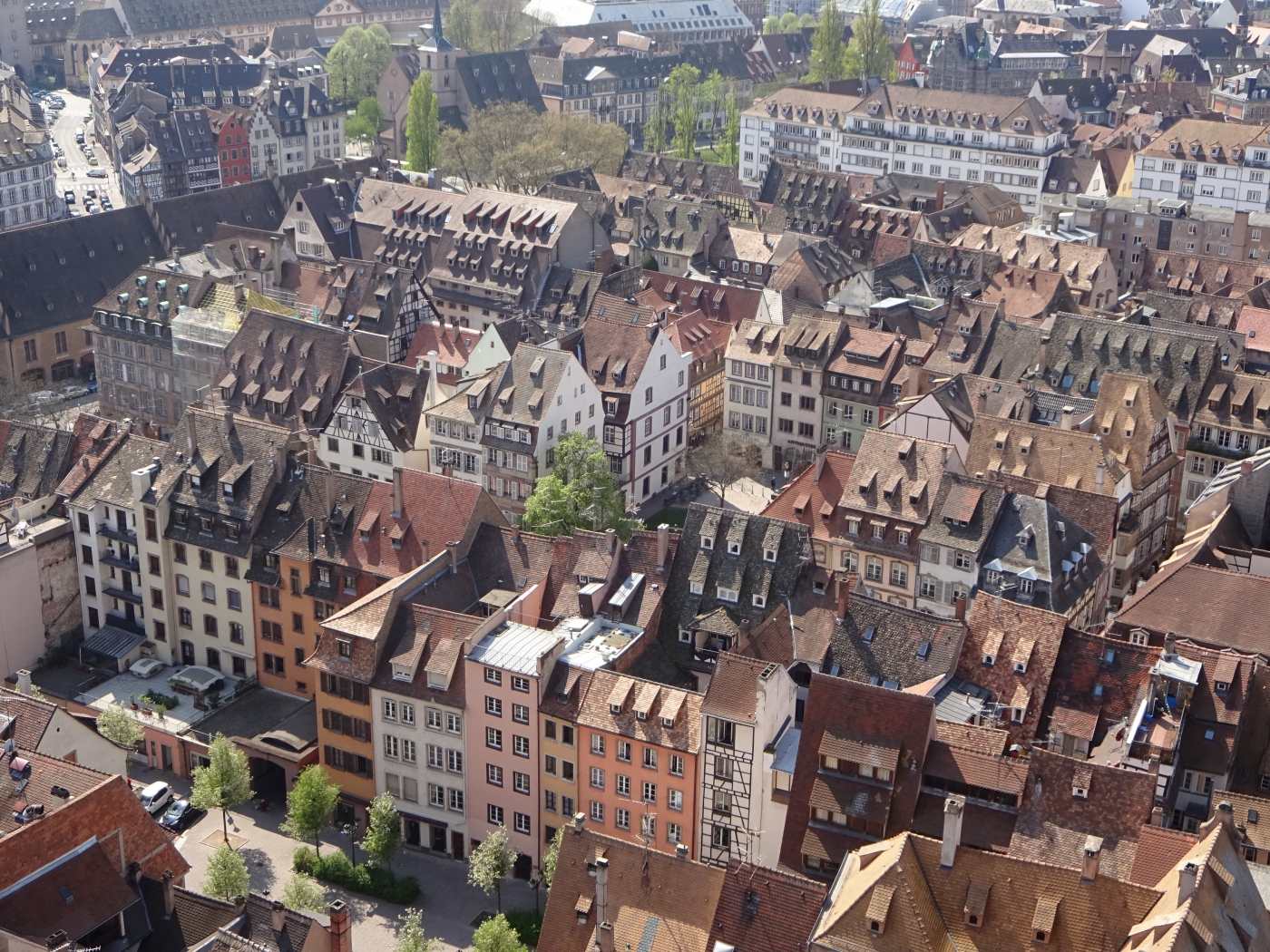
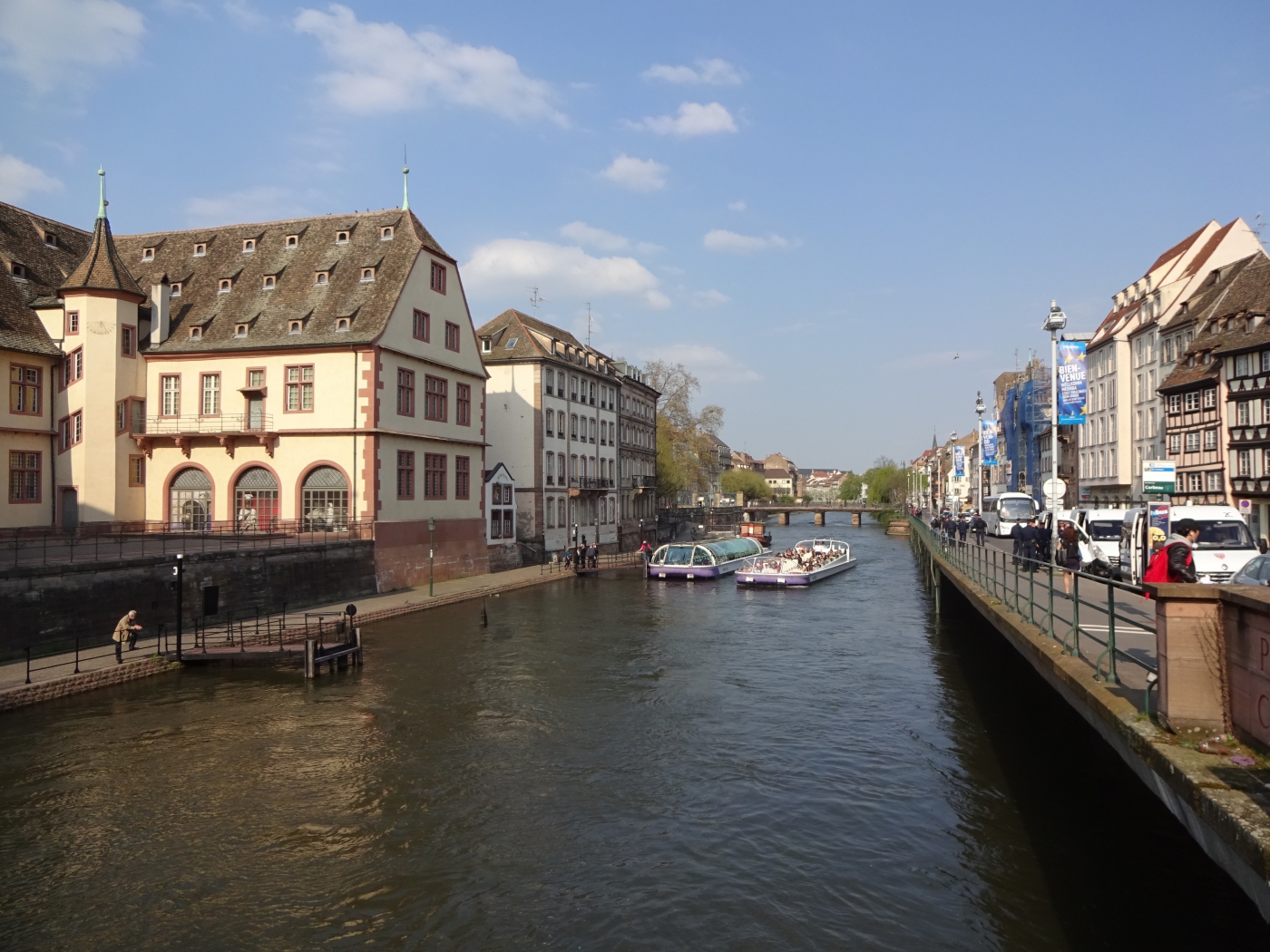
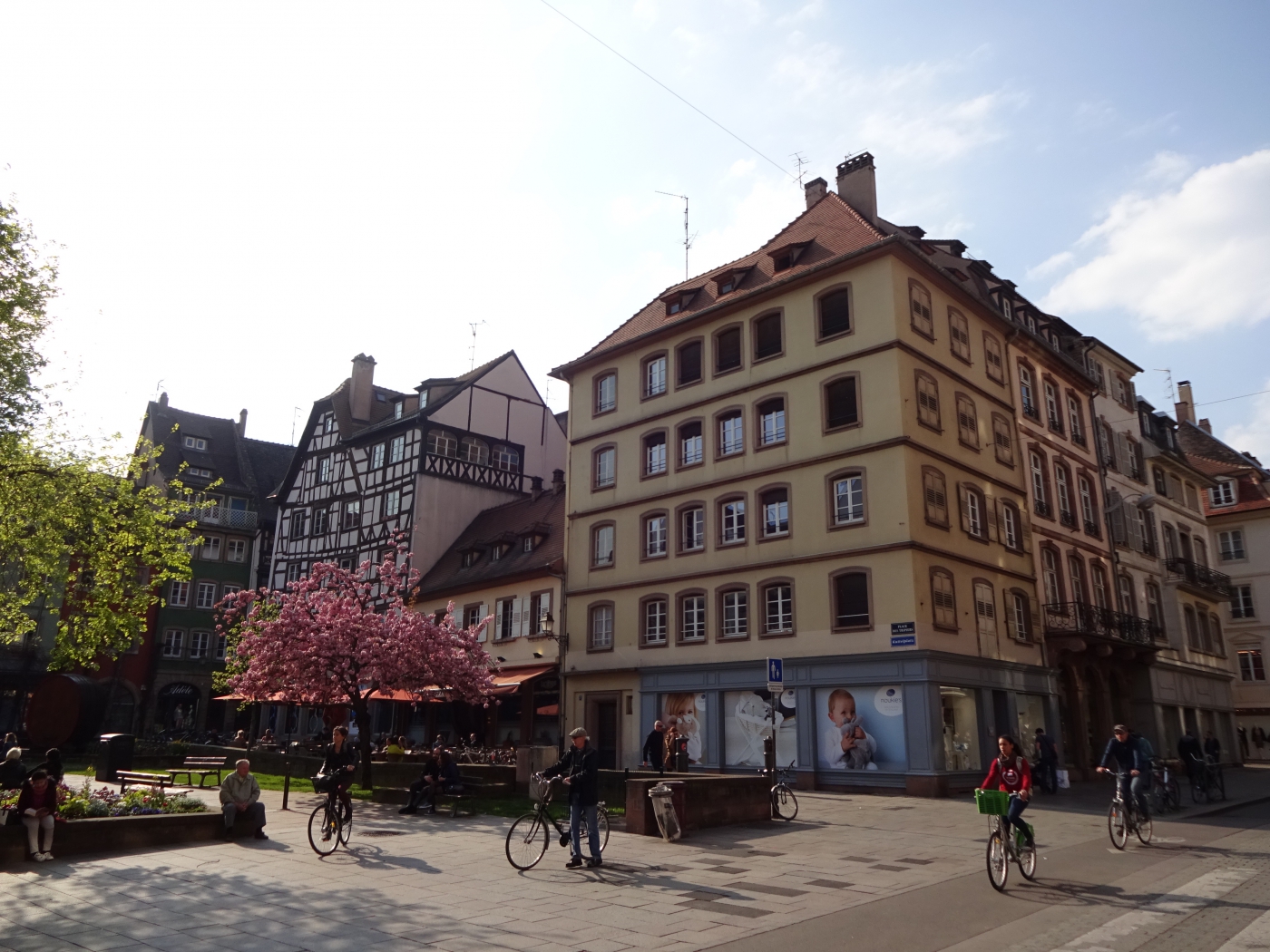
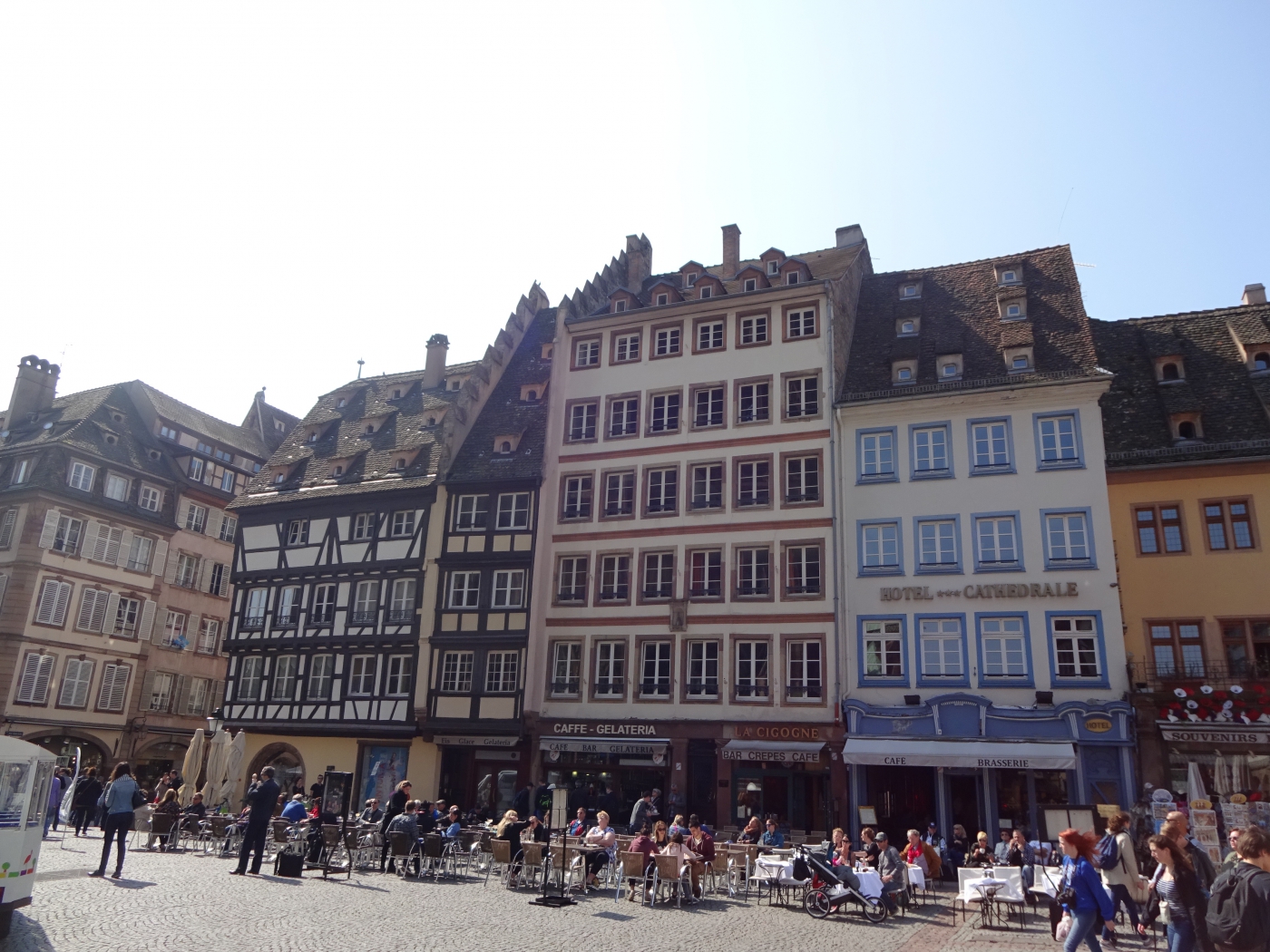
The Grande-Île, a natural island formed by the looping waters of the Ill River, has been the focal point of Strasbourg since antiquity. Originally the Roman encampment of Argentoratum, this strategic location blossomed into a prosperous medieval city. Its narrow streets and picturesque canals are framed by charming half-timbered houses, particularly evident in the enchanting quarter of Petite France, once home to tanners and fishermen. Dominating the island's skyline is the magnificent Cathédrale Notre-Dame de Strasbourg, a masterpiece of Gothic architecture whose spire, for centuries, was the tallest in the world. Its construction began in the 12th century, and its intricate façade and stunning stained-glass windows remain a testament to medieval craftsmanship. Other notable structures include the historic covered bridges, the Ponts Couverts, and the imposing Barrage Vauban, a fortified bridge and weir.
From Imperial City to European Metropolis
Strasbourg's history is a tapestry woven with threads of Roman, Germanic, and French heritage. For centuries, it flourished as a Free Imperial City within the Holy Roman Empire, a hub of trade, learning, and culture. Its strategic position meant it was frequently a prize in European power struggles, eventually being annexed by France under Louis XIV in 1681. However, after the Franco-Prussian War of 1870-71, the city, along with Alsace-Lorraine, became part of the newly formed German Empire, leading to a profound transformation that would give birth to its second World Heritage component.
The Grandeur of the Neustadt
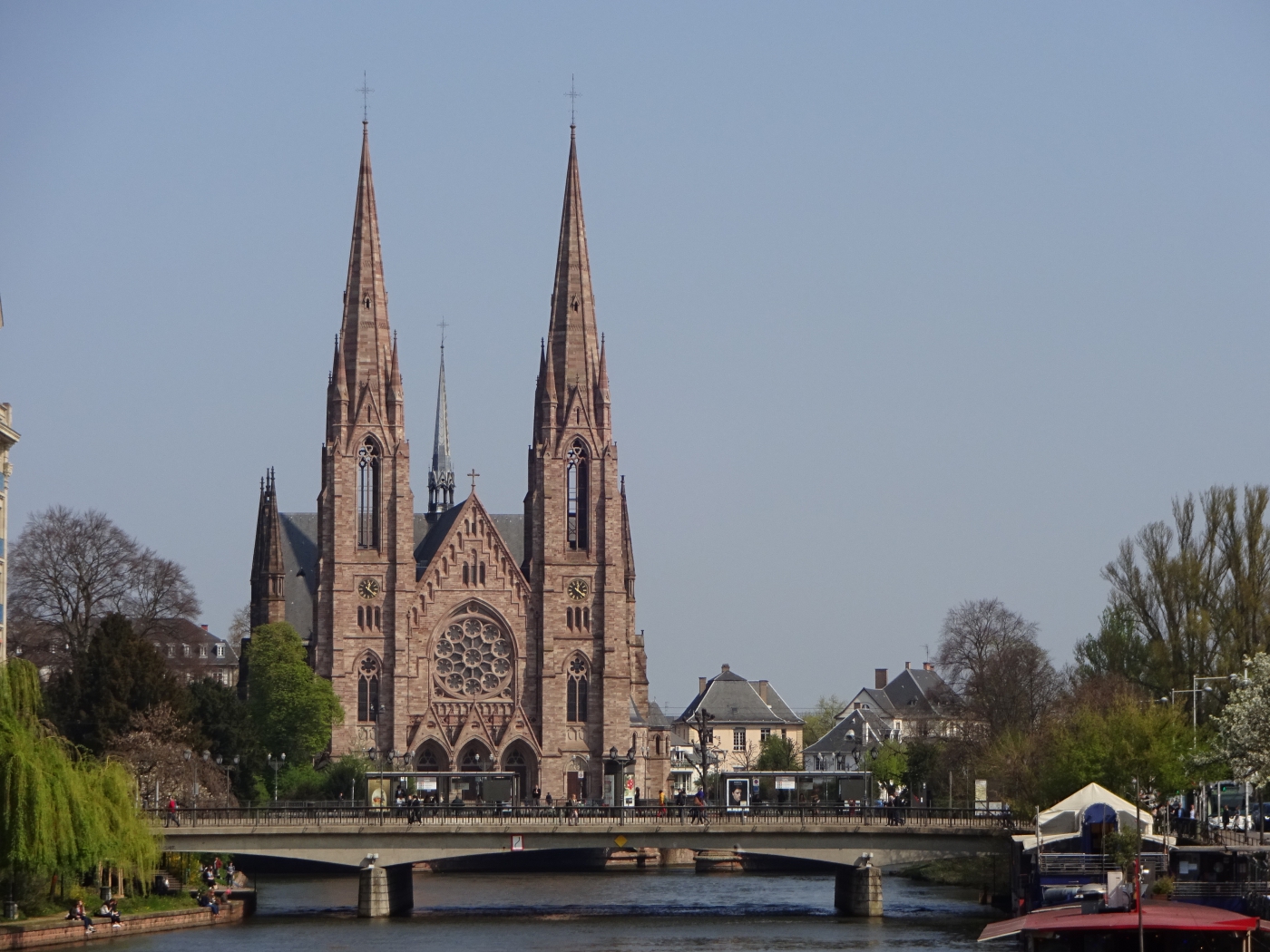
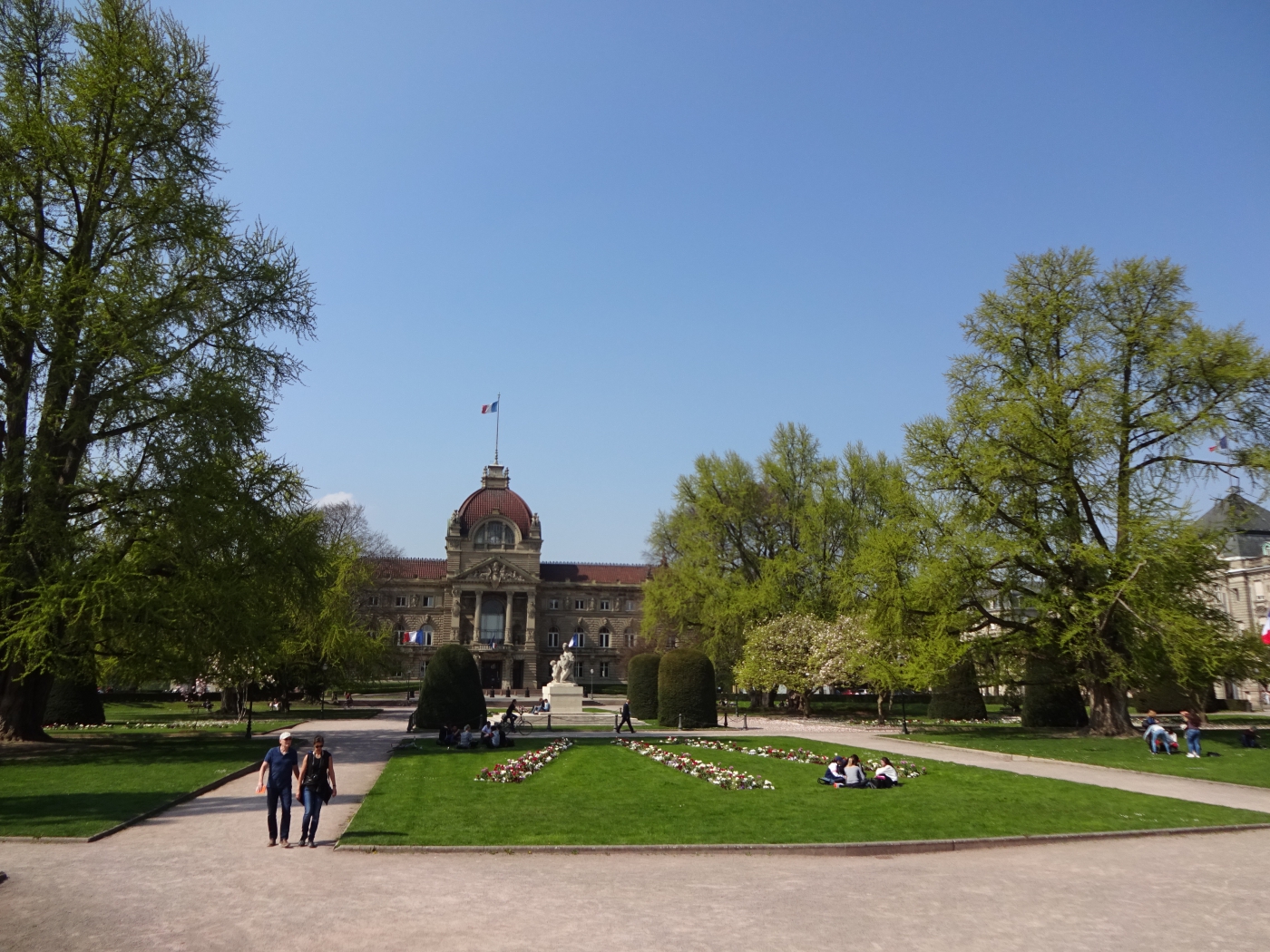
The Neustadt, or "German Quarter," was conceived and built from 1871 to 1918 under German imperial rule. It represents a bold and ambitious urban planning project designed to project the power and modernity of the German Empire. Commissioned by figures like Kaiser Wilhelm II, its spacious avenues, monumental public buildings, and large residential blocks stand in stark contrast to the medieval intimacy of the Grande-Île. Key architectural achievements include the opulent Palais du Rhin (formerly Kaiserpalast), the impressive National and University Library, and the elegant University Palace. This district, blending Neo-Renaissance, Neo-Baroque, and Art Nouveau styles, was not just an extension but a statement, meticulously planned to integrate with the existing city while asserting a new identity. Its creation made Strasbourg a model of urban development for other German cities.
Today, the harmonious coexistence of the Grande-Île and the Neustadt embodies Strasbourg's unique Franco-German character and its enduring role as a symbol of European unity and reconciliation.
Further Reading
The initial property, inscribed in 1988 on the World Heritage List, was formed by the Grande-Île, the historic centre of Strasbourg, structured around the cathedral. The extension concerns the Neustadt, new town, designed and built under the German administration (1871-1918). The Neustadt draws the inspiration for its urban layout partially from the Haussmannian model, while adopting an architectural idiom of Germanic inspiration. This dual influence has enabled the creation of an urban space that is specific to Strasbourg, where the perspectives created around the cathedral open to a unified landscape around the rivers and canals.
Strasbourg (UK: STRAZ-burg, US: STRAHSS-boorg, STRAHZ-, -burg; French: [stʁasbuʁ] ; German: Straßburg [ˈʃtʁaːsbʊʁk] ) is a prefecture and commune, and the largest city of the Grand Est region of northeastern France, in the historic region of Alsace. It is the prefecture of the Bas-Rhin department and the official seat of the European Parliament.
The city has about three hundred thousand inhabitants, and together Greater Strasbourg and the arrondissement of Strasbourg have over five hundred thousand. Strasbourg's metropolitan area had a population of 1,020,744 in 2023, making it the eighth-largest metro area in France and home to 14% of the Grand Est region's inhabitants. The transnational Eurodistrict Strasbourg-Ortenau had a population of roughly 1,020,000 in 2023. Strasbourg is one of the de facto tree main capitals of the European Union (alongside Brussels, Luxembourg, as it is the seat of several European institutions, such as the European Parliament, the Eurocorps and the European Ombudsman of the European Union. An organization separate from the European Union, the Council of Europe (with its European Court of Human Rights, its European Directorate for the Quality of Medicines most commonly known in French as "Pharmacopée Européenne", and its European Audiovisual Observatory) is also located in the city.
Together with, Geneva (United Nations) and New York City (United Nations world headquarters), Strasbourg is among the few cities in the world that is not a national capital that hosts international organisations of the first order. The city is the seat of many non-European international institutions such as the Central Commission for Navigation on the Rhine and the International Institute of Human Rights. It is the second city in France in terms of international congresses and symposia, after Paris. Strasbourg's historic city centre, the Grande Île (Grand Island), was classified a World Heritage Site by UNESCO in 1988, with the newer "Neustadt" being added to the site in 2017. Strasbourg is immersed in Franco-German culture and although violently disputed throughout history, has been a cultural bridge between France and Germany for centuries, especially through the University of Strasbourg, currently the second-largest in France, and the coexistence of Catholic and Protestant culture. It is also home to the largest Islamic place of worship in France, the Strasbourg Grand Mosque.
Economically, Strasbourg is an important centre of manufacturing and engineering, as well as a hub of road, rail, and river transportation. The port of Strasbourg is the second-largest on the Rhine after Duisburg in Germany, and the second-largest river port in France after Paris.