Church and Dominican Convent of Santa Maria delle Grazie with “The Last Supper” by Leonardo da Vinci
Mailand, Lombardei, Italy
23.10.2019

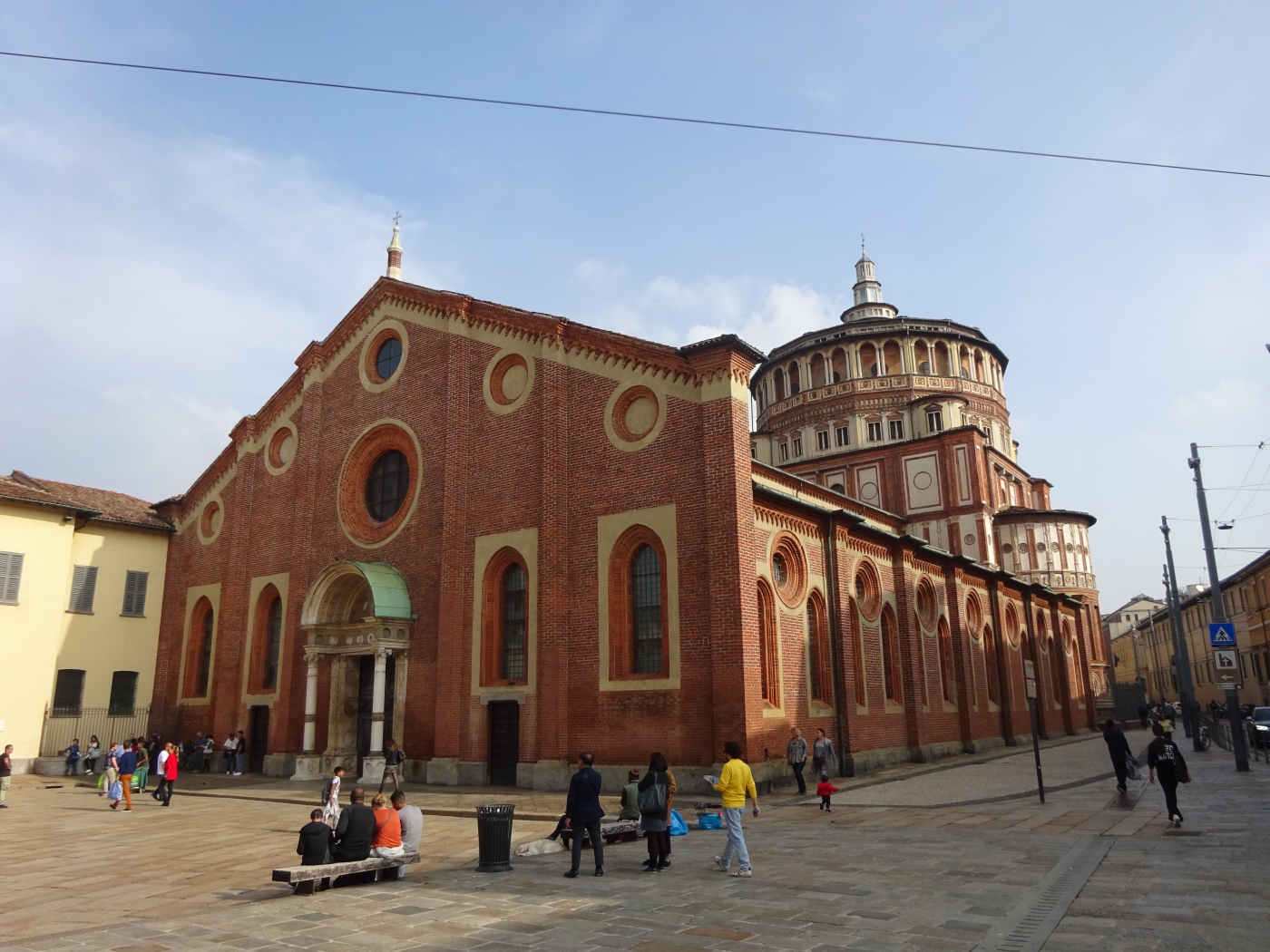
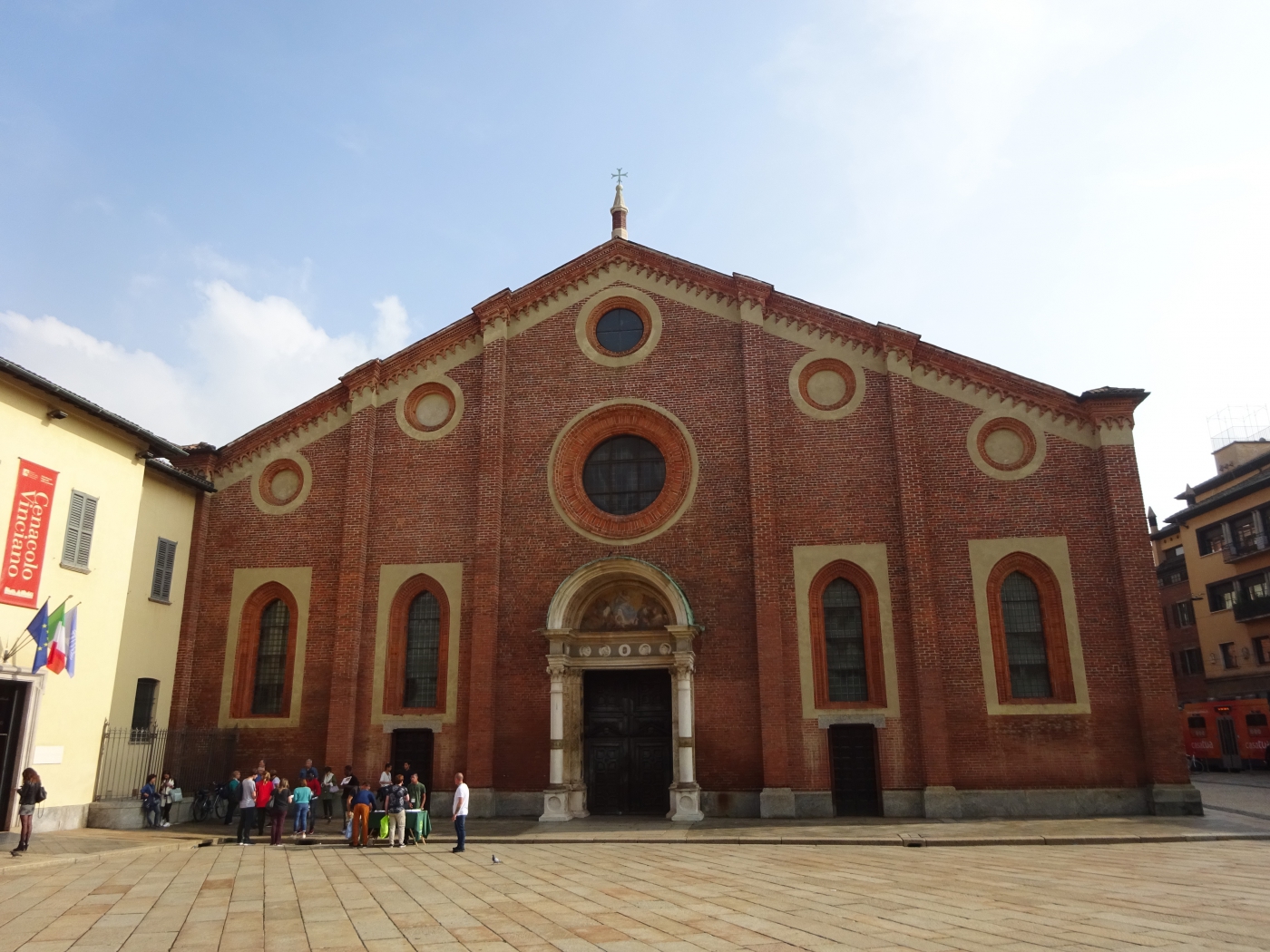
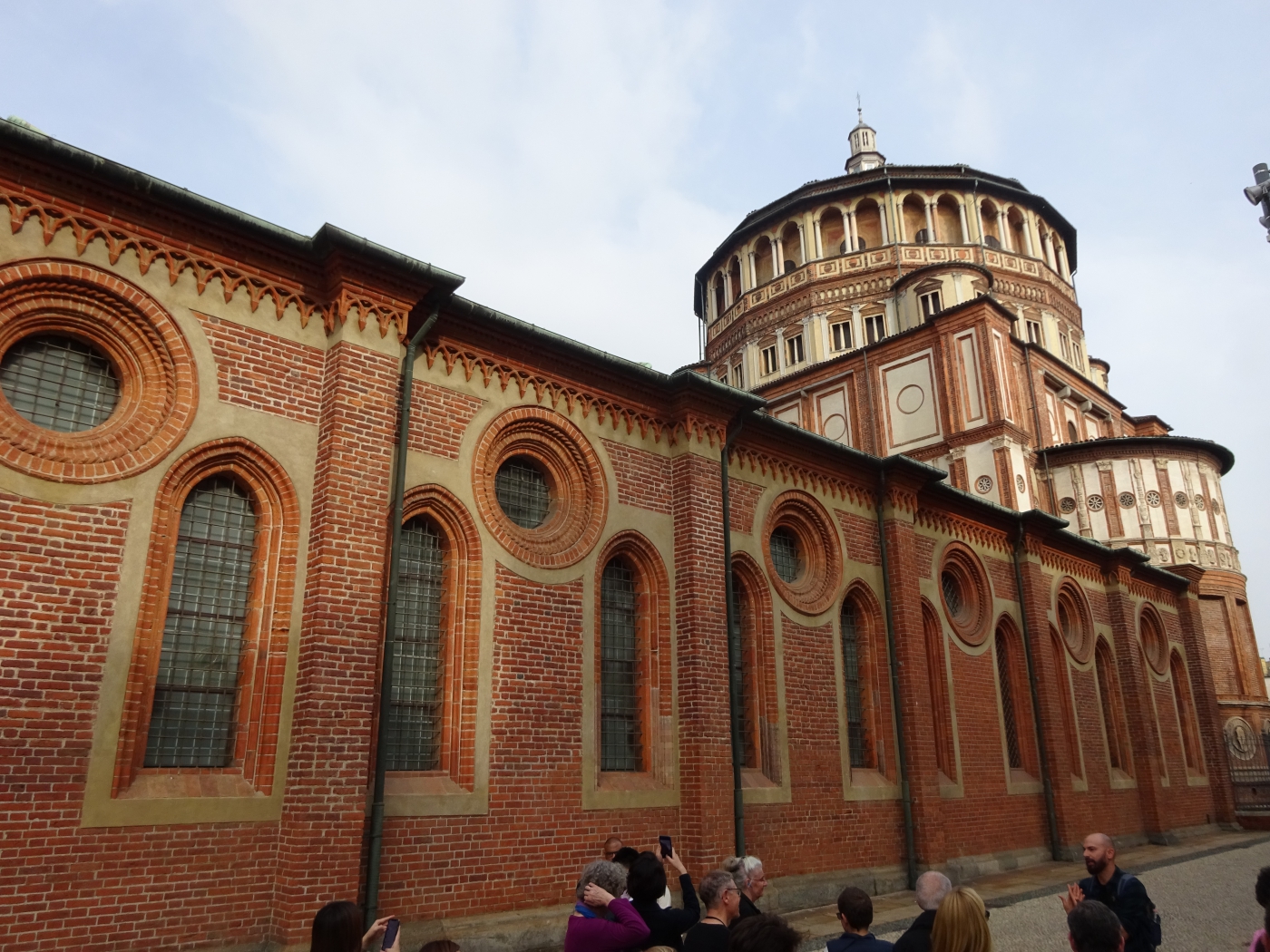
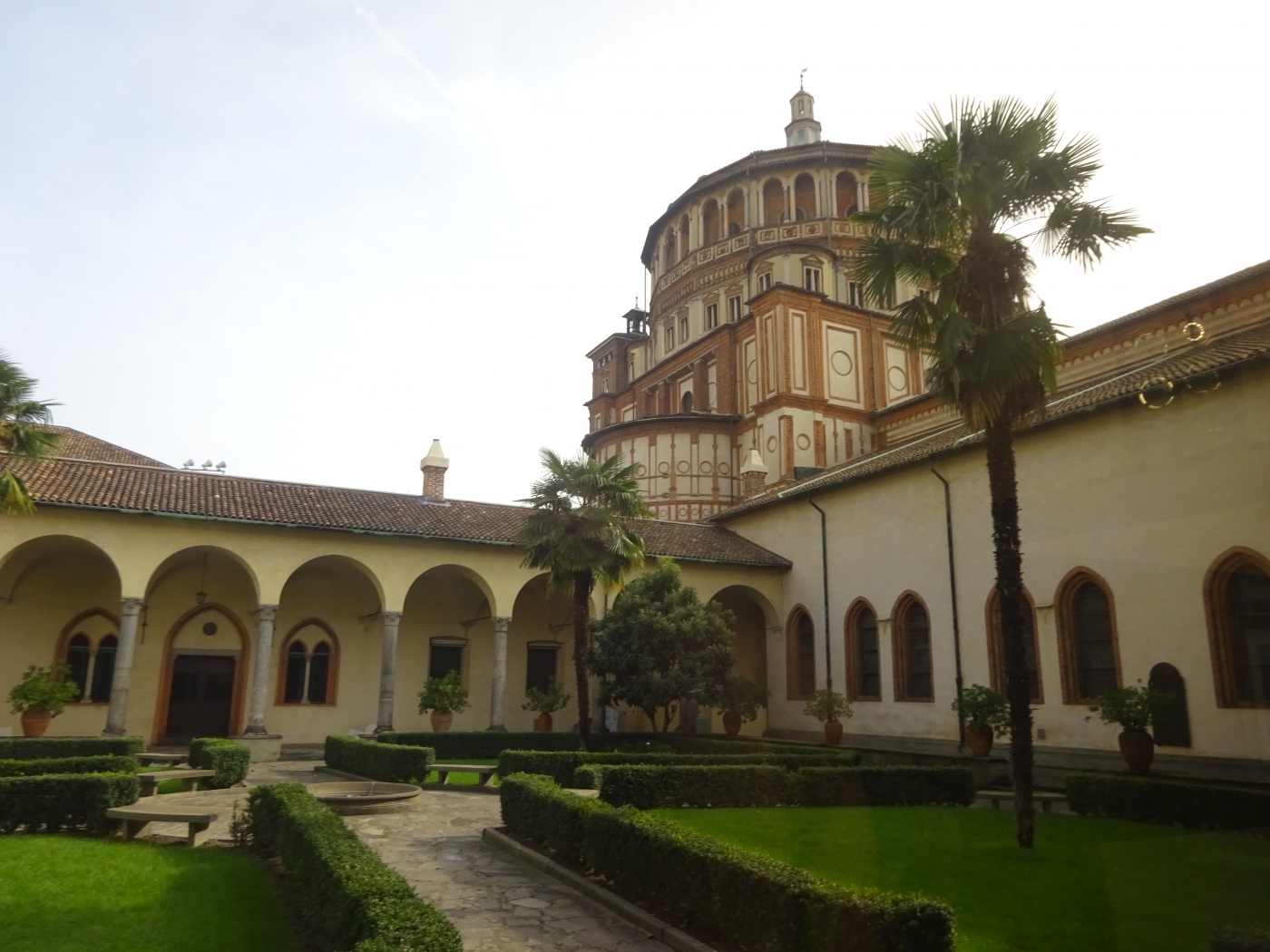
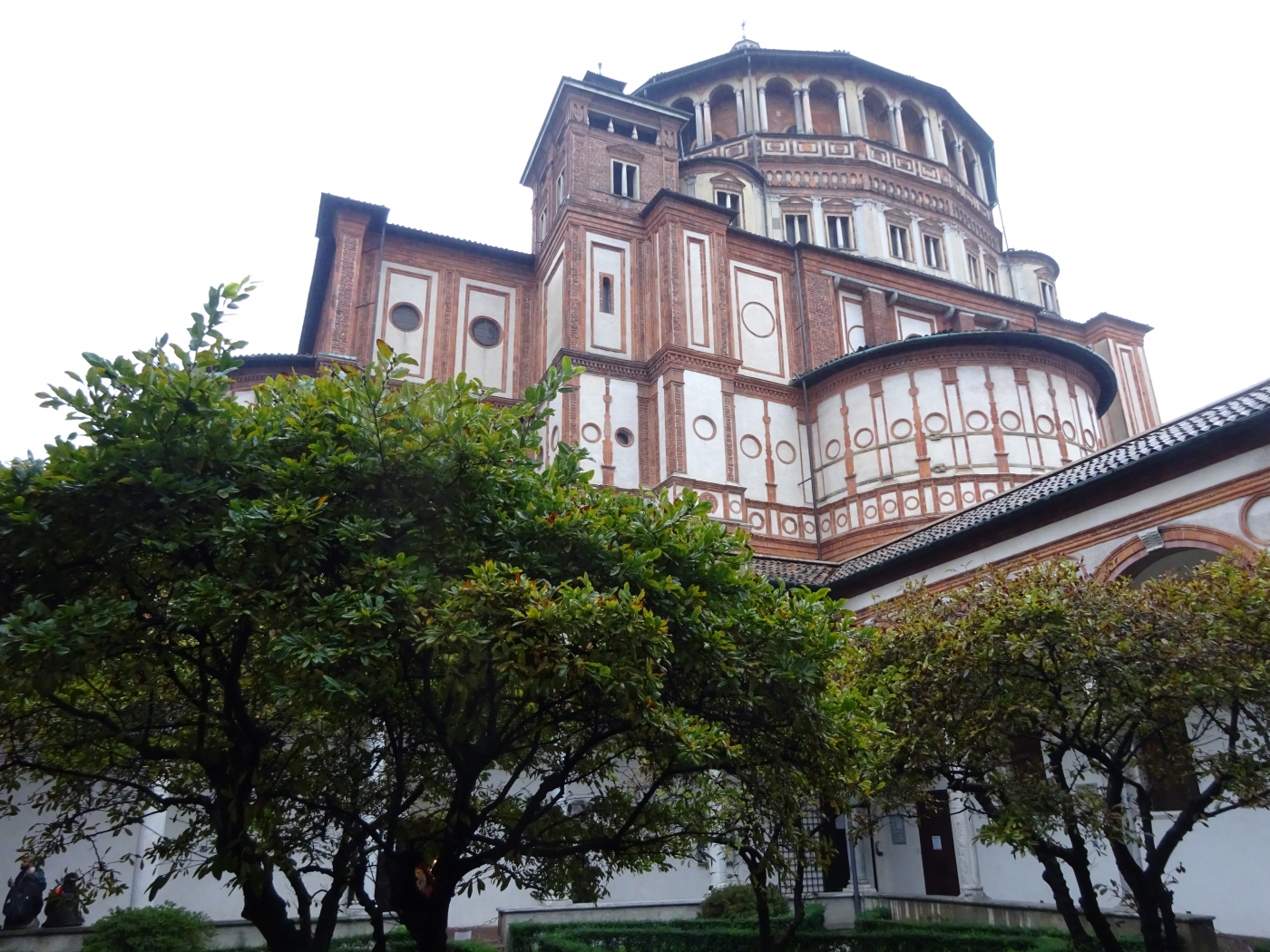
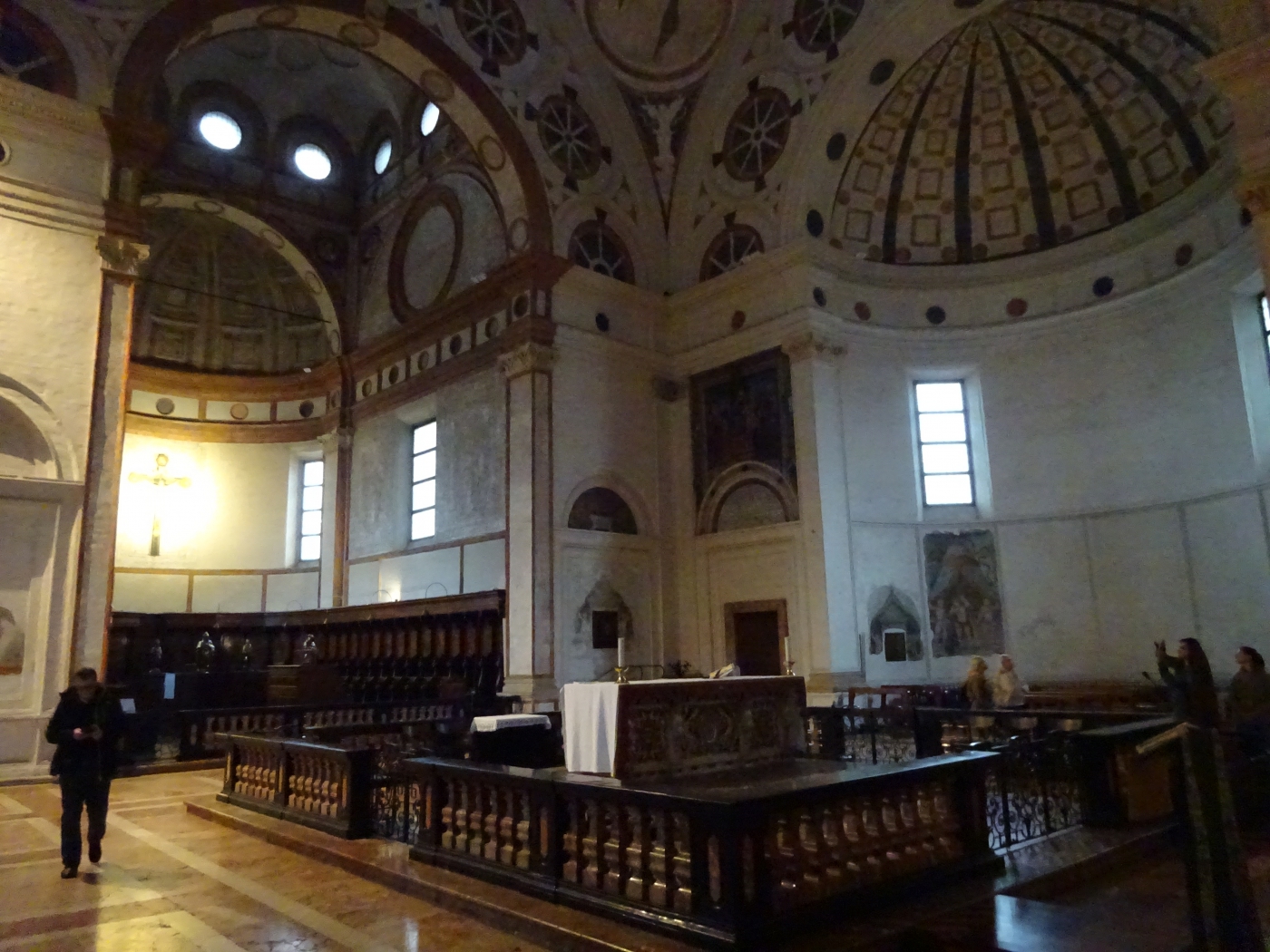
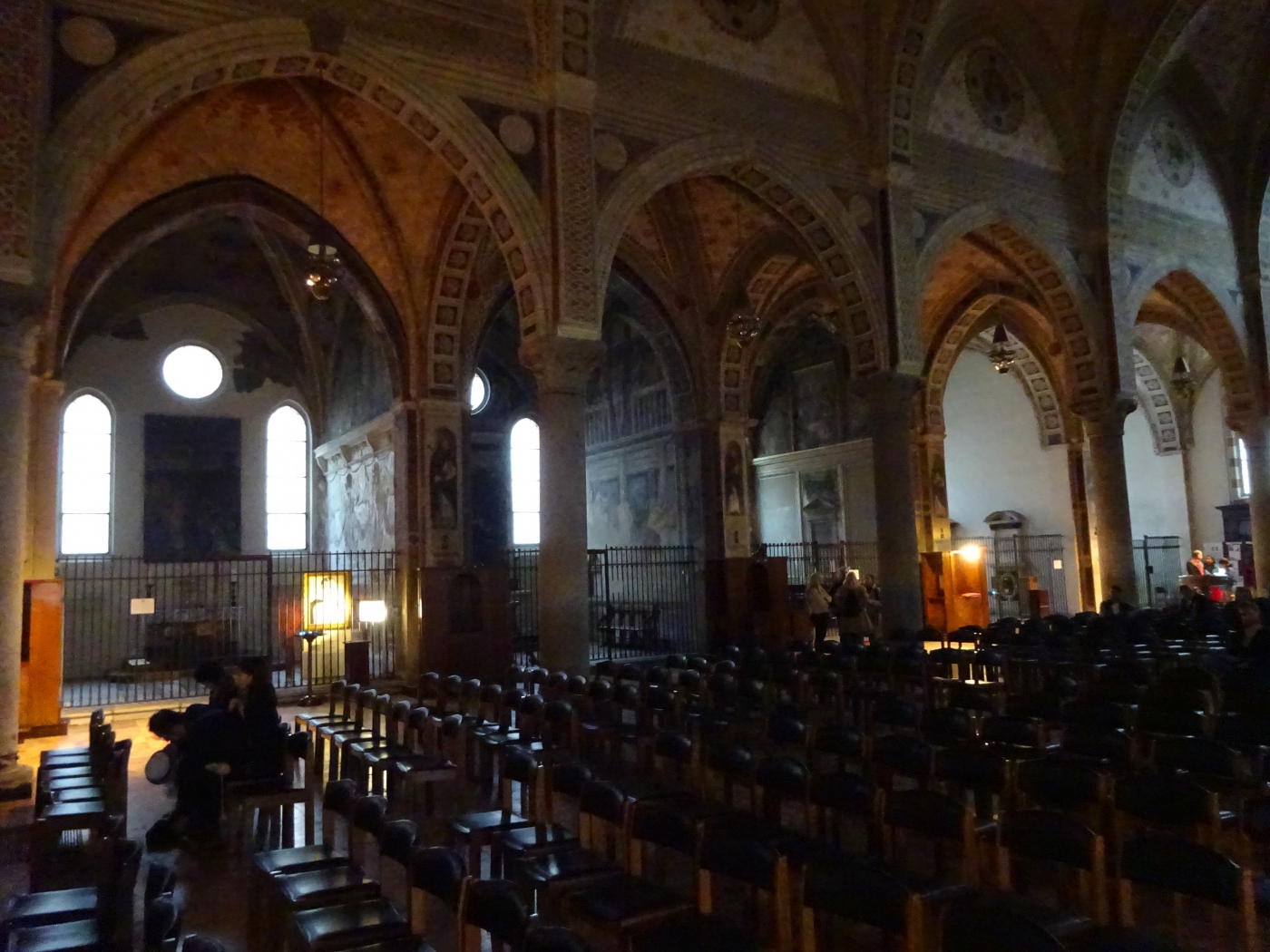
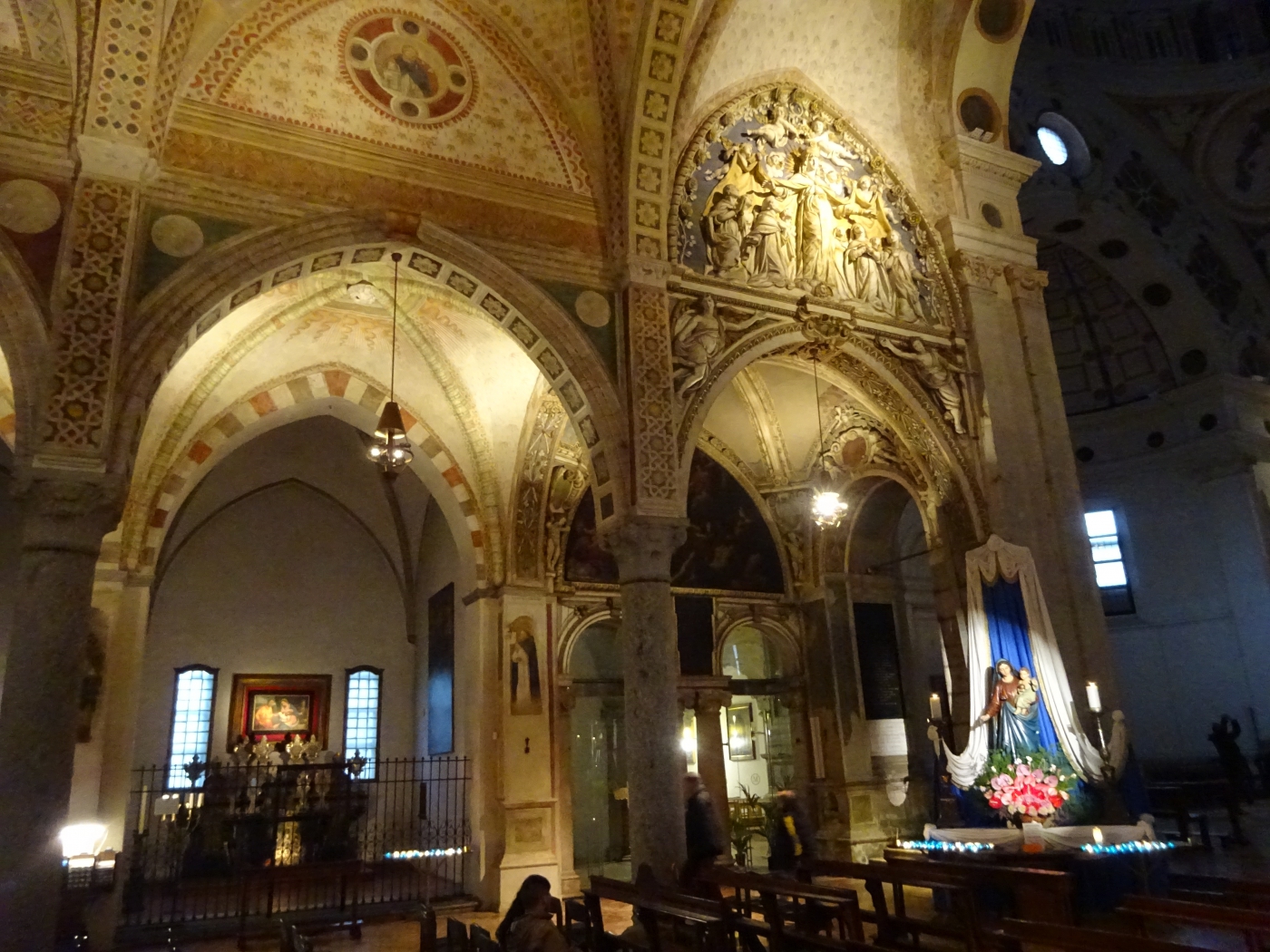
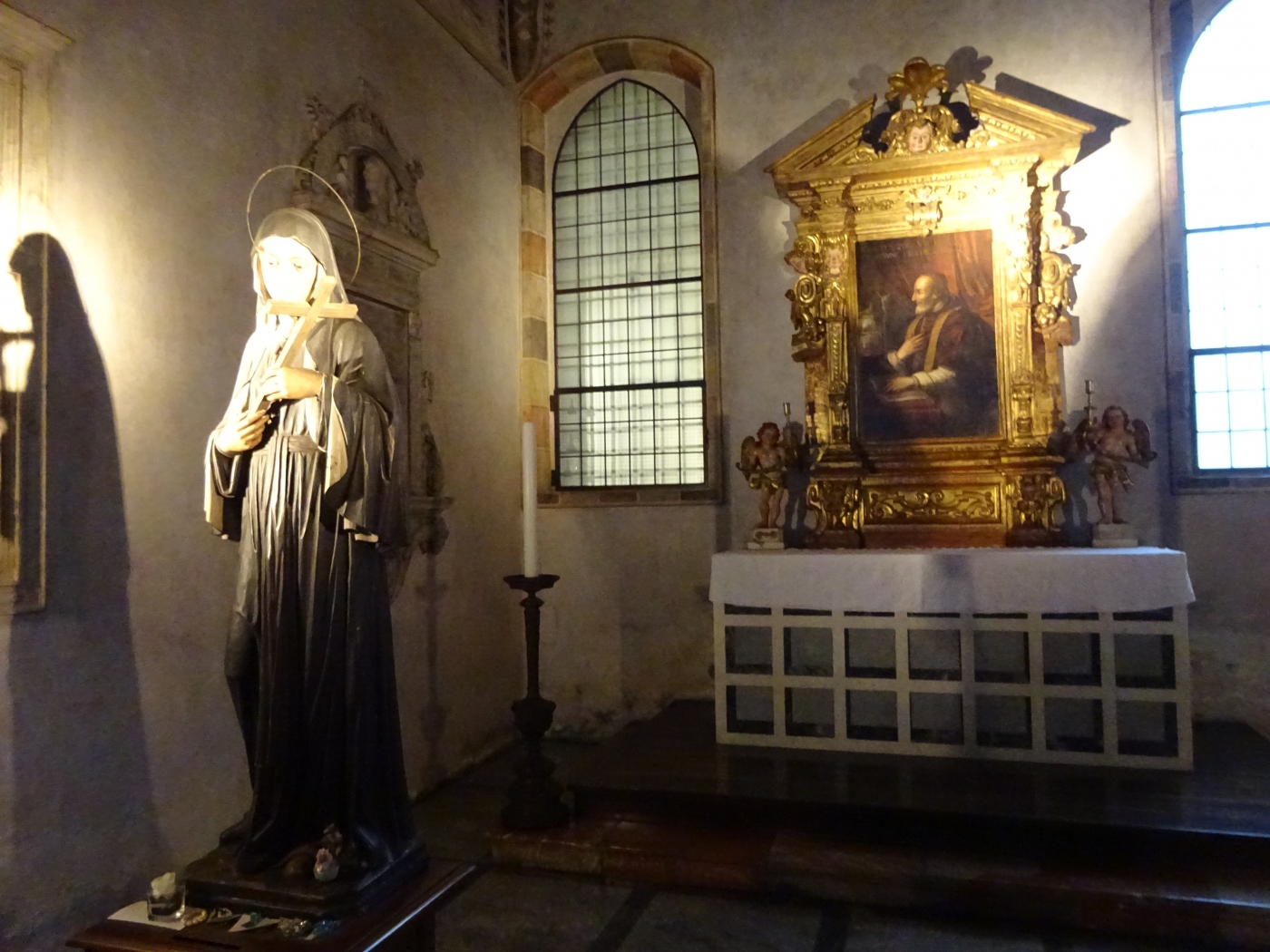
The **Church and Dominican Convent of Santa Maria delle Grazie** in **Milan**, **Lombardy**, **Italy**, stands as an extraordinary testament to Renaissance art and architecture. Inscribed on the UNESCO World Heritage List, it is particularly renowned for housing one of humanity's most iconic artworks: **Leonardo da Vinci's** monumental mural, **The Last Supper**.
A Foundation of Faith and Patronage
Begun in 1463 by **Guiniforte Solari** for the **Dominican Order**, the church's original Gothic design reflected the prevalent architectural style of the period. However, its destiny was profoundly altered under the patronage of **Duke Ludovico Sforza**, also known as "Il Moro," the powerful ruler of **Milan**. **Sforza**, keen to establish a magnificent mausoleum for his family and to showcase his power and devotion, commissioned extensive renovations to the church and convent complex around 1490. These modifications, particularly the grand new tribunes, dome, and apse, are often attributed to the renowned Renaissance architect **Donato Bramante**, transforming the structure with classical Renaissance ideals and a harmonious, monumental scale.
Leonardo's Enduring Legacy
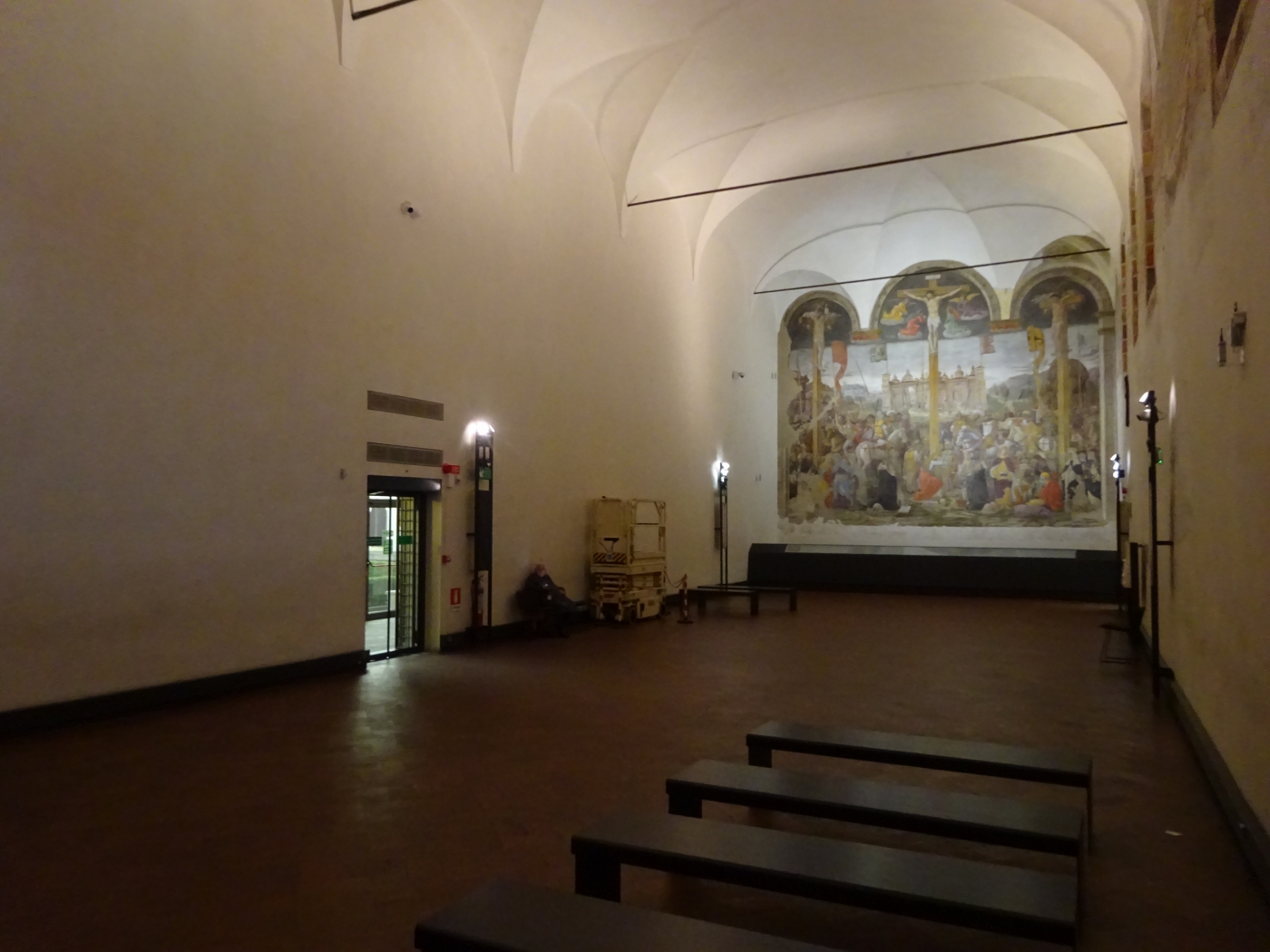
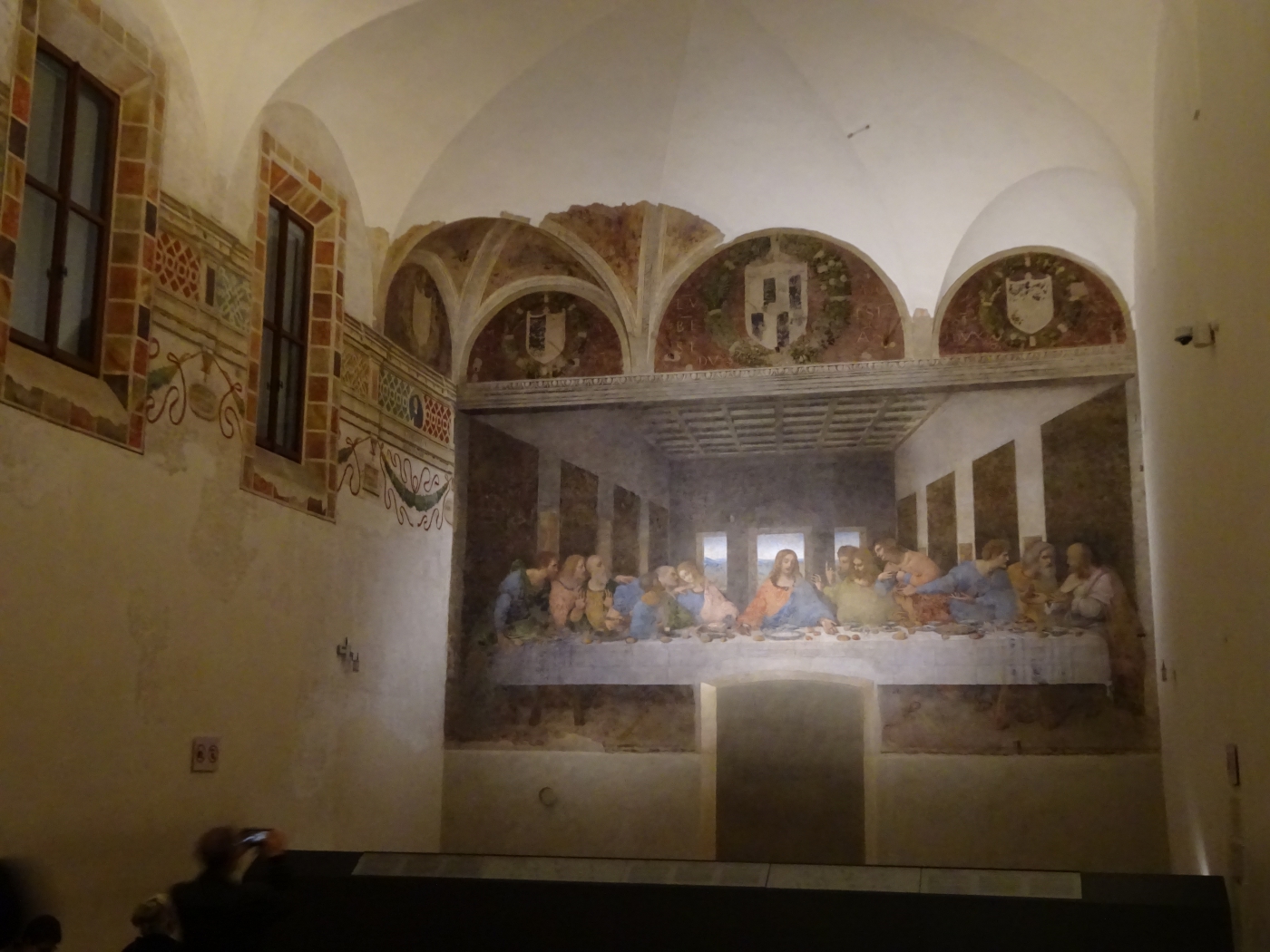
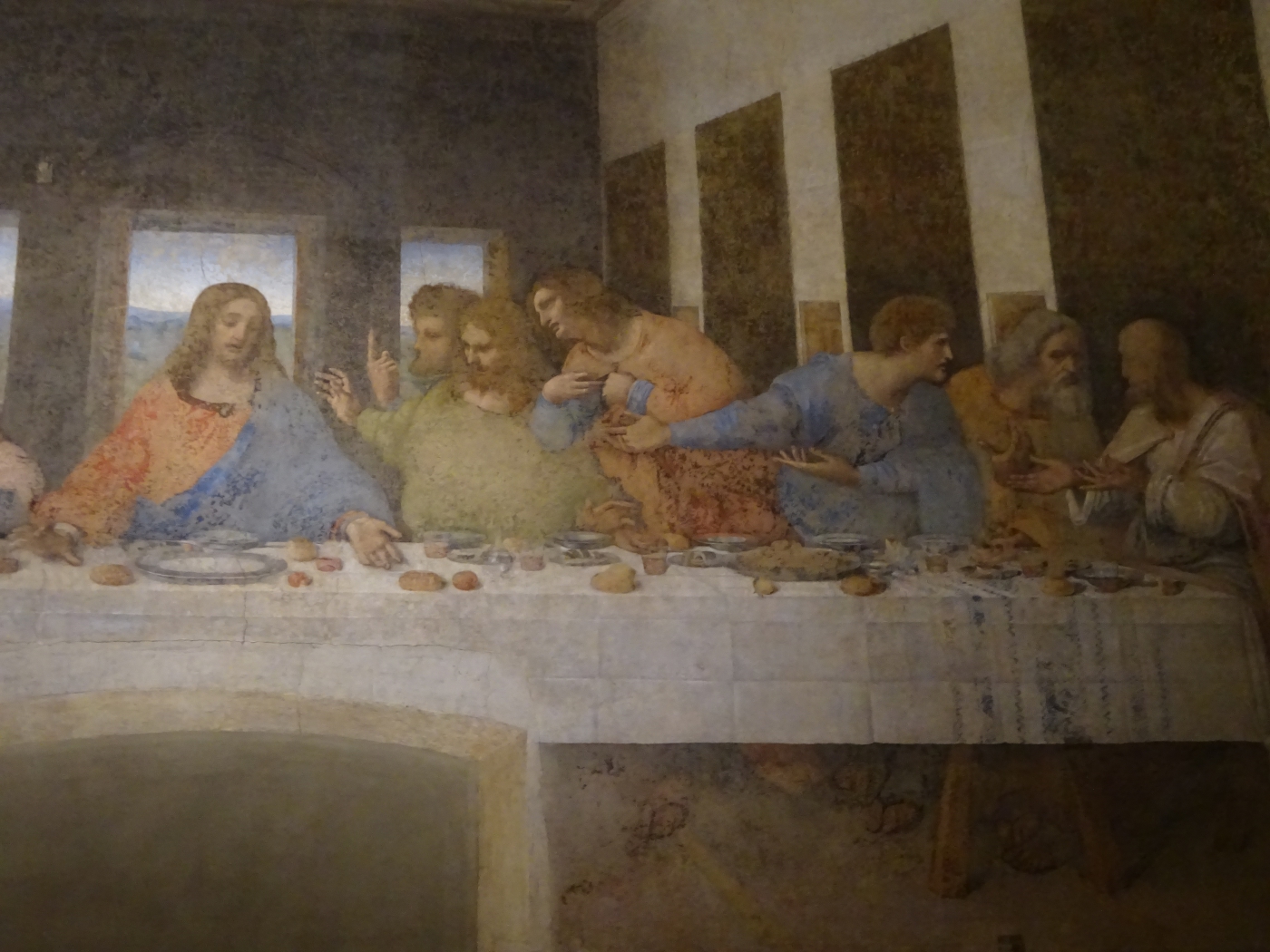
It is in the refectory (dining hall) of the convent that **Leonardo da Vinci** created his unparalleled masterpiece, **The Last Supper**, between 1495 and 1498. Unlike traditional frescoes, **Leonardo** chose an experimental technique, applying tempera and oil paints directly onto a dry plaster wall. This allowed him greater freedom to achieve nuanced details and subtle effects, akin to painting on canvas, but also led to the mural's rapid deterioration due to the unstable nature of the medium. The artwork captures the dramatic moment Christ announces that one of his disciples will betray him, portraying the apostles' varied emotional responses with unparalleled psychological depth and a revolutionary sense of movement and narrative. Despite centuries of decay, damage, and numerous, often controversial, restoration efforts, **The Last Supper** remains a profound artistic achievement, continually revealing its intricate beauty and narrative power to millions of visitors.
An Indispensable Heritage
Today, the **Church and Convent of Santa Maria delle Grazie**, with its stunning architecture and the revolutionary genius of **Leonardo's** mural, offers an unparalleled journey into the heart of the Italian Renaissance. It represents a peak of human artistic and architectural endeavor, an indispensable part of global cultural heritage that continues to inspire and captivate audiences worldwide.
Weiterführende Links
The refectory of the Convent of Santa Maria delle Grazie forms an integral part of this architectural complex, begun in Milan in 1463 and reworked at the end of the 15th century by Bramante. On the north wall is The Last Supper, the unrivalled masterpiece painted between 1495 and 1497 by Leonardo da Vinci, whose work was to herald a new era in the history of art.
Santa Maria delle Grazie (English: "Holy Mary of Grace") is a church and Dominican convent in Milan, northern Italy, and a UNESCO World Heritage Site. The convent contains the mural of The Last Supper by Leonardo da Vinci, which is in the refectory.