Speyer Cathedral
Speyer, Germany
02.04.2017

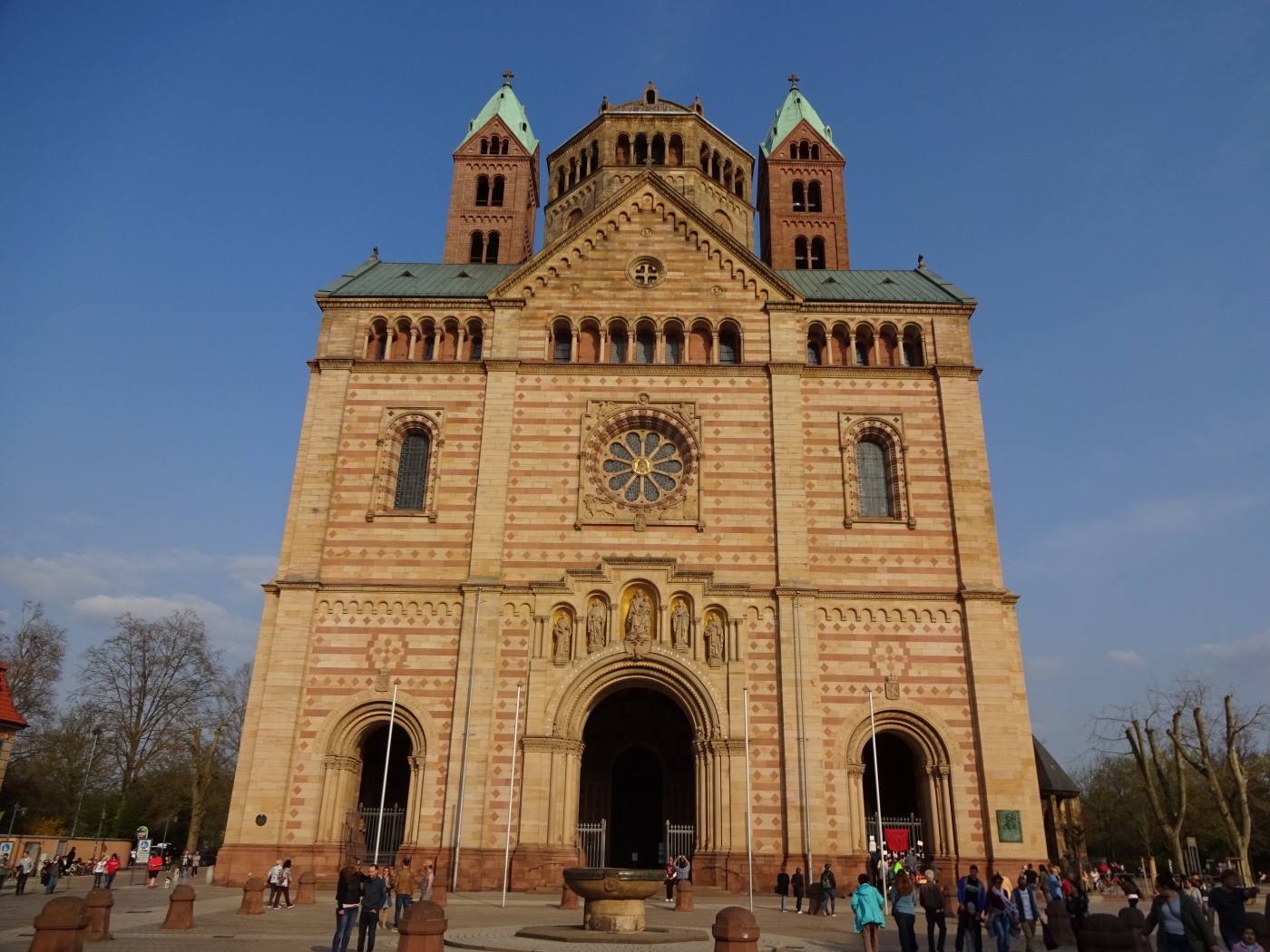
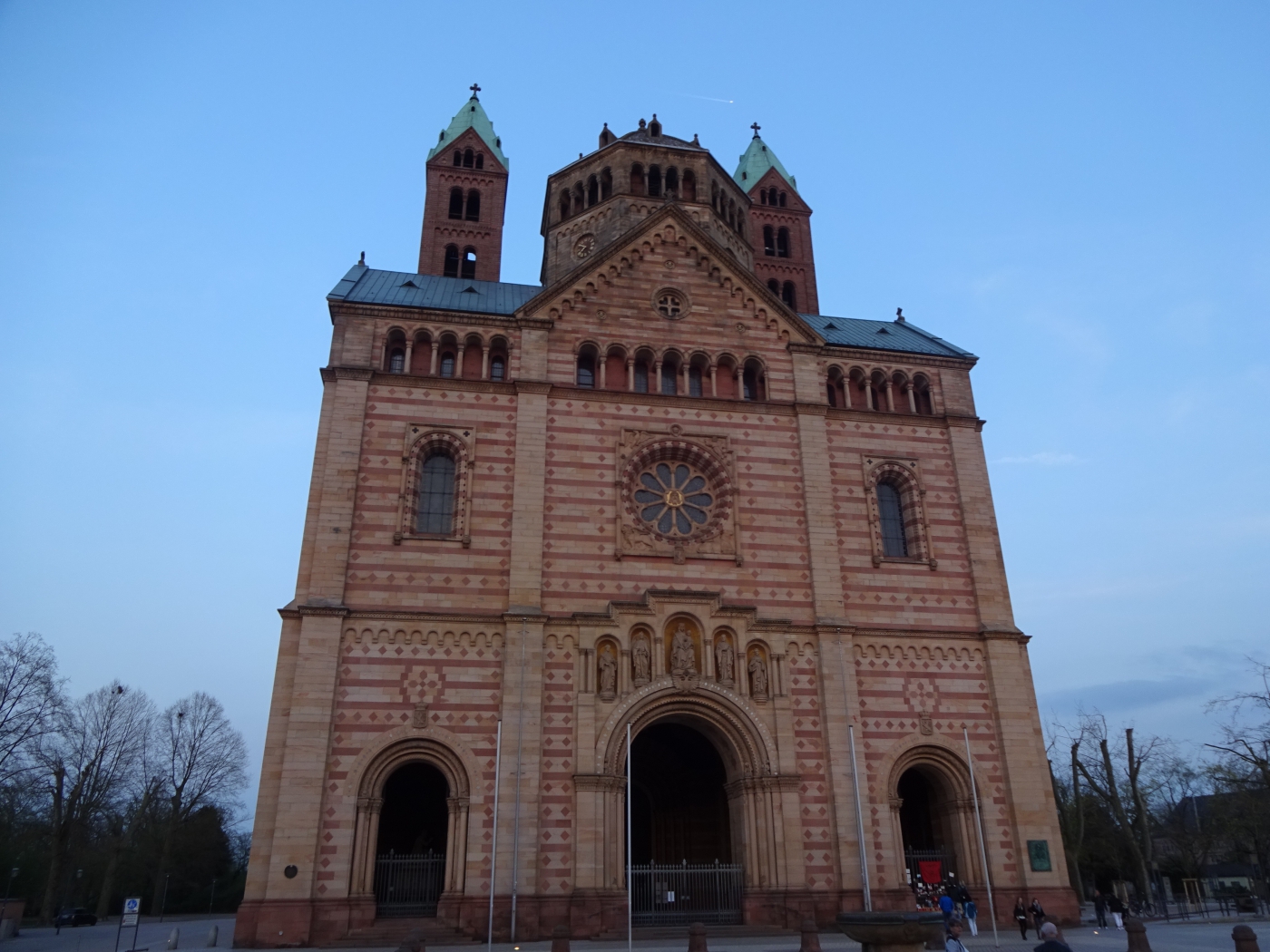
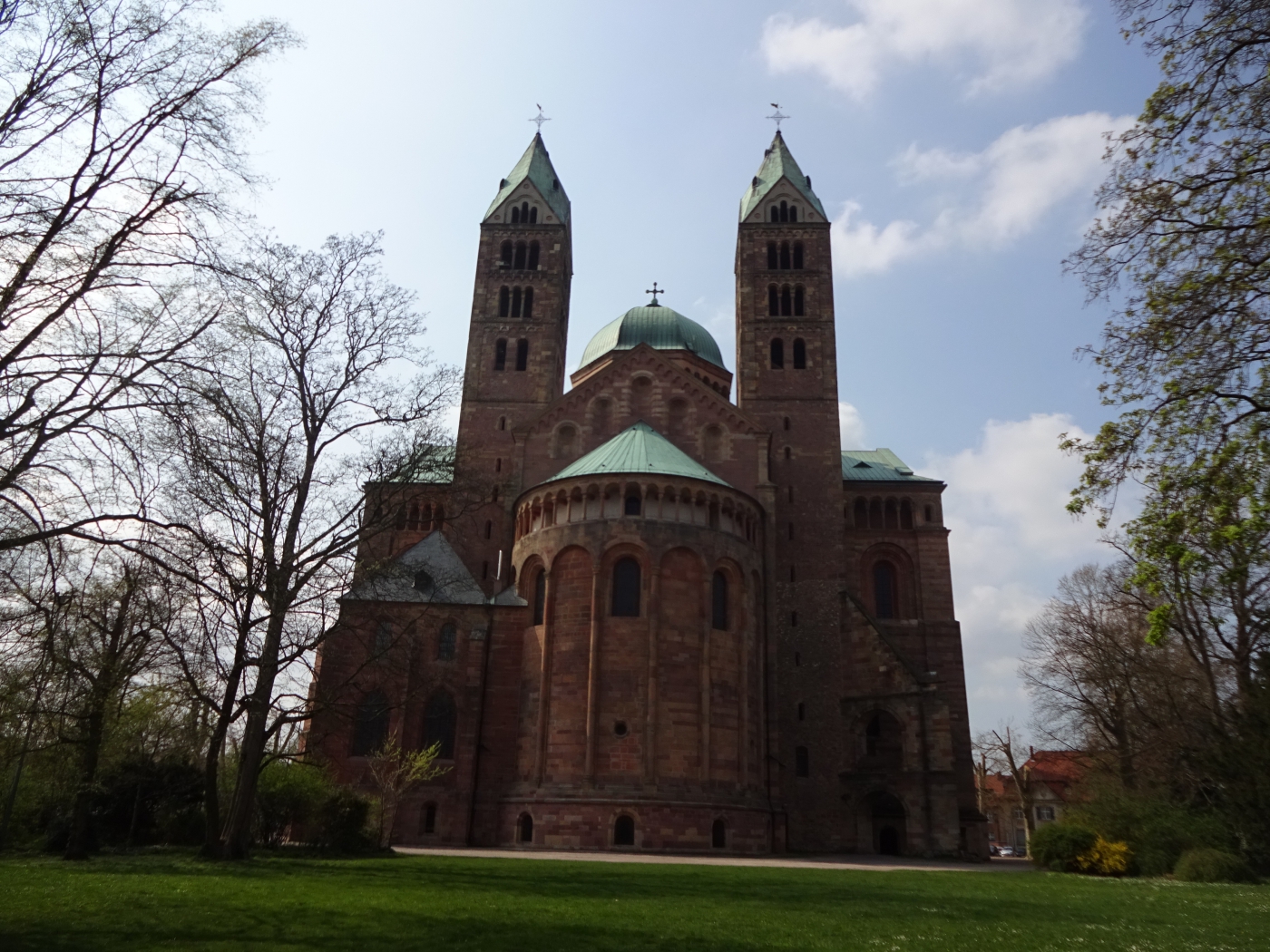
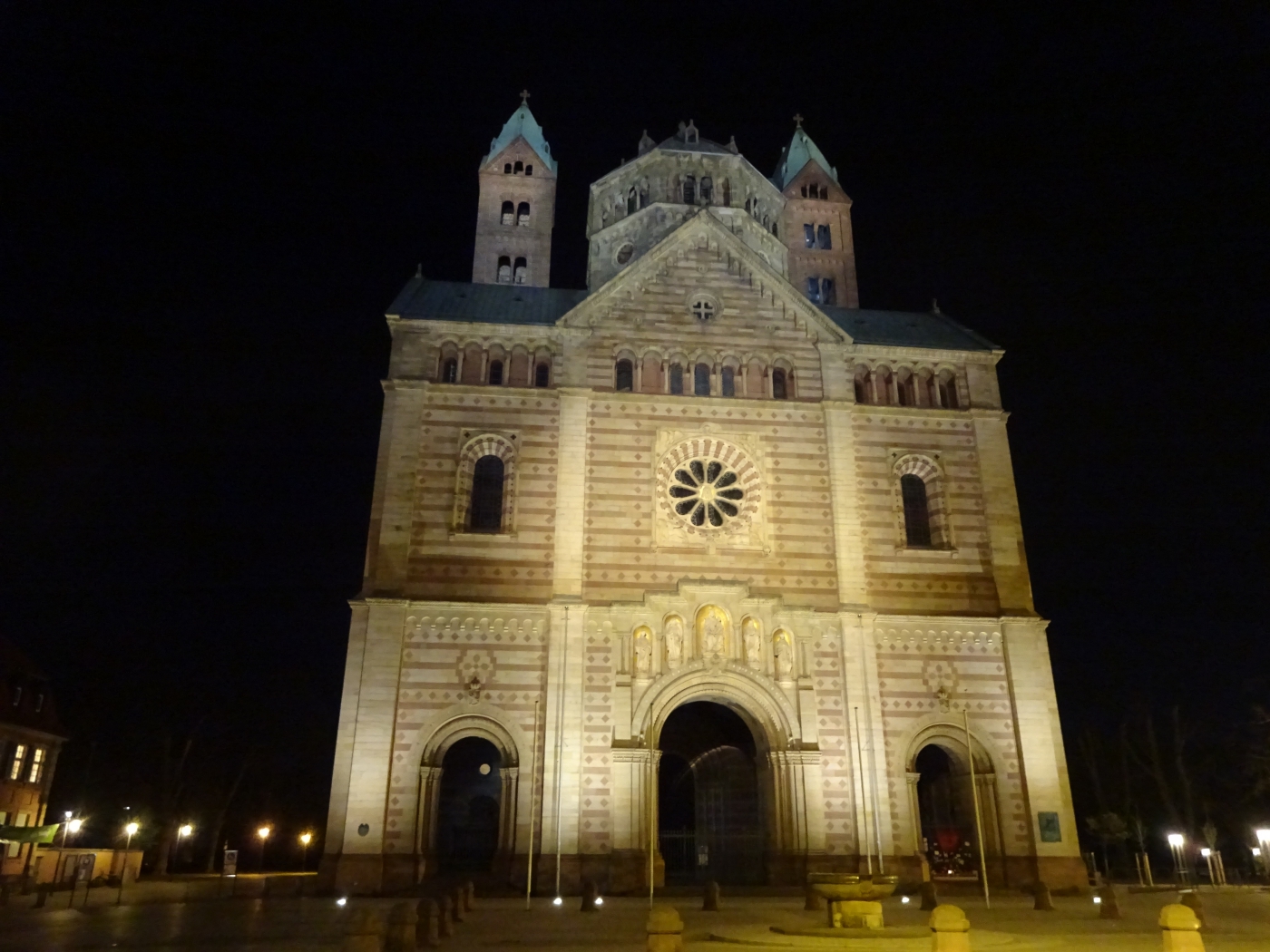
Nestled on the banks of the Rhine in Speyer, Germany, stands the majestic Speyer Cathedral, a monumental testament to Romanesque architecture and imperial power. Inscribed as a UNESCO World Heritage site in 1981, it is renowned as one of Europe's largest and most significant Romanesque cathedrals, embodying the architectural language of the Holy Roman Empire.
A Monument of Imperial Power
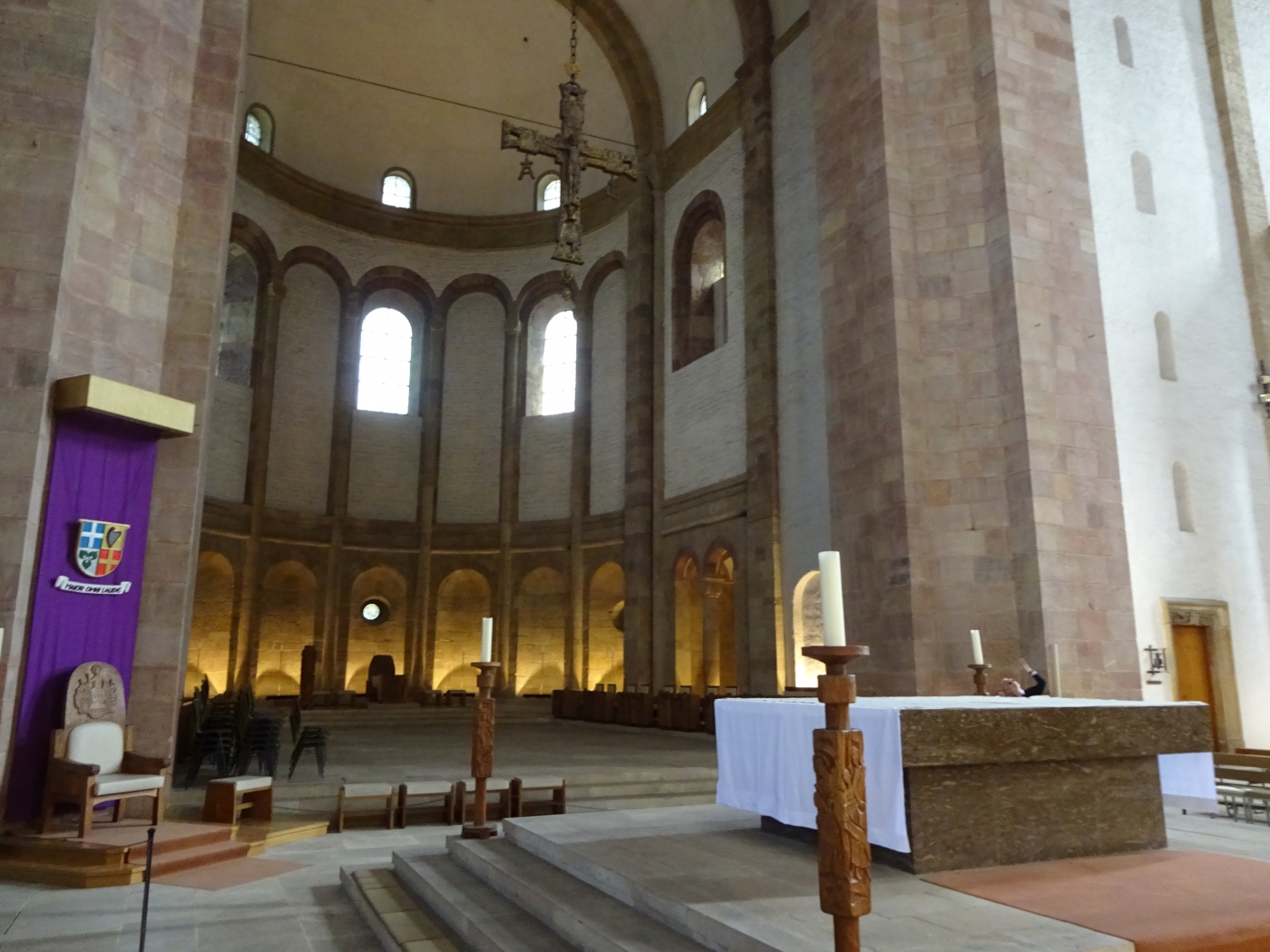
The foundation stone was laid around 1030 by Conrad II, the first Salian Holy Roman Emperor, who envisioned it as the largest church in the Western world and a fitting imperial burial place. Its construction marked a pivotal moment in European architectural history. Following Conrad II's death, his son, Henry III, continued the work, and the cathedral was consecrated in 1061. However, Henry IV, Conrad's grandson, significantly expanded and rebuilt much of the cathedral after 1080, raising the nave, adding a gallery, and creating the distinctive double-choir structure. This ambitious reconstruction demonstrated imperial strength following his conflicts with the Papacy.
Architectural Grandeur
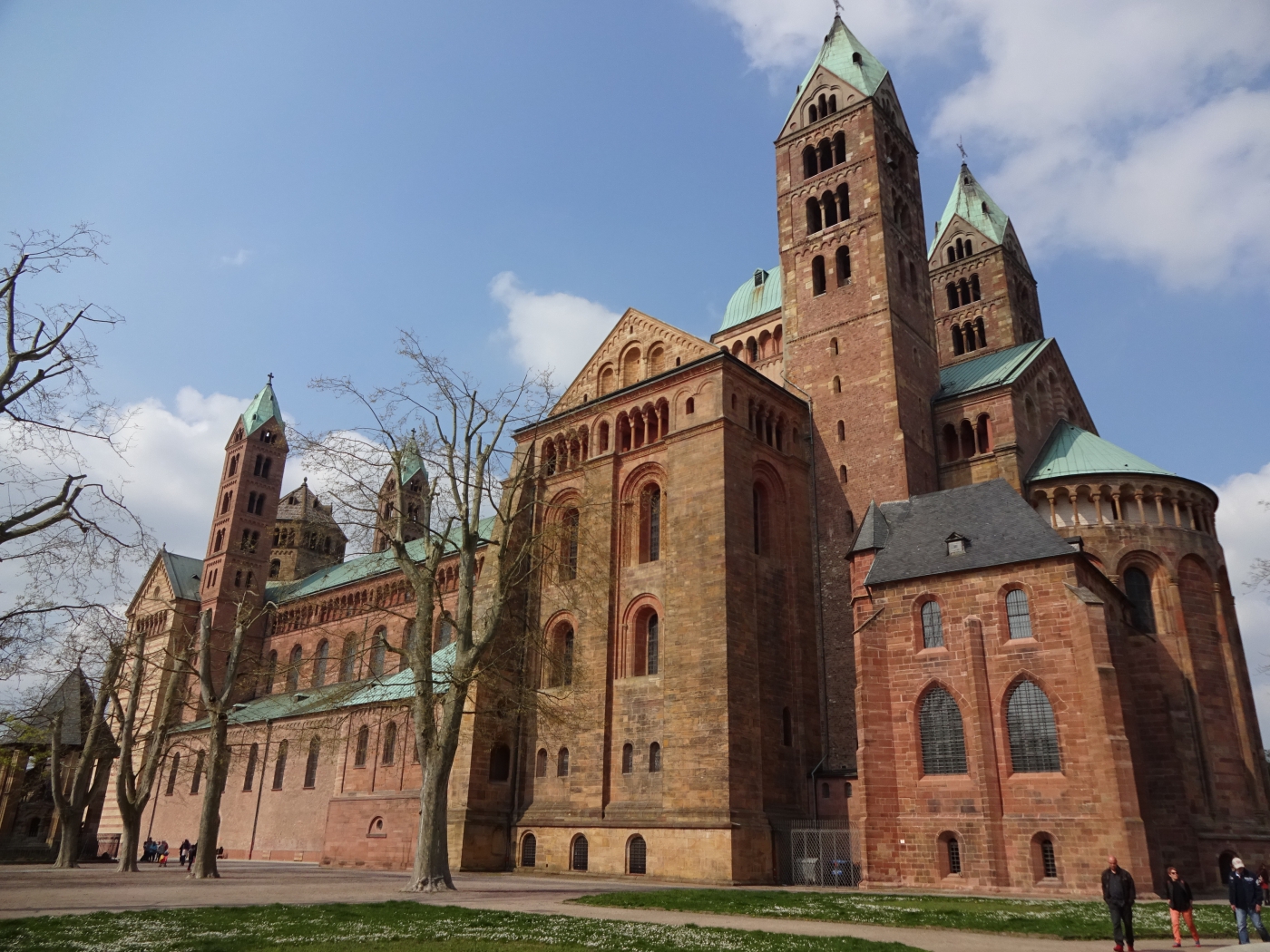
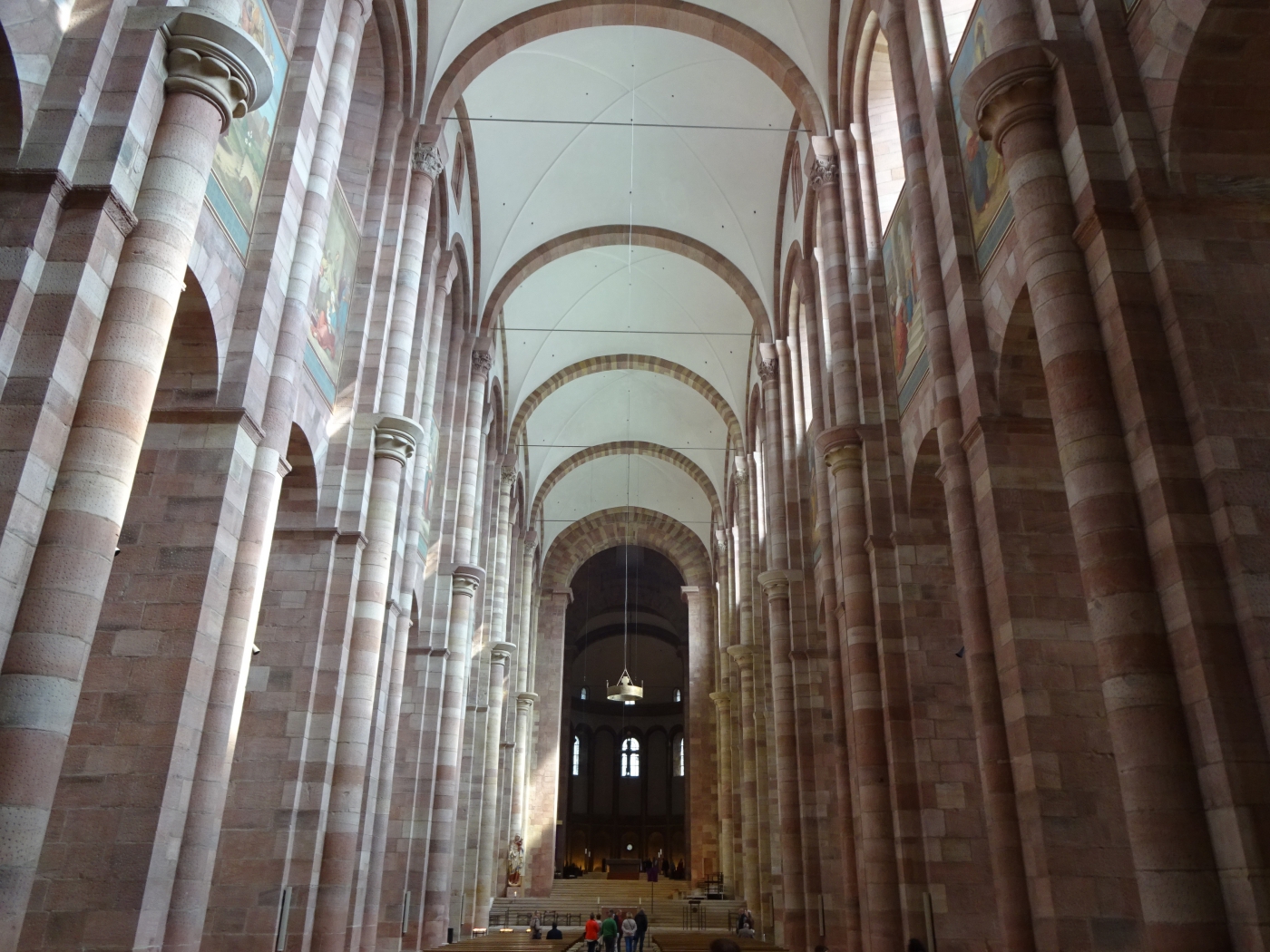
The Speyer Cathedral is a prime example of early Romanesque architecture, characterized by massive masonry, powerful arches, and harmonious proportions. Its most striking feature is the impressive crypt, consecrated in 1041, the largest Romanesque crypt in Germany, housing the tombs of eight Holy Roman Emperors and German Kings, including Conrad II, Henry III, Henry IV, and Frederick I Barbarossa. The cathedral's imposing four towers and two domes dominate the cityscape, reflecting its original role as a symbol of imperial authority. Despite severe damage during the Nine Years' War in 1689 and the French Revolutionary Wars, its core structure and much of its original Romanesque fabric have been meticulously restored and preserved, making it an enduring masterpiece.
UNESCO World Heritage Status
The decision to grant Speyer Cathedral World Heritage status recognized its outstanding universal value as a key monument of Romanesque art and architecture. It stands as a powerful symbol of the Holy Roman Empire and its cultural influence. Its architectural innovations profoundly influenced Romanesque styles throughout the Empire, cementing its place in European art and faith.
Further Links
Speyer Cathedral, a basilica with four towers and two domes, was founded by Conrad II in 1030 and remodelled at the end of the 11th century. It is one of the most important Romanesque monuments from the time of the Holy Roman Empire. The cathedral was the burial place of the German emperors for almost 300 years.
Speyer Cathedral, officially the Imperial Cathedral Basilica of the Assumption and St Stephen, in Latin: Domus sanctae Mariae Spirae (German: Dom zu Unserer lieben Frau in Speyer) is a historical religious building in Speyer, Germany. It is the seat of the Roman Catholic Bishop of Speyer and is suffragan to the Roman Catholic Archdiocese of Bamberg. The cathedral, which is dedicated to St. Mary, patron saint of Speyer ("Patrona Spirensis") and St. Stephen is generally known as the Kaiserdom zu Speyer (Imperial Cathedral of Speyer). Pope Pius XI raised Speyer Cathedral to the rank of a minor basilica of the Roman Catholic Church in 1925.
Begun in 1030 under Conrad II, with the east end and high vault of 1090–1103, the imposing triple-aisled vaulted basilica of red sandstone is the "culmination of a design which was extremely influential in the subsequent development of Romanesque architecture during the 11th and 12th centuries". As the burial site for Salian, Staufer and Habsburg emperors and kings the cathedral is regarded as a symbol of imperial power. With the Abbey of Cluny in ruins, it is the largest remaining Romanesque church and building. It is considered to be "a turning point in European architecture",
one of the most important architectural monuments of its time and one of the finest Romanesque monuments.
In 1981, the cathedral was added to the UNESCO World Heritage List of culturally important sites as "a major monument of Romanesque art in the German Empire".