City of Vicenza and the Palladian Villas of the Veneto
Vicenza, Italy
10.09.2021

The City of Vicenza and the Palladian Villas of the Veneto stand as an unparalleled testament to the genius of Andrea Palladio, one of the most influential architects in Western history. This UNESCO World Heritage site, inscribed in 1994 and extended in 1996, showcases a collection of urban and rural masterpieces that profoundly shaped architectural thought for centuries.
The Master Architect: Andrea Palladio
Born in Padua in 1508, Andrea Palladio rose to prominence in the mid-16th century, primarily working within the sphere of the Venetian Republic. His unique architectural language blended classical Roman forms with contemporary Renaissance aesthetics, emphasizing harmony, symmetry, and mathematical proportion. His seminal treatise, I quattro libri dell'architettura (The Four Books of Architecture), became a bible for architects worldwide, propagating "Palladianism" across Europe and beyond, influencing Neoclassical movements even in the Americas.
Architectural Marvels in Vicenza
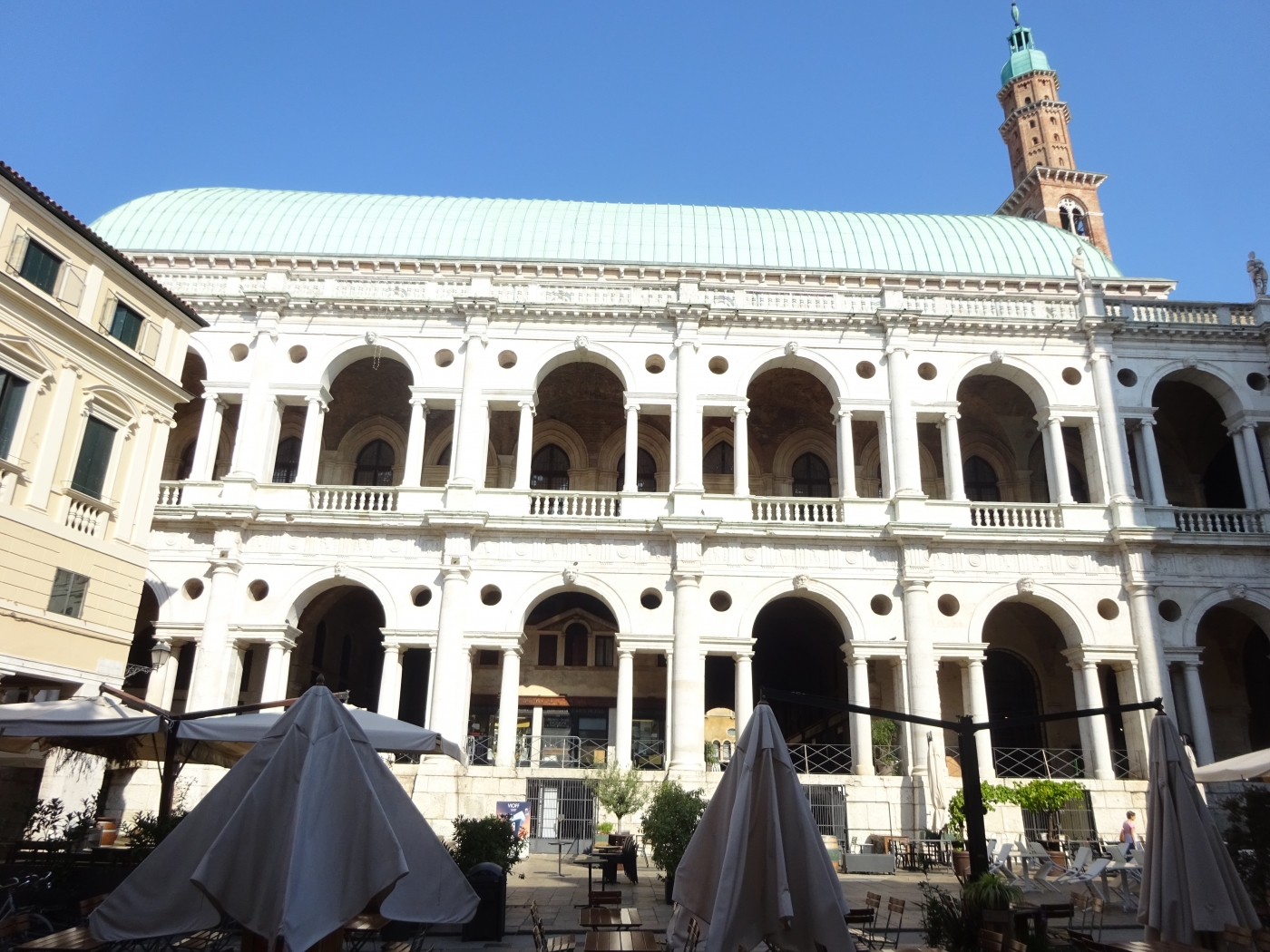
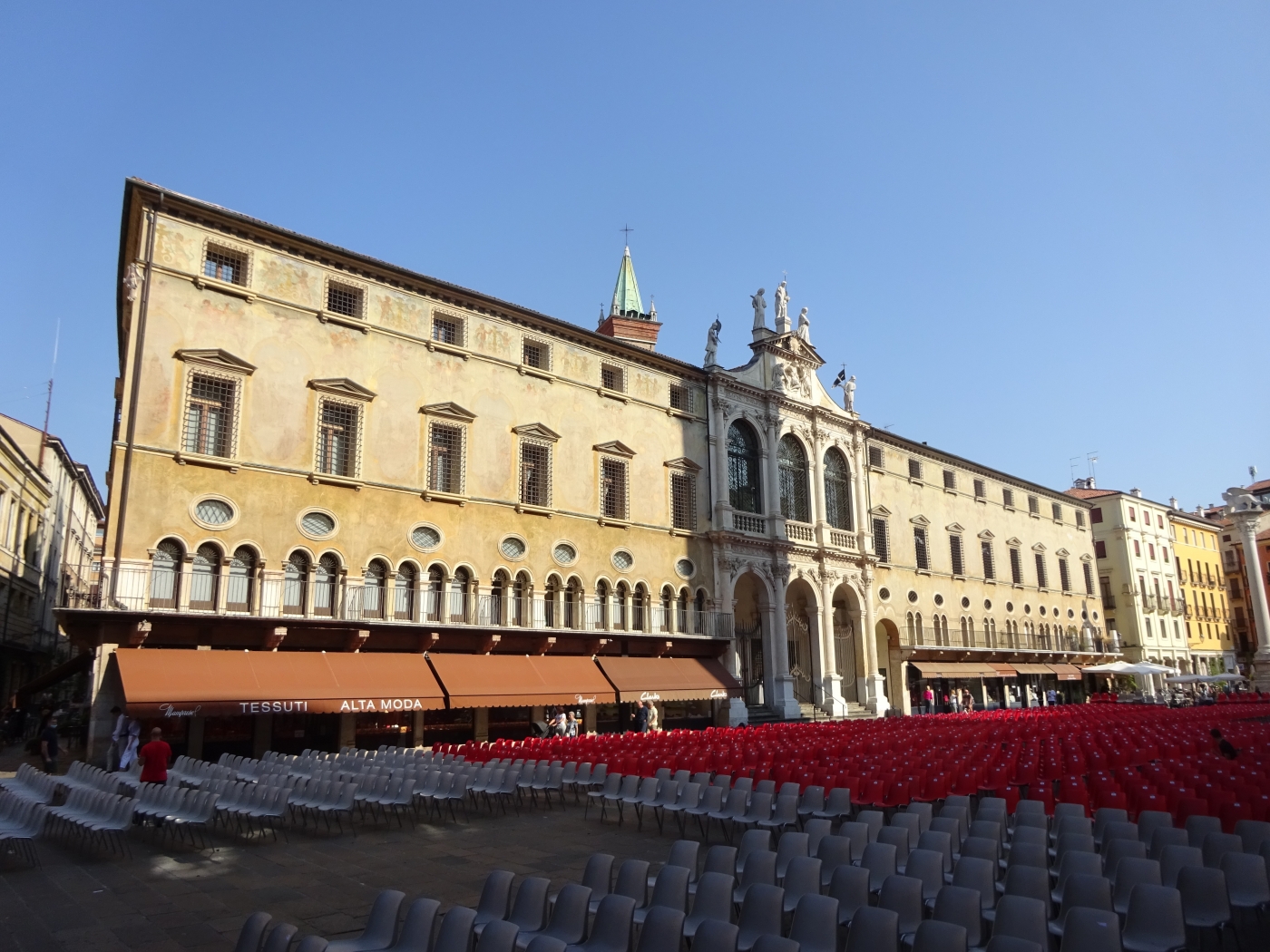
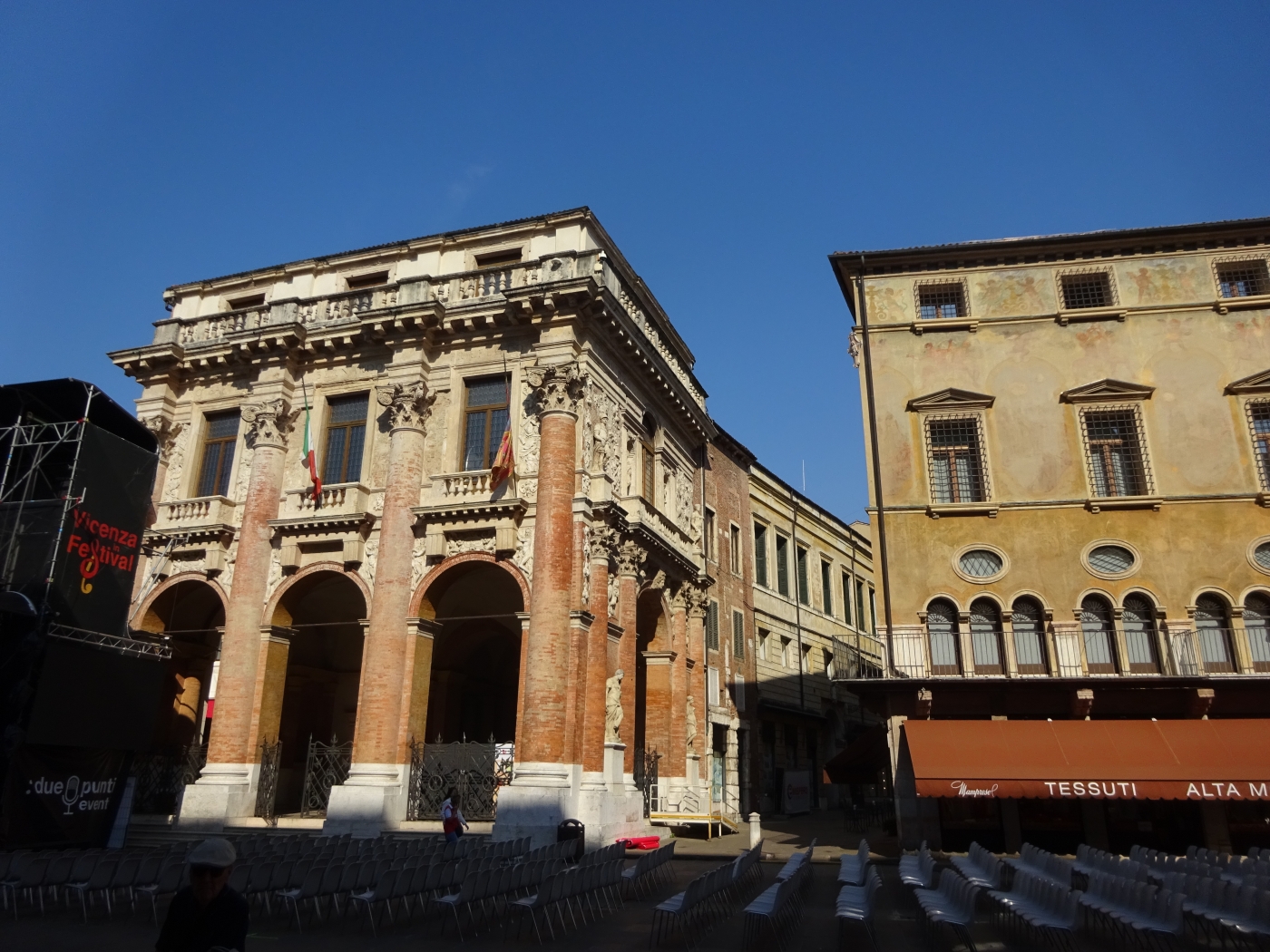
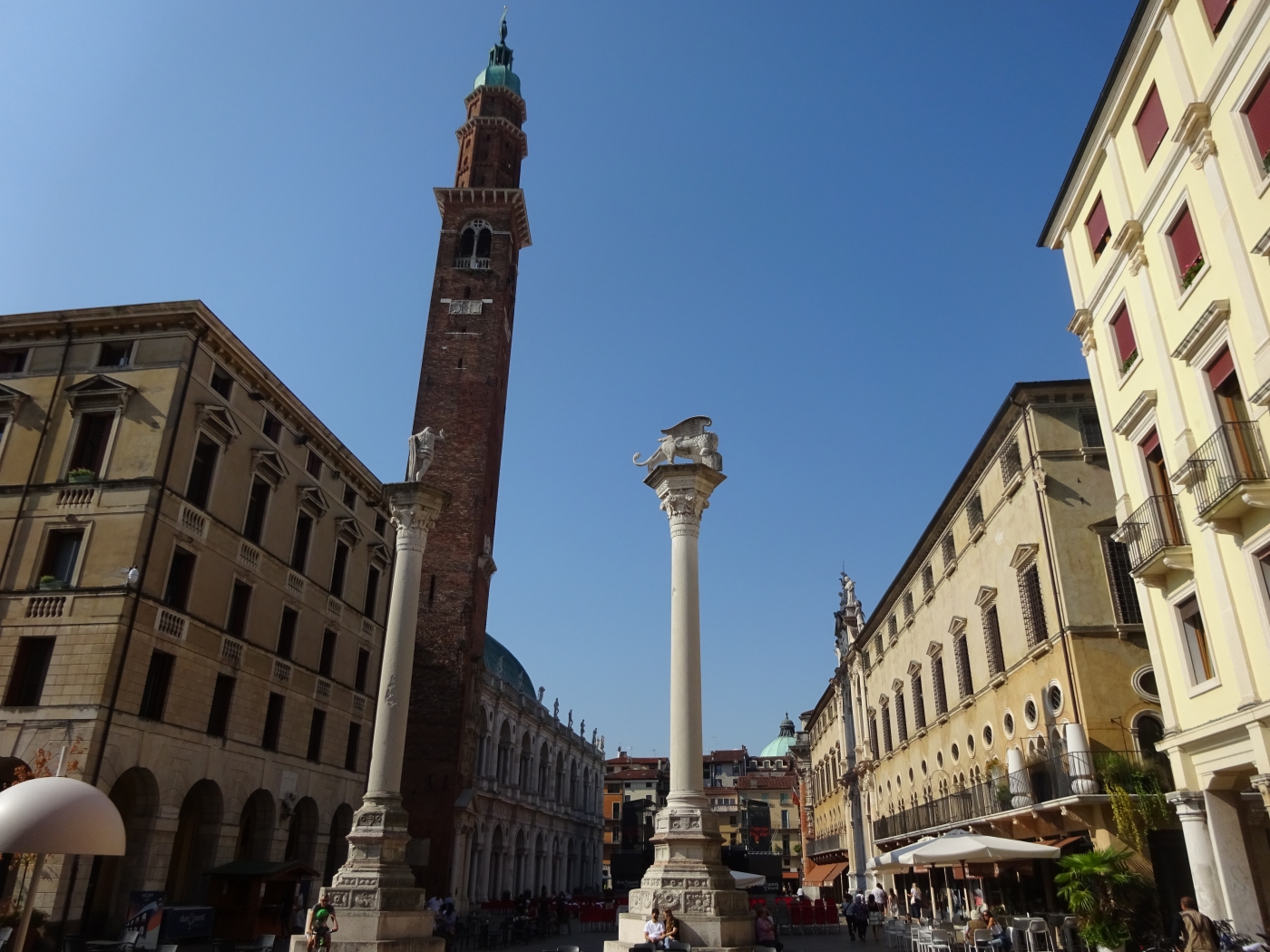
Within the historic center of Vicenza, Palladio's urban designs are spectacularly evident. The magnificent Basilica Palladiana, with its iconic loggias, transformed a medieval communal palace into a Renaissance gem. The Teatro Olimpico, begun by Palladio shortly before his death and completed by Vincenzo Scamozzi, is a breathtaking example of a Renaissance theatre, renowned for its ingenious trompe-l'œil stage set. Other notable city palaces include Palazzo Chiericati, now a museum, and Palazzo del Capitaniato, showcasing his versatile application of classical motifs.
The Grandeur of the Palladian Villas
Beyond the city, the Palladian Villas dot the Venetian countryside, originally conceived as functional agricultural centers combined with refined country retreats for wealthy patricians. These villas, such as the iconic Villa Capra "La Rotonda" near Vicenza, or Villa Barbaro in Maser, exemplify a new approach to villa design. They integrated the landscape, often featuring elegant porticos and pediments reminiscent of ancient temples, creating a harmonious dialogue between nature and architecture. Their influence spread globally, inspiring structures from British country houses to the White House in Washington D.C., cementing Palladio's legacy as a true architectural visionary.
Further Links
Founded in the 2nd century B.C. in northern Italy, Vicenza prospered under Venetian rule from the early 15th to the end of the 18th century. The work of Andrea Palladio (1508–80), based on a detailed study of classical Roman architecture, gives the city its unique appearance. Palladio's urban buildings, as well as his villas, scattered throughout the Veneto region, had a decisive influence on the development of architecture. His work inspired a distinct architectural style known as Palladian, which spread to England and other European countries, and also to North America.
City of Vicenza and the Palladian Villas of the Veneto is a World Heritage Site in Italy, which protects buildings by the architect Andrea Palladio. UNESCO inscribed the site on the World Heritage List in 1994. At first the site was called "Vicenza, City of Palladio" and only buildings in the immediate area of Vicenza were included.
Various types of buildings were represented in the original site, which included the Basilica Palladiana, Teatro Olimpico and palazzi in the city itself, along with a few villas in the vicinity. However, most of Palladio's surviving villas lay outside the site. In 1996 the site was expanded. Its present name reflects the fact that it includes all the Palladian Villas of the Veneto. City of Vicenza and the Palladian Villas of the Veneto also has some examples of ecclesiastical architecture, including the relatively small church at Maser. In total there are 47 Palladian buildings registered in the UNESCO list in the Veneto region.
There is another important group of urban buildings by Palladio in Venice, a city which also has World Heritage Site status. Venice has notable examples of ecclesiastical architecture by Palladio, including the San Giorgio Maggiore (church), Venice.