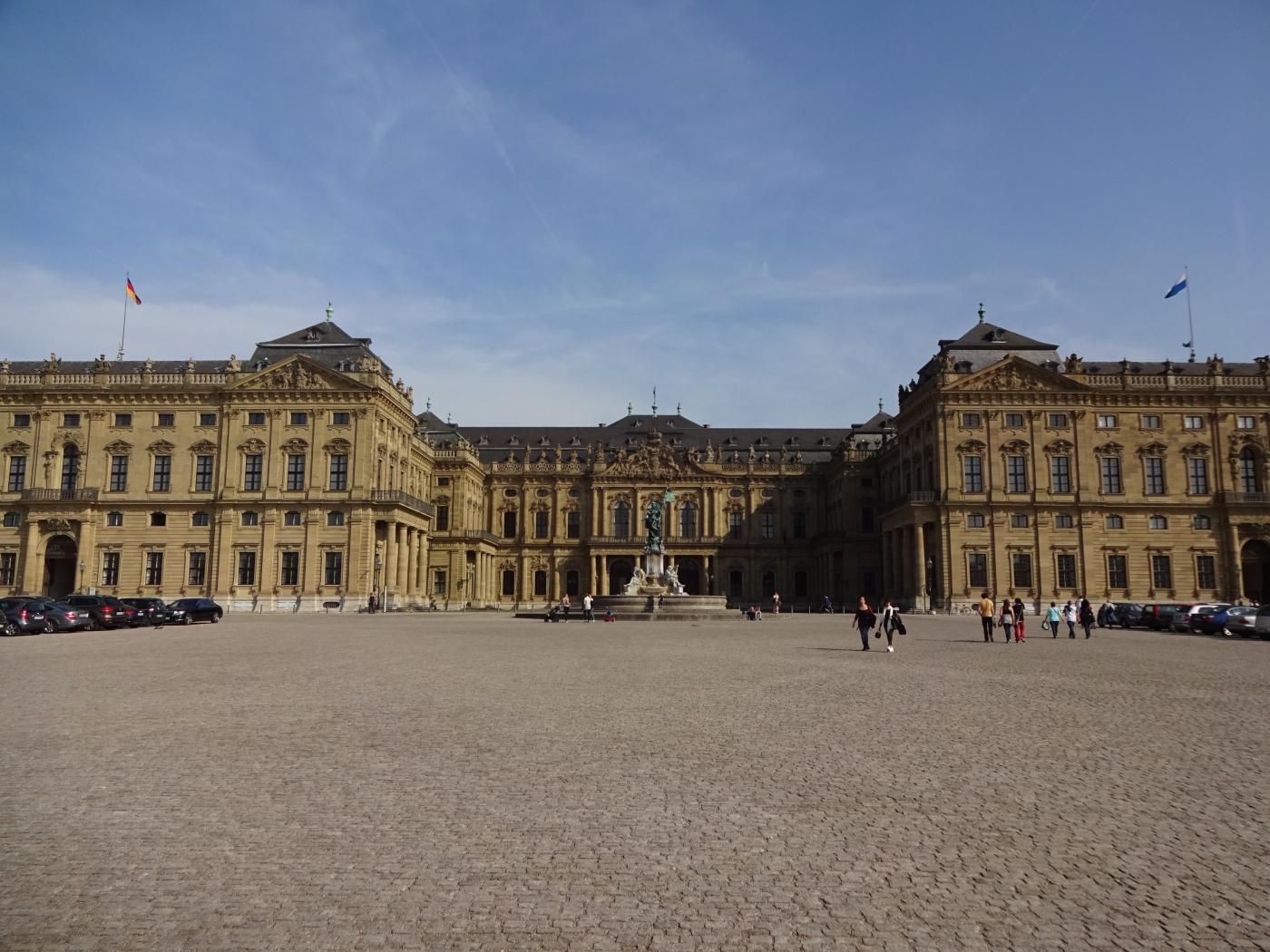
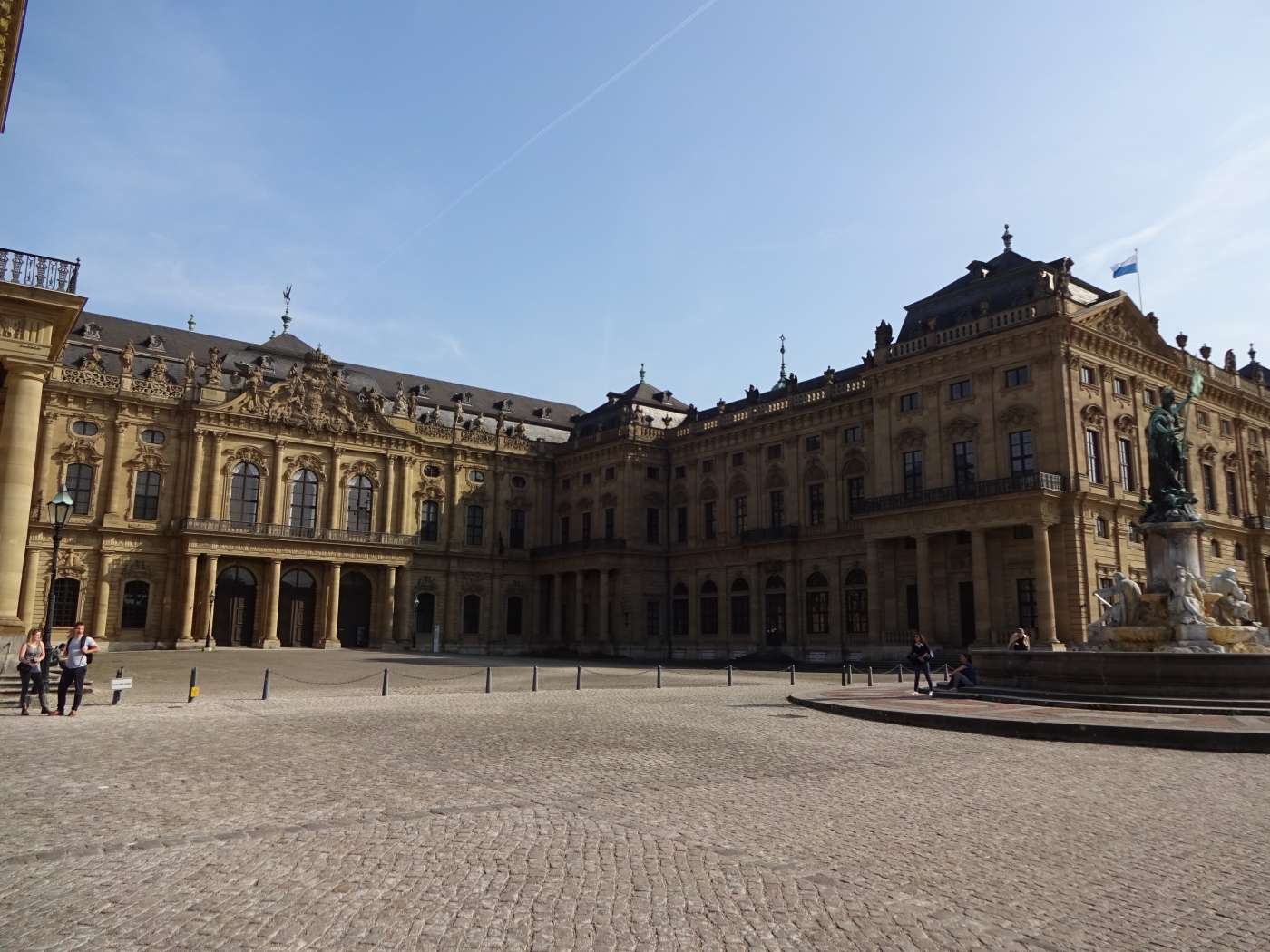
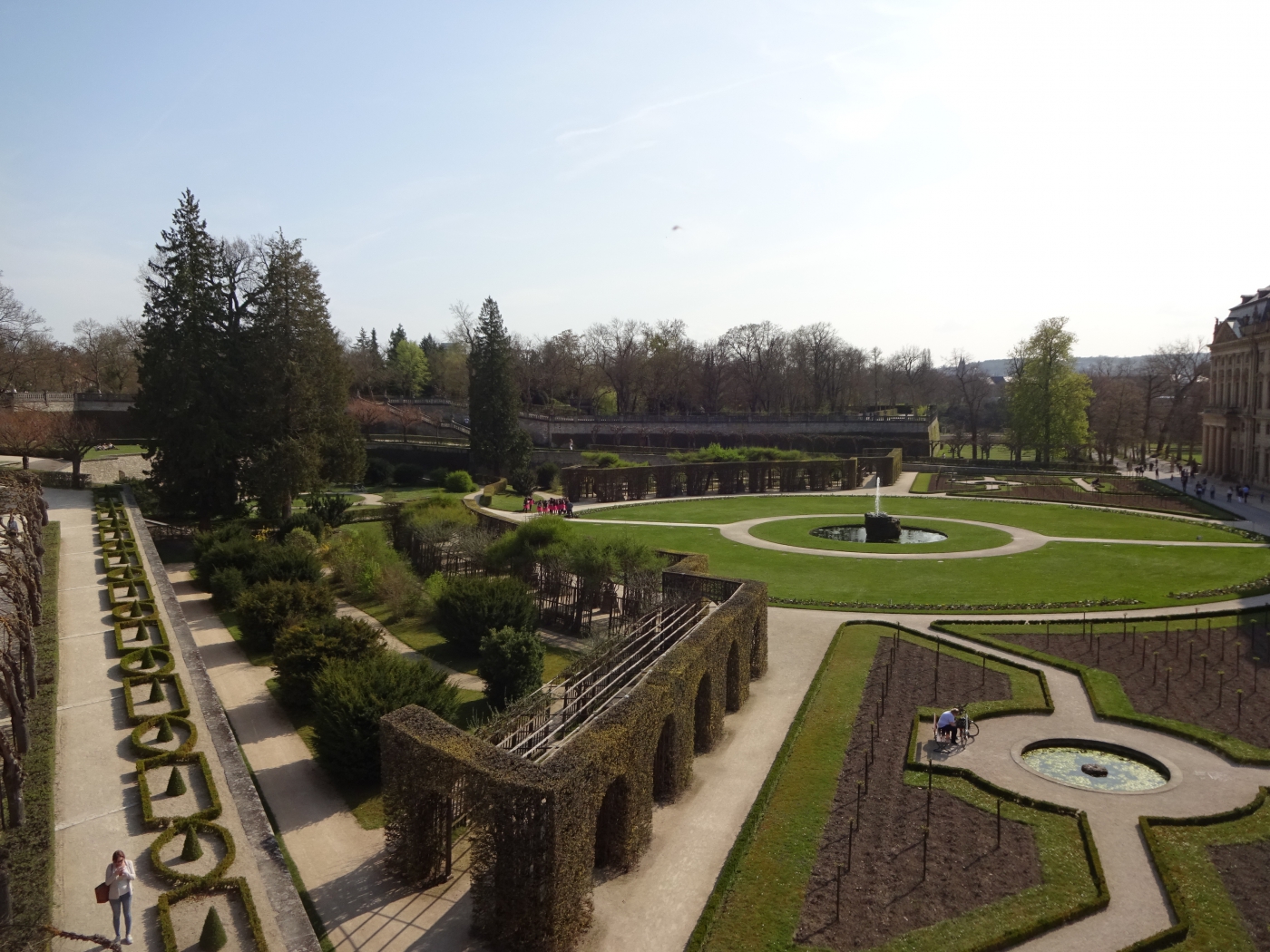
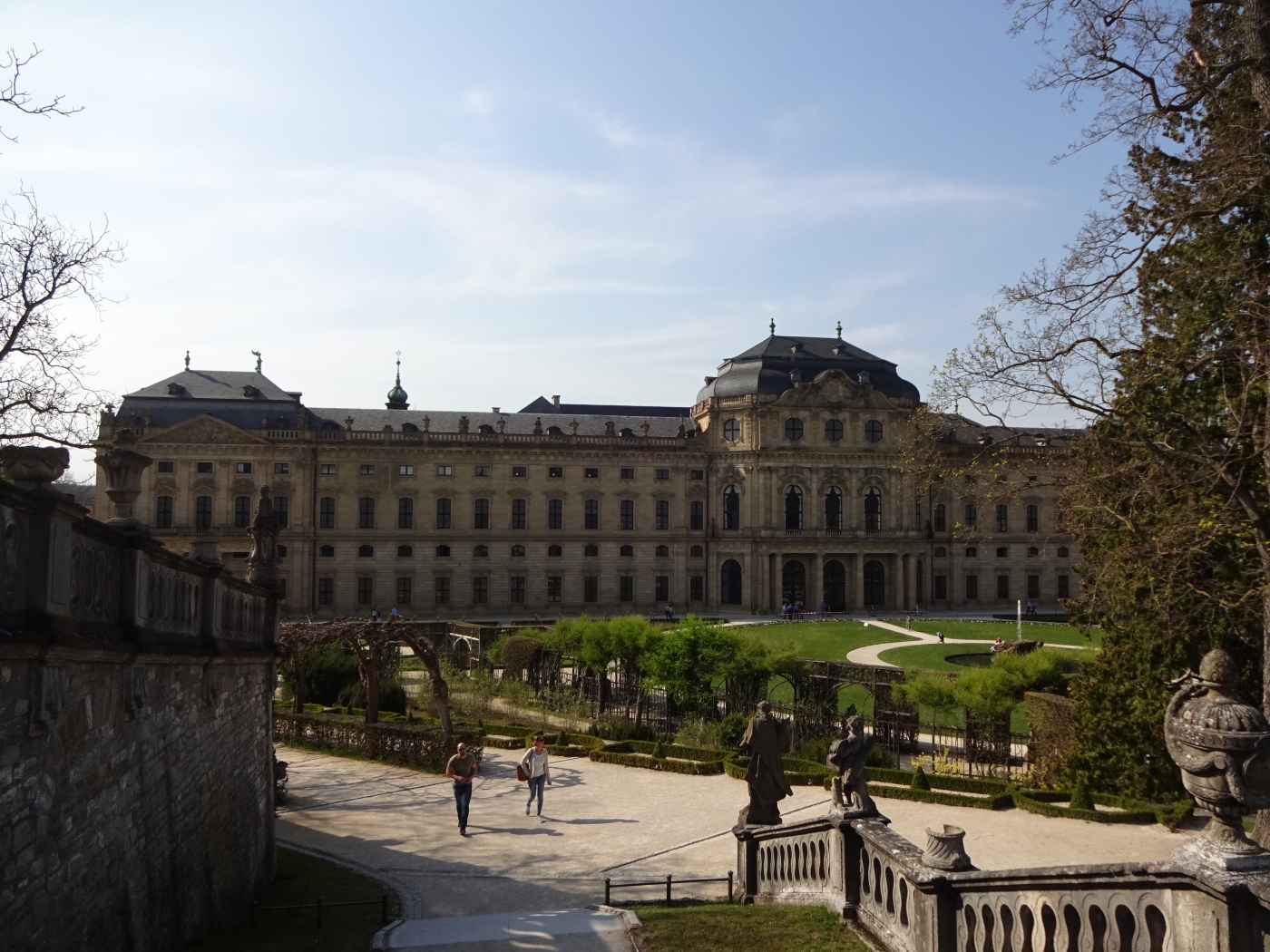
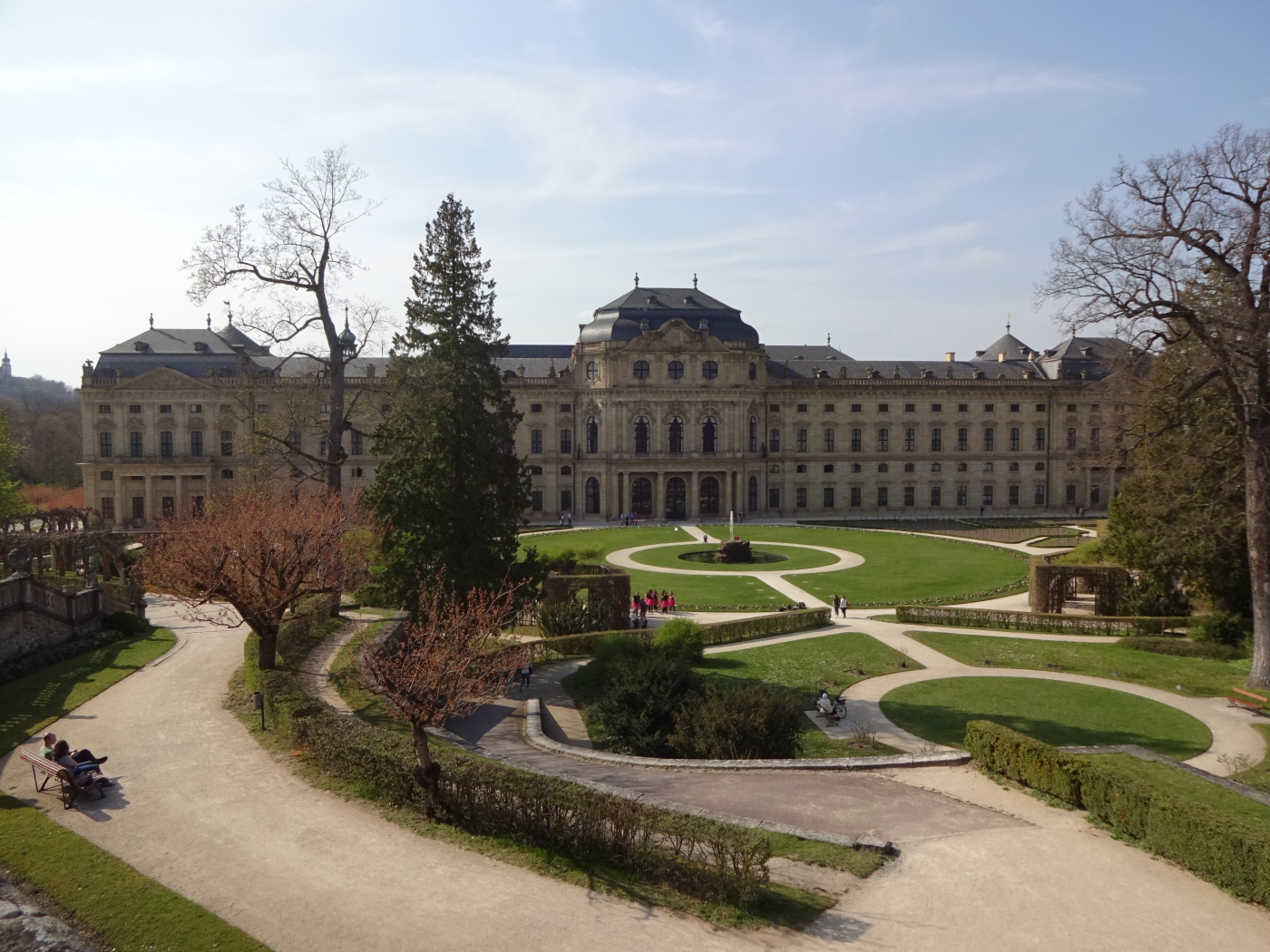
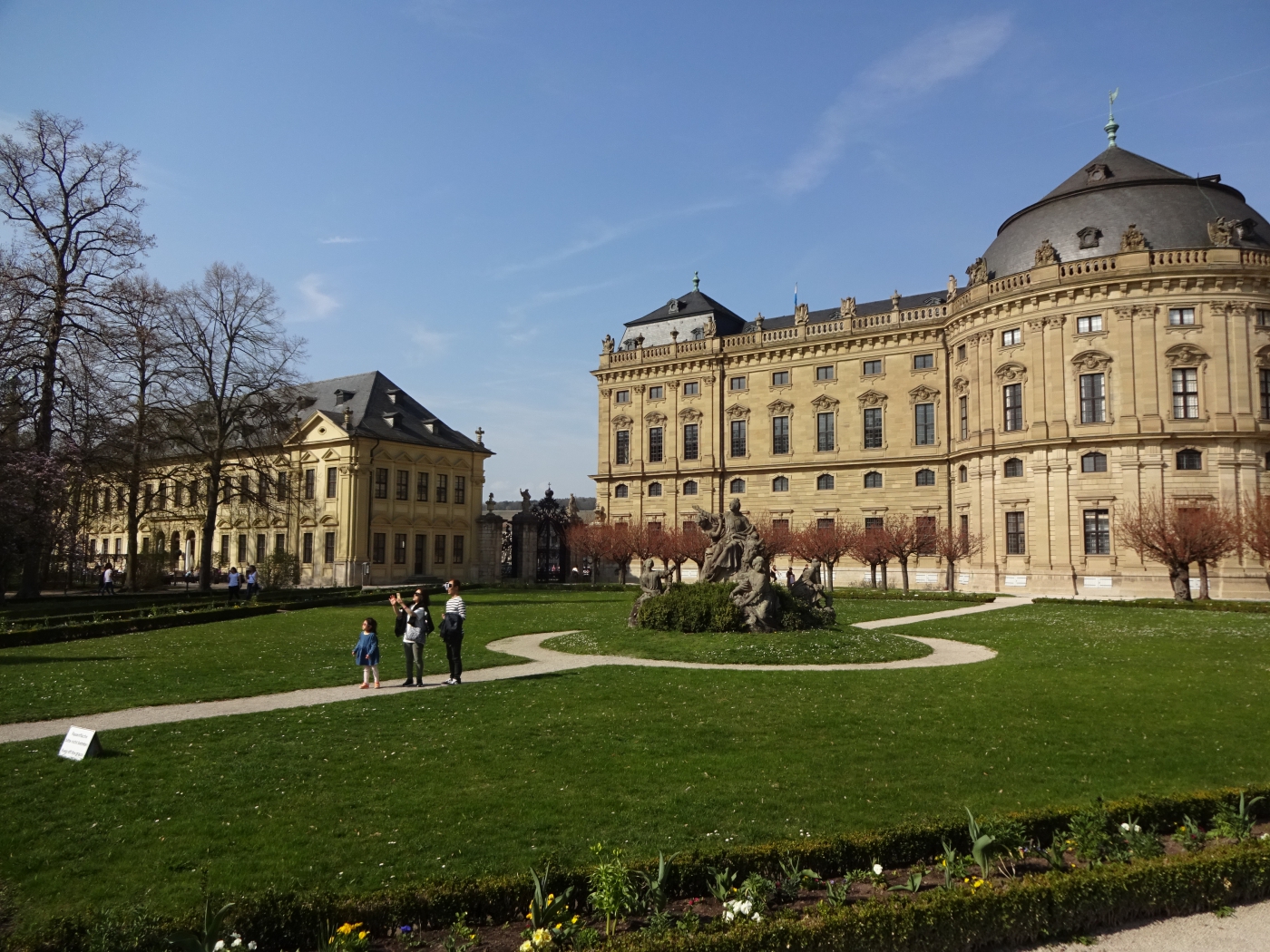
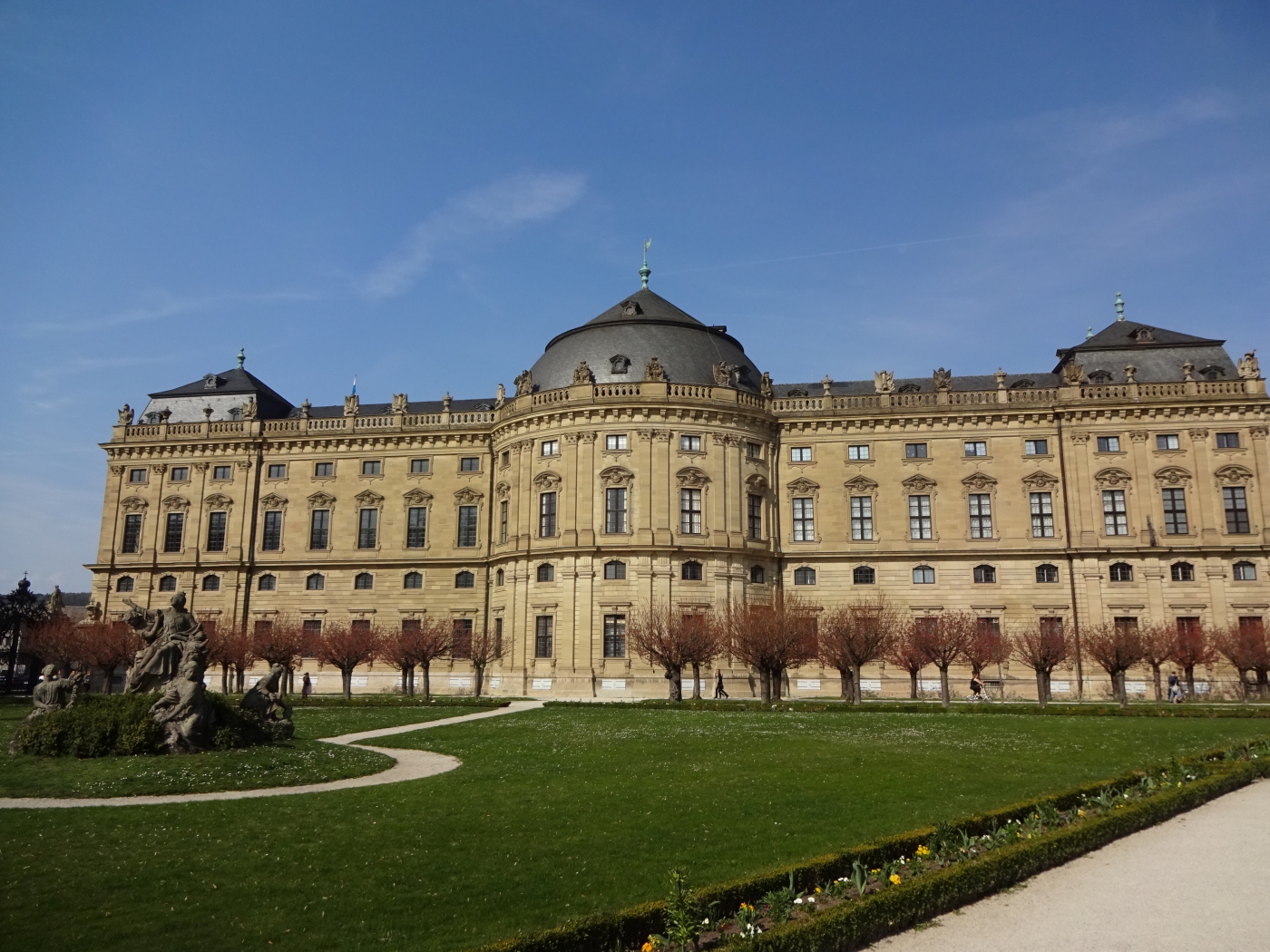
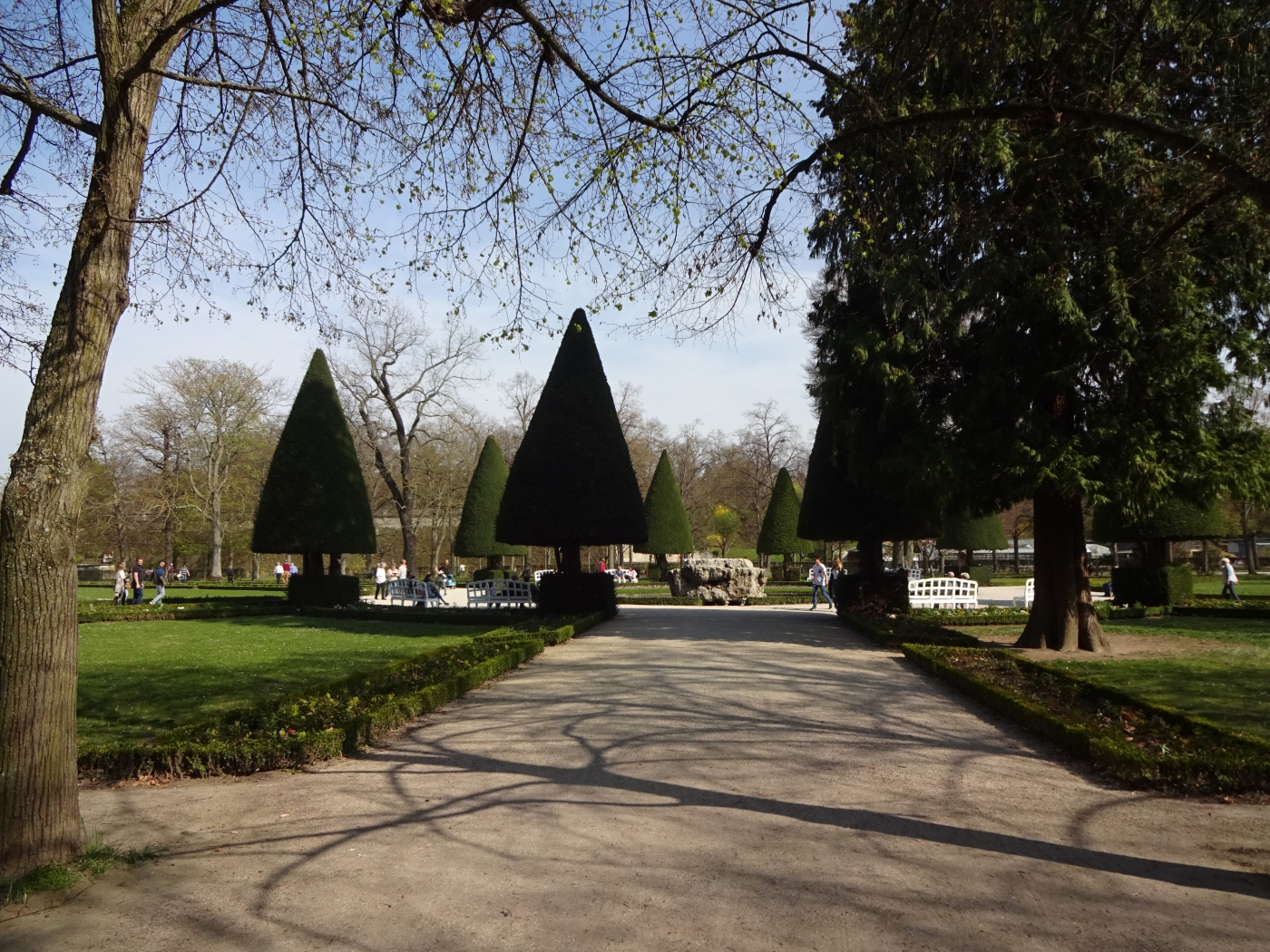
Würzburg Residence with the Court Gardens and Residence Square
Würzburg, Germany
01.04.2017

The Würzburg Residence, nestled in Würzburg, Germany, is celebrated as one of Europe's most outstanding examples of Baroque architecture. Together with its magnificent Hofgarten and the grand Residenzplatz, it was designated a UNESCO World Heritage site in 1981, recognized for its extraordinary artistic and historical significance as an 18th-century princely residence.
A Baroque Masterpiece
Commissioned in 1720 by Prince-Bishop Johann Philipp Franz von Schönborn, construction was largely continued by his brother, Prince-Bishop Friedrich Karl von Schönborn. They engaged the eminent architect Balthasar Neumann to realize their vision of a palace rivaling Europe's royal courts. Neumann, a master of Baroque and early Rococo, created a harmonious and breathtaking ensemble, epitomizing the era's architectural aspirations.
Architectural Splendor
Neumann’s genius shines in the palace’s layout and spectacular interiors. The imposing exterior gives way to the astonishing richness within, most notably the Treppenhaus (Grand Staircase). This marvel of spatial design culminates in a colossal unsupported vaulted ceiling, adorned with a monumental fresco by the Venetian master Giovanni Battista Tiepolo, depicting the Allegory of the Planets and Continents. It is an unparalleled work glorifying the Prince-Bishopric.
Artistic Richness
Beyond the Treppenhaus, the Residence showcases lavishly decorated rooms, including the majestic Kaisersaal (Imperial Hall), also frescoed by Tiepolo with scenes from Würzburg’s history and its Holy Roman Empire ties. The intricate stucco work, opulent tapestries, and exquisite furniture reflect the pinnacle of 18th-century craftsmanship, creating an unparalleled synthesis of art forms that underscored the Prince-Bishops' wealth and prestige.
Gardens and Forecourt
The meticulously planned Hofgarten, a formal Baroque garden, features geometrical parterres, elegant fountains, and charming pavilions, offering a serene complement to the palace. The expansive Residenzplatz functions as a stately forecourt, enhancing the imperial impression of the entire complex.
Preserving a Legacy
Despite suffering severe damage during the Second World War, particularly the destruction of its roofs and wooden structures by fire, crucial sections like the Treppenhaus, Kaisersaal, and Garden Hall were saved thanks to their robust vaulted ceilings. Decades of exemplary restoration meticulously returned this masterpiece to its former glory. Today, the Würzburg Residence stands as a testament to human artistic achievement and offers profound insight into Baroque courtly life.
Further Reading
This magnificent Baroque palace – one of the largest and most beautiful in Germany and surrounded by wonderful gardens – was created under the patronage of the prince-bishops Lothar Franz and Friedrich Carl von Schönborn. It was built and decorated in the 18th century by an international team of architects, painters (including Tiepolo), sculptors and stucco-workers, led by Balthasar Neumann.