Villa Romana del Casale
Piazza Armerina, Italy
28.08.2022

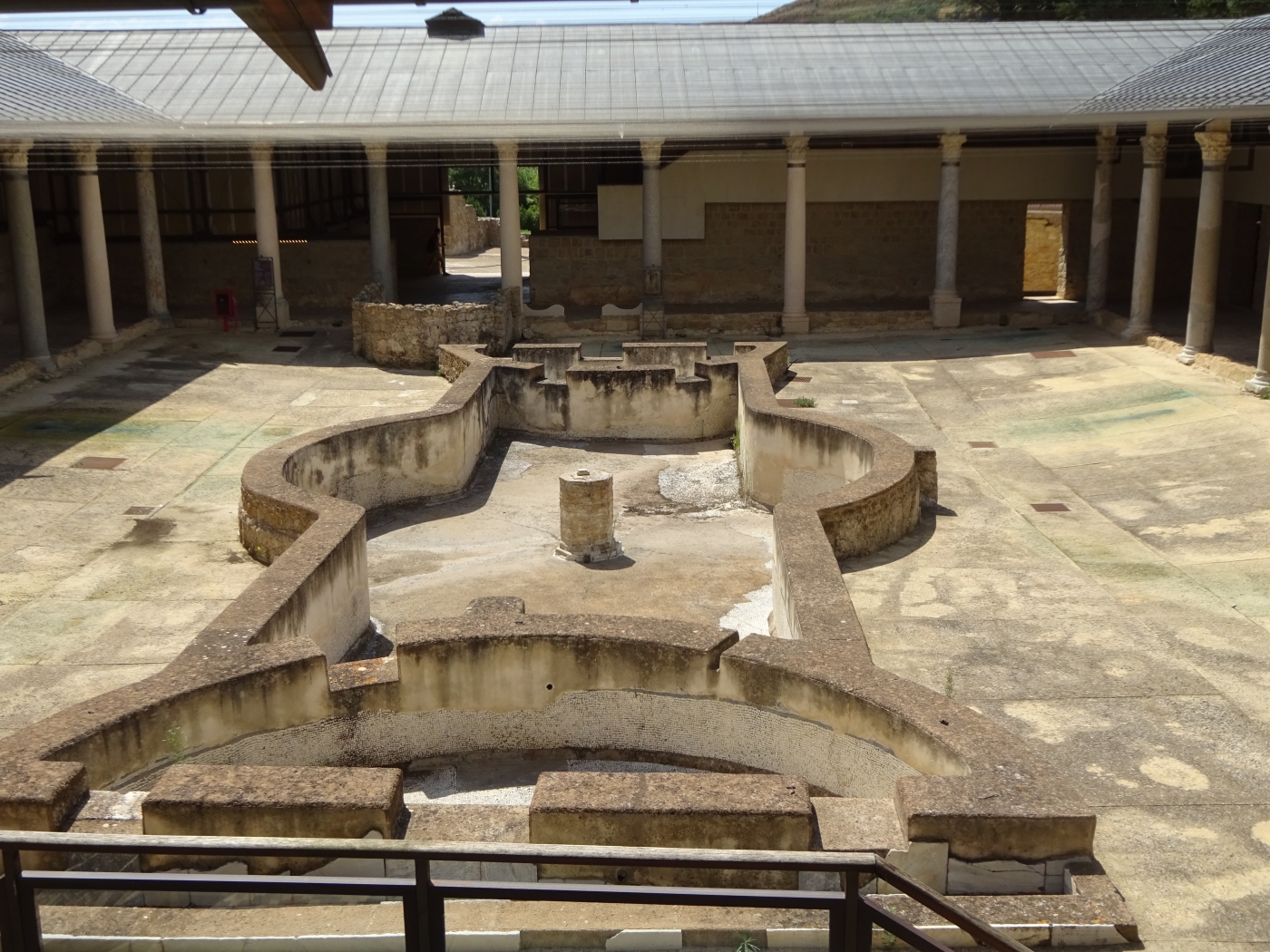
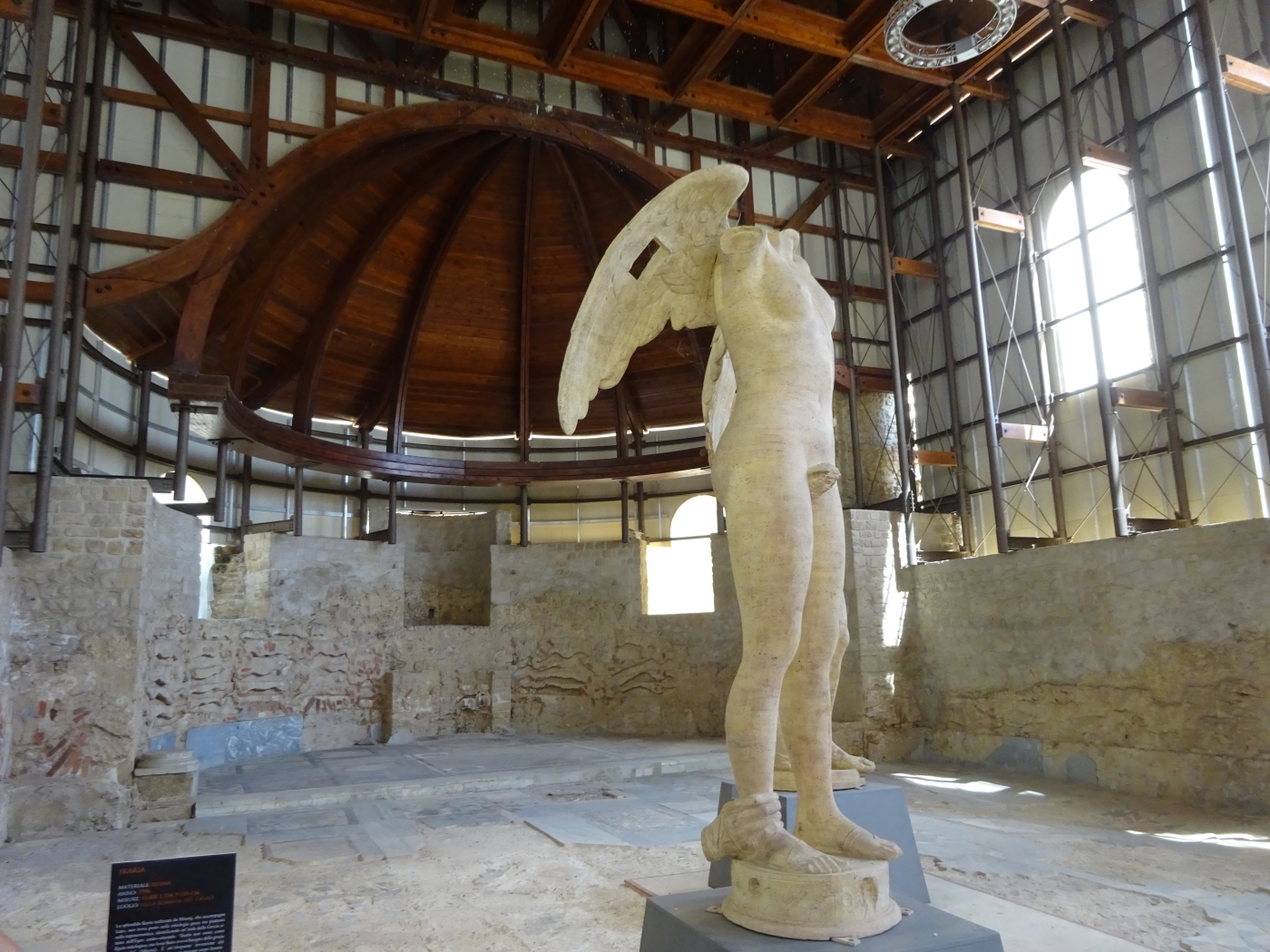
Located near Piazza Armerina in Sicily, the Villa Romana del Casale stands as an extraordinary testament to Roman luxury and artistic prowess. A UNESCO World Heritage site since 1997, this magnificent villa offers an unparalleled glimpse into the private life of a powerful Roman family from the late Imperial period.
A Glimpse into Roman Opulence
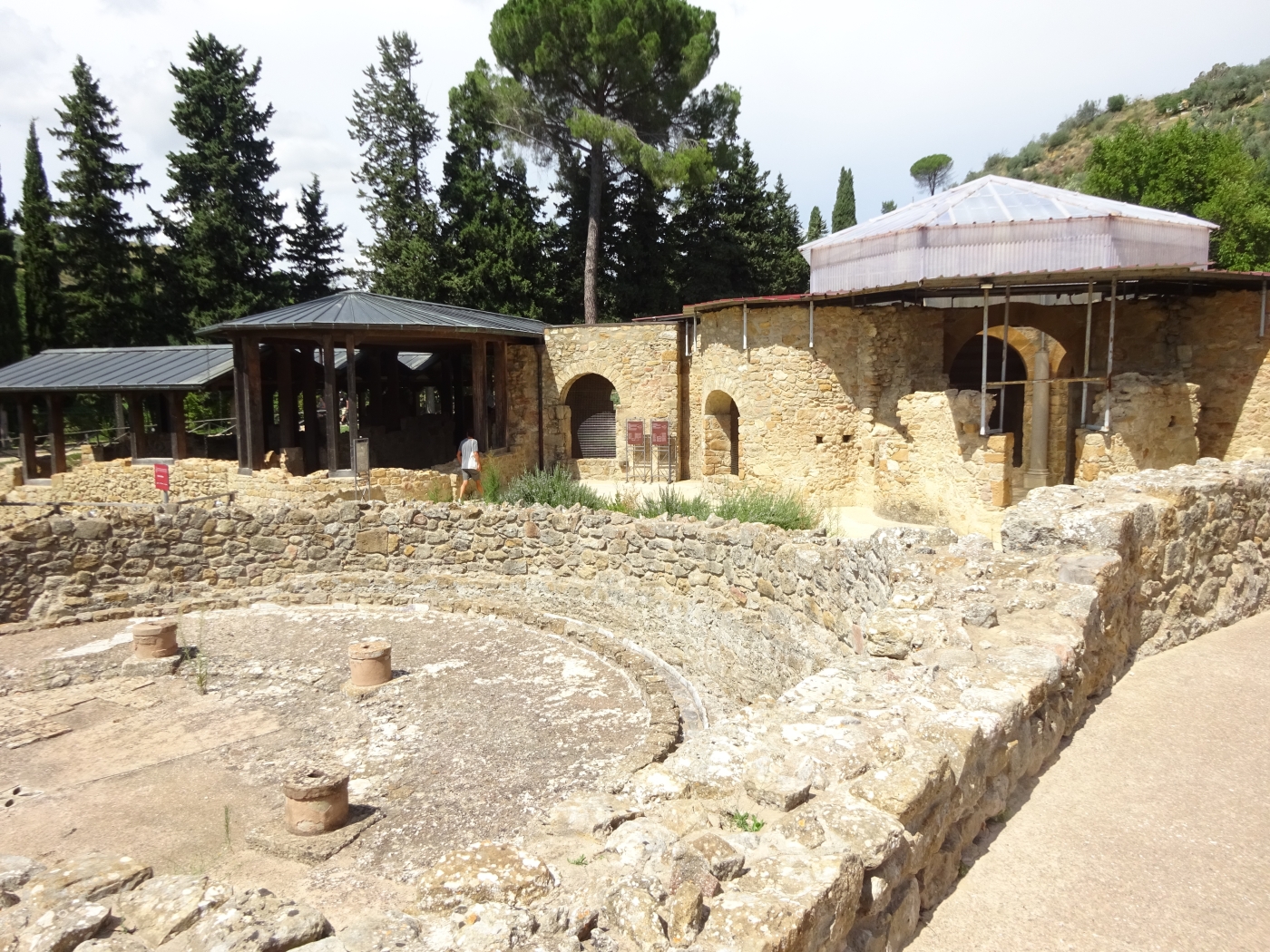
Constructed in the early 4th century AD, the villa was likely the residence of a high-ranking senator, possibly even an emperor like Maximian, or a wealthy proconsul of Sicily. It functioned as a lavish country estate, a villa rustica, rather than a fortified stronghold, reflecting the immense wealth and social standing of its owner. Its sprawling layout, complete with private baths, a basilica, and numerous living quarters, speaks volumes about the sophisticated lifestyle enjoyed by the Roman elite.
The Mosaics: A Dazzling Collection
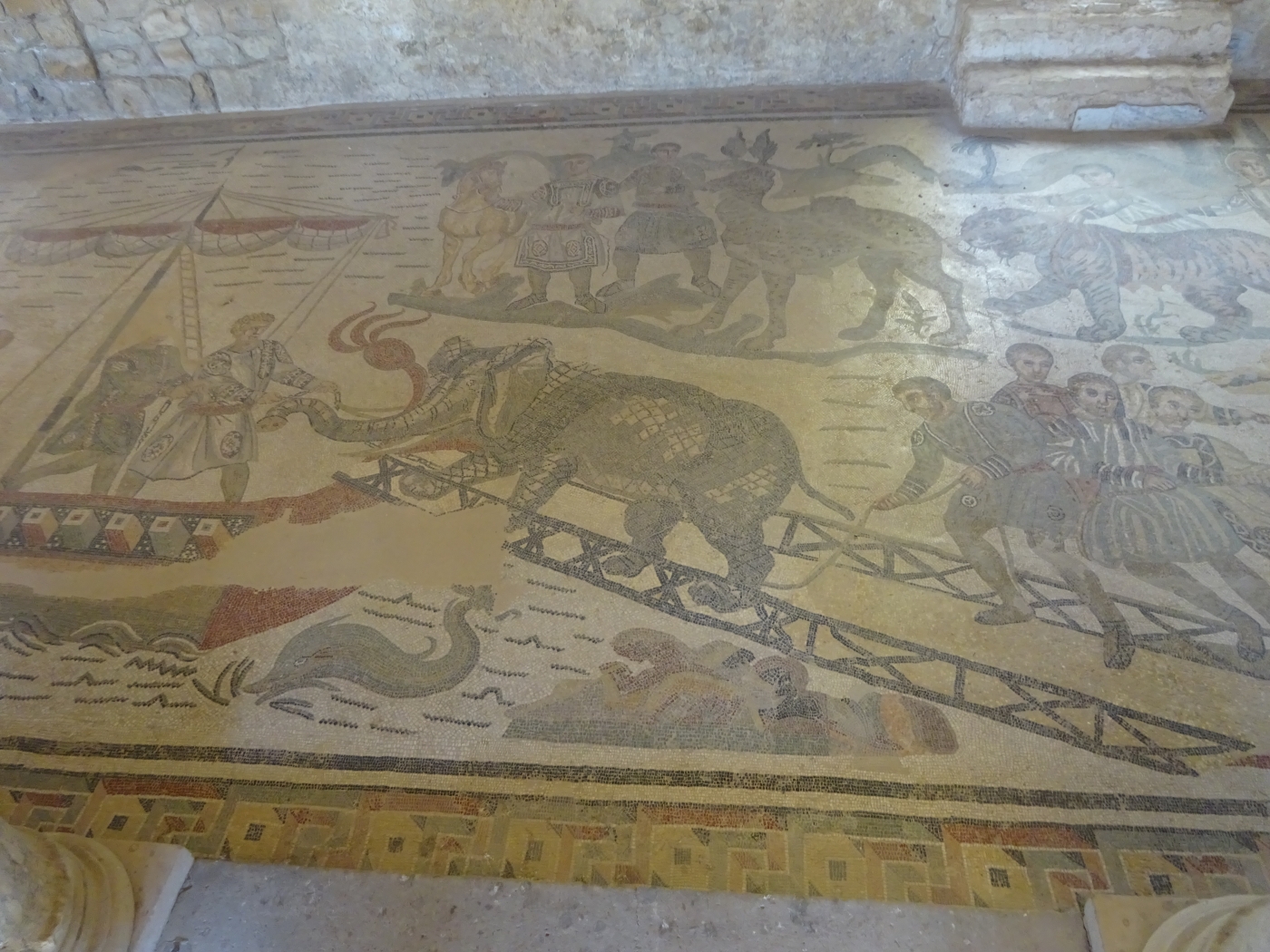
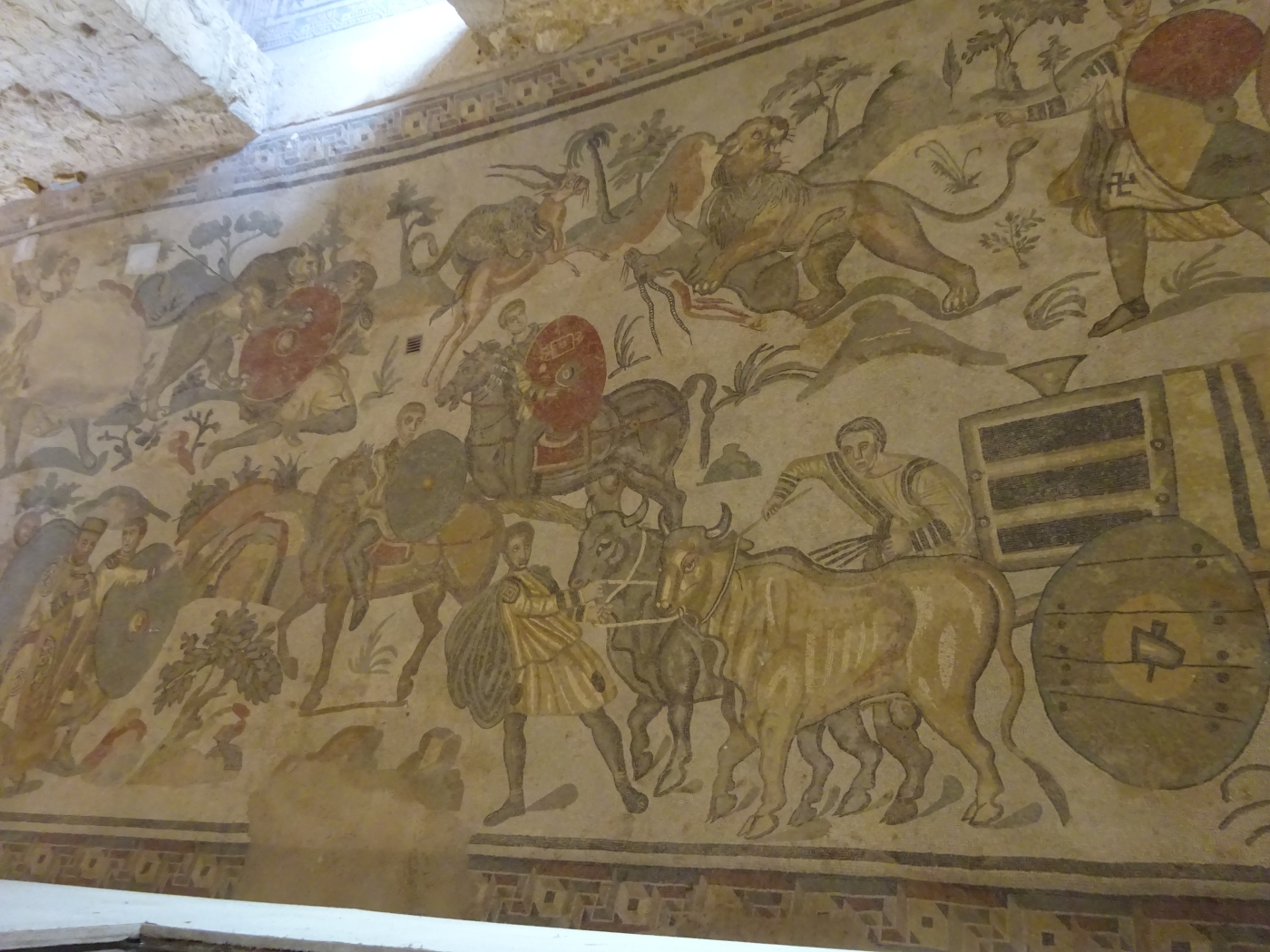
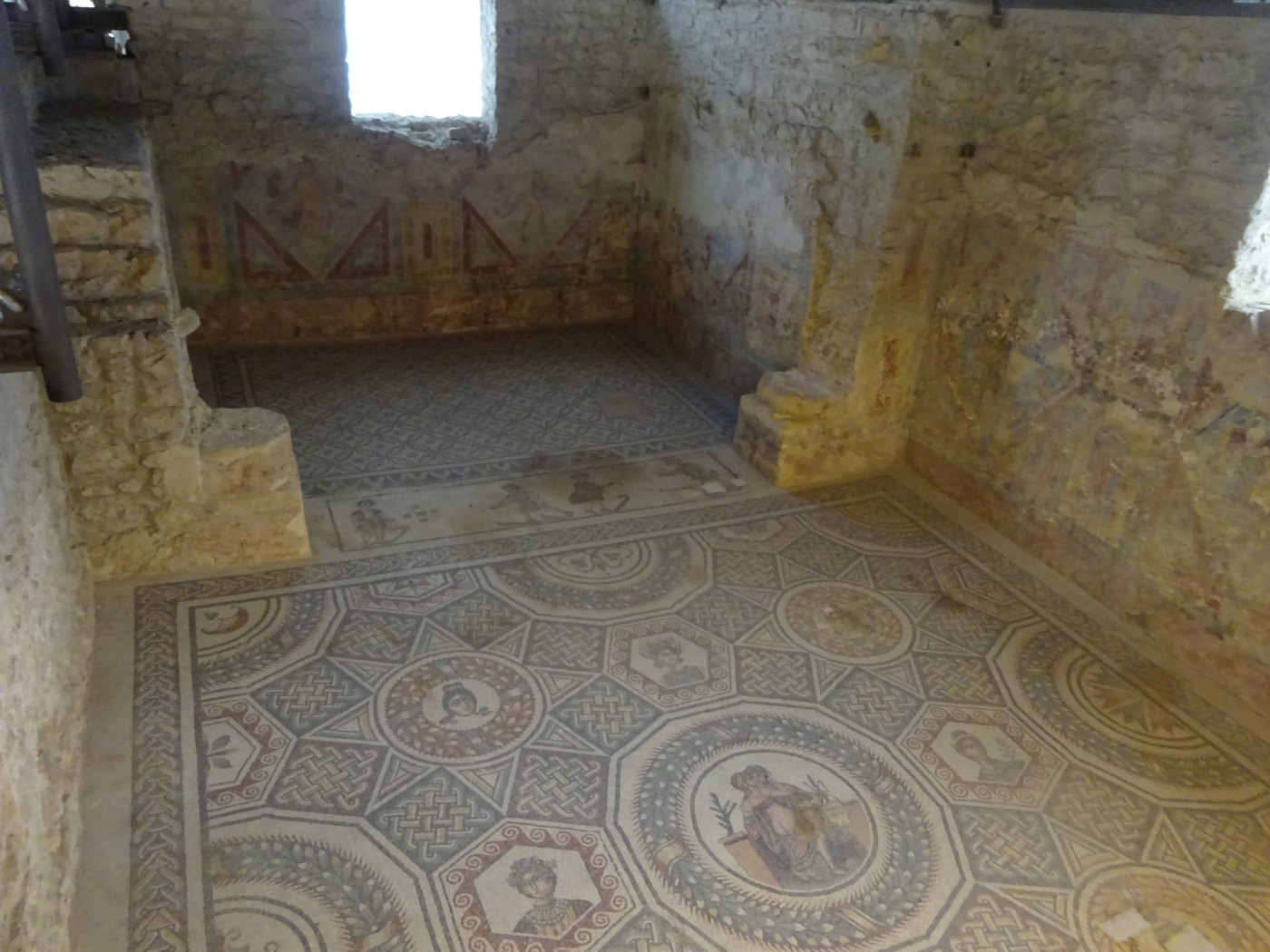
The true marvel of the Villa Romana del Casale lies in its incredibly preserved and extensive collection of Roman mosaics, covering an astonishing 3,500 square meters. These intricate artworks are among the finest and most complex examples of Roman mosaic art in the world. They depict a vast array of themes: mythological narratives, vivid scenes of daily life, dramatic hunting expeditions featuring exotic animals from Africa – most famously portrayed in the monumental Great Hunt Mosaic – and even the iconic "bikini girls" engaged in athletic activities in the aptly named Chamber of the Ten Maidens. The exceptional quality and distinct styles suggest the involvement of specialized mosaic workshops, possibly from North Africa, highlighting the strong cultural and economic ties between Sicily and the African provinces during the Roman Empire.
Rediscovery and Legacy
The villa was largely buried by a catastrophic mudslide in the 12th century, a tragic event that paradoxically contributed to its remarkable preservation for centuries. Serious archaeological excavations commenced in the 1950s under the pioneering direction of Gino Vinicio Gentili, gradually revealing its full splendor to the modern world. Today, protected by a comprehensive covering structure, the Villa Romana del Casale stands as one of the most magnificent and well-preserved examples of a Roman villa, continuously attracting visitors from around the globe to witness its artistic and historical grandeur.
Weiterführende Links
Roman exploitation of the countryside is symbolized by the Villa Romana del Casale (in Sicily), the centre of the large estate upon which the rural economy of the Western Empire was based. The villa is one of the most luxurious of its kind. It is especially noteworthy for the richness and quality of the mosaics which decorate almost every room; they are the finest mosaics in situ anywhere in the Roman world.
The Villa Romana del Casale (Sicilian: Villa Rumana dû Casali) is a large and elaborate Roman villa or palace located about 3 km from the town of Piazza Armerina, Sicily. Excavations have revealed Roman mosaics which, according to the Grove Dictionary of Art, are the richest, largest and most varied collection that remains, for which the site was designated as a UNESCO World Heritage Site in 1997. The villa and its artwork date to the early 4th century AD.
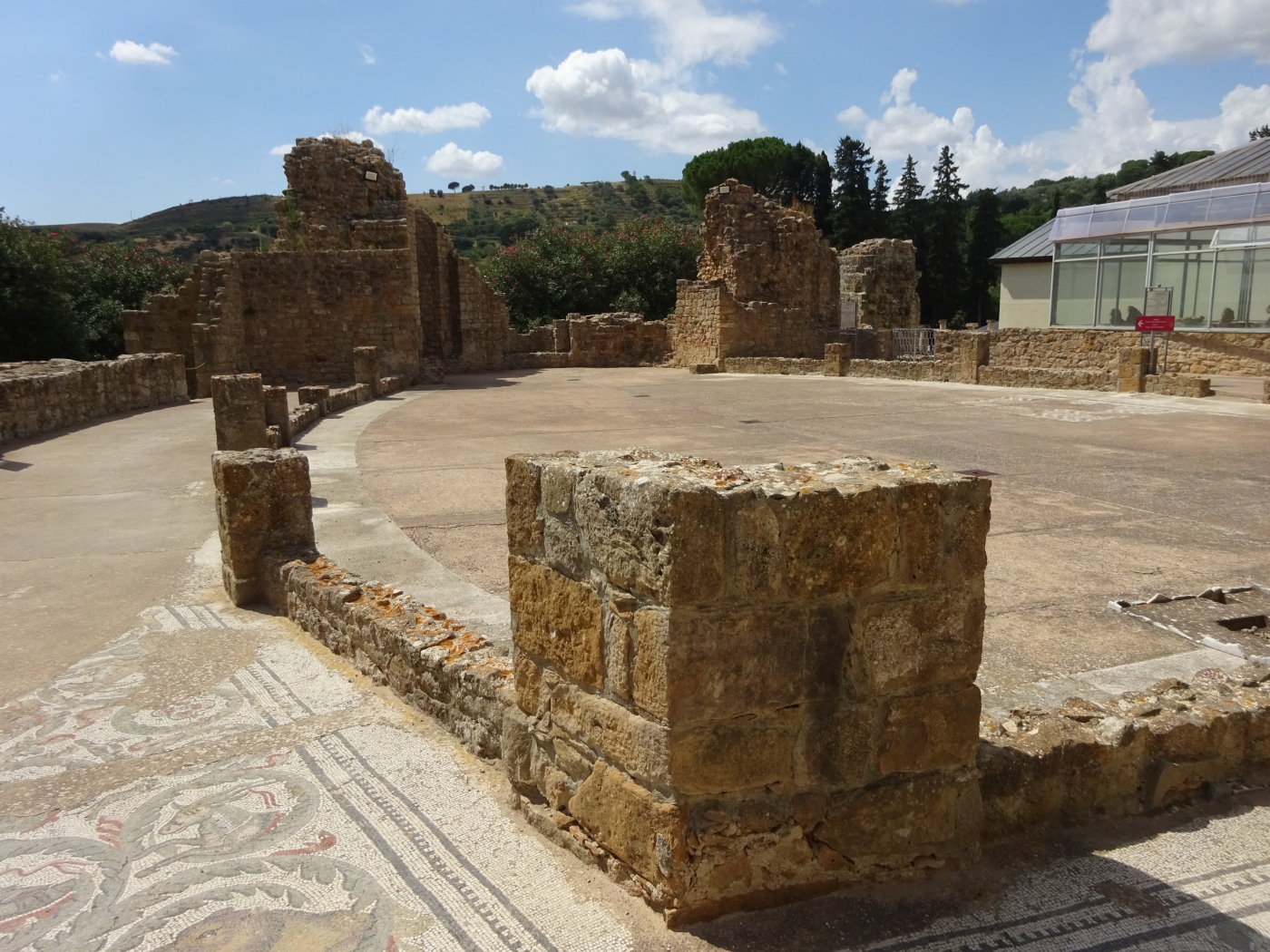
The mosaic and opus sectile floors cover some 3,500 m2 and are almost unique in their excellent state of preservation due to the landslide and floods that covered the remains.
Although less well-known, an extraordinary collection of frescoes covered not only the interior rooms, but also the exterior walls.