Isole Eolie (Aeolian Islands)
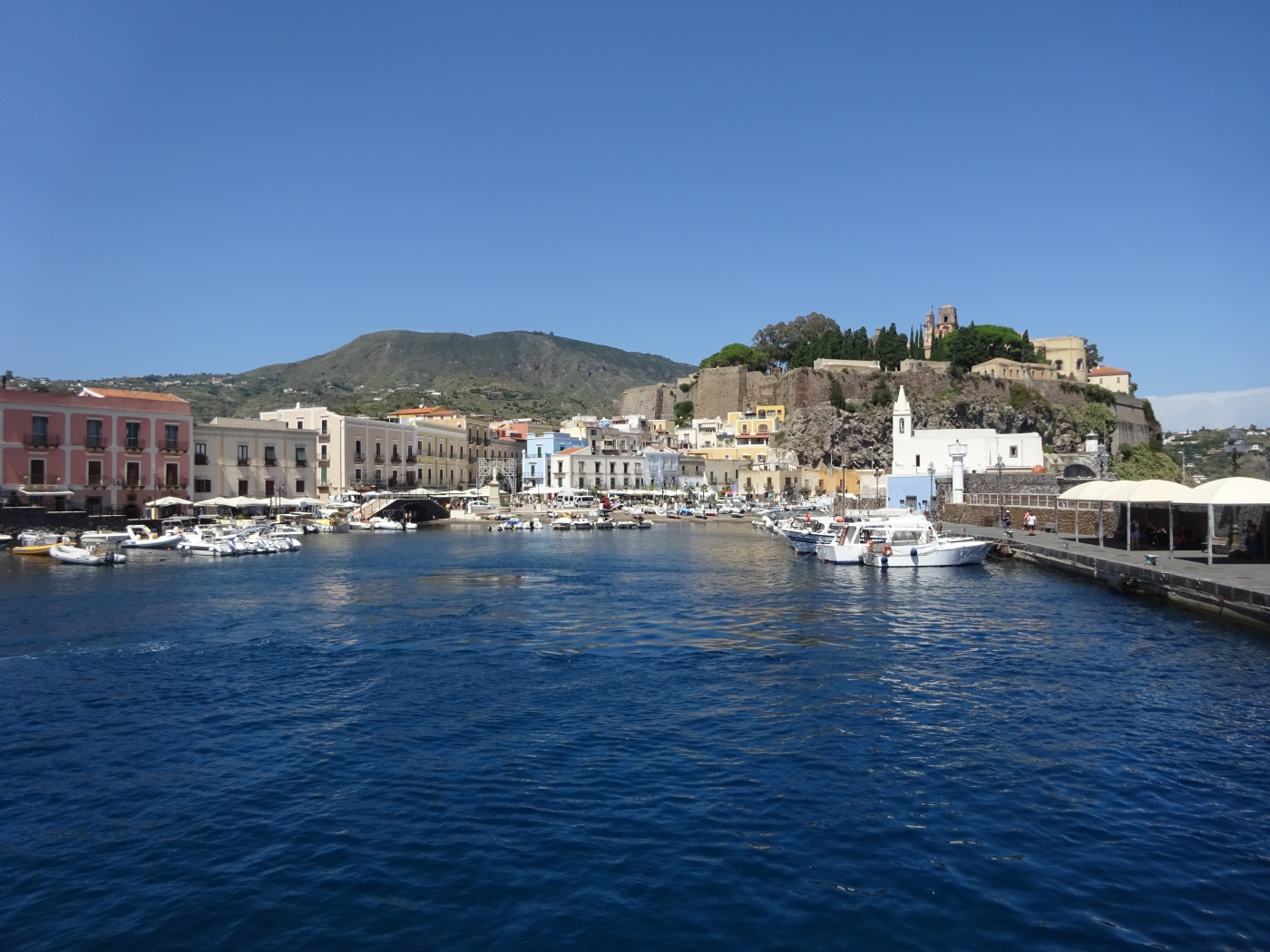
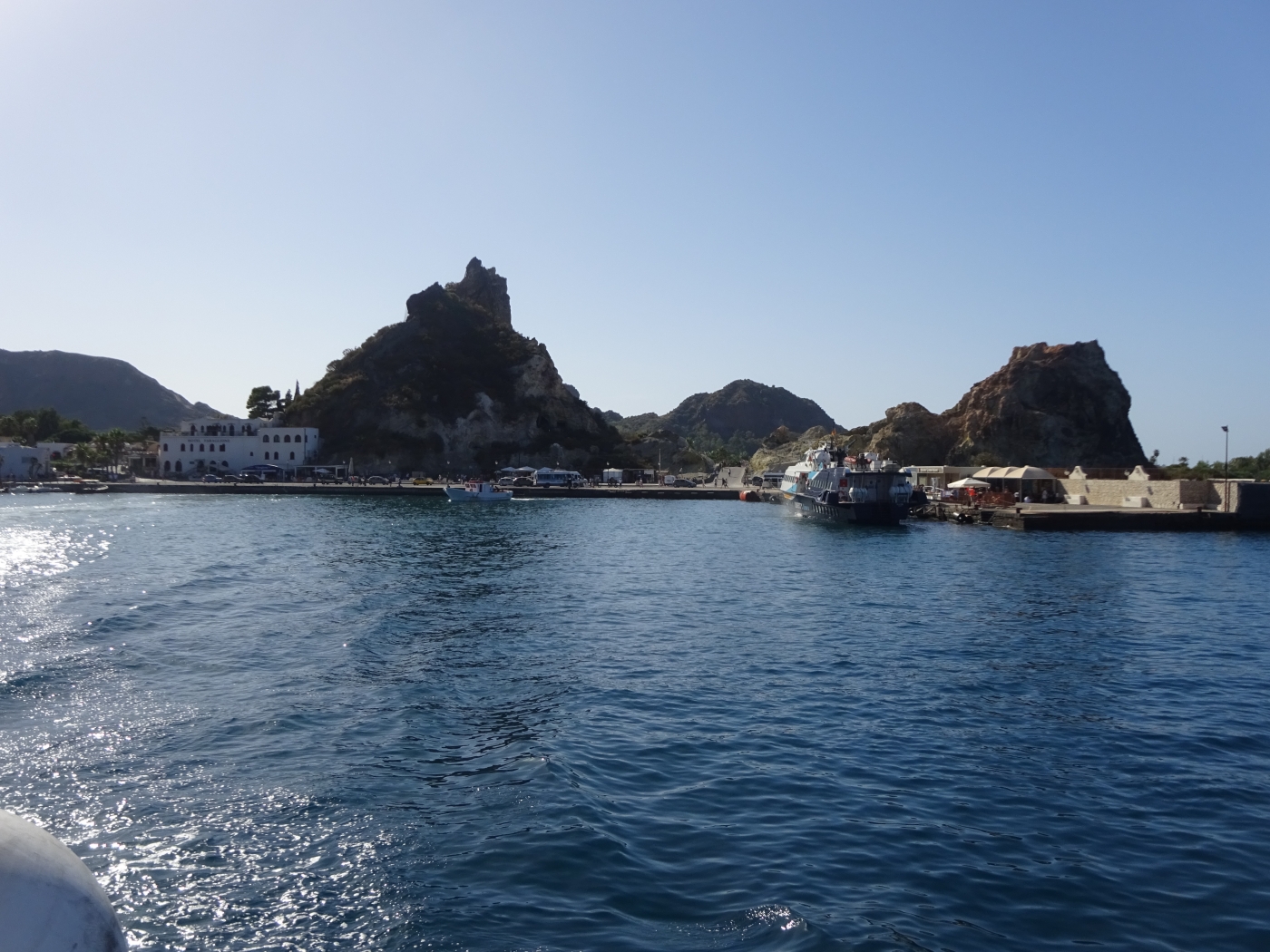
Lipari, Italy
01.09.2022

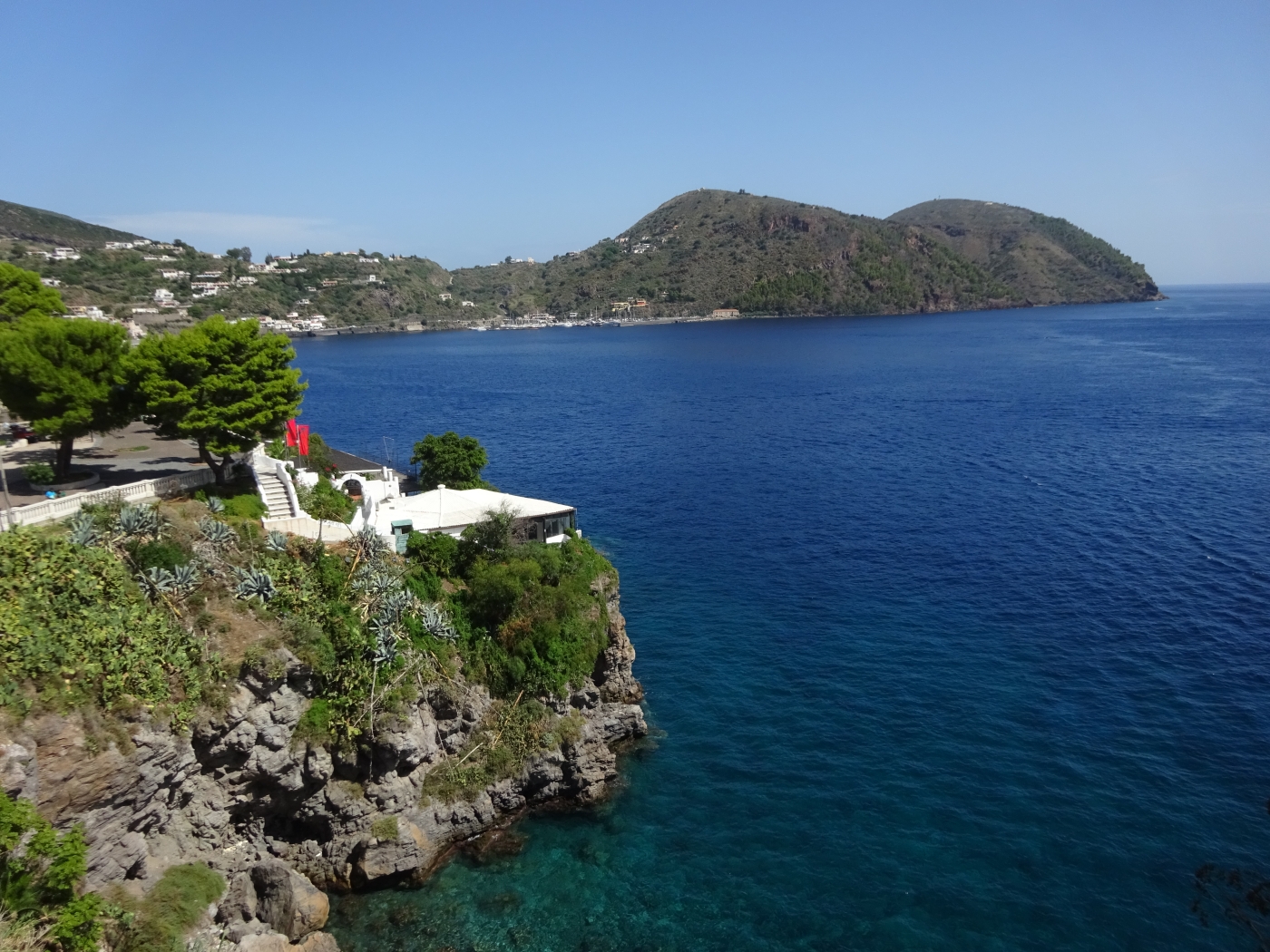
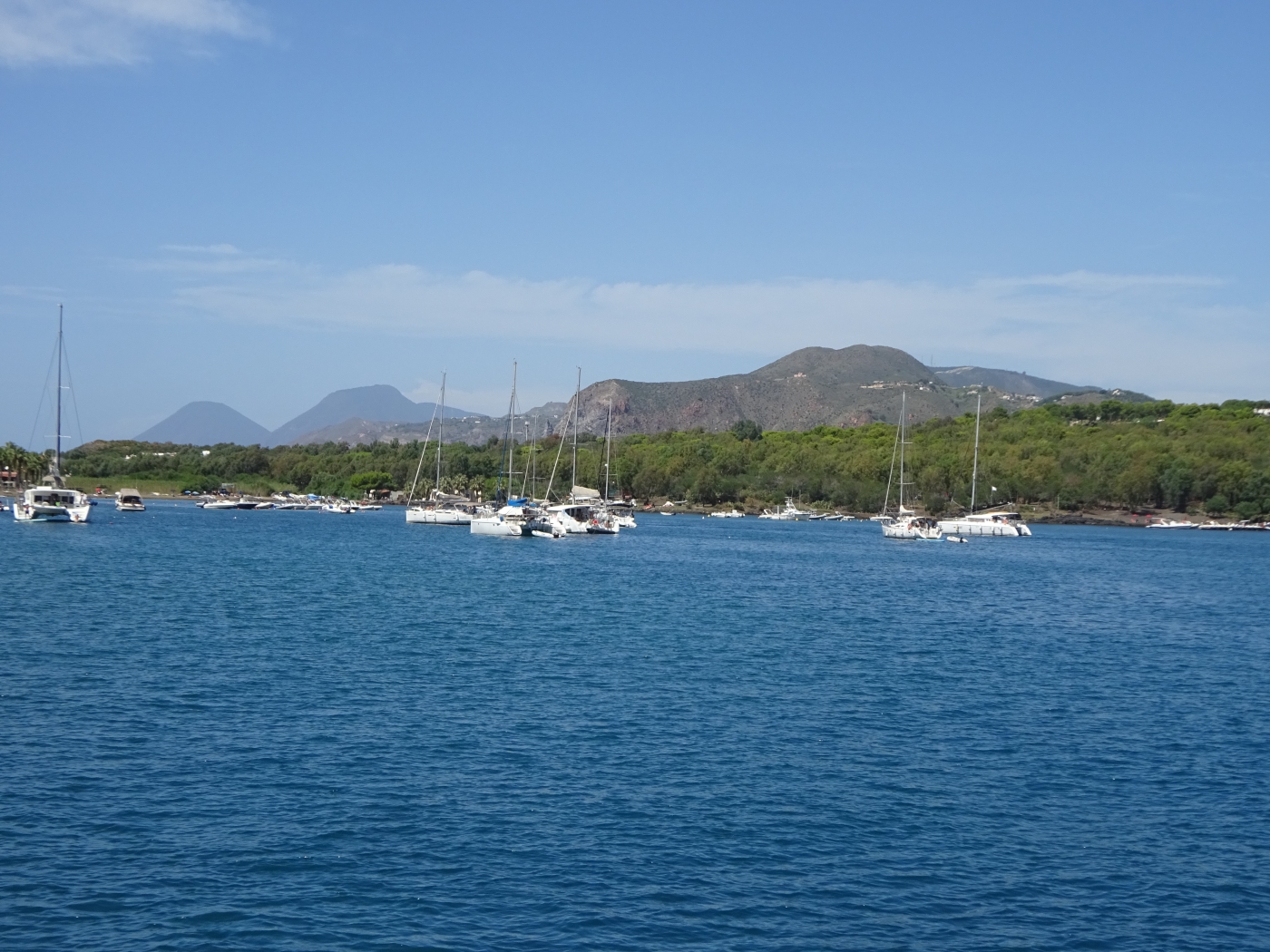
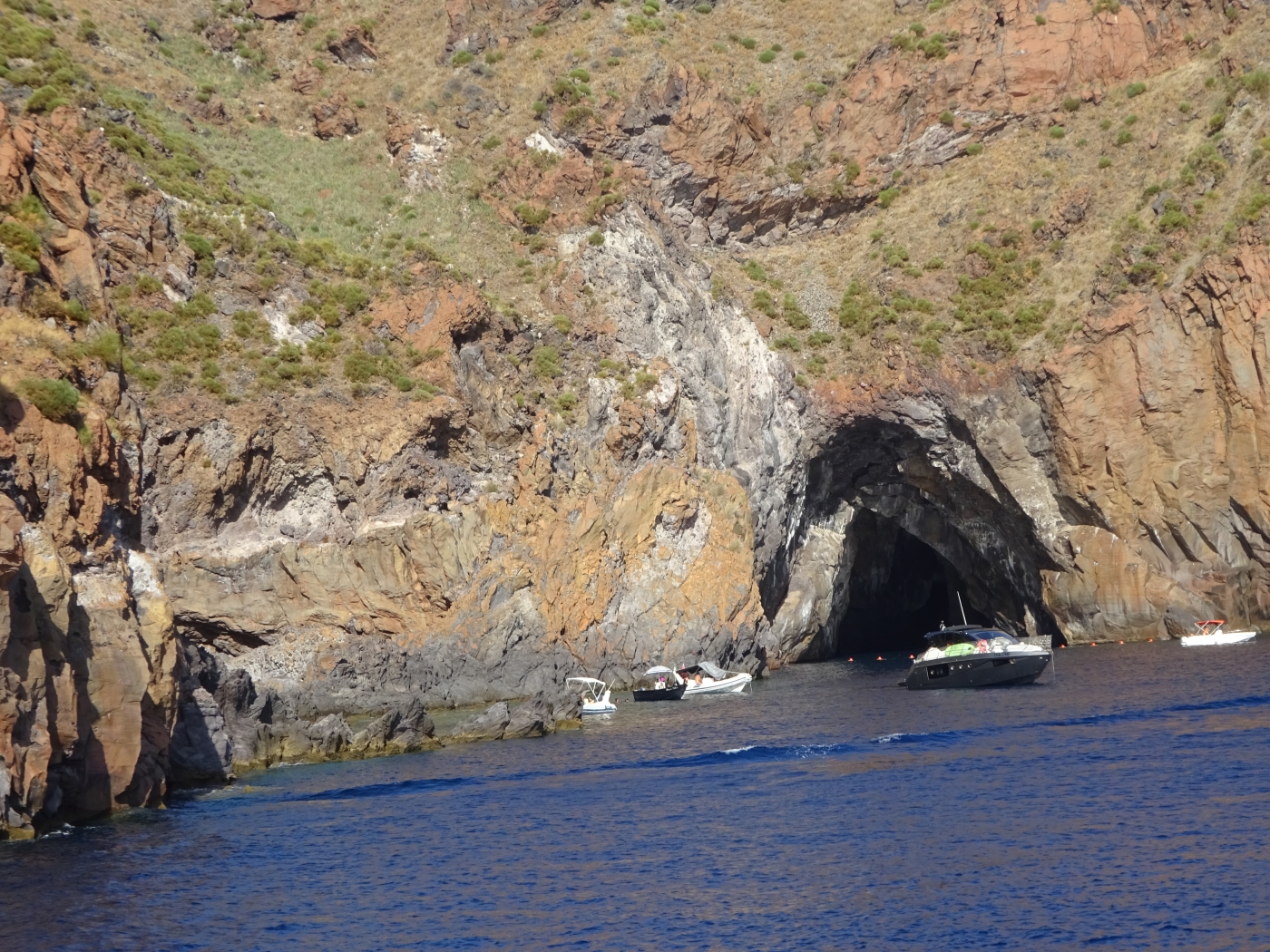
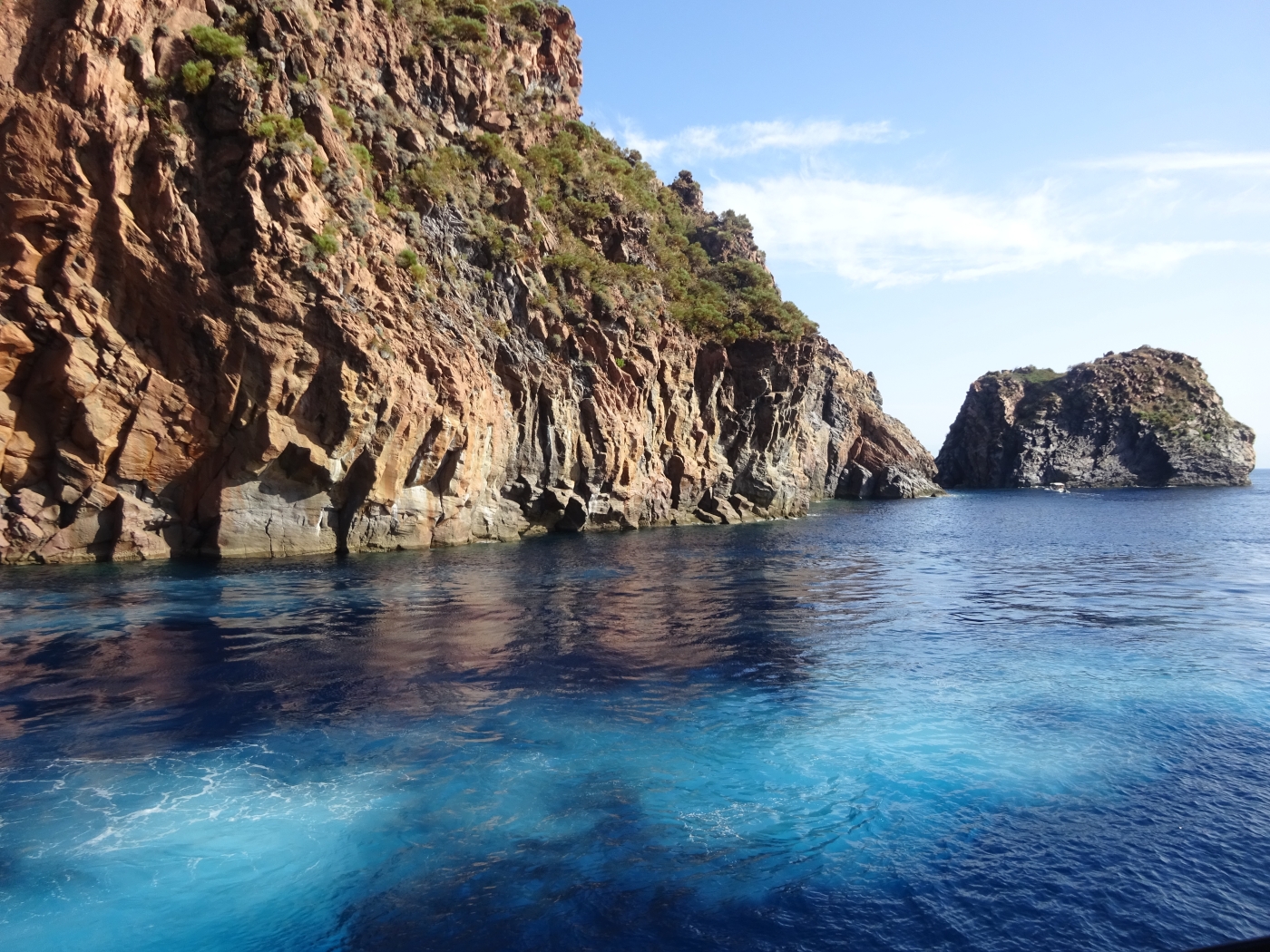
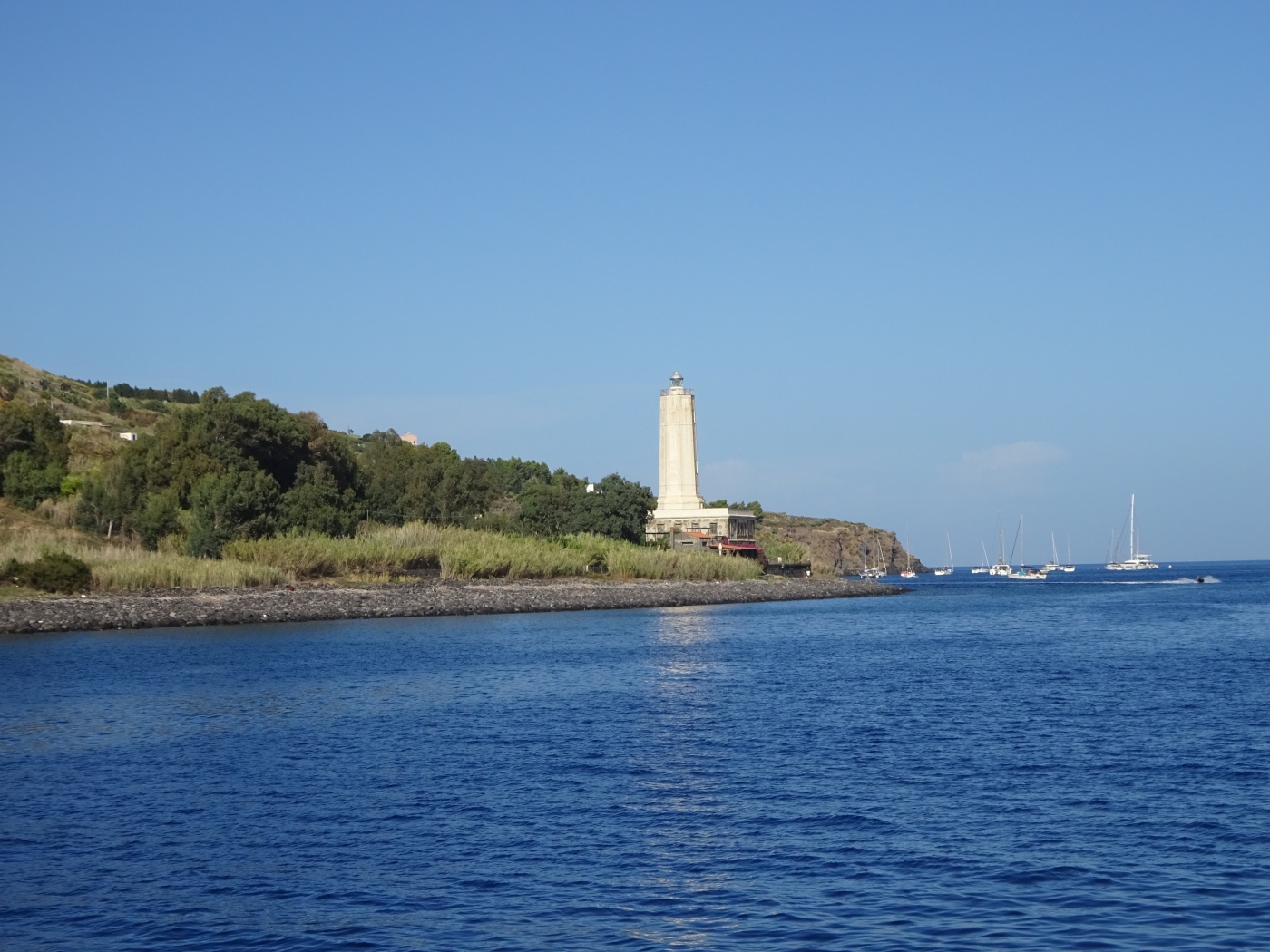
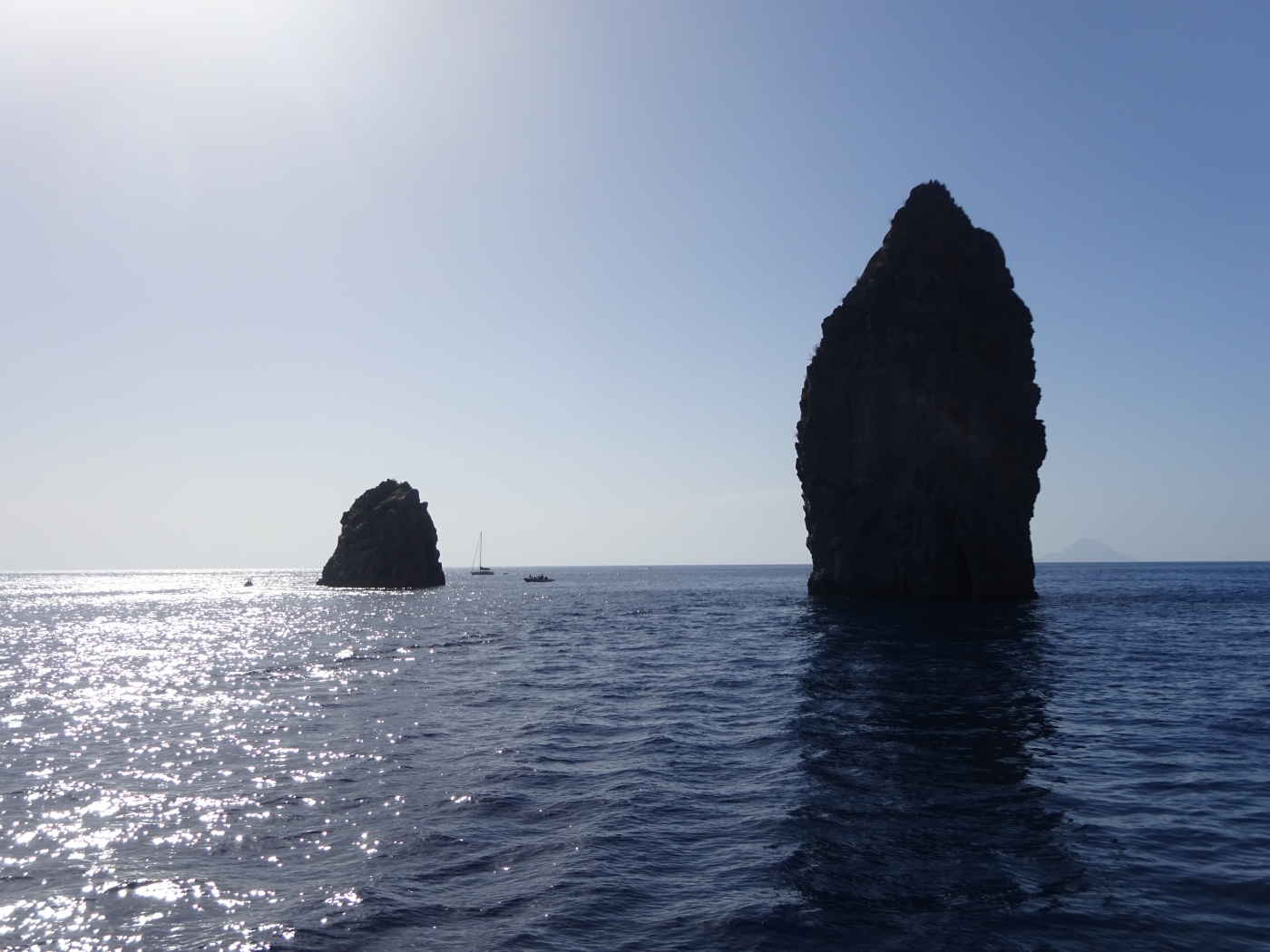
Nestled in the azure waters of the Tyrrhenian Sea, north of Sicily, lie the enchanting Aeolian Islands, a magnificent archipelago recognized as a UNESCO World Heritage site for their outstanding natural beauty and profound scientific value. This volcanic arc, comprising seven significant islands and numerous islets, serves as a living laboratory for the study of volcanology and geology, offering a spectacular demonstration of ongoing geological processes.
Ancient History and Mythology
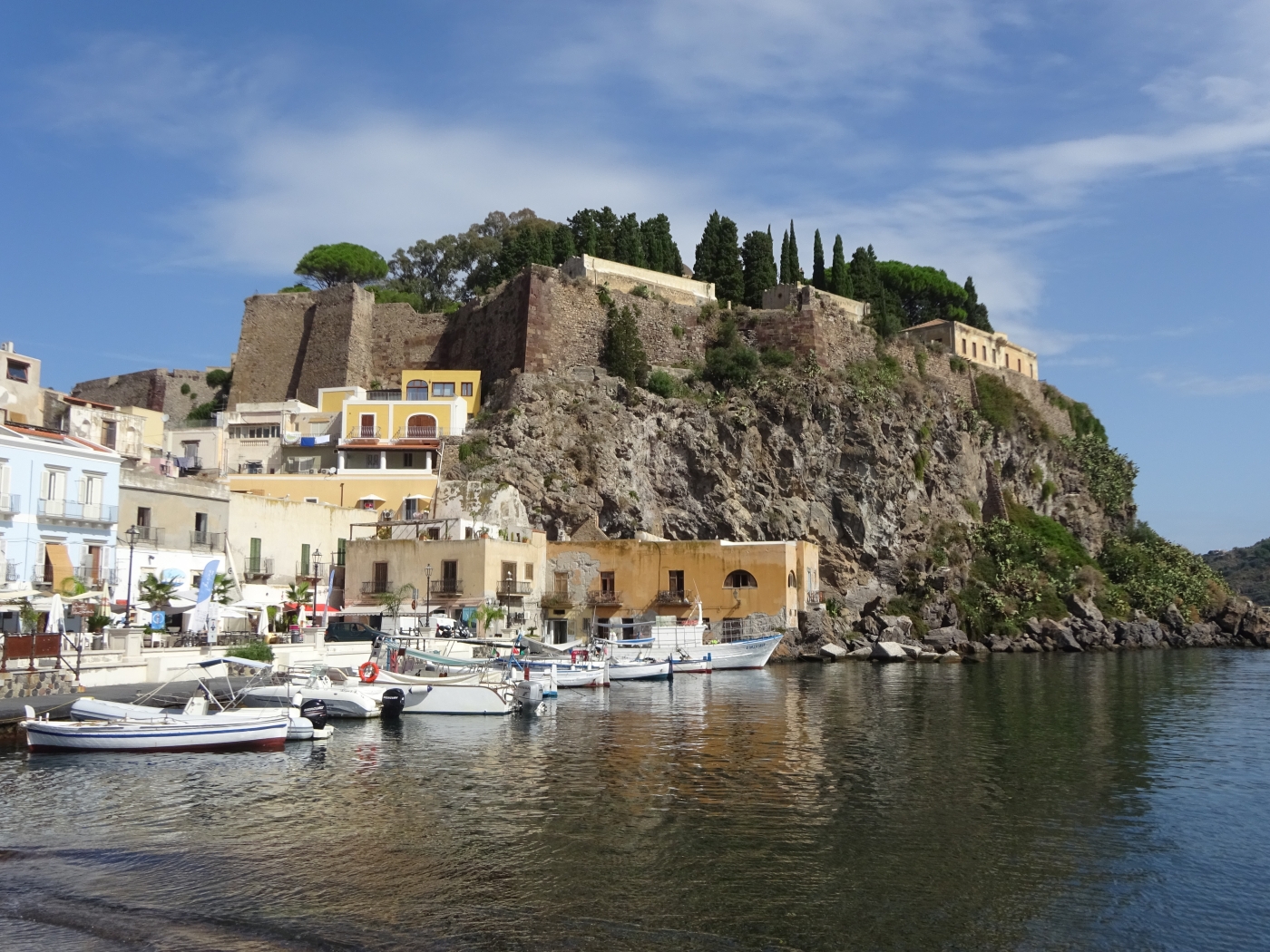
The islands have been inhabited for millennia, with evidence of human presence dating back to the Neolithic period, around 4000 BC. Their strategic position in the Mediterranean Sea made them a crucial hub for trade and cultural exchange. The largest island, Lipari, boasts a rich archaeological museum, the Museo Archeologico Regionale Eoliano, which houses artifacts spanning from the prehistoric age to classical antiquity. During the Bronze Age, the Aeolian Islands, particularly Lipari, flourished as a center for obsidian trade, a valuable volcanic glass used for tools and weapons.
Greek colonization began in the 6th century BC, with settlers establishing a thriving community. The islands were later integrated into the Roman Republic. Mythology also plays a significant role; the islands are traditionally believed to be the home of Aeolus, the mythical god of the winds, a tale famously recounted in Homer's Odyssey.
A Geological Marvel
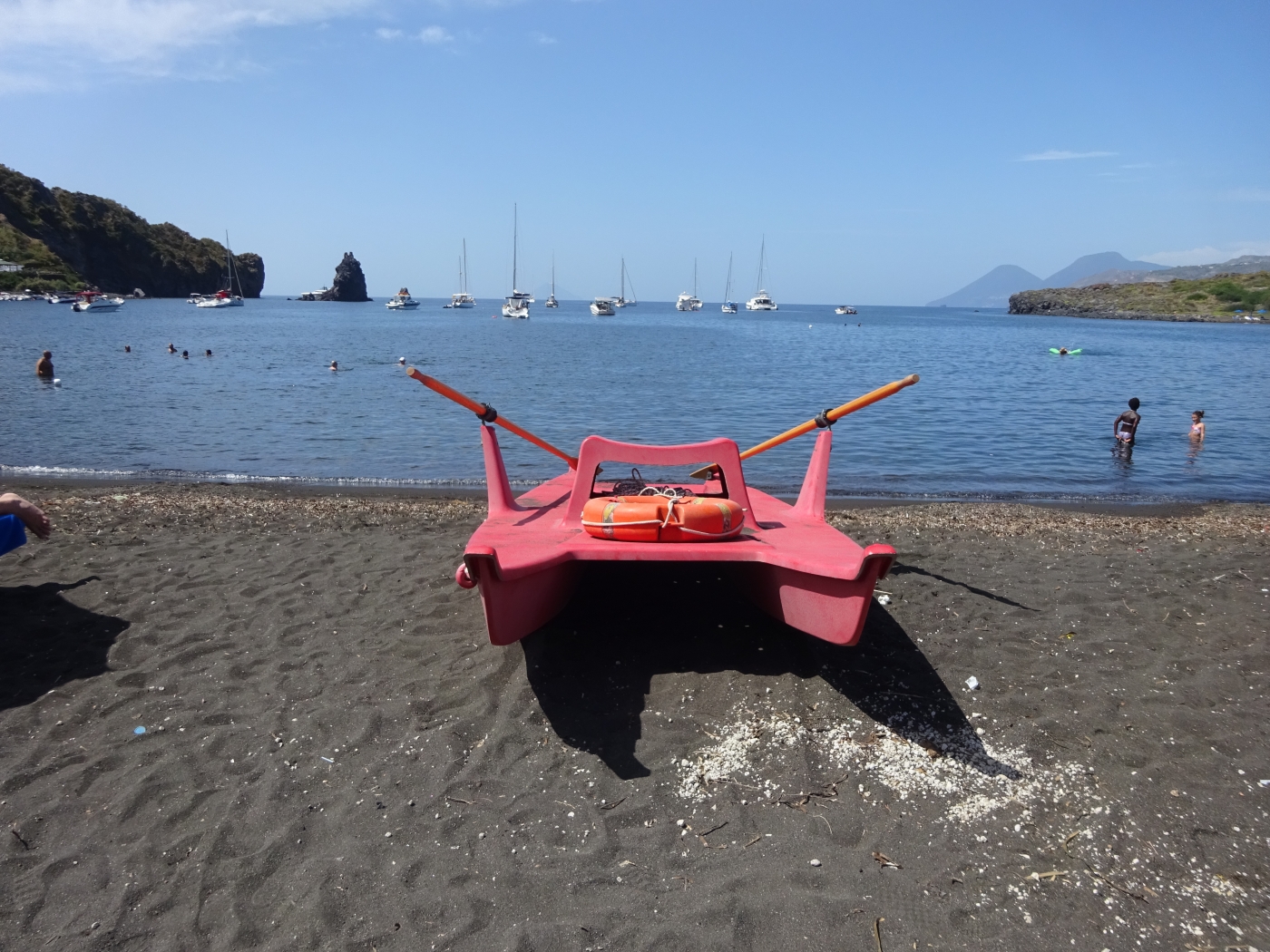
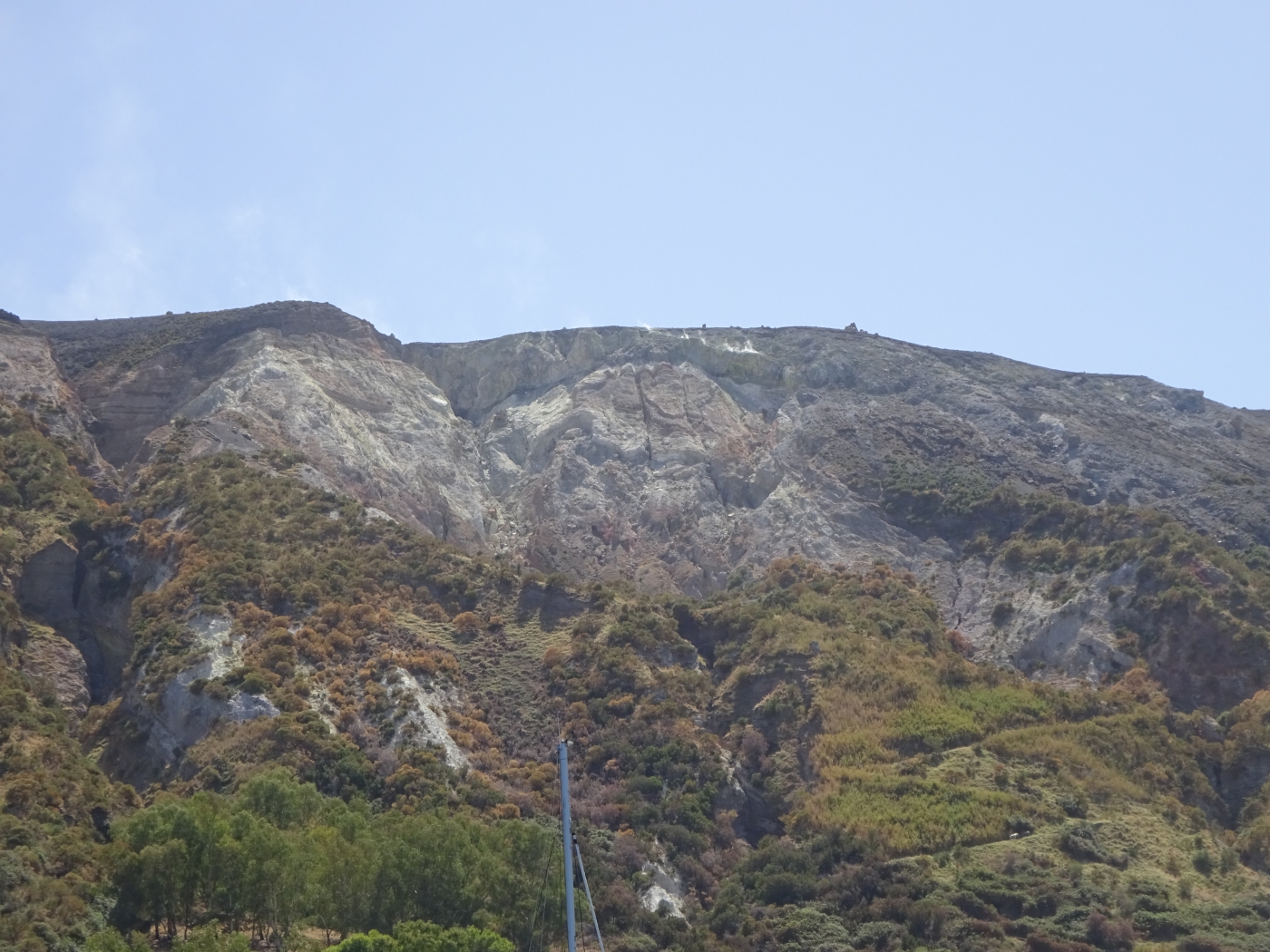
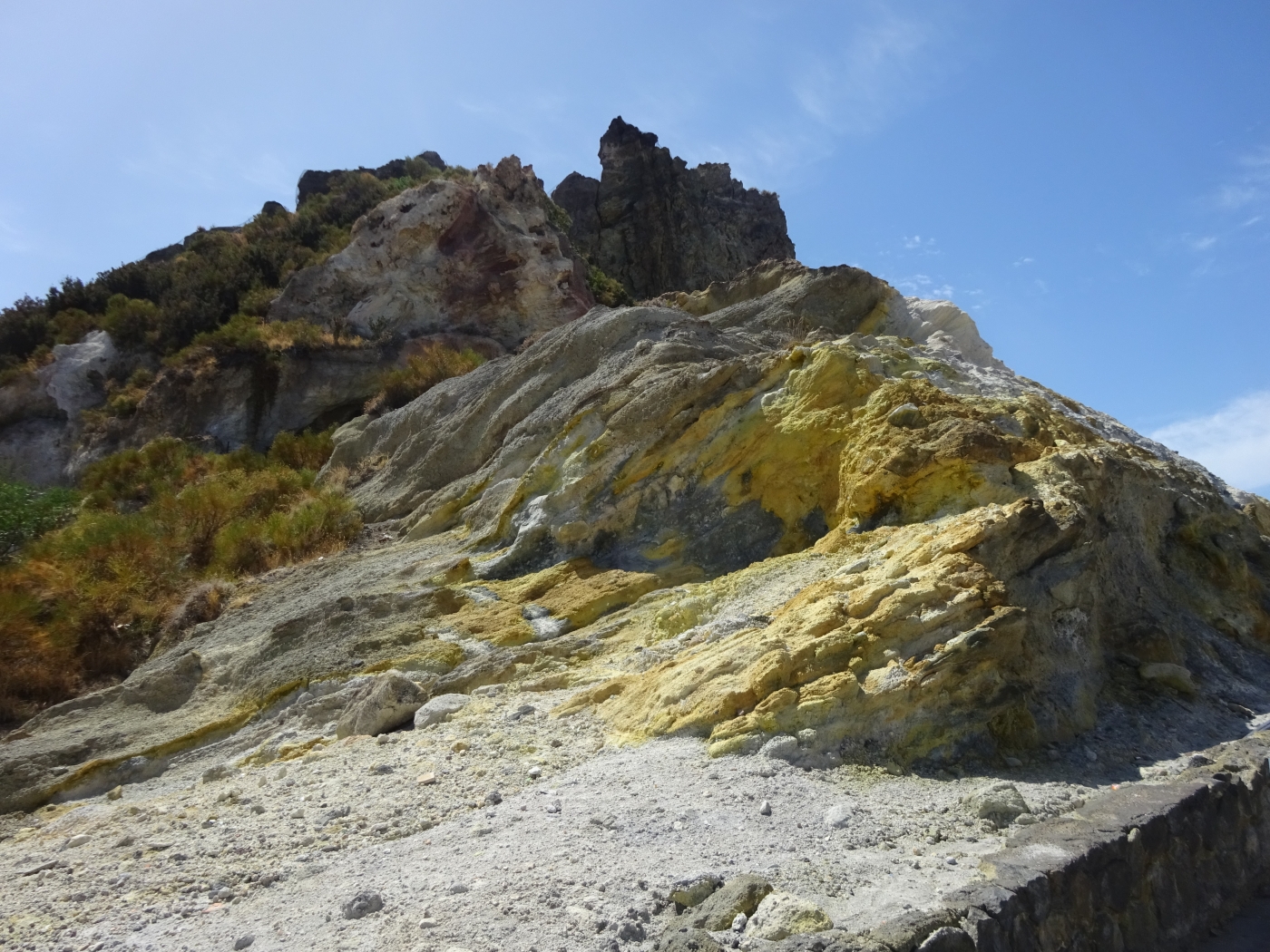
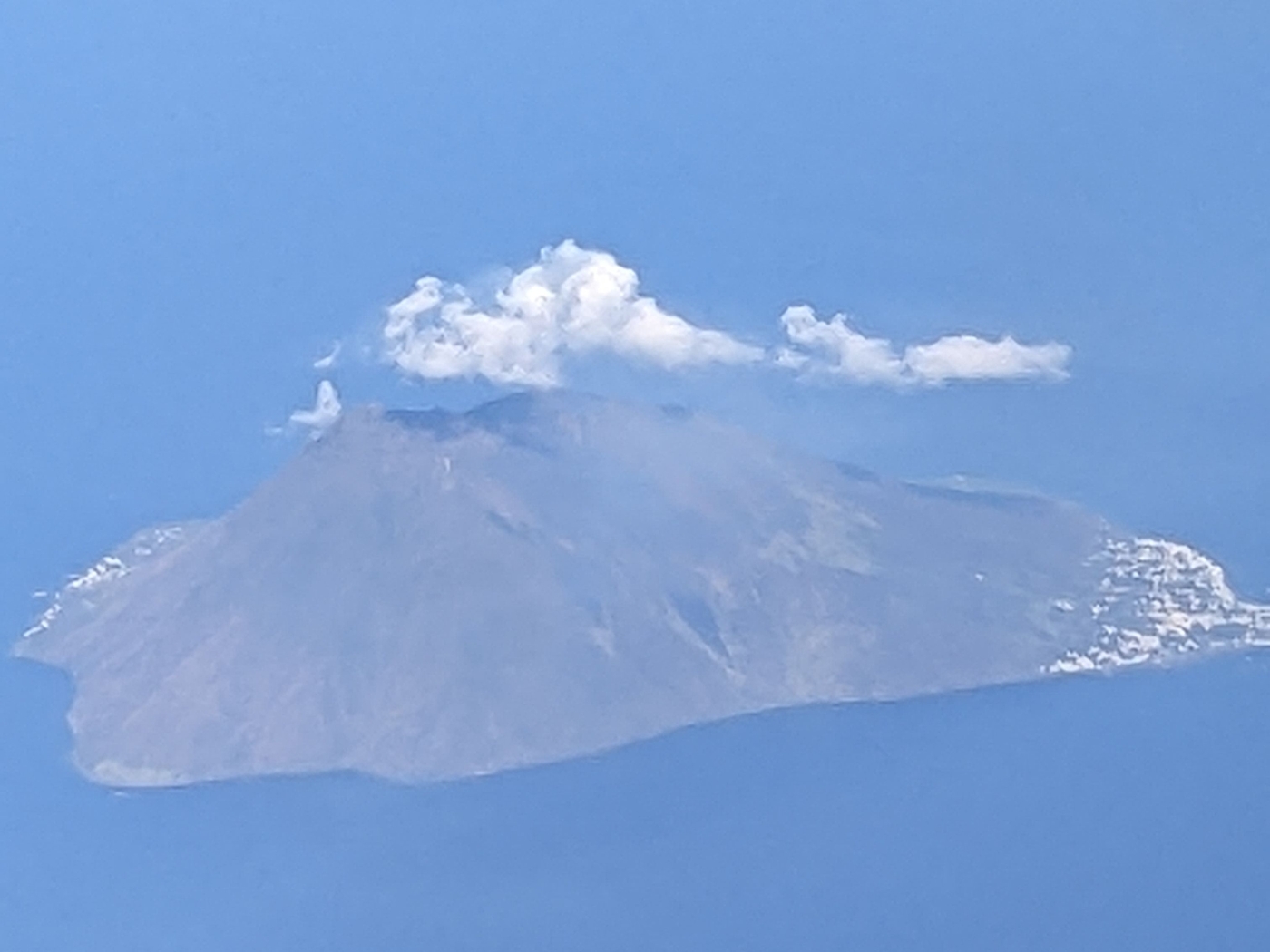
The Aeolian Islands are an outstanding example of ongoing volcanic phenomena. Two of the islands, Stromboli and Vulcano, are active volcanoes, providing invaluable insights into their formation and geological processes. Stromboli is particularly famous for its persistent, mild explosive activity, often referred to as "Strombolian activity," which has been continuous for at least 2,000 years, making it one of the world's most active volcanoes. Vulcano, on the other hand, exhibits fumarolic activity and mud baths, remnants of its last eruption in the late 19th century.
The distinctive geological features, coupled with their wild beauty and crystal-clear waters, make the Aeolian Islands a unique natural heritage site. They continue to captivate scientists, historians, and visitors alike with their dramatic landscapes and a history deeply intertwined with the powerful forces of nature.
Weiterführende Links
The Aeolian Islands provide an outstanding record of volcanic island-building and destruction, and ongoing volcanic phenomena. Studied since at least the 18th century, the islands have provided the science of vulcanology with examples of two types of eruption (Vulcanian and Strombolian) and thus have featured prominently in the education of geologists for more than 200 years. The site continues to enrich the field of vulcanology.
The Aeolian Islands ( ee-OH-lee-ən; Italian: Isole Eolie [ˈiːzole eˈɔːlje]; Sicilian: Ìsuli Eoli), sometimes referred to as the Lipari Islands or Lipari group ( LIP-ər-ee, Italian: [ˈliːpari]) after their largest island, are a volcanic archipelago in the Tyrrhenian Sea north of Sicily, said to be named after Aeolus, the mythical ruler of the winds. The islands' inhabitants are known as Aeolians (Italian: Eoliani). The islands had a permanent population of 14,224 at the 2011 census; the latest official estimate is 15,419 as of 1 January 2019. The Aeolian Islands are a popular tourist destination in the summer and attract up to 600,000 visitors annually.
There are seven significant islands: Lipari, Vulcano, Salina, Stromboli, Filicudi, Alicudi and Panarea, and a set of minor islands and rocks.