Mount Etna
Catania, Italy
06.09.2022
The Ätna in Catania, Italy - A UNESCO World Heritage Site
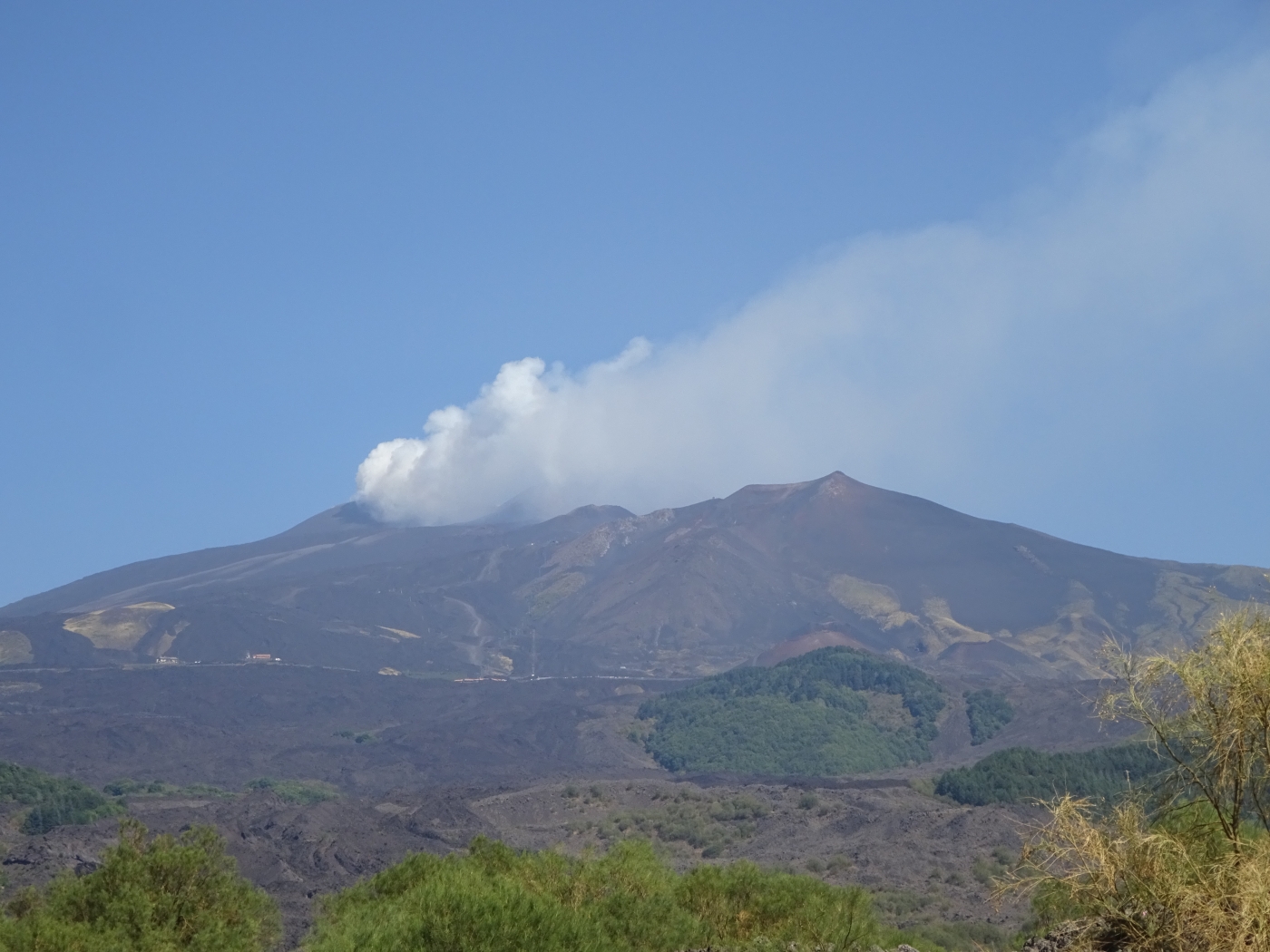
The Ätna, also known as Mount Etna, is an active stratovolcano located on the east coast of Sicily, Italy. It is the tallest active volcano in Europe, standing at an impressive 3,329 meters (10,922 feet) and is one of the most active volcanoes in the world. Its continuous eruptions have shaped the landscape of Sicily and have greatly influenced the culture and history of the region.
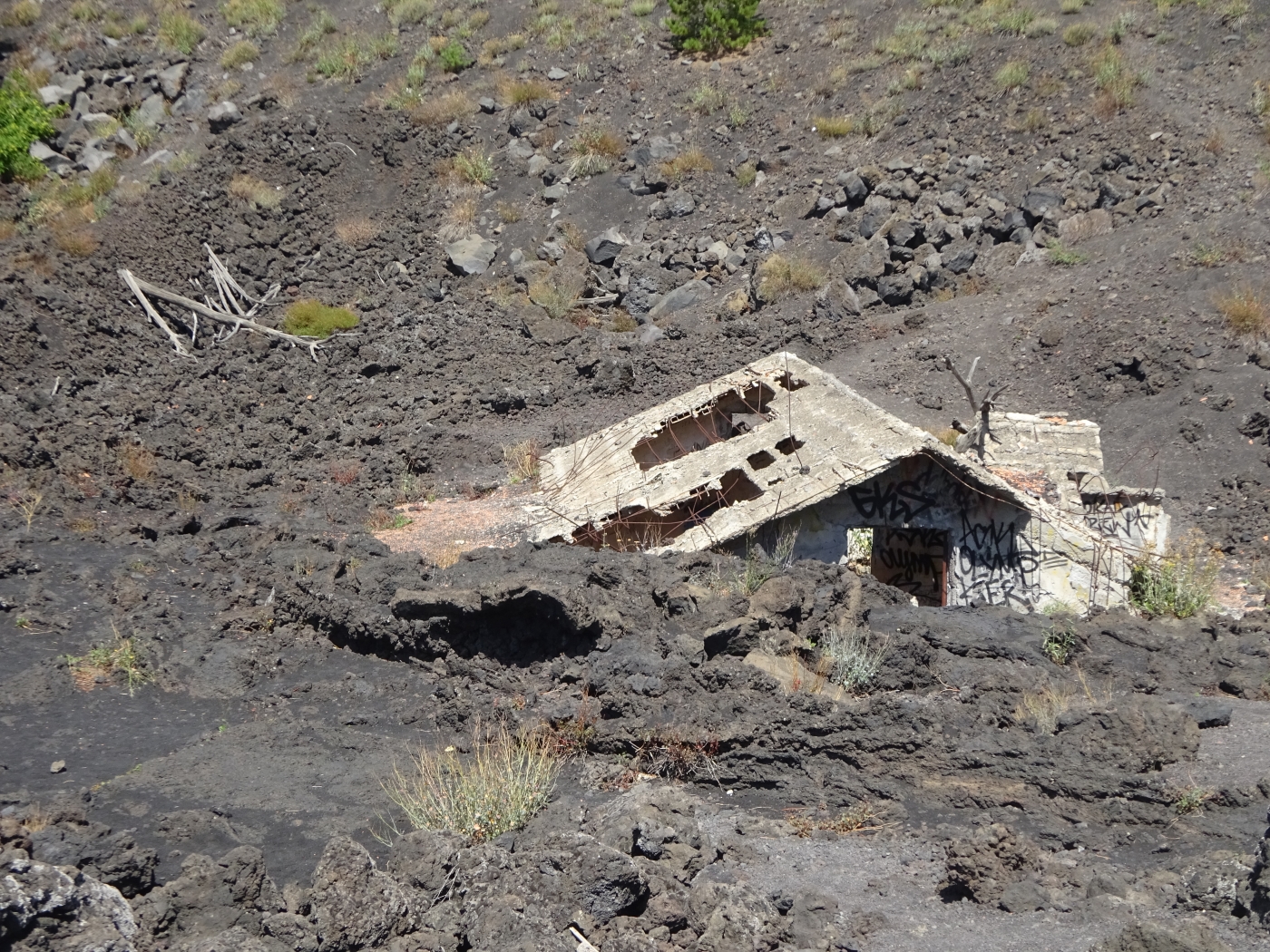
The earliest recorded eruption of the Ätna dates back to 1500 BC and since then, it has erupted over 200 times. The most destructive eruption occurred in 1669, known as the Great Eruption, which destroyed the town of Catania and several other villages. The volcanic activity has also created a unique ecosystem, with lush vegetation and various rare species of plants and animals.
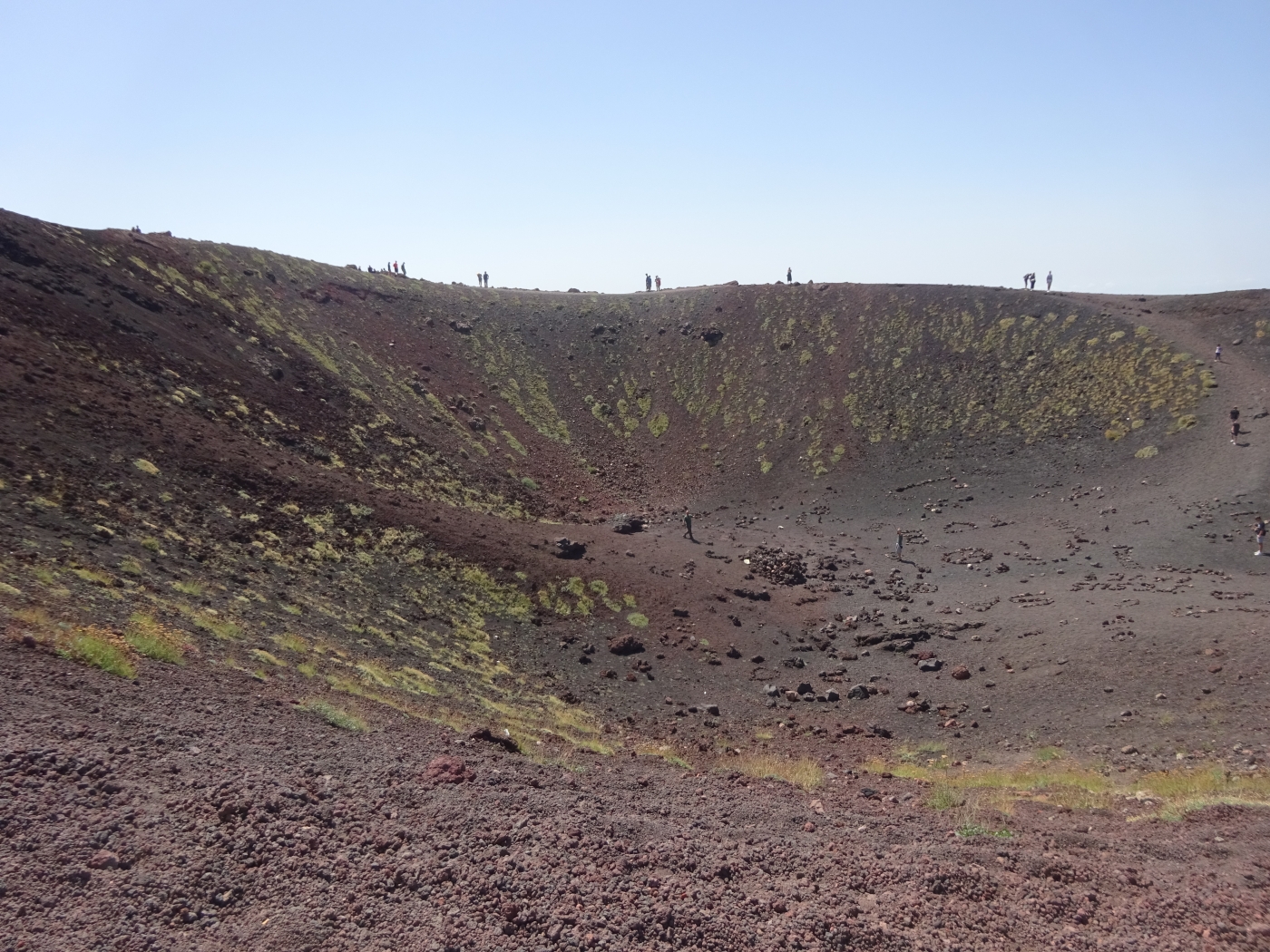
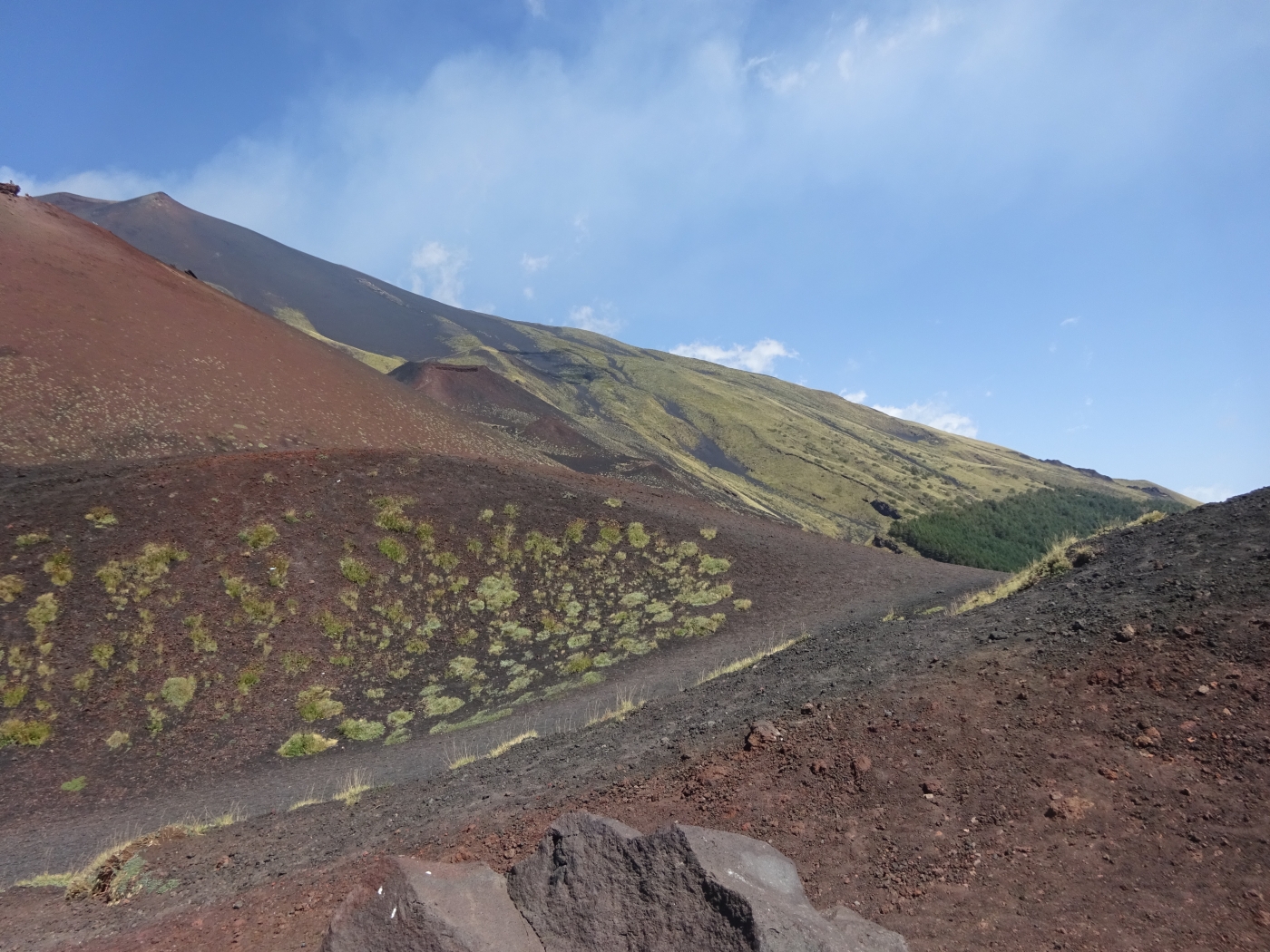
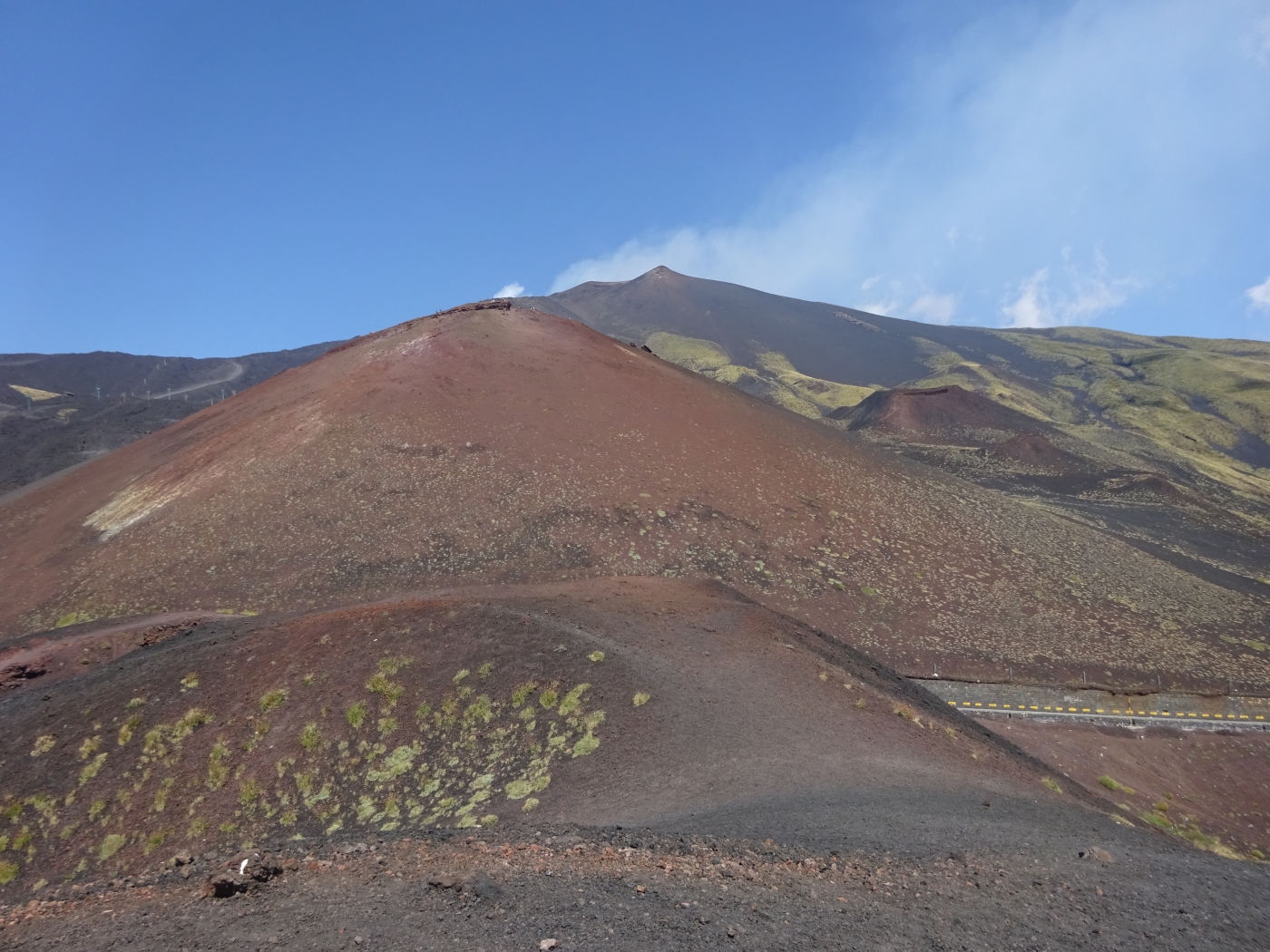
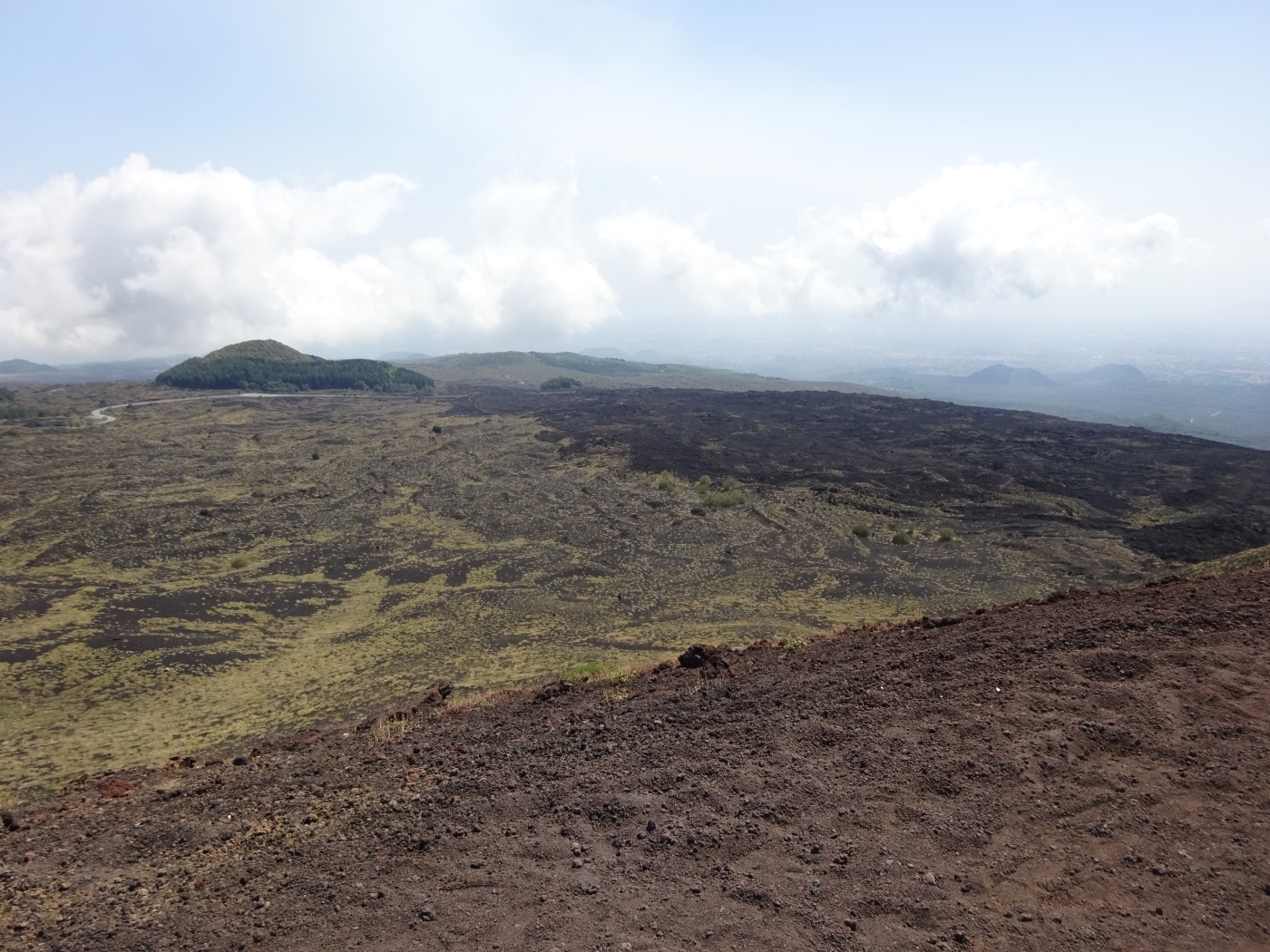
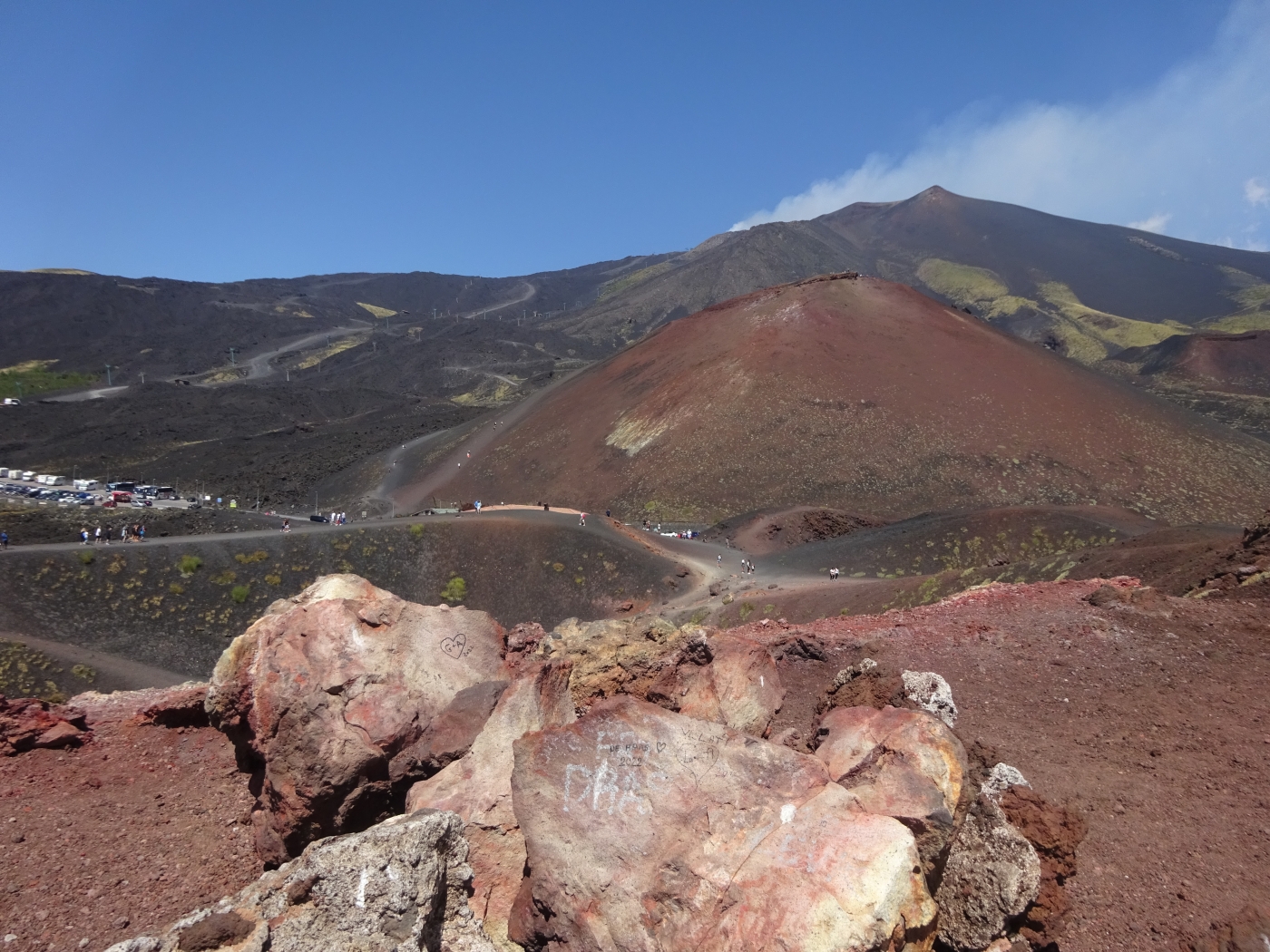
One of the most fascinating aspects of the Ätna is its geological diversity. The mountain is made up of four main craters, with the central crater being the most active. It is also surrounded by hundreds of smaller craters and fissures, making it a complex and constantly changing landscape.
The town of Catania, located at the base of the Ätna, has a long and rich history. It was founded by the Greeks in the 8th century BC and has been heavily influenced by various civilizations throughout its history. The Baroque architecture of the city, which is a result of the reconstruction after the 1669 eruption, is a testament to the cultural and artistic influences of the city.
The Ätna is not only a natural wonder but also a cultural and historical site. Its impact on the surrounding landscape and the people of Sicily is immeasurable. It is a symbol of the power and beauty of nature and a must-visit destination for anyone exploring the region.
Weiterführende Links:
Mount Etna is an iconic site encompassing 19,237 uninhabited hectares on the highest part of Mount Etna, on the eastern coast of Sicily. Mount Etna is the highest Mediterranean island mountain and the most active stratovolcano in the world. The eruptive history of the volcano can be traced back 500,000 years and at least 2,700 years of this activity has been documented. The almost continuous eruptive activity of Mount Etna continues to influence volcanology, geophysics and other Earth science disciplines. The volcano also supports important terrestrial ecosystems including endemic flora and fauna and its activity makes it a natural laboratory for the study of ecological and biological processes. The diverse and accessible range of volcanic features such as summit craters, cinder cones, lava flows and the Valle de Bove depression have made the site a prime destination for research and education.
Mount Etna, or simply Etna, is an active stratovolcano on the east coast of Sicily, Italy, in the Metropolitan City of Catania, between the cities of Messina and Catania. It is located above the convergent plate margin between the African Plate and the Eurasian Plate. It is one of the tallest active volcanoes in Europe, and the tallest peak in Italy south of the Alps with a current height (September 2024) of 3,403 m (11,165 ft), though this varies with summit eruptions. For instance, in 2021 the southeastern crater reached a height of 3,357 m (11,014 ft), but was then surpassed by the Voragine crater after the summer 2024 eruptions.
Etna covers an area of 1,190 km2 (459 sq mi) with a basal circumference of 140 km (87 miles). This makes it by far the largest of the three active volcanoes in Italy, being about two and a half times the height of the next largest, Mount Vesuvius. Only Mount Teide on Tenerife in the Canary Islands surpasses it in the whole of the European–North-African region west of the Black Sea.
In Greek mythology, the deadly monster Typhon was trapped under this mountain by Zeus, the god of the sky and thunder and king of gods, and the forges of Hephaestus were said also to be underneath it.
Mount Etna is one of the world's most active volcanoes and is in an almost constant state of activity. The fertile volcanic soils produced from this activity support extensive agriculture, with vineyards and orchards spread across the lower slopes of the mountain and the broad Plain of Catania to the south. Due to its history of recent activity and nearby population, Mount Etna has been designated a Decade Volcano by the United Nations. In June 2013, it was added to the list of UNESCO World Heritage Sites.