Pilgrimage Church of Wies
Steingaden, Germany
10.04.2017

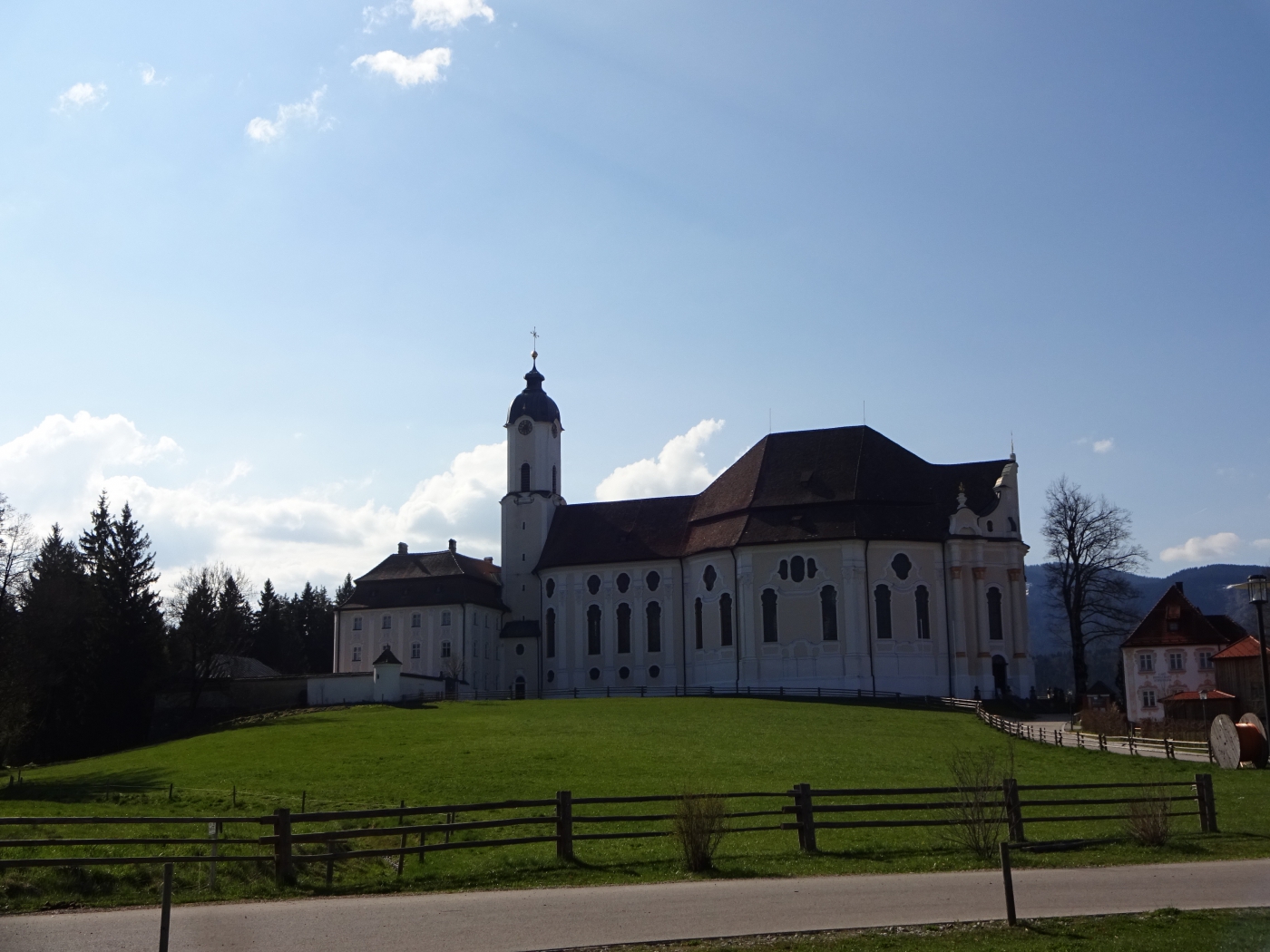
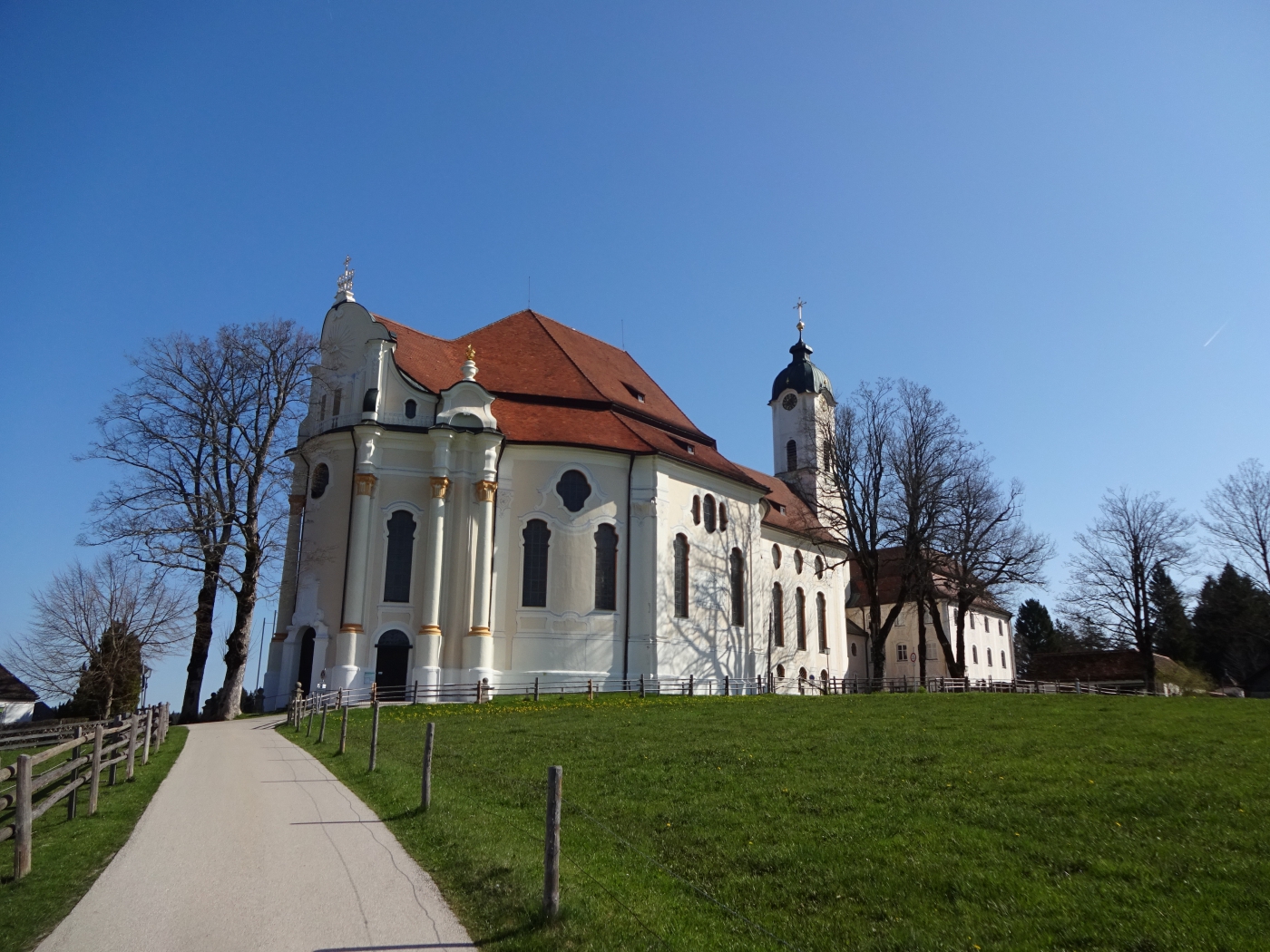
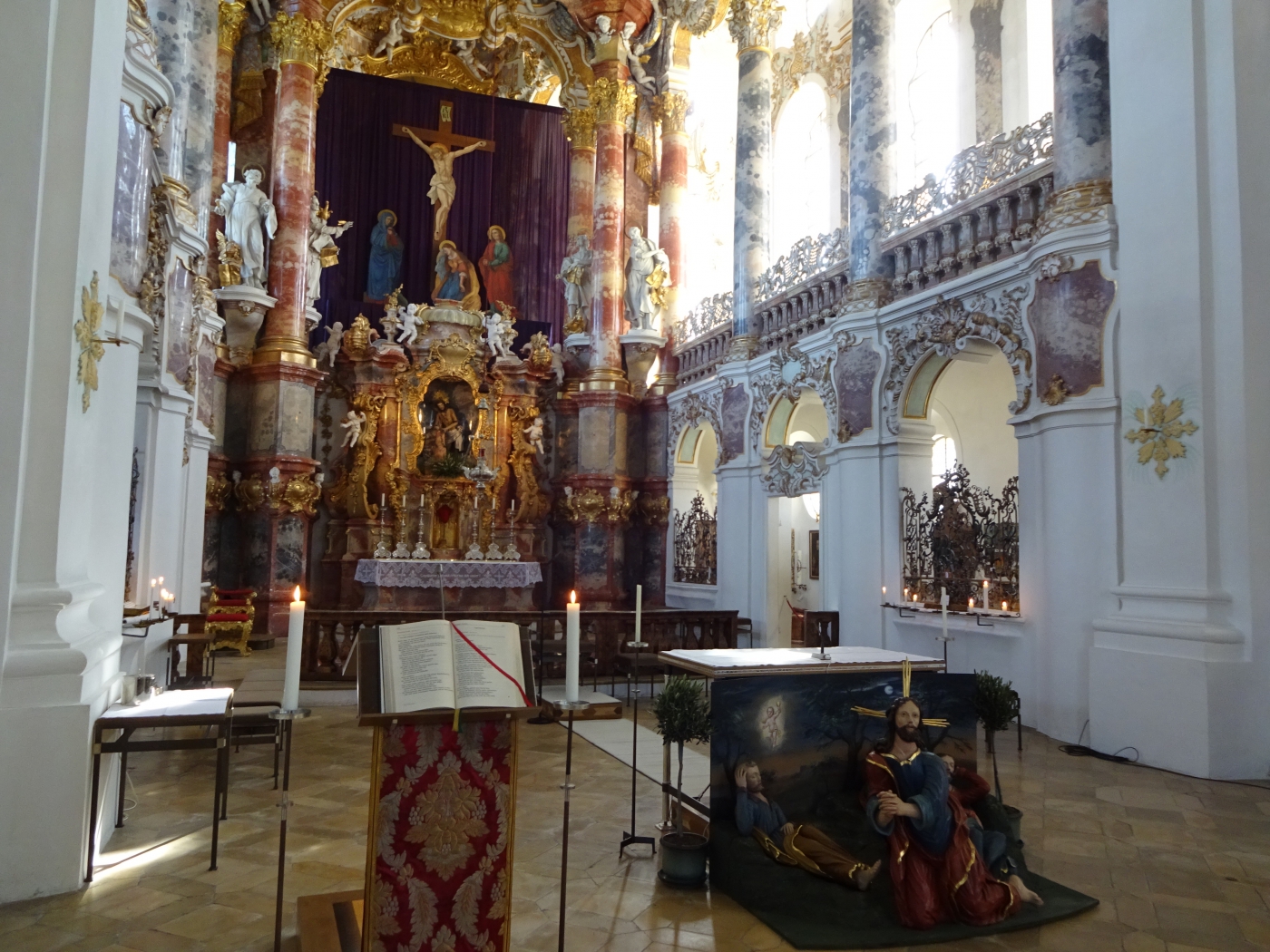
The Pilgrimage Church of Wies, affectionately known as the Wieskirche, stands as a breathtaking testament to European Rococo art and architecture amidst the serene landscape of Steingaden, Bavaria, Germany. Inscribed on the UNESCO World Heritage list in 1983, it is celebrated as a masterpiece that epitomizes the exuberance and spiritual depth of the Rococo period.
A Miracle in the Meadow
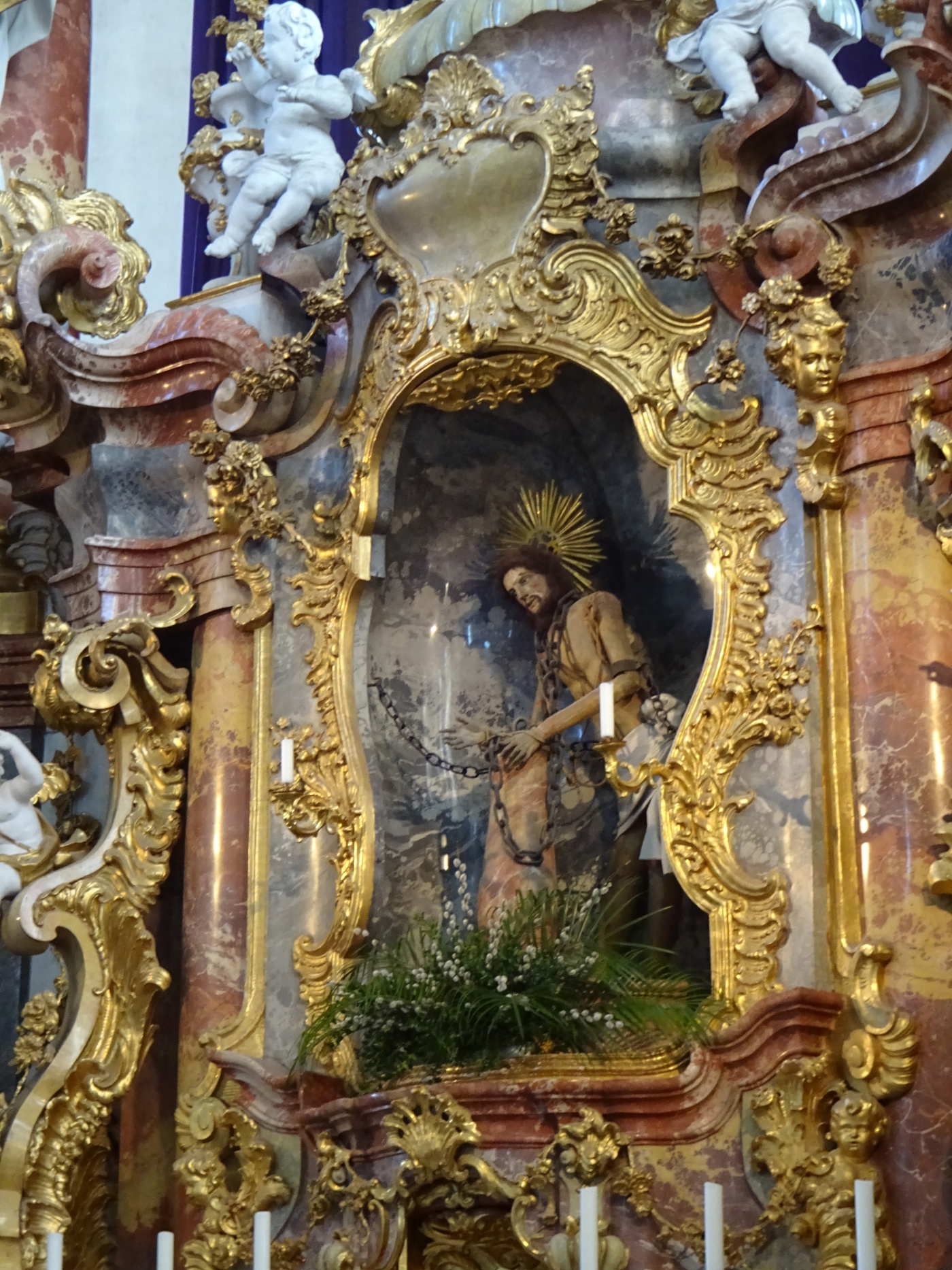
The origins of this magnificent church trace back to a seemingly humble event in 1738. On June 14th of that year, tears were reportedly seen on a scourged wooden figure of Christ, known as the "Scourged Saviour," in the small village of Wies. This miraculous occurrence quickly drew pilgrims, leading to the construction of a small chapel. However, as the number of devout visitors grew exponentially, it became clear that a grander sanctuary was required to accommodate them and honor the venerated statue.
The Master Builders
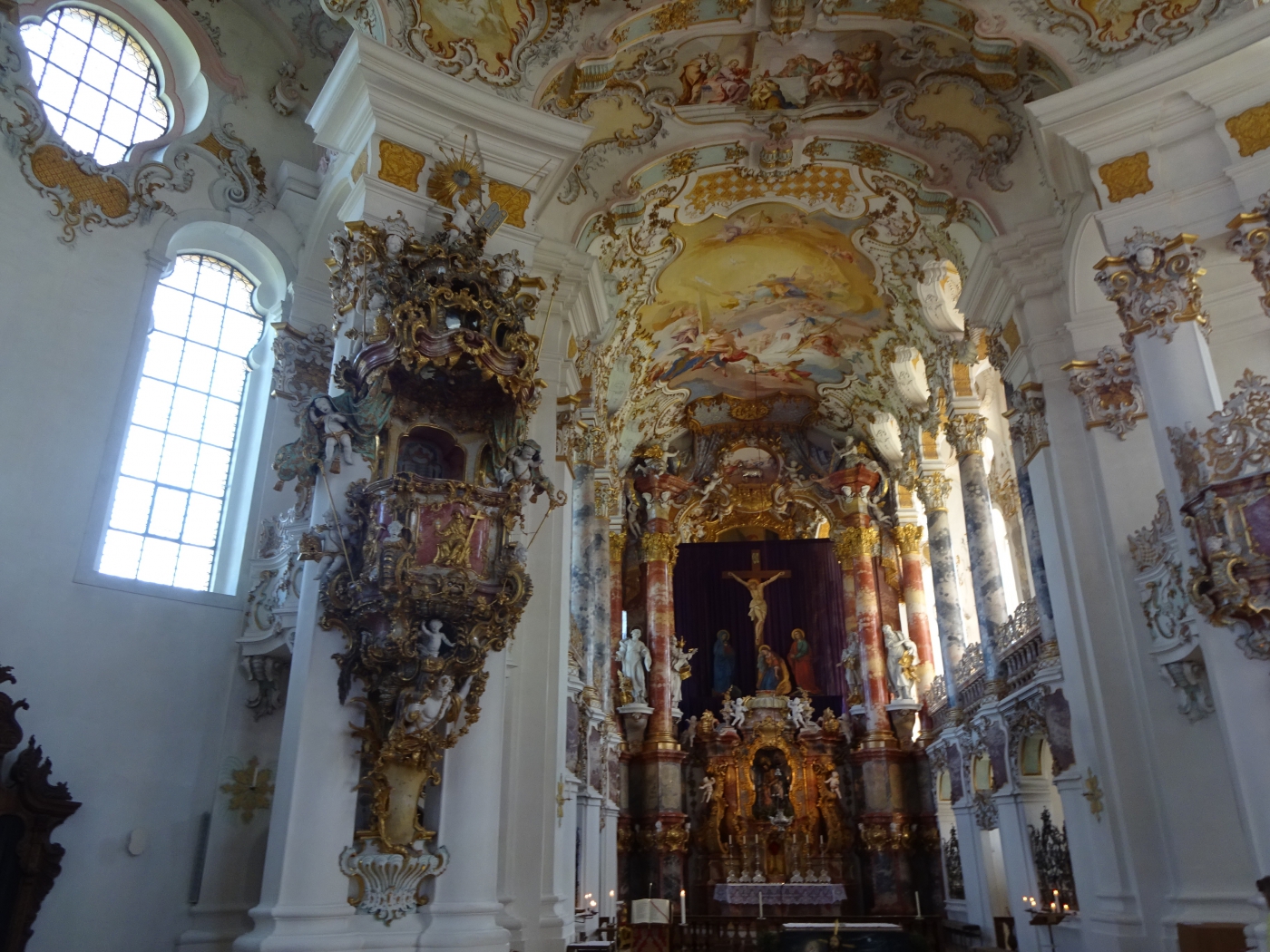
The task of designing and building this spiritual haven was entrusted to the visionary brothers Dominikus Zimmermann and Johann Baptist Zimmermann. Dominikus Zimmermann, a celebrated architect and stucco worker, served as the primary builder, while his elder brother, Johann Baptist Zimmermann, a renowned fresco painter, was responsible for the spectacular ceiling frescoes. Their combined genius resulted in a structure that blurs the lines between architecture, painting, and stucco, creating an overwhelming and harmonious spatial experience.
Rococo Splendor Unveiled
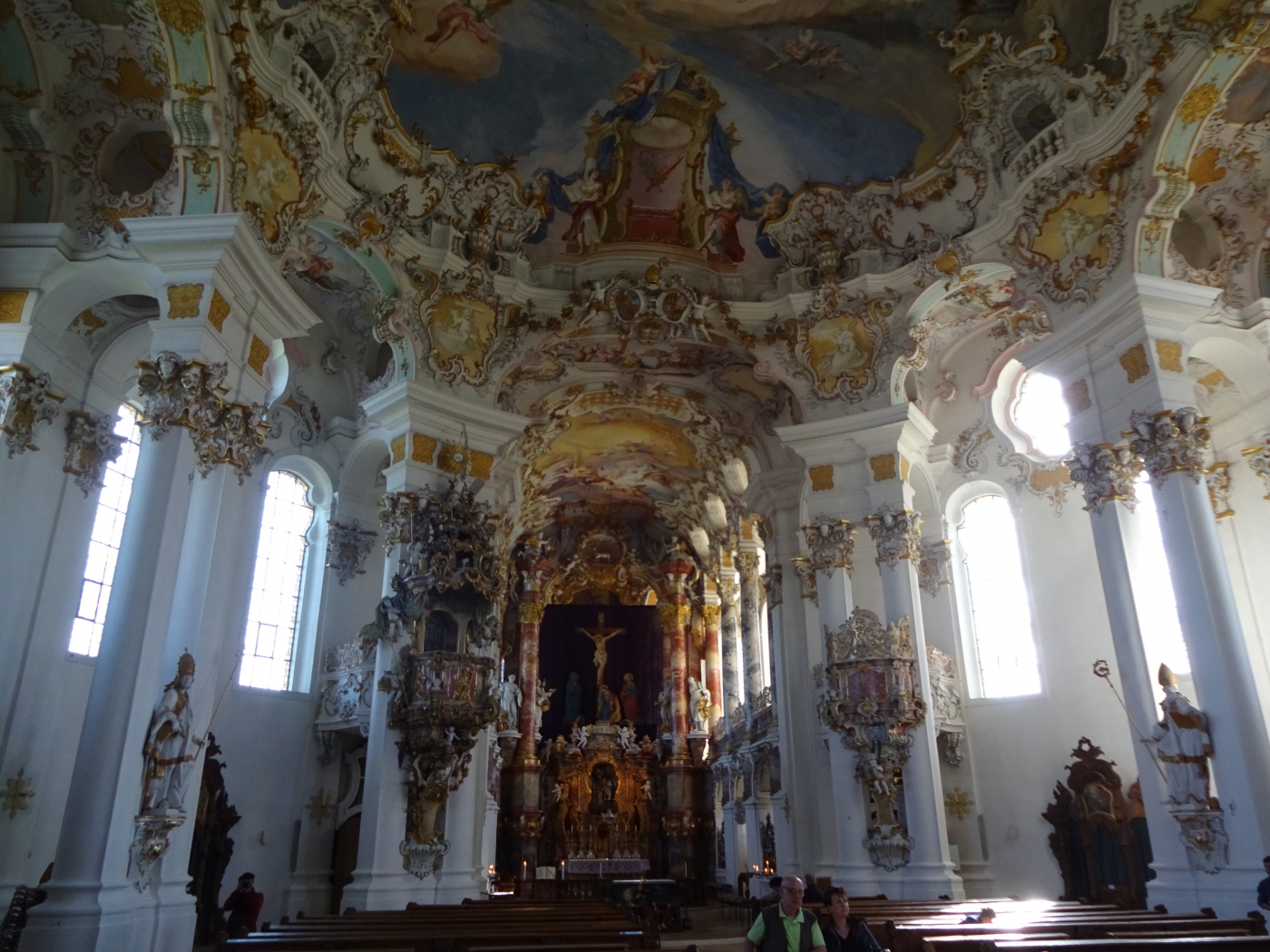
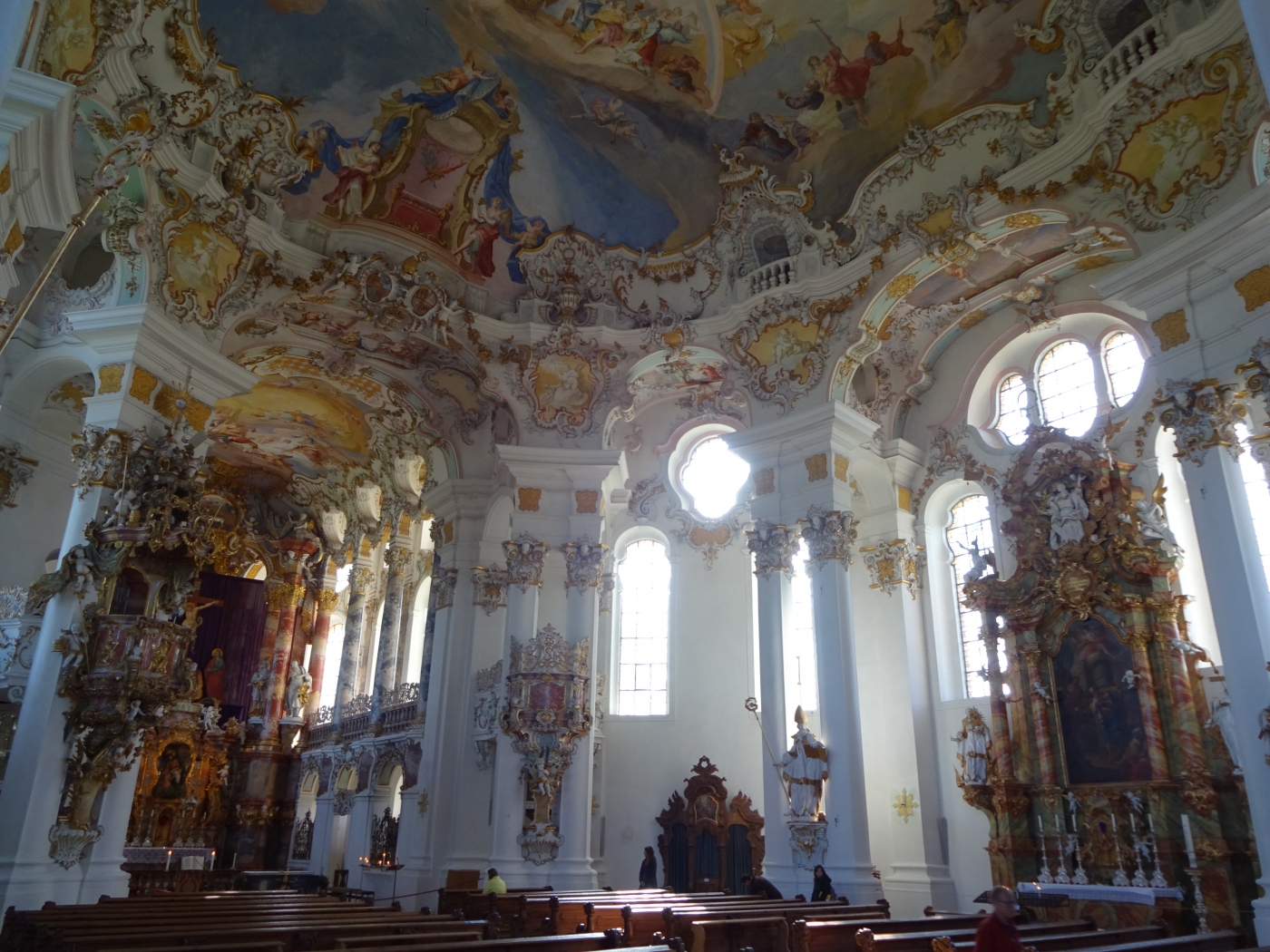
Completed in 1754, the interior of the Wieskirche is a symphony of light, color, and intricate ornamentation. Its oval nave, a hallmark of Rococo design, is flooded with natural light, illuminating the vibrant frescoes depicting scenes of divine glory and salvation. The delicate stucco work, adorned with cherubs, garlands, and playful motifs, appears to dance across the walls and vaults, dissolving structural boundaries and lifting the gaze heavenward. The altar, housing the miraculous "Scourged Saviour," is the spiritual heart of this luminous space, surrounded by an unparalleled display of Baroque and Rococo artistry. The church's design masterfully draws pilgrims into a celestial vision, a physical manifestation of heavenly splendor on Earth, providing solace and inspiration for generations of worshippers and art enthusiasts alike.
Weiterführende Links
Miraculously preserved in the beautiful setting of an Alpine valley, the Church of Wies (1745–54), the work of architect Dominikus Zimmermann, is a masterpiece of Bavarian Rococo – exuberant, colourful and joyful.
The Pilgrimage Church of Wies (officially: Wallfahrtskirche zum Gegeißelten Heiland auf der Wies ("Pilgrimage Church of the Scourged Savior on the Meadow"); abbr. Wieskirche ("Meadow Church")) is a Roman Catholic oval Rococo church, designed in the late 1740s and completed in 1754. It is the major work of the brothers Johann Baptist and Dominikus Zimmermann, the latter of whom lived nearby for the last eleven years of his life. It is located in the foothills of the Alps, in the municipality of Steingaden, Germany. It belongs to the diocese of Augsburg (deanery of Weilheim-Schongau), and is dedicated to Saint Joseph. Because of its outstanding Rococo architecture, the Wieskirche was added to the UNESCO World Heritage List in 1983.