Holašovice Historic Village
Holašovice, Südböhmen, Czechia
15.04.2023

The historical village of Holašovice, nestled in the picturesque landscape of South Bohemia, Czech Republic, offers an unparalleled journey back in time, presenting a remarkably preserved example of a traditional Central European village from the 18th and 19th centuries. Its charm lies in the harmonious blend of ancient layouts and distinctive architectural styles, making it a living monument to rural life.
A Glimpse into Rural Life
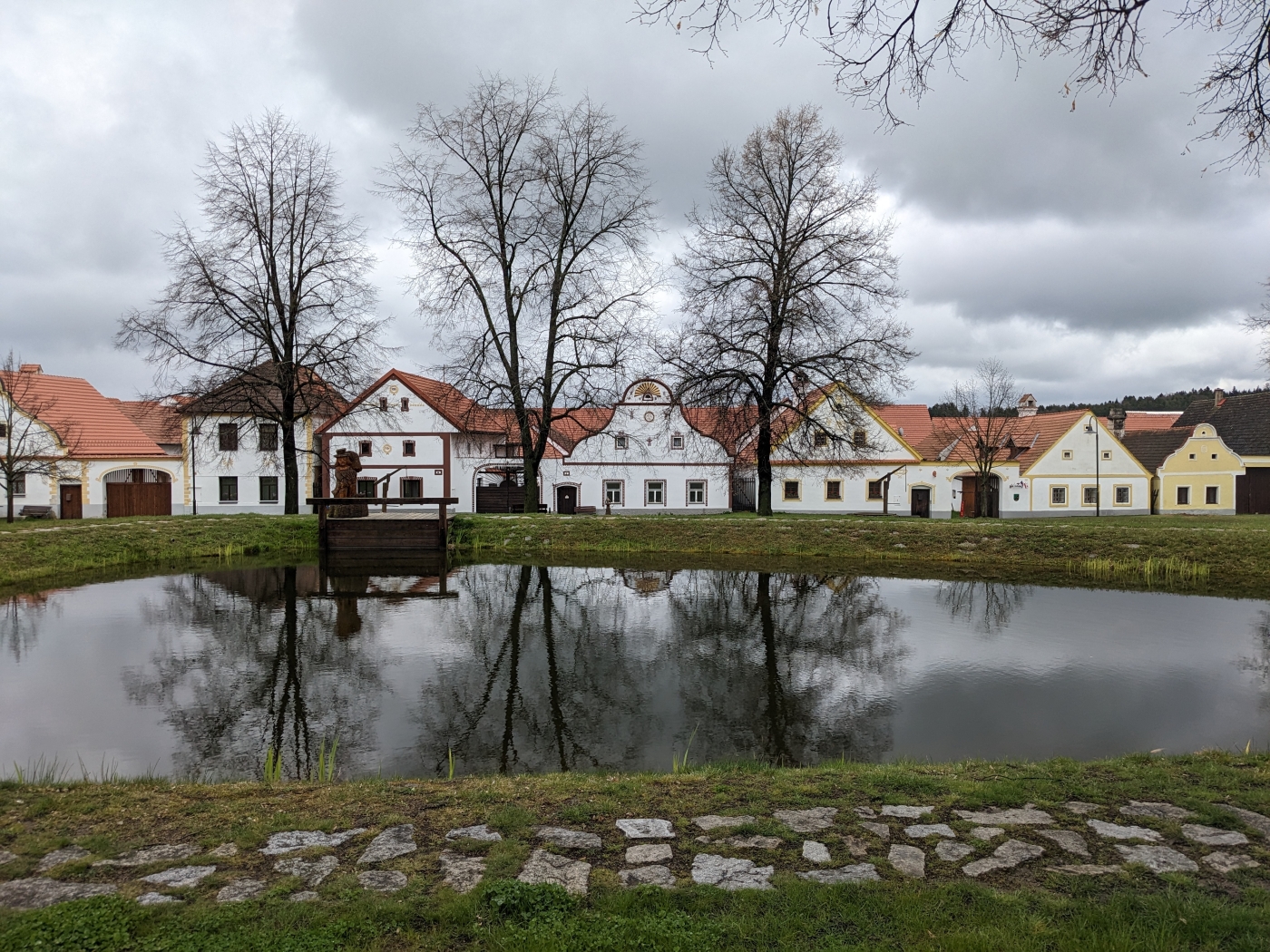
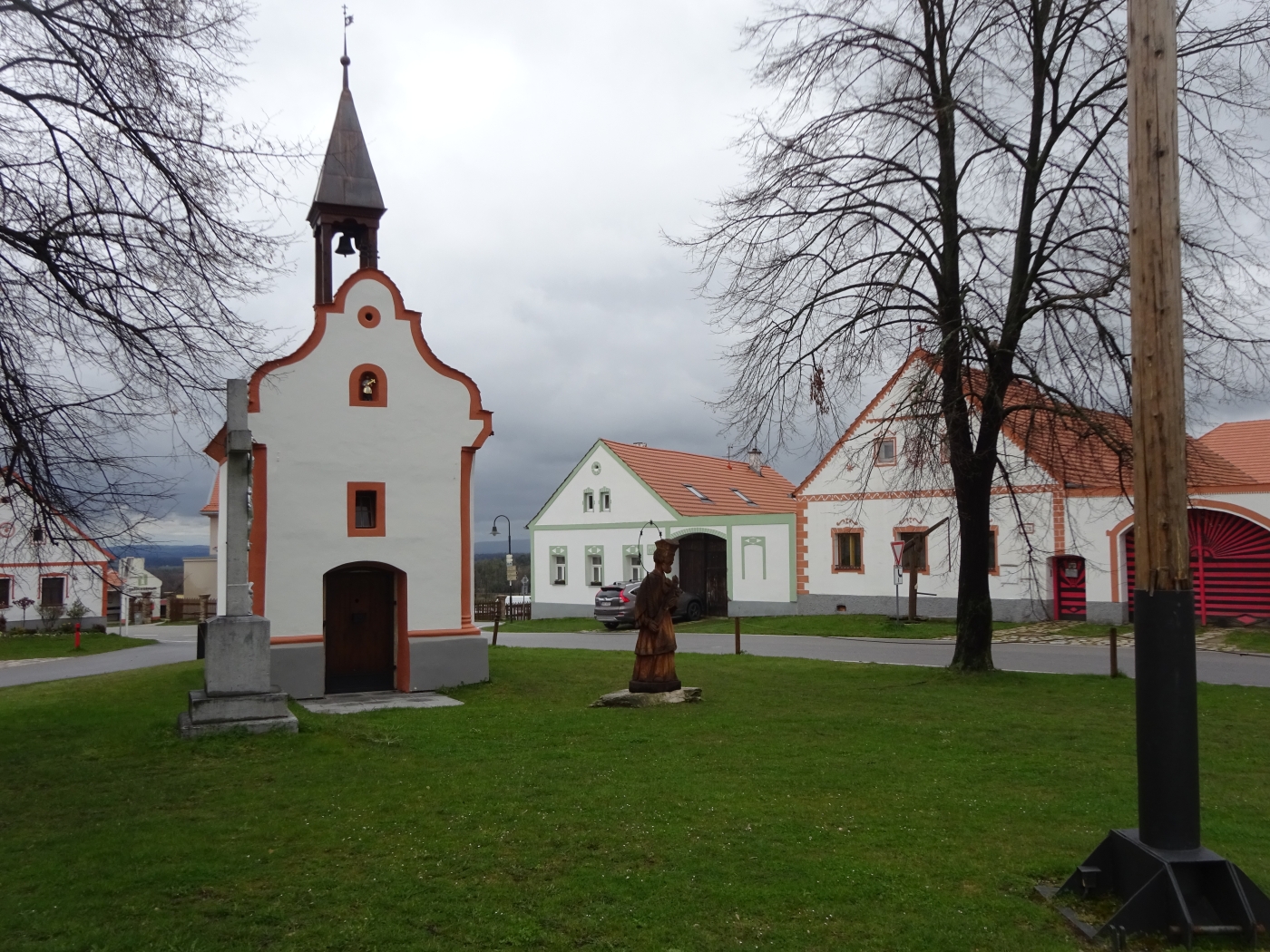
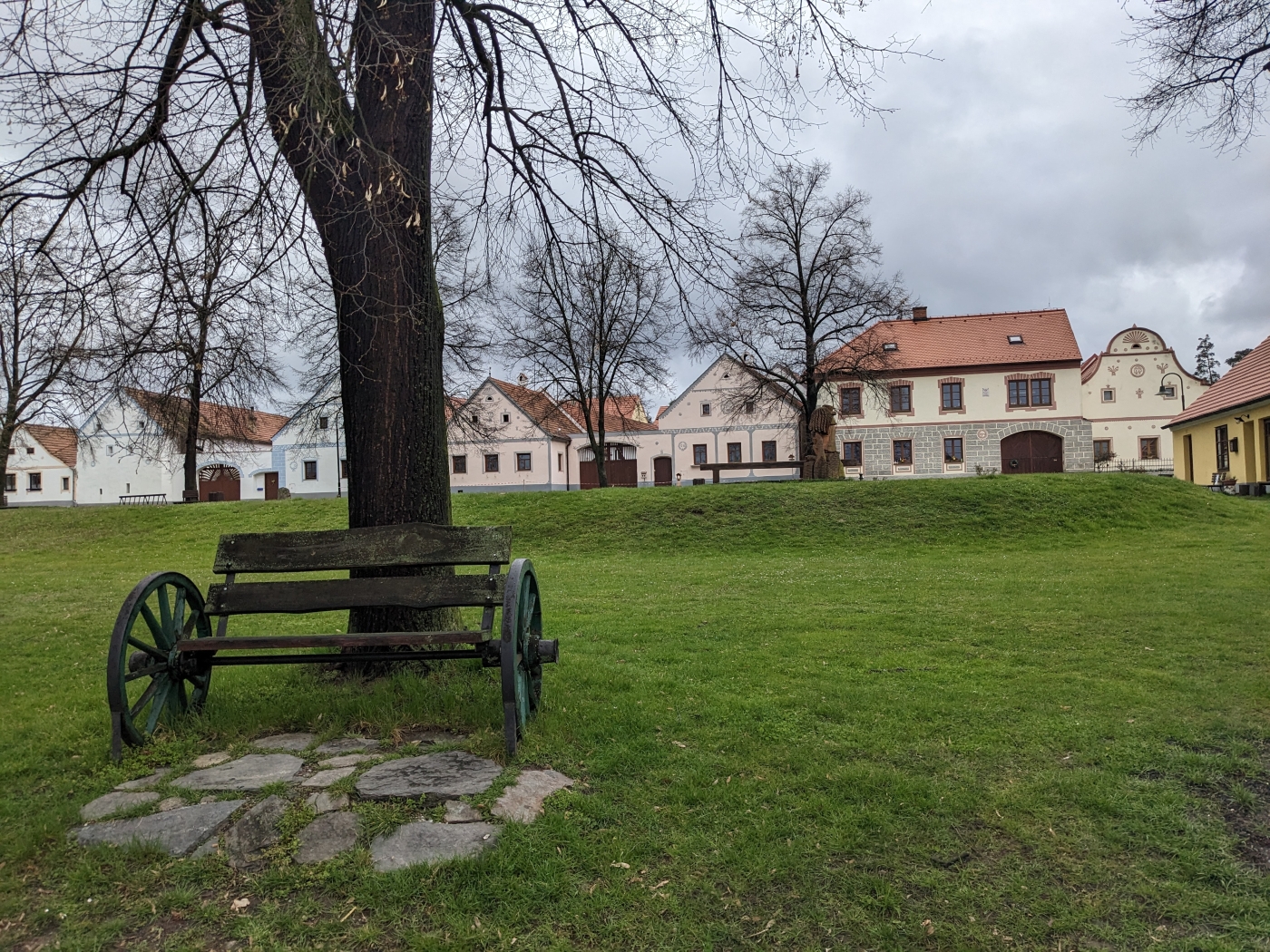
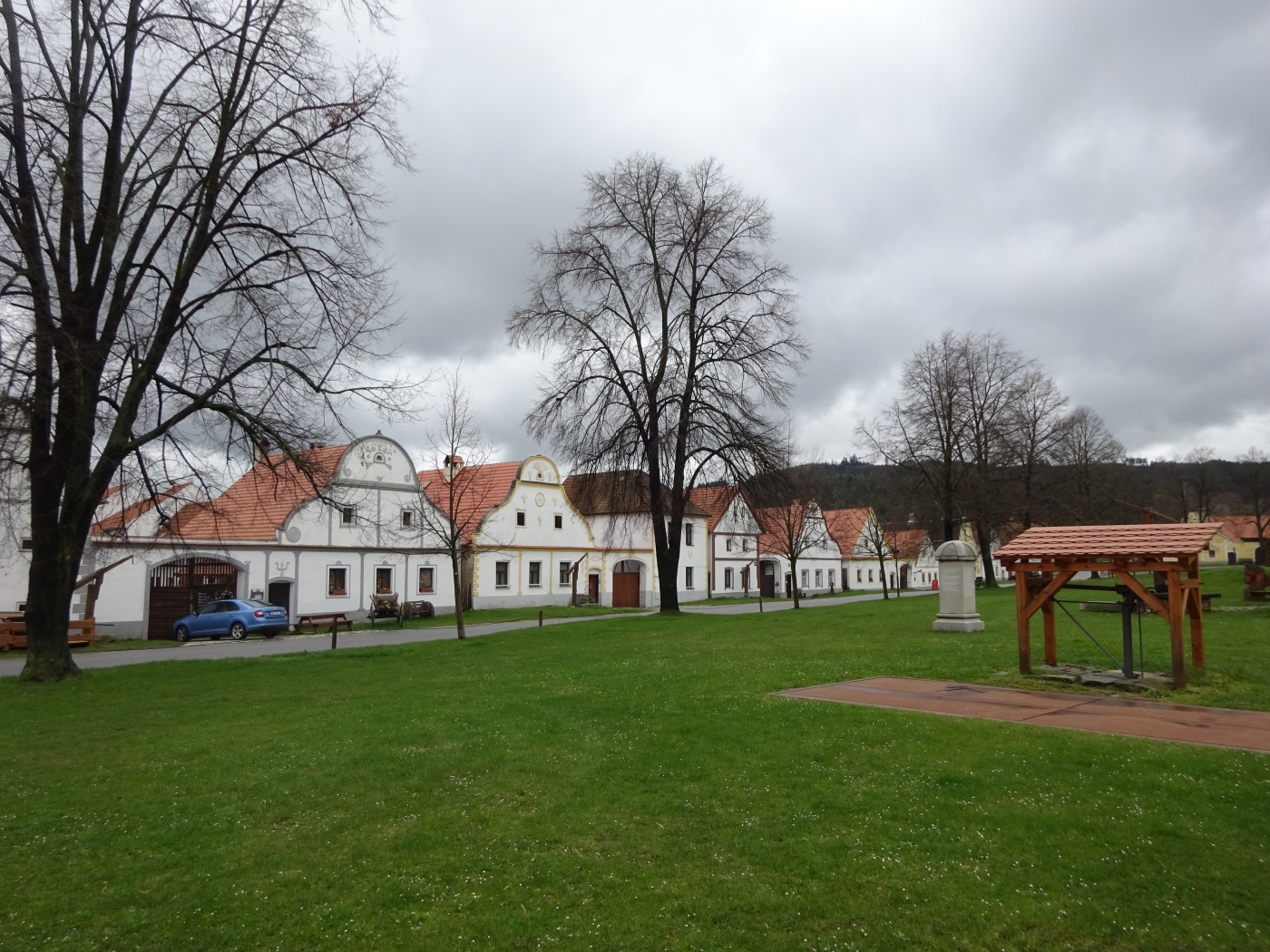
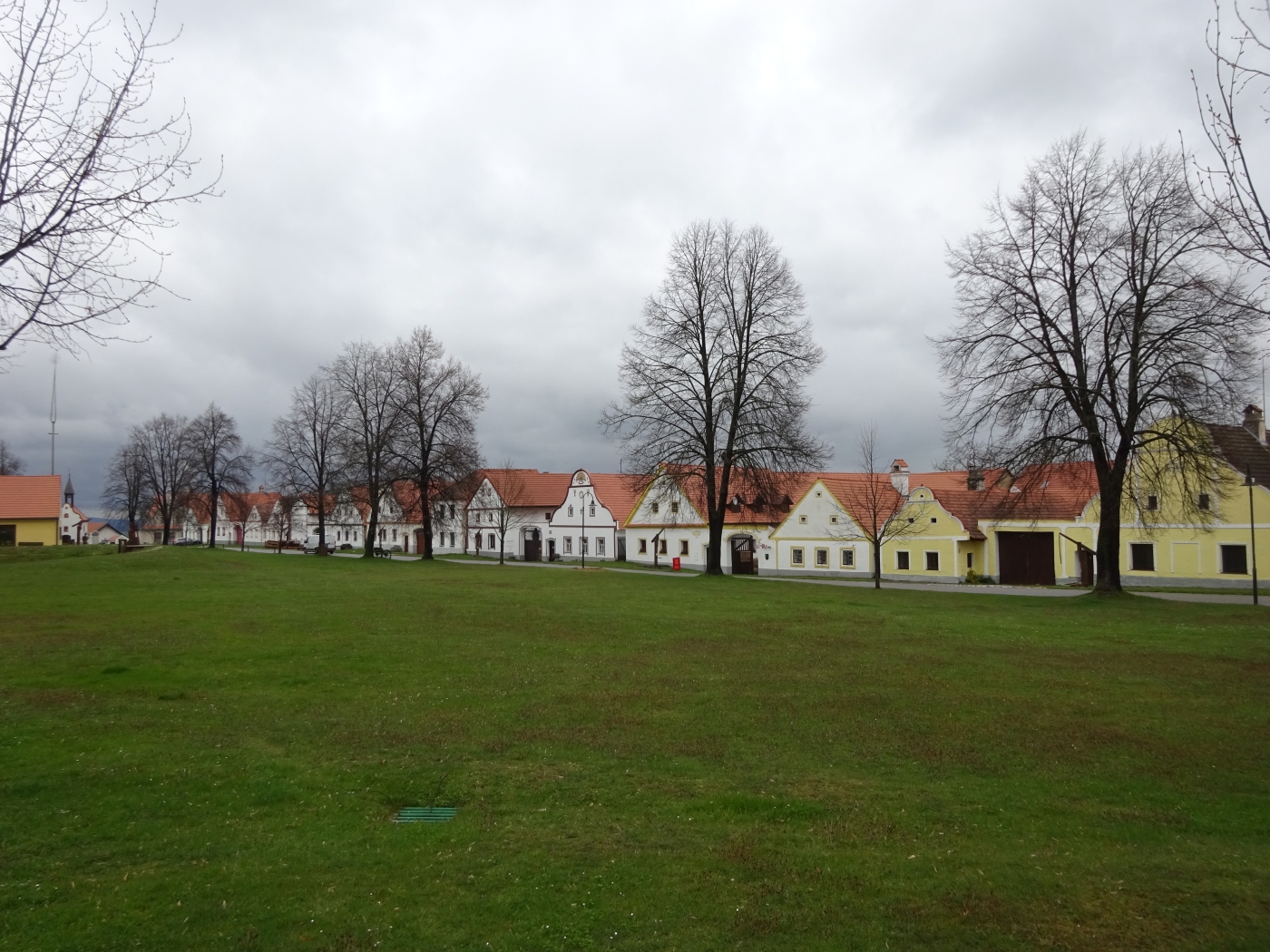
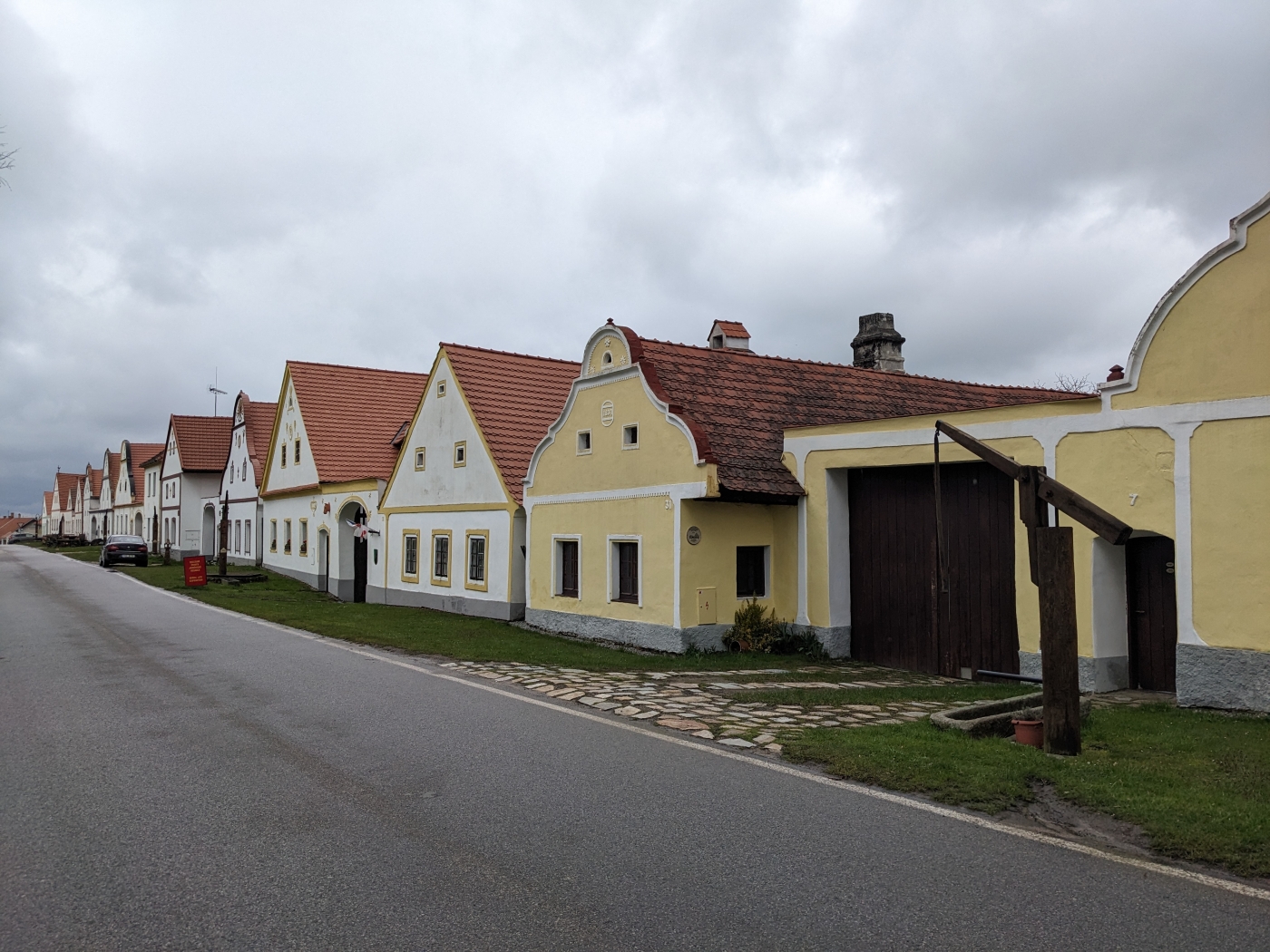
The village's origins trace back to the Middle Ages, first documented in 1292. However, it faced near extinction during the Black Death in the mid-16th century, with only a few inhabitants surviving. It was subsequently repopulated by German settlers, which influenced its cultural and architectural development. Remarkably, the original medieval ground plan has been maintained, featuring a large, rectangular village green surrounded by 23 farmsteads and a chapel.
Architectural Grandeur
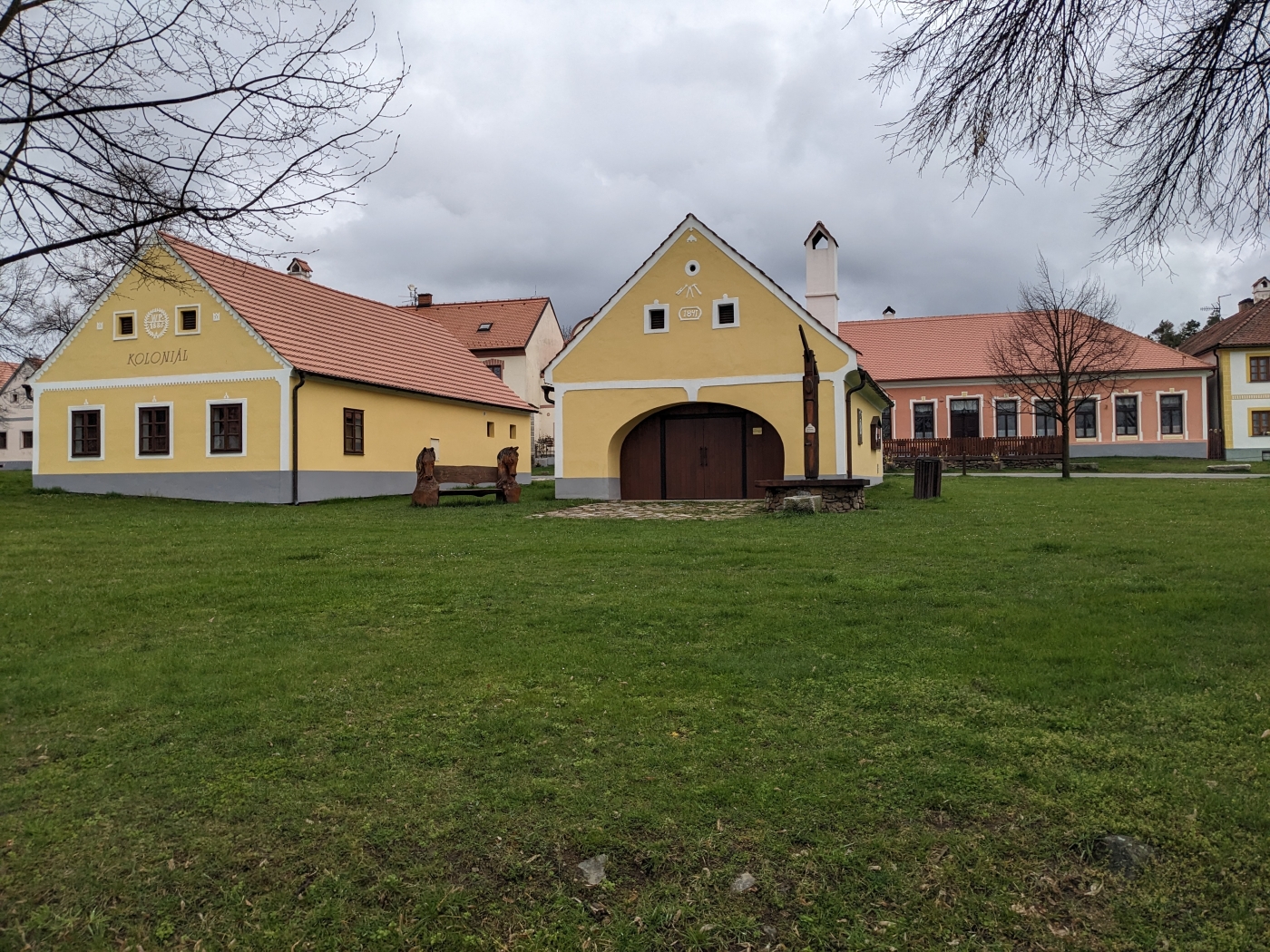
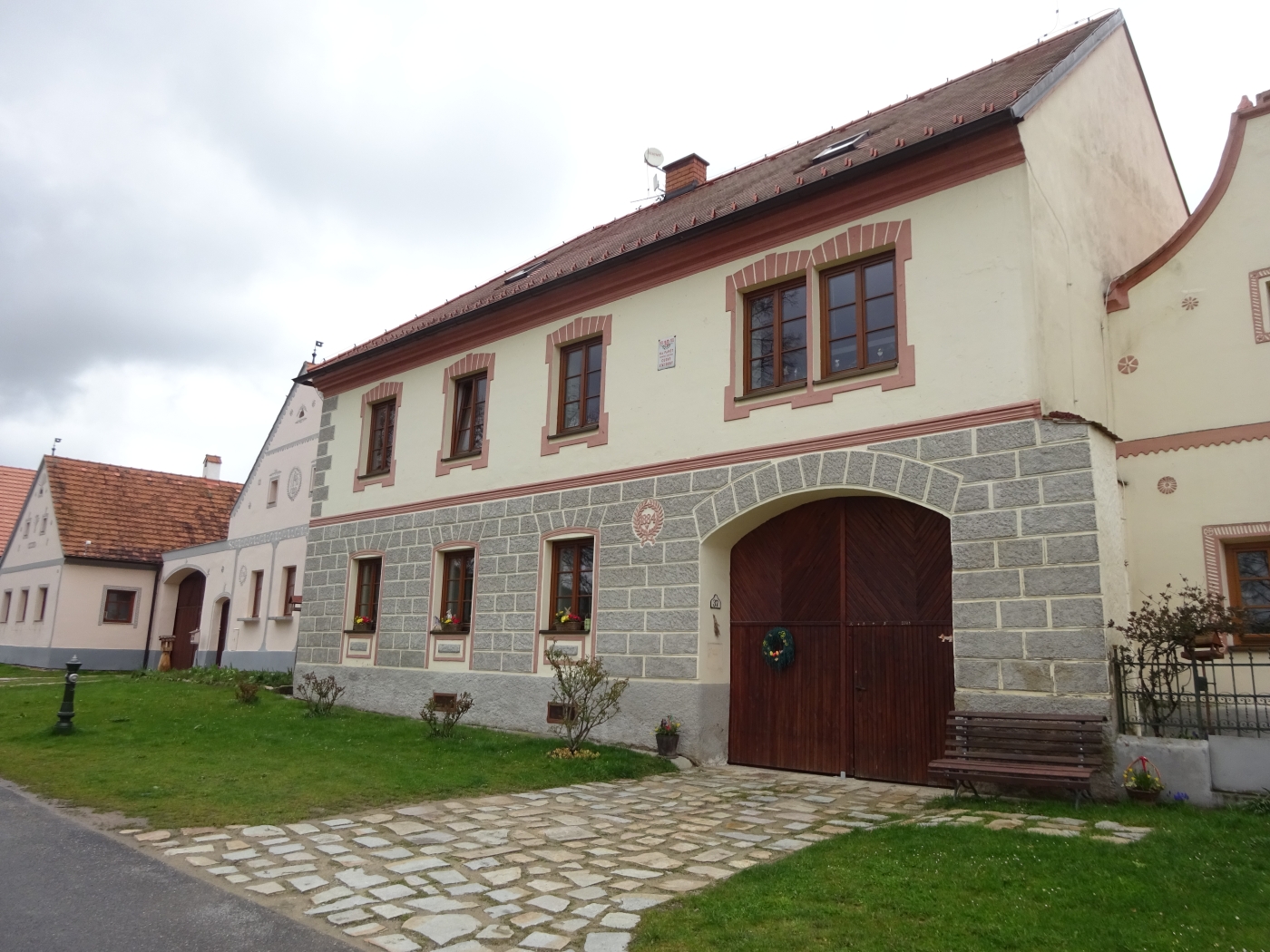
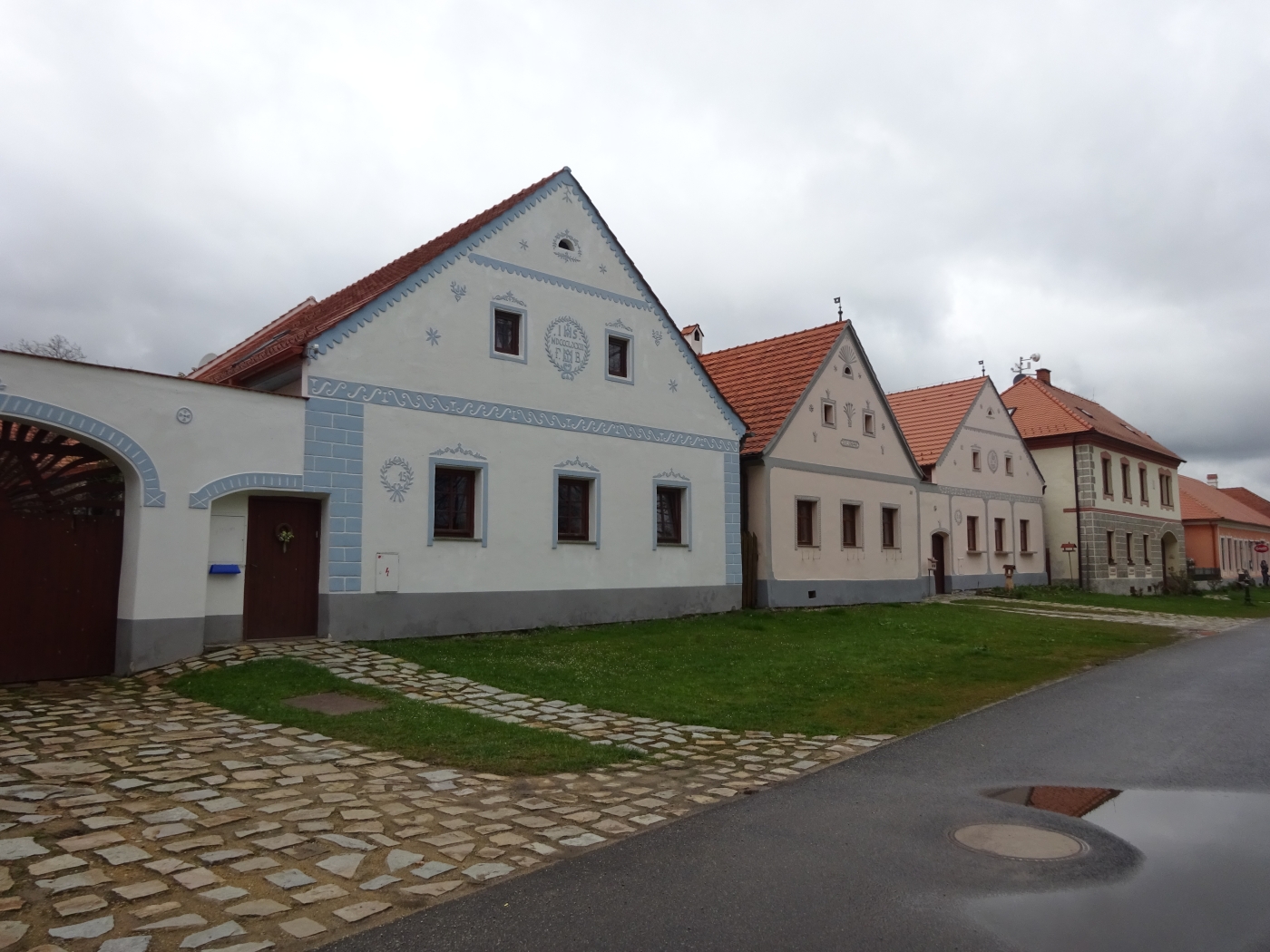
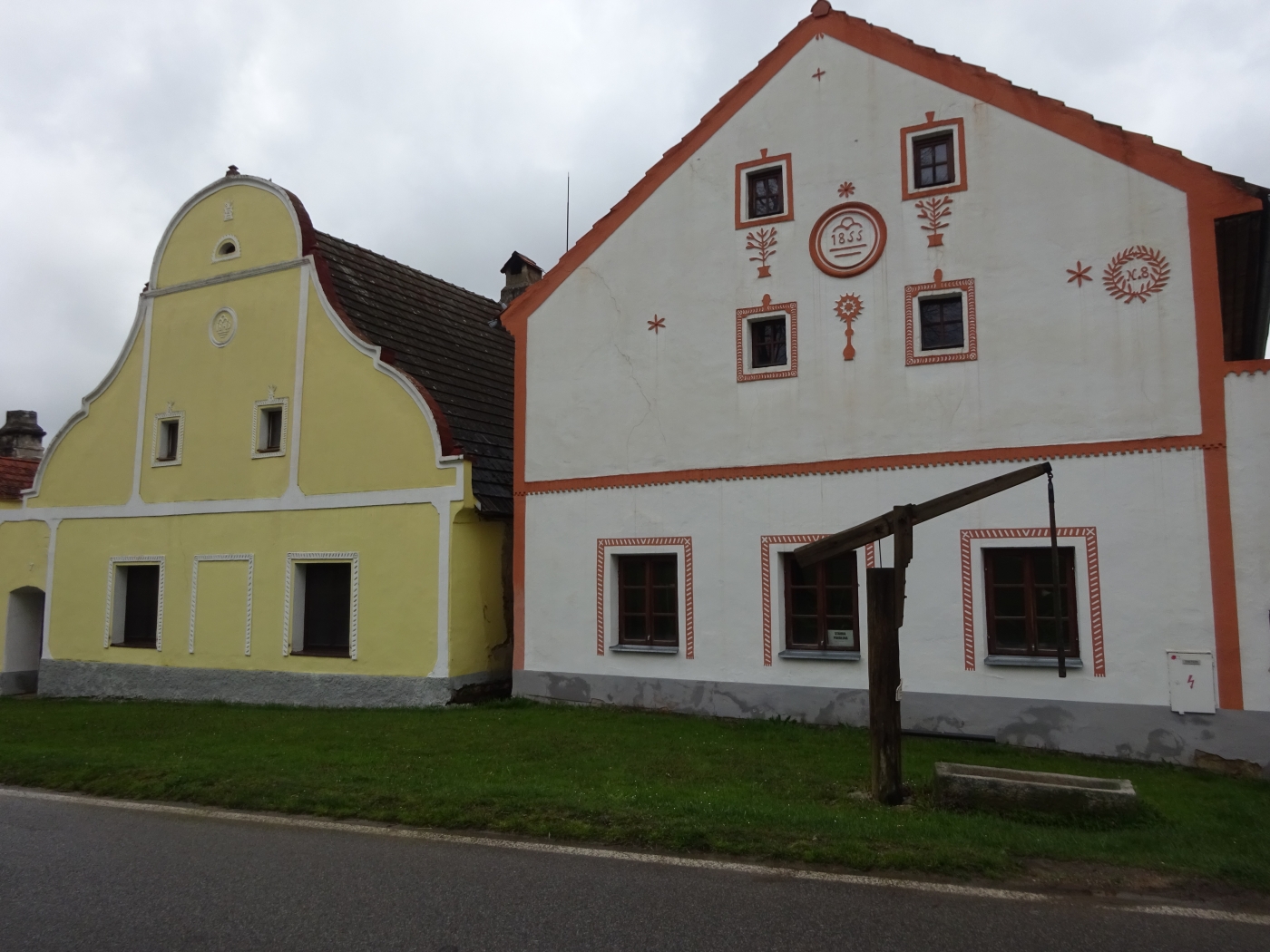
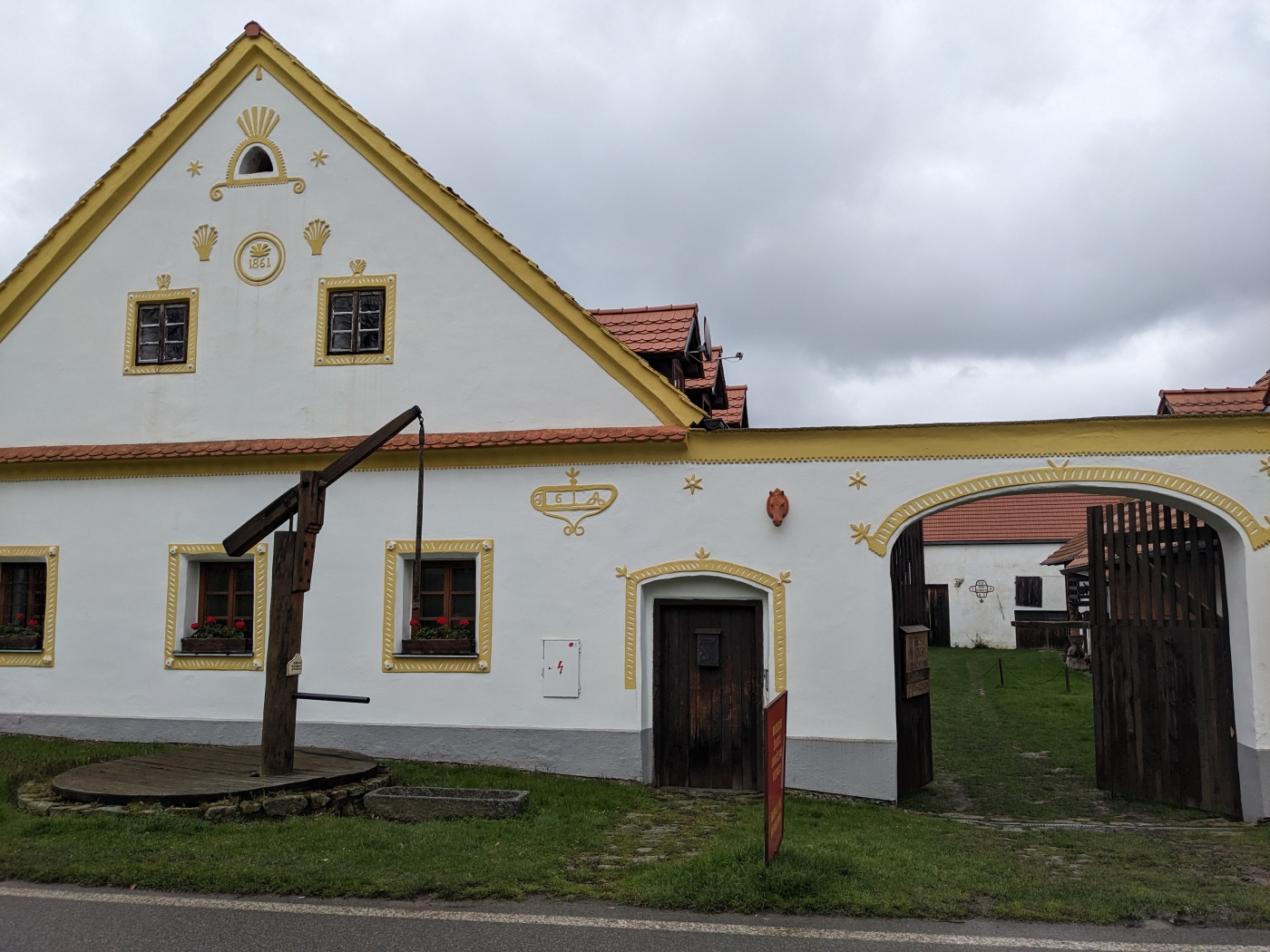
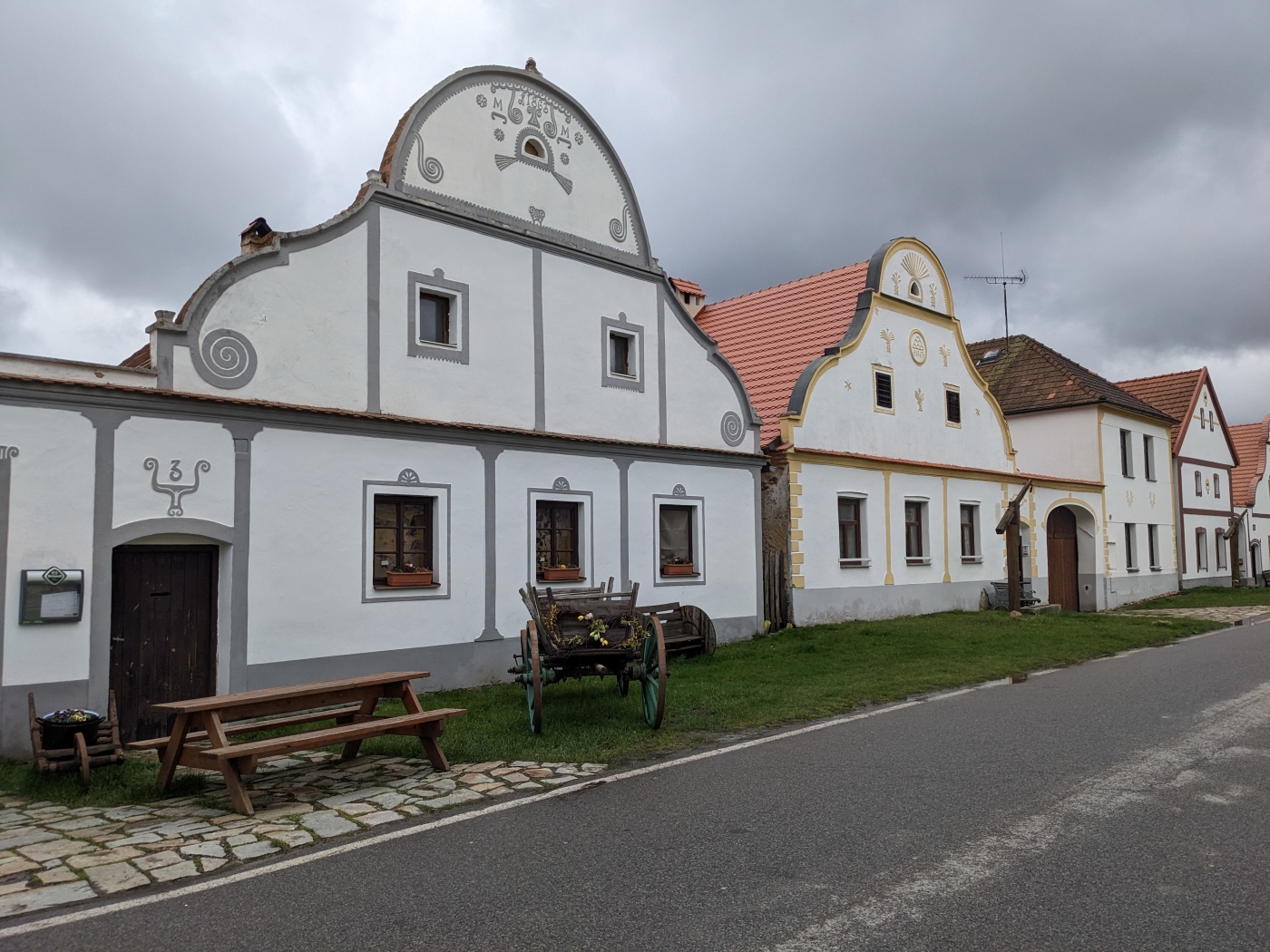
The true architectural highlight of Holašovice is its unique style, often referred to as "South Bohemian Folk Baroque" or "Rural Baroque." This distinctive style flourished in the 19th century, transforming the simple peasant houses into elaborate, ornate structures. Each farmstead typically consists of a residential house, barns, and stables, all connected by arcades and crowned with richly decorated gables. These gables, with their intricate stucco work and vibrant whitewashed facades, create a striking visual uniformity while allowing individual expression. The central element, the Chapel of St. John of Nepomuk, built in 1755, further anchors the village's historical and spiritual identity.
Preserving a Legacy
Unlike many other villages that underwent modernization, Holašovice was largely untouched by significant development in the 20th century. This isolation, coupled with concerted preservation efforts, has kept its unique character intact, showcasing a complete and authentic example of a traditional village arrangement and architecture. Its outstanding universal value was recognized in 1998 when it was inscribed on the UNESCO World Heritage List, celebrated for representing a particular style of rural architecture that is rare and complete.
Further Links
Holašovice is an exceptionally complete and well-preserved example of a traditional central European village. It has a large number of outstanding 18th- and 19th-century vernacular buildings in a style known as 'South Bohemian folk Baroque', and preserves a ground plan dating from the Middle Ages.
Holašovice ([ˈɦolaʃovɪtsɛ] , German: Hollschowitz or Holschowitz) is a small historic village located in the south of the Czech Republic, 16 kilometres west of České Budějovice. Village belongs to the municipality Jankov. To the south lies the protected landscape area of Blanský Forest. The village was deserted after the Second World War, allowing its medieval plan and vernacular buildings in the South Bohemian Folk or Rural Baroque style to remain intact. It was restored and repopulated from 1990, and it was designated as a UNESCO World Heritage Site in 1998 because of its exceptional preservation of a traditional Baroque-era village.