Tugendhat Villa in Brno
Brünn, Mähren, Czechia
11.04.2023

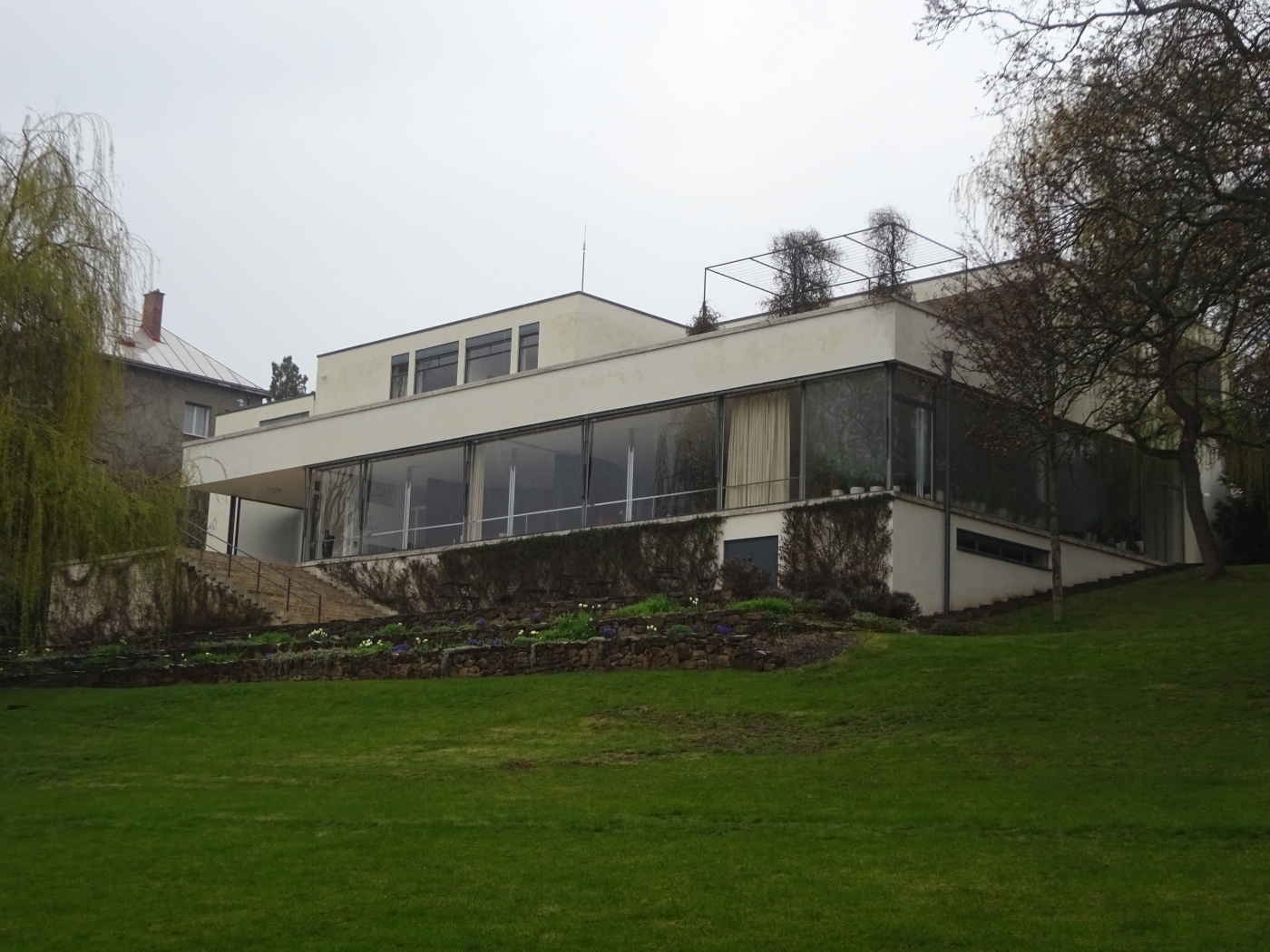
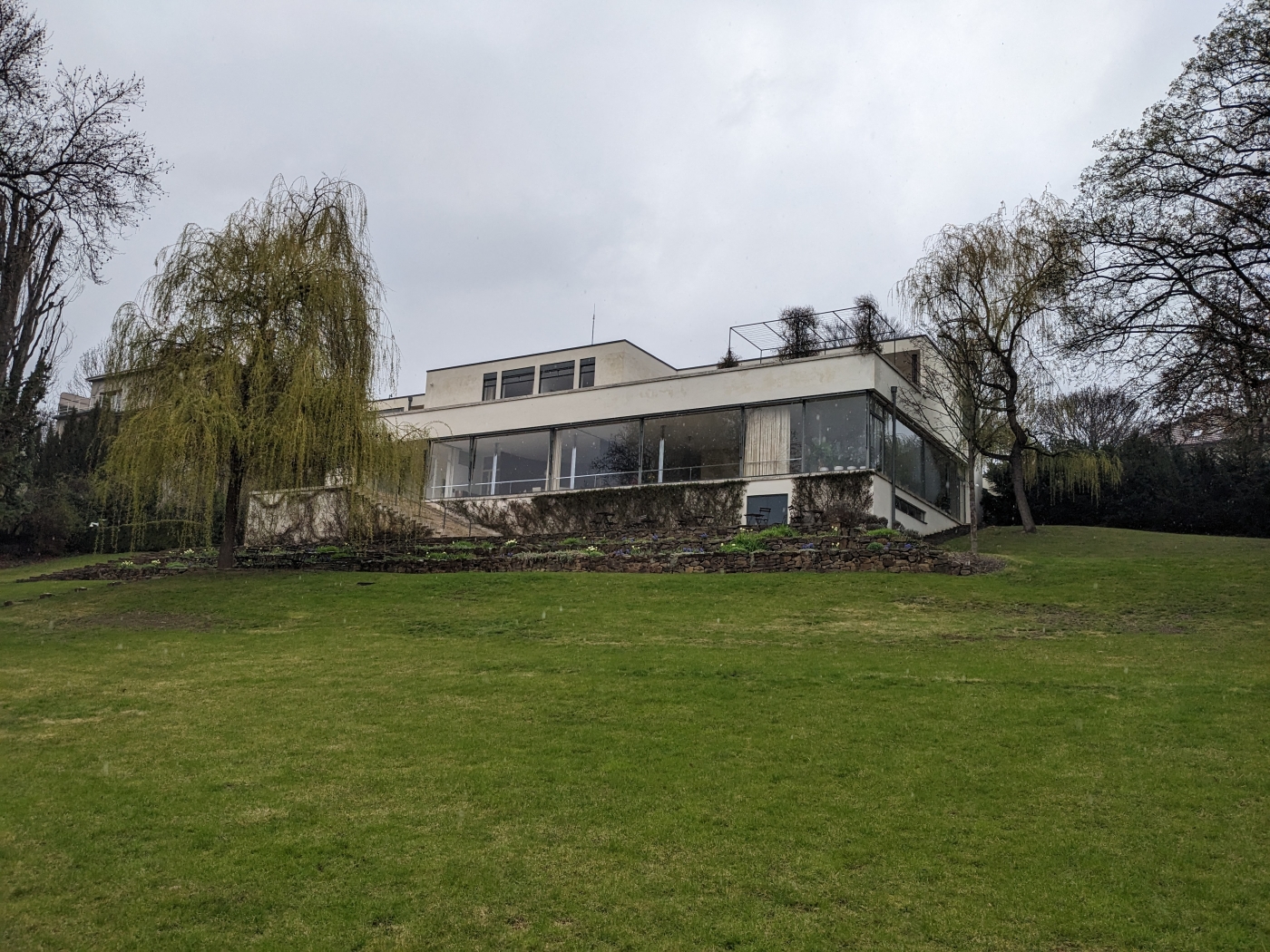
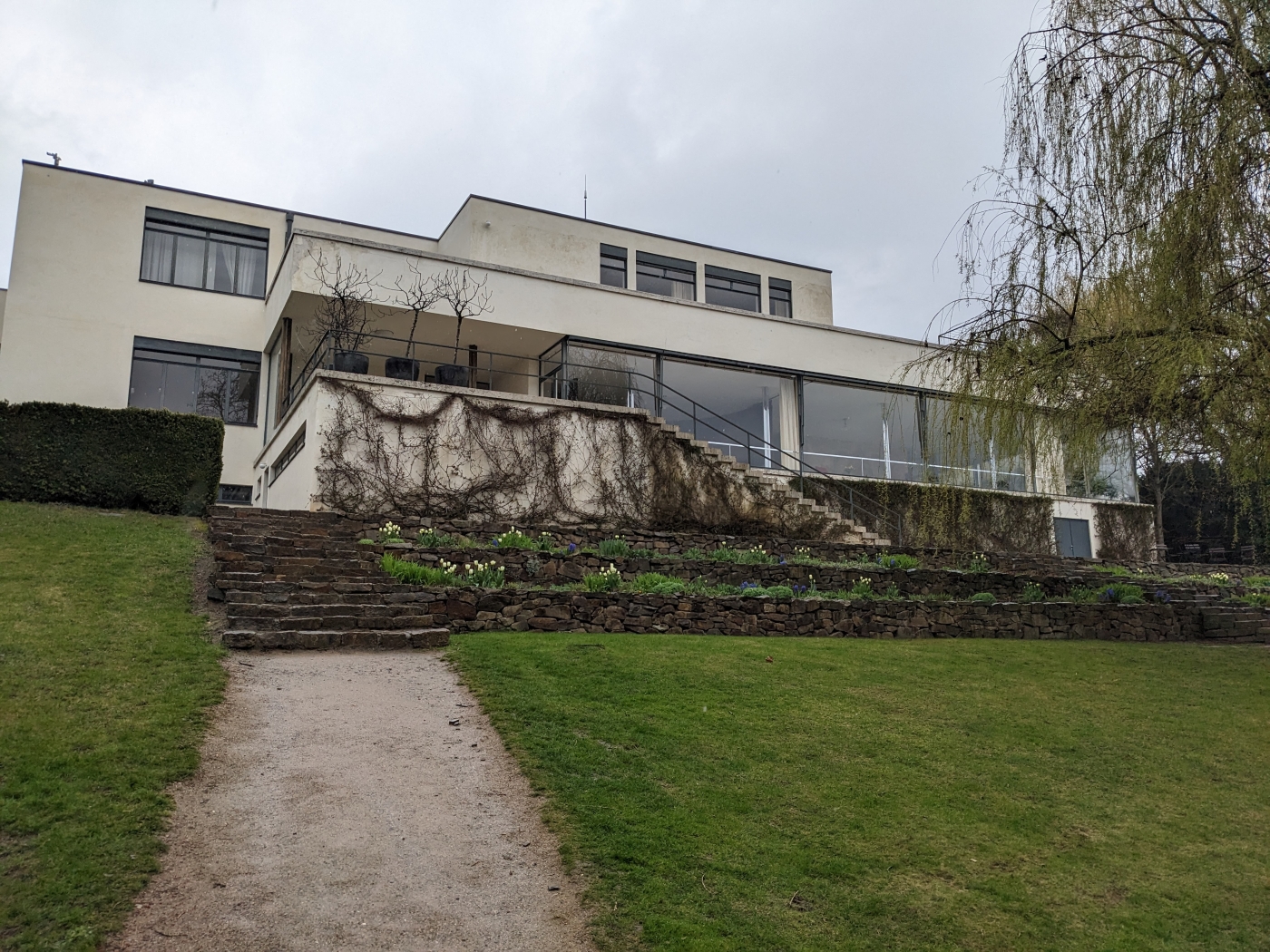
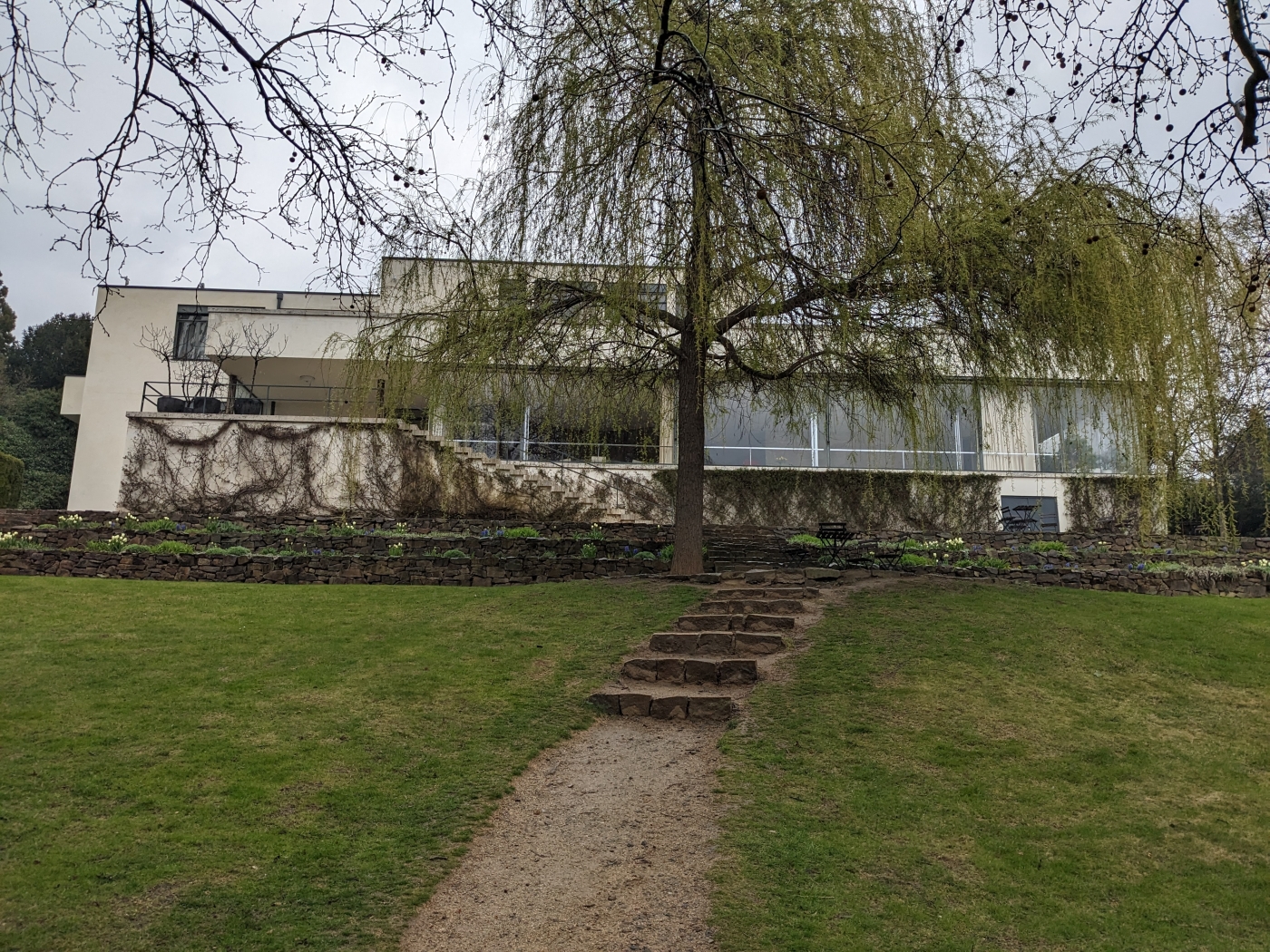
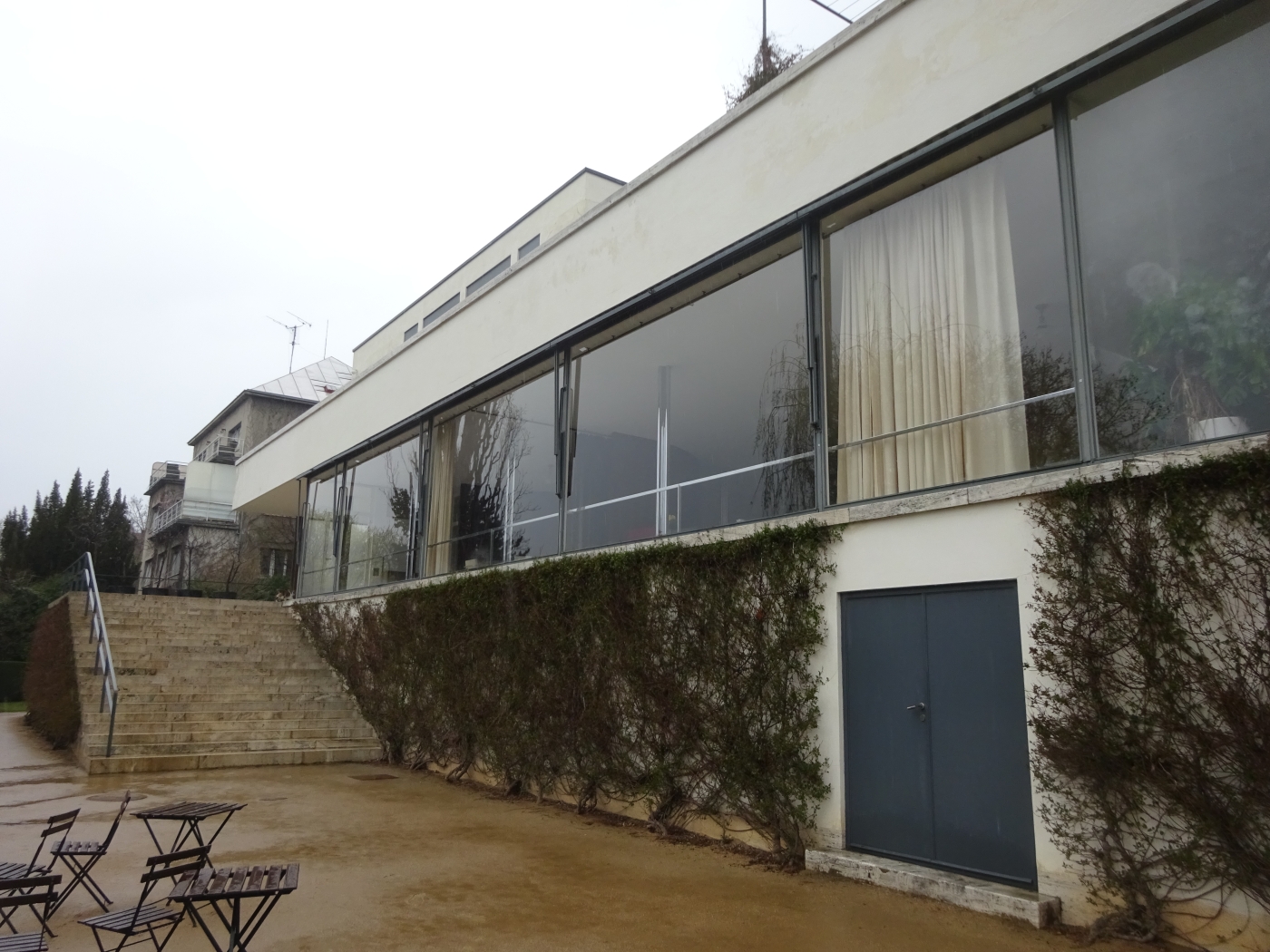
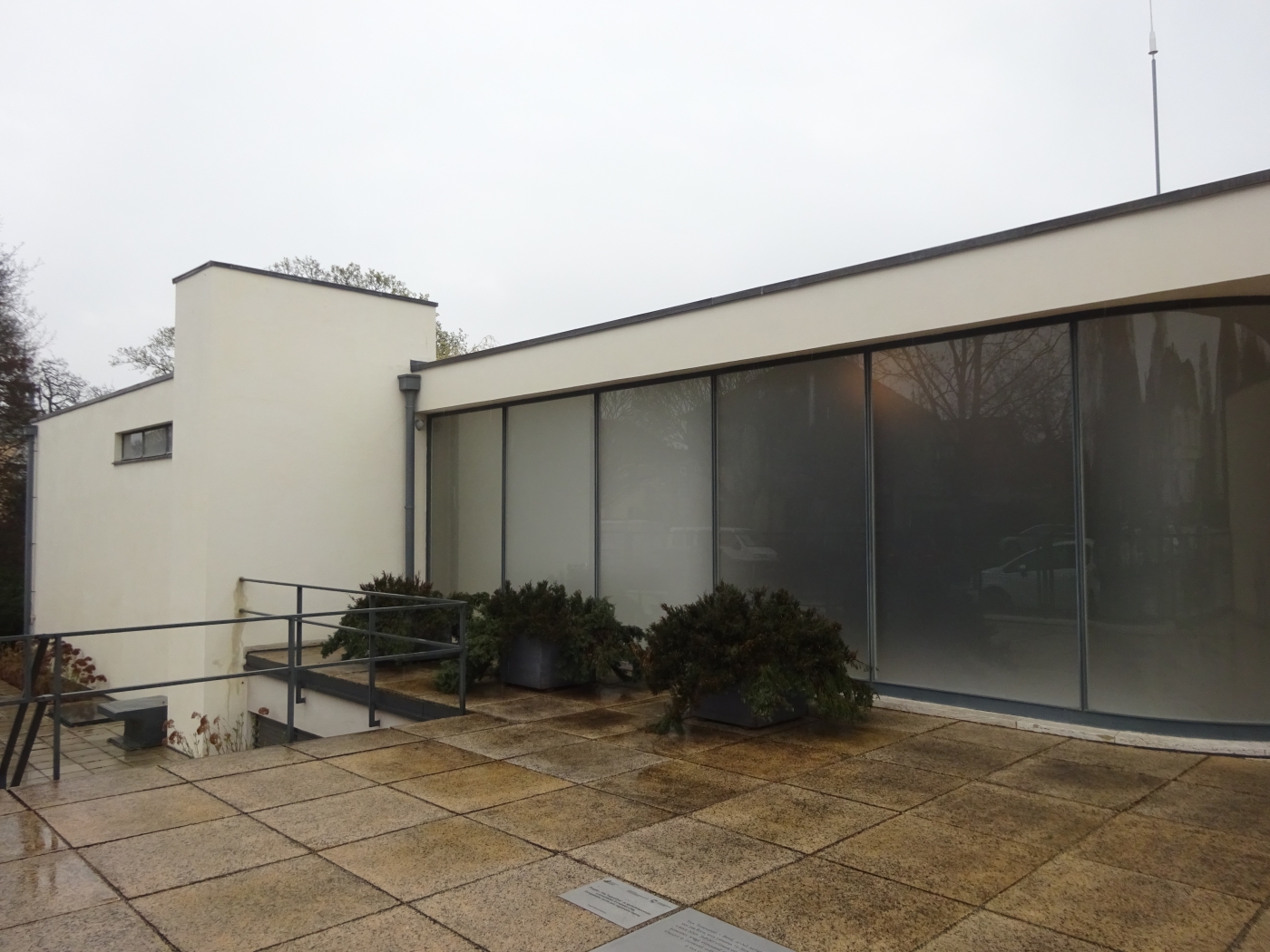
Perched on a gentle slope overlooking the city of Brno in Moravia, Czech Republic, the Villa Tugendhat stands as an undisputed masterpiece of modern architecture and a monument to revolutionary design. Commissioned by the wealthy Jewish couple, Grete and Fritz Tugendhat, this iconic residence was completed in 1930 and designed by the pioneering German-American architect, Ludwig Mies van der Rohe. It quickly became an emblem of avant-garde functionalism, challenging conventional notions of domestic space.
A Visionary Design
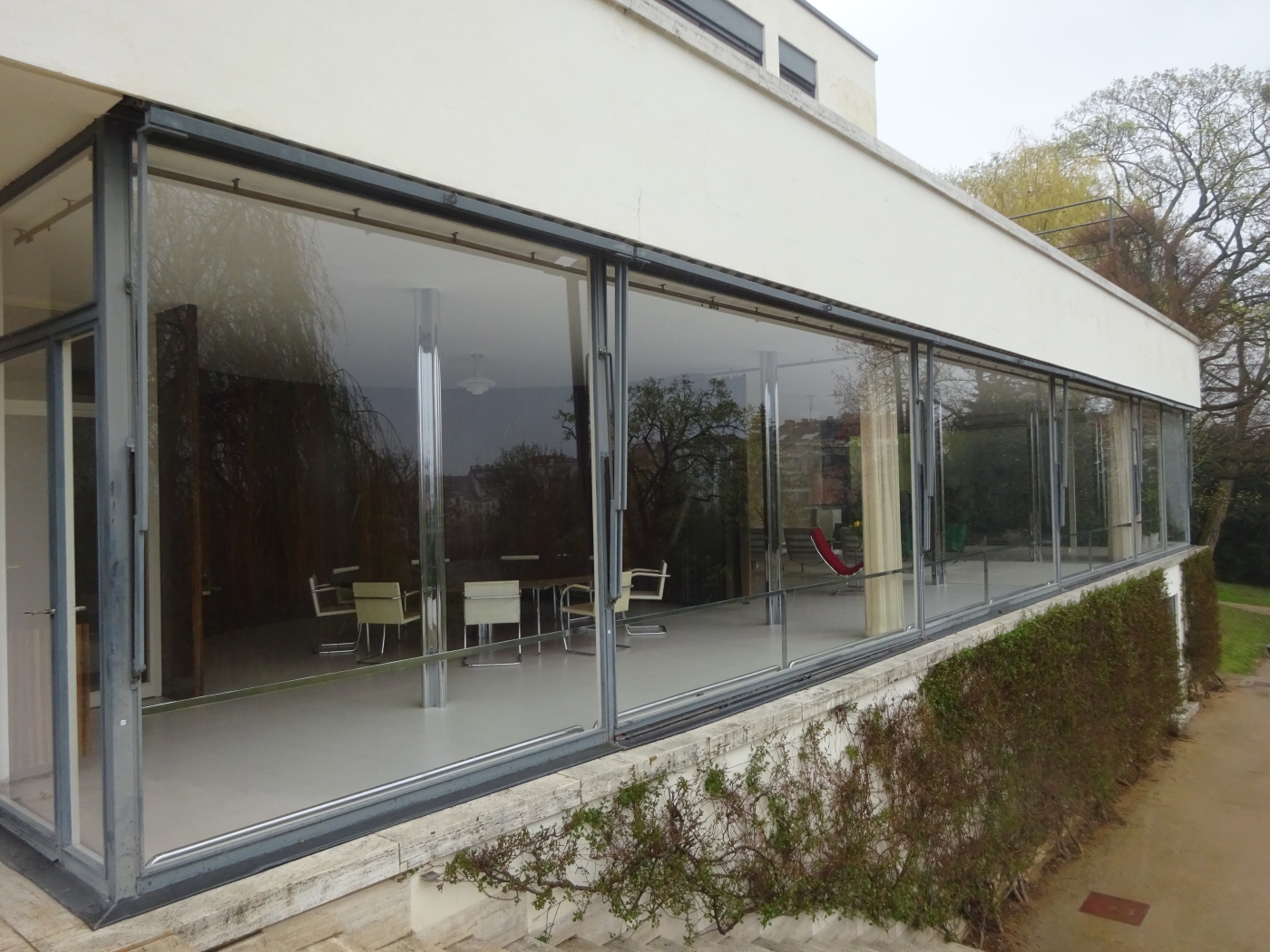
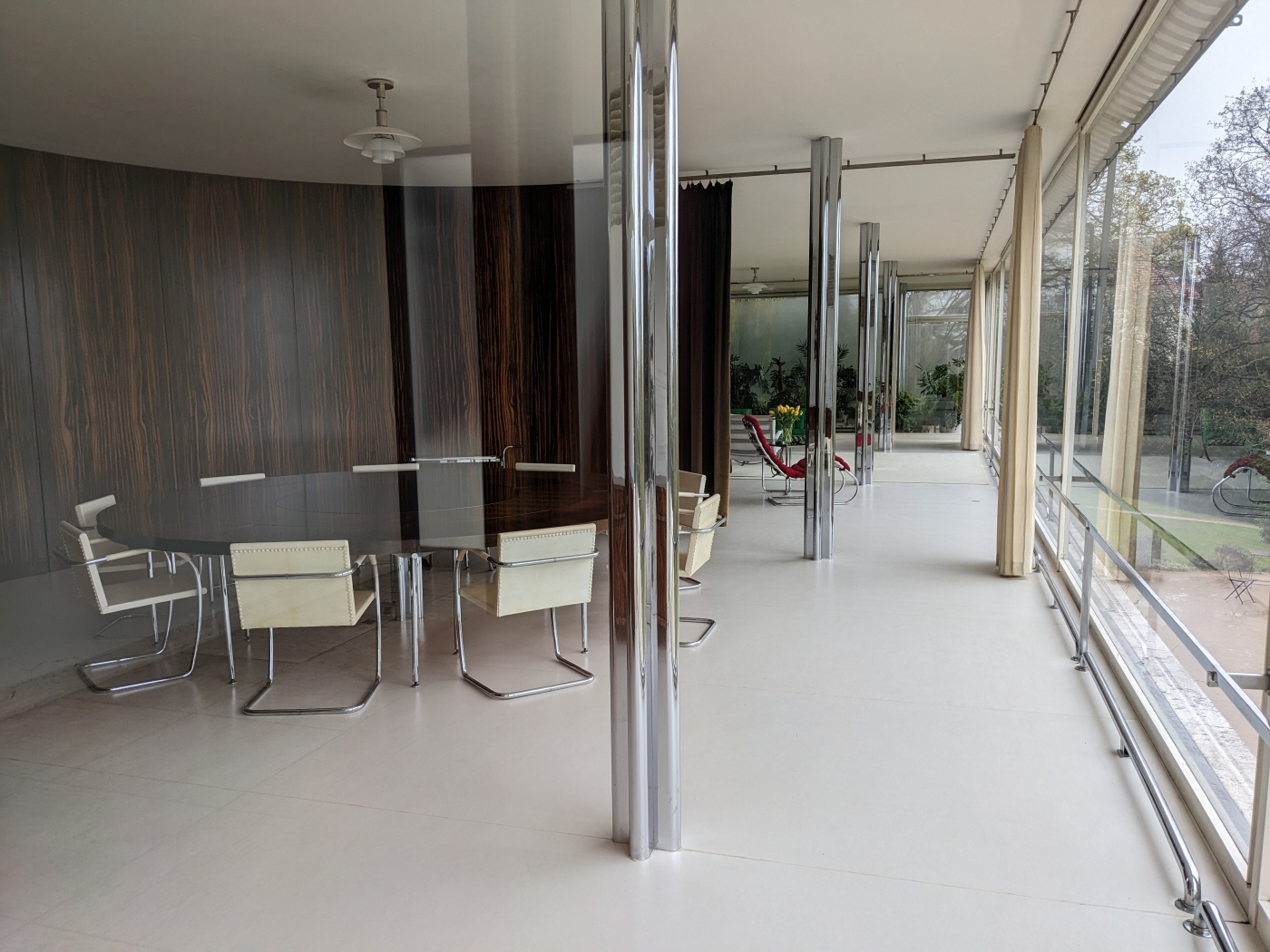
Mies van der Rohe’s design for the Villa Tugendhat was groundbreaking, embodying his famous dictum "less is more." The villa is celebrated for its innovative use of steel-frame construction, allowing for an open-plan interior with expansive, free-flowing spaces unfettered by load-bearing walls. This freedom enabled the architect to incorporate a large, retractable onyx wall, a testament to the luxurious materials and cutting-edge technology employed. Polished travertine, Macassar ebony, and chrome were used alongside an advanced air-conditioning system, which was revolutionary for its time, creating an environment of unparalleled sophistication and modernity.
A Home with a Turbulent Past
Despite its architectural brilliance, the Tugendhat family's enjoyment of their dream home was tragically short-lived. Due to the escalating threat of Nazism and their Jewish heritage, the family was forced to flee Czechoslovakia in 1938, just eight years after the villa's completion. During World War II, the property was confiscated by the Gestapo and later suffered significant damage during the liberation of Brno. Following the war, it was used for various purposes, including a dance school and a rehabilitation center for children, its original splendor gradually diminished and altered.
Restoration and UNESCO Recognition
In the late 20th century, a growing appreciation for the villa's unique historical and architectural value led to a concerted effort for its preservation. After extensive and meticulous research, the Villa Tugendhat underwent a comprehensive restoration between 2010 and 2012, returning it to its original 1930 appearance, complete with replica furniture based on Mies van der Rohe's designs. This painstaking restoration solidified its status, and in 2001, UNESCO inscribed the Villa Tugendhat onto its World Heritage List, recognizing it as "an outstanding example of the international style in modern architecture as it developed in the 1920s." Today, it serves as a museum, offering visitors a profound insight into a pivotal moment in architectural history.
Further Links
The Tugendhat Villa in Brno, designed by the architect Mies van der Rohe, is an outstanding example of the international style in the modern movement in architecture as it developed in Europe in the 1920s. Its particular value lies in the application of innovative spatial and aesthetic concepts that aim to satisfy new lifestyle needs by taking advantage of the opportunities afforded by modern industrial production.
Villa Tugendhat (Czech: Vila Tugendhat) is an architecturally significant building in Brno, Czech Republic. It is one of the pioneering prototypes of modern architecture in Europe, and was designed by the German architects Ludwig Mies van der Rohe and Lilly Reich. It was built between 1928 and 1930 for Fritz Tugendhat and his wife Greta, of the wealthy and influential Jewish Czech Tugendhat family. Of reinforced concrete, the villa soon became an icon of modernism. Famous for its revolutionary use of space and industrial building materials, the building was added to the UNESCO World Heritage List in 2001.