Litomyšl Castle
Litomyšl, Pardubický kraj, Czechia
13.04.2023

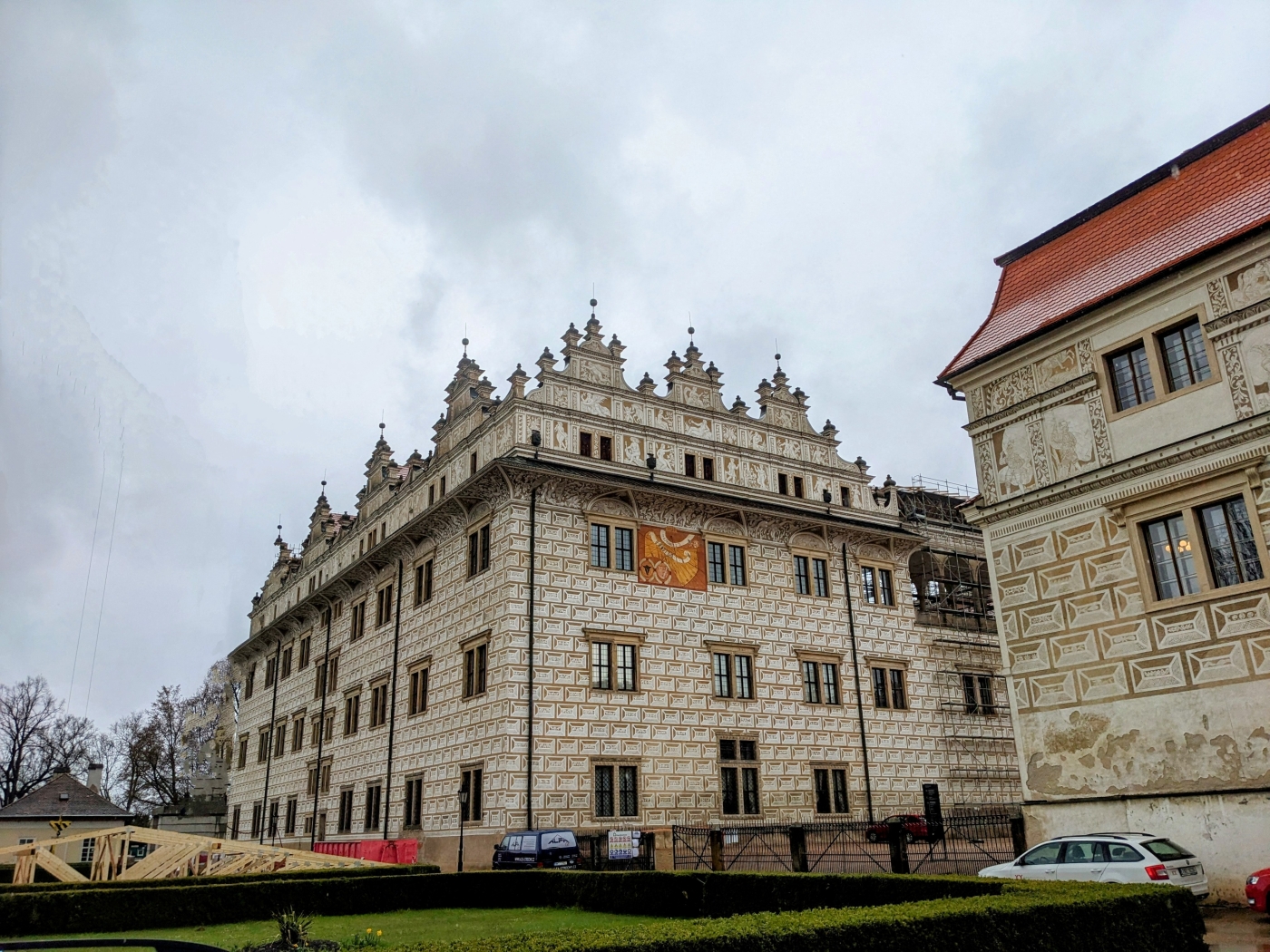
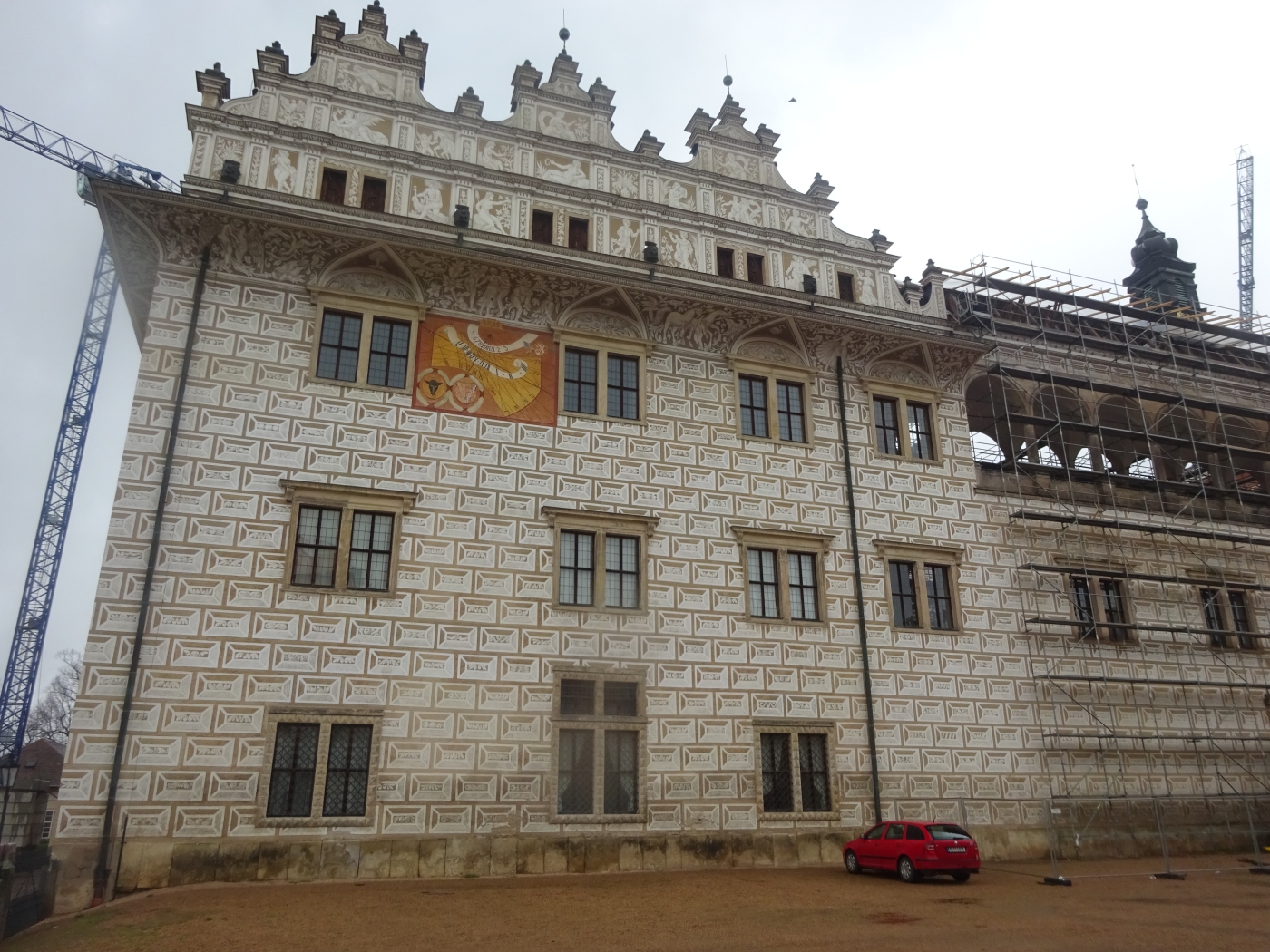
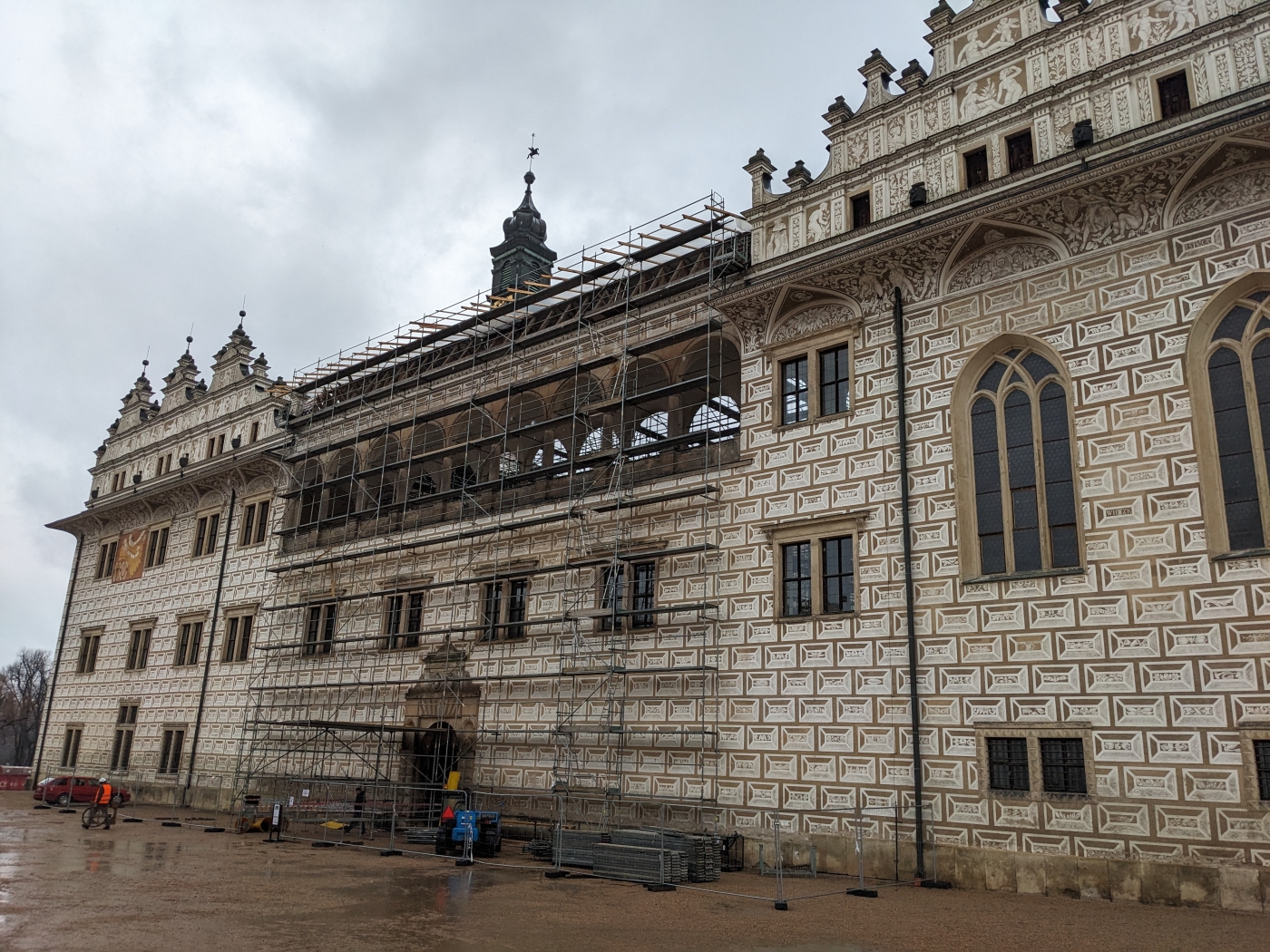
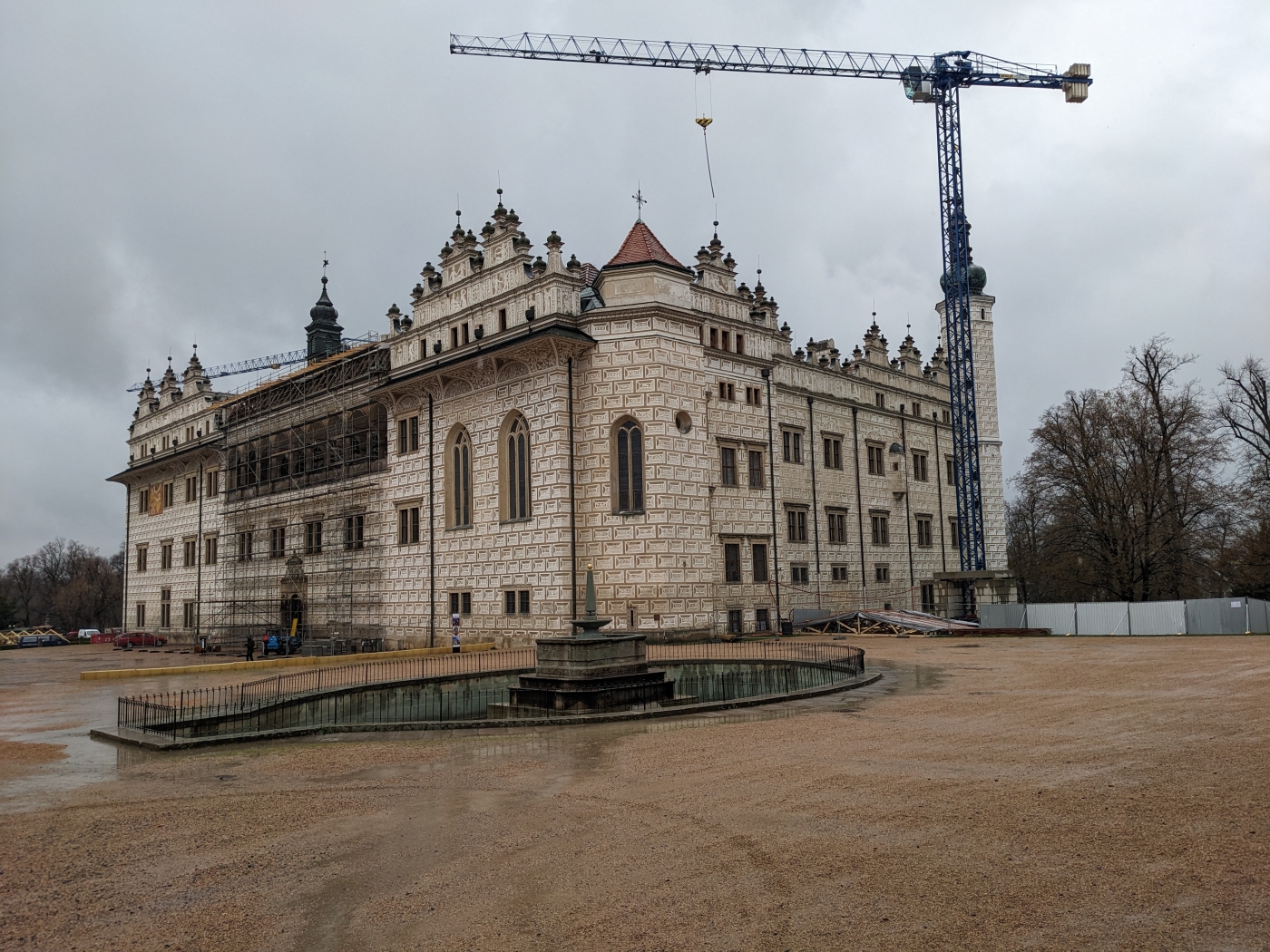
The majestic Litomyšl Castle, in the town of Litomyšl in the Pardubice Region of the Czech Republic, is an extraordinary testament to a Renaissance aristocratic residence. Inscribed on the UNESCO World Heritage List in 1999, it is celebrated for its unique architectural integrity and remarkably preserved sgraffito decoration.
A Renaissance Gem
Originally a castle from the 16th century, Litomyšl Castle was built for the powerful Czech noble family, the Pernštejns, under Vratislav II of Pernštejn. Construction began in 1568, transforming a medieval fort into a magnificent four-winged Renaissance palace. The design, attributed to the Italian architect Giovanni Battista Aostalli, reflects the height of Italian Renaissance influence. Its arcaded courtyard, a hallmark of the period, provides a central focus, while the elaborate sgraffito decoration depicting mythological and biblical scenes, as well as everyday life, covers almost every exterior surface, giving the castle a vibrant and distinctive character.
Architectural Marvels
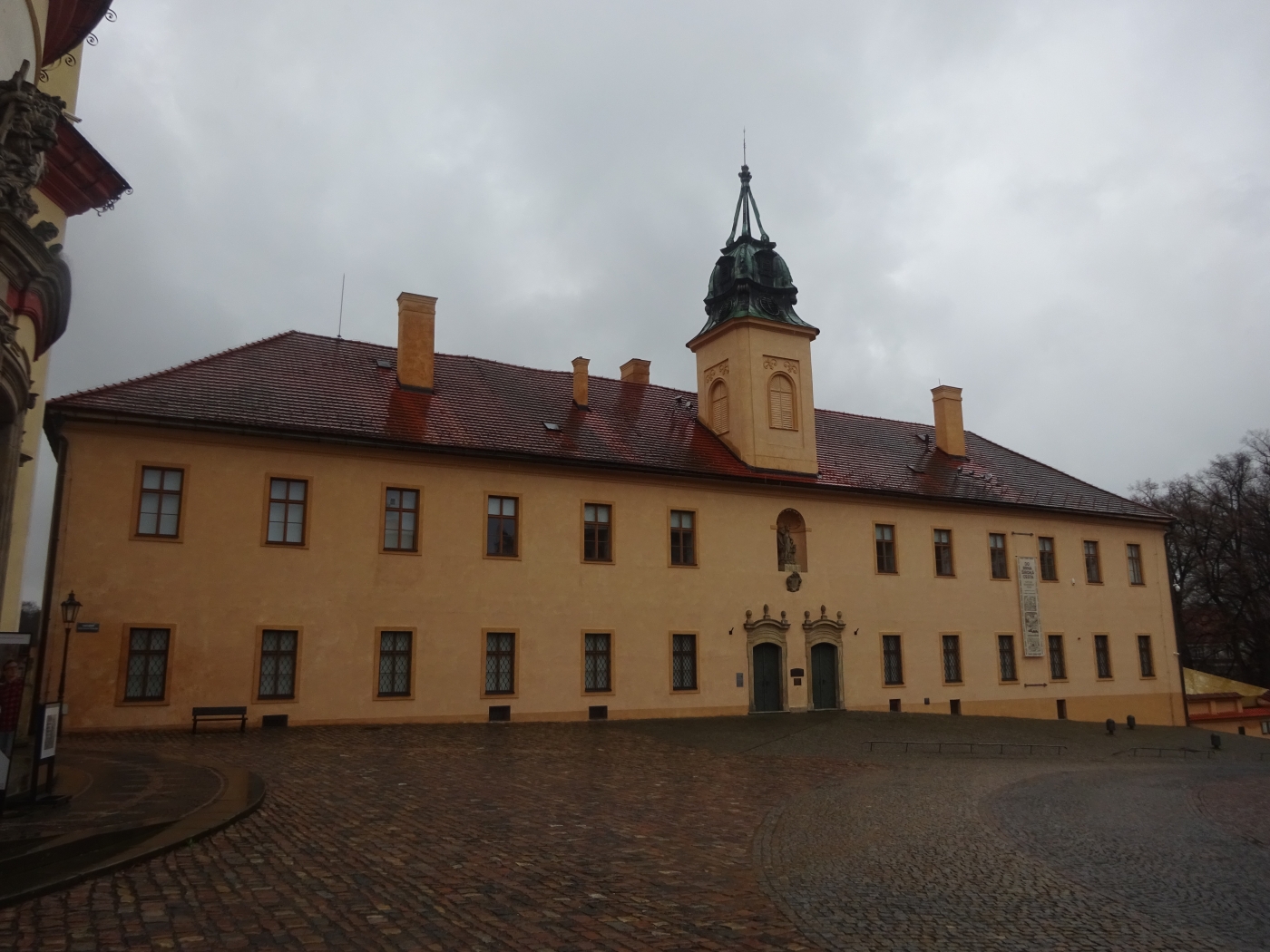
Over the centuries, the castle underwent various alterations, particularly under the Trauttmansdorff family who owned it from 1849. These changes respected the original Renaissance spirit, maintaining its unique charm. One notable addition is the elegant Rococo theatre from 1797, a rare and beautifully preserved example of a private theatre within a castle, adding another layer to its cultural significance. The interiors house rich collections of furniture, art, and historical artifacts, offering a glimpse into the opulent lifestyle of its former inhabitants.
Legacy and Recognition
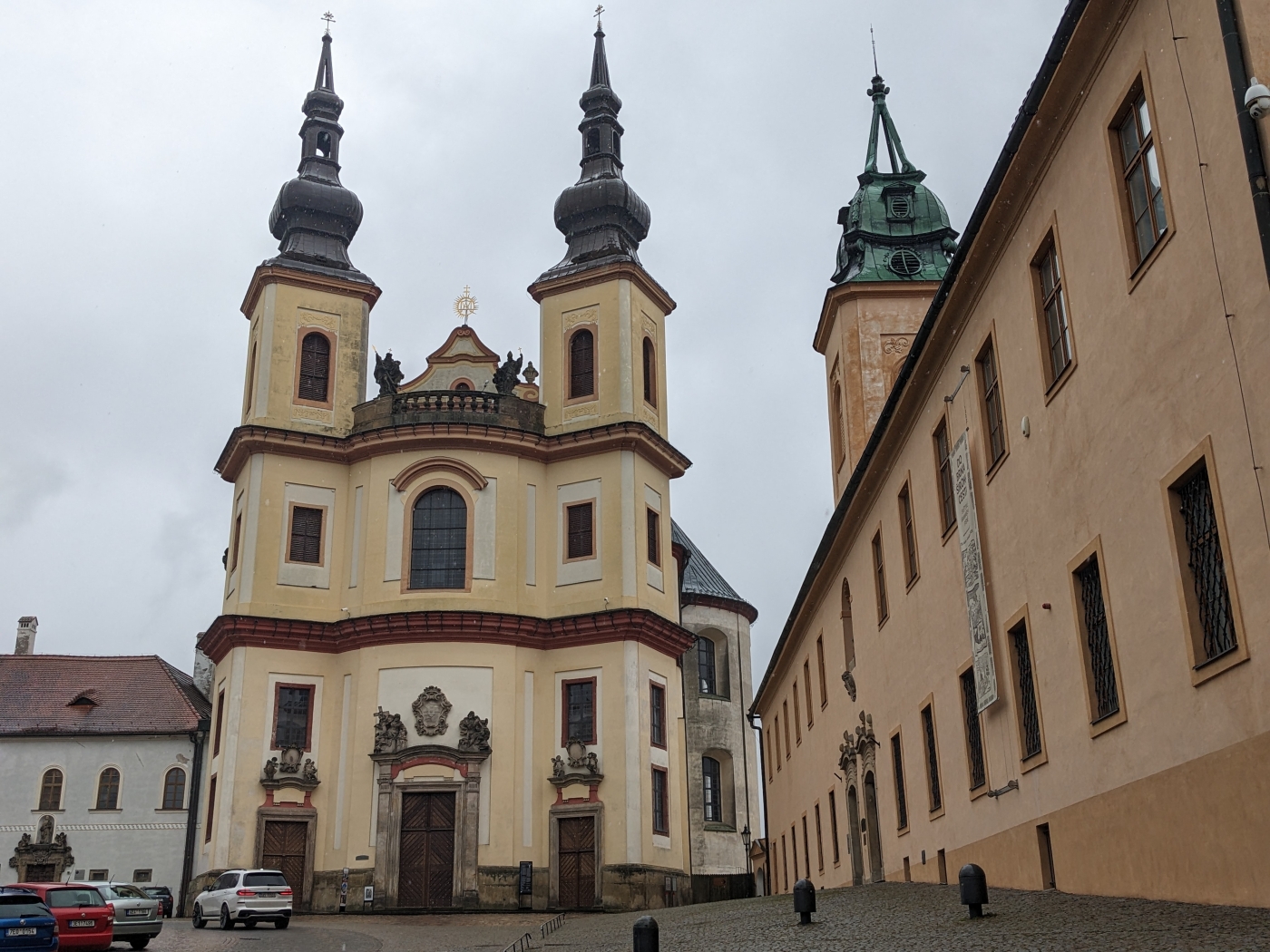
The castle's outstanding universal value lies in its exceptional representation of an arcaded castle, a type that flourished during the Renaissance in Central Europe. Its sgraffito decoration is among the most extensive and finest in Europe, a masterpiece of decorative art. The harmonious blend of architectural styles, from Renaissance grandeur to Baroque and Neoclassical touches, illustrates the continuous development of an aristocratic seat. Today, Litomyšl Castle not only serves as a museum but also hosts cultural events, continuing its legacy as a vibrant center of history and art.
Weiterführende Links
Litomyšl Castle was originally a Renaissance arcade-castle of the type first developed in Italy and then adopted and greatly developed in central Europe in the 16th century. Its design and decoration are particularly fine, including the later High-Baroque features added in the 18th century. It preserves intact the range of ancillary buildings associated with an aristocratic residence of this type.
Litomyšl Castle (Czech: Státní zámek v Litomyšli, lit. 'State Castle in Litomyšl') is one of the largest Renaissance castles in the Czech Republic. It is owned by the Czech state. It is located in the centre of the town of Litomyšl and was declared a UNESCO World Heritage Site in 1999. Litomyšl Castle is an outstanding example of the arcade castle, a type of building first developed in Italy and modified in the Czech lands to create an evolved form of special architectural quality. High-Baroque features were added to this castle in the 18th century.