Valtice Castle - Lednice-Valtice Cultural Landscape
Südmähren, Czechia
10.04.2023

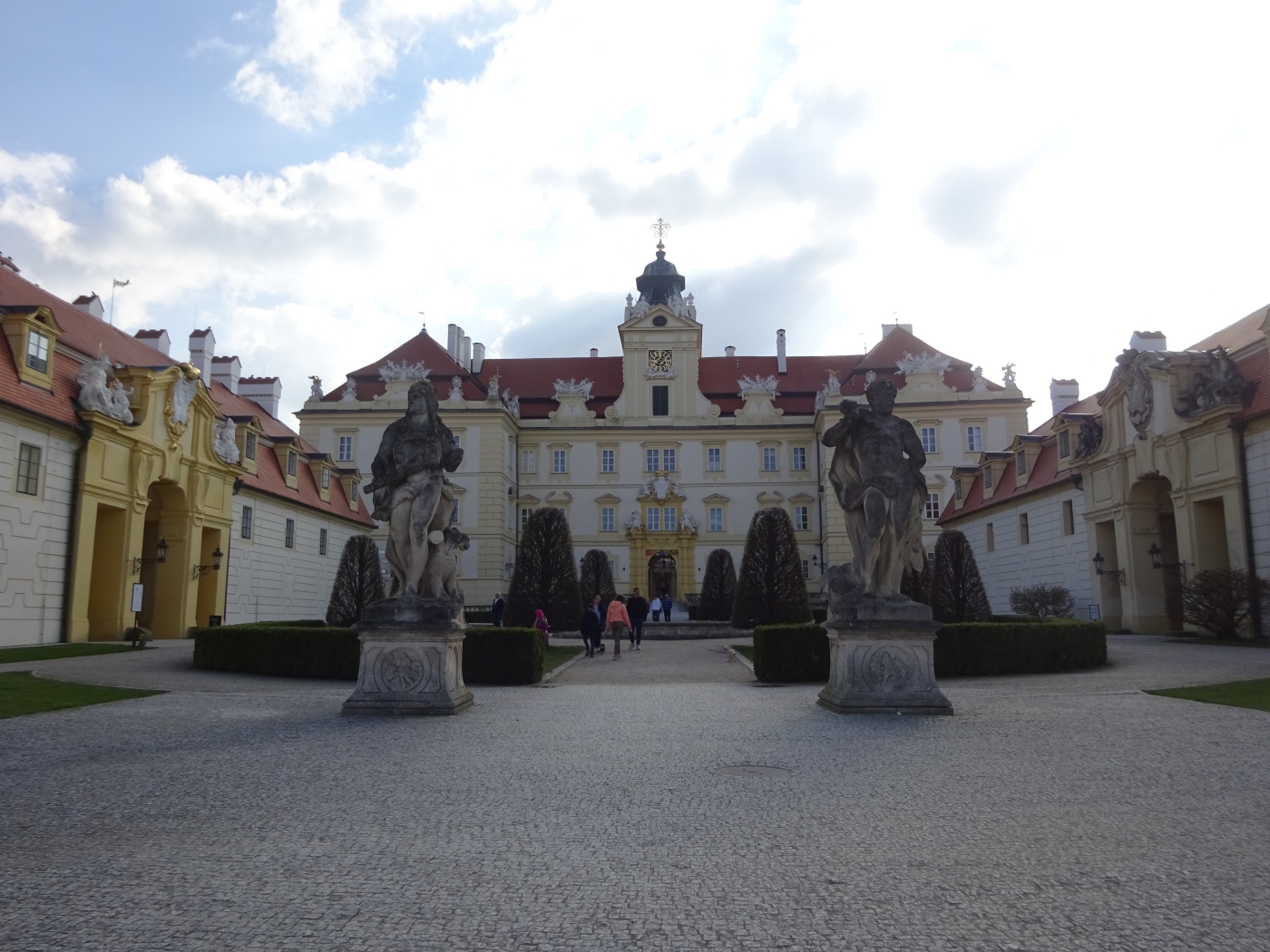
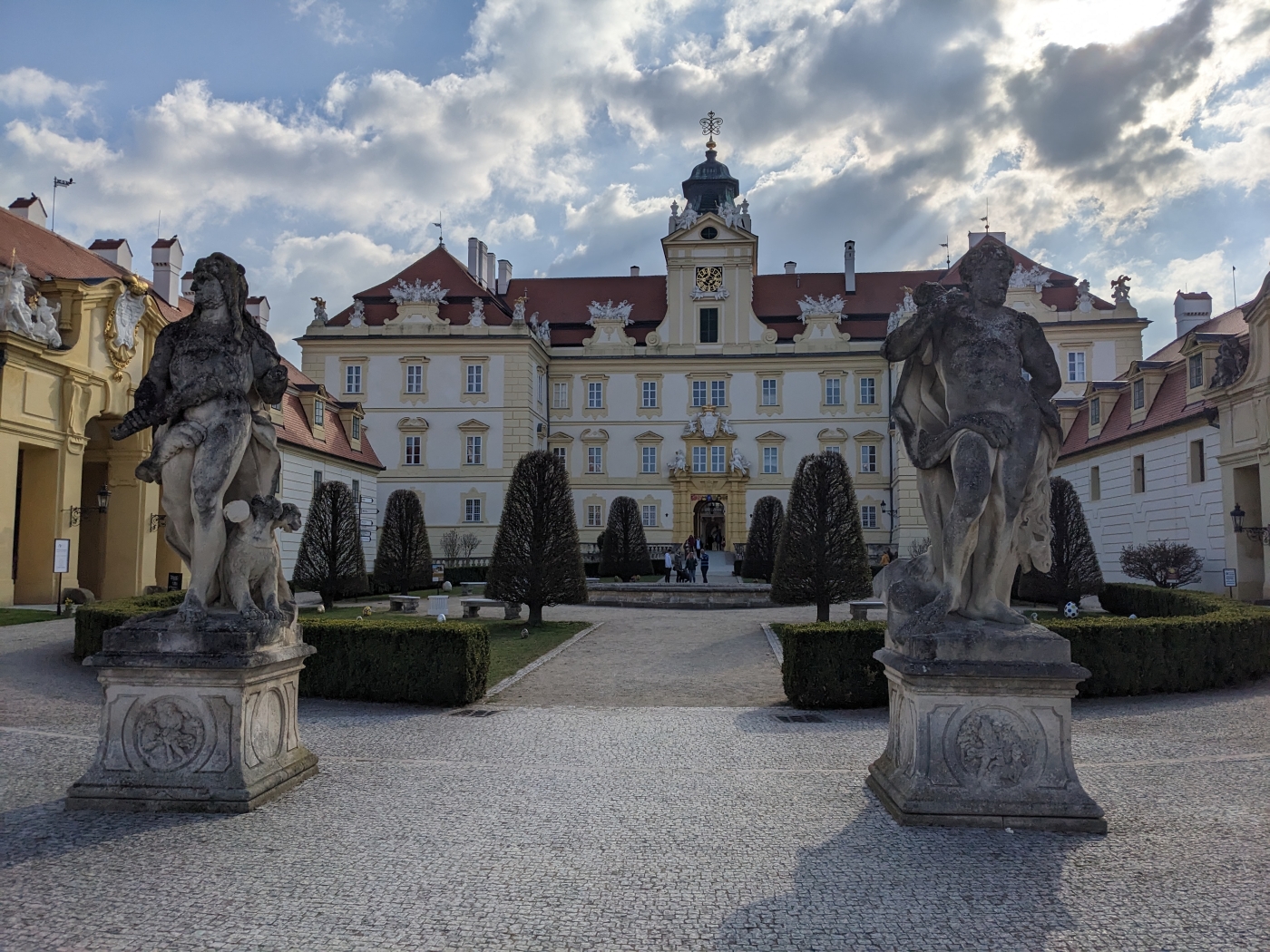
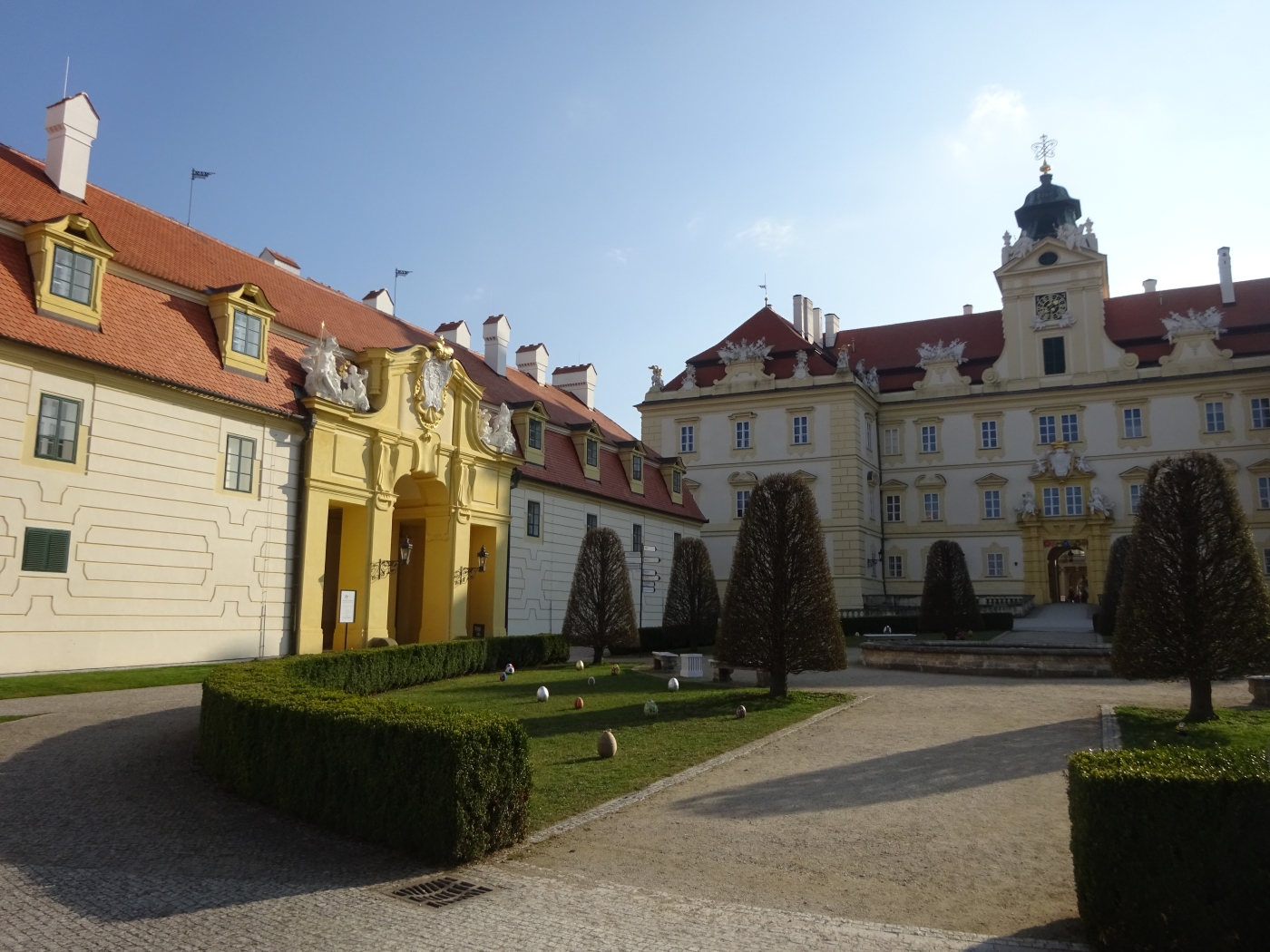
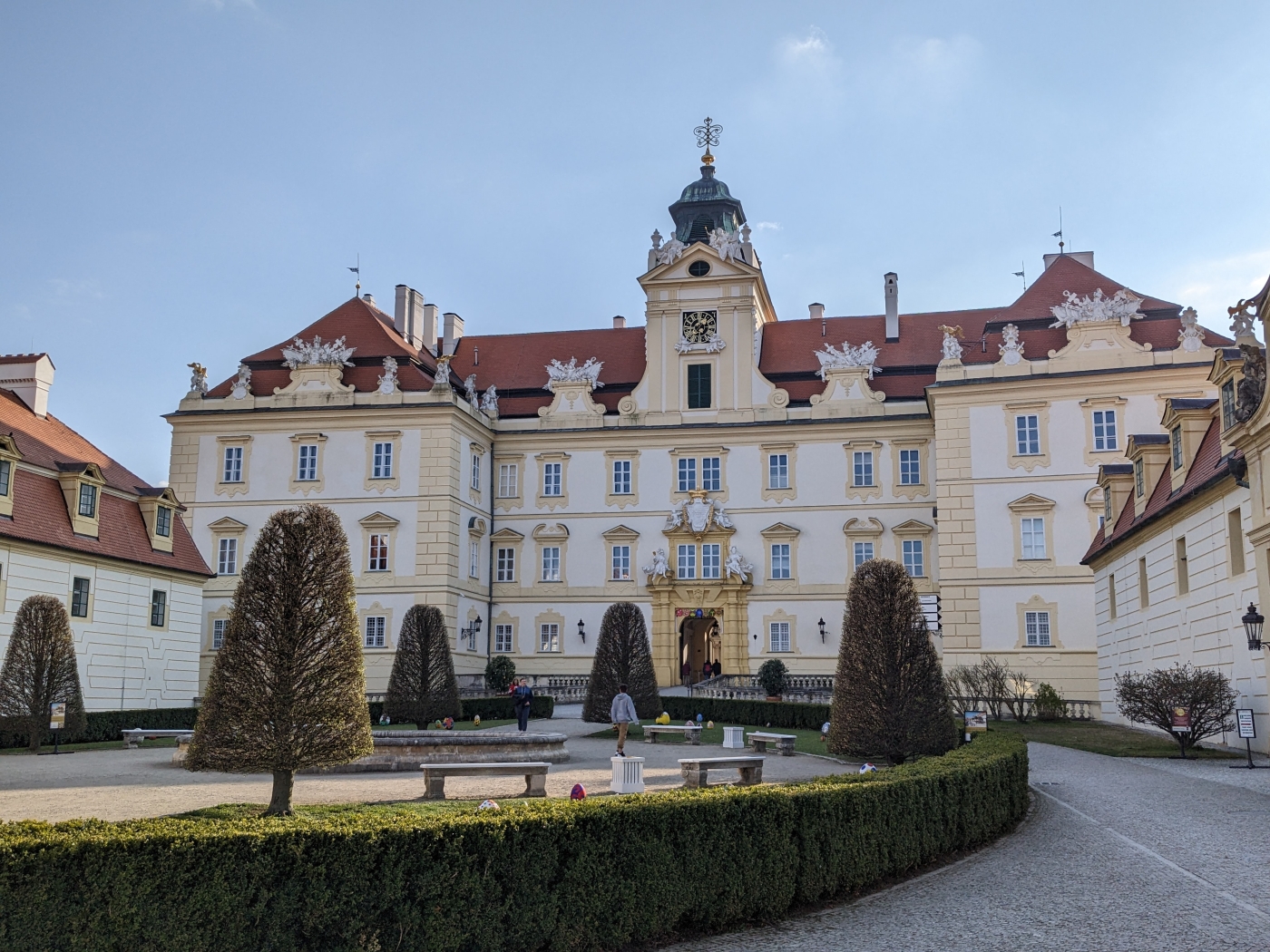
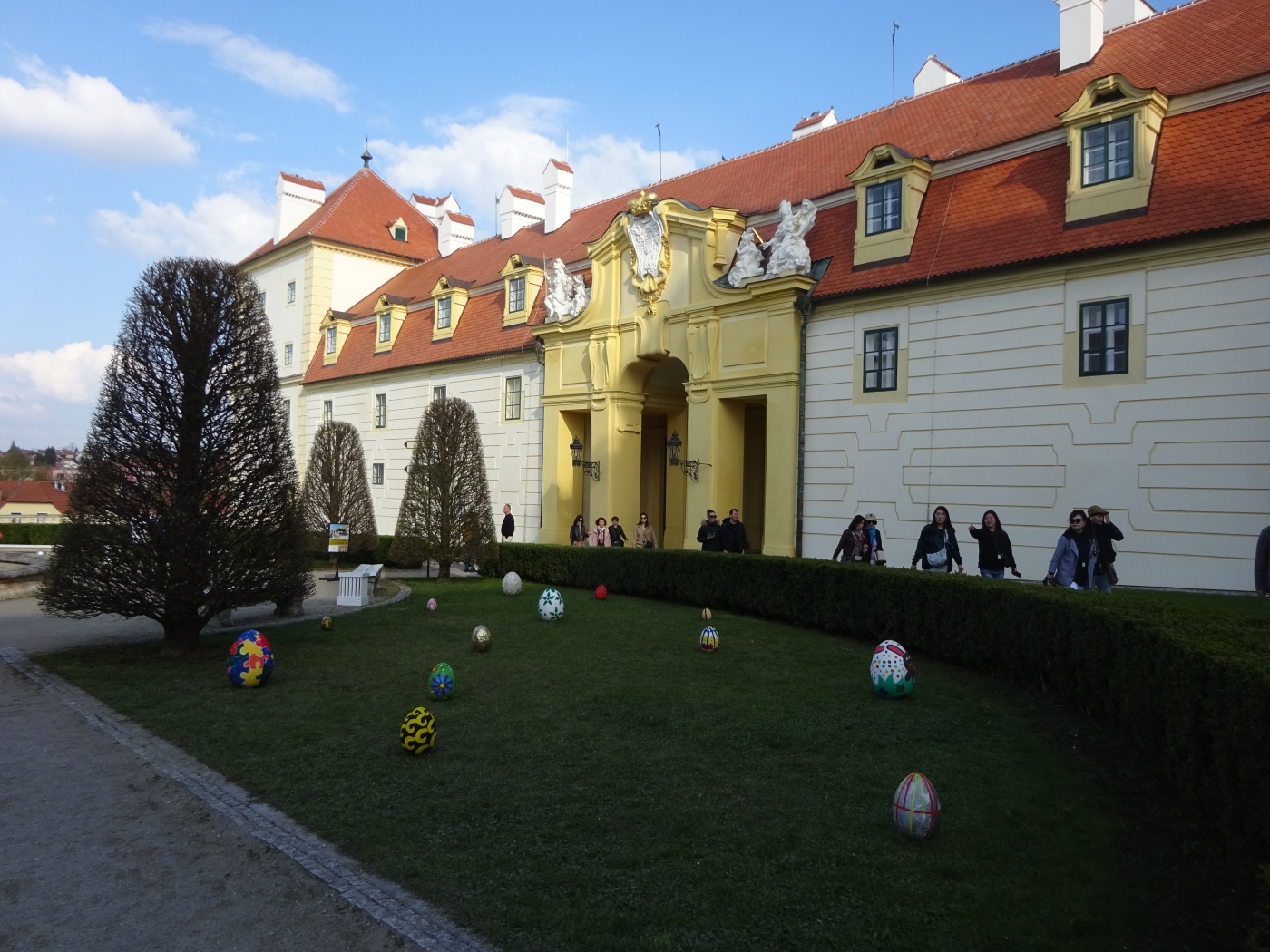
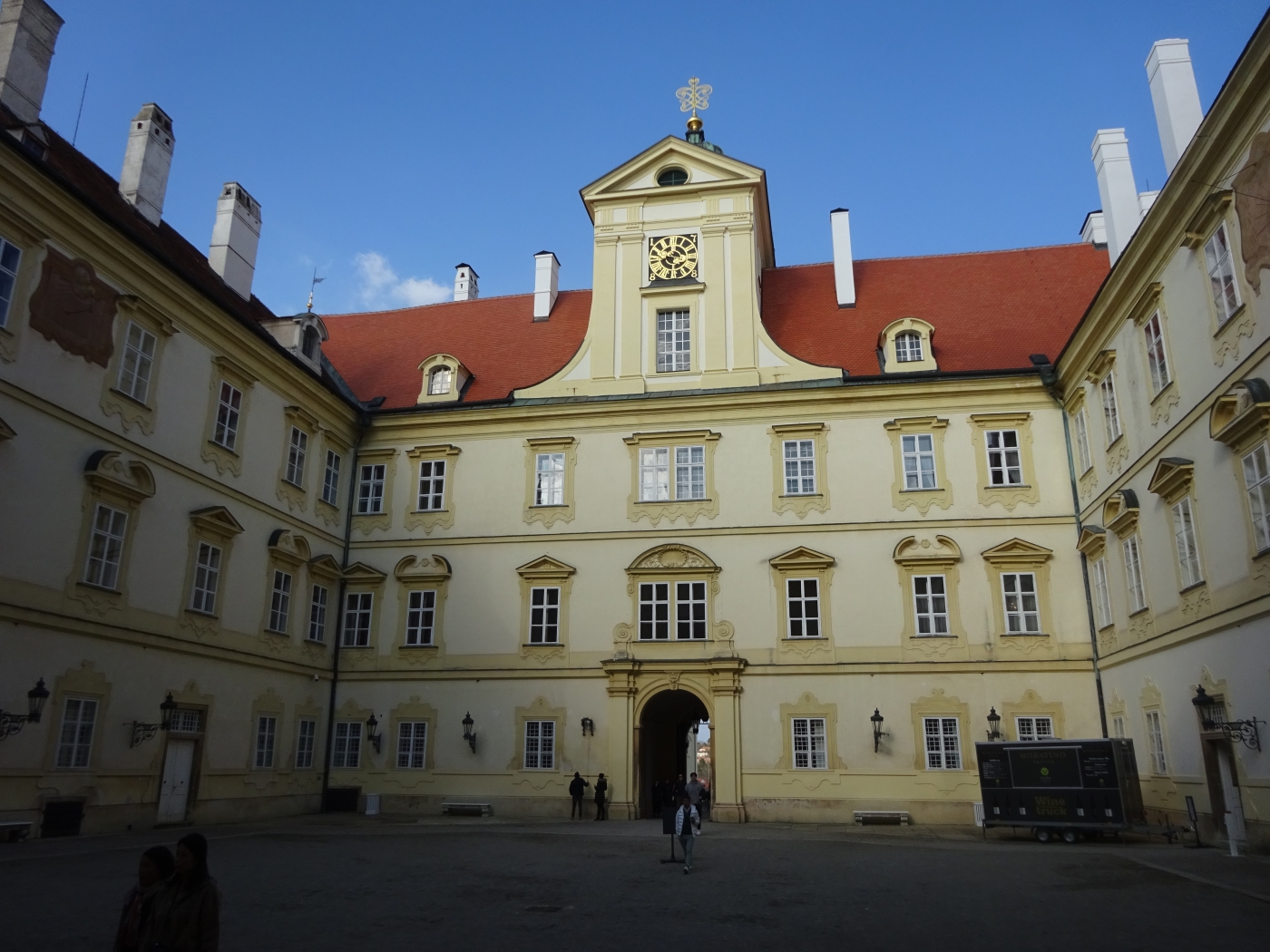
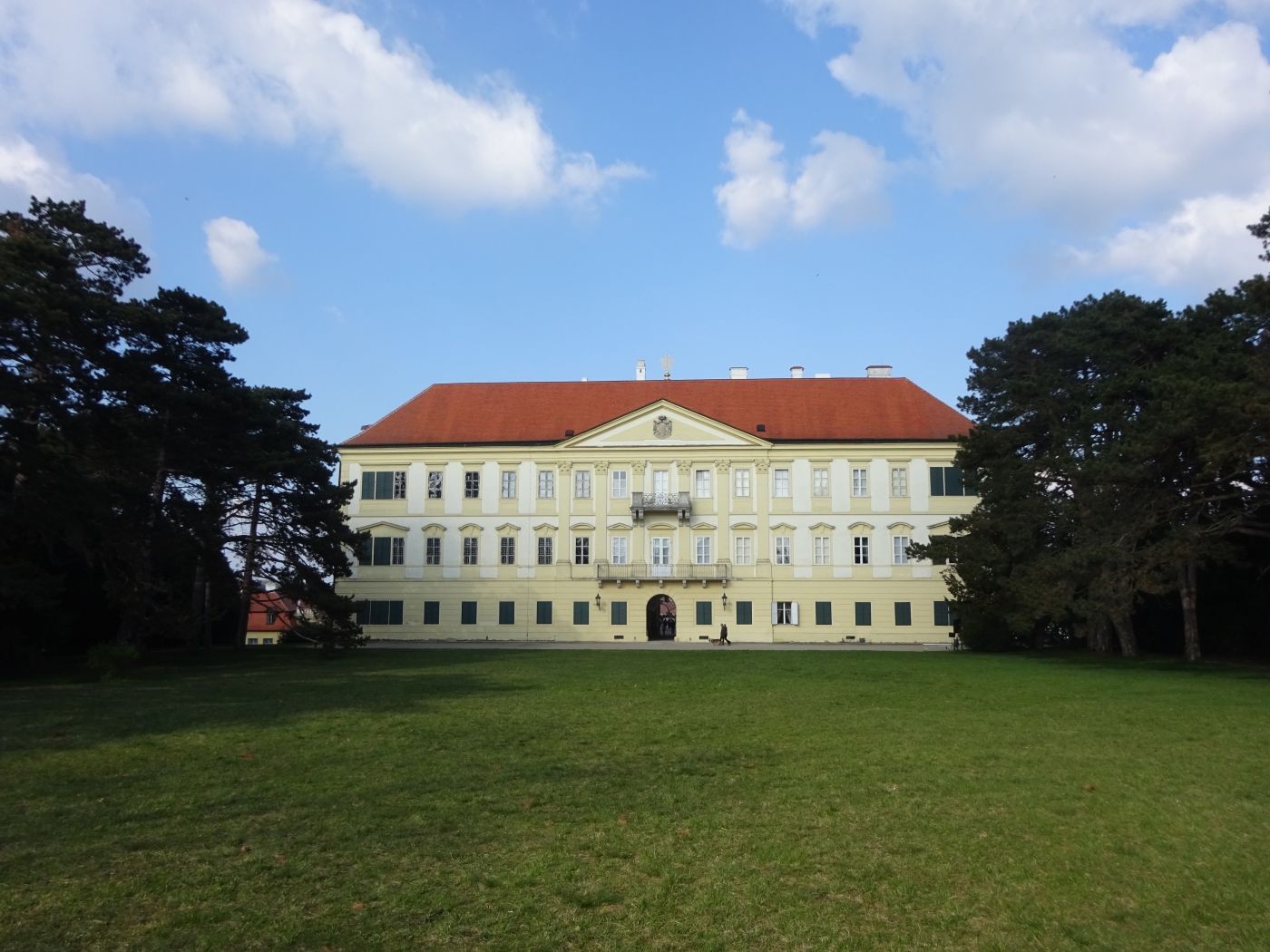
The magnificent Valtice Castle, nestled in South Moravia in the Czech Republic, is a radiant part of the Lednice-Valtice Cultural Landscape, a remarkable testament to human creativity and natural beauty designated as a UNESCO World Heritage Site. Once the primary residence of the powerful House of Liechtenstein, this architectural marvel embodies centuries of history and artistic ambition, transforming from a medieval stronghold into a splendid Baroque palace.
A Princely Seat
Originating as a Gothic castle in the 12th century, Valtice Castle's destiny became intrinsically linked with the Liechtenstein family, who acquired it in the late 14th century. Over centuries, particularly the 17th and 18th, the castle underwent a radical transformation. Architects like Johann Bernhard Fischer von Erlach and Domenico Martinelli were instrumental in shaping its current Baroque appearance, making it a fitting residence for one of Europe's wealthiest noble families. The family’s vast landholdings and political clout were proudly displayed through the castle’s grandeur.
Baroque Grandeur
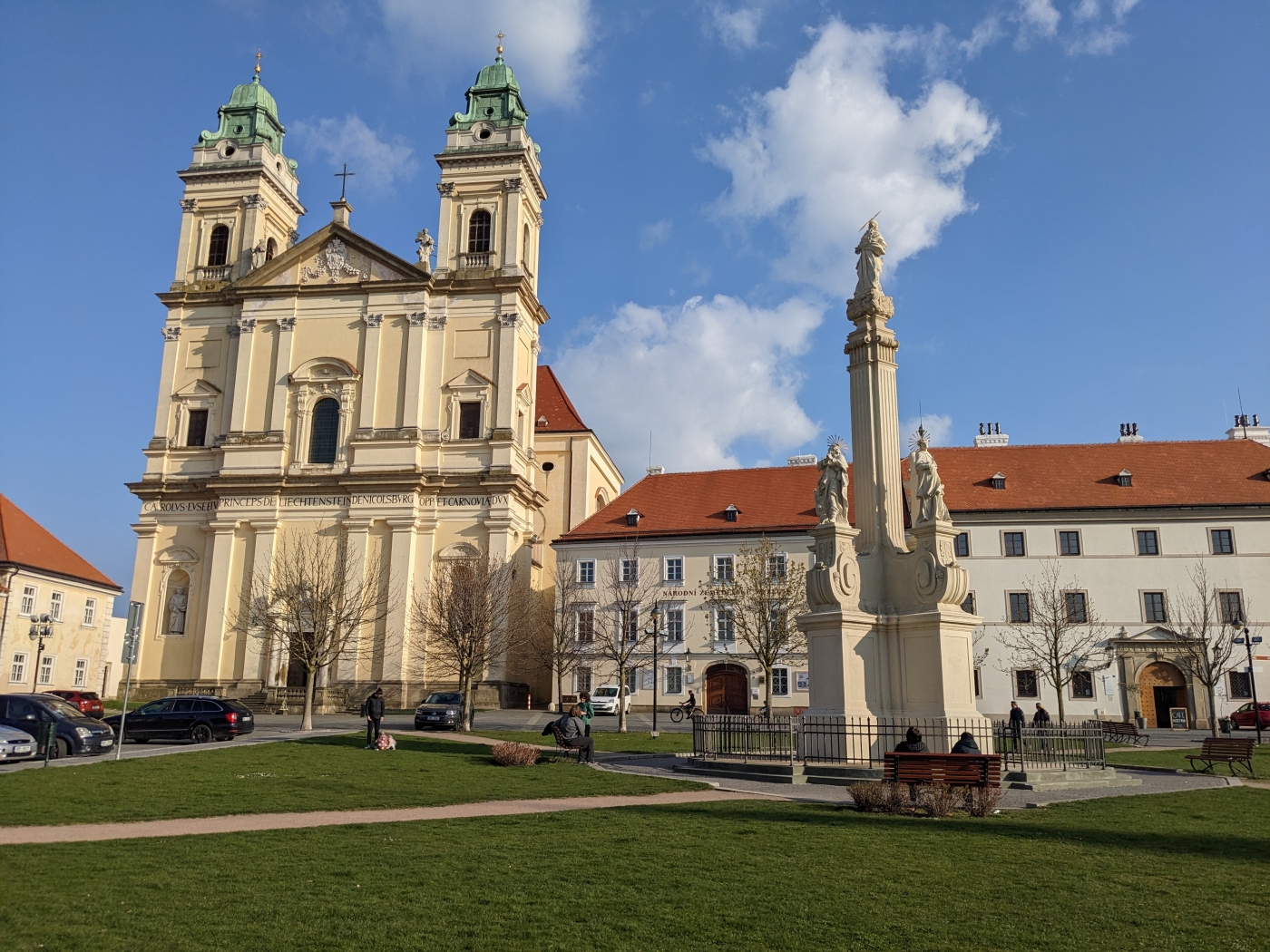
The complex today showcases opulent Baroque style, characterized by elaborate ornamentation and grand scale. Its impressive state rooms, the Chapel of the Assumption, and the splendid riding hall reflect the artistic and cultural zenith of the era. Beyond the main castle, the surrounding landscape was meticulously designed, integrating parks, gardens, and various follies that formed the larger Lednice-Valtice Cultural Landscape. This unique example of landscaped architecture served as a natural extension of the princely residence.
A Legacy Endures
After World War II, the Liechtenstein family's property was nationalized, and Valtice Castle became state-owned. Today, it is open to the public, allowing exploration of its rich interiors and storied past. The castle is also home to the prestigious National Wine Centre of the Czech Republic, continuing a tradition of viticulture thriving here for centuries. Its UNESCO World Heritage inclusion underscores its universal value as an outstanding example of Baroque architecture and landscape design, reflecting the enduring legacy of the Liechtenstein dynasty and their artistic achievements.
Further Links
Between the 17th and 20th centuries, the ruling dukes of Liechtenstein transformed their domains in southern Moravia into a striking landscape. It married Baroque architecture (mainly the work of Johann Bernhard Fischer von Erlach) and the classical and neo-Gothic style of the castles of Lednice and Valtice with countryside fashioned according to English romantic principles of landscape architecture. At 200 km2 , it is one of the largest artificial landscapes in Europe.
Valtice (Czech pronunciation: [ˈvalcɪtsɛ]; German: Feldsberg) is a town in Břeclav District in the South Moravian Region of the Czech Republic. It has about 3,600 inhabitants. It is known as part of Lednice–Valtice Cultural Landscape, a UNESCO World Heritage Site. The historic town centre is well preserved and is protected as an urban monument zone.
The Lednice–Valtice Cultural Landscape (also Lednice–Valtice Area or Lednice–Valtice Complex, Czech: Lednicko-valtický areál) is a cultural-natural landscape complex of 283.09 square kilometres (109.30 sq mi) in the South Moravian Region of the Czech Republic. It comprises the municipalities of Lednice, Valtice and Hlohovec, and the rural area of Břeclav.
In 1996, the Lednice-Valtice Area was registered on the UNESCO World Heritage List because of its unique mix of Baroque, Neoclassical, and neo-Gothic architecture, and its history as a cultural landscape designed intentionally by a single family. It is adjacent to the Pálava Landscape Protected Area (Pálava Biosphere Reserve), a biosphere reserve registered by UNESCO several years before. The close proximity of two cultural landscapes protected by UNESCO is unique.