Giza pyramid complex - Memphis and its Necropolis – the Pyramid Fields from Giza to Dahshur
Gizeh, Egypt
22.10.2023

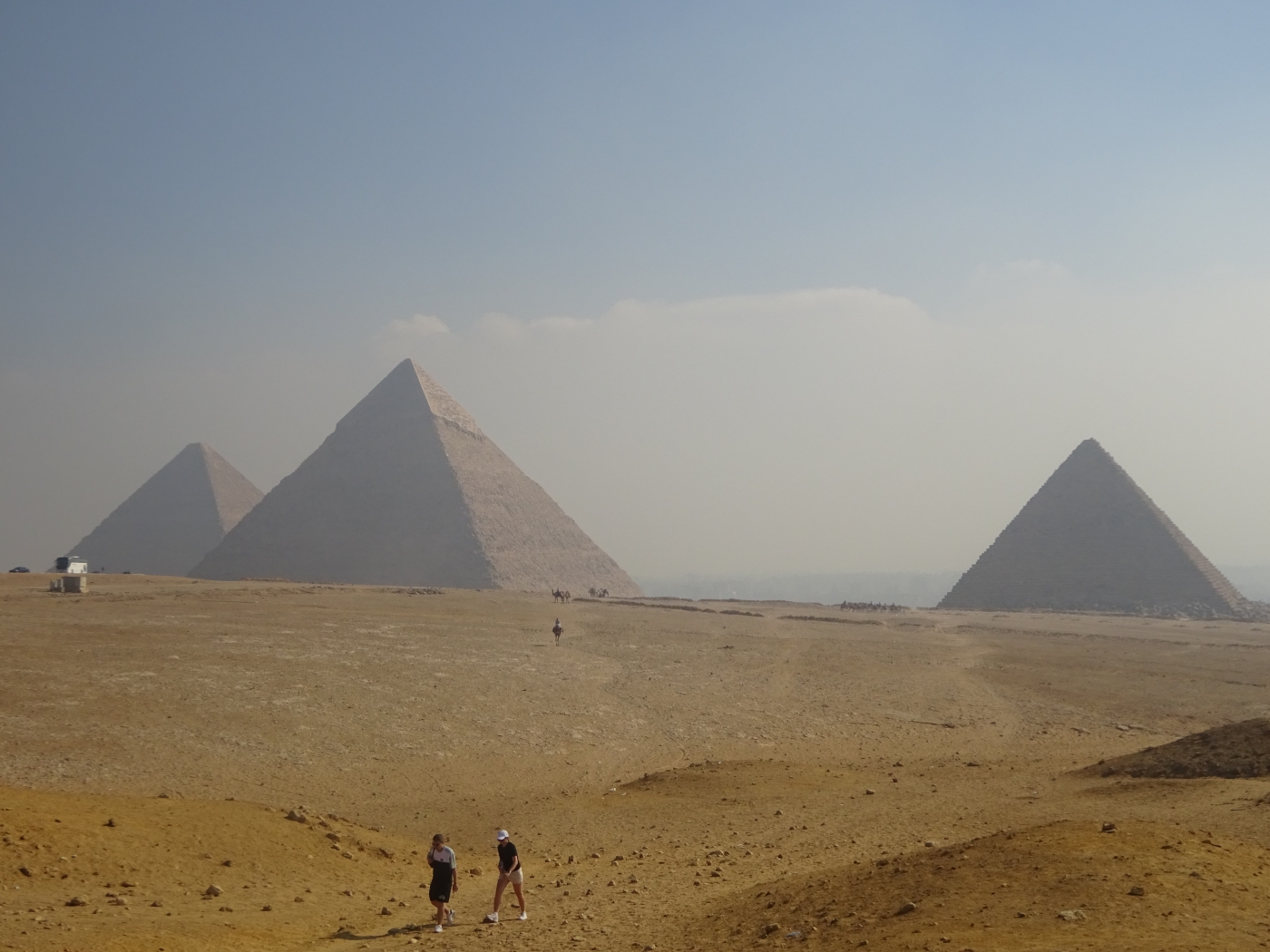
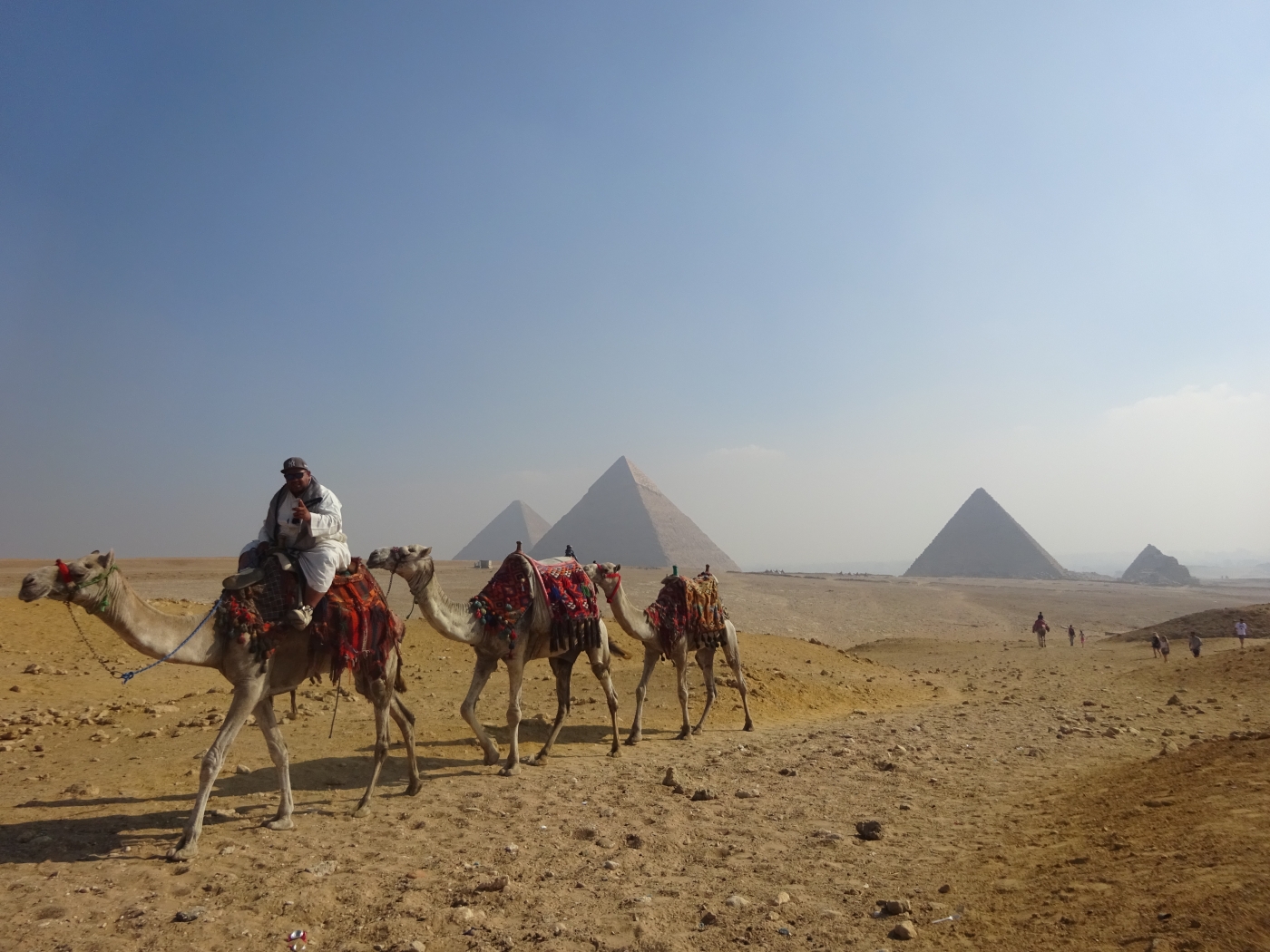
The UNESCO World Heritage site known as the Pyramids of Giza, located on the Giza Plateau near modern-day Cairo, Egypt, stands as an enduring symbol of ancient Egyptian civilization. These monumental structures, primarily constructed during the Fourth Dynasty of the Old Kingdom (circa 2580–2560 BC), served as elaborate tombs for powerful pharaohs, facilitating their journey into the afterlife.
A Testament to Ancient Ingenuity
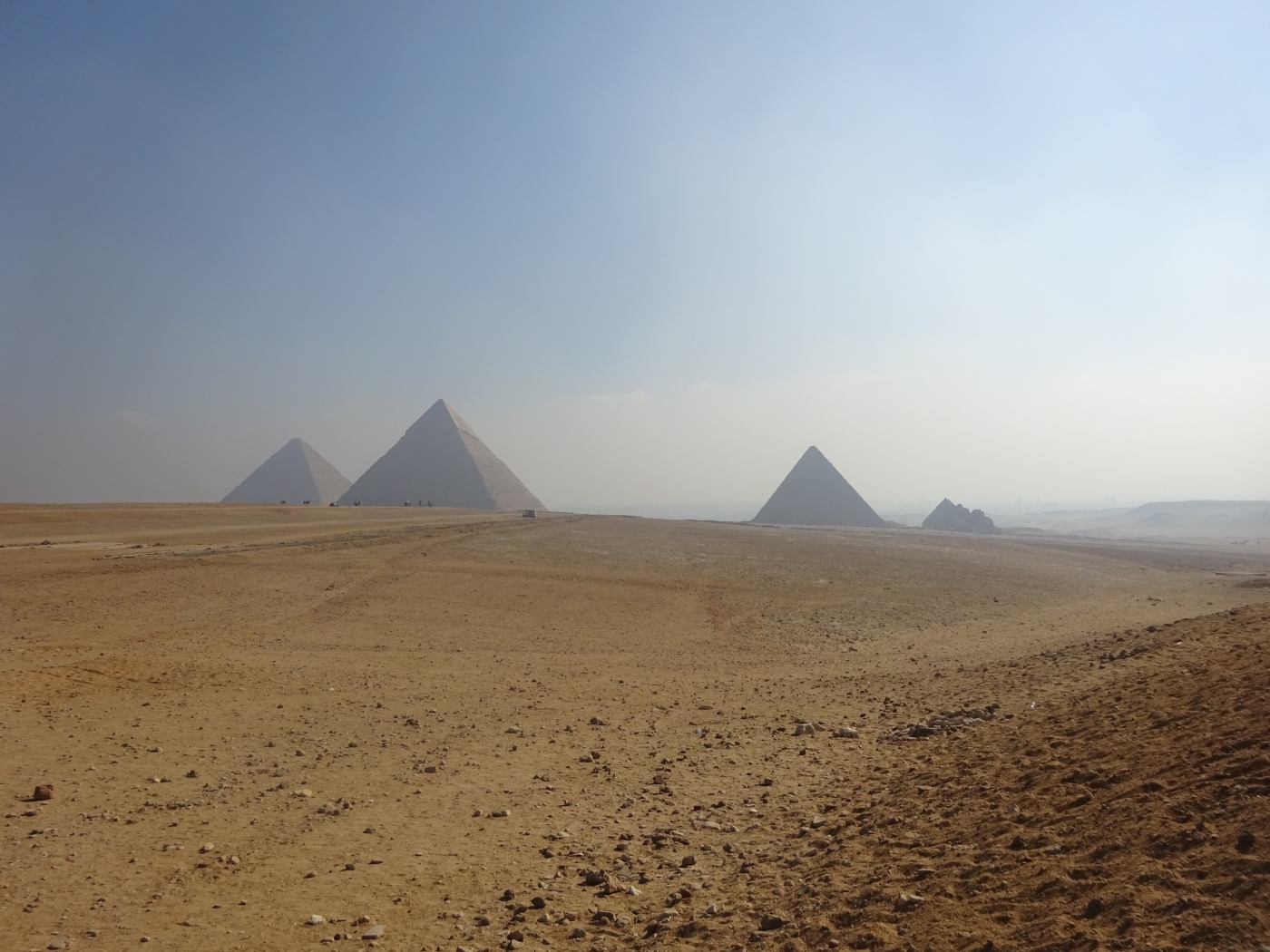
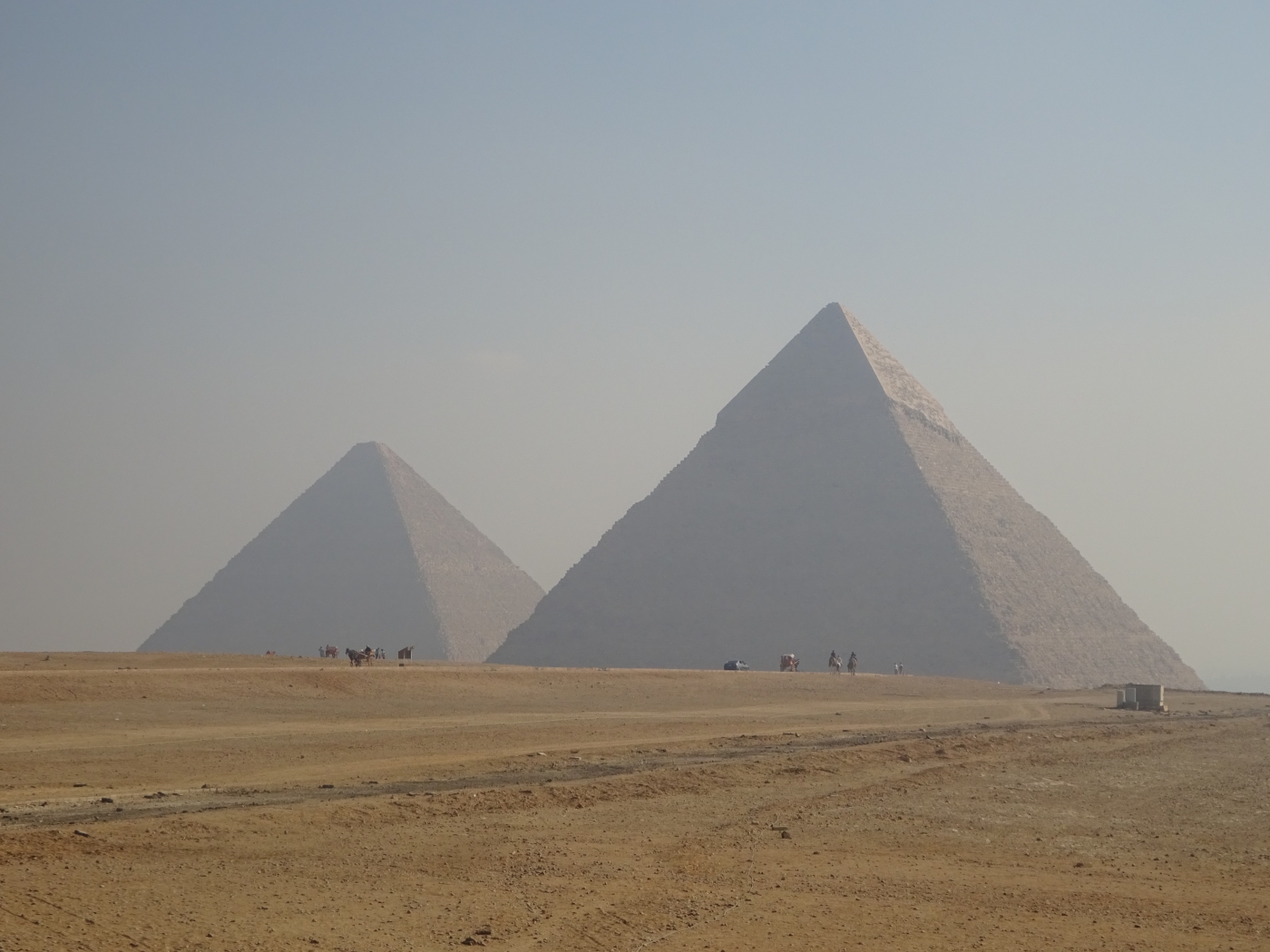
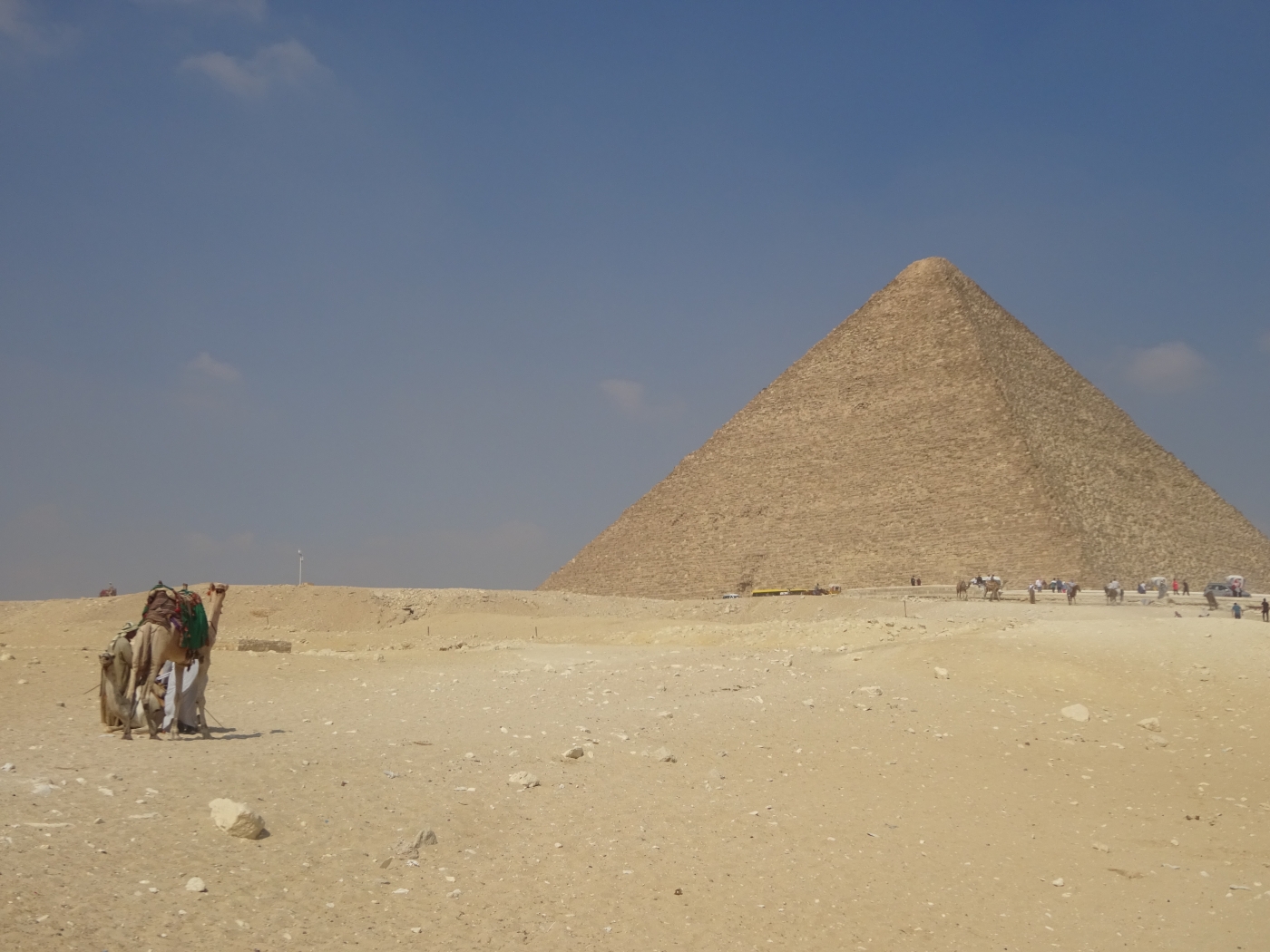
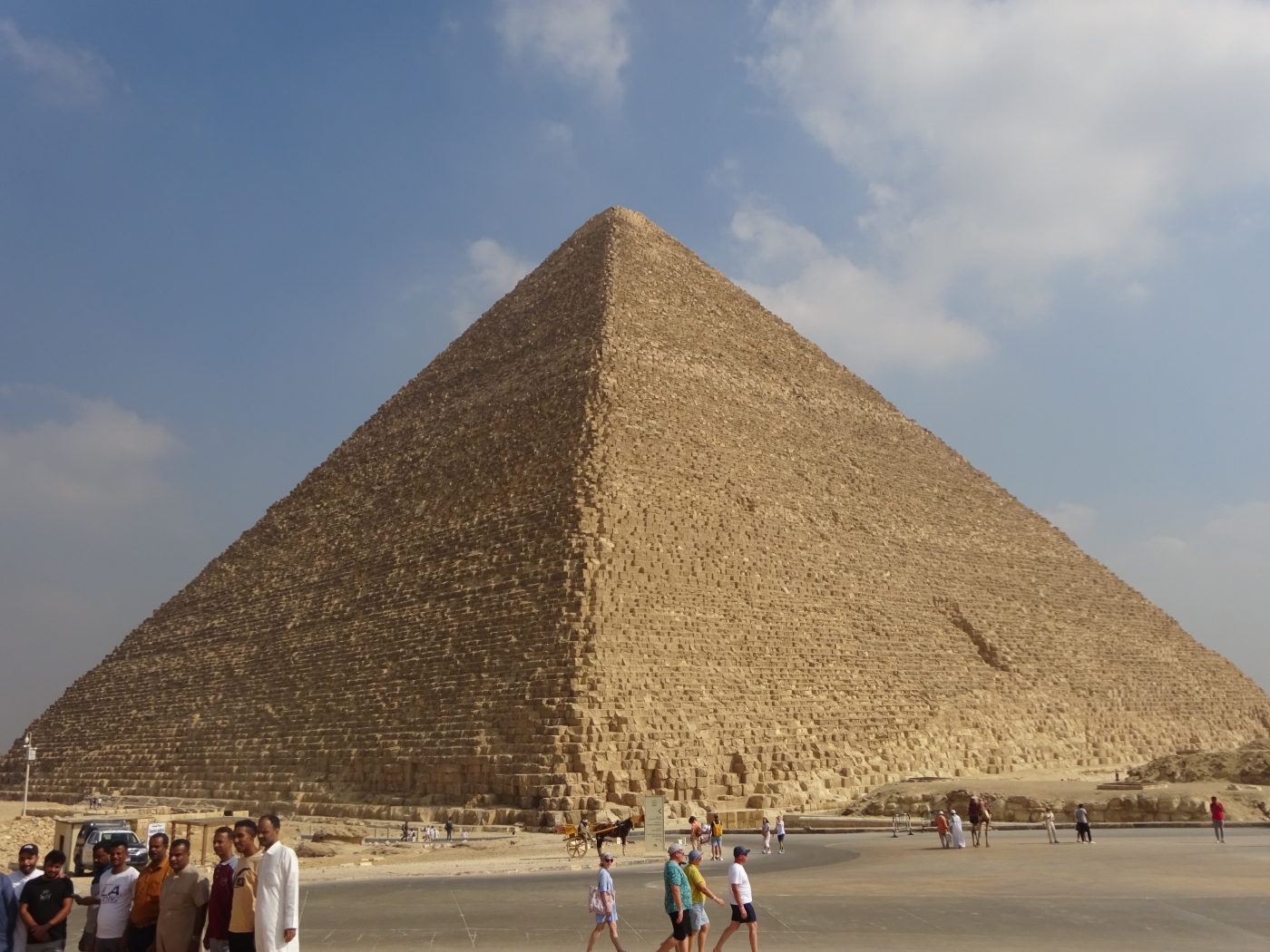
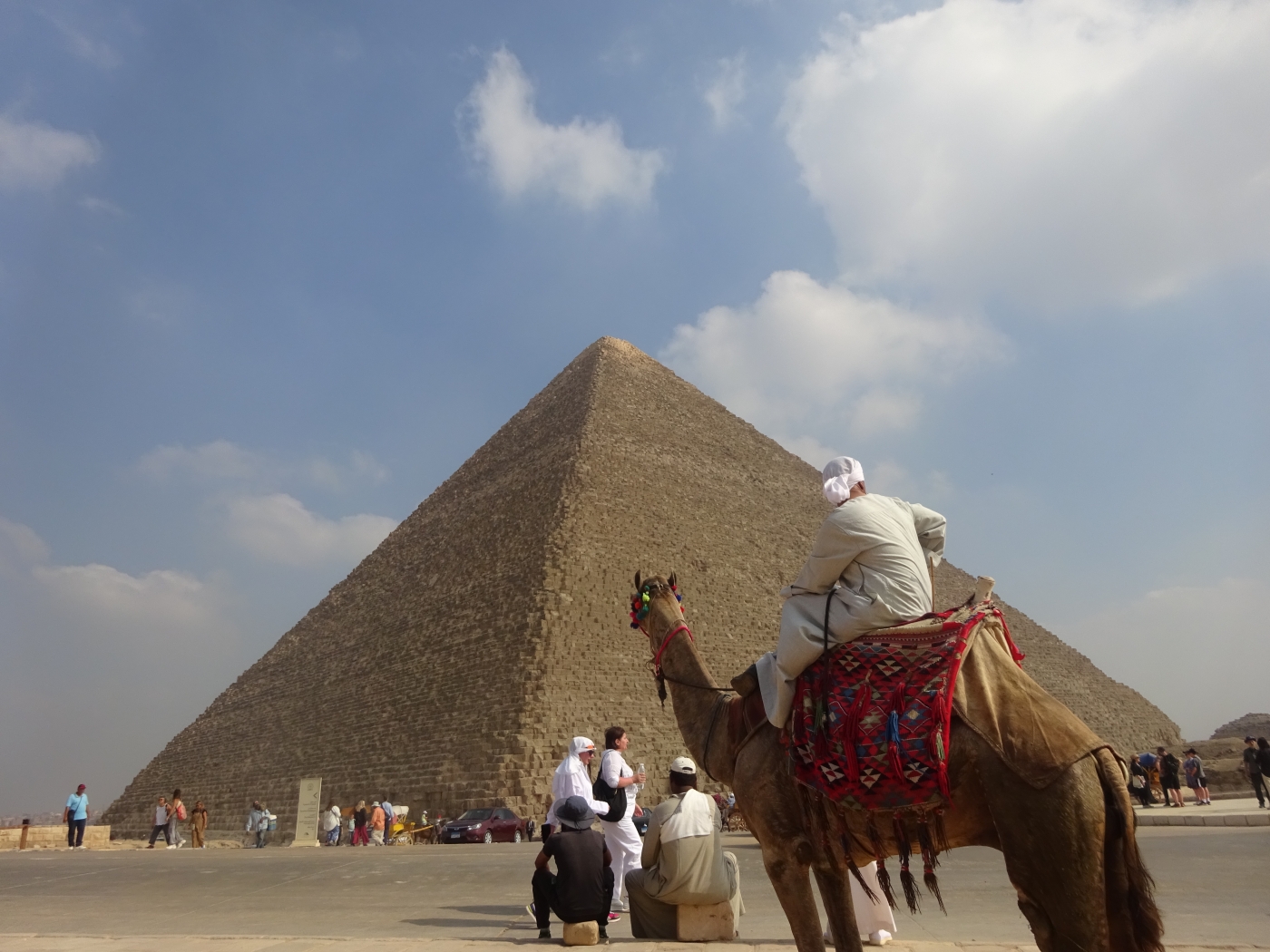
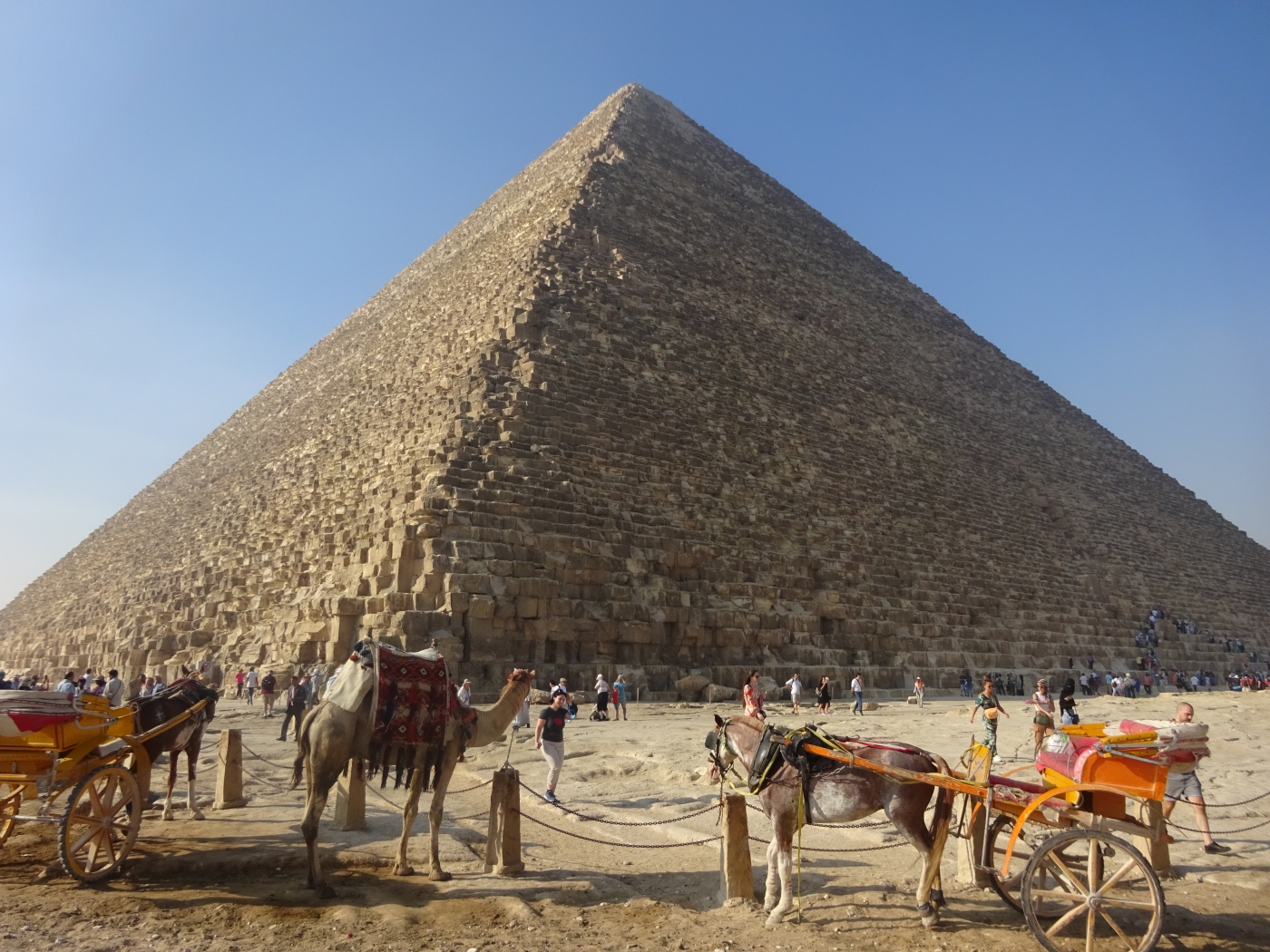
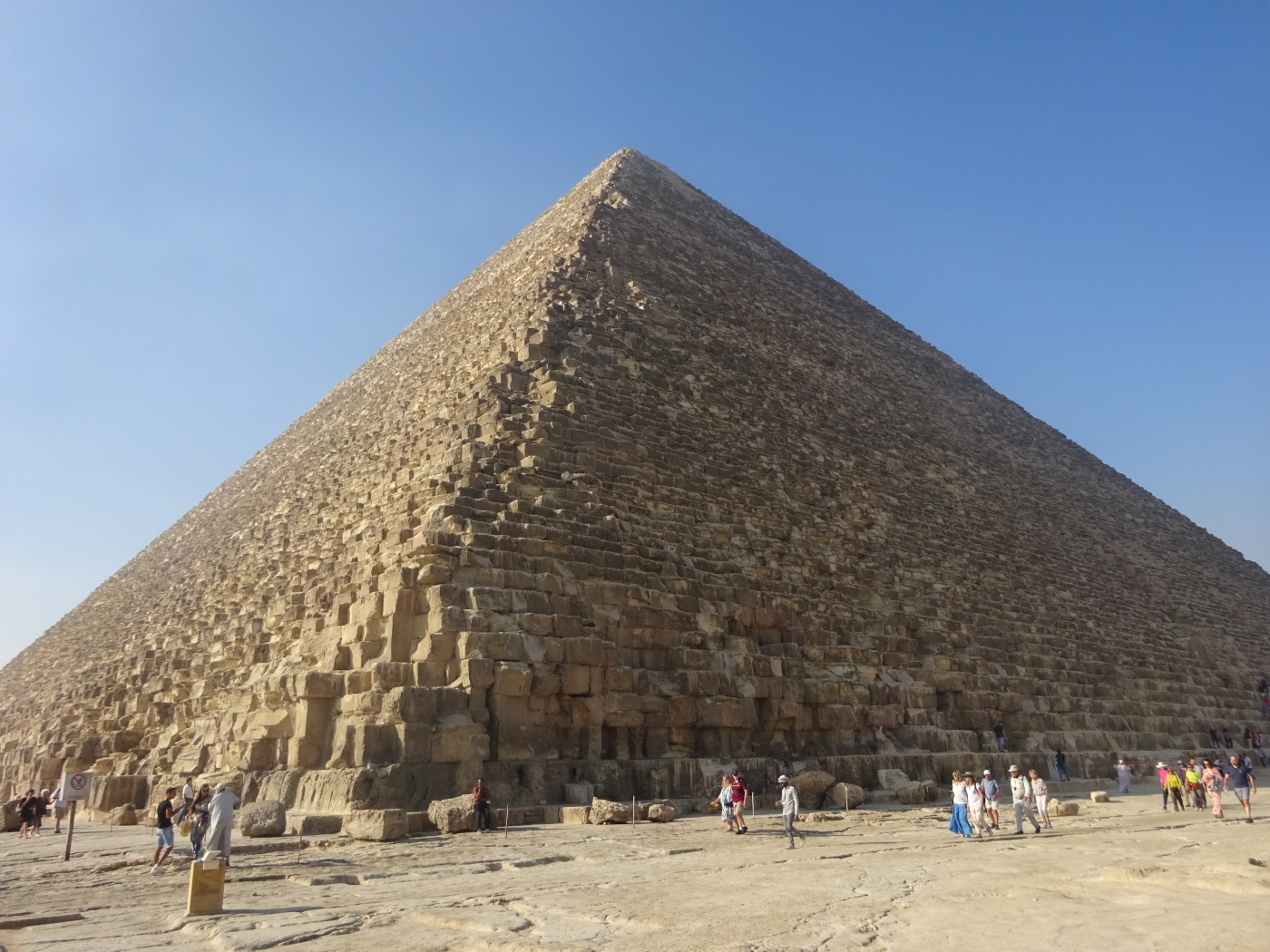
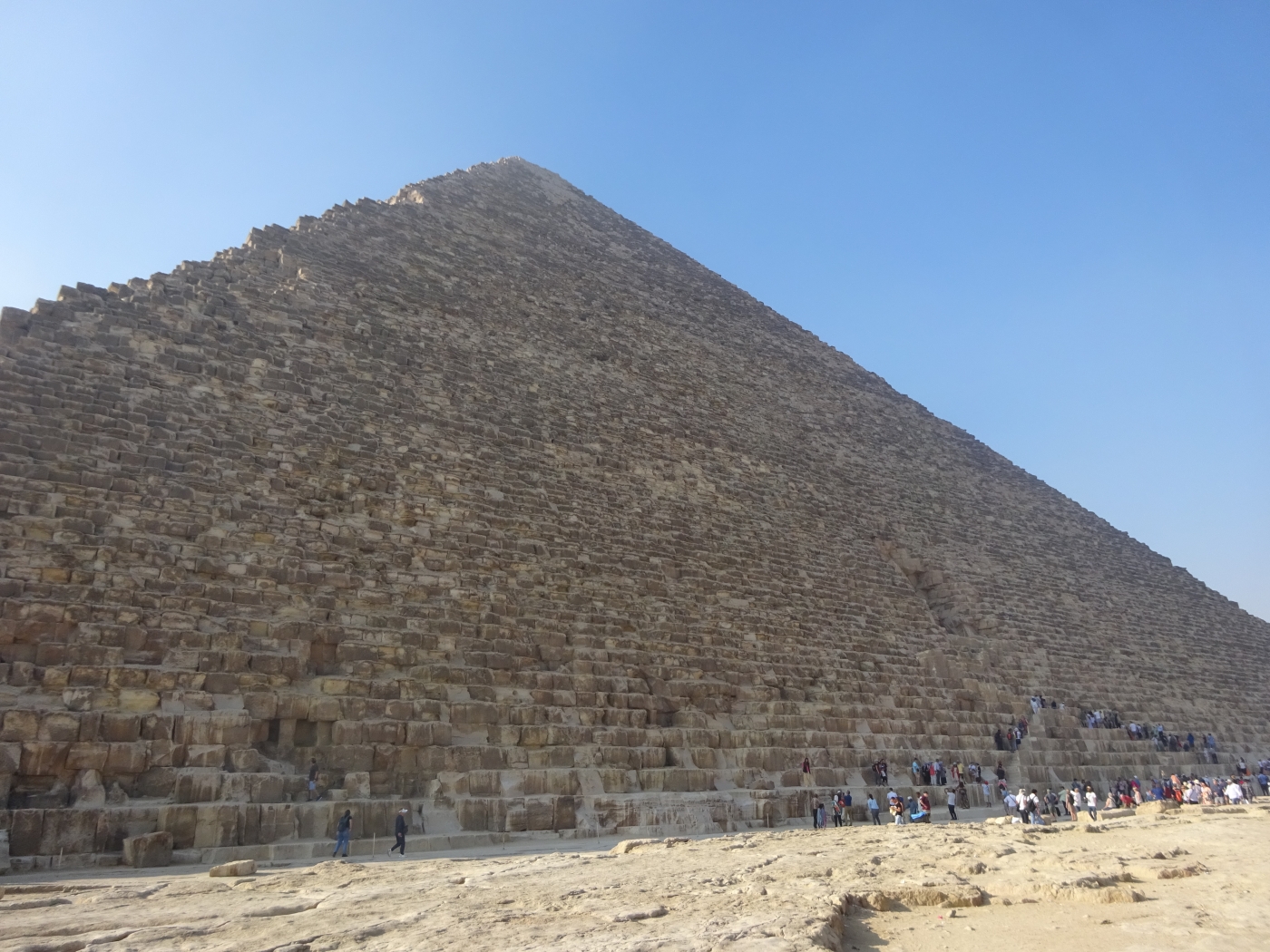
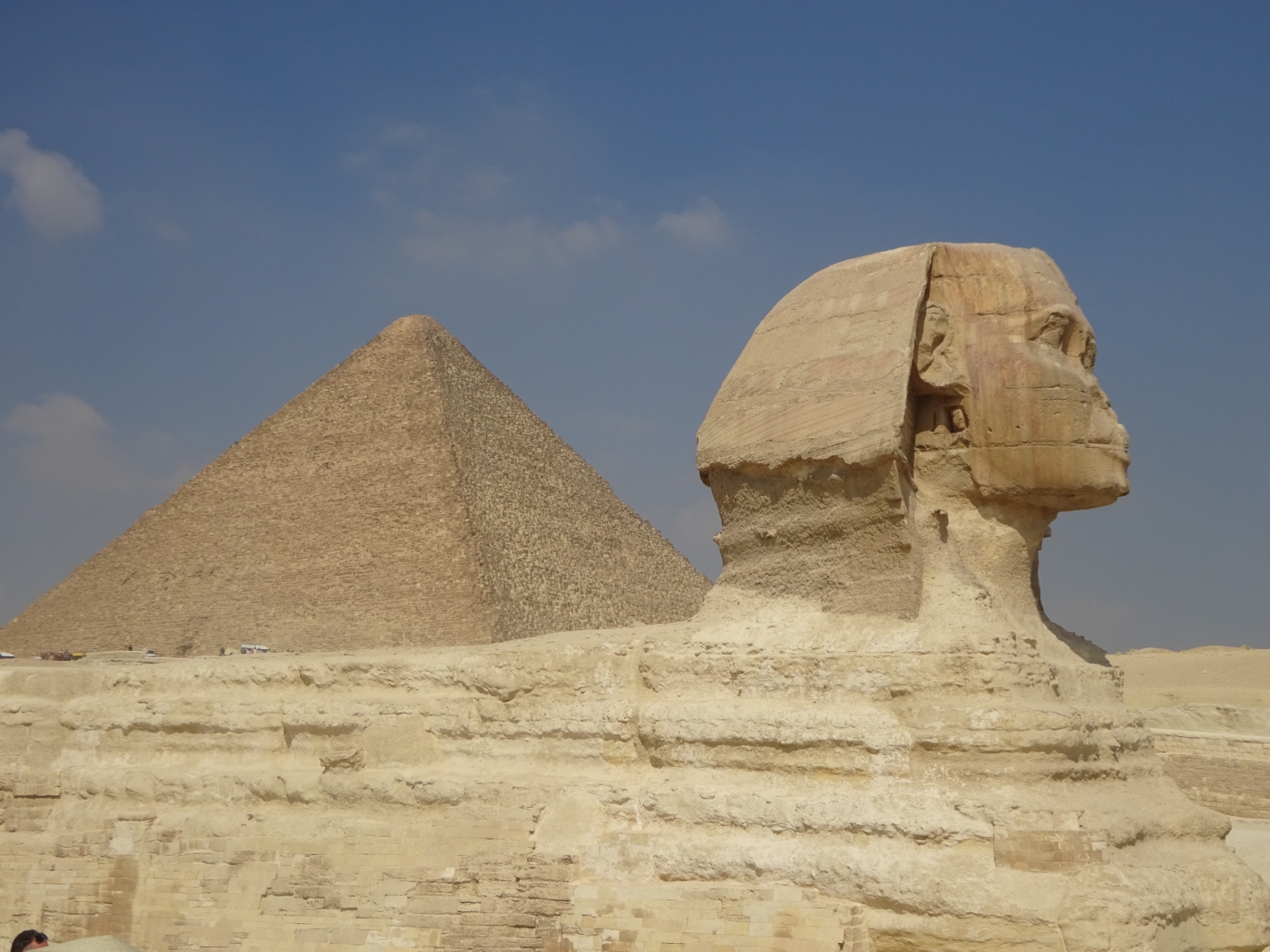
Dominating the landscape is the Great Pyramid of Giza, also known as the Pyramid of Khufu or Pyramid of Cheops. This colossal structure, built for Pharaoh Khufu, is the only one of the original Seven Wonders of the Ancient World still largely intact. It held the record as the world's tallest man-made structure for over 3,800 years, a marvel of ancient engineering involving millions of precisely cut stone blocks.
The Pharaohs' Eternal Resting Places
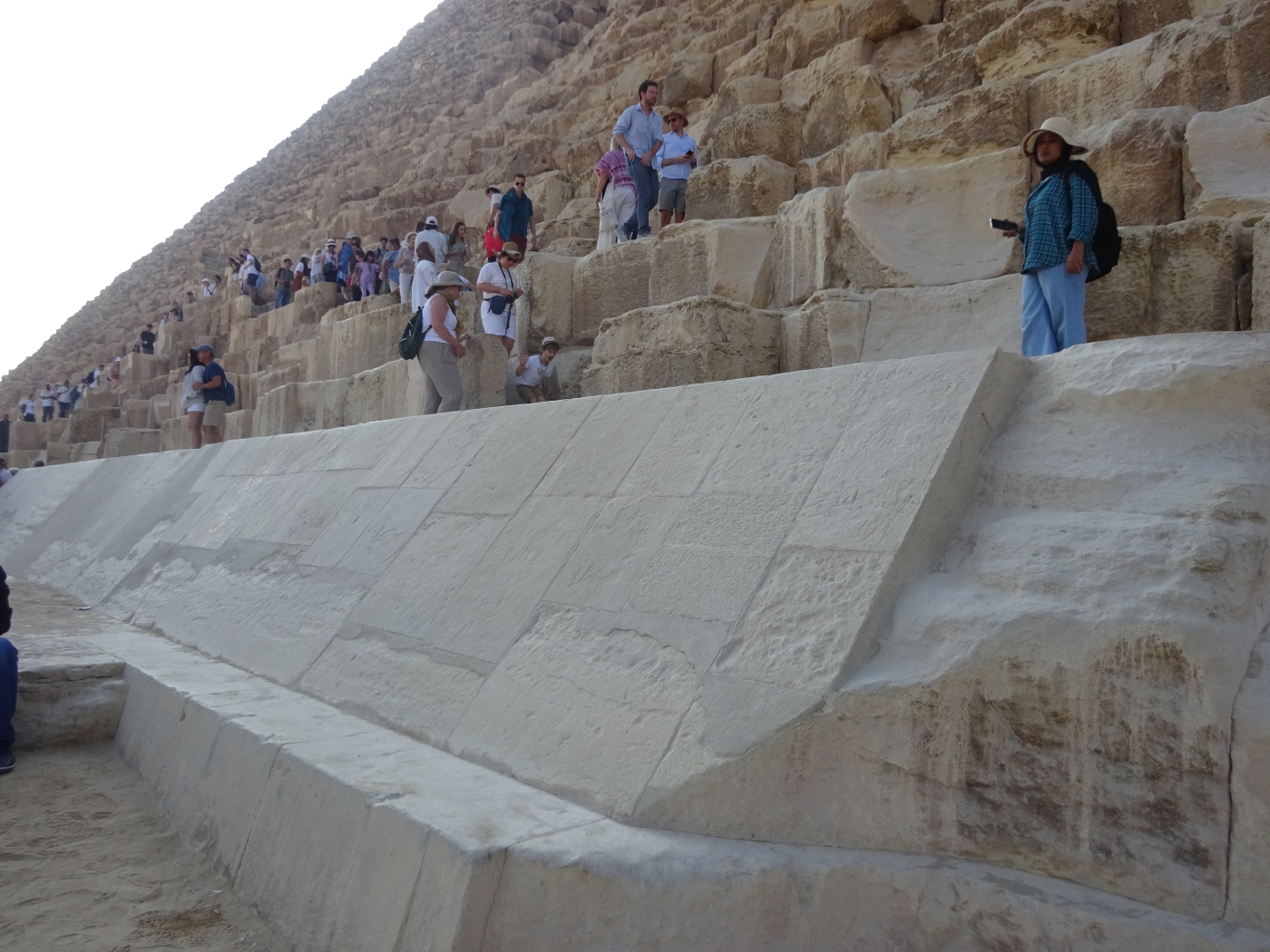
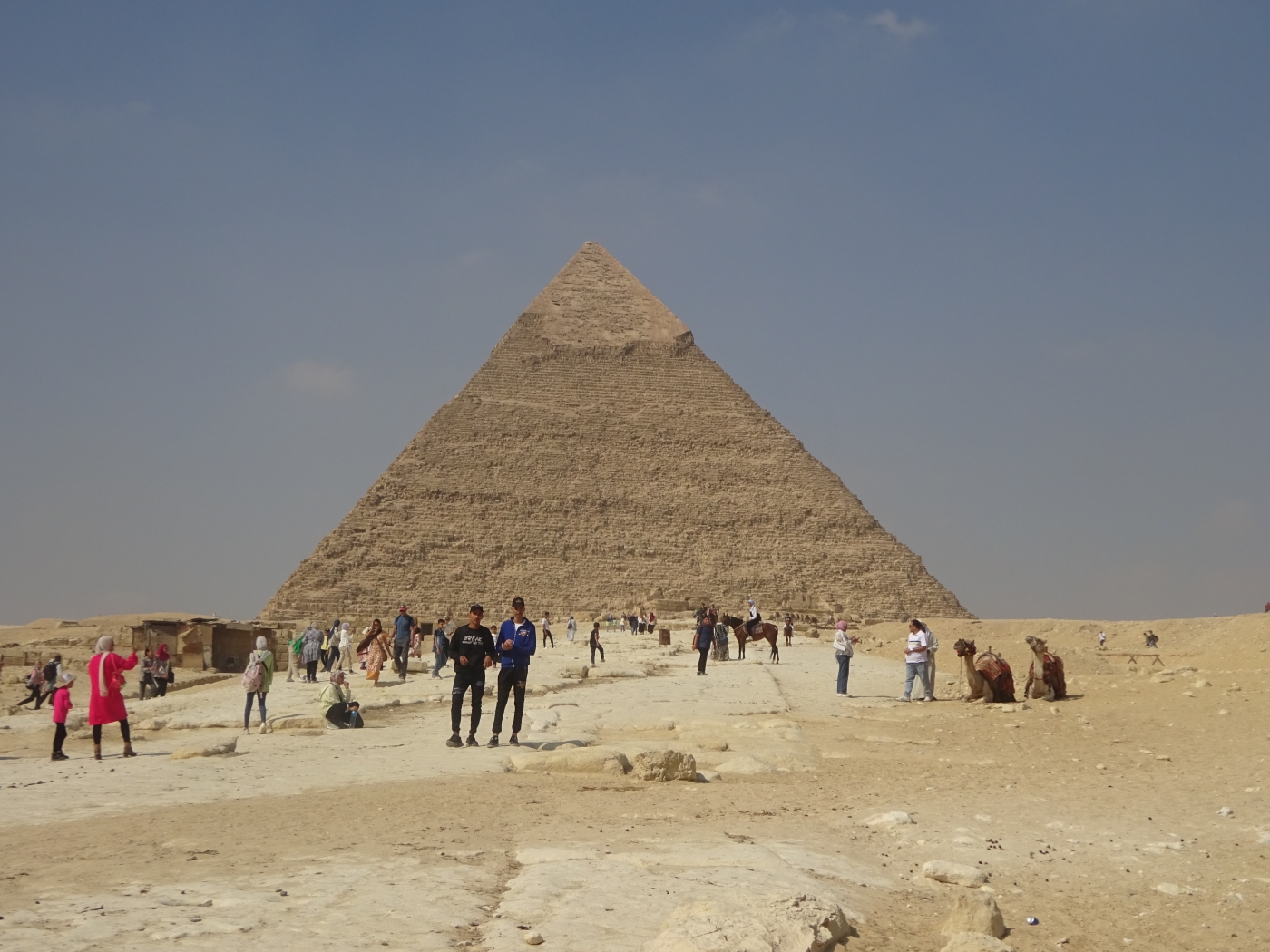
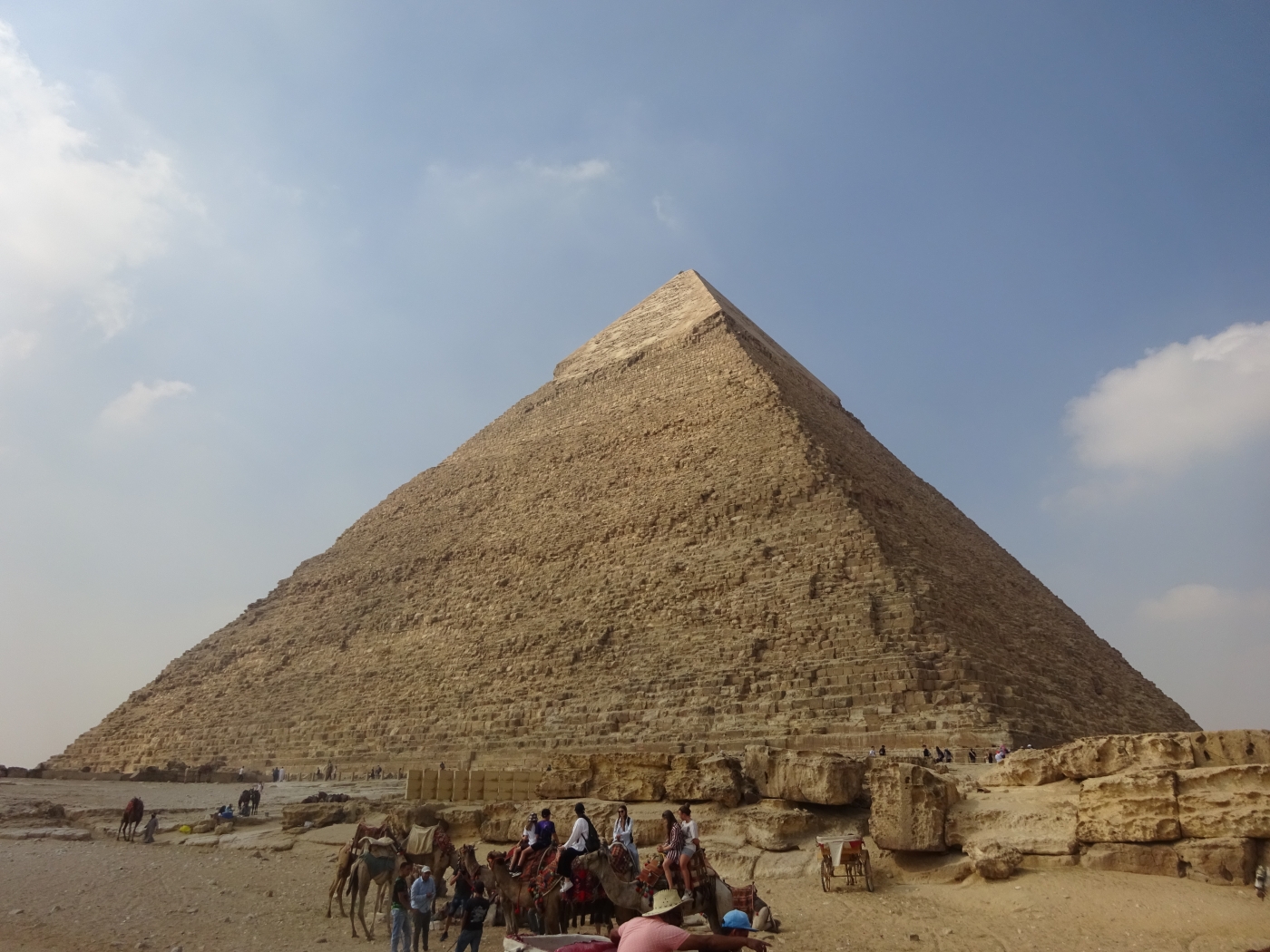
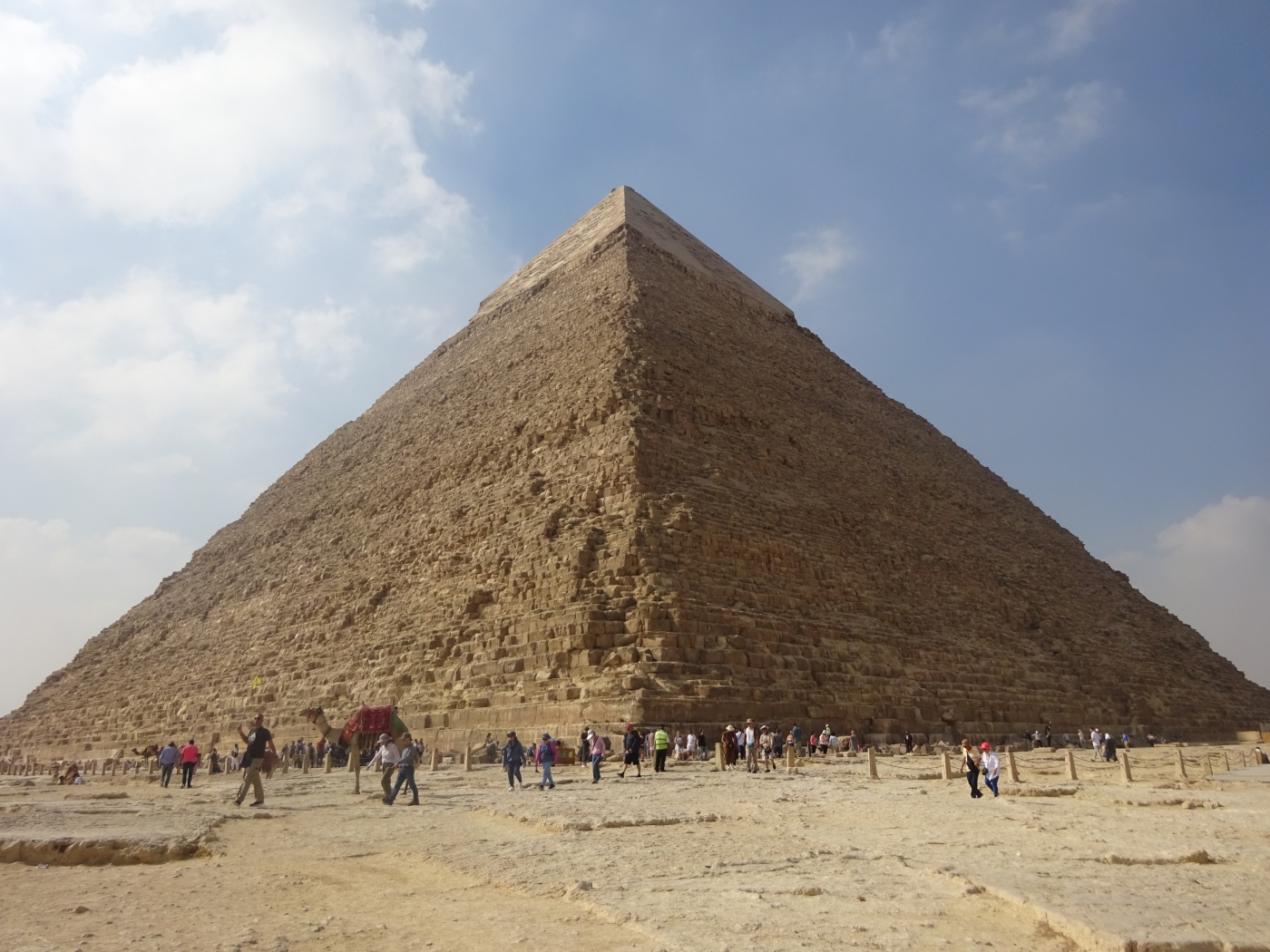
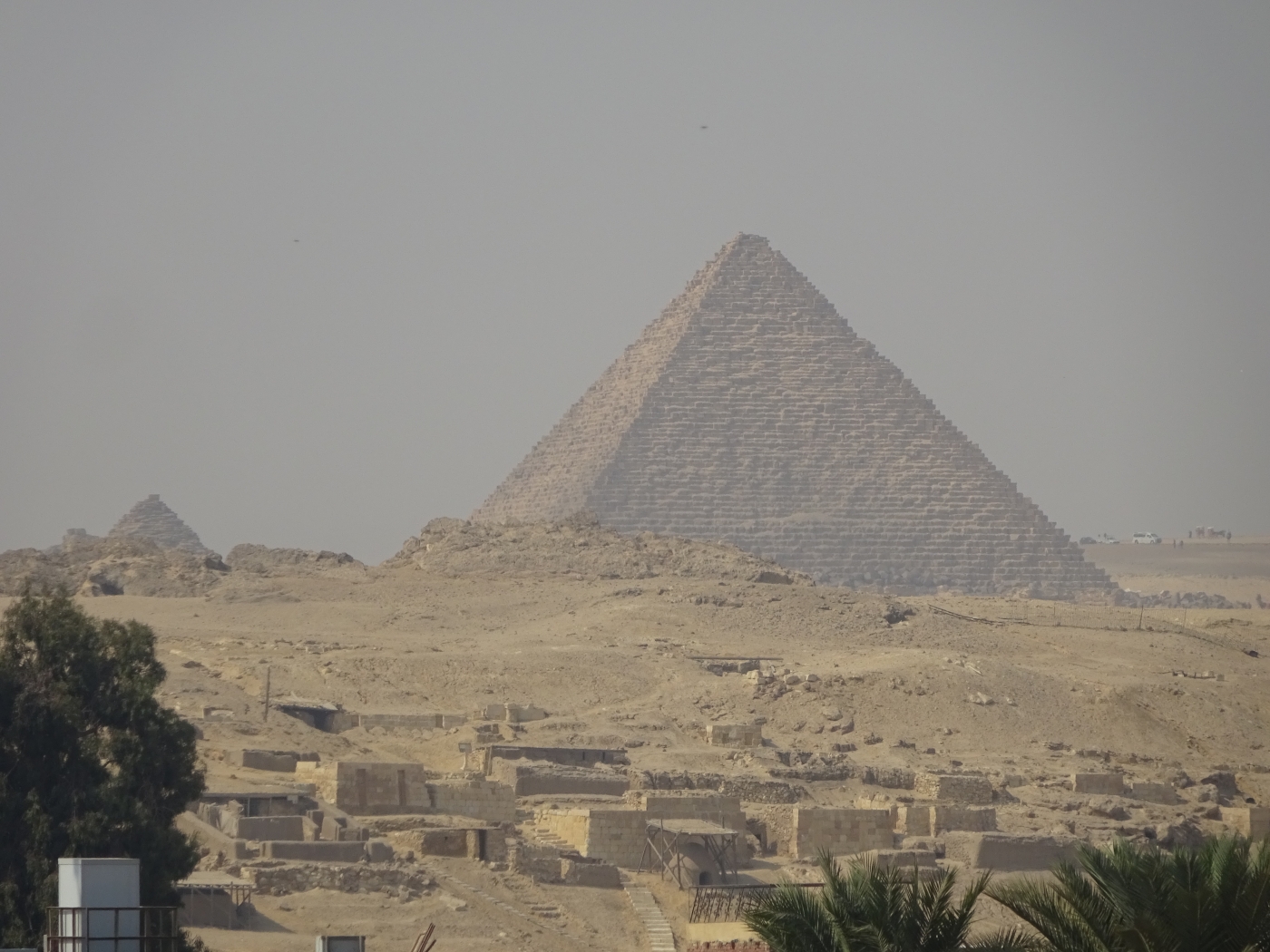
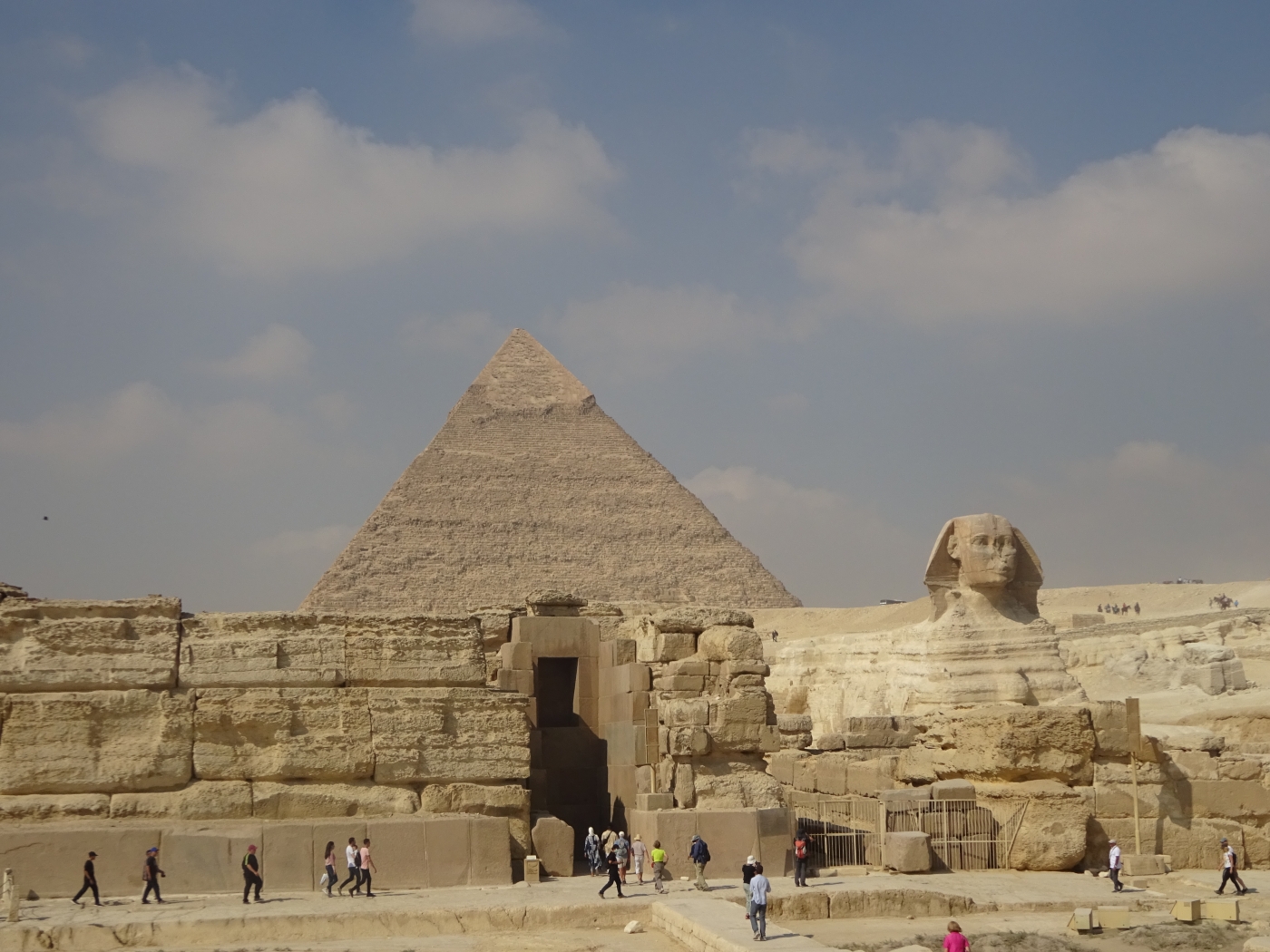
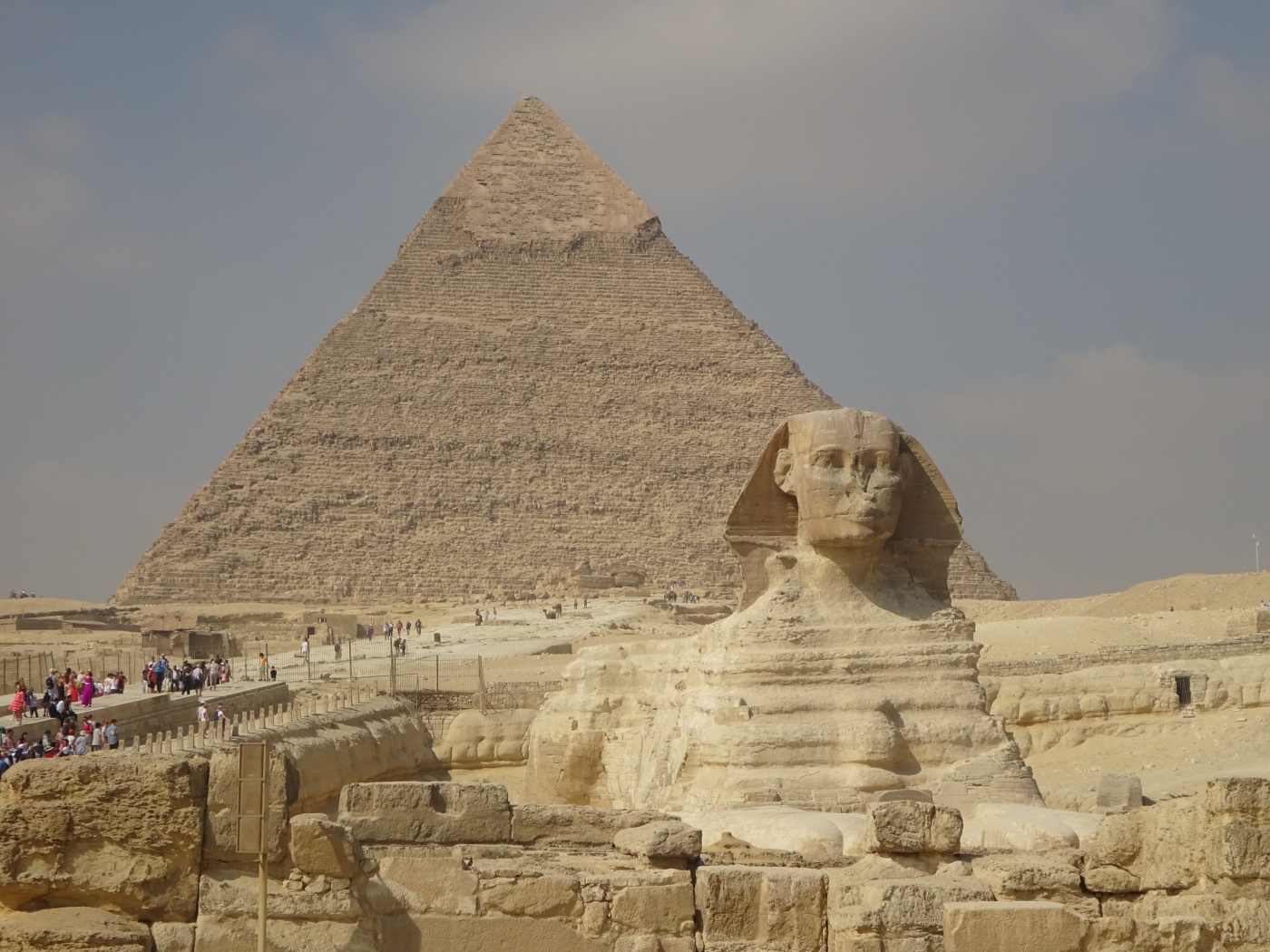
Adjacent are the Pyramid of Khafre and the Pyramid of Menkaure. The Pyramid of Khafre, for Khufu's son, Pharaoh Khafre, appears nearly as tall due to its higher elevation and retains some original casing stones. The smallest, the Pyramid of Menkaure, for Khafre's son, Pharaoh Menkaure, originally featured a red granite casing on its lower sections.
The Enigmatic Guardian
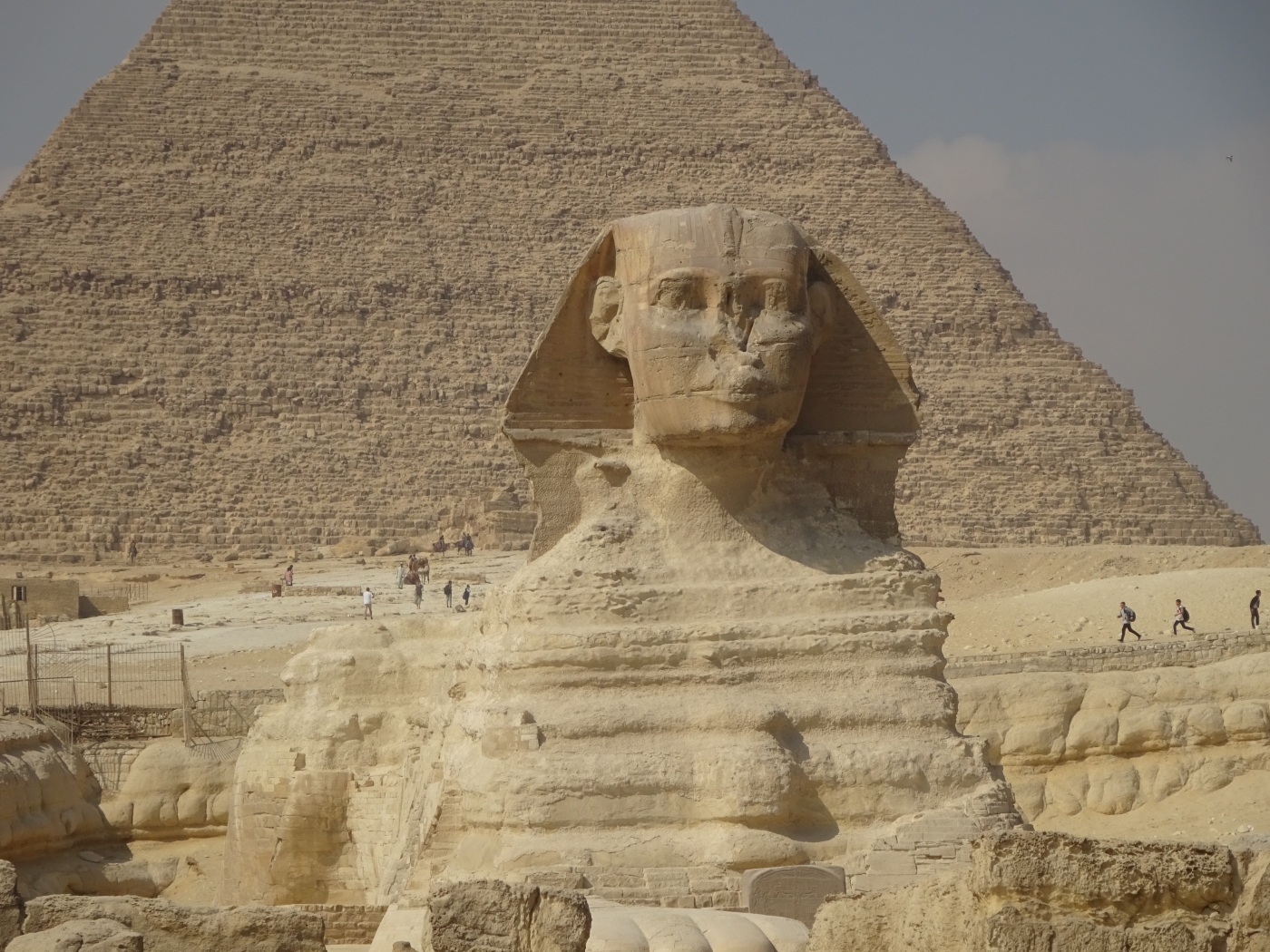
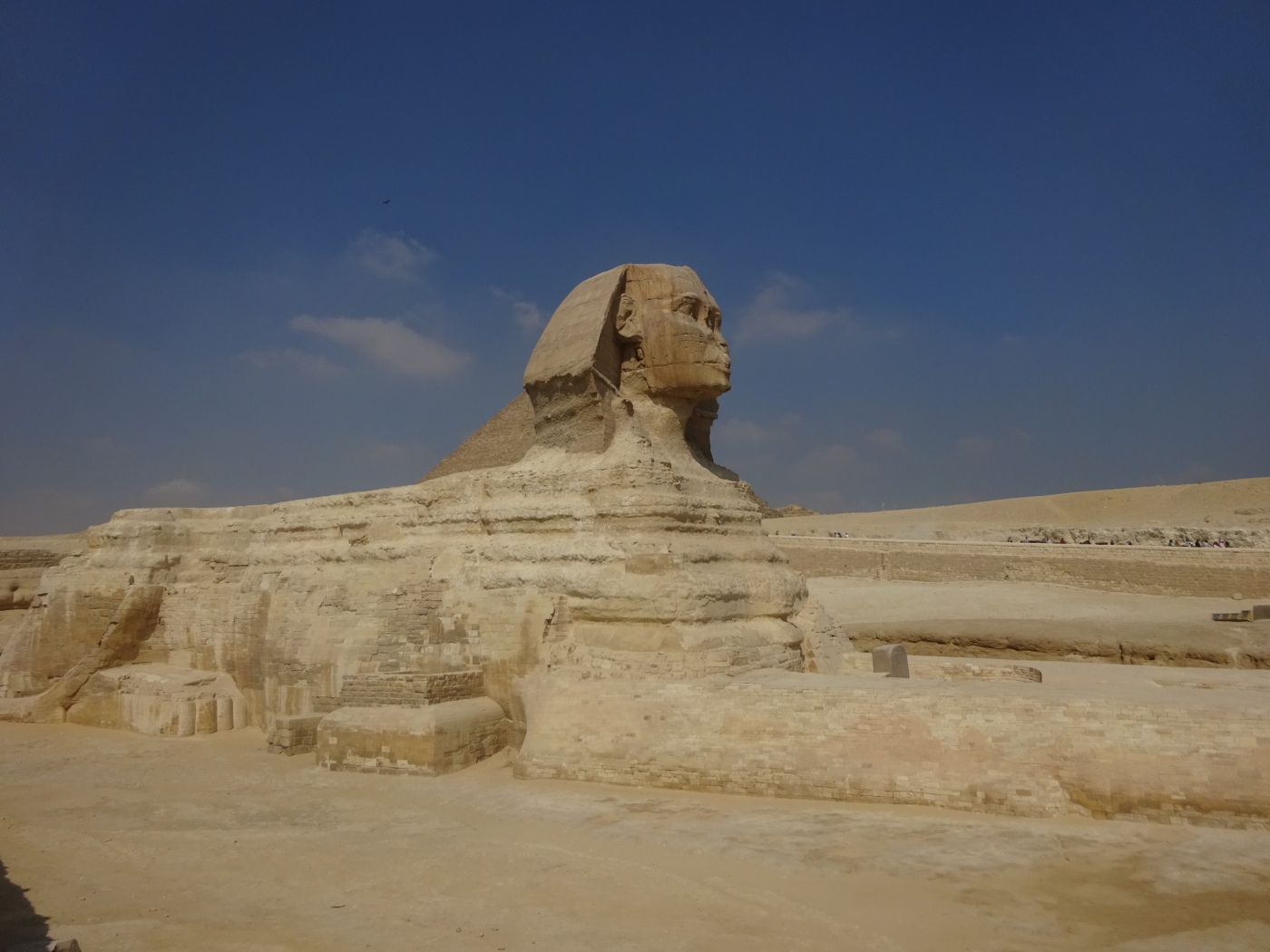
Guarding these royal tombs is the iconic Great Sphinx of Giza, a colossal limestone statue with the body of a lion and the head of a human, believed to represent Pharaoh Khafre. Carved directly from the bedrock, the Sphinx has stood sentinel for millennia, its gaze directed towards the rising sun, adding to the mystique of the complex. The site includes numerous smaller pyramids, temples, and mastaba tombs, forming a comprehensive royal funerary complex.
An Enduring Legacy
The Pyramids of Giza were inscribed as a UNESCO World Heritage site in 1979 for their outstanding universal value as masterpieces of human genius and unique testimonies to a lost civilization. They continue to inspire awe, offering invaluable insights into the beliefs and technological prowess of ancient Egypt.
Weiterführende Links
The capital of the Old Kingdom of Egypt has some extraordinary funerary monuments, including rock tombs, ornate mastabas, temples and pyramids. In ancient times, the site was considered one of the Seven Wonders of the World.
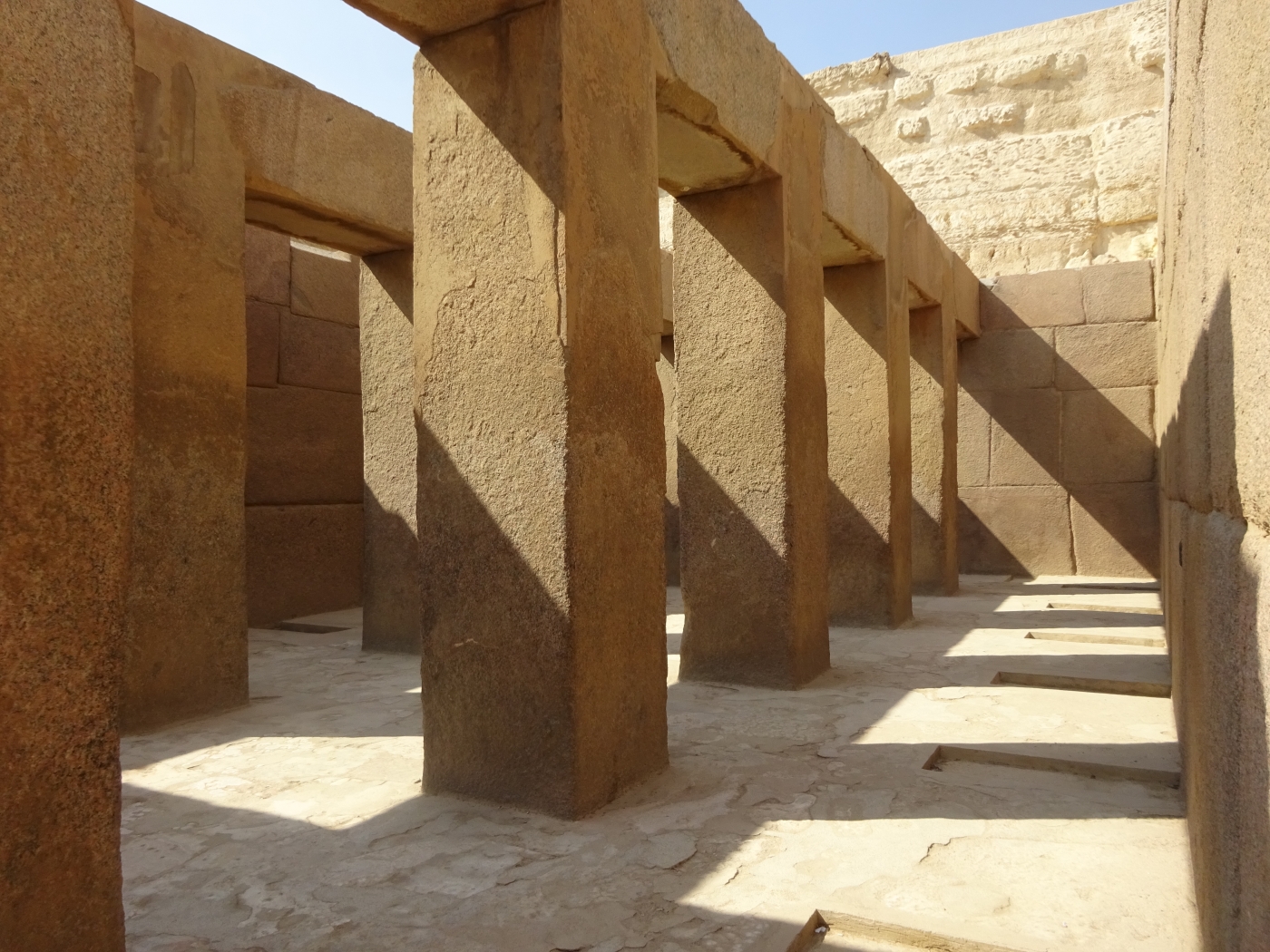
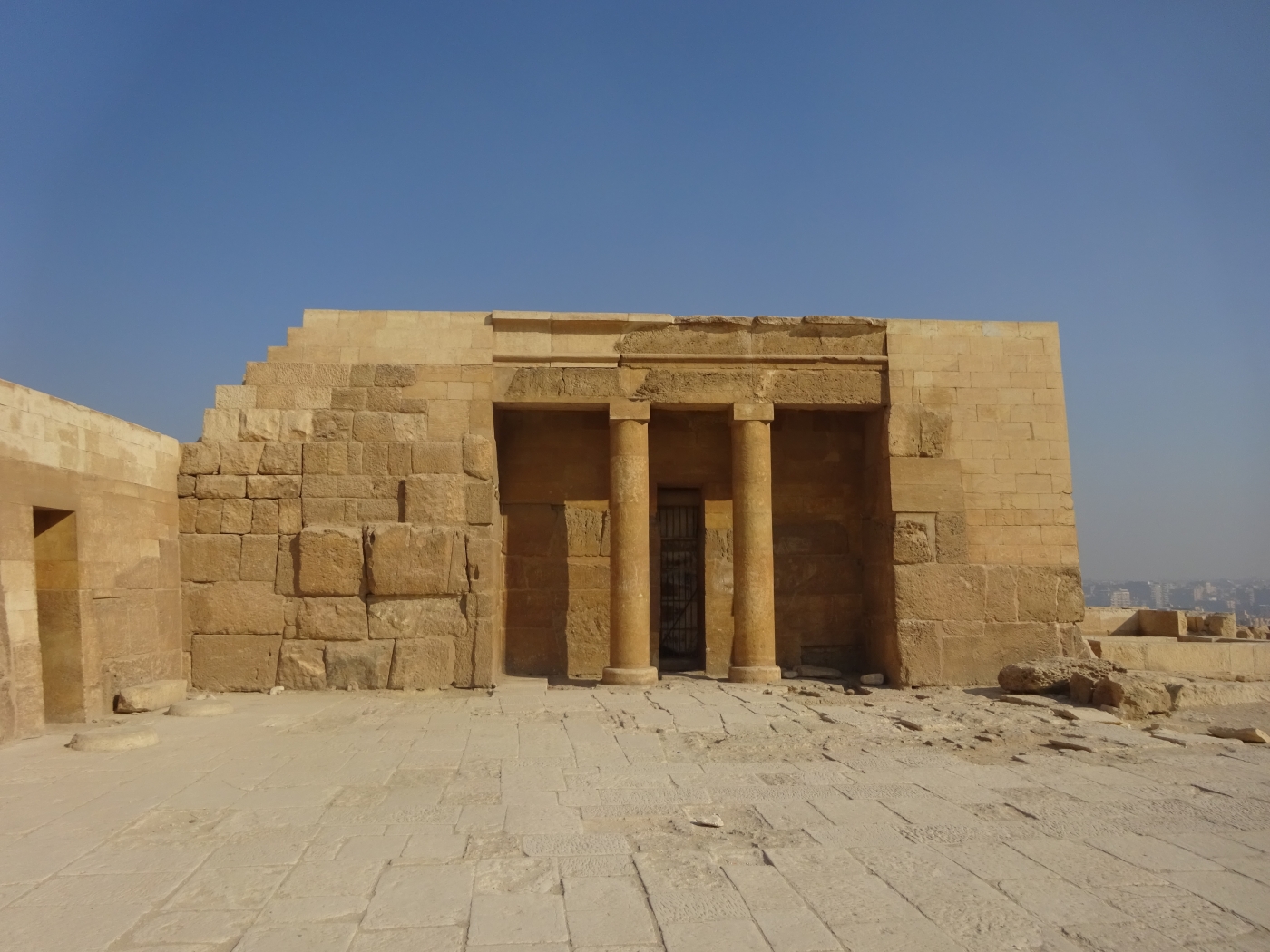
The Giza pyramid complex (also called the Giza necropolis) is an archaeological site on the Giza Plateau, on the outskirts of the city of Giza, Egypt. It is home to the Great Pyramid, the pyramid of Khafre, and the pyramid of Menkaure, along with their associated pyramid complexes and the Great Sphinx. All were built during the Fourth Dynasty of the Old Kingdom of ancient Egypt, between c. 2600 – c. 2500 BC. The site also includes several temples, cemeteries, and the remains of a workers' village.
The site is at the edge of the Western Desert, approximately 9 km (5.6 mi) west of the Nile River in the city of Giza, and about 13 km (8.1 mi) southwest of the city centre of Cairo. It forms the northernmost part of the 16,000 ha (160 km2; 62 sq mi) Pyramid Fields of the Memphis and its Necropolis UNESCO World Heritage Site, inscribed in 1979. The pyramid fields include the Abusir, Saqqara, and Dahshur pyramid complexes, which were all built in the vicinity of Egypt's ancient capital of Memphis. Further Old Kingdom pyramid fields were located at the sites Abu Rawash, Zawyet El Aryan, and Meidum. Most of the limestone used to build the pyramids originates from the underlying Mokattam Formation.
The Great Pyramid and the Pyramid of Khafre are the largest pyramids built in ancient Egypt, and they have historically been common as emblems of Ancient Egypt in the Western imagination. They were popularised in Hellenistic times, when the Great Pyramid was listed by Antipater of Sidon as one of the Seven Wonders of the World. It is by far the oldest of the Ancient Wonders and the only one still in existence.
The Memphite Necropolis (or Pyramid Fields) is a series of ancient Egyptian funerary complexes occupying a 30-kilometer (19 mi) stretch on the Western Desert plateau near the ancient capital of Memphis (modern day Giza).
It includes the pyramid complexes of Giza, Abusir, Saqqara and Dahshur and is recognized by UNESCO as a World Heritage Site. In addition to many of the pyramids of the Old Kingdom, the necropolis is also populated with many tombs (e.g. mastabas), temples, and funerary artifacts. However, the site’s historical importance is not limited to these features. The necropolis also includes sites such as Heit al-Ghurab. Located in the southeastern area of the Giza Plateau, the site includes the village where craftsmen working on the tombs and pyramids would have lived. As a result of its status as physical and chronological behemoth, the Memphite Necropolis stands as a valuable tool to historians in understanding changes in Egyptian funerary culture and architecture across time.