Khan el-Khalili - Historic Cairo
Kairo, Egypt
21.10.2023

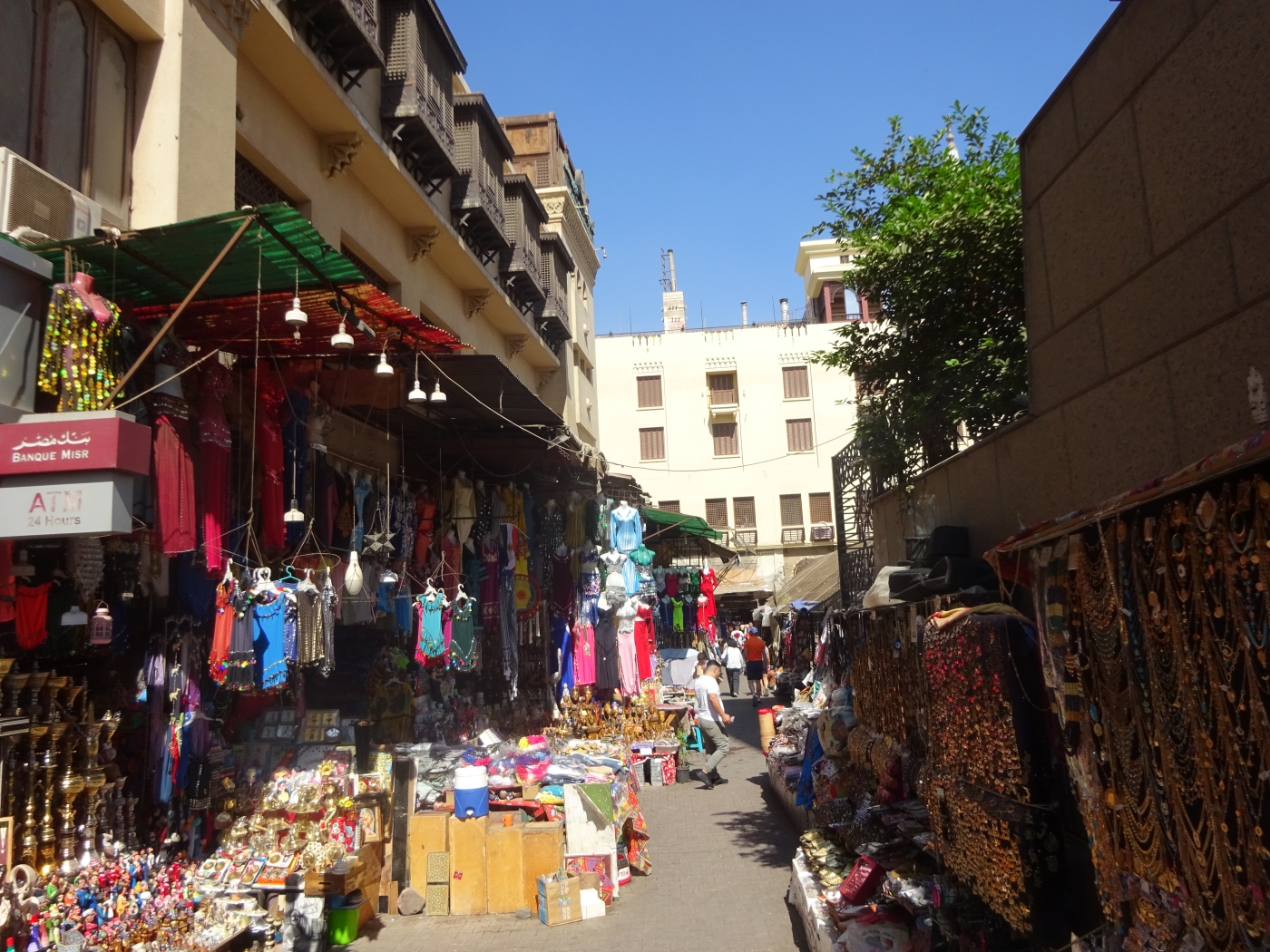
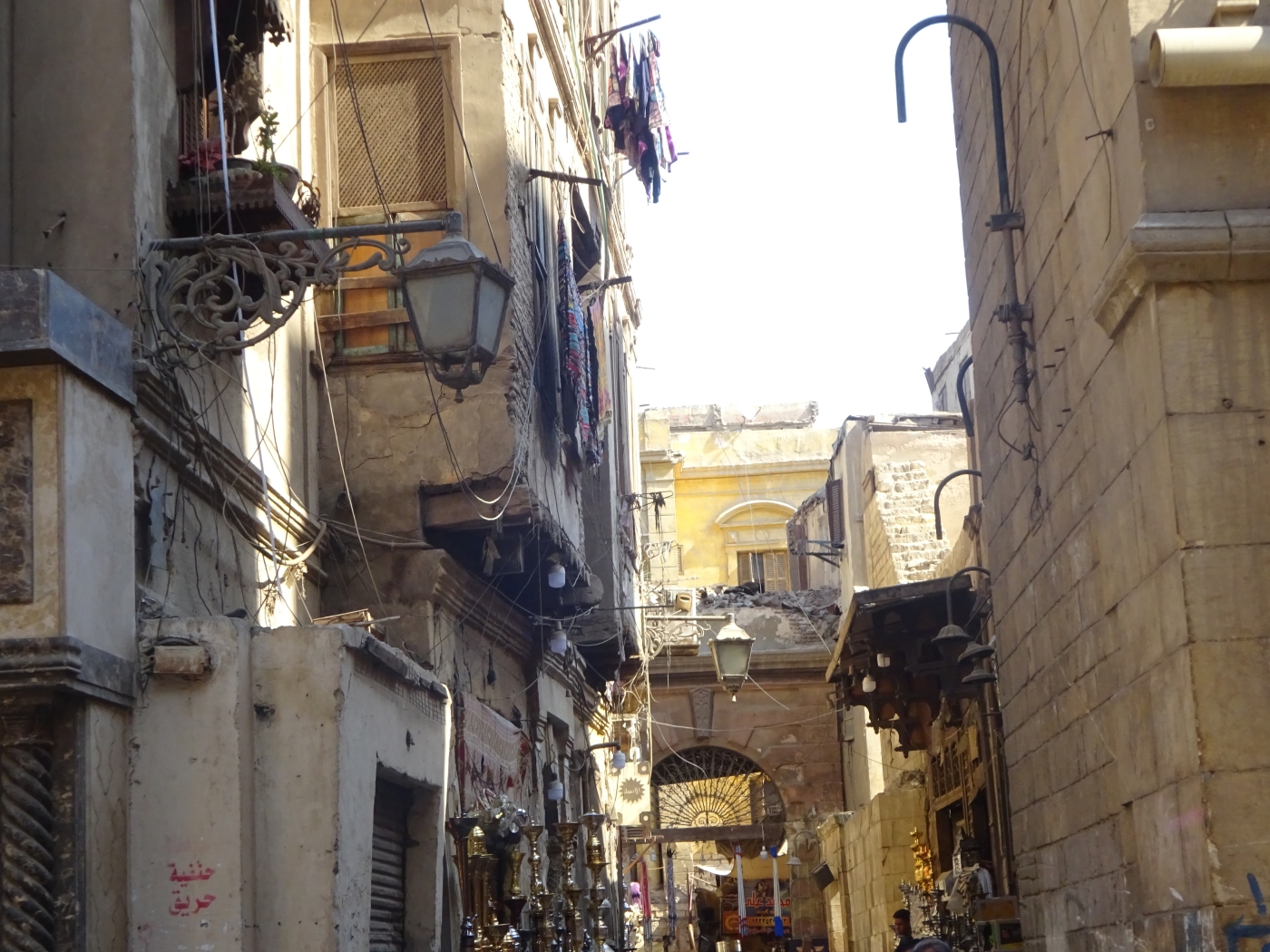
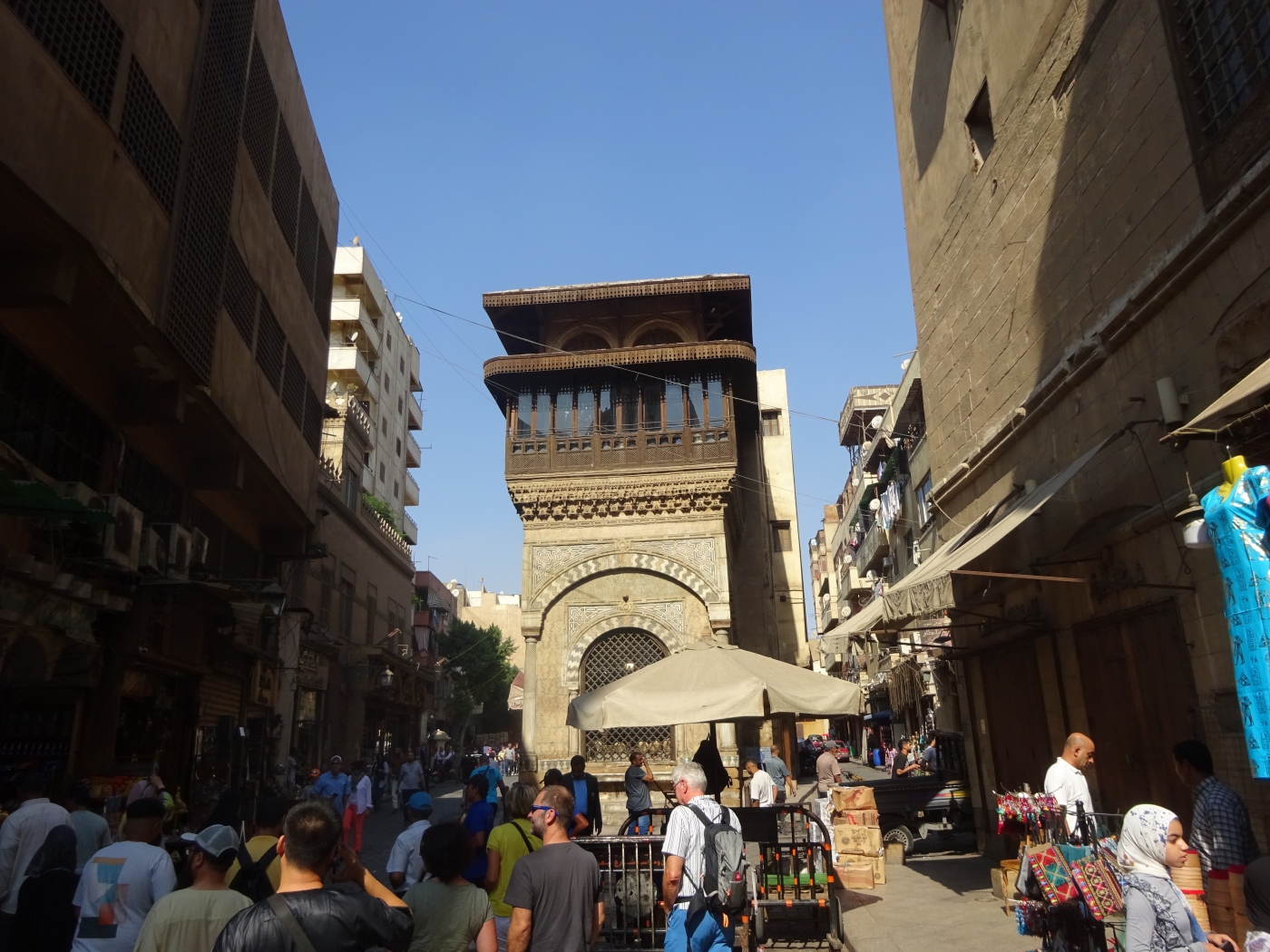
As a specialist in UNESCO World Heritage sites, I present to you the vibrant heart of Cairo: Khan el-Khalili. This bazaar is a living monument, deeply embedded within Historic Cairo, itself a UNESCO World Heritage site, known for its architectural and historical significance.
Origins of a Grand Bazaar
The origins of Khan el-Khalili trace back to 1382, established by Mamluk emir Djaharks el-Khalili, under Sultan Barquq. Built on a former Fatimid cemetery, it began as a caravanserai (khan) for merchants and goods. This fostered trade, evolving into a complex of shops, workshops, and coffeehouses, reflecting the prosperity of the Mamluk Sultanate.
A Living Tapestry of Trade and Culture
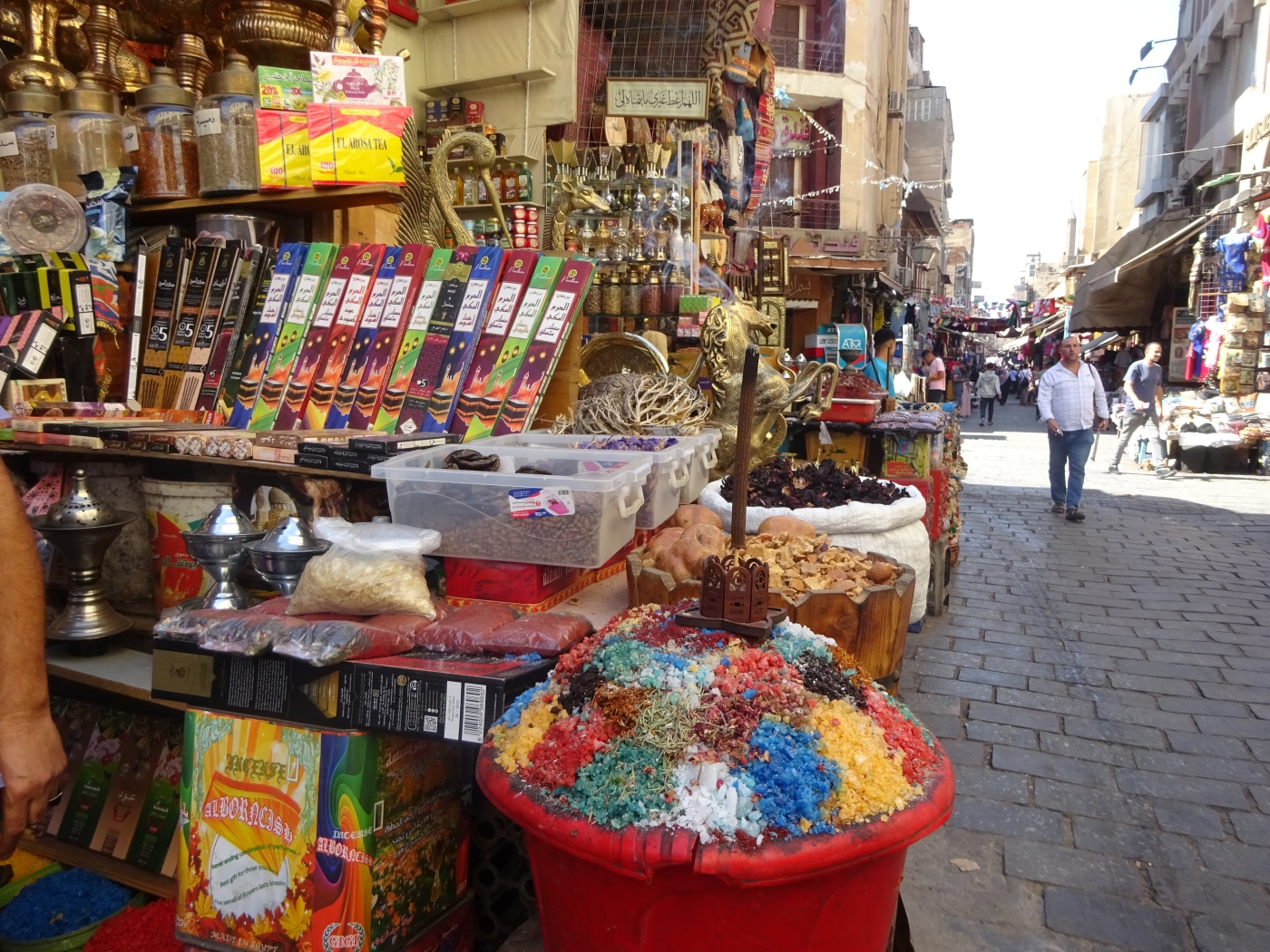
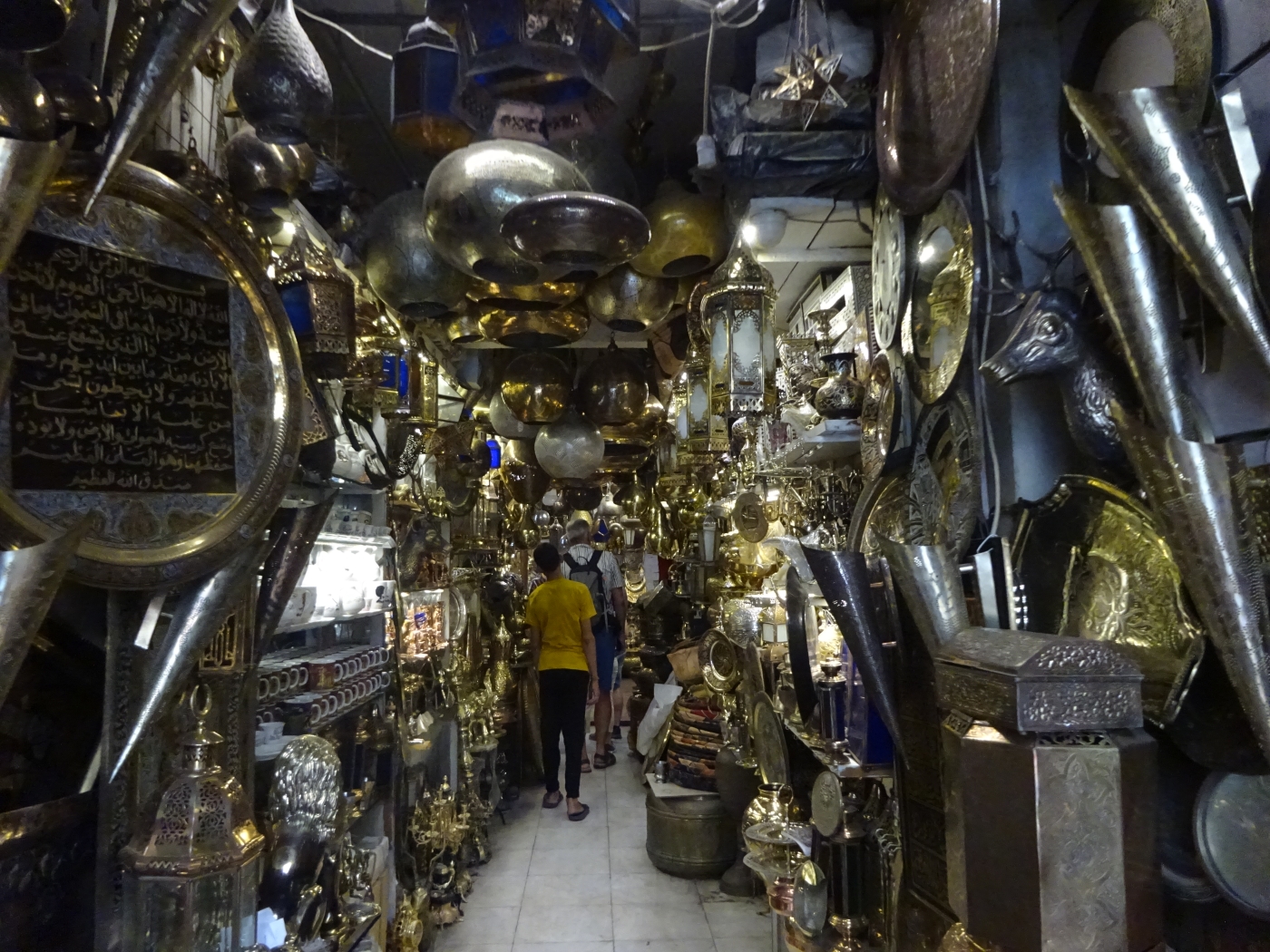
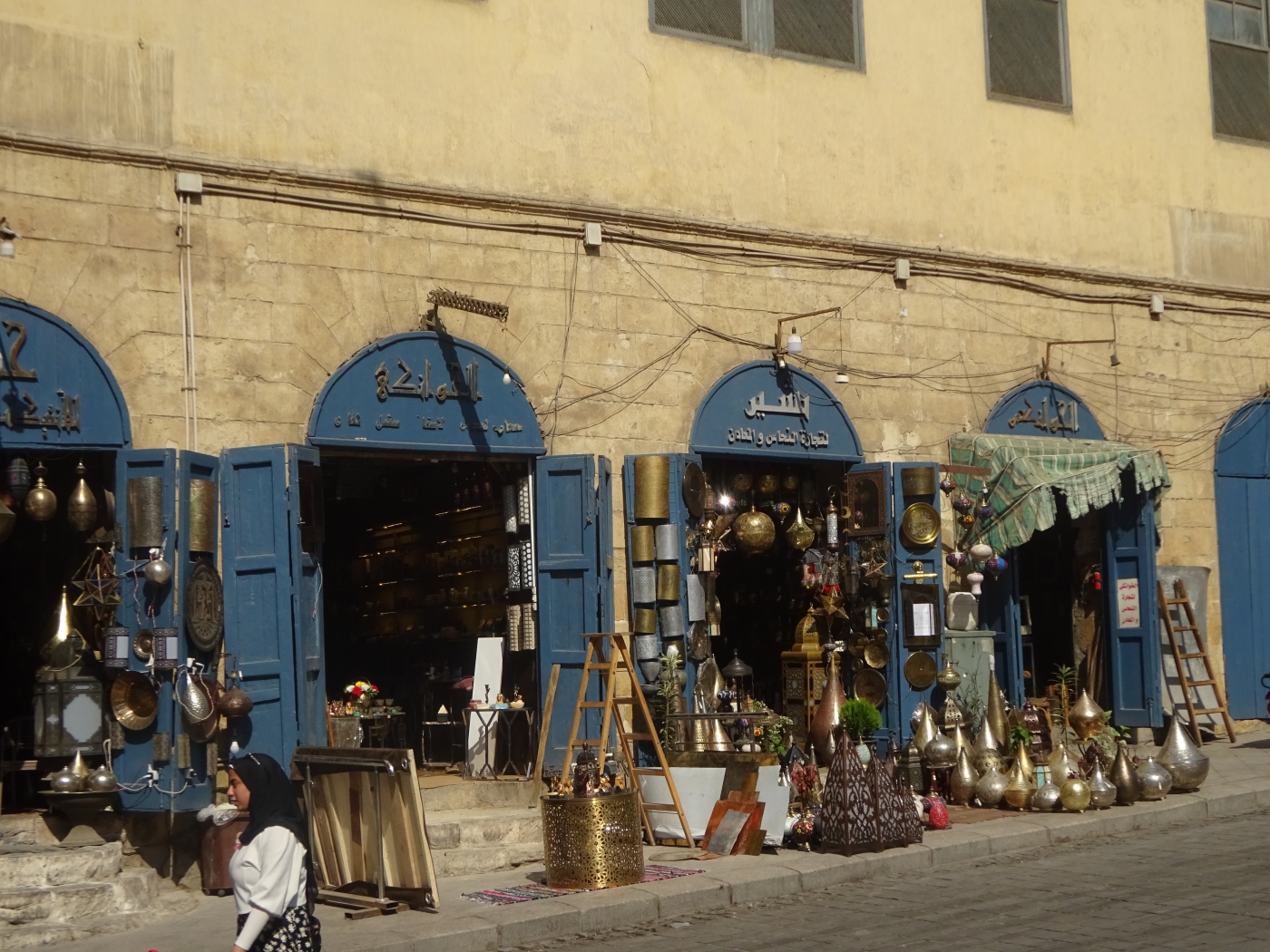
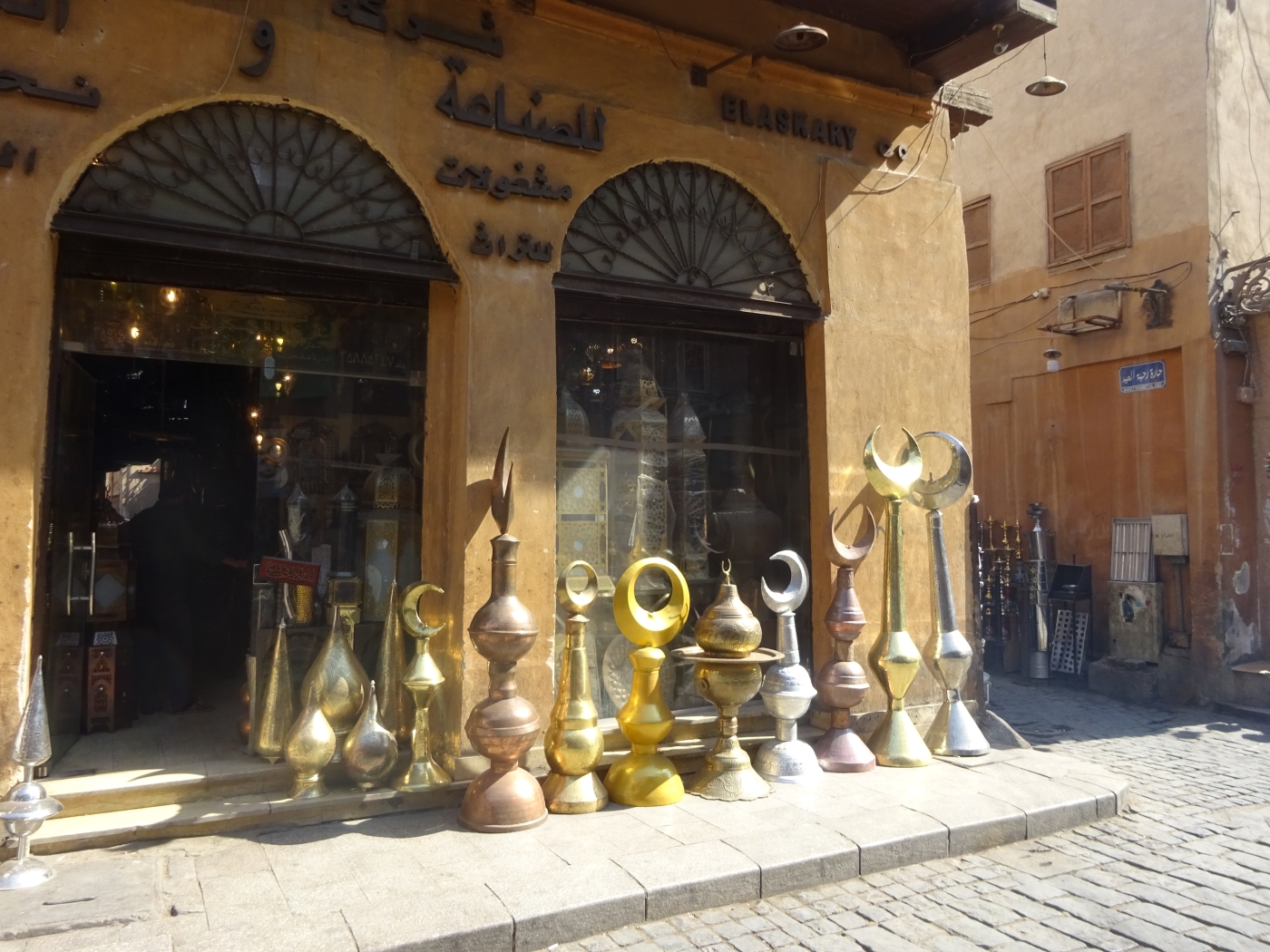
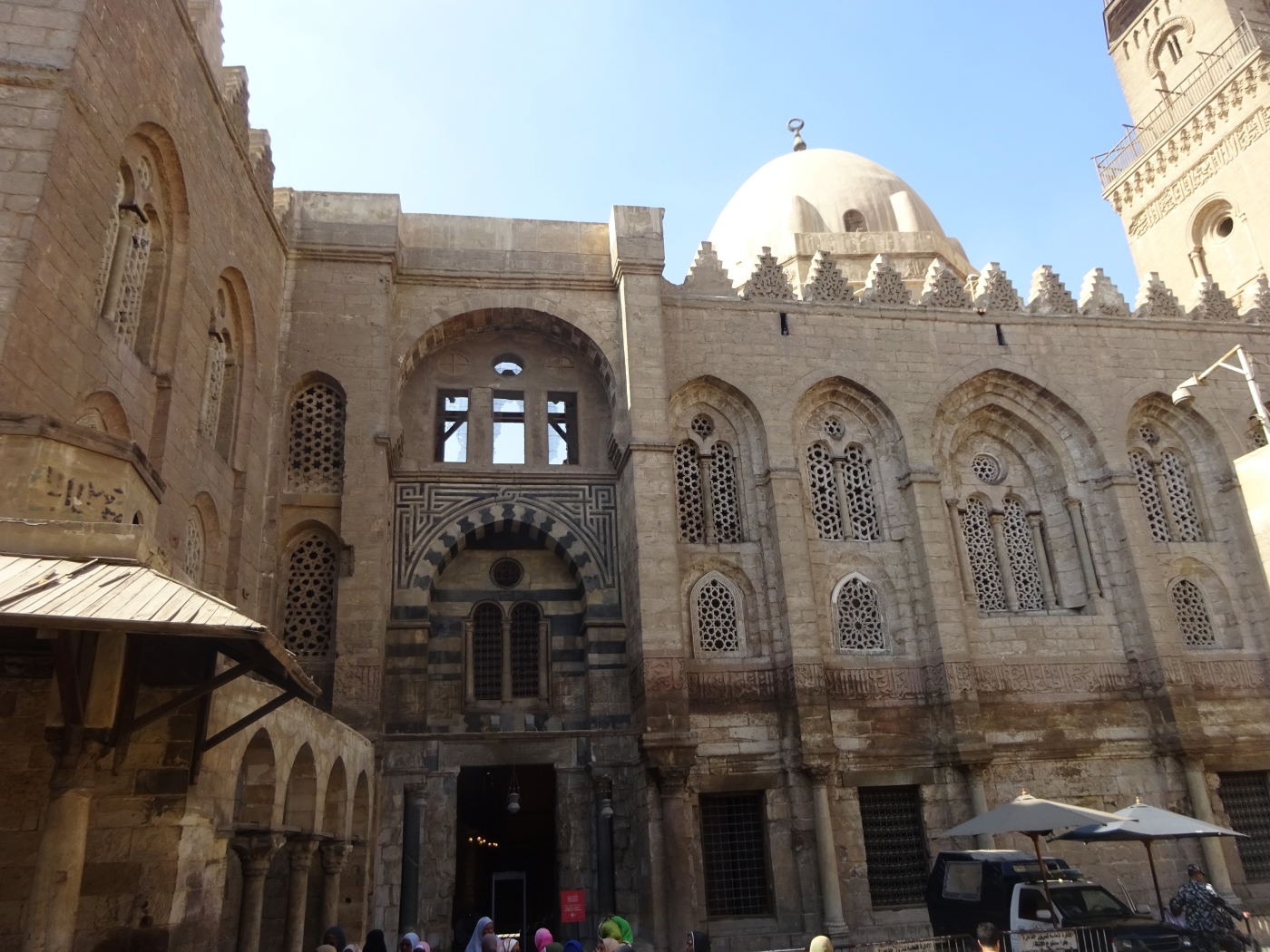
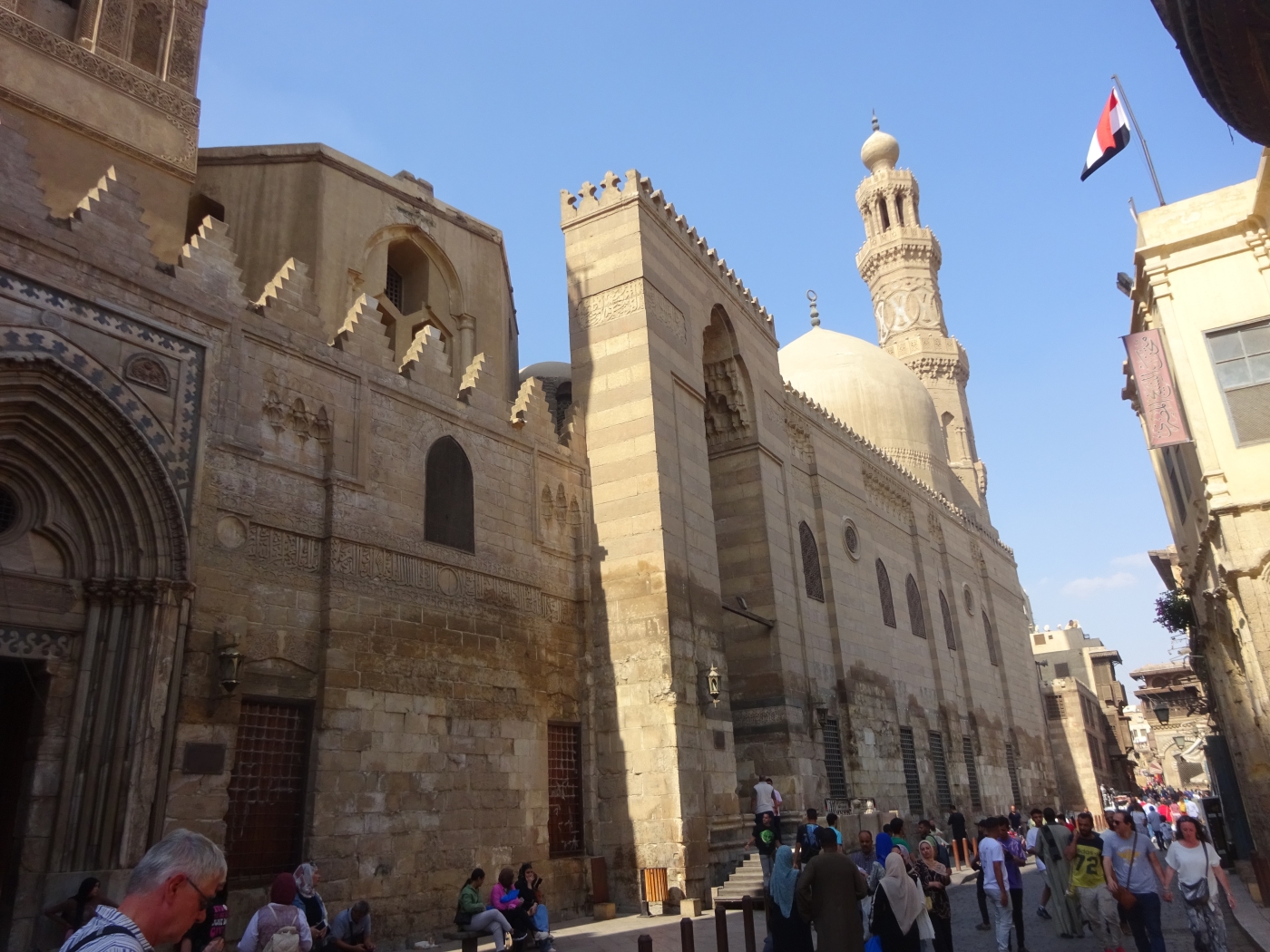
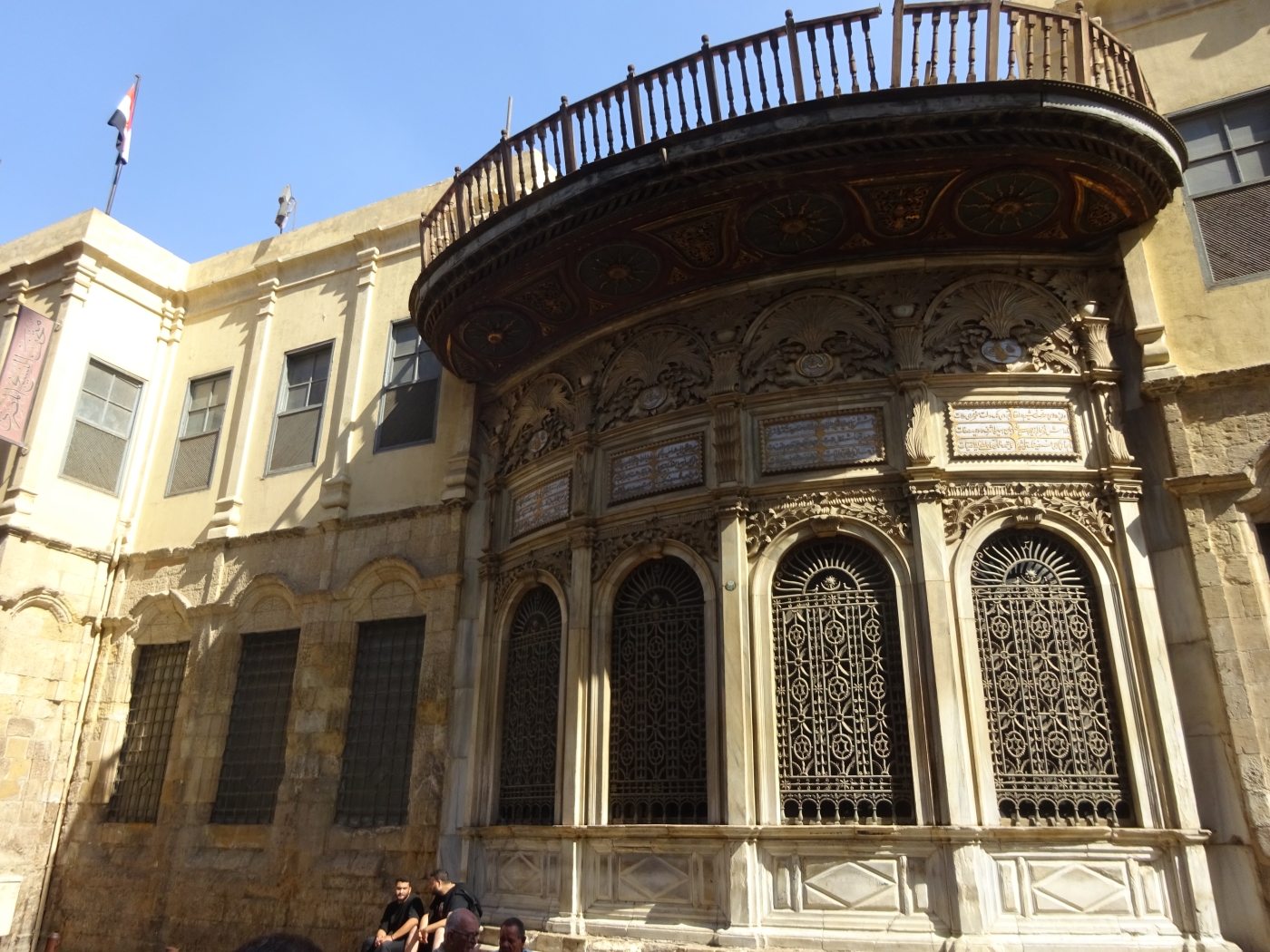
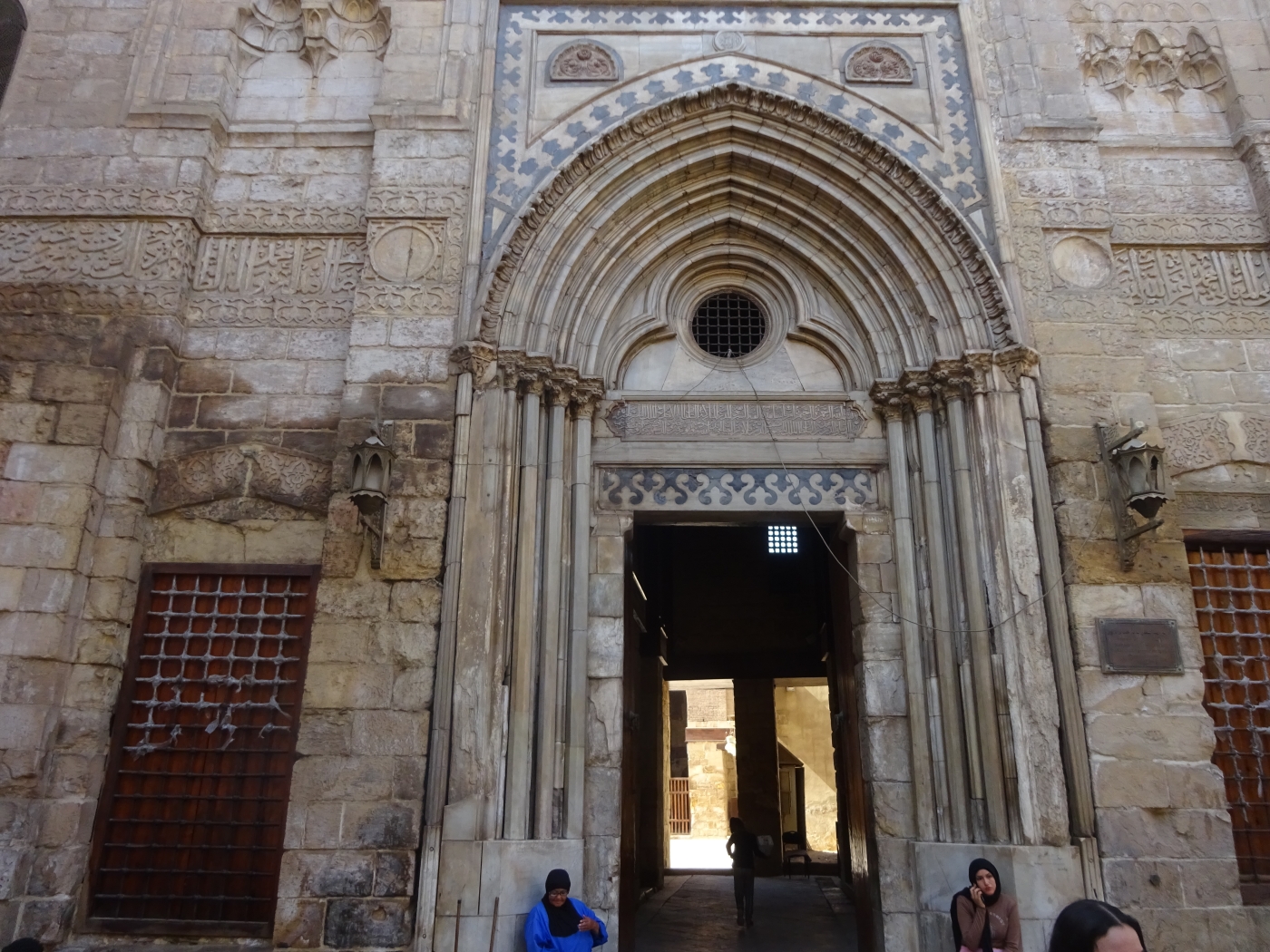
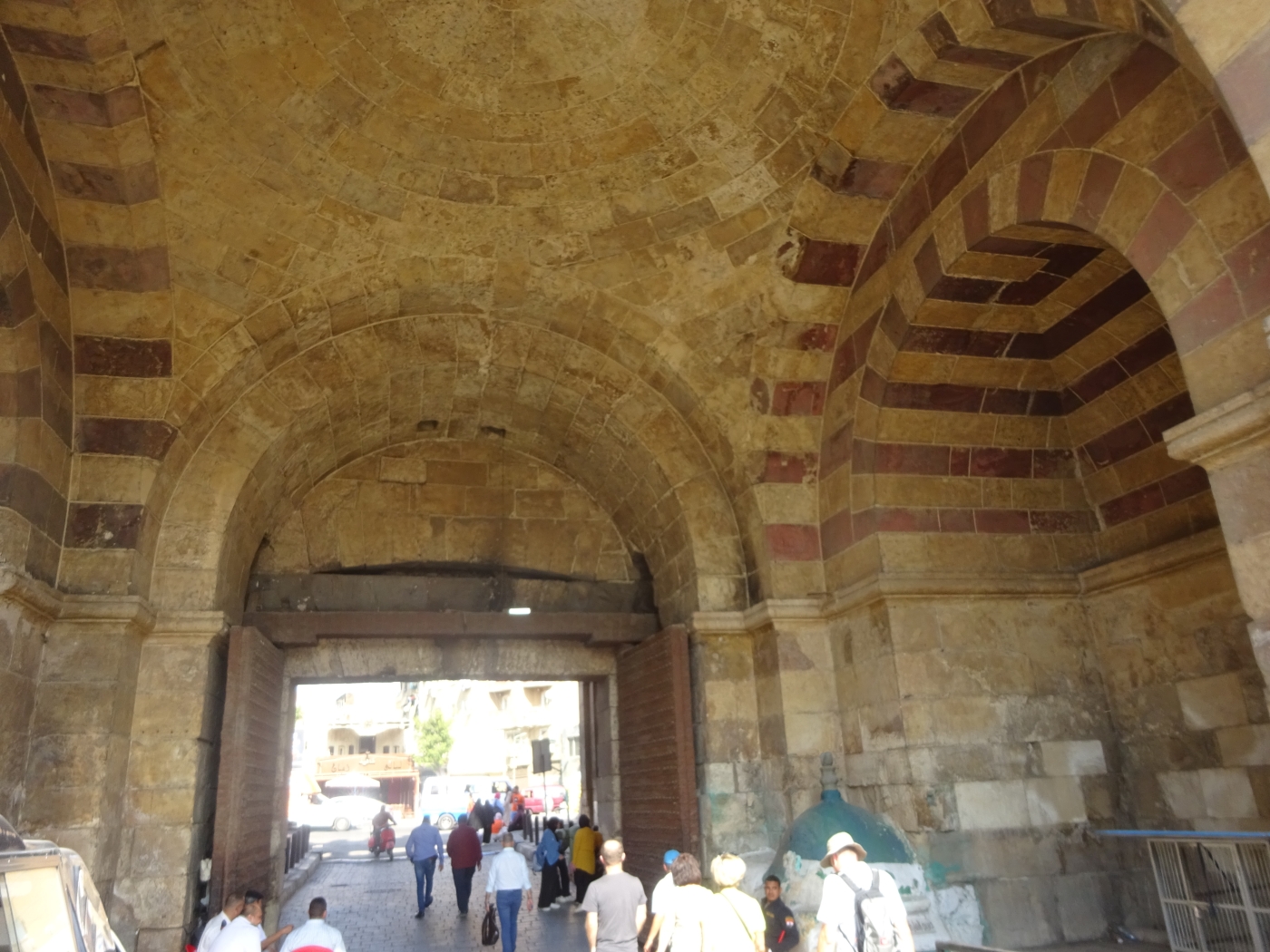
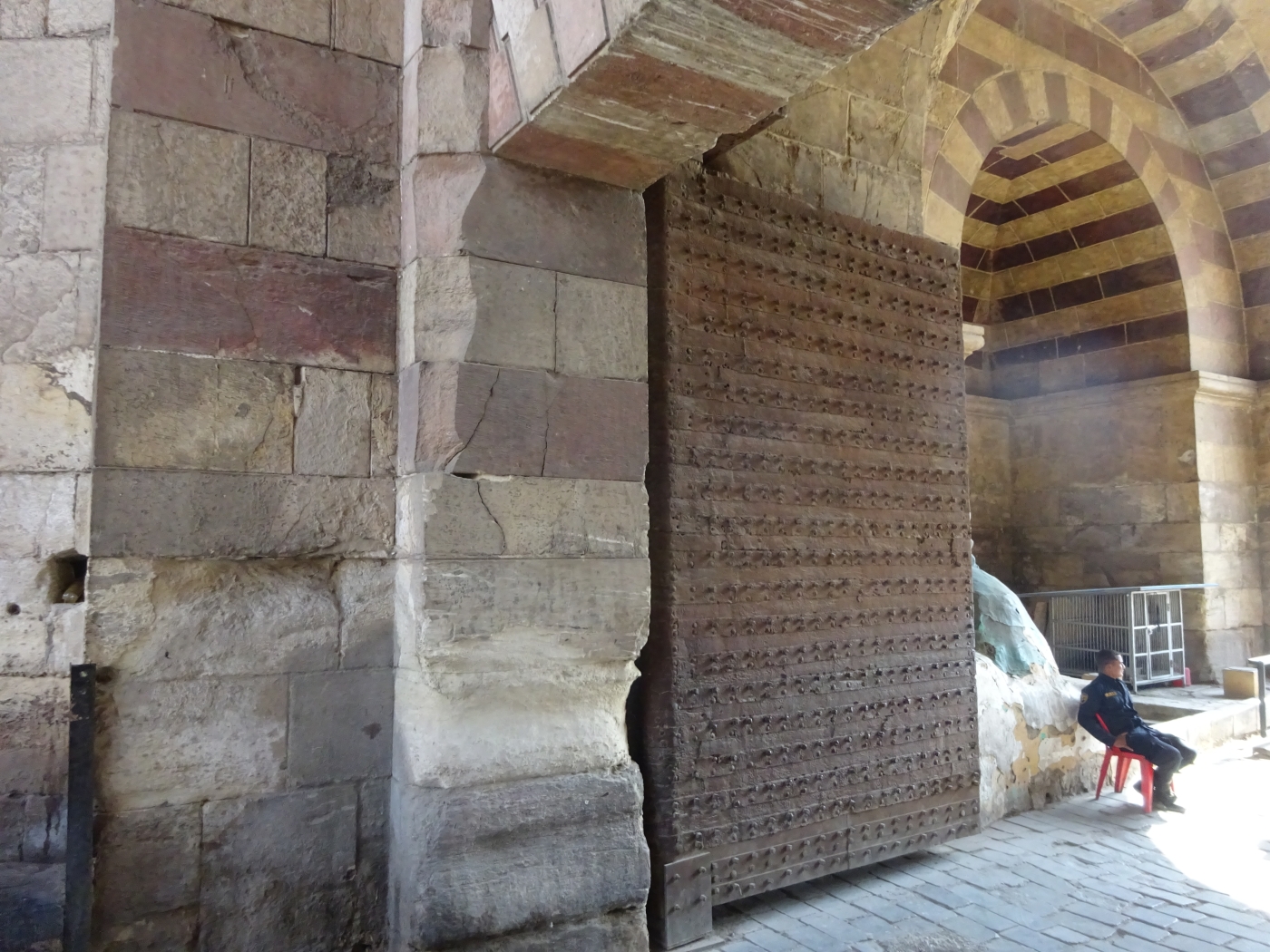
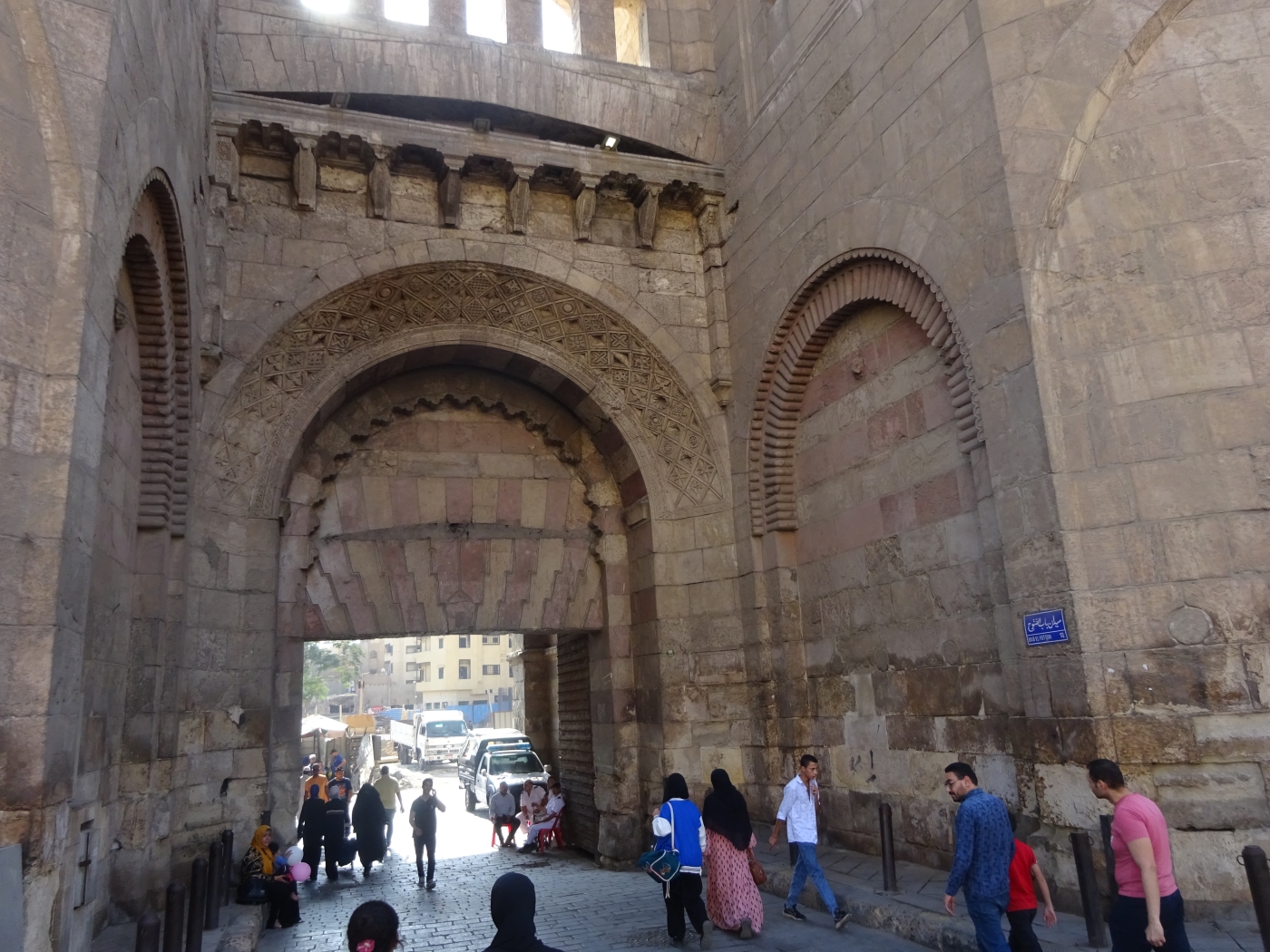
For centuries, Khan el-Khalili has thrived as a premier trading hub. Artisans craft exquisite jewelry, copperware, and textiles, preserving skills across generations. Its Mamluk and Ottoman architecture, with intricate balconies and arched gateways, narrates tales of various epochs. Here, one finds everything from precious metals to traditional perfumes, echoing with merchant calls and the aroma of history.
Khan el-Khalili Today
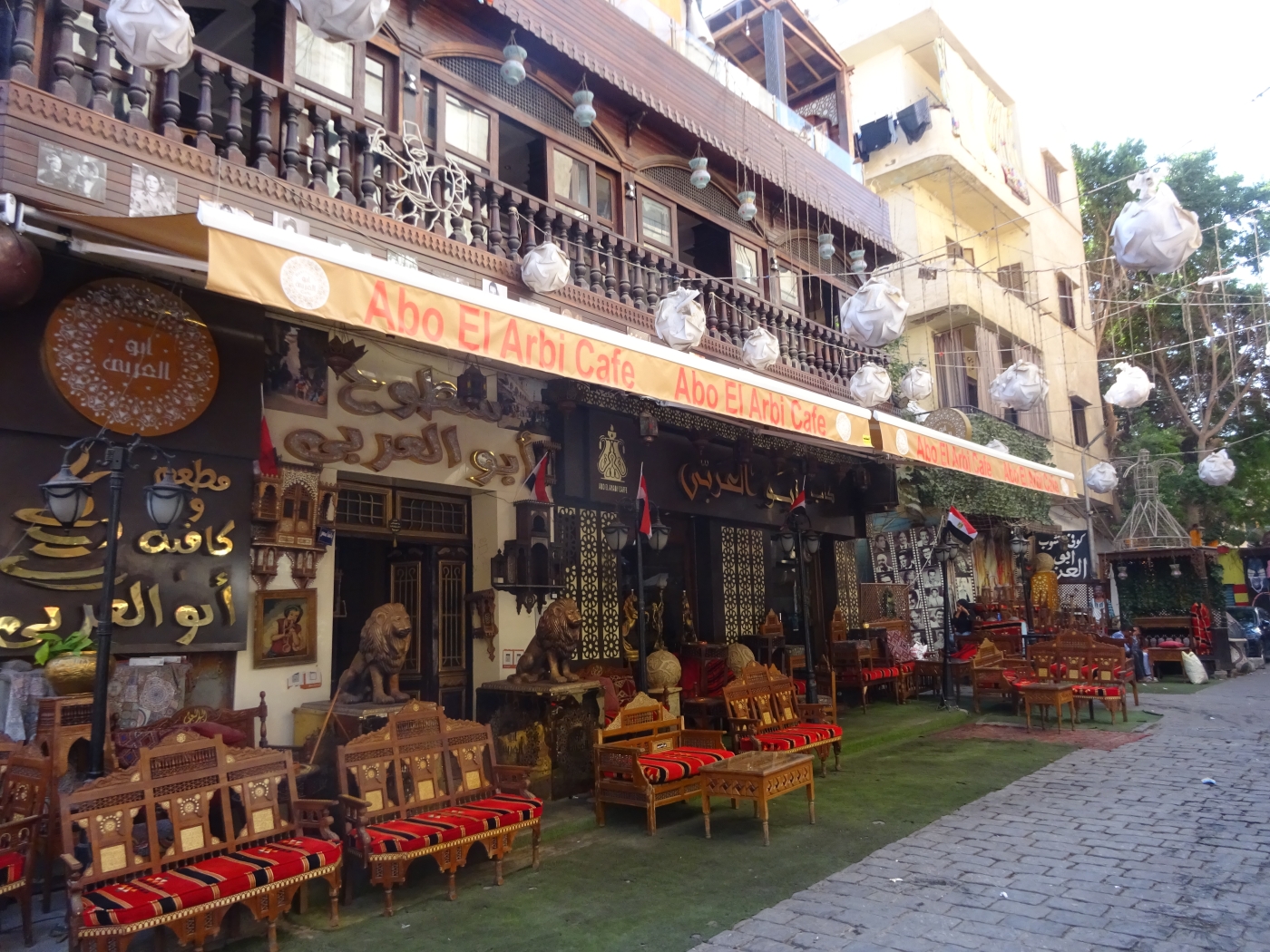
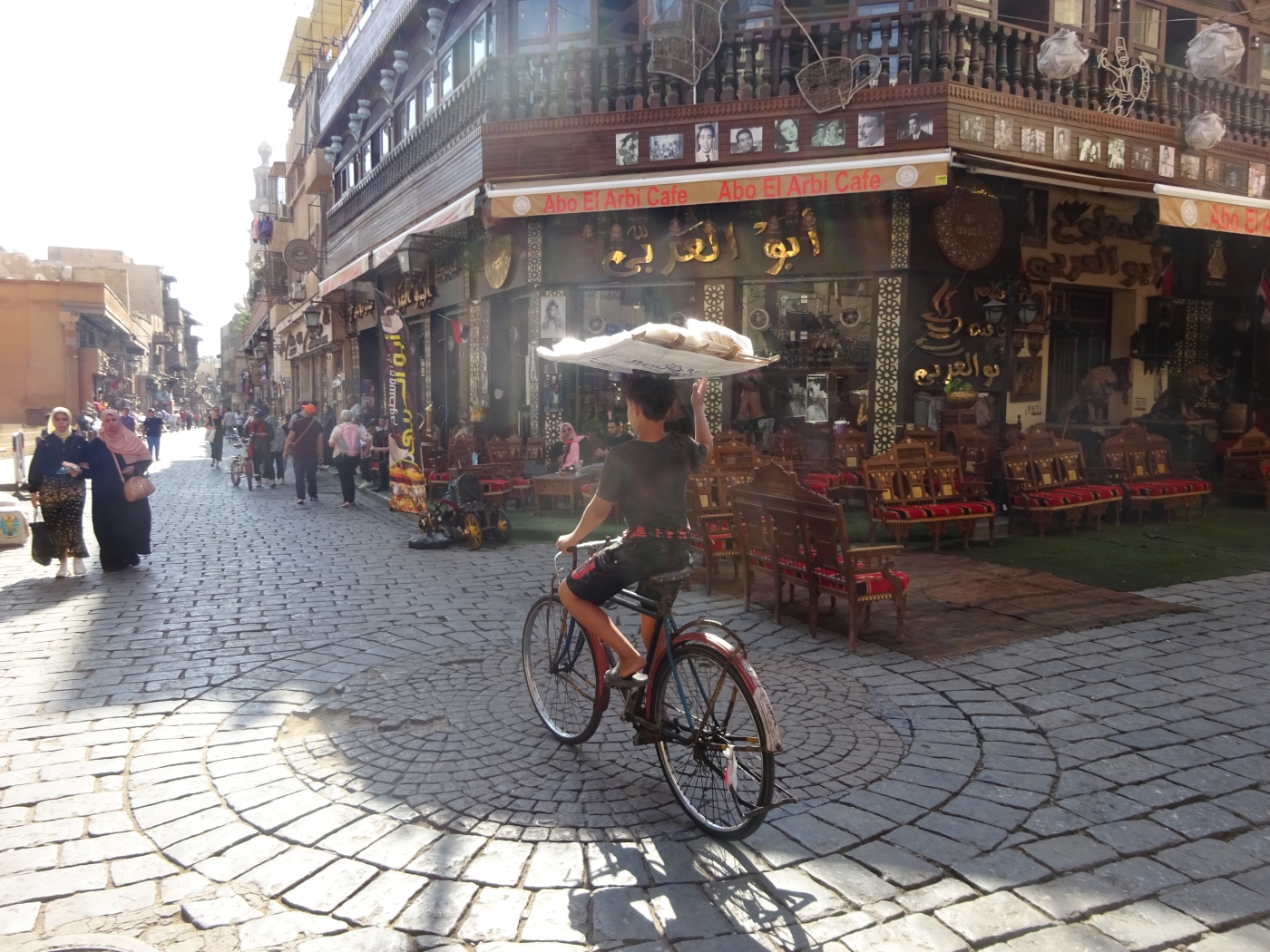
Today, Khan el-Khalili remains a bustling commercial center and major tourist attraction. Visitors wander its lively lanes, haggle for unique souvenirs, and experience Egyptian hospitality. Iconic establishments like the historic El-Fishawi coffeehouse, operational for over two centuries, offer a timeless glimpse into Cairo's social life, serving mint tea and shisha amidst an atmosphere steeped in history. Its enduring vibrancy makes it a cornerstone of Egypt's cultural heritage.
Weiterführende Links
Tucked away amid the modern urban area of Cairo lies one of the world's oldest Islamic cities, with its famous mosques, madrasas, hammams and fountains. Founded in the 10th century, it became the new centre of the Islamic world, reaching its golden age in the 14th century.
Khan el-Khalili (Arabic: خان الخليلي) is a famous bazaar in the historic center of Cairo, Egypt. Established as a center of trade in the Mamluk era and named for one of its several historic caravanserais, the bazaar district has since become one of Cairo's main attractions for tourists and Egyptians alike. It is also home to many Egyptian artisans and workshops involved in the production of traditional crafts and souvenirs. The name Khan el-Khalili historically referred to a single building in the area; today it refers to the entire shopping district.
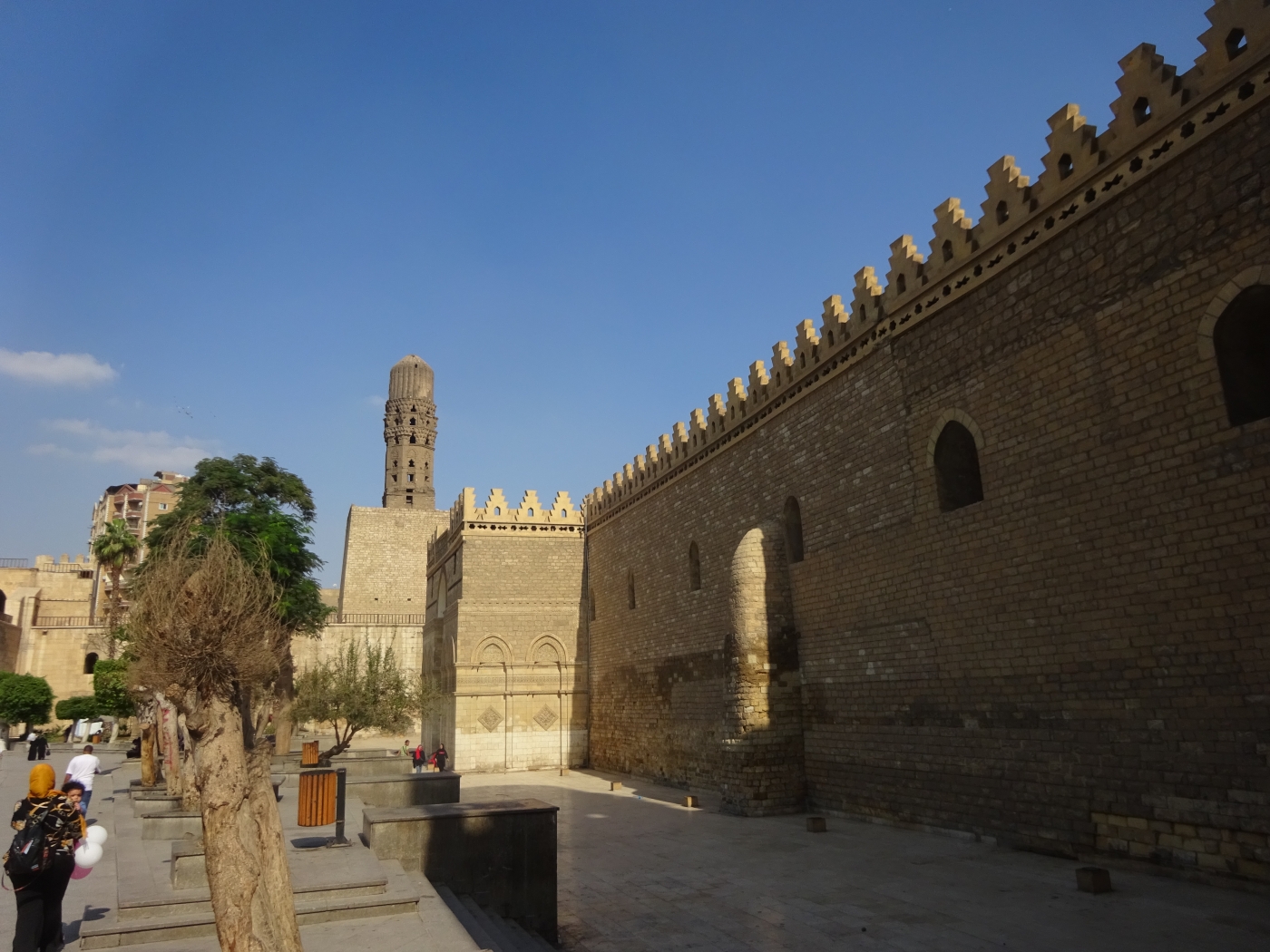
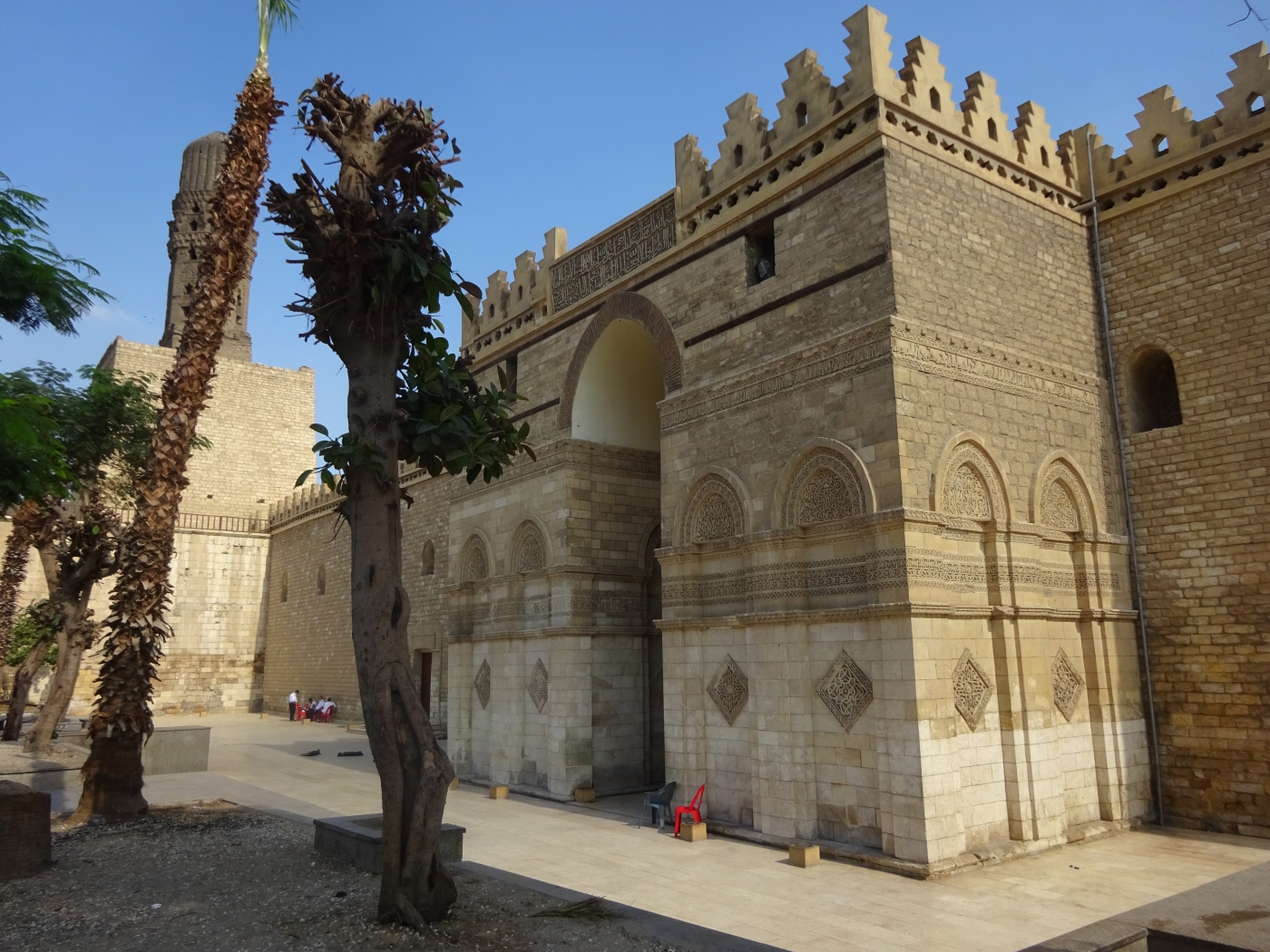
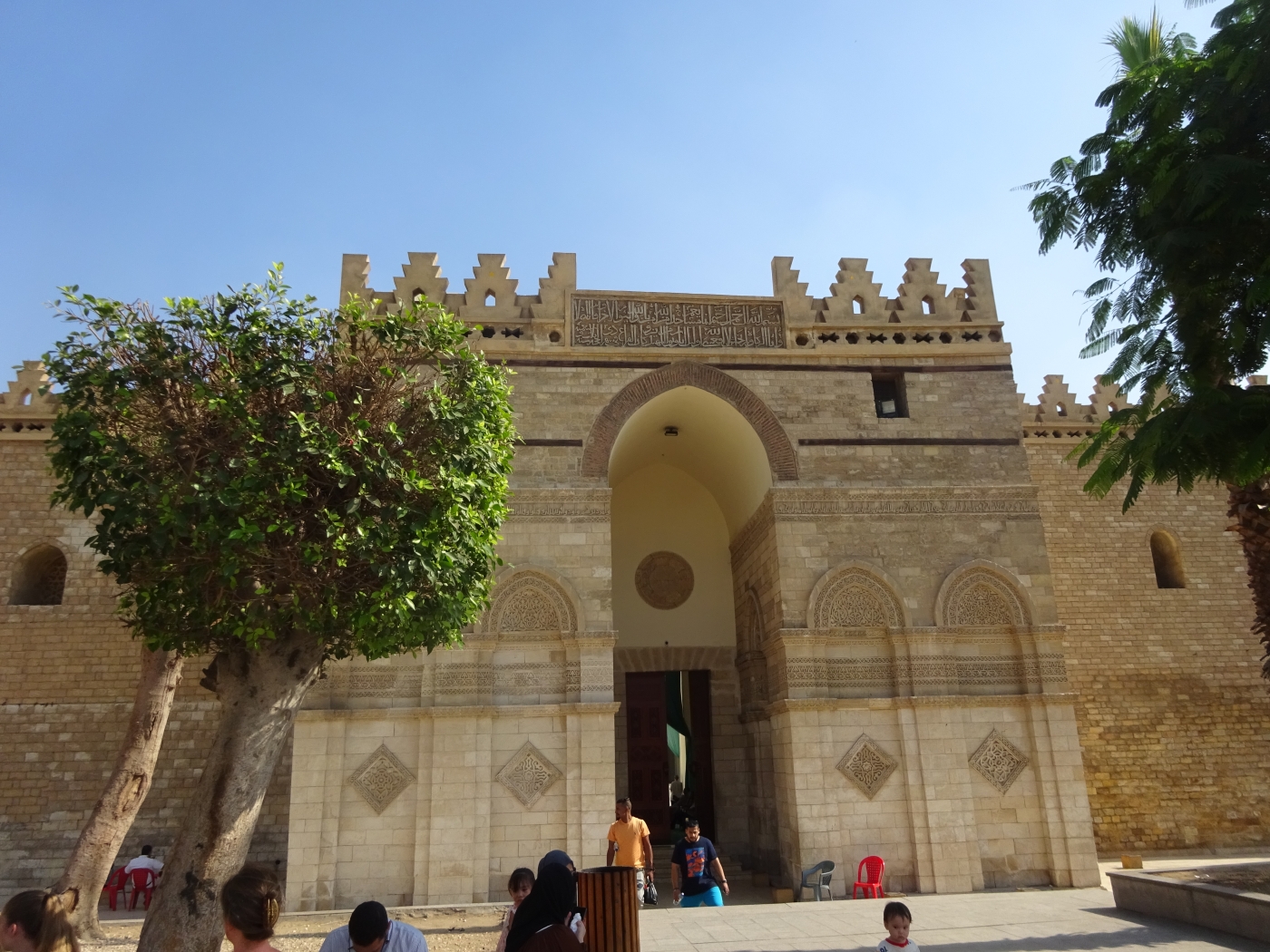
Islamic Cairo (Egyptian Arabic: قاهرة المعز, romanized: Qāhira al-Muʿizz, lit. 'Al-Mu'izz's Cairo'), or Medieval Cairo, officially Historic Cairo (القاهرة التاريخية el-Qāhira tārīkhiyya), refers mostly to the areas of Cairo, Egypt, that were built from the Muslim conquest in 641 CE until the city's modern expansion in the 19th century during Khedive Ismail's rule, namely: the central parts within the old walled city, the historic cemeteries, the area around the Citadel of Cairo, parts of Bulaq, and Old Cairo (Arabic: مصر القديمة, lit. 'Misr al-Qadima') which dates back to Roman times and includes major Coptic Christian monuments.
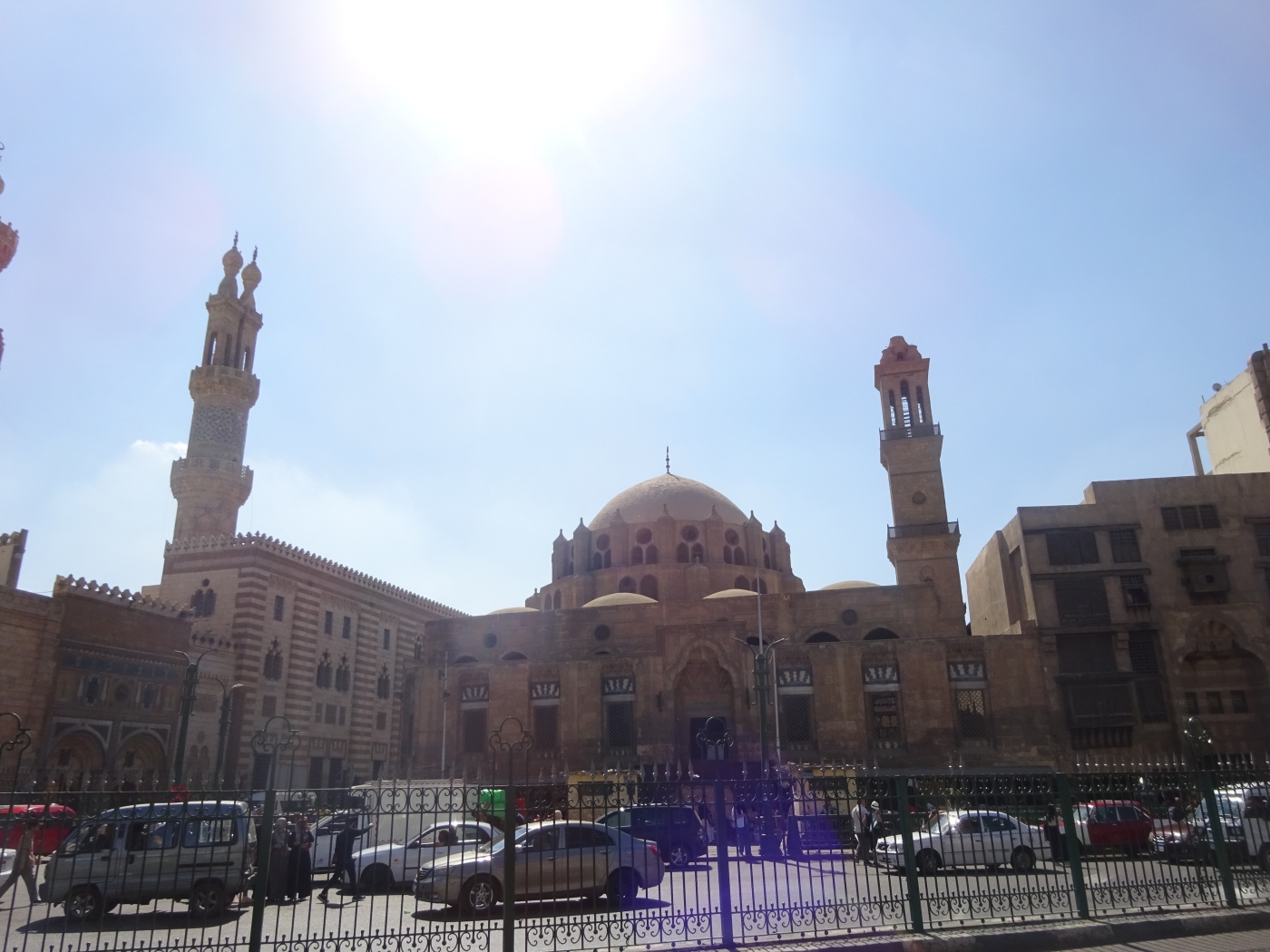
The name "Islamic" Cairo refers not to a greater prominence of Muslims in the area but rather to the city's rich history and heritage since its foundation in the early period of Islam, while distinguishing it from with the nearby Ancient Egyptian sites of Giza and Memphis. This area holds one of the largest and densest concentrations of historic architecture in the Islamic world. It is characterized by hundreds of mosques, tombs, madrasas, mansions, caravanserais, and fortifications dating from throughout the Islamic era of Egypt.
In 1979, UNESCO proclaimed Historic Cairo a World Cultural Heritage site, as "one of the world's oldest Islamic cities, with its famous mosques, madrasas, hammams and fountains" and "the new centre of the Islamic world, reaching its golden age in the 14th century."