Castles of Augustusburg and Falkenlust at Brühl
Brühl, Germany
14.03.2024

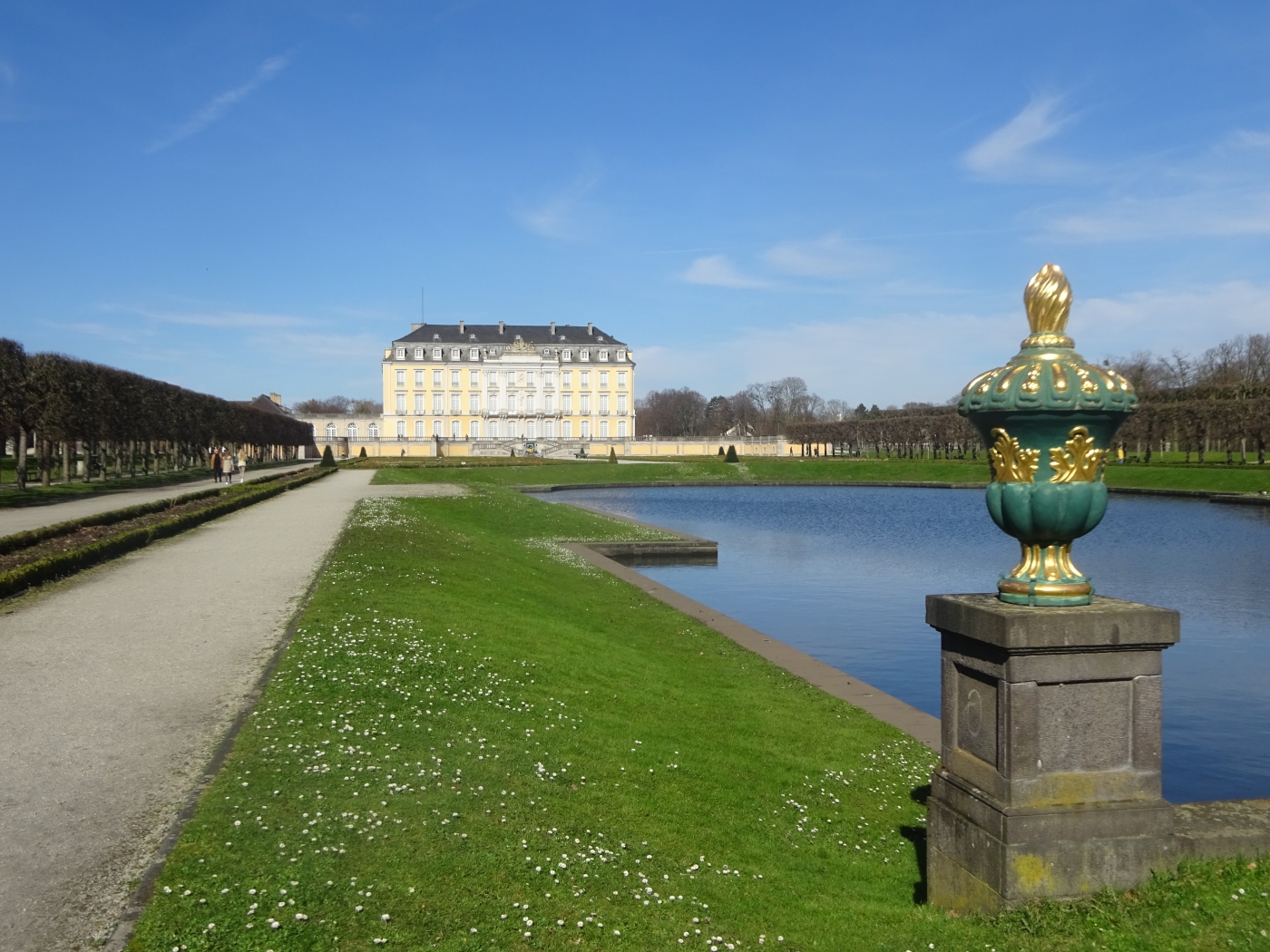
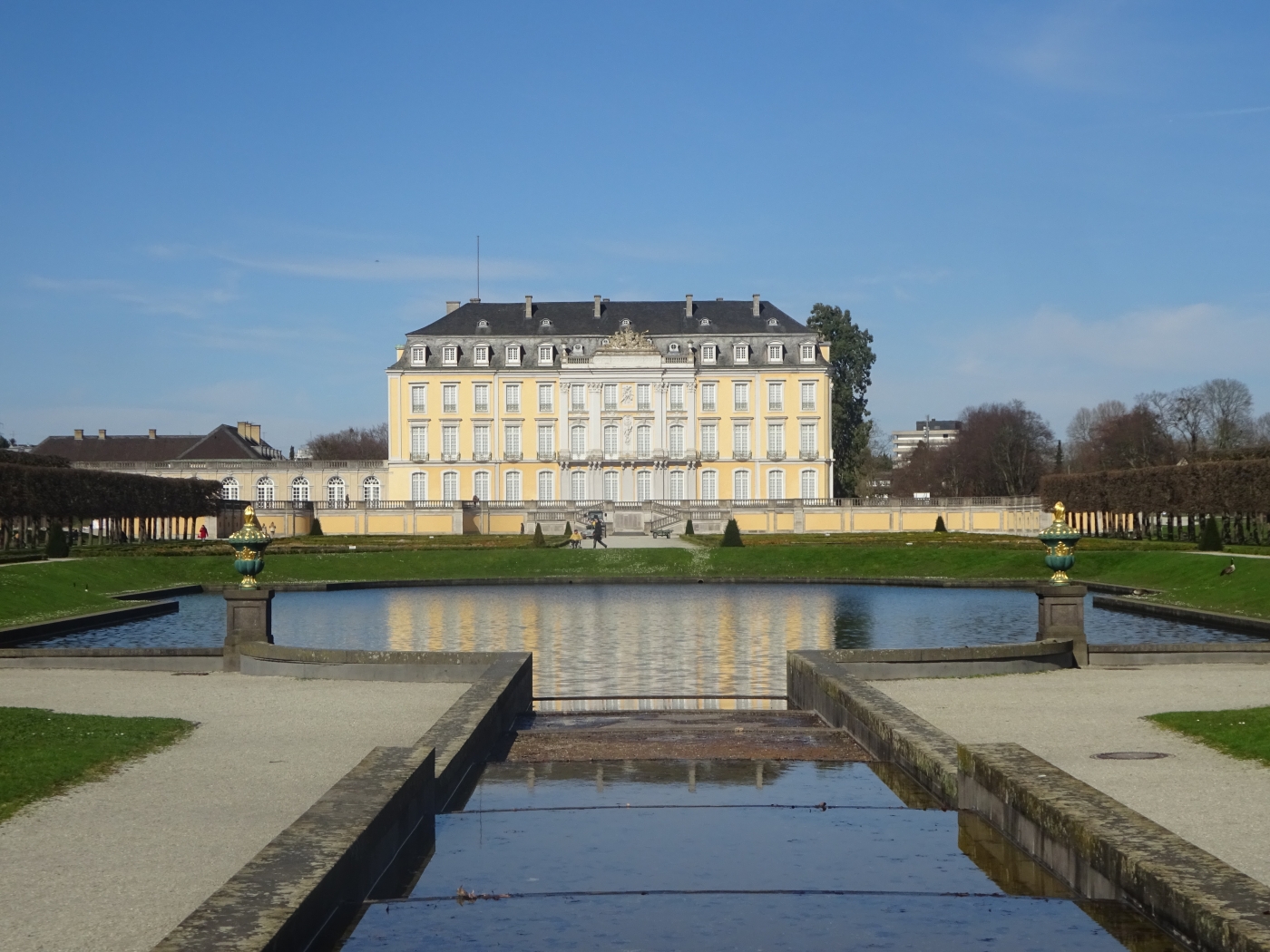
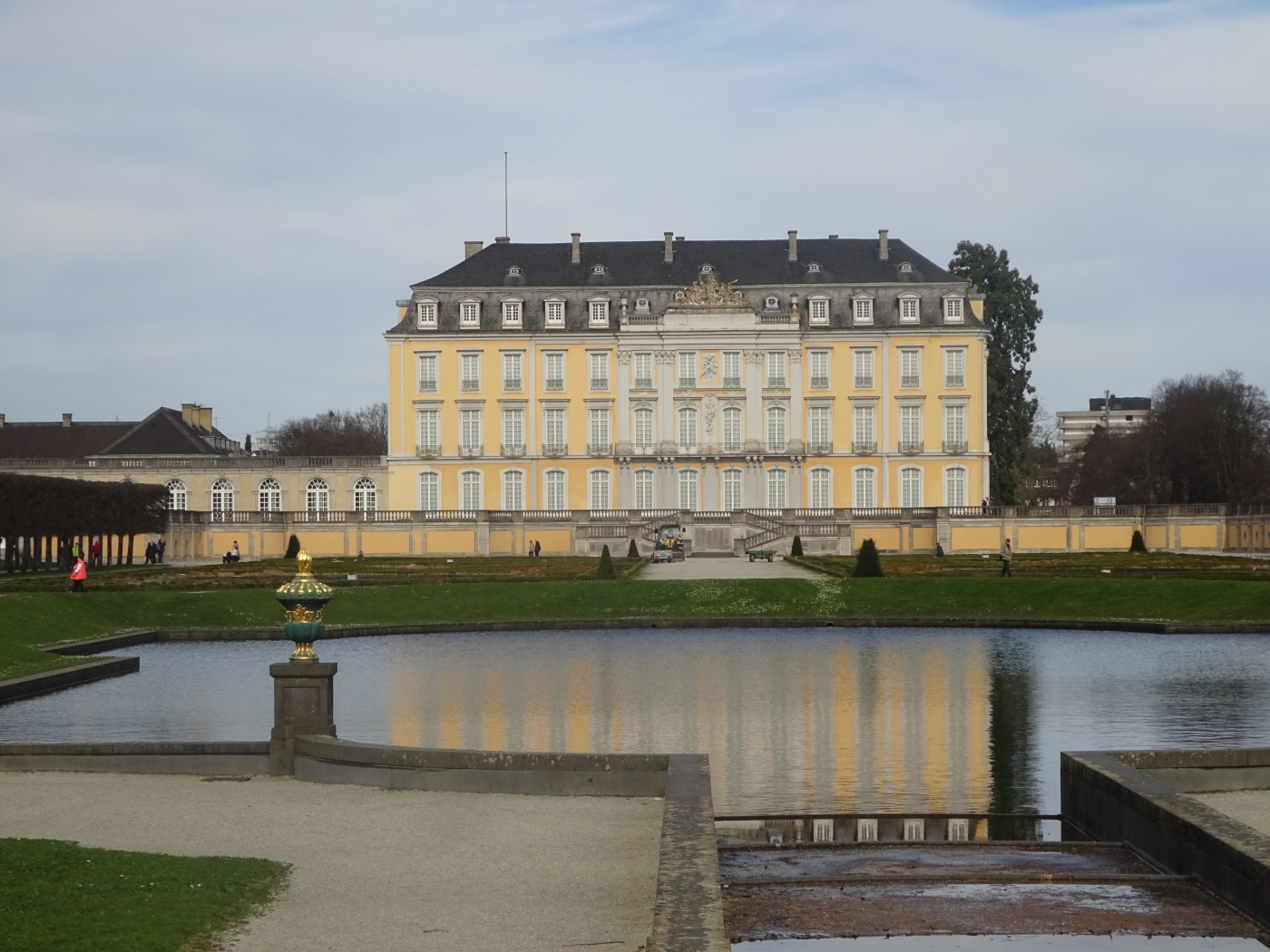
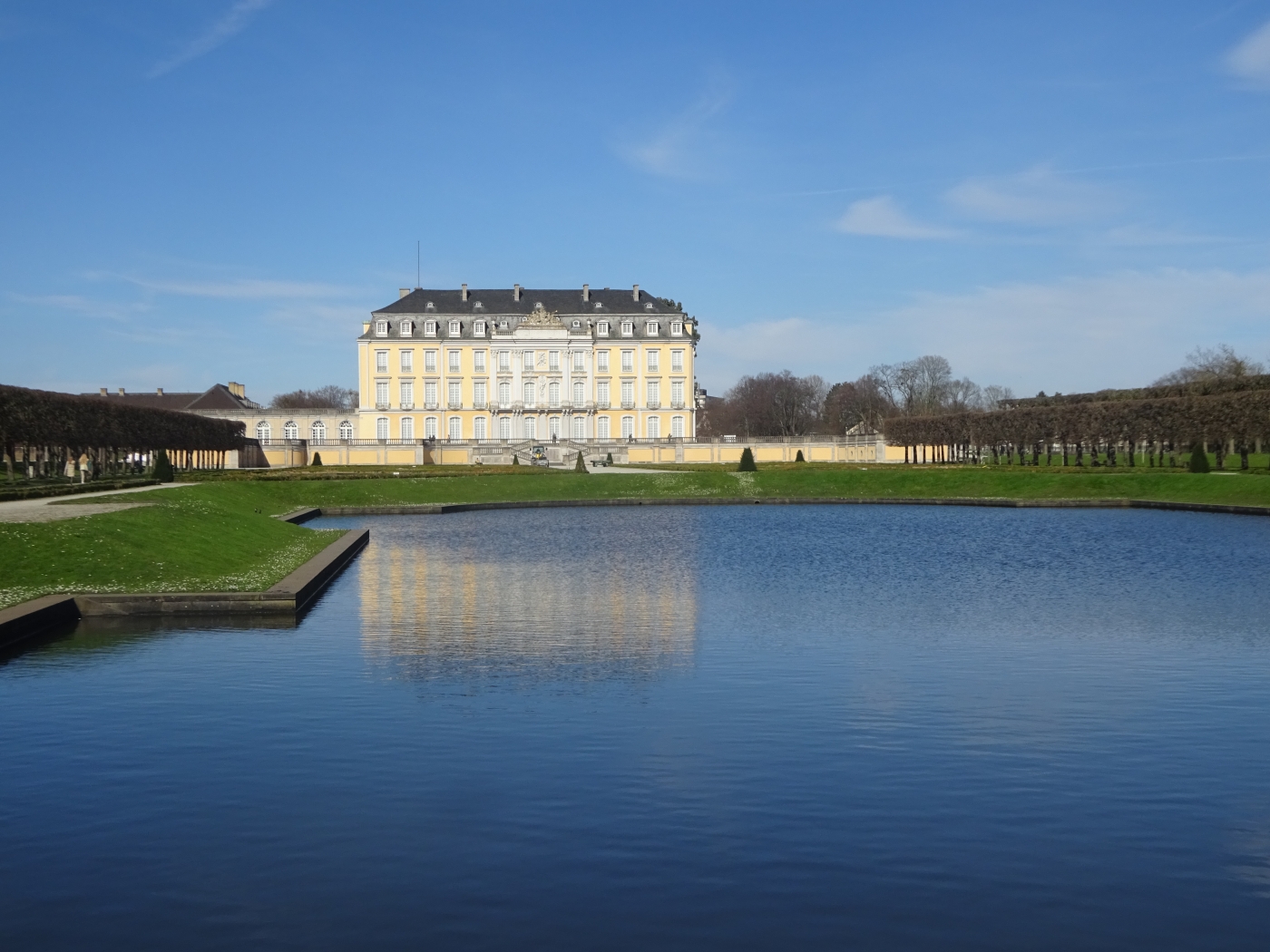
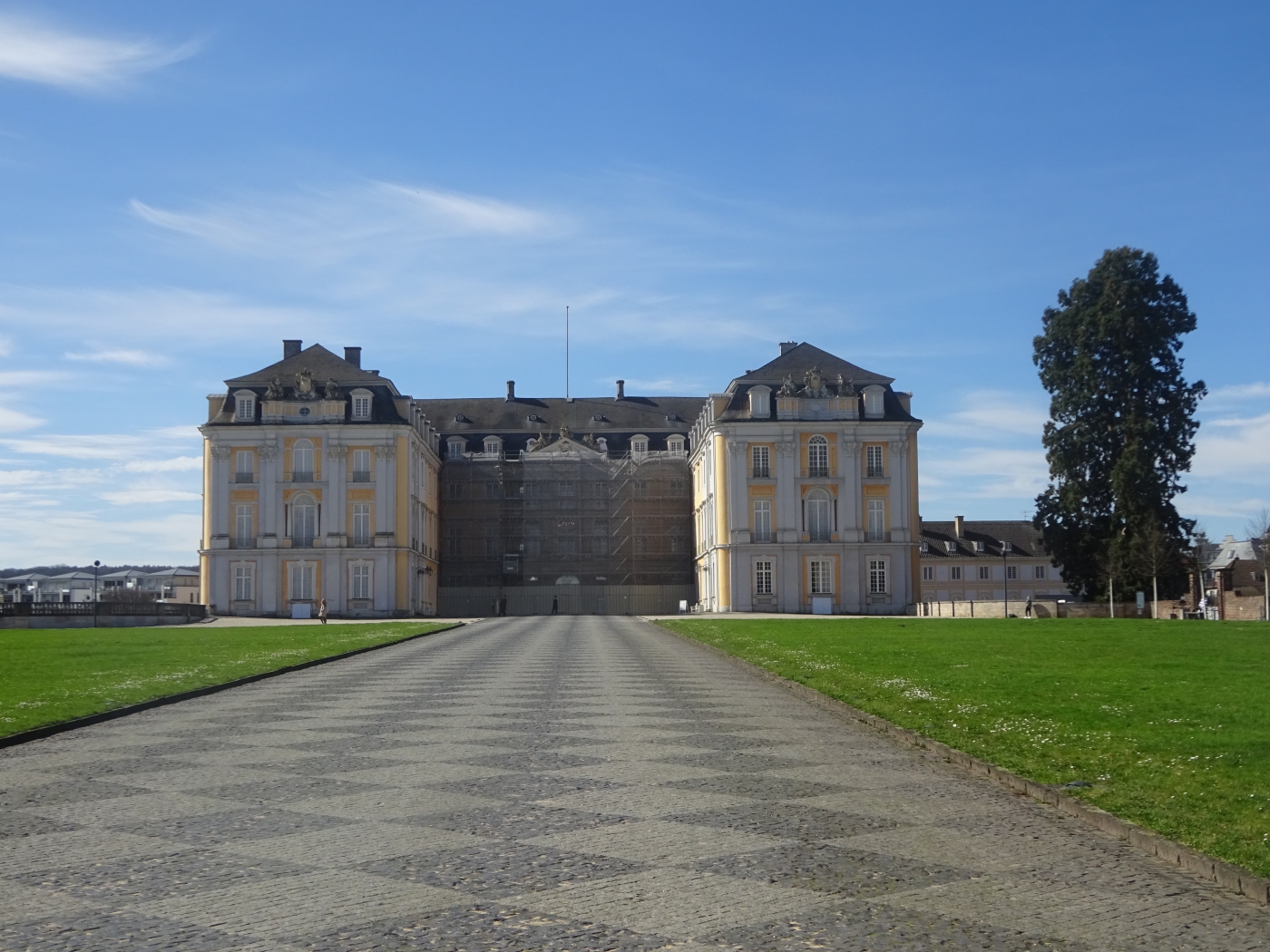
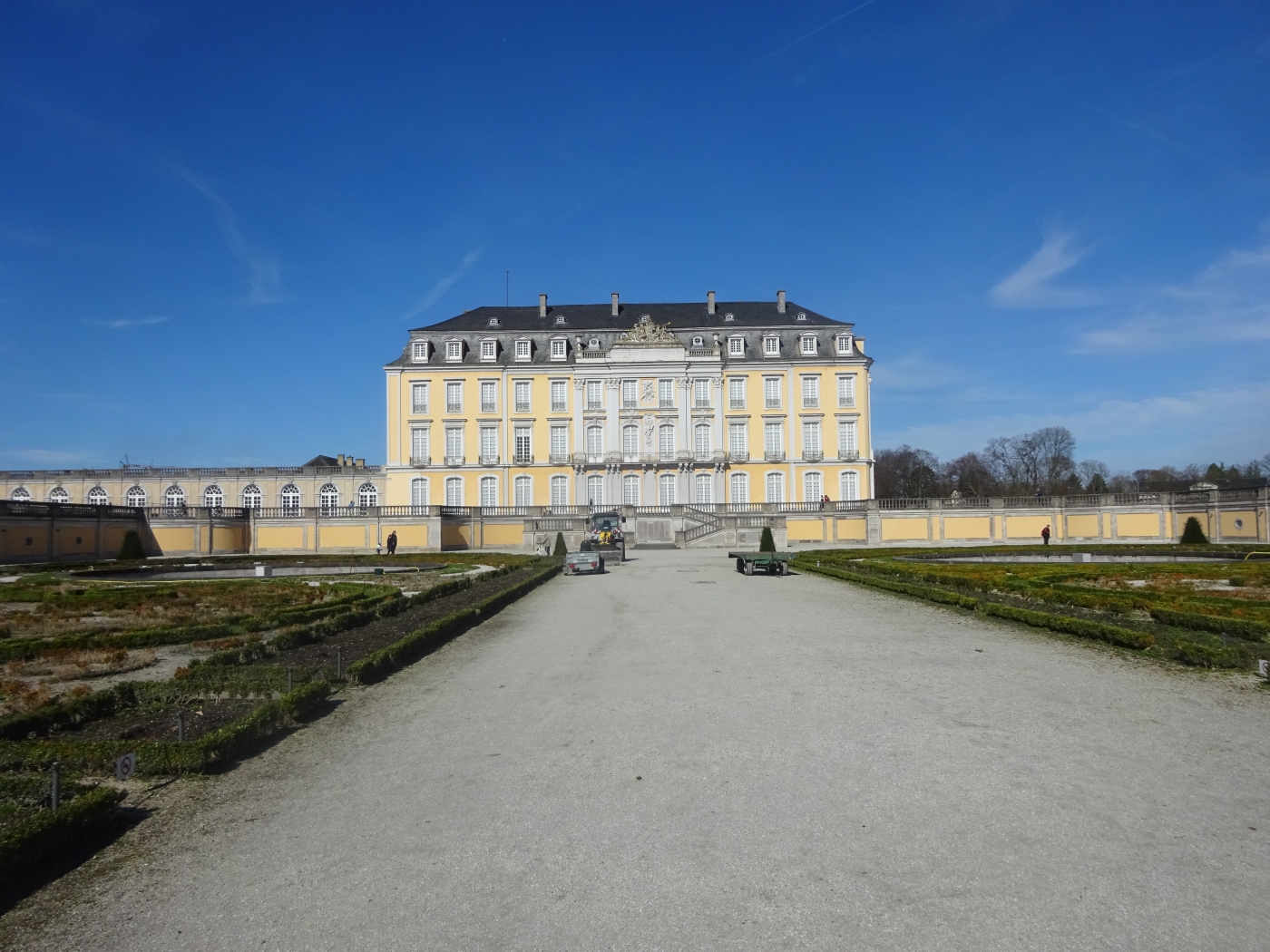
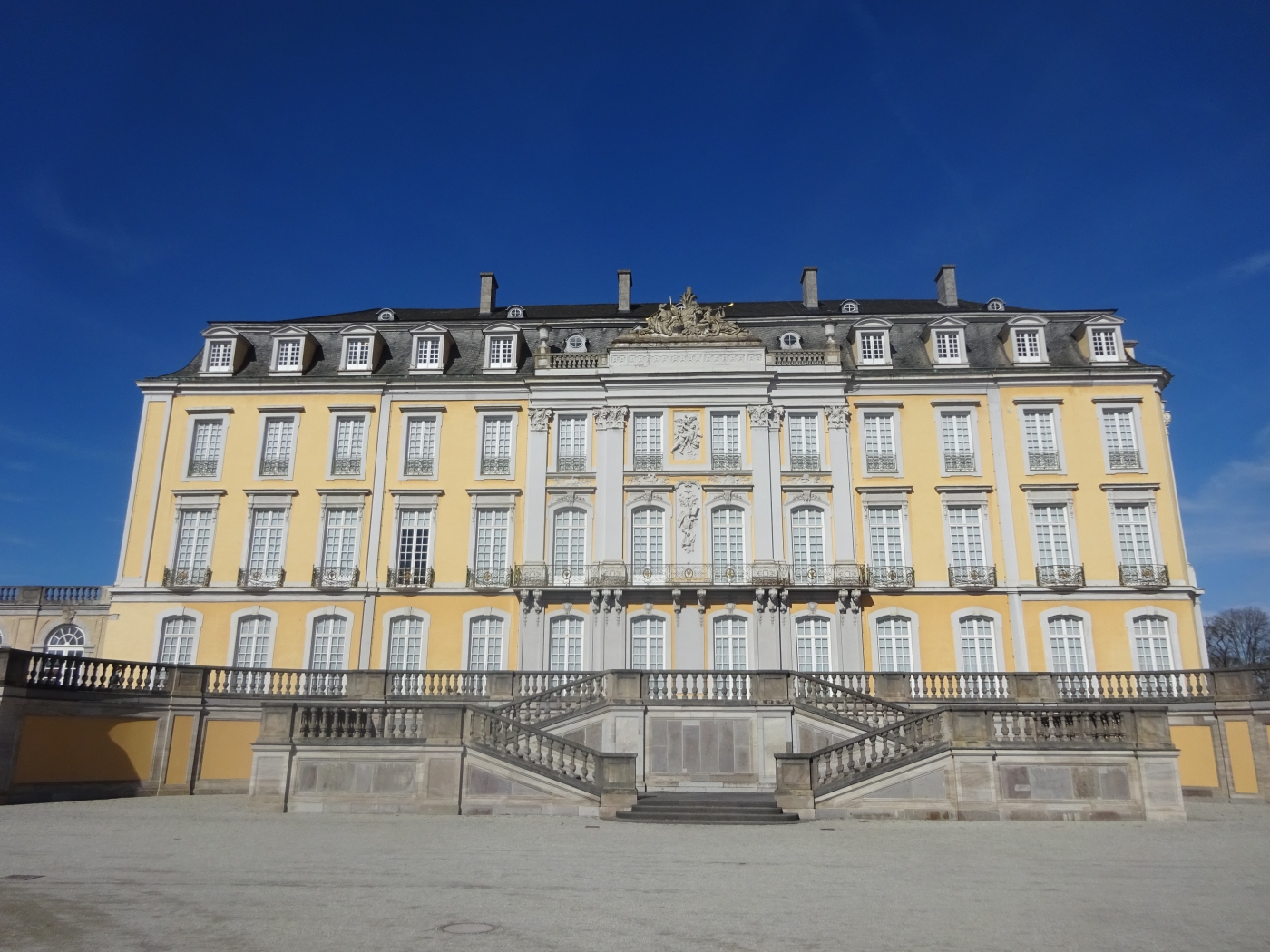
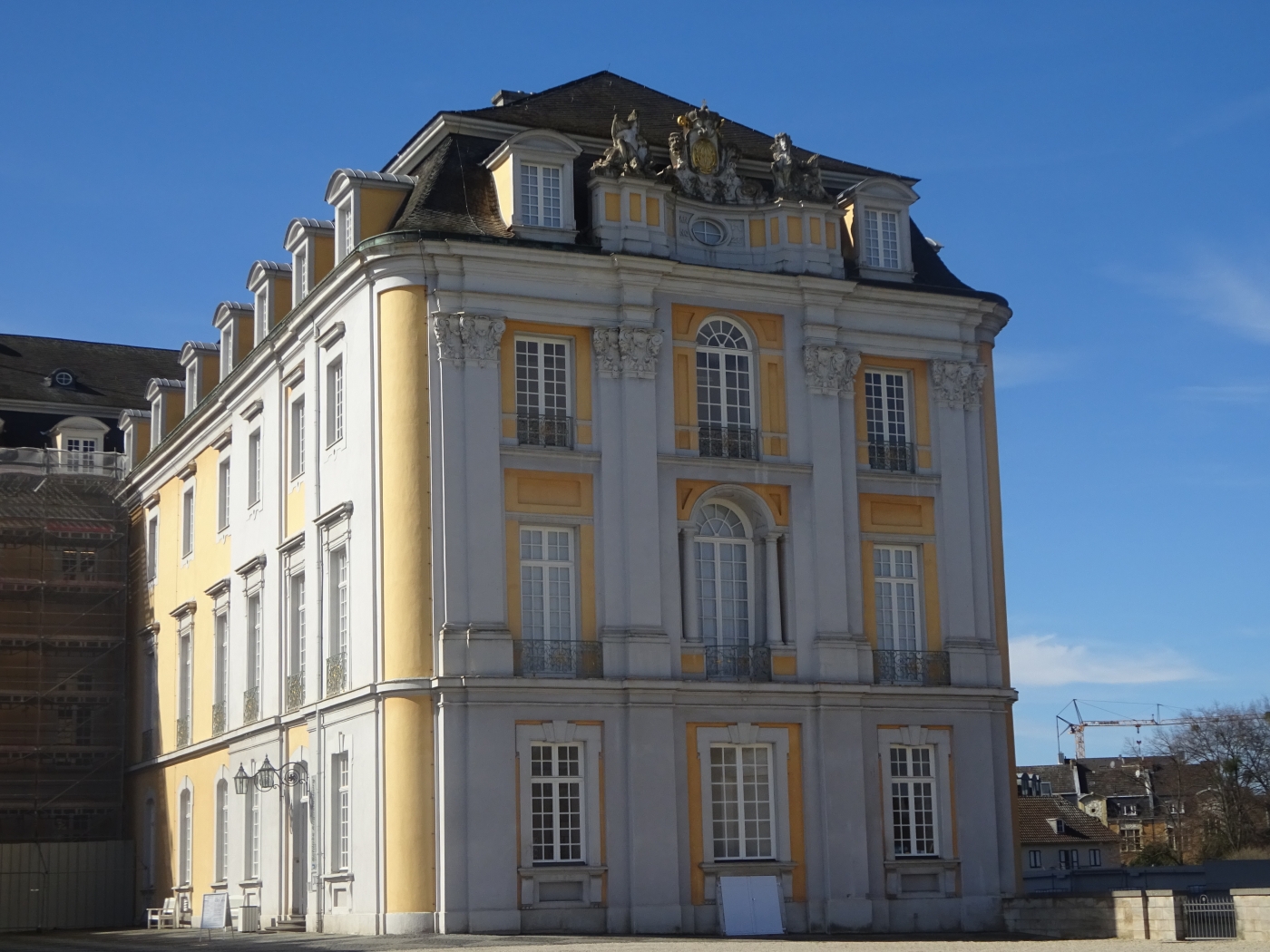
The Palaces of Augustusburg and Falkenlust in Brühl stand as magnificent testaments to the opulence and artistic zenith of the Rococo era. These exquisite residences, set amidst picturesque gardens, were commissioned by Clemens August of Bavaria, Elector-Archbishop of Cologne, during the 18th century. They embody a unique synthesis of architecture, sculpture, painting, and garden design, making them a jewel of European art history.
Augustusburg Palace: A Rococo Masterpiece
Augustusburg Palace, built on medieval foundations, began its transformation in 1725. The principal architect, Johann Conrad Schlaun, was succeeded by Balthasar Neumann, who designed the awe-inspiring staircase. This monumental staircase, a marvel of Baroque and Rococo design, is adorned with frescoes by Carlo Carlone and sculptures by Andreas Brühl, creating a breathtaking spatial experience. The palace's lavish interiors, showcasing exquisite craftsmanship by François de Cuvilliés and other leading artists, feature rich stucco, vibrant frescoes, and intricate boiserie. It served as the summer residence and official seat of the Prince-Elector.
Falkenlust Hunting Lodge: An Intimate Retreat
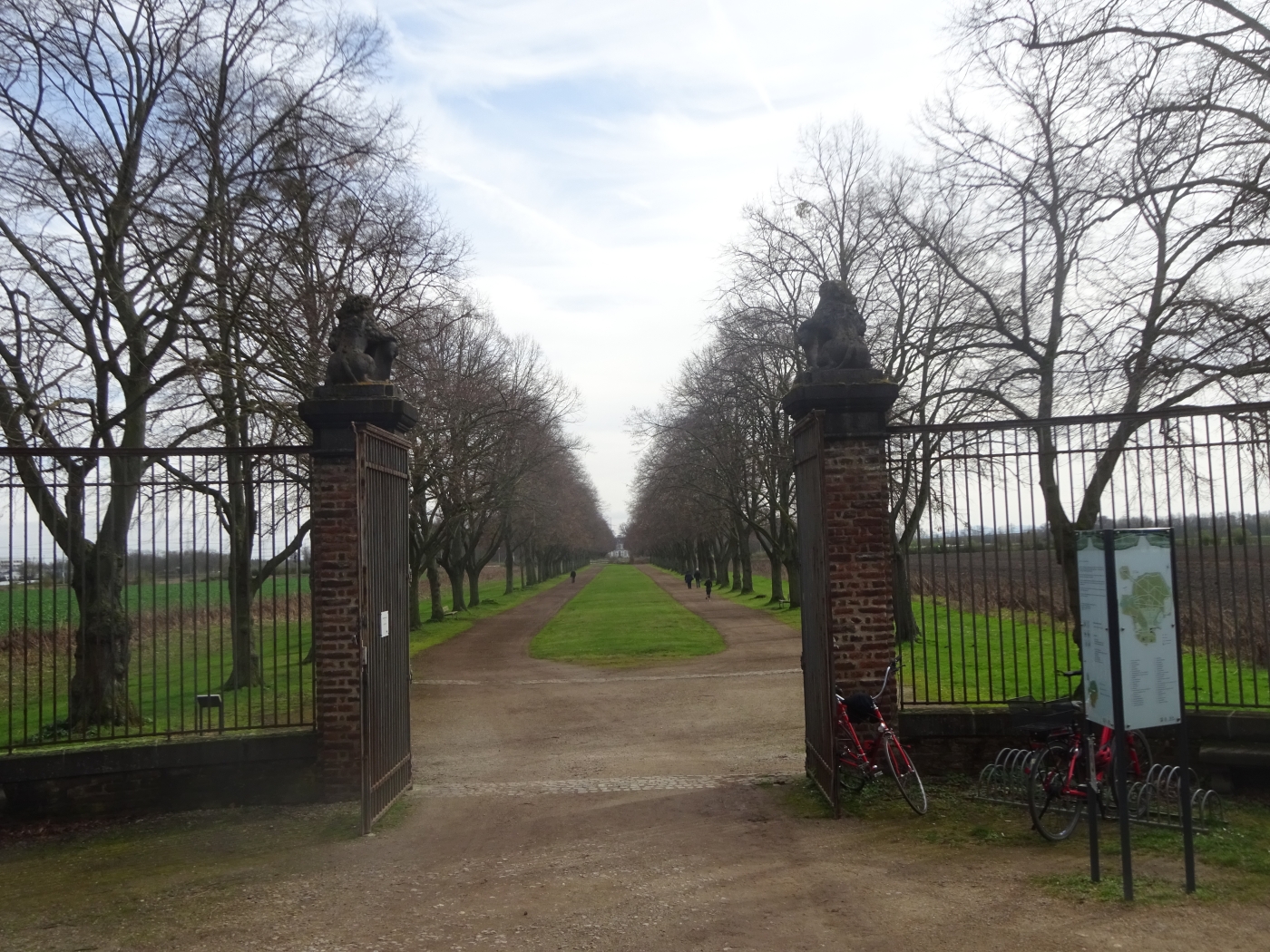
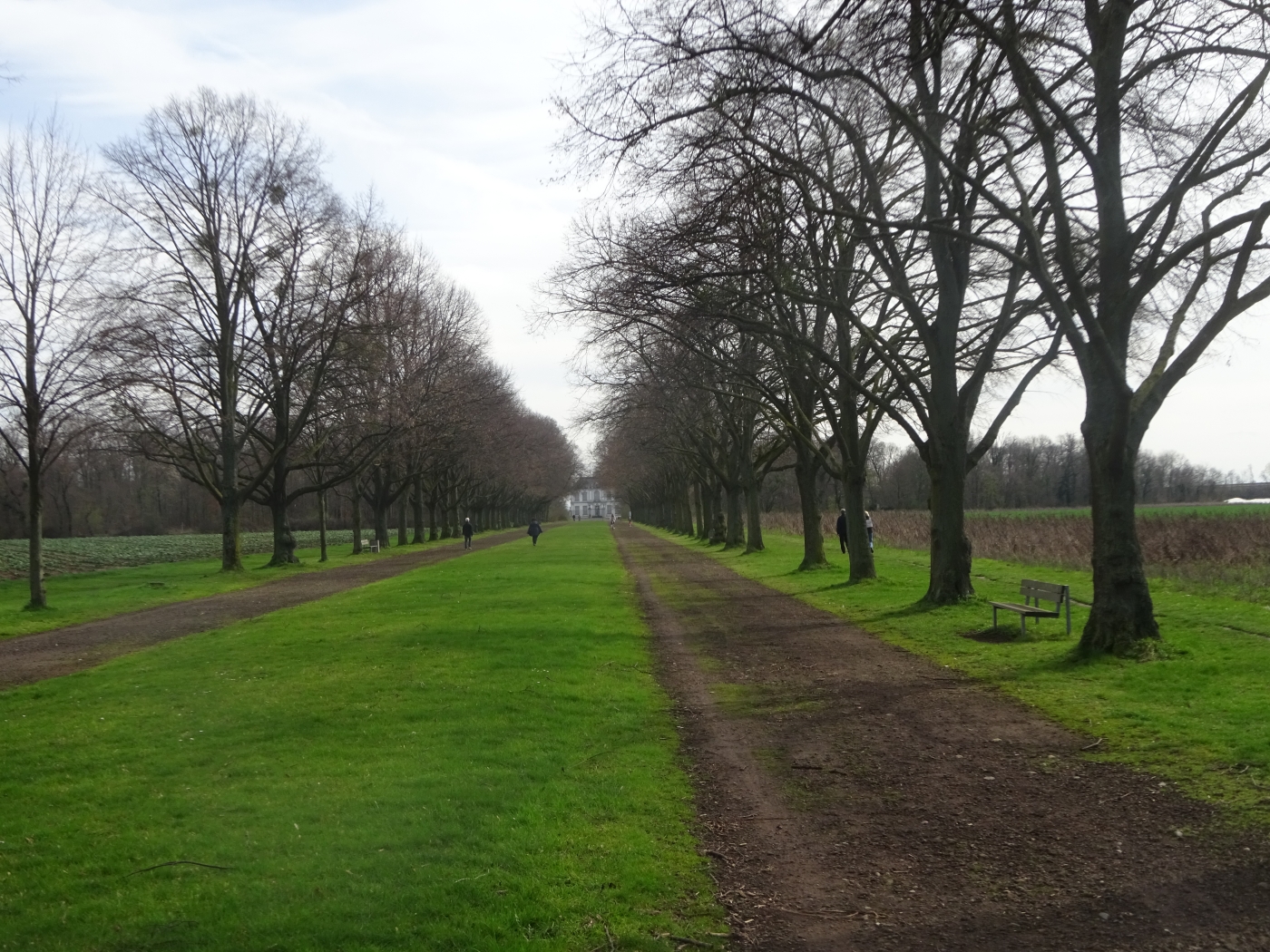
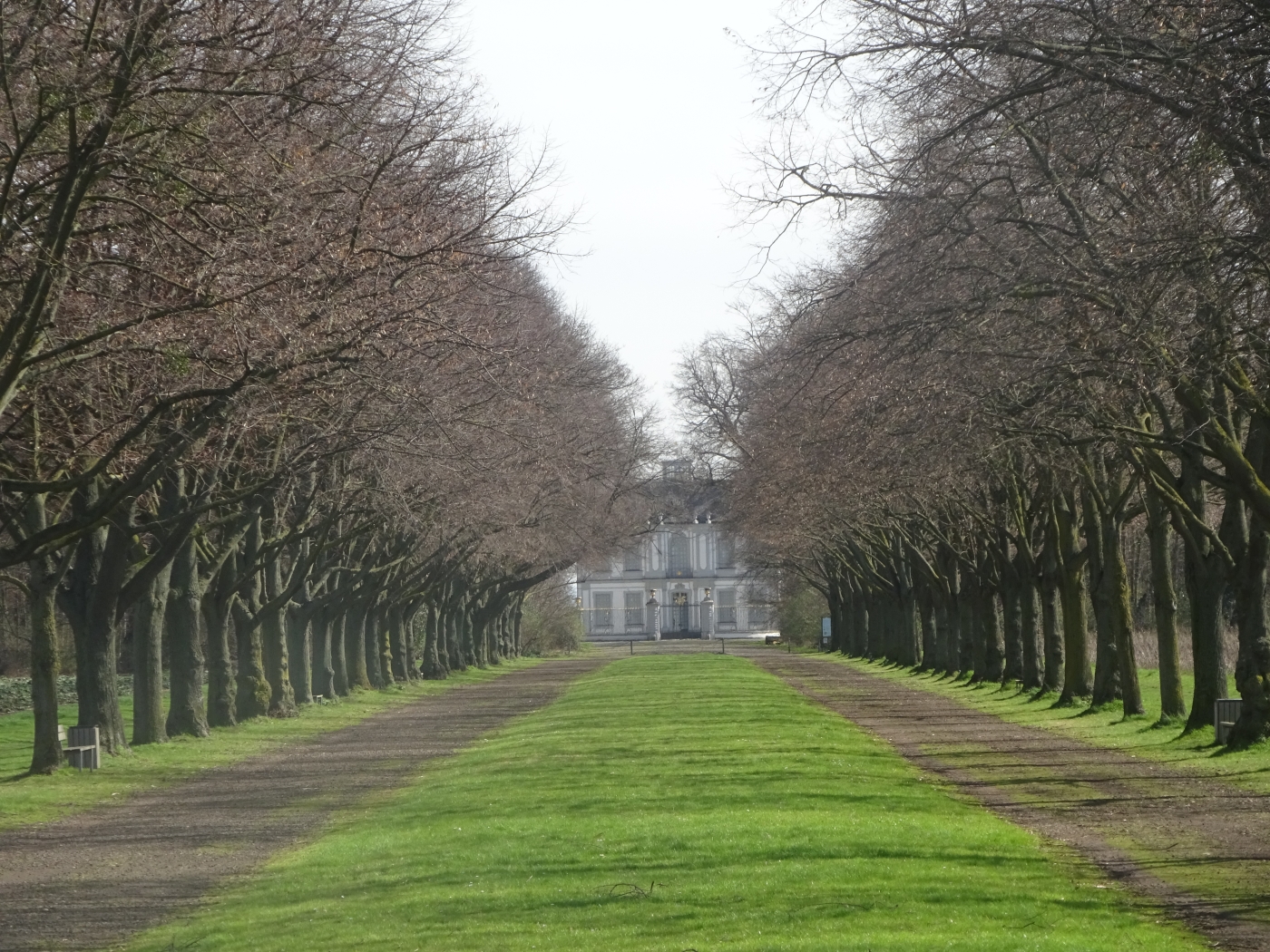
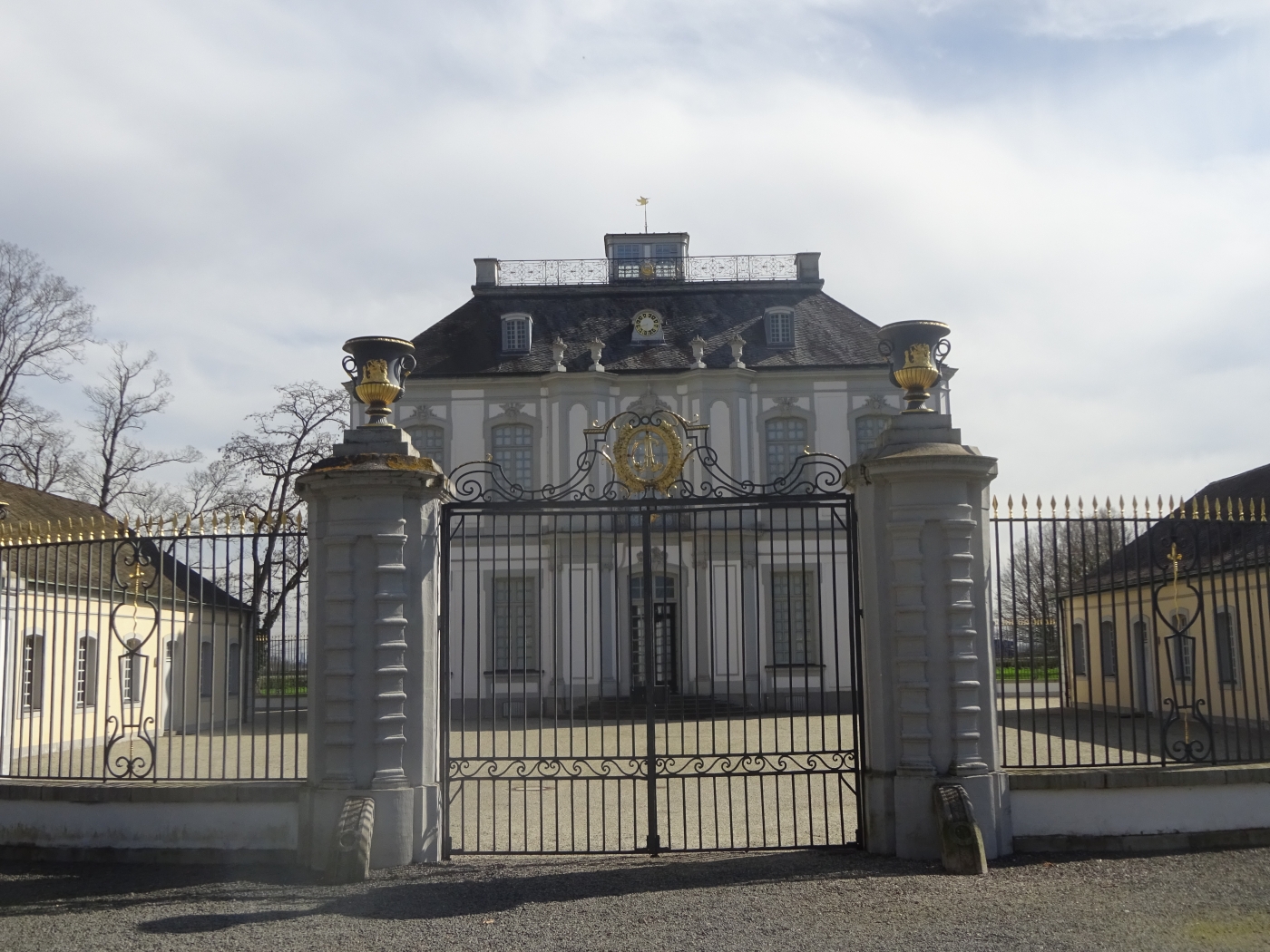
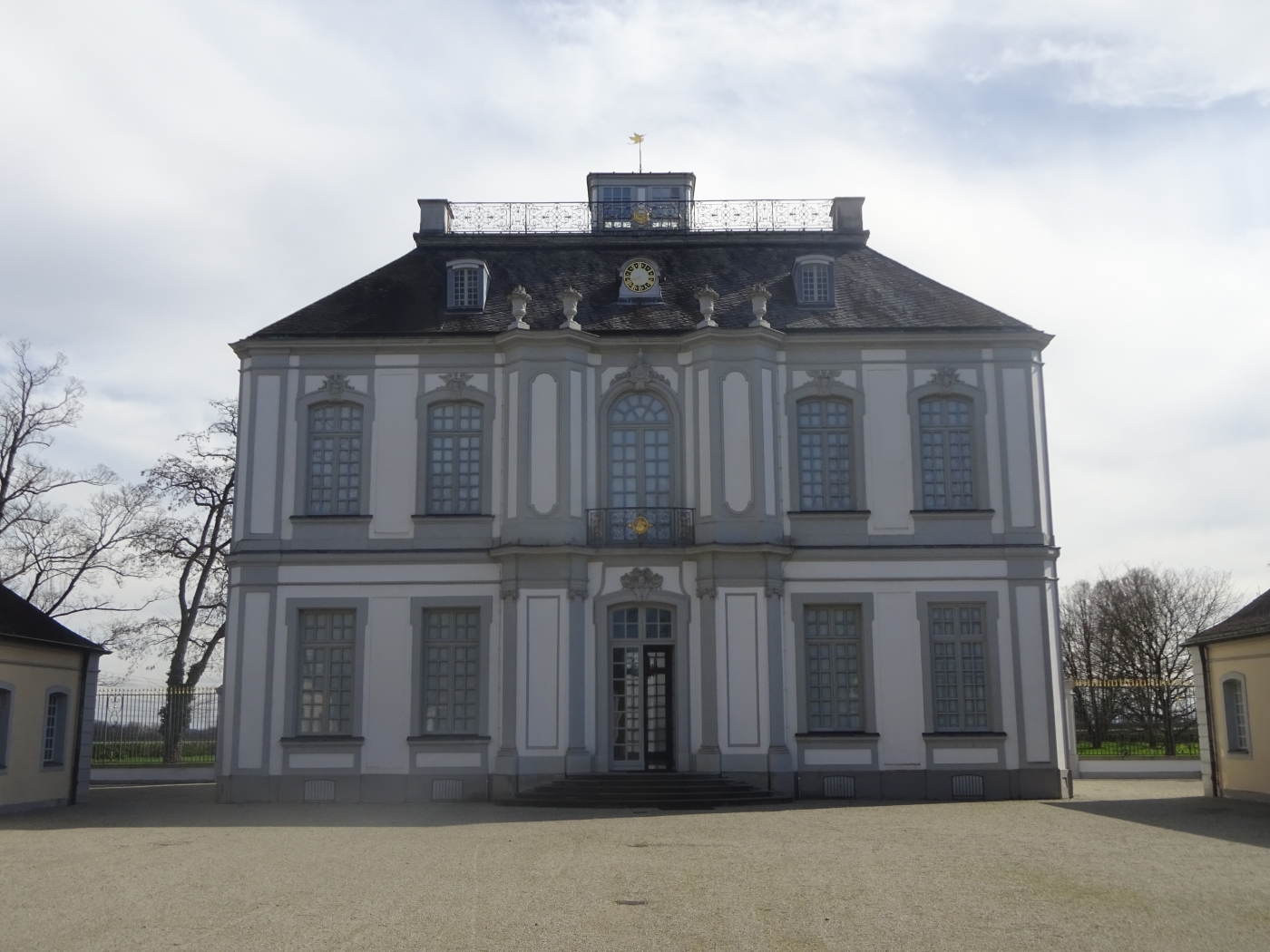
A short walk from Augustusburg lies Falkenlust, an intimate hunting lodge completed in 1729. Designed by François de Cuvilliés, it was conceived as a private retreat for Clemens August and his passion for falconry. While smaller, Falkenlust is no less remarkable, presenting a delicate and harmonious Rococo interior. Its celebrated features include the Spiegelkabinett (Mirror Cabinet) and the Chinesisches Kabinett (Chinese Cabinet), reflecting 18th-century exoticism. The lodge offers a stark, yet complementary, contrast to Augustusburg, providing a glimpse into the Prince-Elector's private world.
UNESCO World Heritage Recognition
In 1984, the Palaces of Augustusburg and Falkenlust were inscribed on the UNESCO World Heritage List. This recognition underscores their universal value as outstanding examples of early Rococo architecture and garden art in Germany. They illustrate the collaboration of Europe's most significant architects and artists, resulting in a cohesive and exceptionally preserved ensemble that profoundly influenced subsequent European court architecture and garden design. The palaces remain a vibrant cultural monument, inviting visitors to step back into an era of unparalleled artistic expression.
Weiterführende Links
Set in an idyllic garden landscape, Augustusburg Castle (the sumptuous residence of the prince-archbishops of Cologne) and the Falkenlust hunting lodge (a small rural folly) are among the earliest examples of Rococo architecture in 18th-century Germany.
The Augustusburg and Falkenlust Palaces form a historical building complex in Brühl, North Rhine-Westphalia, Germany. The buildings are connected by the spacious gardens and trees of the Schlosspark. Built in the early 18th century, the palaces and adjoining gardens are considered masterpieces of early rococo architecture and have been listed as a UNESCO cultural World Heritage Site since 1984. Augustusburg Palace (German: Schloss Augustusburg) and its parks also serve as a venue for the Brühl Palace Concerts.