The Porticoes of Bologna
Bologna, Italy
16.07.2024

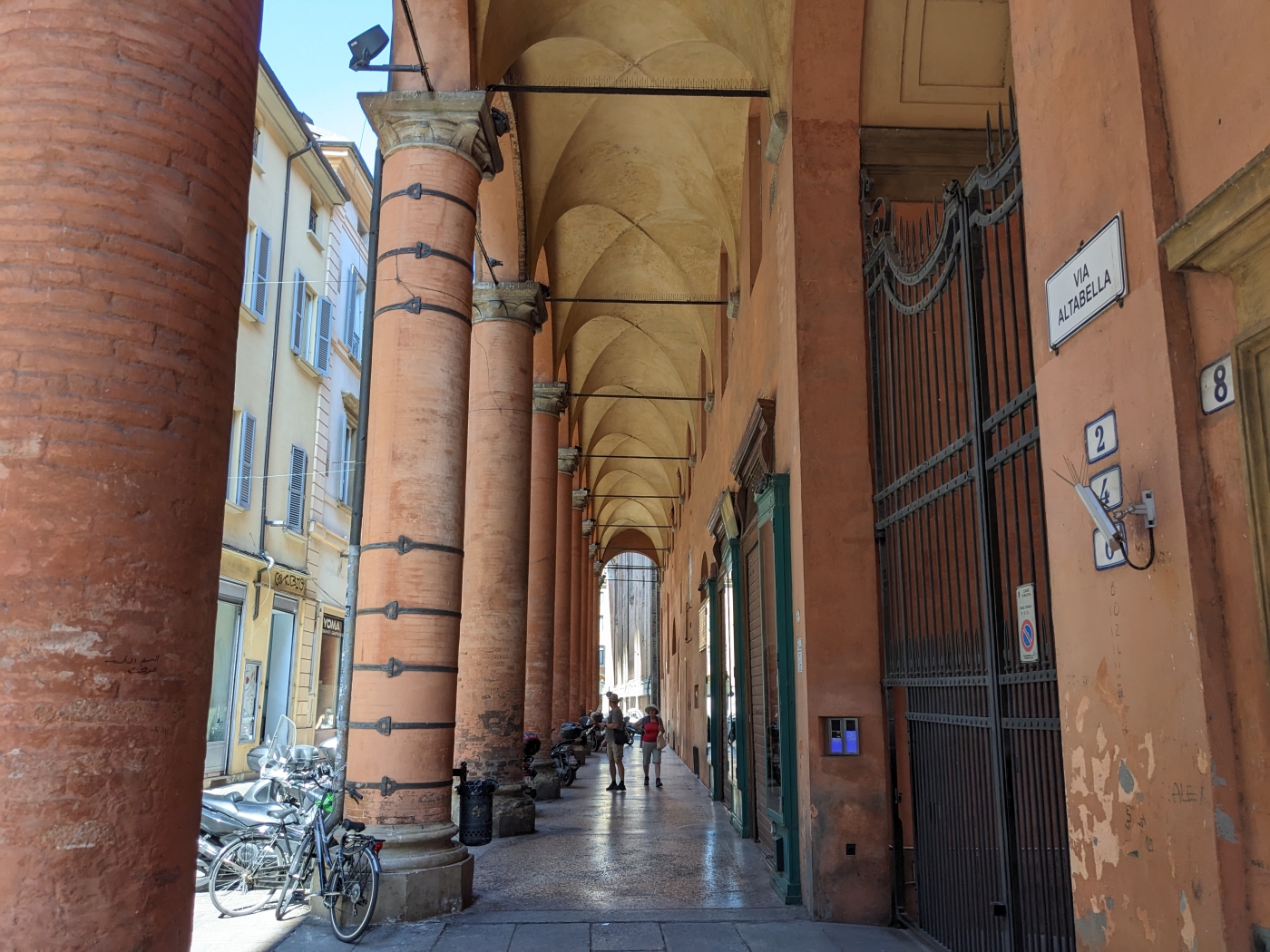
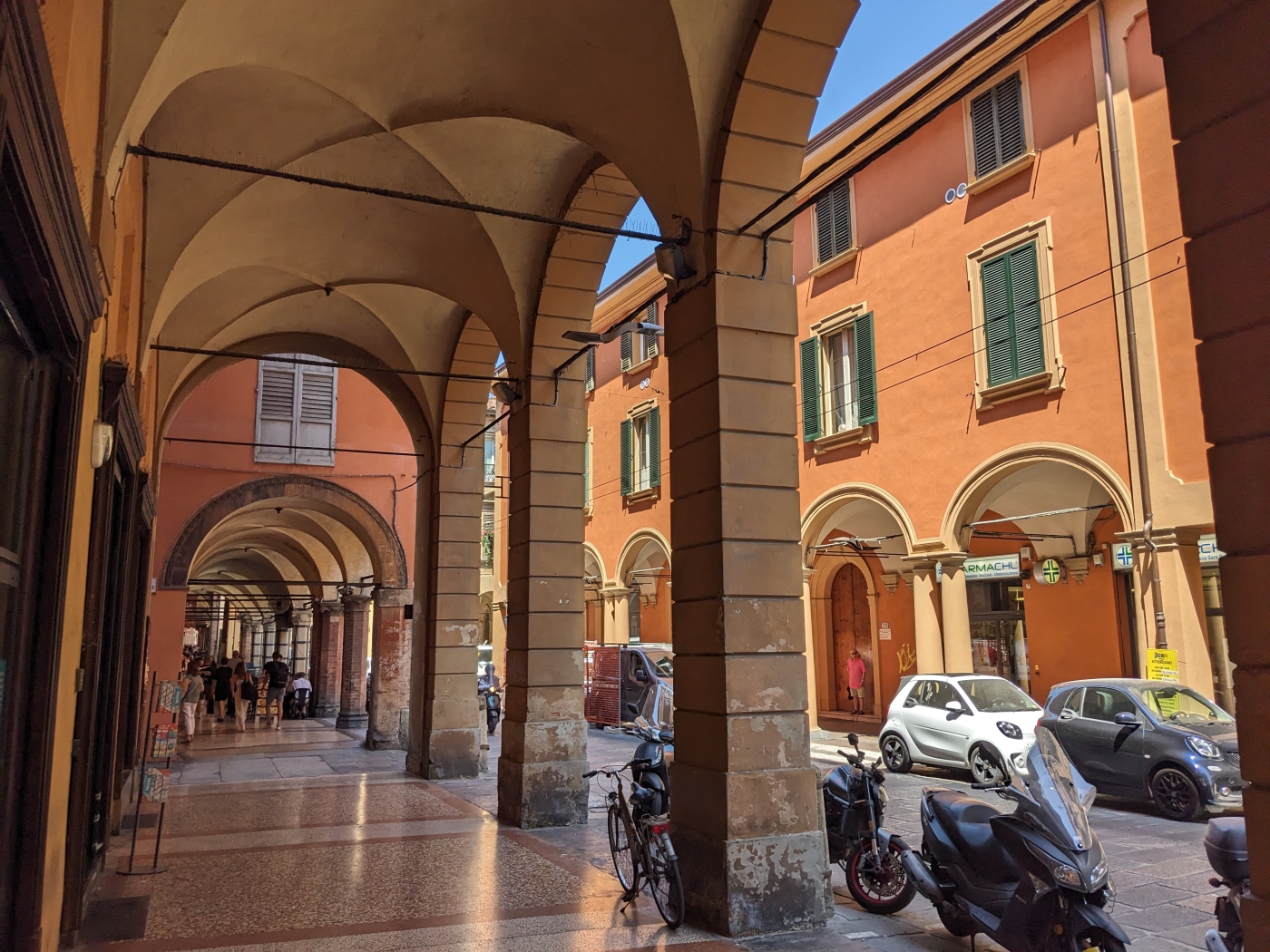
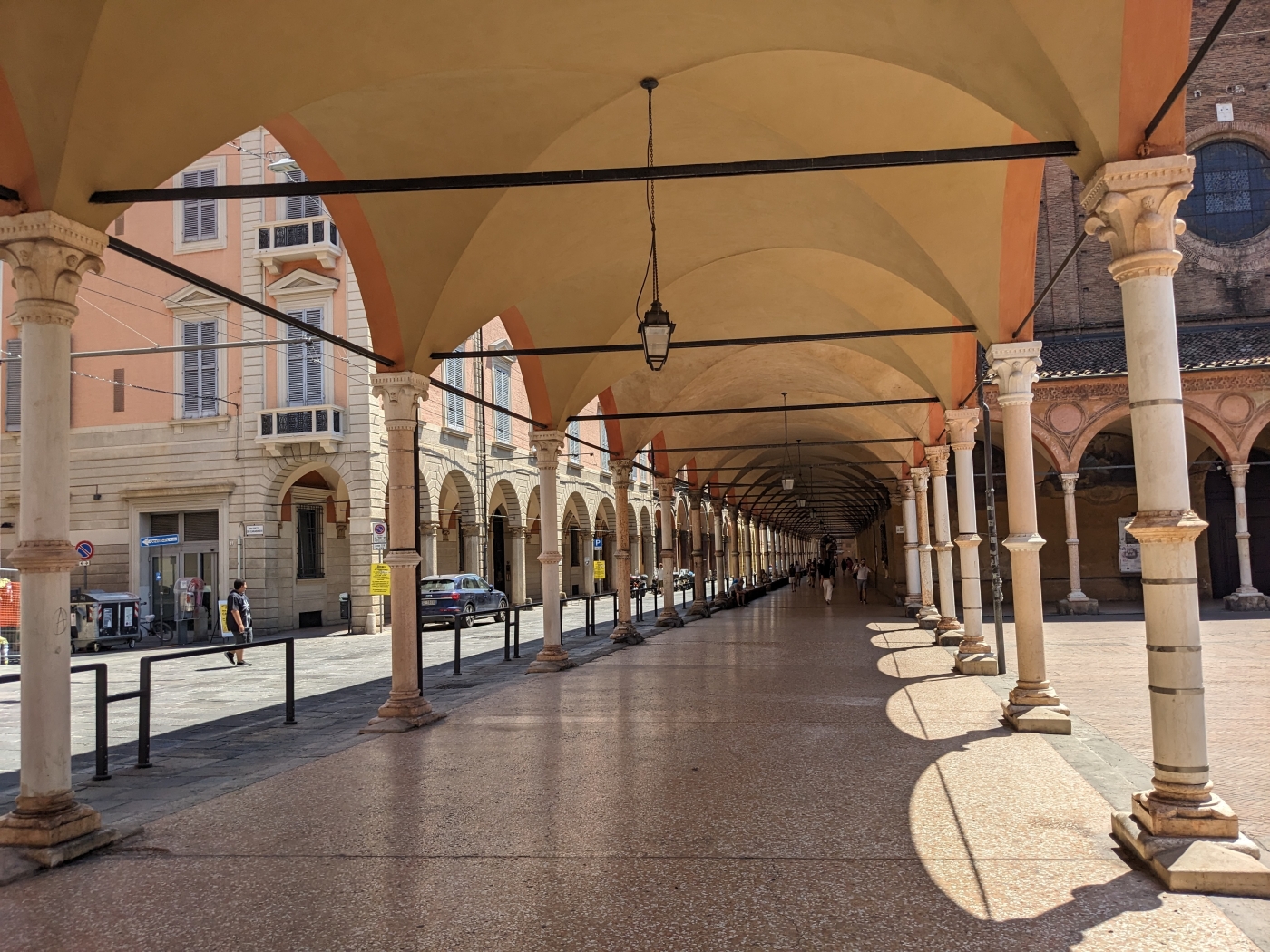
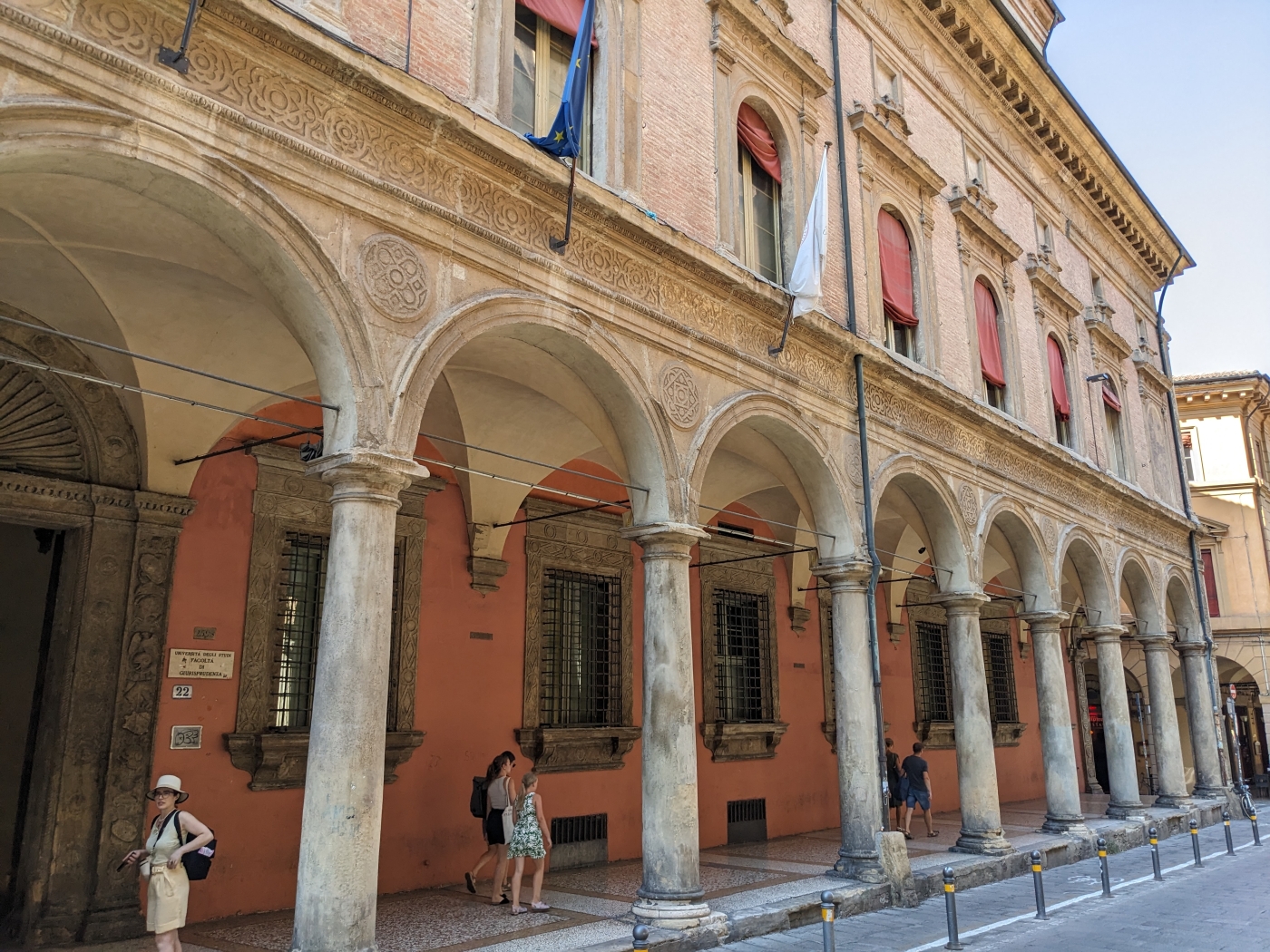
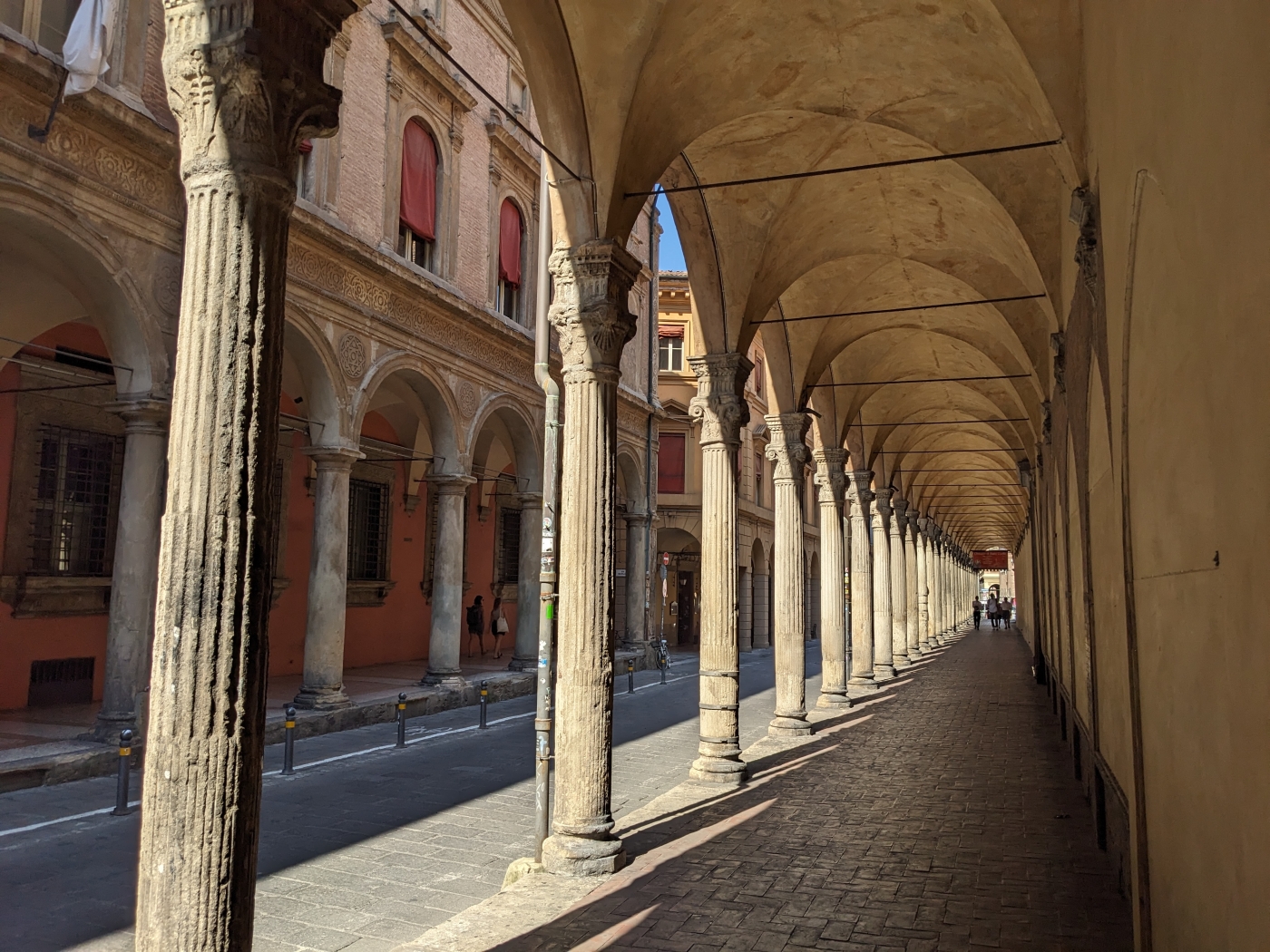
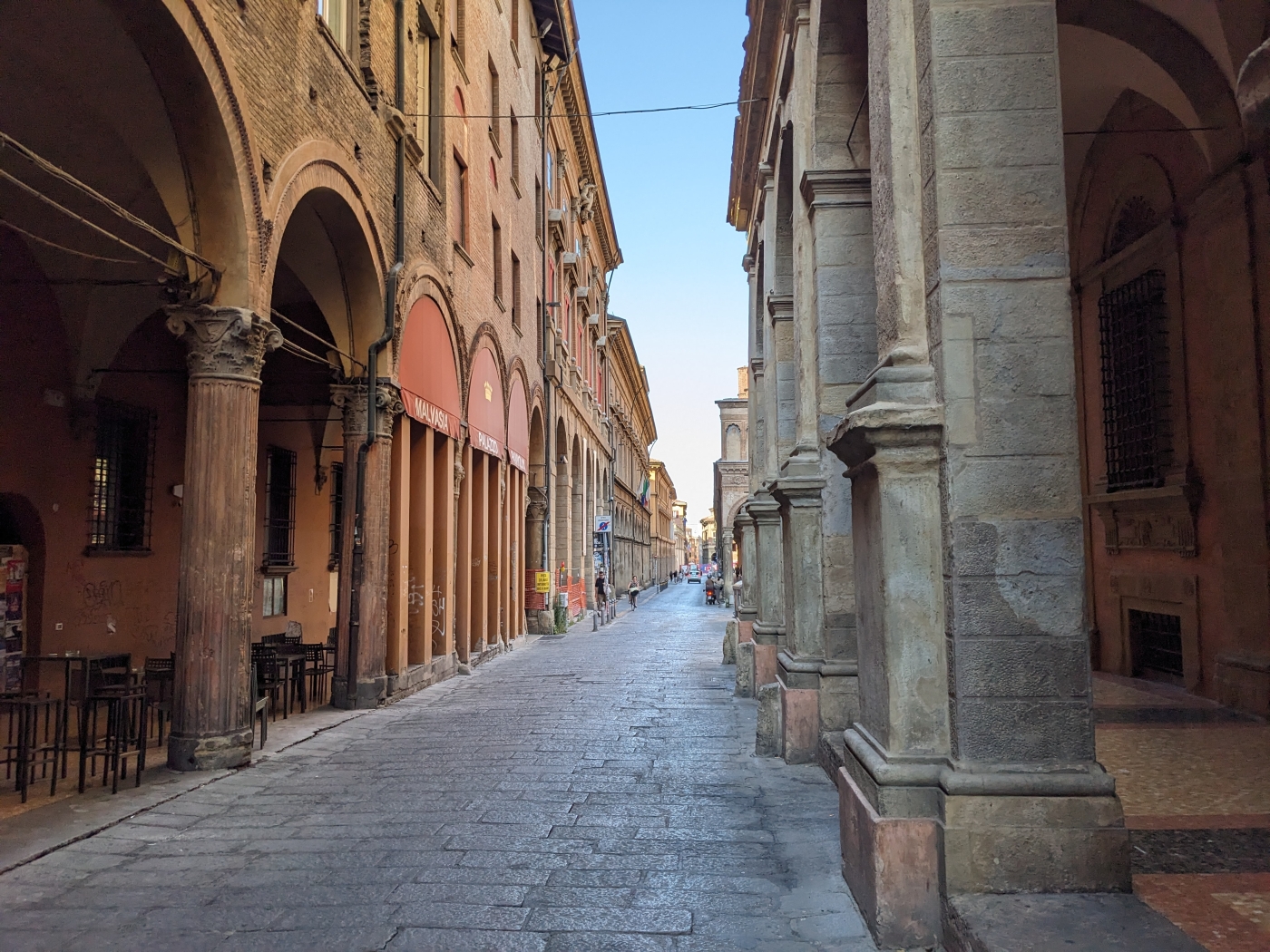
The Italian city of Bologna boasts an extraordinary urban feature: its extensive network of porticoes. These covered walkways, collectively known as the Porticoes of Bologna, achieved UNESCO World Heritage status in 2021, recognized for their exceptional universal value. Spanning over 62 kilometers, they are fundamental to the city’s identity, history, and unique urban character, serving as both architectural marvels and vibrant public spaces.
A Historical Journey
Originating in the 11th and 12th centuries, the porticoes evolved largely due to the rapid growth of the University of Bologna. Initially wooden extensions of private homes, they provided extra living space upstairs and sheltered walkways below. By the 13th century, regulations standardized their construction, gradually transforming them into the enduring stone and brick structures seen today. They served a vital role in urban life, facilitating commerce and offering protection from weather for citizens and students alike.
Architectural Diversity and Urban Life
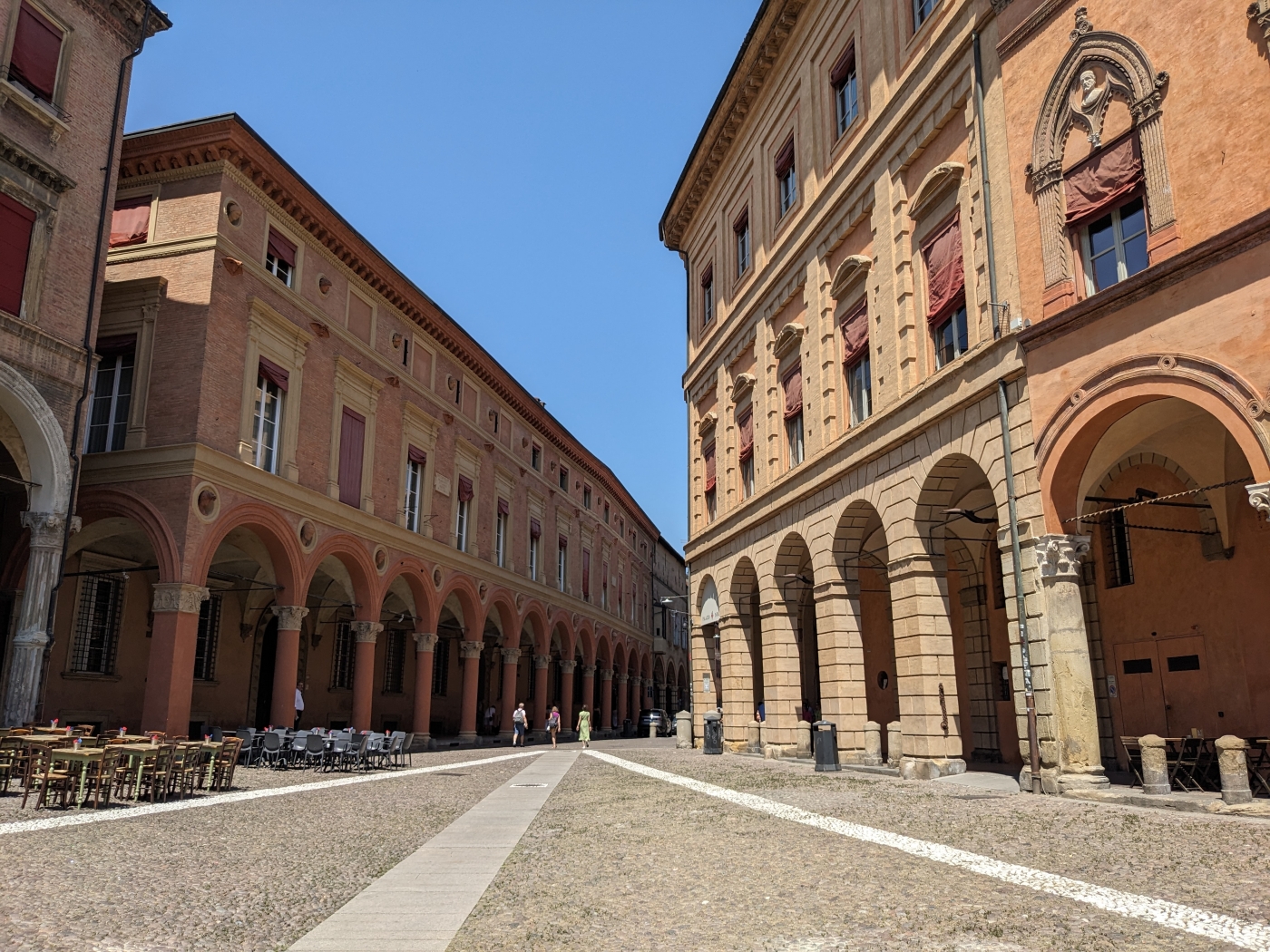
The porticoes display a rich architectural tapestry, reflecting styles from Romanesque to Baroque. A prime example is the Portico di San Luca, the world's longest, extending almost 4 kilometers with 666 arches to the Sanctuary of the Madonna di San Luca. Another notable area is around Piazza Santo Stefano, home to the ancient Seven Churches complex, where porticoes frame a historically resonant square. These unique pathways shaped Bologna's urban landscape, seamlessly blending public and private realms, and fostering a distinctive social and commercial environment for centuries.
UNESCO Recognition
The UNESCO World Heritage inscription acknowledges the porticoes as an outstanding example of urban architecture, embodying a unique response to urban growth and social needs. They represent a universal model of urban living, showcasing a long-standing cultural tradition and innovative urban planning that continues to define Bologna’s character.
Weiterführende Links
The serial property comprises twelve component parts consisting of ensembles of porticoes and their surrounding built areas, located within the Municipality of Bologna from the 12th century to the present. These portico ensembles are considered to be the most representative among city’s porticoes, which cover a total stretch of 62 km. Some of the porticoes are built of wood, others of stone or brick, as well as reinforced concrete, covering roads, squares, paths and walkways, either on one or both sides of a street. The property includes porticoed buildings that do not form a structural continuum with other buildings and therefore are not part of a comprehensive covered walkway or passage. The porticoes are appreciated as sheltered walkways and prime locations for merchant activities. In the 20th century, the use of concrete allowed the replacement of the traditional vaulted arcades with new building possibilities and a new architectural language for the porticoes emerged, as exemplified in the Barca district. Together, the selected porticoes reflect different typologies, urban and social functions and chronological phases. Defined as private property for public use, the porticoes have become an expression and element of Bologna’s urban identity.
The porticoes of Bologna are an important cultural and architectural heritage of Bologna, Italy and represent a symbol of the city together with the numerous towers. No other city in the world has as many porticoes as Bologna: all together, they cover more than 38 kilometres (24 mi) only in the historic centre, but can reach up to 53 kilometres (33 mi) if those outside the medieval city walls are also considered.
On account of their cultural and artistic significance, in 2021 the porticoes of Bologna have been declared a UNESCO World Heritage Site.
The porticoes of Bologna are similar to the Qi-lou (骑楼) widely found in the cities of southern China and the Gan-gi (雁木) found in the Japanese cities along the Japan Sea.