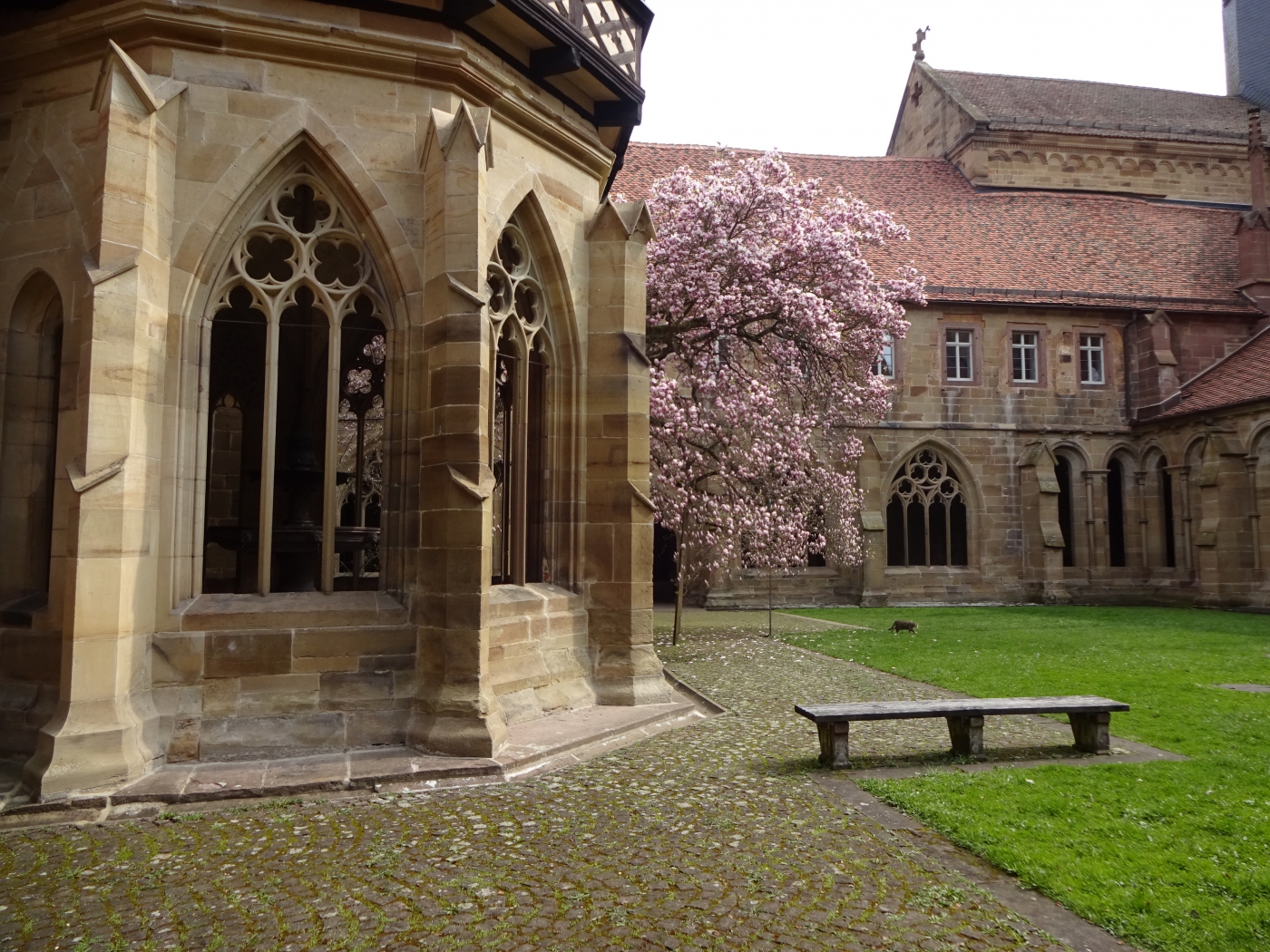
Maulbronn Monastery Complex
Maulbronn, Germany
02.04.2017

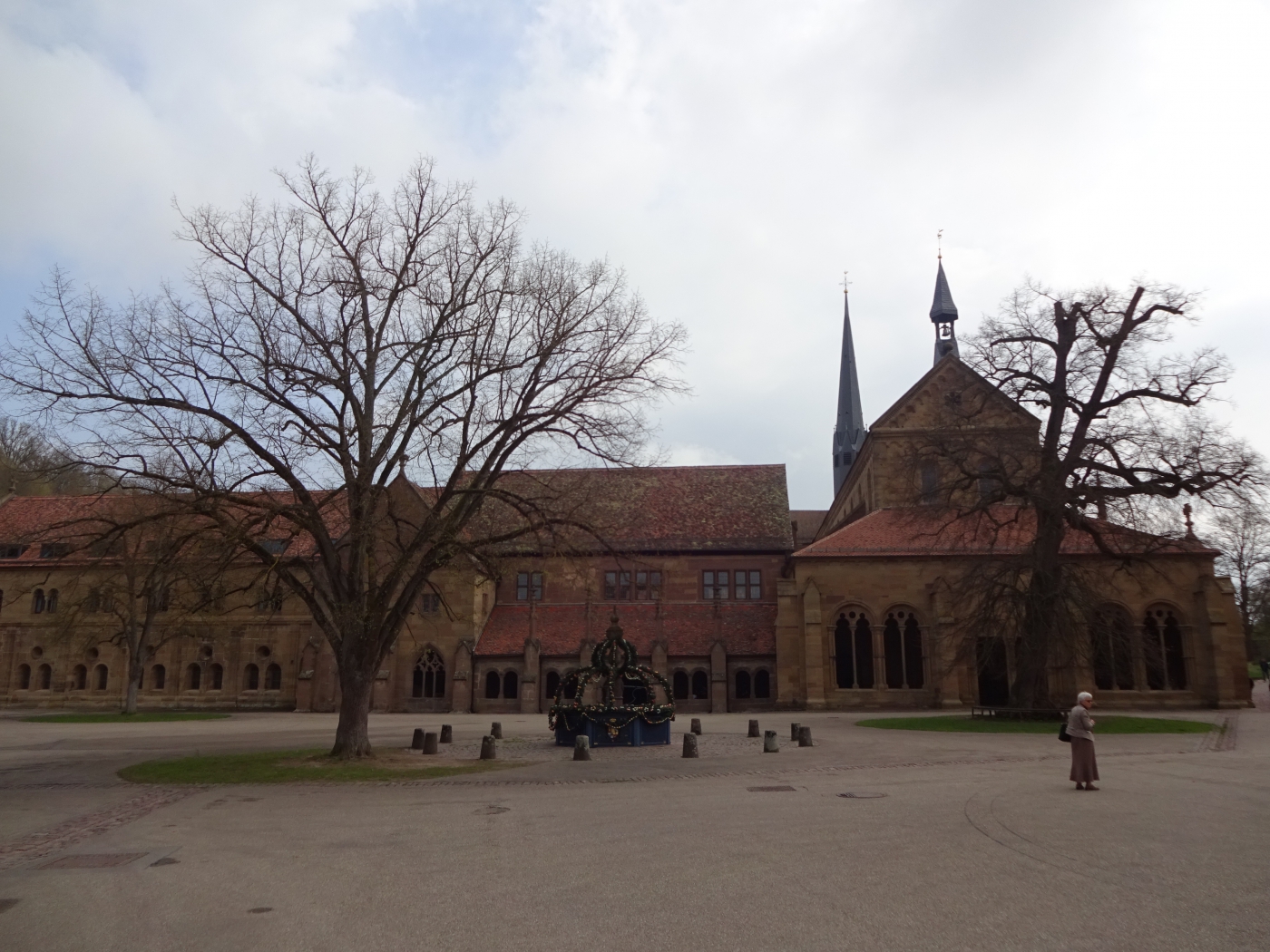
The Maulbronn Monastery Complex, nestled amidst the picturesque landscape of Maulbronn, Germany, stands as an exceptionally preserved testament to medieval monastic life and architecture. Inscribed as a UNESCO World Heritage site in 1993, it represents one of the most complete and well-maintained Cistercian monastic complexes in Europe, offering an unparalleled journey through centuries of history and architectural evolution.
A Medieval Foundation
The monastery's origins trace back to 1147, when it was founded by a community of Cistercian monks under the patronage of Bishop Günther von Speyer. The site, strategically chosen in a secluded valley, quickly developed into an economic and spiritual powerhouse. The monks were renowned for their innovative agricultural techniques, sophisticated water management systems, and skilled craftsmanship. Over the centuries, the complex grew, incorporating various buildings that showcase a fascinating transition from late Romanesque to early Gothic architectural styles.
Architectural Grandeur
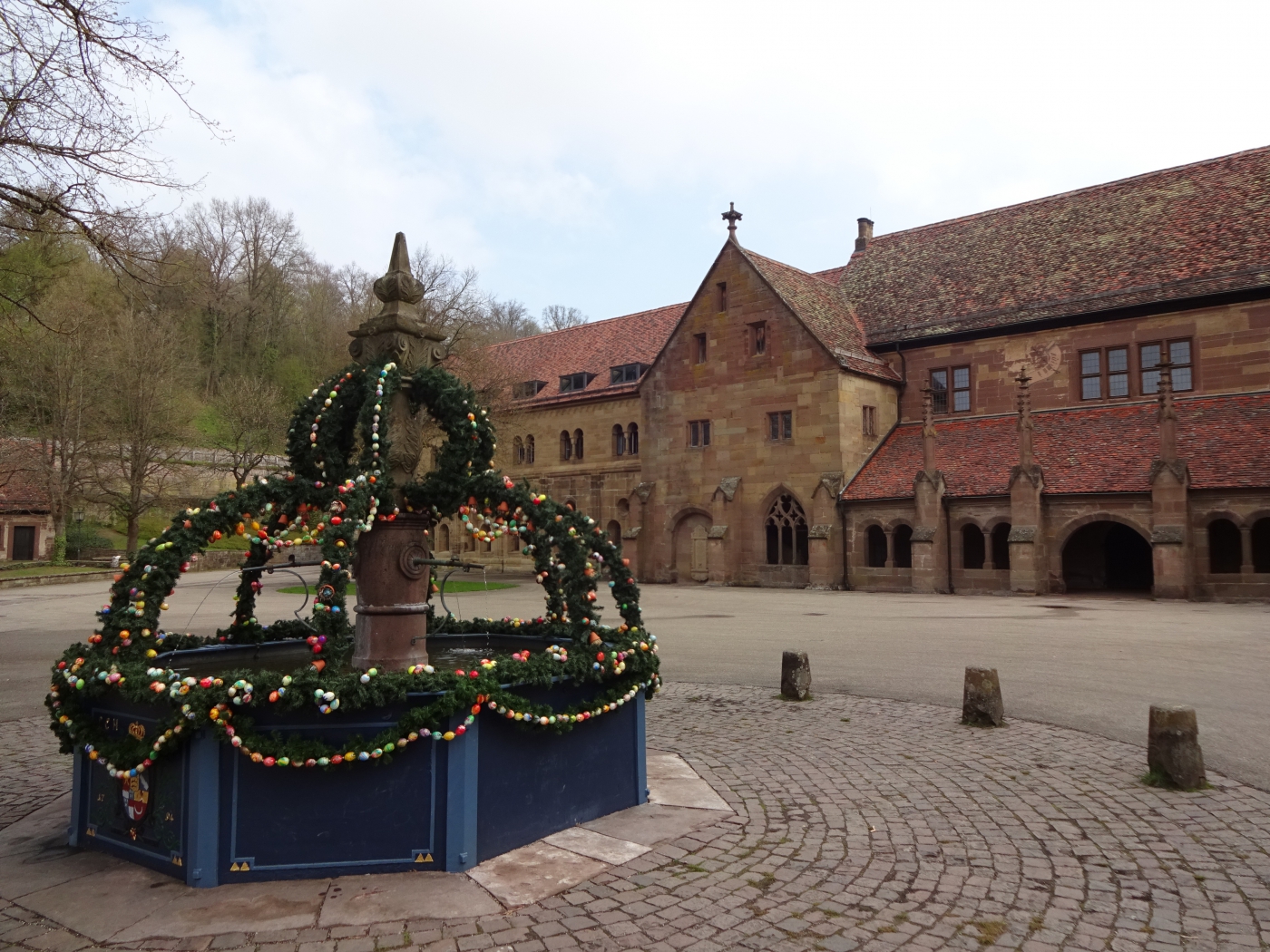
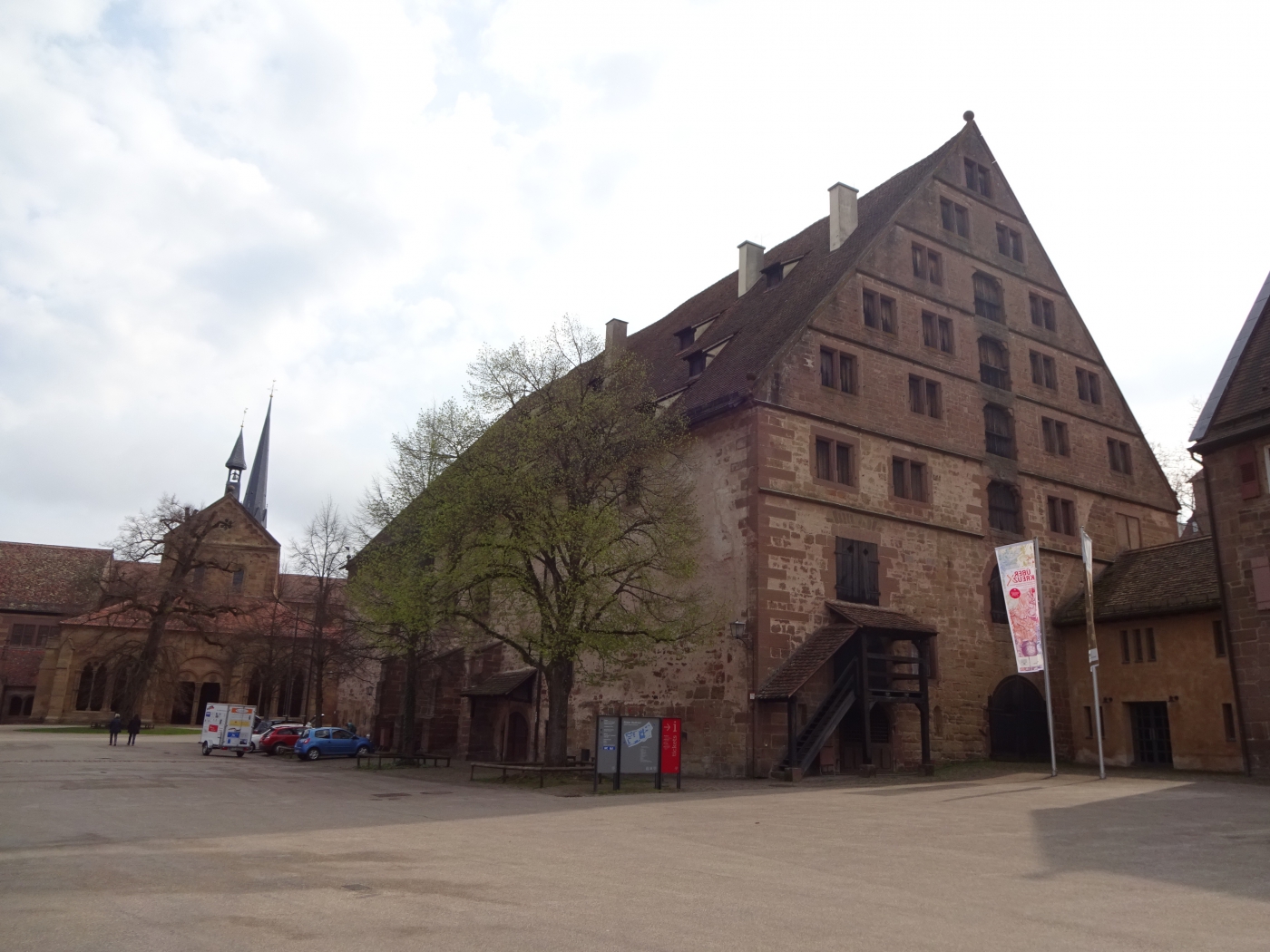
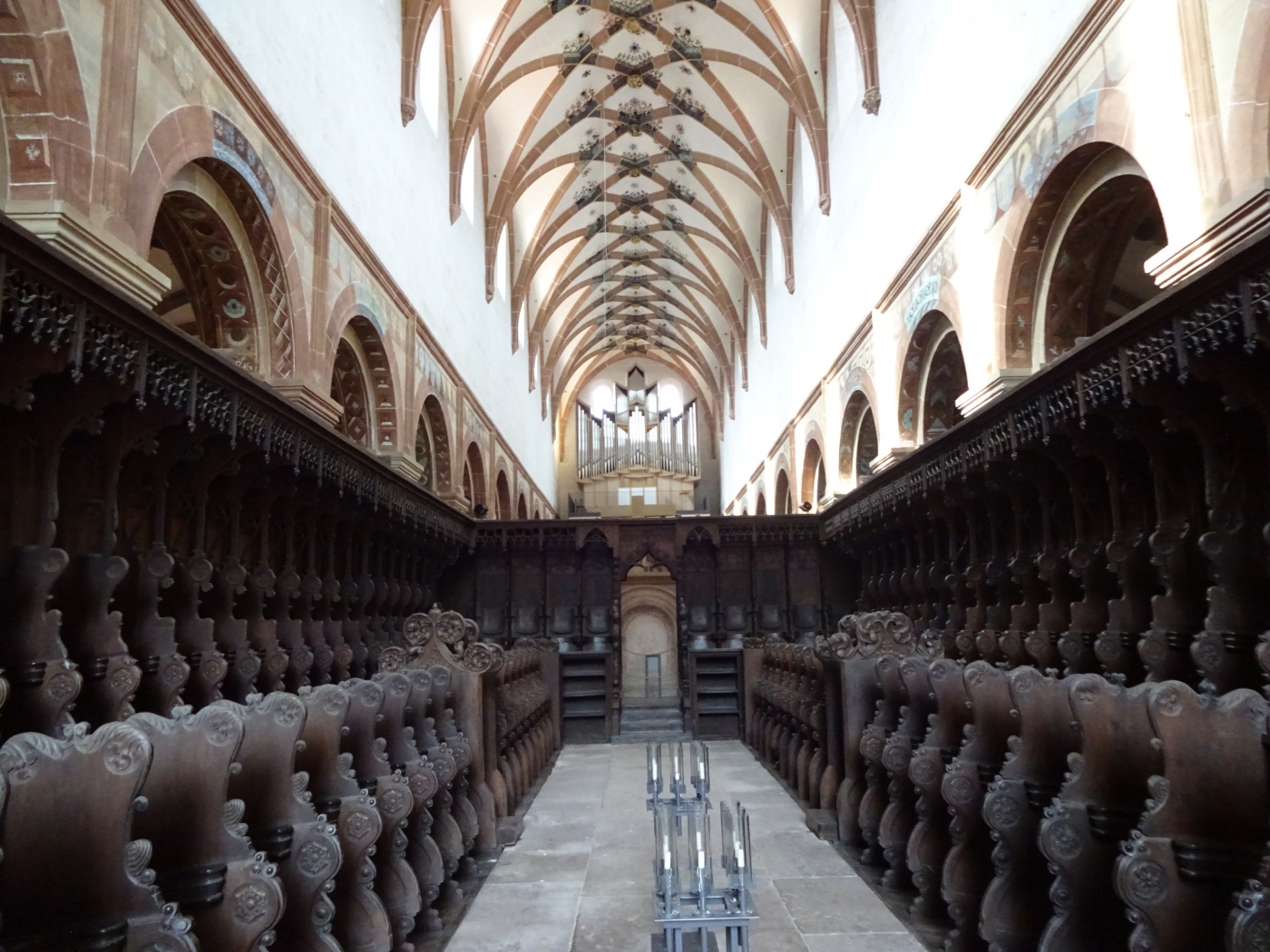
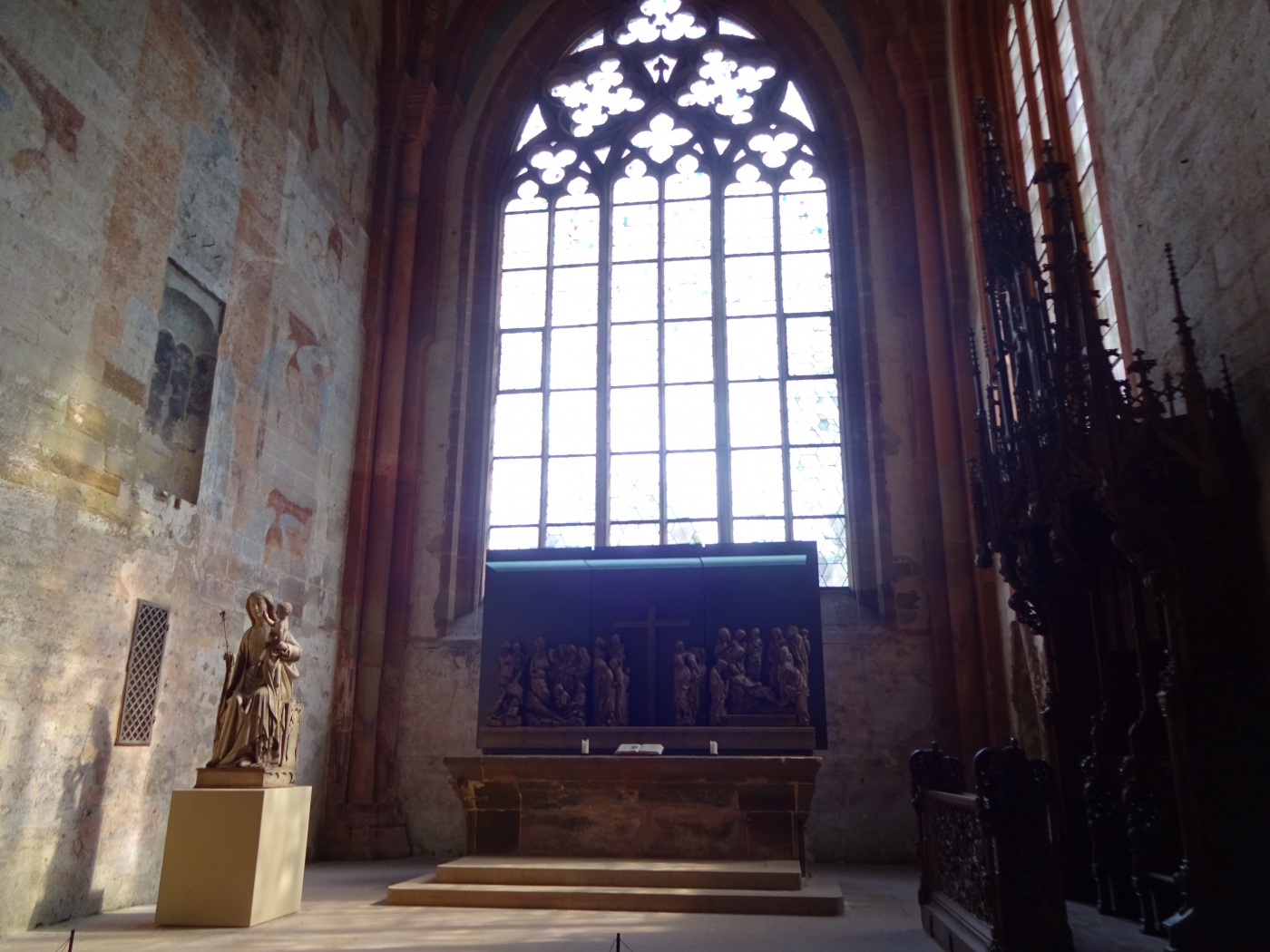
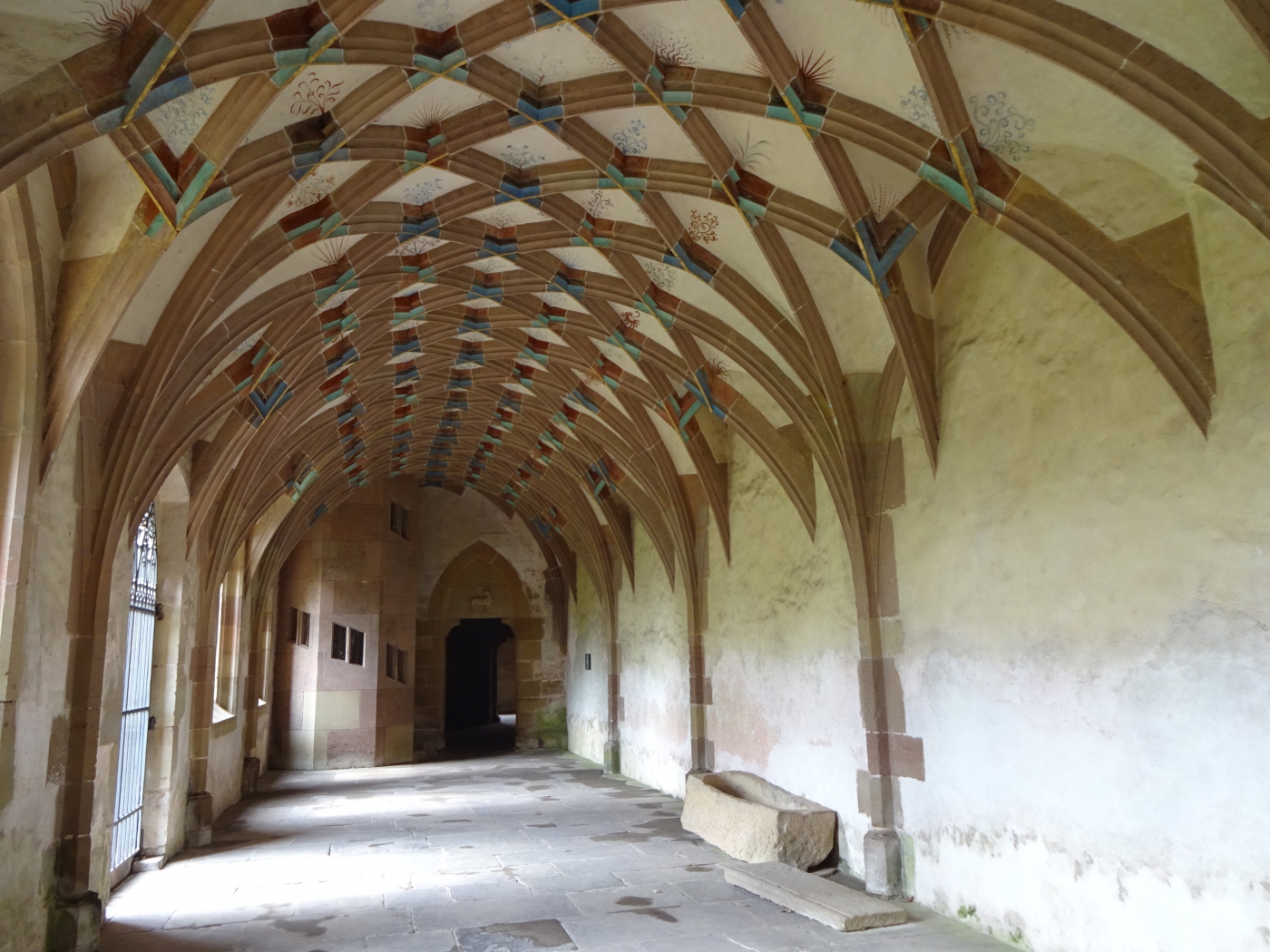
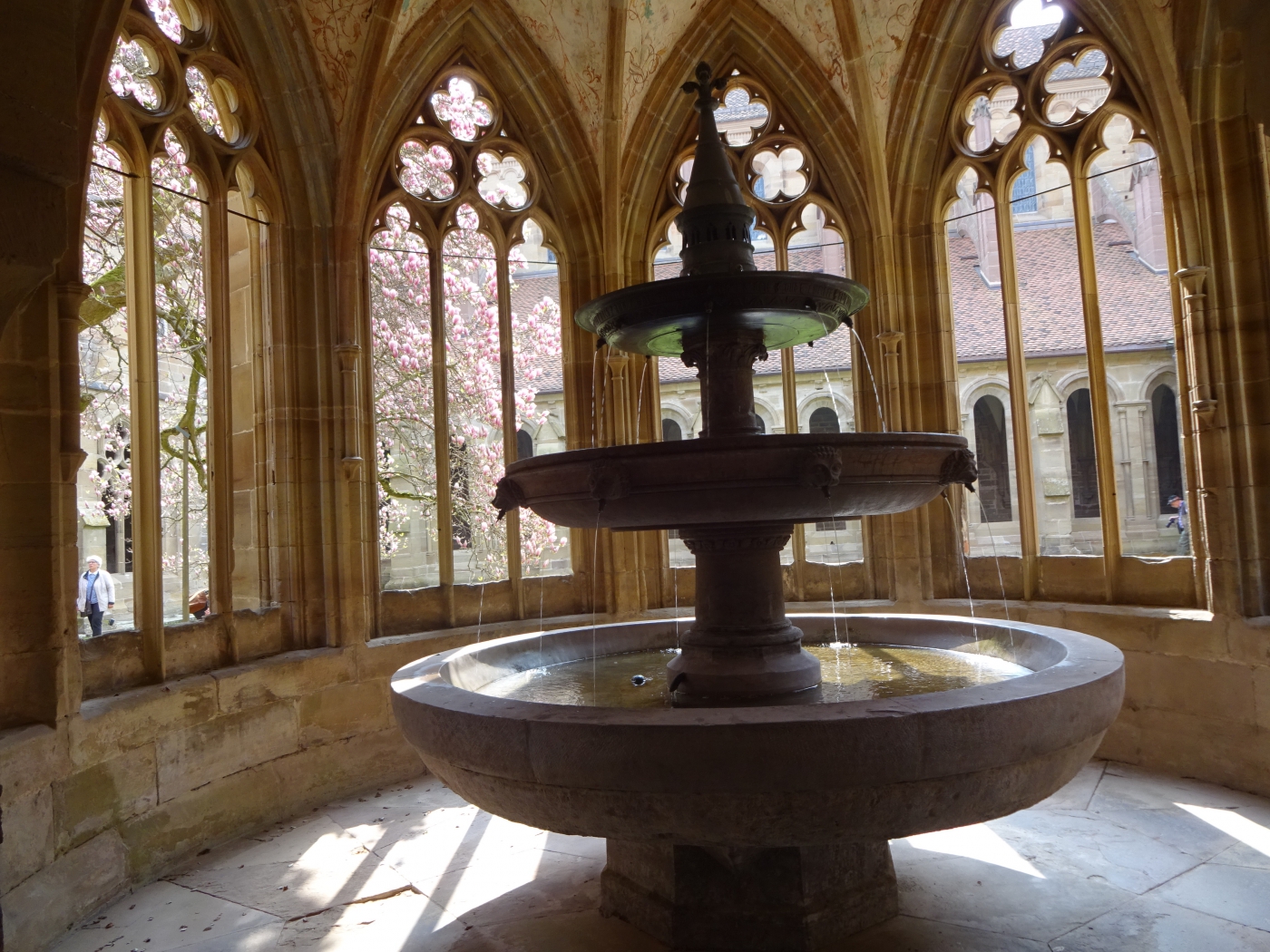
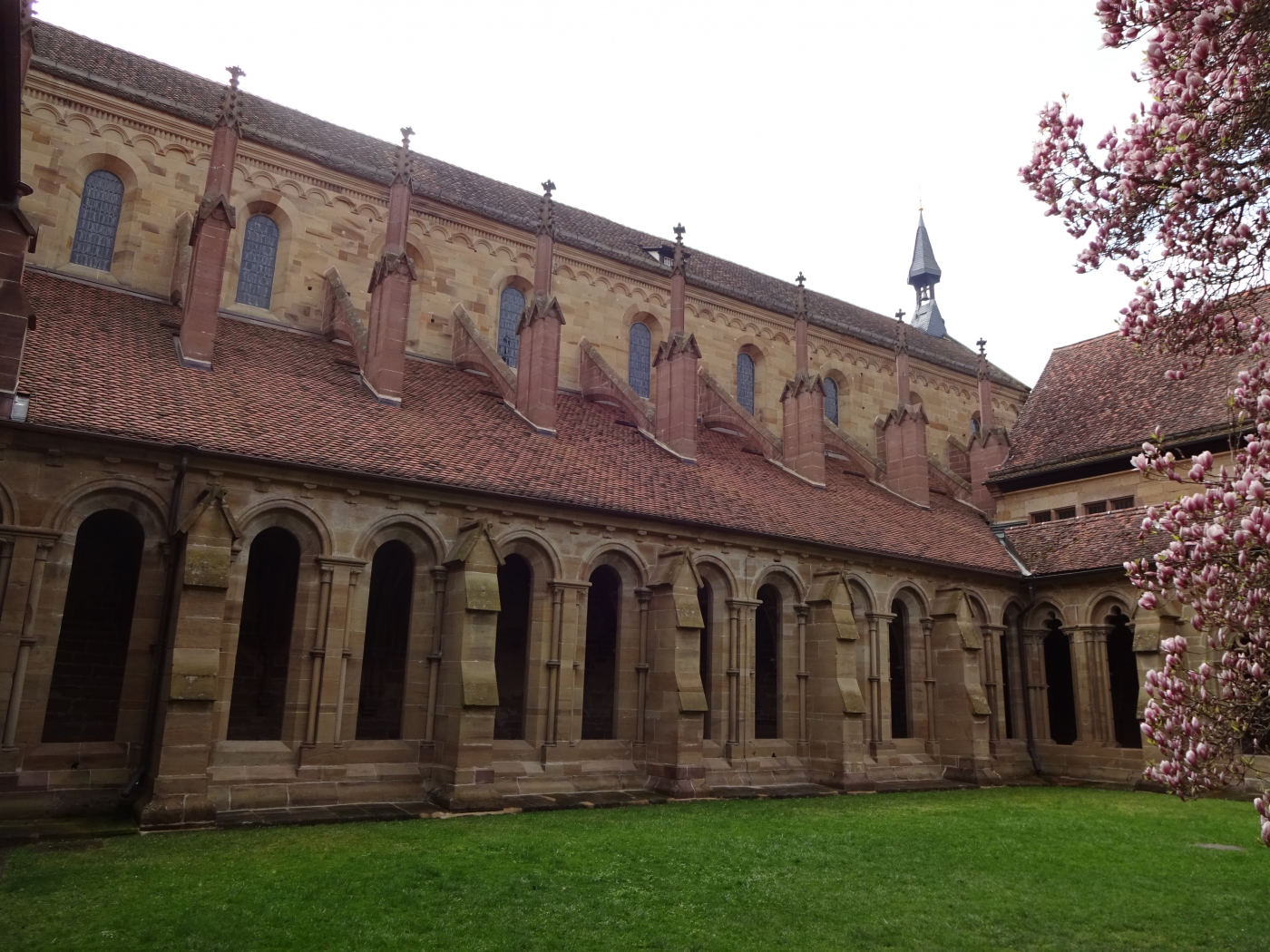
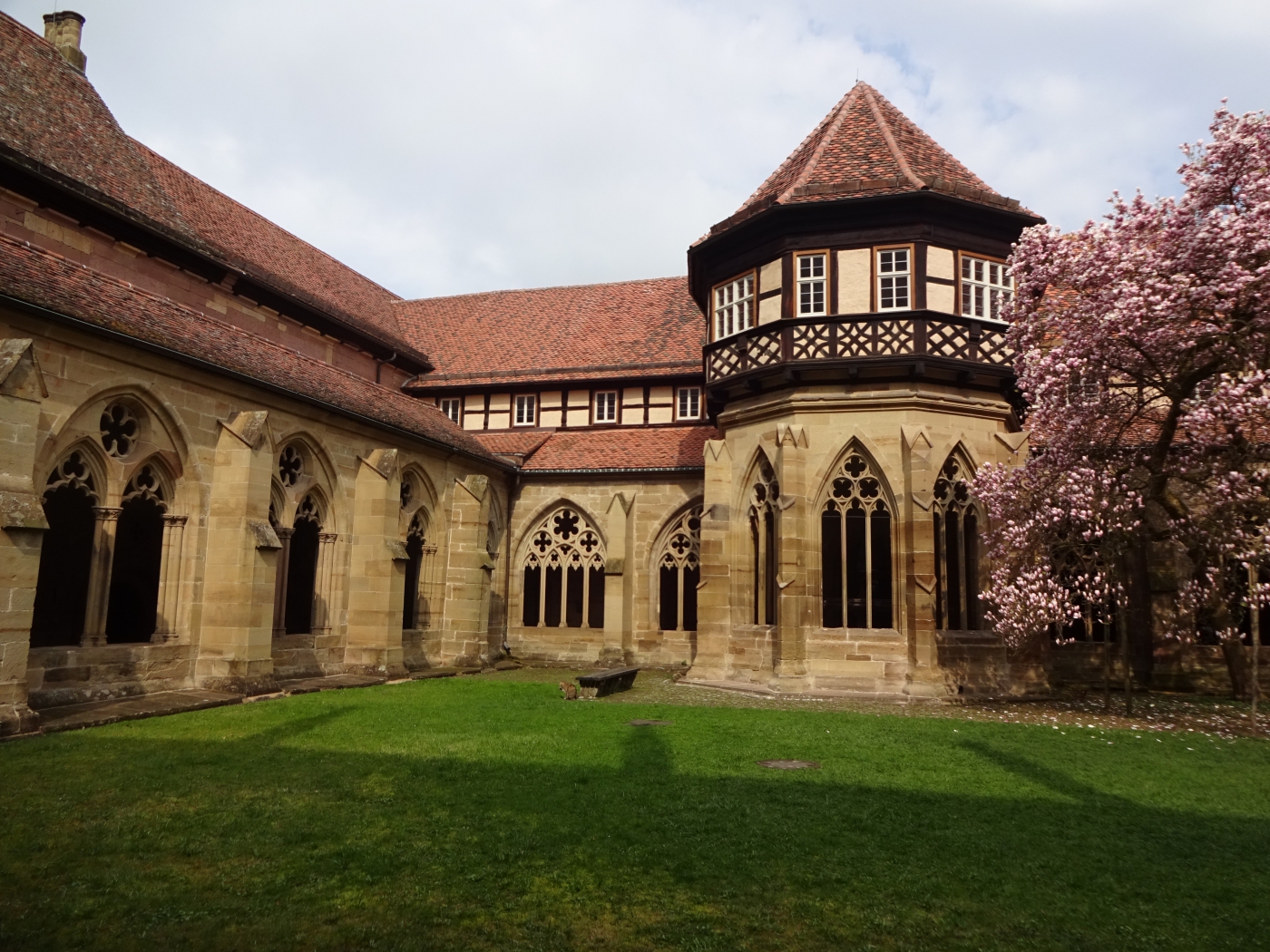
At the heart of the complex lies the magnificent monastery church, consecrated in 1178, featuring a robust Romanesque nave and choir, later complemented by a Gothic transept and chapter house. Visitors can marvel at the impressive cloisters, the well-preserved lay brothers’ refectory – one of the largest and most beautiful in Germany – and the monks’ refectory. The intricate detail found in the stone carvings, the vaulted ceilings, and the overall layout reflect the rigorous spiritual and practical tenets of the Cistercian order. The complex also includes workshops, dormitories, and an elaborate water system that remains a testament to medieval engineering prowess.
From Monastery to School
The advent of the Reformation in the 16th century brought profound changes to Maulbronn. In 1534, the monastery was secularized, and by 1556, Duke Christoph of Württemberg transformed it into an Evangelical seminary, the Evangelische Klosterschule Maulbronn. This institution gained considerable fame, educating many notable figures who would shape European intellectual history, including the astronomer Johannes Kepler, the poet Friedrich Hölderlin, and more recently, the Nobel Prize laureate Hermann Hesse. This dual legacy, first as a spiritual center and then as an esteemed educational institution, adds another layer to Maulbronn's rich history.
Today, the Maulbronn Monastery Complex stands not only as a monument to monastic life and architecture but also as a vibrant cultural center, continuing to inspire awe and curiosity with its exceptional state of preservation and profound historical significance.
Weiterführende Links
Founded in 1147, the Cistercian Maulbronn Monastery is considered the most complete and best-preserved medieval monastic complex north of the Alps. Surrounded by fortified walls, the main buildings were constructed between the 12th and 16th centuries. The monastery's church, mainly in Transitional Gothic style, had a major influence in the spread of Gothic architecture over much of northern and central Europe. The water-management system at Maulbronn, with its elaborate network of drains, irrigation canals and reservoirs, is of exceptional interest.
Maulbronn Monastery (German: Kloster Maulbronn) is a former Cistercian abbey and ecclesiastical state in the Holy Roman Empire located at Maulbronn, Baden-Württemberg. The monastery complex, one of the best-preserved in Europe, was named a UNESCO World Heritage Site in 1993.
The monastery was founded in 1147 and experienced rapid economic and political growth in the 12th century, but then hardship in the late 13th century and the 14th century. Prosperity returned in the 15th century and lasted until Maulbronn was annexed by the Duchy of Württemberg in 1504. Over the 16th century, the Cistercian monastery was dissolved and replaced with a Protestant seminary. It also became the seat of an important administrative district of the Duchy and later Kingdom of Württemberg.
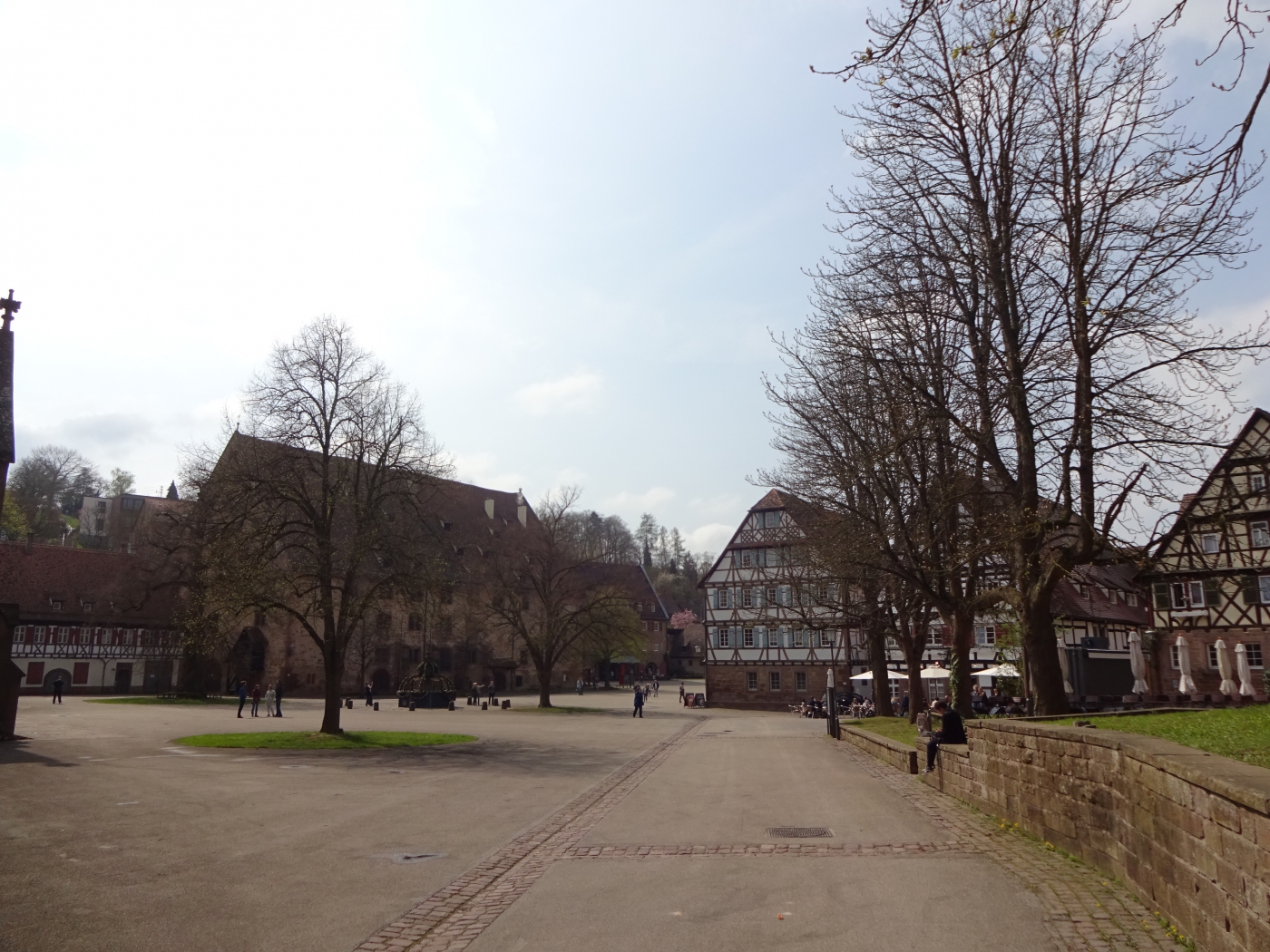
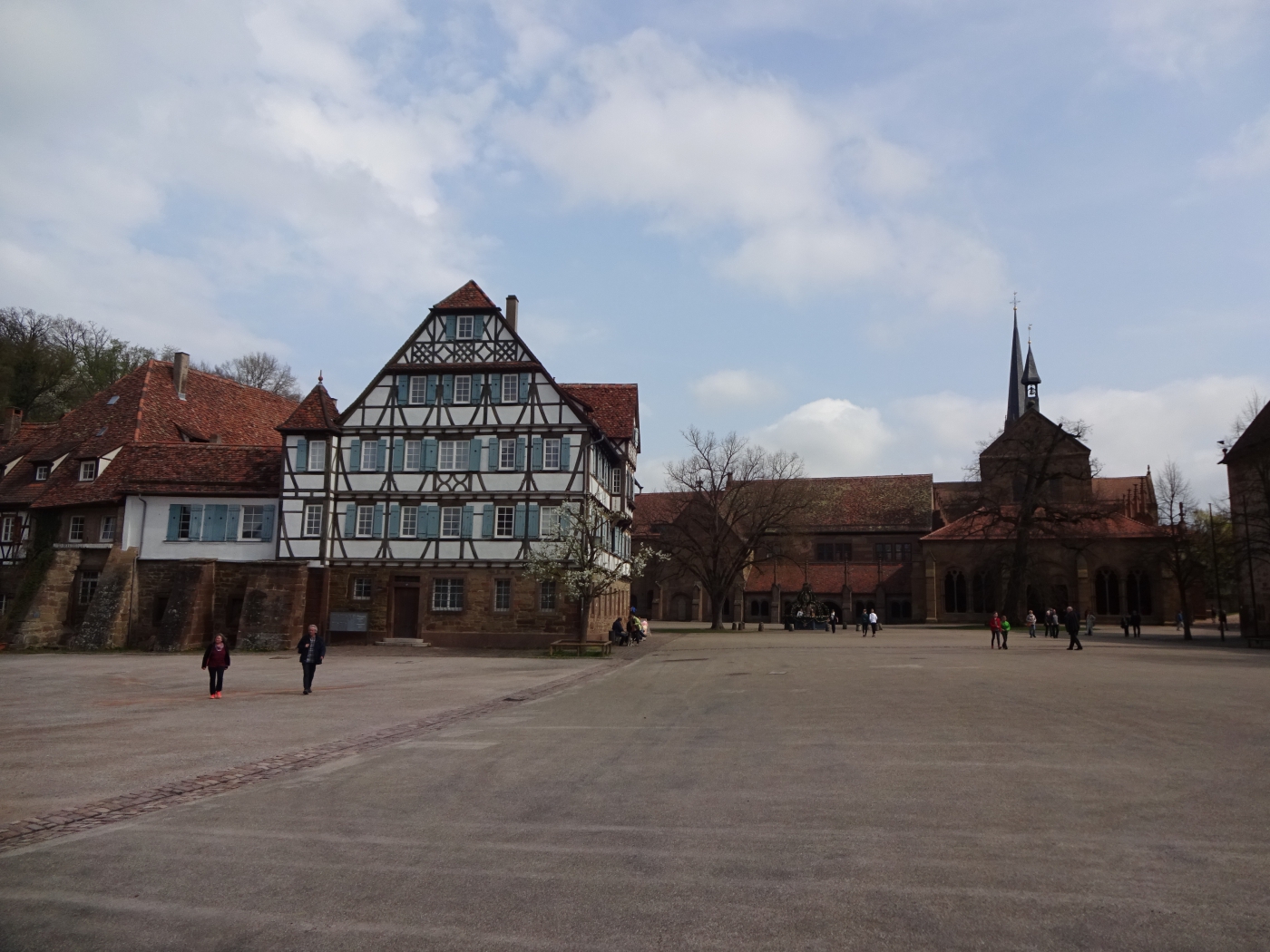
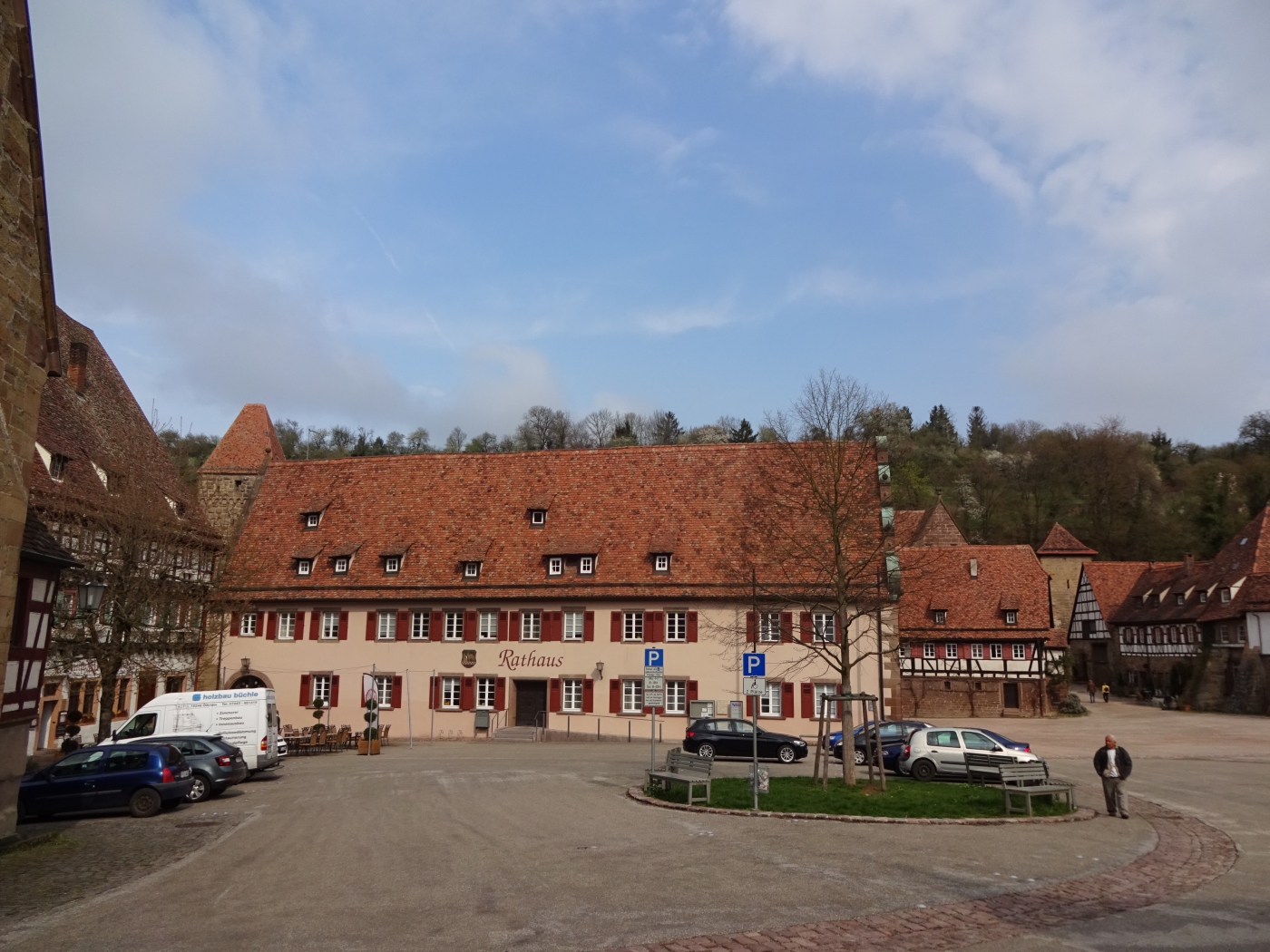
The complex, surrounded by turreted walls and a tower gate, today houses the Maulbronn town hall and other administrative offices, and a police station. The monastery itself contains an Evangelical seminary and a boarding school.