Historic Centre of Warsaw
Warschau, Poland
10.03.2026

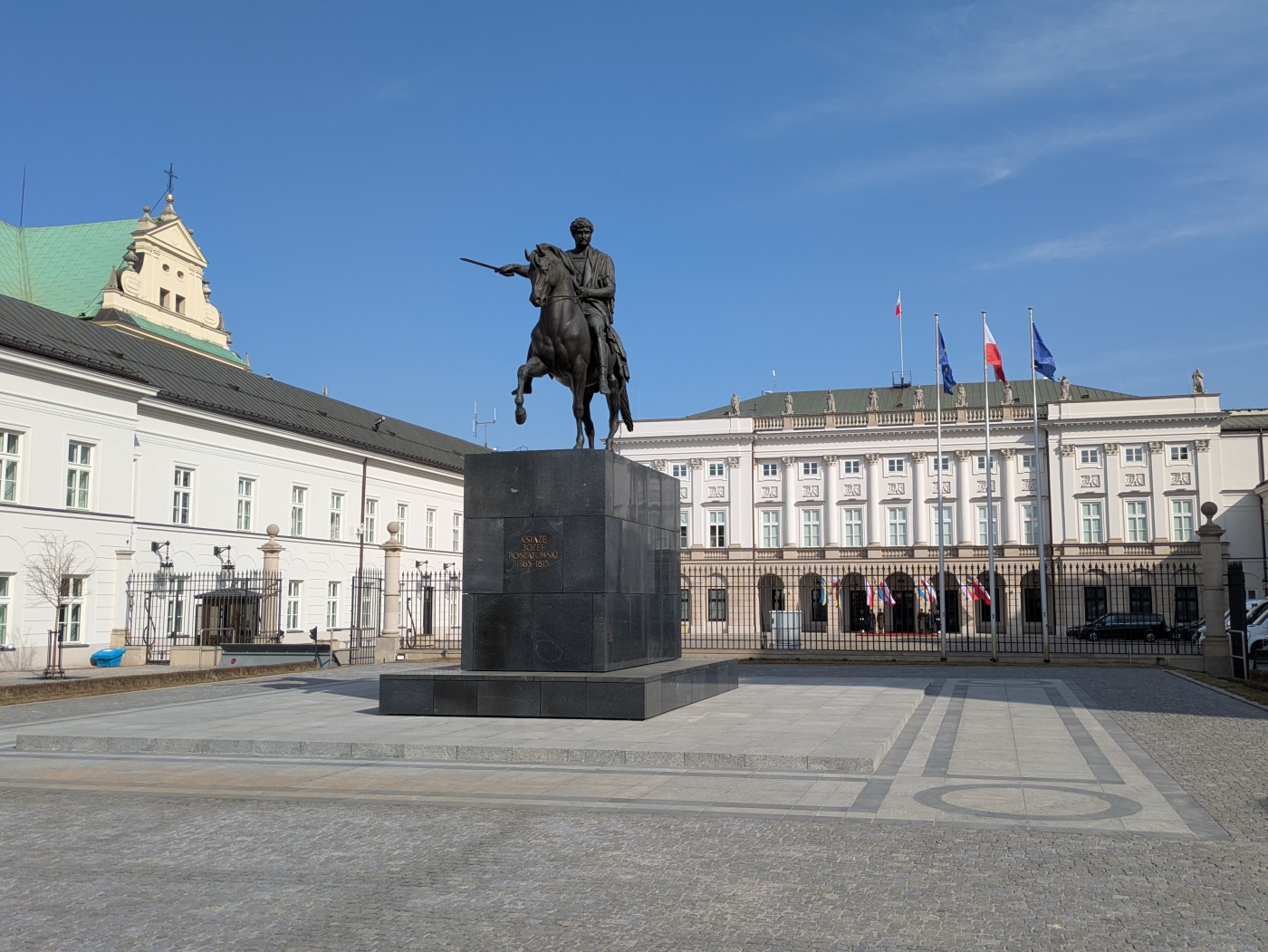
The Historic Centre of Warsaw stands as a profound testament to resilience and human spirit, unique among UNESCO World Heritage Sites. Its inscription in 1980 recognized not merely a collection of historic buildings, but an outstanding example of a near-total reconstruction of a historic urban fabric devastated by war.
A Millennium of History
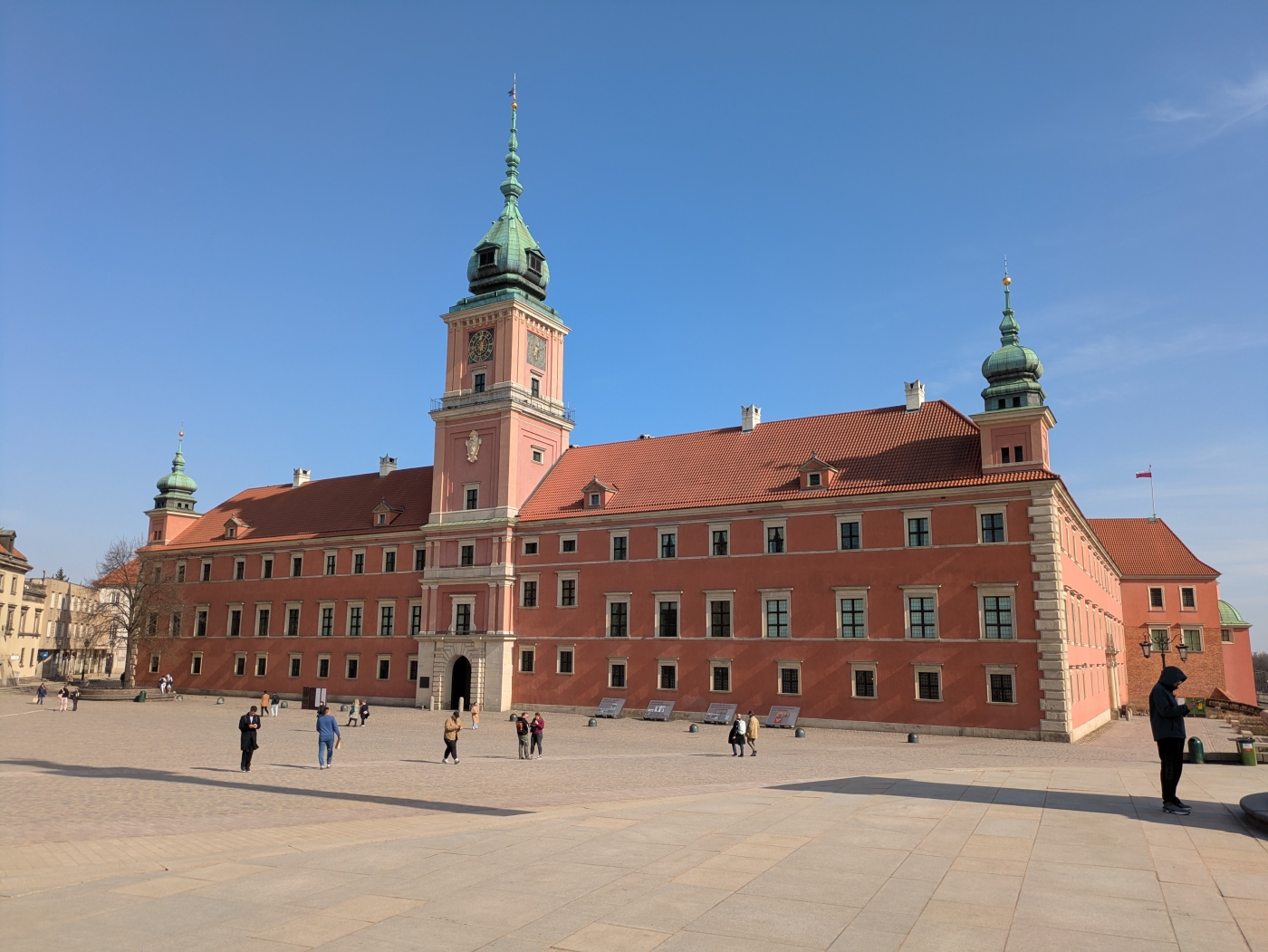
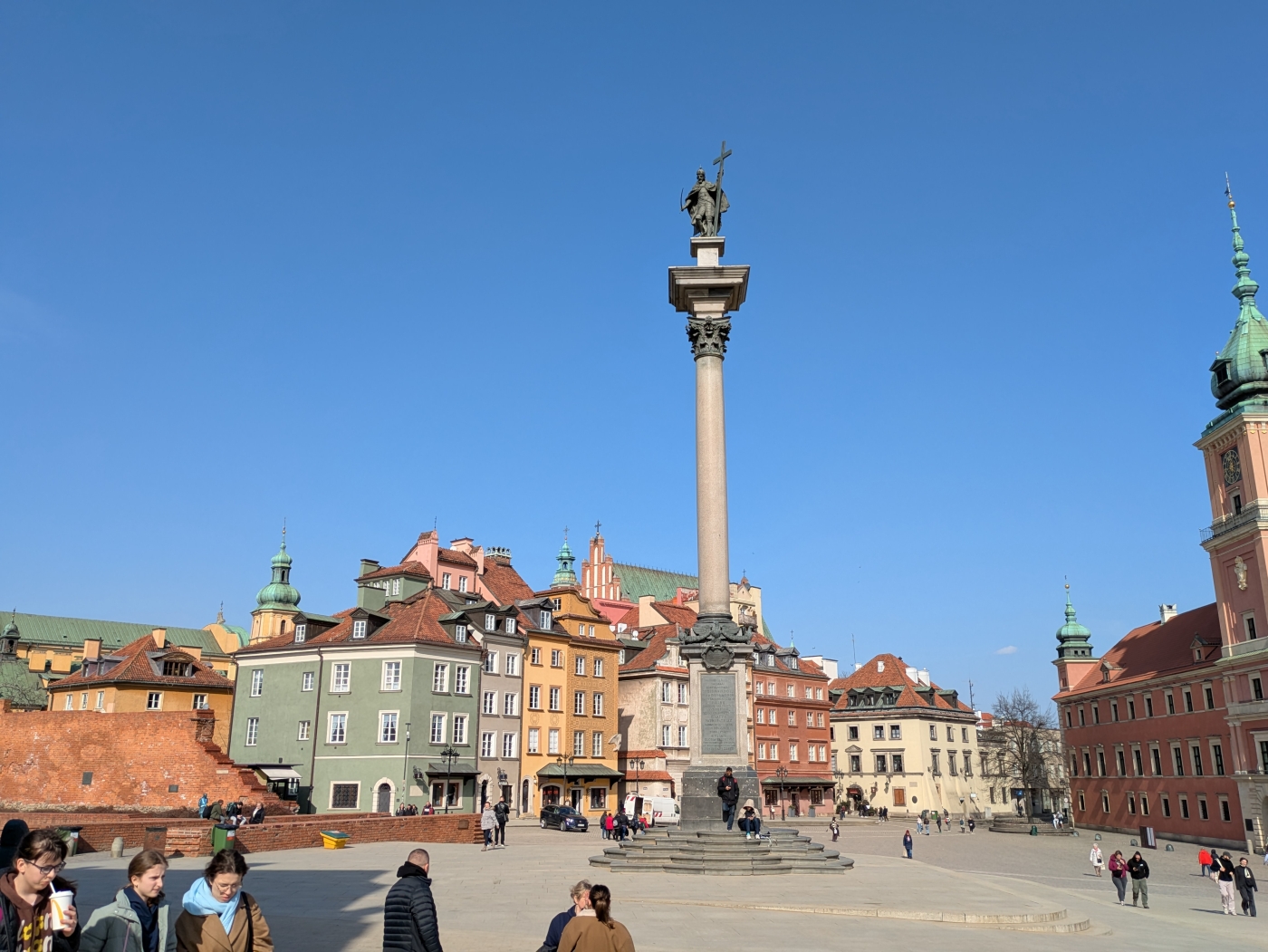
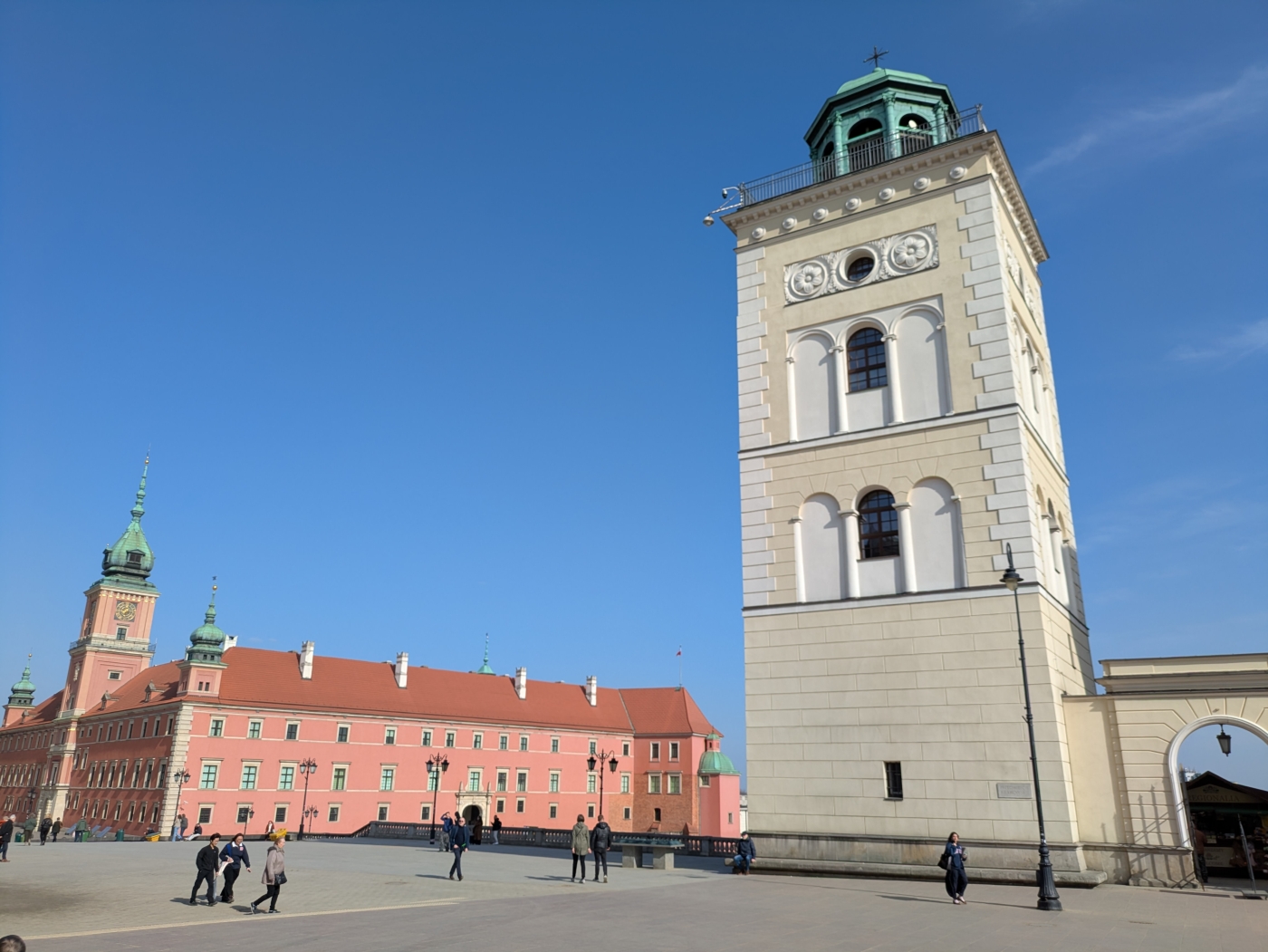
Warsaw’s origins trace back to the 13th century, evolving from a small fortified settlement on the high bank of the Vistula River. By the 15th century, it was a significant trading center. The city's golden age blossomed in the 16th century when King Sigismund III Vasa moved the Polish capital from Kraków to Warsaw in 1596, making the Royal Castle the seat of Polish monarchs. The cityscape gradually developed around the central Old Town Market Square, surrounded by ornate merchant houses, and expanded with the addition of the New Town. Through centuries, it witnessed periods of prosperity and hardship, including numerous sieges and occupations, yet always managed to rebuild and flourish, embodying the enduring spirit of Poland.
The Unfathomable Destruction
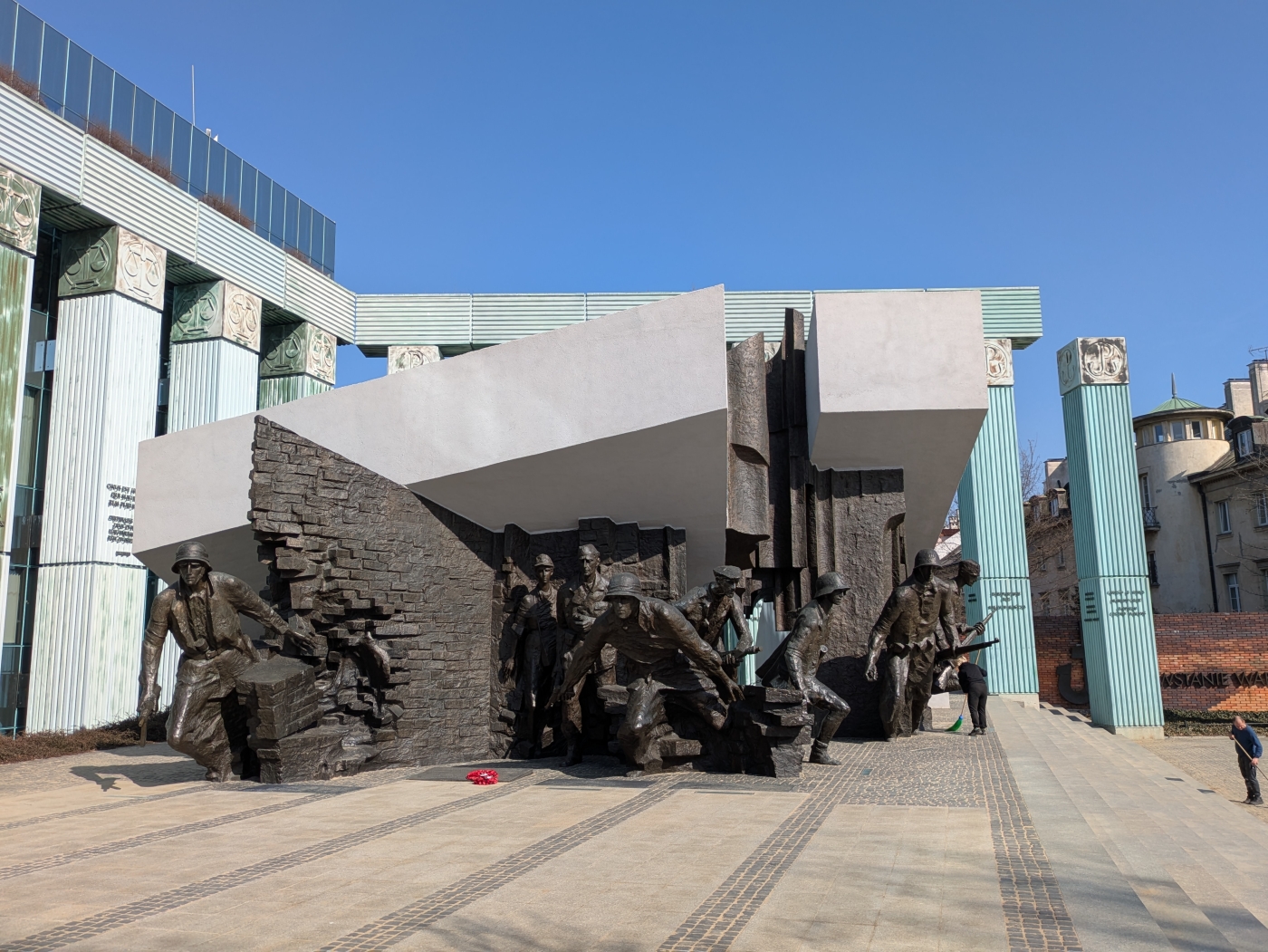
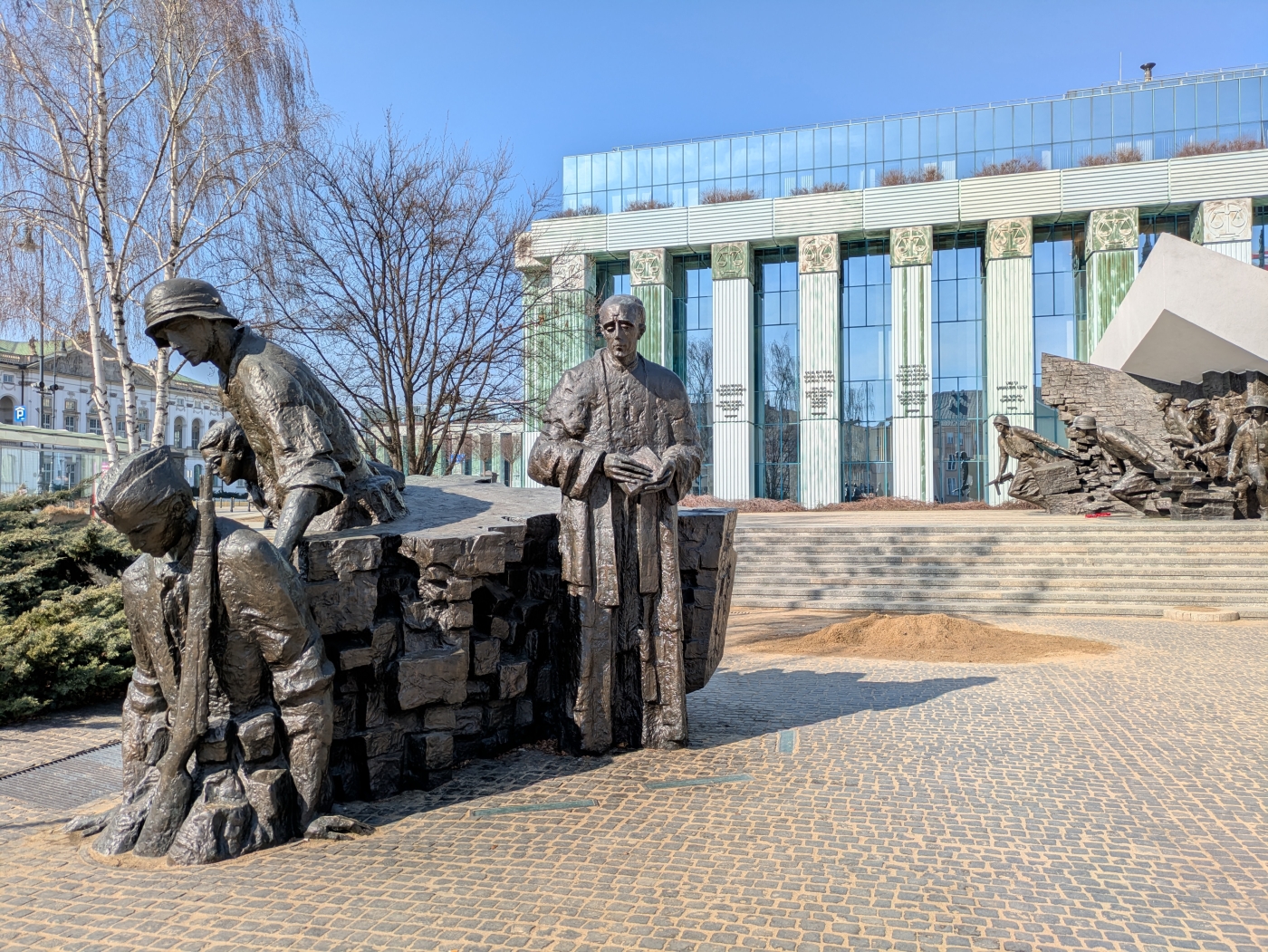
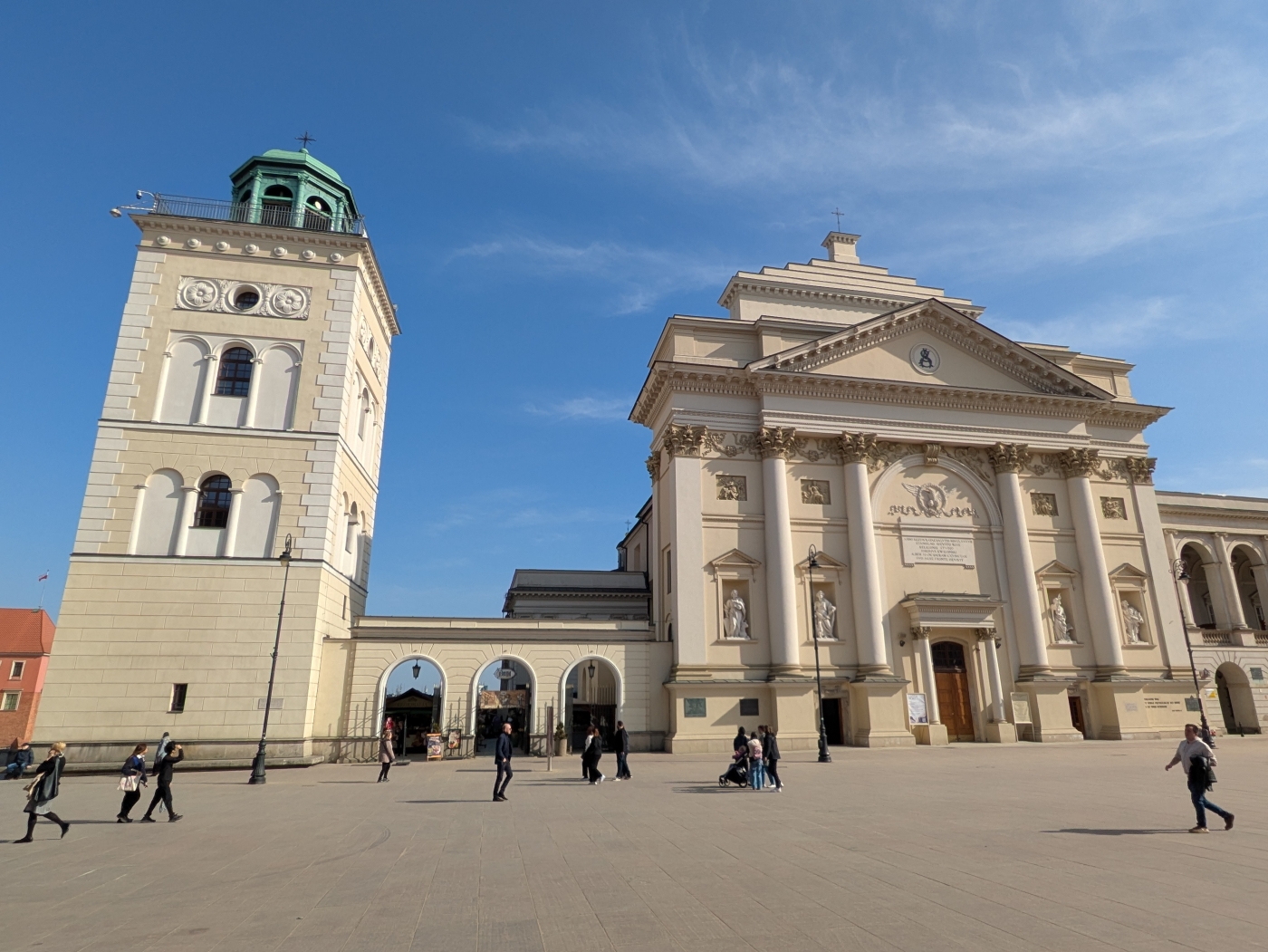
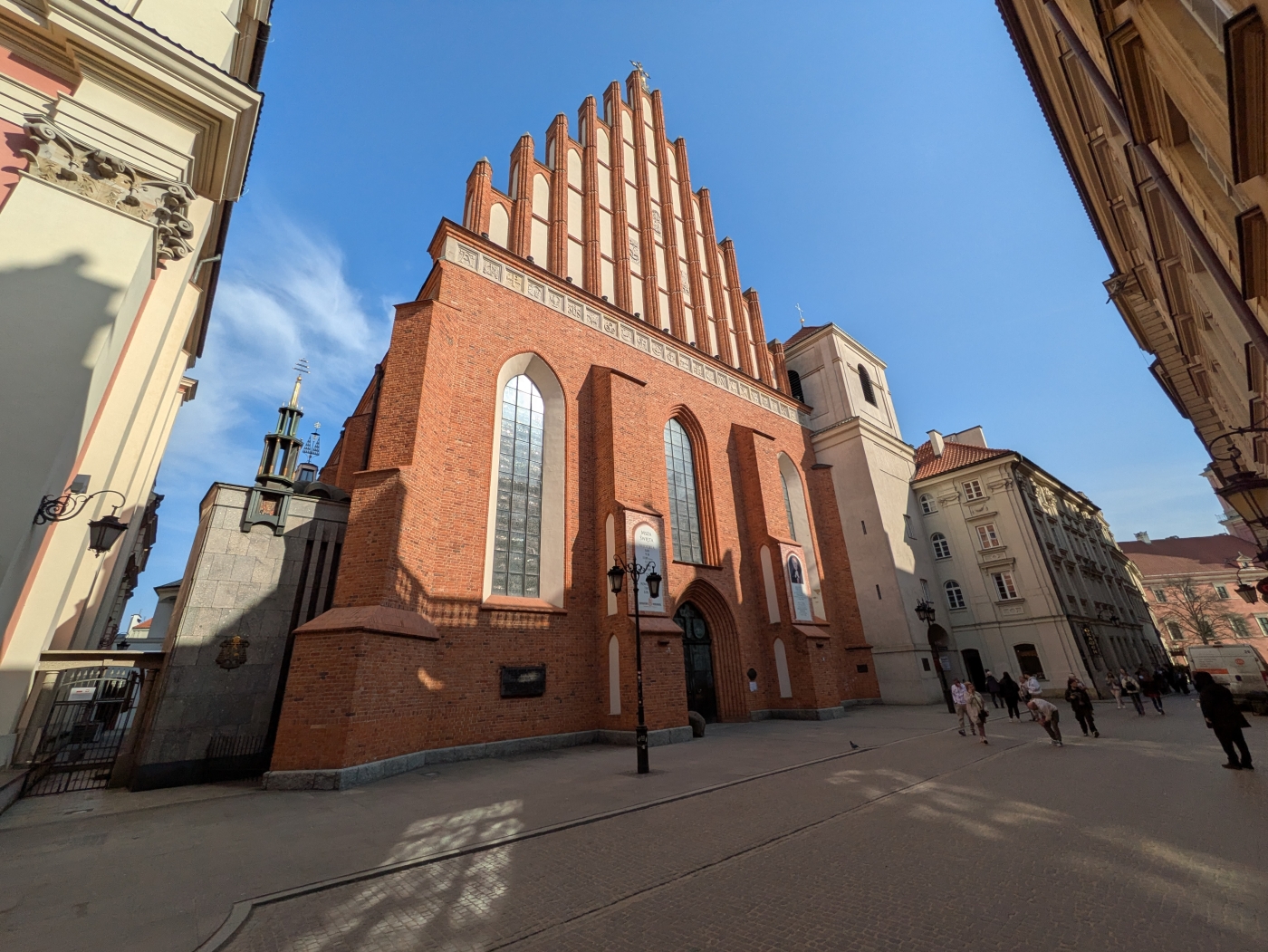
The darkest chapter in Warsaw's history unfolded during World War II. Following the Warsaw Uprising in August 1944, German forces systematically razed the city, block by block, as an act of retaliation. Over 85% of the historic centre, including the Royal Castle, churches like St. John's Cathedral, and the meticulously preserved tenement houses, was reduced to rubble. It was a deliberate act of cultural annihilation, leaving behind a landscape of unimaginable devastation.
A City Reborn from Ashes
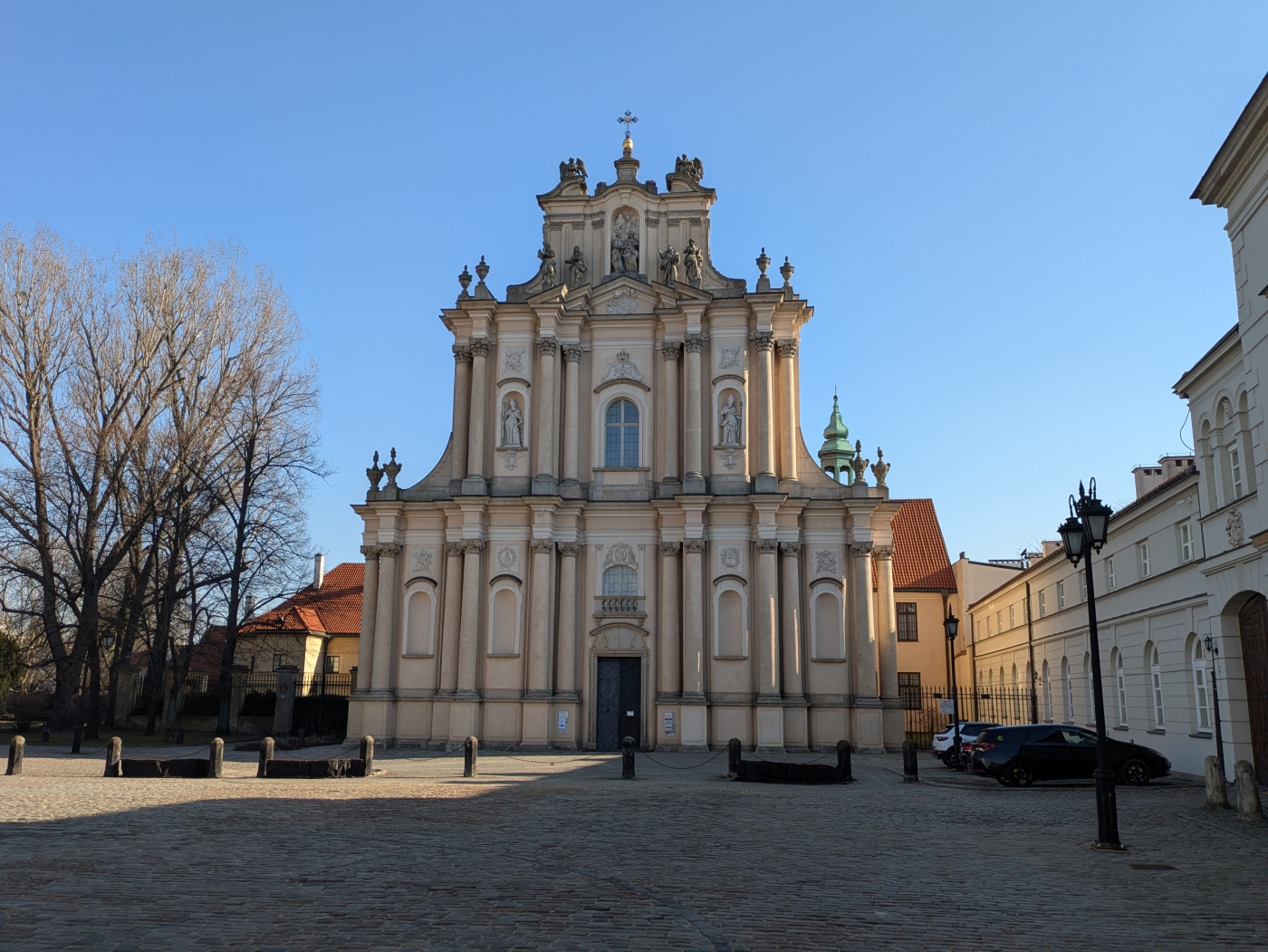
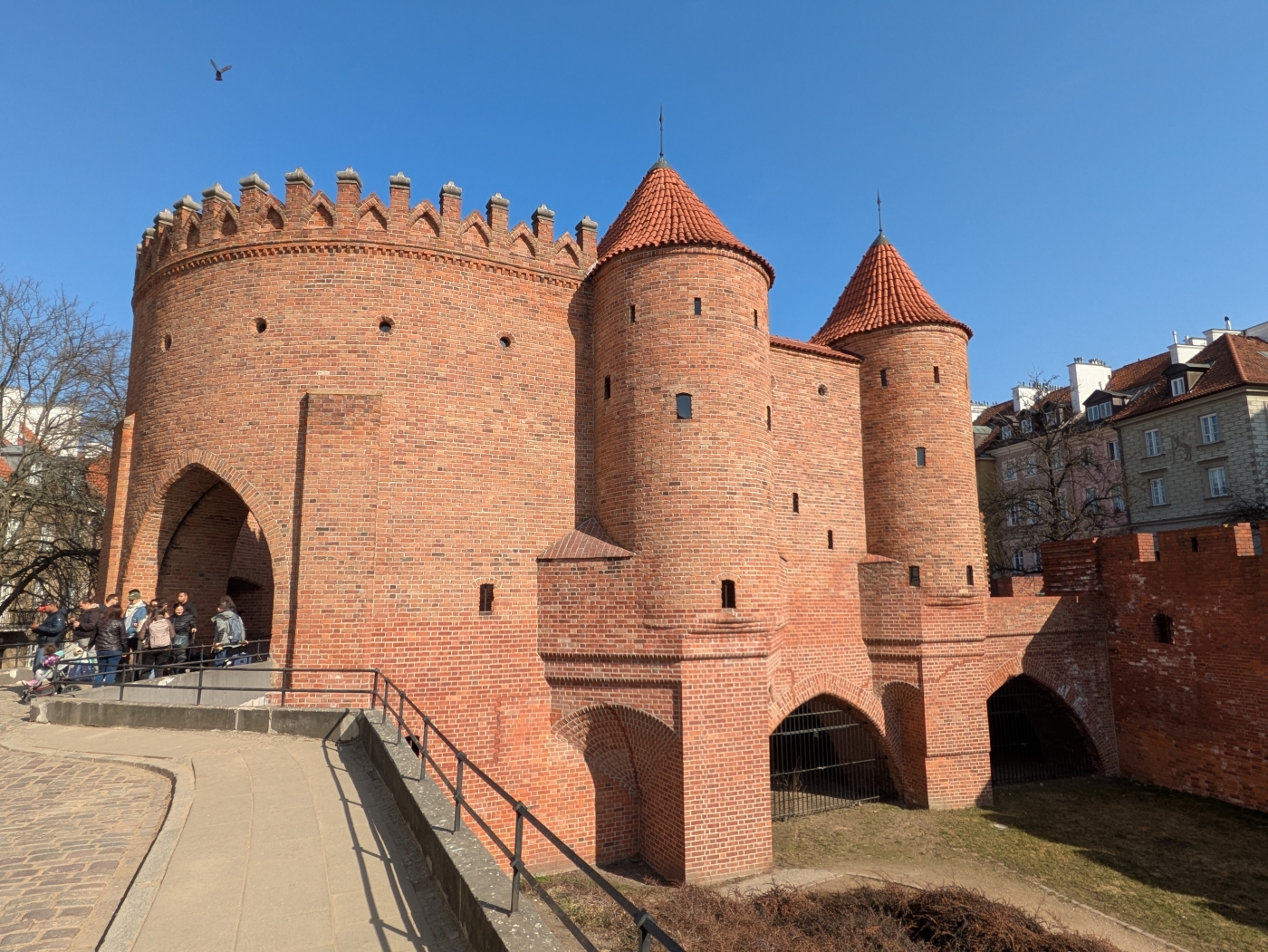
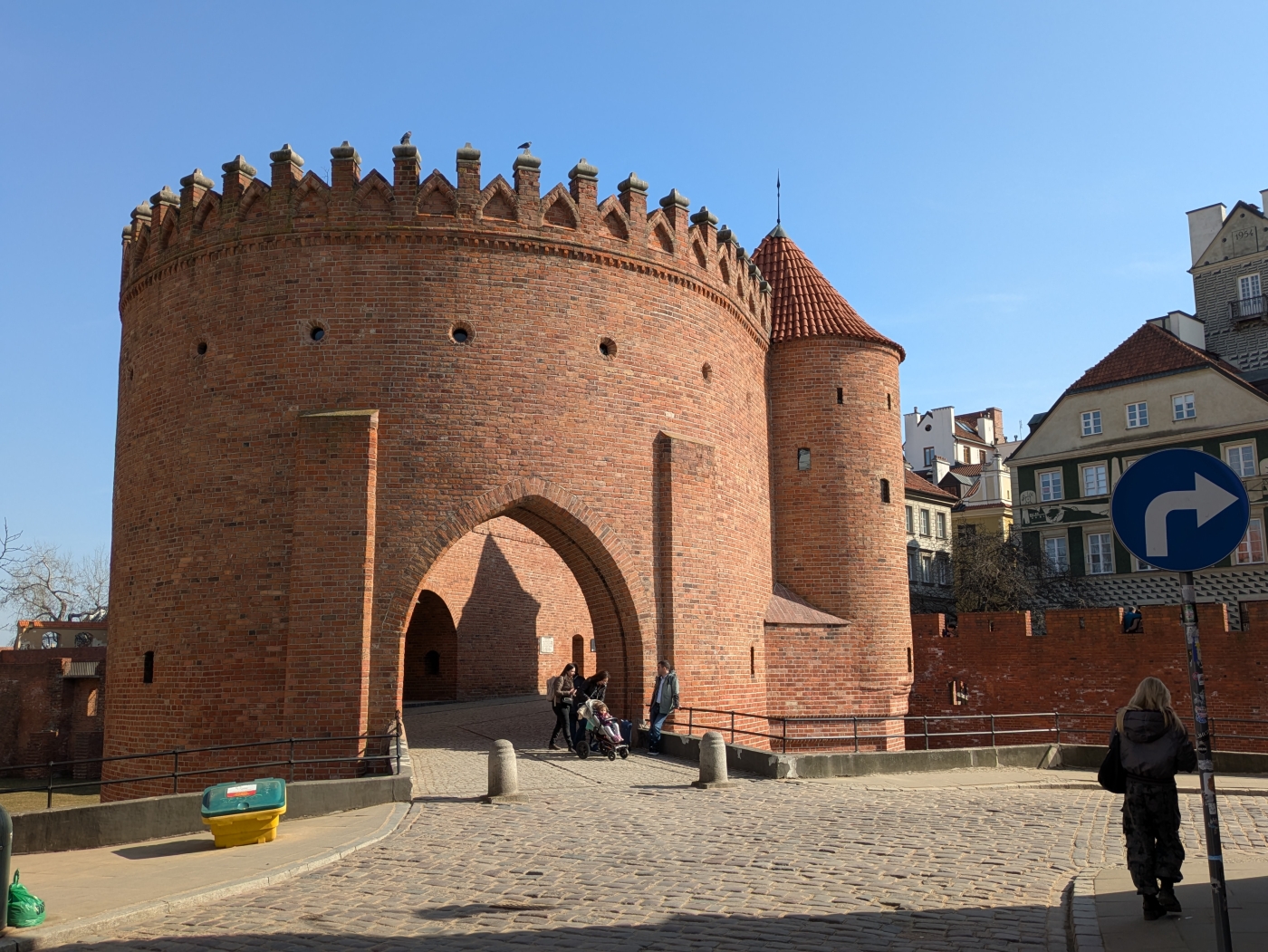
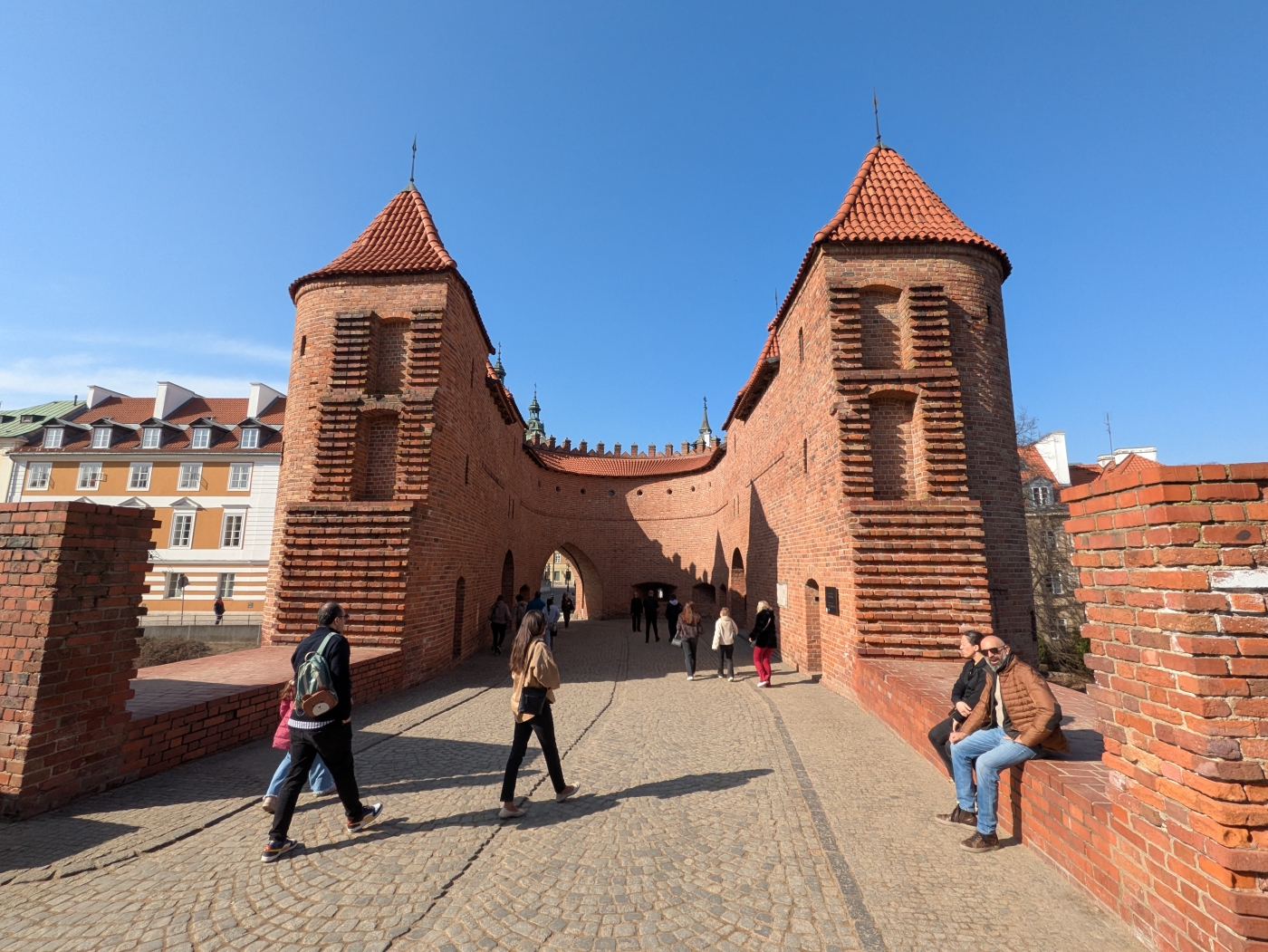
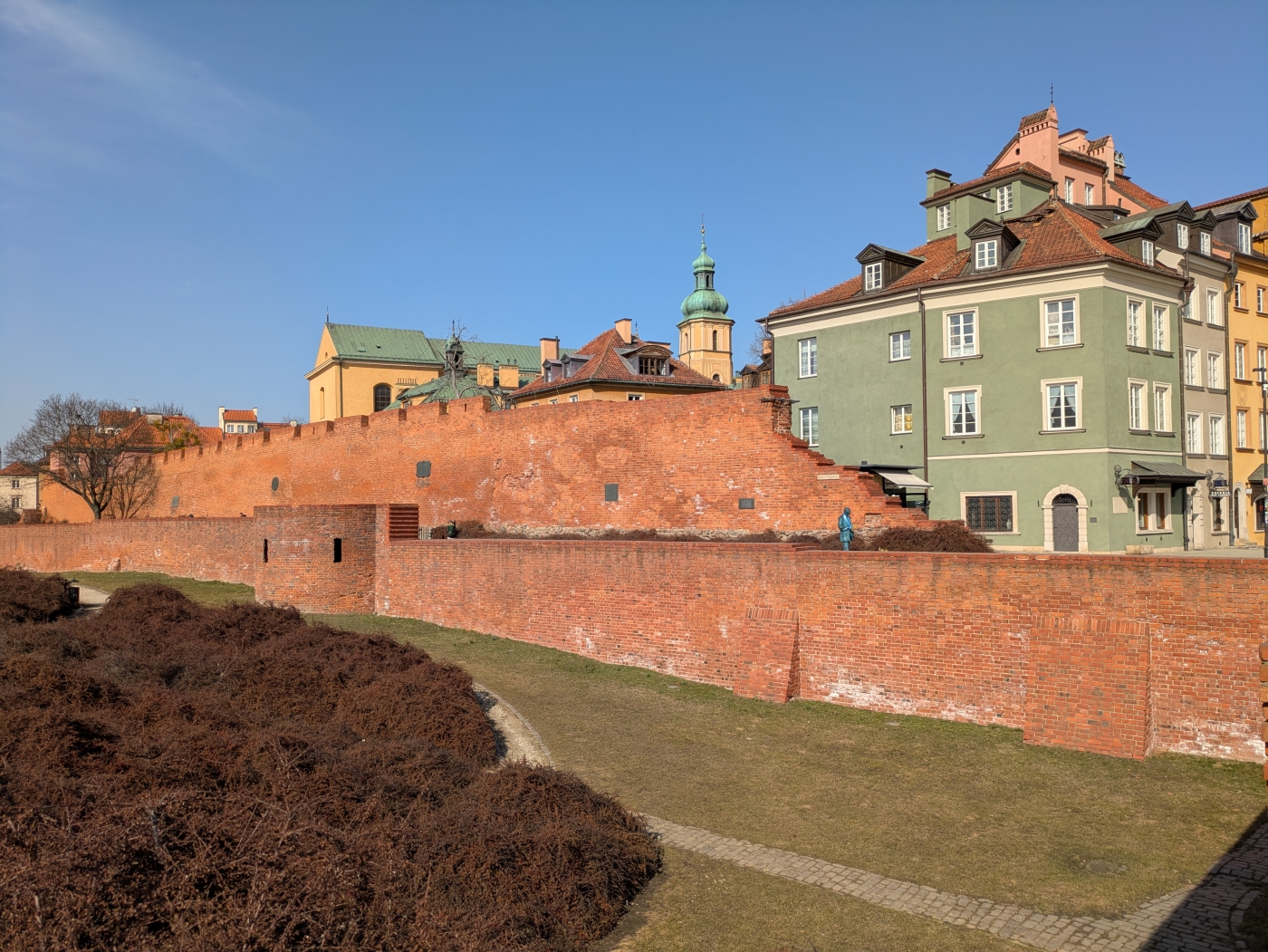
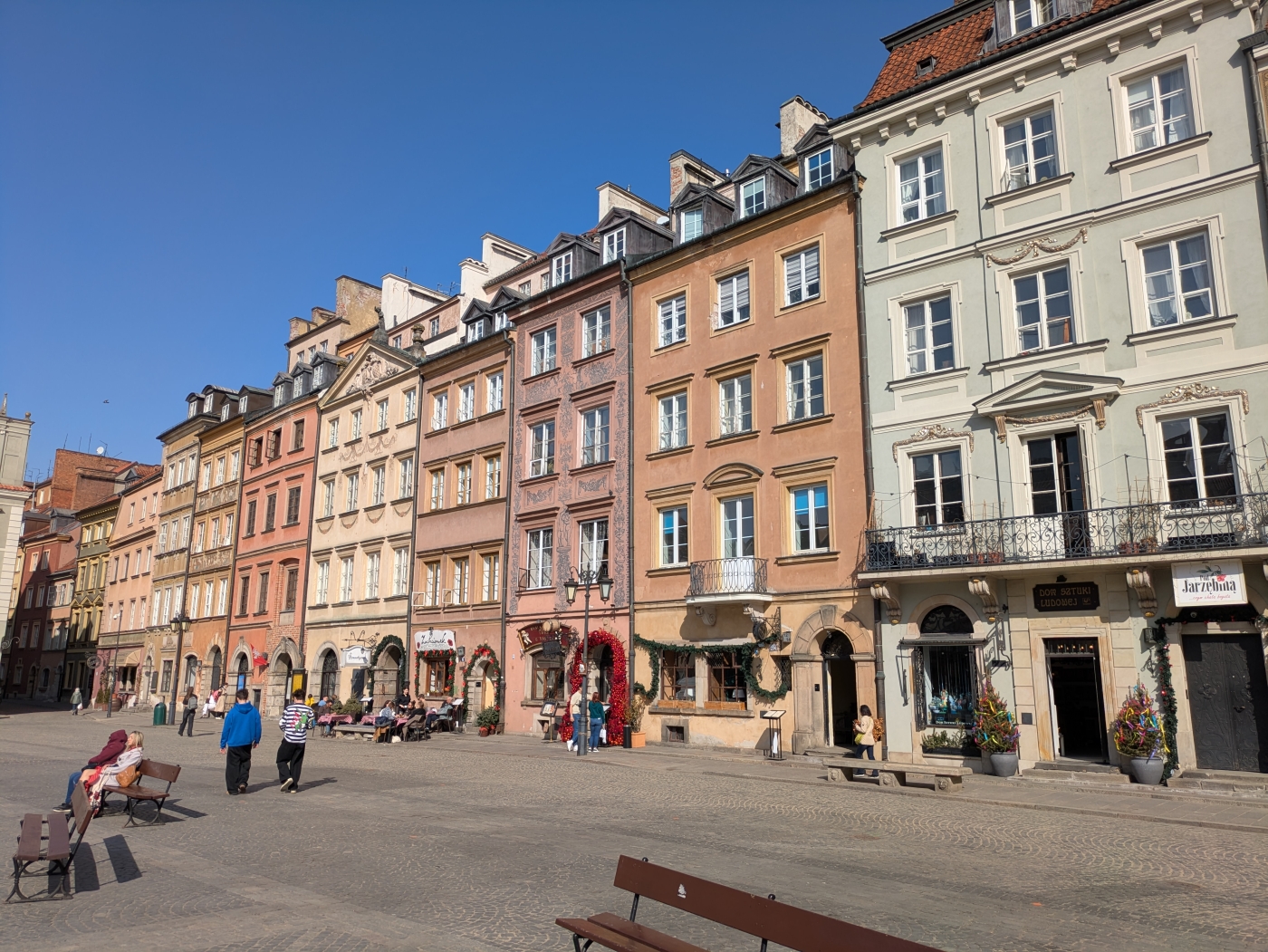
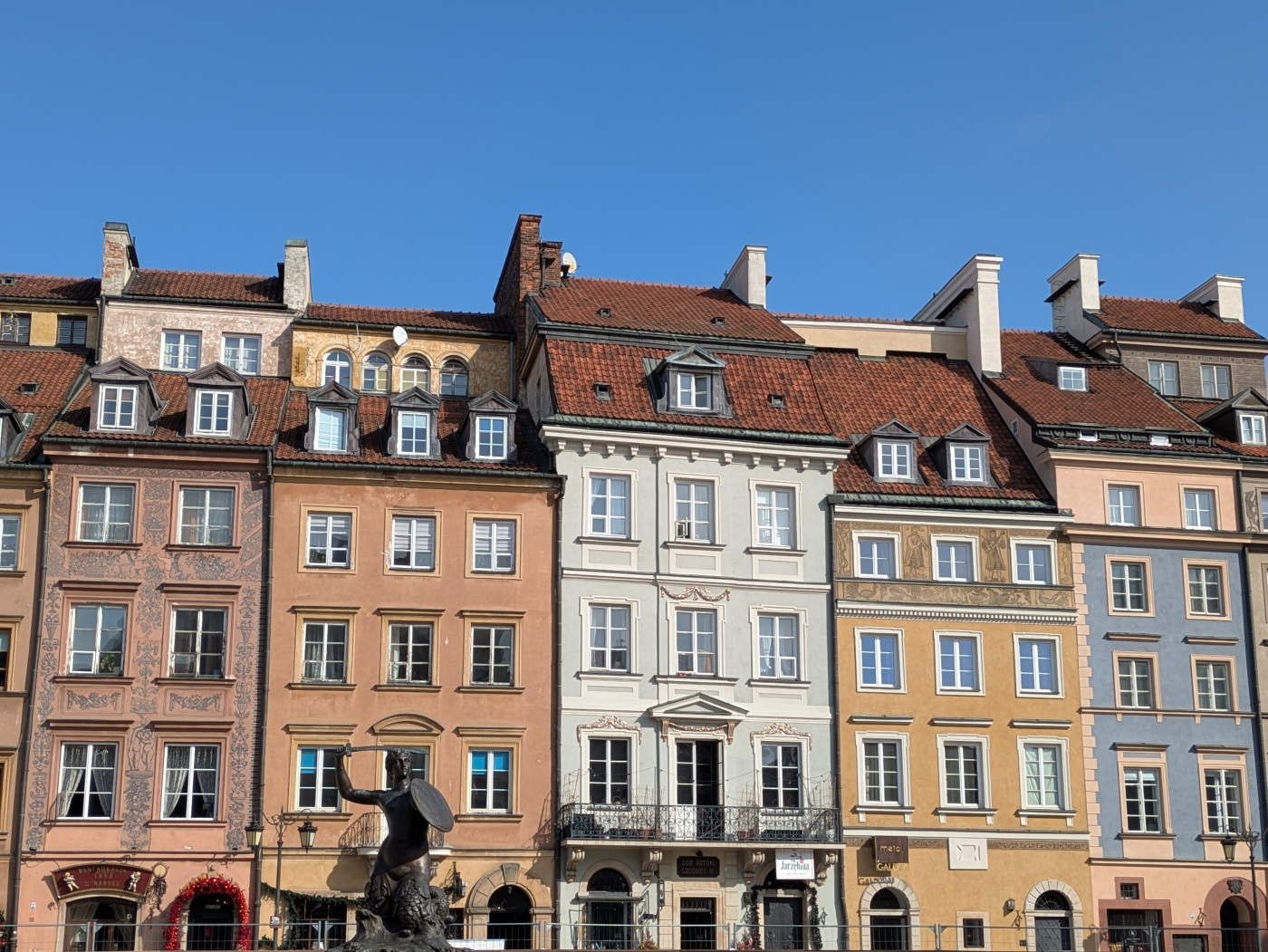
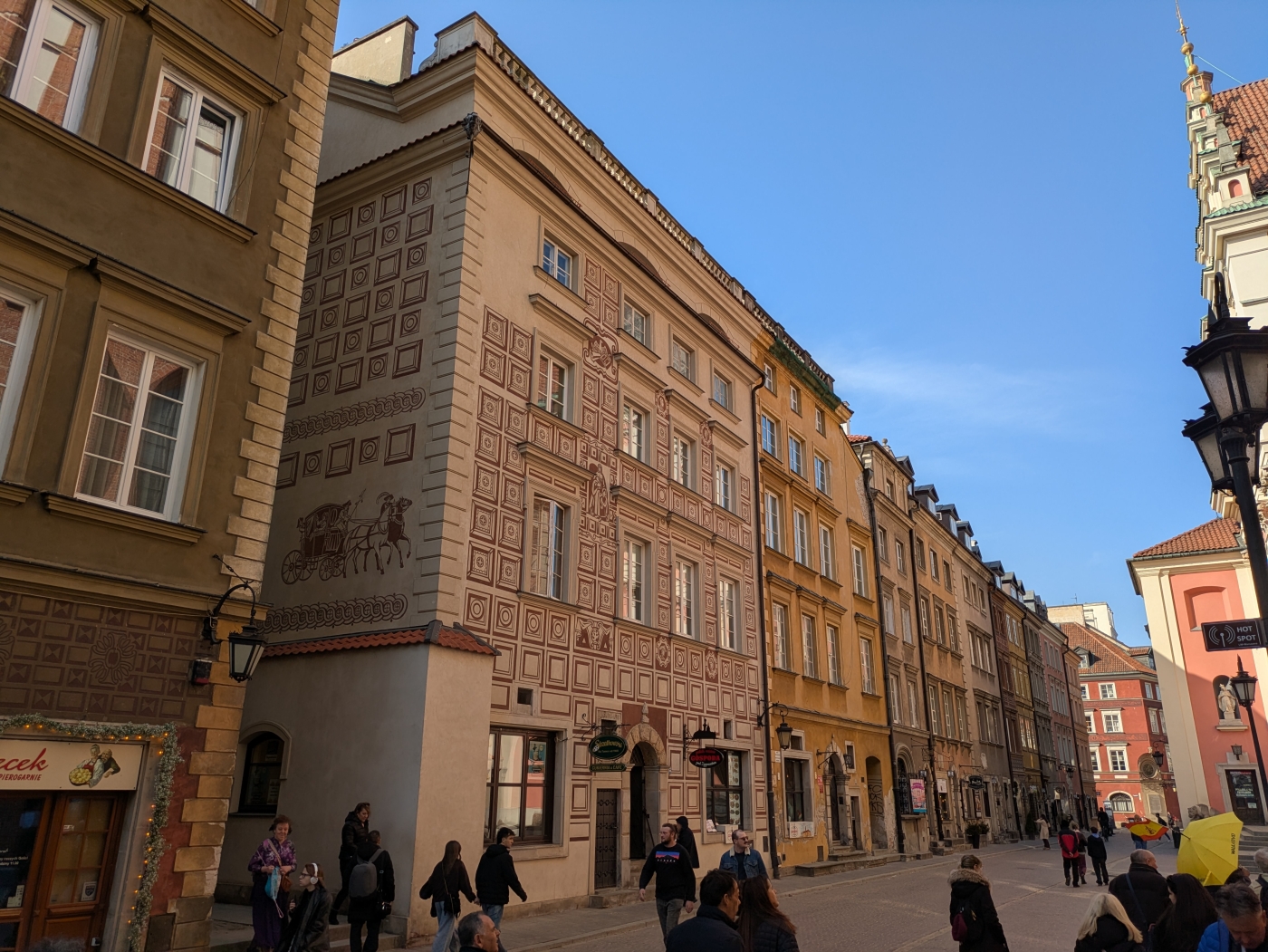
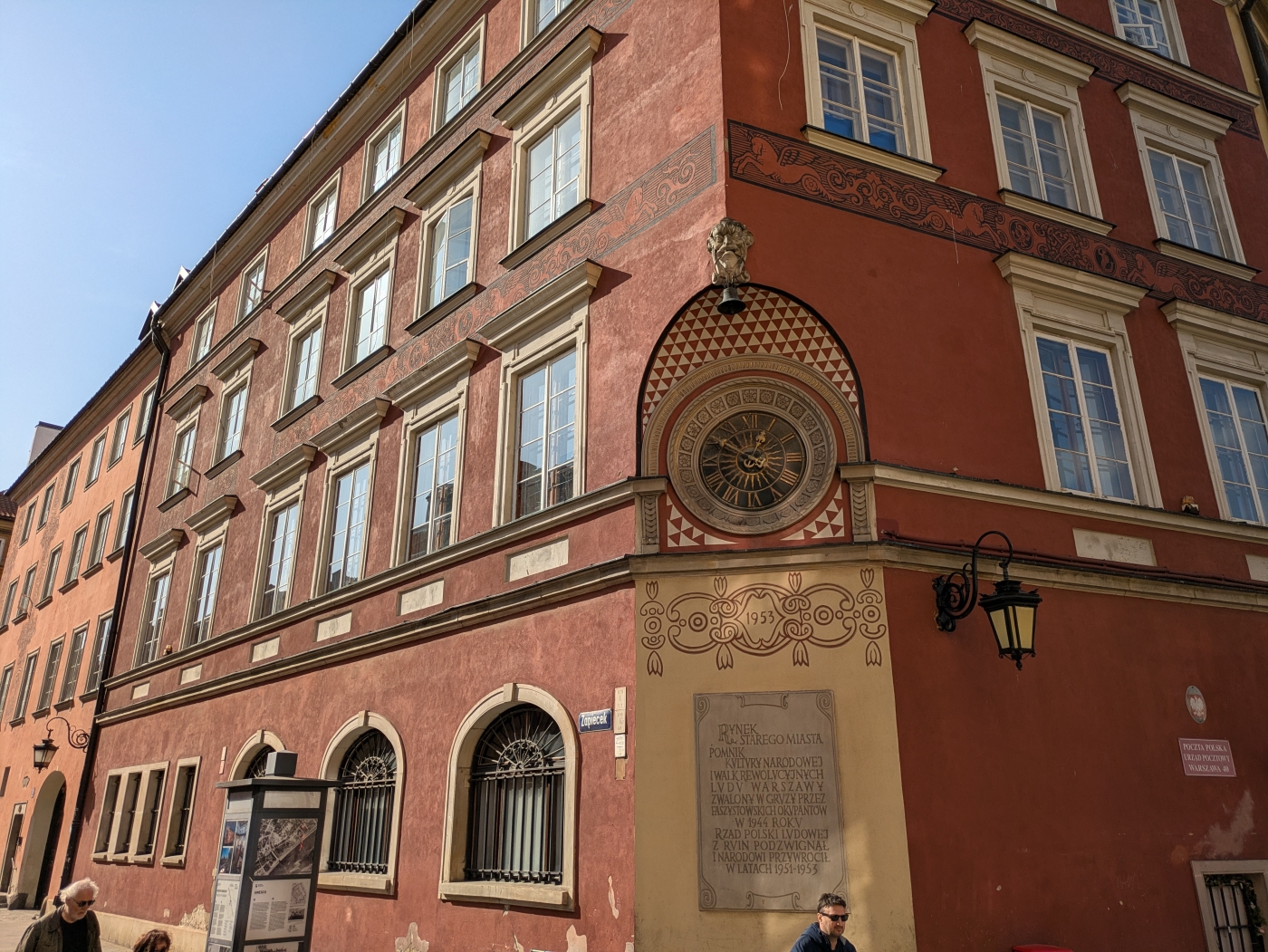
Against all odds and despite immense post-war challenges, the decision was made by the Polish people to fully reconstruct their historic heart. This was not a modern redevelopment, but a painstaking, accurate restoration using whatever historical documentation was available. Architects and historians relied heavily on 18th-century vedute by the Italian painter Bernardo Bellotto, known as Canaletto, as well as pre-war photographs, architectural plans, and archival drawings. Every brick and stone was placed with historical accuracy, recreating the narrow streets, market squares, and facades. The Royal Castle, once a symbol of Polish statehood, was painstakingly rebuilt and reopened in 1984, embodying the triumph of culture over destruction. Landmarks like the Barbican, a fortified outpost, also regained their former glory.
Today, walking through the cobbled streets of the Historic Centre of Warsaw, one experiences a vibrant, living city that is simultaneously a monumental museum. Its miraculous resurrection serves as a powerful reminder of the determination of a nation to preserve its cultural heritage and identity, making it a truly unique and inspiring World Heritage site.
Further Links
During the Warsaw Uprising in August 1944, more than 85% of Warsaw's historic centre was destroyed by Nazi troops. After the war, a five-year reconstruction campaign by its citizens resulted in today's meticulous restoration of the Old Town, with its churches, palaces and market-place. It is an outstanding example of a near-total reconstruction of a span of history covering the 13th to the 20th century.
Warsaw Old Town, also known as Old Town, and historically known as Old Warsaw, is a neighbourhood, and an area of the City Information System, in the city of Warsaw, Poland, located within the district of Śródmieście. It is the oldest portion of the city, and contains numerous historic buildings, mostly from 17th and 18th centuries, such as the Royal Castle, city walls, St. John's Cathedral, and the Barbican, the Old Town Market Square and the Warsaw Mermaid Statue. The settlement itself dates back to between the 13th and 14th centuries, and was granted town privileges c. 1300.
During World War II, the Old Town was nearly totally destroyed, and subsequently reconstructed. The project was the world's first attempt to resurrect an entire historic city core and was included on the UNESCO World Heritage list in 1980. In 2011, the Archive of Warsaw Reconstruction Office was added to UNESCO's Memory of the World international register.