Medieval Town of Toruń
Toruń, Poland
11.03.2026

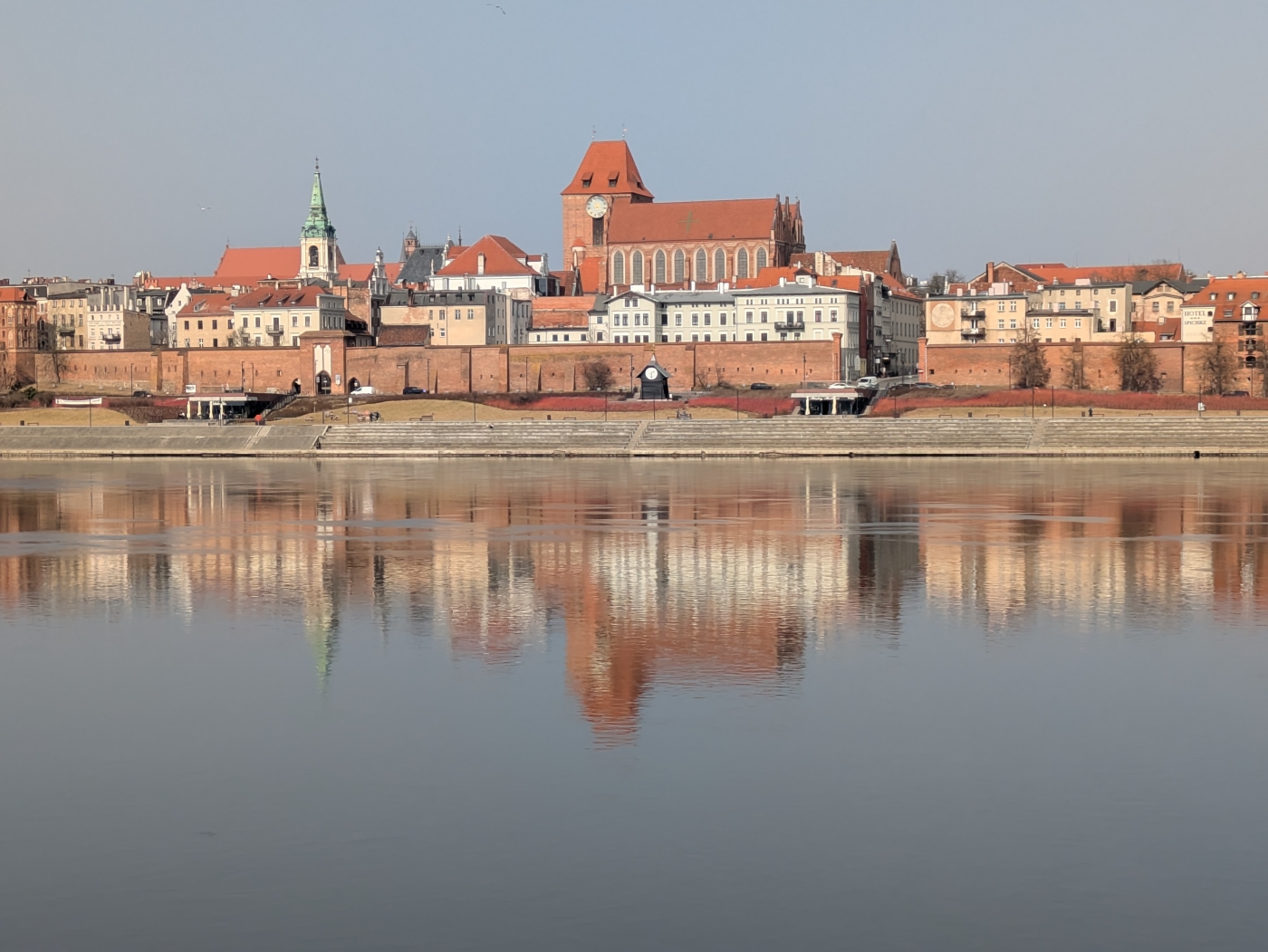
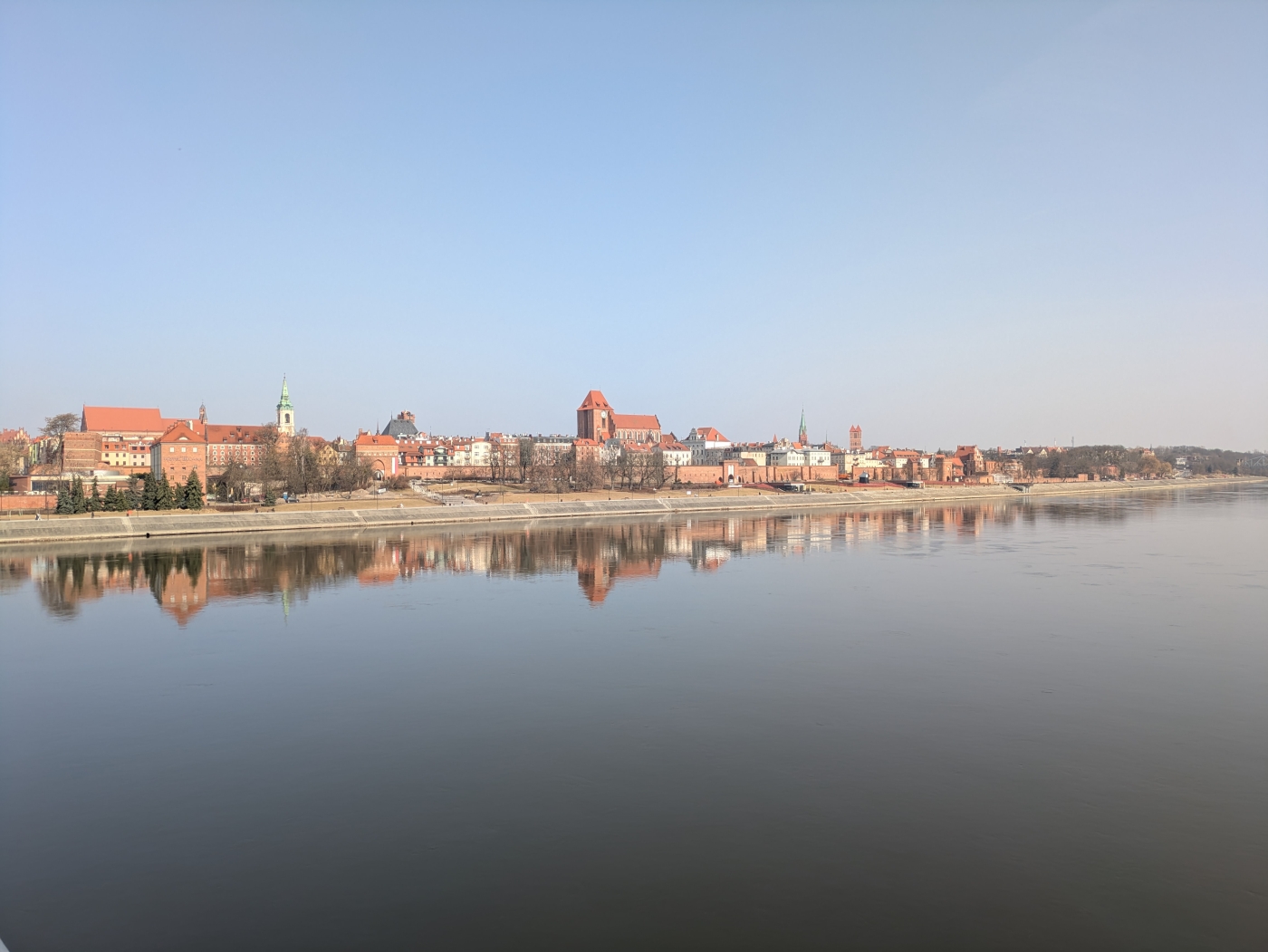
The Medieval Town of Toruń, a jewel in Poland's crown, stands as an exceptional testament to the medieval urbanisation processes of Central Europe. Inscribed on the UNESCO World Heritage List in 1997, it offers a remarkably preserved glimpse into a bygone era, characterised by its imposing Gothic architecture and a street plan that has remained largely unchanged for centuries. This historic ensemble on the Vistula River is a prime example of a medieval trading city, whose prosperity was built on its strategic location and mercantile prowess.
A Teutonic Foundation
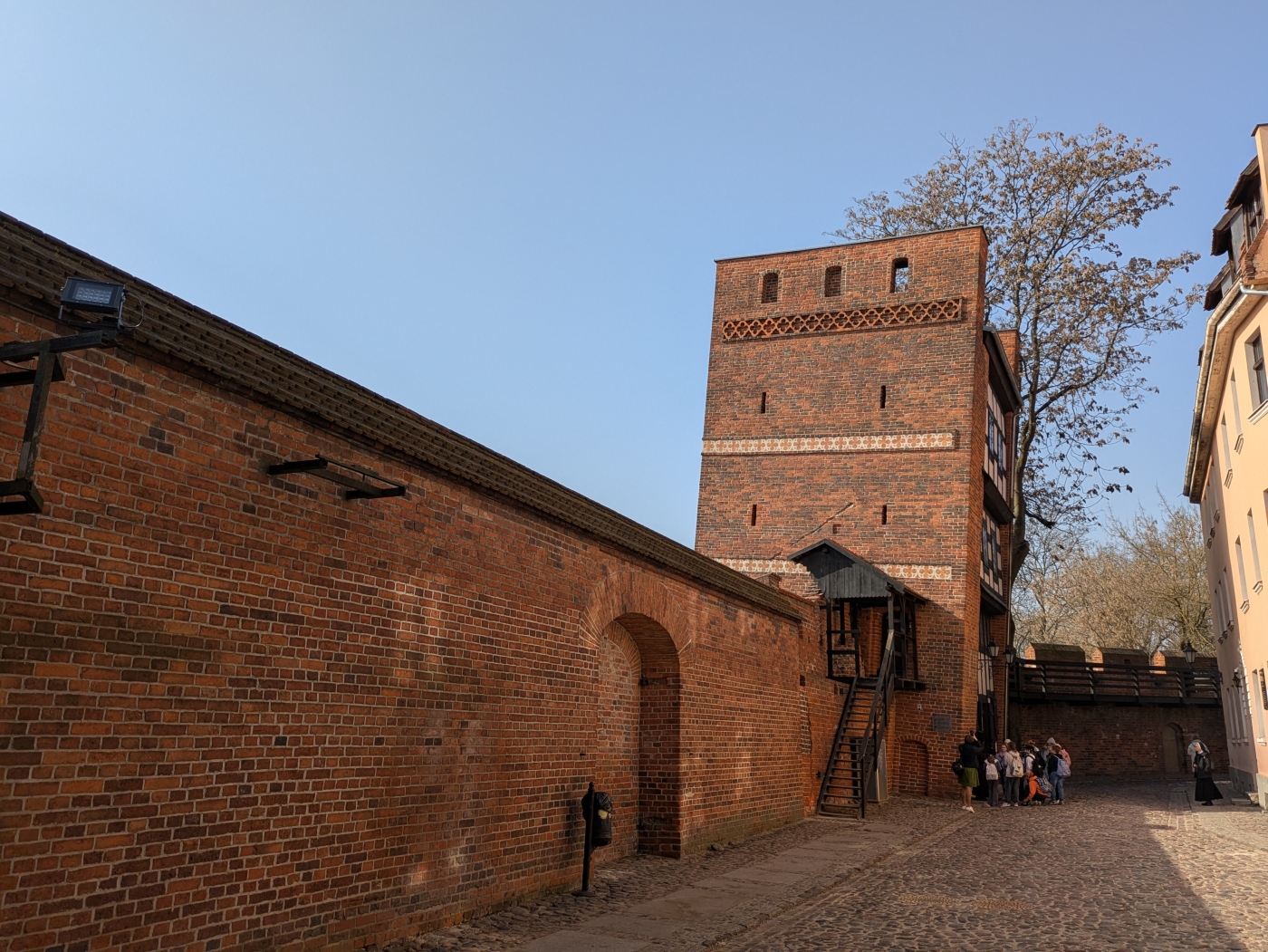
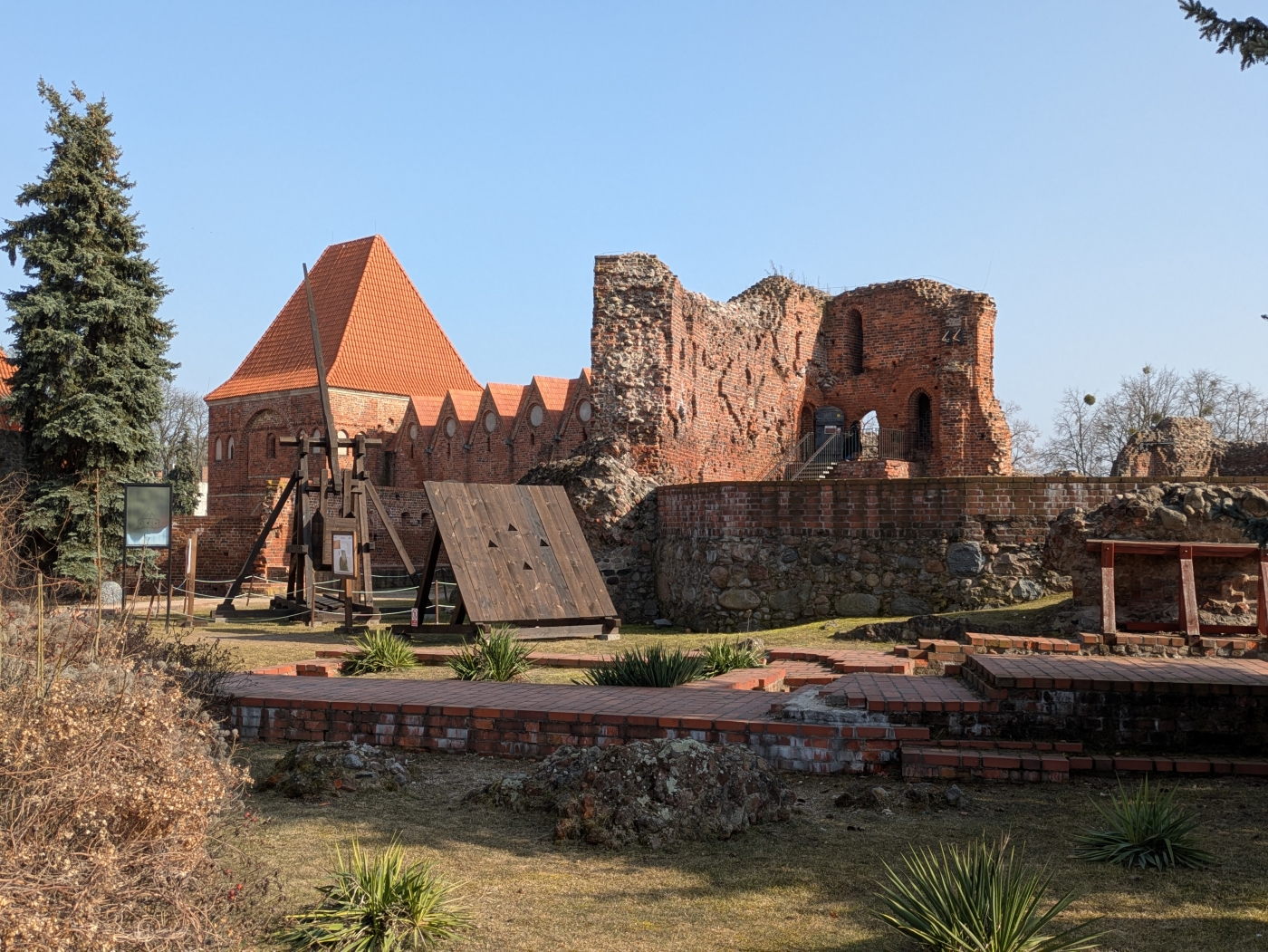
The city's origins trace back to the early 13th century when the **Teutonic Knights**, a powerful German Roman Catholic military order, established a defensive stronghold here. Following the settlement of Chełmno (Culm), **Toruń** (Thorn) was granted its foundation charter in 1233, laying the groundwork for its subsequent development. The Knights built their castle, the remnants of which, including the **Leaning Tower of Toruń**, still bear witness to their presence. The town quickly grew, adopting the regular grid pattern typical of medieval urban planning, and became a crucial administrative and economic centre for the monastic state.
A Hanseatic Powerhouse
Toruń's economic ascendancy was further propelled by its membership in the **Hanseatic League** starting in 1280. This powerful confederation of merchant guilds and market towns dominated trade across Northern Europe, and Toruń became one of its most important eastern outposts. Its merchants thrived on the trade of grains, timber, and other goods, fostering immense wealth that translated into magnificent architectural achievements. The city's prosperity led to conflicts with the Teutonic Order, culminating in the **Thirteen Years' War** (1454-1466), after which Toruń pledged allegiance to the Polish Crown under the **Second Peace of Thorn**.
Architectural Splendour
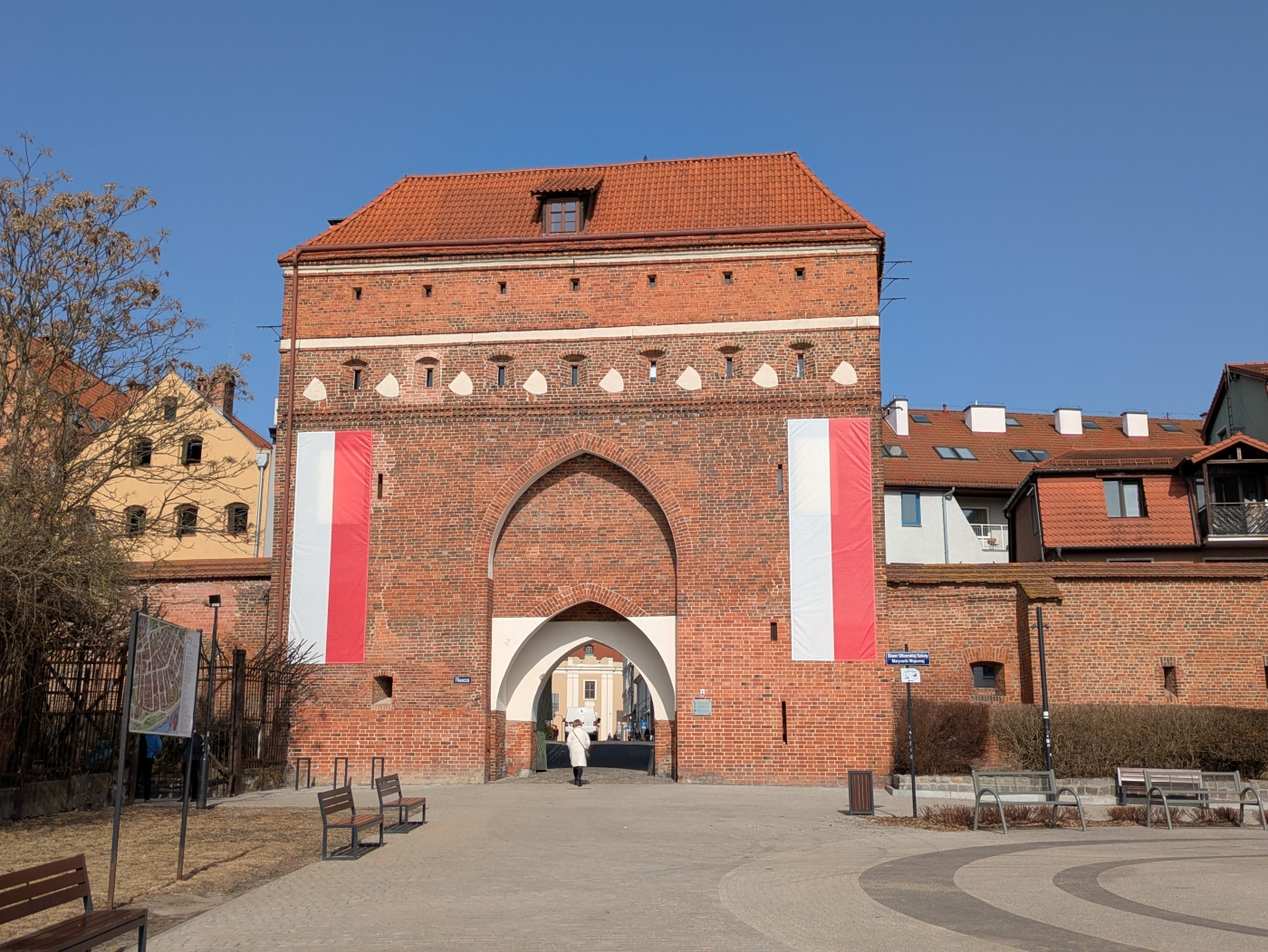
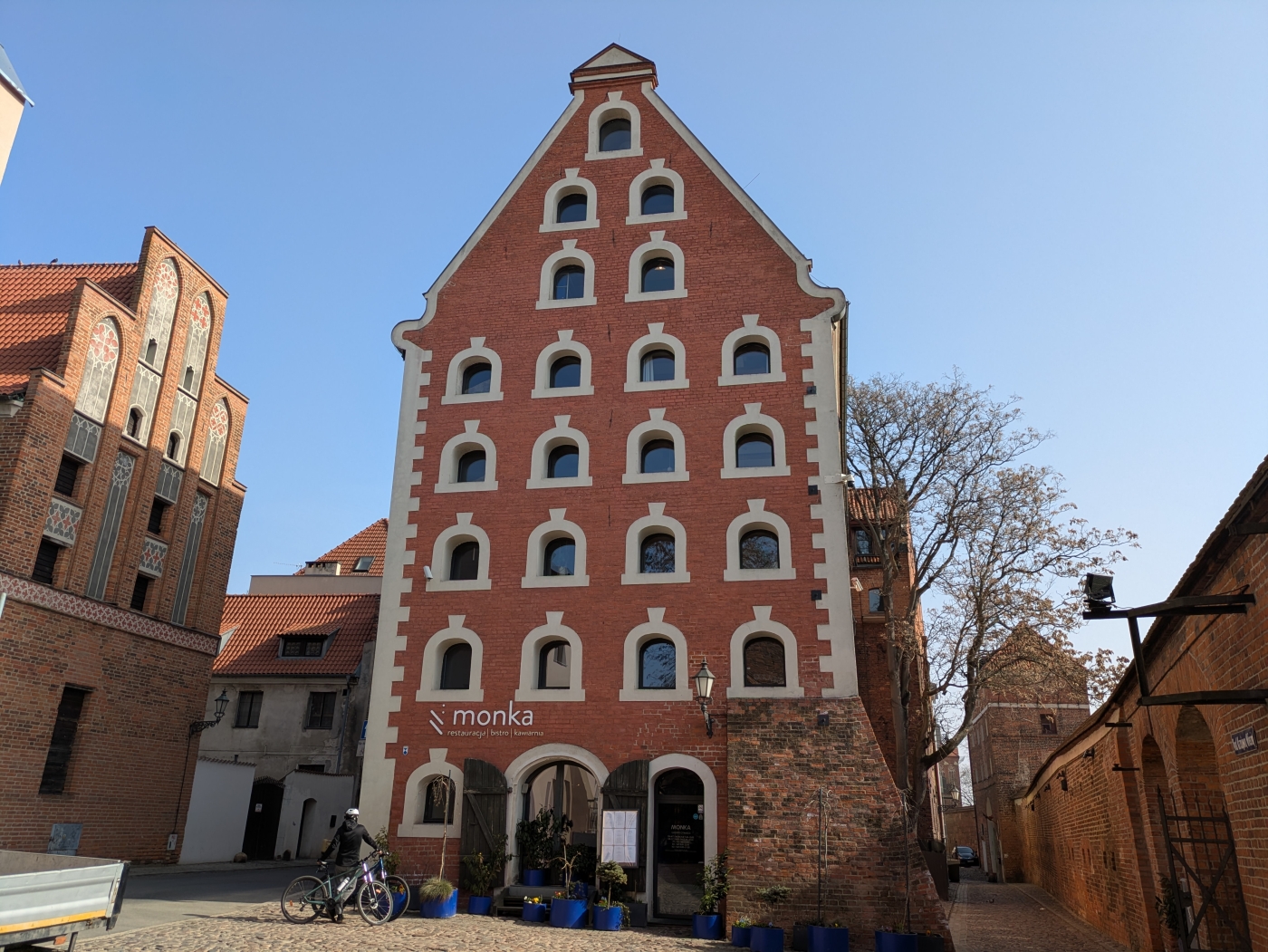
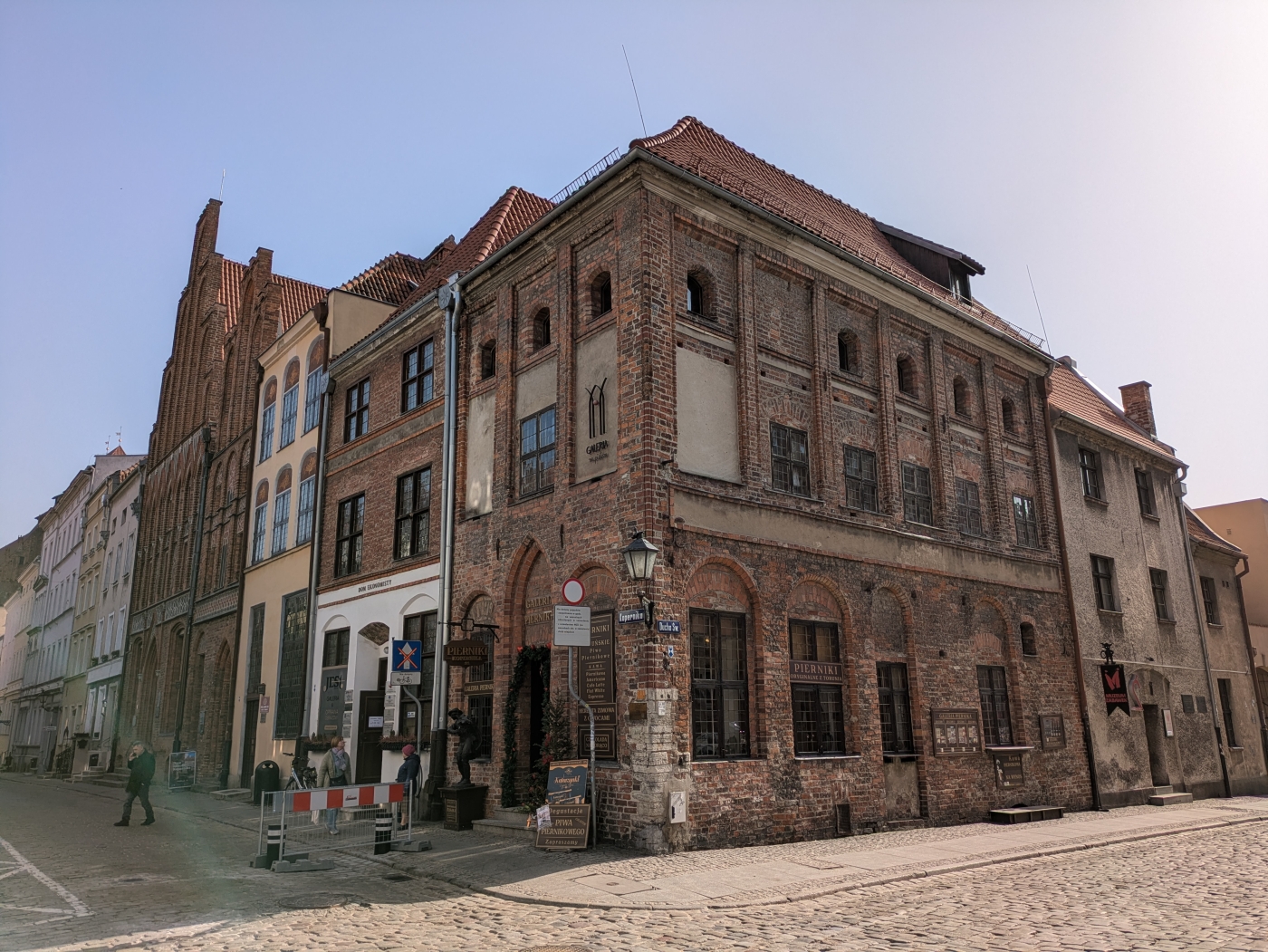
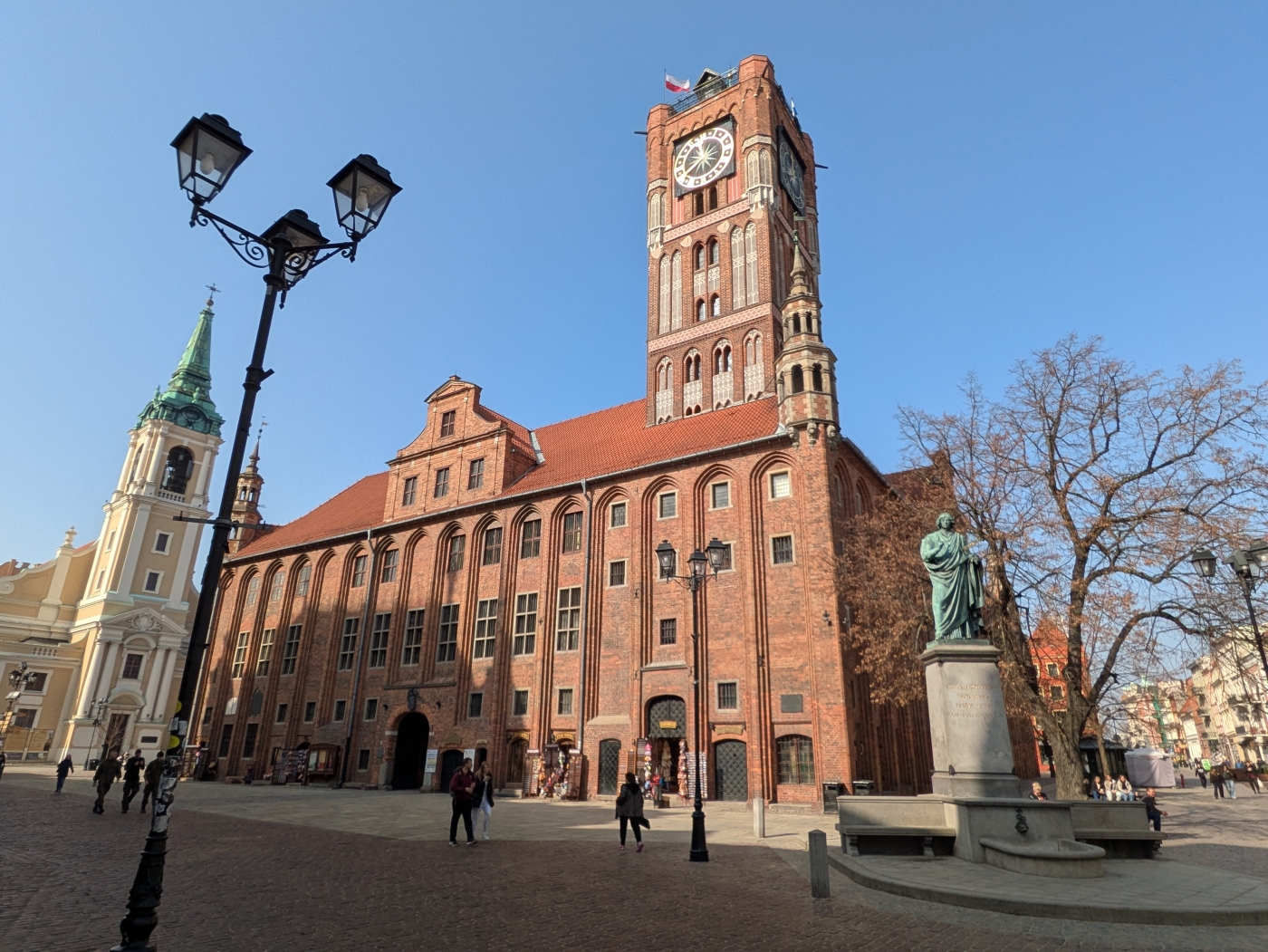
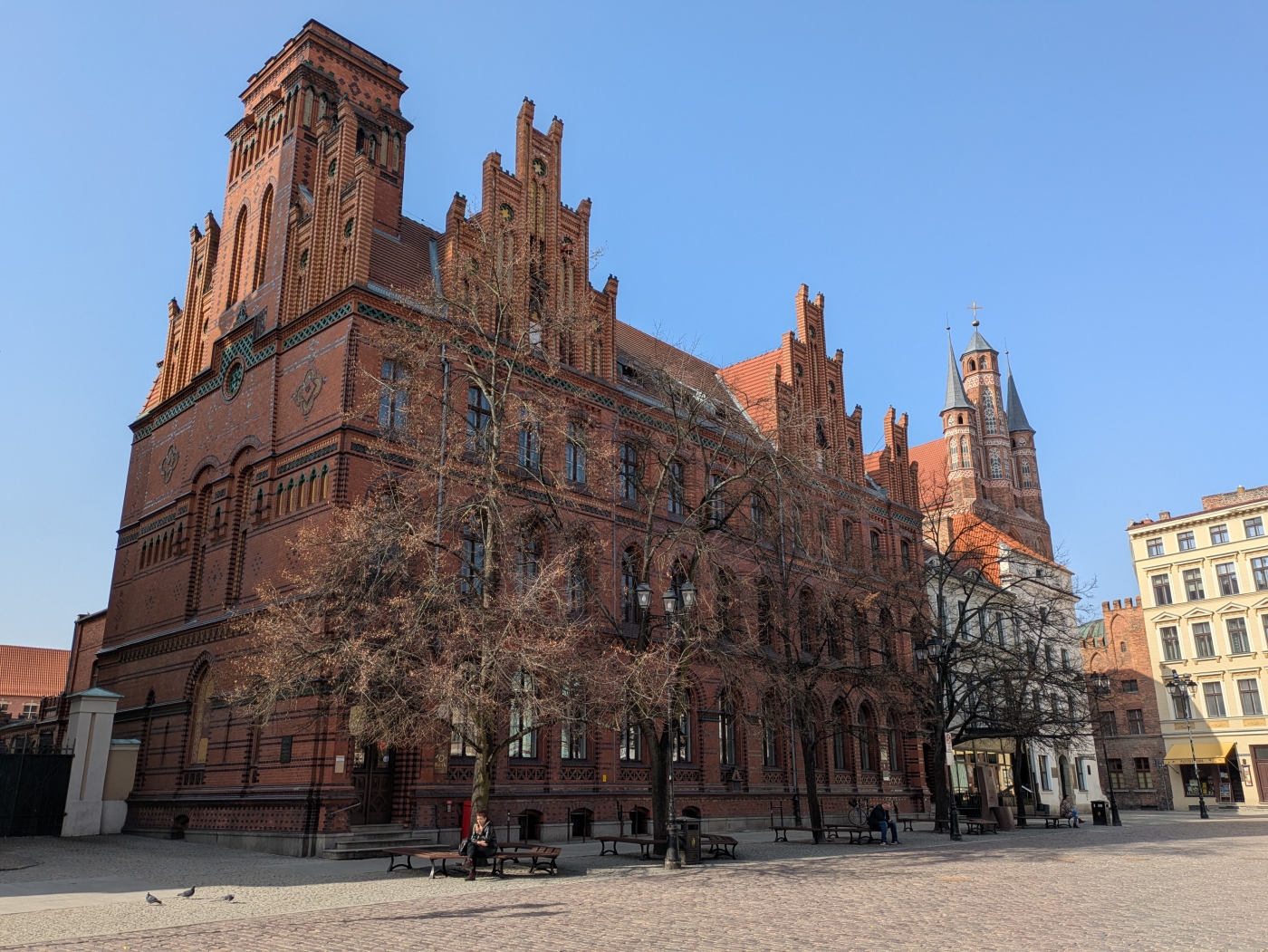
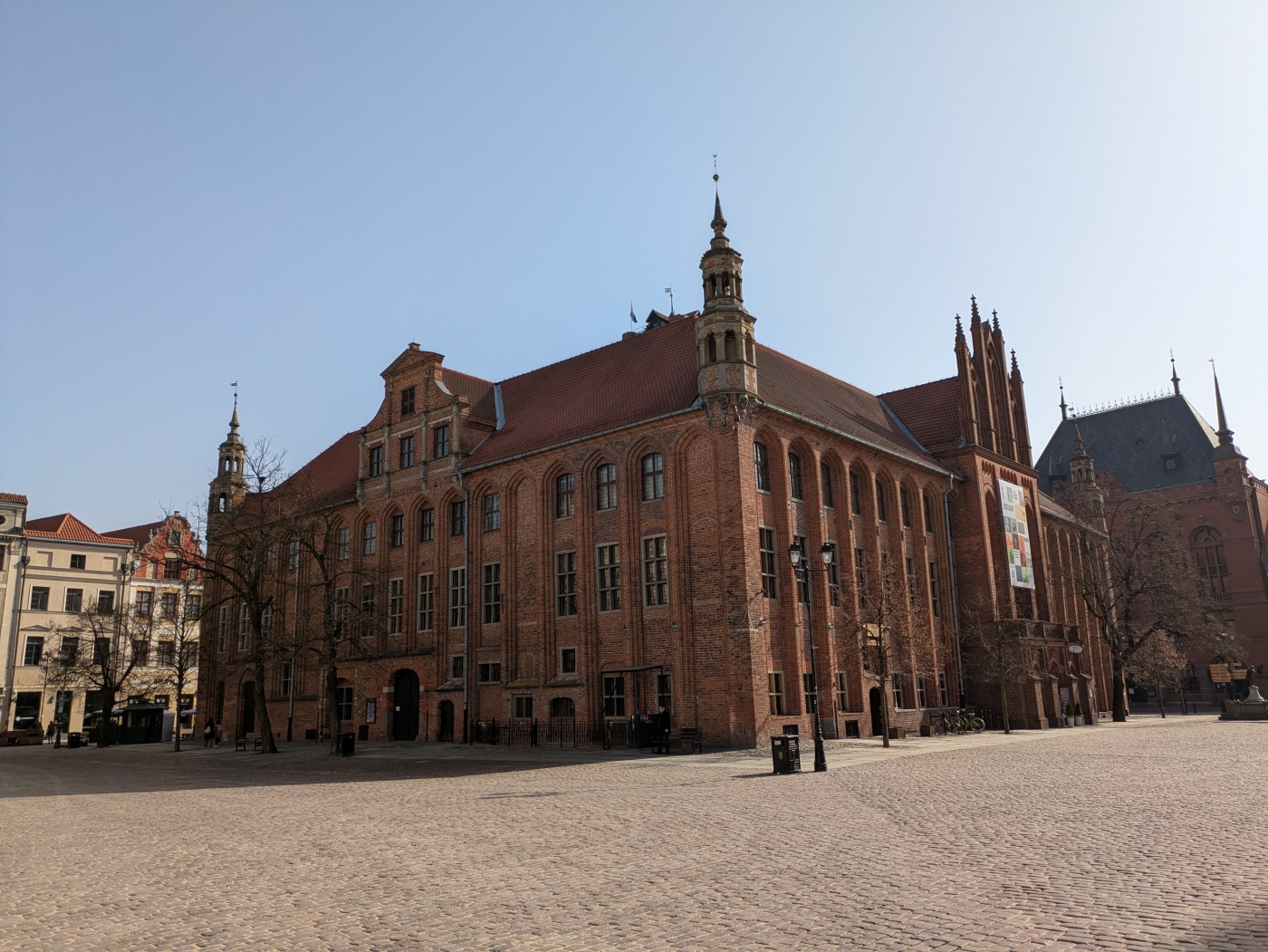
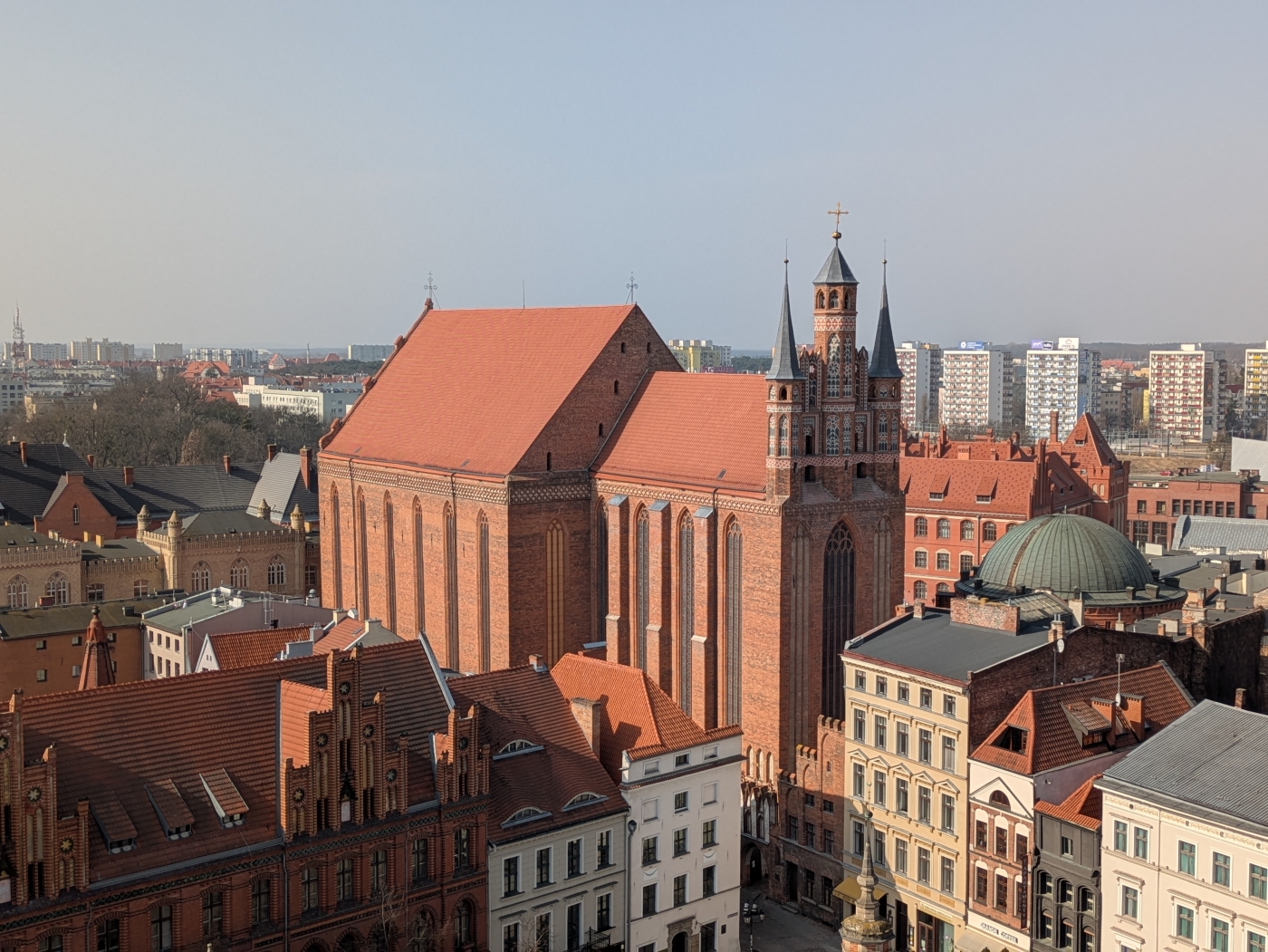
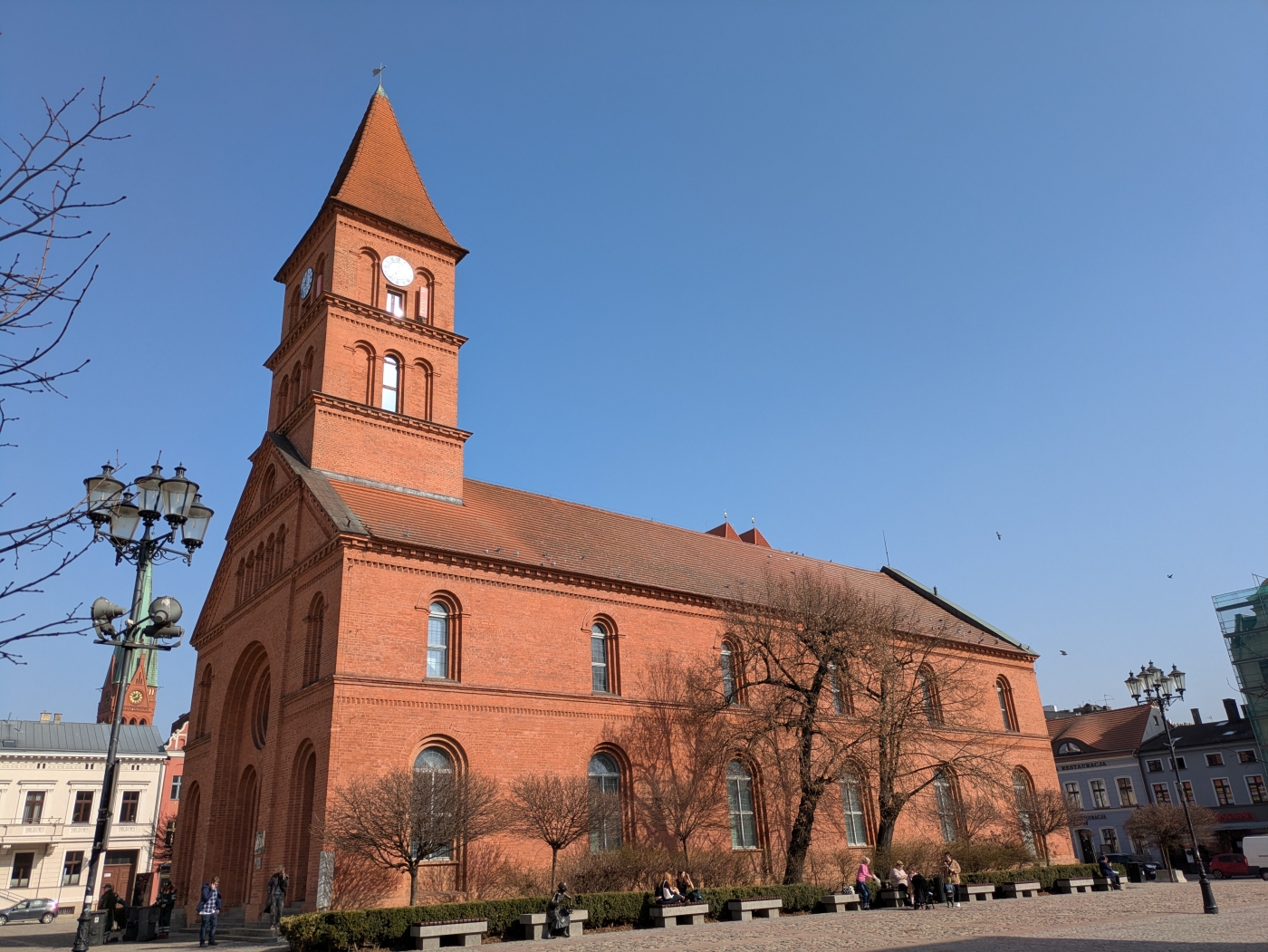
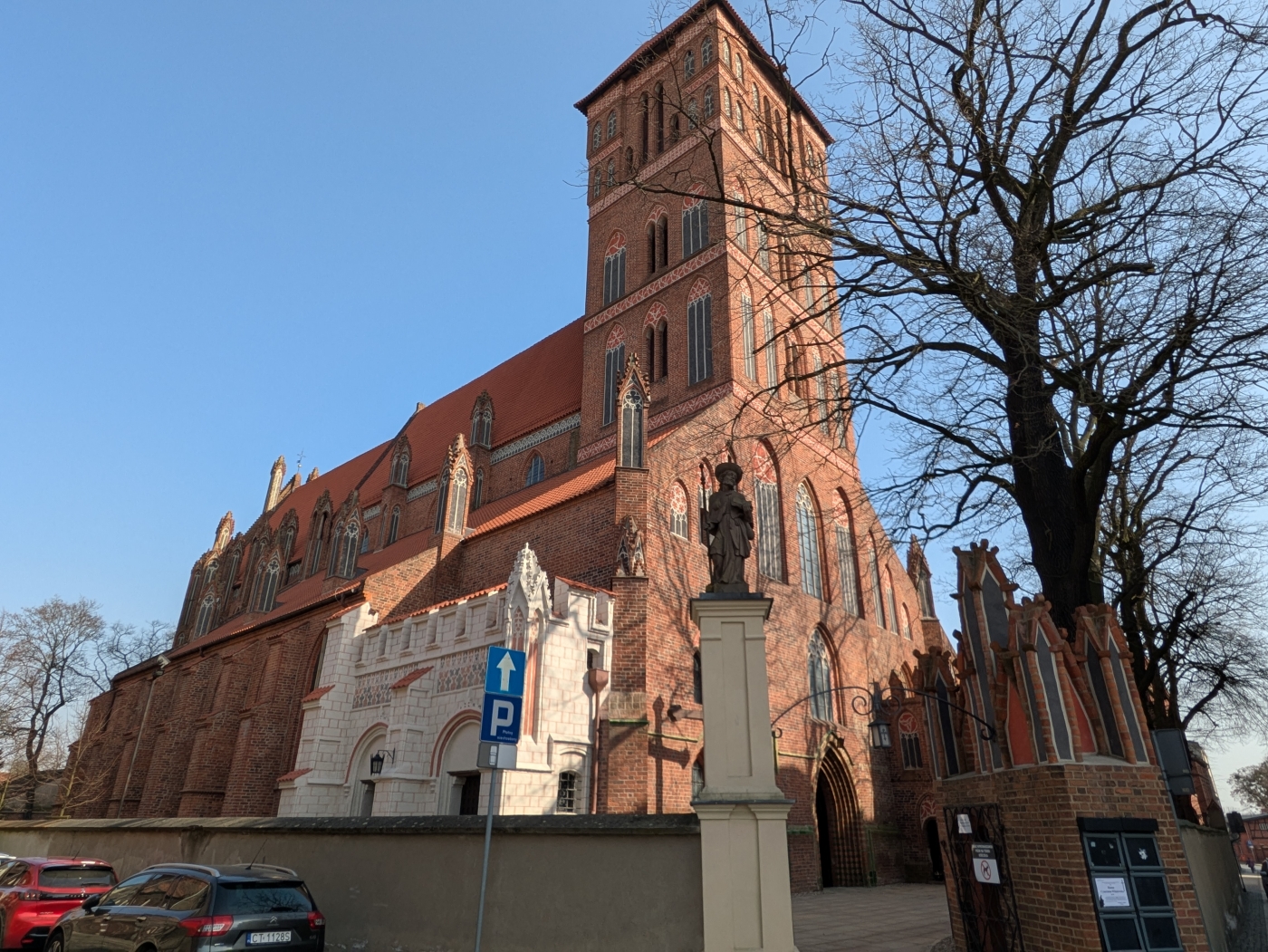
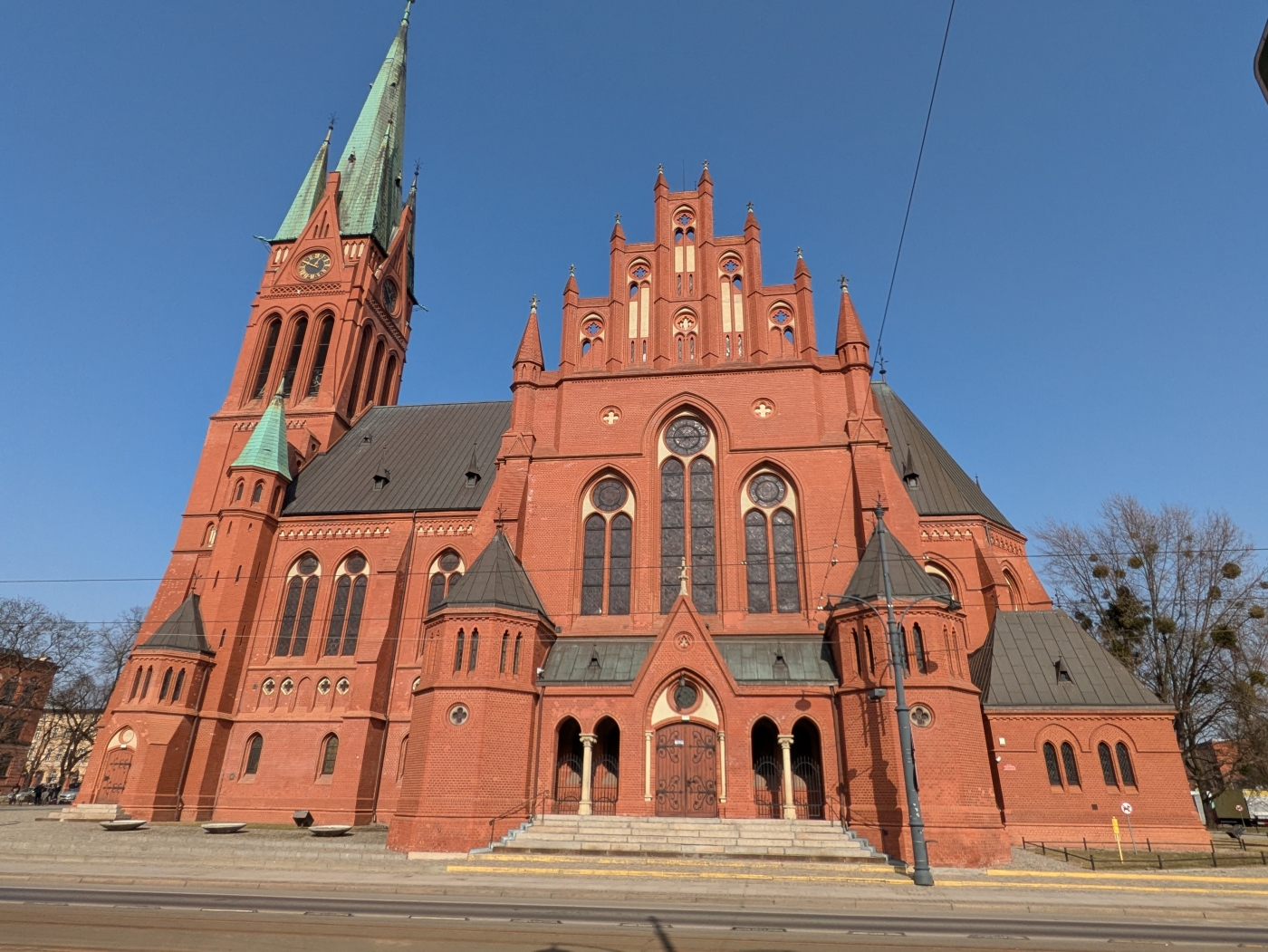
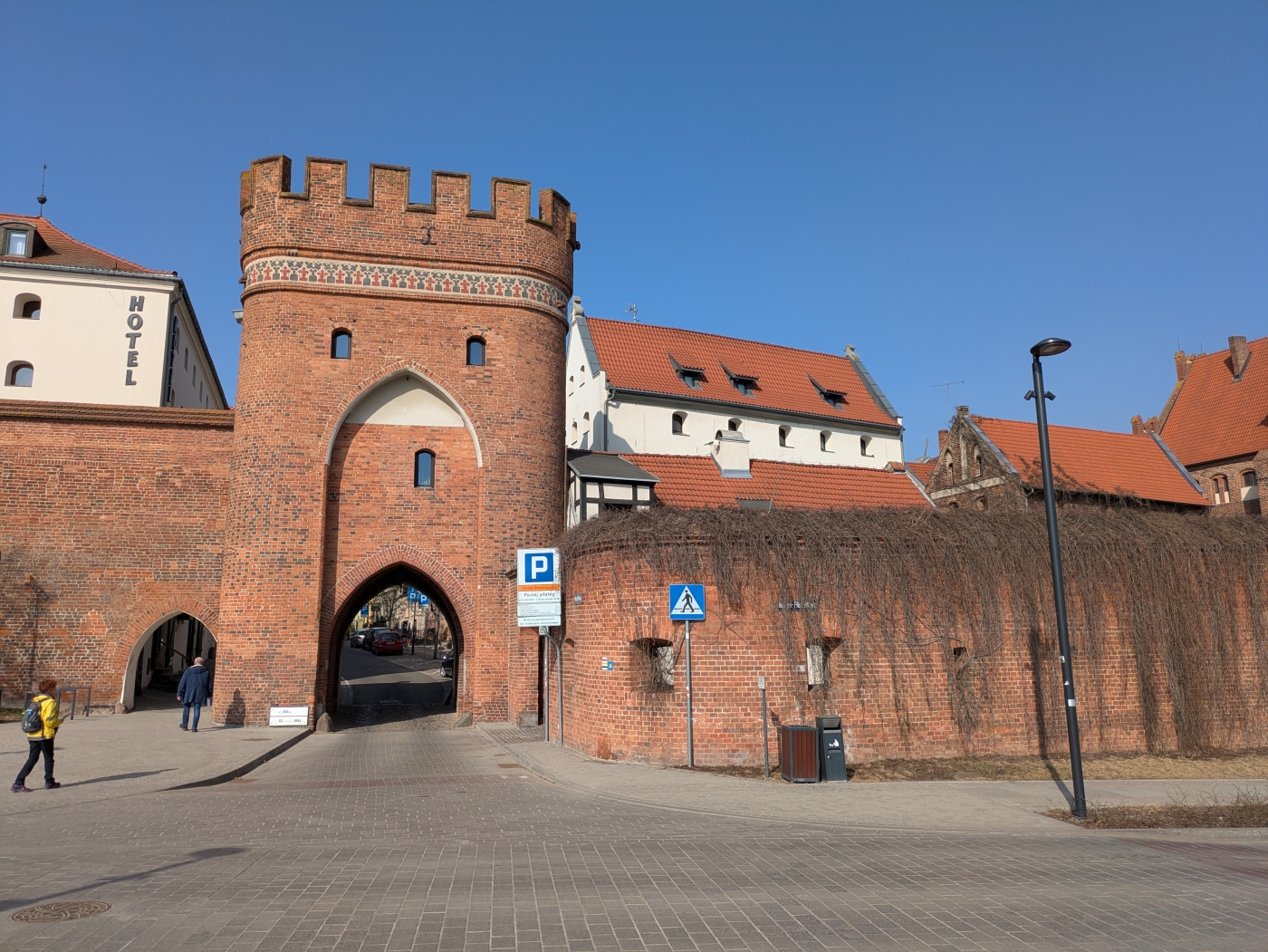
The city’s wealth is exquisitely reflected in its brick Gothic architecture. The majestic **Old Town Hall (Ratusz Staromiejski)**, a masterpiece of brick Gothic, dominates the market square. Its construction began in the late 13th century, undergoing significant enlargements in the 14th and 17th centuries, making it one of the largest and most impressive town halls in Central Europe. Nearby stands the **Cathedral Basilica of St. John the Baptist and St. John the Evangelist**, another grand Gothic edifice, which houses the colossal Tuba Dei bell, cast in 1500. The well-preserved city walls, numerous burgher houses with their distinctive high gables, and granaries further illustrate the medieval urban fabric.
The Legacy of Copernicus
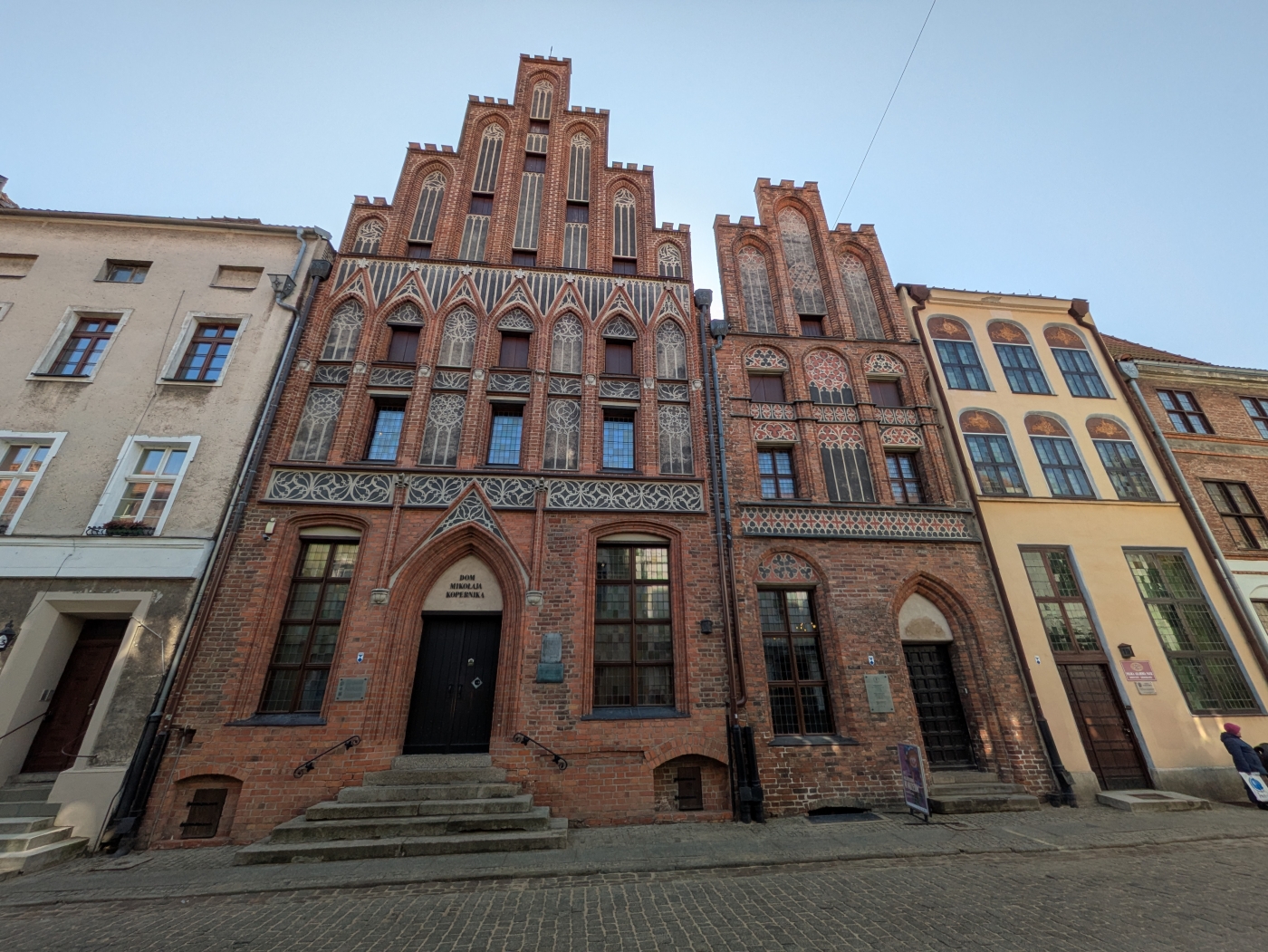
Perhaps Toruń's most famous son is **Nicolaus Copernicus**, the revolutionary astronomer who challenged the geocentric model of the universe. Born here in 1473, his family home, now the **Copernicus House Museum**, offers insights into his early life and the intellectual environment of late medieval Toruń. His groundbreaking work, "De revolutionibus orbium coelestium," cemented his place in history and forever linked Toruń to scientific discovery and enlightenment, a testament to the vibrant intellectual and cultural life fostered within its medieval walls.
Weiterführende Links
Torun owes its origins to the Teutonic Order, which built a castle there in the mid-13th century as a base for the conquest and evangelization of Prussia. It soon developed a commercial role as part of the Hanseatic League. In the Old and New Town, the many imposing public and private buildings from the 14th and 15th centuries (among them the house of Copernicus) are striking evidence of Torun's importance.
Medieval Town of Toruń (Polish: zespół staromiejski Torunia) is the oldest historic district of the city of Toruń. It is one of Poland's World Heritage Sites (added in 1997) and Seven Wonders of Poland. According to UNESCO, its value lies in its being "a small historic trading city that preserves to a remarkable extent its original street pattern and outstanding early buildings, and which provides an exceptionally complete picture of the medieval way of life". The Medieval Town has an area of 60 ha and a buffer zone of 300 ha. It is composed of the Toruń Old Town, Toruń New Town, and the Toruń Castle.