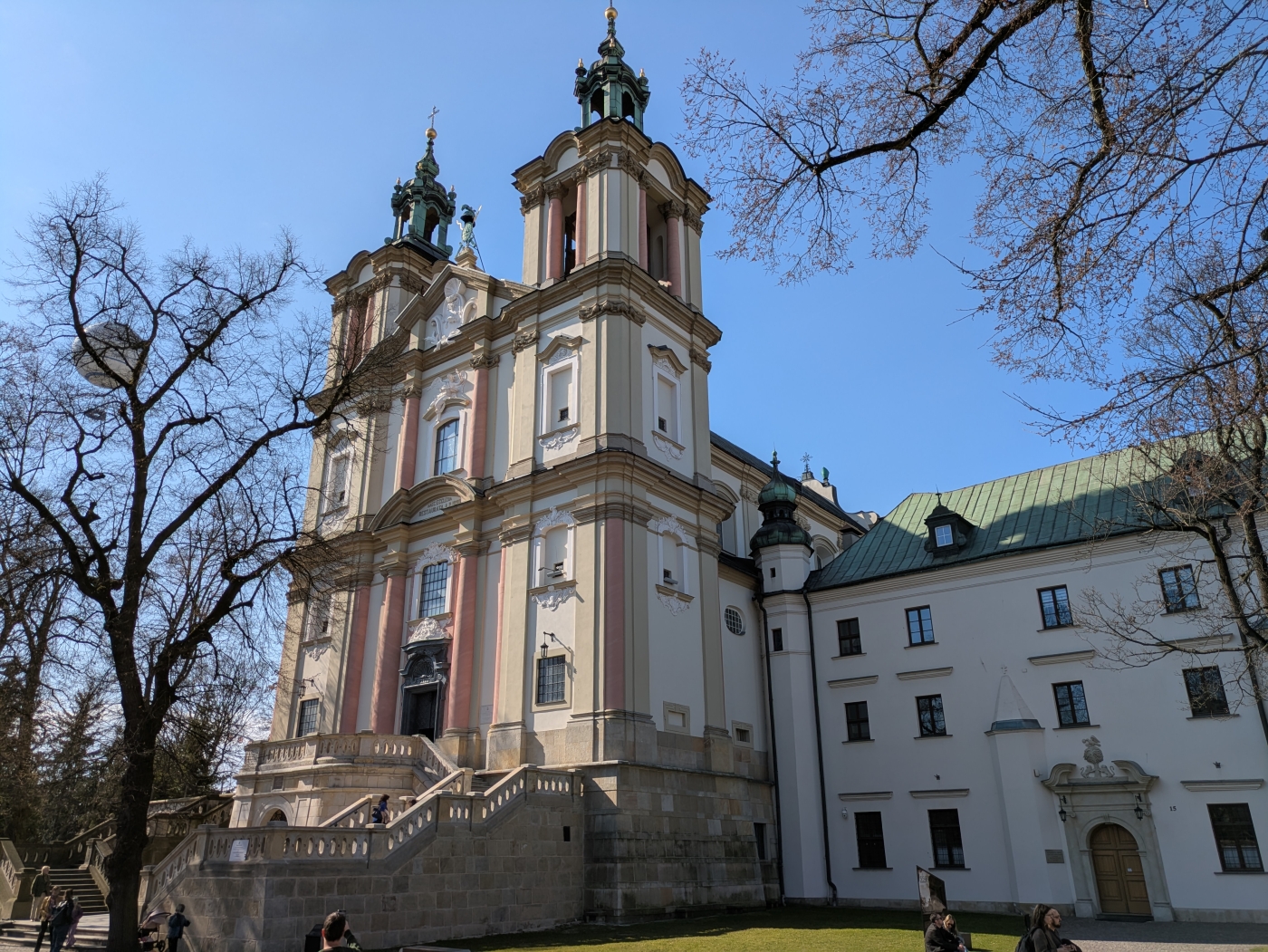
Historic Centre of Kraków
Krakau, Poland
12.03.2026

The Historic Centre of Kraków, inscribed on the UNESCO World Heritage List in 1978, stands as a profound testament to Poland's rich cultural and historical legacy. As the former royal capital and a vibrant hub for centuries, Kraków's core district captivates with its remarkably preserved medieval urban layout and an extraordinary collection of architectural masterpieces. Its charm stems from a harmonious blend of historical epochs.
A City Forged in History
Kraków's origins trace to the 7th century, but its true flourish began in 1257 with town privileges after a devastating Mongol invasion. Rebuilt on a grid plan, the city's layout largely endures today. The reign of Casimir III the Great in the 14th century marked a golden age; he founded the prestigious Jagiellonian University in 1364. For over 500 years, Wawel Castle served as the seat of Polish kings, making Kraków the heart of the Polish-Lithuanian Commonwealth. Even after the capital moved to Warsaw in 1596, Kraków remained culturally significant, preserving its royal heritage through centuries of strife.
Architectural Marvels and Urban Planning
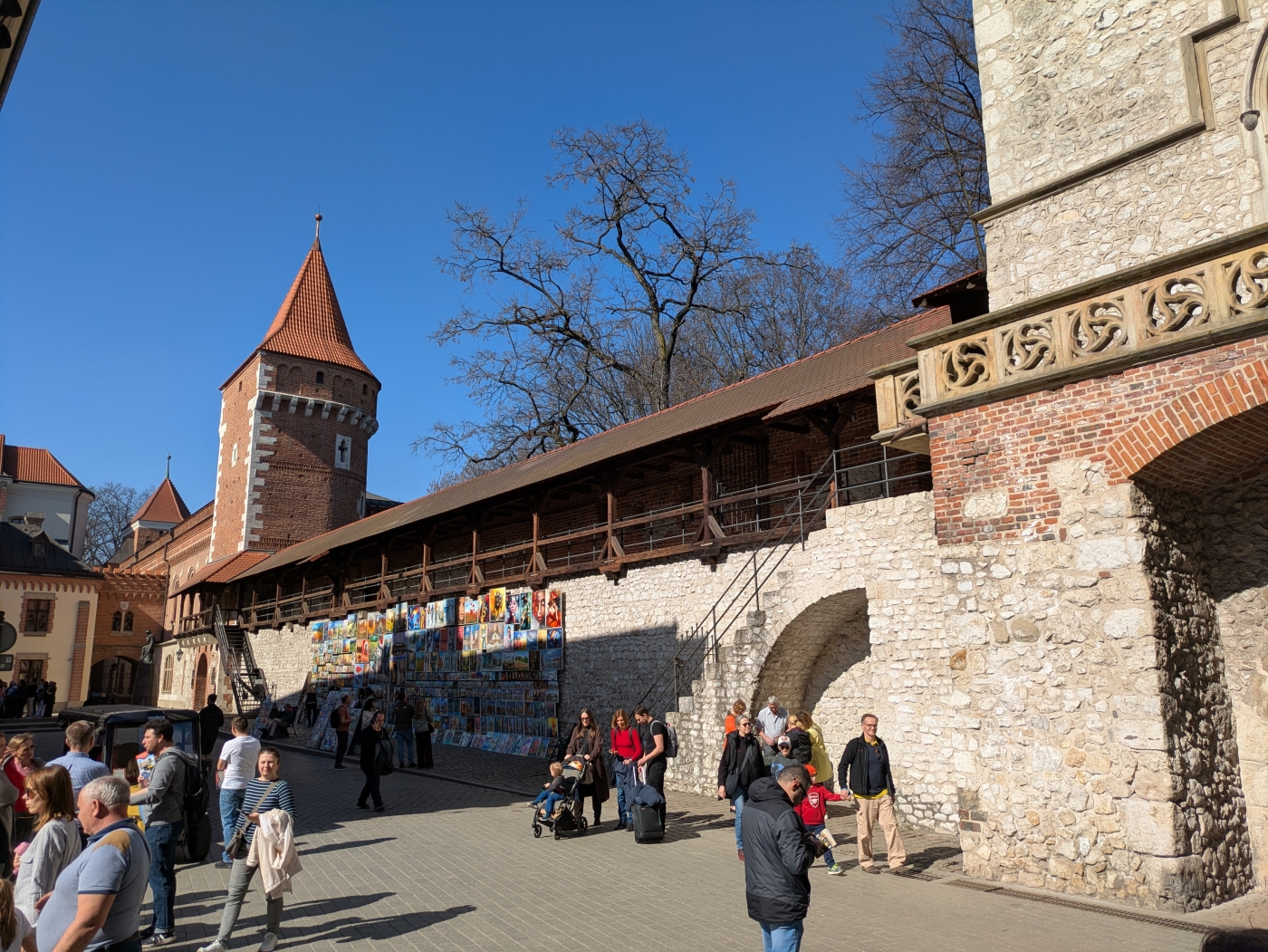
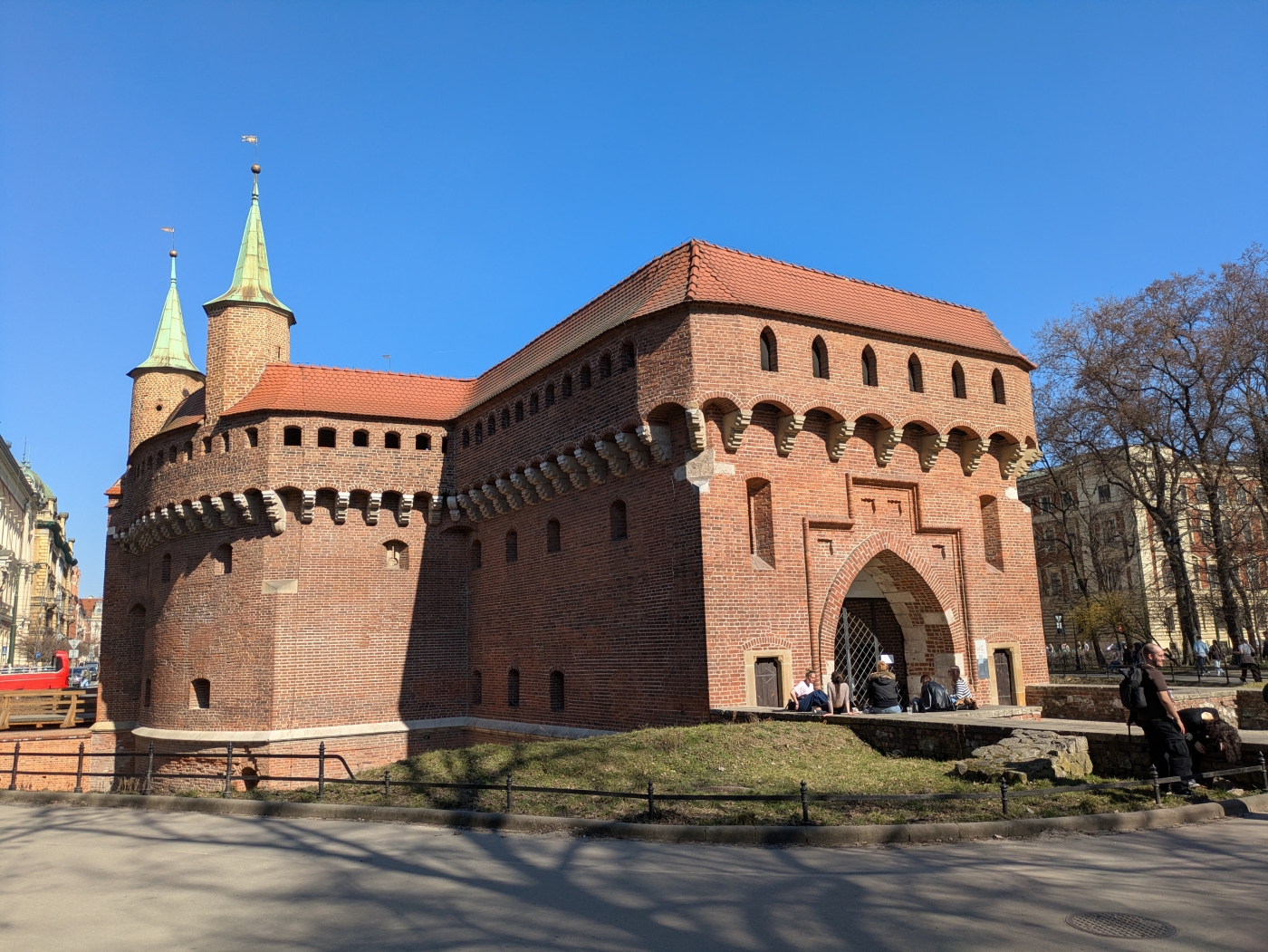
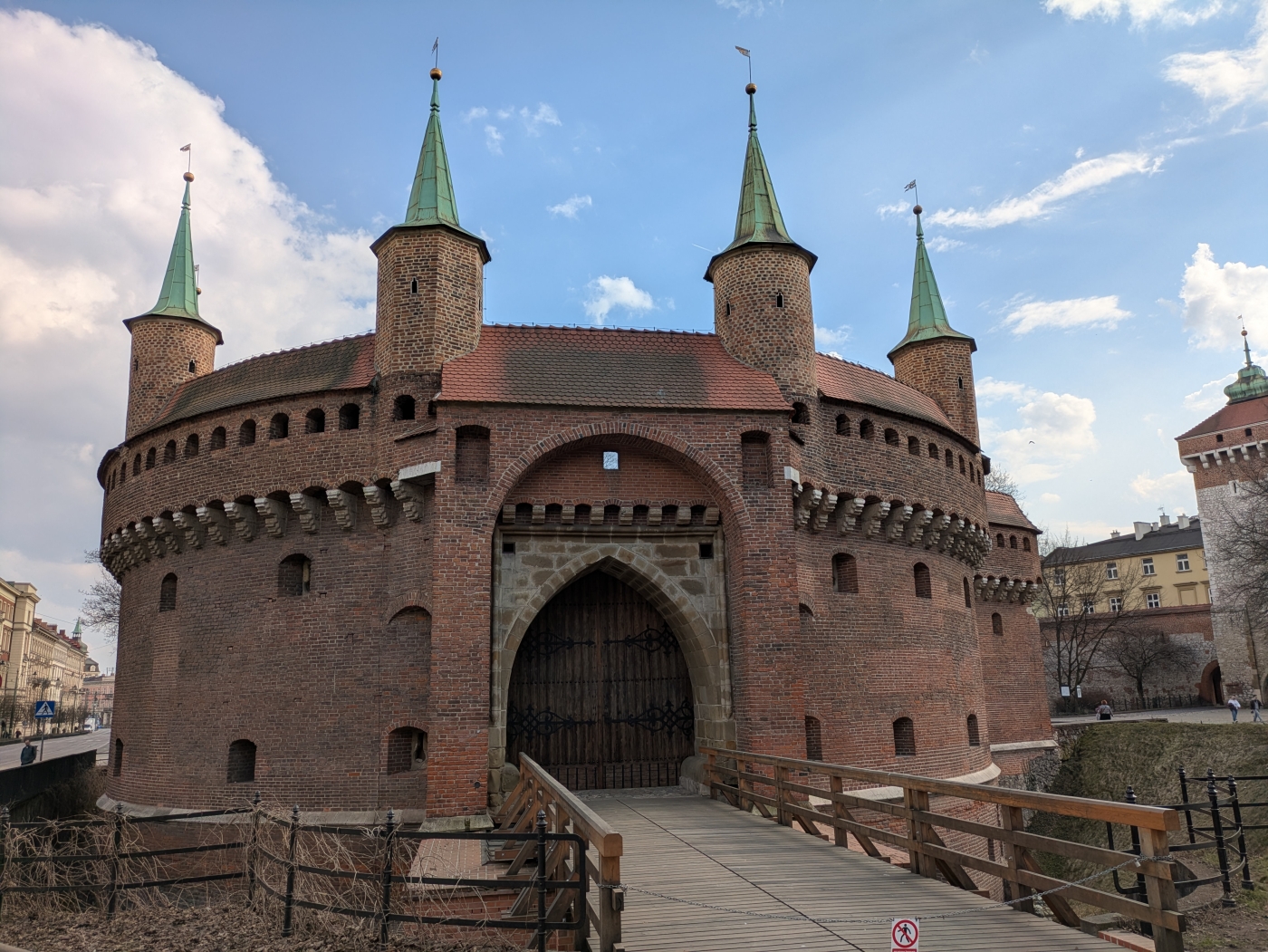
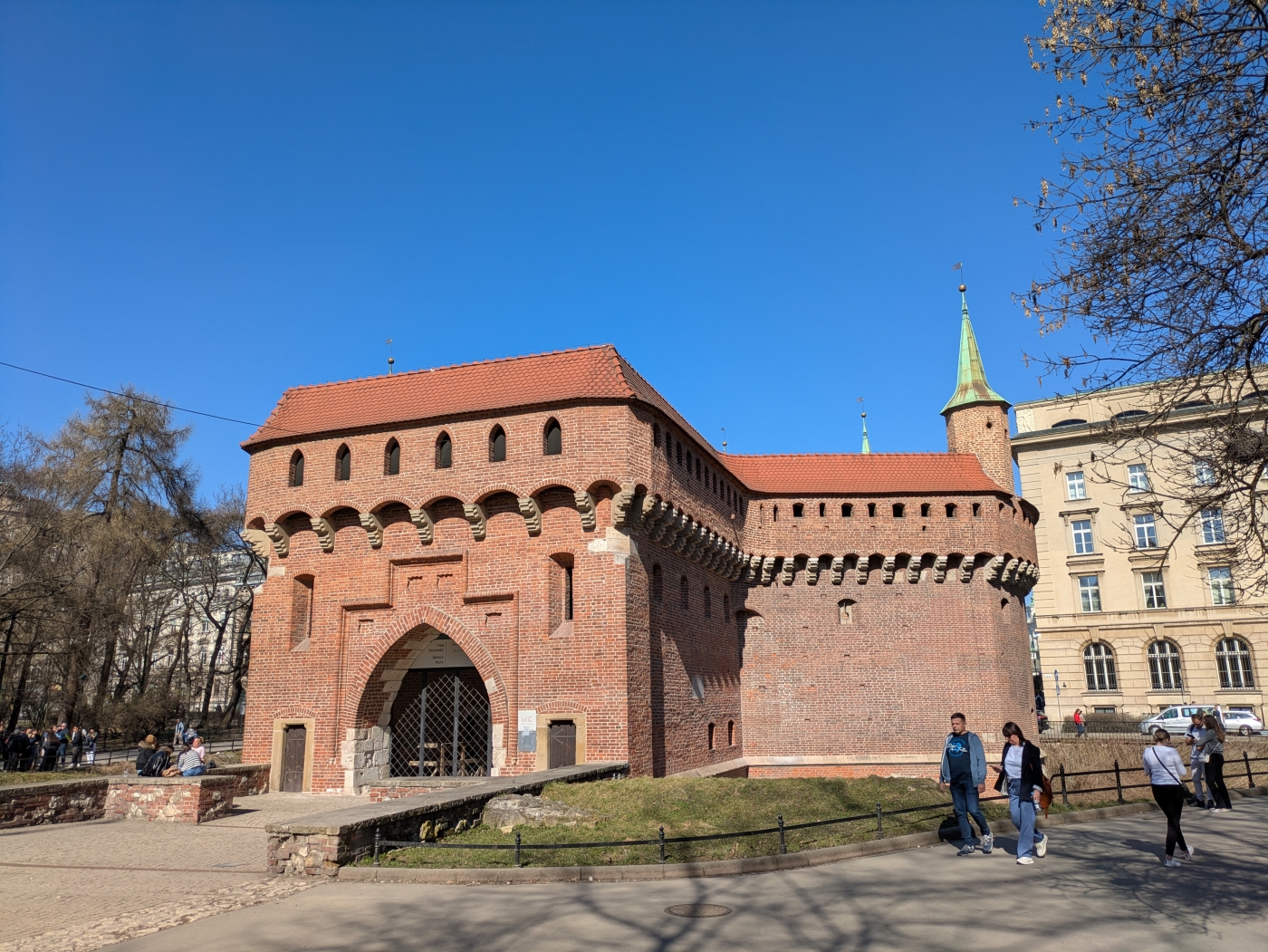
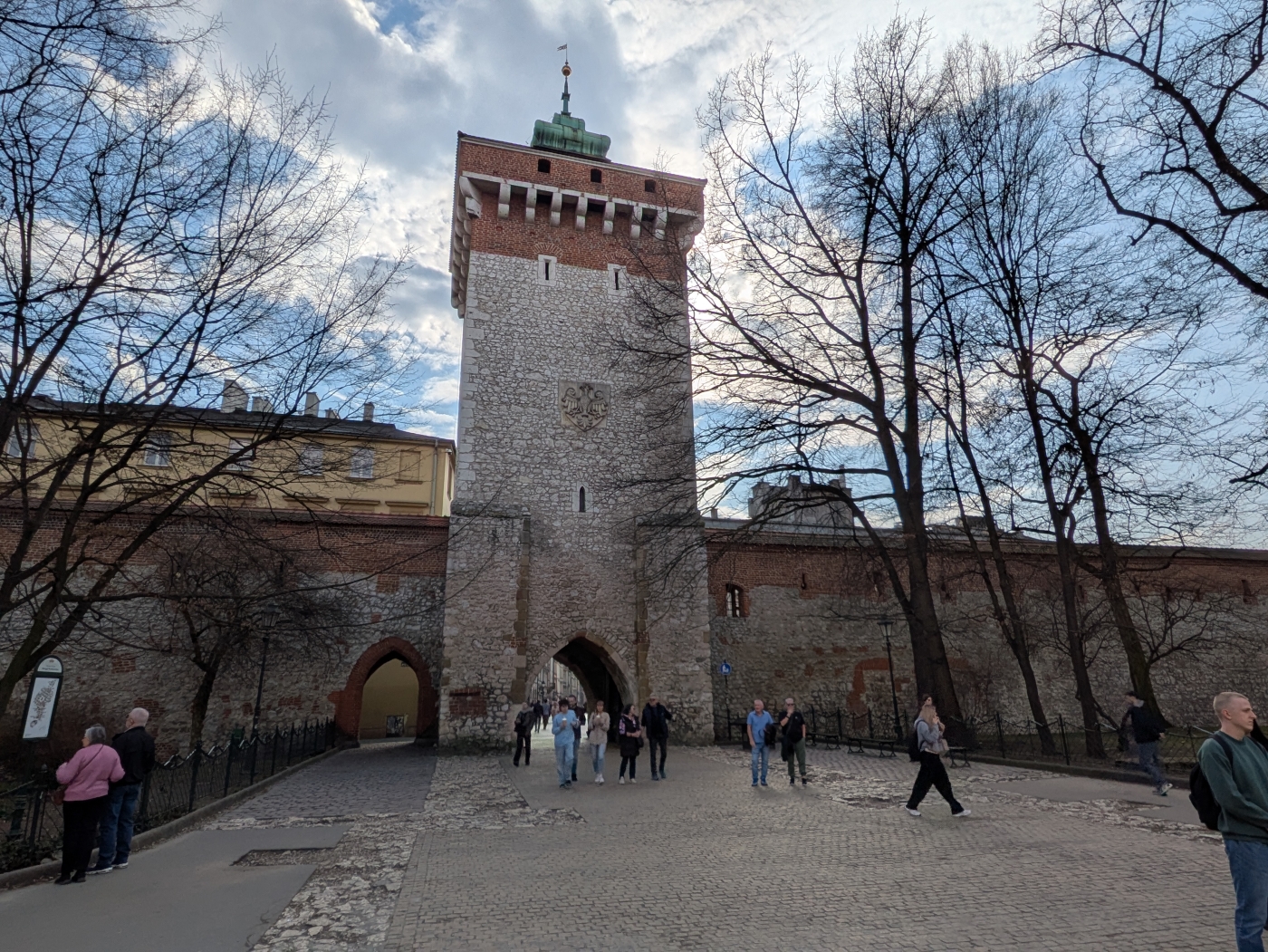
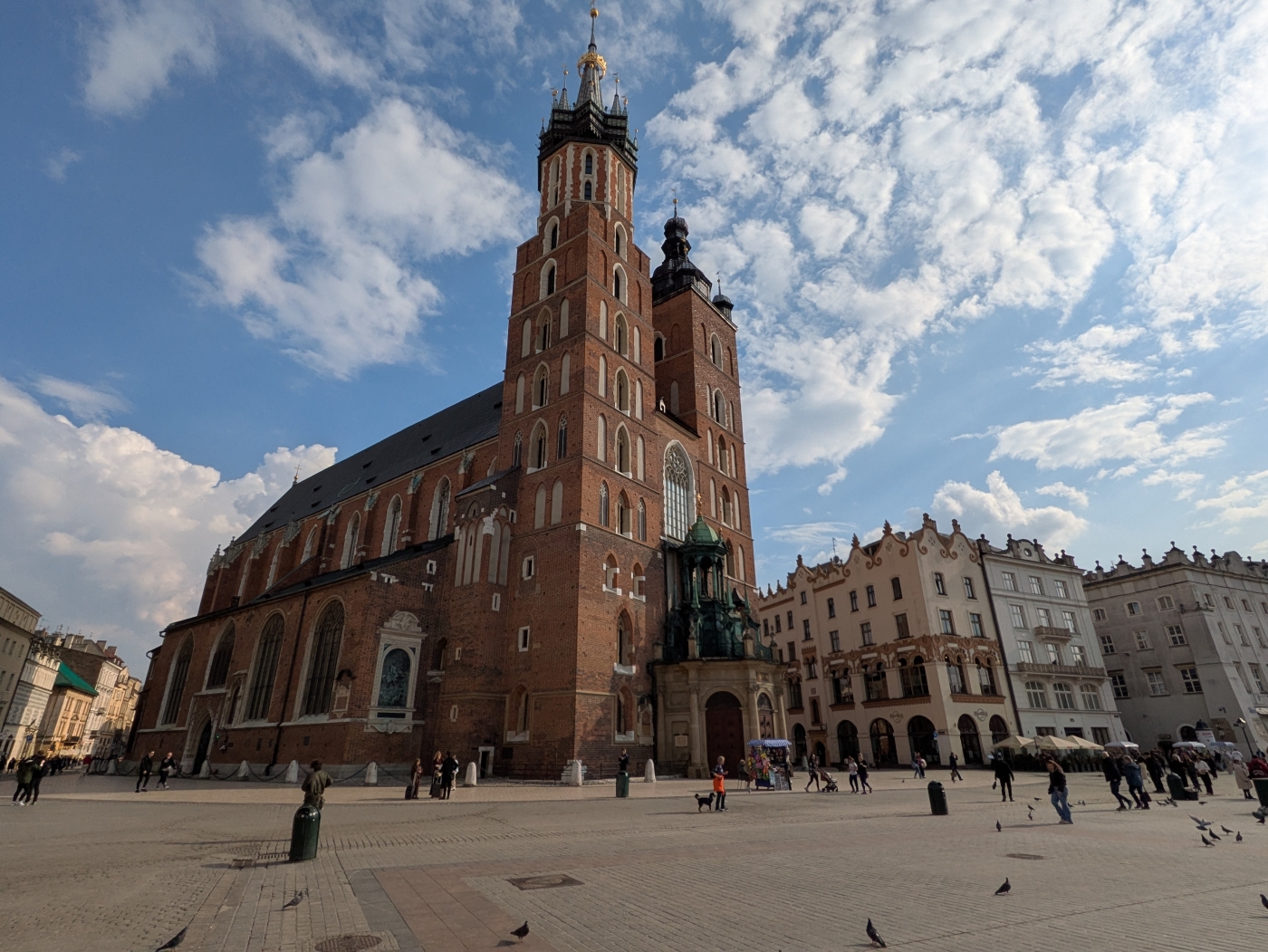
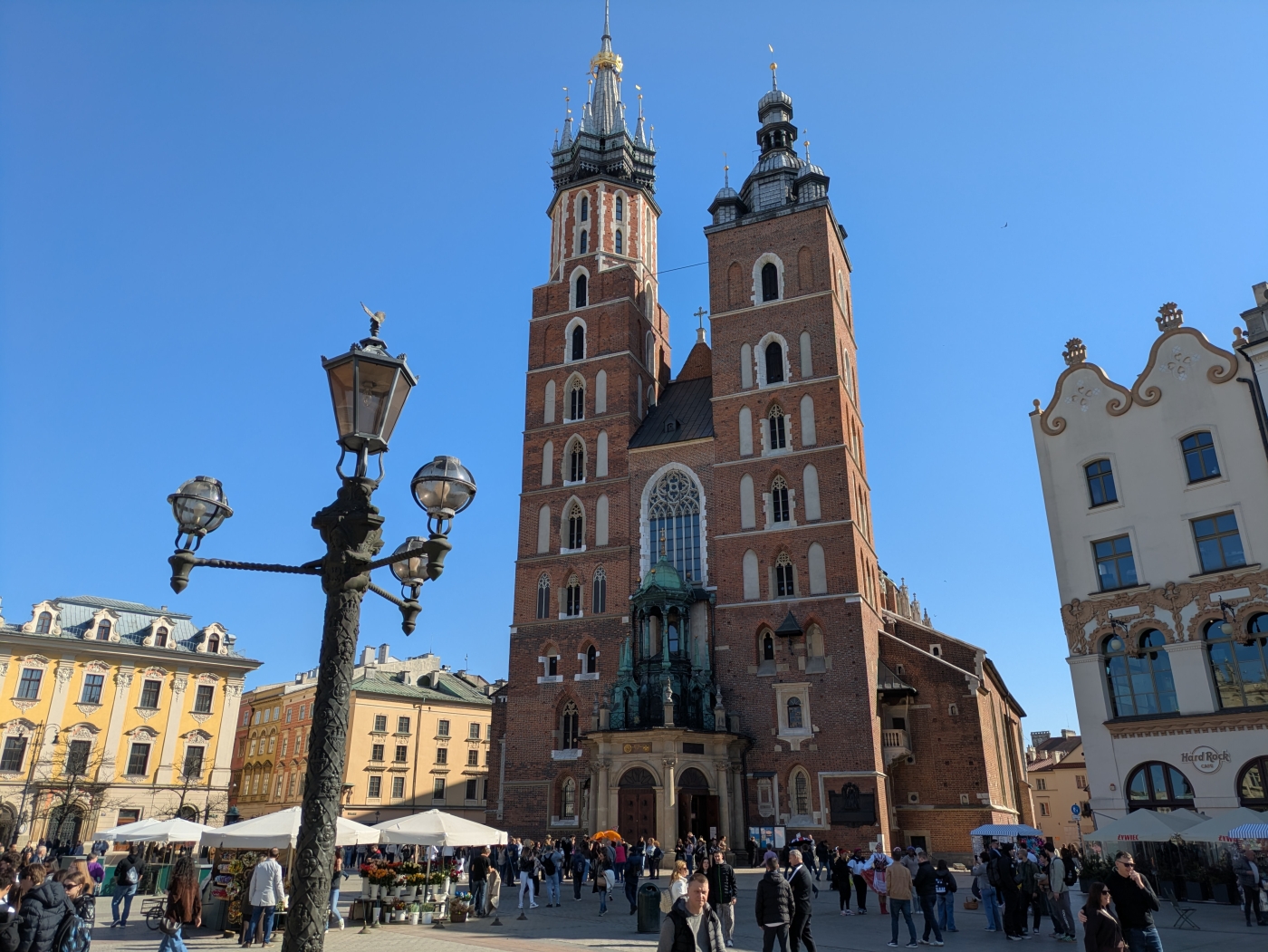
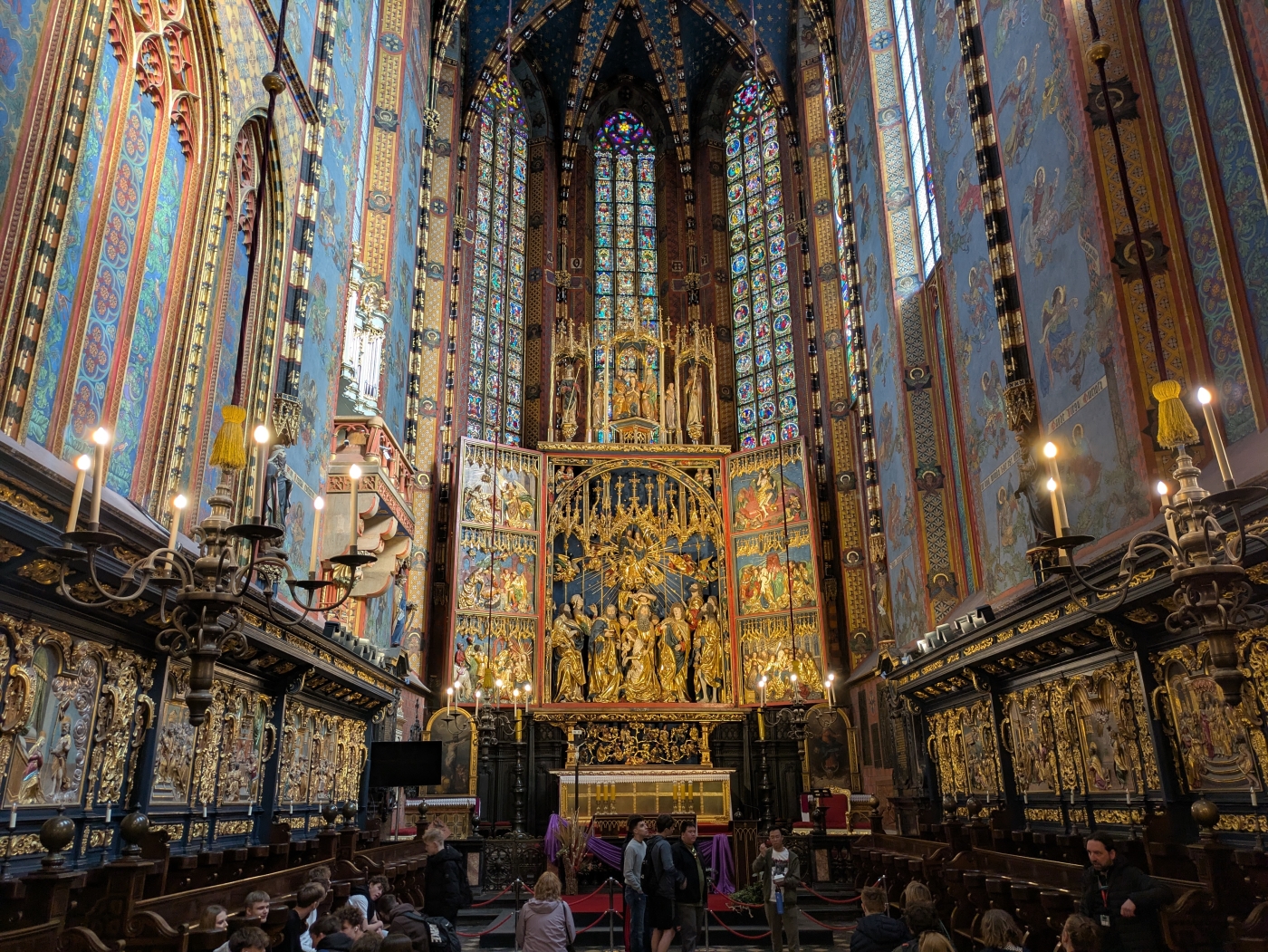
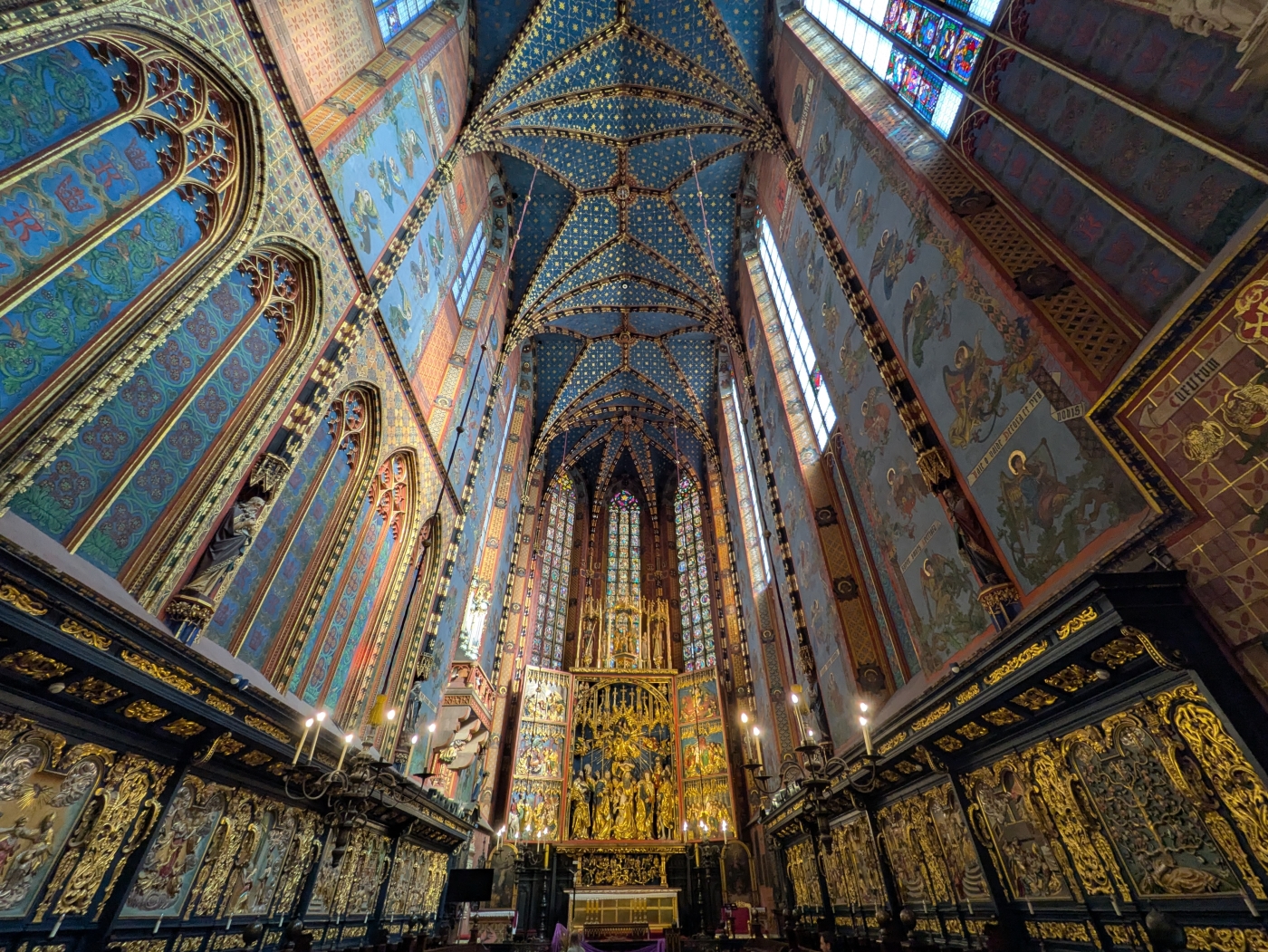
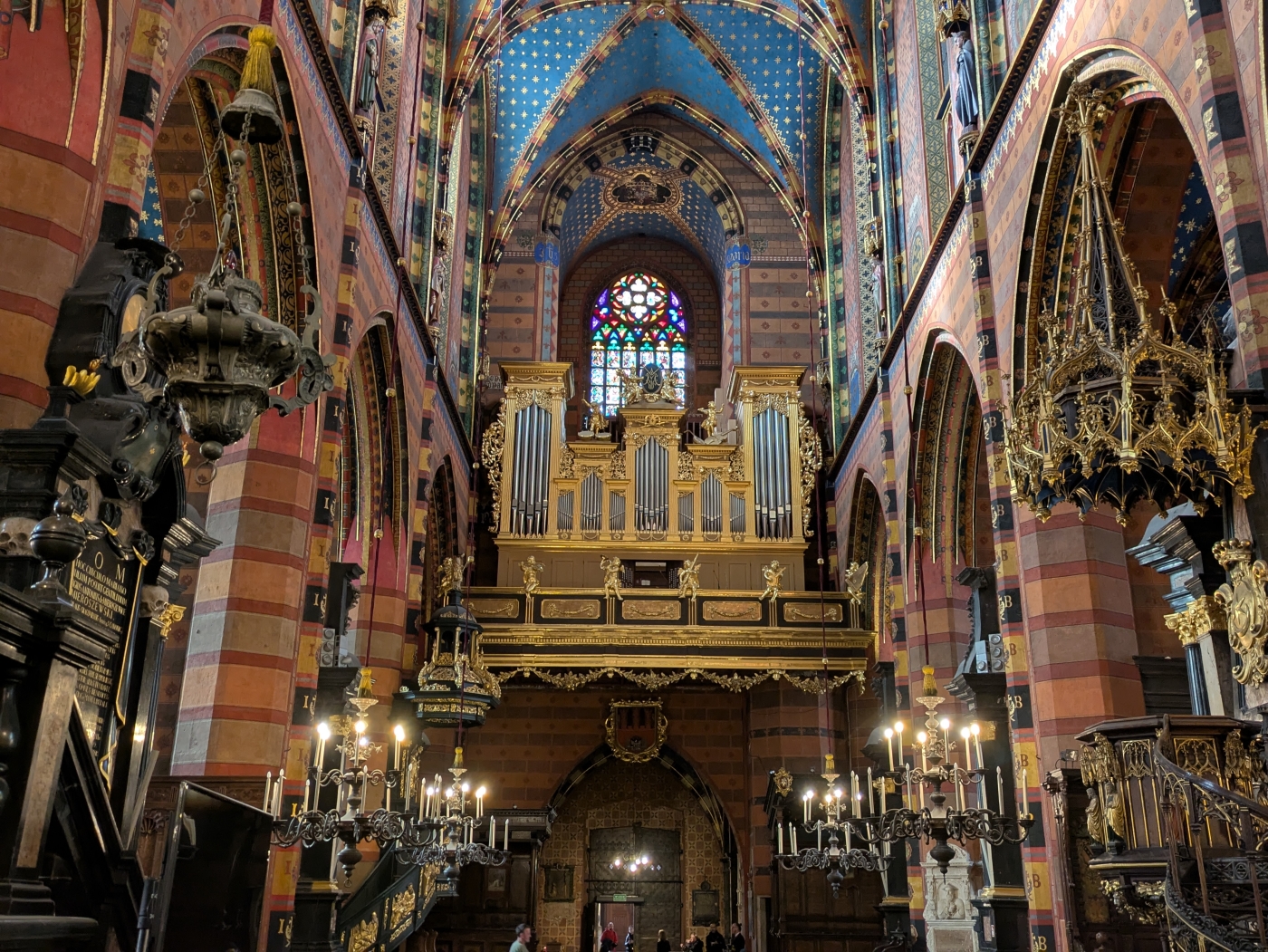
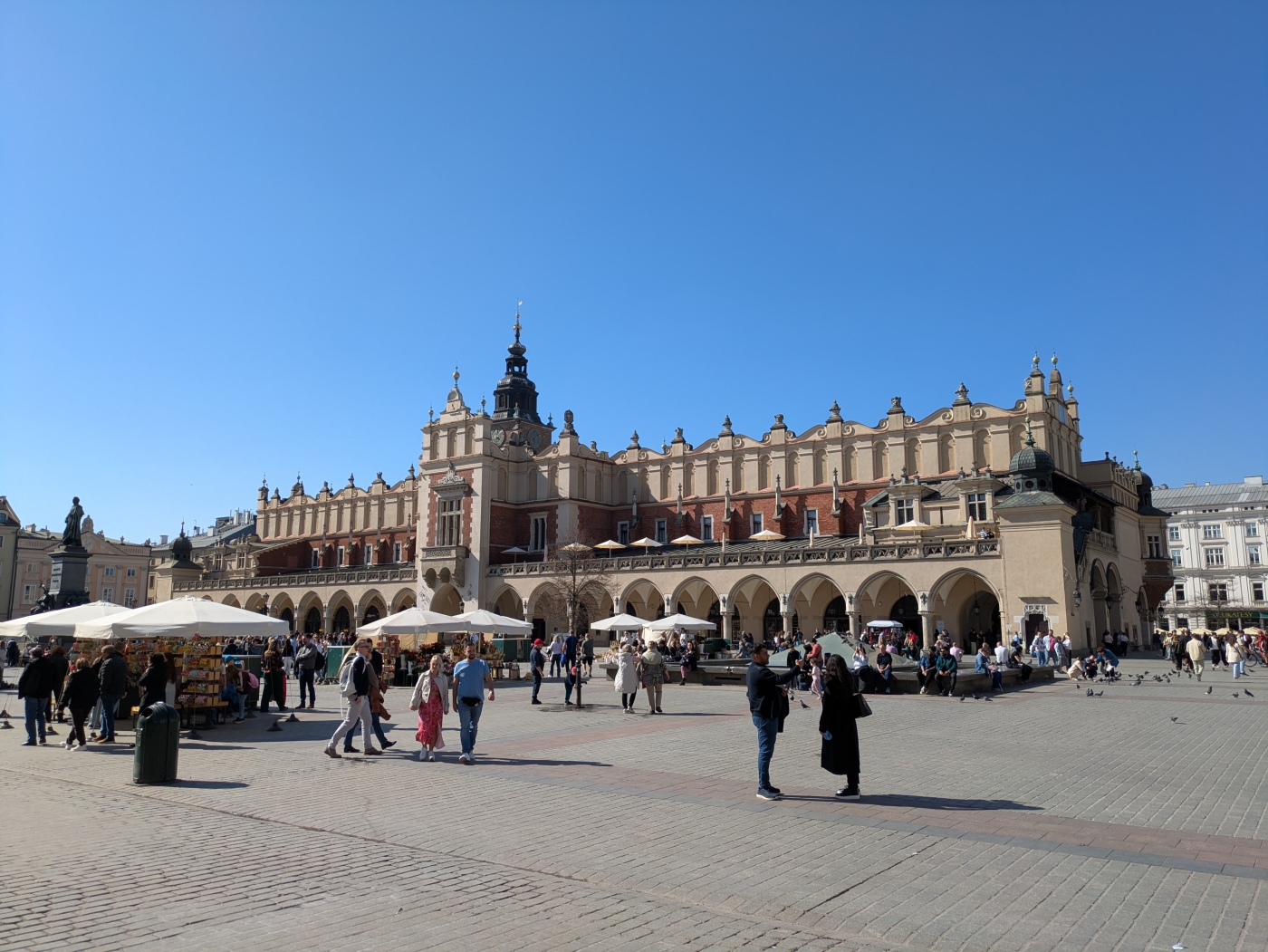
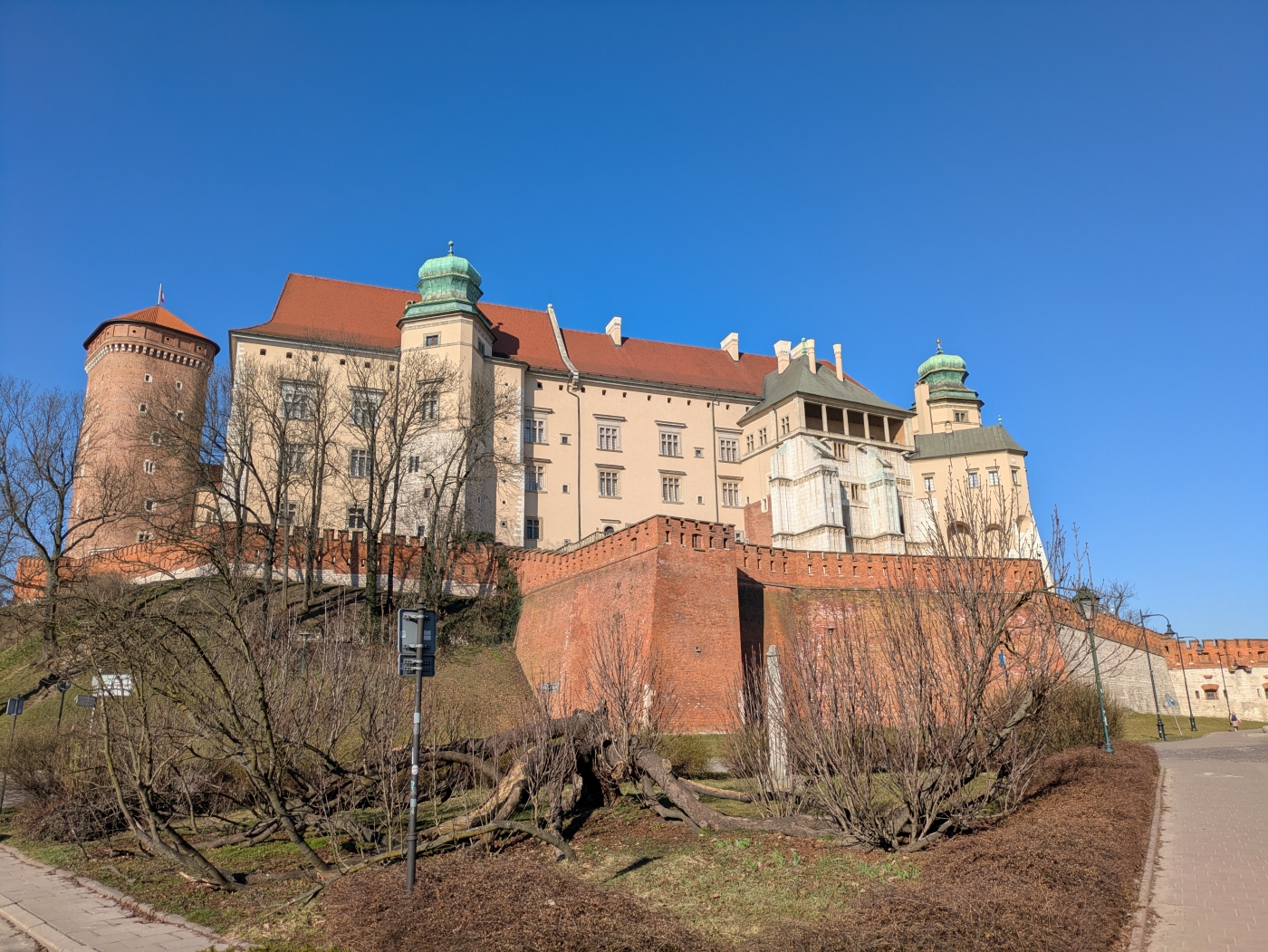
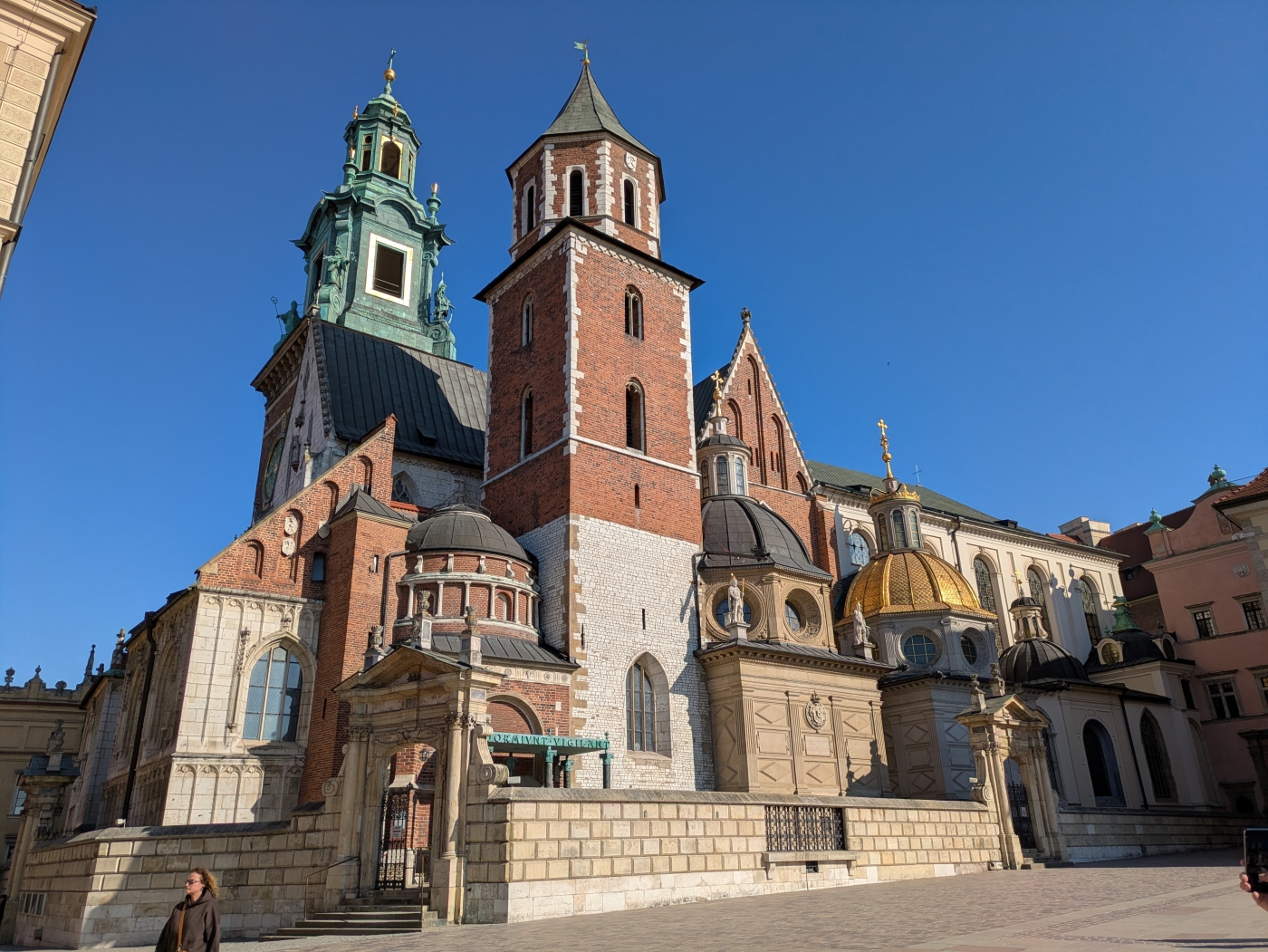
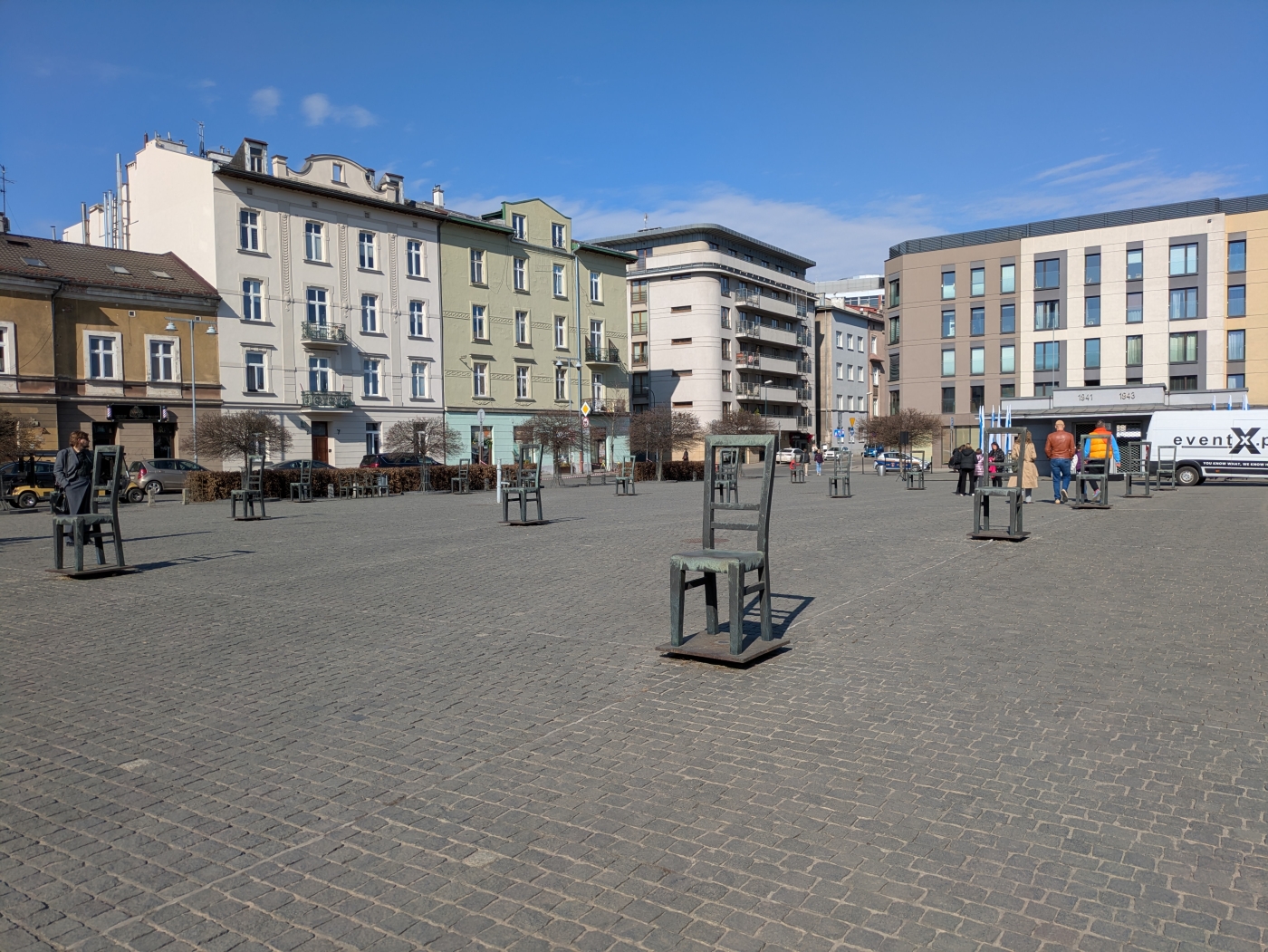
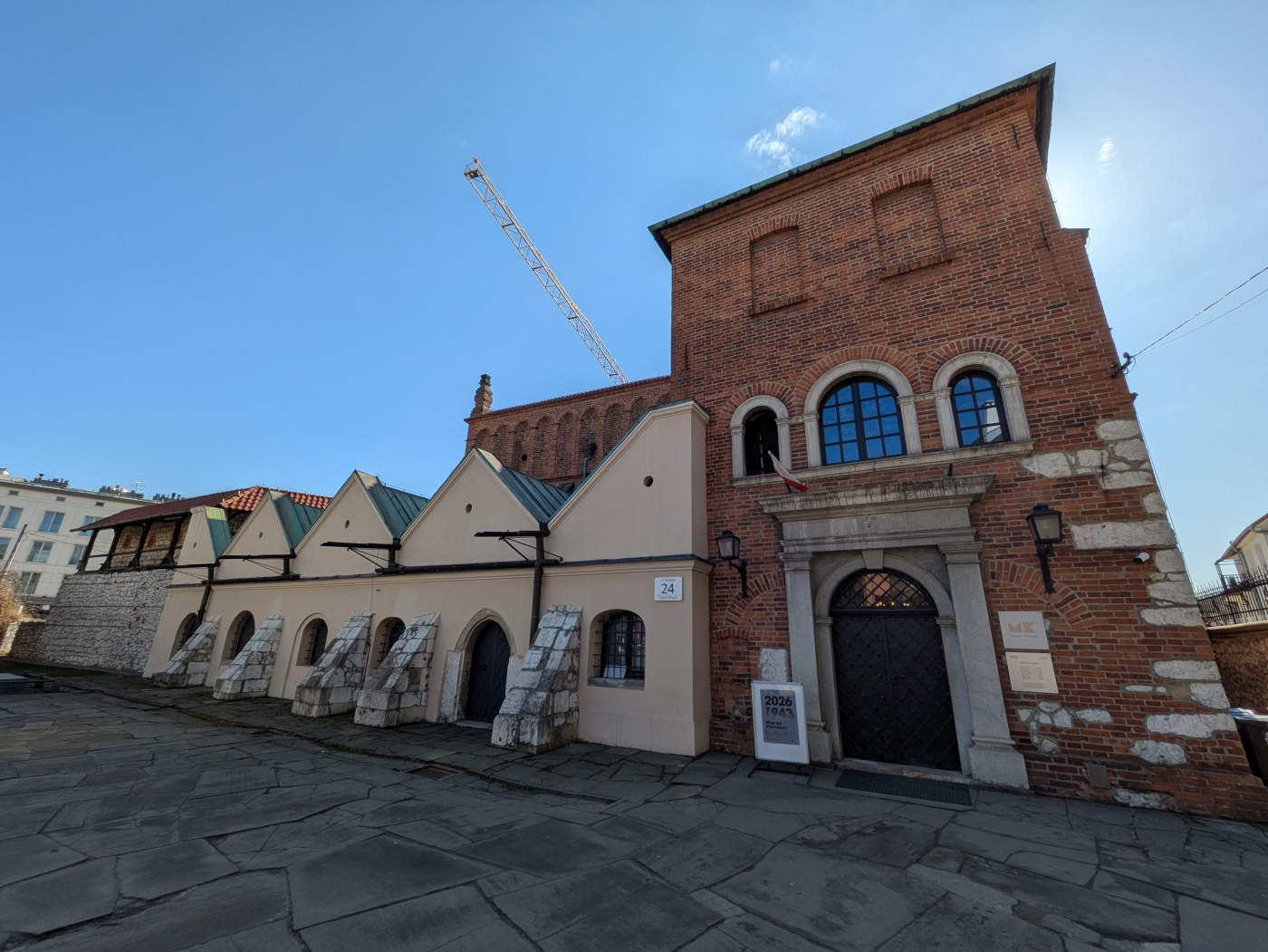
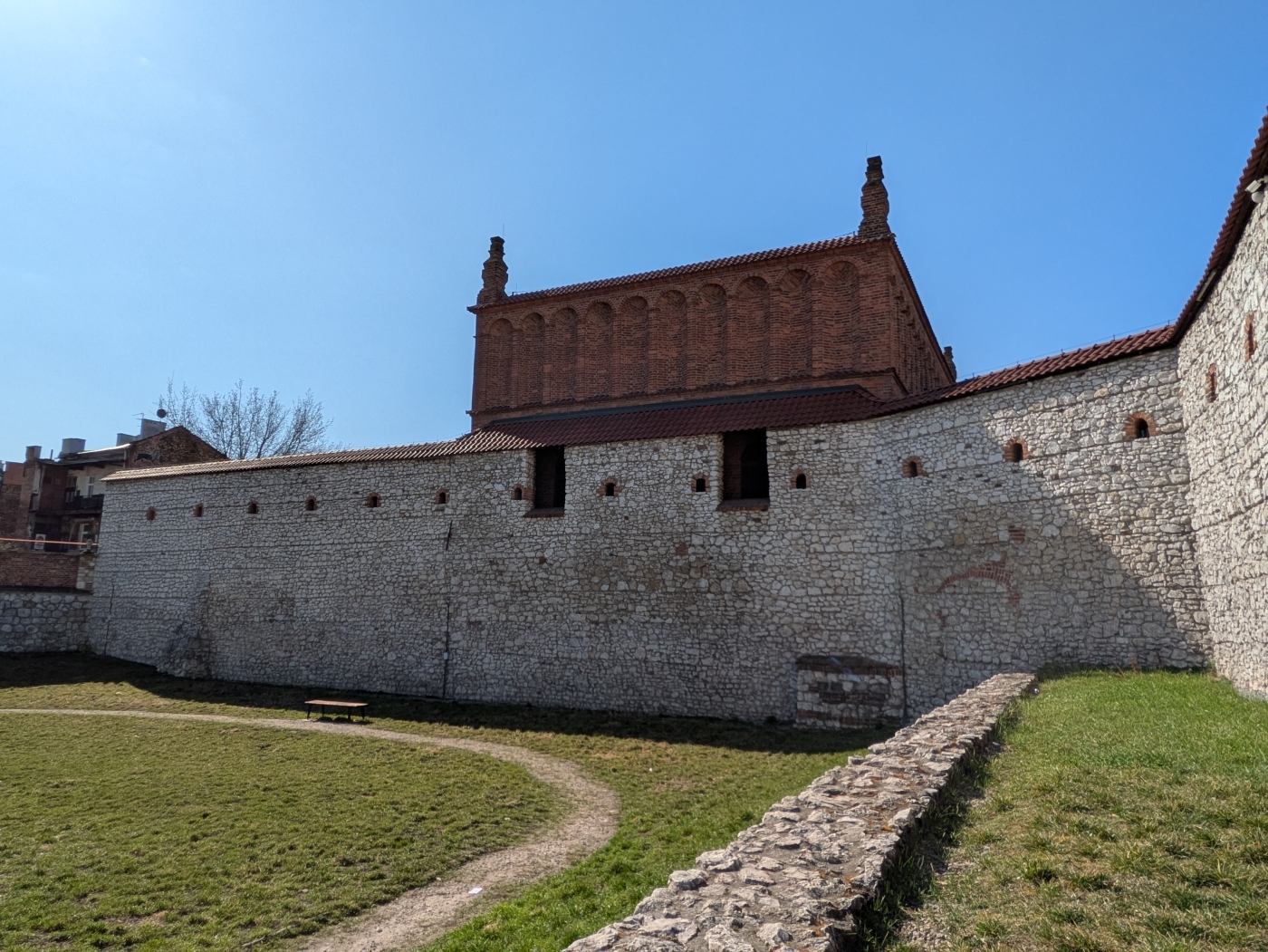
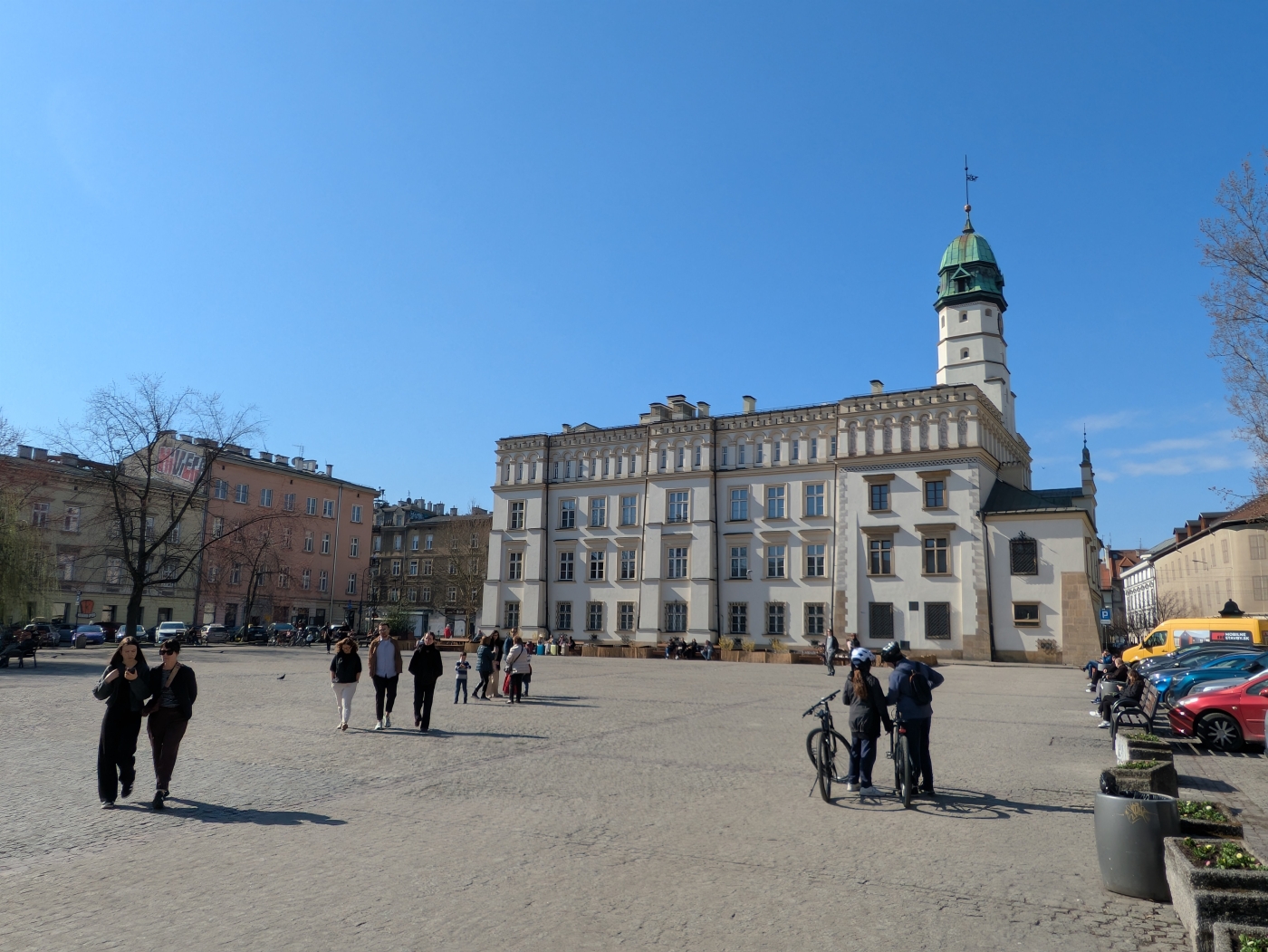
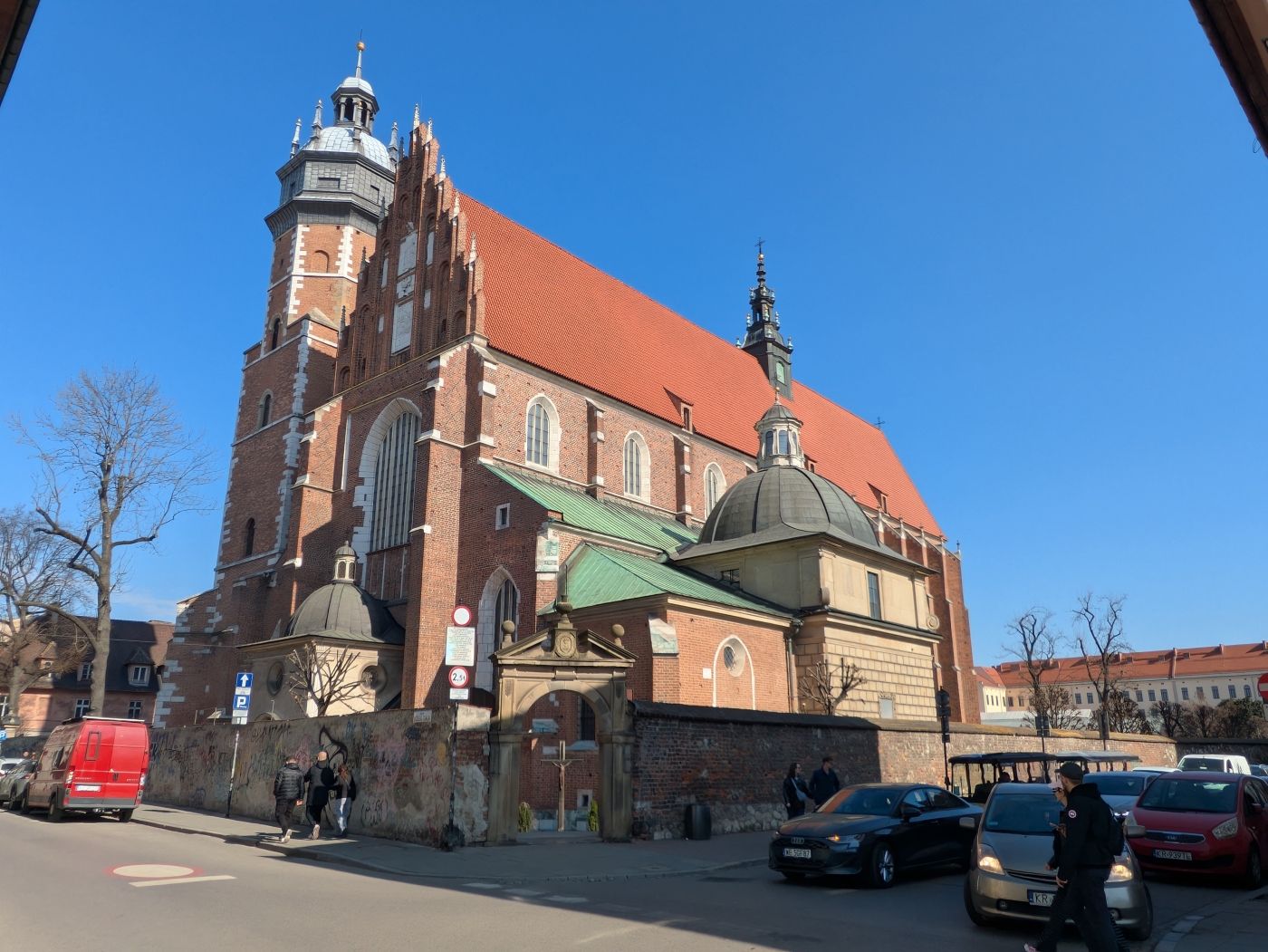
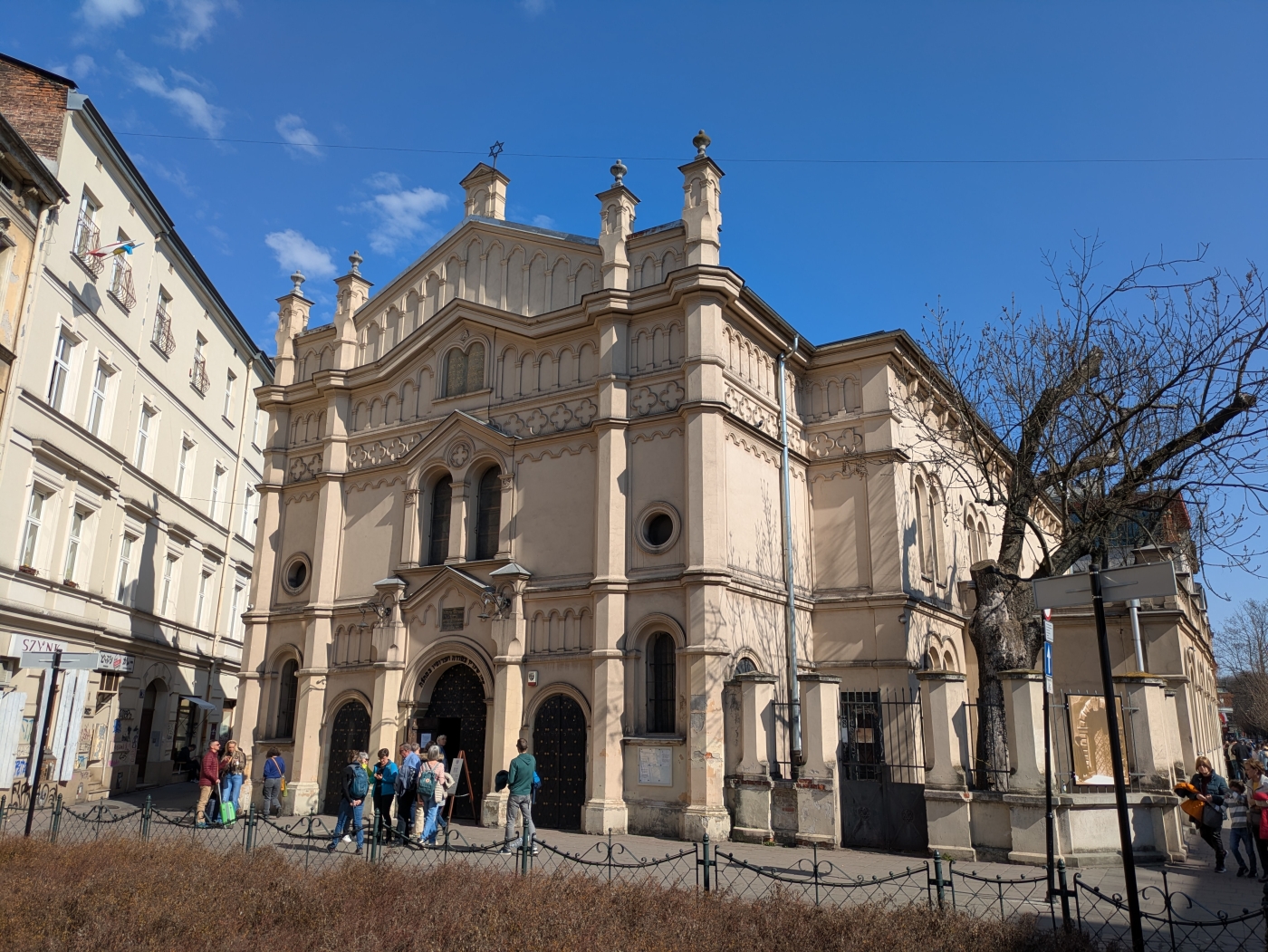
At the heart of the historic center lies the sprawling Main Market Square (Rynek Główny), one of Europe's largest medieval town squares. Dominating this space is the Cloth Hall (Sukiennice), a Renaissance edifice, once a major trade center. Nearby, the majestic St. Mary's Basilica (Kościół Mariacki), a Gothic masterpiece, enthralls with its unequal towers and the stunning wooden altarpiece by Veit Stoss. Medieval defensive fortifications, including the Barbican and St. Florian's Gate, offer a glimpse into its past. Perched atop Wawel Hill, the complex of Wawel Castle and Wawel Cathedral symbolizes Polish statehood, a burial place for kings and heroes, showcasing Romanesque, Gothic, and Renaissance styles. The historic Jewish quarter of Kazimierz also forms an integral part of the World Heritage site.
Weiterführende Links
The Historic Centre of Kraków, the former capital of Poland, is situated at the foot of the Royal Wawel Castle. The 13th-century merchants' town has Europe's largest market square and numerous historical houses, palaces and churches with their magnificent interiors. Further evidence of the town's fascinating history is provided by the remnants of the 14th-century fortifications and the medieval site of Kazimierz with its ancient synagogues in the southern part of town, Jagellonian University and the Gothic cathedral where the kings of Poland were buried.
Old Town (Polish: Stare Miasto) is the oldest, historic part of the city of Kraków within the Planty Park, Poland.
It is one of the most famous old areas in Poland today and was the centre of Poland's political life from 1038 until King Sigismund III Vasa relocated his court to Warsaw in 1596.
The entire medieval old town is among the first sites chosen for the UNESCO's original World Heritage List, as part of the Historic Centre of Kraków. The old town is also one of Poland's official national Historic Monuments (Pomnik historii) chosen in the first round, as designated 16 September 1994, and tracked by the National Heritage Board of Poland.
The Old Town is known in Polish as Stare Miasto. It is part of the city's first administrative district which is also named "Stare Miasto", although it covers a wider area than the Old Town itself.
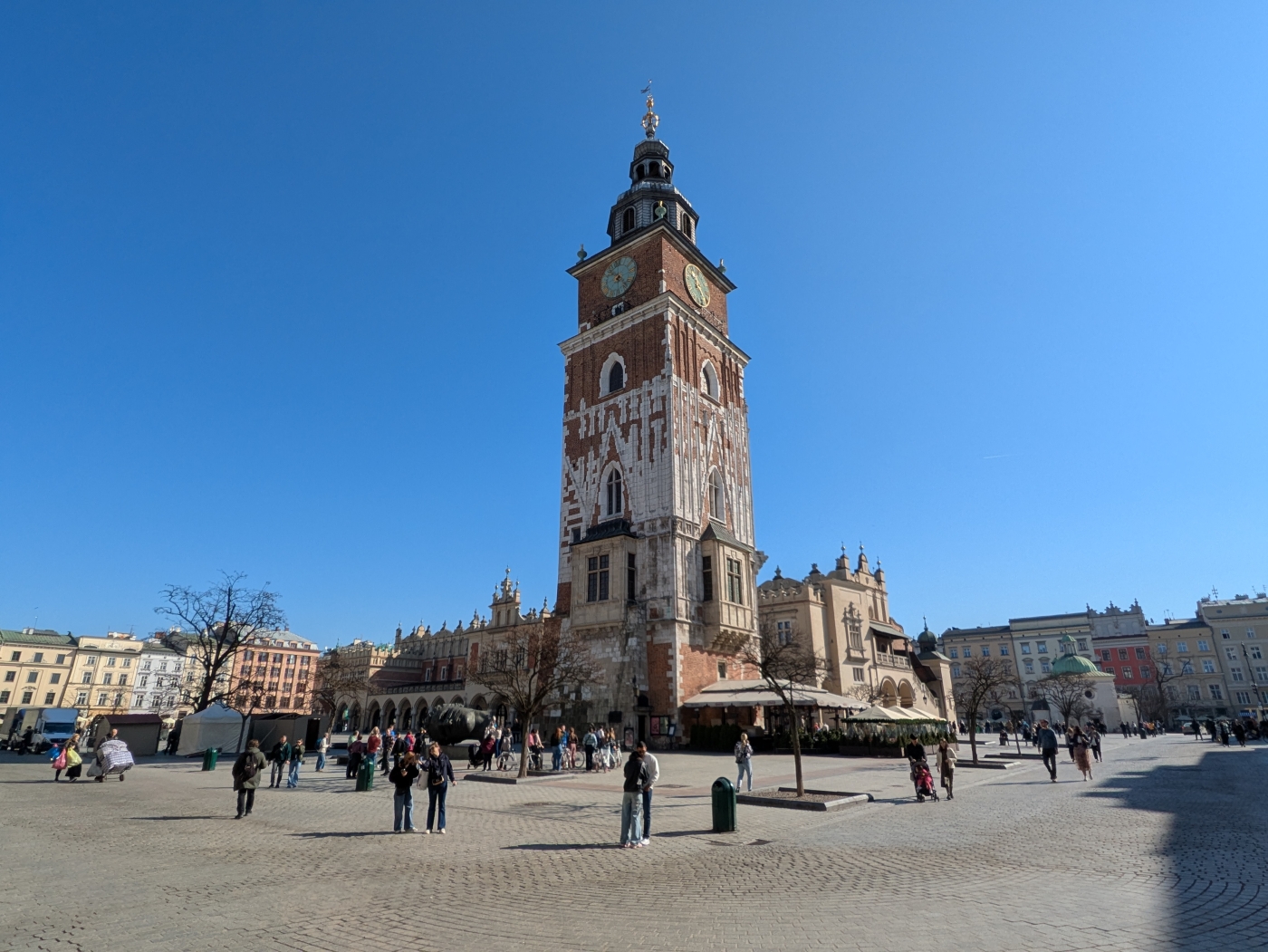
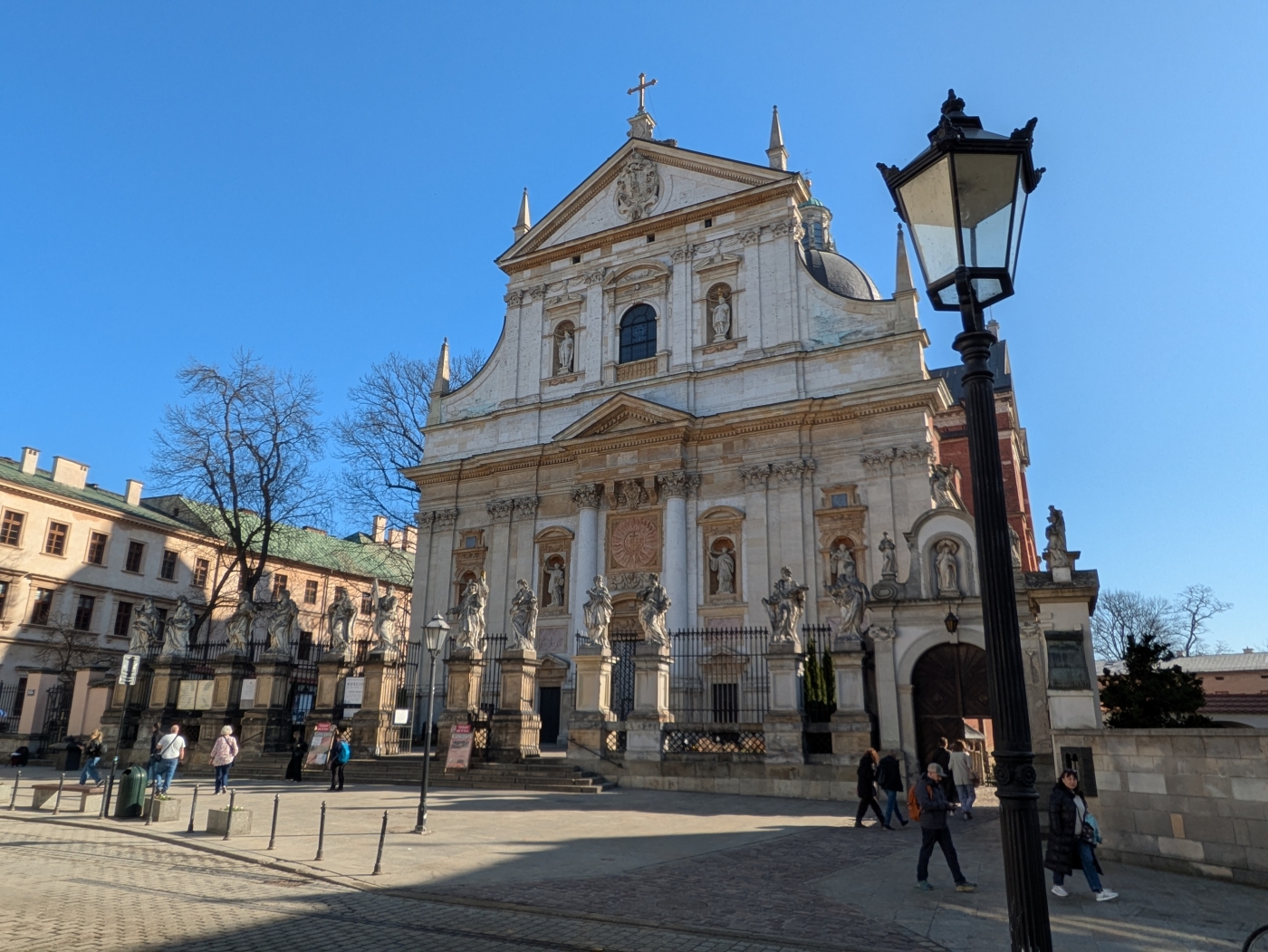
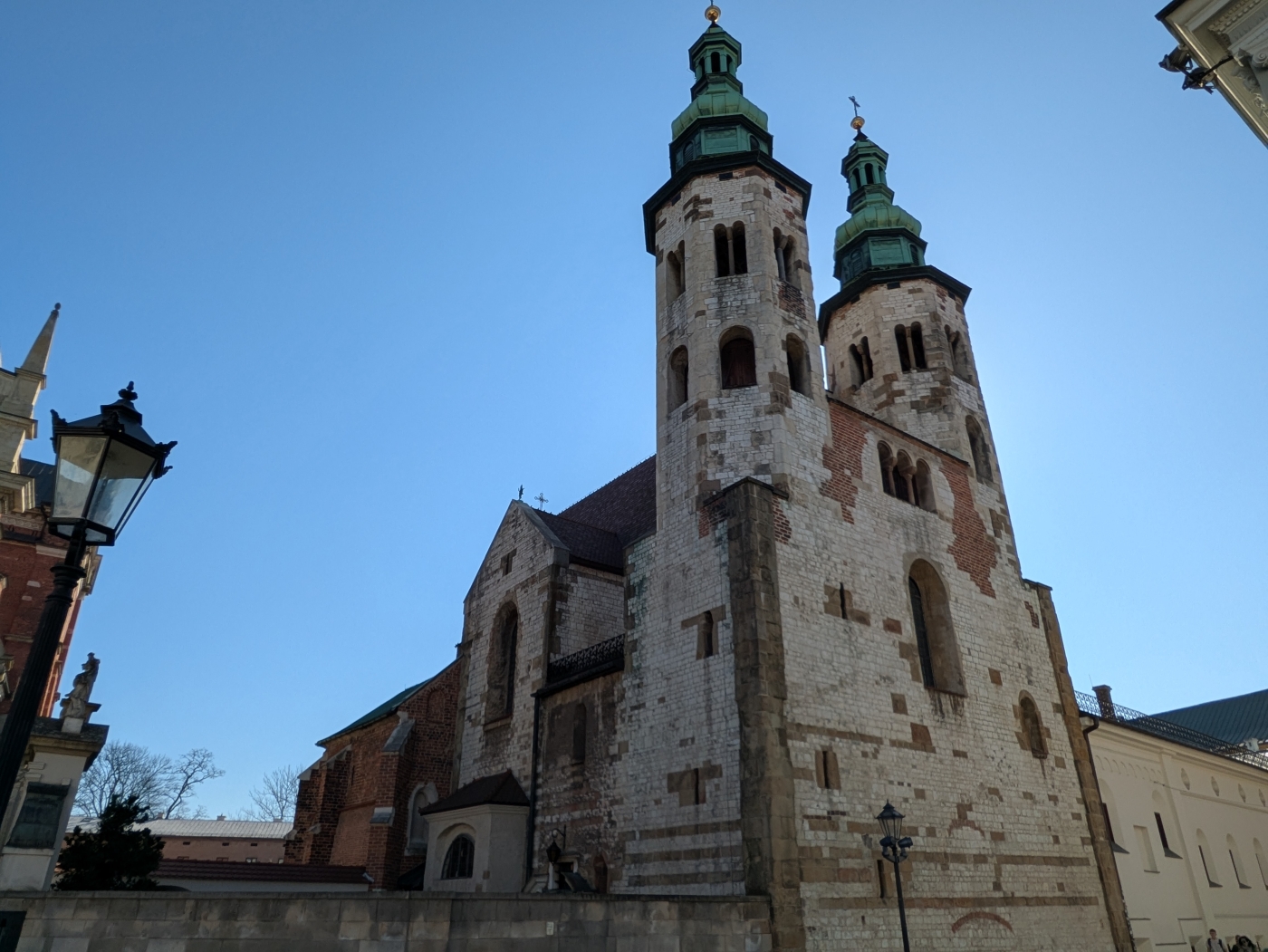
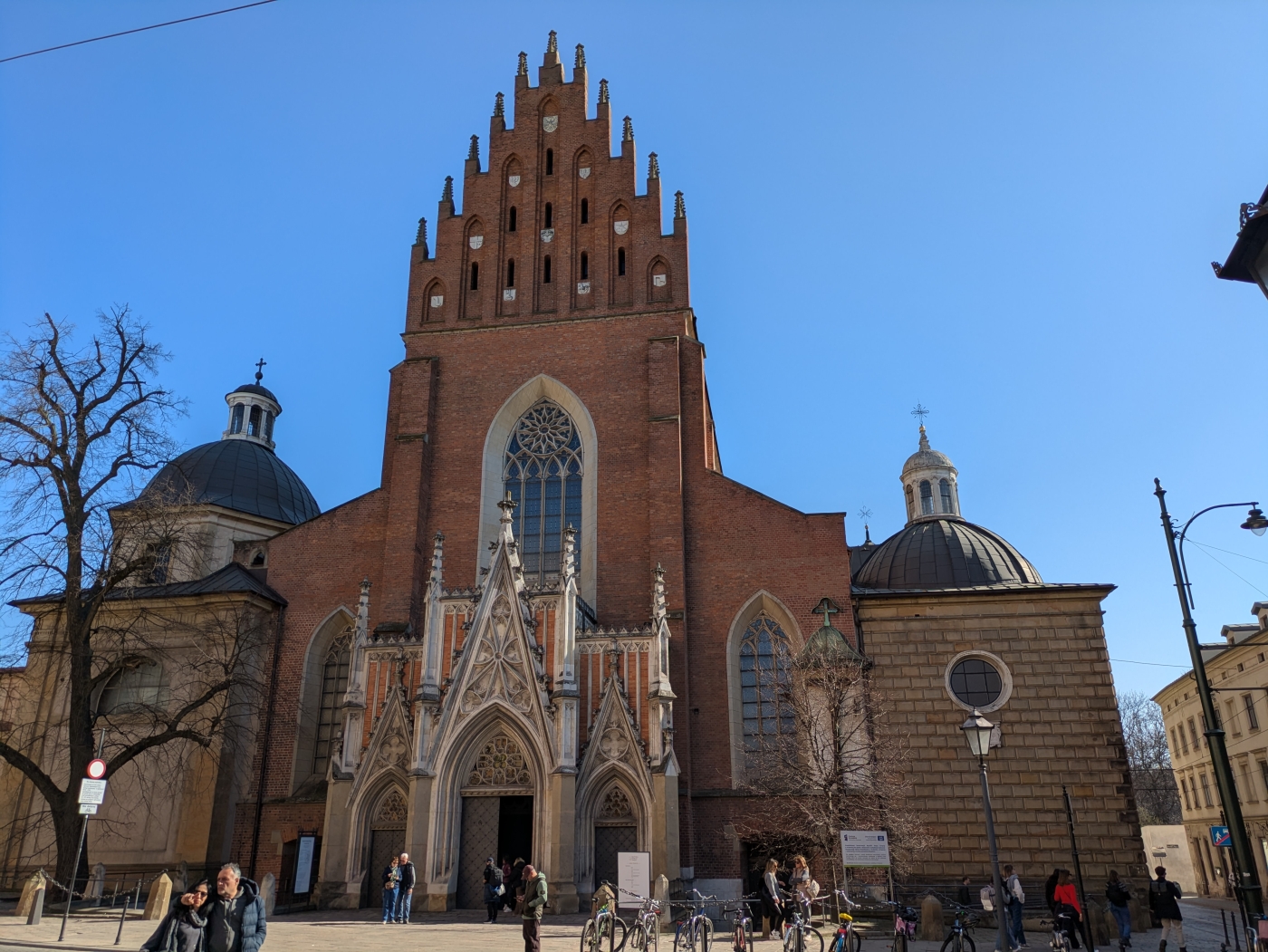
Medieval Kraków was surrounded by a 3 km (1.9 mi) defensive wall complete with 46 towers and seven main entrances leading through them. The fortifications around the Old Town were erected over the course of two centuries. The current architectural plan of Stare Miasto – the 13th-century merchants' town – was drawn up in 1257 after the destruction of the city during the Tatar invasions of 1241 followed by raids of 1259 and repelled in 1287. The district features the centrally located Main Market Square (Rynek Główny), the largest medieval town square of any European city. There is a number of historic landmarks in its vicinity, such as St. Mary's Basilica (Kościół Mariacki), Church of St. Wojciech (St. Adalbert's), Church of St. Barbara, as well as other national treasures. At the centre of the plaza, surrounded by kamienice (tenement houses) and noble residences, stands the Renaissance cloth hall Sukiennice (currently housing gift shops, restaurants and merchant stalls) with the National Gallery of Art upstairs. It is flanked by the Town Hall Tower (Wieża ratuszowa).
The whole district is bisected by the Royal Road, the coronation route traversed by the Kings of Poland. The Route begins at St. Florian's Church outside the northern flank of the old city walls in the medieval suburb of Kleparz; passes the Barbican of Kraków (Barbakan) built in 1499, and enters Stare Miasto through the Florian Gate. It leads down Floriańska Street through the Main Square, and up Grodzka to Wawel, the former seat of Polish royalty overlooking the Vistula river.
In the 19th century most of the Old Town fortifications were demolished. The moat encircling the walls was filled in and turned into a green belt known as Planty Park.