Wieliczka Salt Mine - Wieliczka and Bochnia Royal Salt Mines
Wieliczka, Poland
13.03.2026

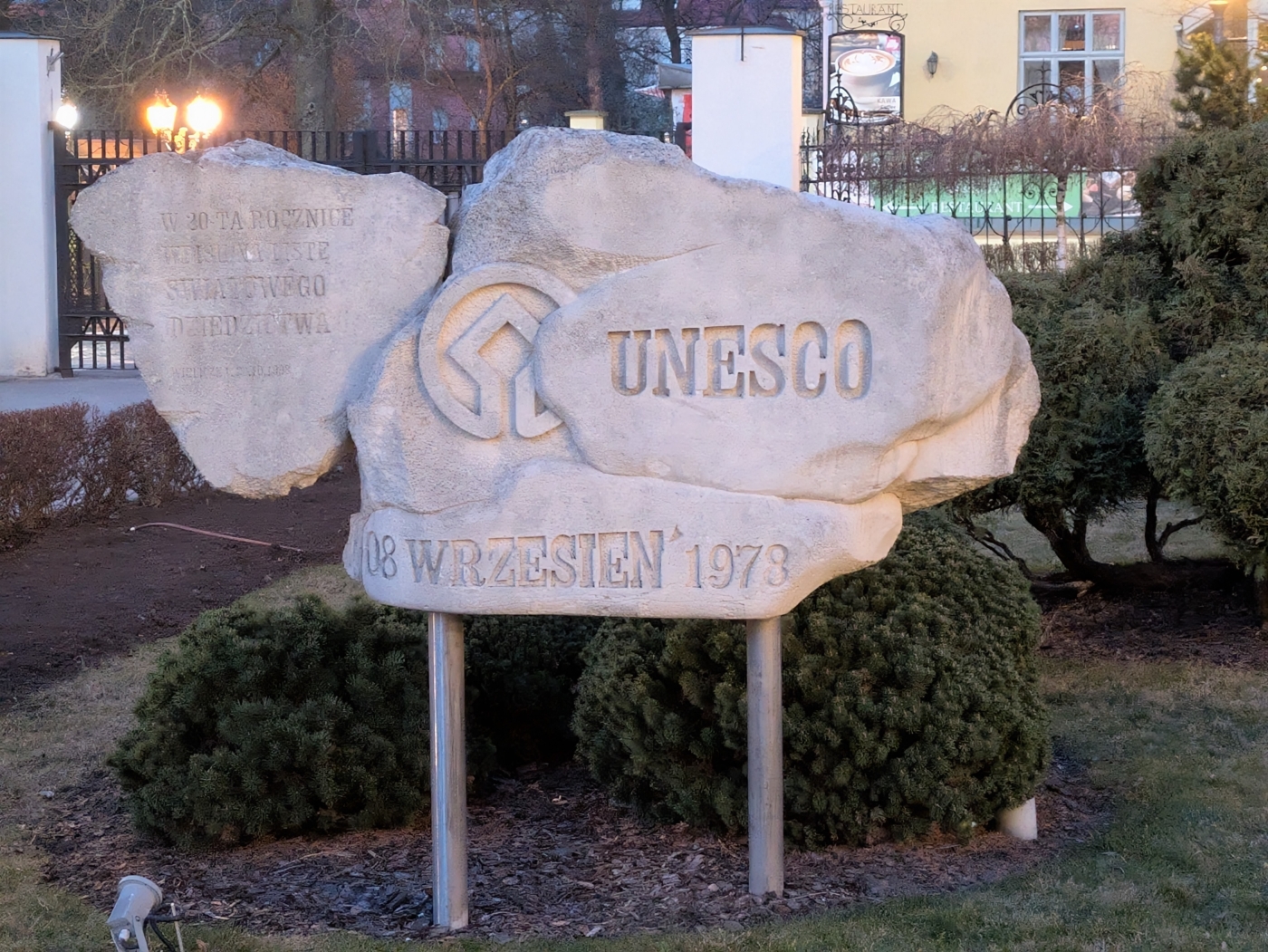
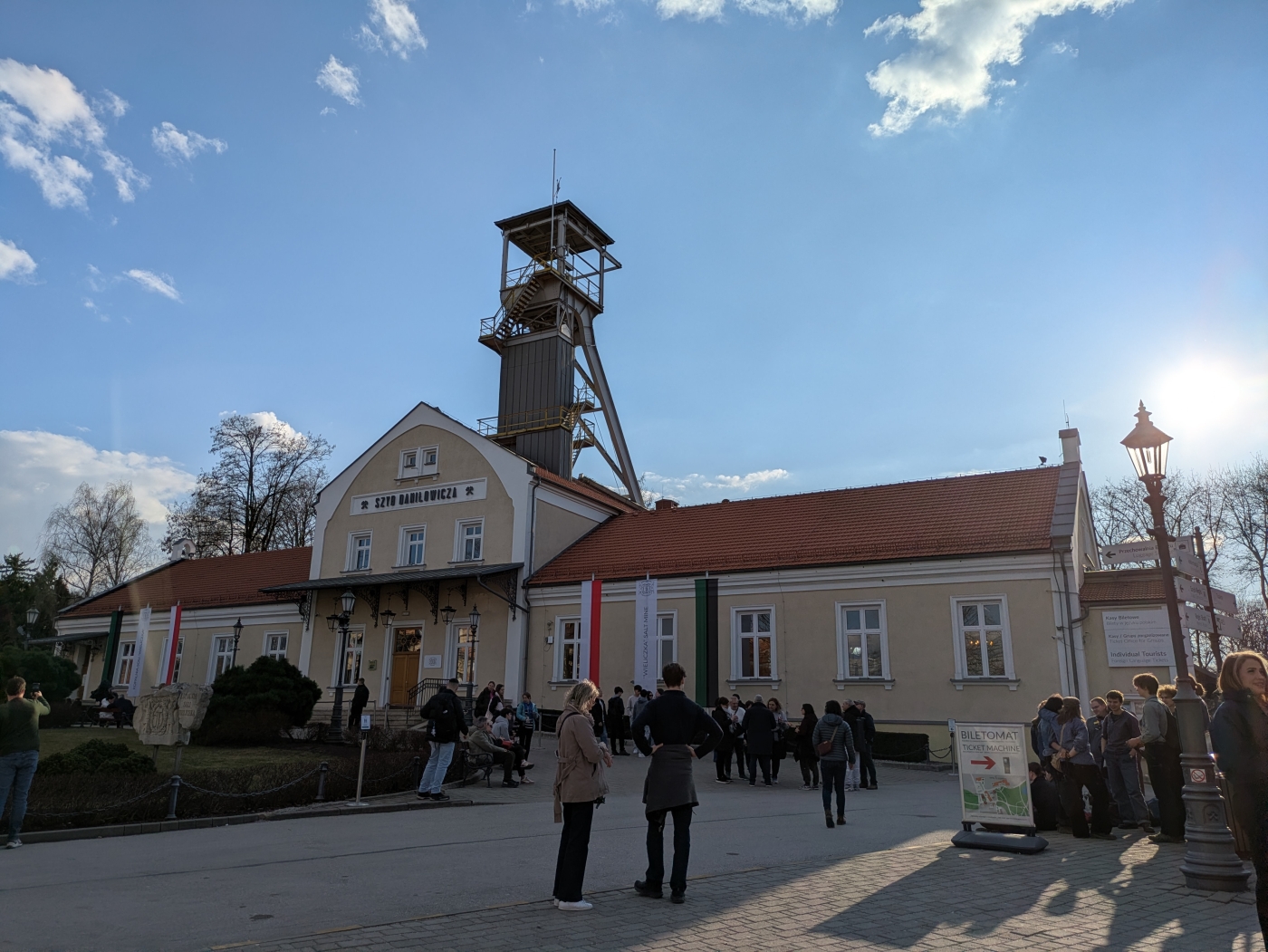
The **Wieliczka Salt Mine**, situated near the historic city of **Kraków** in Poland, is a testament to centuries of human ingenuity and unwavering faith. This extraordinary subterranean marvel, inscribed as one of the very first **UNESCO World Heritage Sites** in 1978, has captivated visitors for generations, revealing a breathtaking world carved entirely from rock salt.
A Millennium of Salt Mining
Dating back to the 13th century, salt extraction at **Wieliczka** began on an industrial scale, making it one of the world’s oldest continuously operating salt mines. For over 700 years, miners toiled beneath the surface, shaping not just the landscape but also the economy of the Polish kingdom. It became a crucial source of wealth for the monarchy, particularly flourishing under the patronage of **King Casimir III the Great** in the 14th century, who issued the **Wieliczka Saltwork Statute**, establishing regulations for its administration and ensuring its prosperity. The mine’s extensive network of shafts, galleries, and chambers extends over 300 kilometers across nine levels, reaching depths of up to 327 meters.
Subterranean Artistry and Faith
Beyond its industrial significance, **Wieliczka** is renowned for its incredible artistic and spiritual heritage. Generations of miners, driven by devotion and a unique artistic vision, transformed the barren salt rock into magnificent chapels, intricate altarpieces, and detailed sculptures. The most spectacular example is the **Chapel of St. Kinga** (Kaplica Świętej Kingi), an astonishing underground church adorned with chandeliers made of salt crystals, intricate carvings depicting biblical scenes, and statues of saints, all meticulously sculpted from the very salt they extracted. Other notable features include the **St. Anthony's Chapel**, a charming smaller chapel, and numerous salt lakes and chambers, each telling a story of dedication and craftsmanship. This blend of industrial heritage and sacred art makes **Wieliczka** truly unique.
Further Links
The deposit of rock salt in Wieliczka and Bochnia has been mined since the 13th century. This major industrial undertaking has royal status and is the oldest of its type in Europe. The site is a serial property consisting of Wieliczka and Bochnia salt mines and Wieliczka Saltworks Castle. The Wieliczka and Bochnia Royal Salt Mines illustrate the historic stages of the development of mining techniques in Europe from the 13th to the 20th centuries: both mines have hundreds of kilometers of galleries with works of art, underground chapels and statues sculpted in the salt, making a fascinating pilgrimage into the past. The mines were administratively and technically run by Wieliczka Saltworks Castle, which dates from the medieval period and has been rebuilt several times in the course of its history.
The Wieliczka Salt Mine (Polish: Kopalnia soli Wieliczka) is a salt mine in the town of Wieliczka, near Kraków in southern Poland.
From Neolithic times, sodium chloride (table salt) was produced there from the upwelling brine. The Wieliczka salt mine, excavated from the 13th century, produced table salt continuously until 1996, as one of the world's oldest operating salt mines. Throughout its history, the royal salt mine was operated by the Żupy Krakowskie (Kraków Salt Mines) company.
Due to falling salt prices and mine flooding, commercial salt mining was discontinued in 1996.
The Wieliczka Salt Mine is now an official Polish Historic Monument (Pomnik Historii) and a UNESCO World Heritage Site. Its attractions include the shafts and labyrinthine passageways, displays of historic salt-mining technology, an underground lake, four chapels and numerous statues carved by miners out of the rock salt, and more recent sculptures by contemporary artists.