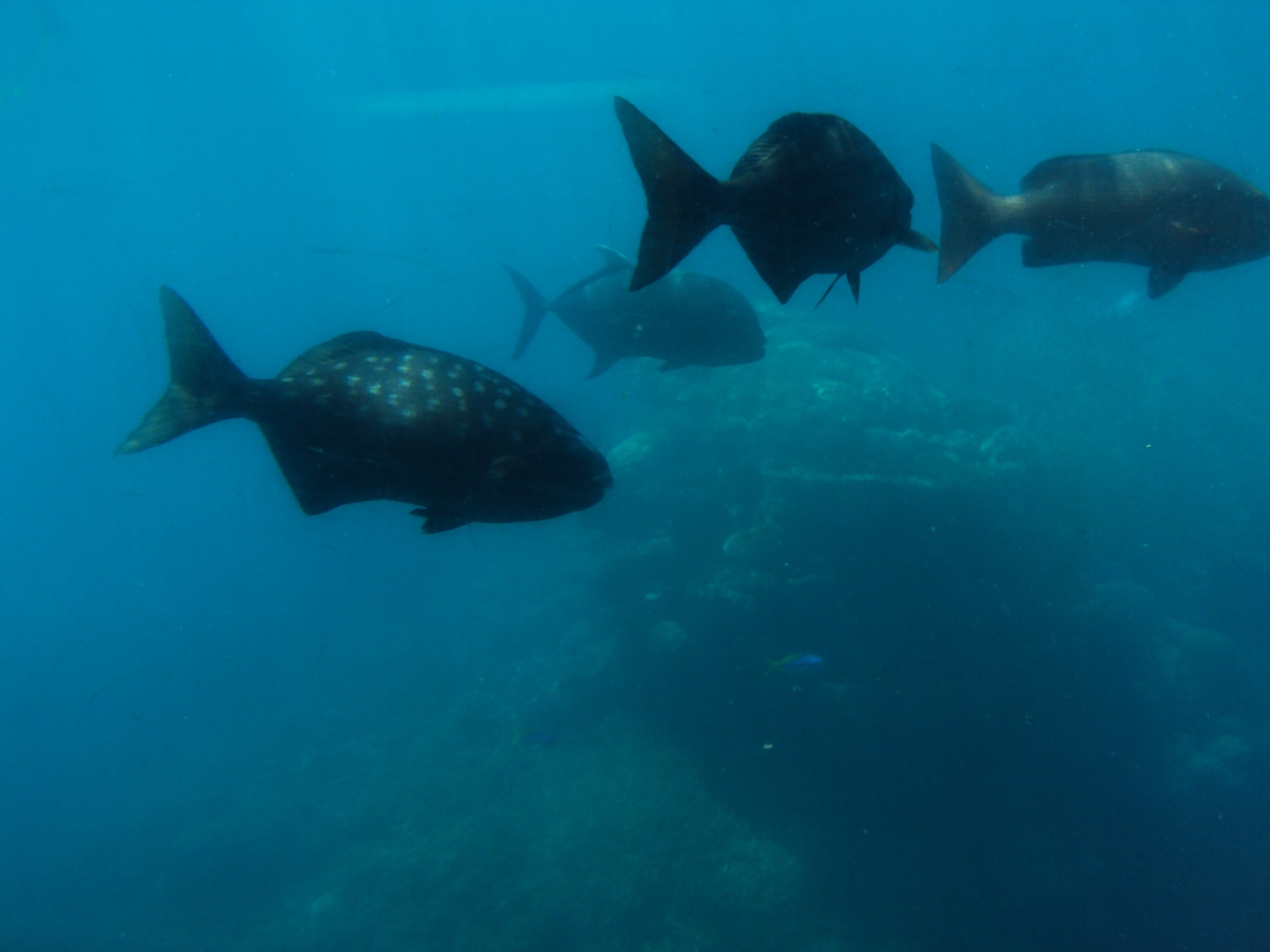
Agincourt Reef - Great Barrier Reef
Port Douglas, Australia
02.05.2014

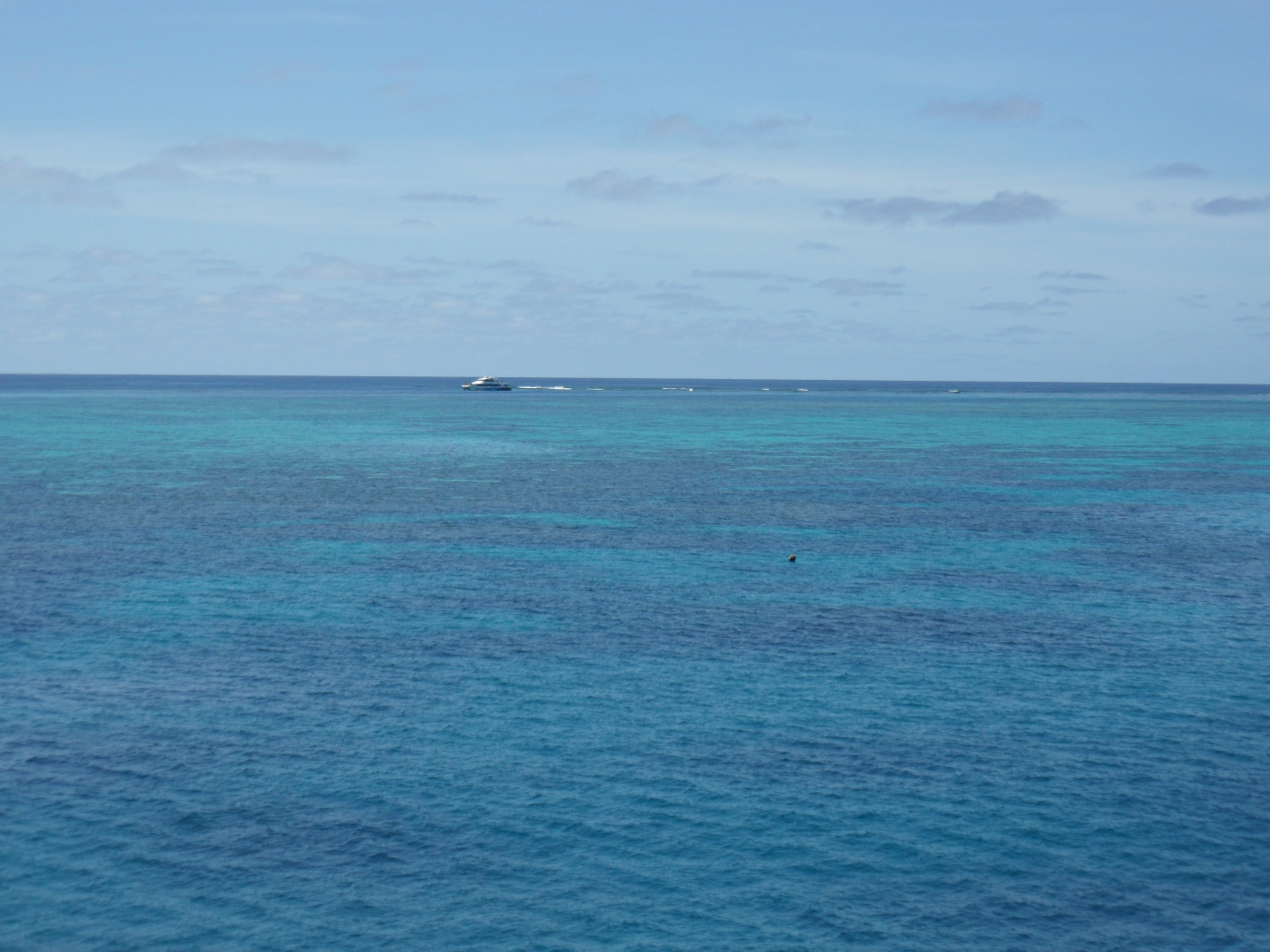
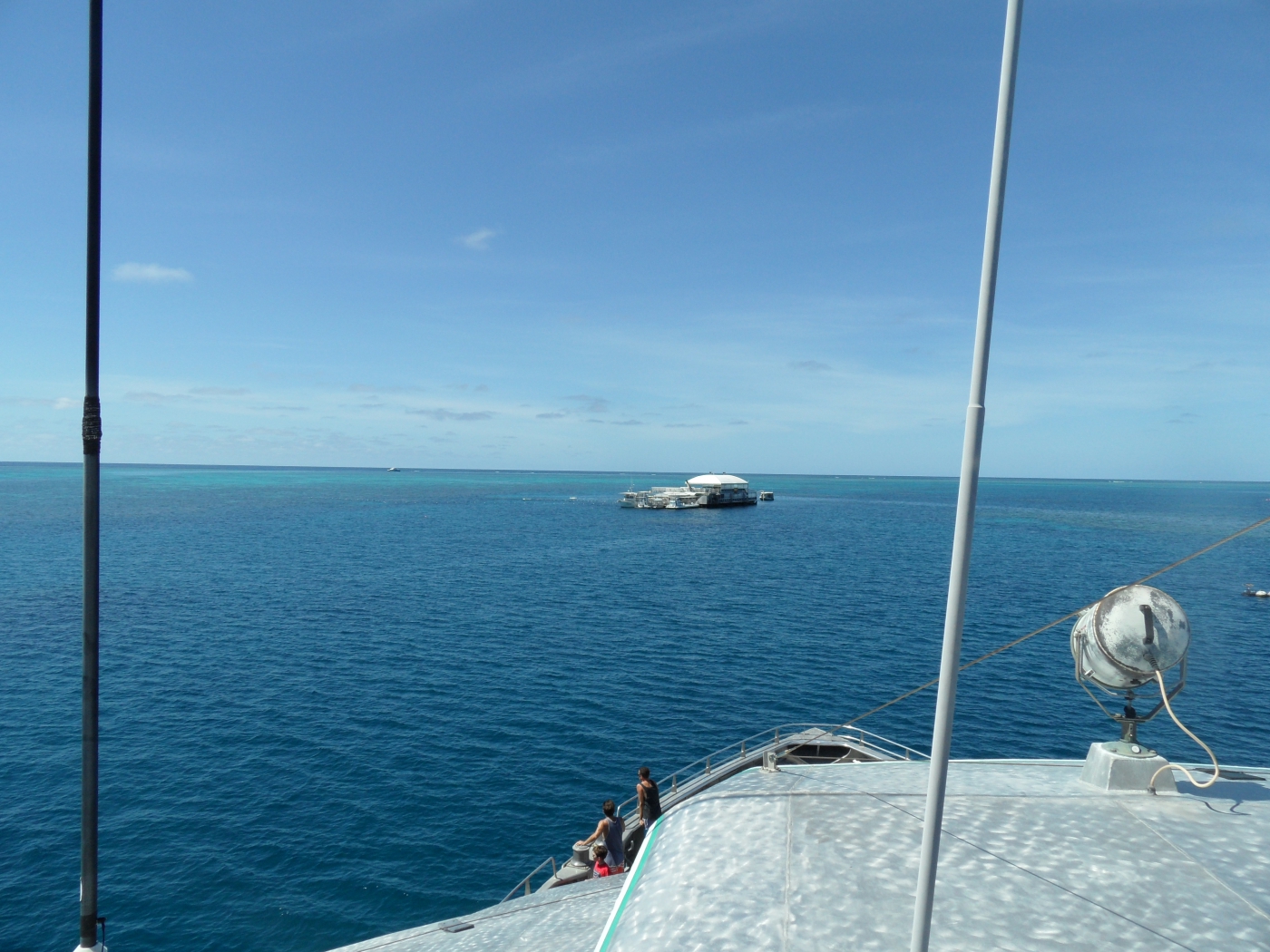
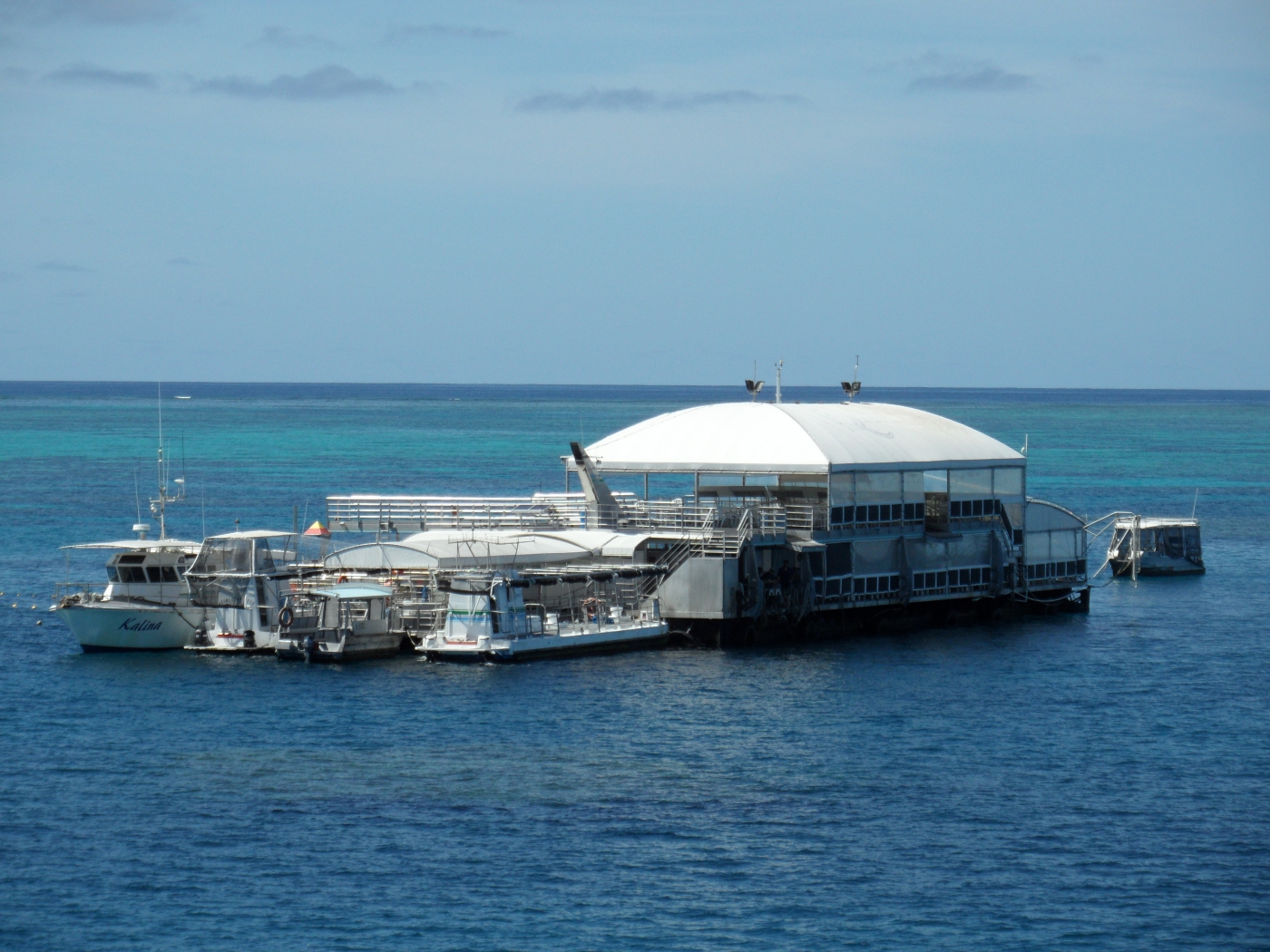
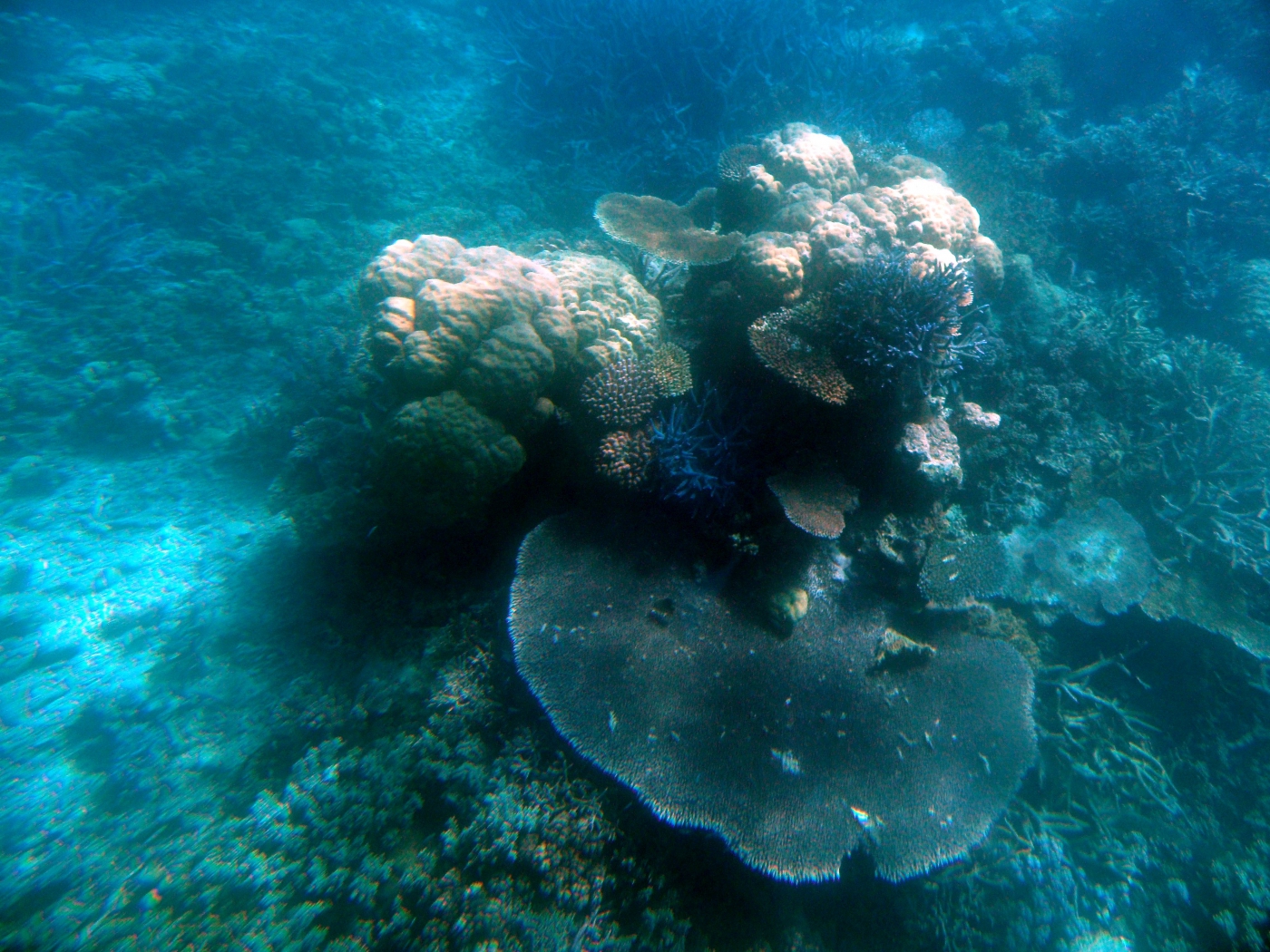
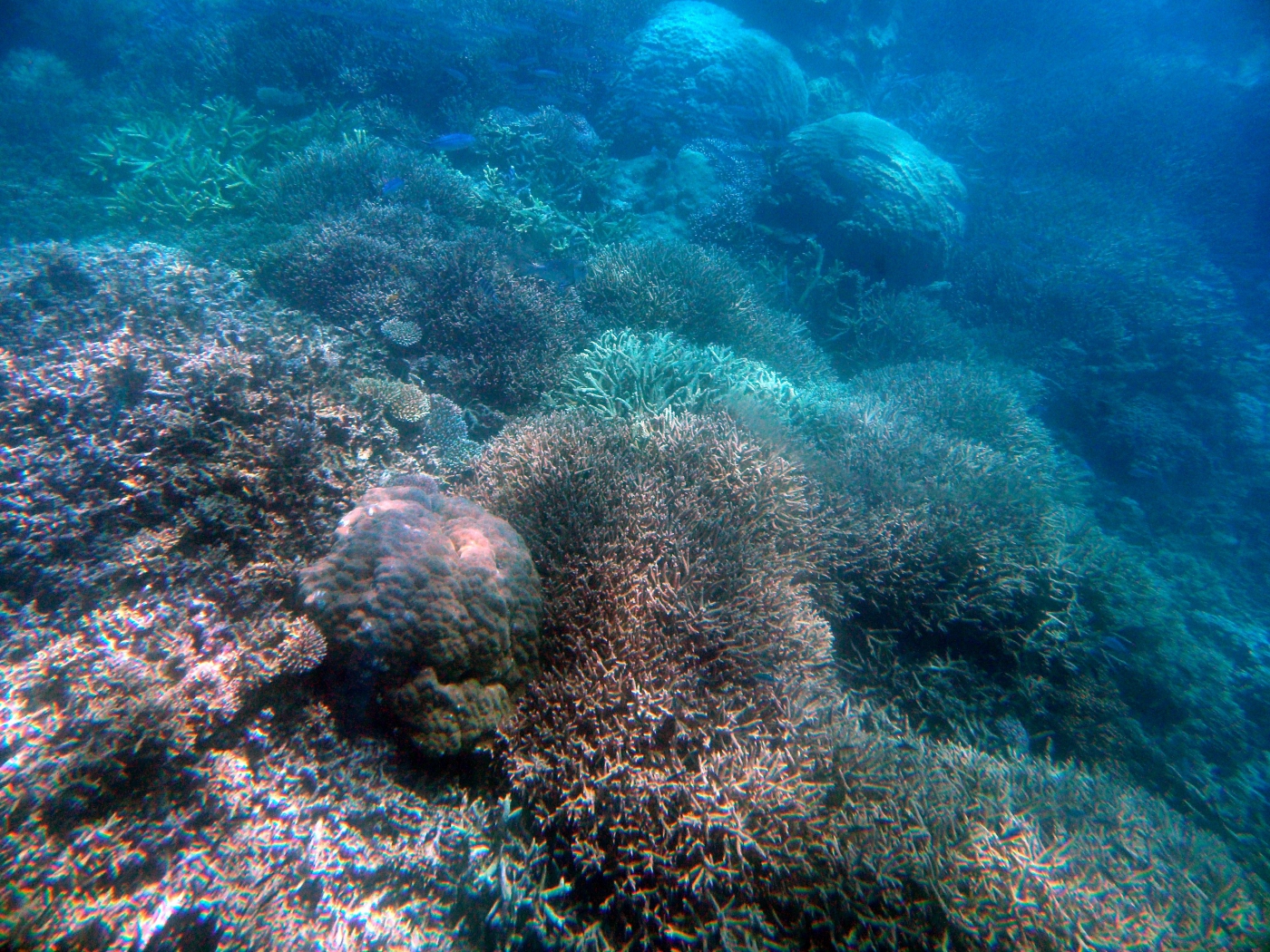
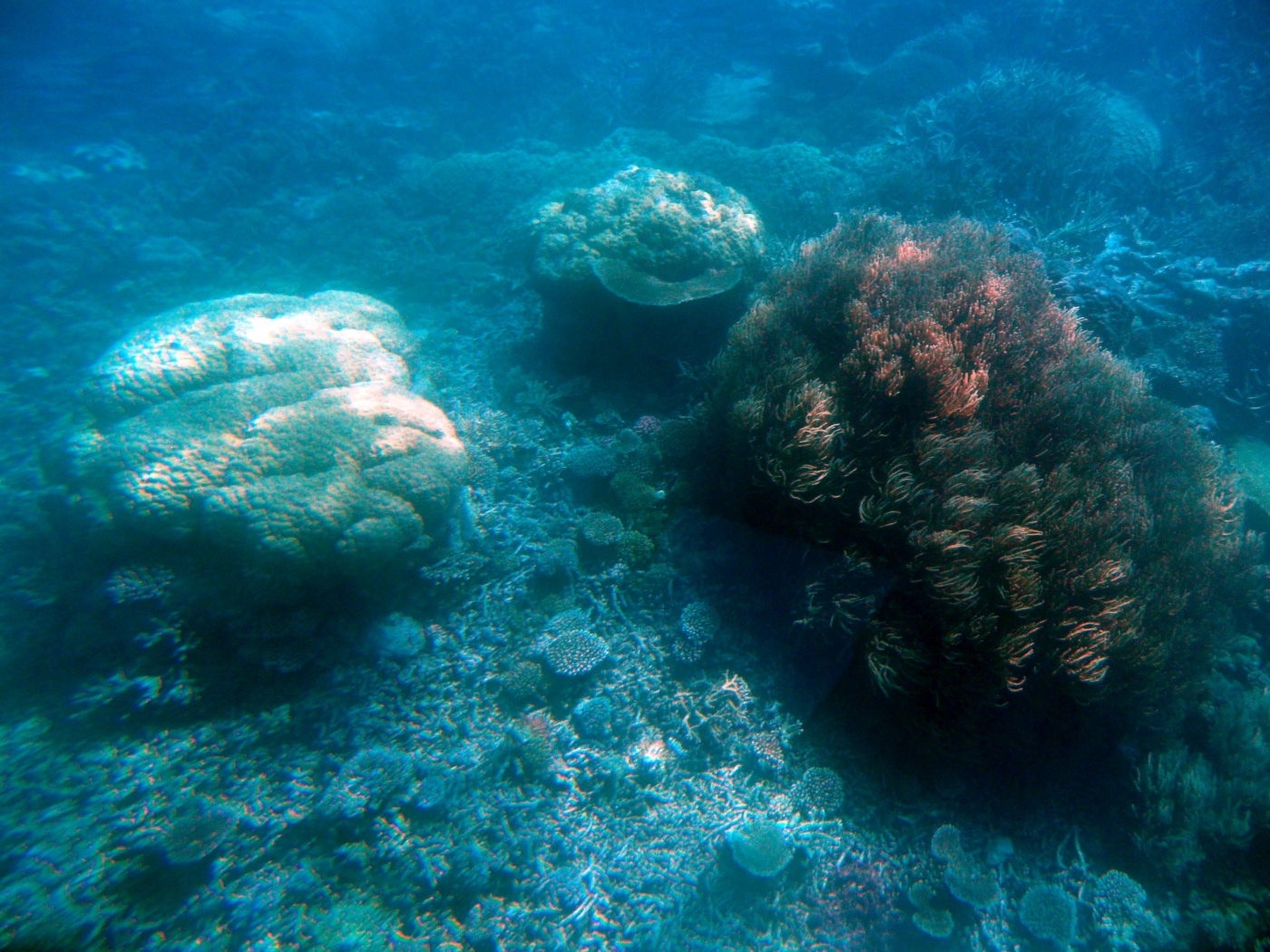
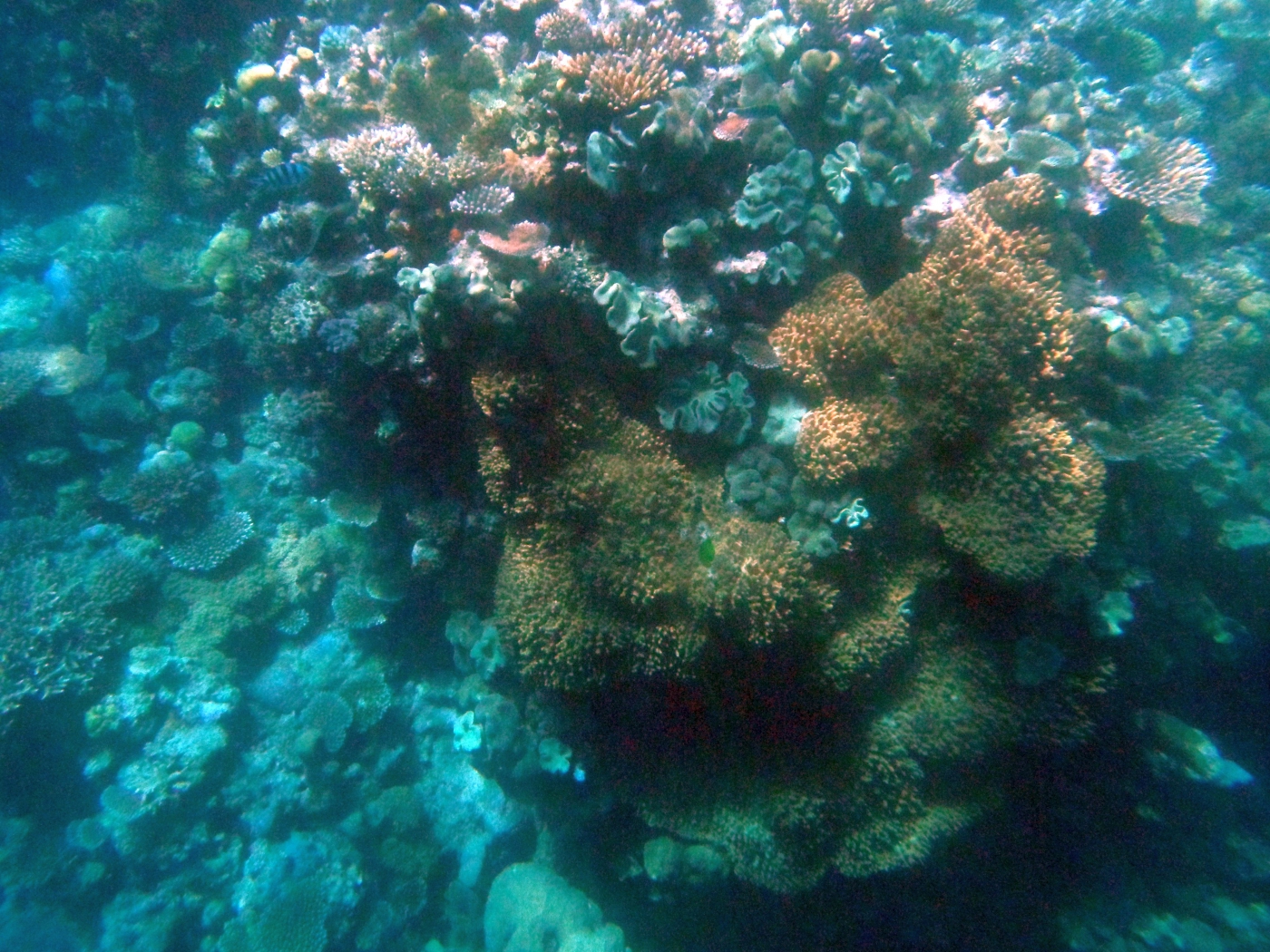
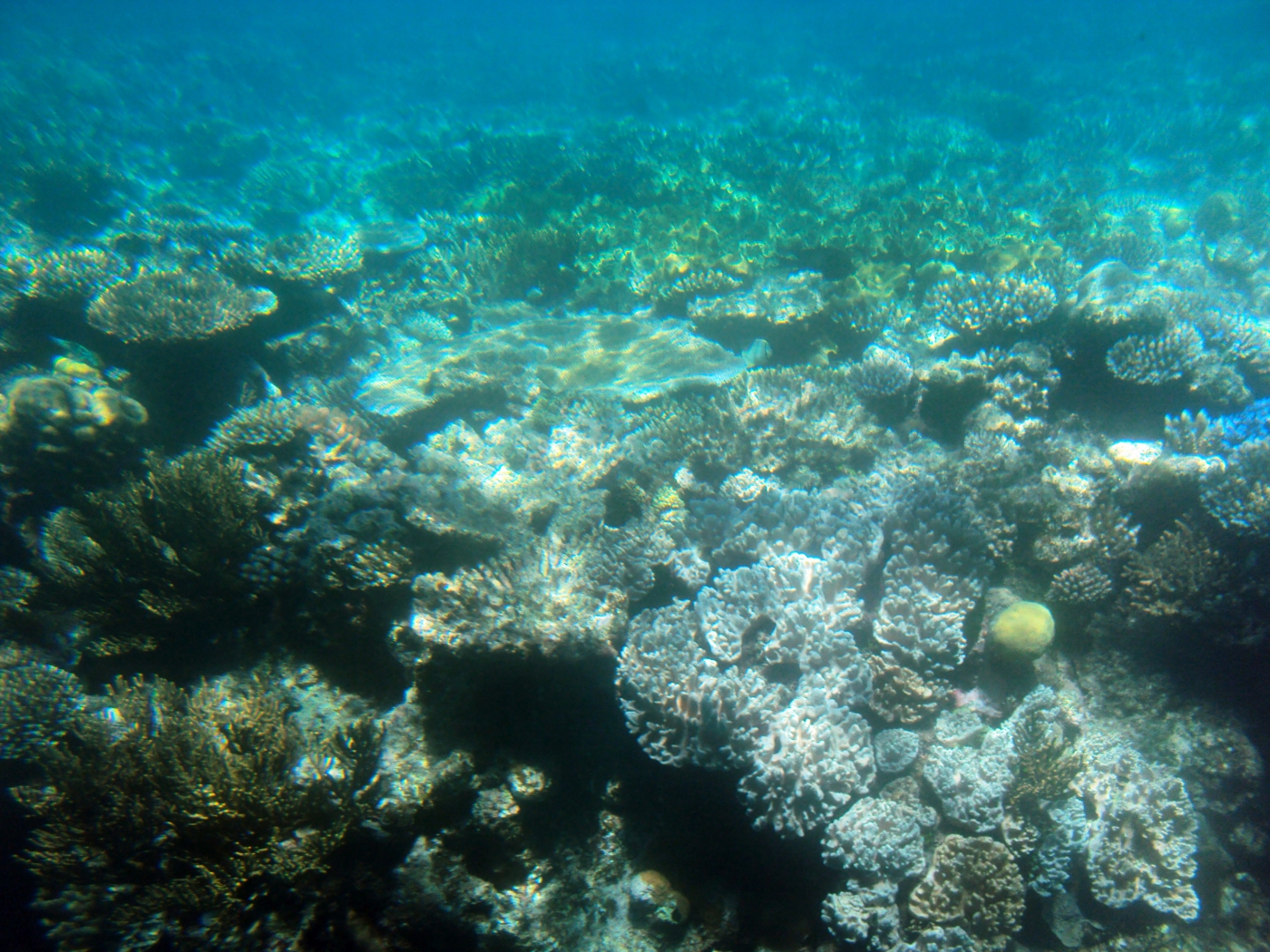
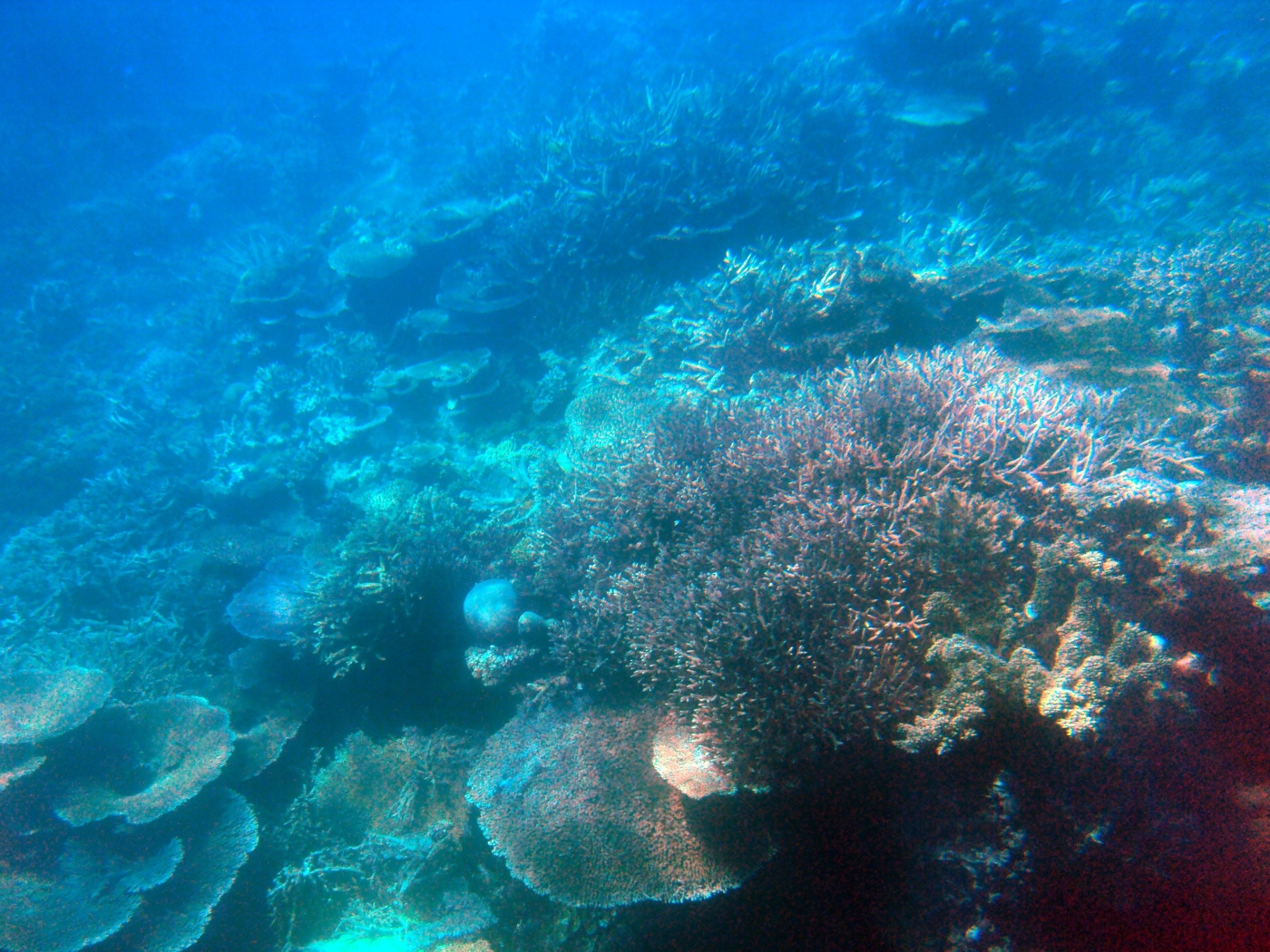
Agincourt Reef, off the coast of Port Douglas in Queensland, Australia, is a pristine, biologically diverse section of the greater Great Barrier Reef World Heritage Area. This UNESCO World Heritage site is renowned for its crystalline waters, vibrant coral gardens, and astonishing marine life, offering a spectacular window into the underwater world.
A Pristine Natural Wonder
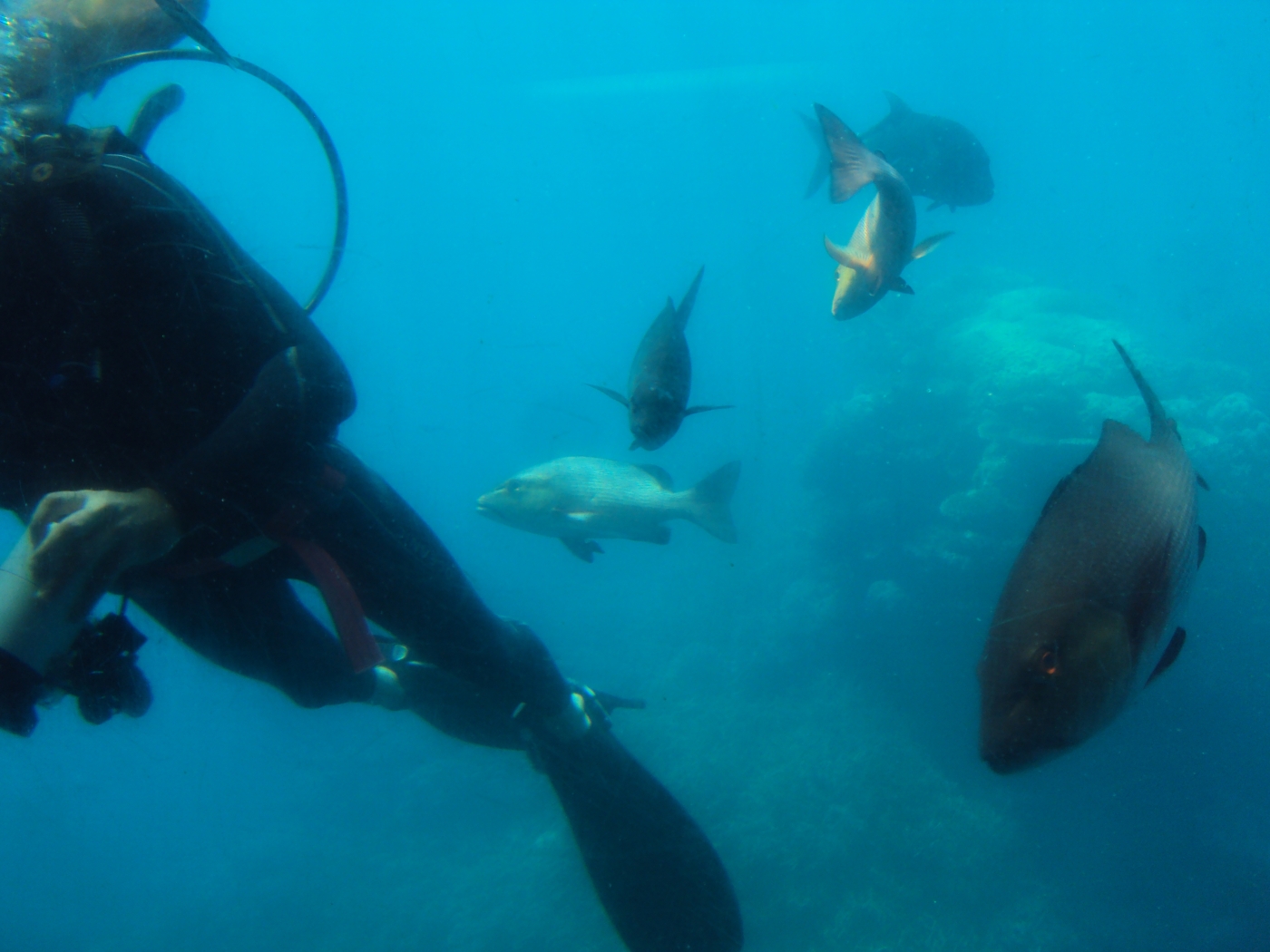
As a ribbon reef, Agincourt Reef forms the edge of Australia's continental shelf, creating dramatic drop-offs. This unique positioning ensures exceptional water clarity and nutrient flow, fostering an environment where hard and soft corals thrive in kaleidoscopic displays. Divers and snorkelers are greeted by schools of tropical fish, sea turtles, reef sharks, and manta rays, making it a hotspot for marine encounters.
Echoes of Exploration and Ancient Heritage
The history of the broader Great Barrier Reef is interwoven with ancient indigenous heritage and European exploration. For millennia, the traditional custodians, including the local Kuku Yalanji people, have held a profound spiritual and cultural connection to these waters. The first recorded European encounter was in 1770, when Captain James Cook and his vessel, the HMS Endeavour, ran aground on its northern sections. This event marked it on the world map, and his detailed charts provided early scientific documentation of this vast marine labyrinth.
A Global Heritage Recognized
The outstanding universal value of the entire Great Barrier Reef, including regions like Agincourt Reef, was recognized in 1981, inscribed onto the UNESCO World Heritage List. This designation underscores its unparalleled biological diversity, ecological processes, and extraordinary natural beauty. As the world's largest coral reef system, stretching over 2,300 kilometres, it comprises over 3,000 individual reefs and 900 islands. Conservation efforts protect this irreplaceable ecosystem for future generations.
Weiterführende Links
The Great Barrier Reef is a site of remarkable variety and beauty on the north-east coast of Australia. It contains the world’s largest collection of coral reefs, with 400 types of coral, 1,500 species of fish and 4,000 types of mollusc. It also holds great scientific interest as the habitat of species such as the dugong (‘sea cow’) and the large green turtle, which are threatened with extinction.
The Great Barrier Reef is the world's largest coral reef system, composed of over 2,900 individual reefs and 900 islands stretching for over 2,300 kilometres (1,400 mi) over an area of approximately 344,400 square kilometres (133,000 mi2). The reef is located in the Coral Sea, off the coast of Queensland, Australia, separated from the coast by a channel 160 kilometres (100 mi) wide in places and over 61 metres (200 ft) deep. The Great Barrier Reef can be seen from outer space and is the world's biggest single structure made by living organisms. This reef structure is composed of and built by billions of tiny organisms, known as coral polyps. It supports a wide diversity of life and was selected as a World Heritage Site in 1981. CNN labelled it one of the Seven Natural Wonders of the World in 1997. Australian World Heritage places included it in its list in 2007. The Queensland National Trust named it a state icon of Queensland in 2006.
A large part of the reef is protected by the Great Barrier Reef Marine Park, which helps to limit the impact of human use, such as fishing and tourism. Other environmental pressures on the reef and its ecosystem include runoff of humanmade pollutants, climate change accompanied by mass coral bleaching, dumping of dredging sludge and cyclic population outbreaks of the crown-of-thorns starfish. According to a study published in October 2012 by the Proceedings of the National Academy of Sciences, the reef has lost more than half its coral cover since 1985, a finding reaffirmed by a 2020 study which found over half of the reef's coral cover to have been lost between 1995 and 2017, with the effects of a widespread 2020 bleaching event not yet quantified.
The Great Barrier Reef has long been known to and used by the Aboriginal Australian and Torres Strait Islander peoples, and is an important part of local groups' cultures and spirituality. The reef is a very popular destination for tourists, especially in the Whitsunday Islands and Cairns regions. Tourism is an important economic activity for the region, generating over AUD$3 billion per year. In November 2014, Google launched Google Underwater Street View in 3D of the Great Barrier Reef.
A March 2016 report stated that coral bleaching was more widespread than previously thought, seriously affecting the northern parts of the reef as a result of warming ocean temperatures. In October 2016, Outside published an obituary for the reef; the article was criticised for being premature and hindering efforts to bolster the resilience of the reef. In March 2017, the journal Nature published a paper showing that huge sections of an 800-kilometre (500 mi) stretch in the northern part of the reef had died in the course of 2016 of high water temperatures, an event that the authors put down to the effects of global climate change. The percentage of baby corals being born on the Great Barrier Reef dropped drastically in 2018 and scientists are describing it as the early stage of a "huge natural selection event unfolding". Many of the mature breeding adults died in the bleaching events of 2016–17, leading to low coral birth rates. The types of corals that reproduced also changed, leading to a "long-term reorganisation of the reef ecosystem if the trend continues."
The Great Barrier Reef Marine Park Act 1975 (section 54) stipulates an Outlook Report on the Reef's health, pressures, and future every five years. The last report was published in 2019. In March 2022, another mass bleaching event has been confirmed, which raised further concerns about the future of this reef system, especially when considering the possible effects of El Niño weather phenomenon.
The Australian Institute of Marine Science conducts annual surveys of the Great Barrier Reef's status, and the 2022 report showed the greatest recovery in 36 years. It is mainly due to the regrowth of two-thirds of the reef by the fast-growing Acropora coral, which is the dominant coral there.