Paseo del Prado and Buen Retiro, a landscape of Arts and Sciences
Madrid, Spain
21.04.2026

Madrid's "Paseo del Prado and Buen Retiro, a landscape of Arts and Sciences" is a remarkable urban ensemble recognized by UNESCO for its profound historical, artistic, and scientific significance. This cultural landscape, at the heart of the Spanish capital, embodies the aspirations of the Enlightenment, transforming an area once defined by nature into a pioneering model of urban design focused on the public good, recreation, and knowledge dissemination.
The Genesis of a Grand Vision
The origins of the Paseo del Prado date back to the 16th century, conceived as a green promenade outside the city walls. Under King Philip II, the area began its transformation into a public space. However, it was during the reign of King Charles III in the 18th century, driven by Enlightenment ideals, that the vision truly blossomed. His ambitious urban planning project, known as the "Salón del Prado," aimed to integrate nature, science, and art for the benefit of all citizens.
A Corridor of Knowledge and Beauty
The Paseo del Prado itself is an iconic tree-lined avenue featuring monumental fountains such as the stunning Cibeles Fountain and the majestic Neptune Fountain. Flanking this elegant thoroughfare are some of Spain's most prestigious institutions. The Prado Museum, originally built as the Royal Museum of Natural Sciences, now houses an unparalleled collection of European art. Nearby, the Royal Botanical Garden (Real Jardín Botánico) stands as a testament to scientific inquiry and biodiversity, while the Royal Observatory (Real Observatorio de Madrid) symbolizes Spain's contribution to astronomy. This area also forms Madrid's "Golden Triangle of Art" with the addition of the Thyssen-Bornemisza Museum and the Reina Sofía Museum, though these were established later than the core Enlightenment project.
The Serene Oasis of Retiro
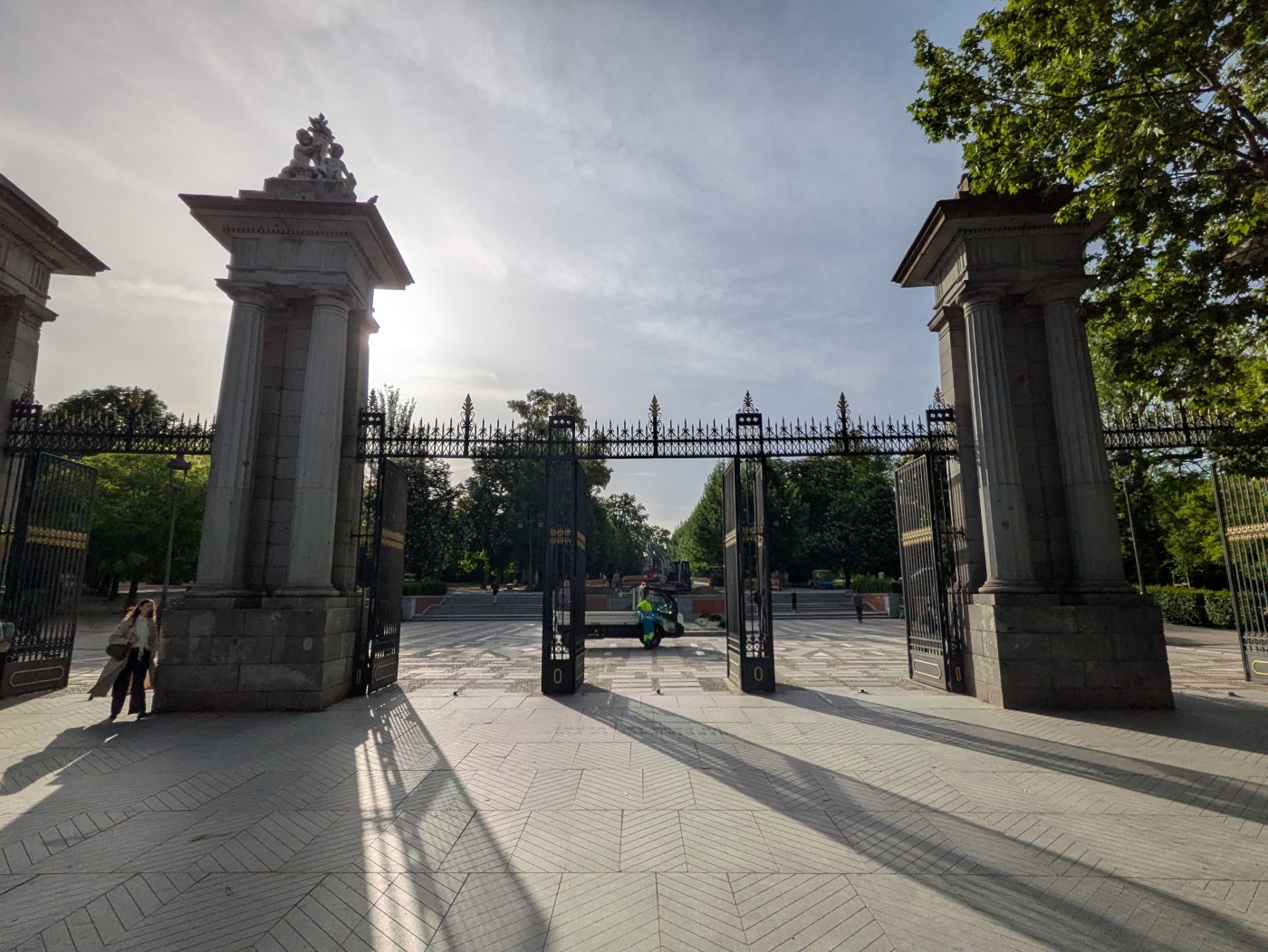
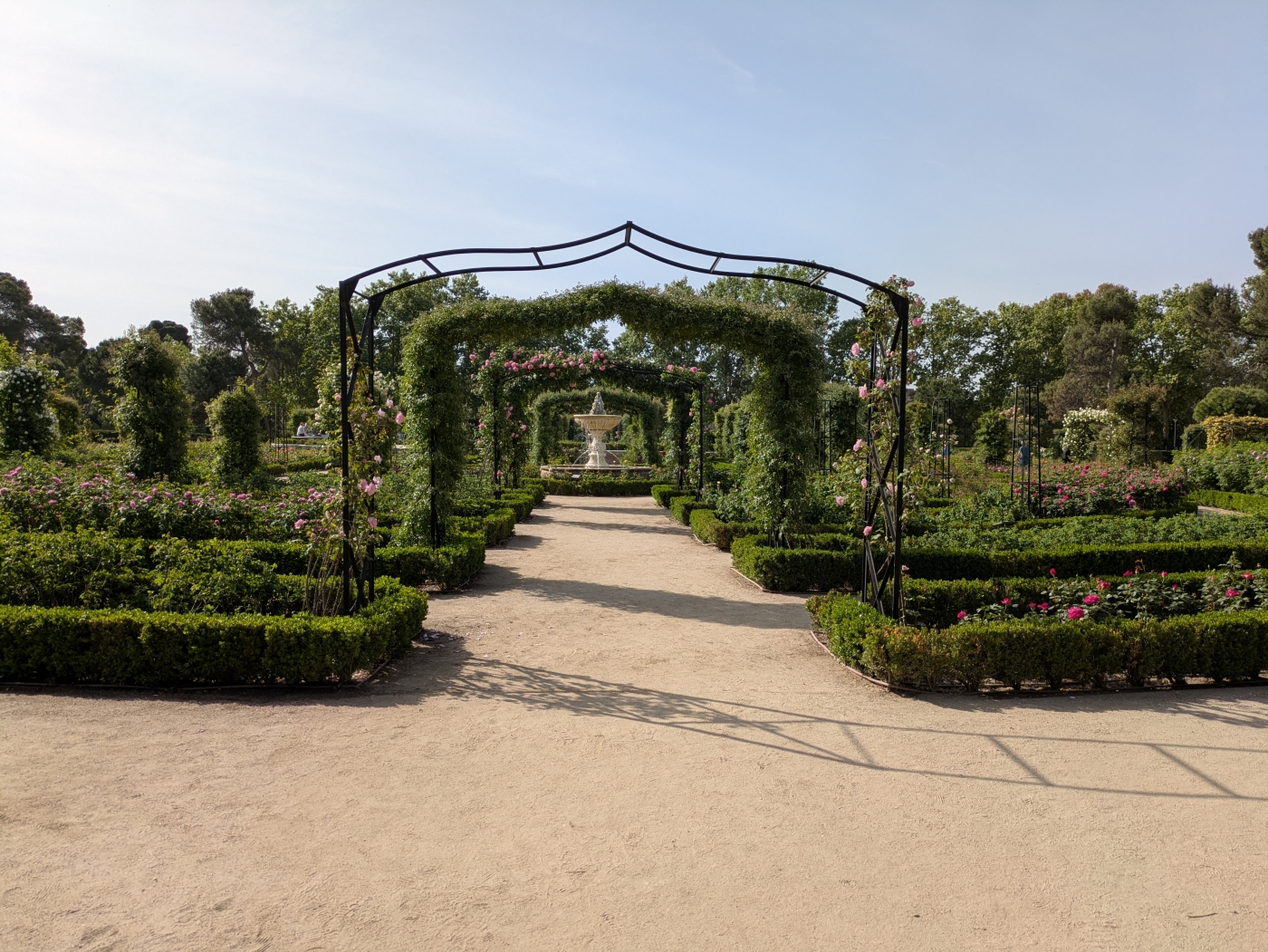
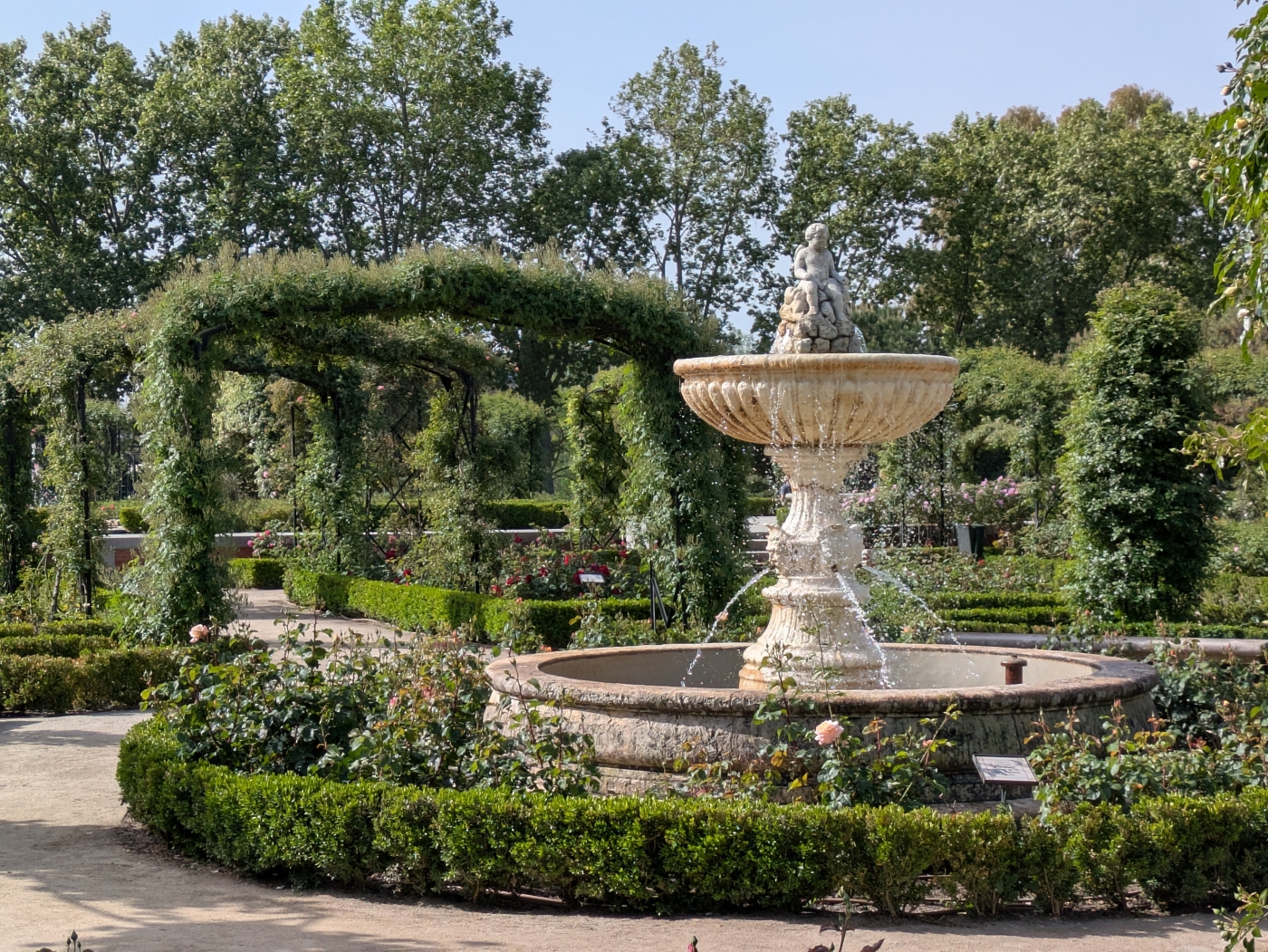
Adjacent to the Paseo del Prado lies the sprawling Buen Retiro Park (Parque del Retiro), once the private gardens of the Spanish monarchy. Gifted to the public in the late 19th century, this magnificent park offers a vast expanse of green space for recreation and contemplation. Its features, including the Crystal Palace (Palacio de Cristal), a stunning iron and glass structure, and the Monument to Alfonso XII, reflect different eras and artistic styles, complementing the scientific and artistic focus of the Paseo del Prado.
Together, these interconnected spaces illustrate a groundbreaking fusion of urbanism, nature, and culture, making Madrid a unique example of how a city can foster both public enjoyment and intellectual advancement.
Weiterführende Links
- Paseo del Prado and Buen Retiro, a landscape of Arts and Sciences
- Museo del Prado
- Charles III of Spain
Located at the urban heart of Madrid, this cultural landscape evolved since the creation of the tree-lined Paseo del Prado avenue, a prototype of the Hispanic alameda, in the 16th century. The avenue features major fountains, notably the Fuente de Apolo and the Fuente de Neptuno, and the Fuente de Cibeles, an iconic symbol of the city, surrounded by prestigious buildings. The site embodies a new idea of urban space and development from the enlightened absolutist period of the 18th century. Buildings dedicated to the arts and sciences join others in the site that are devoted to industry, healthcare and research. Collectively, they illustrate the aspiration for a utopian society during the height of the Spanish Empire, linked to the enlightened idea of democratization of knowledge, and exercised major influence in Latin America. The 120-hectare Jardines del Buen Retiro (Garden of Pleasant Retreat), a remnant of the 17th-century Buen Retiro Palace, constitutes the largest part of the property. The site also houses the terraced Royal Botanical Garden and the largely residential neighbourhood of Barrio Jerónimos with its rich variety of 19th- and 20th-century buildings that include cultural and scientific venues.
The Paseo del Prado is one of the main boulevards in Madrid, Spain. It runs north–south between the Plaza de Cibeles and the Plaza del Emperador Carlos V (also known as Plaza de Atocha), with the Plaza de Cánovas del Castillo (the location of the Fuente de Neptuno, and of the Ritz and Palace five-star hotels) lying approximately in the middle. The Paseo del Prado forms the southern end of the city's central axis (which continues to the north of Cibeles as the Paseo de Recoletos, and further north as the Paseo de la Castellana). It enjoys the status of Bien de Interés Cultural (BIC), and as part of a combined UNESCO World Heritage Site with Buen Retiro Park.