Historic City of Toledo
Toledo, Spain
22.04.2026

The Historic City of Toledo, a UNESCO World Heritage site since 1986, sits majestically on a hill overlooking the Tagus River in central Spain. Known as the "City of Three Cultures," its history spans from Roman Toletum to its role as capital of the Visigothic Kingdom, encapsulating centuries of diverse influences.
A Crossroads of Civilizations
Conquered by the Moors in 711 CE, Toledo flourished as Tulaytulah, becoming a vibrant intellectual and artistic center. This period saw the rise of the renowned School of Translators of Toledo, a pivotal institution that facilitated the translation of Arabic, Hebrew, and Greek texts into Latin, bridging Eastern and Western knowledge. Despite its recapture by King Alfonso VI of Castile in 1085 during the Reconquista, Toledo uniquely maintained a harmonious coexistence of Christians, Muslims, and Jews for centuries, which profoundly shaped its cultural and architectural identity.
Architectural Gems
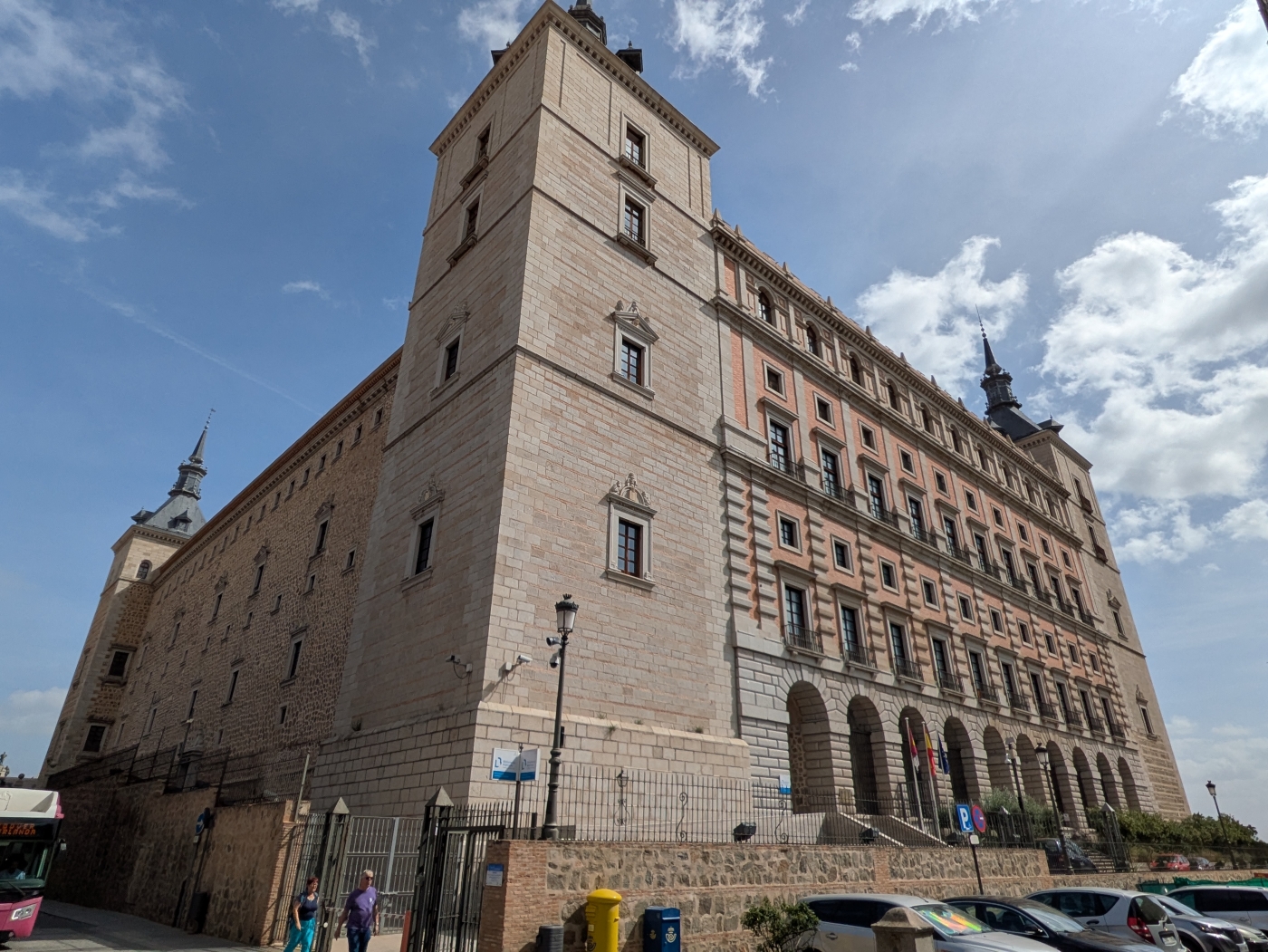
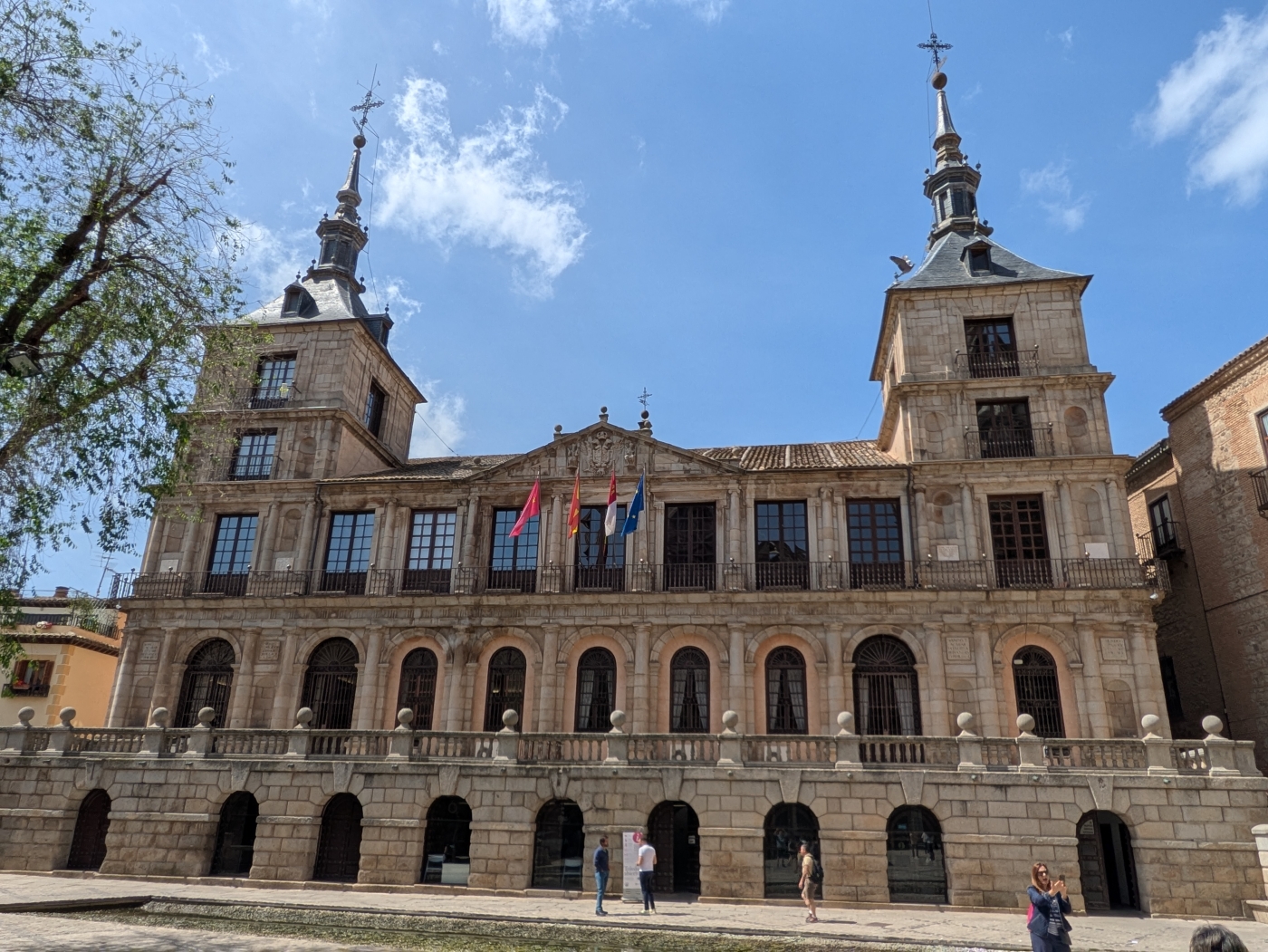
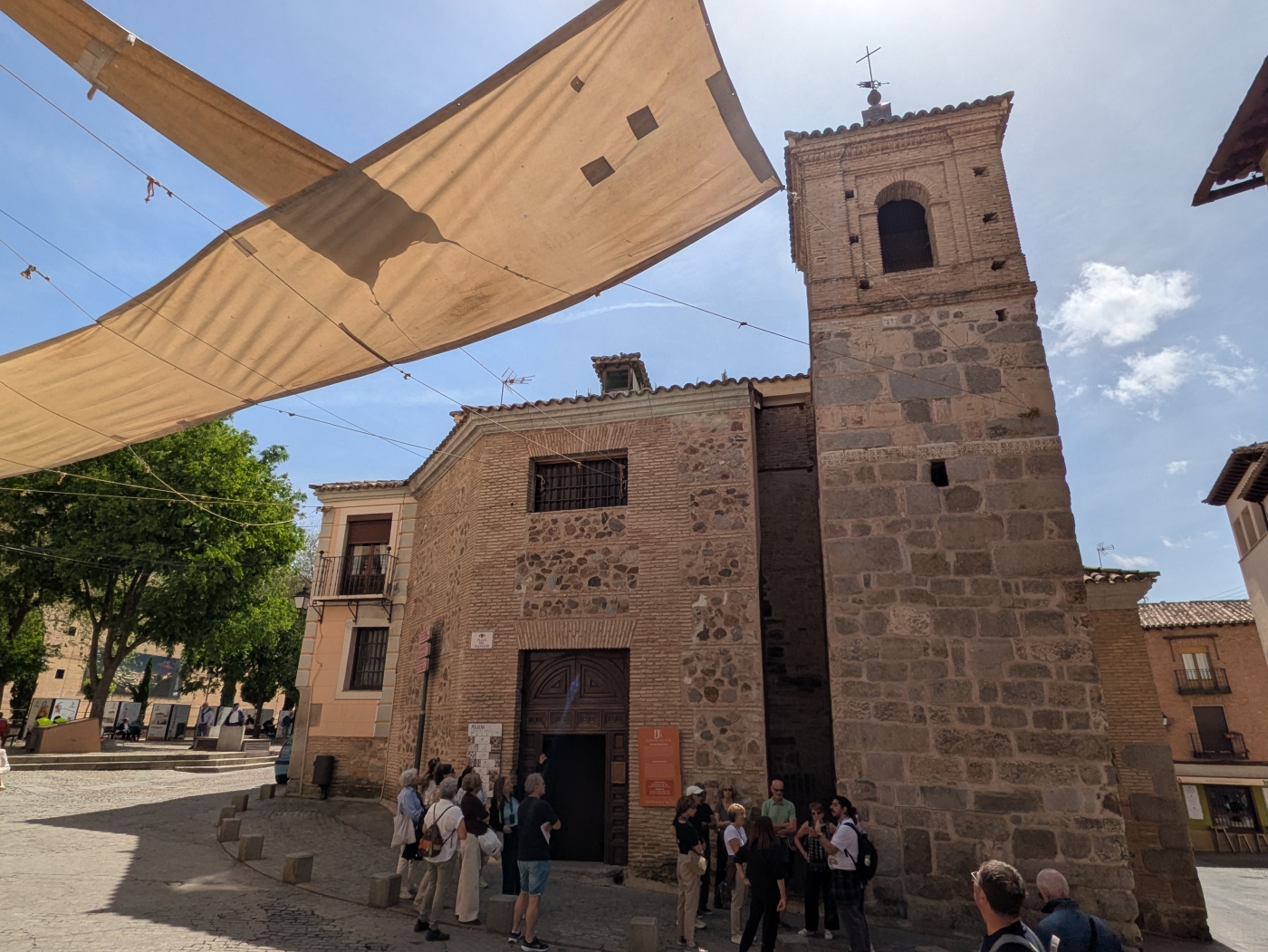
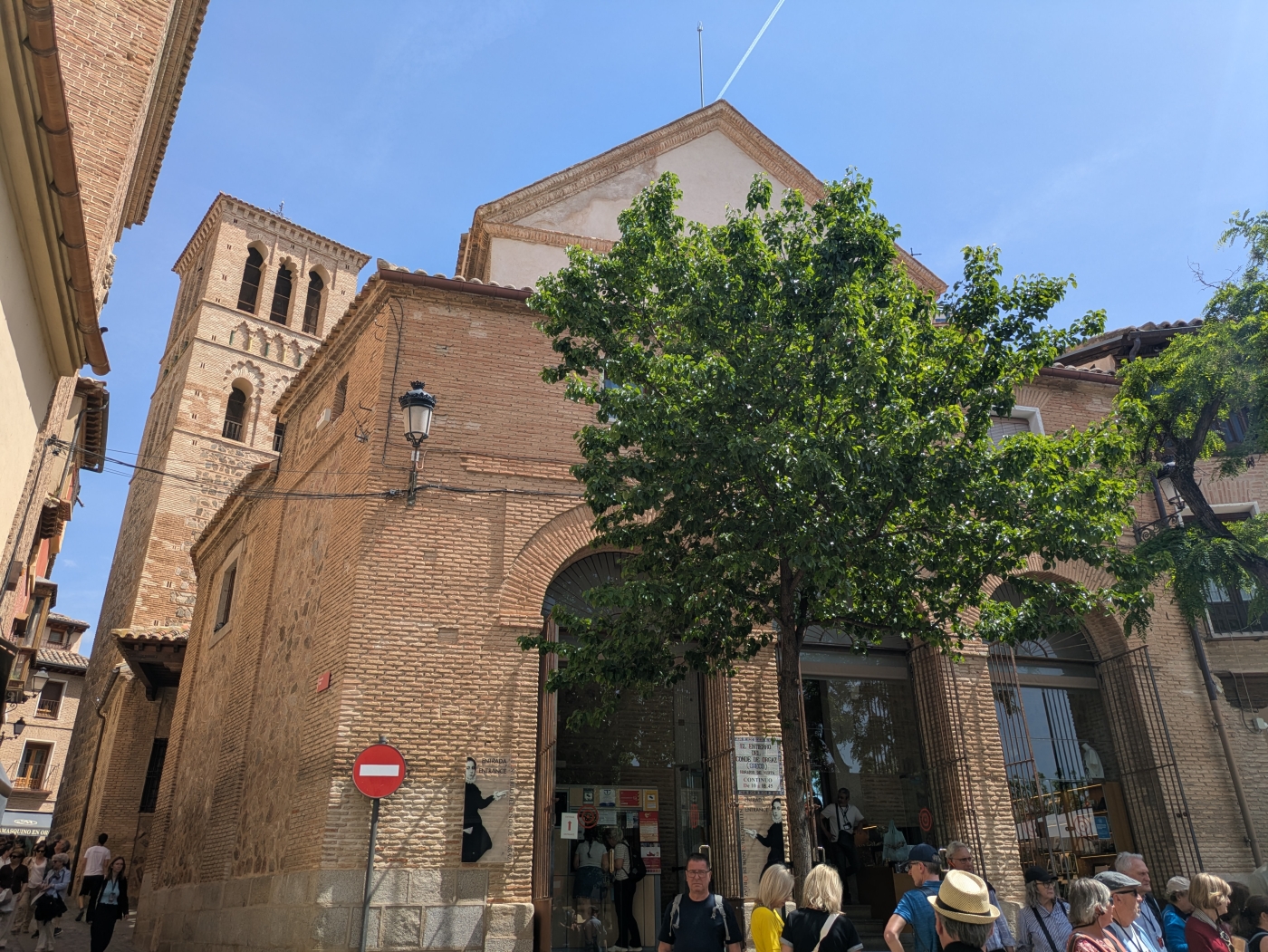
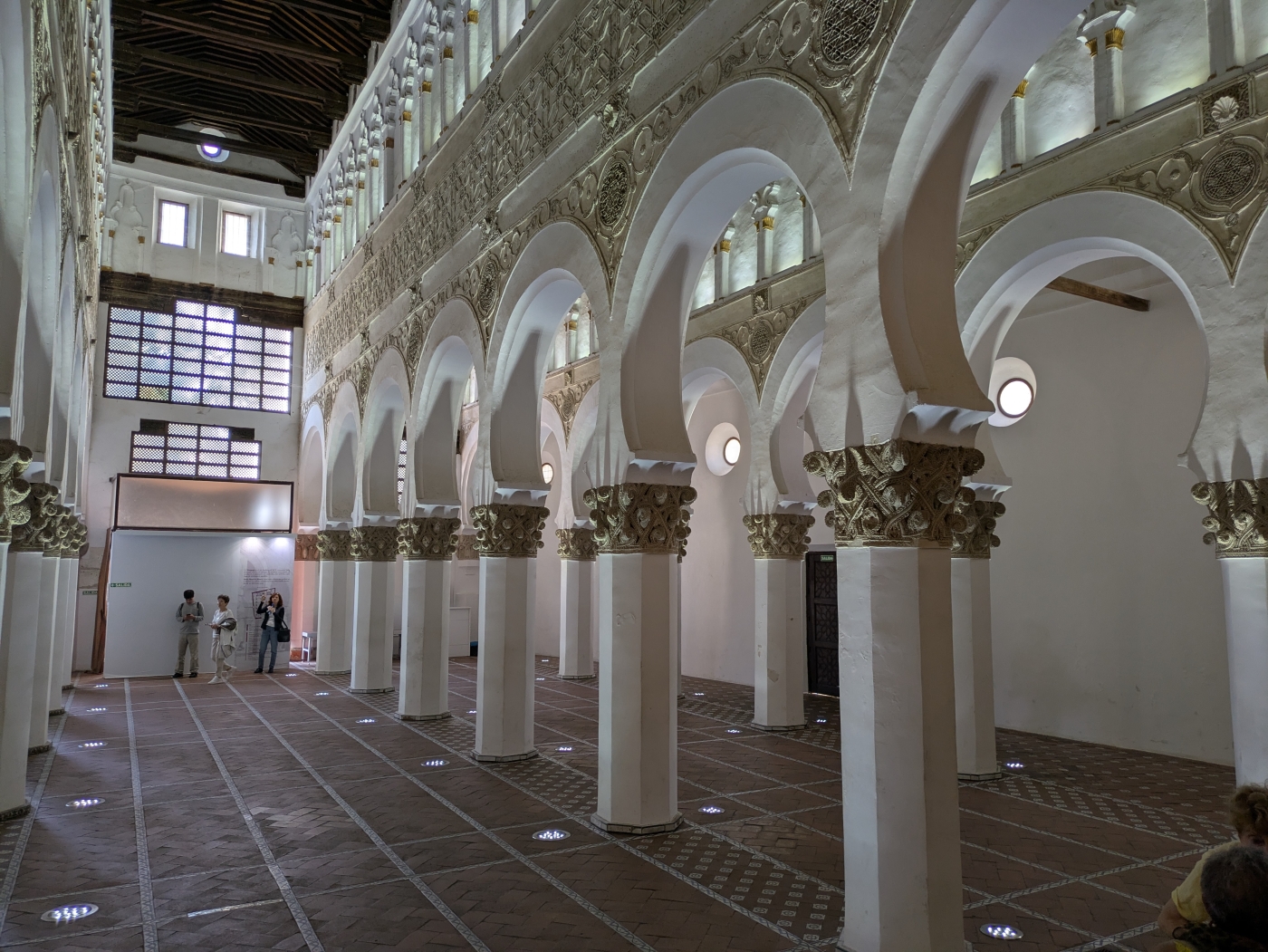
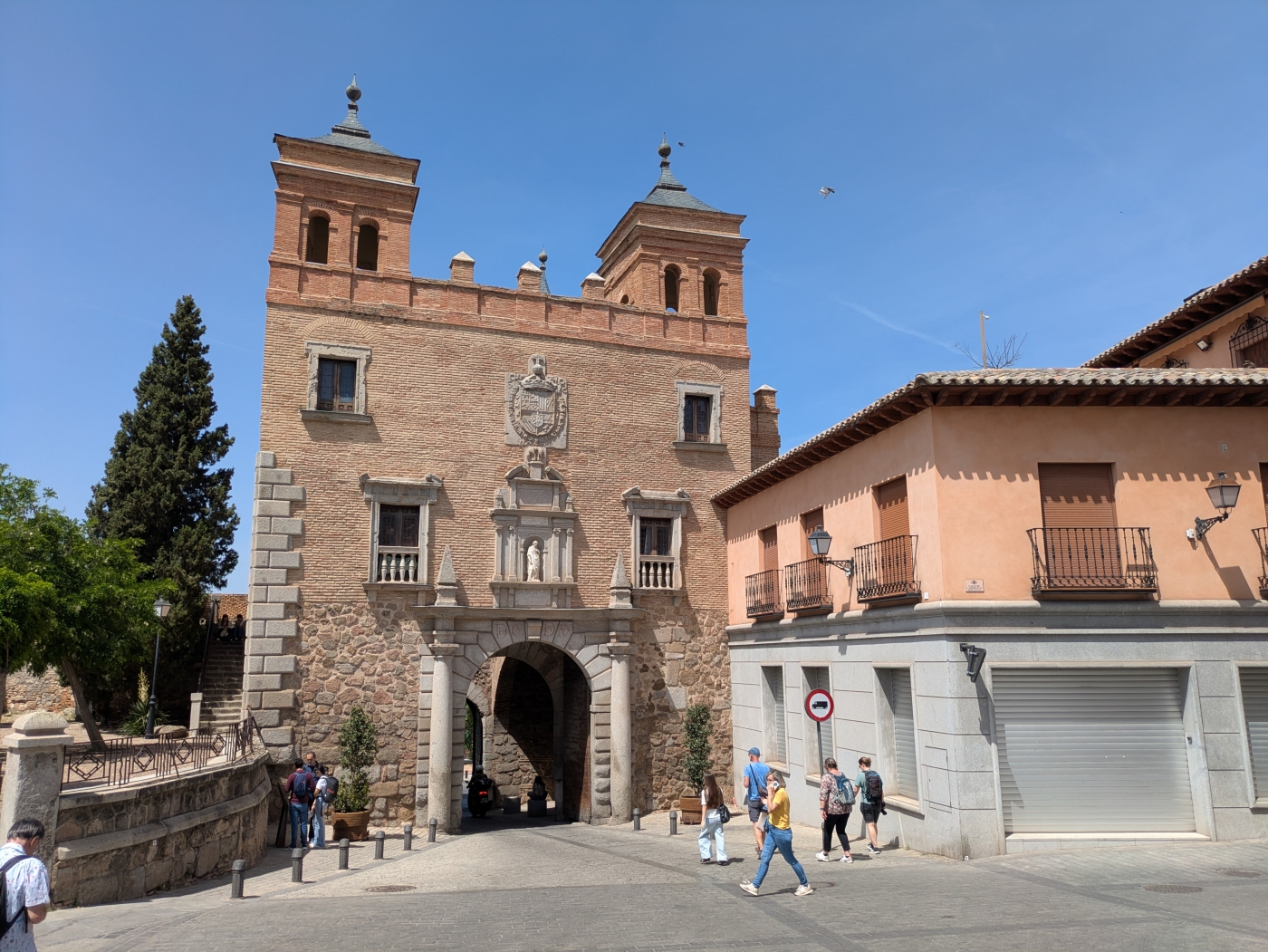
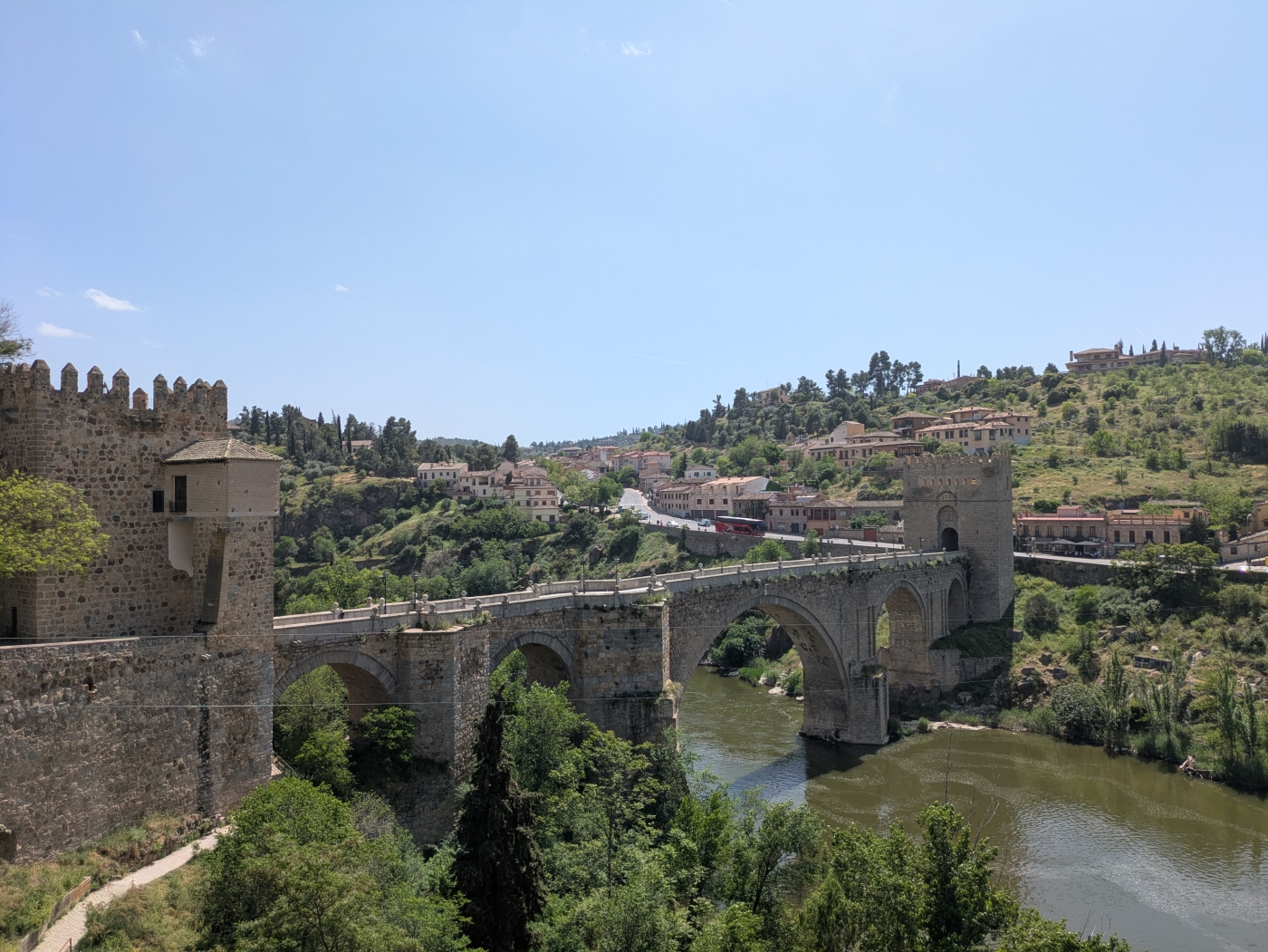
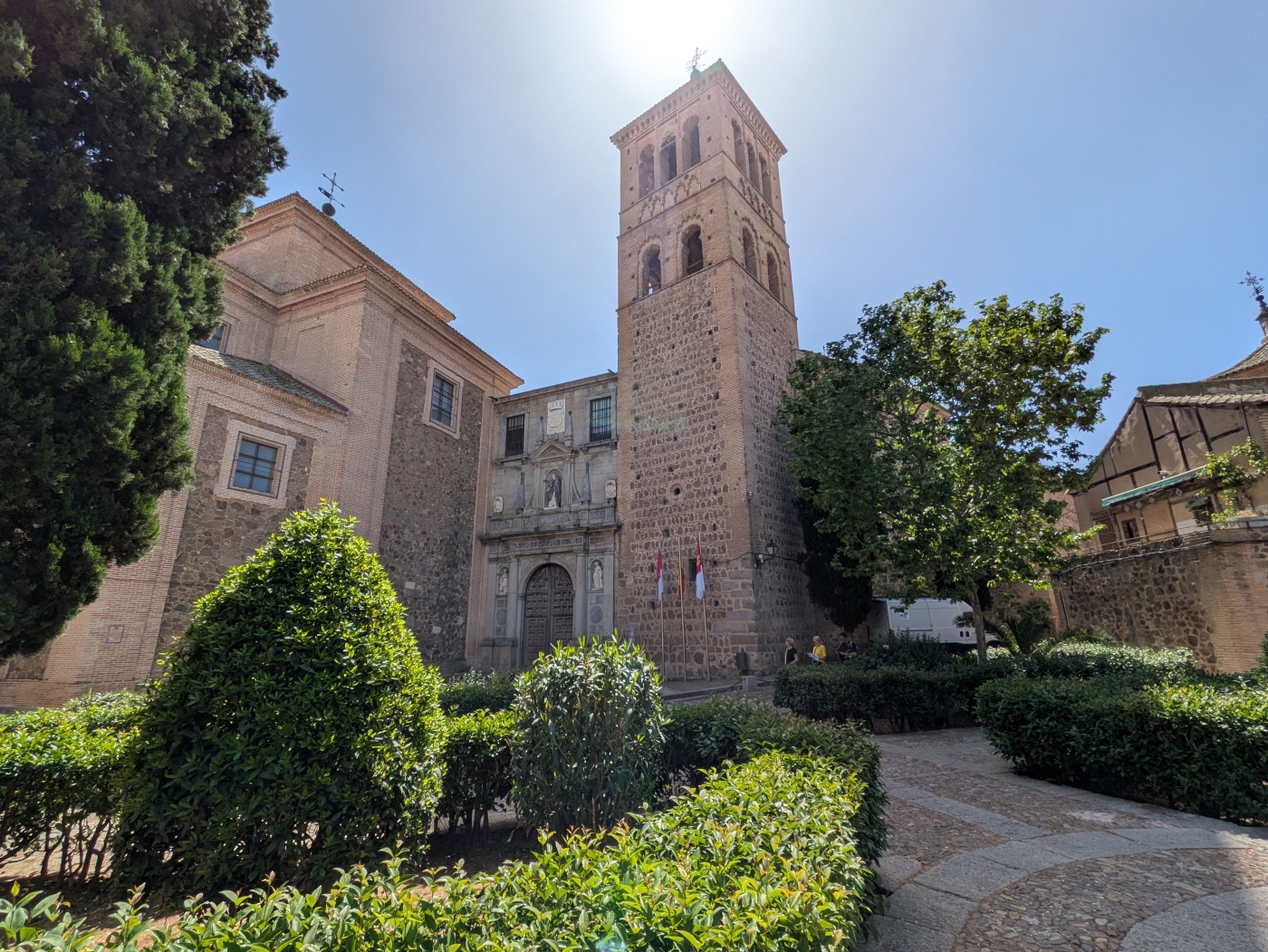
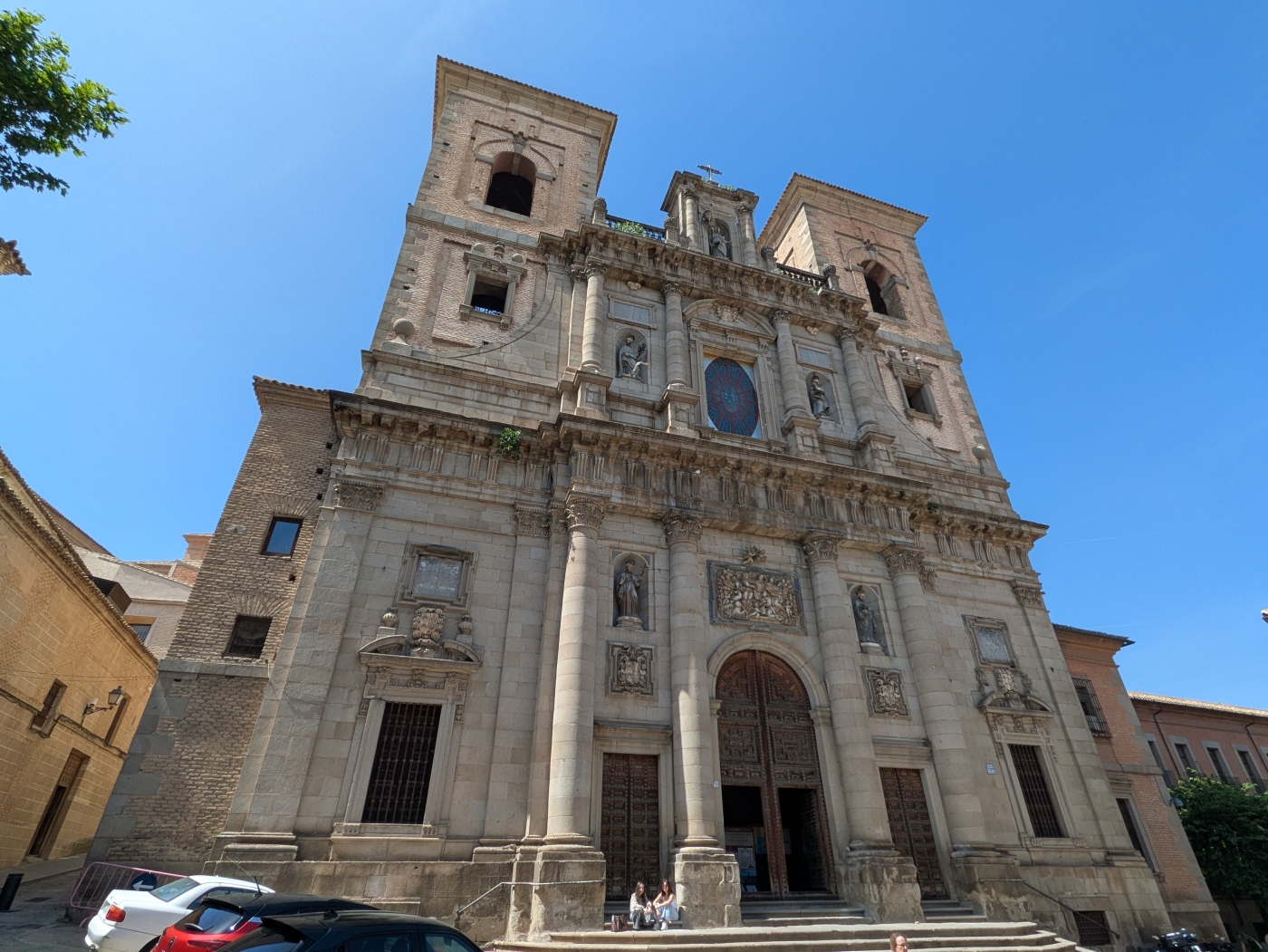
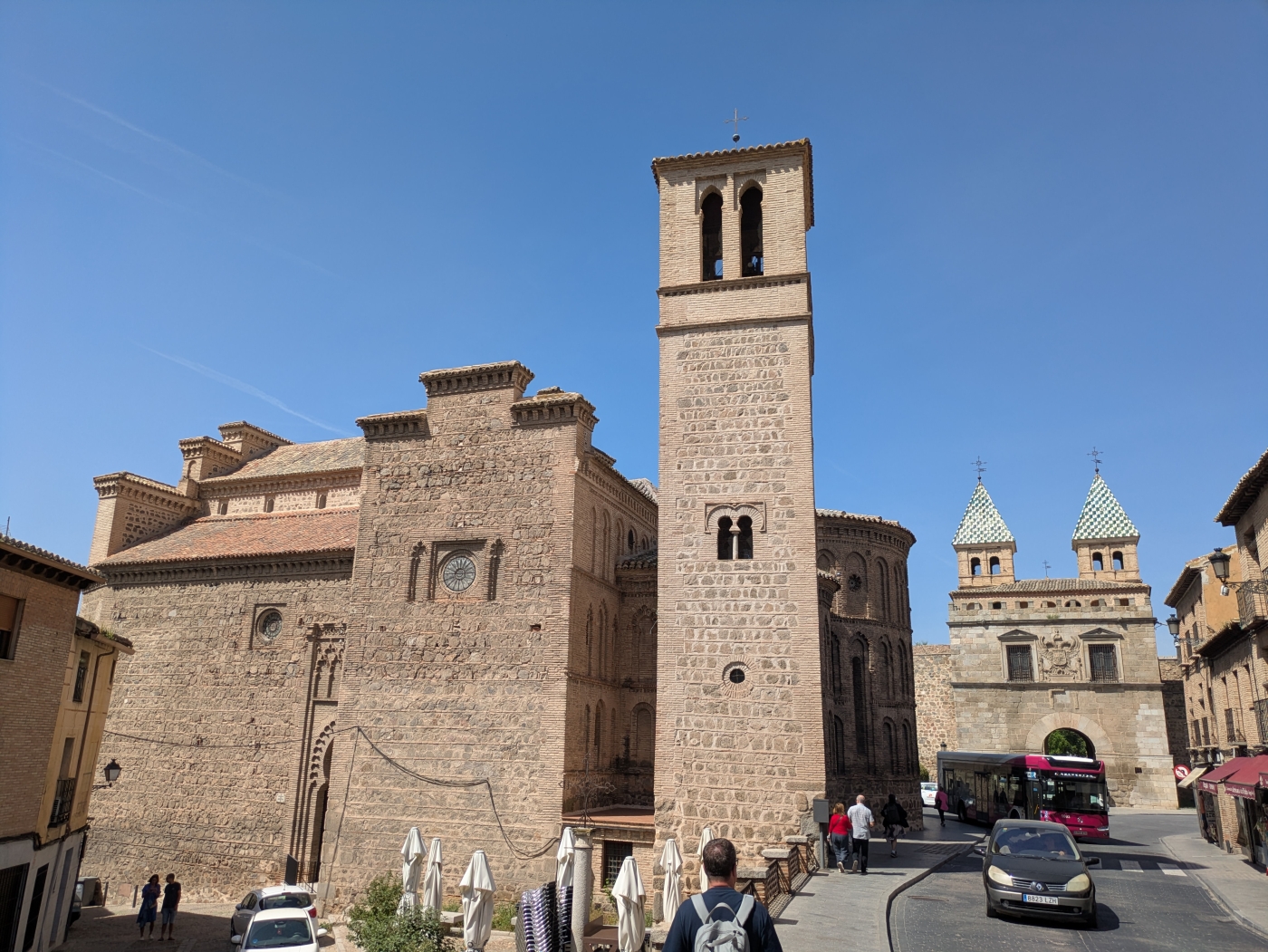
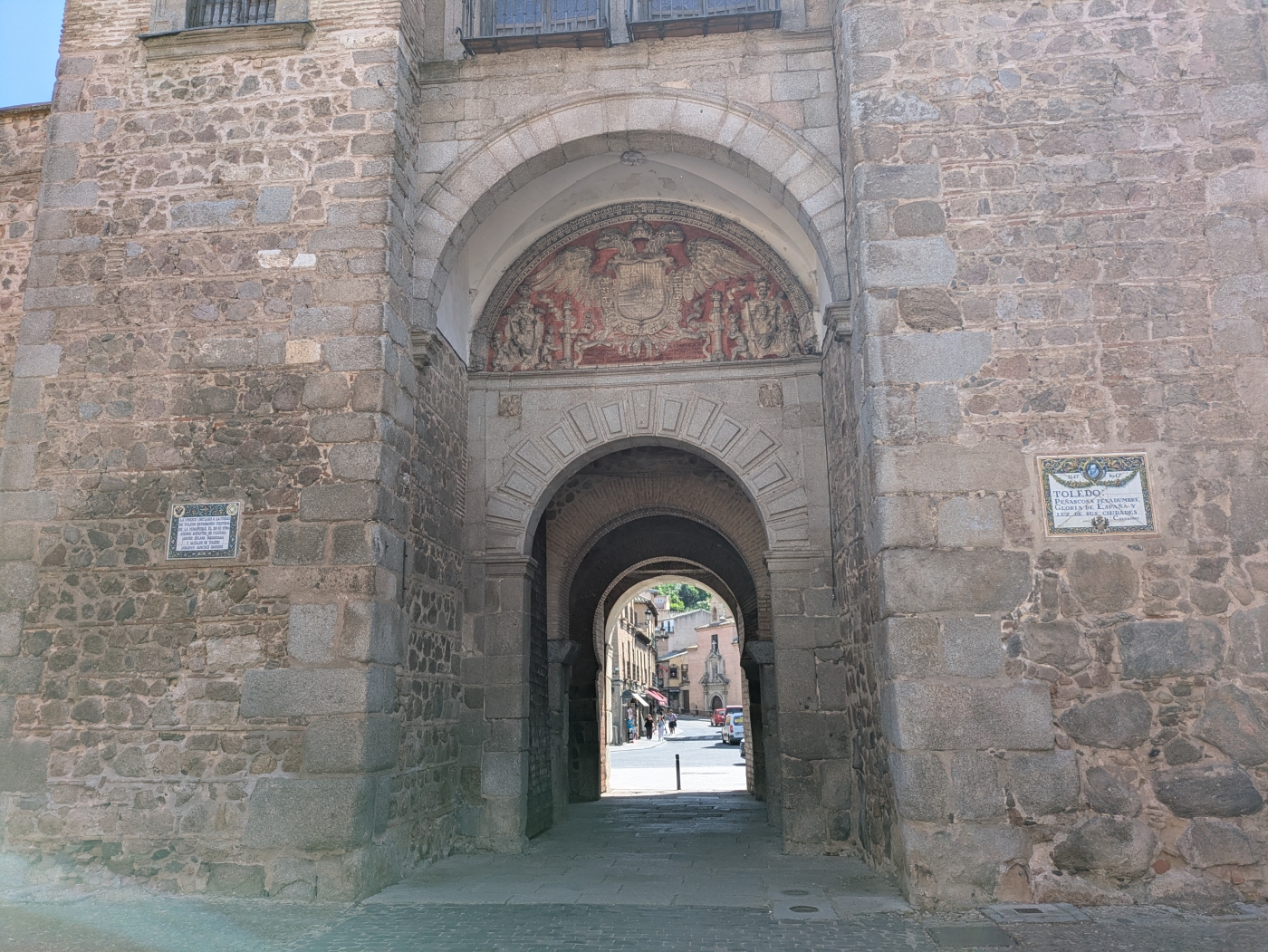
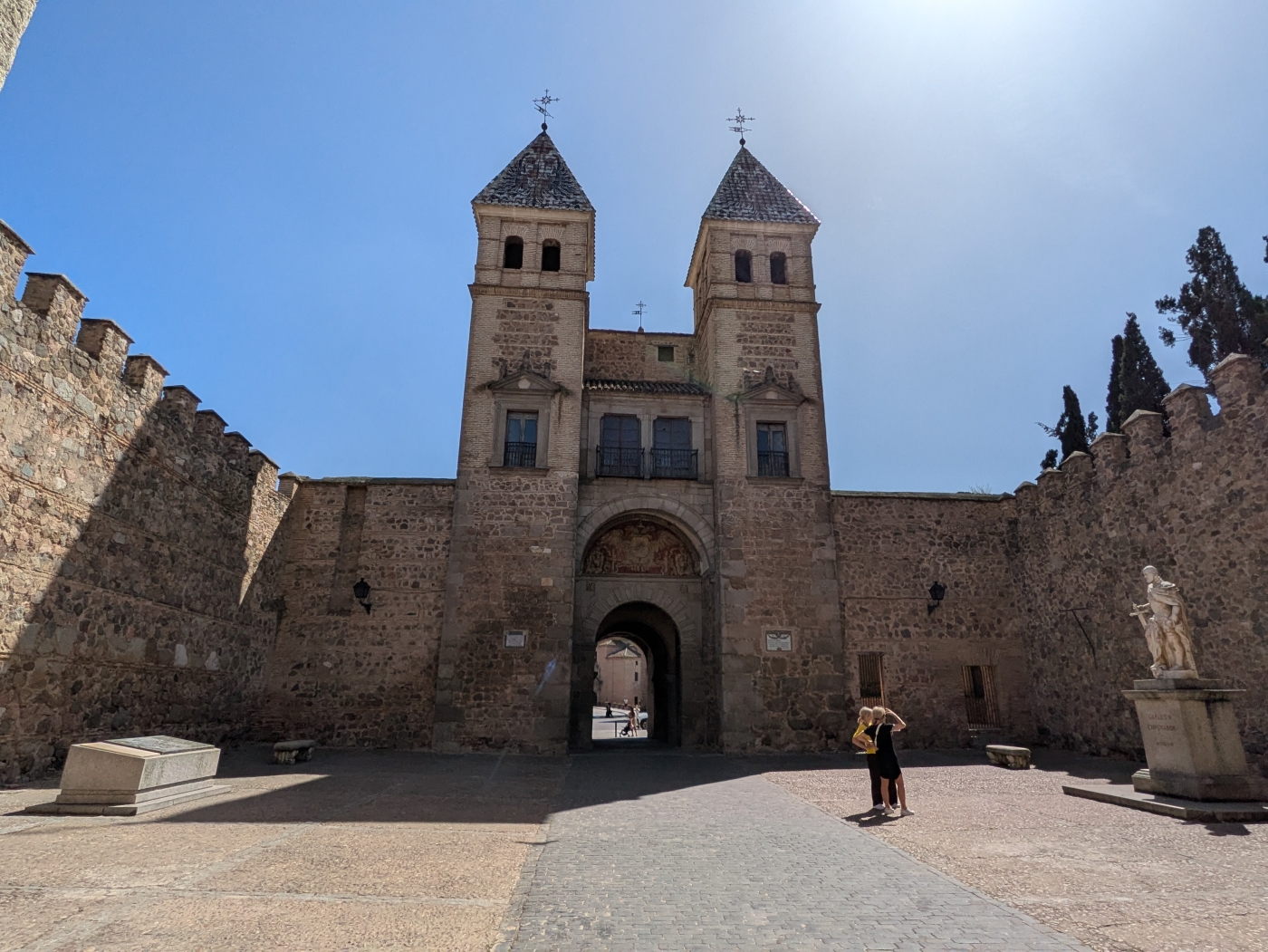
Toledo's layered past is visible in its iconic structures. The magnificent Cathedral of Toledo, a high Gothic masterpiece, stands on the site of a former mosque and houses works by artists like El Greco. The Jewish heritage is preserved in the elegant Synagogue of Santa María la Blanca and the Synagogue of El Tránsito, now the Sephardic Museum. The remarkably preserved 10th-century Mosque of Cristo de la Luz showcases Moorish artistry. Overlooking the city, the formidable Alcázar of Toledo, with Roman origins, now hosts the Army Museum. Historic bridges like the Puente de Alcántara and Puente de San Martín complete its ancient panorama.
Toledo stands as an outstanding example of a city where different civilizations have intertwined, leaving an authentic and exceptional blend of cultures and styles that define its enduring legacy.
Weiterführende Links
Successively a Roman municipium, the capital of the Visigothic Kingdom, a fortress of the Emirate of Cordoba, an outpost of the Christian kingdoms fighting the Moors and, in the 16th century, the temporary seat of supreme power under Charles V, Toledo is the repository of more than 2,000 years of history. Its masterpieces are the product of heterogeneous civilizations in an environment where the existence of three major religions – Judaism, Christianity and Islam – was a major factor.
Toledo (UK: tol-AY-doh; Spanish: [toˈleðo] ) is a city and municipality in Spain. It is the capital of the province of Toledo and the de jure seat of the government and parliament of the autonomous community of Castilla–La Mancha.
Toledo is primarily located on the right (north) bank of the Tagus in central Iberia, nestled in a bend of the river.
Built on a previous Carpetanian settlement, Toledo developed into an important Roman city of Hispania, later becoming the capital of the Visigothic Kingdom and seat of a powerful archdiocese. Often unsubmissive to Umayyad central rule during the Islamic period, Toledo nonetheless acquired a status as a major cultural centre promoting productive cultural exchanges between the Islamic world and Latin Christendom, which it retained after the collapse of the caliphate and the creation of the Taifa of Toledo in the early 11th century. Following the Christian conquest in 1085, Toledo continued to enjoy an important status within the Crown of Castile and remained open to Muslim and Jewish influences for the next two centuries. In the early modern period, the economy stayed afloat for a while after the loss of political power to Madrid thanks to the silk industry, but Toledo entered a true decline in the 1630s, in the context of overall economic recession.
In the 21st century, population growth in the municipality has largely concentrated in the Santa María de Benquerencia (a.k.a. Polígono) district, a modern residential area detached from the historic centre located upstream on the left (south) bank of the Tagus. As of January 2024, the municipality had a population of 86,526. The municipality has an area of 232.1 km2 (89.6 sq mi).
The city has a Gothic cathedral and a long history in the production of bladed weapons, which are now commonly sold as souvenirs. Toledo was declared a World Heritage Site by UNESCO in 1986 for its extensive monumental and cultural heritage.