Old Town of Segovia and its Aqueduct
Segovia, Spain
23.04.2026

The ancient city of Segovia, nestled in the heart of Spain's Castile and León region, stands as a testament to centuries of diverse cultural influences. Its designation as a UNESCO World Heritage site in 1985 recognizes the outstanding universal value of its remarkable Roman Aqueduct and the rich tapestry of its medieval Old Town.
The Enduring Roman Aqueduct
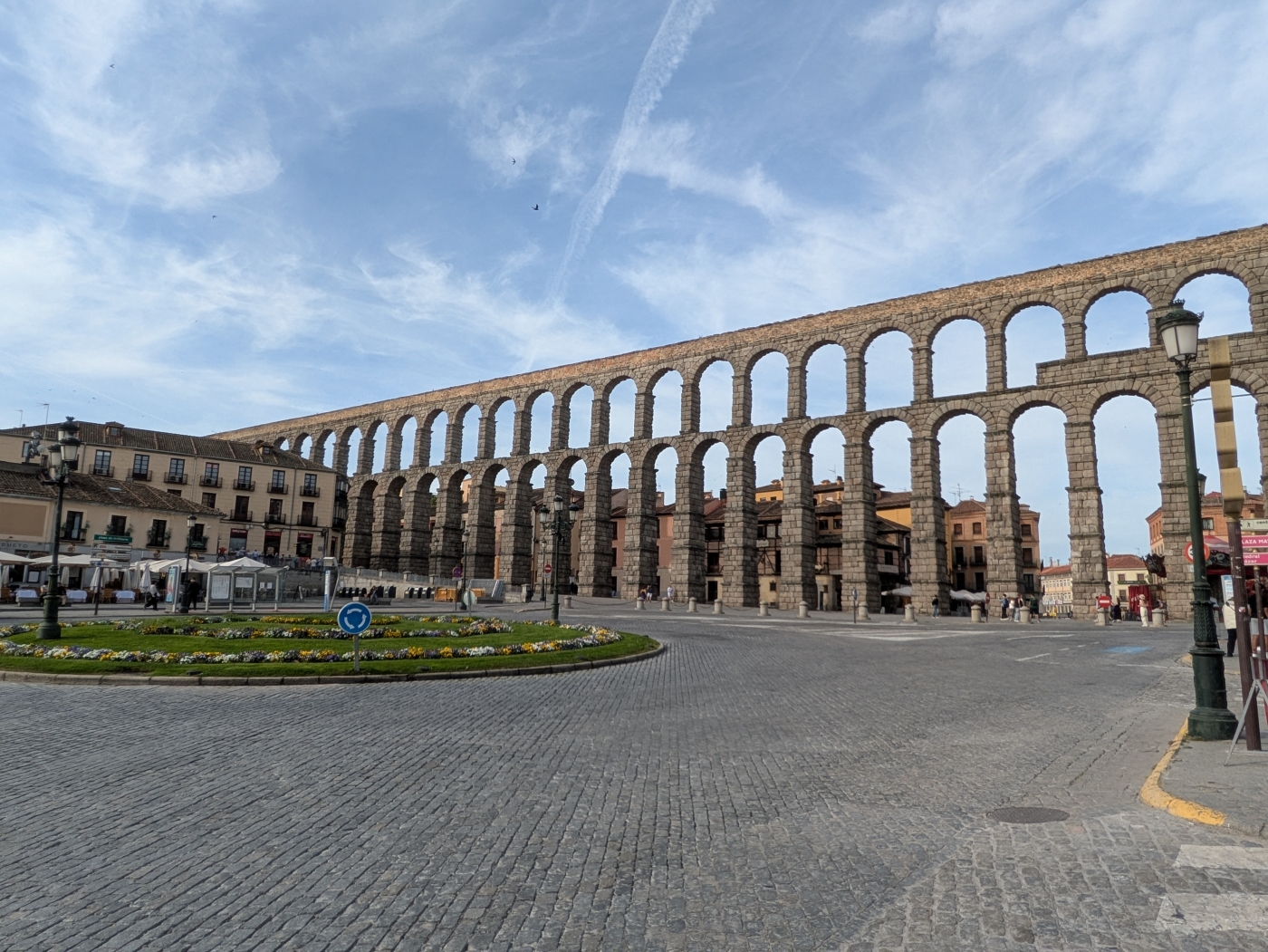
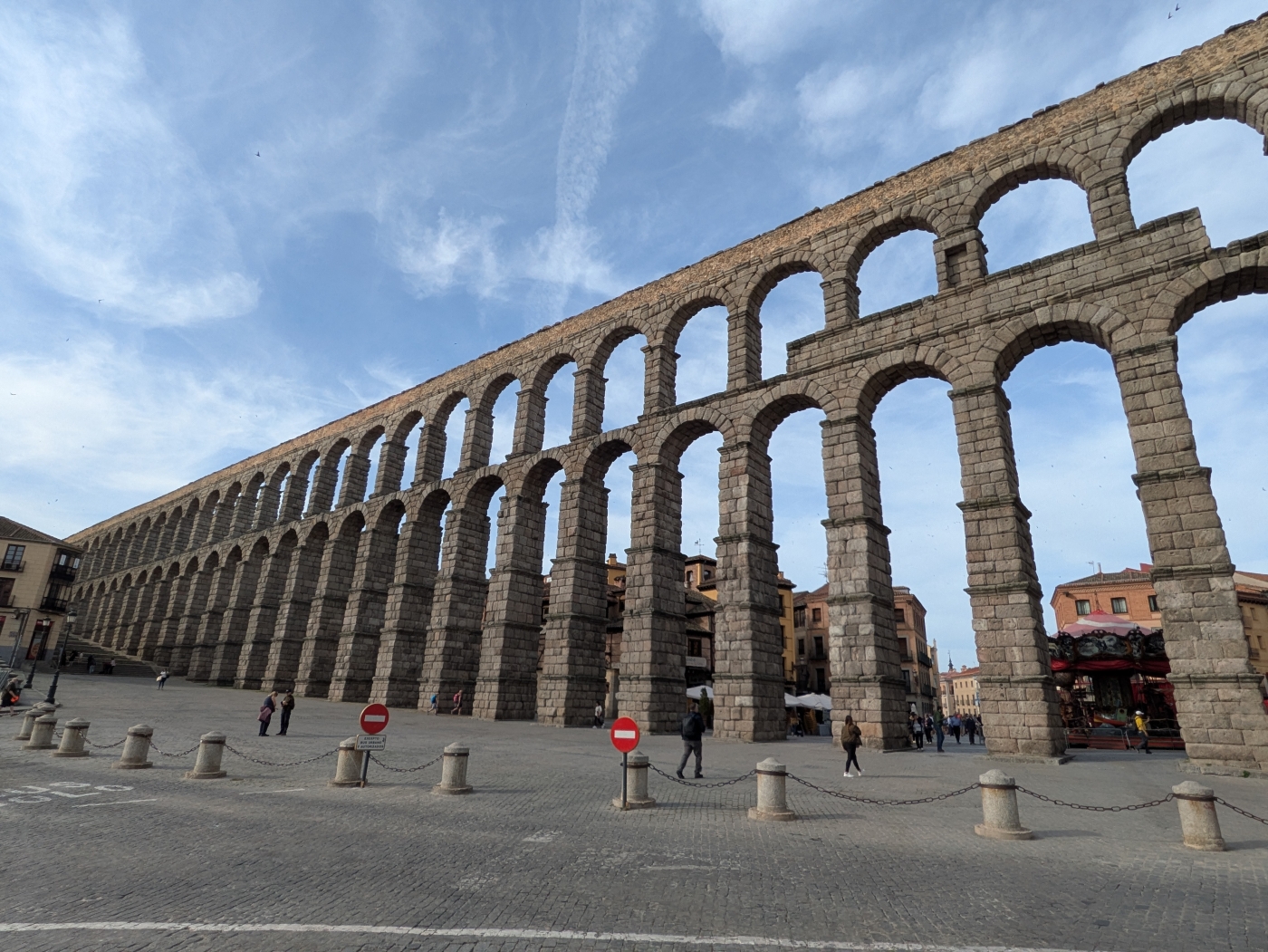
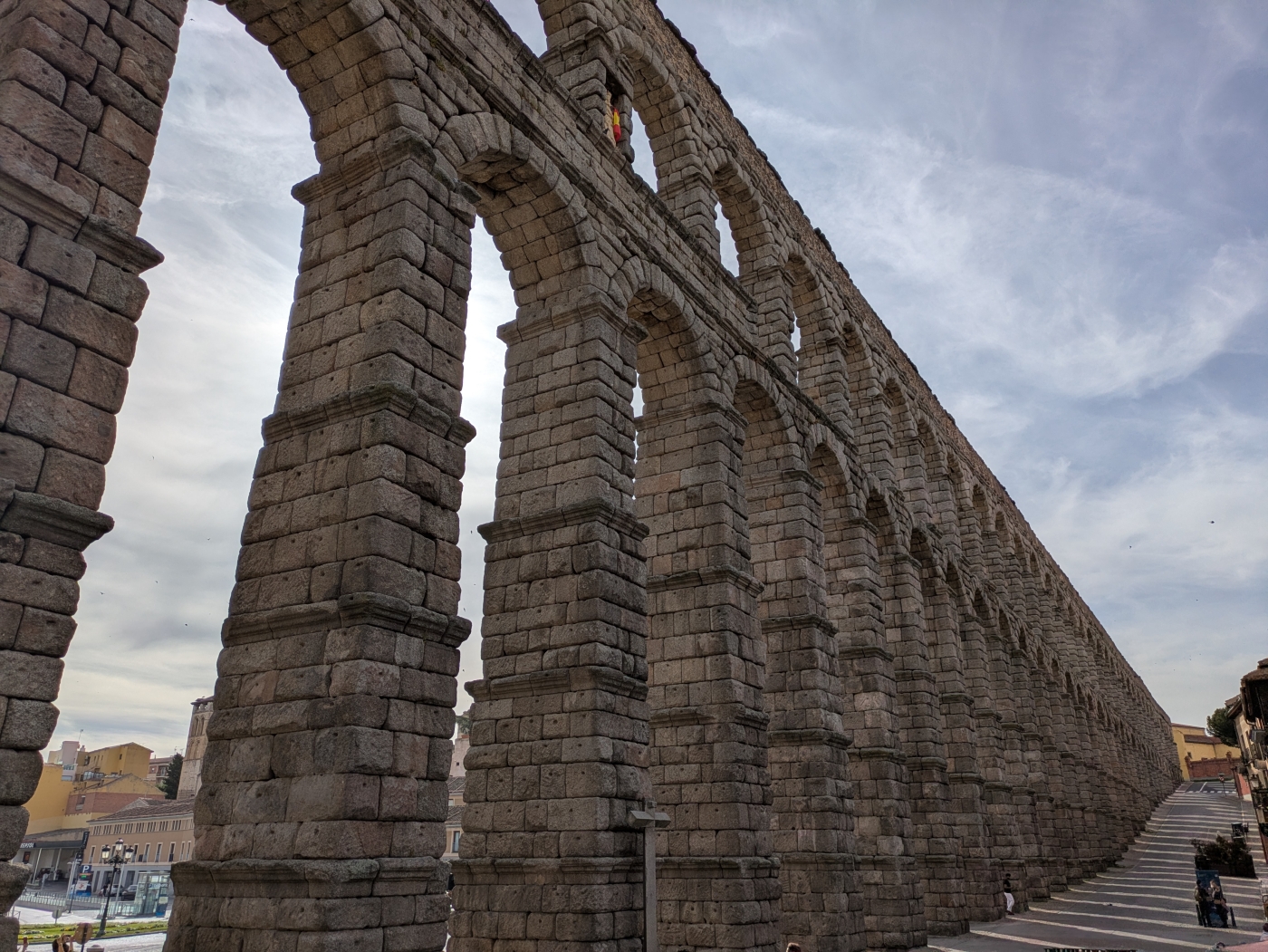
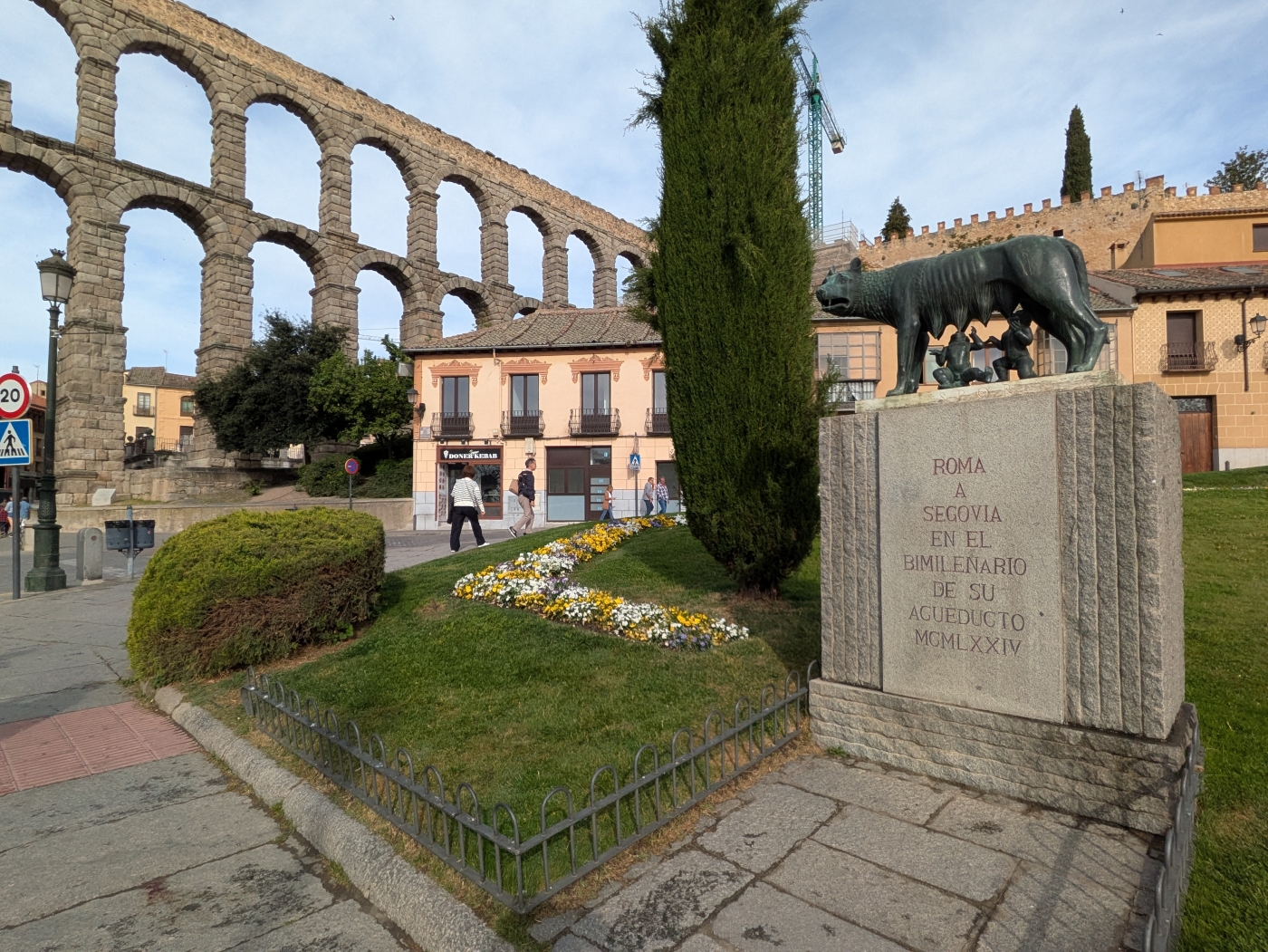
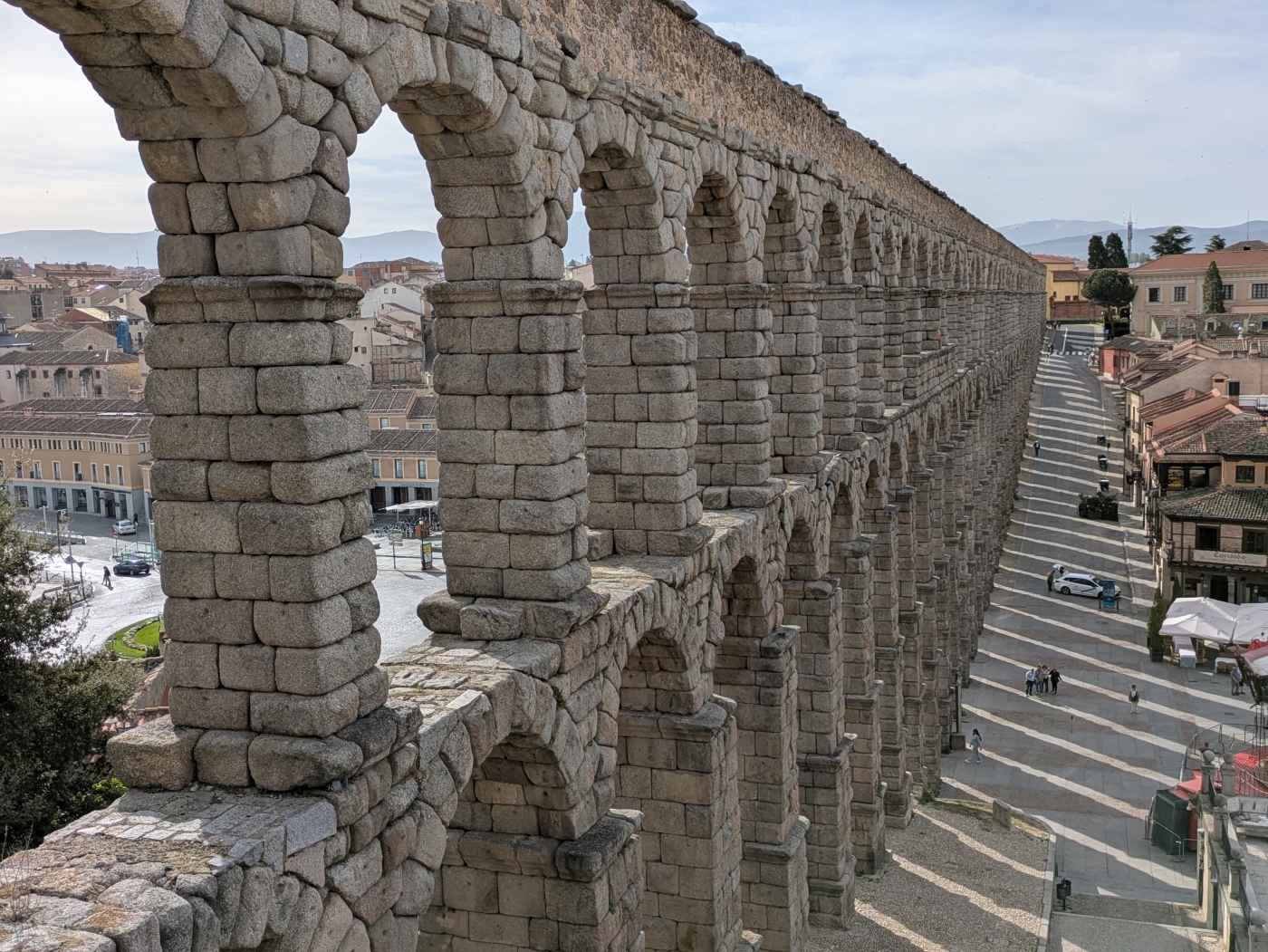
Dominating the cityscape, the Aqueduct of Segovia is one of the best-preserved ancient Roman engineering marvels in the world. Constructed around the late 1st or early 2nd century AD, likely during the reigns of emperors like Trajan or Hadrian, it brought water from the Fuente Fría river, located 17 km away, to the city. Built primarily from massive granite blocks without the use of mortar, its arches stand testament to the ingenuity of Roman builders. The tallest section reaches nearly 28 meters and consists of two superimposed arcades, a breathtaking sight that has continuously supplied water to the city for almost two millennia, a truly astonishing feat.
A Medieval Jewel: The Old Town
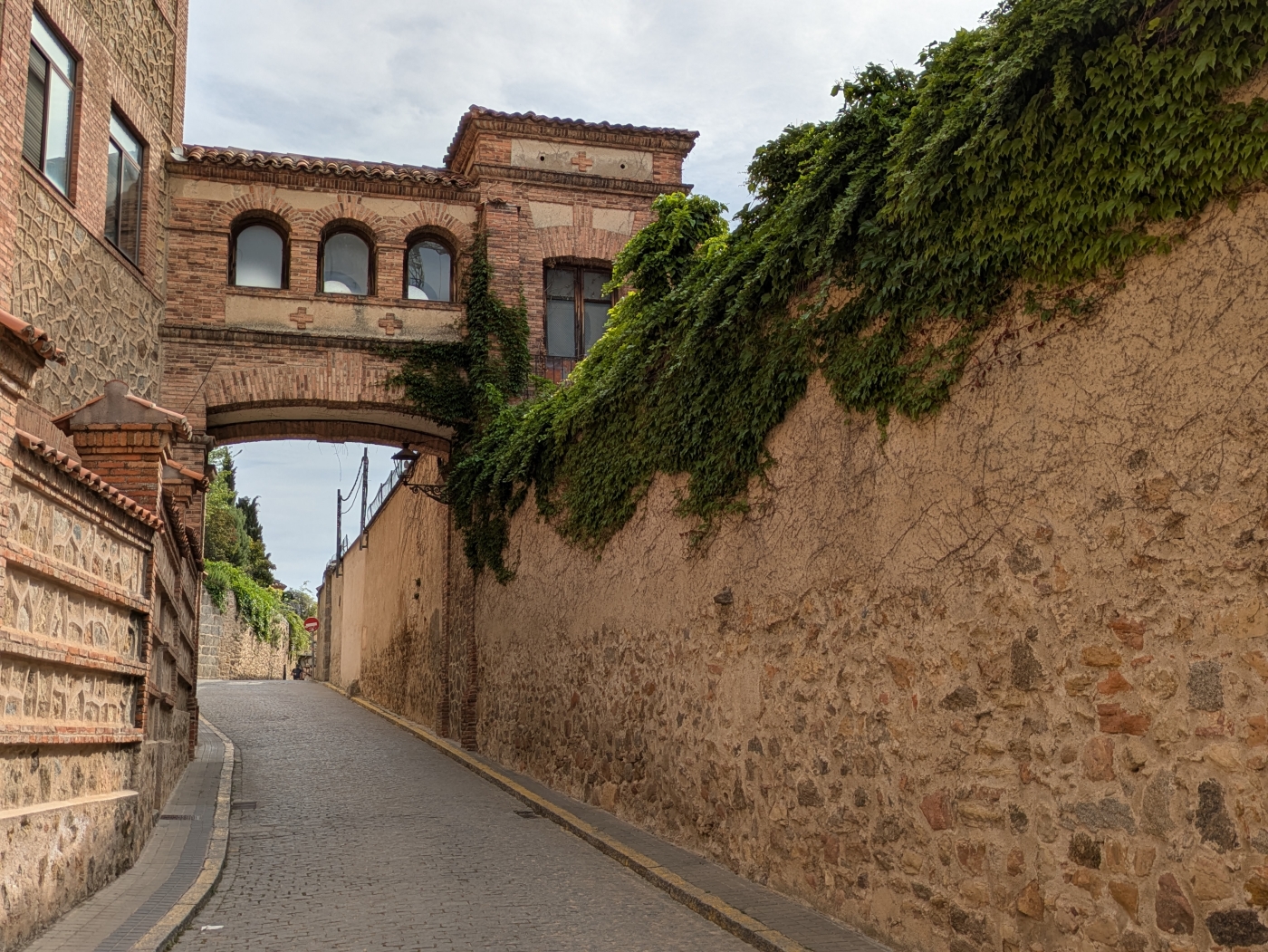
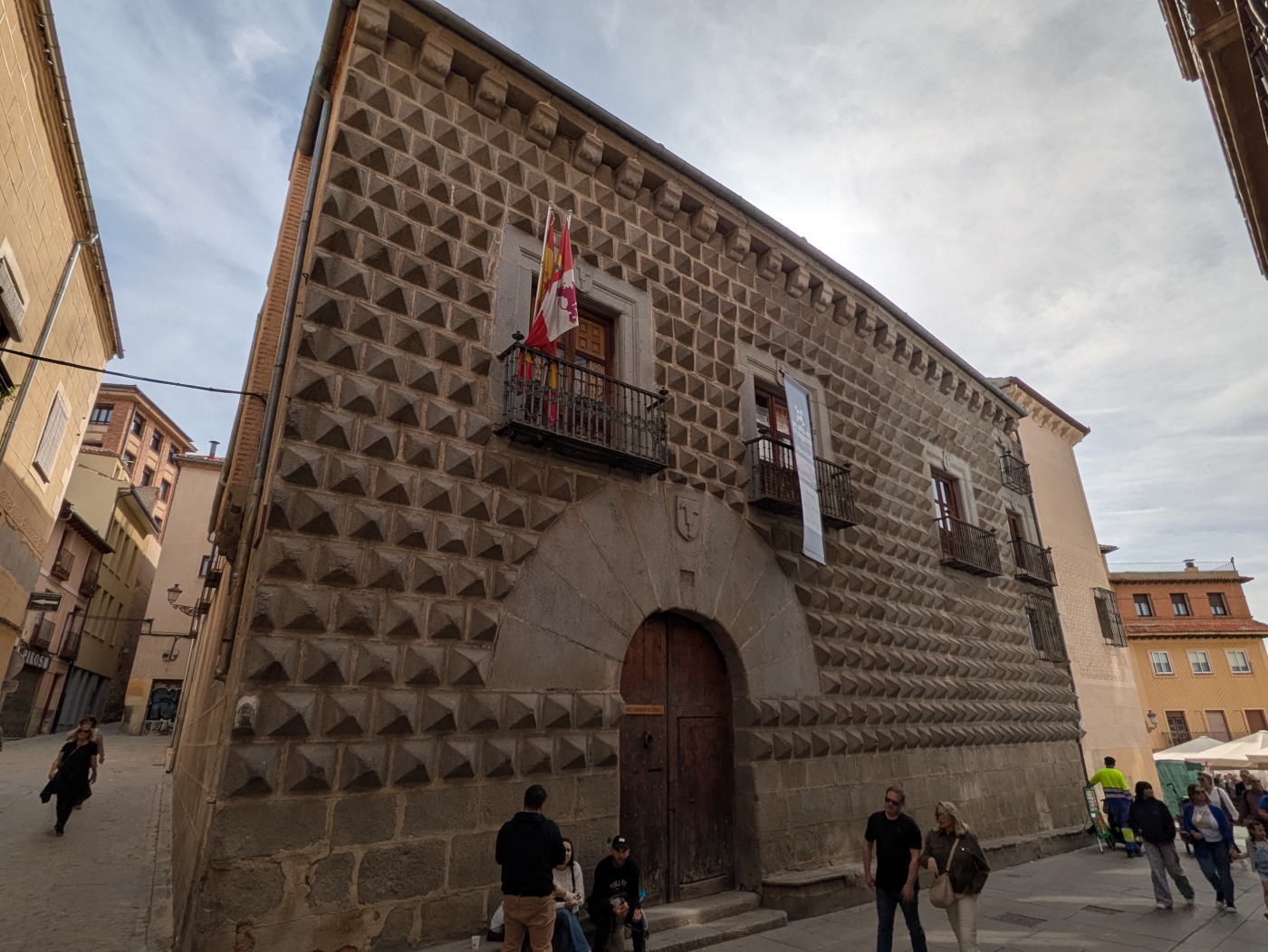
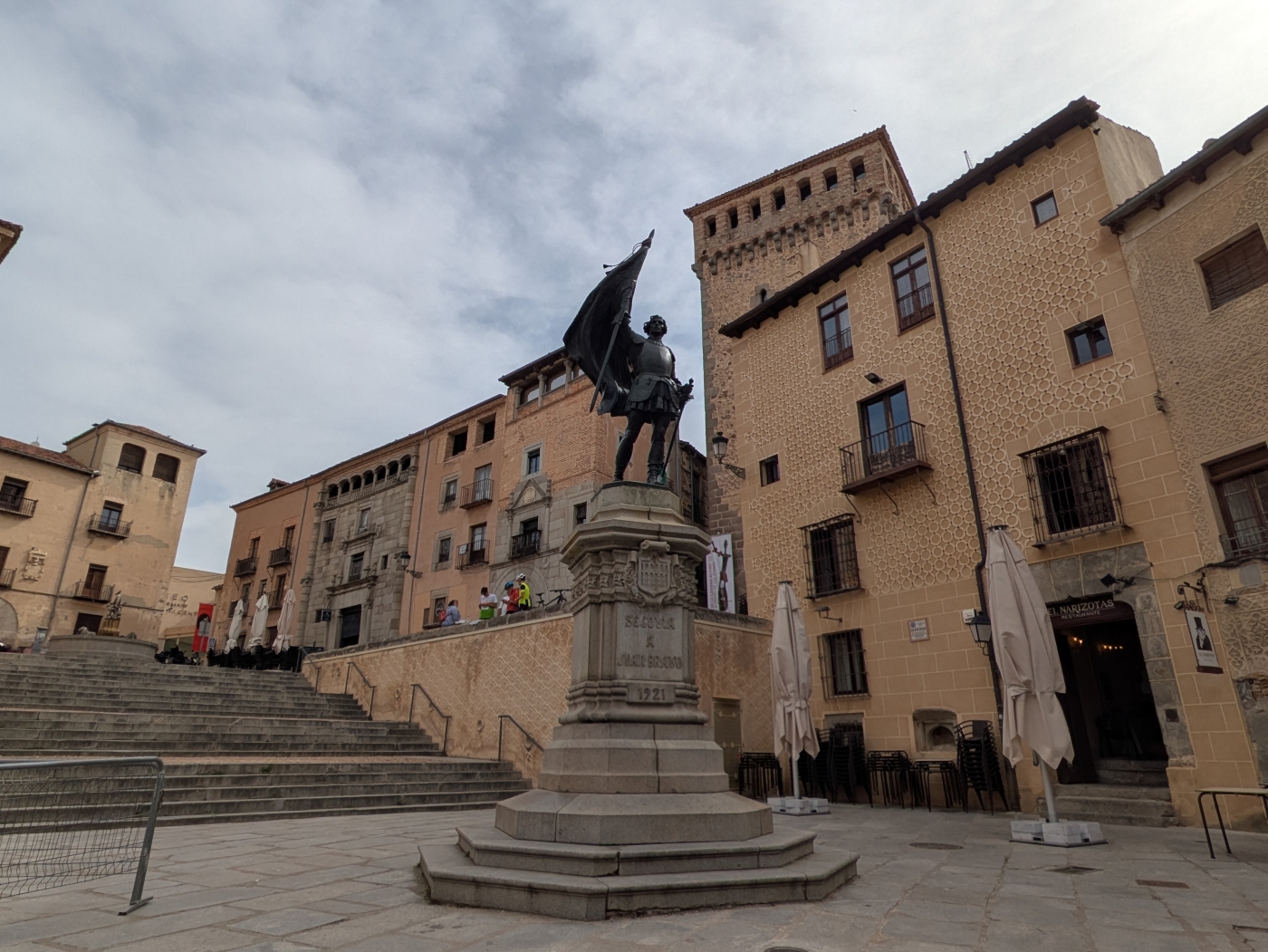
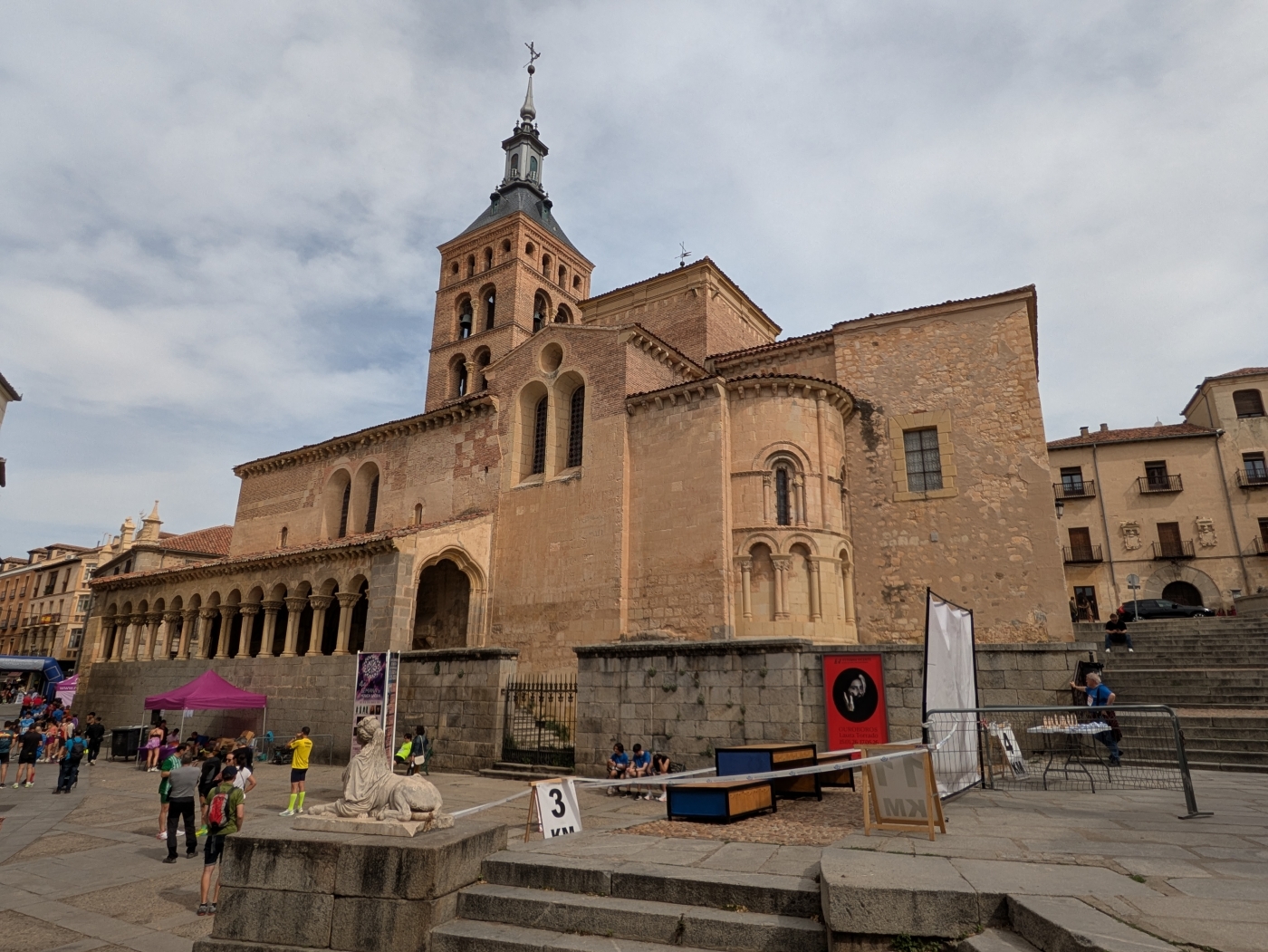
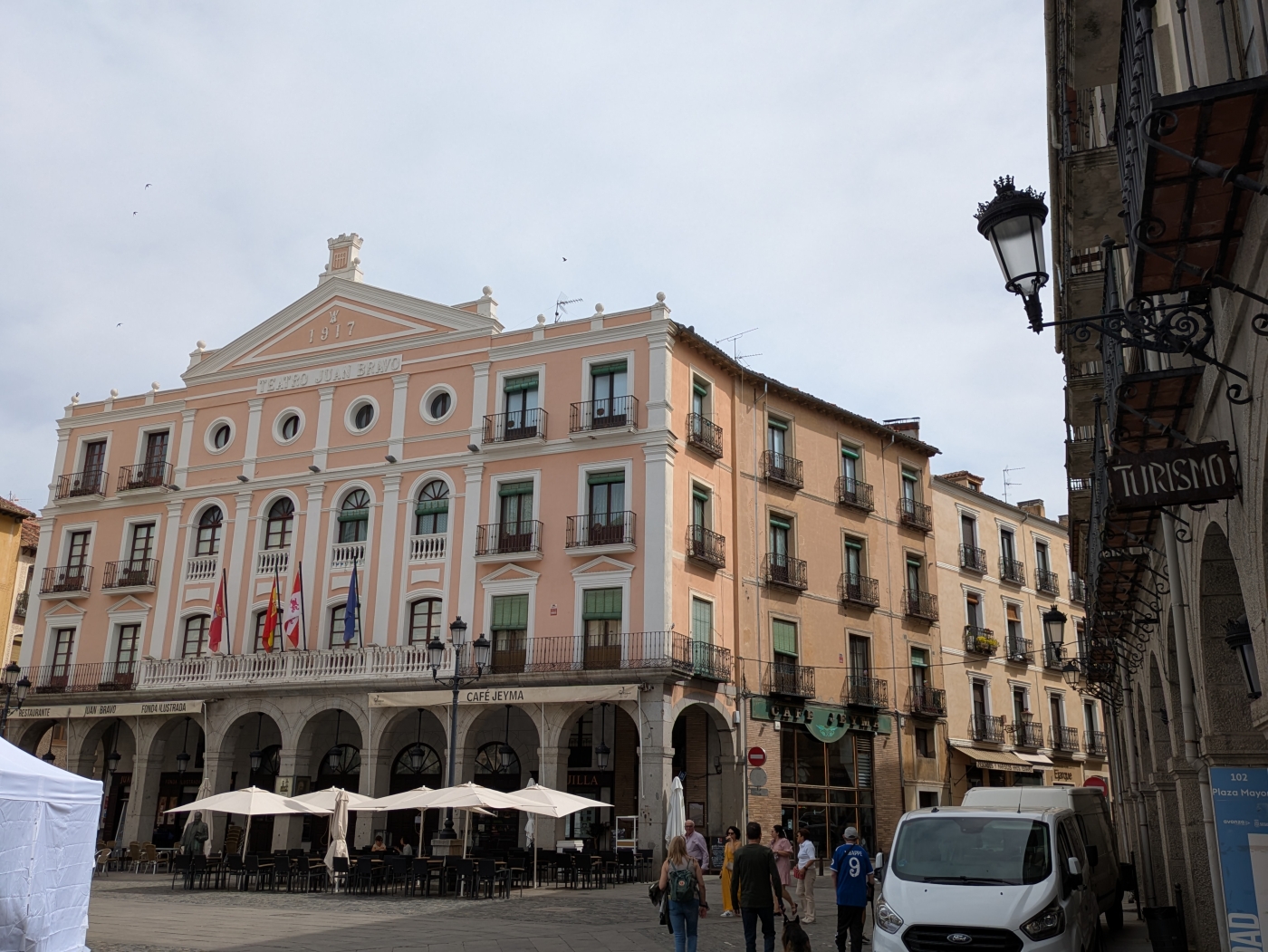
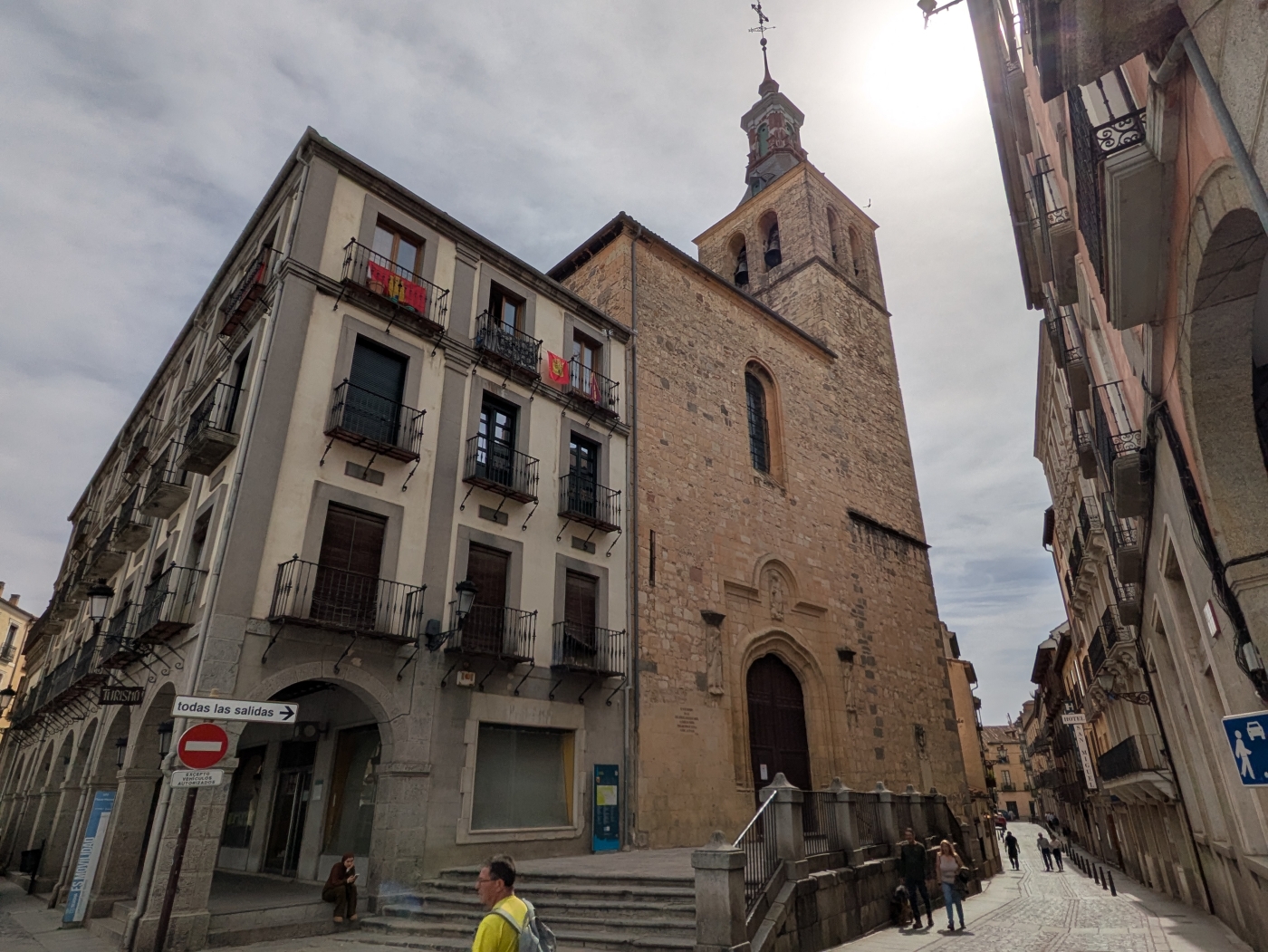
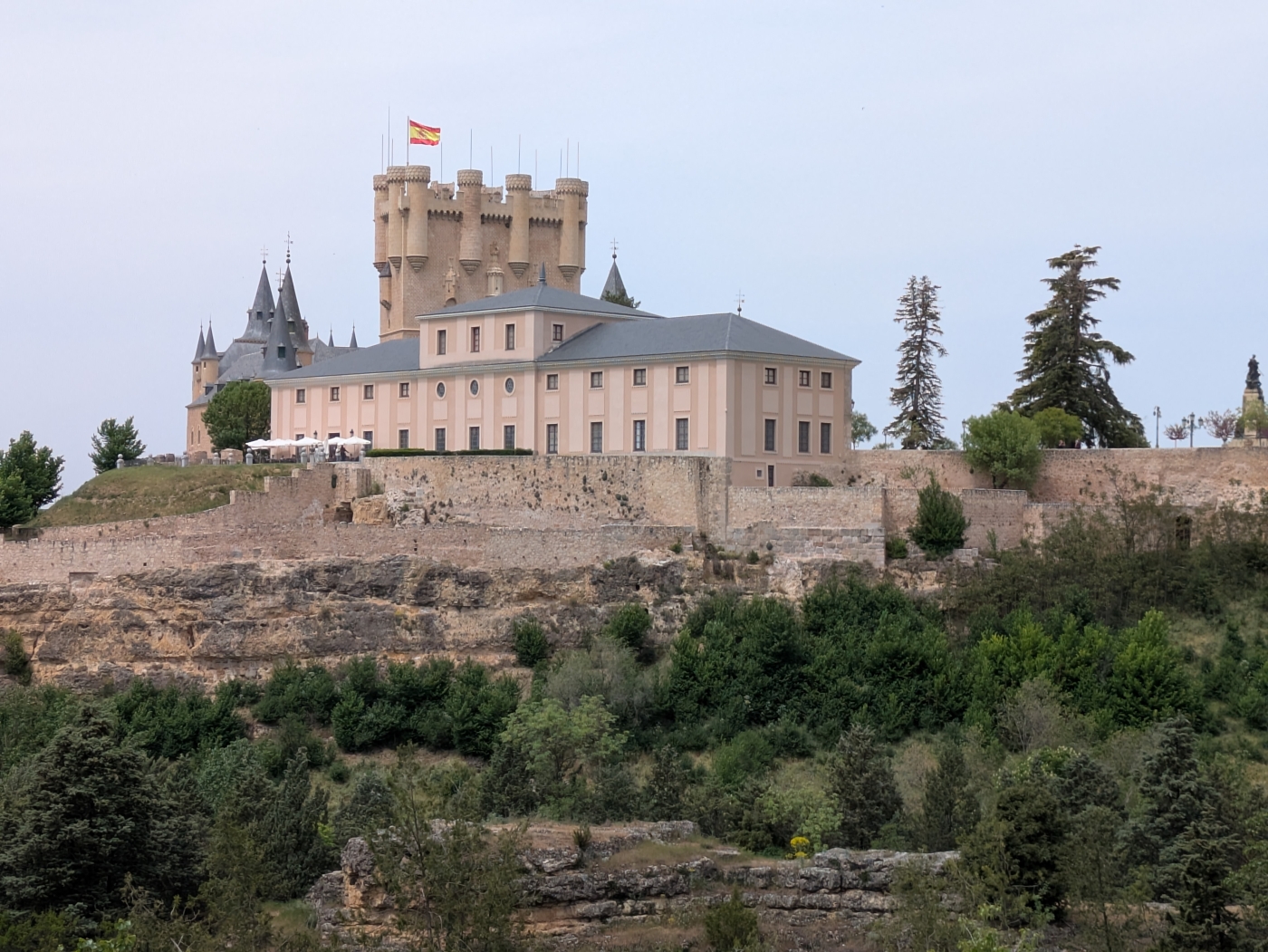
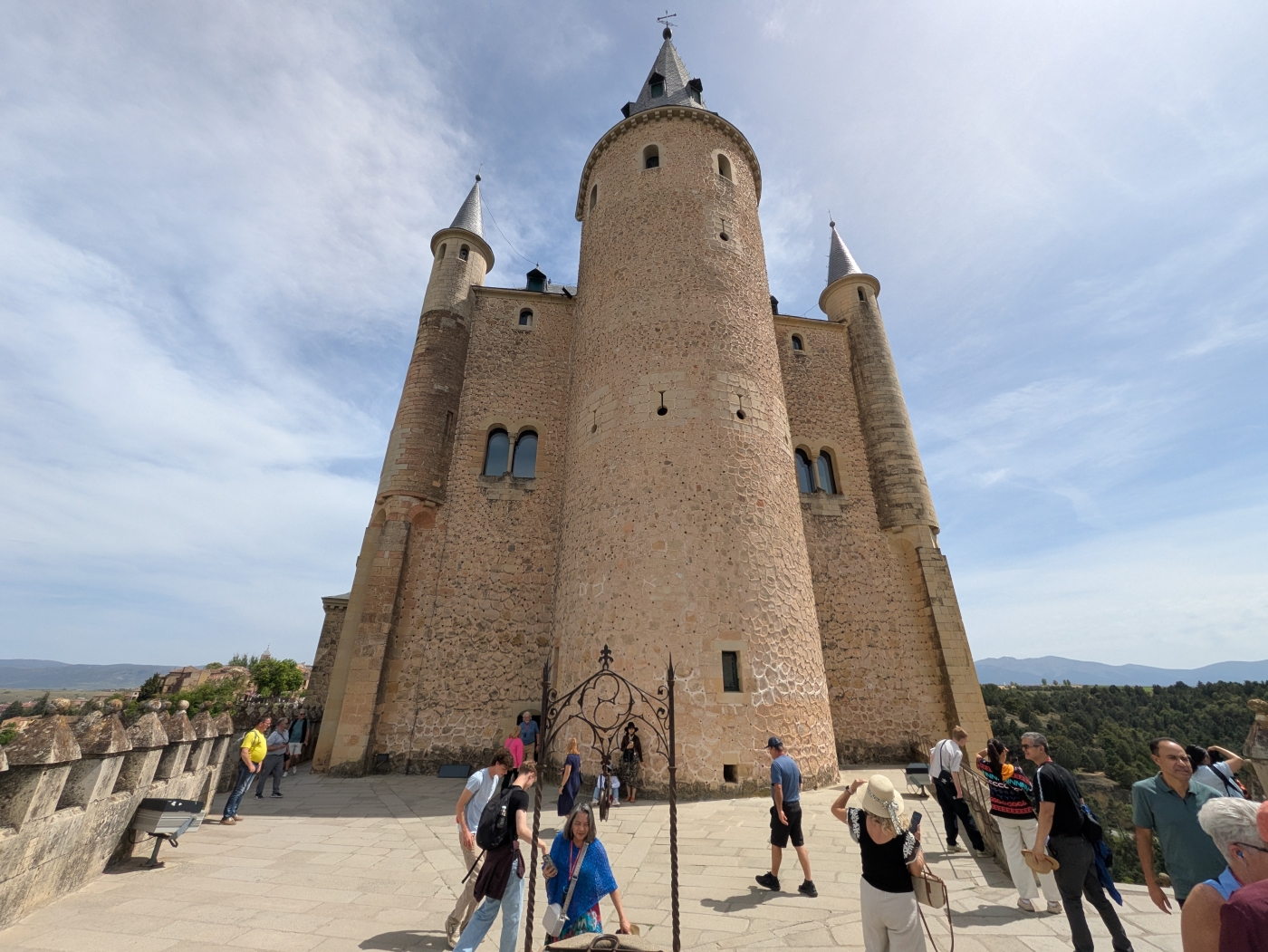
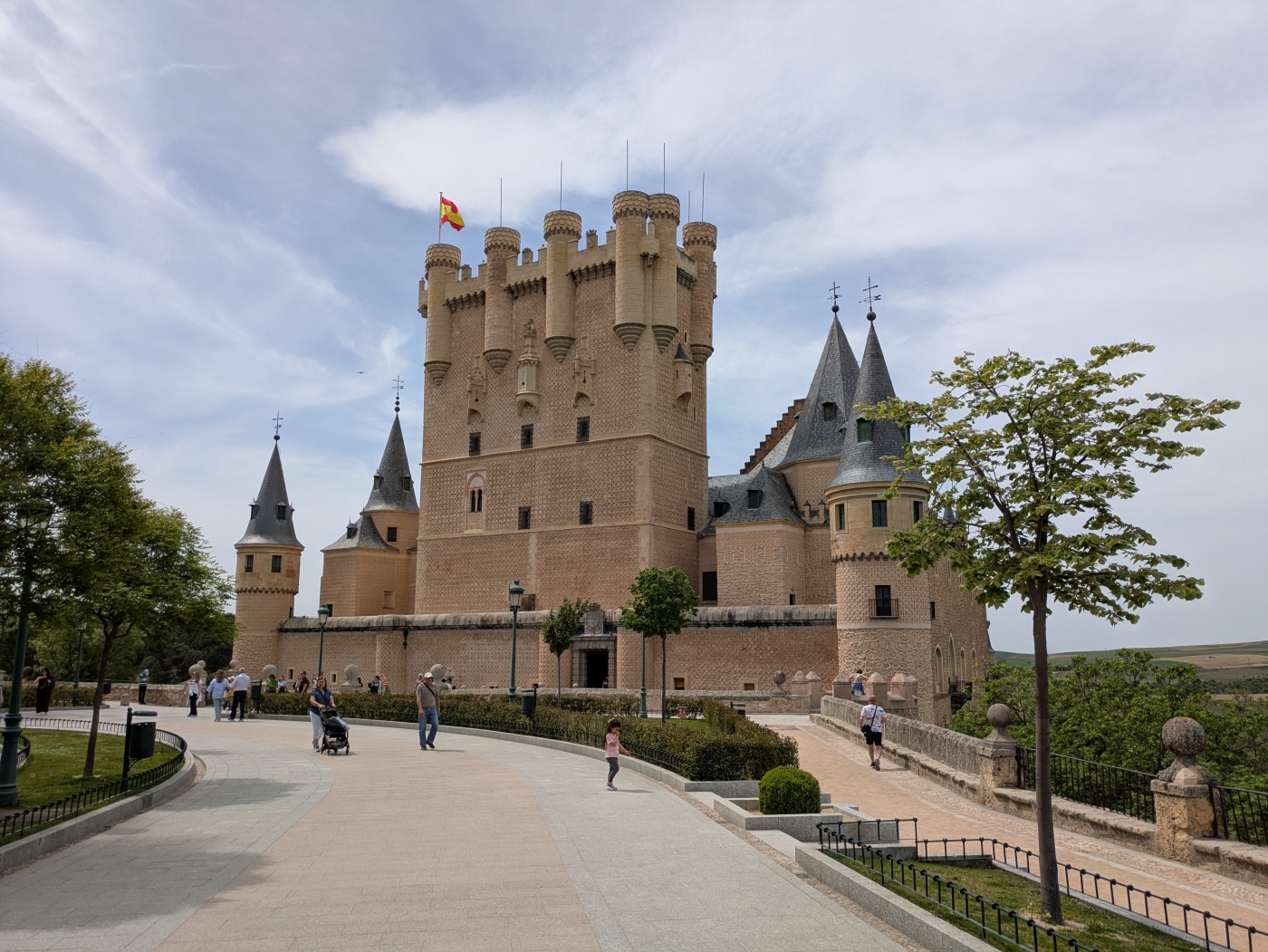
Beyond the aqueduct, the Old Town of Segovia unfolds with a labyrinth of narrow streets, historic squares, and architectural masterpieces reflecting its complex history. At one end, perched majestically on a rocky outcrop, is the Alcázar of Segovia, a fairy-tale castle that served as a royal palace, state prison, and military academy. Its distinctive silhouette is said to have inspired the castles of Walt Disney. In the heart of the city stands the late-Gothic Cathedral of Segovia, often referred to as the 'Lady of Cathedrals' due to its grand scale and elegant design, built between the 16th and 18th centuries.
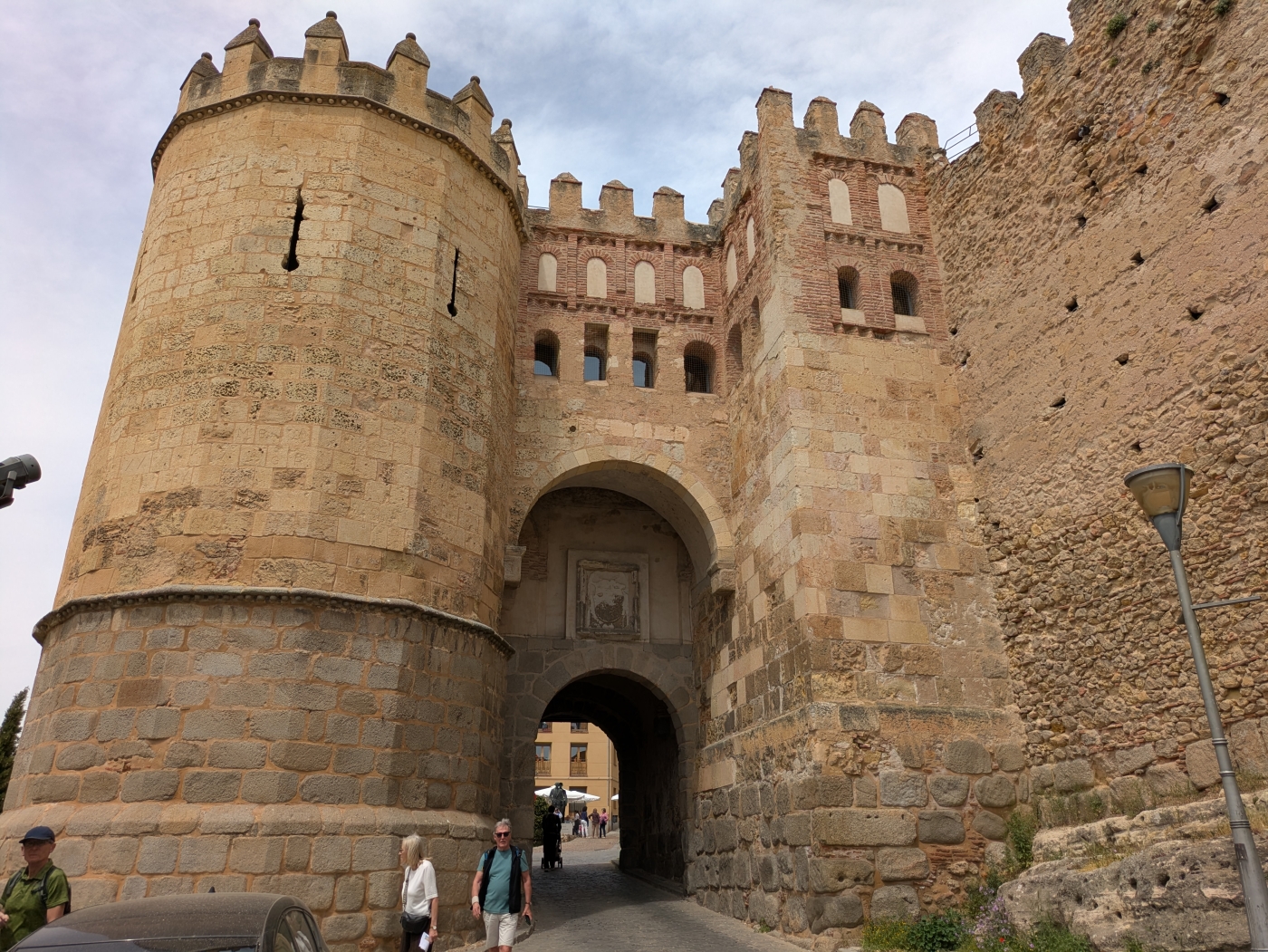
Segovia also played a crucial role in Spanish history; it was here that Queen Isabella I of Castile was proclaimed queen in 1474, a pivotal moment leading to the unification of Spain. The city's heritage is a unique blend of Roman foundations, Moorish influences evident in its ancient city walls and some residential areas, and the predominant Christian medieval architecture, all contributing to its outstanding universal value.
Weiterführende Links
The Roman aqueduct of Segovia, probably built c. A.D. 50, is remarkably well preserved. This impressive construction, with its two tiers of arches, forms part of the setting of the magnificent historic city of Segovia. Other important monuments include the Alcázar, begun around the 11th century, and the 16th-century Gothic cathedral.
Segovia ( sig-OH-vee-ə, US also say-GOH-, Spanish: [seˈɣoβja] ) is a city in the autonomous community of Castile and León, Spain. It is the capital and most populated municipality of the Province of Segovia. Segovia is located in the Inner Plateau of the Iberian Peninsula, near the northern slopes of the Sistema Central mountain range. Housing is nestled on a bend of the Eresma river.
The city is famous for its historic buildings including three main landmarks: its midtown Roman aqueduct, its cathedral (one of the last ones to be built in Europe following a Gothic style), and the Alcázar of Segovia (a fortress). The city center was declared a World Heritage Site by UNESCO in 1985.