Derby Silk Mill - Derwent Valley Mills
Derby, United Kingdom
29.08.2026

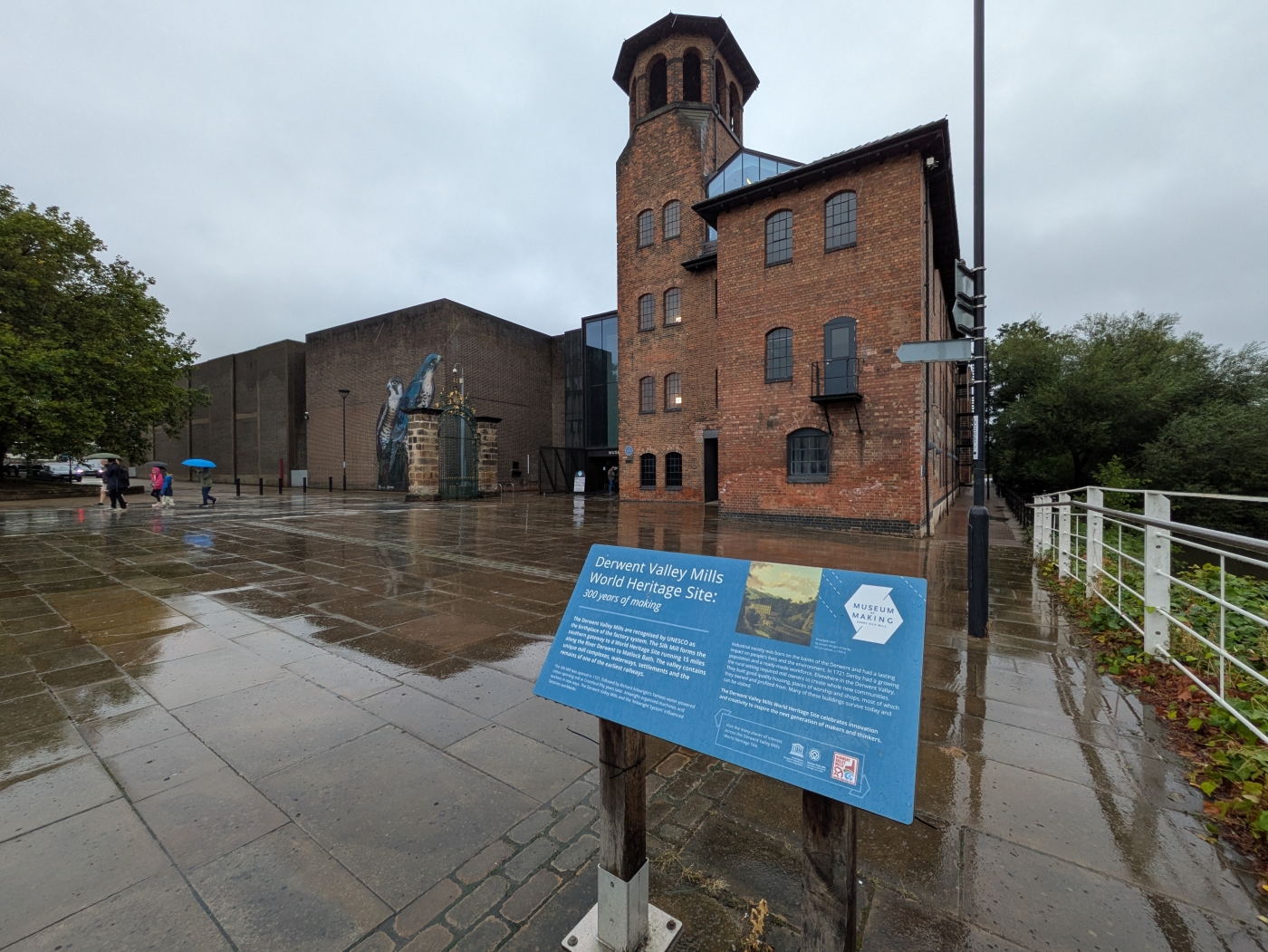
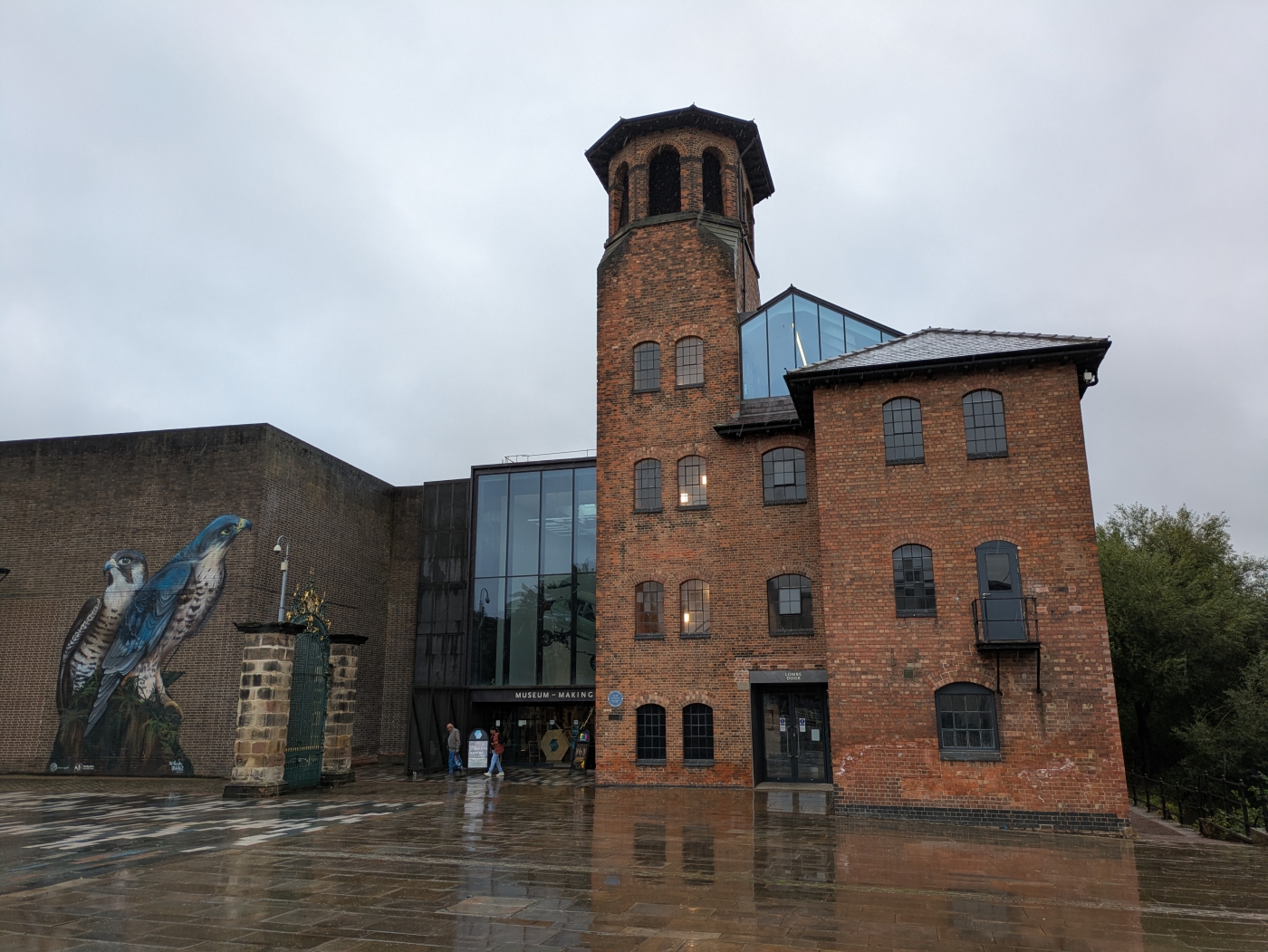
The Derby Silk Mill, nestled in the historic city of Derby, United Kingdom, stands as a pivotal monument to human ingenuity and the dawn of the modern industrial age. It is a key component of the larger Derwent Valley Mills UNESCO World Heritage site, recognized for its universal historical significance as a birthplace of the factory system.
A Visionary Endeavour
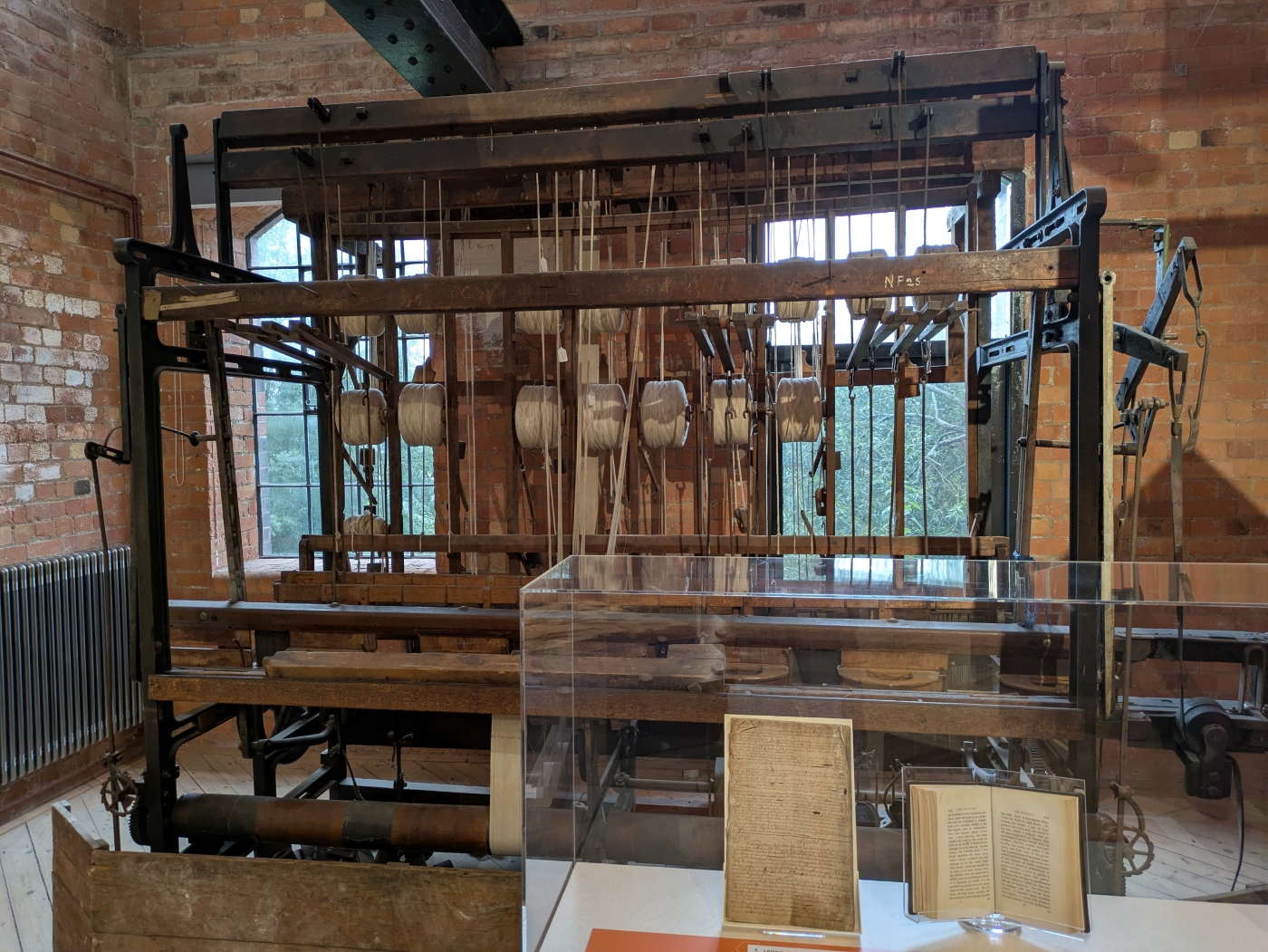
Its story begins in the early 18th century, a time of burgeoning trade and technological ambition. The mill, completed in 1721, was the brainchild of the brothers Thomas Lombe and John Lombe. John Lombe famously undertook an industrial espionage mission to Italy to secretly obtain the designs for advanced silk-throwing machinery, which was crucial for manufacturing fine silk thread on a large scale.
Birthplace of the Factory System
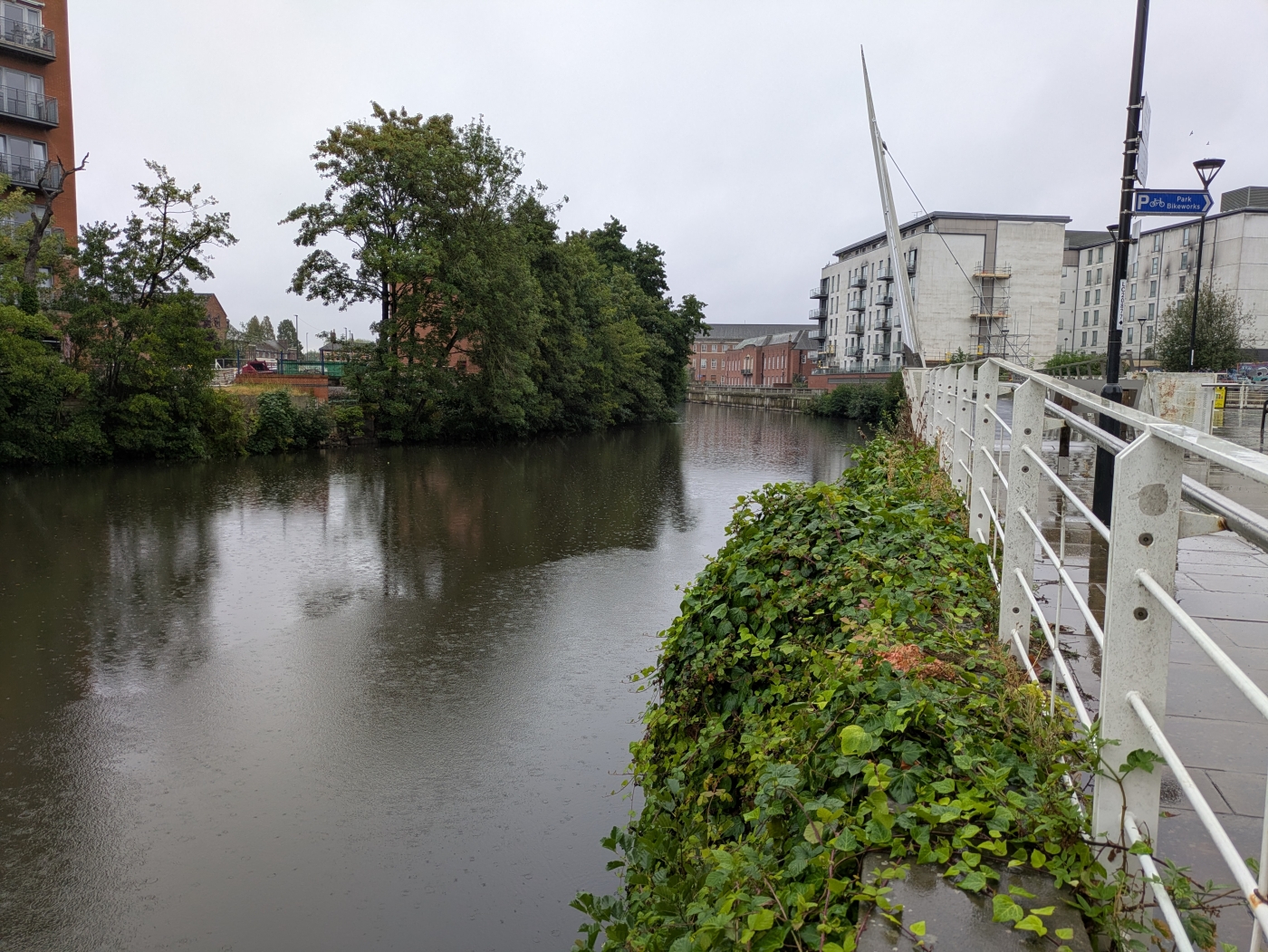
Upon his return, the Lombe brothers established this revolutionary multi-storey factory on an island in the River Derwent. This was no mere workshop; it was arguably the world's first true factory, employing hundreds of workers and powered by the river's flow. It epitomized the shift from cottage industries to centralized, mechanized production – a model that would define the Industrial Revolution and transform societies globally.
Enduring Legacy
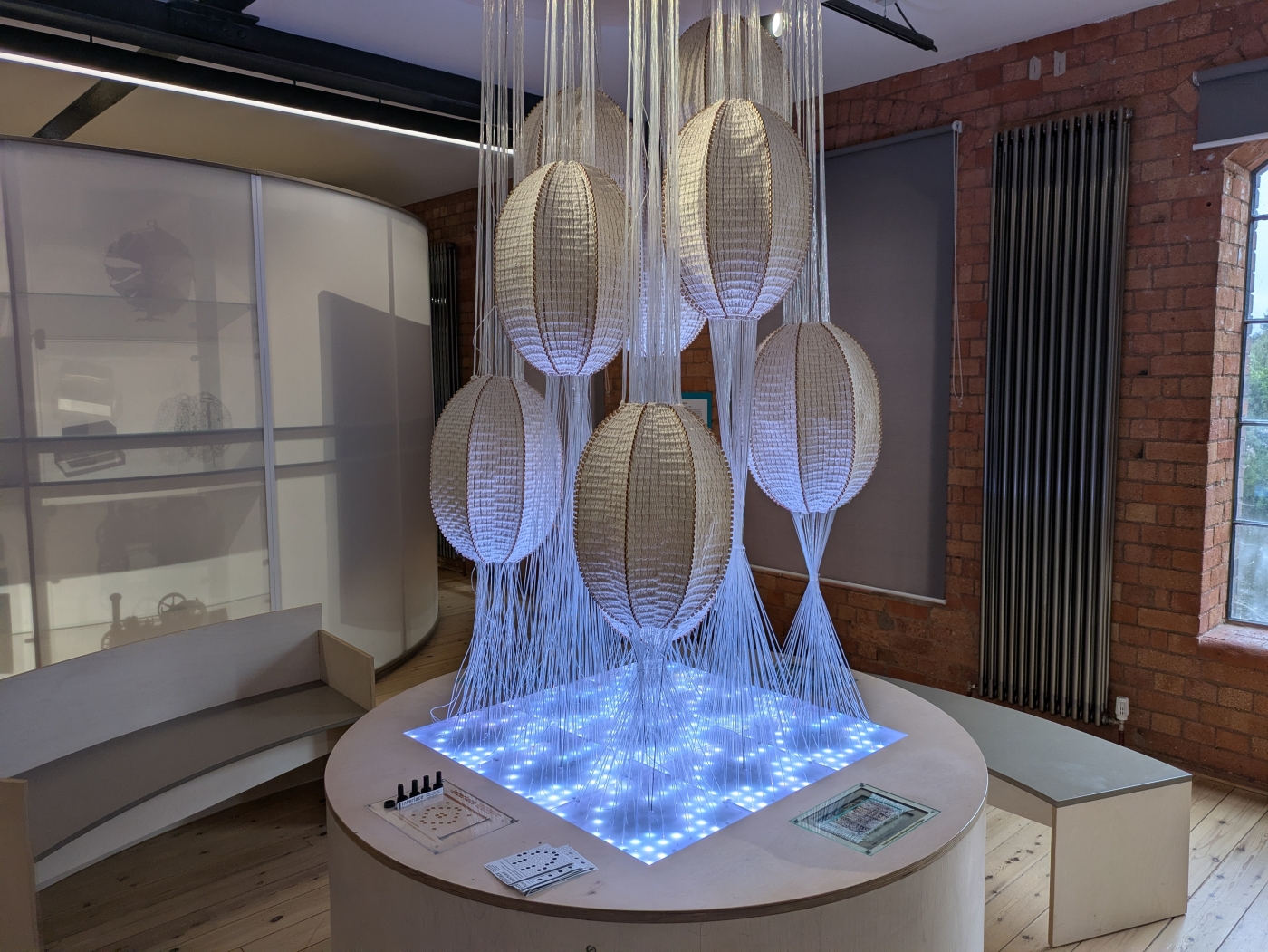
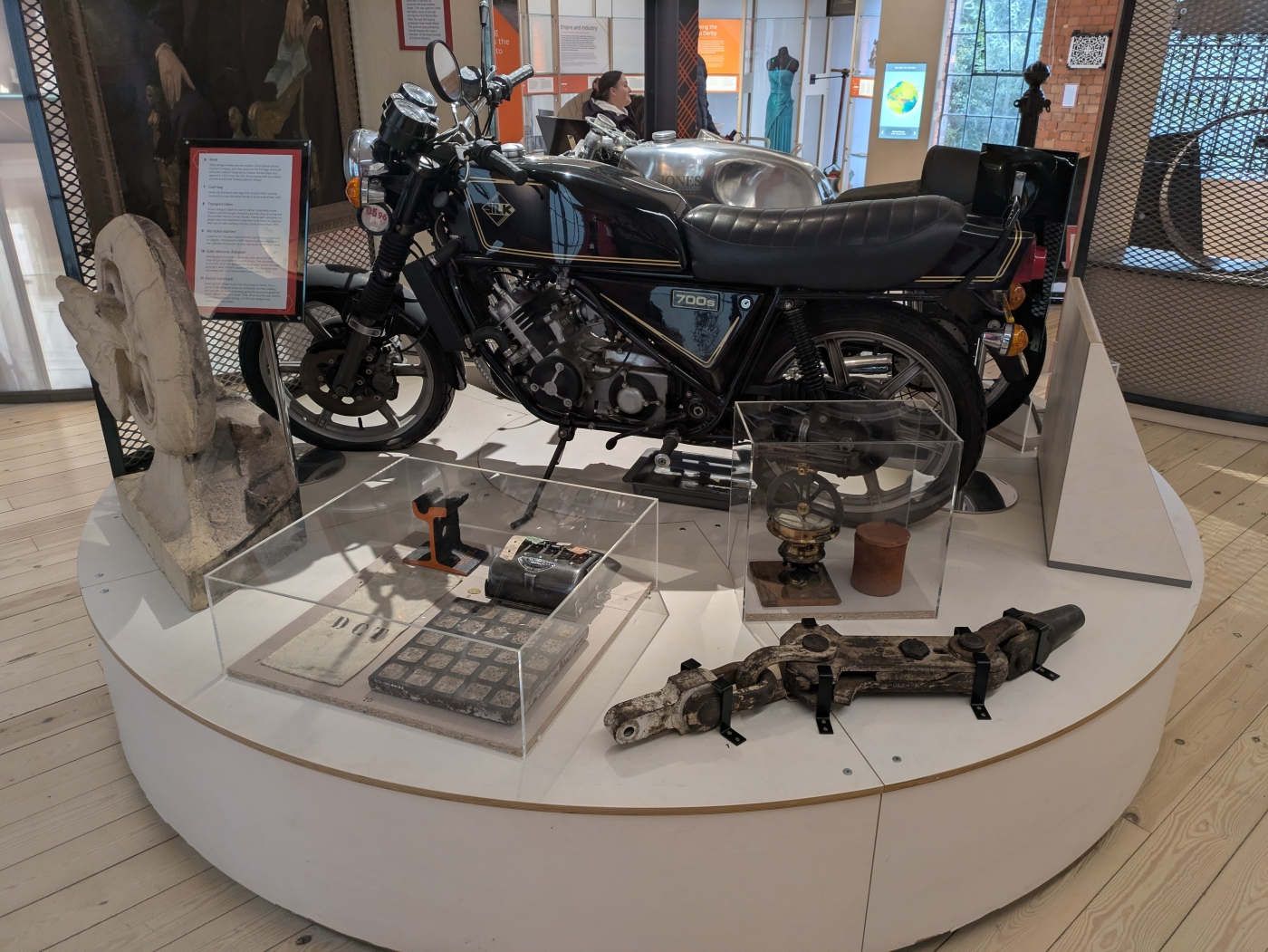
Today, the Derby Silk Mill, also known as the Museum of Making, continues to inspire, showcasing Derby's rich industrial heritage and the innovative spirit that shaped the world. Its designation as a UNESCO World Heritage site acknowledges its profound impact on manufacturing, architecture, and social organization, making it a crucial site for understanding the genesis of modern industrial society.
Weiterführende Links
The Derwent Valley in central England contains a series of 18th- and 19th- century cotton mills and an industrial landscape of high historical and technological interest. The modern factory owes its origins to the mills at Cromford, where Richard Arkwright's inventions were first put into industrial-scale production. The workers' housing associated with this and the other mills remains intact and illustrate the socio-economic development of the area.
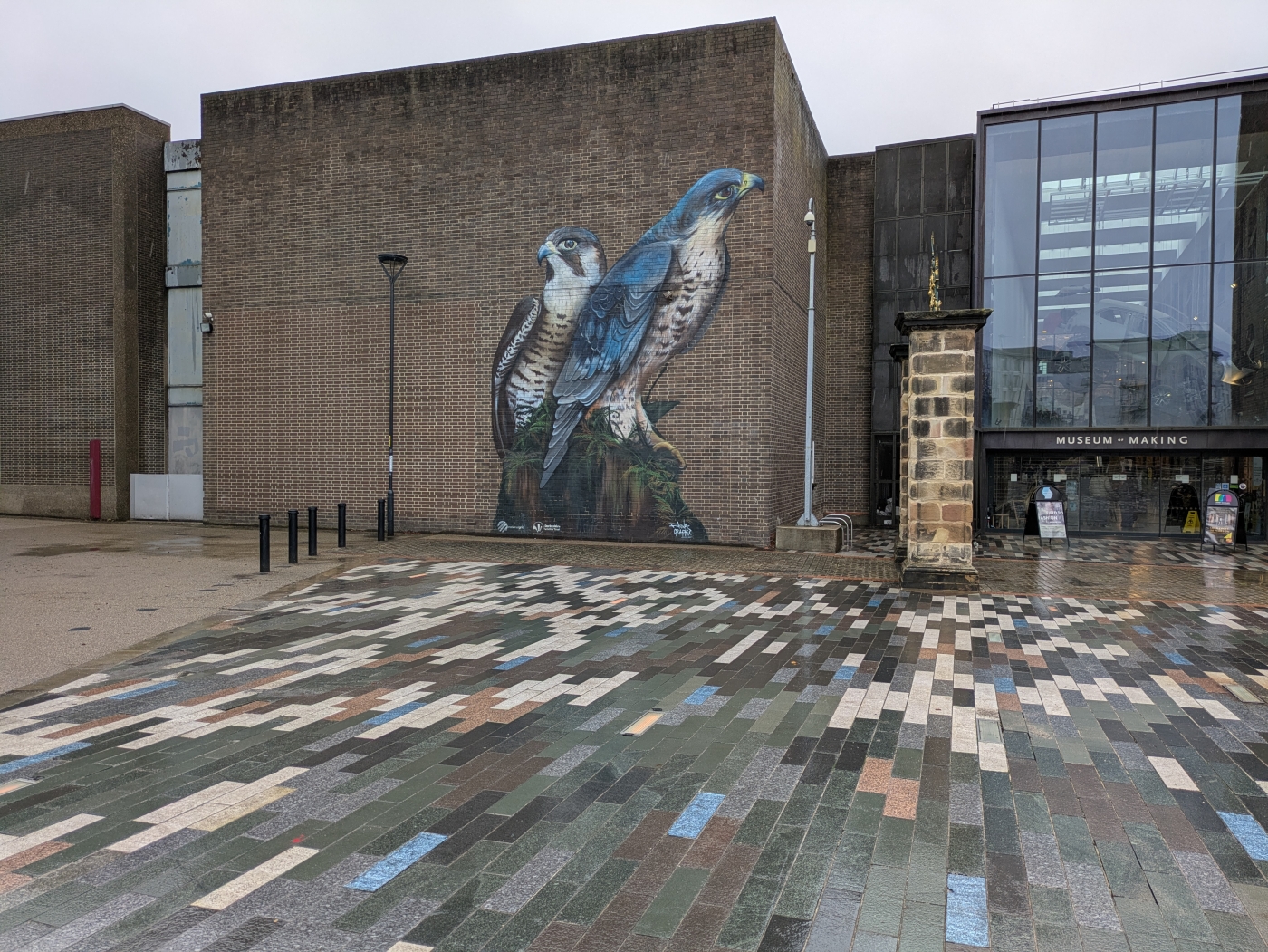
Derby Silk Mill, formerly known as Derby Industrial Museum, is a museum of industry and history in Derby, England. The museum is located on the former site of Lombe's Mill, a historic silk mill which marks the southern end of the Derwent Valley Mills World Heritage Site. The site opened as Derby’s Industrial Museum, on 29 November 1974. A £17 million redevelopment scheme started in 2016, and the museum reopened under the new name of the Museum of Making on 21 May 2021.
Derwent Valley Mills is a World Heritage Site along the River Derwent in Derbyshire, England, designated in December 2001. It is administered by the Derwent Valley Mills Partnership. The modern factory, or 'mill', system was born here in the 18th century to accommodate the new technology for spinning cotton developed by Richard Arkwright. With advancements in technology, it became possible to produce cotton continuously. The system was adopted throughout the valley, and later spread so that by 1788 there were over 200 Arkwright-type mills in Britain. Arkwright's inventions and system of organising labour was exported to Europe and the United States.
Water-power was first introduced to England by John Lombe at his silk mill in Derby in 1719, but it was Richard Arkwright who applied water-power to the process of producing cotton in the 1770s. His patent of a water frame allowed cotton to be spun continuously, meaning it could be produced by unskilled workers. Cromford Mill was the site of Arkwright's first mill, with nearby Cromford village significantly expanded for his then-new workforce; this system of production and workers' housing was copied throughout the valley. To ensure the presence of a labour force, it was necessary to construct housing for the mill workers. Thus, new settlements were established by mill owners around the mills – sometimes developing a pre-existing community – with their own amenities such as schools, chapels, and markets. Most of the housing still exists and is still in use. Transport infrastructure was built to open new markets for the mills' produce.
Mills and workers' settlements were established at Belper, Darley Abbey, and Milford by Arkwright's competitors. Arkwright-type mills were so successful that sometimes they were copied without paying royalties to Richard Arkwright.
The cotton industry in the Derwent Valley went into decline in the first quarter of the 19th century as the market shifted towards Lancashire which was better positioned in relation to markets and raw materials. The mills and their associated buildings are well preserved and have been reused since the cotton industry declined. Many of the buildings within the World Heritage Site are also listed buildings and Scheduled Monuments. Some of the mills now contain museums and are open to the public.
The Derwent Valley Trust is now involved in the creation of a cycle-way running the entire length of the World Heritage site to promote sustainable tourism and travel.