Historic Centre of Florence
Florenz, Italy
17.05.2015

The Historic Centre of Florence, a UNESCO World Heritage site since 1982, encapsulates centuries of unparalleled artistic and architectural achievement. Nestled in the heart of Tuscany, this captivating city is universally recognized as the cradle of the Renaissance, a period of profound cultural and scientific rebirth that profoundly shaped Western civilization.
From Roman Outpost to Republic
Florence's rich history traces back to its founding as a Roman military colony, Florentia, in 59 BC by Julius Caesar for his veteran soldiers. Its strategic location on the Arno River contributed to its early development. After the fall of the Roman Empire, Florence endured periods of decline before re-emerging as a powerful independent city-state during the Middle Ages. By the 12th century, it was a flourishing commune, and by the 13th and 14th centuries, it had become one of Europe's wealthiest cities, largely due to its thriving textile industry and banking.
The Golden Age of Art and Innovation
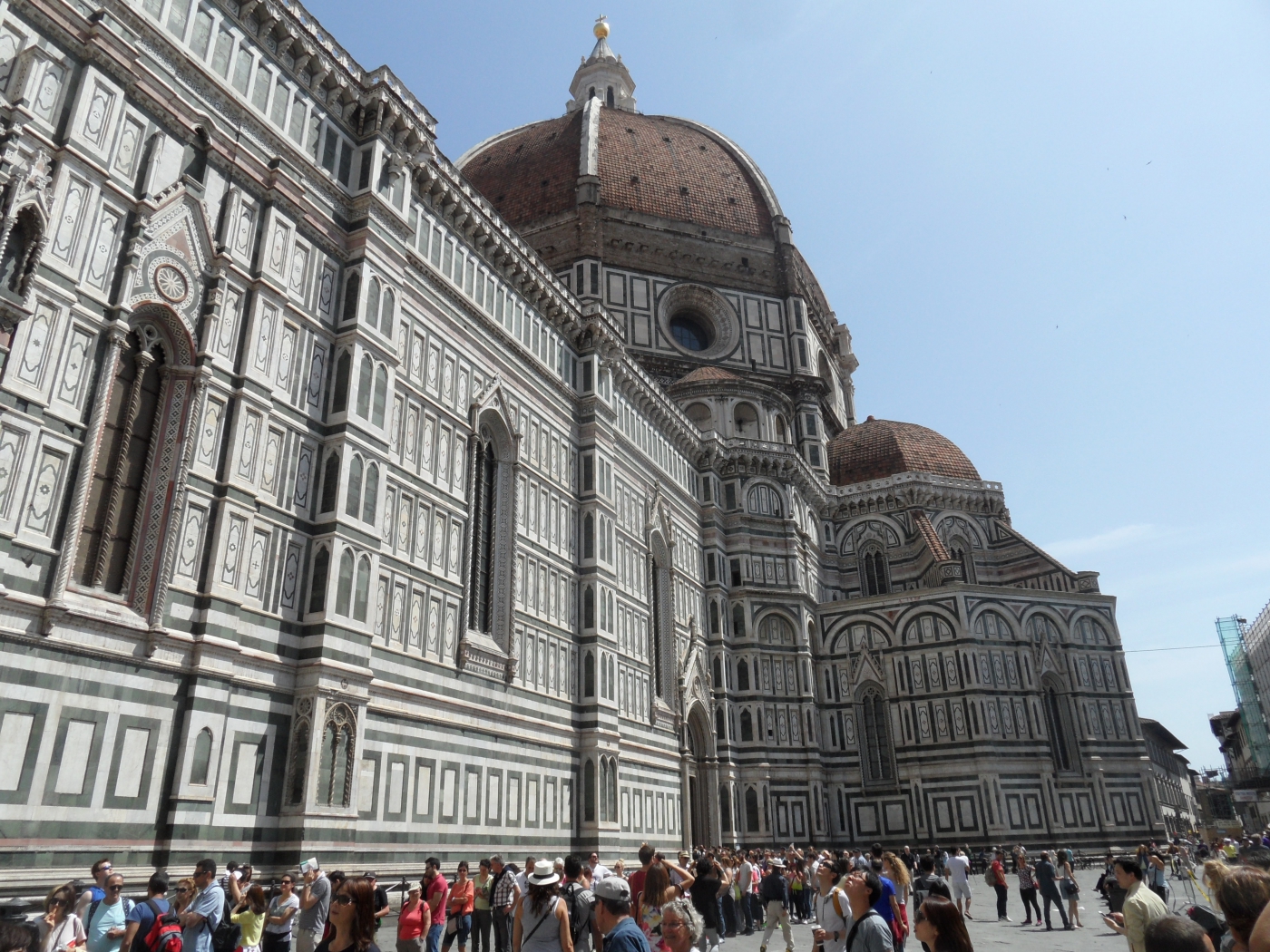
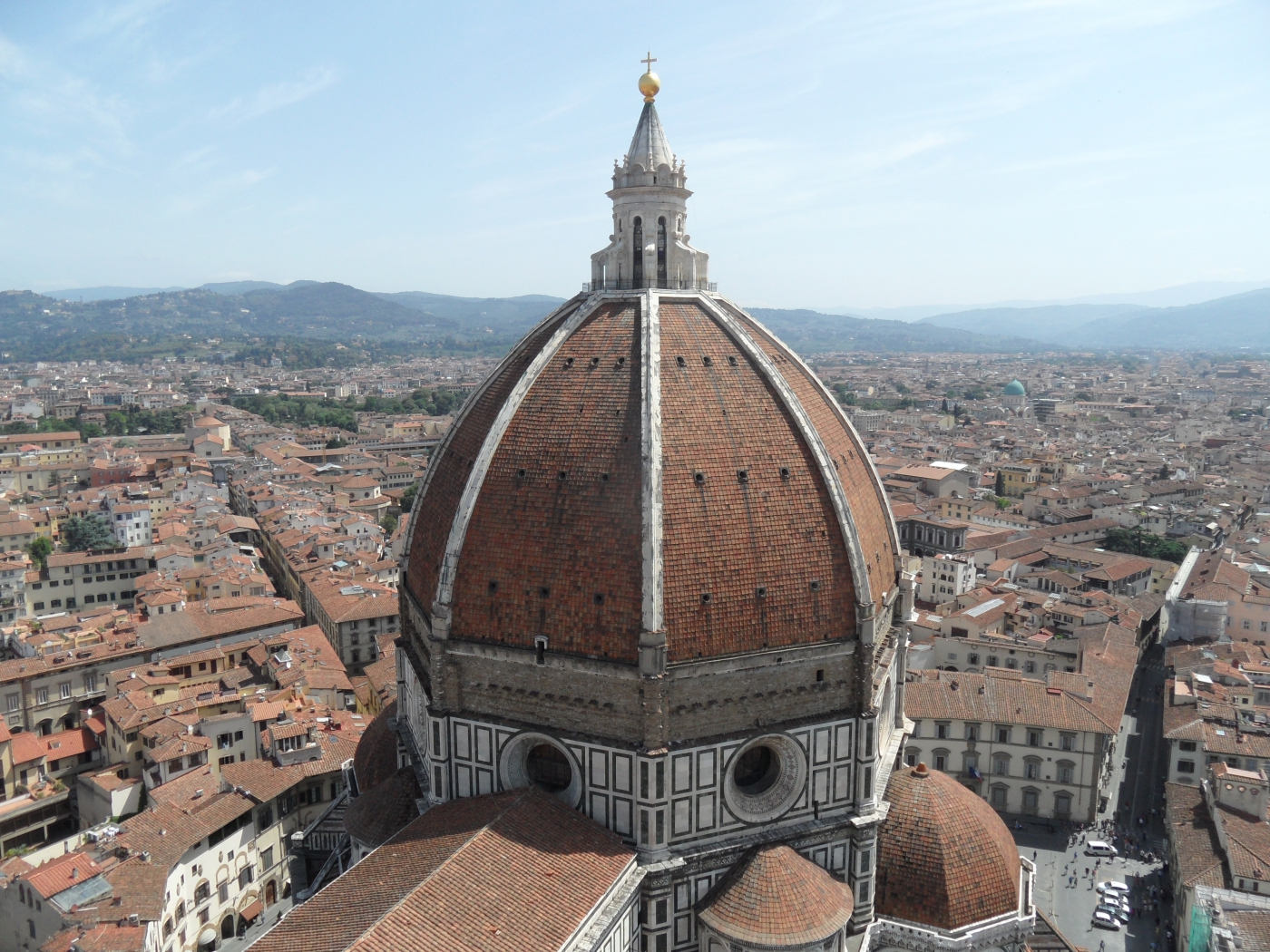
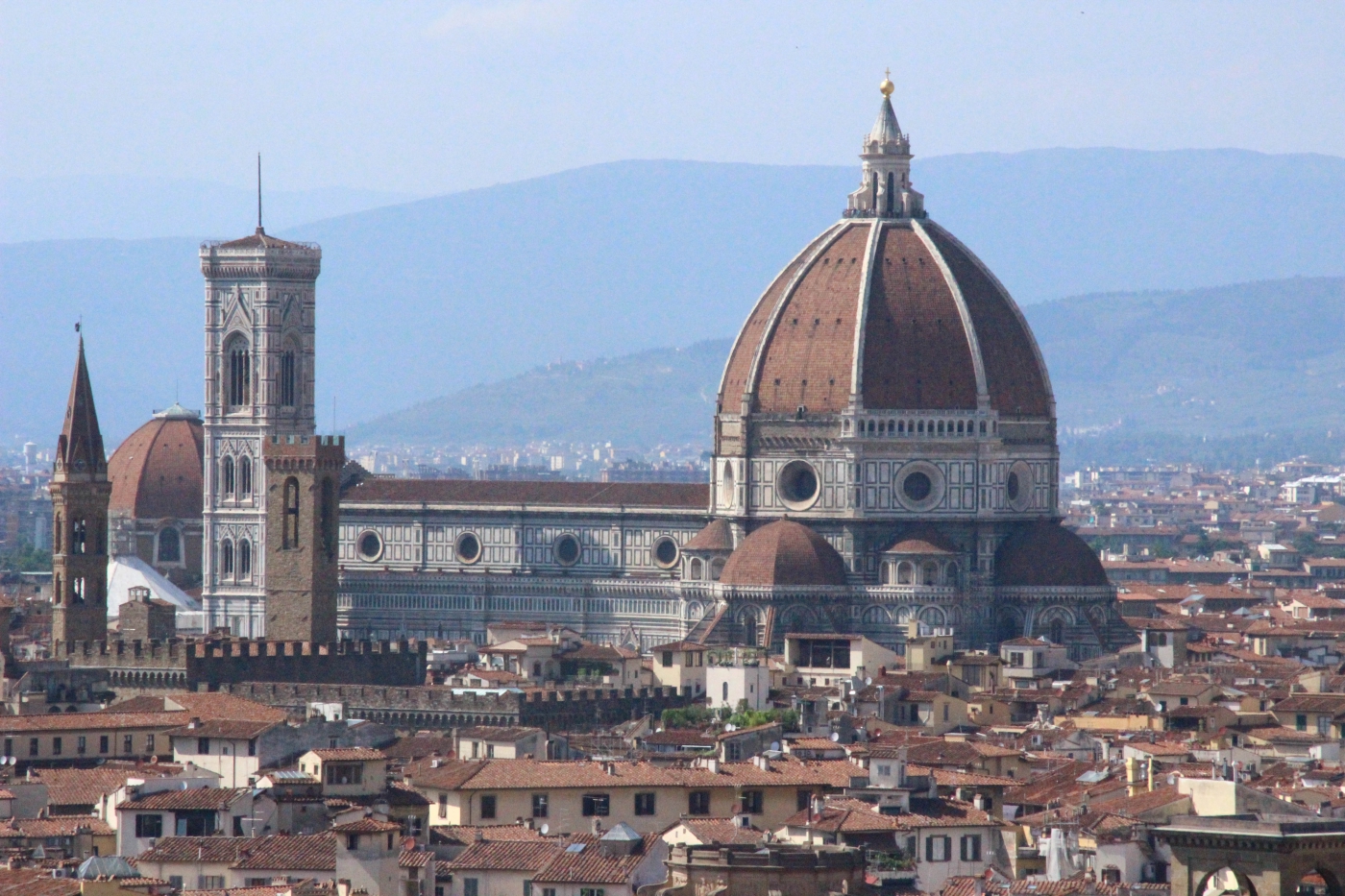
The 15th and 16th centuries marked Florence's golden age, driven by the patronage of powerful families, most notably the Medici. This influential banking dynasty, starting with figures like Cosimo de' Medici and Lorenzo the Magnificent, fostered an environment where genius flourished. Architects like Filippo Brunelleschi revolutionized construction with his groundbreaking design for the dome of Santa Maria del Fiore, the Florence Cathedral, a feat of engineering considered impossible at the time. Artists such as Donatello, Masaccio, Sandro Botticelli, Leonardo da Vinci, and Michelangelo created masterpieces that defined new aesthetic standards and pushed the boundaries of human expression, from sculpture to painting.
Treasures of the City
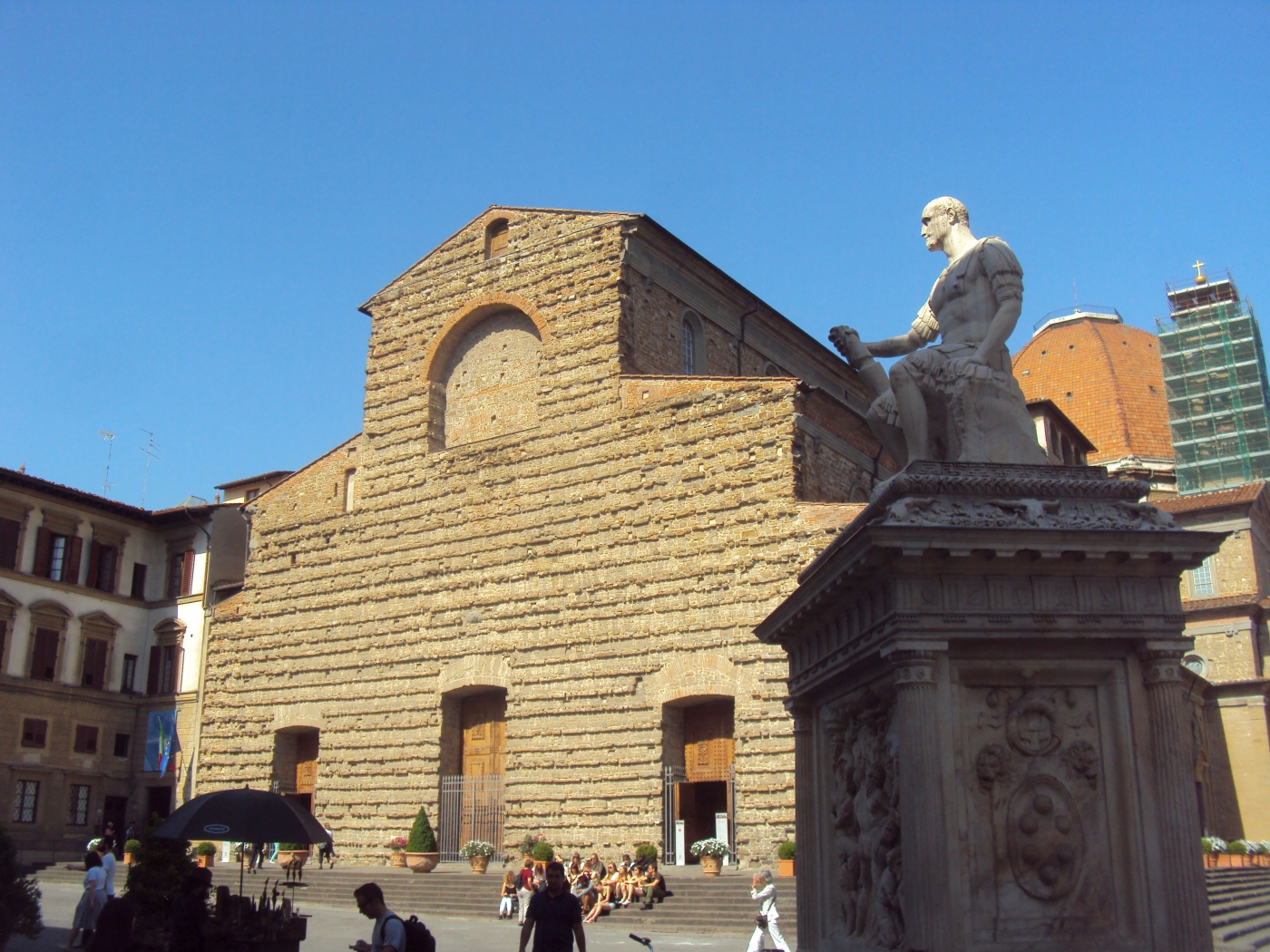
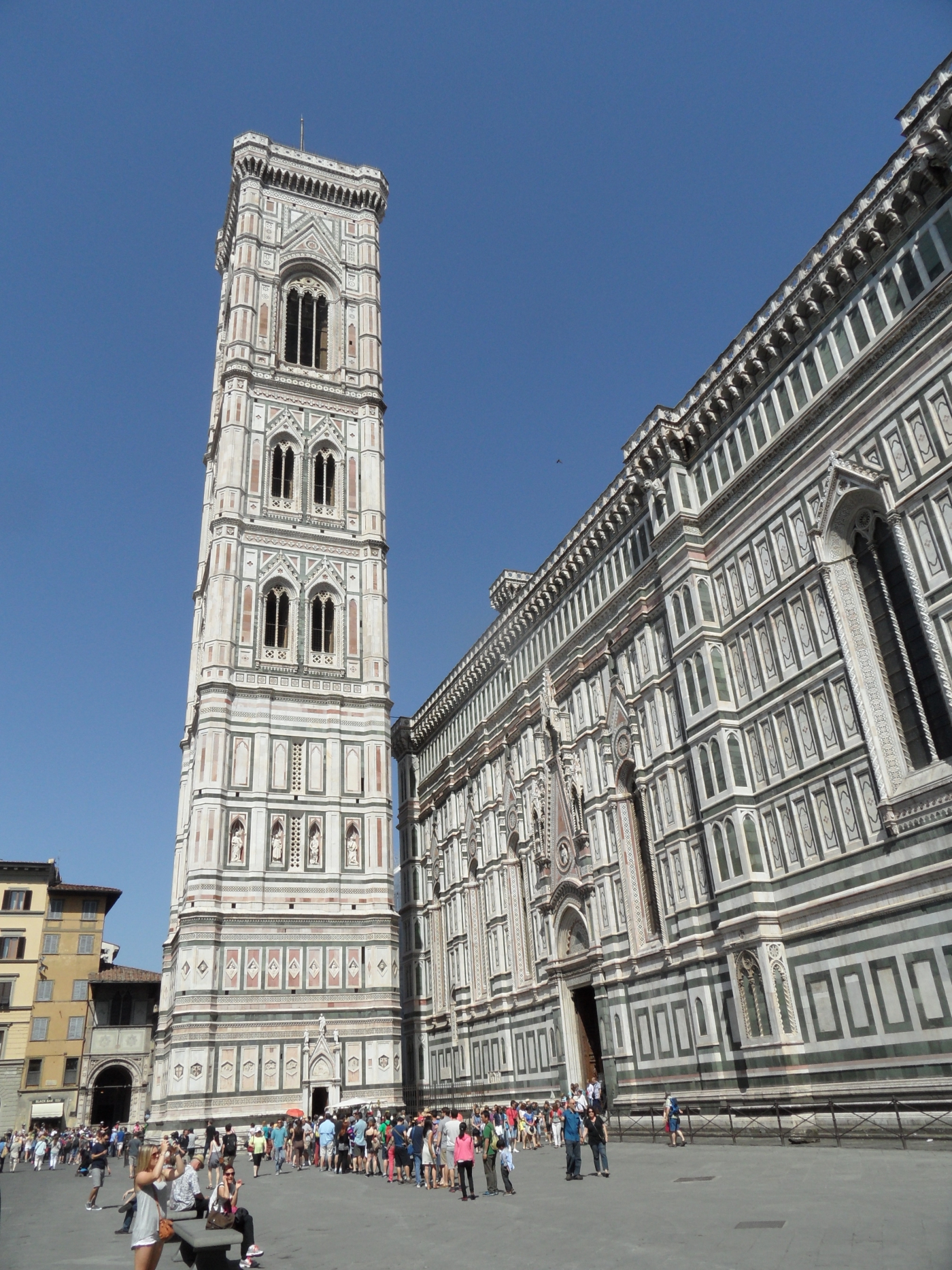
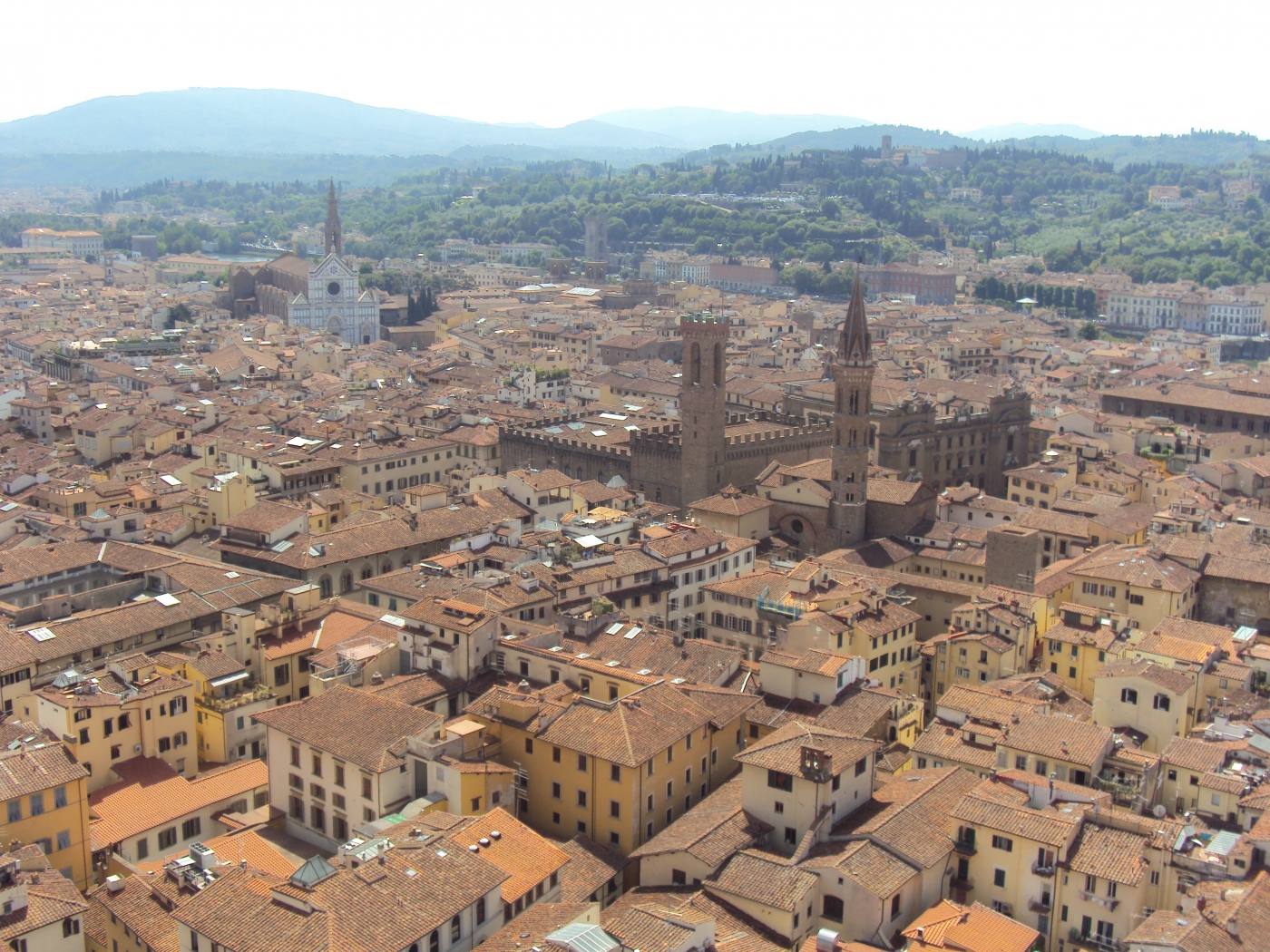
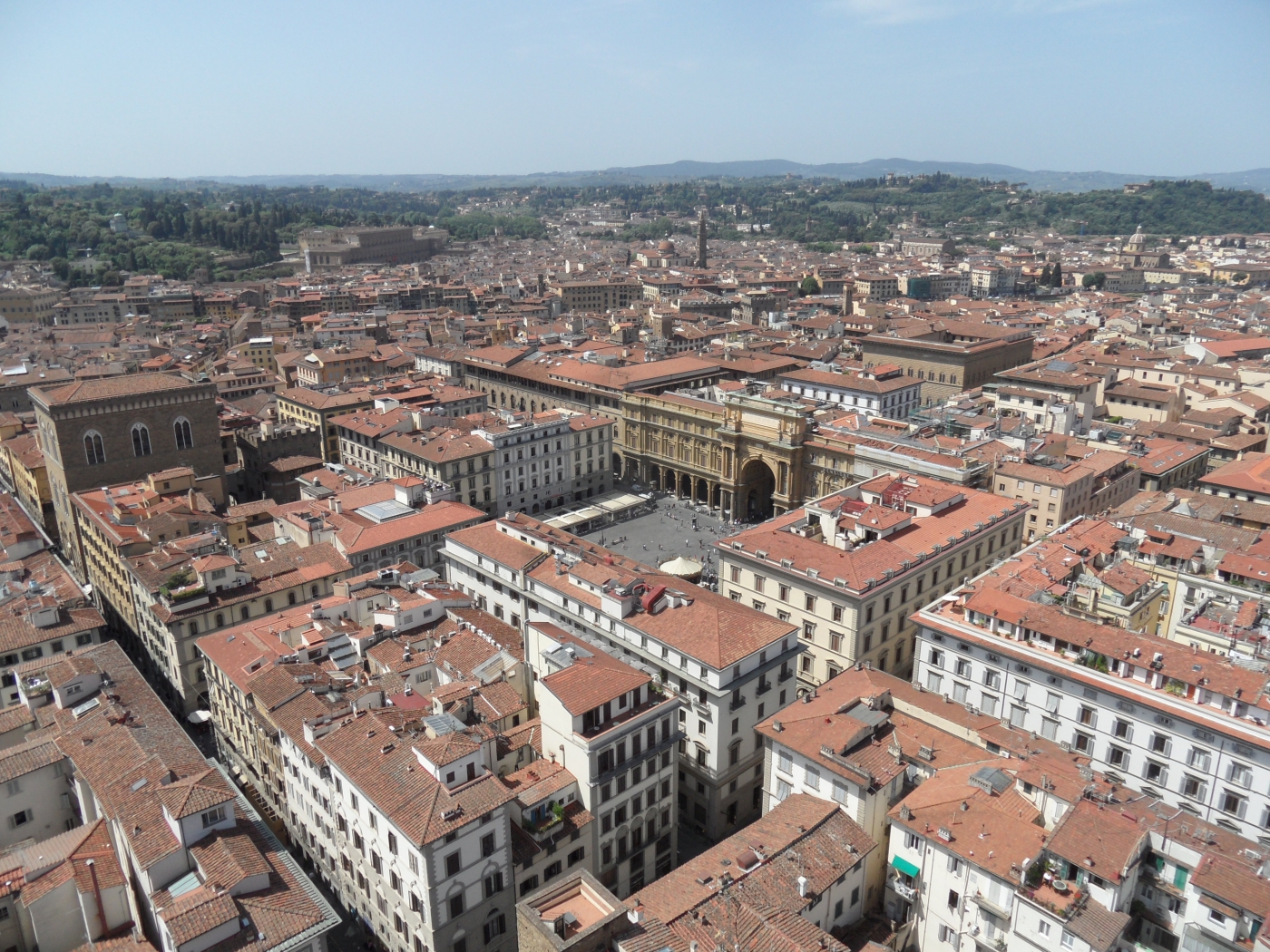
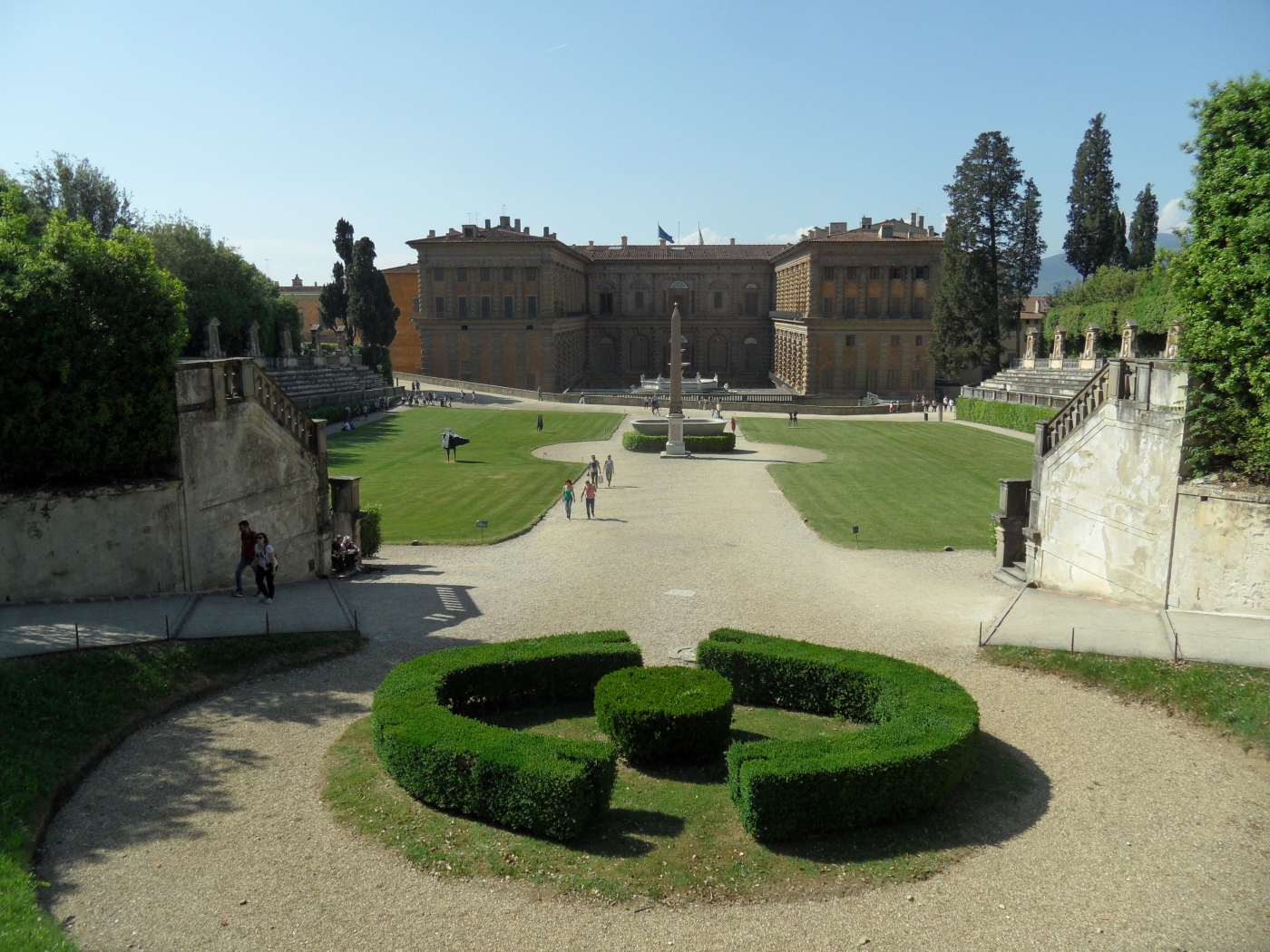
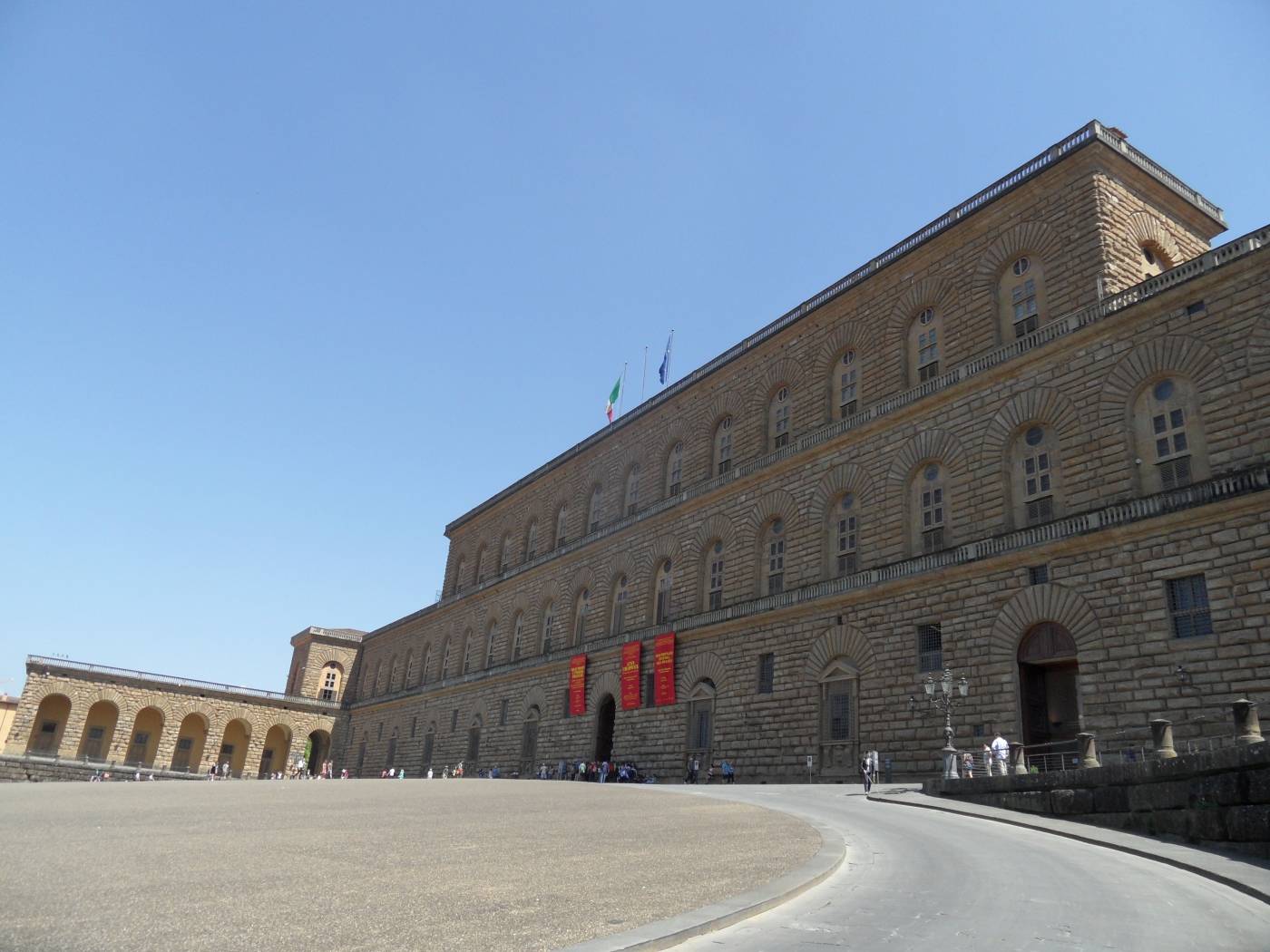
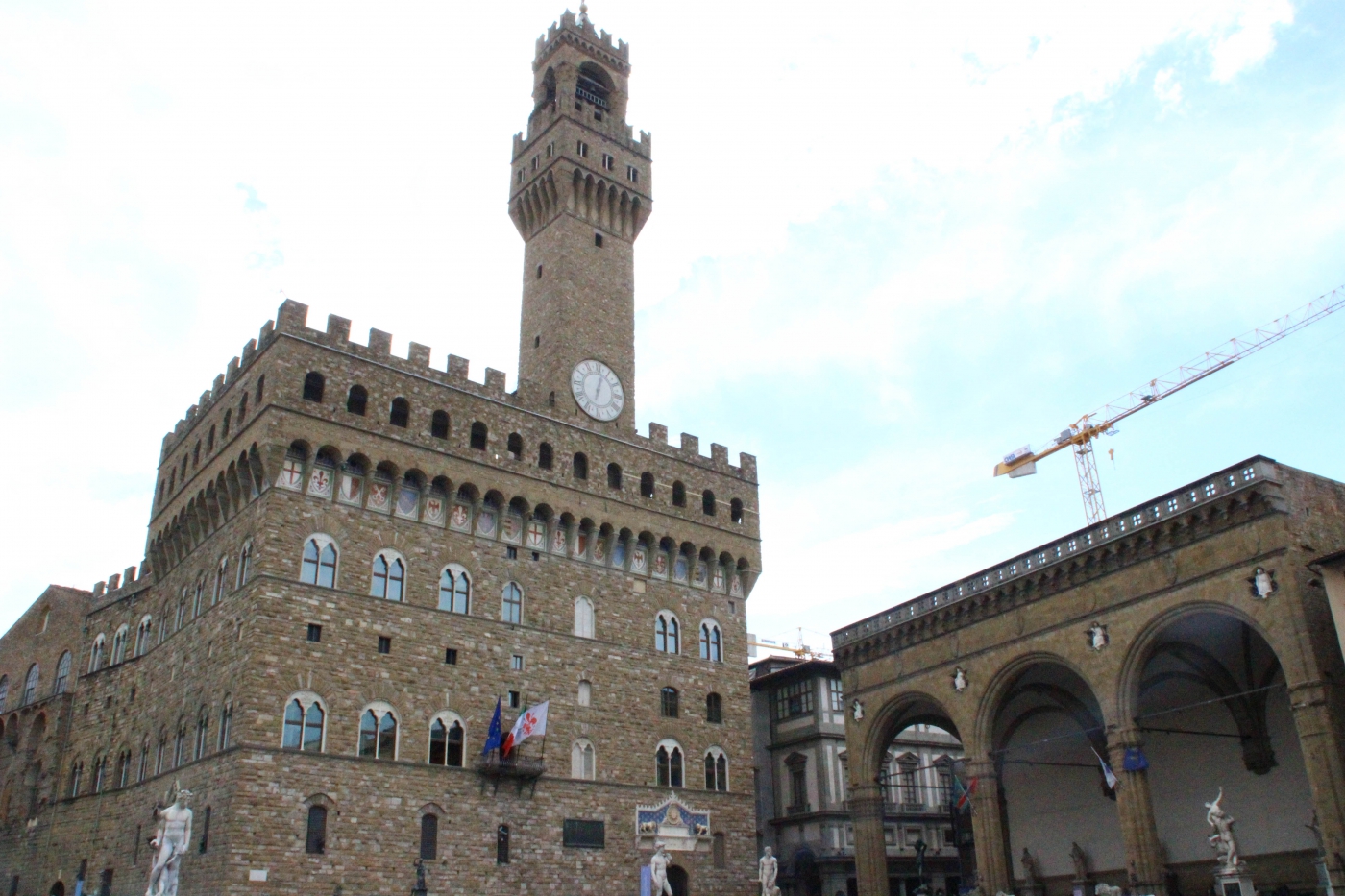
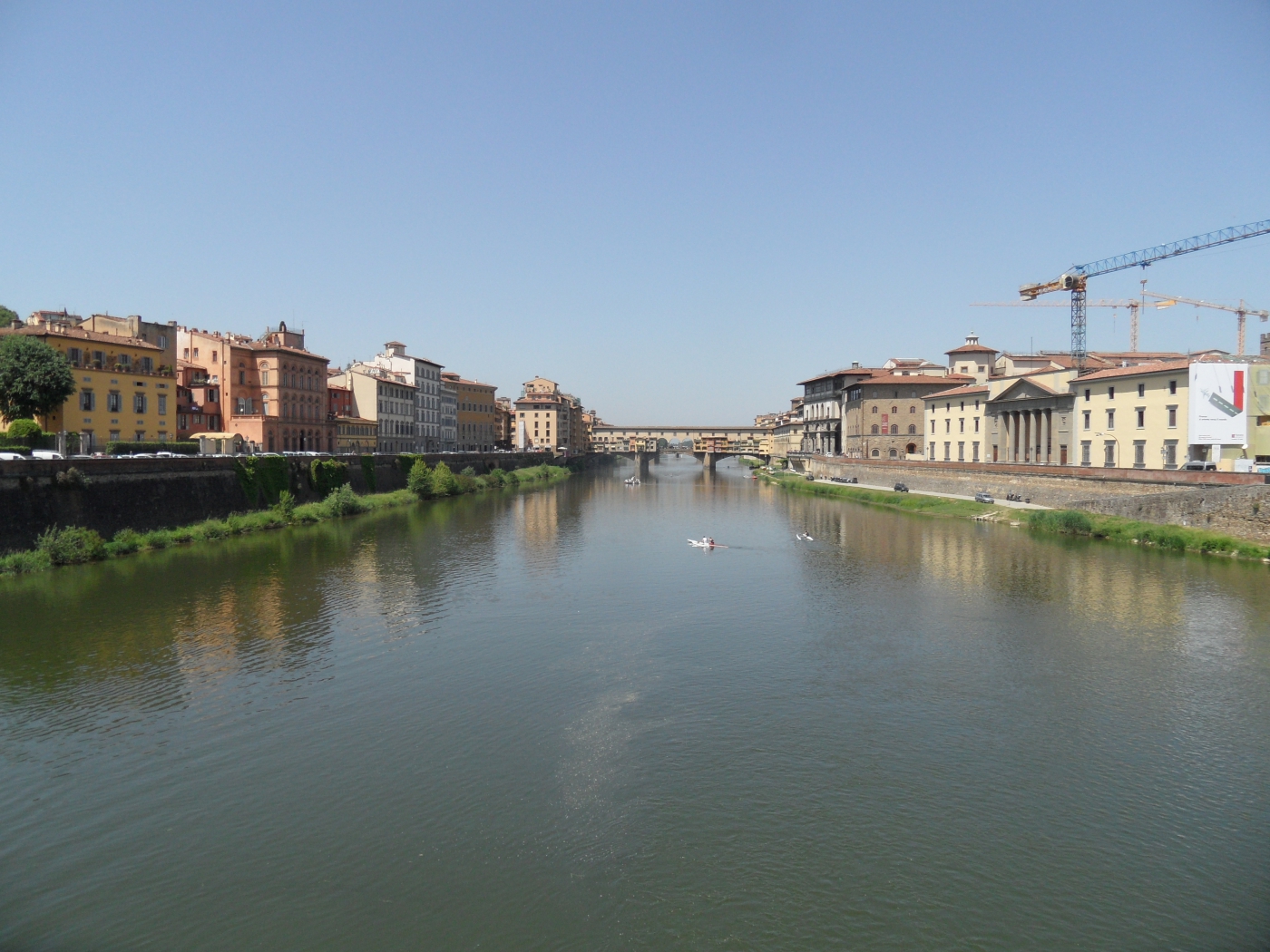
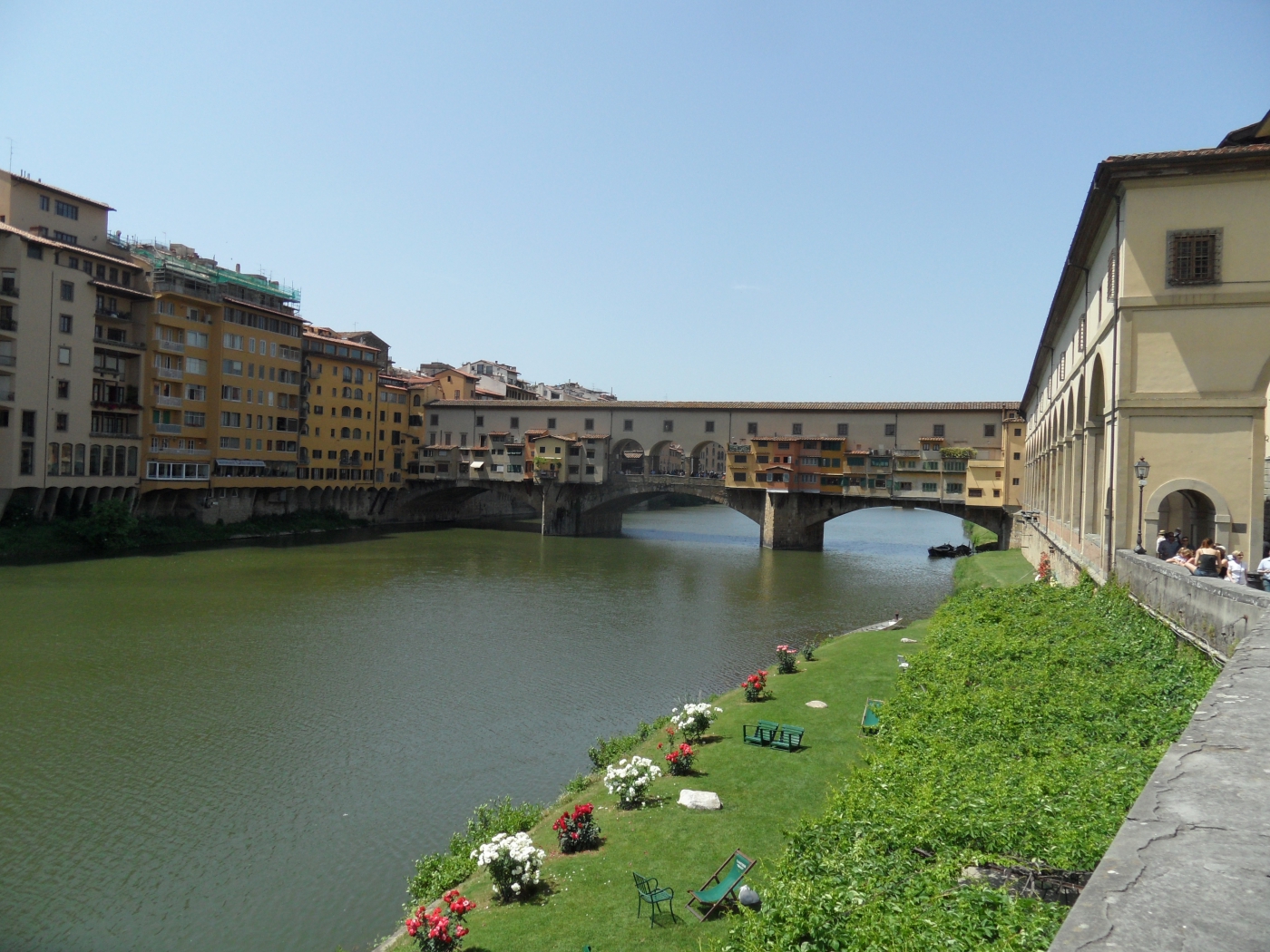
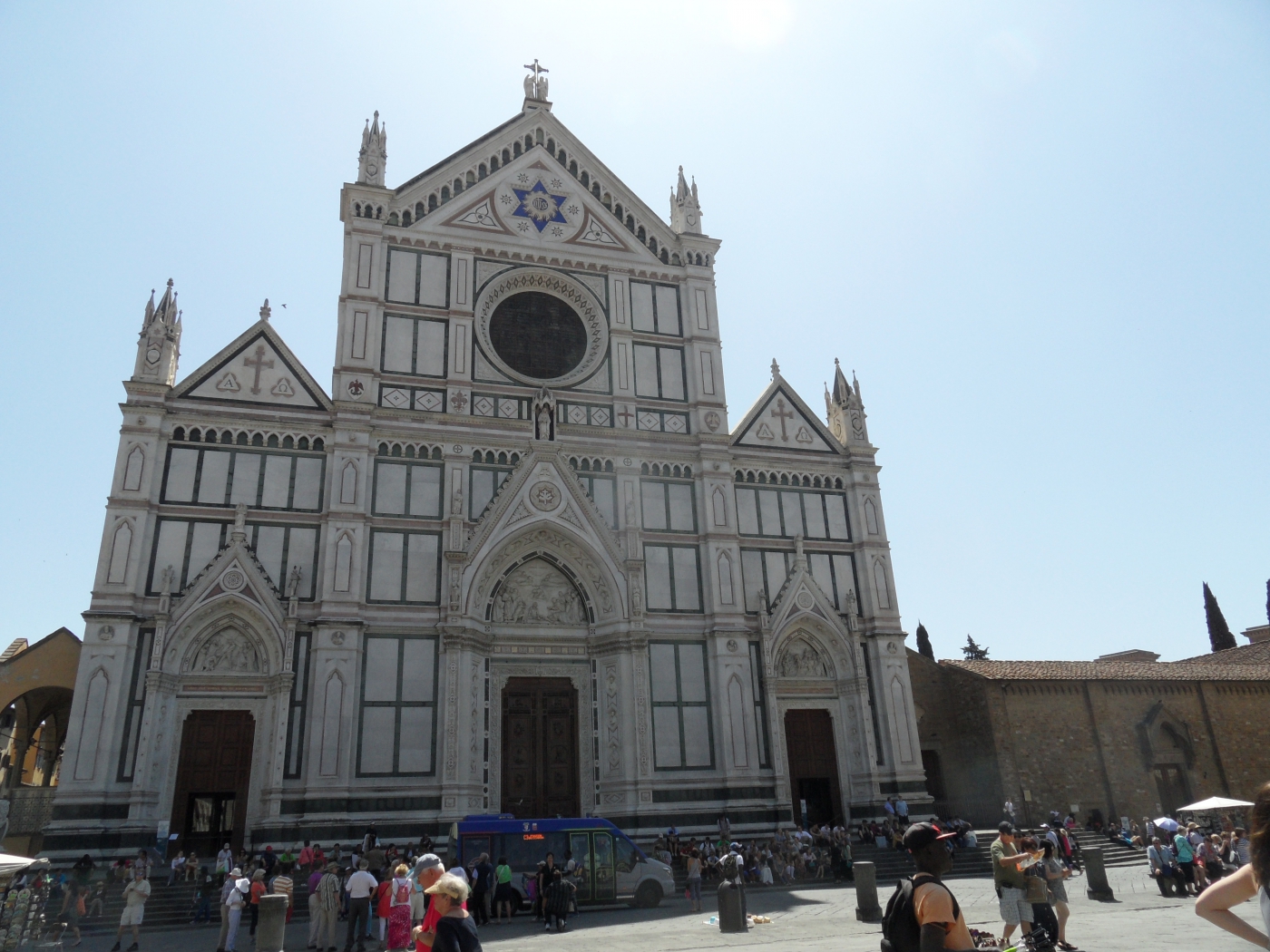
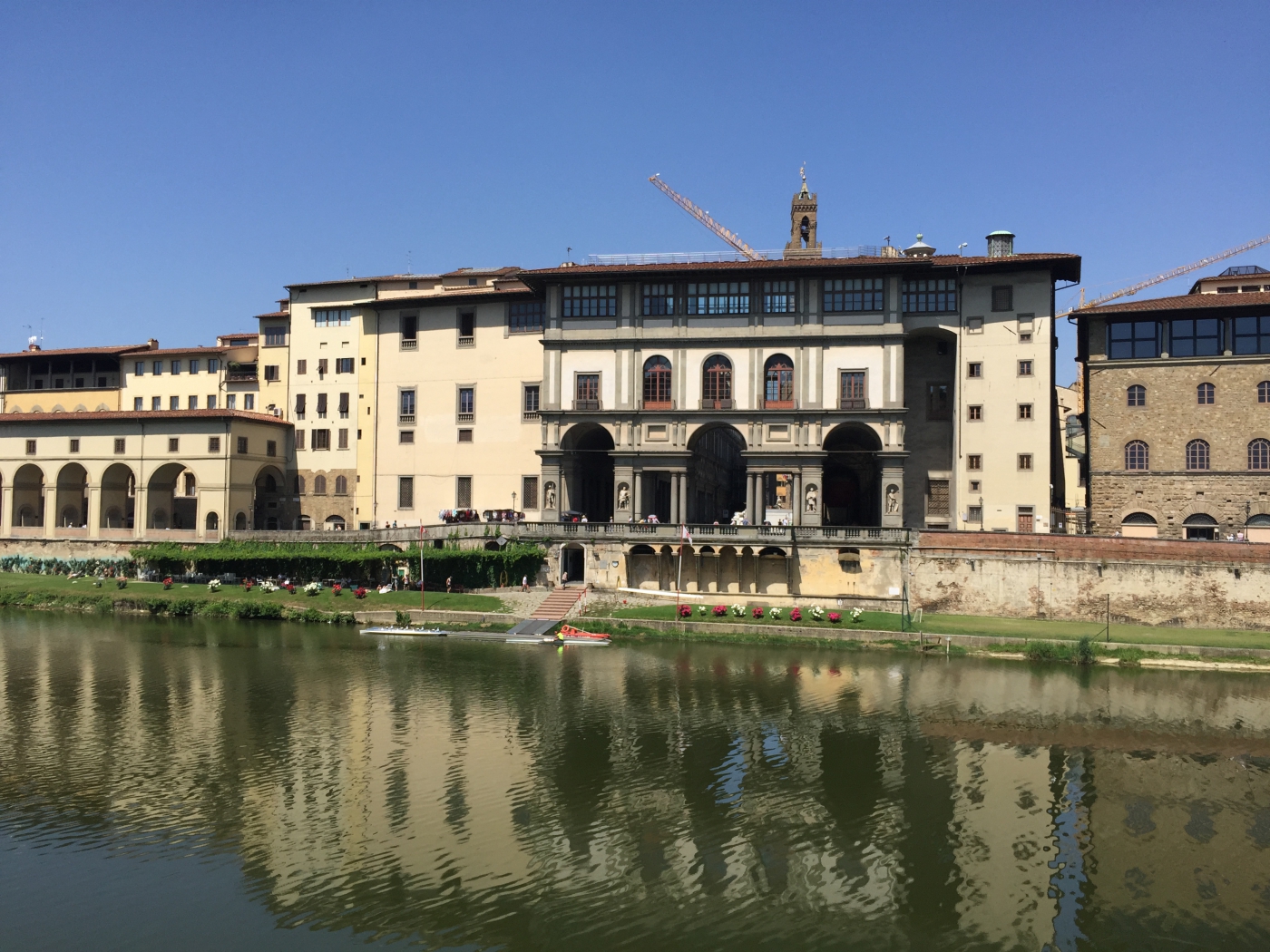
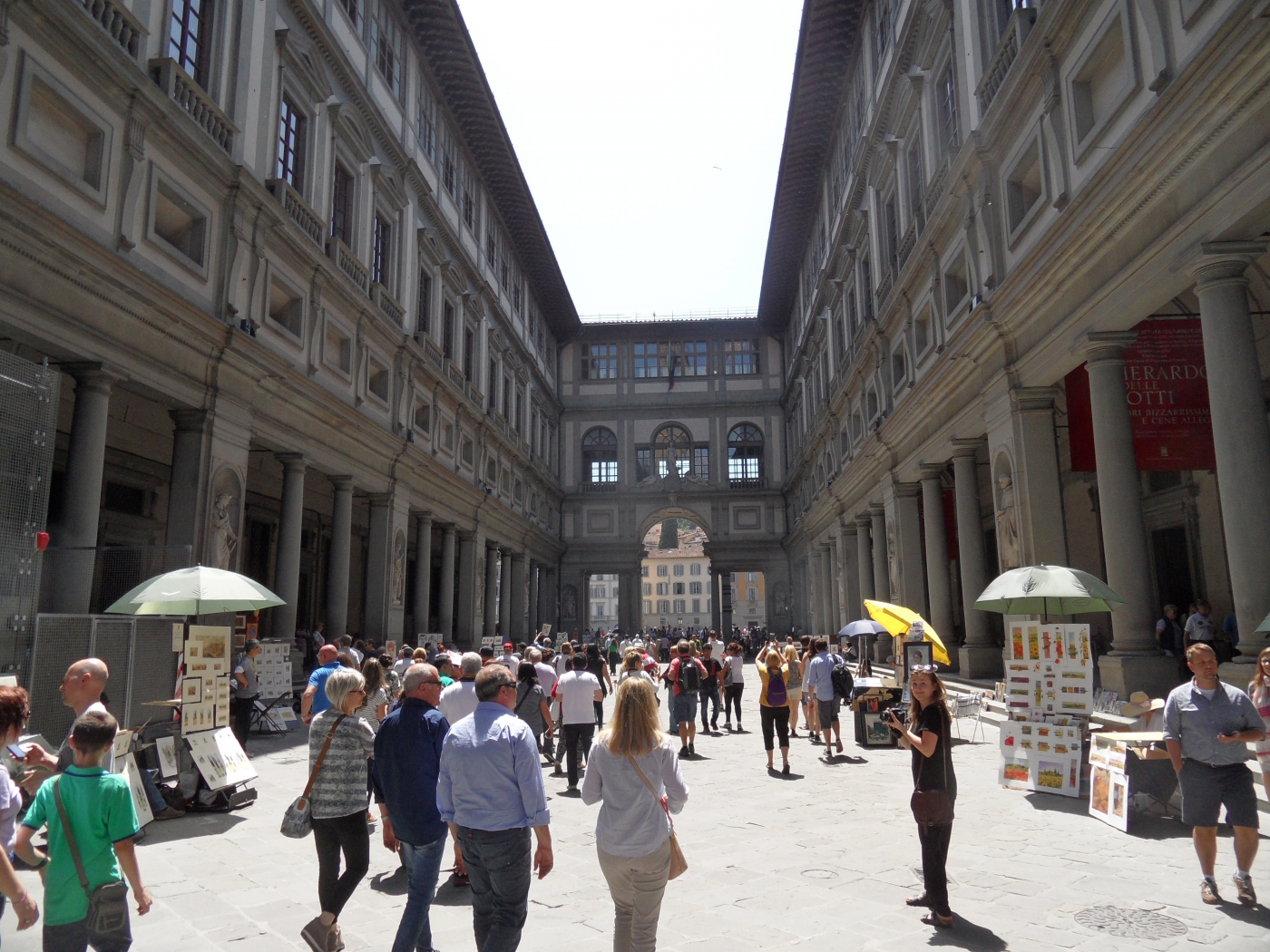
The city's urban fabric is a testament to this incredible era. The Duomo, with Brunelleschi's Dome and Giotto's Campanile, dominates the skyline. Nearby, the Piazza della Signoria is home to the imposing Palazzo Vecchio, the city's town hall, and the adjacent Uffizi Gallery, housing one of the world's most significant collections of Renaissance art. The iconic Ponte Vecchio, a medieval stone bridge lined with shops, gracefully spans the Arno River. Other notable structures include the vast Palazzo Pitti, once a Medici residence, and numerous churches like Santa Croce, burial place of many illustrious Italians, and San Lorenzo, another Medici-patronized church with magnificent chapels.
Florence's historical center is not merely a collection of buildings; it is a living museum, a continuous narrative of human ingenuity and artistic brilliance. Its streets, piazzas, and palaces resonate with the echoes of a past that shaped modern thought and aesthetics, offering visitors a tangible connection to the dawn of the modern world.
Further Links
Built on the site of an Etruscan settlement, Florence, the symbol of the Renaissance, rose to economic and cultural pre-eminence under the Medici in the 15th and 16th centuries. Its 600 years of extraordinary artistic activity can be seen above all in the 13th-century cathedral (Santa Maria del Fiore), the Church of Santa Croce, the Uffizi and the Pitti Palace, the work of great masters such as Giotto, Brunelleschi, Botticelli and Michelangelo.
The historic centre of Florence is part of quartiere 1 of the Italian city of Florence. This quarter was named a World Heritage Site by UNESCO in 1982.
Built on the site of an Etruscan settlement, Florence, the symbol of the Renaissance, rose to economic and cultural pre-eminence under the Medici in the 15th and 16th centuries. Its 600 years of extraordinary artistic activity can be seen above all in the 13th-century cathedral (Santa Maria del Fiore), the Church of Santa Croce, the Uffizi and the Pitti Palace, the work of great masters such as Giotto, Filippo Brunelleschi, Sandro Botticelli and Michelangelo.