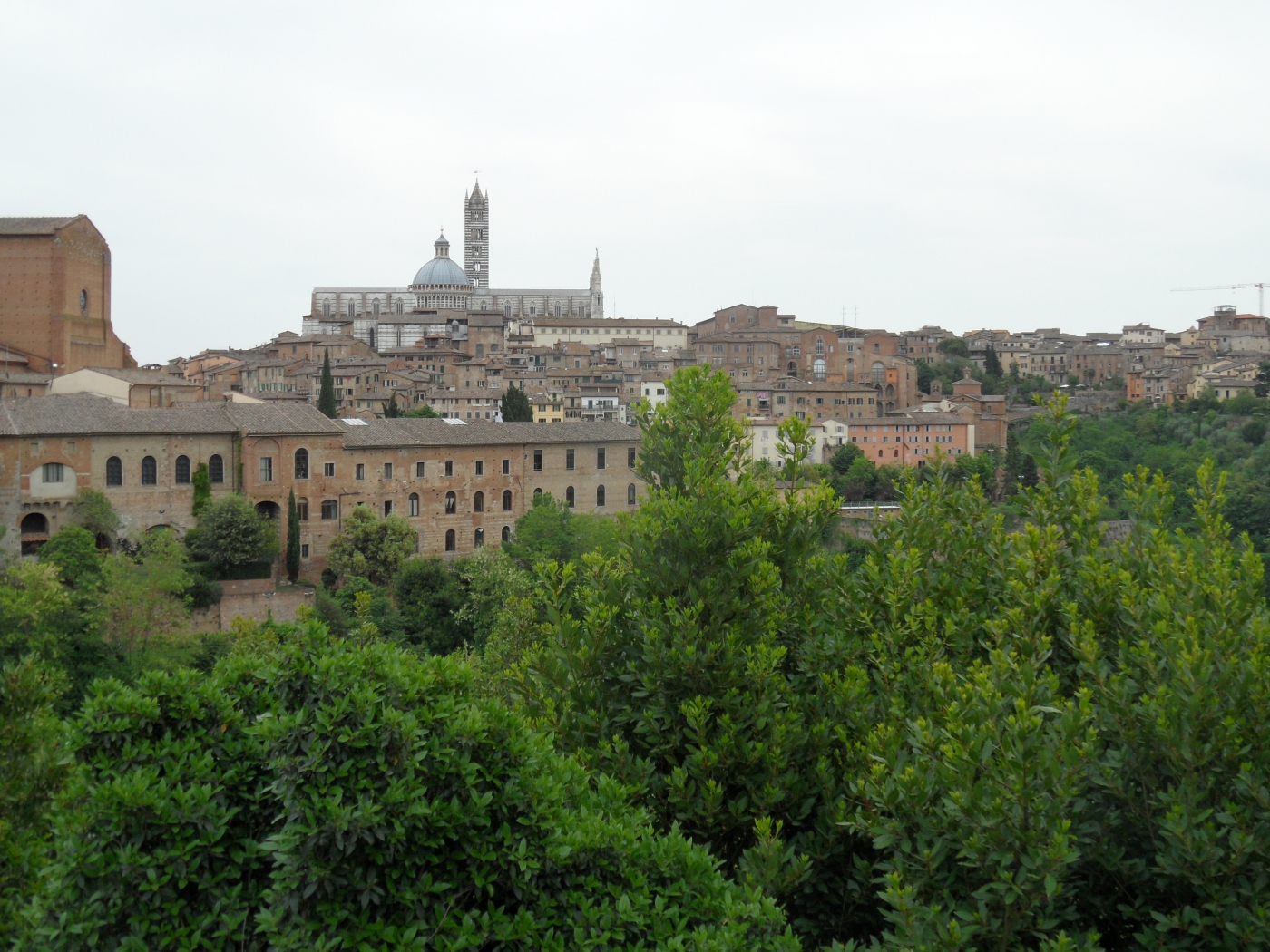
Historic Centre of Siena
Siena, Italy
14.05.2015

The Historic Centre of Siena, nestled in the heart of Tuscany, Italy, is a remarkably preserved medieval city that stands as an exceptional testament to a period of immense cultural and economic prosperity. Designated a UNESCO World Heritage site in 1995, Siena offers a unique journey back to the 13th and 14th centuries, showcasing an urban fabric that has remained largely intact, retaining its Gothic splendor and distinctive character.
A Glimpse into Siena's Golden Age
Siena's prominence grew significantly during the Middle Ages, becoming a powerful rival to Florence in terms of wealth, trade, and banking. Its golden age flourished from the 12th to the 14th century, a period marked by intense political independence and artistic innovation. The city-state’s prosperity was tragically curtailed by the devastating Black Death in 1348, which decimated a large portion of its population and led to a prolonged period of economic and political decline, paradoxically contributing to the preservation of its medieval appearance.
Architectural Masterpieces and Artistic Treasures
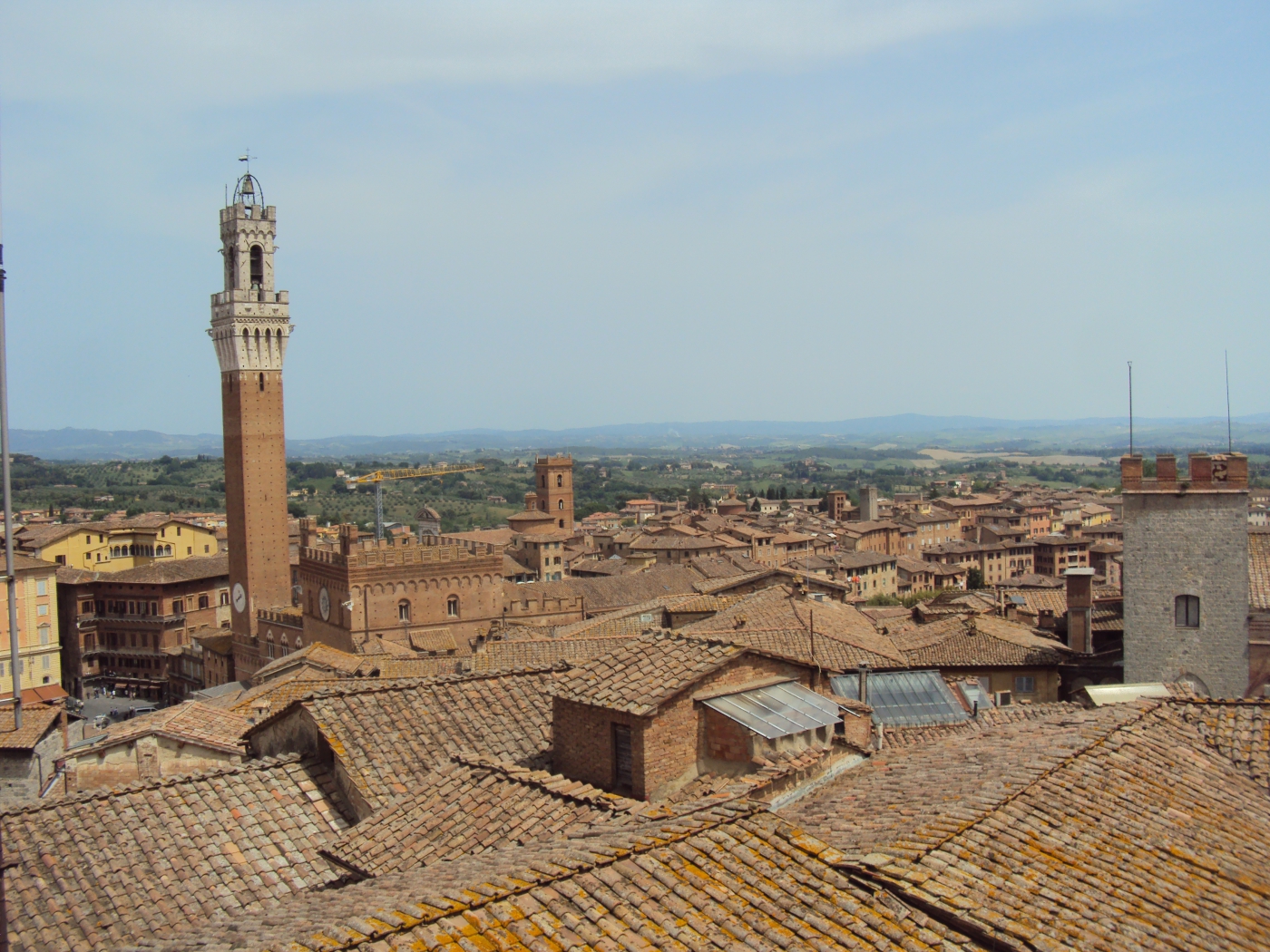
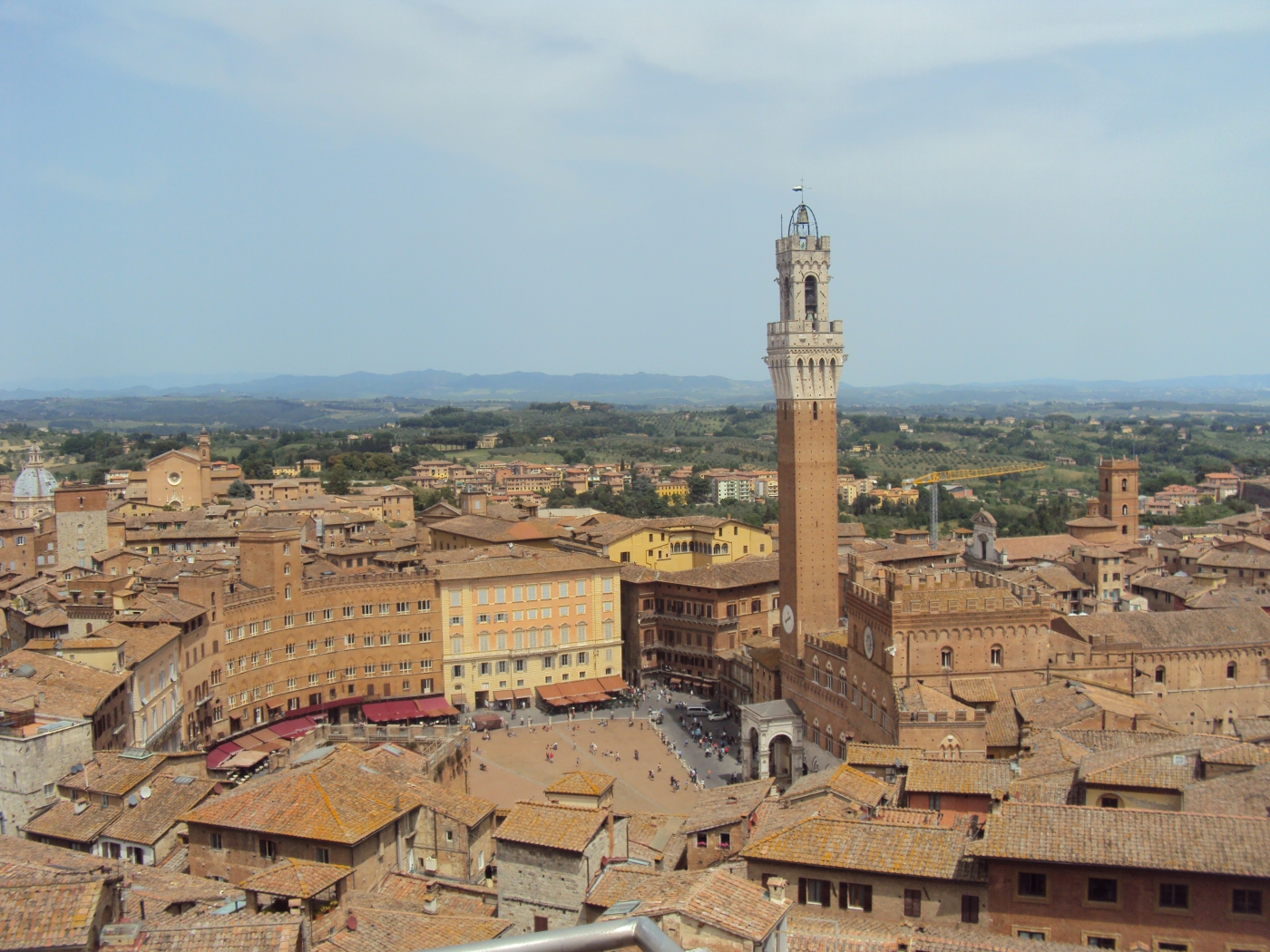
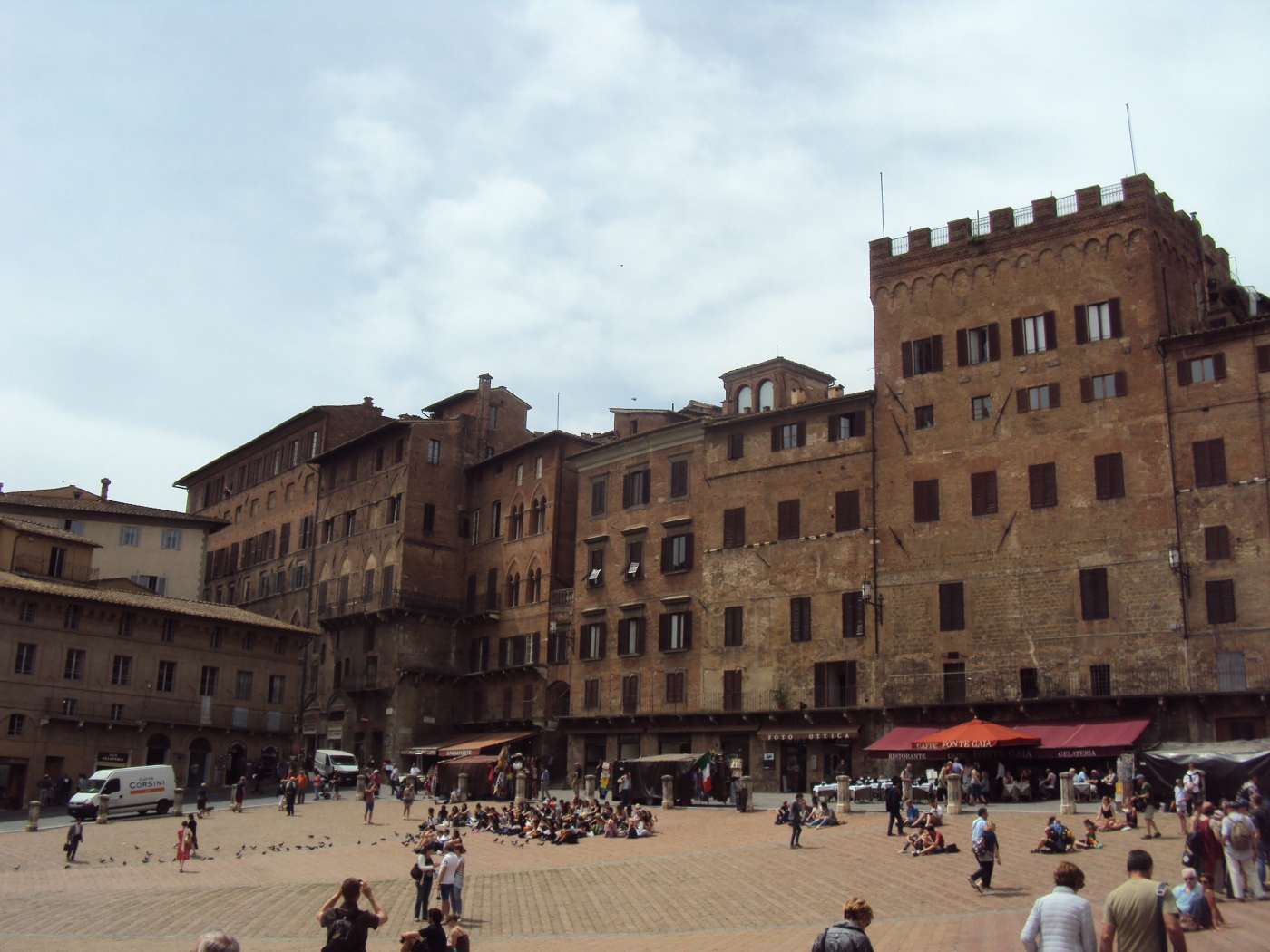
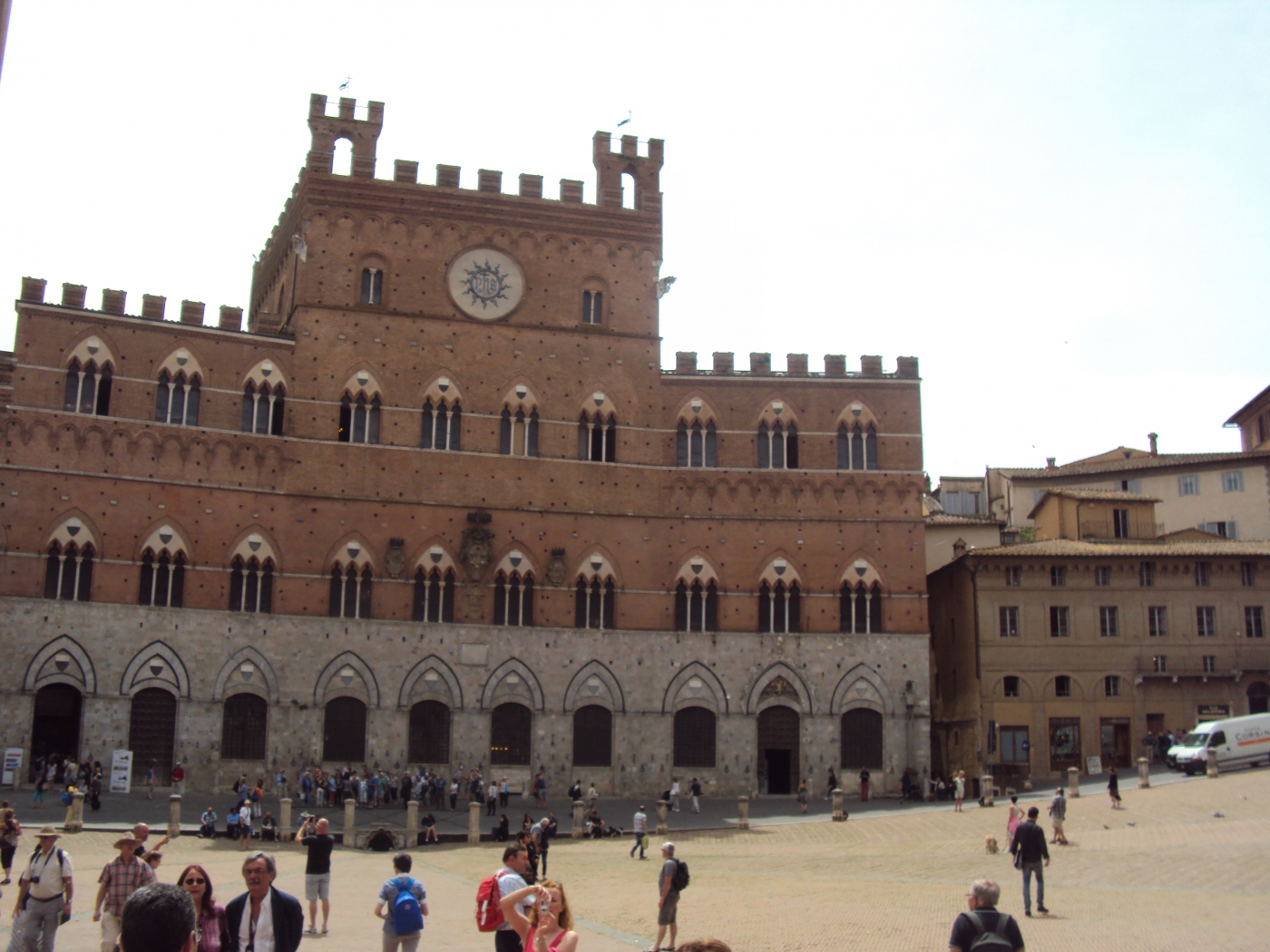
At the heart of Siena lies the iconic shell-shaped Piazza del Campo, one of Europe's greatest medieval squares. This magnificent public space is dominated by the Palazzo Pubblico (Town Hall), an exquisite example of Gothic secular architecture, completed in 1310. Soaring majestically alongside it is the Torre del Mangia, offering panoramic views of the city and surrounding Tuscan landscape. Inside the Palazzo Pubblico, visitors can admire the fresco cycle "Allegory of Good and Bad Government" by Ambrogio Lorenzetti, a pivotal work of secular art from the 14th century. The piazza is also famous for hosting the thrilling Palio di Siena, a bareback horse race held twice a year.
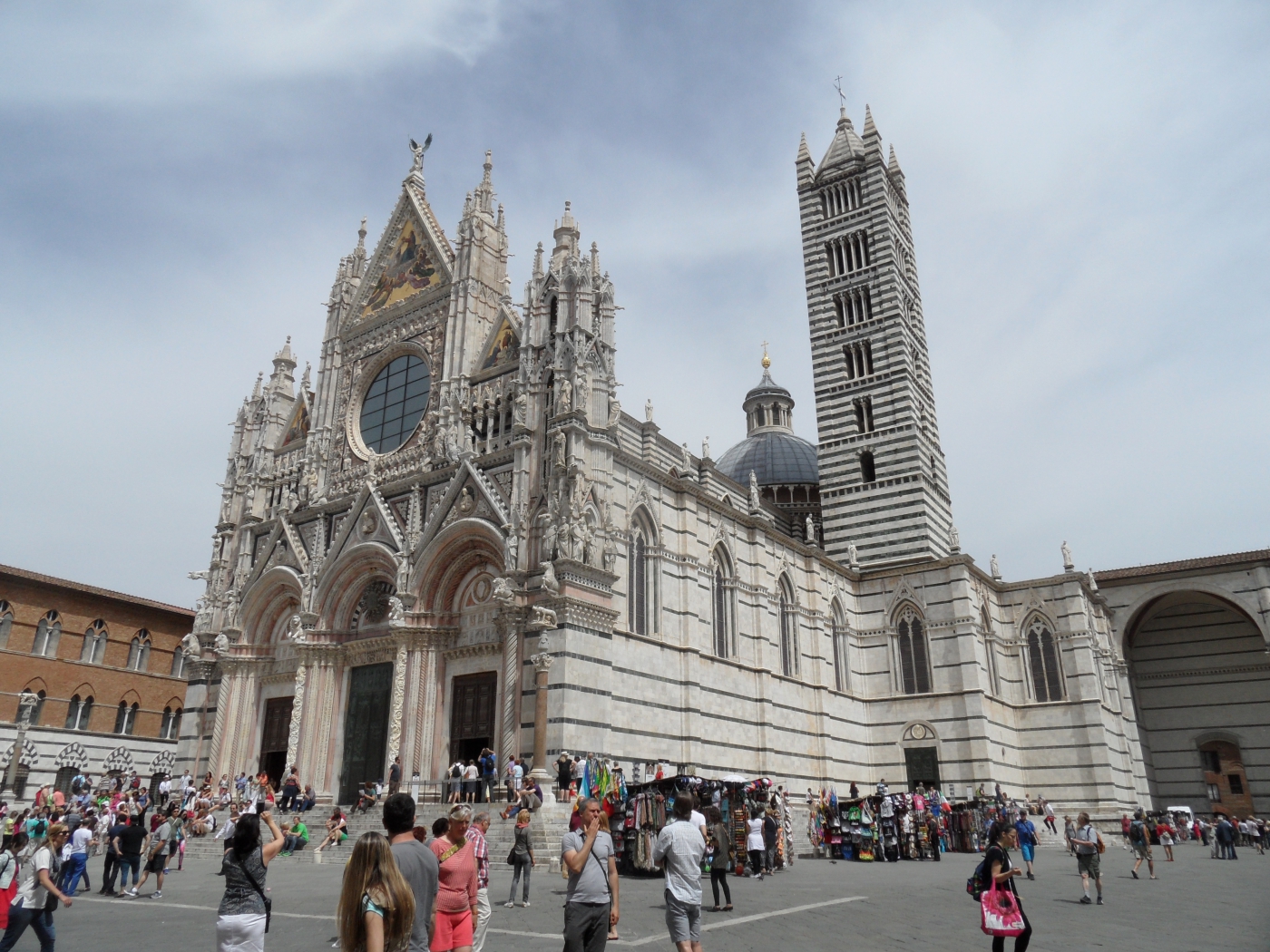
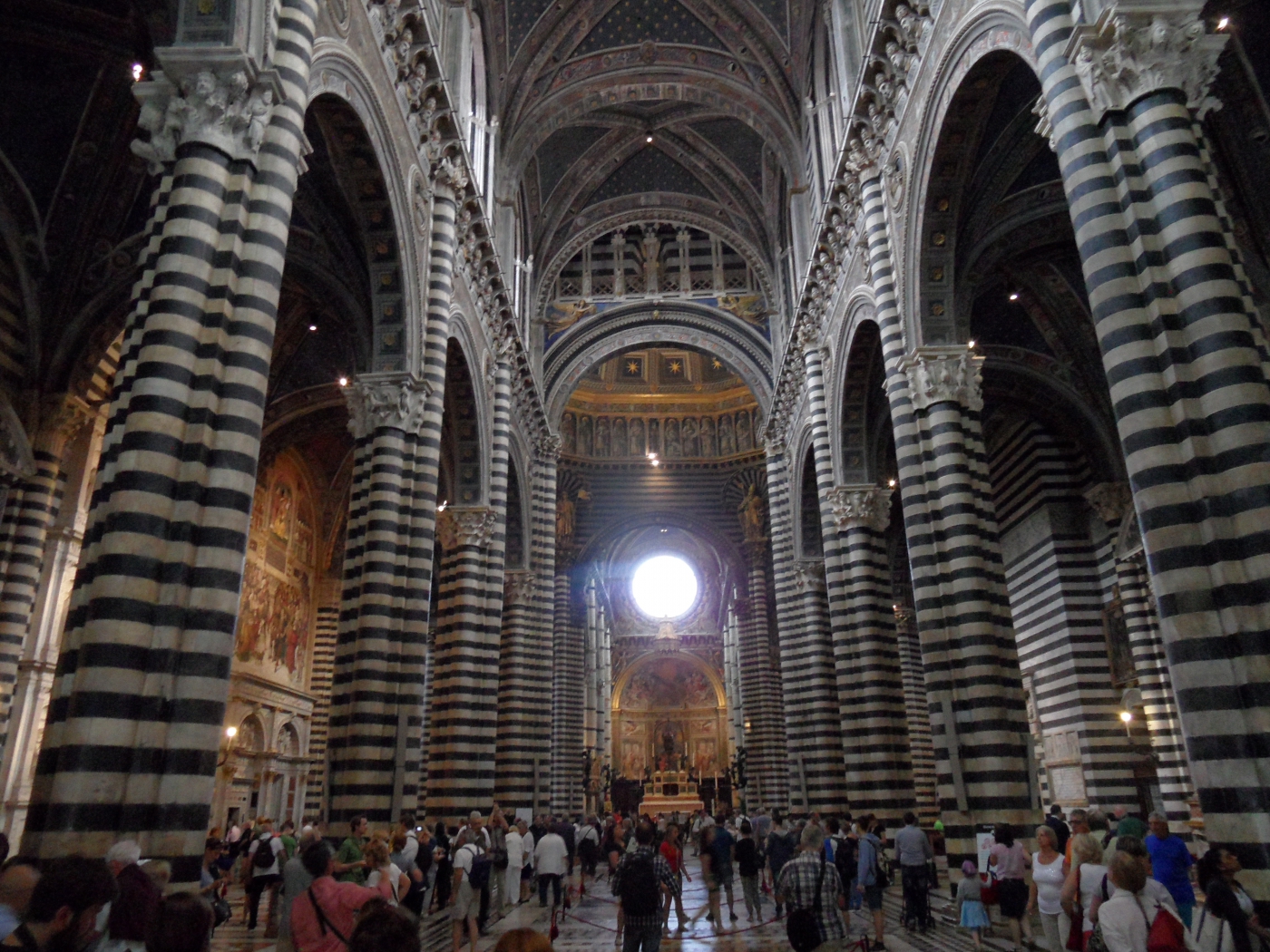
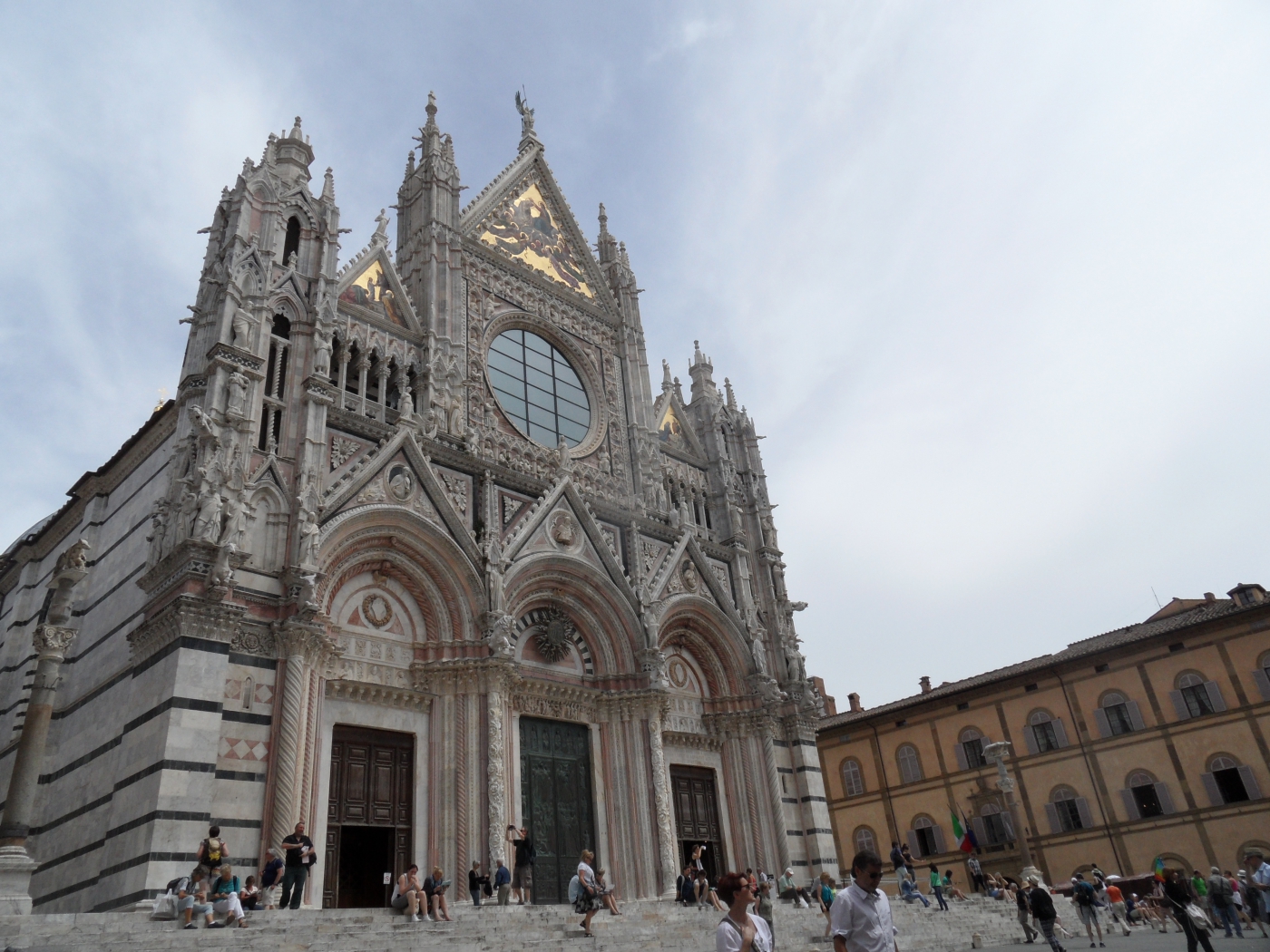
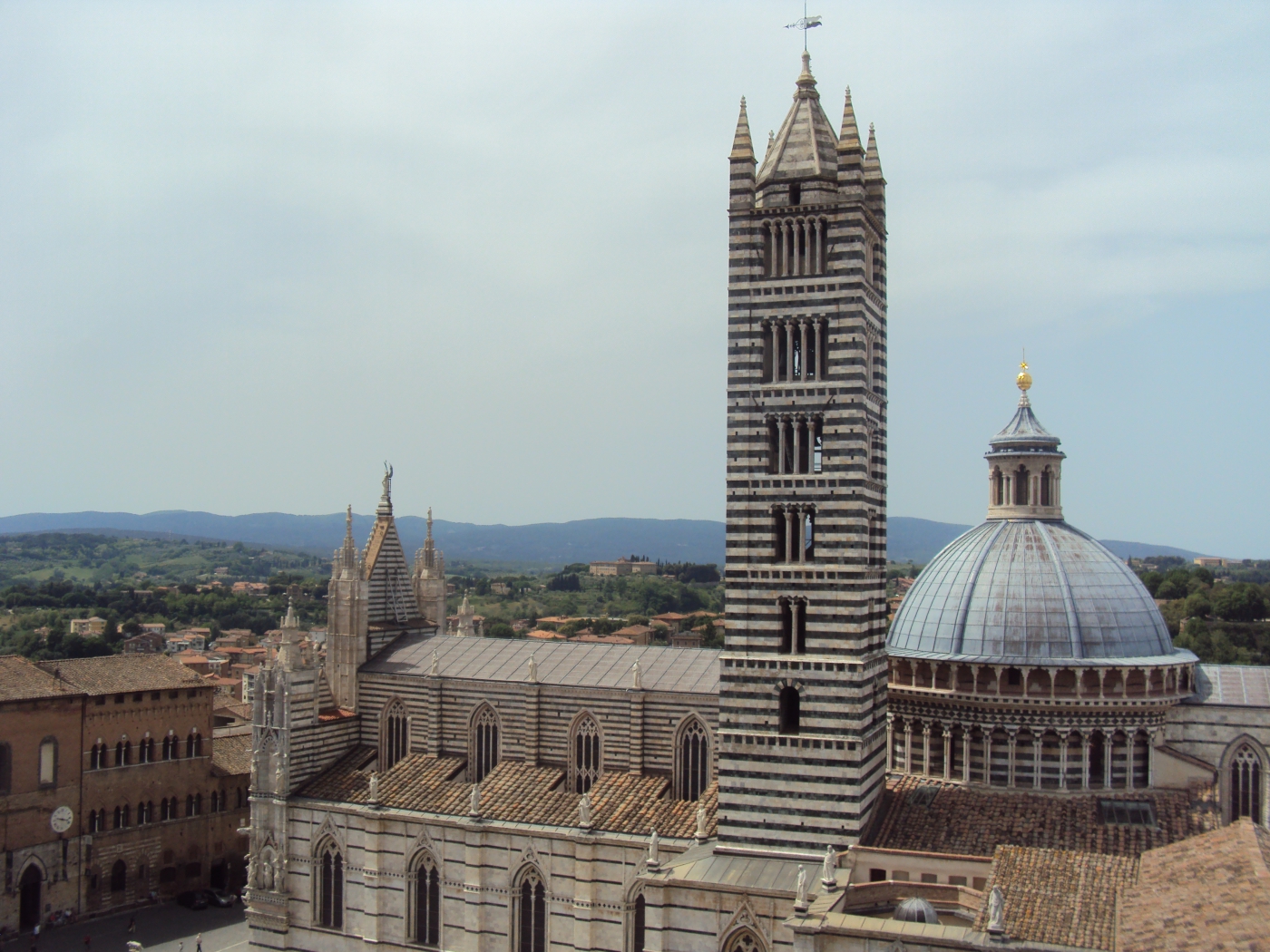
Equally impressive is the Duomo di Siena (Siena Cathedral), a masterpiece of Italian Gothic architecture. Its striped marble façade and richly decorated interiors house an astounding collection of artworks. Notable contributions include the pulpit by Nicola Pisano, early works by Donatello and Michelangelo, and sculptures by Gian Lorenzo Bernini. The cathedral’s floor, a unique inlaid marble mosaic, depicts various biblical and mythological scenes, adding to its unparalleled artistic heritage. The Santa Maria della Scala, a former hospital opposite the Duomo, also holds significant historical and artistic importance.
Siena’s historical centre, with its narrow winding streets, terracotta rooftops, and magnificent buildings, embodies a singular medieval aesthetic. Its urban planning, influenced by the distinct Sienese school of painting and architecture, profoundly impacted subsequent European art and city design. The harmonious integration of its architectural heritage into the surrounding landscape makes it an outstanding example of a medieval city.
Weiterführende Links
Siena is the embodiment of a medieval city. Its inhabitants pursued their rivalry with Florence right into the area of urban planning. Throughout the centuries, they preserved their city's Gothic appearance, acquired between the 12th and 15th centuries. During this period the work of Duccio, the Lorenzetti brothers and Simone Martini was to influence the course of Italian and, more broadly, European art. The whole city of Siena, built around the Piazza del Campo, was devised as a work of art that blends into the surrounding landscape.