Assisi, the Basilica of San Francesco and Other Franciscan Sites
Assisi, Italy
28.04.2012

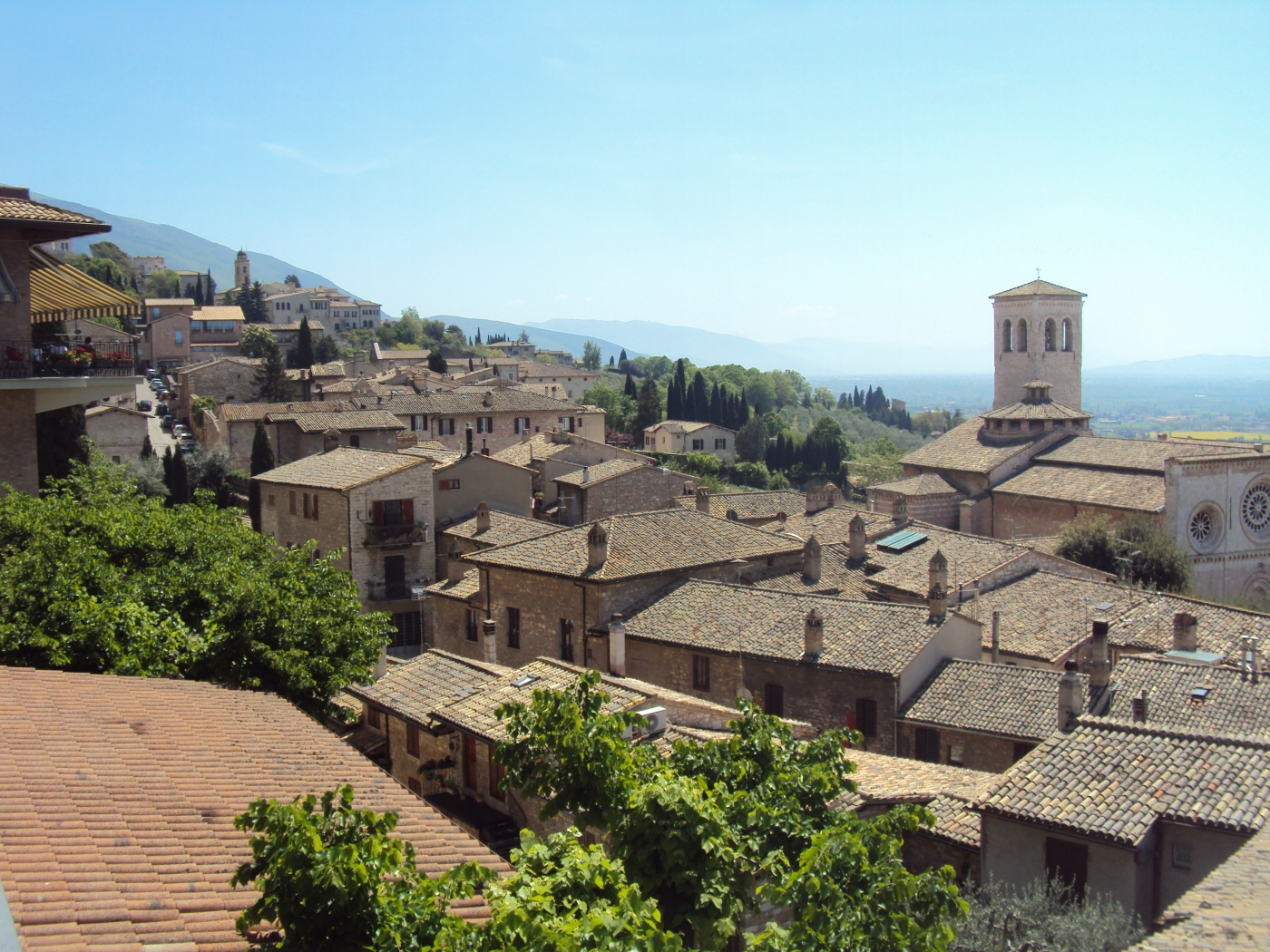
The picturesque hill town of Assisi in the Umbria region of Italy is inextricably linked to Saint Francis of Assisi, one of the most venerated religious figures in Christian history. Born here around 1181, Francis renounced wealth to embrace a life of poverty and service, founding the Franciscan Order. The sites associated with his life and order were recognized by UNESCO as a World Heritage site for their immense spiritual and artistic significance.
The Basilica of Saint Francis
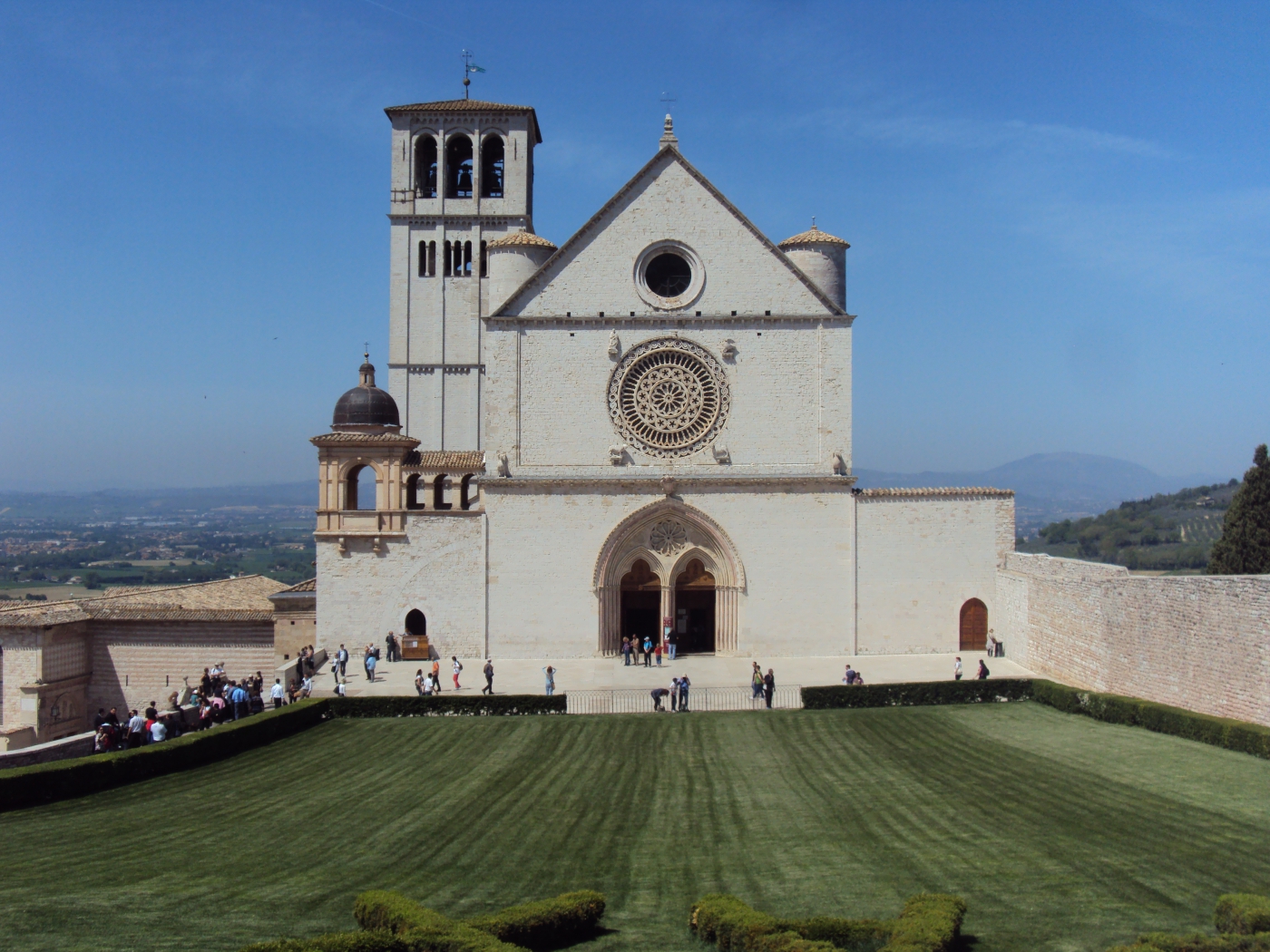
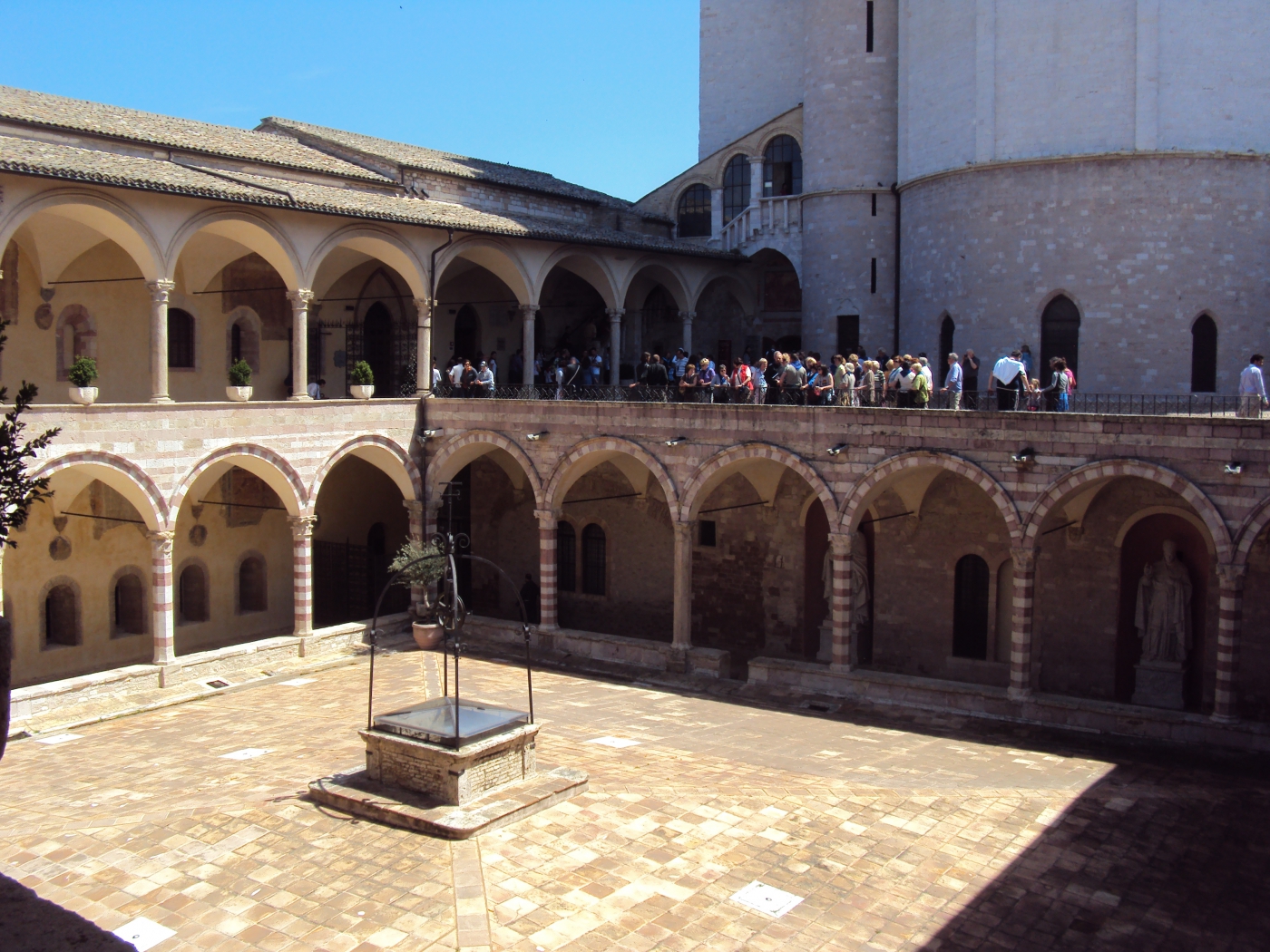
At the heart of this sacred landscape stands the magnificent Basilica of San Francesco d'Assisi, a masterpiece of Italian Gothic architecture and a major pilgrimage destination. Built after Francis's death in 1226, its foundation stone was laid in 1228. The basilica comprises two superimposed churches, the Upper Basilica and the Lower Basilica, both richly decorated with some of the most important fresco cycles of the late medieval period. The Lower Basilica, housing Saint Francis's tomb, offers an intimate atmosphere. The bright Upper Basilica tells Francis's life story through renowned frescoes attributed to Giotto and his workshop, revolutionizing Western art. Works by Cimabue also contribute to its artistic legacy.
A Legacy of Art and Faith
The architectural and artistic brilliance of the Basilica, particularly its frescoes, represents a pivotal moment in art history, marking the transition from Byzantine to Renaissance styles and spreading the Franciscan message across Europe. Beyond the Basilica, other significant sites include the Basilica of Santa Chiara, dedicated to Saint Clare of Assisi, a follower and friend of Francis. It houses the San Damiano Cross, which initiated Francis's spiritual journey. These interconnected sites illustrate a profound spiritual movement that championed compassion, peace, and care for creation, values that resonate globally today.
Further Reading
Assisi, a medieval city built on a hill, is the birthplace of Saint Francis, closely associated with the work of the Franciscan Order. Its medieval art masterpieces, such as the Basilica of San Francesco and paintings by Cimabue, Pietro Lorenzetti, Simone Martini and Giotto, have made Assisi a fundamental reference point for the development of Italian and European art and architecture.