Historic Centre of Riga
Riga, Latvia
19.07.2016

The Historic Centre of Riga, a UNESCO World Heritage site, is an extraordinary showcase of urban development and architectural diversity. Strategically located at the mouth of the Daugava River, Riga has for centuries been a vital port and a significant trading centre, its rich history visible in every cobblestone and façade.
A City Forged by Trade
Founded in 1201 by the German Bishop Albert, Riga quickly became a dominant force in the medieval Baltic trade network. Its strategic position made it a crucial member of the powerful Hanseatic League from the 13th to the 15th centuries, fostering immense prosperity and cultural exchange. This era saw impressive gothic structures and a well-planned urban layout. Over centuries, Riga was influenced by German, Swedish, Polish, and Russian rule, each leaving an indelible mark.
Architectural Splendor
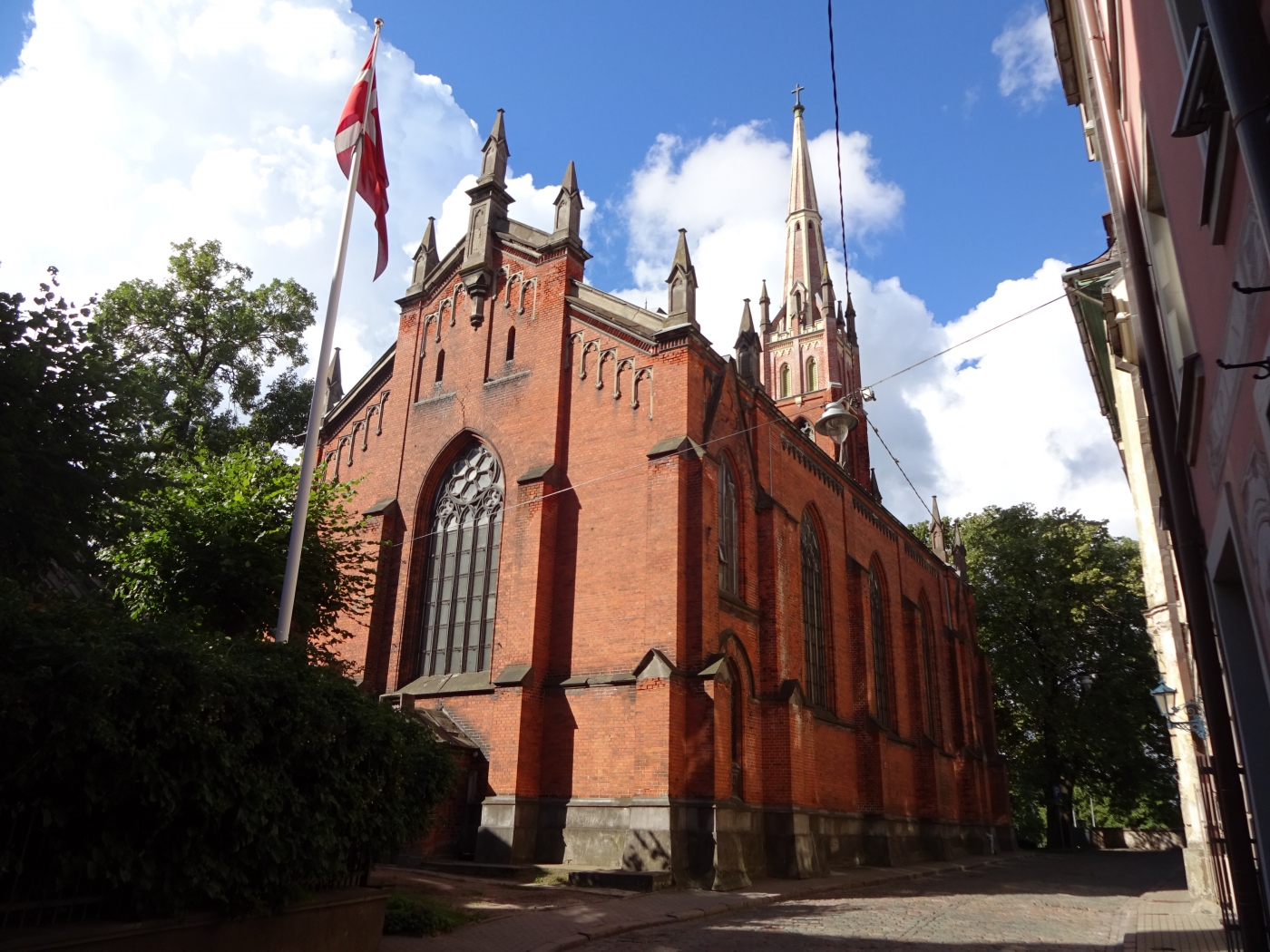
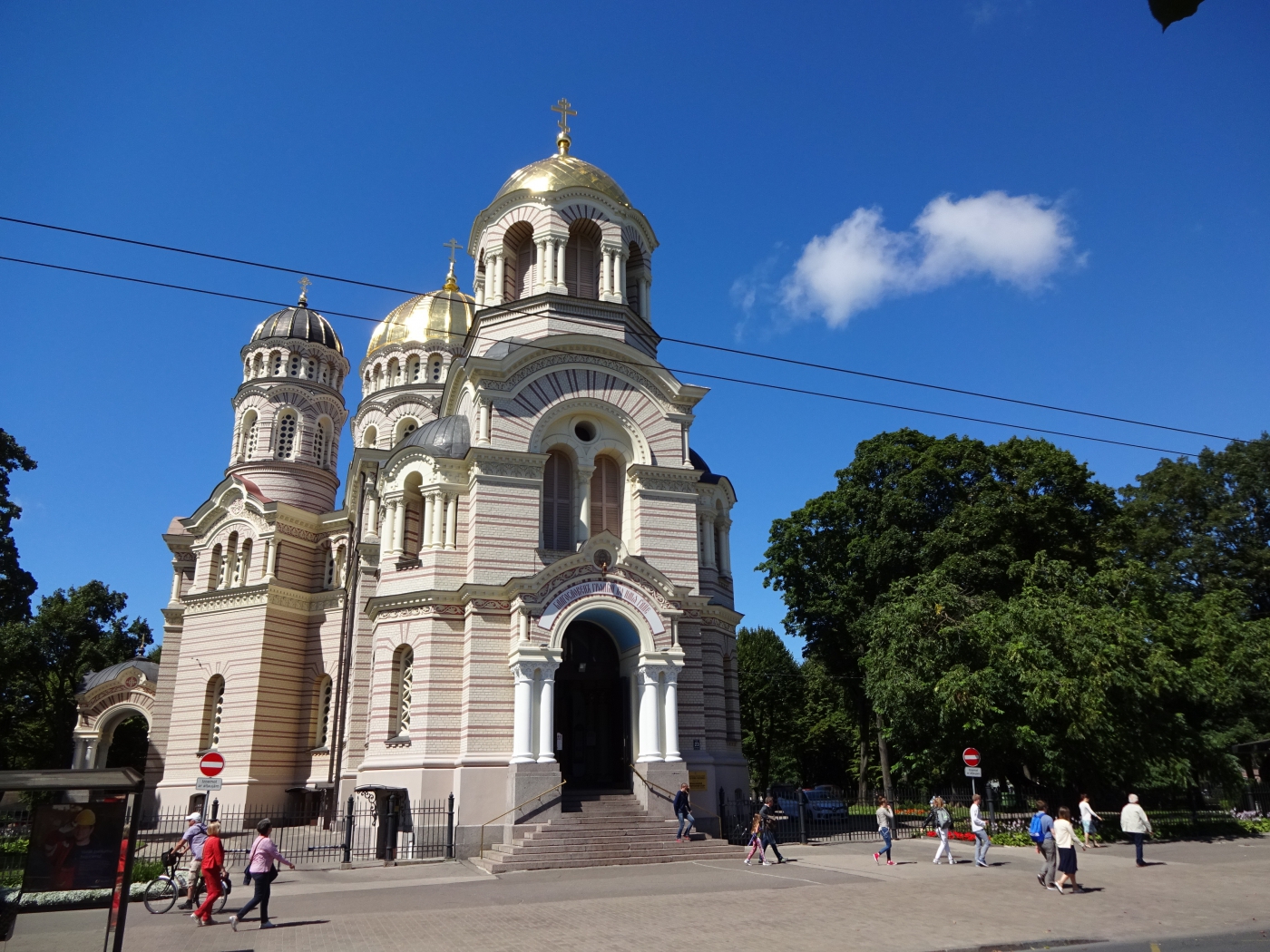
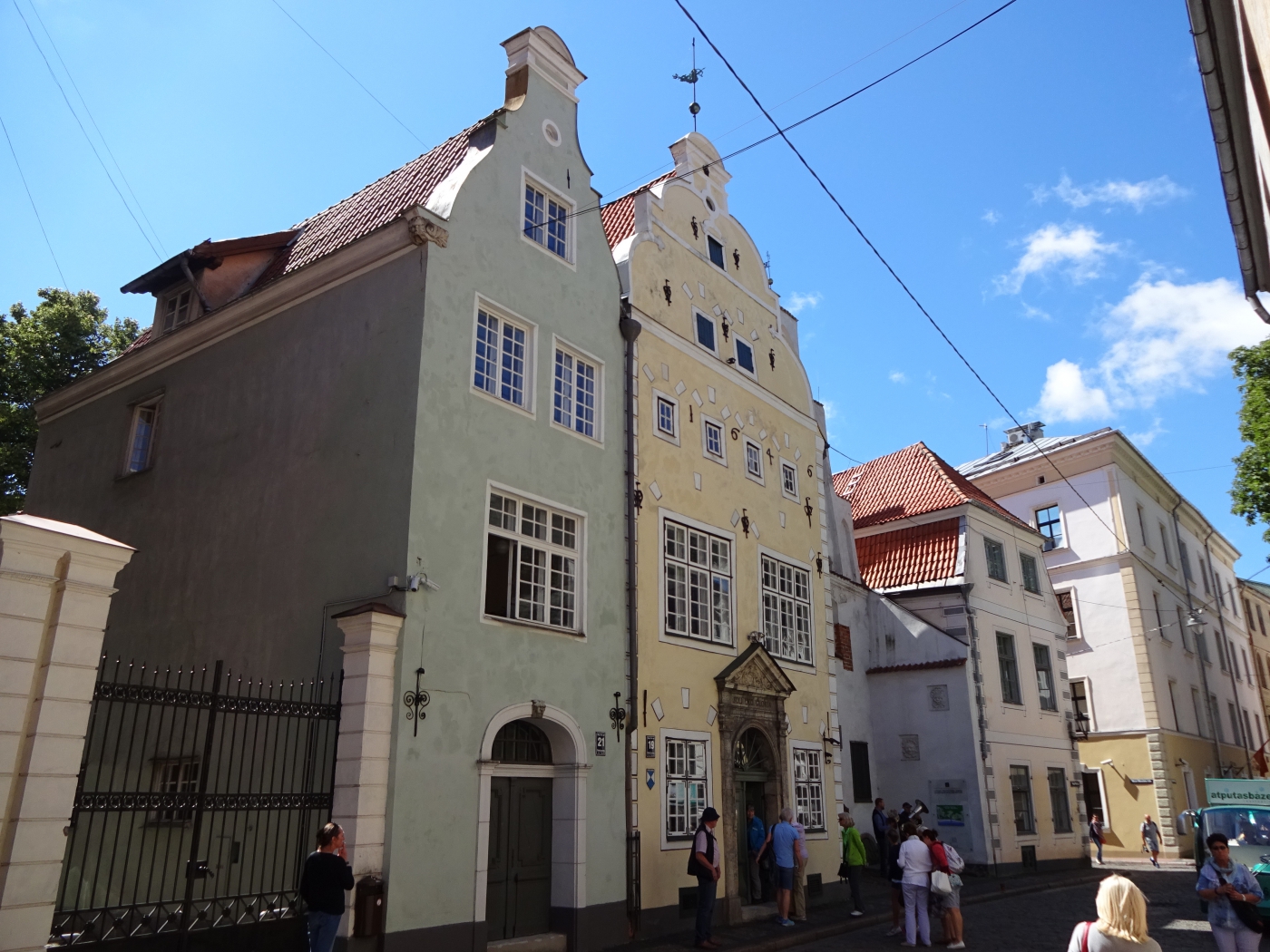
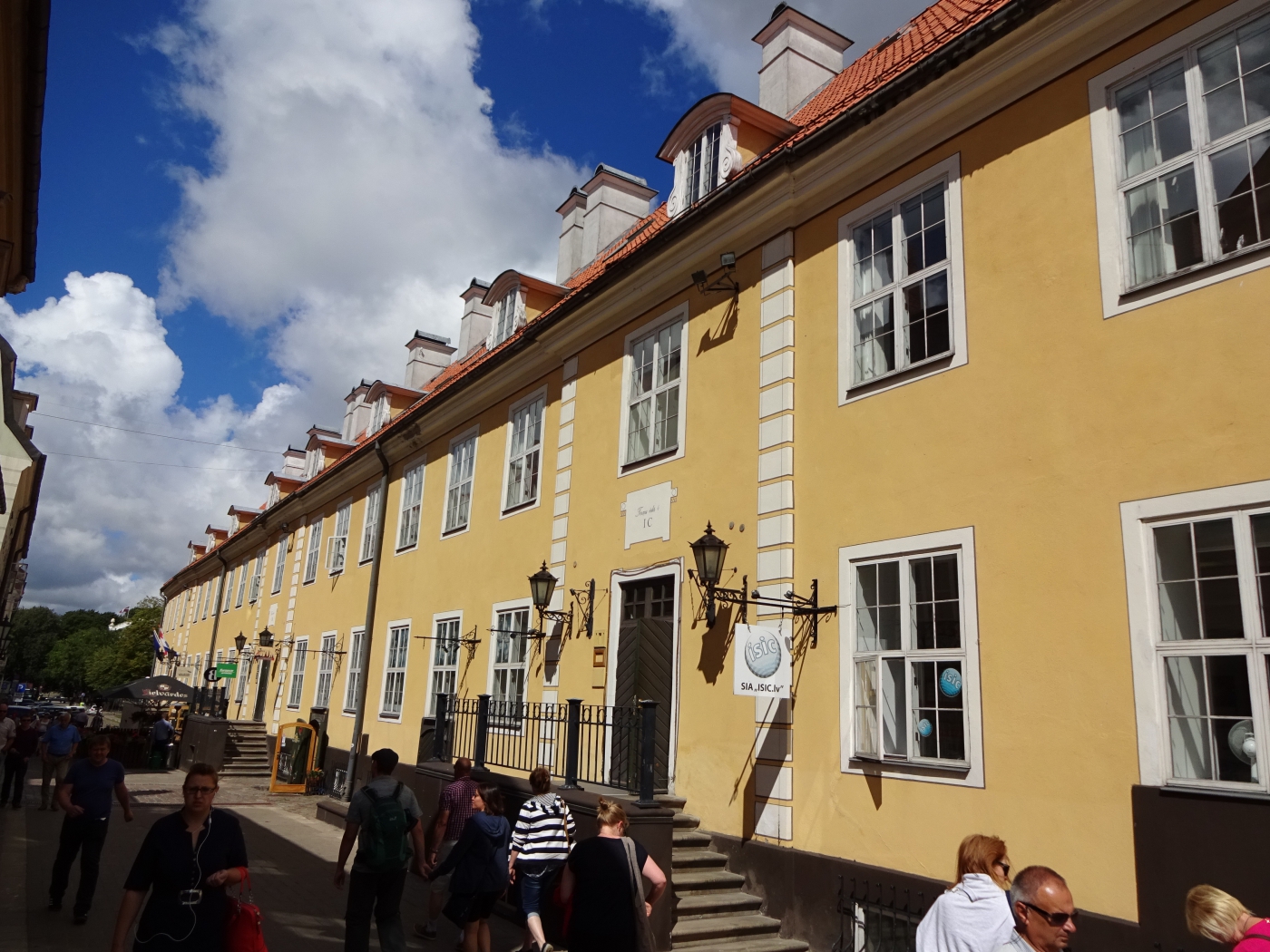
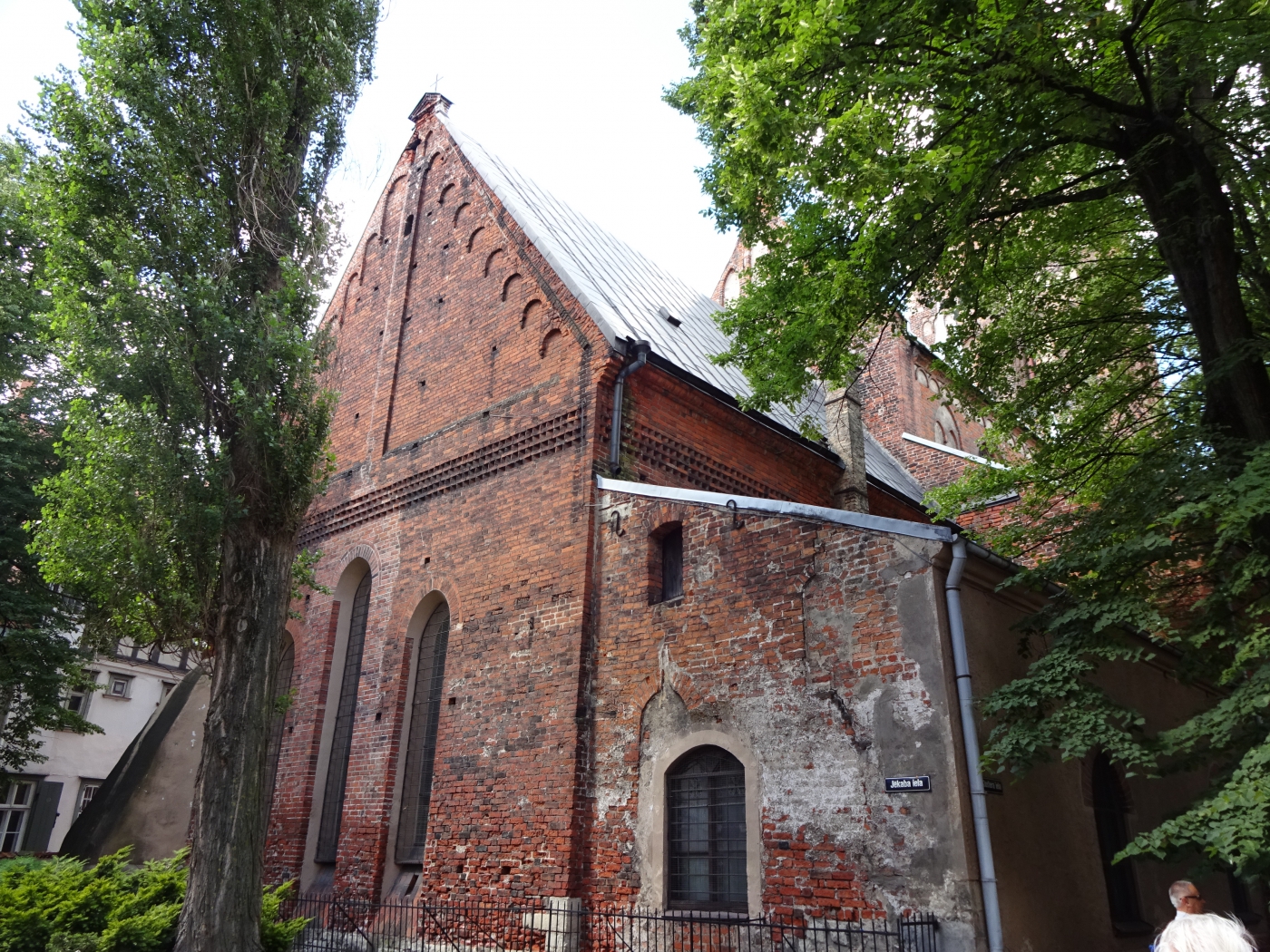
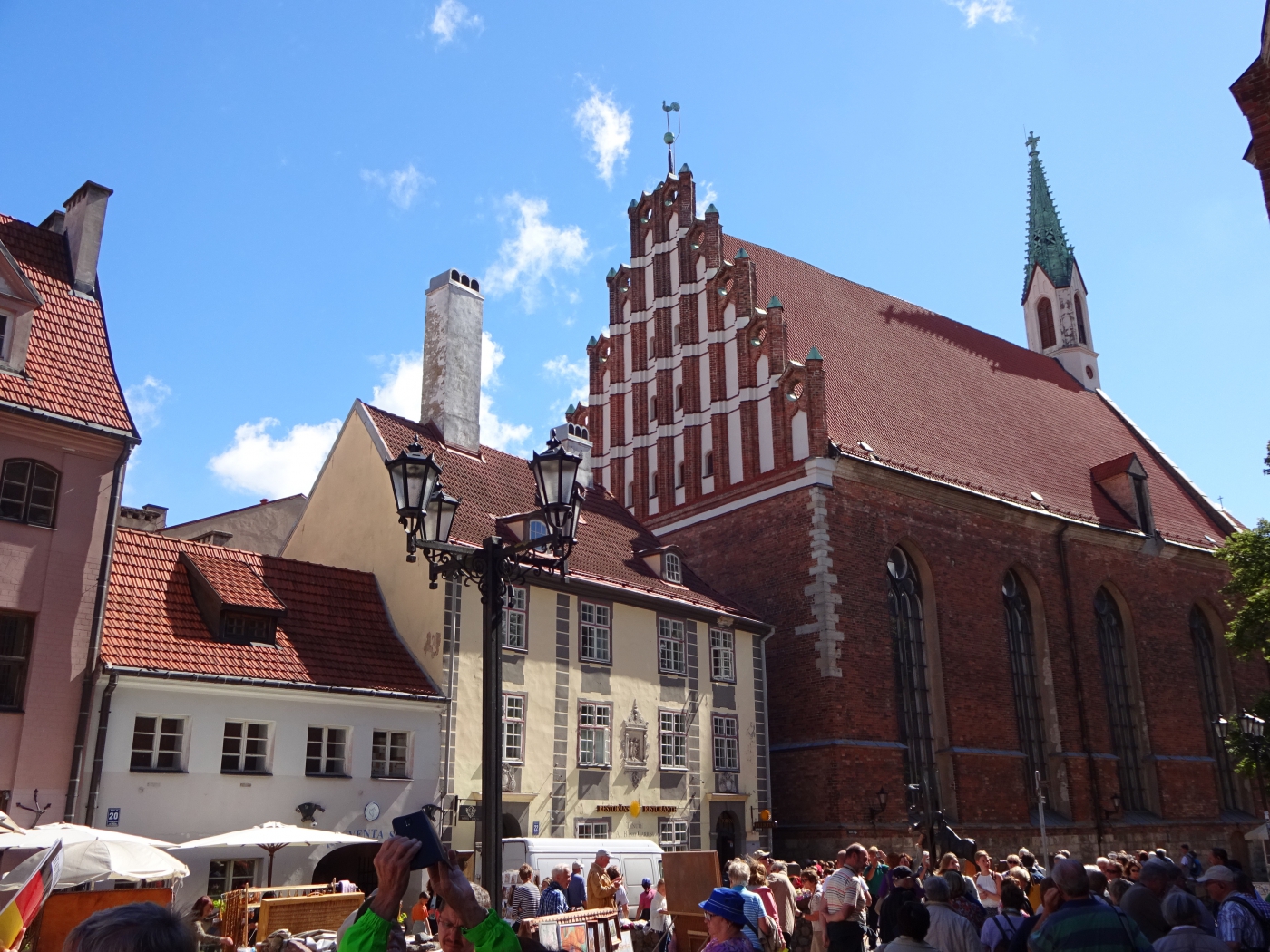
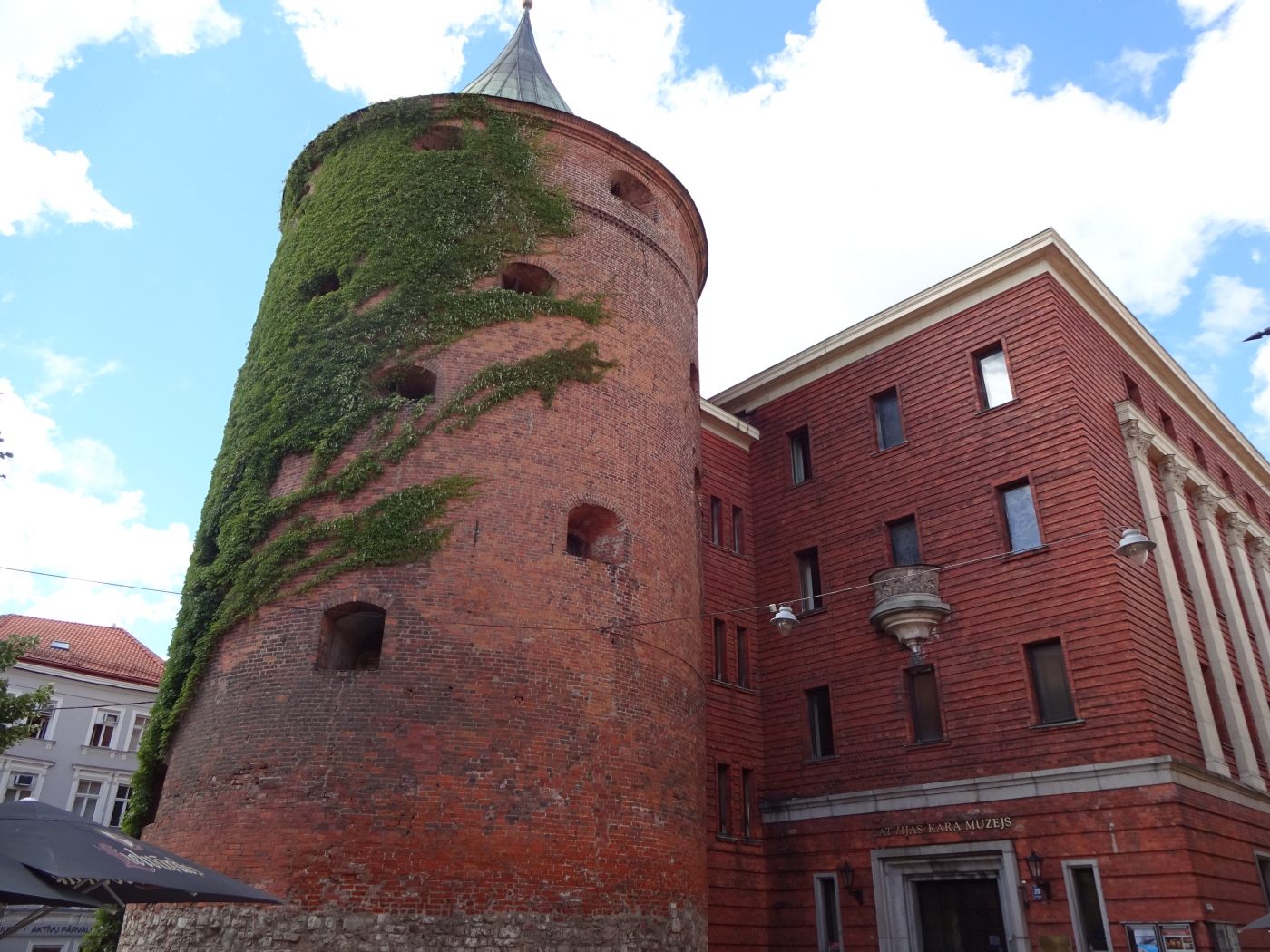
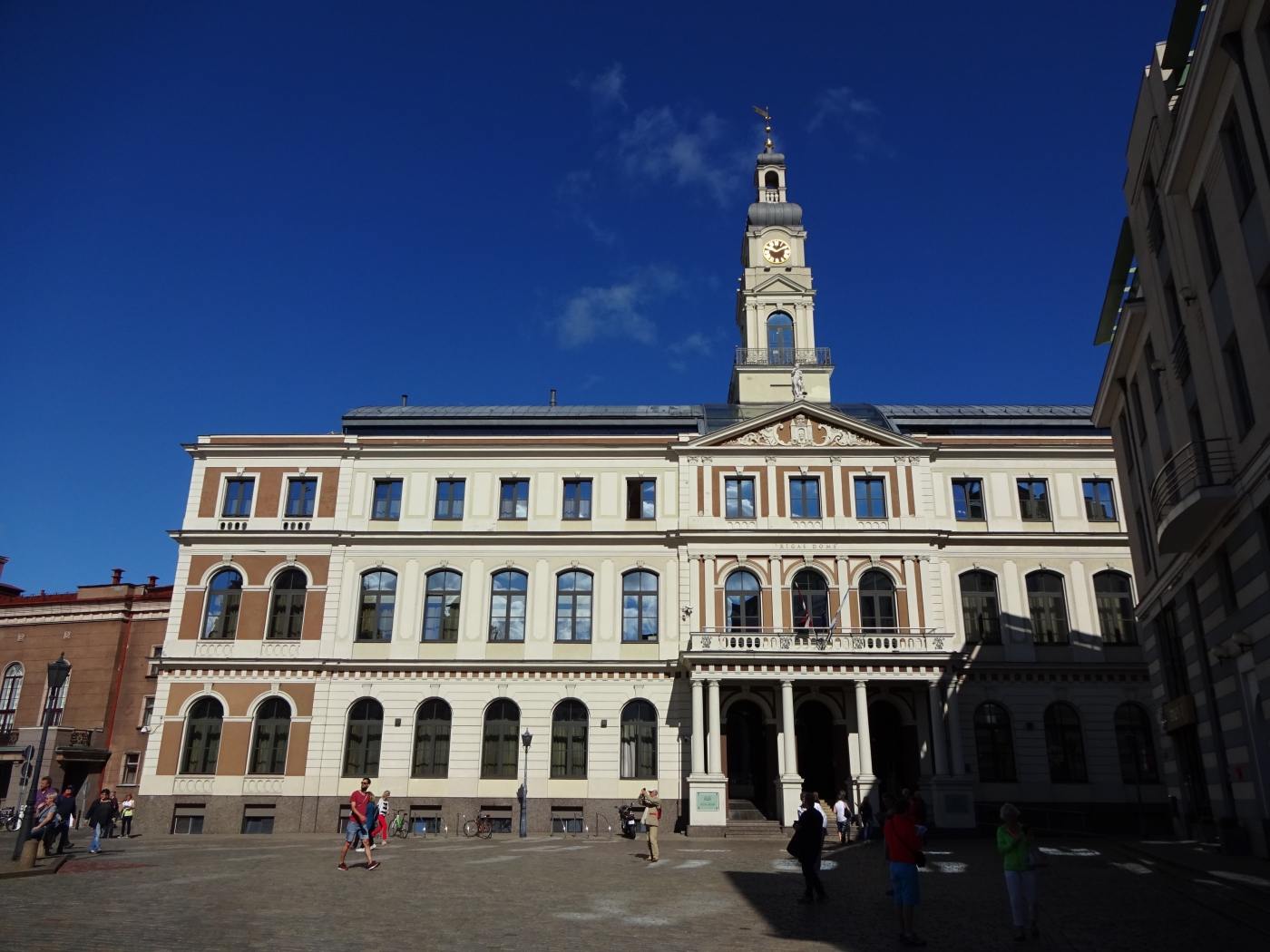
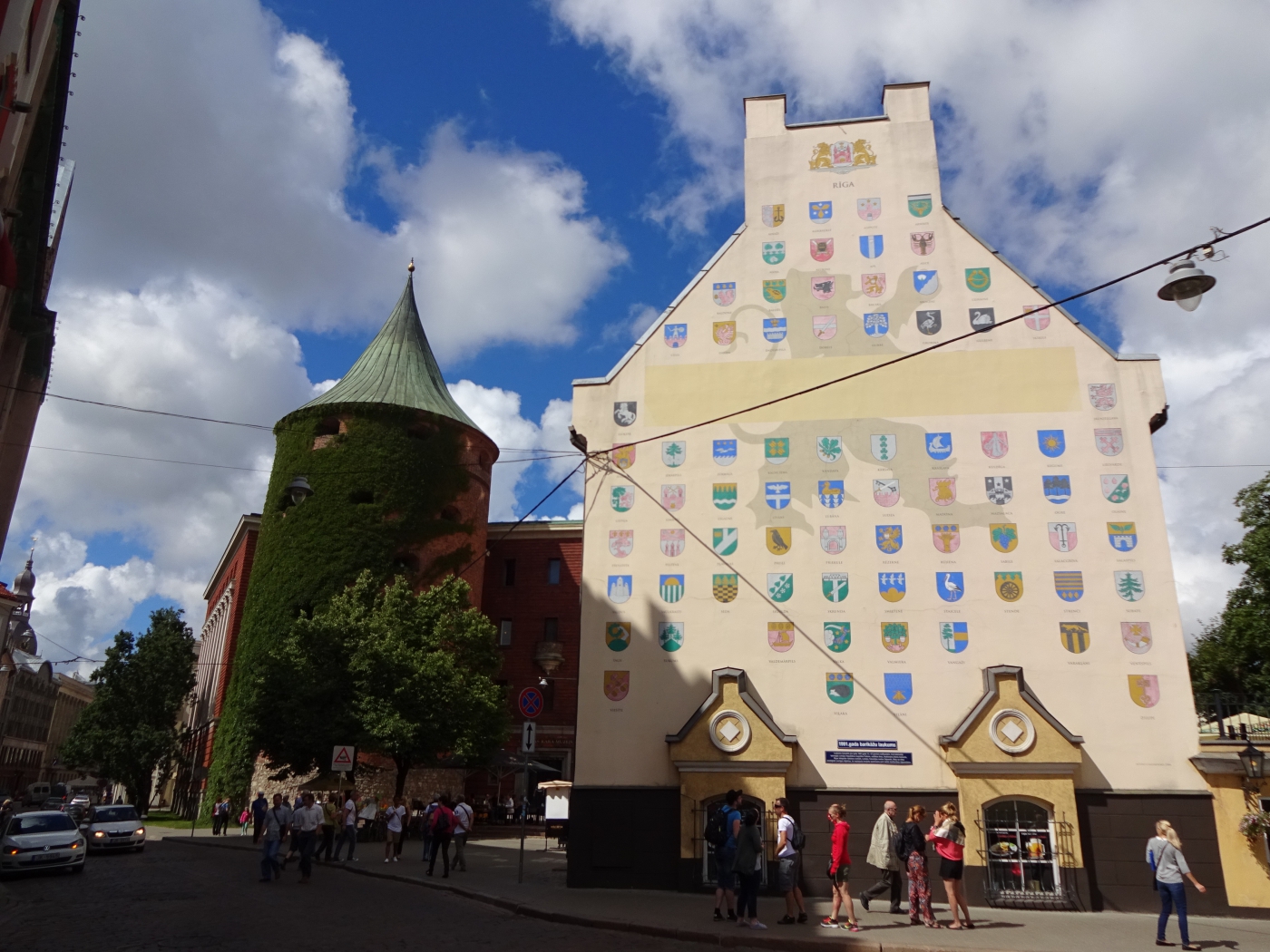
The city's Old Town, or Vecrīga, is a treasure of medieval buildings. Dominating the skyline are the magnificent Riga Cathedral, a brick Gothic masterpiece, and the towering spire of St. Peter's Church. Notable secular buildings include the beautifully reconstructed House of the Blackheads, once a guild for unmarried German merchants, and the charming complex known as the Three Brothers. The Swedish Gate, part of the original fortifications, also stands as a historical marker.
Beyond its medieval core, Riga is renowned for its unparalleled collection of Art Nouveau buildings. Built primarily in the late 19th and early 20th centuries, this district boasts over 800 examples, making it one of the largest and most concentrated collections globally. Streets like Alberta Street are open-air museums, showcasing the vibrant decorative elements and flowing lines characteristic of Art Nouveau, reflecting the city's rapid expansion and modernity.
The blend of these distinct architectural styles, from medieval to elaborate Art Nouveau, within a largely preserved urban fabric, makes Riga truly unique. It is recognized as an outstanding example of urban evolution that has absorbed influences from across Europe, maintaining its historical character while adapting to various epochs.
Further Reading
Riga was a major centre of the Hanseatic League, deriving its prosperity in the 13th–15th centuries from the trade with central and eastern Europe. The urban fabric of its medieval centre reflects this prosperity, though most of the earliest buildings were destroyed by fire or war. Riga became an important economic centre in the 19th century, when the suburbs surrounding the medieval town were laid out, first with imposing wooden buildings in neoclassical style and then in Jugendstil . It is generally recognized that Riga has the finest collection of art nouveau buildings in Europe.
Vecrīga ("Old Riga") is the historical center and a neighbourhood (as Vecpilsēta) of Riga, Latvia, located in the Central District on the east side of Daugava River. Vecrīga is famous for its old churches and cathedrals, such as Riga Cathedral, St. James's Cathedral and St. Peter's Church.