City of Luxembourg: its Old Quarters and Fortifications
Luxemburg, Luxembourg
30.10.2010

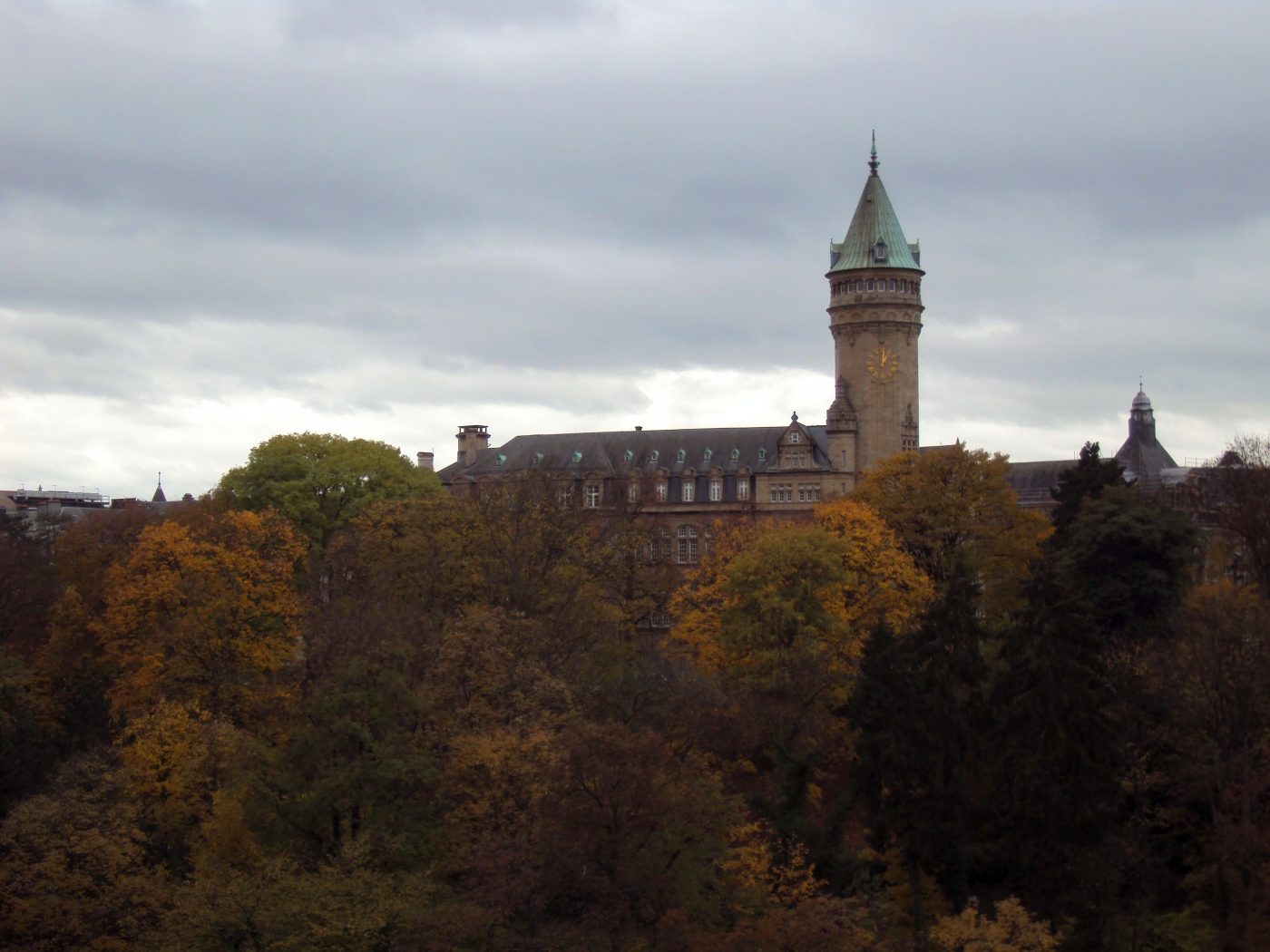
Perched dramatically on a rocky promontory, the City of Luxembourg is a testament to centuries of military engineering and cultural fusion. Its ancient quarters and formidable fortifications, inscribed as a UNESCO World Heritage site in 1994, offer a unique glimpse into European history, reflecting its strategic importance at the crossroads of empires.
A Strategic Foundation
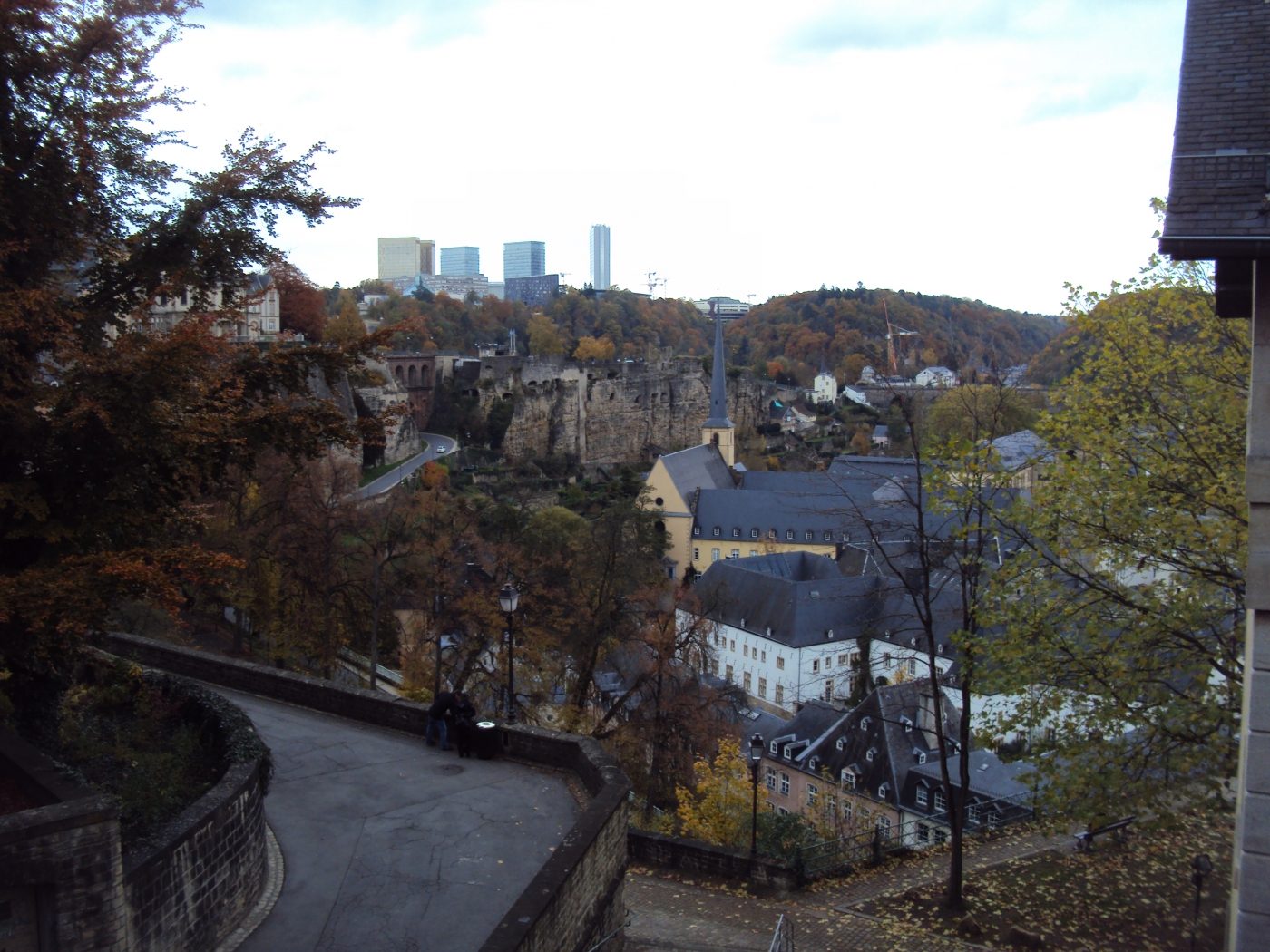
The origins of Luxembourg can be traced back to 963 AD, when Siegfried I, Count of Ardennes, acquired a small, fortified Roman watchtower known as Lucilinburhuc (meaning "little fortress") on the Bock Promontory. This strategic location, naturally protected by steep cliffs overlooking the valleys of the Alzette and Pétrusse rivers, made it an ideal site for a stronghold. Over the centuries, this initial fortification evolved into one of Europe's most powerful strongholds, earning it the moniker "Gibraltar of the North".
Evolution of a Fortress City
Successive European powers, including the Burgundians, Habsburgs, Spanish, French, and Austrians, continually reinforced and expanded the city's defenses. Each ruler left an indelible mark on its architecture and military design. The Spanish introduced extensive bastion systems, while the renowned French engineer Sébastien Le Prestre de Vauban further modernized and strengthened the fortifications in the late 17th century, incorporating intricate networks of underground tunnels and galleries known as the Casemates. These subterranean passages, carved directly into the rock, served as shelters, barracks, and escape routes, showcasing remarkable ingenuity.
From Fortress to Open City
The city's formidable defenses played a crucial role in European conflicts for centuries. However, its military importance declined in the 19th century. Following the Treaty of London in 1867, which declared Luxembourg neutral, the vast majority of its fortifications were dismantled over a period of 16 years. This massive undertaking dramatically altered the city's landscape, opening up space for urban development while carefully preserving key elements like the Bock Casemates, parts of the city walls, and several gates.
Architectural and Cultural Heritage
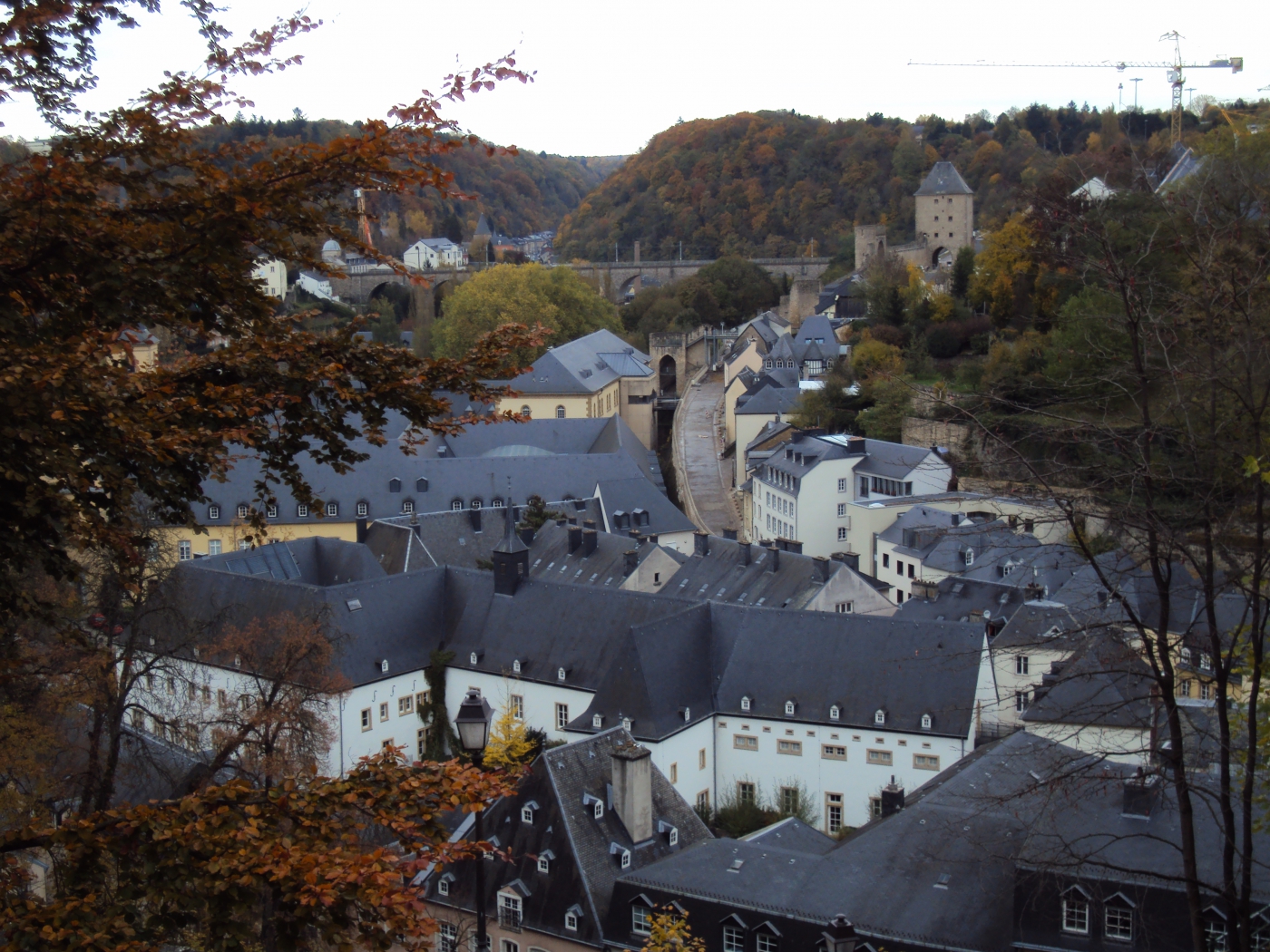
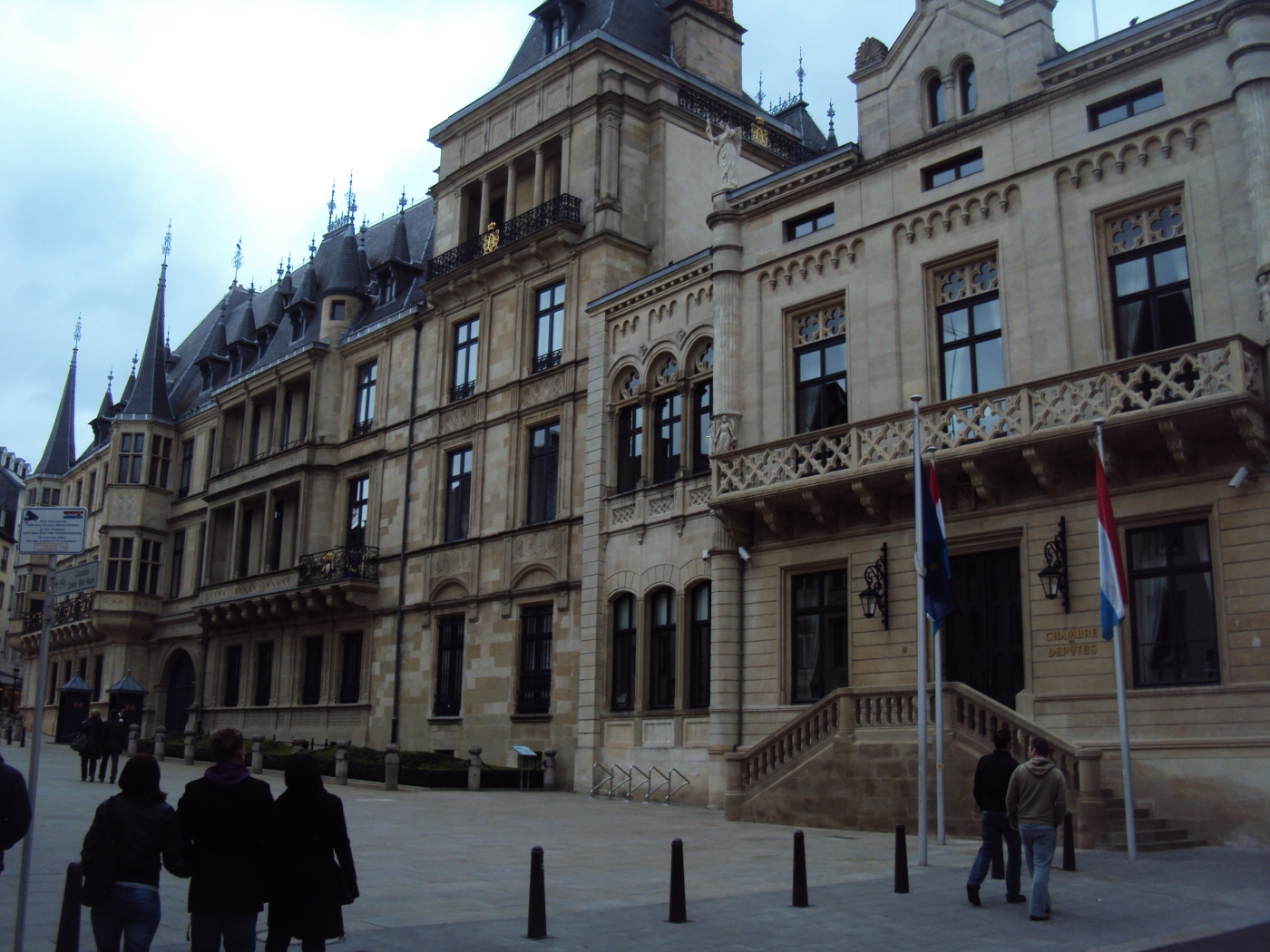
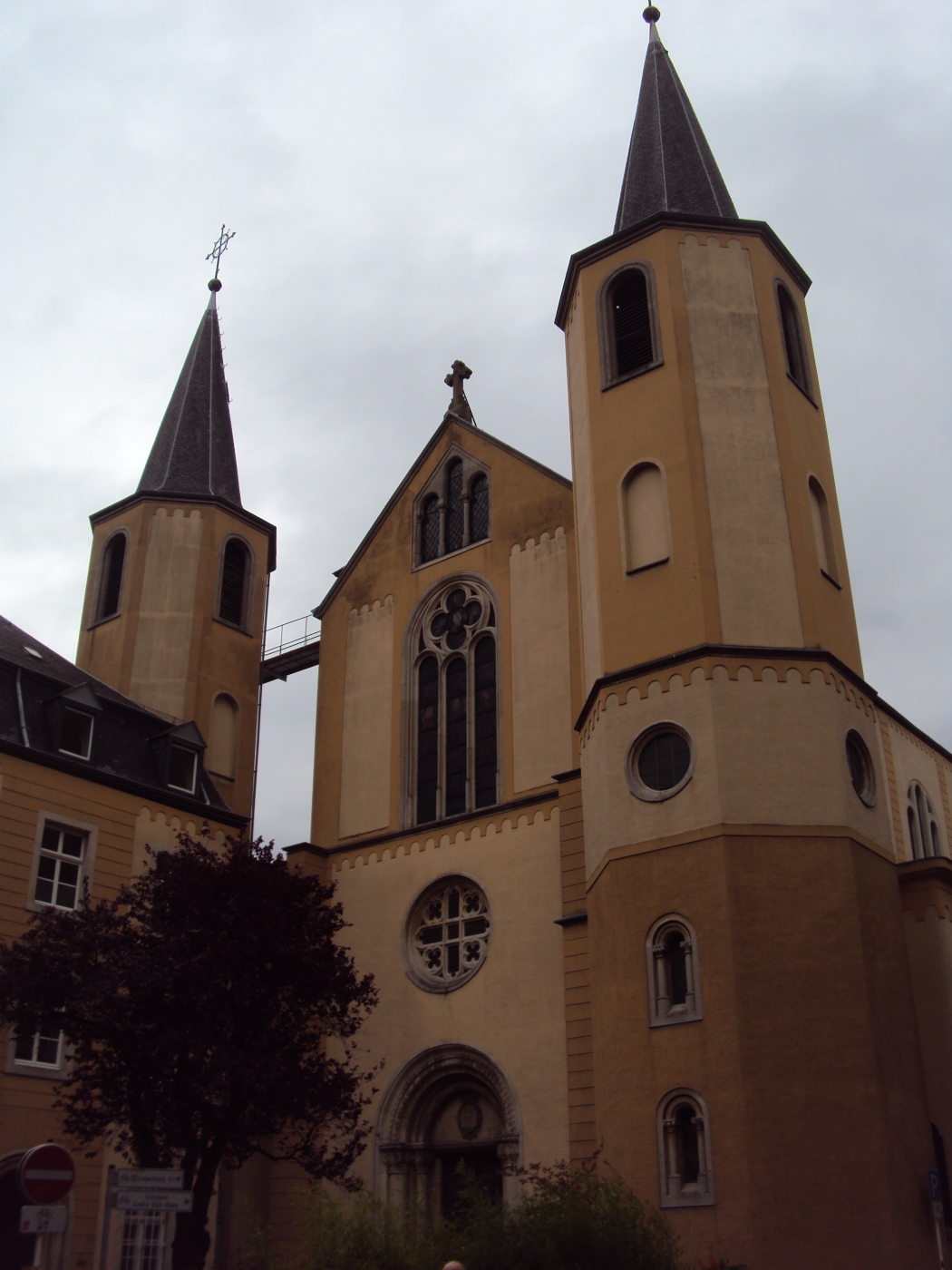
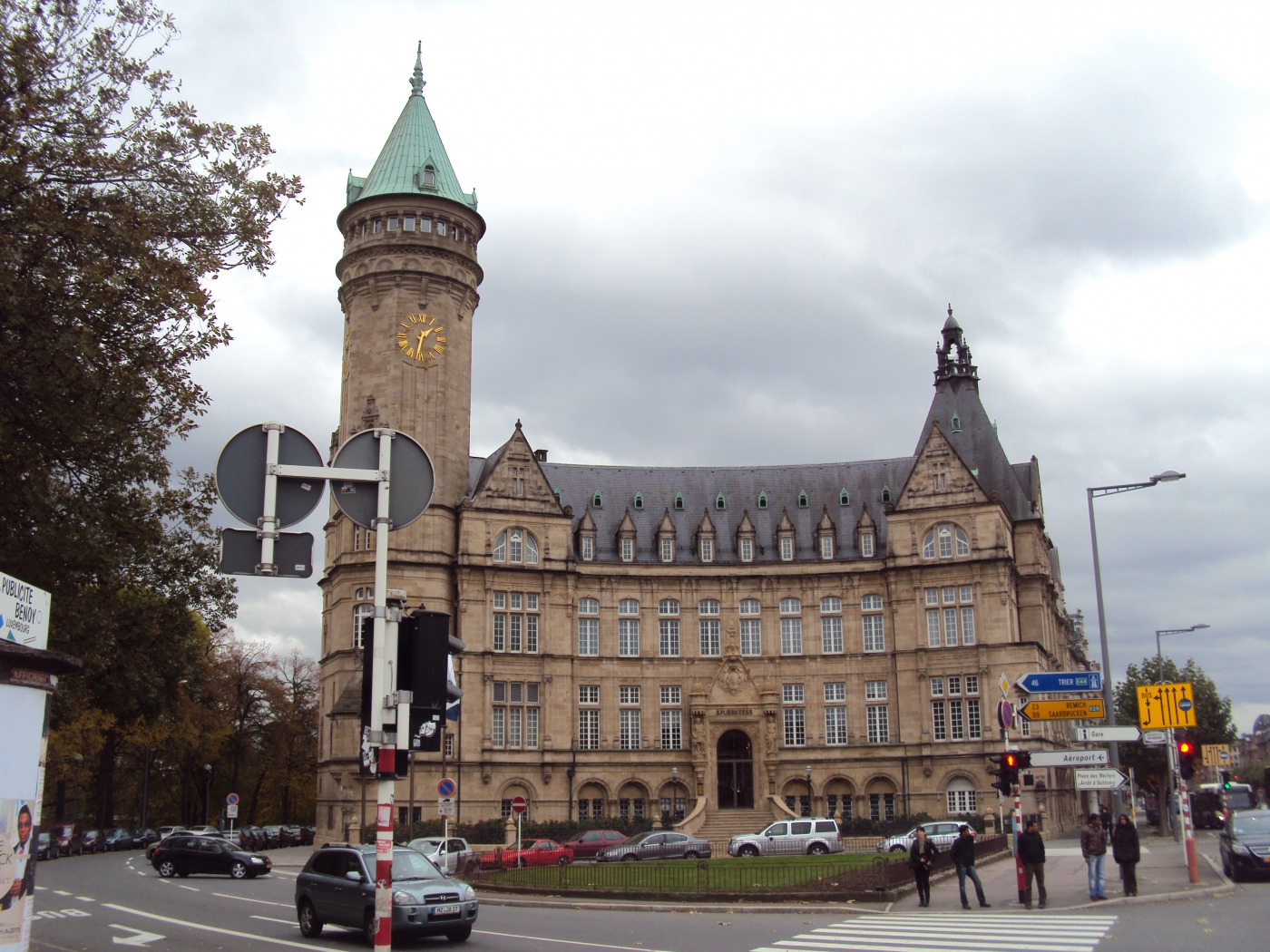
Today, visitors can explore the remnants of this grand past. The picturesque old town, with its charming squares and narrow streets, contrasts beautifully with the rugged terrain of the former fortifications. Key landmarks include the Grand Ducal Palace, the stunning Notre-Dame Cathedral with its blend of late Gothic and Renaissance styles, and the historic Grund district nestled in the valley below. The famous promenade known as the Chemin de la Corniche offers breathtaking panoramic views, often called "Europe's most beautiful balcony," overlooking the lower town and the remnants of the ancient fortress.
The City of Luxembourg stands as an outstanding example of a fortified European city, demonstrating the interplay between military engineering, urban development, and cultural heritage over more than a millennium. Its unique blend of natural defenses and man-made structures tells a compelling story of power, resilience, and transformation.
Further Links
Because of its strategic position, Luxembourg was, from the 16th century until 1867, when its walls were dismantled, one of Europe's greatest fortified sites. It was repeatedly reinforced as it passed from one great European power to another: the Holy Roman Emperors, the House of Burgundy, the Habsburgs, the French and Spanish kings, and finally the Prussians. Until their partial demolition, the fortifications were a fine example of military architecture spanning several centuries.