Monastery of Batalha
Batalha, Portugal
18.09.2014

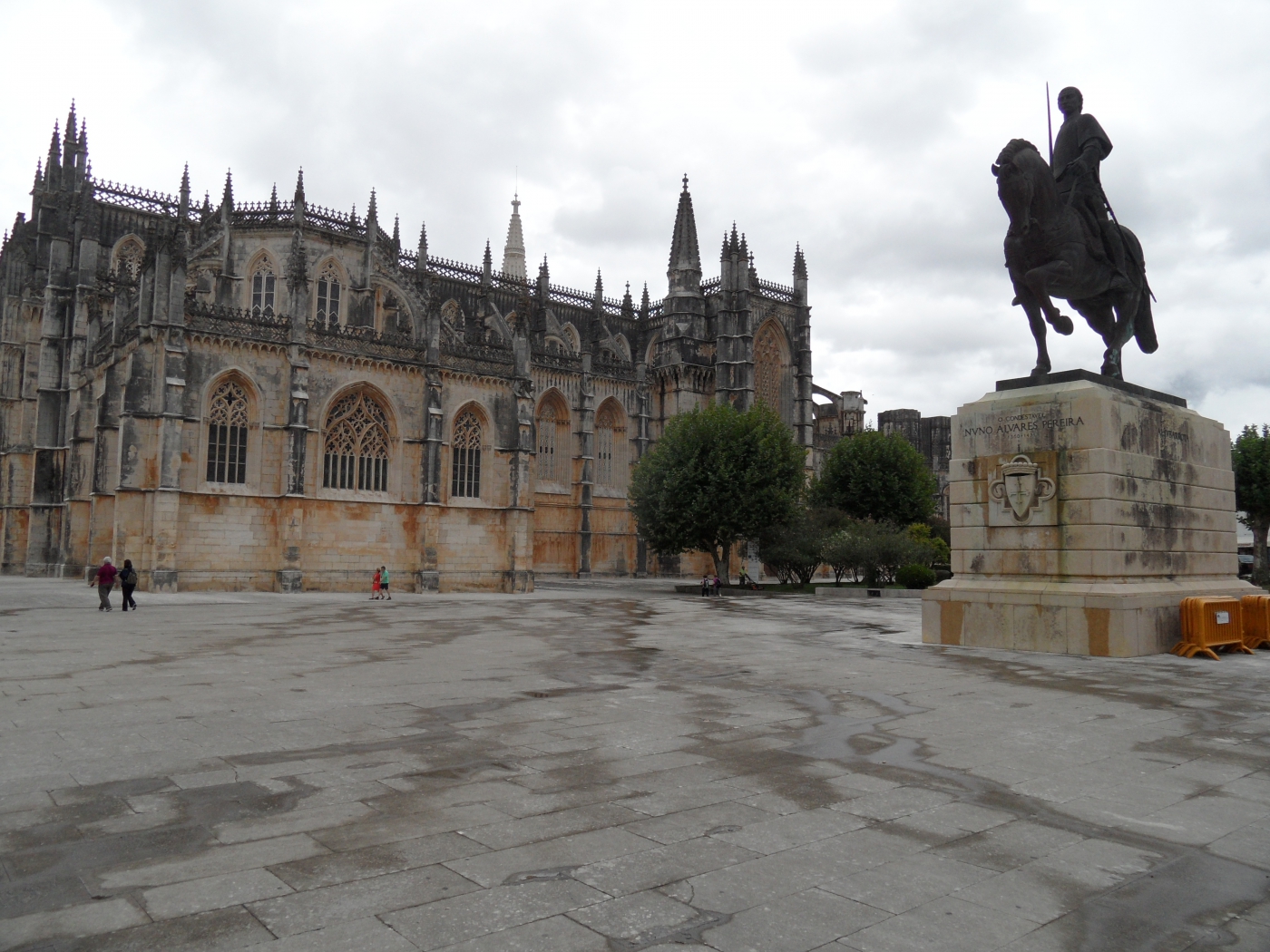
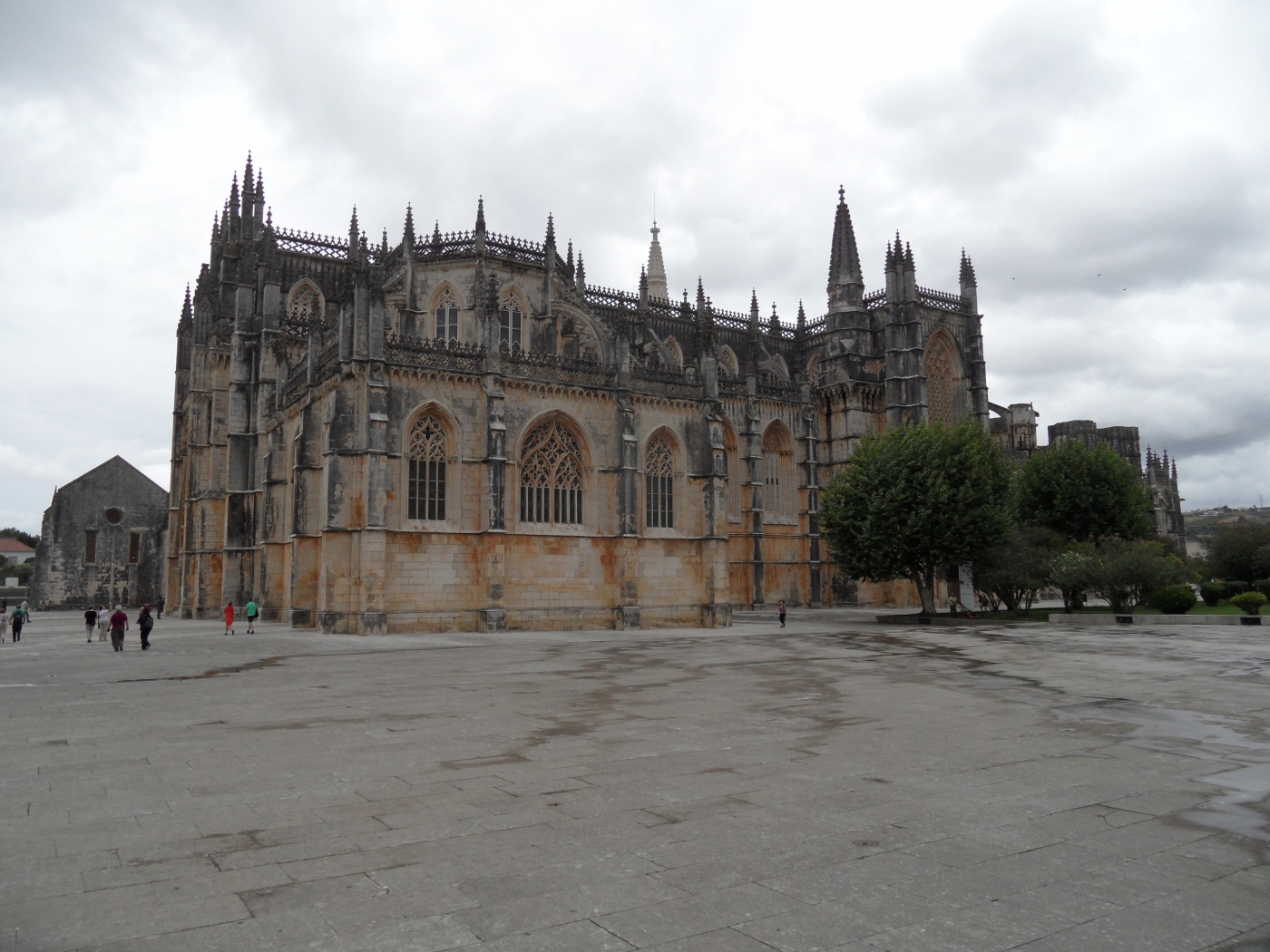
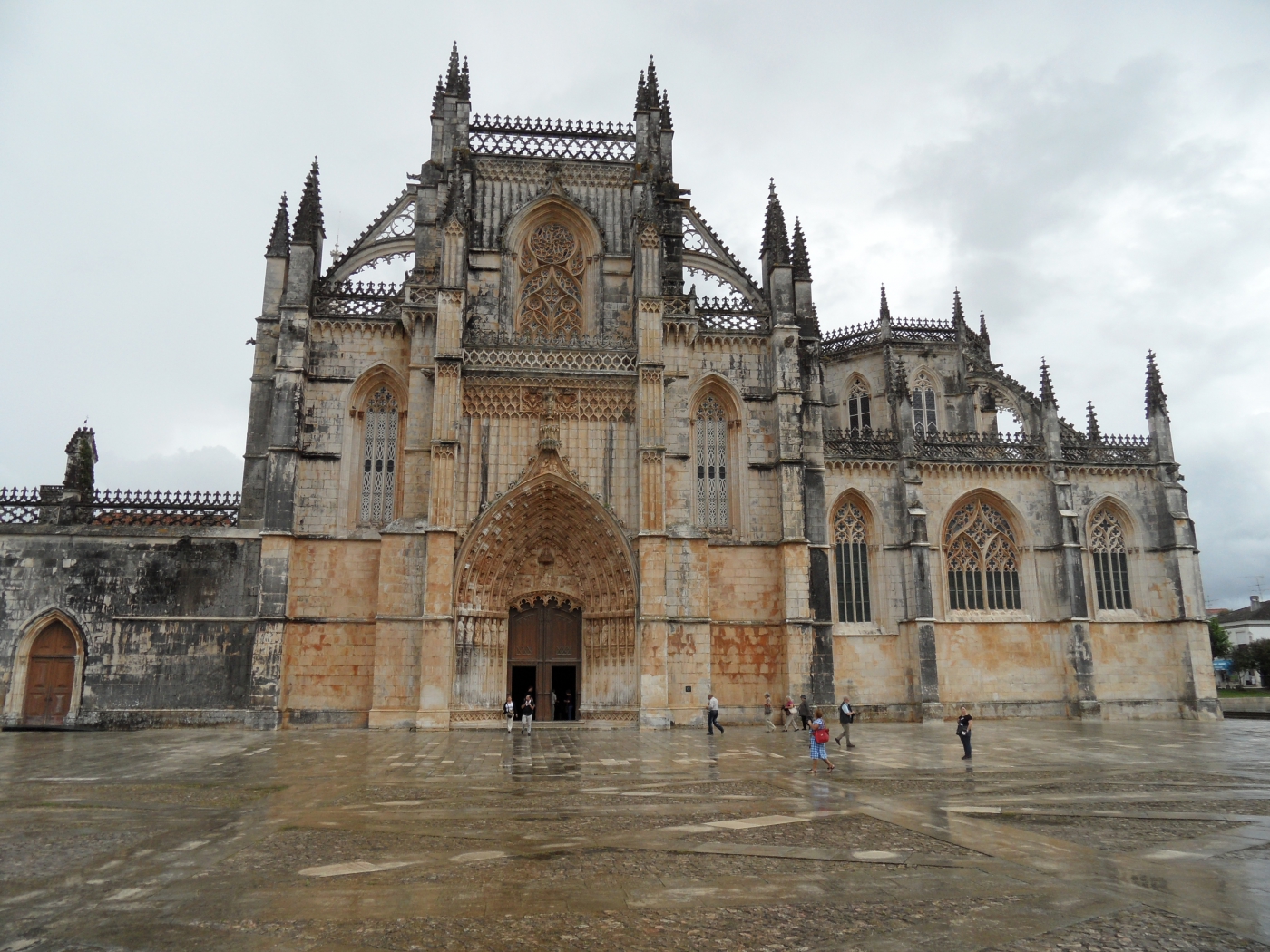
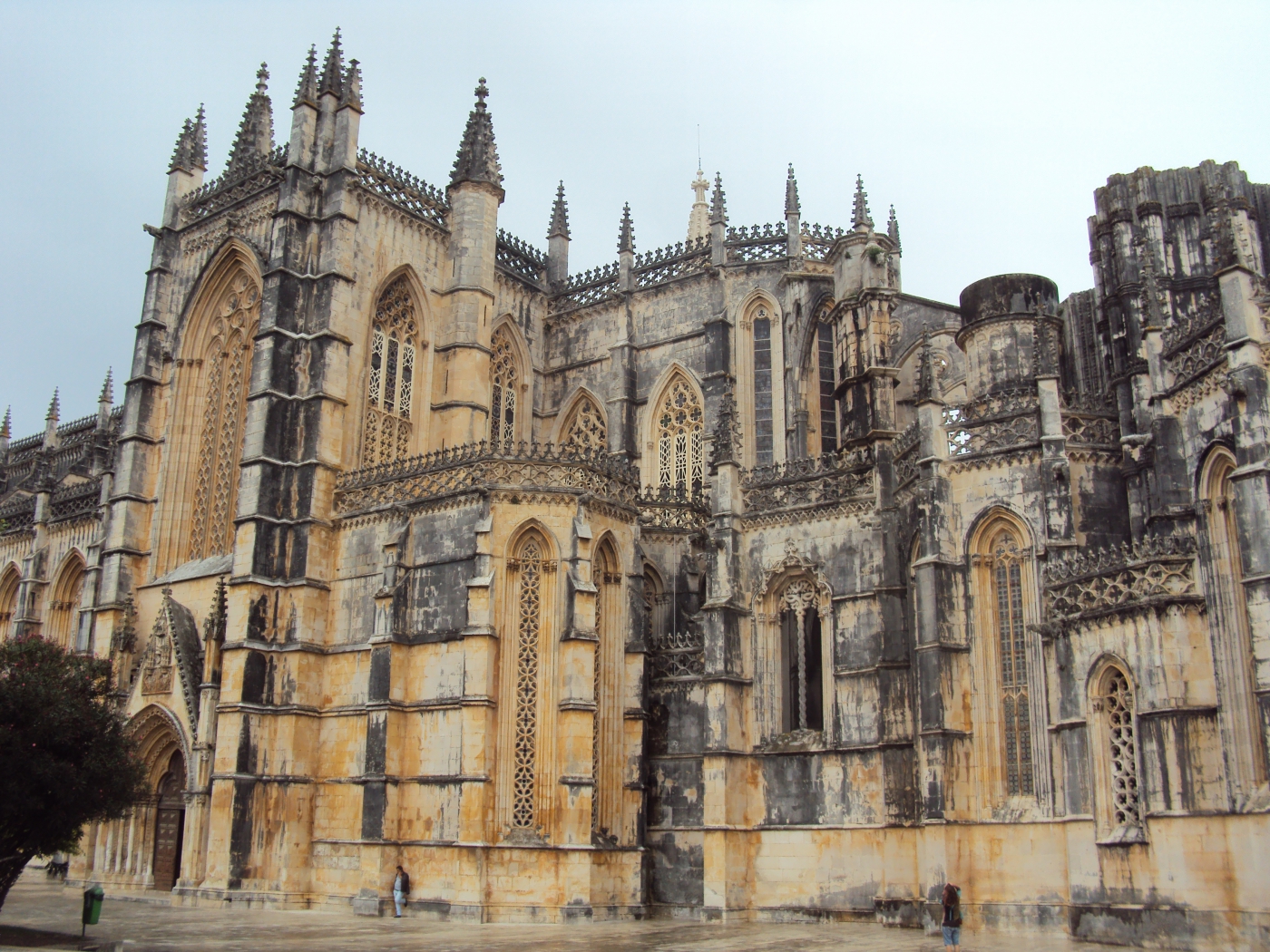
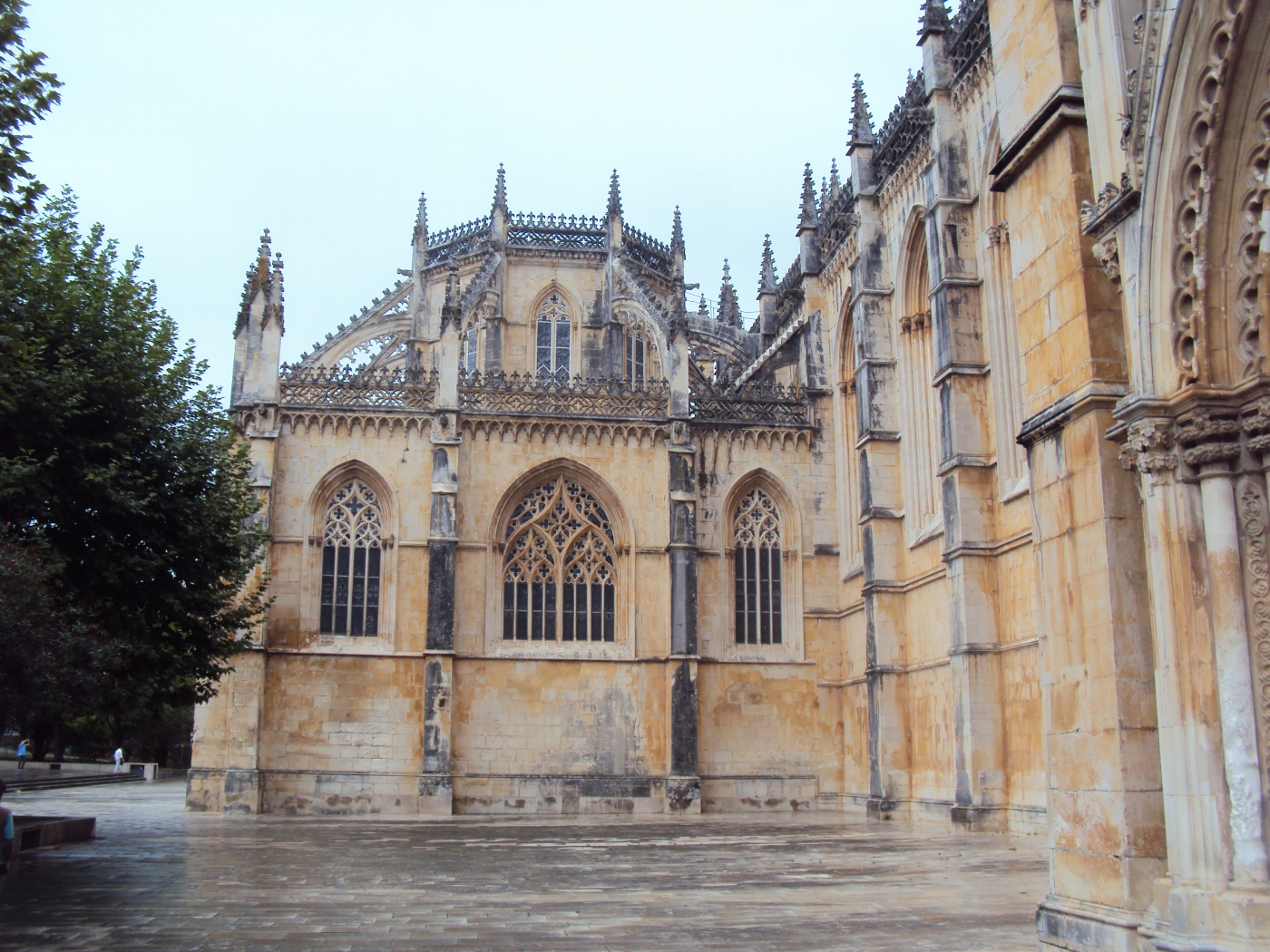
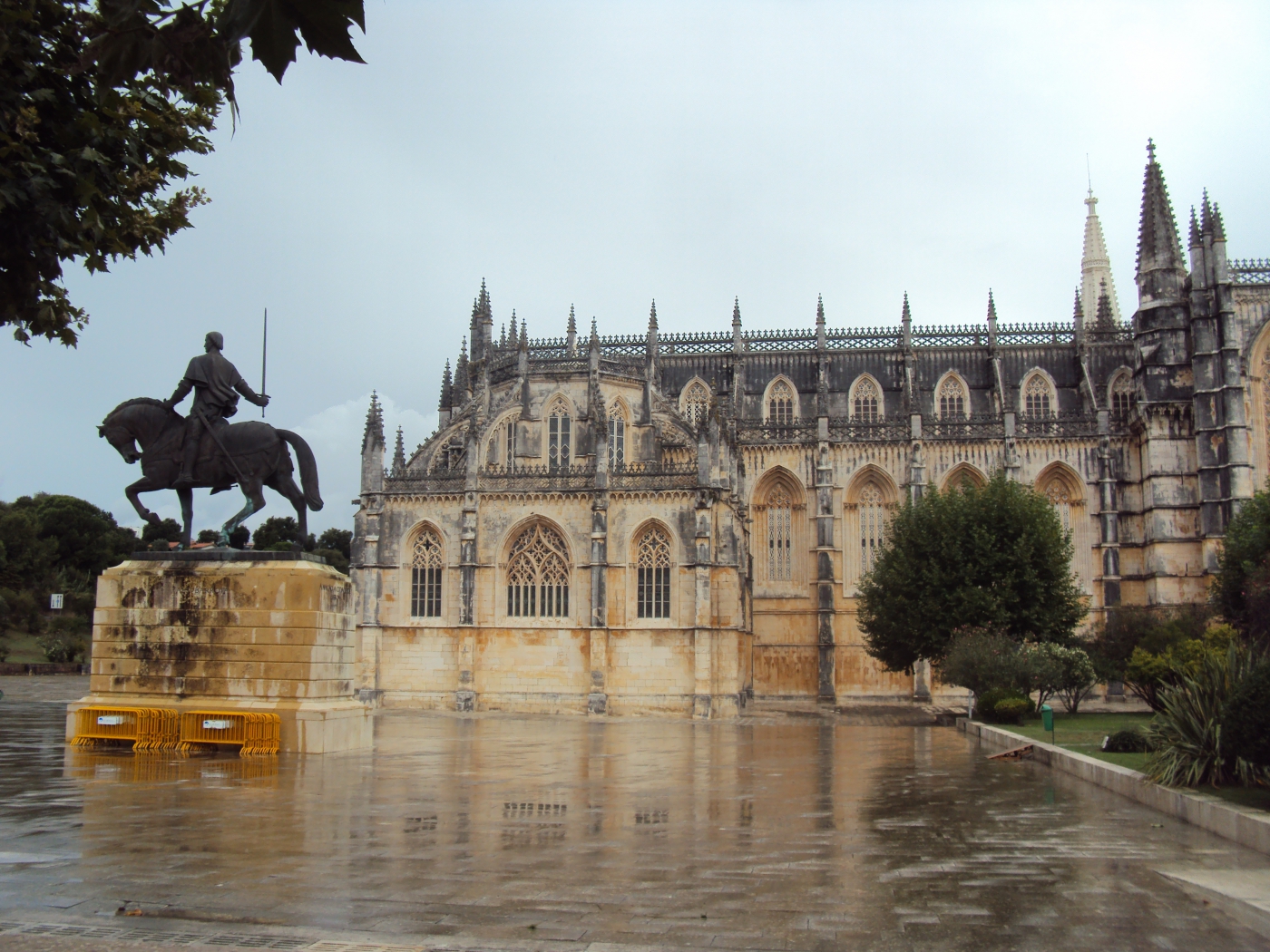
The Monastery of Batalha, officially the Monastery of Santa Maria da Vitória, stands as a profound testament to Portuguese history and architectural brilliance in the town of Batalha, Portugal. This UNESCO World Heritage site is a magnificent example of Gothic architecture fused with the distinctively Portuguese Manueline style, symbolizing the nation's independence and its Age of Discovery.
A Vow Fulfilled
Its construction began in 1386, initiated by King John I as a solemn vow to the Virgin Mary for his triumphant victory against Castilian forces in the pivotal Battle of Aljubarrota on August 14, 1385. This decisive battle secured Portugal's independence and established the House of Aviz on the throne. The monastery served not only as a place of worship but also as a pantheon for the Aviz dynasty, becoming a cherished national symbol.
Architectural Grandeur
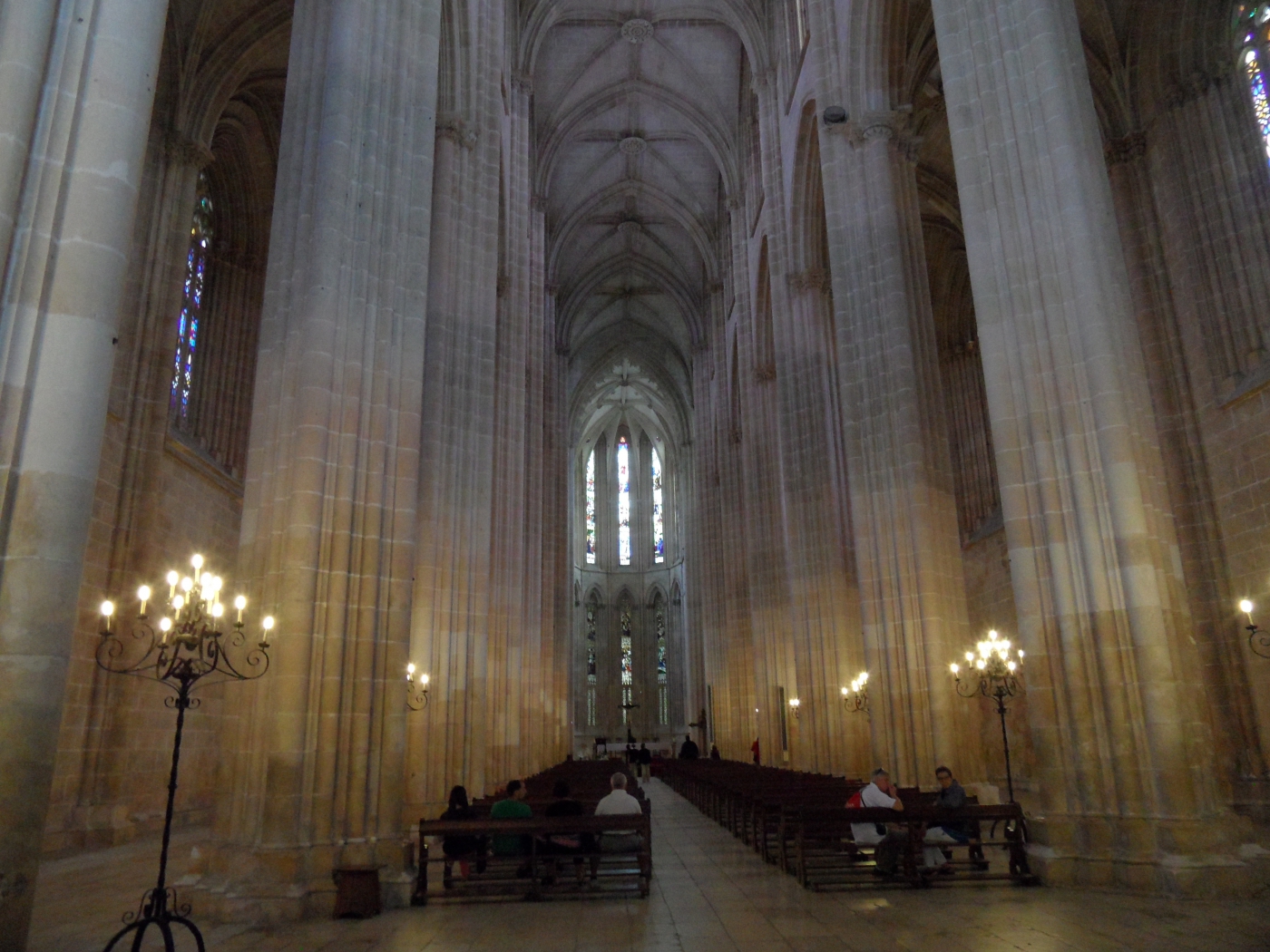
The architectural journey of Batalha spanned over 150 years, evolving through the contributions of several master builders. The initial Gothic design, largely by Afonso Domingues and later Huguet, laid the foundations, particularly evident in the main church and the Founder's Chapel. This chapel, a square mausoleum, houses the tomb of King John I and his English wife, Philippa of Lancaster, alongside their illustrious sons, including Henry the Navigator, in a remarkable double-tomb design.
Manueline Masterpieces
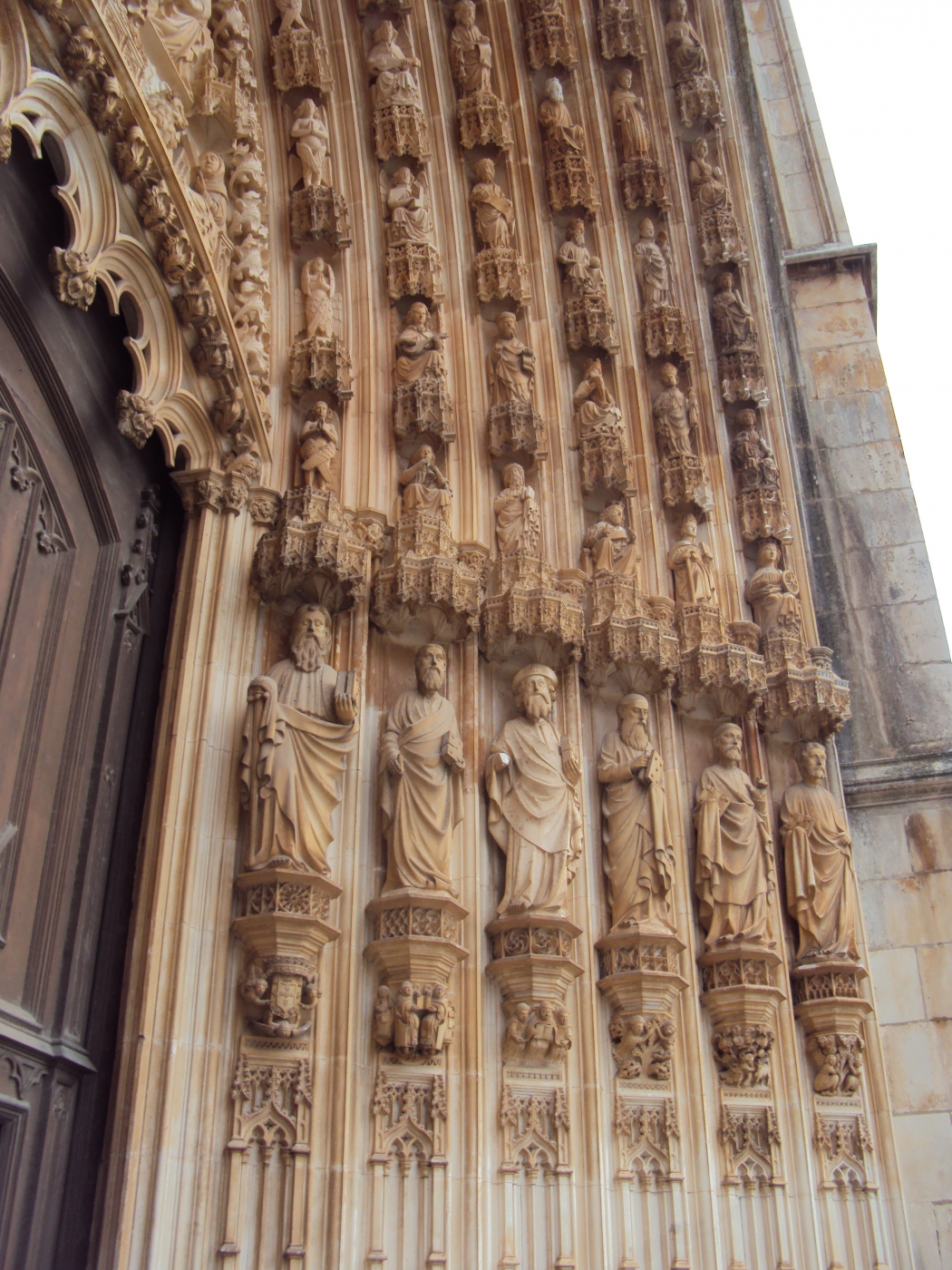
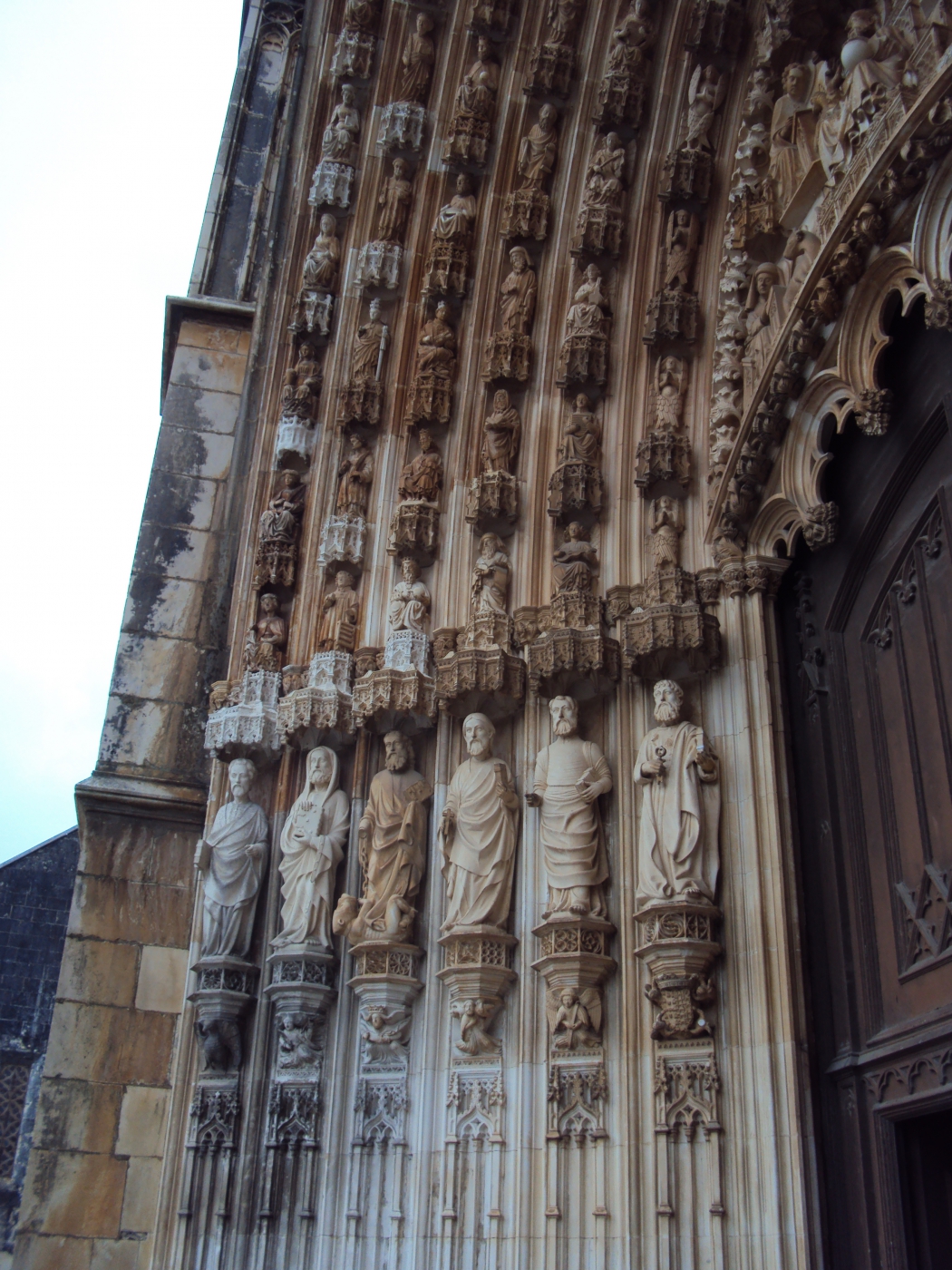
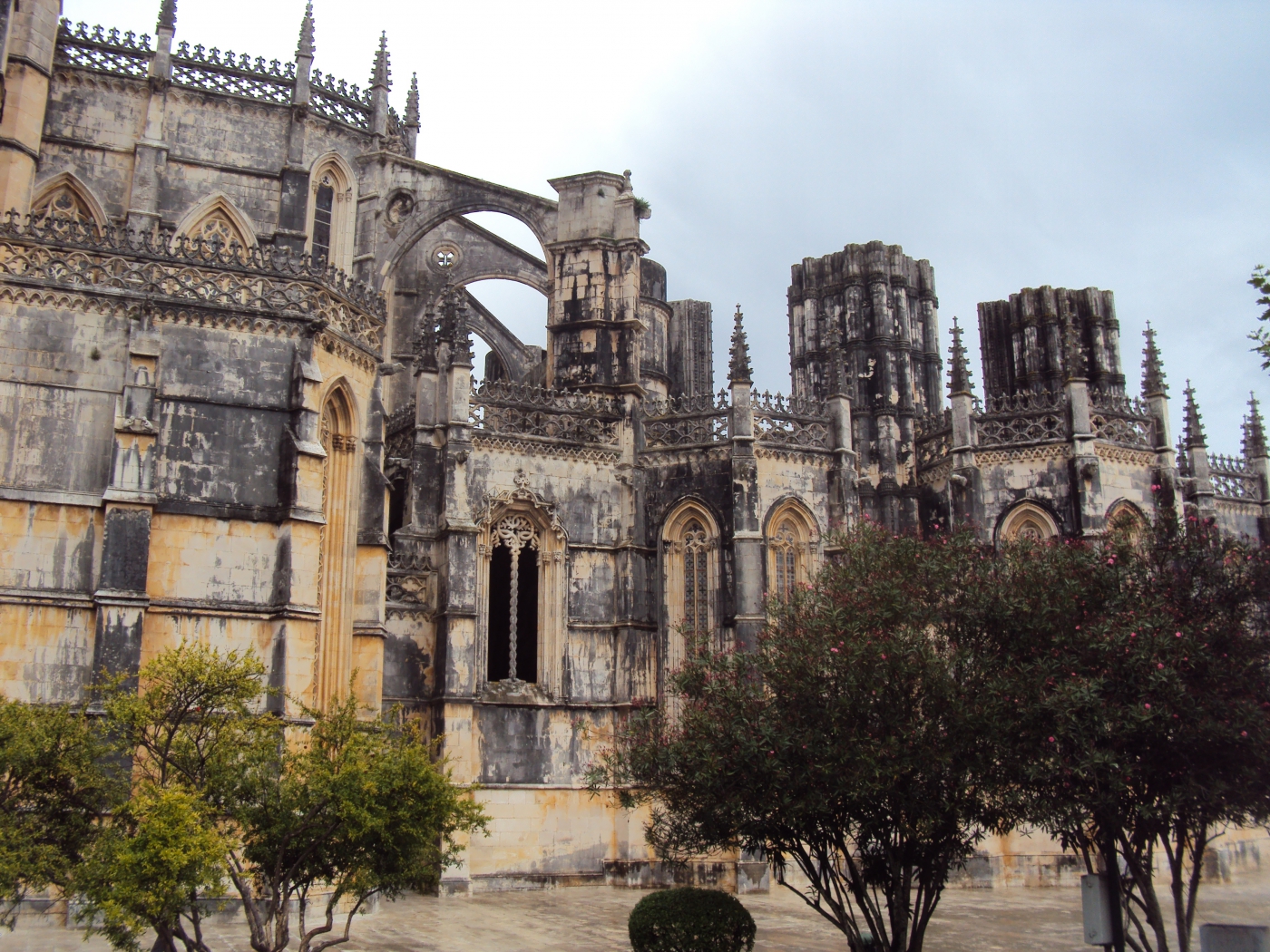
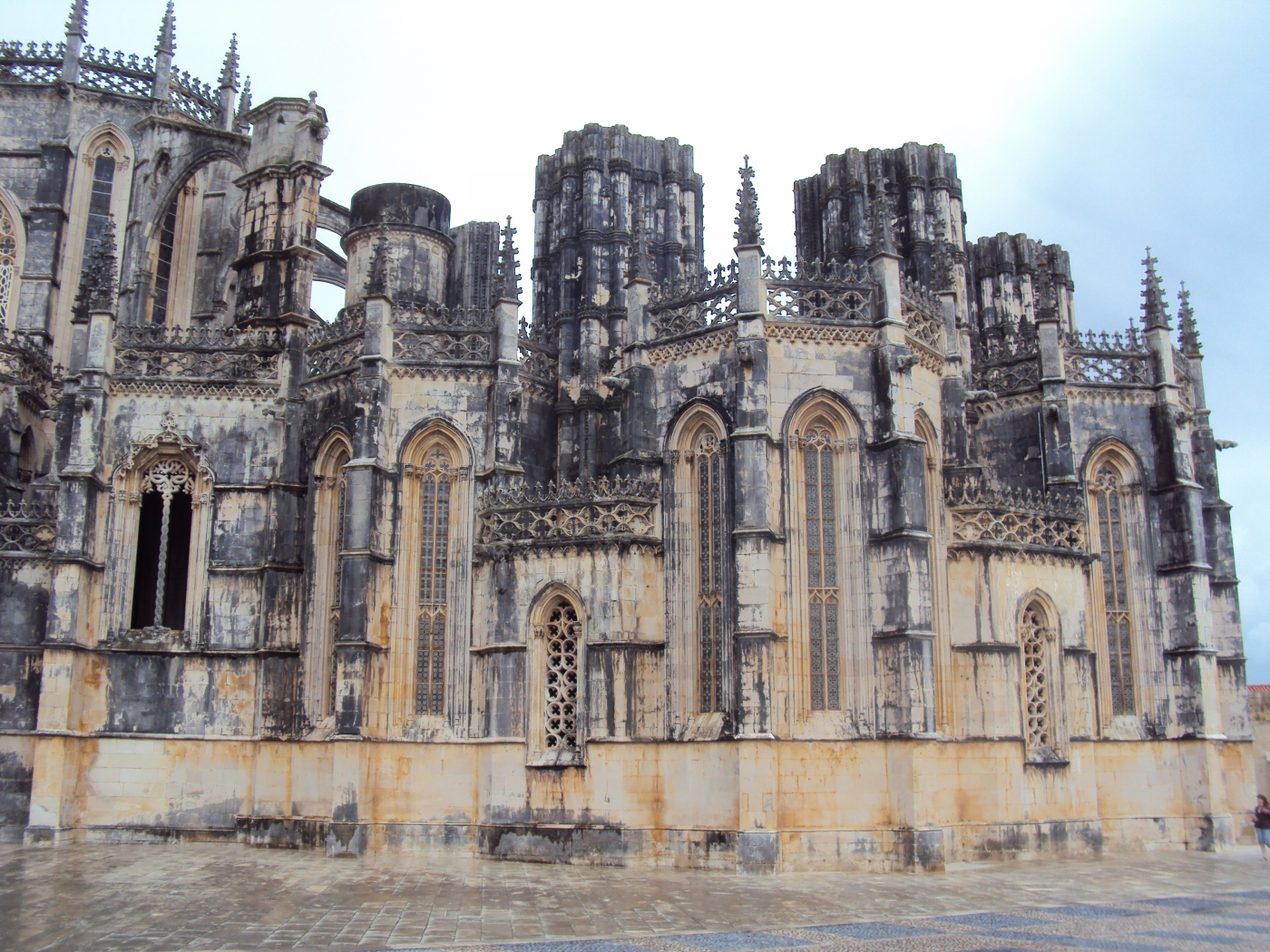
Subsequent generations introduced the flamboyant Manueline style, most notably under King Manuel I and architects like Mateus Fernandes. The Royal Cloister (Claustro Real) showcases an explosion of intricate stonework, featuring motifs of ropes, armillary spheres, and other maritime symbols reflecting Portugal's seafaring prowess. Perhaps the most breathtaking examples of this unique style are the Unfinished Chapels (Capelas Imperfeitas). Commissioned by King Duarte I, these octagonal chapels, though never completed with a roof, boast an awe-inspiring, highly decorative portal that remains a masterpiece of Manueline art, intricately carved with a fusion of Gothic, Renaissance, and Moorish influences. The sheer scale and detail of its stonework are truly remarkable.
Enduring Legacy
The Monastery of Batalha remains an unparalleled monument, blending centuries of Portuguese architectural aspiration and historical memory. Its designation as a UNESCO World Heritage site in 1983 acknowledges its outstanding universal value as a pivotal monument reflecting a crucial period in European history and an extraordinary example of architectural innovation.
Weiterführende Links
The Monastery of the Dominicans of Batalha was built to commemorate the victory of the Portuguese over the Castilians at the battle of Aljubarrota in 1385. It was to be the Portuguese monarchy's main building project for the next two centuries. Here a highly original, national Gothic style evolved, profoundly influenced by Manueline art, as demonstrated by its masterpiece, the Royal Cloister.
The Monastery of Batalha (Portuguese: Mosteiro da Batalha) is a Dominican convent in the municipality of Batalha, historical Beira Litoral province, in the Centro of Portugal. Originally, and officially, known as the Monastery of Saint Mary of the Victory (Portuguese: Mosteiro de Santa Maria da Vitória), it was erected in commemoration of the 1385 Battle of Aljubarrota and would serve as the burial church of the 15th-century Aviz dynasty of Portuguese royalty. It is one of the best and original examples of Late Flamboyant Gothic architecture in Portugal, intermingled with the Manueline style.
The monastery is a historic and cultural monument and was listed as a UNESCO World Heritage site in 1983.