Monastery of Alcobaça
Alcobaça, Portugal
18.09.2014

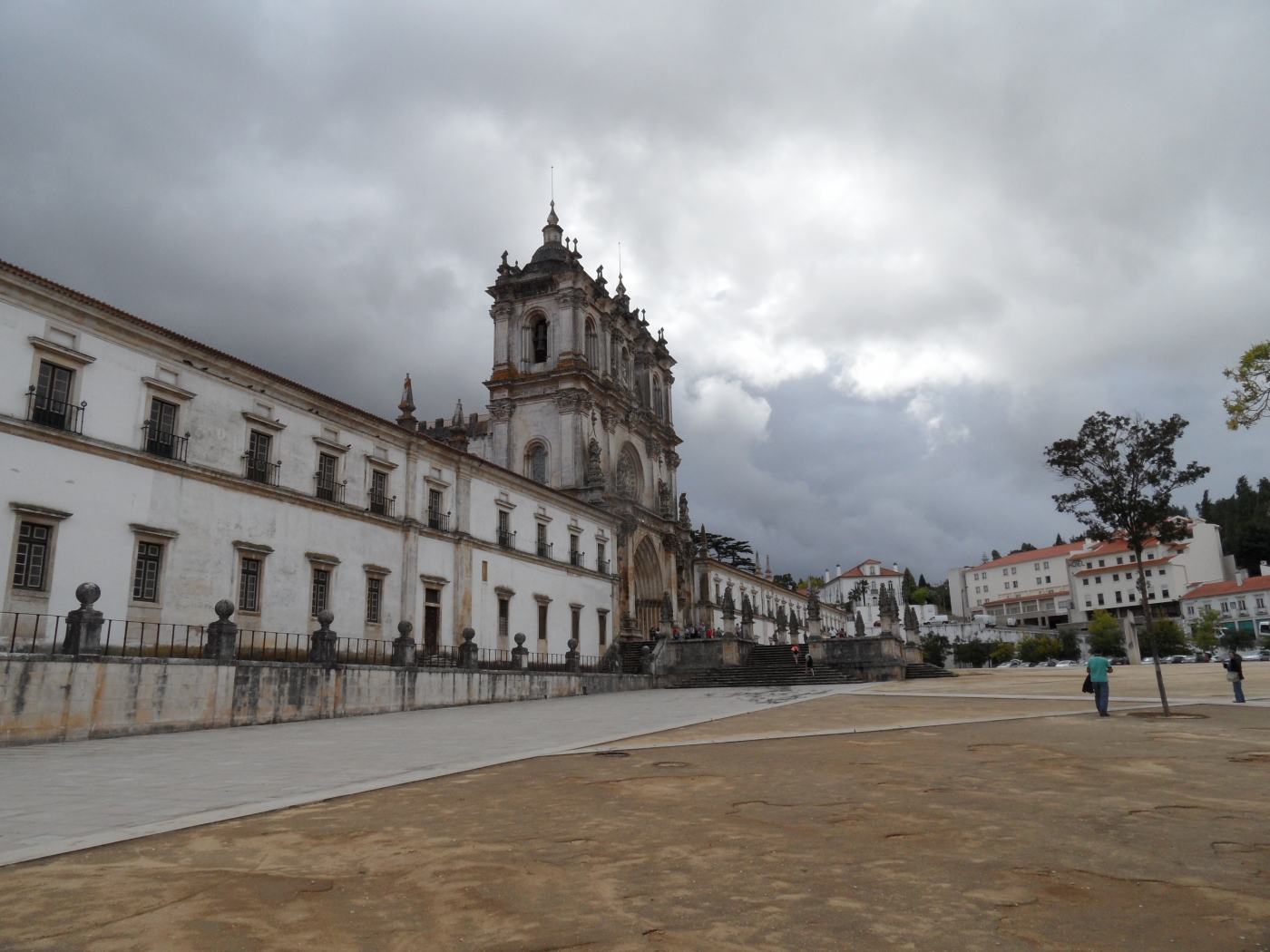
The Monastery of Alcobaça, located in Alcobaça, Portugal, is an outstanding example of Cistercian architecture and a UNESCO World Heritage site since 1989. It represents one of Portugal's earliest and most significant Gothic monuments, influencing the nation's architectural development. Its austere beauty and grandeur embody the Cistercian ideals of simplicity and functionality.
A Royal Foundation
Its origins date back to 1153, when it was founded by King Afonso I Henriques, Portugal's first king, to commemorate his victory over the Moors at Santarem. This act forged a lasting link between the Portuguese monarchy and the Cistercian Order, who were tasked with cultivating the land and promoting settlement. The monks of Alcobaça became powerful figures, shaping the economic, cultural, and political landscape of the kingdom.
Architectural Grandeur
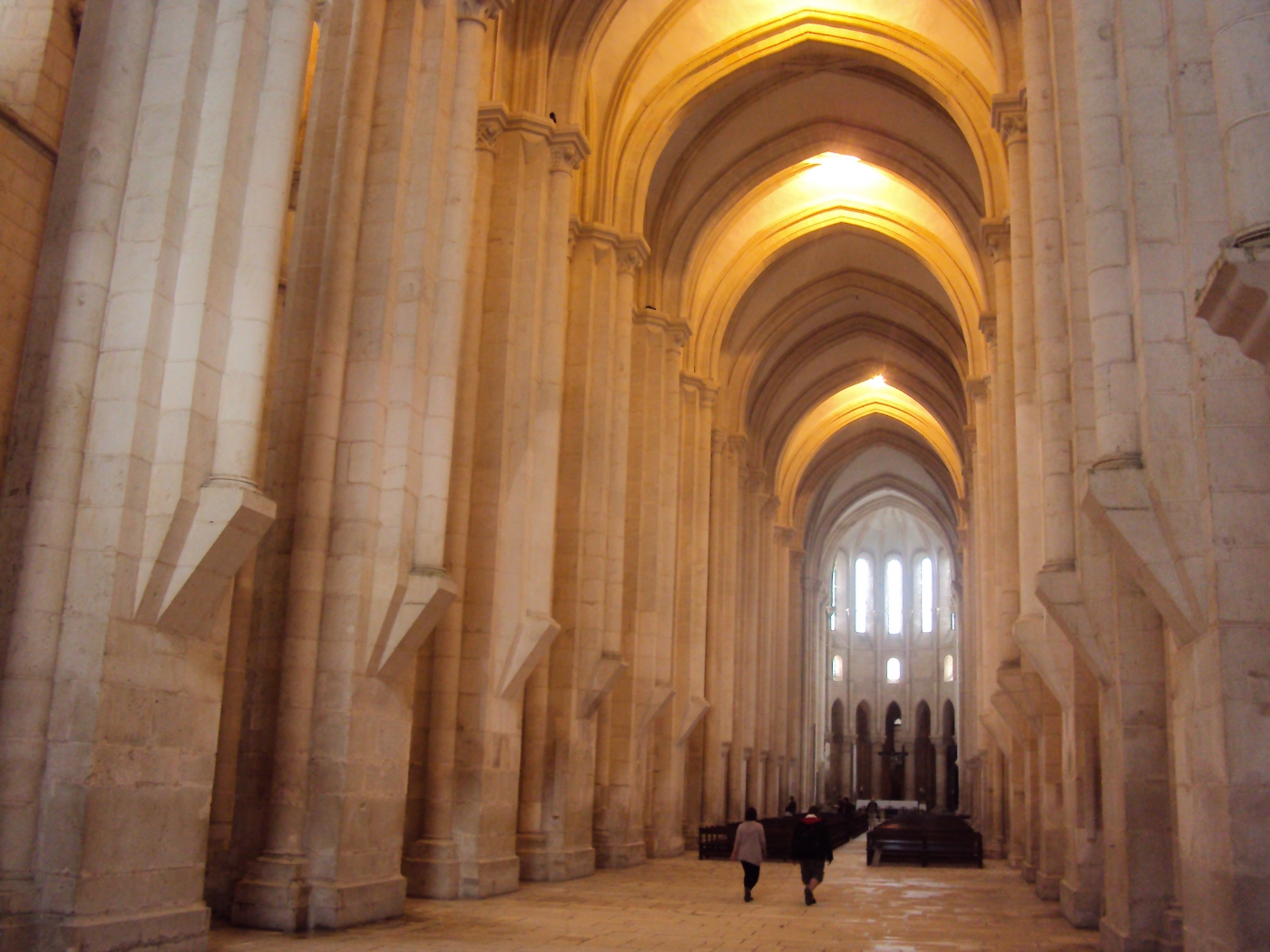
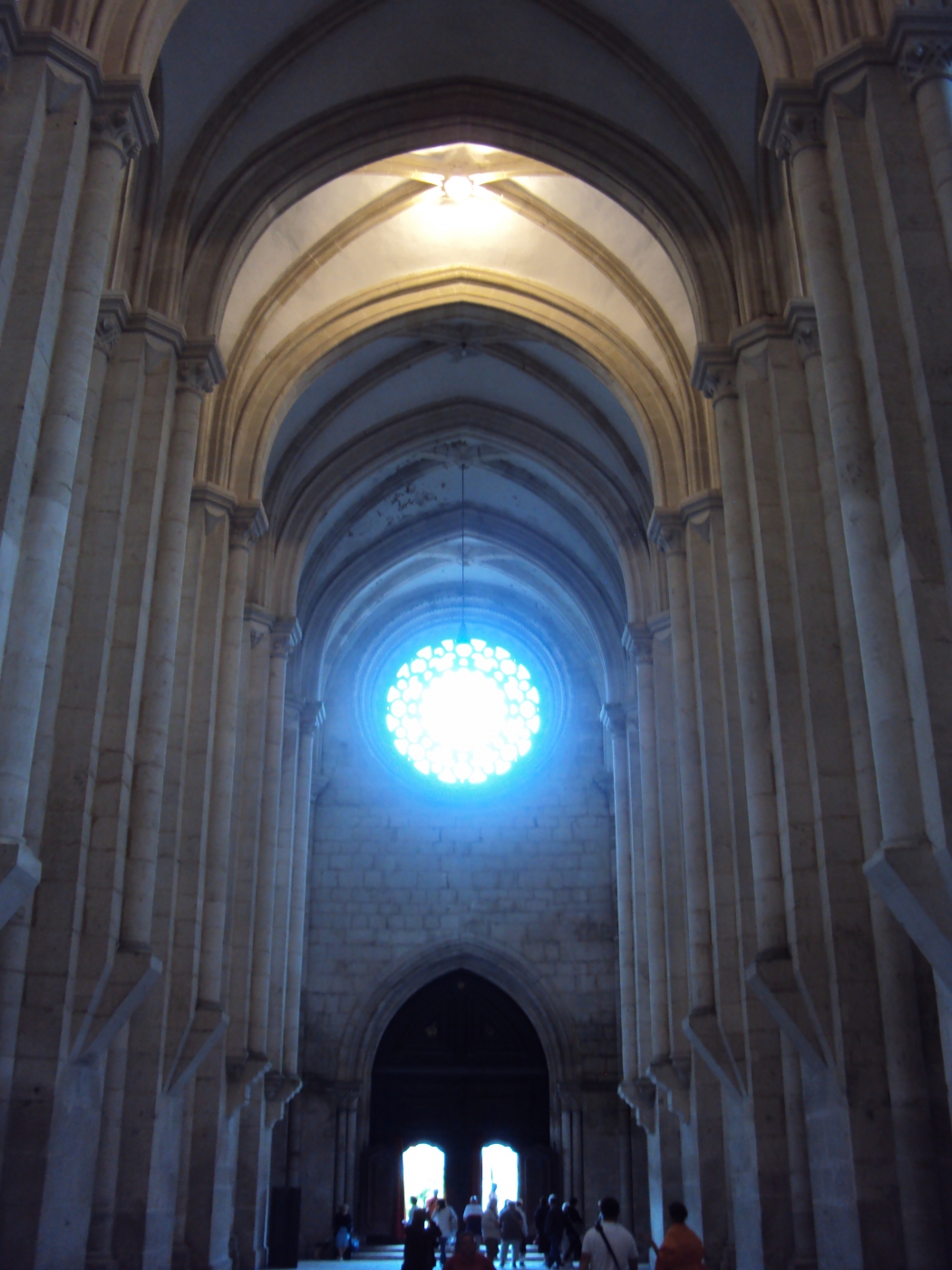
Constructed over several centuries, the monastery largely maintains the unadorned aesthetic of early Gothic Cistercian foundations. The immense Church, consecrated in 1223, features a Latin cross plan with three aisles and a deep ambulatory. Its soaring vaults convey a spiritual atmosphere. Adjacent is the magnificent Cloister of Silence (Claustro do Silêncio), a two-story cloister begun by King Dinis I in the late 13th century, famed for its delicate Gothic tracery and serene ambiance, the former heart of monastic life.
Eternal Lovers
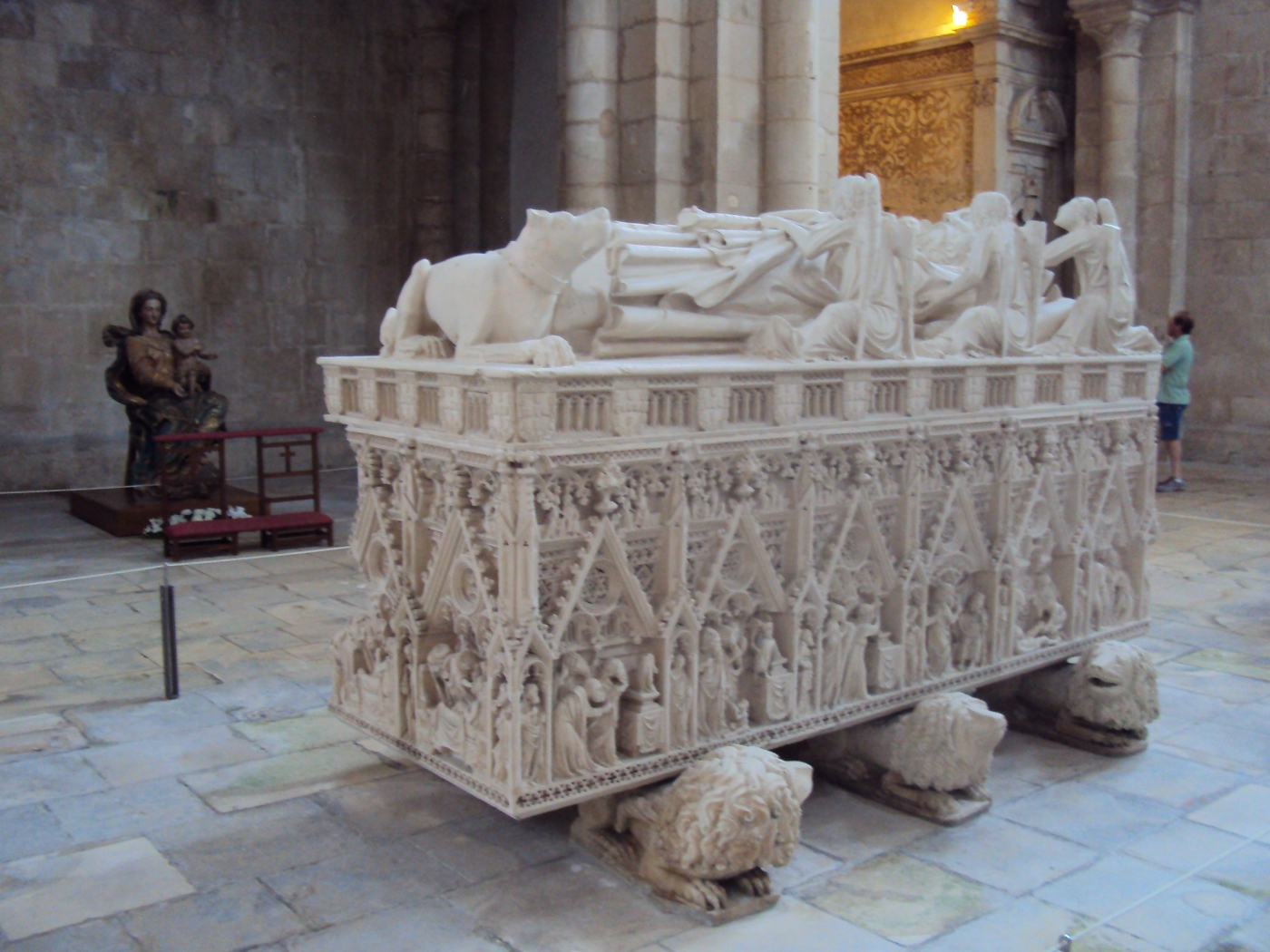
Within the church are the celebrated Gothic tombs of King Peter I and Inês de Castro. Their tragic love story, a cornerstone of Portuguese legend, is visually narrated on these highly sculptural sarcophagi. Placed in the transept, they face each other, symbolizing their wish to meet immediately on the Day of Judgment. This powerful emblem of enduring love adds a deeply human touch to the monastery's sacred interior.
Monastic Life and Legacy
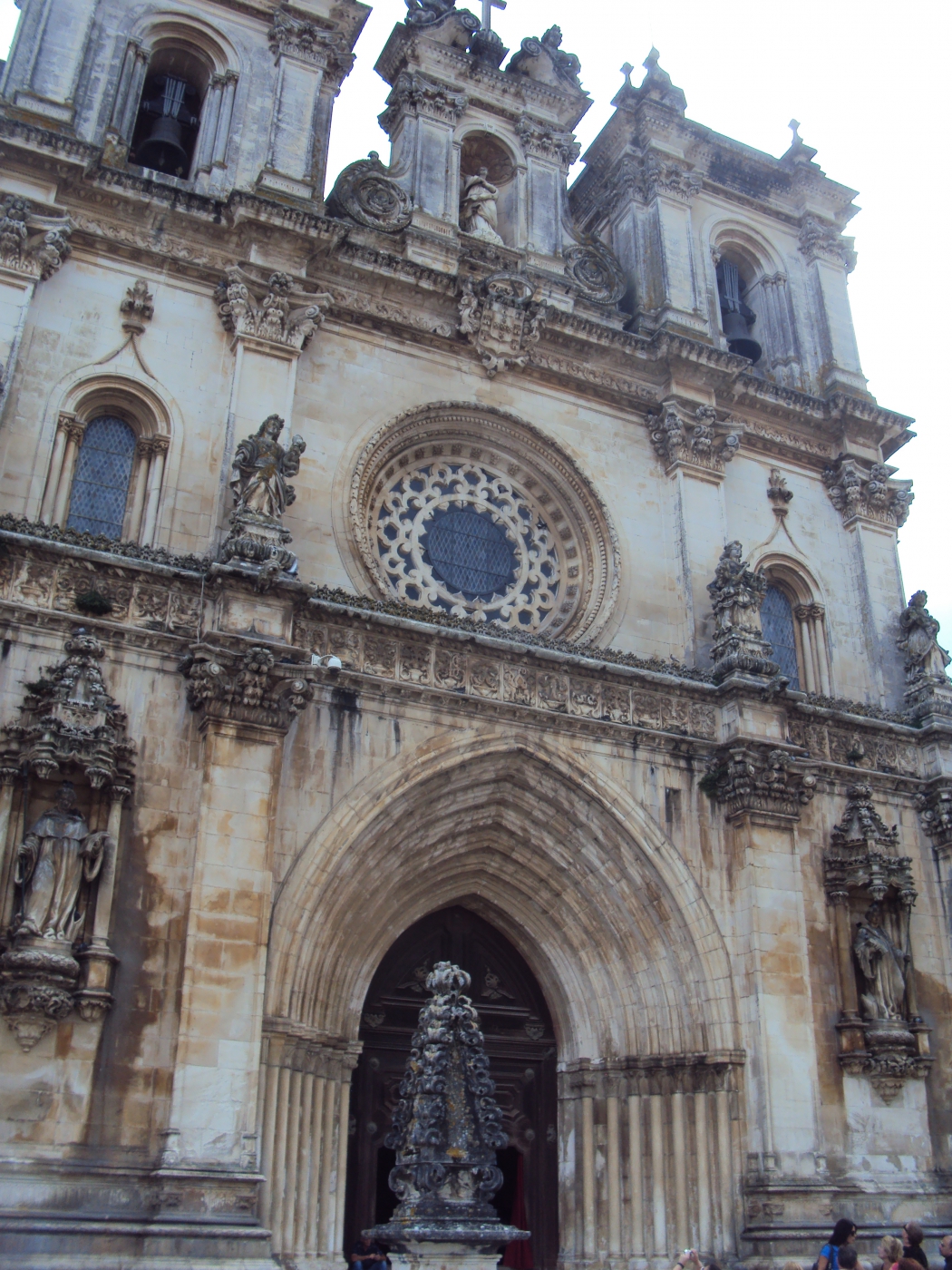
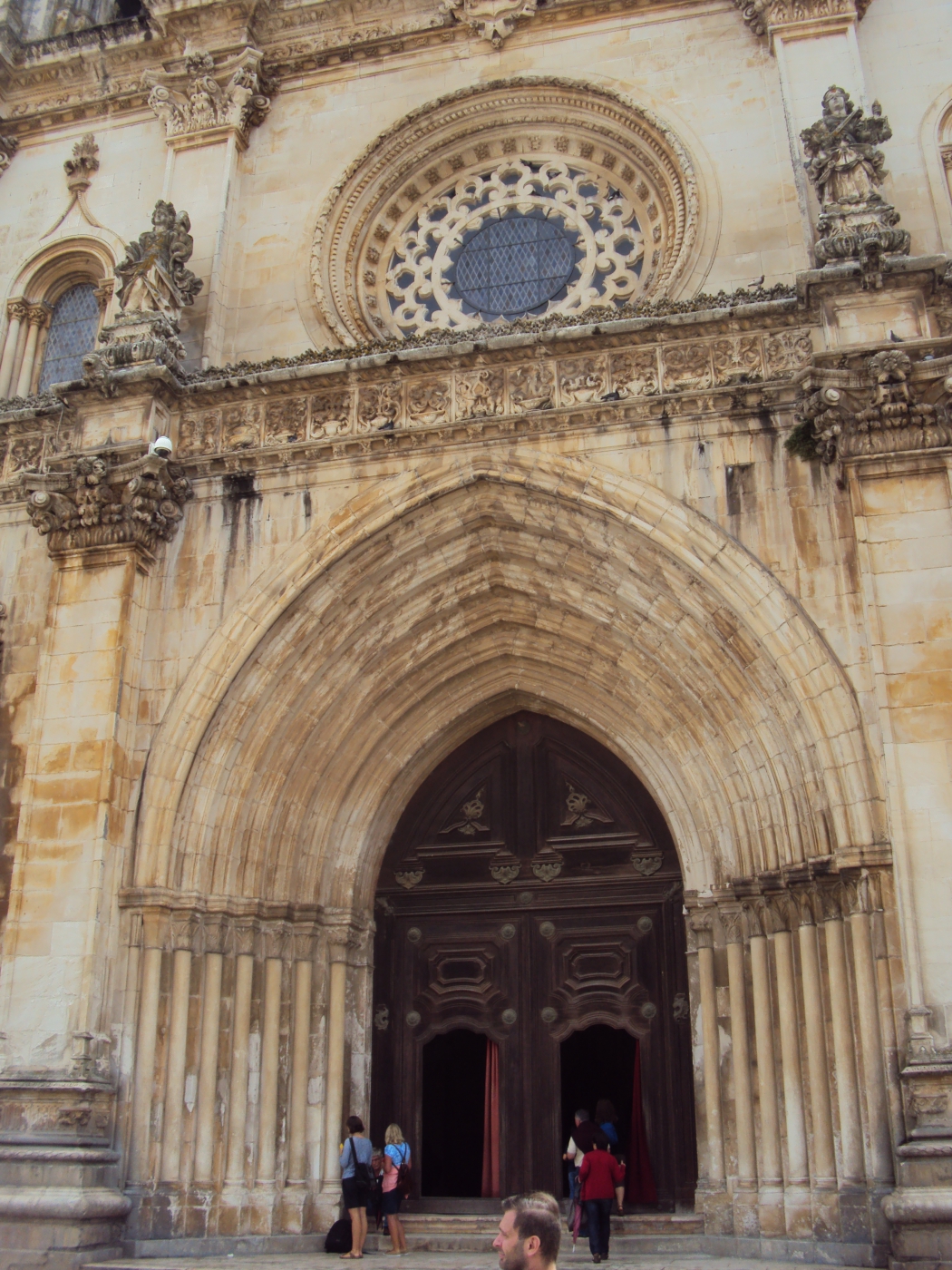
Other vital spaces include the vast Refectory, the Chapter House, and the monumental Dormitory. While an 18th-century Baroque façade altered the exterior, the interior largely preserves its medieval purity. Visitors can experience the profound spirituality and architectural ambition of the Cistercian monks who built this remarkable site, a testament to Portugal's rich heritage.
Further Reading
The Monastery of Santa Maria d'Alcobaça, north of Lisbon, was founded in the 12th century by King Alfonso I. Its size, the purity of its architectural style, the beauty of the materials and the care with which it was built make this a masterpiece of Cistercian Gothic art.
The Alcobaça Monastery or Alcobasa Monastery (Portuguese: Mosteiro de Alcobaça, Mosteiro de Santa Maria de Alcobaça) is a Catholic monastic complex located in the town of Alcobaça (or Alcobasa, Portuguese pronunciation: [alkuˈβasɐ] ), Oeste region of Portugal, 120 km (75 mi) north of Lisbon and 110 km (68 mi) south of Coimbra.
The monastery was established in 1153 by the first Portuguese king, Afonso Henriques, and would develop a close association with the Portuguese monarchy throughout its seven-century-long history. This association led to the monastery becoming the richest and most influential in Portugal by 1300, with a population of almost 1,000 monks and business interests including farming, fishing and trade. It closed in 1834, amid the dissolution of the monasteries in Portugal.
The church and monastery were the first Gothic buildings in Portugal, and, together with the roughly older Augustinian Monastery of Santa Cruz in Coimbra, it was one of the most important mediaeval monasteries in Portugal. Due to its artistic, cultural and historical relevance, it was included in UNESCO's World Heritage Site list in 1989.