Wet Tropics of Queensland
Mossman, Australia
04.05.2014

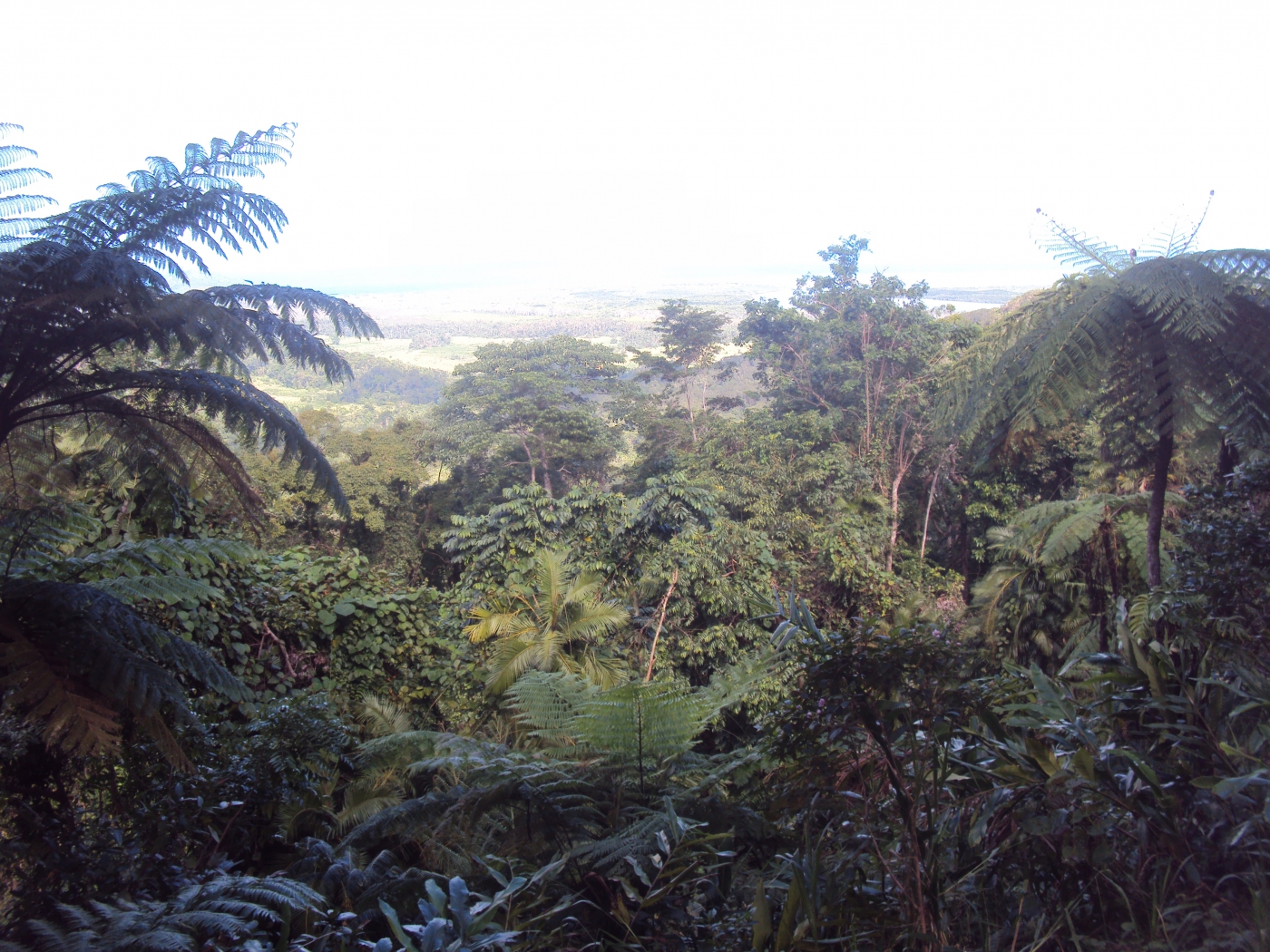
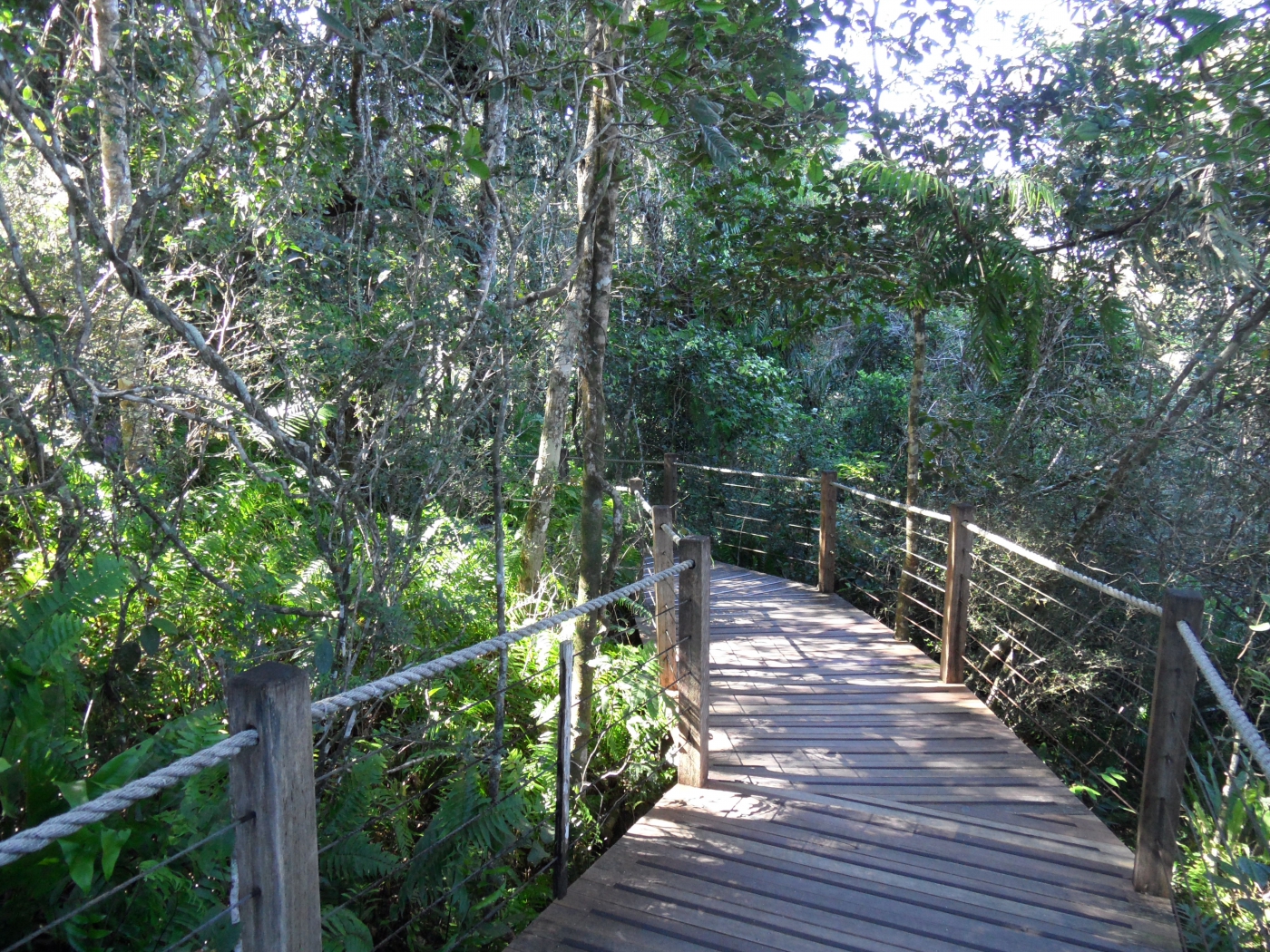
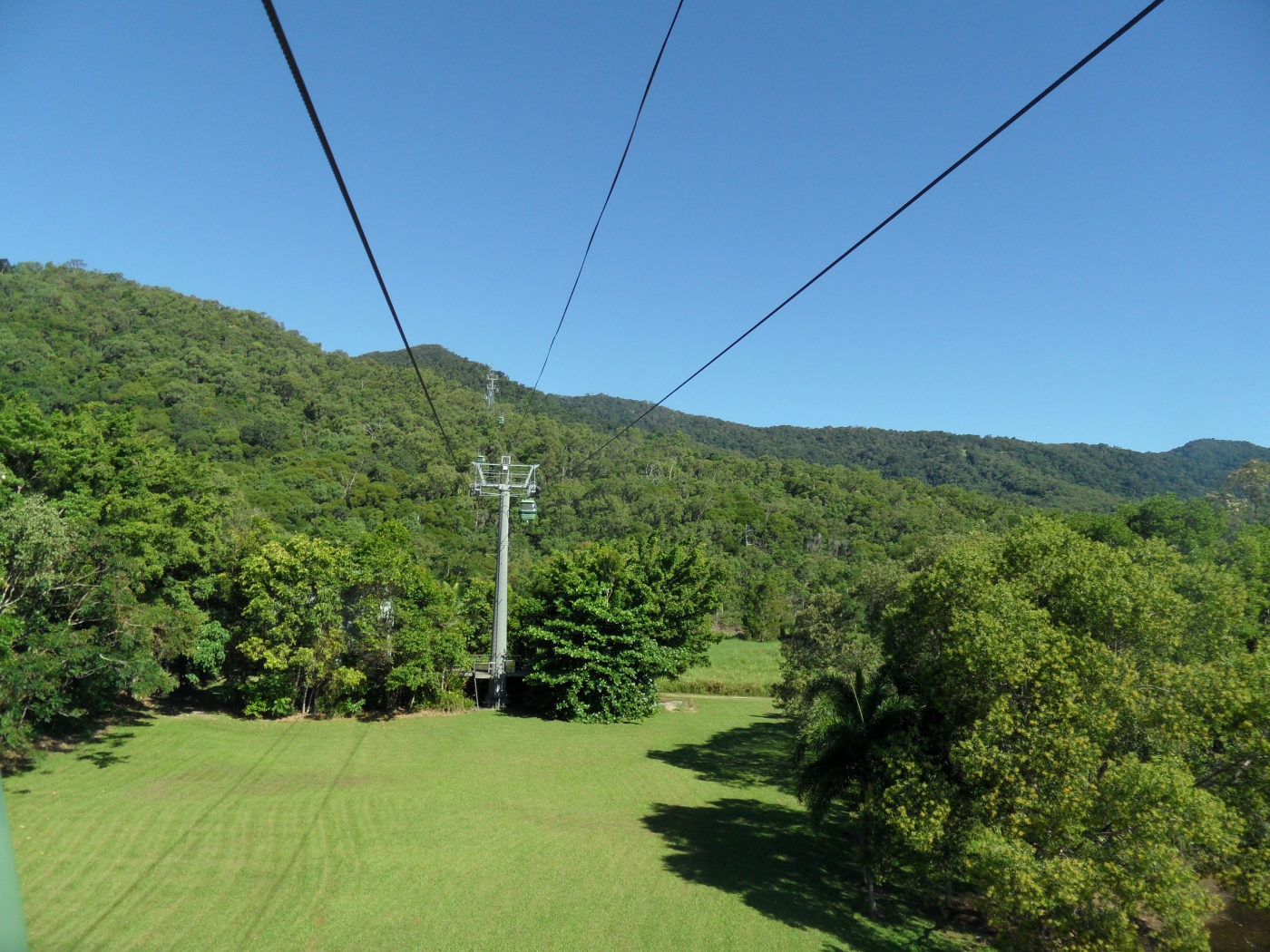
Stretching along the northeastern coast of Queensland, Australia, near towns like Mossman, lies the magnificent Wet Tropics of Queensland, a UNESCO World Heritage site inscribed in 1988. This vast and incredibly diverse region is a living testament to the Earth's ancient past, renowned globally for its exceptional natural beauty and its outstanding record of evolutionary processes.
Ancient Rainforests and Biodiversity
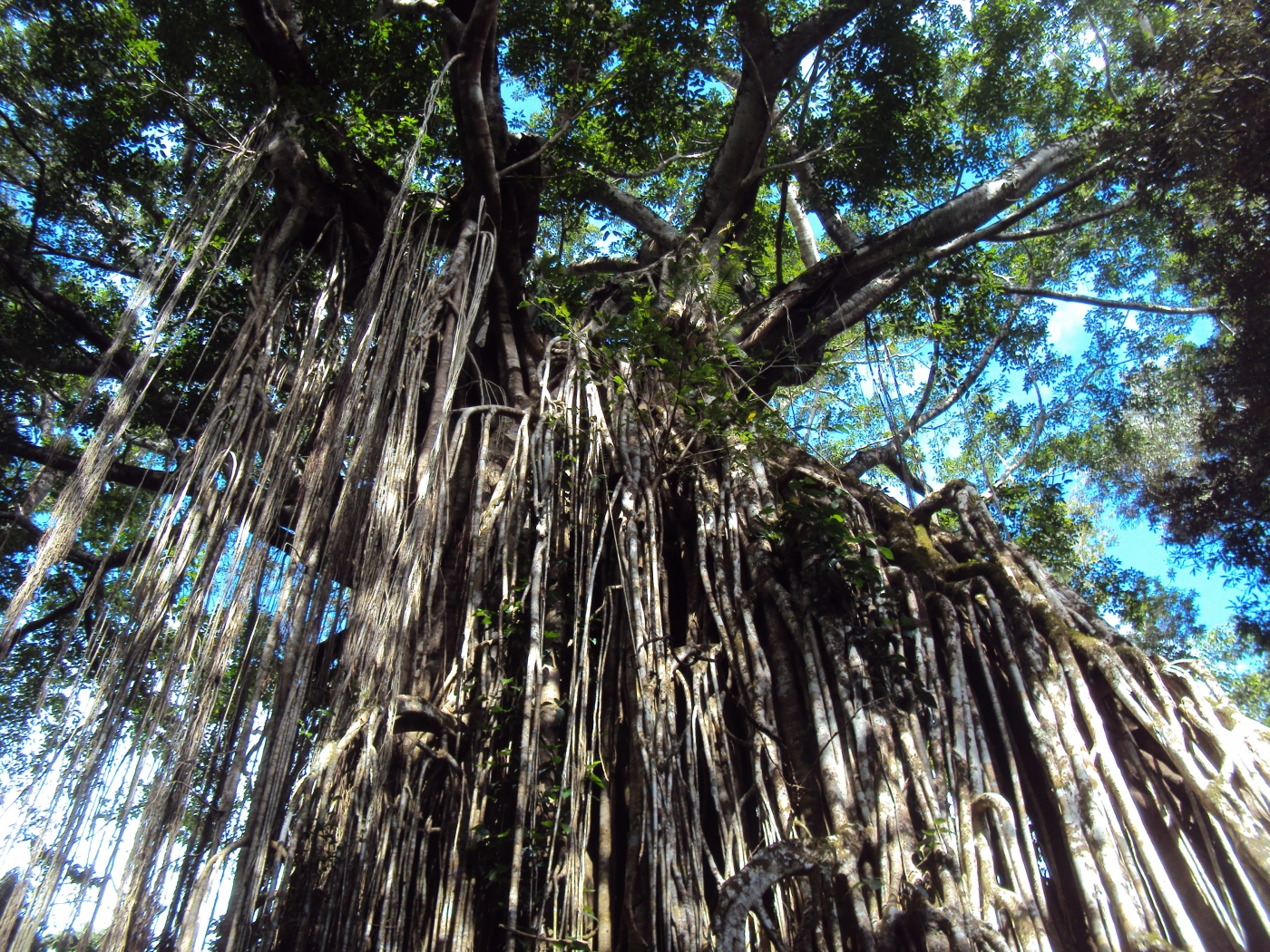
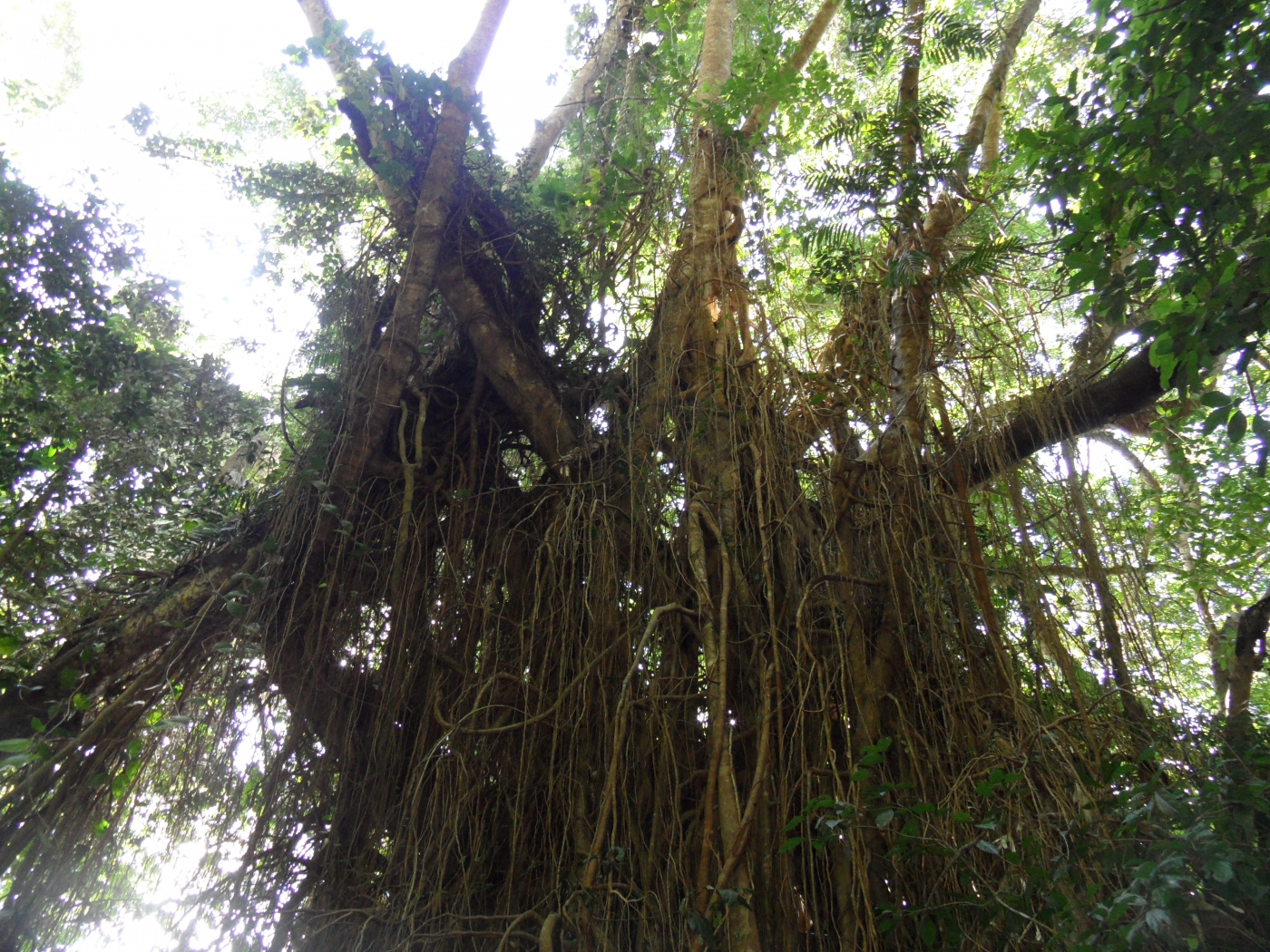
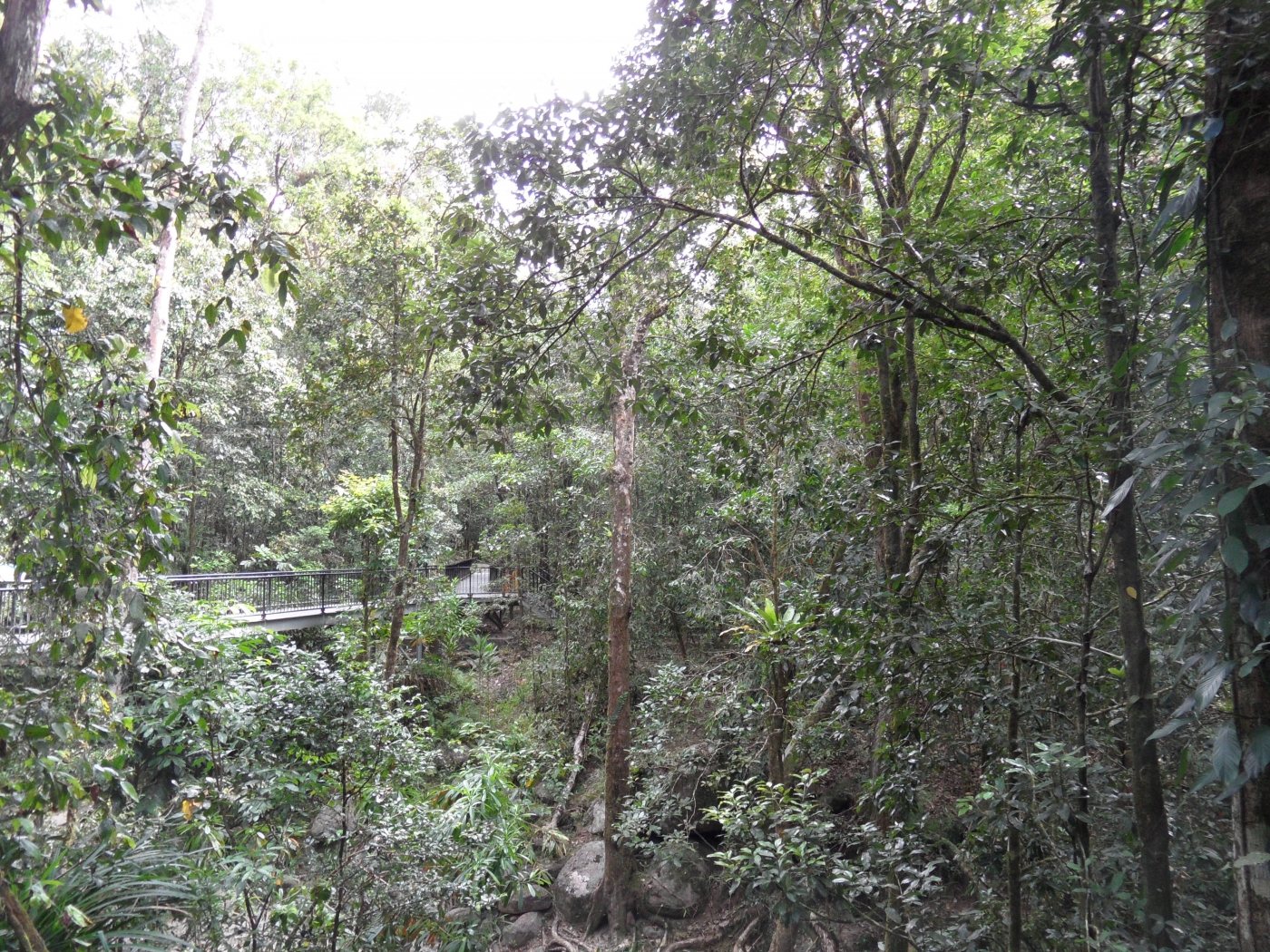
The Wet Tropics are home to some of the oldest continuously surviving tropical rainforests on Earth, often referred to as a living museum. These forests preserve a unique and extensive record of the major stages in the evolution of land plants and represent one of the only places where the relics of the supercontinent Gondwana can still be seen in such pristine condition. The area boasts an extraordinary diversity of flora and fauna, many of which are endemic and represent ancient lineages of plants and animals found nowhere else. Over a third of Australia's marsupial species and half of its bird species reside within this comparatively small area.
A Deep Cultural Heritage
Beyond its natural splendors, the Wet Tropics hold profound cultural significance. For at least 50,000 years, this land has been the traditional country of numerous Aboriginal Traditional Owner groups. Their deep spiritual connection and stewardship have shaped the landscape and its ecosystems. Their culture, knowledge, and practices are inextricably linked to the intricate web of life found within these ancient forests, with many sacred sites and pathways woven throughout the dense foliage.
Key Geological and Ecological Features
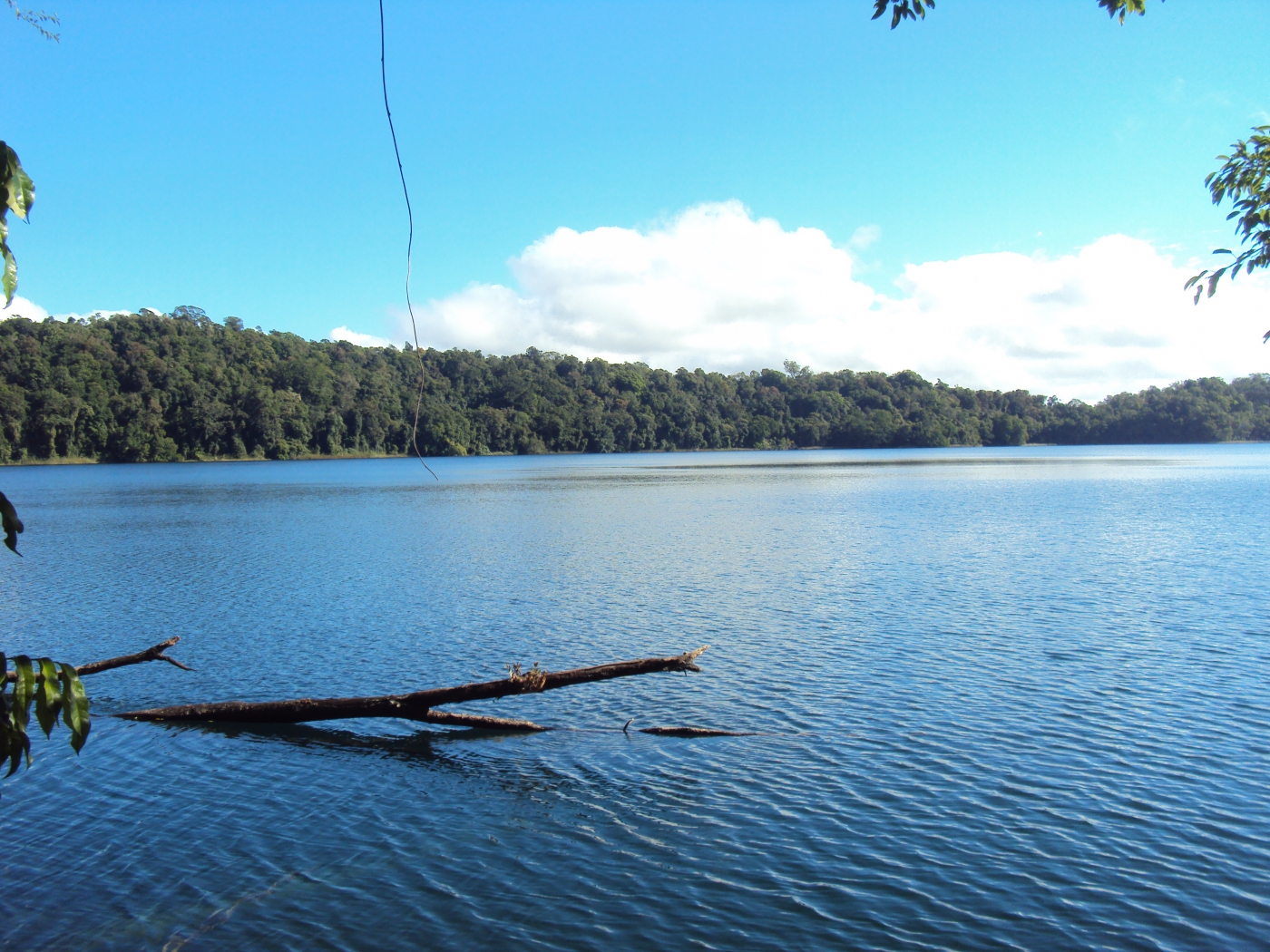
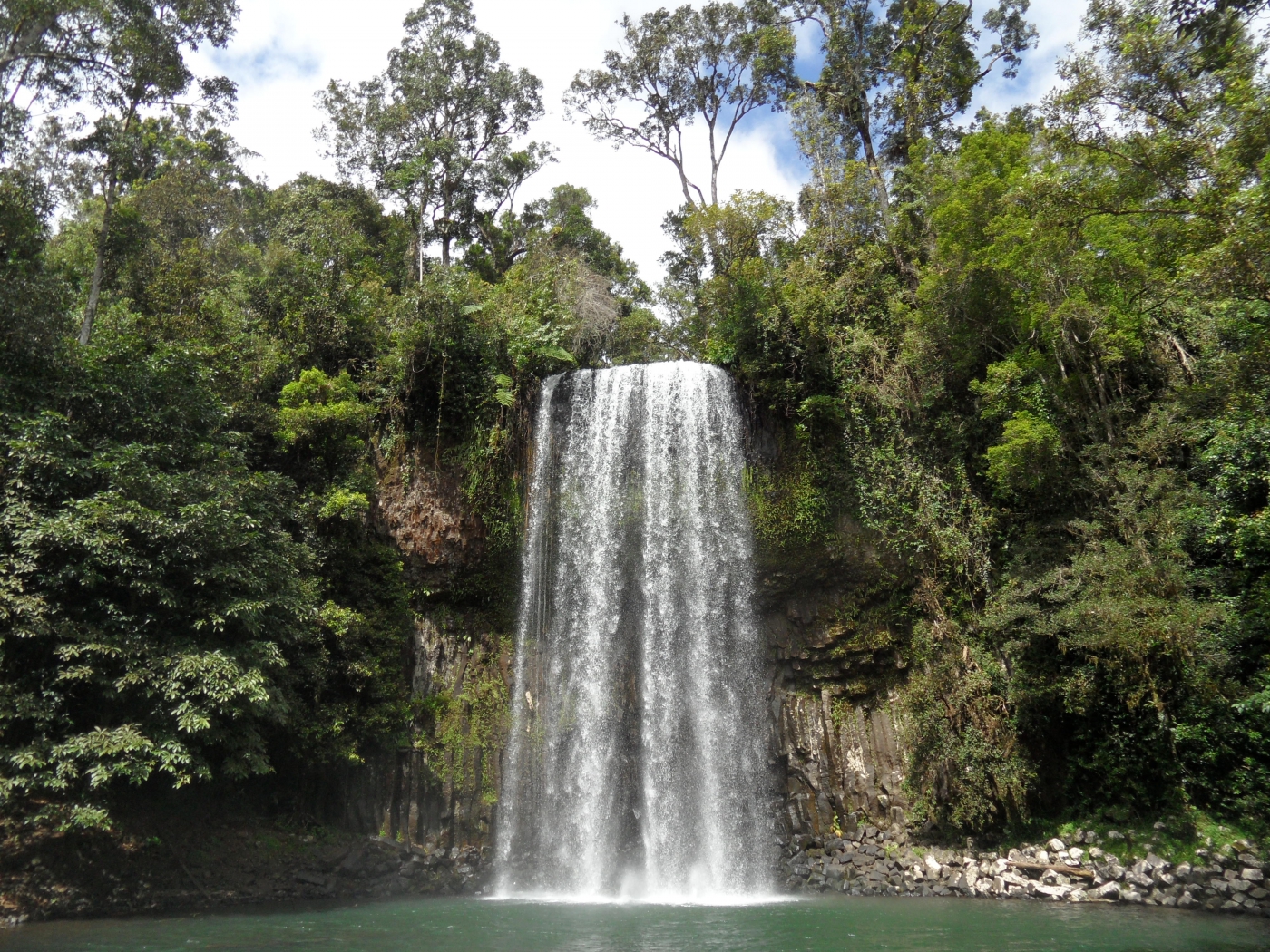
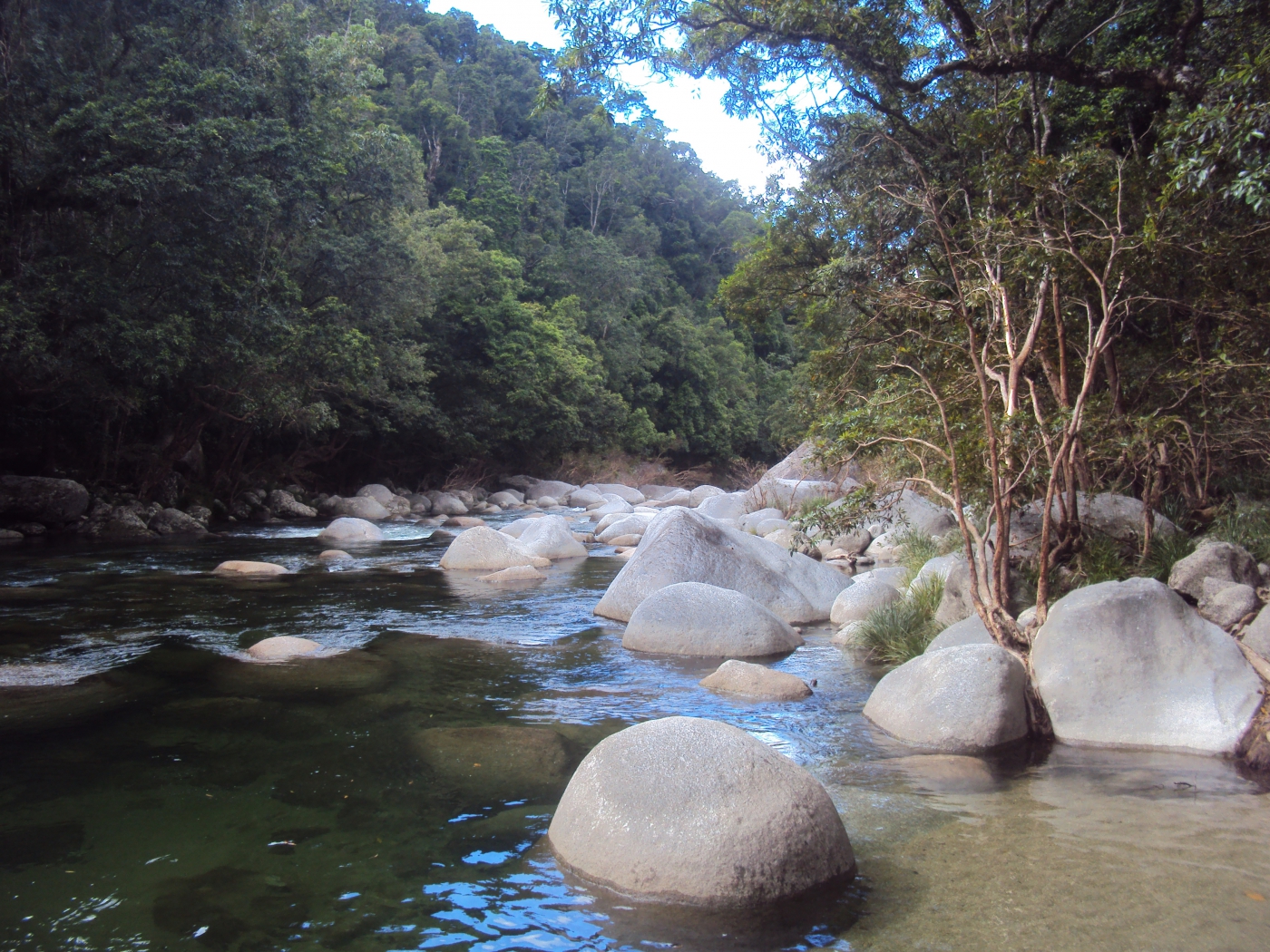
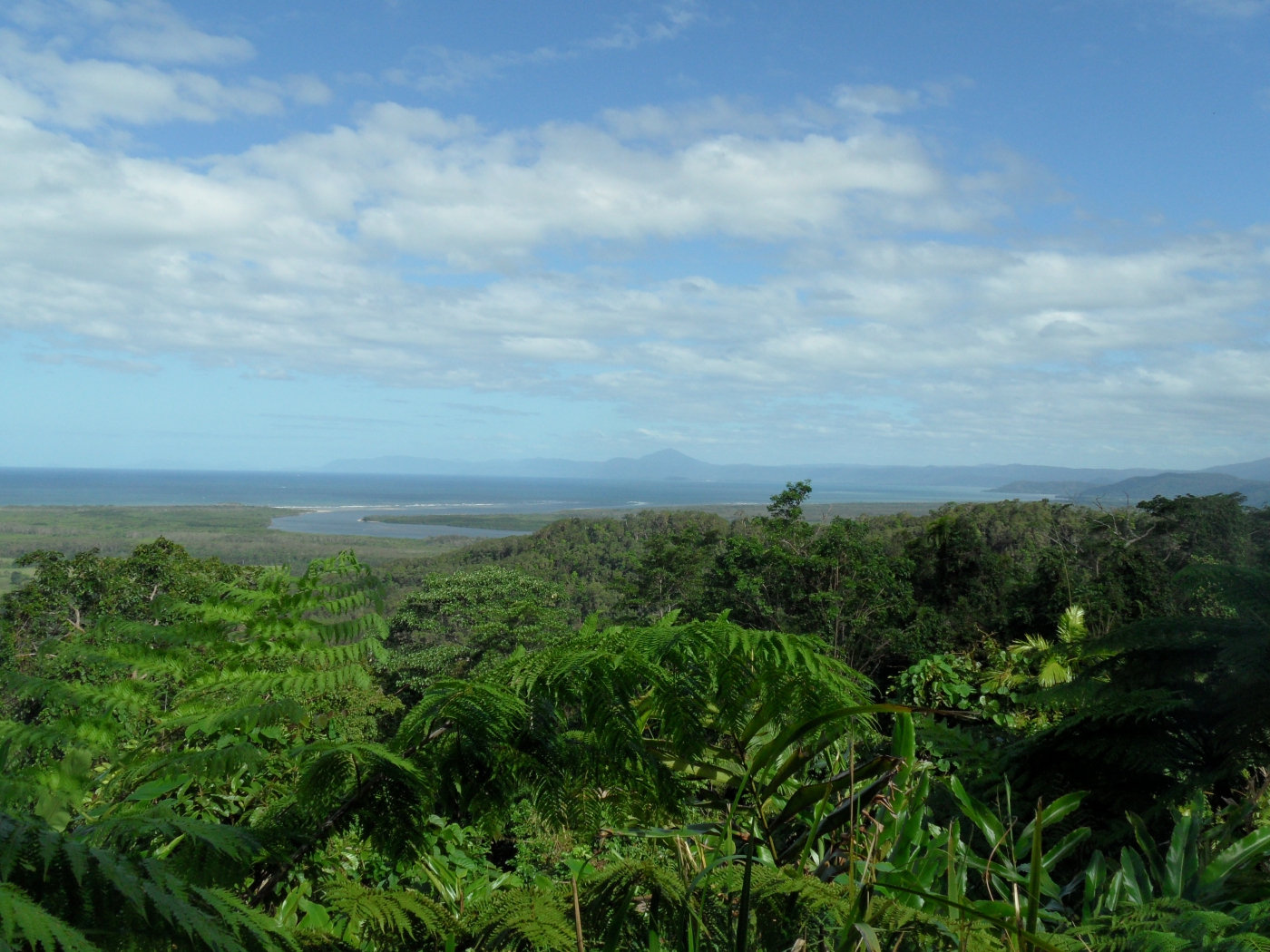
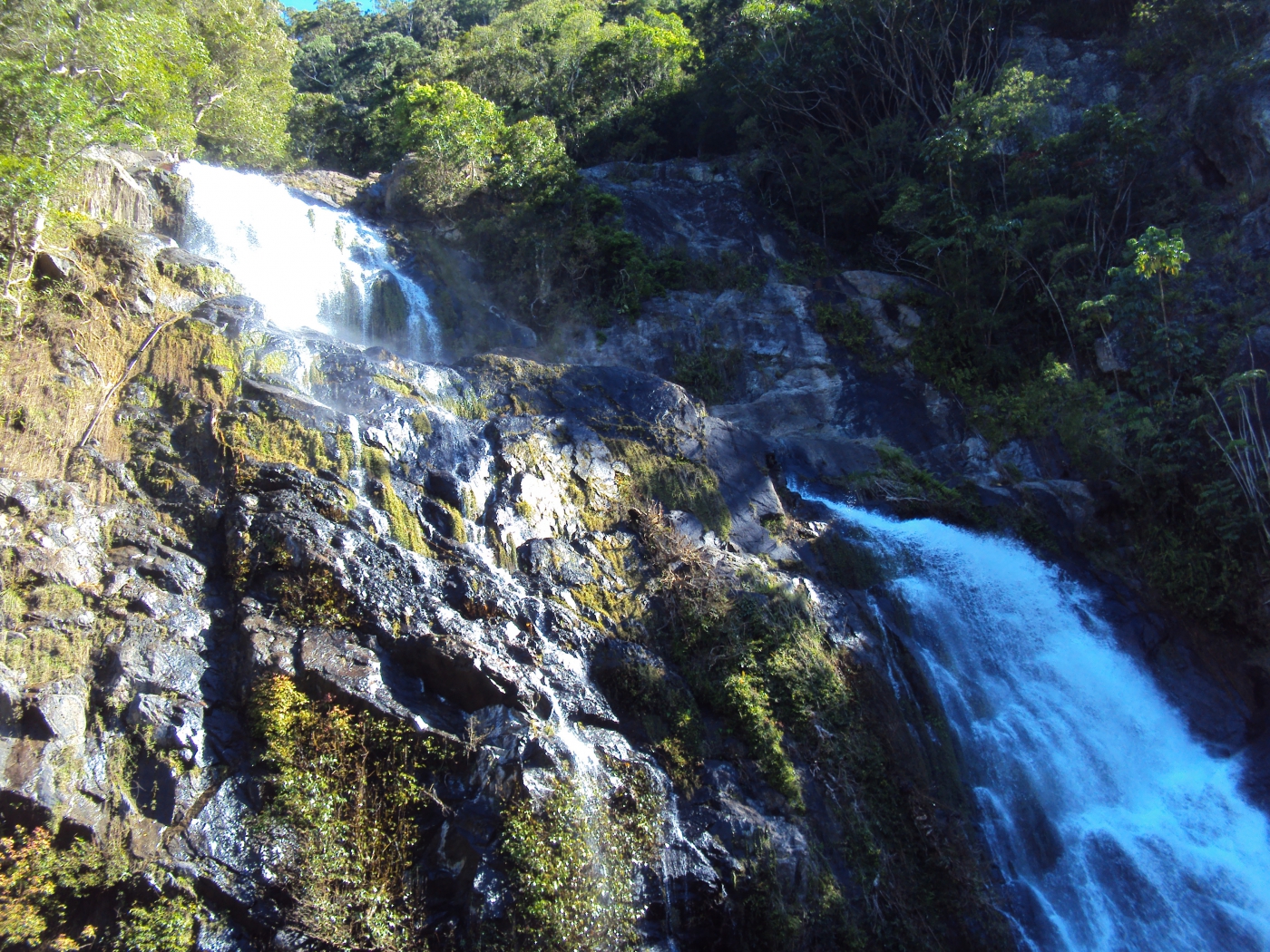
The site encompasses a spectacular mosaic of tropical rainforests, wet sclerophyll forests, wetlands, and mangrove systems, extending from the coastline to the peaks of the Great Dividing Range. It includes iconic areas such as the Daintree Rainforest, often highlighted for its unique biodiversity and sheer age. The dramatic landscapes, featuring rugged gorges, swift-flowing rivers, and breathtaking waterfalls, contribute to the site's exceptional universal value, making it a critical area for understanding biodiversity and evolutionary science on a global scale.
Further Reading
This area, which stretches along the north-east coast of Australia for some 450 km, is made up largely of tropical rainforests. This biotope offers a particularly extensive and varied array of plants, as well as marsupials and singing birds, along with other rare and endangered animals and plant species.
The Wet Tropics of Queensland World Heritage Site is an area of approximately 8,940 km2 (3,450 sq mi) of very wet forests on parts of the coast and adjacent ranges of tropical Queensland, Australia. The area meets all four of the natural heritage selection criteria for a World Heritage site. World Heritage status was declared in 1988, and on 21 May 2007 the Wet Tropics was added to the Australian National Heritage List.
The tropical forests have the highest concentration of primitive flowering plant families in the world. Only Madagascar and New Caledonia, due to their historical isolation, have humid, tropical regions with a comparable level of endemism.
The Wet Tropics rainforests are a biodiversity hotspot and are recognised internationally for their ancient ancestry and many unique plants and animals. The area covers 0.1% of the Australian landmass but contains 50 per cent of all the nation's species. Many plant and animal species in the Wet Tropics are found nowhere else in the world. The Wet Tropics has the oldest continuously surviving tropical rainforests on earth.