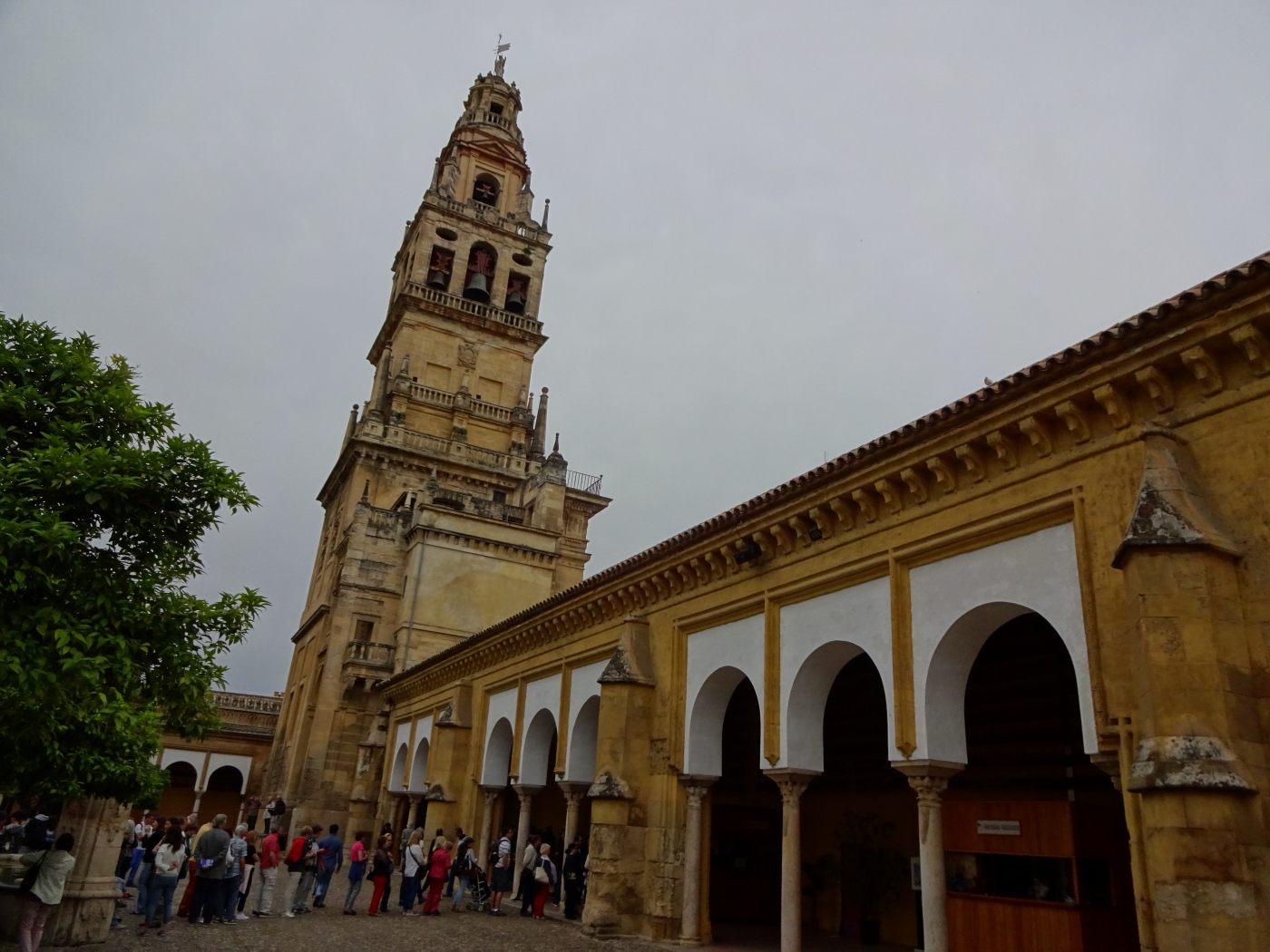
Historic Centre of Cordoba
Córdoba, Spain
05.05.2016

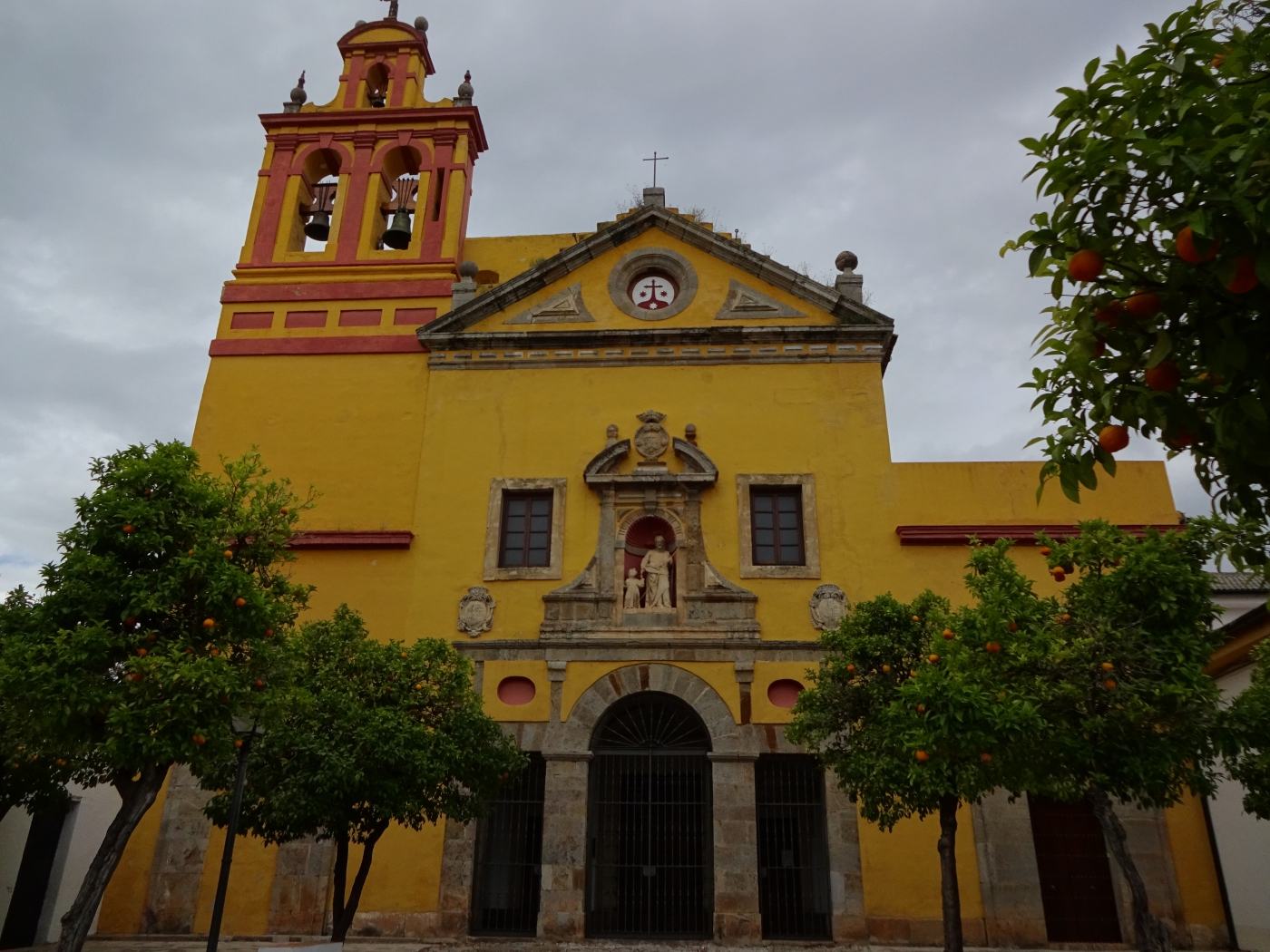
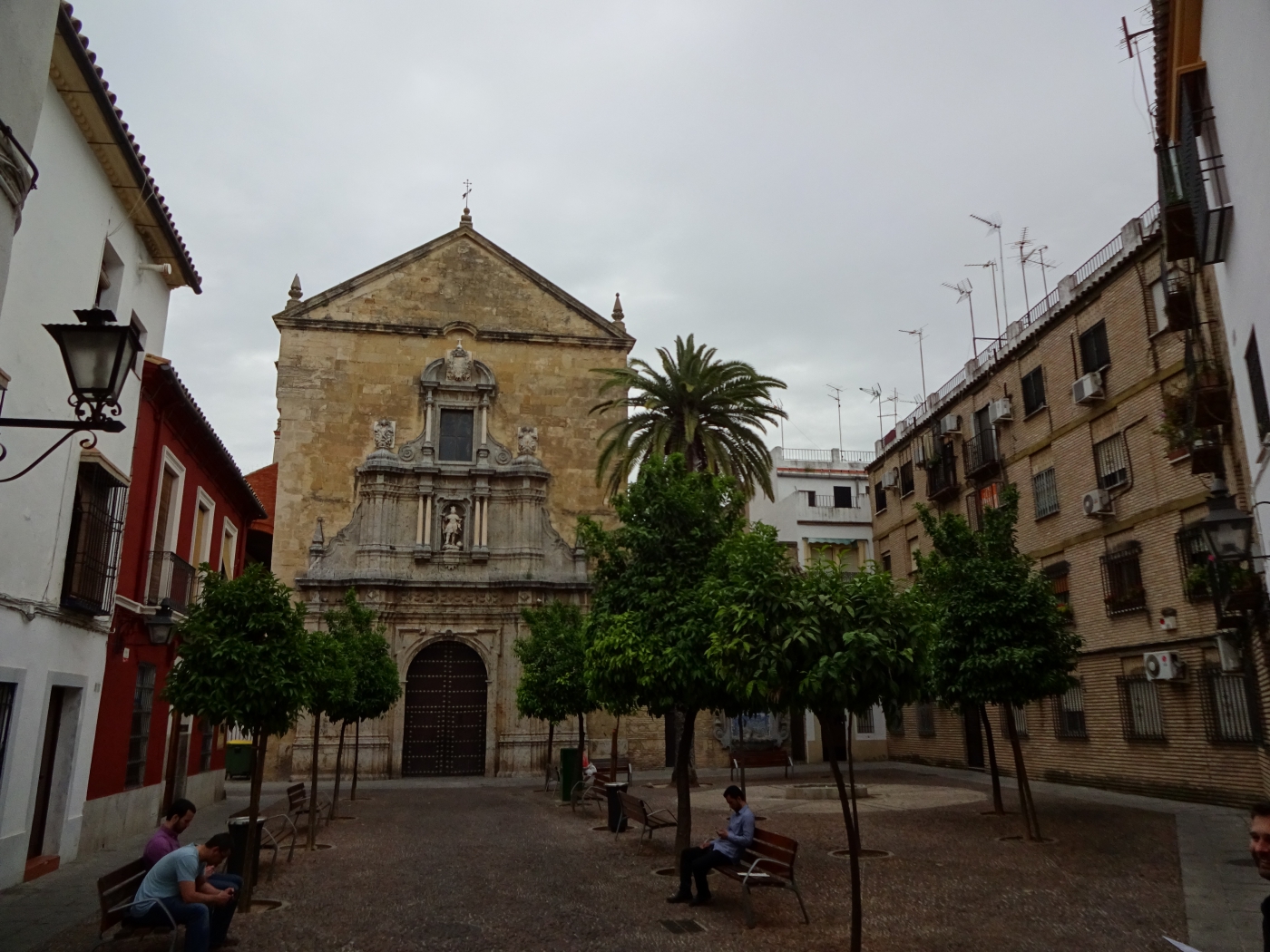
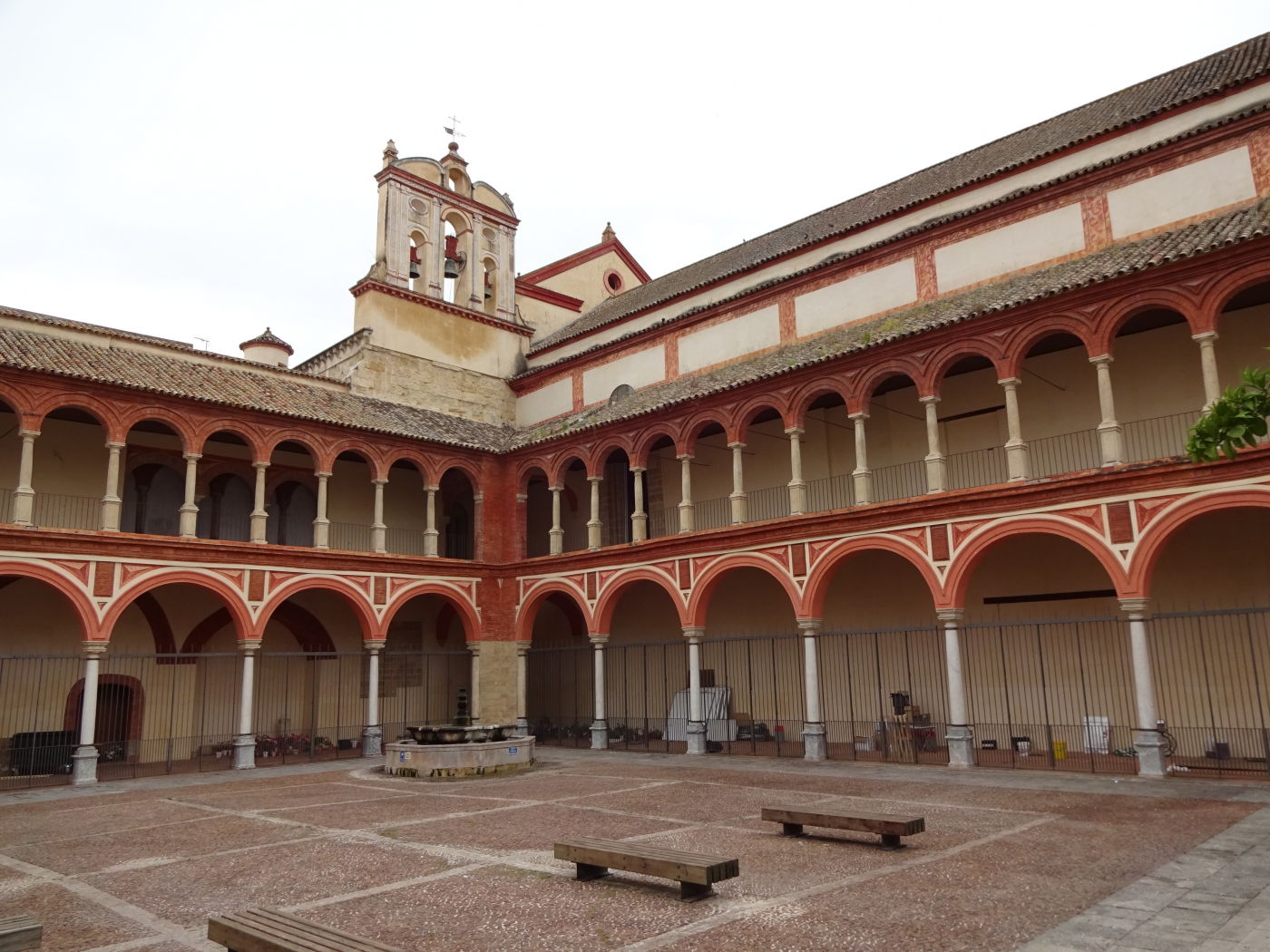
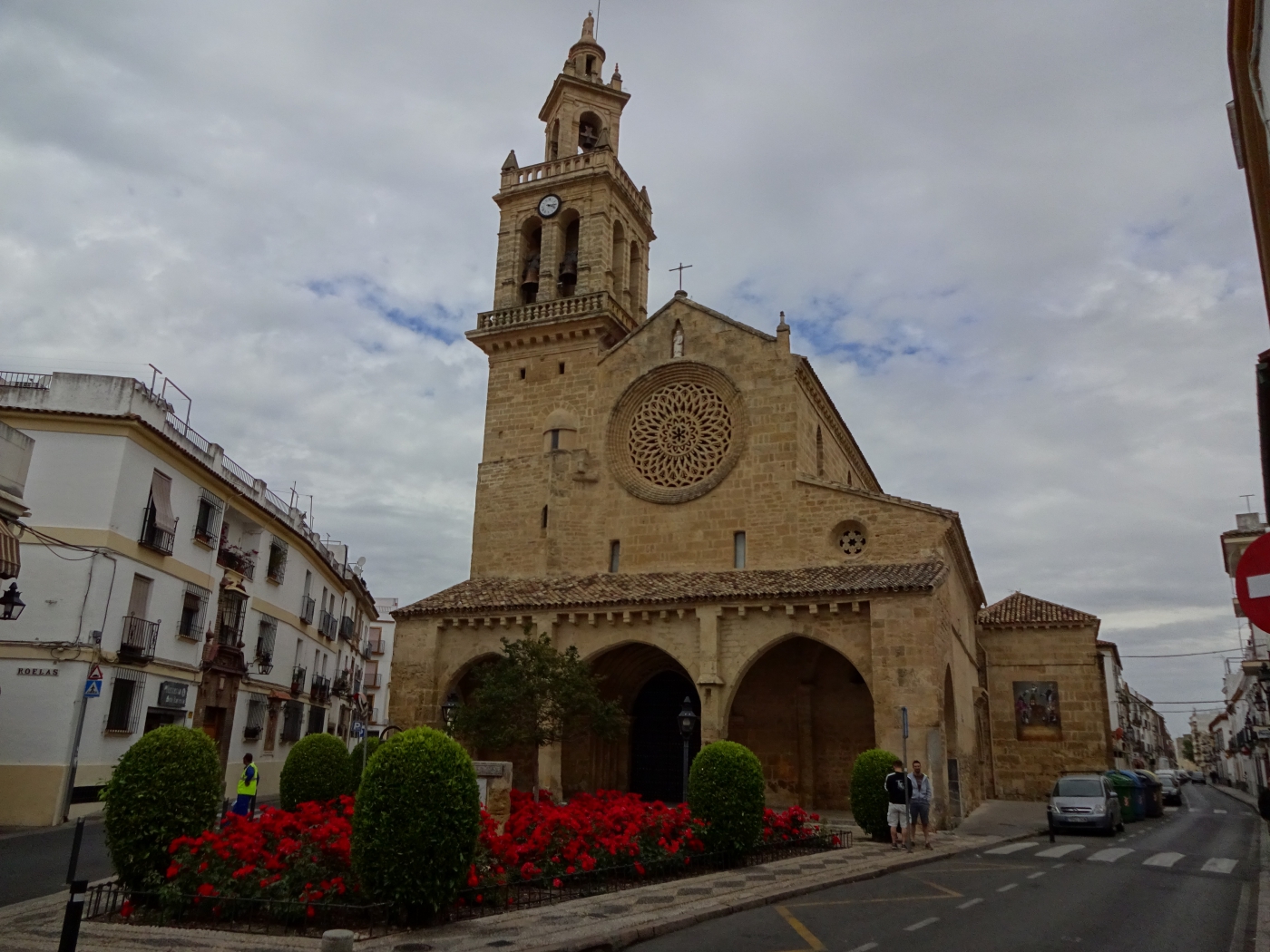
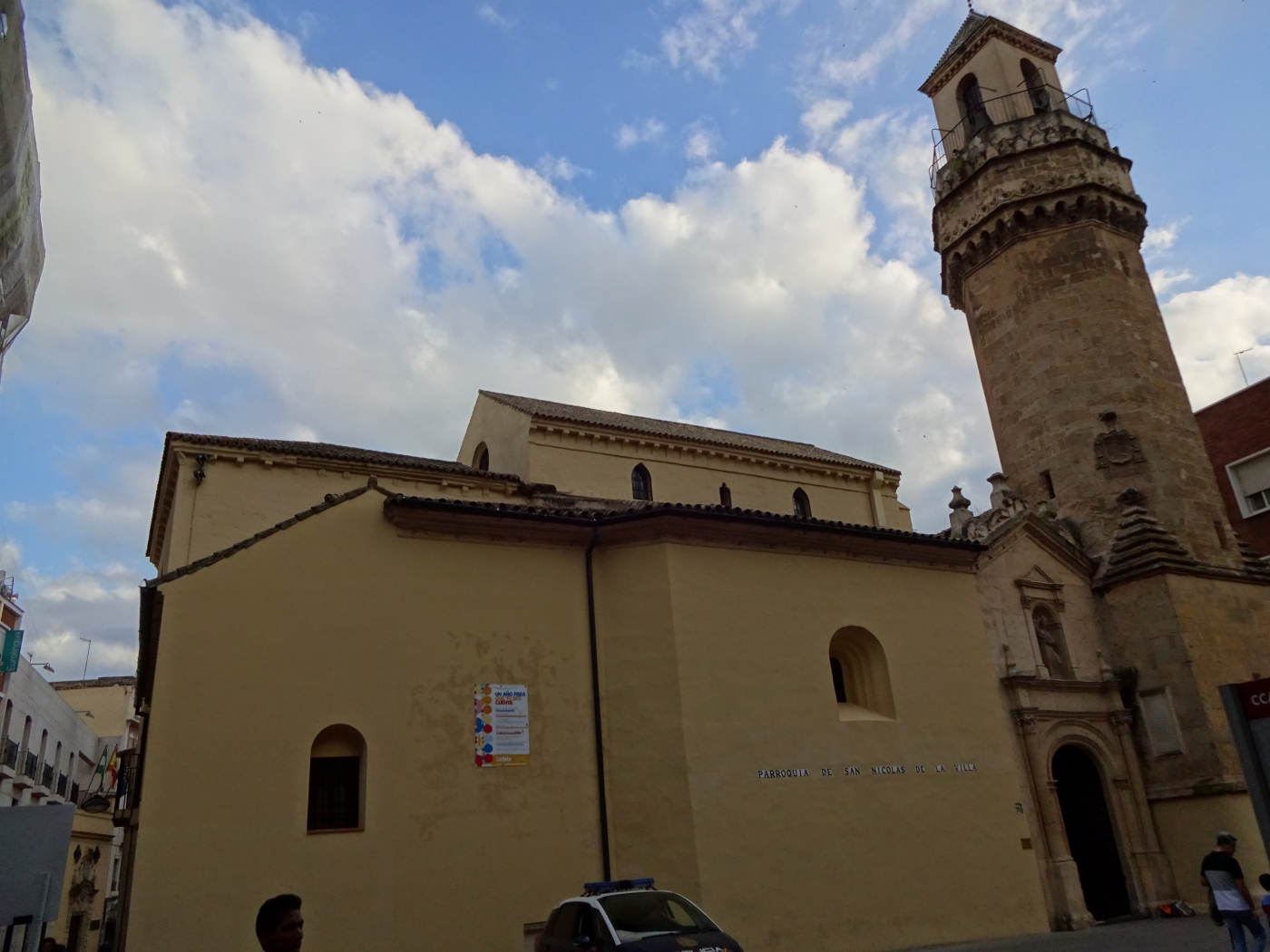
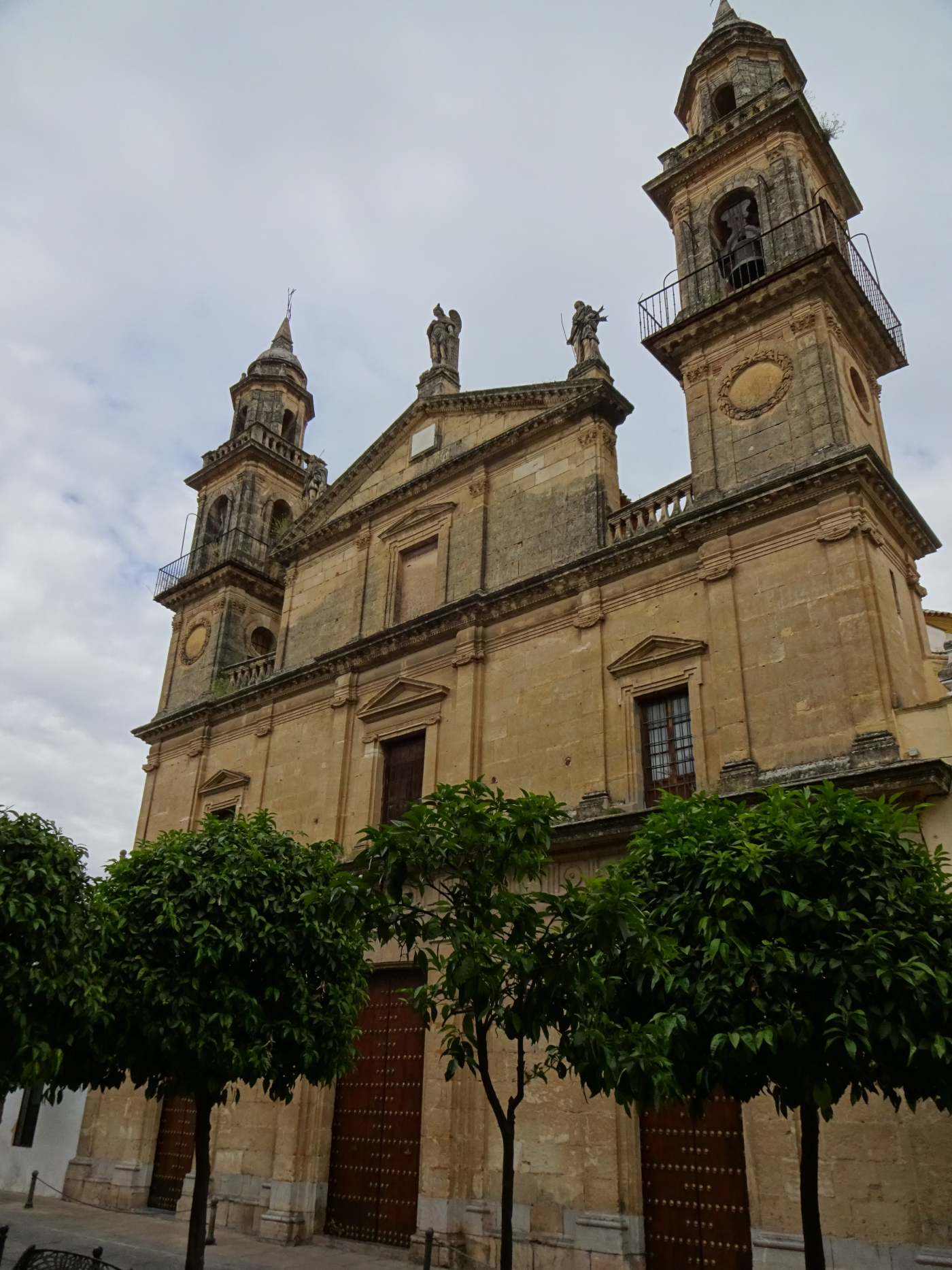
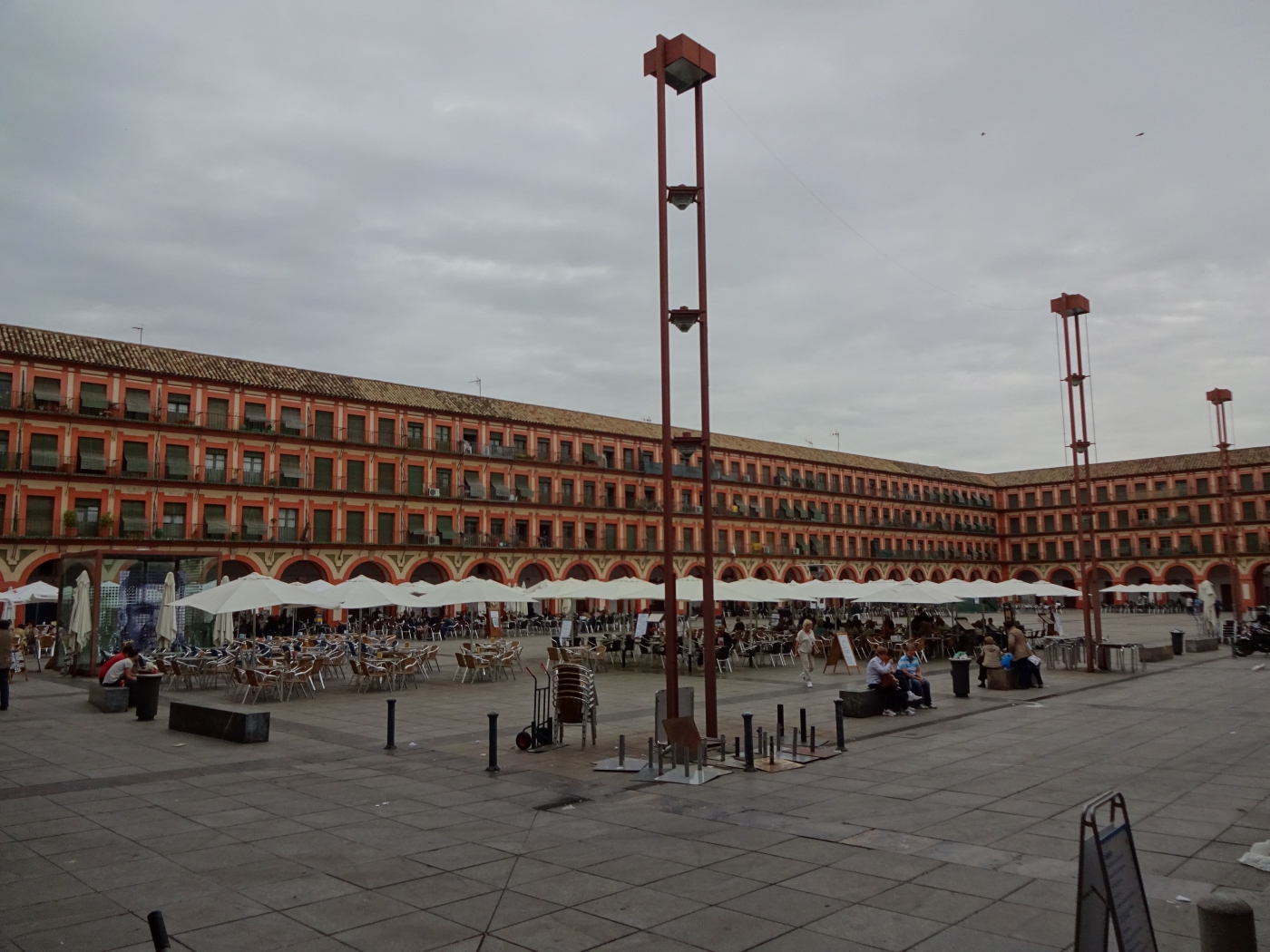
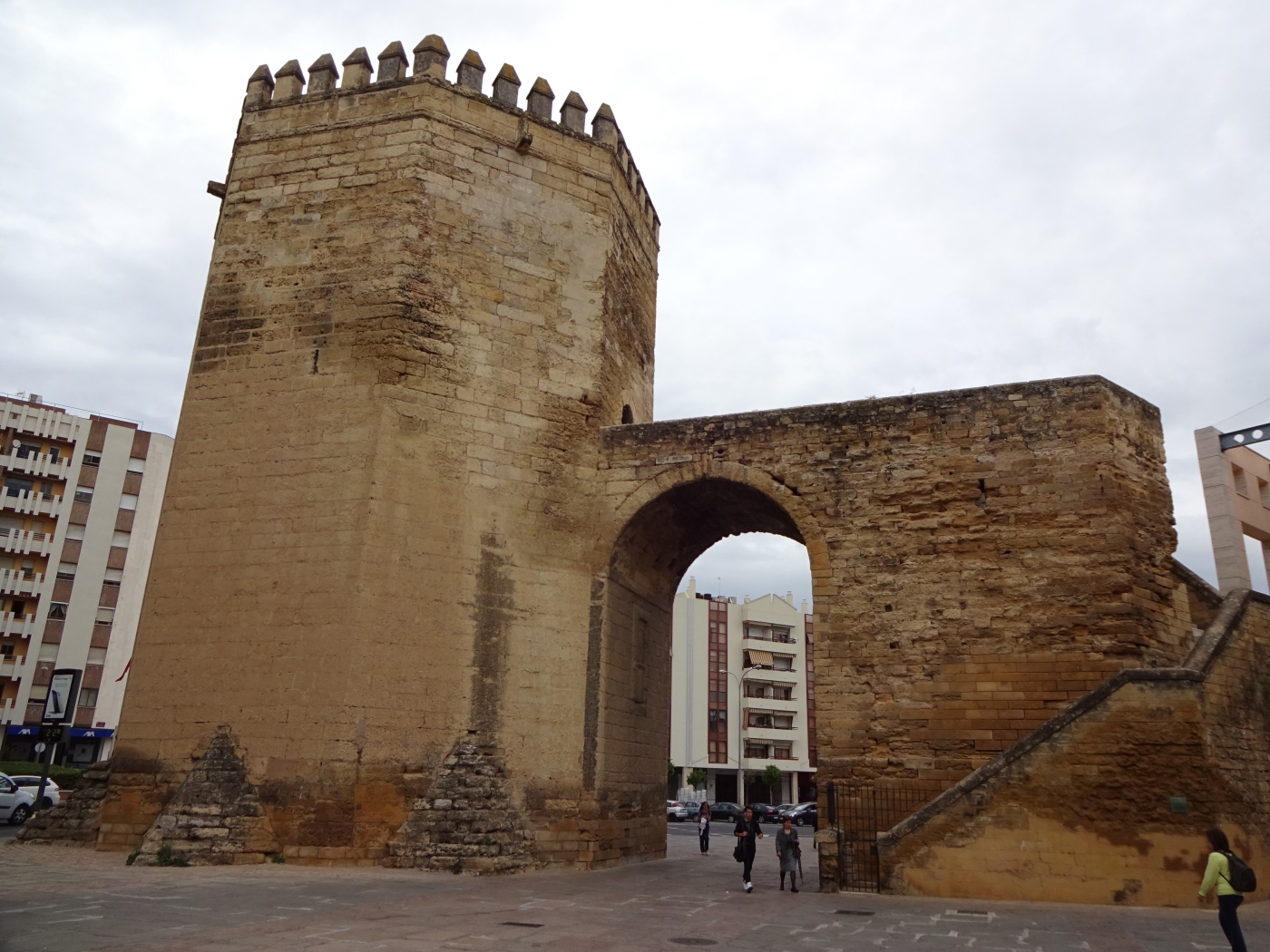
The Historic Centre of Cordoba, in Andalusia, Spain, stands as an extraordinary testament to centuries of cultural confluence. Designated a UNESCO World Heritage site, it encapsulates a rich tapestry of civilizations, each leaving an indelible mark. Its unparalleled heritage speaks of a period when Cordoba was a beacon of knowledge and sophistication, a vibrant metropolis that profoundly influenced Europe.
A Legacy of Empires
Cordoba’s strategic location made it a coveted prize throughout history. Originally a Roman settlement, Corduba, it saw Visigothic presence. However, its golden age dawned with the arrival of the Umayyad dynasty in the 8th century. In 711 AD, Muslim forces conquered the Iberian Peninsula, and by 756 AD, Abd al-Rahman I established the independent Emirate of Cordoba, later elevated to a Caliphate by Abd al-Rahman III in 929 AD. Under the Caliphate, Cordoba flourished, becoming one of the largest and most enlightened cities in the world, a hub of science, philosophy, and art.
The Mezquita-Cathedral: A Symbol of Coexistence
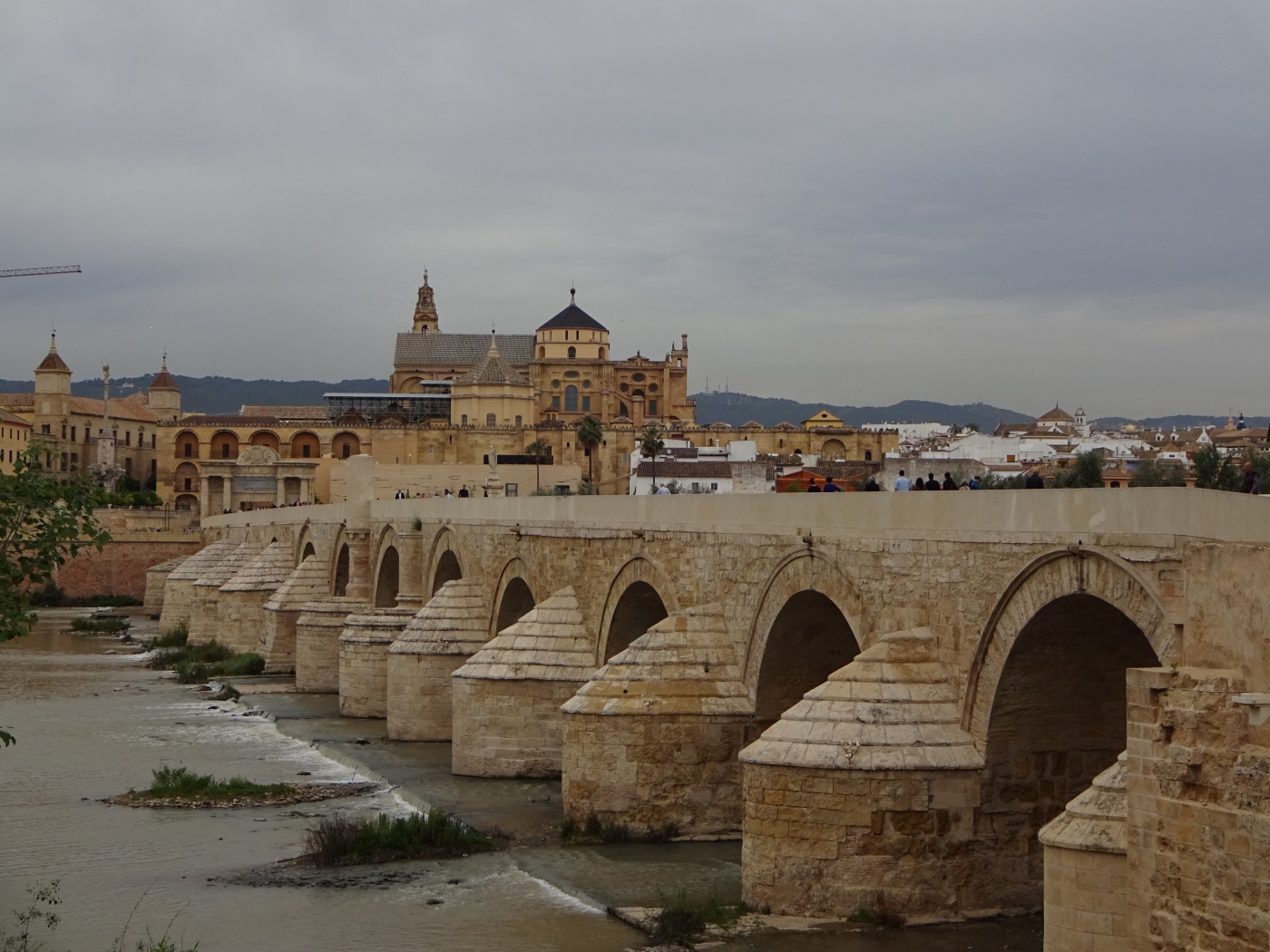
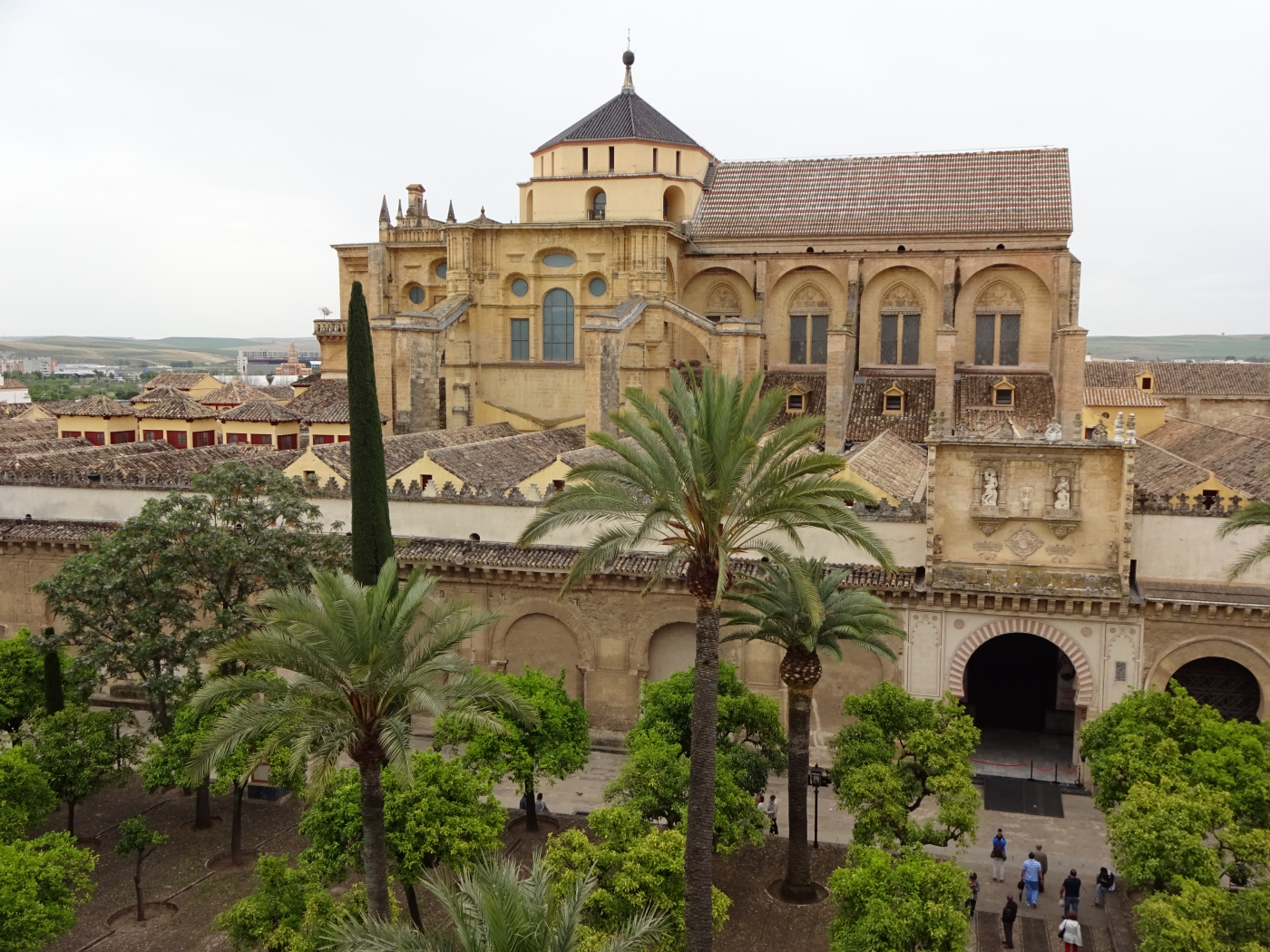
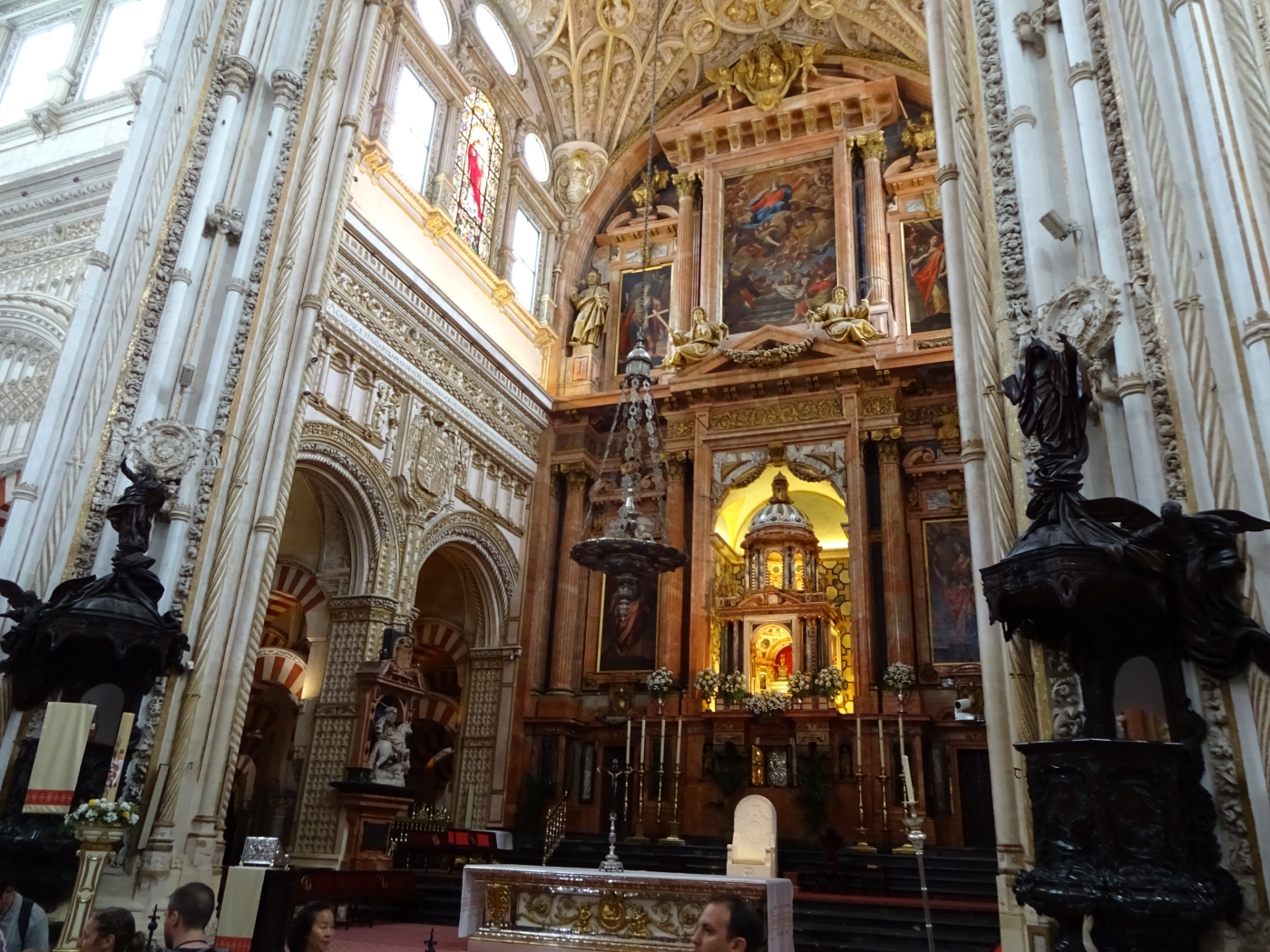
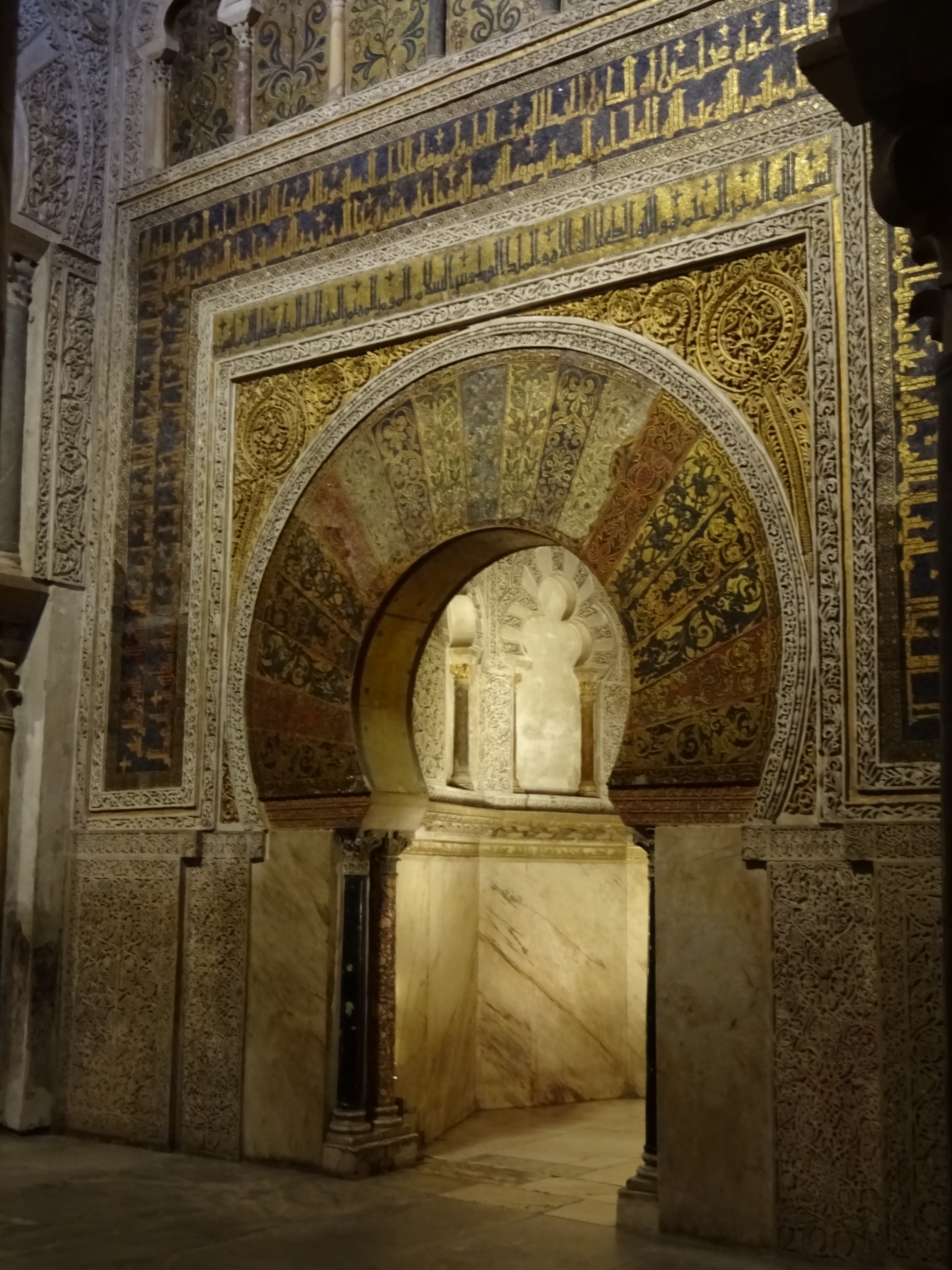
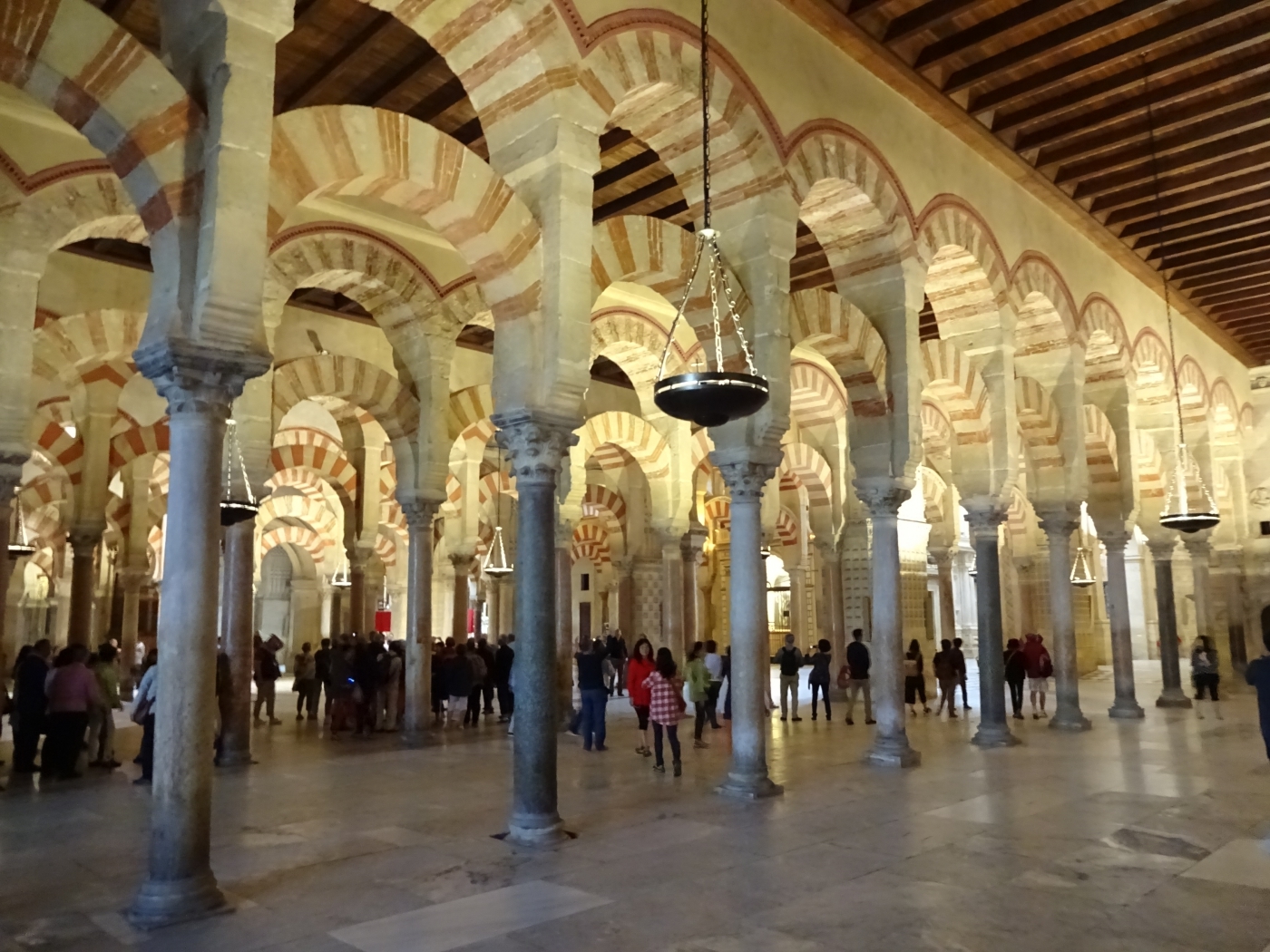
The crowning jewel of the historic centre is undoubtedly the Mezquita-Cathedral, a breathtaking architectural marvel. Originally built as a mosque by Abd al-Rahman I in the 8th century on the site of a Visigothic church, it was continuously expanded over centuries, reaching its grandeur with subsequent expansions. Its forest of horseshoe arches, alternating red and white voussoirs, and intricate mihrab are iconic. Following the Christian Reconquista in 1236, a cathedral was constructed within the heart of the mosque, creating a unique synthesis of Islamic and Christian artistic expressions symbolizing the city's complex history.
Beyond the Mosque: Jewish and Christian Quarters
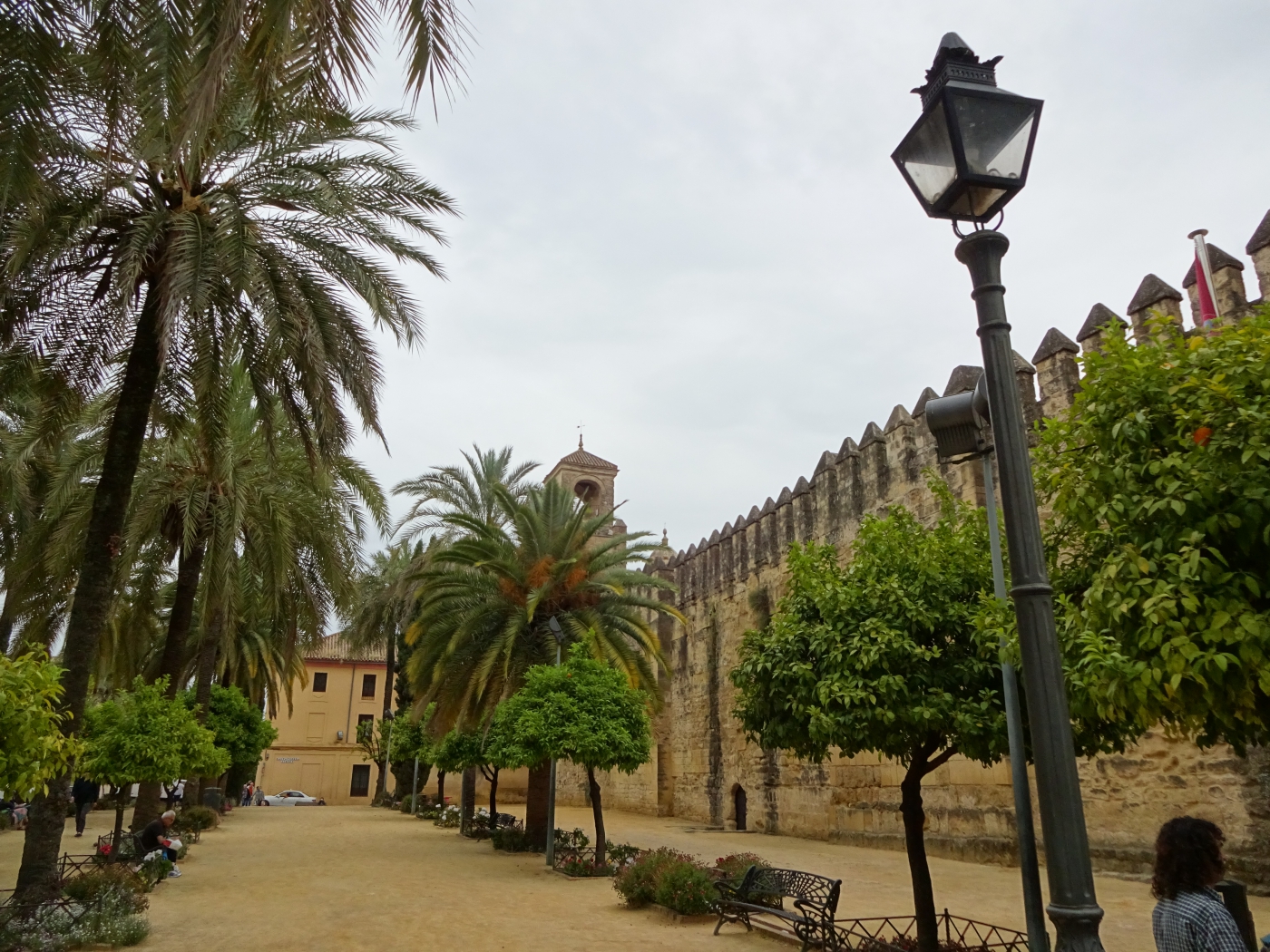
Adjacent to the Mezquita lies the enchanting Juderia, Cordoba's historic Jewish quarter. Its labyrinthine narrow streets, white-washed houses, and charming patios reflect centuries of Jewish life. Within the Juderia, visitors can explore the medieval Cordoba Synagogue, one of Spain's few remaining medieval synagogues, bearing witness to a vibrant Sephardic community. The Alcázar de los Reyes Cristianos, a fortress-palace with magnificent gardens, also forms part of the historic centre. Built after the Christian conquest, it served as a residence for Catholic Monarchs, including Ferdinand and Isabella, and hosted Christopher Columbus.
The Historic Centre of Cordoba is more than ancient buildings; it is a living museum, a narrative etched in stone, celebrating the enduring legacy of diverse cultures. Its profound beauty and historical significance continue to captivate visitors, inviting them to wander through its alleys and plazas and experience the echoes of its glorious past.
Further Reading
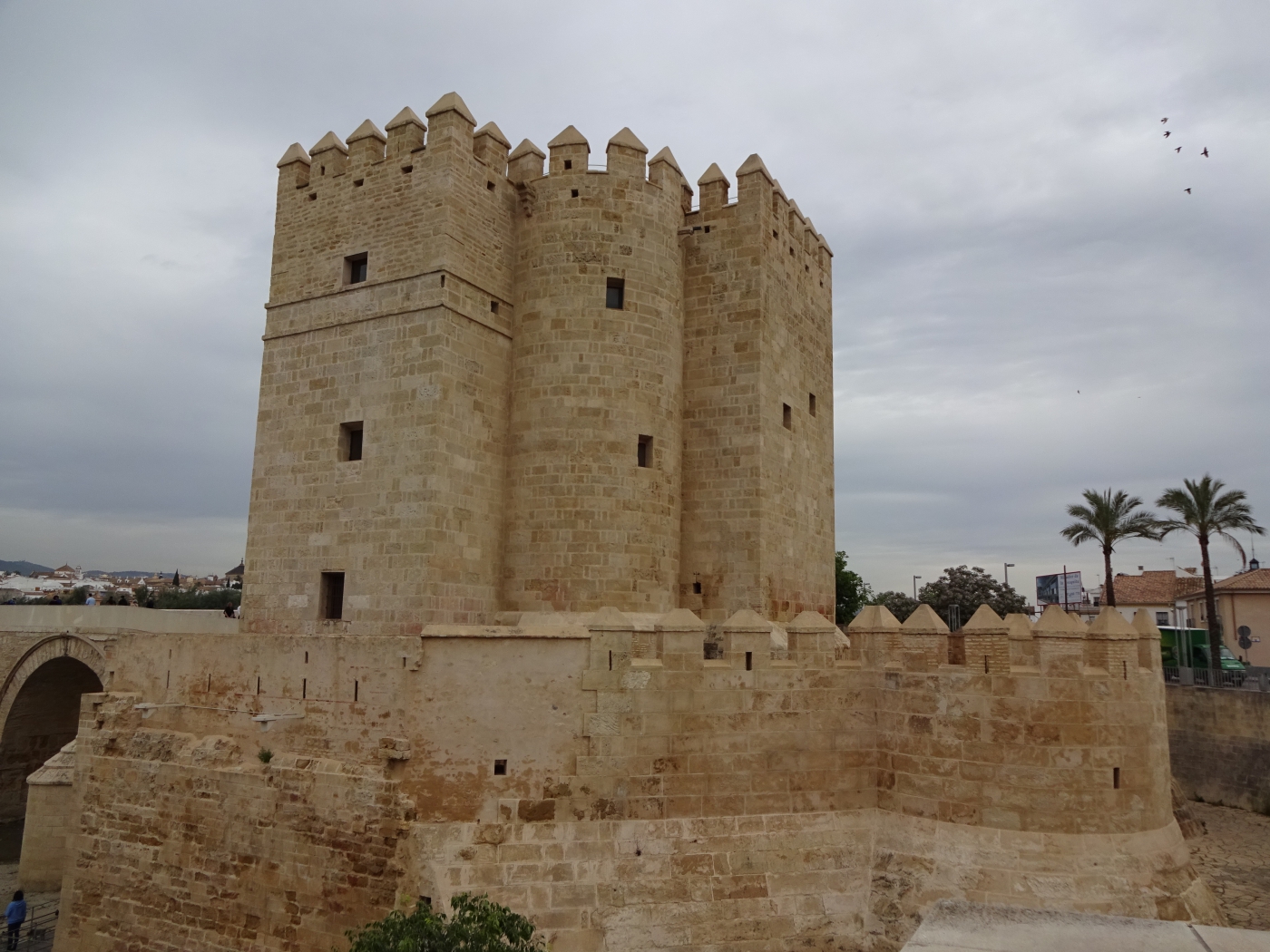
Cordoba's period of greatest glory began in the 8th century after the Moorish conquest, when some 300 mosques and innumerable palaces and public buildings were built to rival the splendours of Constantinople, Damascus and Baghdad. In the 13th century, under Ferdinand III, the Saint, Cordoba's Great Mosque was turned into a cathedral and new defensive structures, particularly the Alcázar de los Reyes Cristianos and the Torre Fortaleza de la Calahorra, were erected.
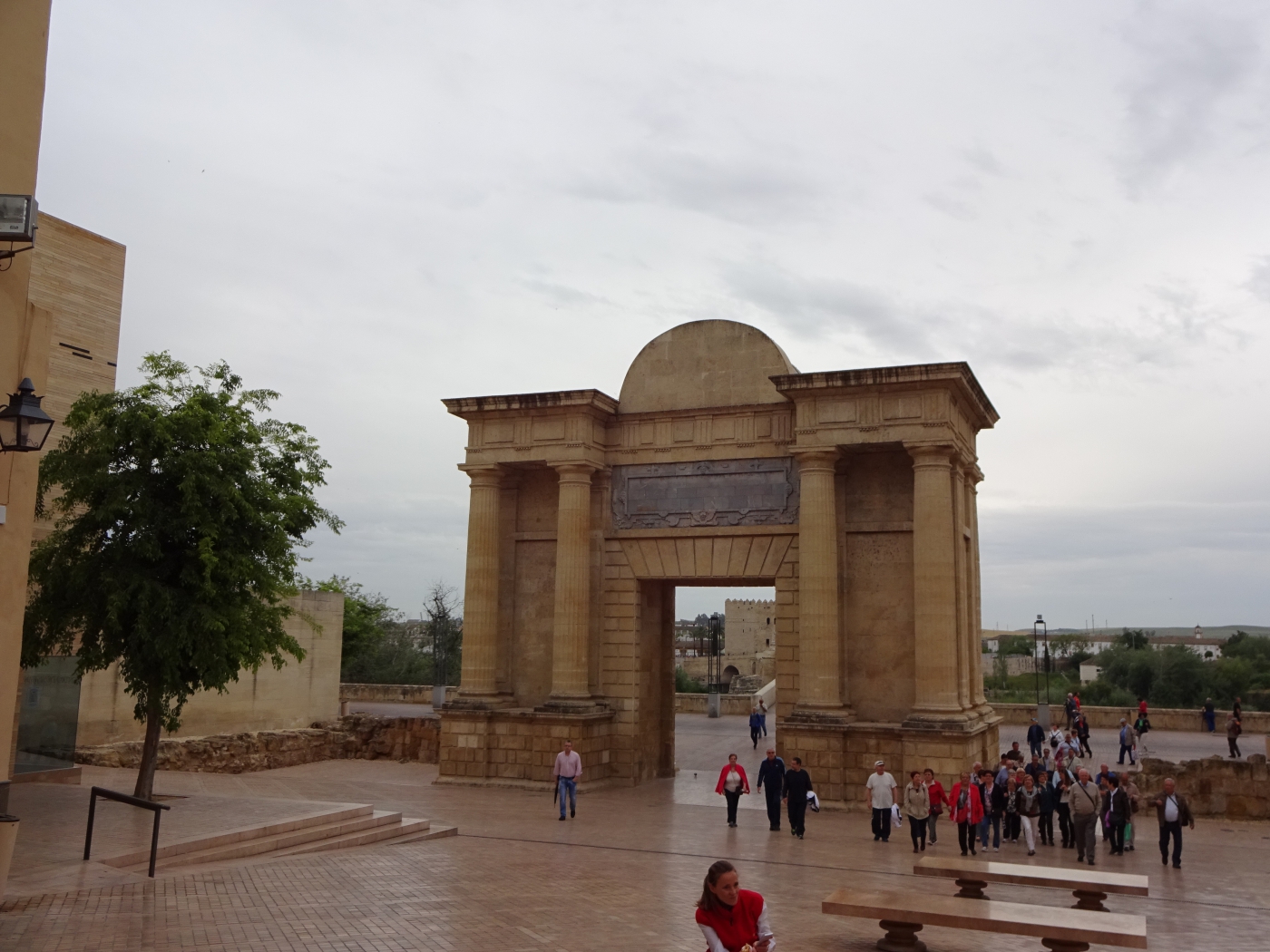
The historic centre of Córdoba, Spain is one of the largest of its kind in Europe. In 1984, UNESCO registered the Mosque–Cathedral of Córdoba as a World Heritage Site. A decade later, it expanded the inscription to include much of the old town. The historic centre has a wealth of monuments preserving large traces of Roman, Islamic, and Christian times.