Renaissance Monumental Ensembles of Úbeda - Renaissance Monumental Ensembles of Úbeda and Baeza
Ubeda, Spain
04.05.2016

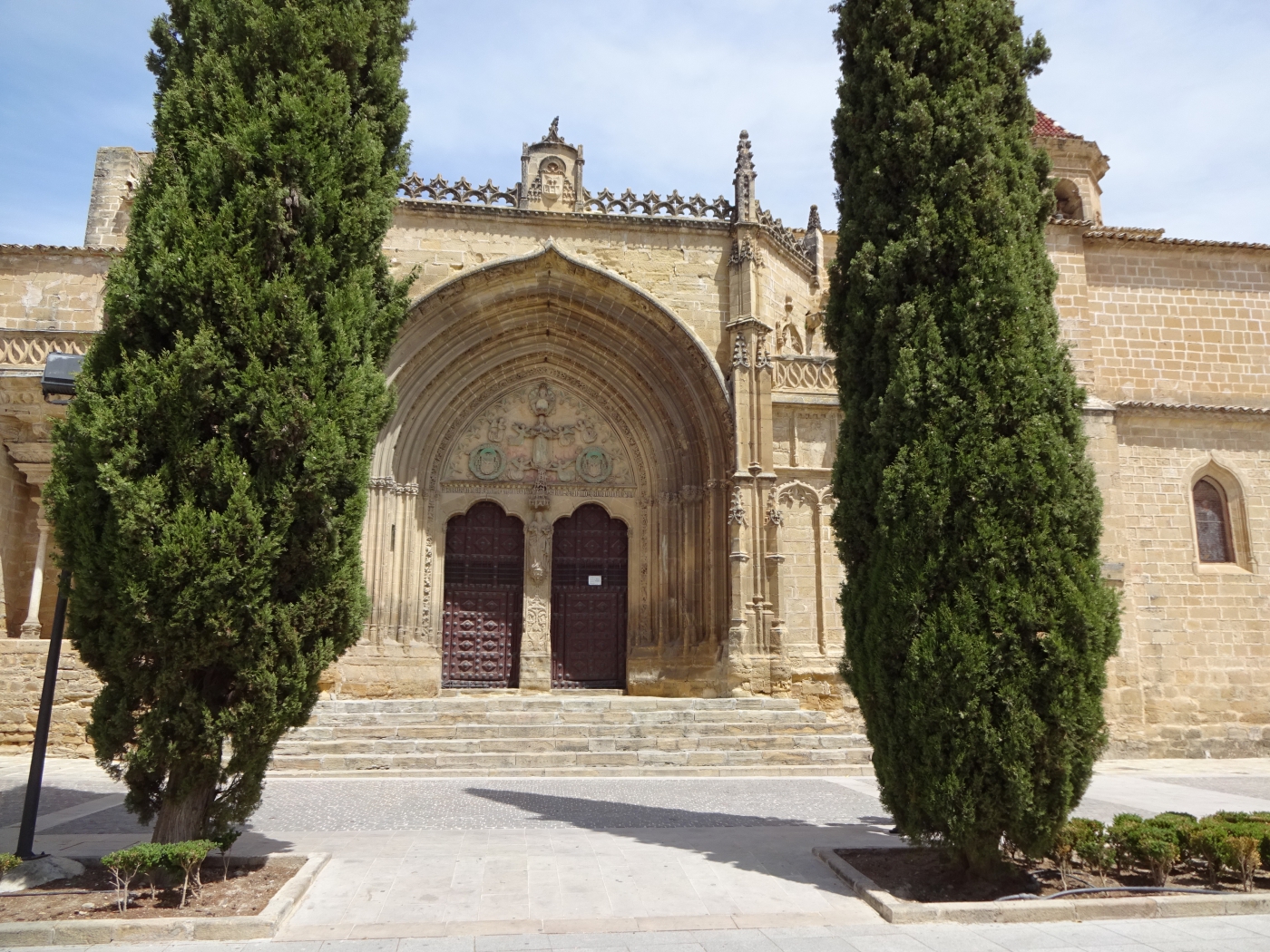
The city of Úbeda, nestled in the heart of Andalusia, Spain, offers a captivating journey back to the grandeur of the Renaissance. Along with its neighbour Baeza, Úbeda was inscribed on the UNESCO World Heritage List in 2003 as "Renaissance Monumental Ensembles of Úbeda and Baeza". This recognition celebrates its exceptional urban planning and architectural design, which profoundly influenced the spread of the Renaissance style in Spain and beyond.
A Golden Age of Patronage
Úbeda's transformation into a Renaissance gem was largely due to the vision and immense wealth of one man: Francisco de los Cobos y Molina. Serving as Secretary of State to Emperor Charles V during the first half of the 16th century, Cobos amassed a formidable fortune and, upon his return to his hometown, embarked on an ambitious project to glorify Úbeda with the most advanced architectural styles of his time. He attracted the finest artists and architects, most notably Andrés de Vandelvira, whose innovative work defined the unique Úbeda Renaissance.
Architectural Masterpieces
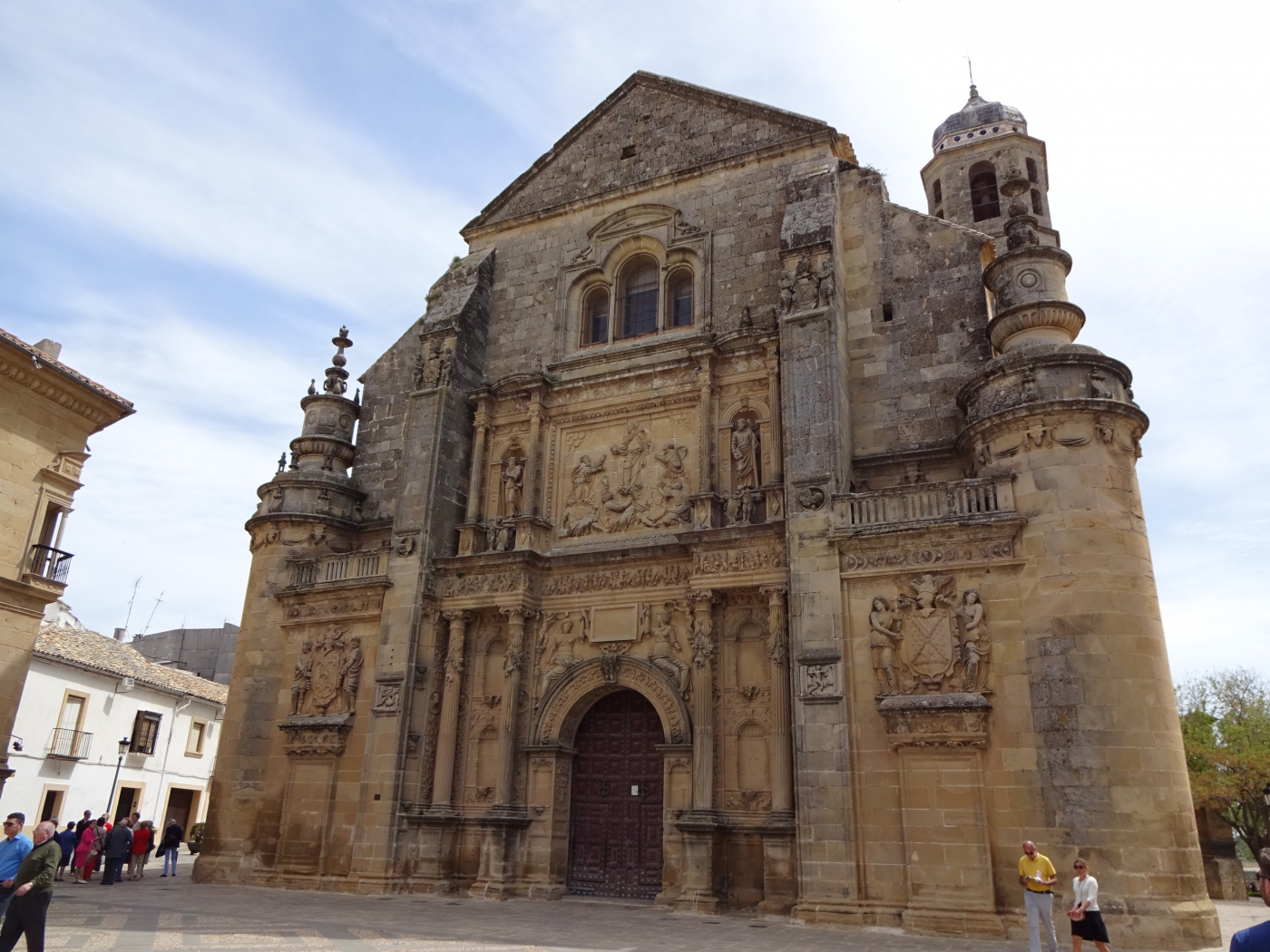
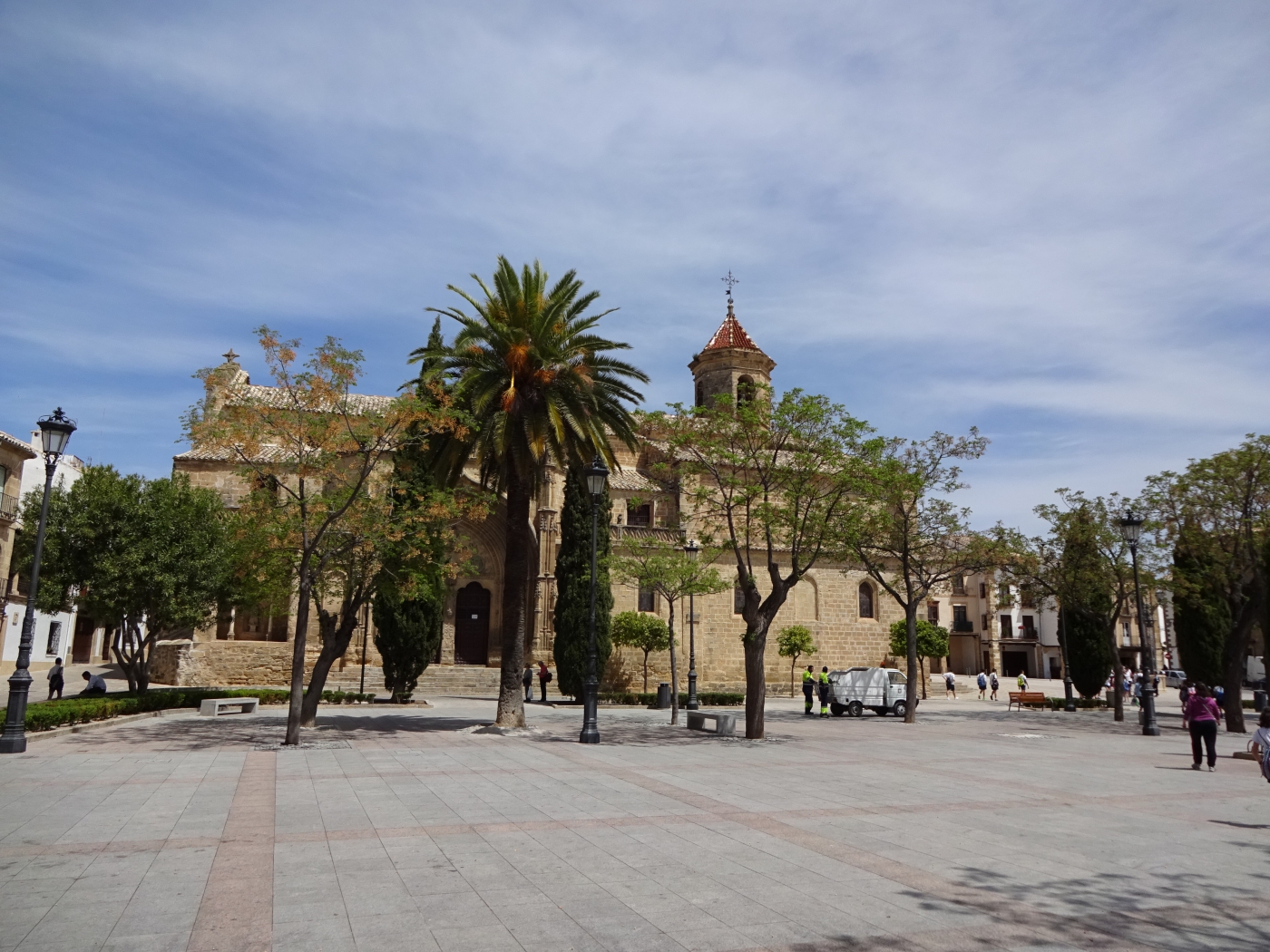
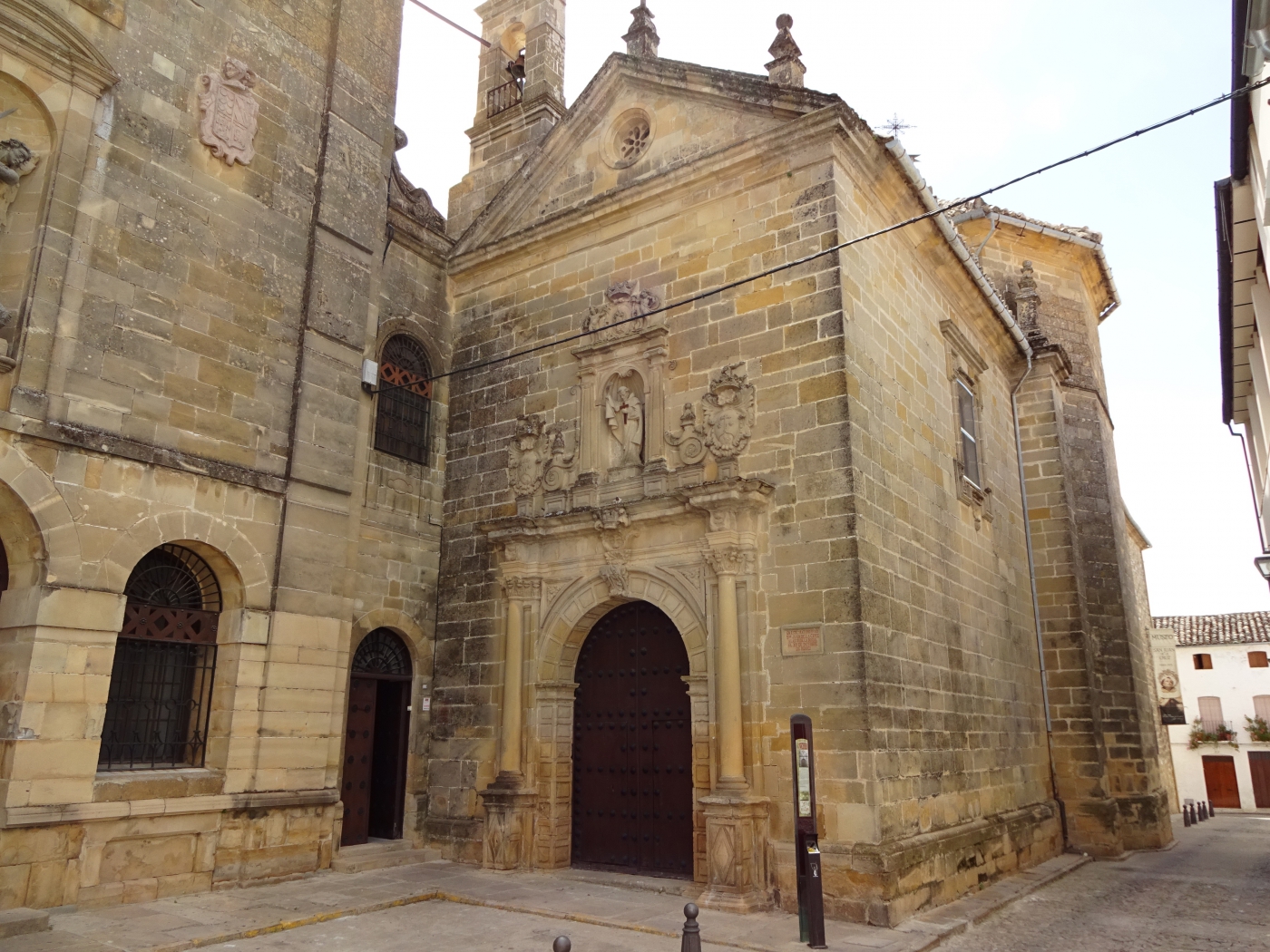
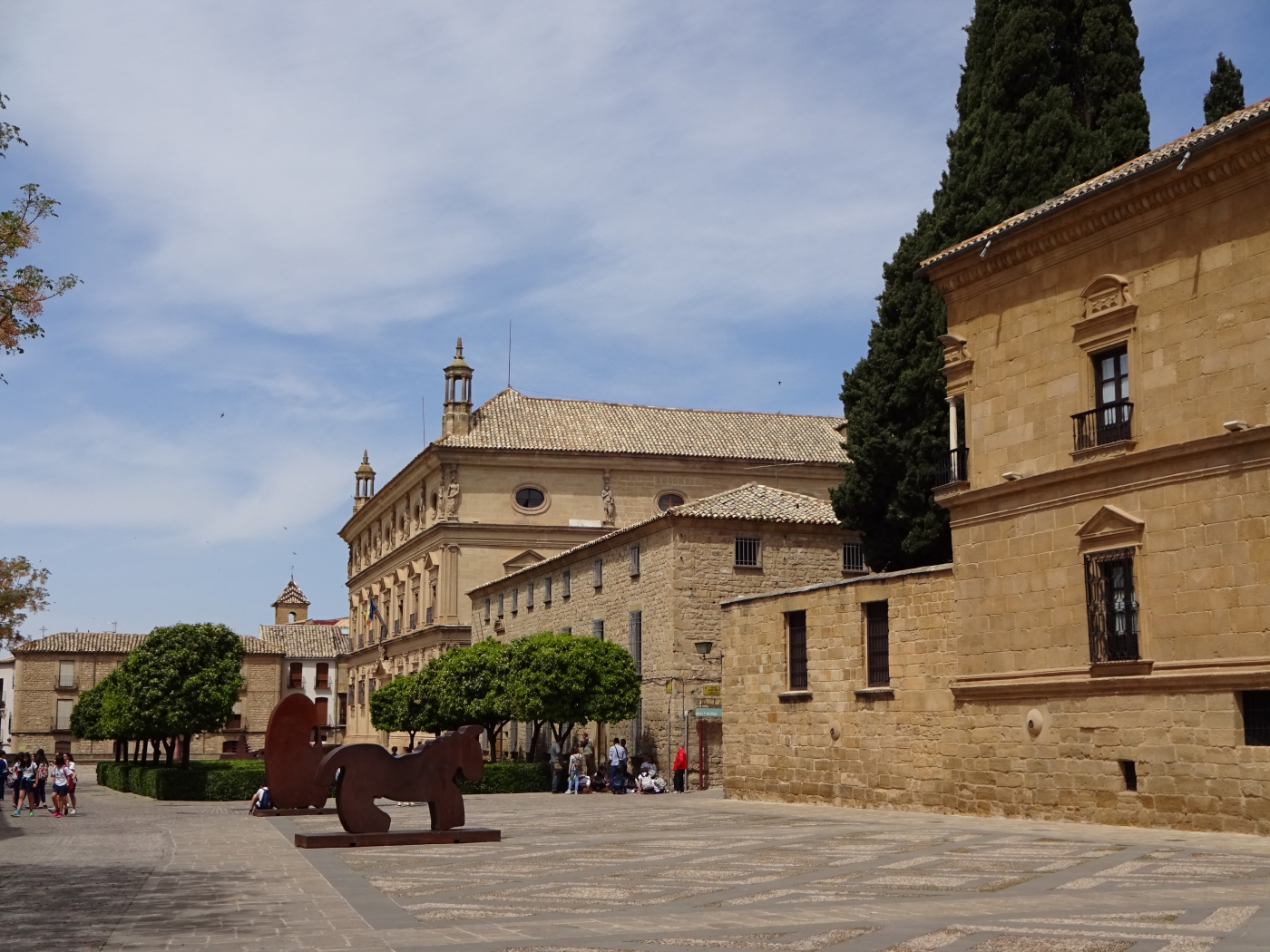
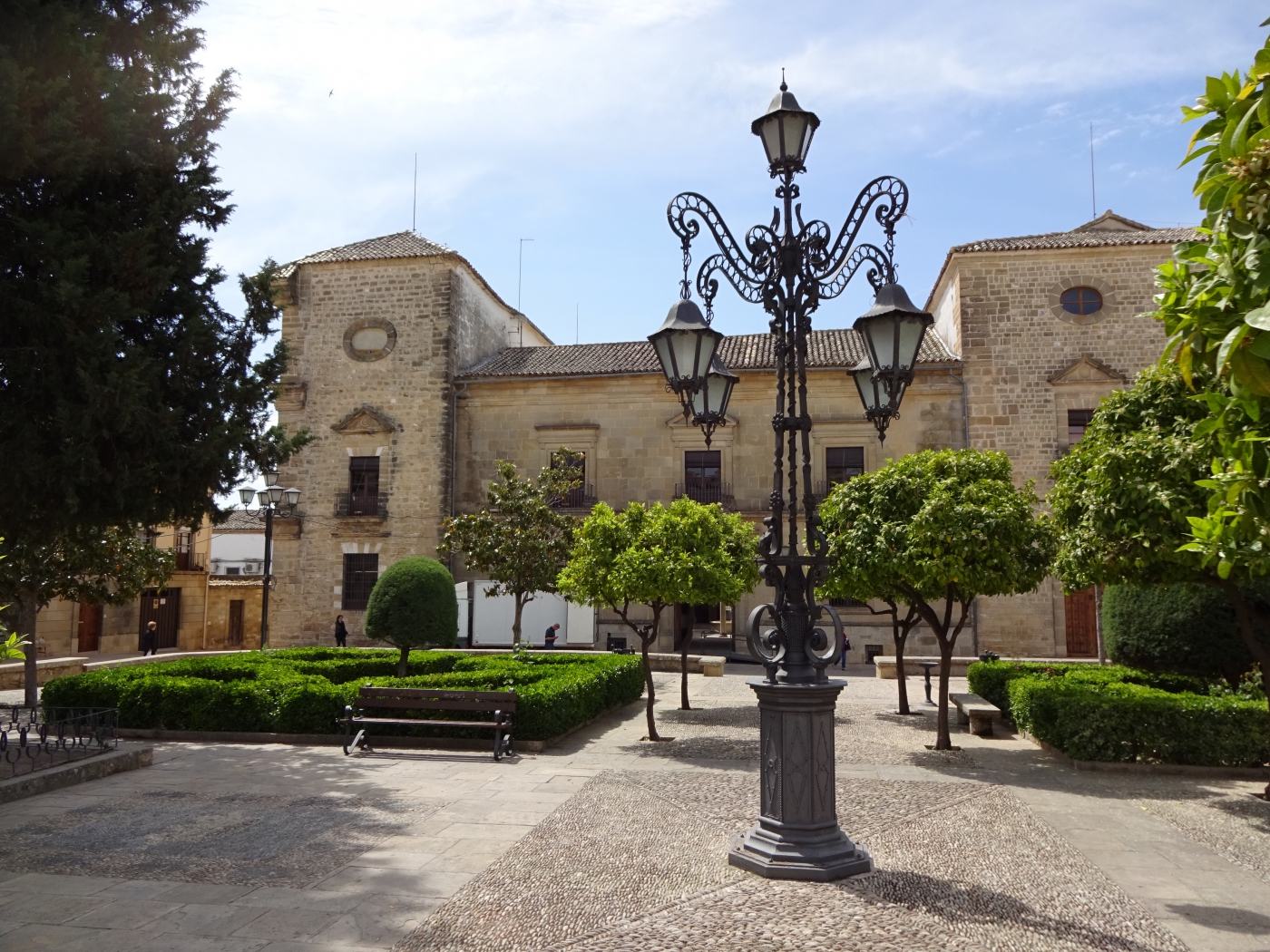
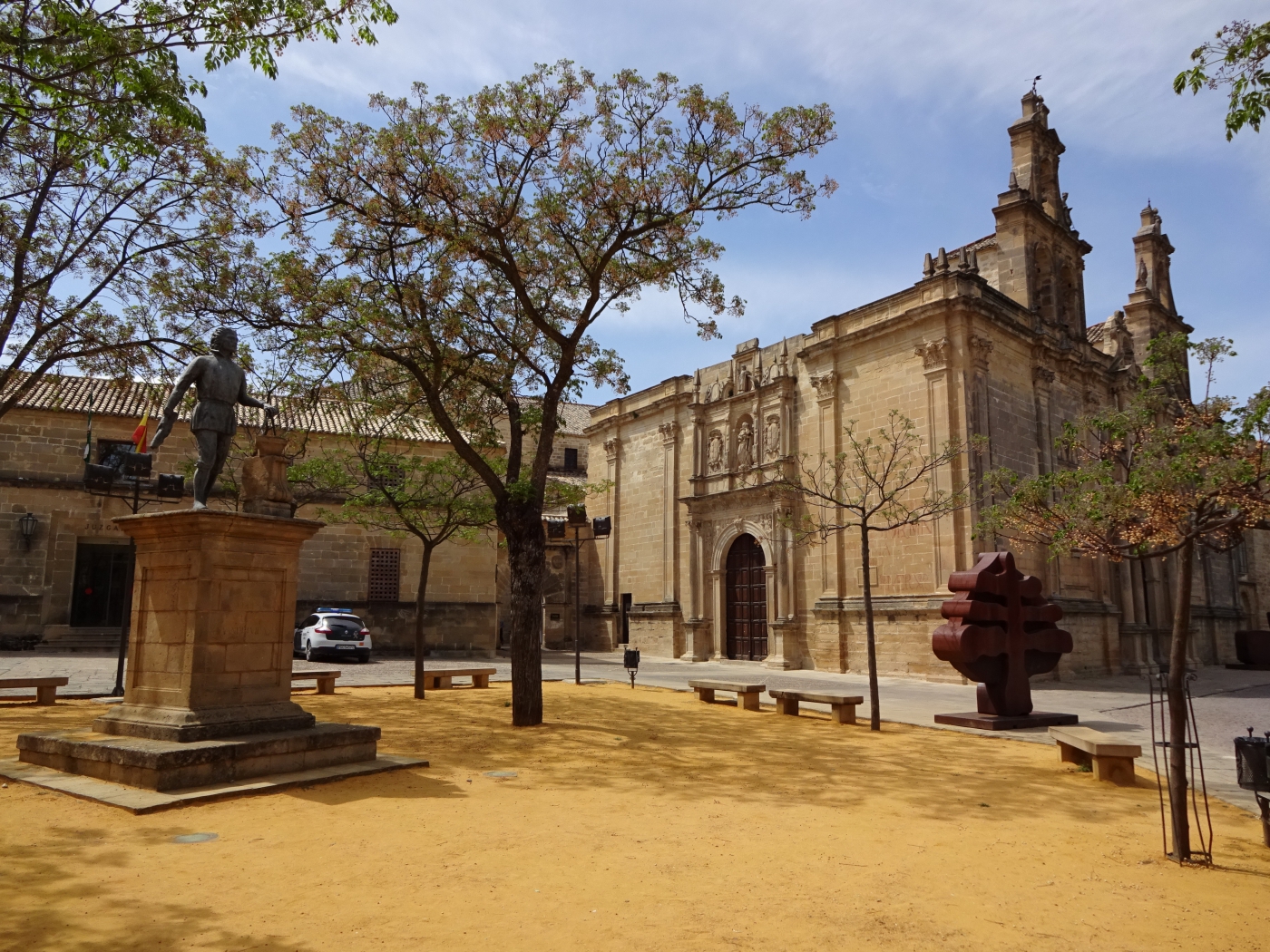
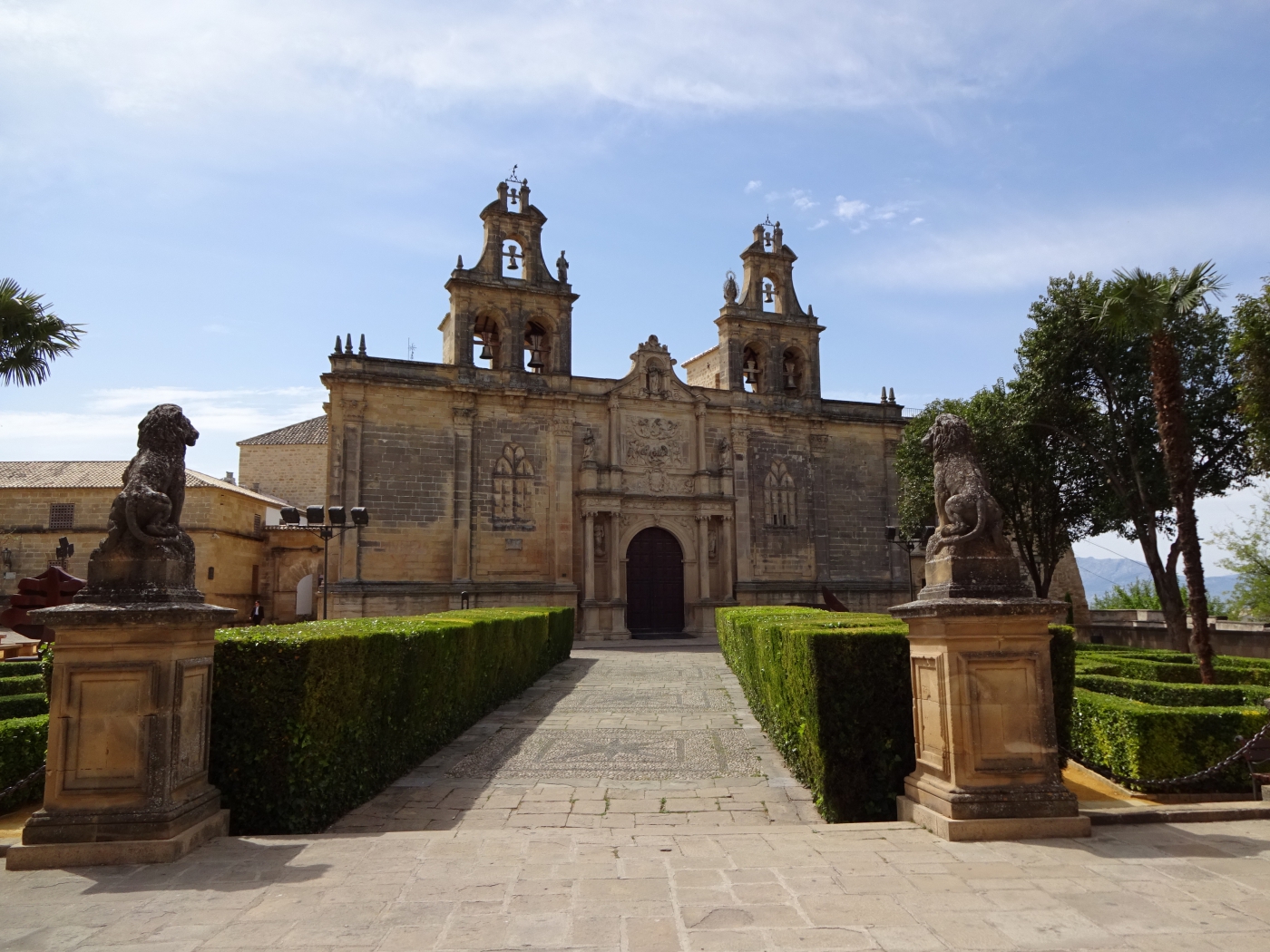
The urban core of Úbeda is a breathtaking ensemble of Renaissance palaces and churches, centered around the picturesque Vázquez de Molina Square. The most iconic structure is the Sacra Capilla del Salvador (Holy Chapel of the Saviour), designed as Cobos's funerary chapel. This majestic building, with its towering dome and intricate sculptural decoration, is a true masterpiece by Vandelvira and a pivotal example of Spanish Renaissance architecture. Adjacent to it stands the elegant Palacio del Deán Ortega (Dean Ortega Palace), also attributed to Vandelvira, which now serves as a state-run hotel (Parador).
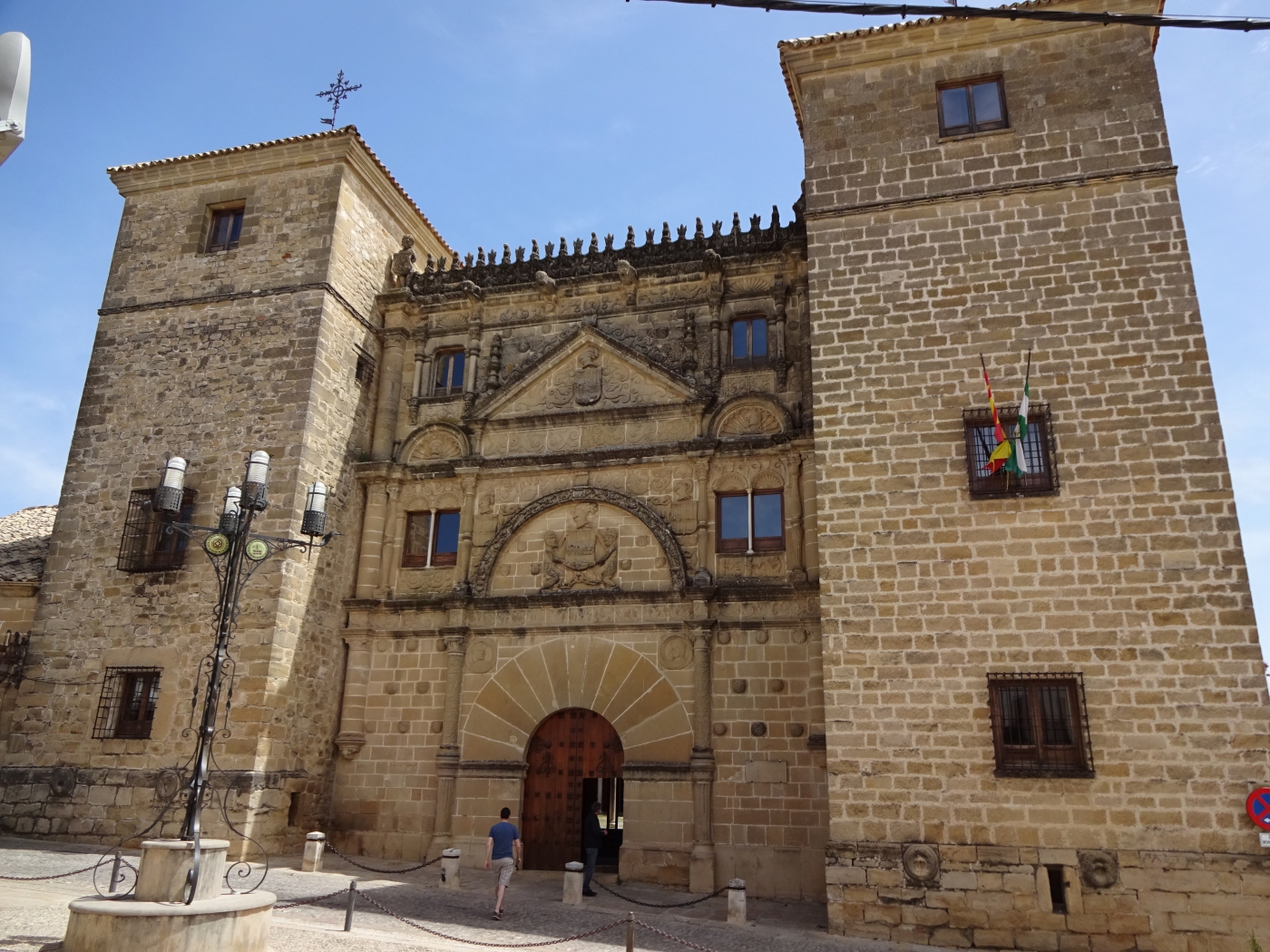
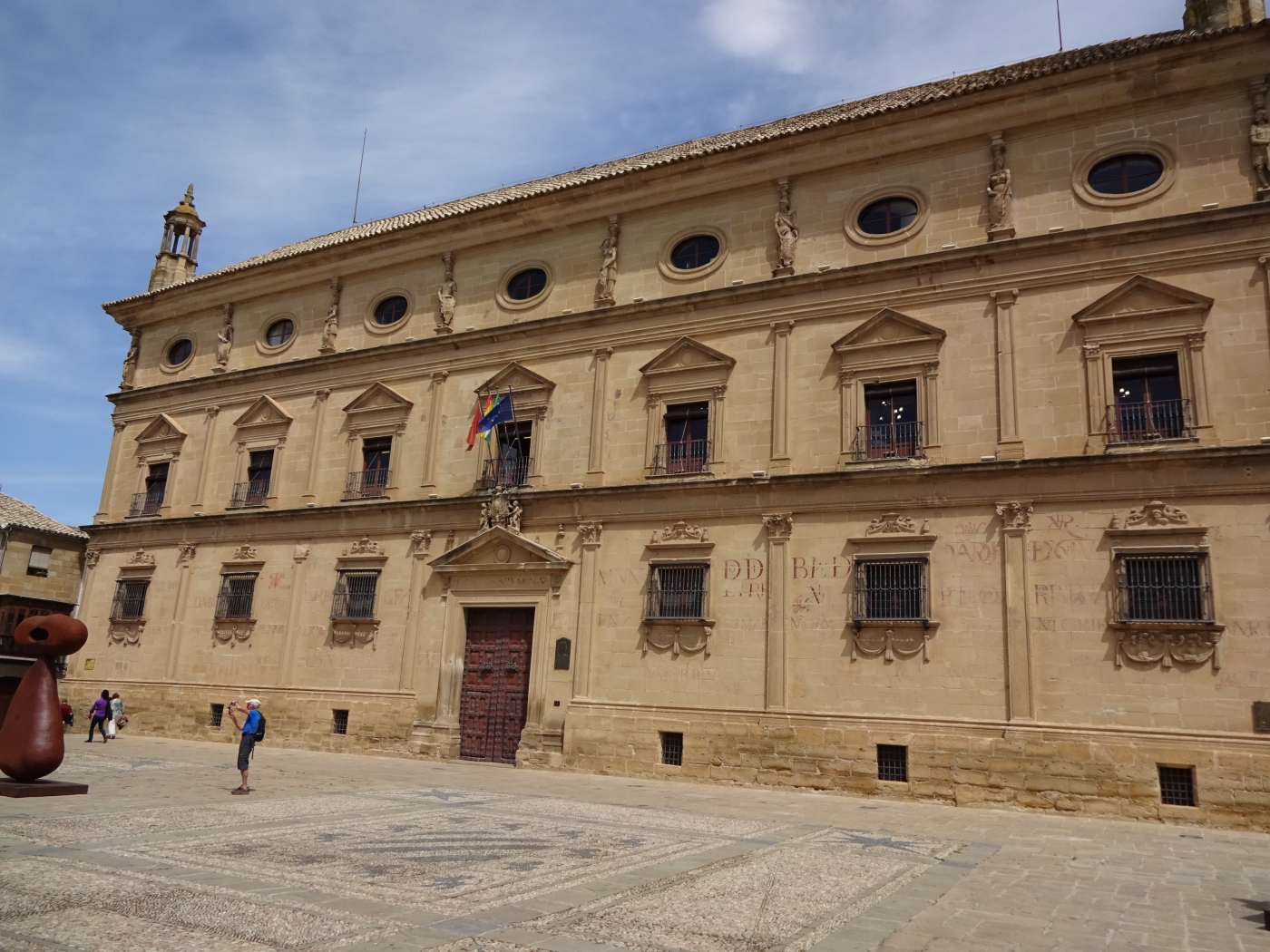
Another prominent building is the Palacio de las Cadenas (Palace of the Chains), named for the decorative chains adorning its façade. This splendid palace, completed in 1562, now houses the city's Town Hall and showcases classical harmony and proportion. Further enhancing the city's Renaissance character is the magnificent Hospital de Santiago, often referred to as the "Escorial of Andalusia" due to its monumental scale and grandeur, designed by Vandelvira. These structures collectively tell a powerful story of a city that, under enlightened patronage, became a beacon of artistic and architectural innovation during a pivotal era in European history.
Weiterführende Links
The urban morphology of the two small cities of Úbeda and Baeza in southern Spain dates back to the Moorish 9th century and to the Reconquista in the 13th century. An important development took place in the 16th century, when the cities were subject to renovation along the lines of the emerging Renaissance. This planning intervention was part of the introduction into Spain of new humanistic ideas from Italy, which went on to have a great influence on the architecture of Latin America.