Stonehenge - Stonehenge, Avebury and Associated Sites
Amesbury, England
28.08.2017

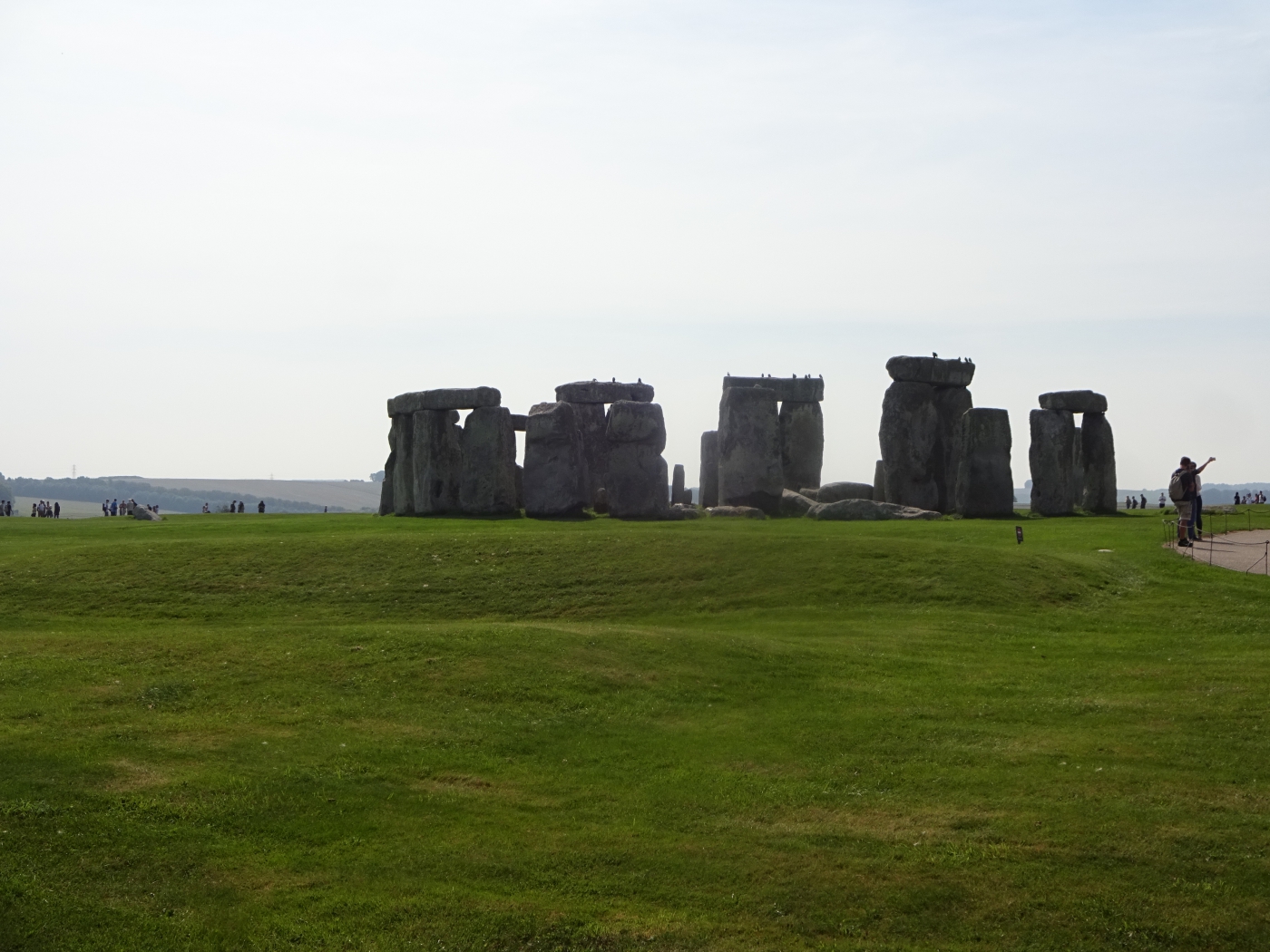
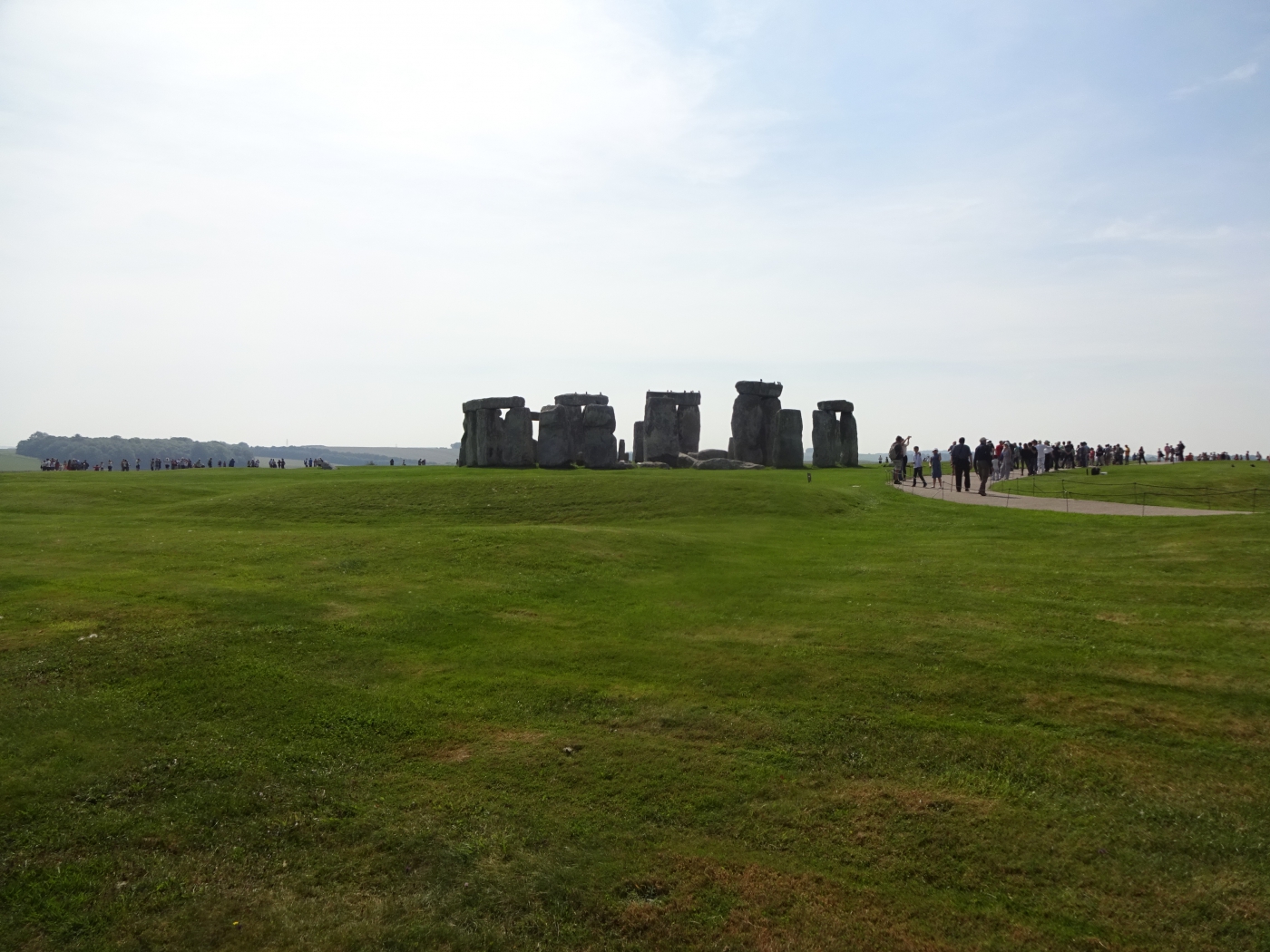
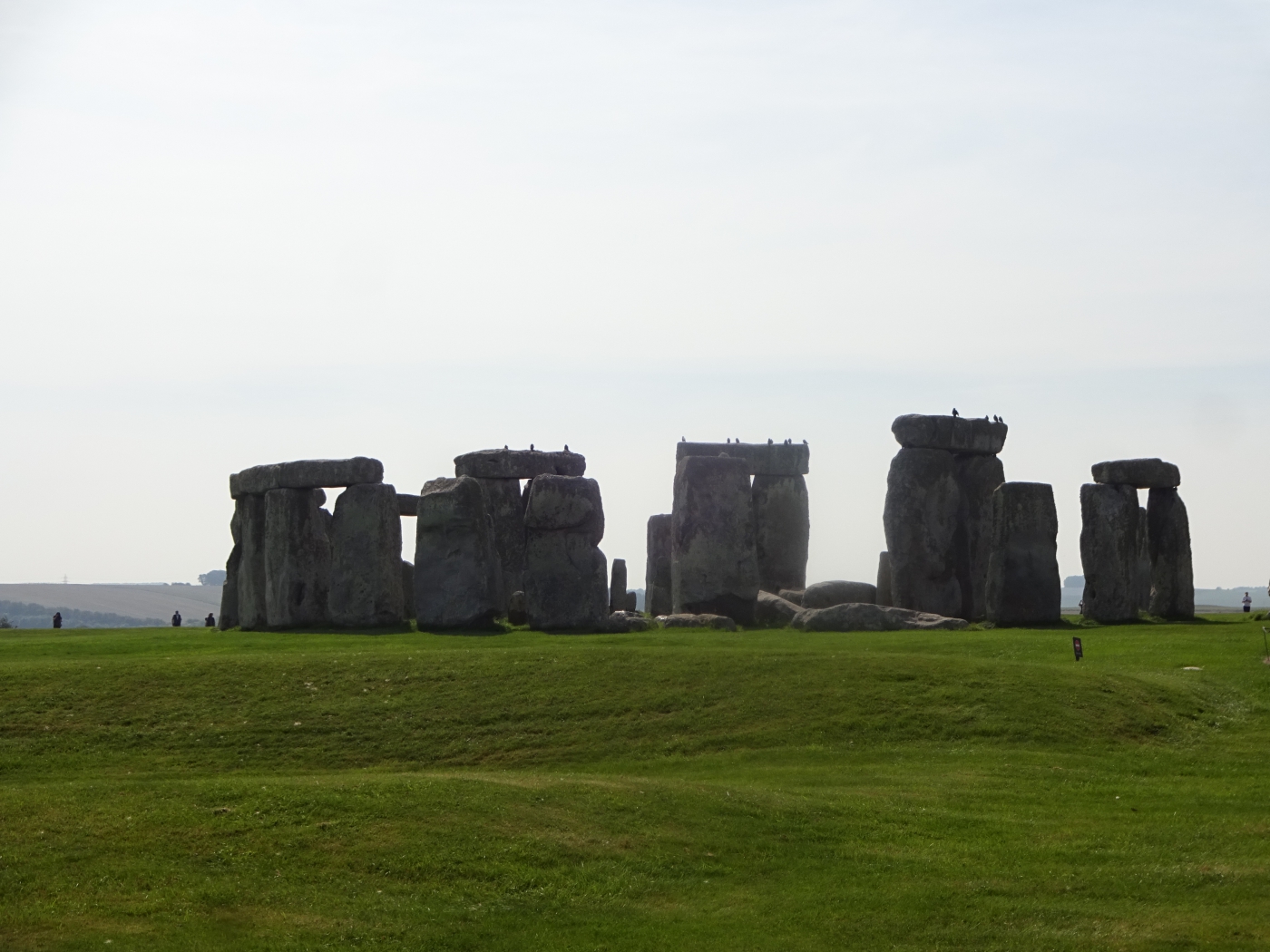
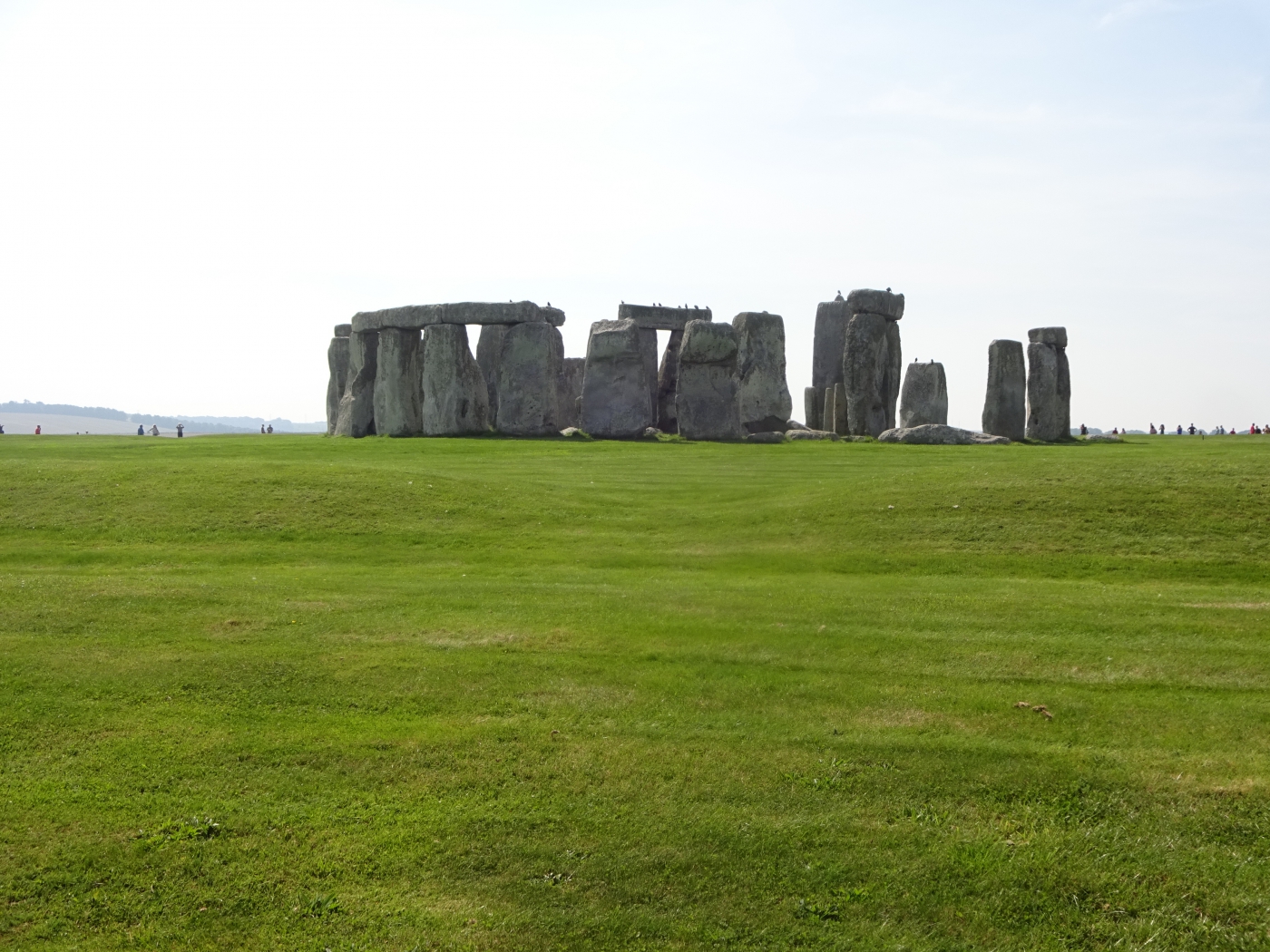
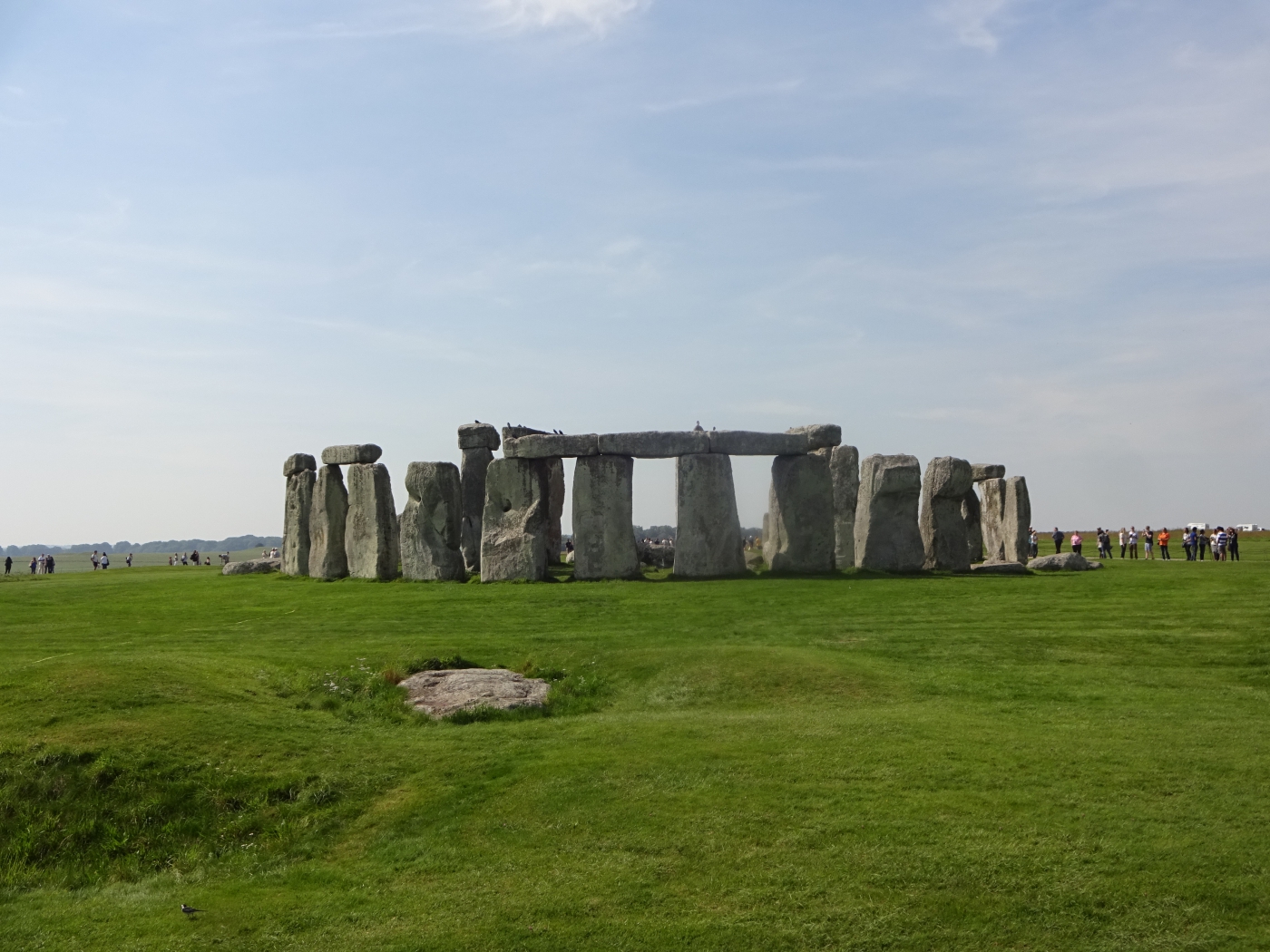
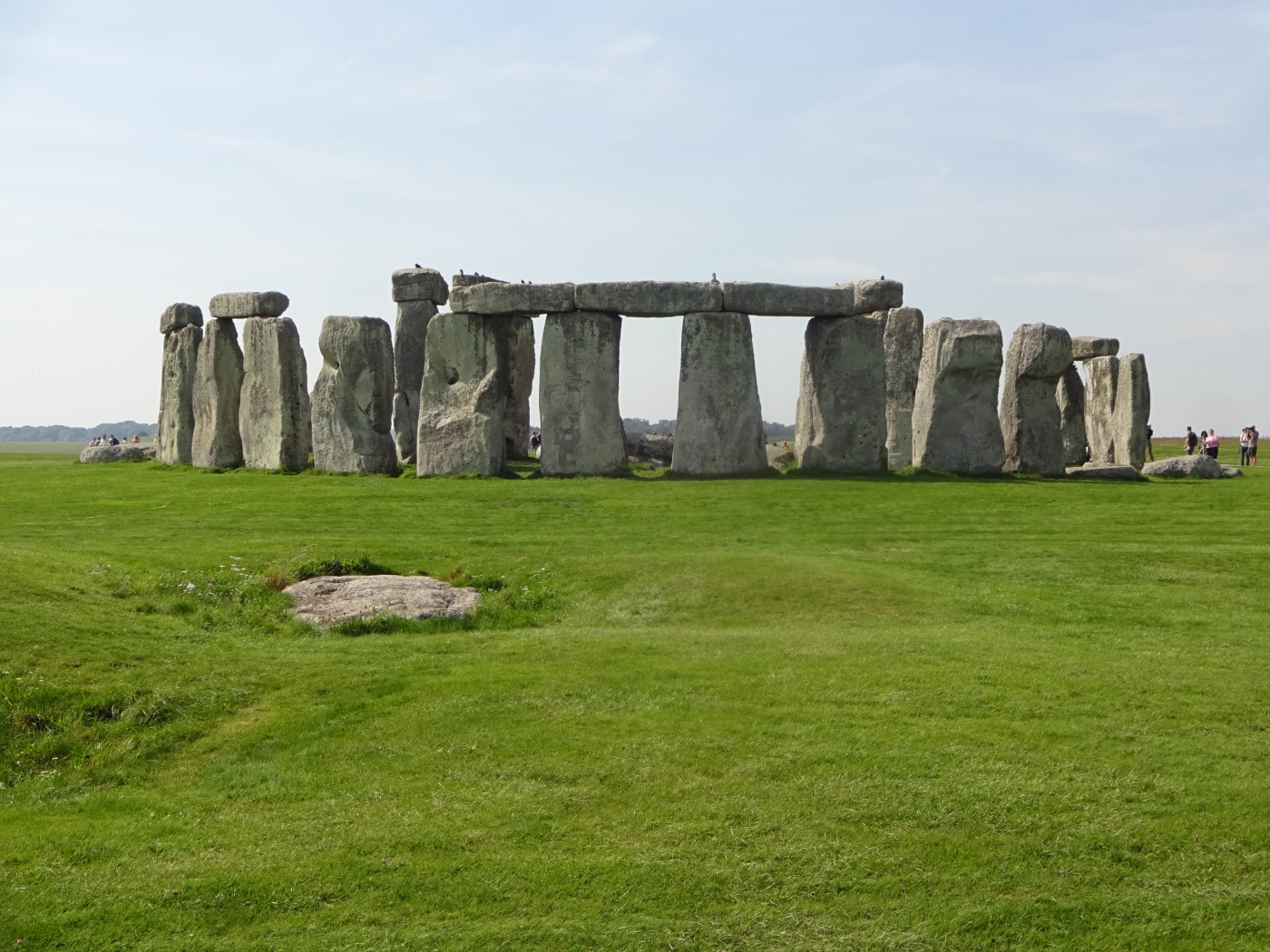
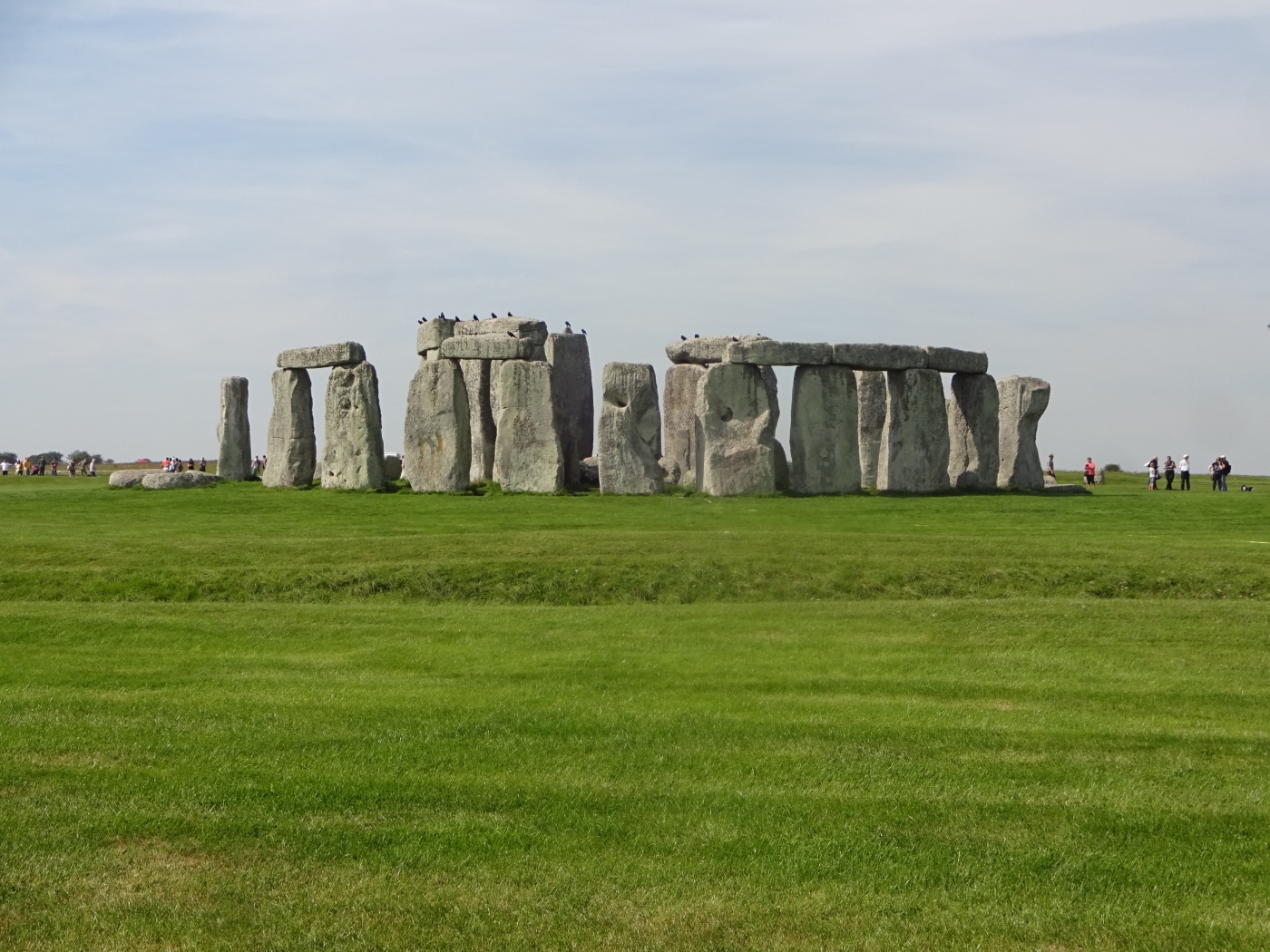
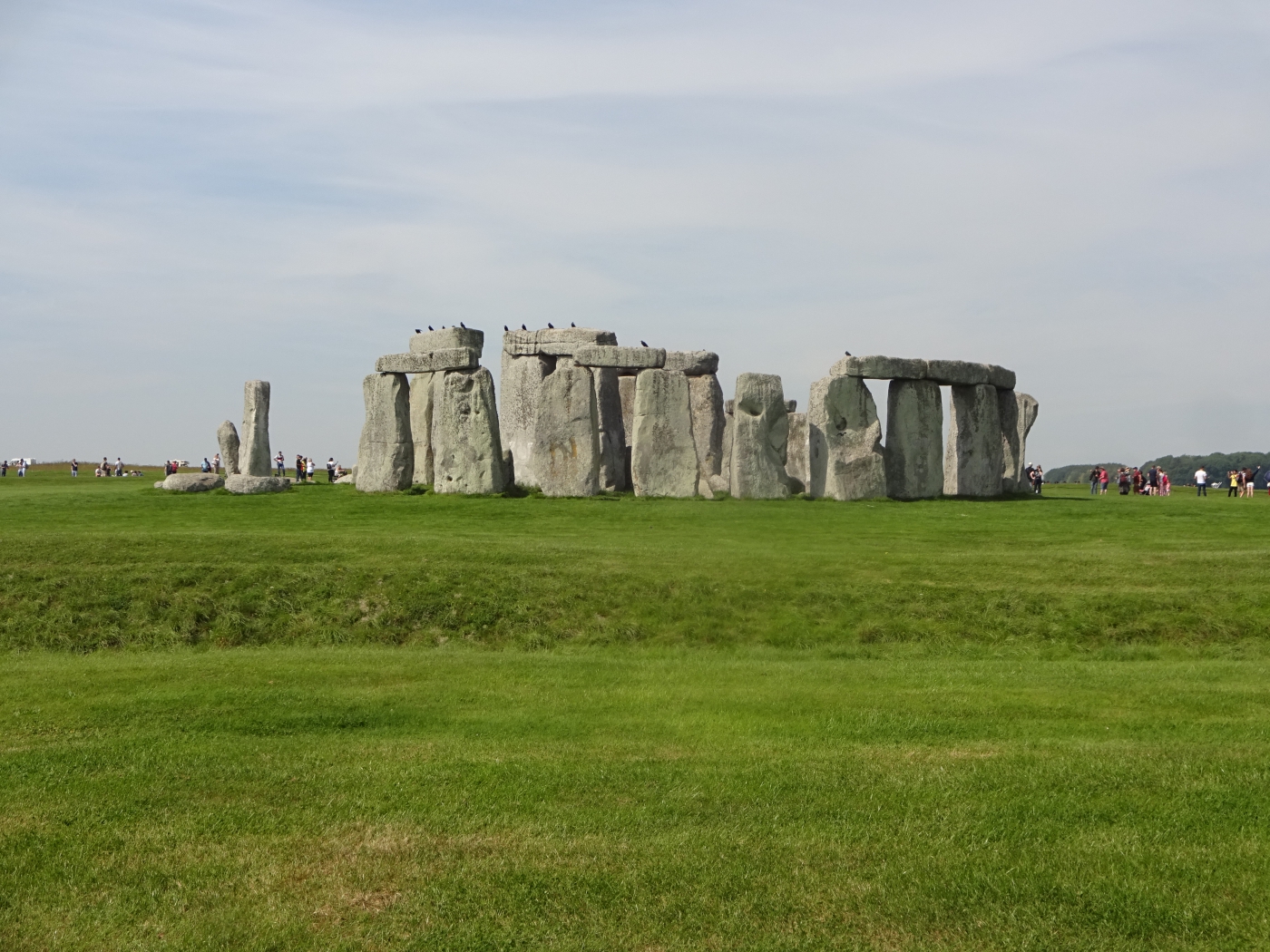
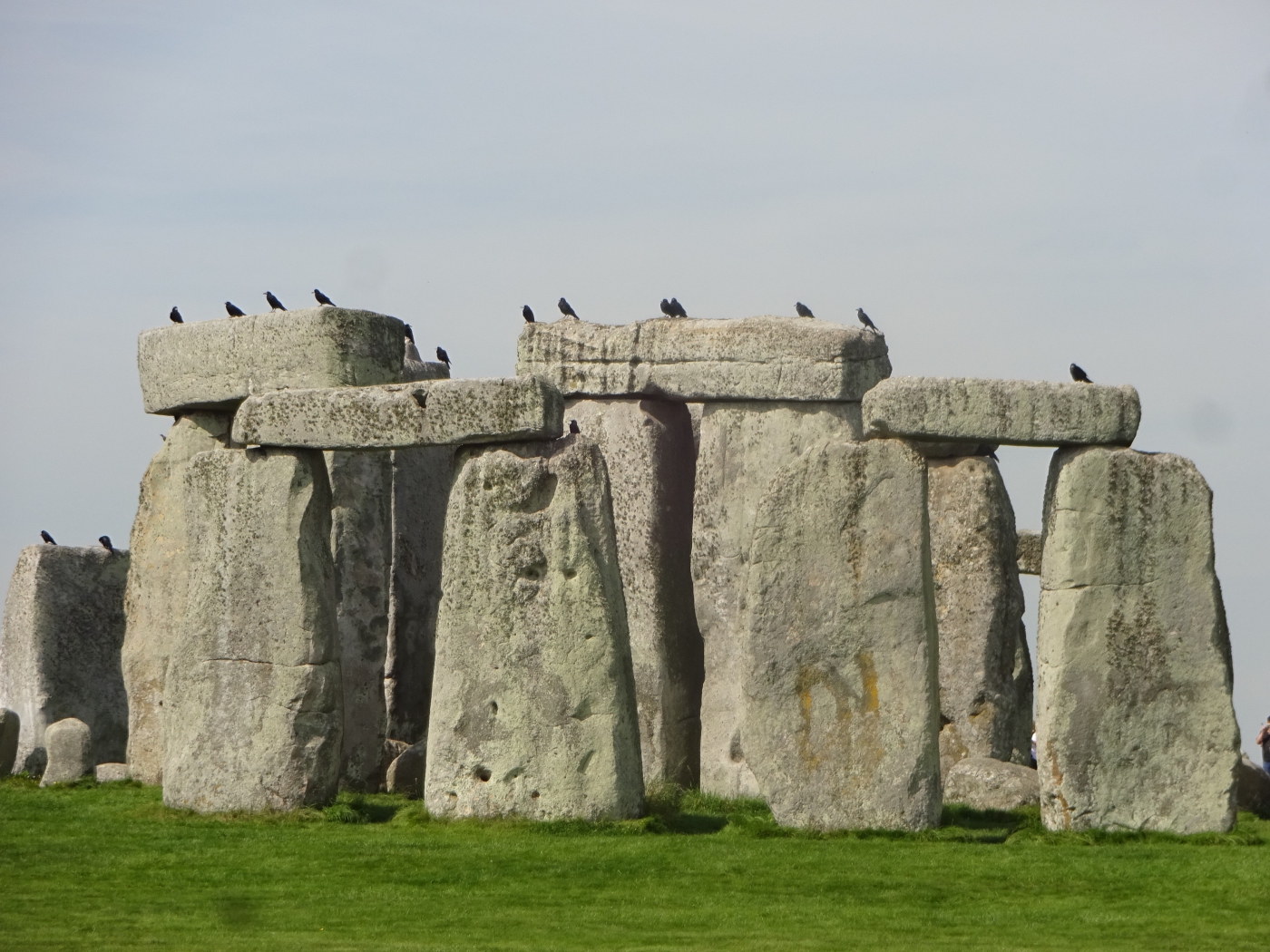
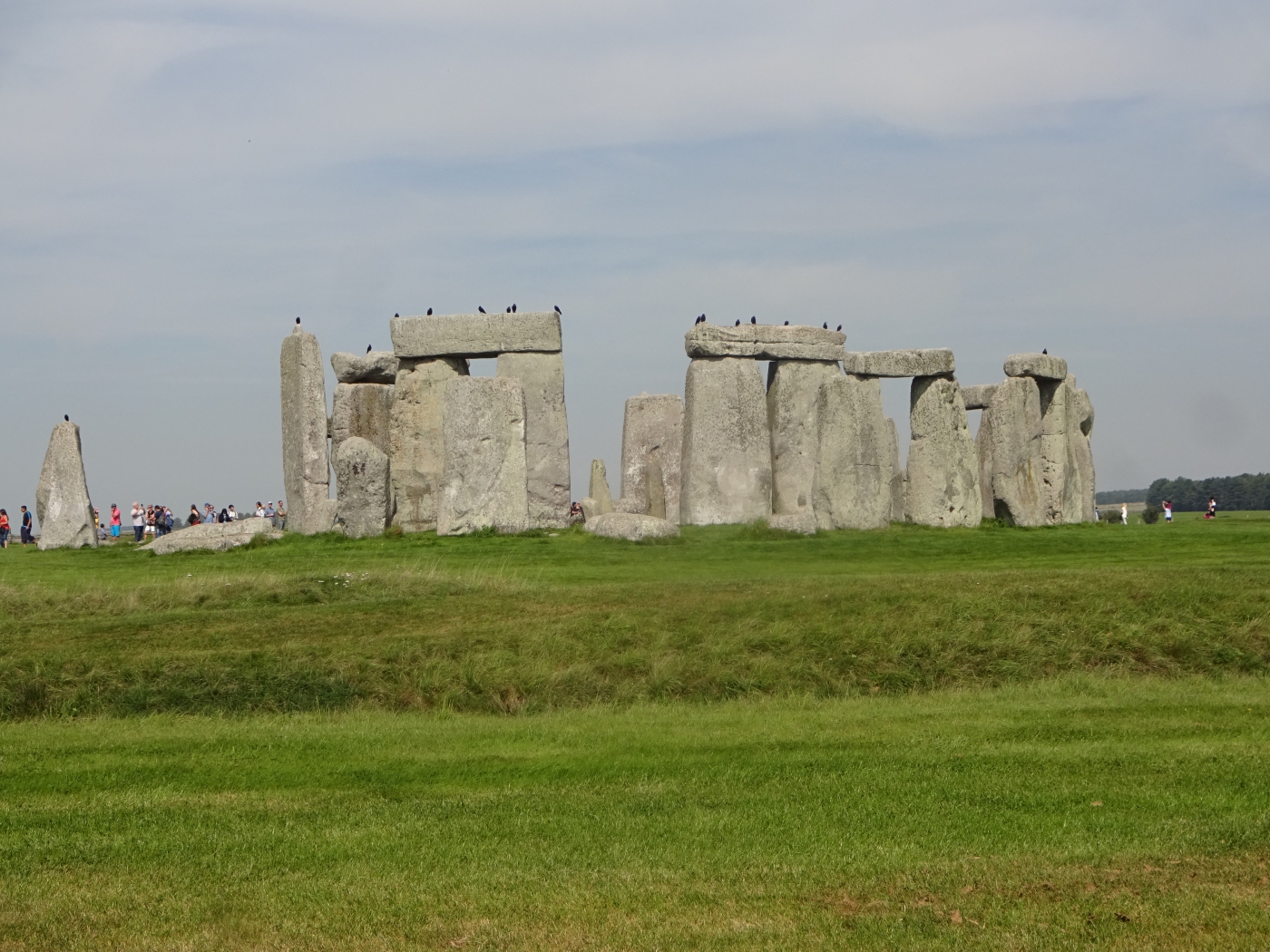
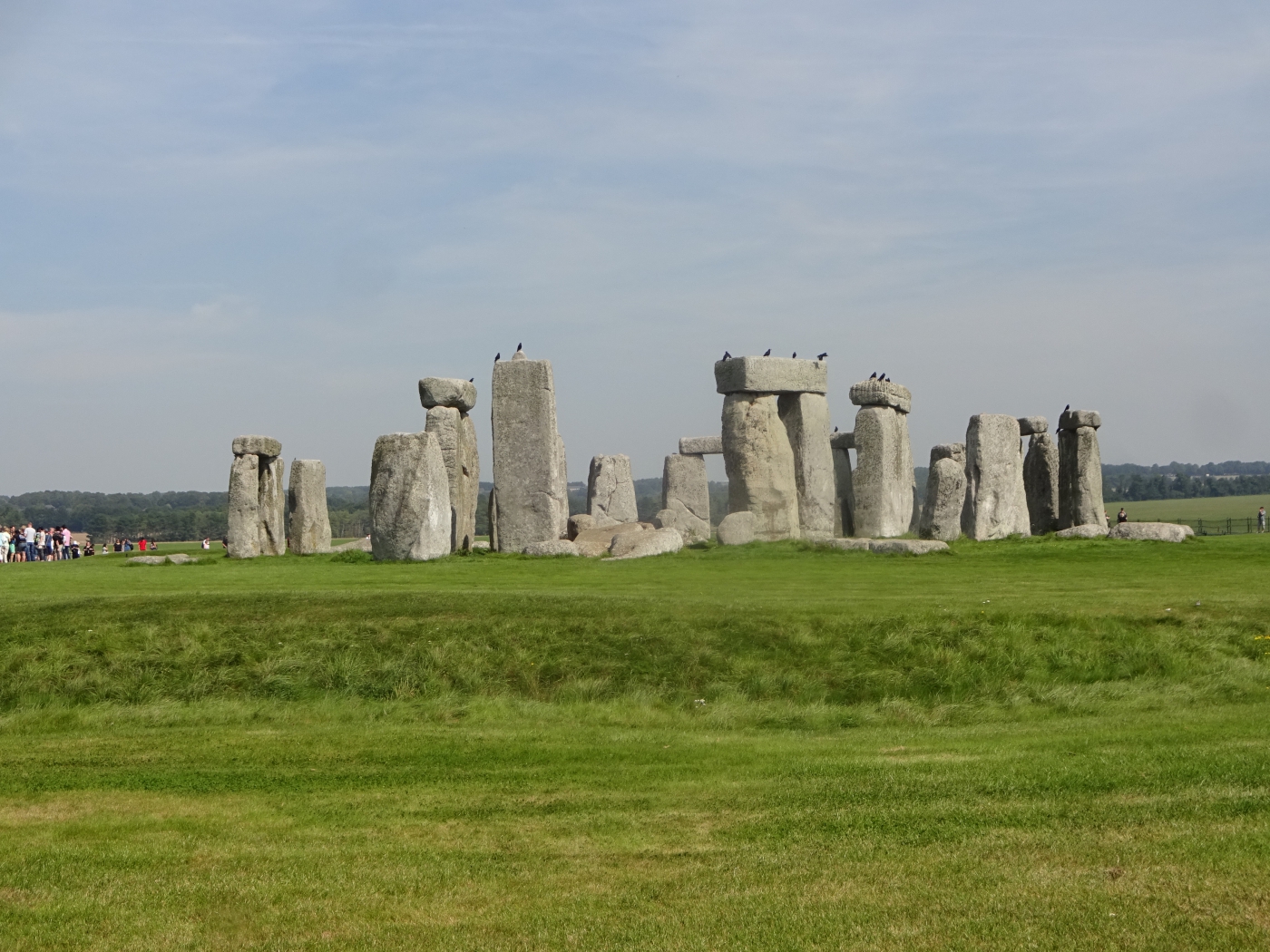
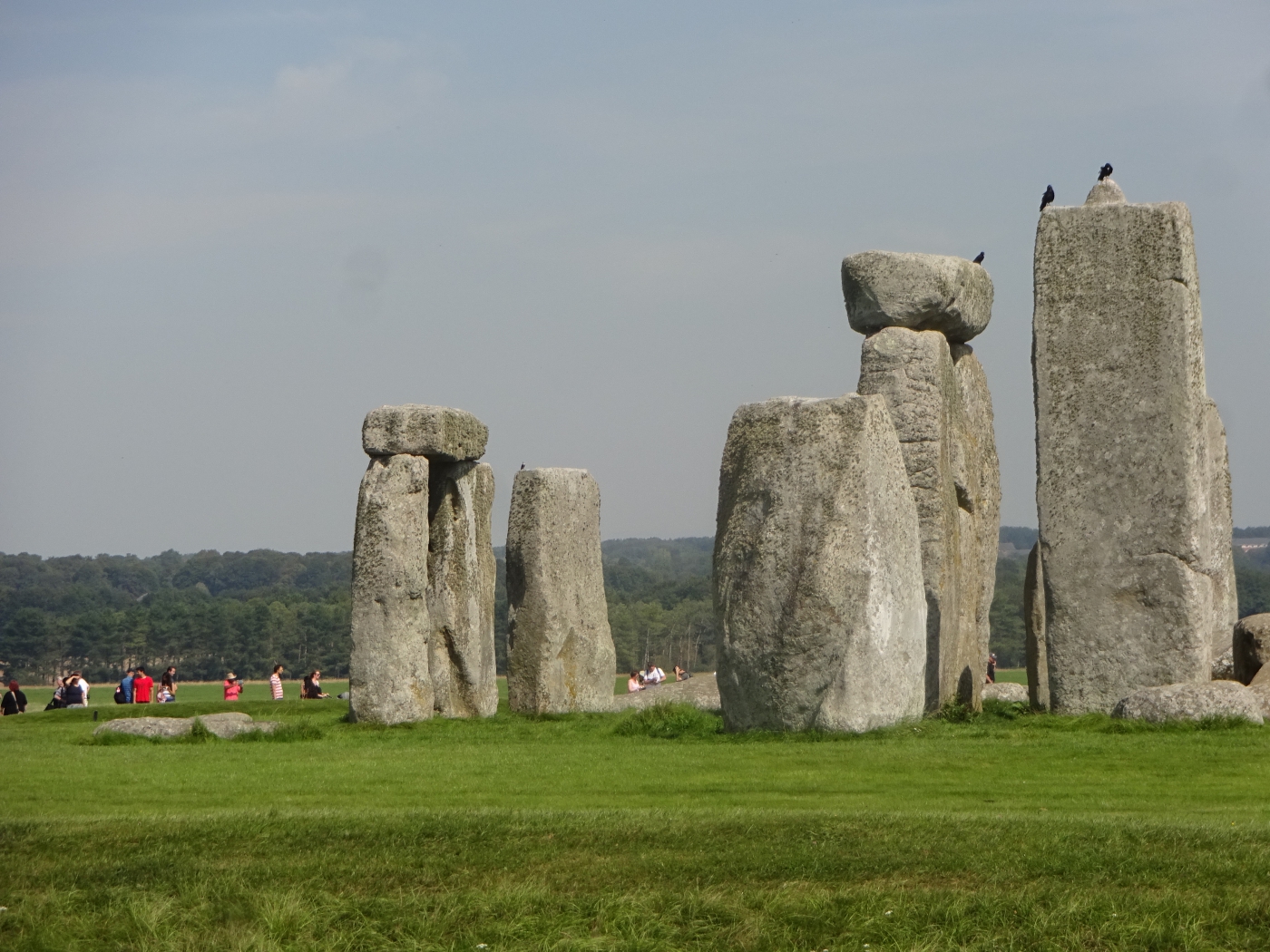
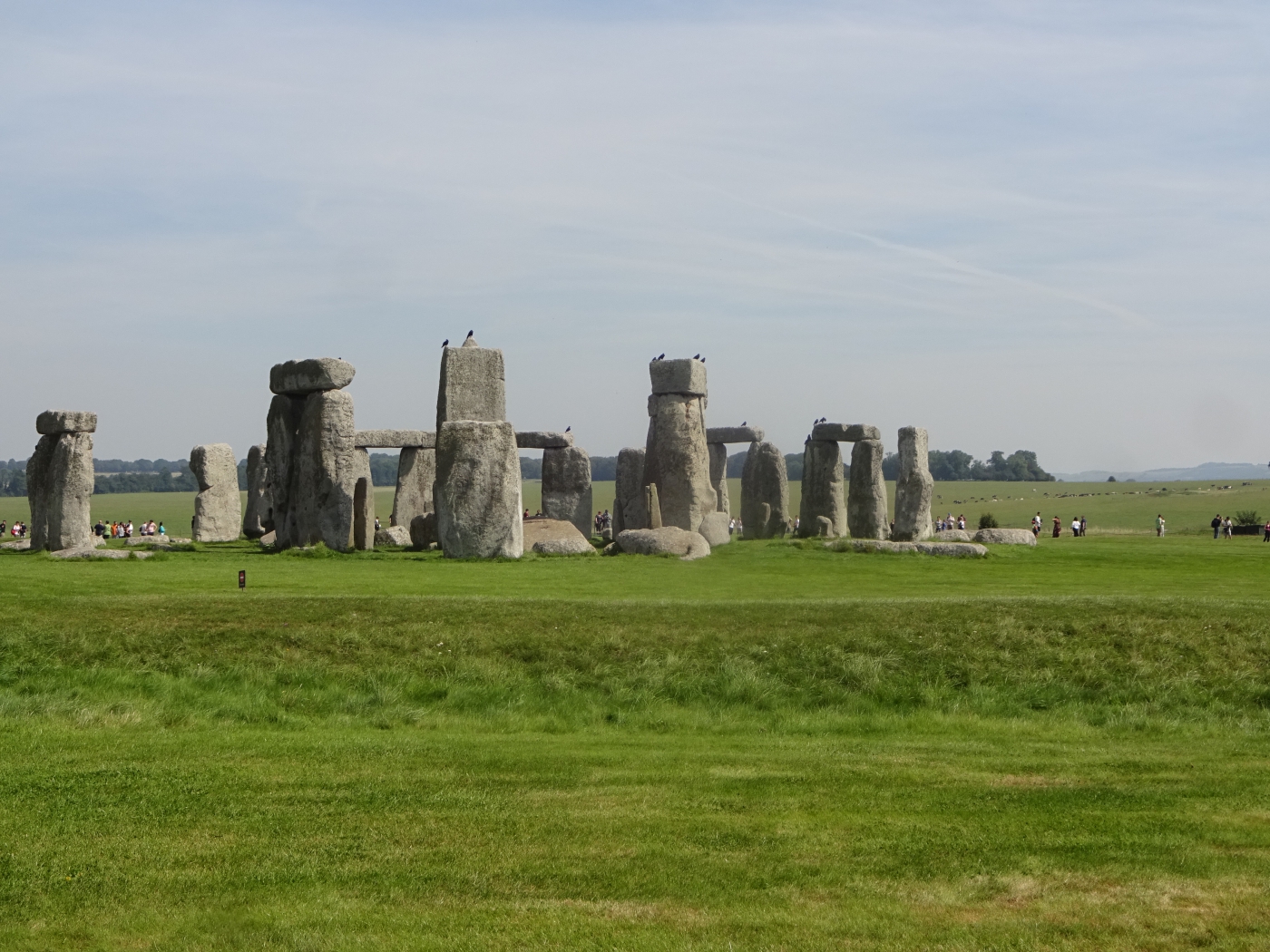
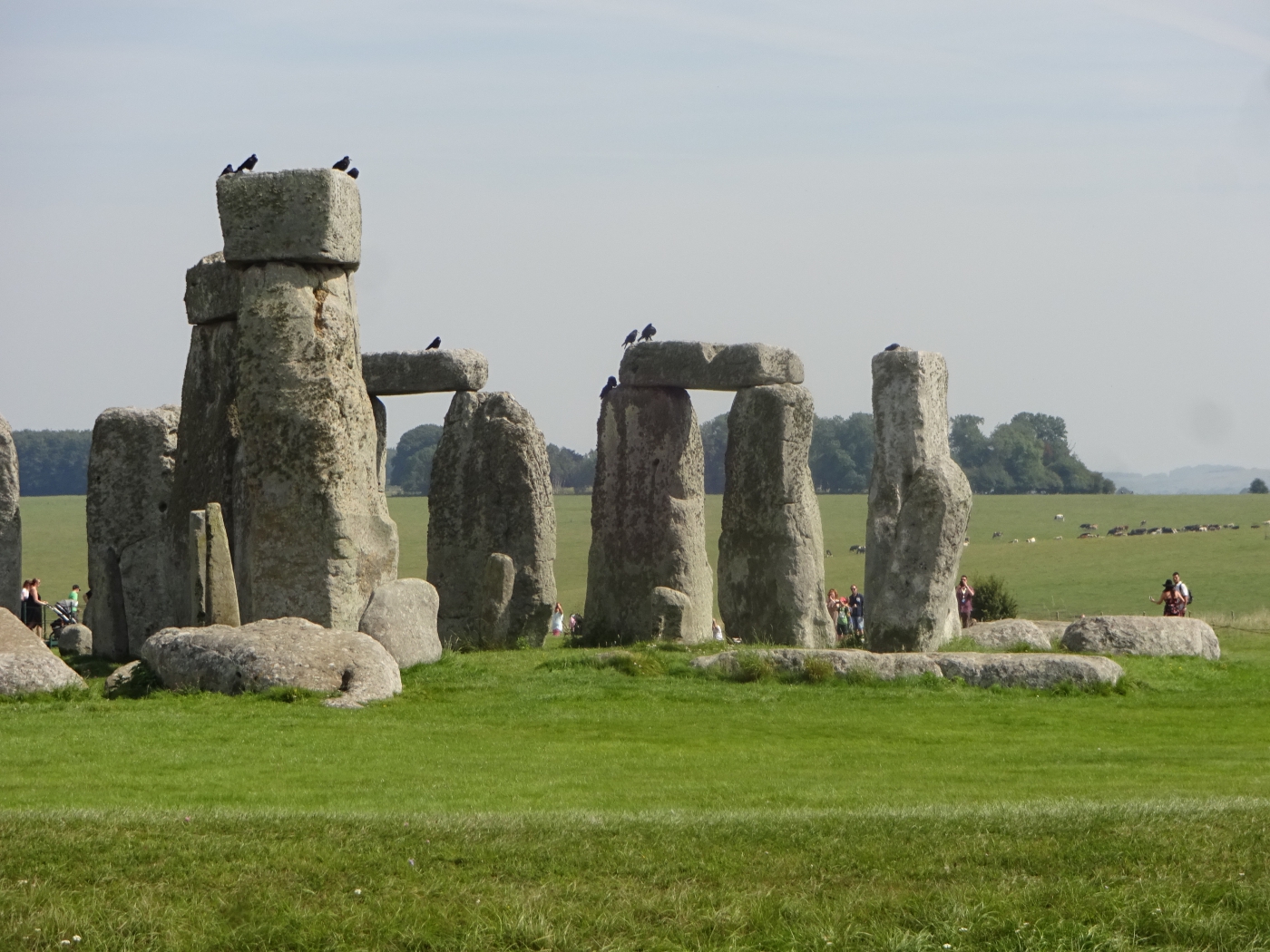
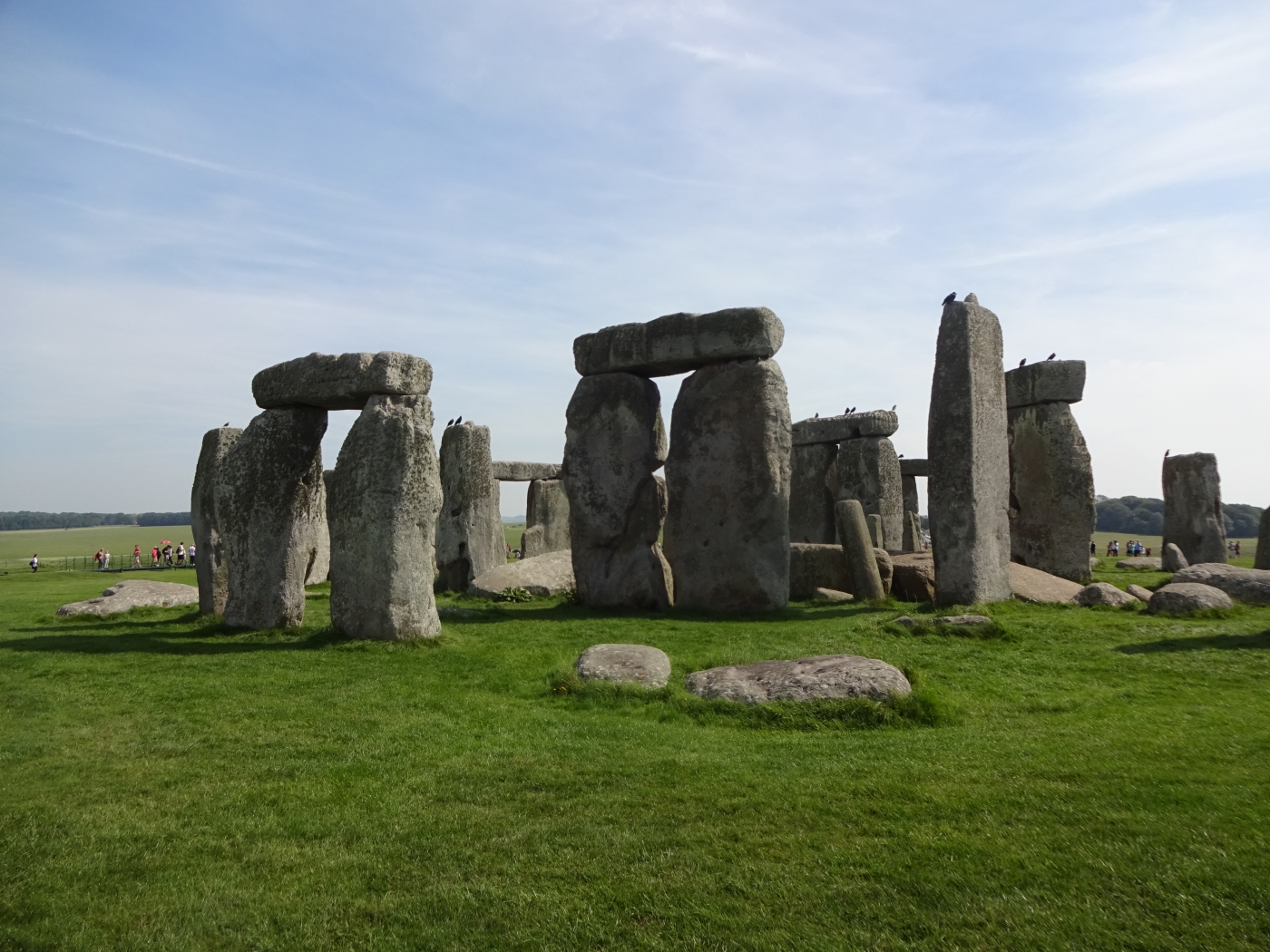
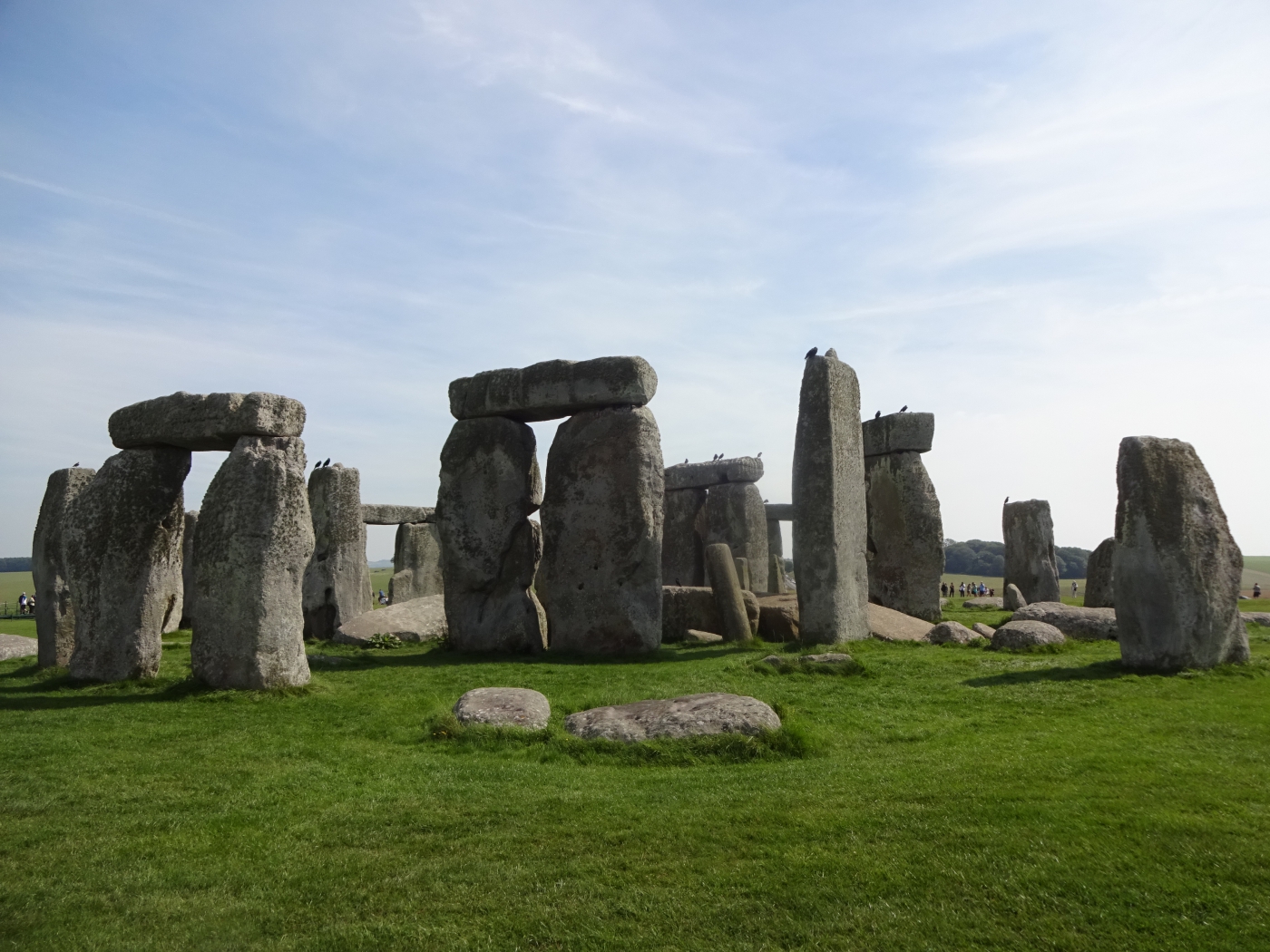
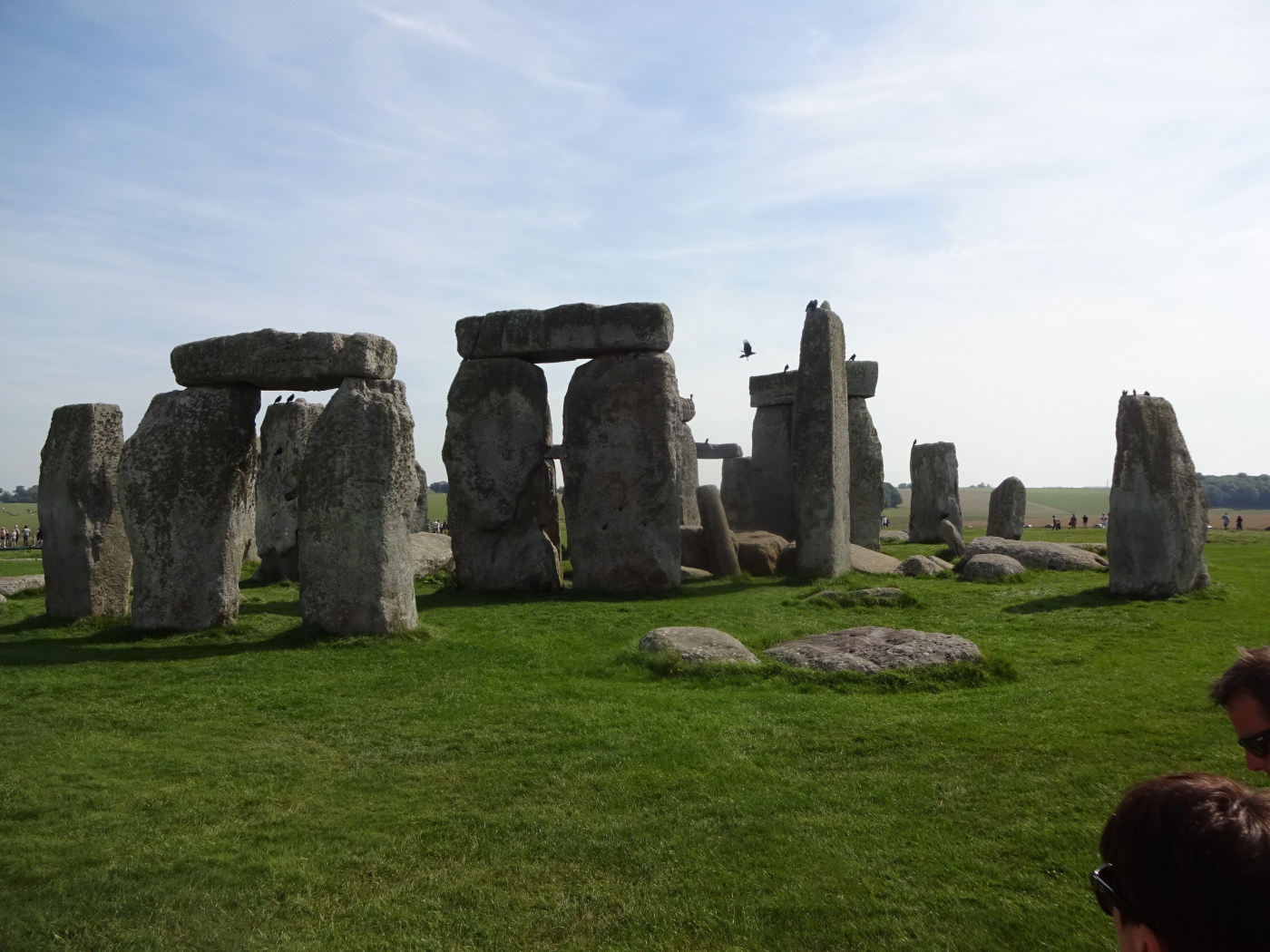
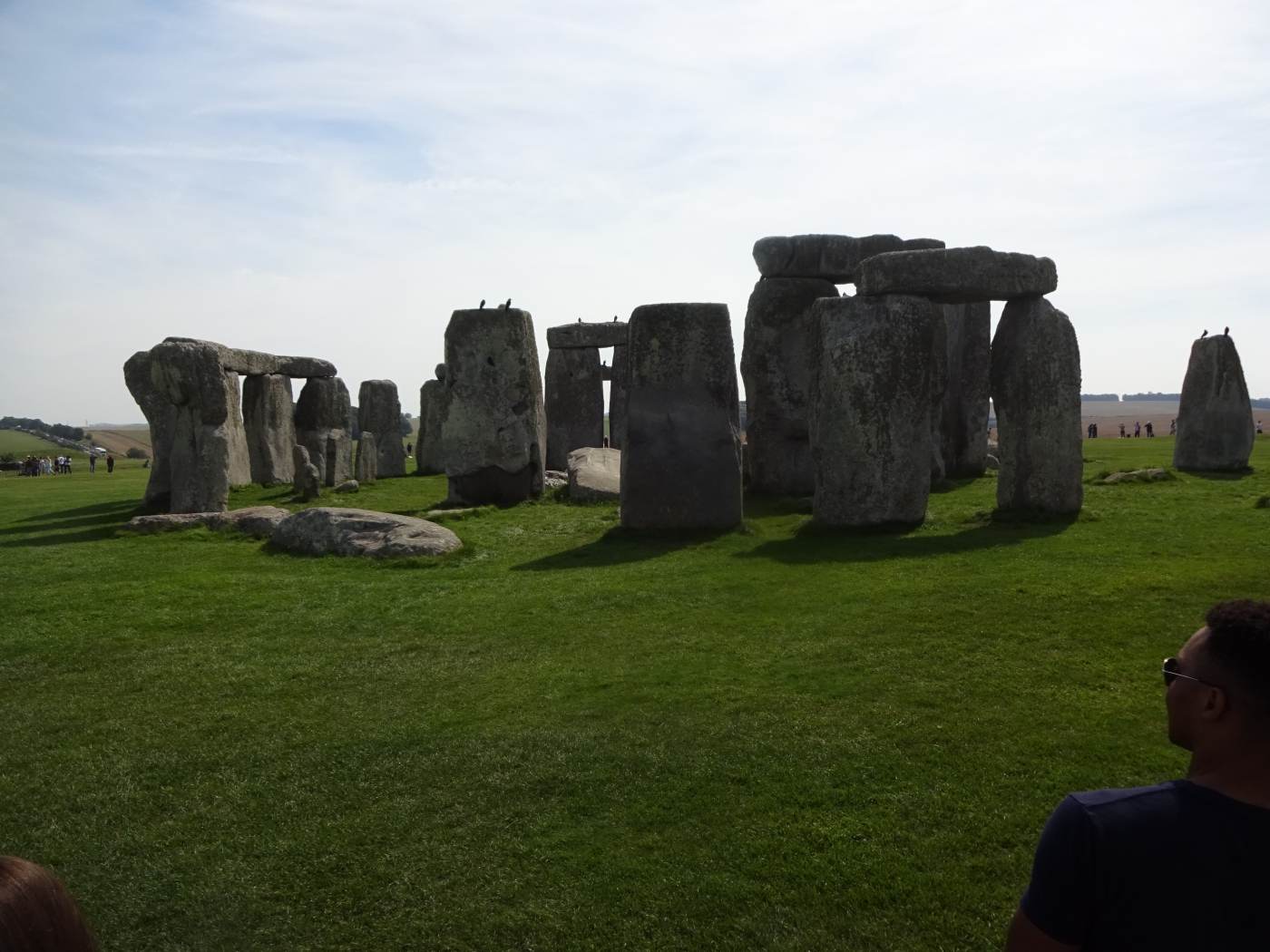
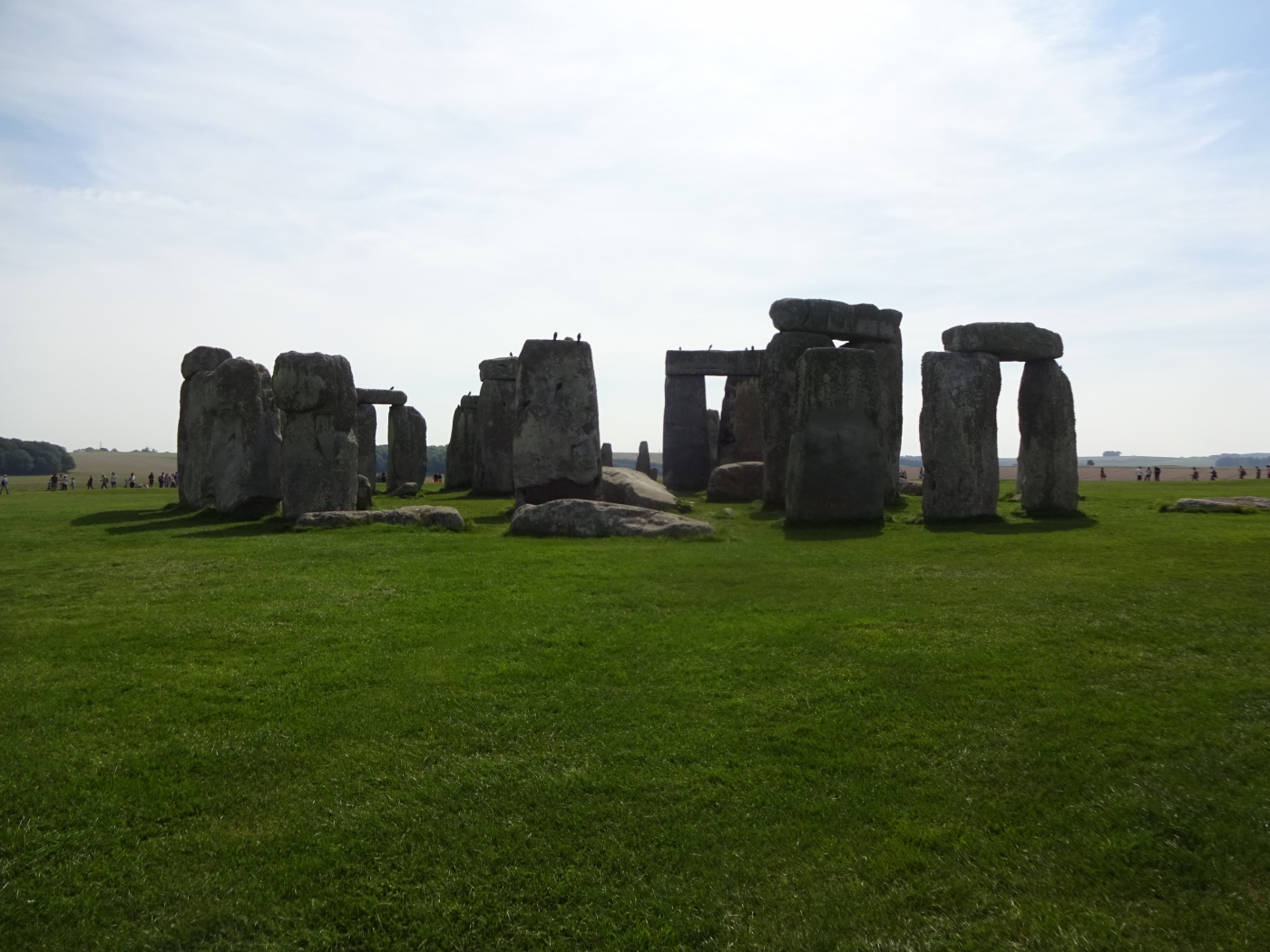
The iconic prehistoric monument of Stonehenge, situated on the vast Salisbury Plain in Wiltshire, near the town of Amesbury, England, stands as one of the most remarkable and enigmatic feats of ancient engineering. This circular arrangement of imposing standing stones, designated a UNESCO World Heritage site in 1986, has captivated historians, archaeologists, and visitors for centuries, offering a profound glimpse into the capabilities and beliefs of early human societies.
A Monument Forged Through Ages
The construction of Stonehenge unfolded over several distinct phases, spanning a period of approximately 1,500 years, primarily from 3000 BC to 1500 BC. The earliest significant activity, dating to around 3100 BC, involved the creation of a circular ditch and bank enclosure, roughly 110 meters in diameter, featuring 56 pits known as the Aubrey Holes. These holes likely held wooden posts or even early bluestones. The most striking features we see today, the massive sarsen stones and smaller bluestones, were added in later phases. The sarsen stones, enormous sandstone blocks, some weighing over 30 tons, were likely quarried from Marlborough Downs, about 30 kilometers to the north. Their careful shaping and precise placement, often capped with lintels, required immense communal effort and sophisticated techniques.
The Enigmatic Bluestones
Perhaps even more astonishing is the origin of the bluestones. These smaller, but still substantial, stones were transported an incredible distance of over 200 kilometers from the Preseli Hills in southwest Wales. The precise methods of their transportation, whether by land, sea, or a combination, remain a subject of intense debate and archaeological investigation. This extraordinary effort highlights the profound significance Stonehenge must have held for its builders, suggesting a deep connection to the landscape or specific spiritual properties attributed to these unique stones from Wales.
Purpose and Legacy
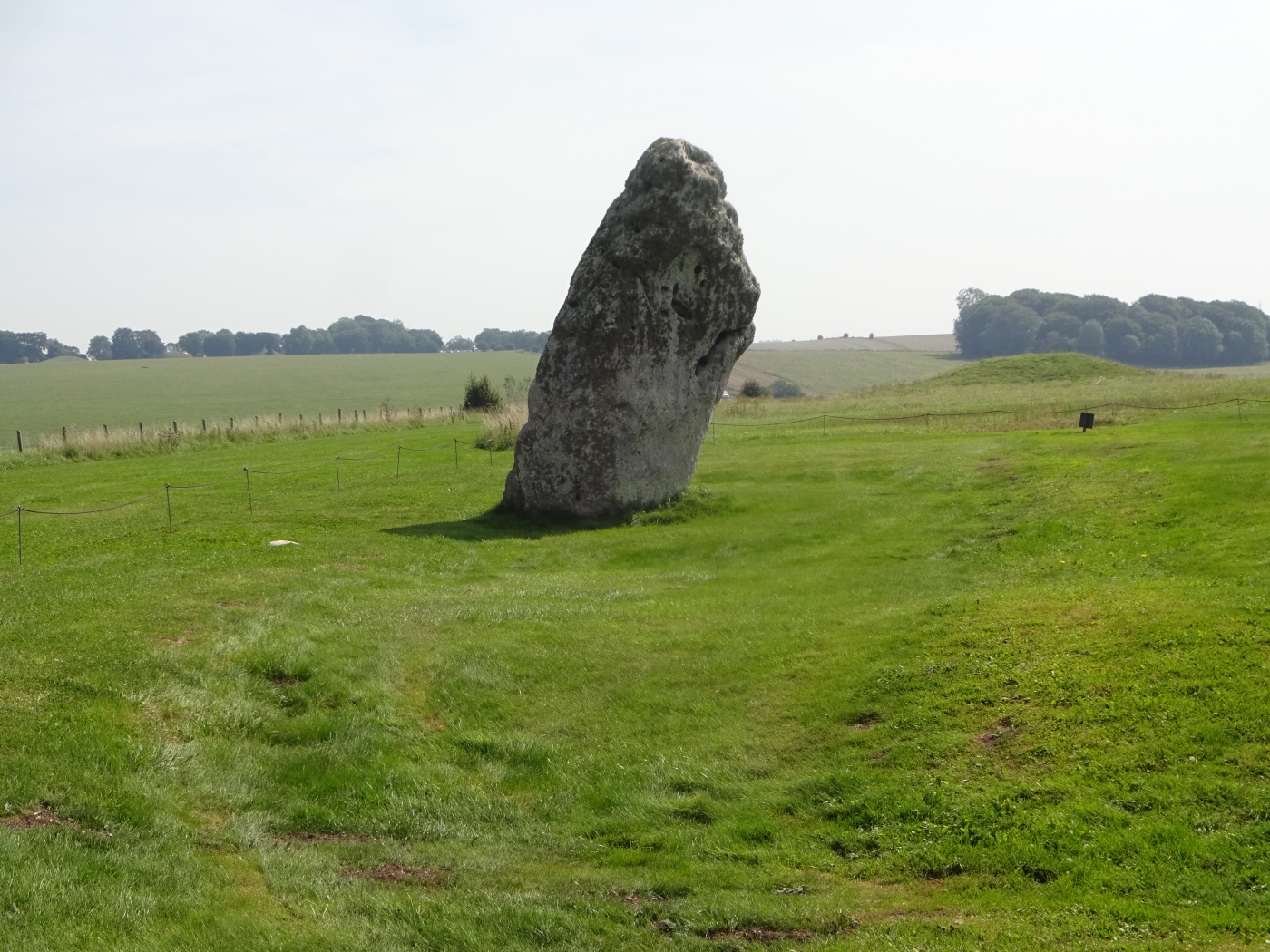
While the exact purpose of Stonehenge remains shrouded in mystery, numerous theories have emerged. It is widely believed to have served as a sophisticated prehistoric observatory, aligning with the movements of the sun and moon. The most famous alignment occurs at the summer solstice, when the sun rises precisely over the Heel Stone, illuminating the heart of the monument. Other theories suggest it was a sacred burial ground, a place of healing, or a ceremonial center for spiritual rituals. Regardless of its precise function, Stonehenge continues to inspire awe and curiosity, standing as a powerful testament to the ingenuity and enduring legacy of our prehistoric ancestors.
Weiterführende Links
Stonehenge and Avebury, in Wiltshire, are among the most famous groups of megaliths in the world. The two sanctuaries consist of circles of menhirs arranged in a pattern whose astronomical significance is still being explored. These holy places and the nearby Neolithic sites are an incomparable testimony to prehistoric times.
Stonehenge, Avebury and Associated Sites is a UNESCO World Heritage Site (WHS) in Wiltshire, England. The WHS covers two large areas of land separated by about 24 kilometres (15 mi), rather than a specific monument or building. The sites were inscribed as co-listings in 1986. Some large and well known monuments within the WHS are listed below, but the area also has an exceptionally high density of small-scale archaeological sites, particularly from the prehistoric period. More than 700 individual archaeological features have been identified. There are 160 separate scheduled monuments, covering 415 items or features.