Pontcysyllte Aqueduct and Canal
Wrexham, Wales
26.10.2016

The Pontcysyllte Aqueduct and Canal, a breathtaking testament to the ingenuity of the Industrial Revolution, gracefully spans the Dee Valley in Wrexham, Wales. Inscribed as a UNESCO World Heritage site, it represents an outstanding achievement in civil engineering from the late 18th and early 19th centuries, fundamentally altering the landscape and economy of the region.
A Vision of Connection
The construction of this remarkable waterway, part of the wider Ellesmere Canal, was driven by the urgent need to transport coal, limestone, and iron from the industrial heartlands of North East Wales to the markets of the North West of England. Before the aqueduct's completion, these vital resources had to endure cumbersome and costly overland journeys. The Ellesmere Canal Company, established in 1793, commissioned the project, with ambitious plans to link the River Mersey in Cheshire with the River Severn.
Engineering Masterpiece
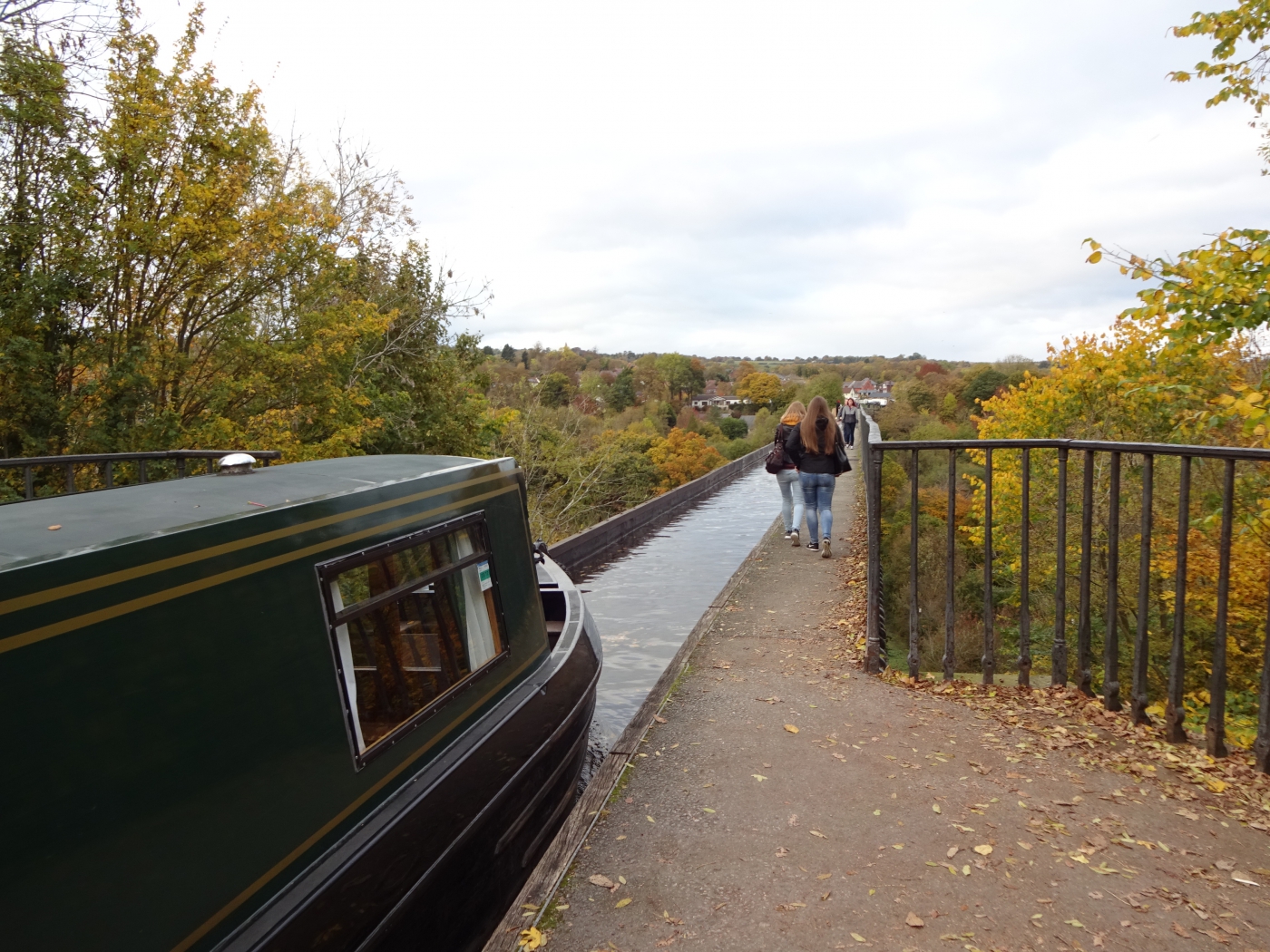
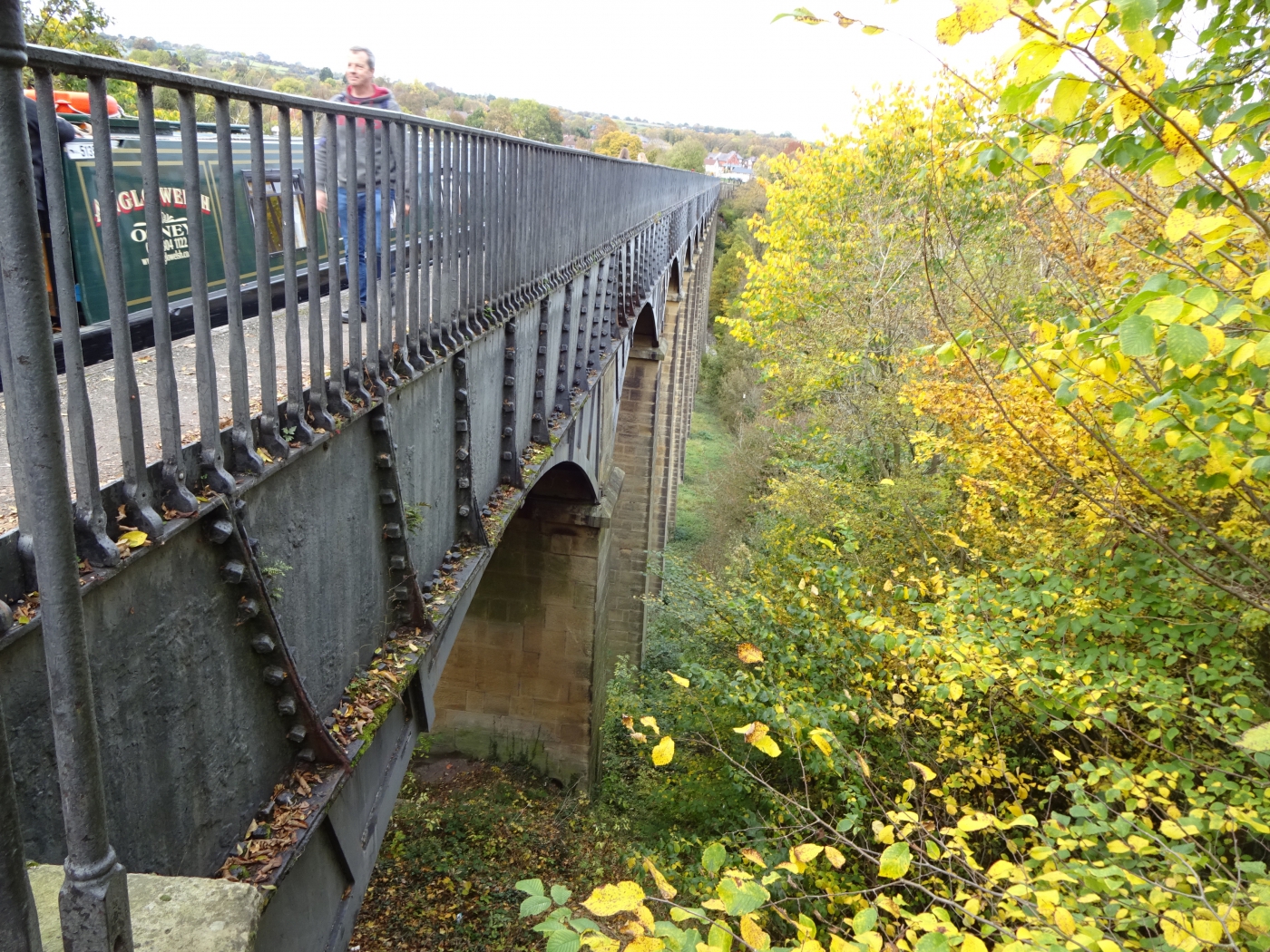
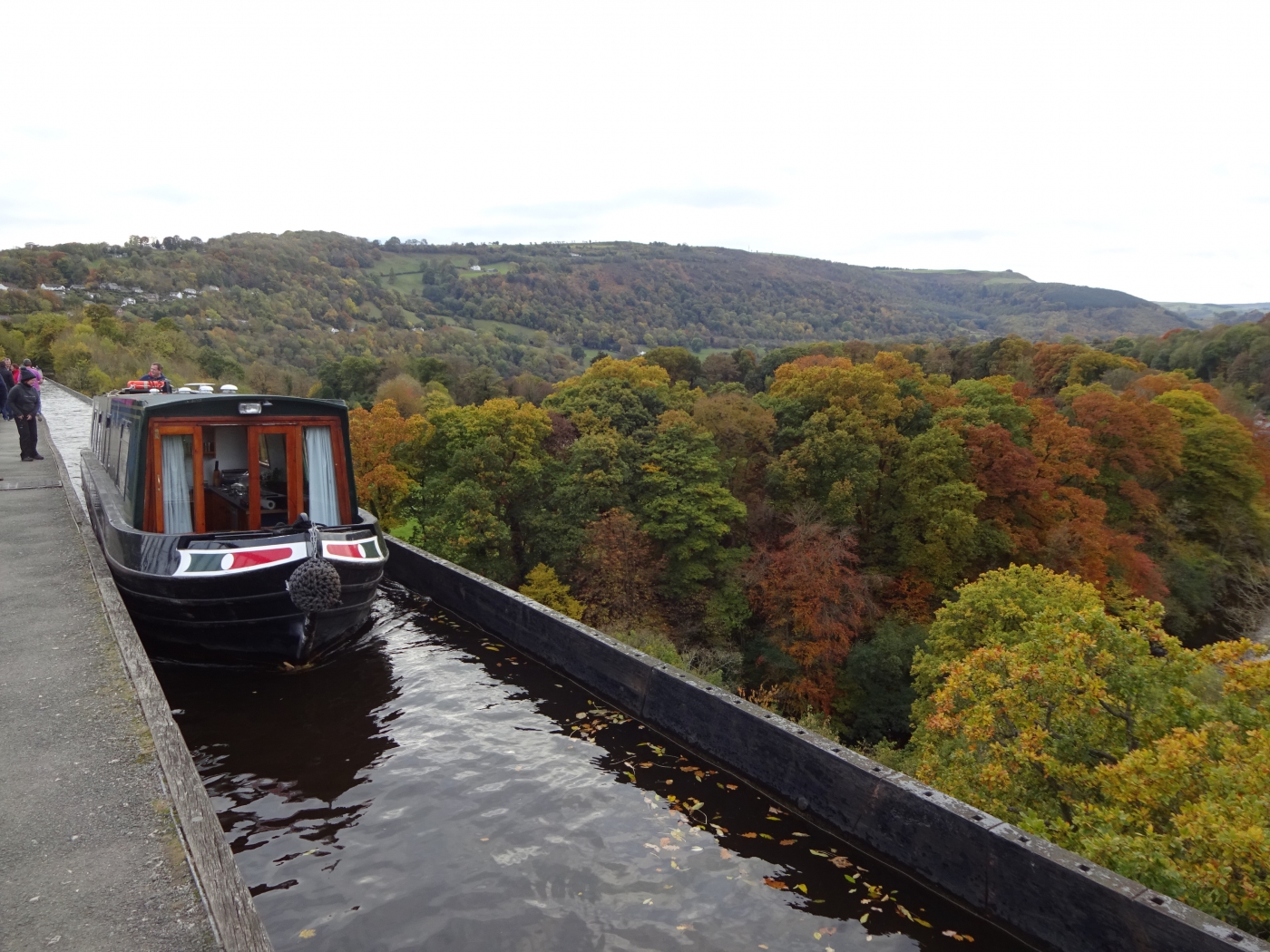
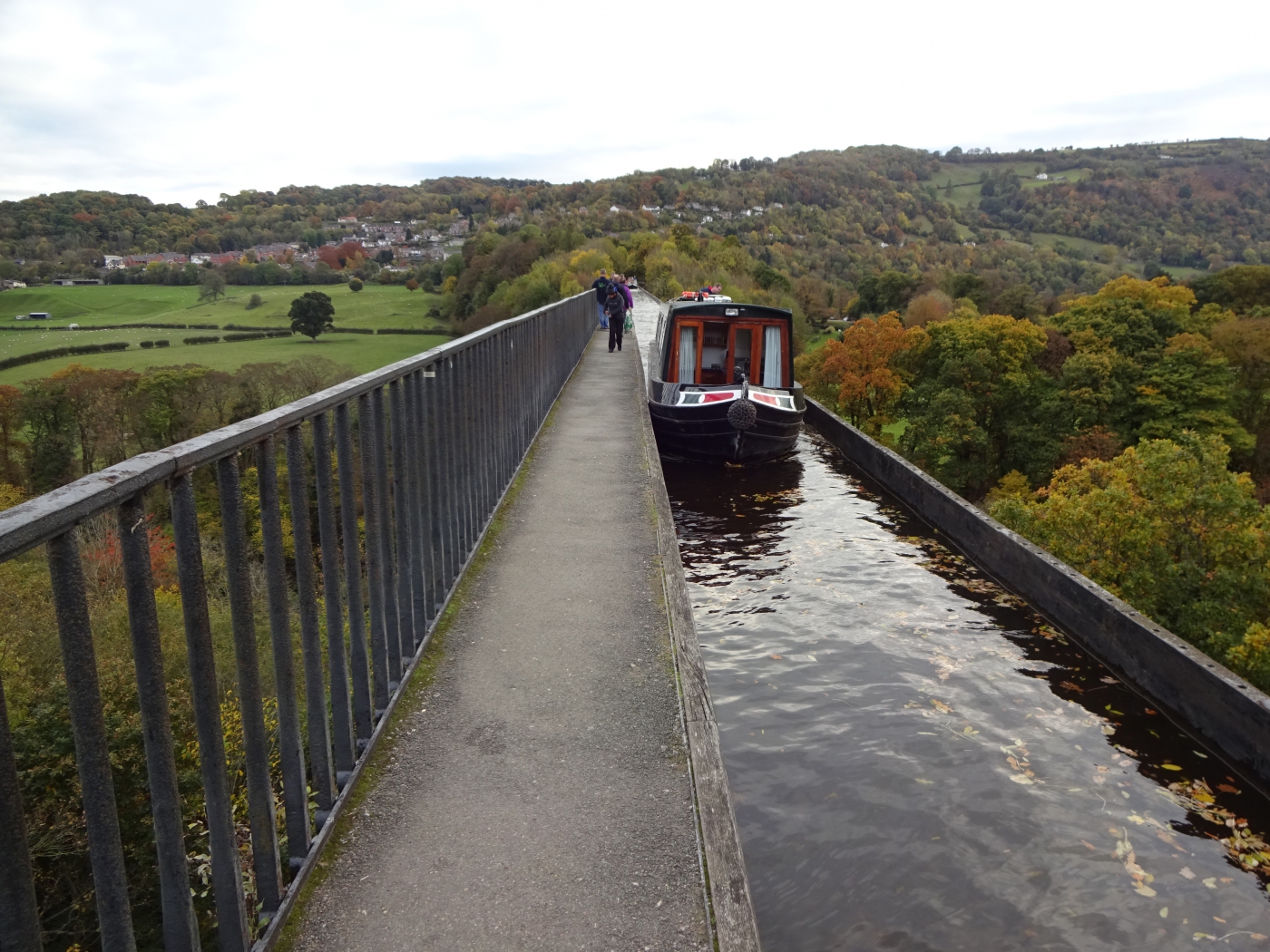
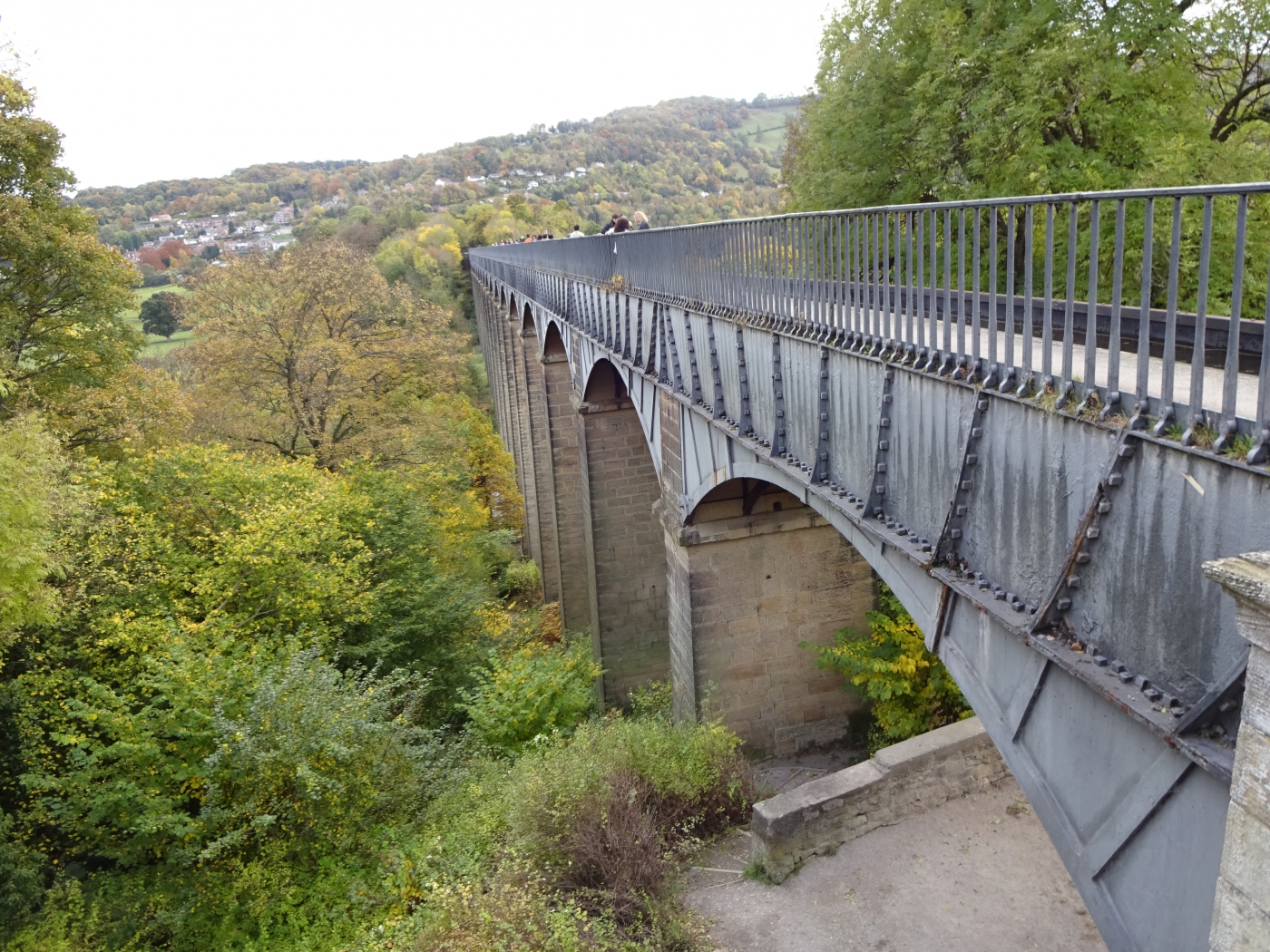
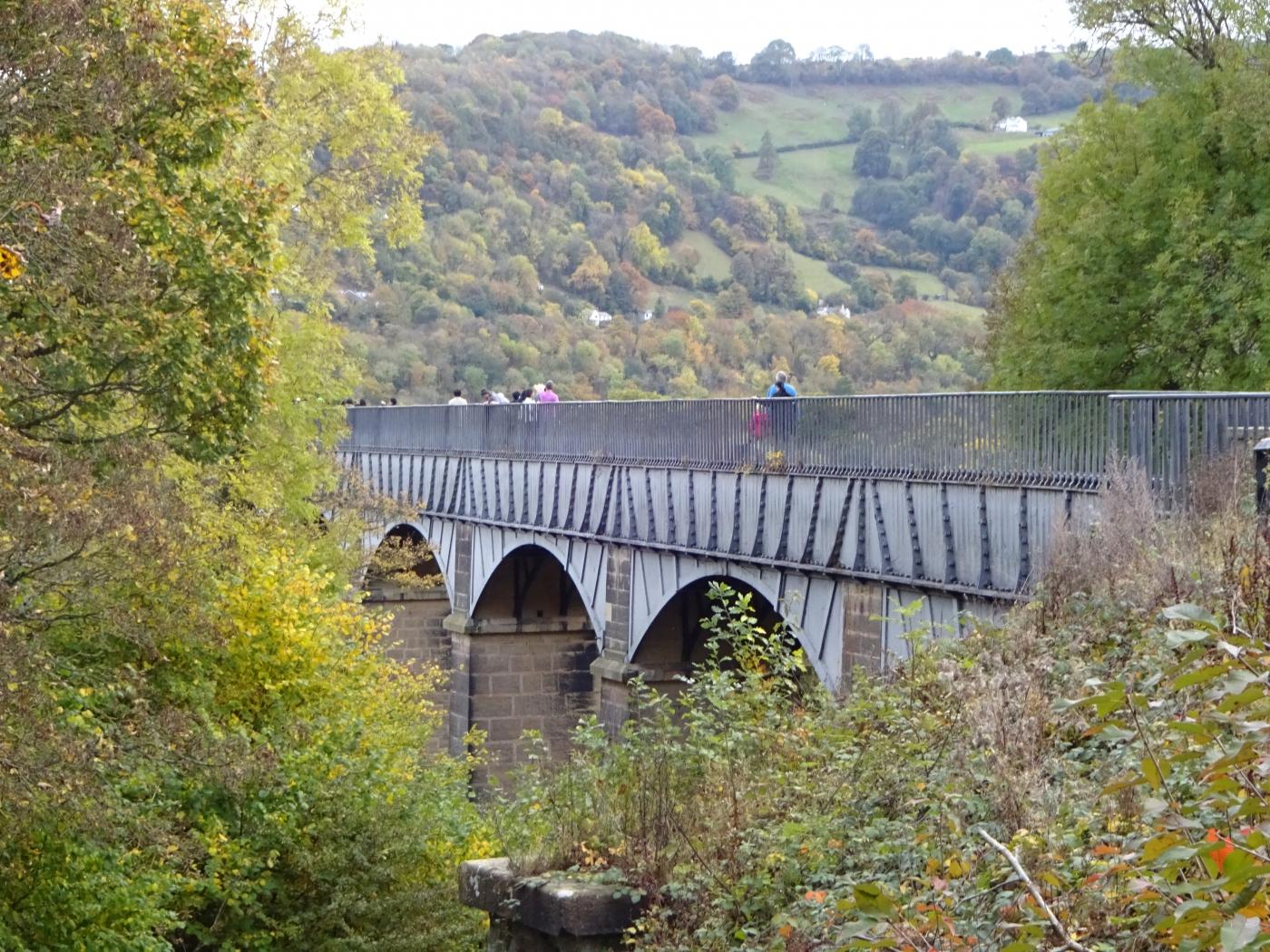
The aqueduct itself, completed in 1805, is primarily the work of two prodigious engineers: Thomas Telford, who designed the revolutionary iron trough structure, and William Jessop, who served as supervising engineer. Spanning 307 meters (1,007 ft) and rising 38 meters (126 ft) above the River Dee, it consists of 19 slender masonry piers supporting a cast-iron trough that carries the Llangollen Canal's water. This pioneering use of cast iron to form a watertight trough was revolutionary, allowing for a lightweight yet incredibly strong structure capable of resisting the immense pressure of the water. Its innovative design and construction techniques influenced major civil engineering projects worldwide.
Legacy and World Heritage
The Pontcysyllte Aqueduct and Canal dramatically reduced transport costs and times, fueling industrial growth in the region for over a century. Today, it remains fully operational, a stunning example of industrial heritage seamlessly integrated into the natural landscape. Its designation as a UNESCO World Heritage site in 2009 recognized its exceptional universal value as a masterpiece of creative human genius and an outstanding example of a technological ensemble illustrating a significant stage in human history.
Further Reading
Situated in north-eastern Wales, the 18 kilometre long Pontcysyllte Aqueduct and Canal is a feat of civil engineering of the Industrial Revolution, completed in the early years of the 19th century. Covering a difficult geographical setting, the building of the canal required substantial, bold civil engineering solutions, especially as it was built without using locks. The aqueduct is a pioneering masterpiece of engineering and monumental metal architecture, conceived by the celebrated civil engineer Thomas Telford. The use of both cast and wrought iron in the aqueduct enabled the construction of arches that were light and d strong, producing an overall effect that is both monumental and elegant. The property is inscribed as a masterpiece of creative genius, and as a remarkable synthesis of expertise already acquired in Europe. It is also recognized as an innovative ensemble that inspired many projects all over the world.