Big Pit - Blaenavon Industrial Landscape
Blaenavon, Wales
01.09.2017

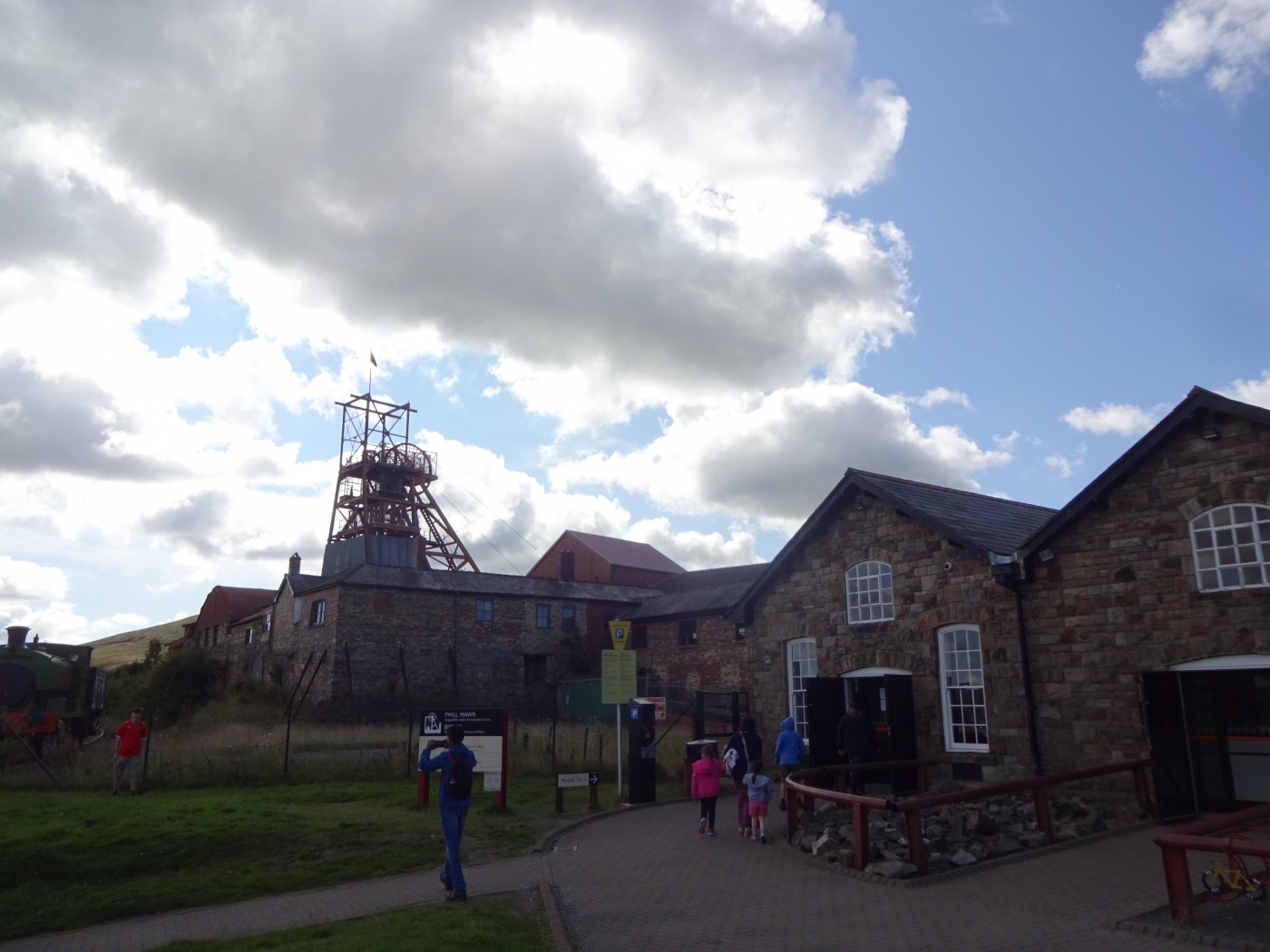
The Big Pit National Coal Museum, nestled in the Blaenavon Industrial Landscape in South Wales, stands as a powerful testament to the region's pivotal role in the Industrial Revolution. Designated a UNESCO World Heritage site, it offers an unparalleled insight into the harsh realities and significant contributions of the coal industry that shaped modern society.
The Heart of Industrial Wales
The Blaenavon area was a crucible of industrial innovation during the 18th and 19th centuries. Ironworks here, like the historic Blaenavon Ironworks, were among the largest and most advanced in the world, heavily reliant on the abundant local coal. Big Pit, opened in 1880, was initially sunk to access coal for these burgeoning ironworks and later supplied steam coal for domestic and industrial use across Britain and beyond.
Life Underground
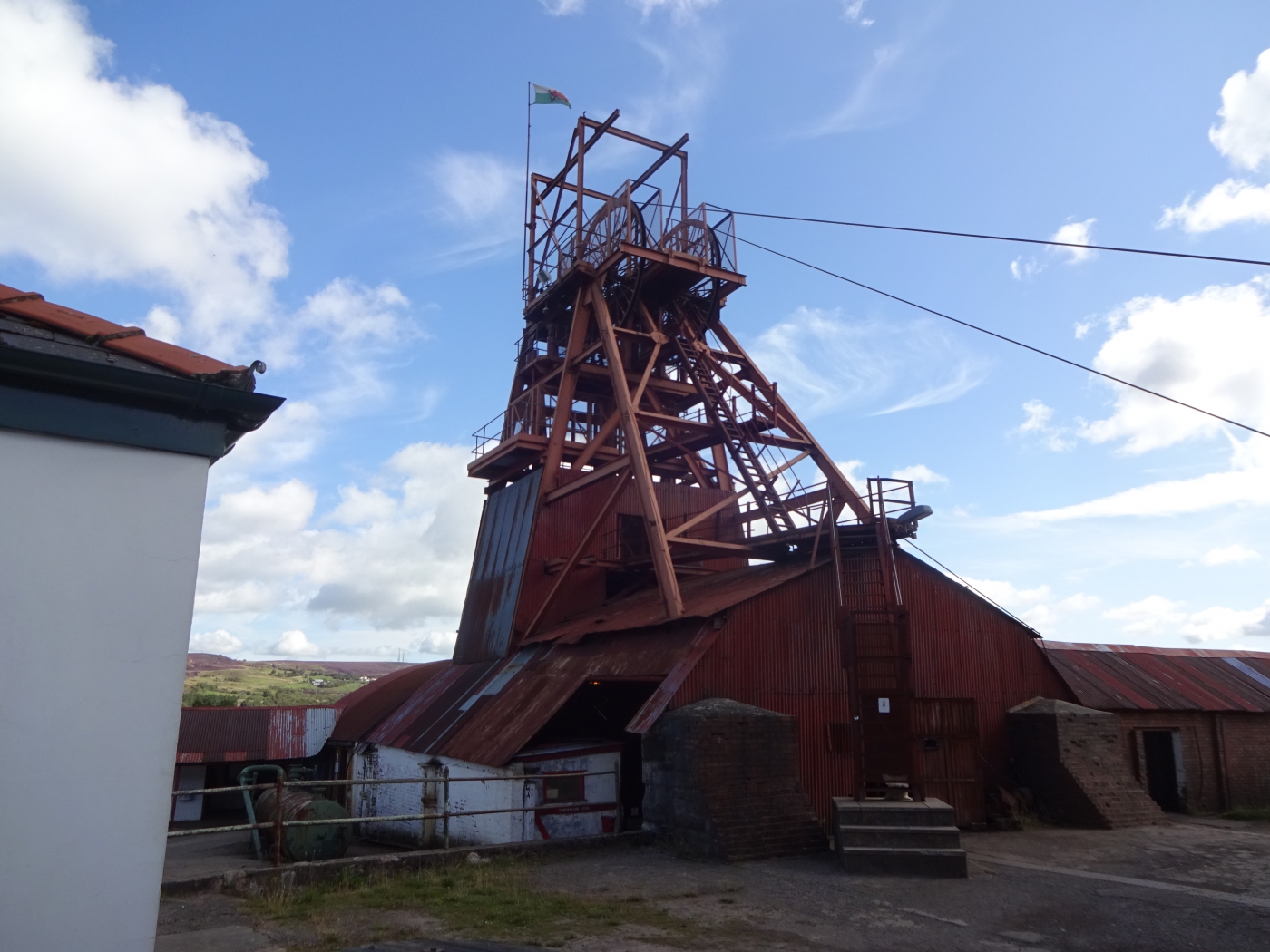
For a century, Big Pit was a working coal mine, employing generations of men and boys who toiled in challenging conditions far beneath the Welsh hills. Miners faced constant dangers from gas, roof falls, and the sheer physical demands of extracting coal. The museum vividly recreates this experience, allowing visitors to descend 300 feet (91 meters) into the original mine shafts, guided by former miners who share their personal stories and expertise.
From Mine to Museum
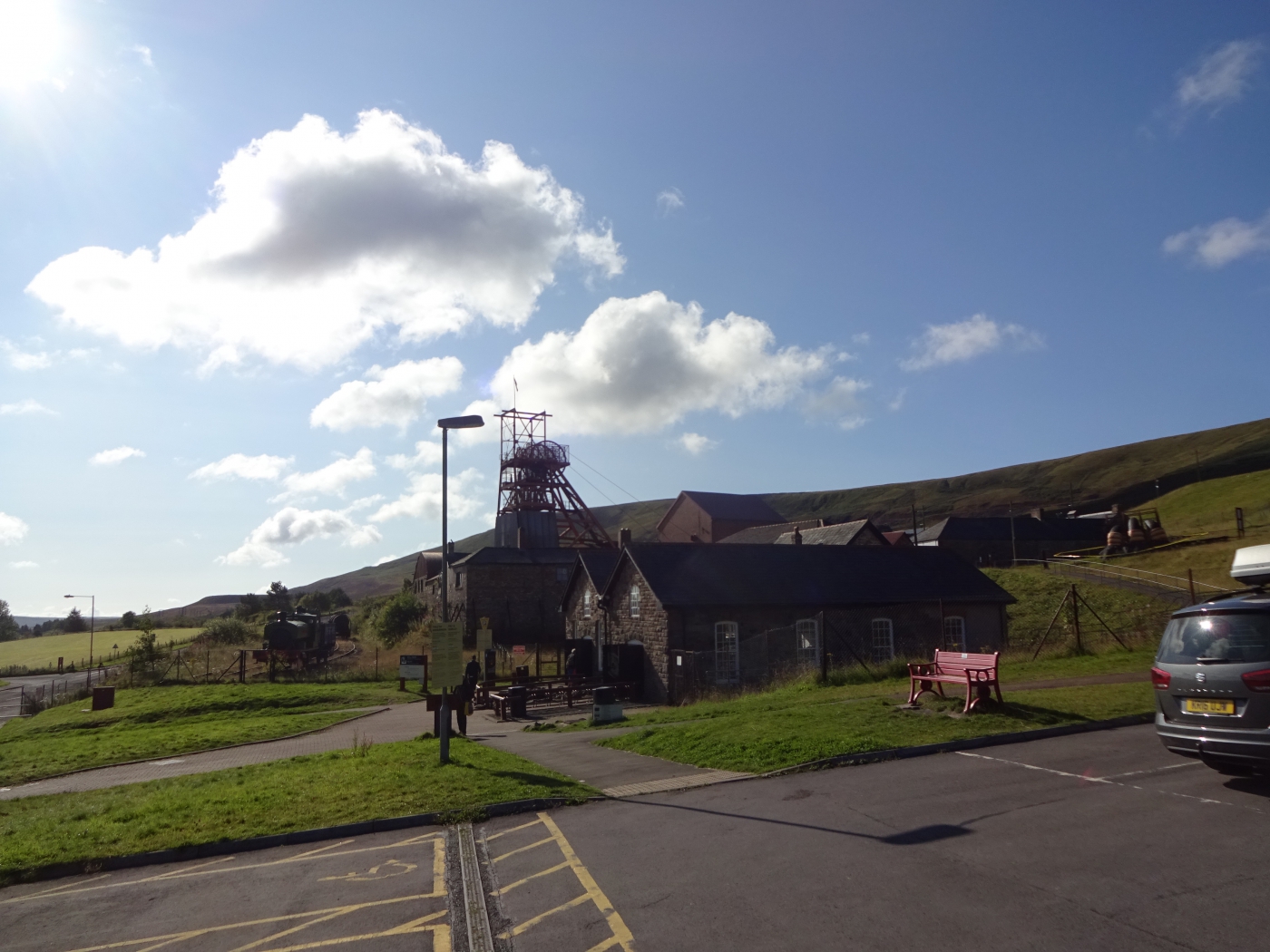
After its closure as a working mine in 1980, Big Pit reopened in 1983 as a museum, preserving the equipment, buildings, and most importantly, the stories of the coal mining community. The site showcases winding houses, pithead baths, and various workshops, all meticulously maintained to illustrate the complex operations of a deep coal mine. Its UNESCO inscription in 2000 recognized the entire Blaenavon Industrial Landscape for its outstanding universal value as the best-preserved and most comprehensive example of a landscape created by industrial activity.
Weiterführende Links
The area around Blaenavon is evidence of the pre-eminence of South Wales as the world's major producer of iron and coal in the 19th century. All the necessary elements can still be seen - coal and ore mines, quarries, a primitive railway system, furnaces, workers' homes, and the social infrastructure of their community.
Big Pit National Coal Museum (Welsh: Pwll Mawr Amgueddfa Lofaol Cymru) is an industrial heritage museum in Blaenavon, Torfaen, Wales. A working coal mine from 1880 to 1980, it was opened to the public in 1983 as a charitable trust called the Big Pit (Blaenavon) Trust. By 1 February 2001 Big Pit Coal Museum was incorporated into the National Museums and Galleries of Wales as the National Mining Museum of Wales. The site is dedicated to operational preservation of the Welsh heritage of coal mining, which took place during the Industrial Revolution.
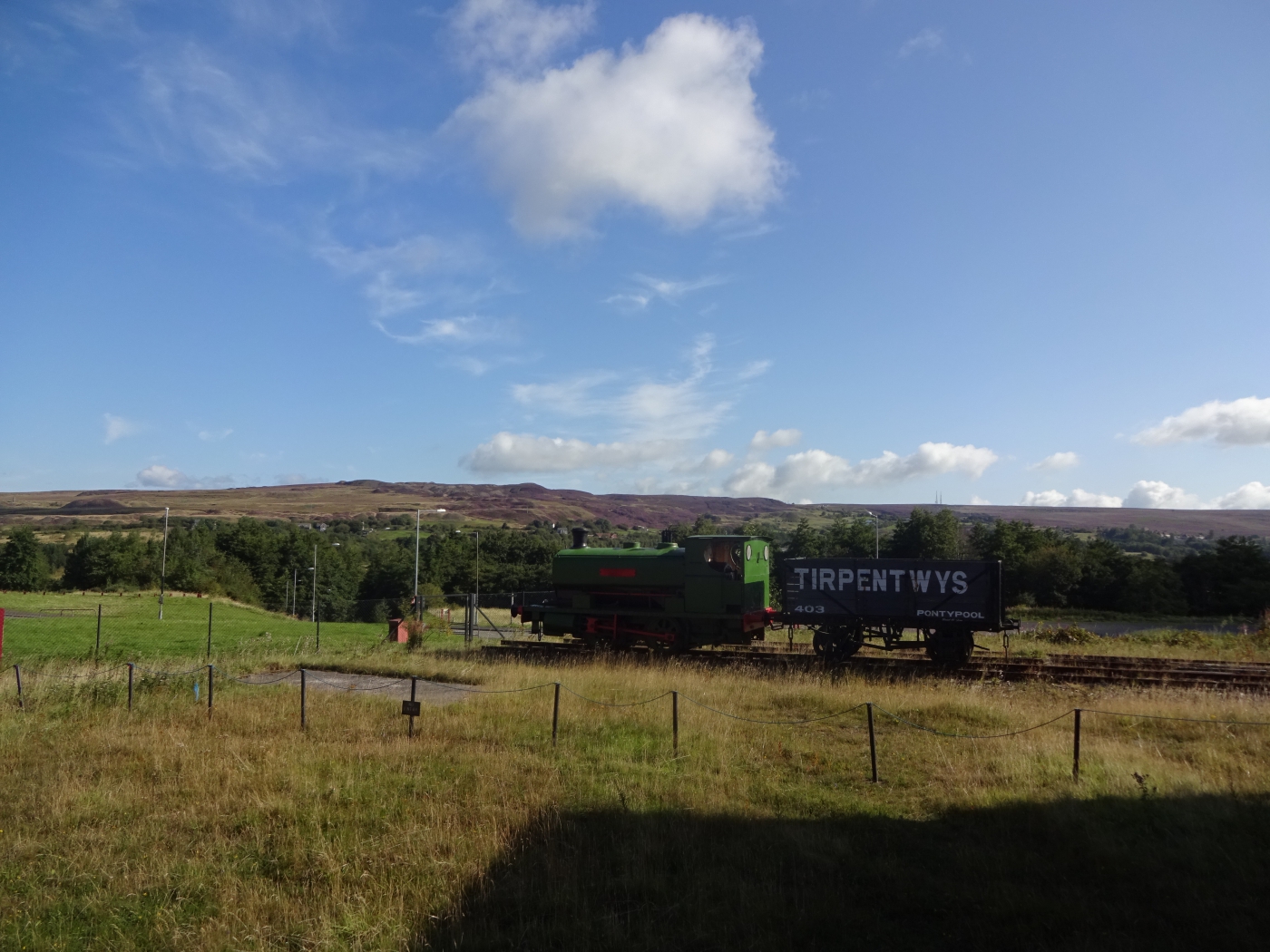
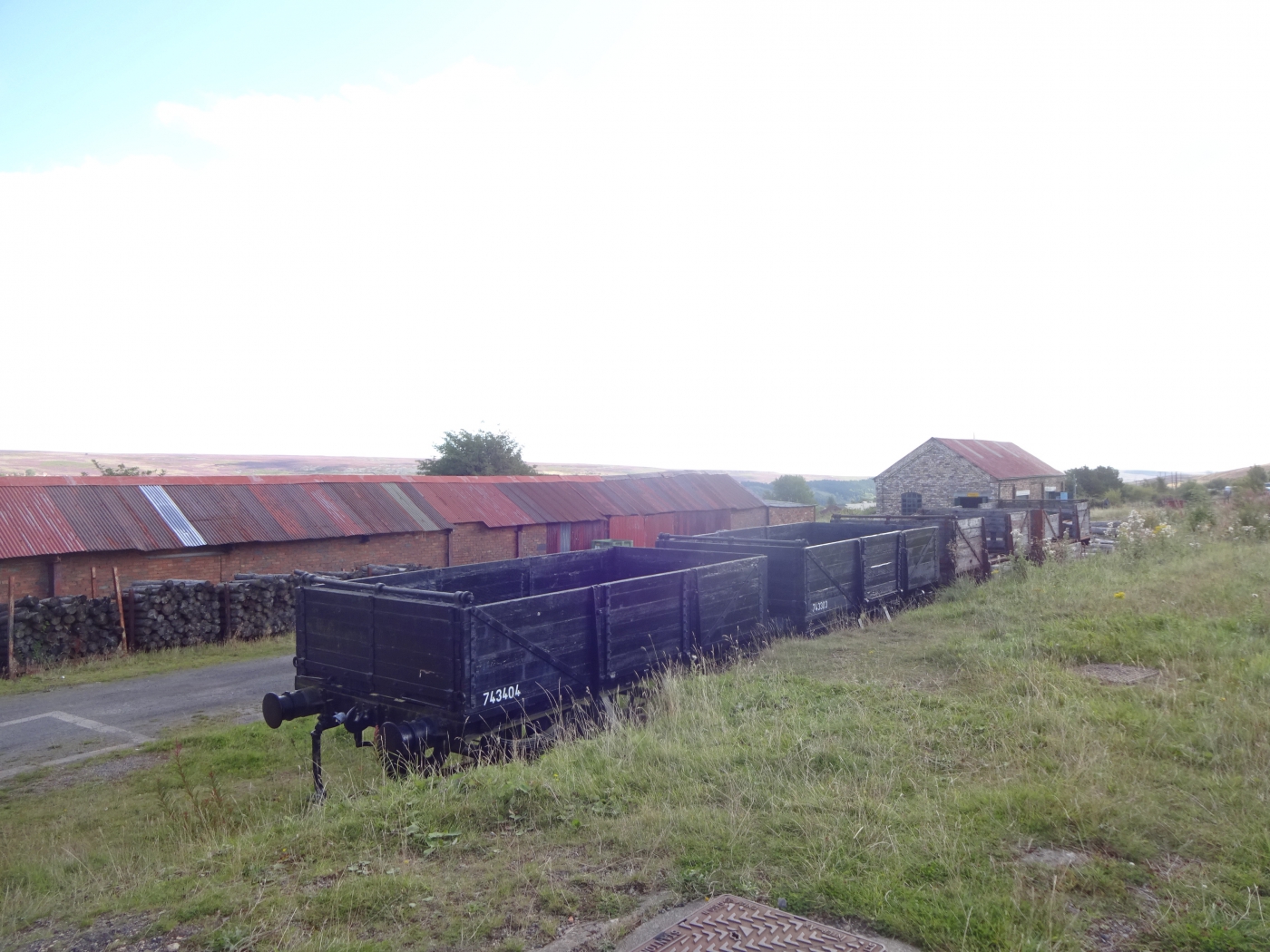
Located adjacent to the preserved Pontypool and Blaenavon Railway, Big Pit is part of the Blaenavon Industrial Landscape, a World Heritage Site, and an Anchor Point of the European Route of Industrial Heritage.
Blaenavon Industrial Landscape, in and around Blaenavon, Torfaen, Wales, was inscribed a World Heritage Site by UNESCO in 2000.
The Blaenavon Ironworks, now a museum, was a major centre of iron production using locally mined or quarried iron ore, coal and limestone.
Raw materials and products were transported via horse-drawn tramroads, canals and steam railways.
The Landscape includes protected or listed monuments of the industrial processes, transport infrastructure, workers' housing and other aspects of early industrialisation in South Wales.