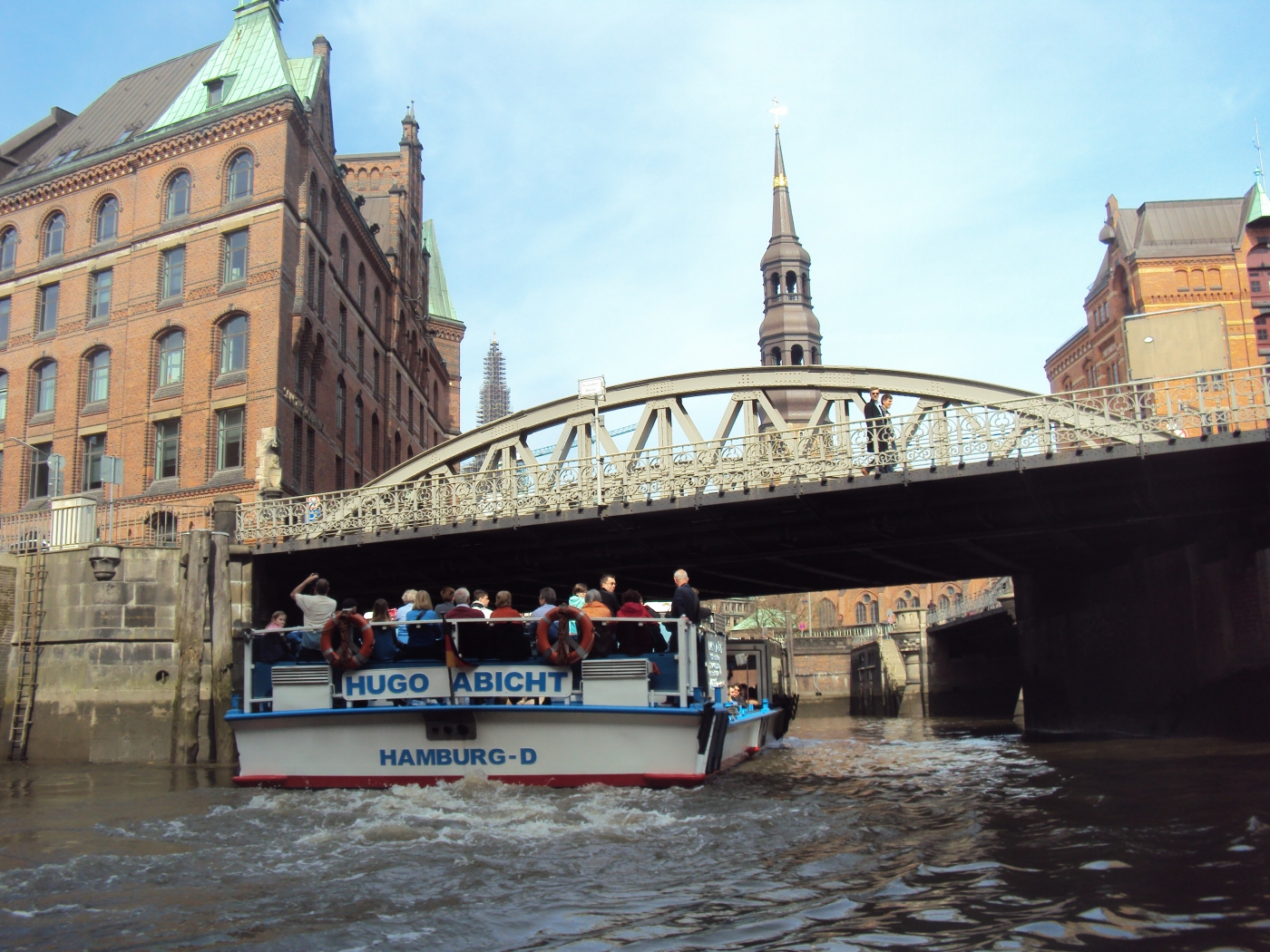
Speicherstadt and Kontorhaus District with Chilehaus
Hamburg, Germany
10.04.2015

Nestled in the vibrant heart of **Hamburg**, **Germany**, lies a captivating ensemble recognized by UNESCO as the World Heritage site "Speicherstadt and Kontorhausviertel with Chilehaus." This extraordinary urban landscape is a testament to the city's rich history as a global trading hub, showcasing architectural innovation and urban planning from two distinct eras that shaped modern commerce.
The Historic Speicherstadt
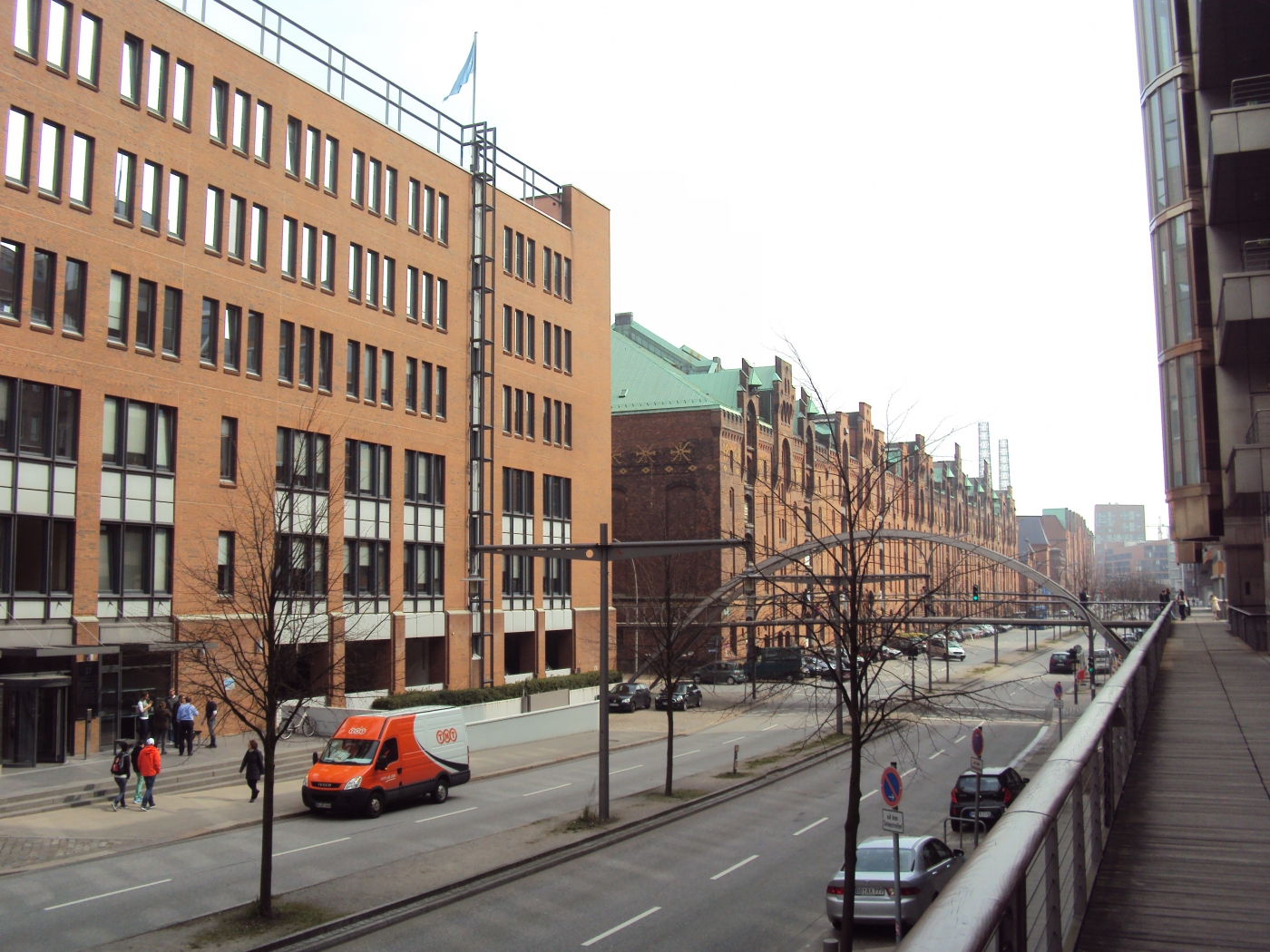
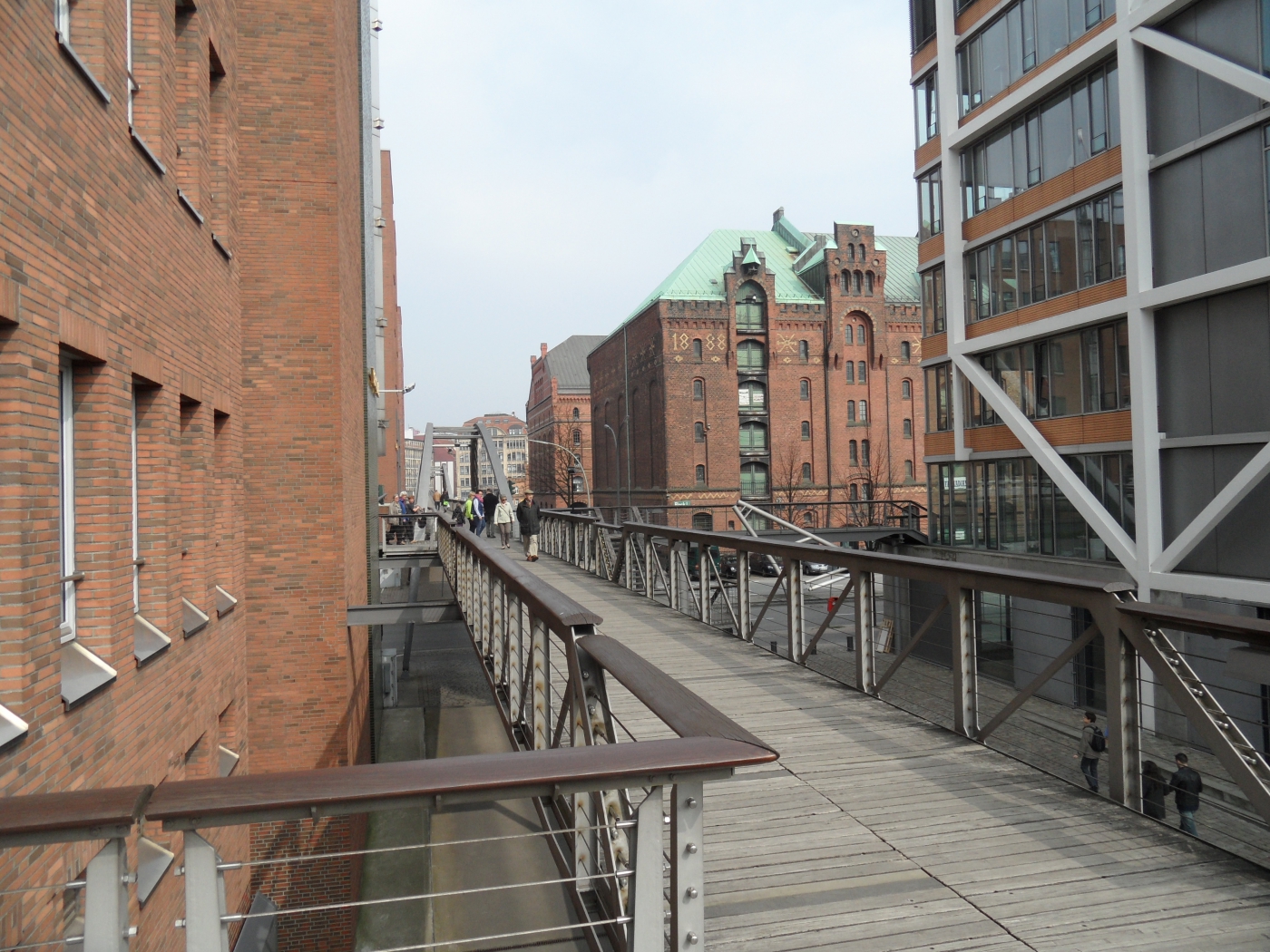
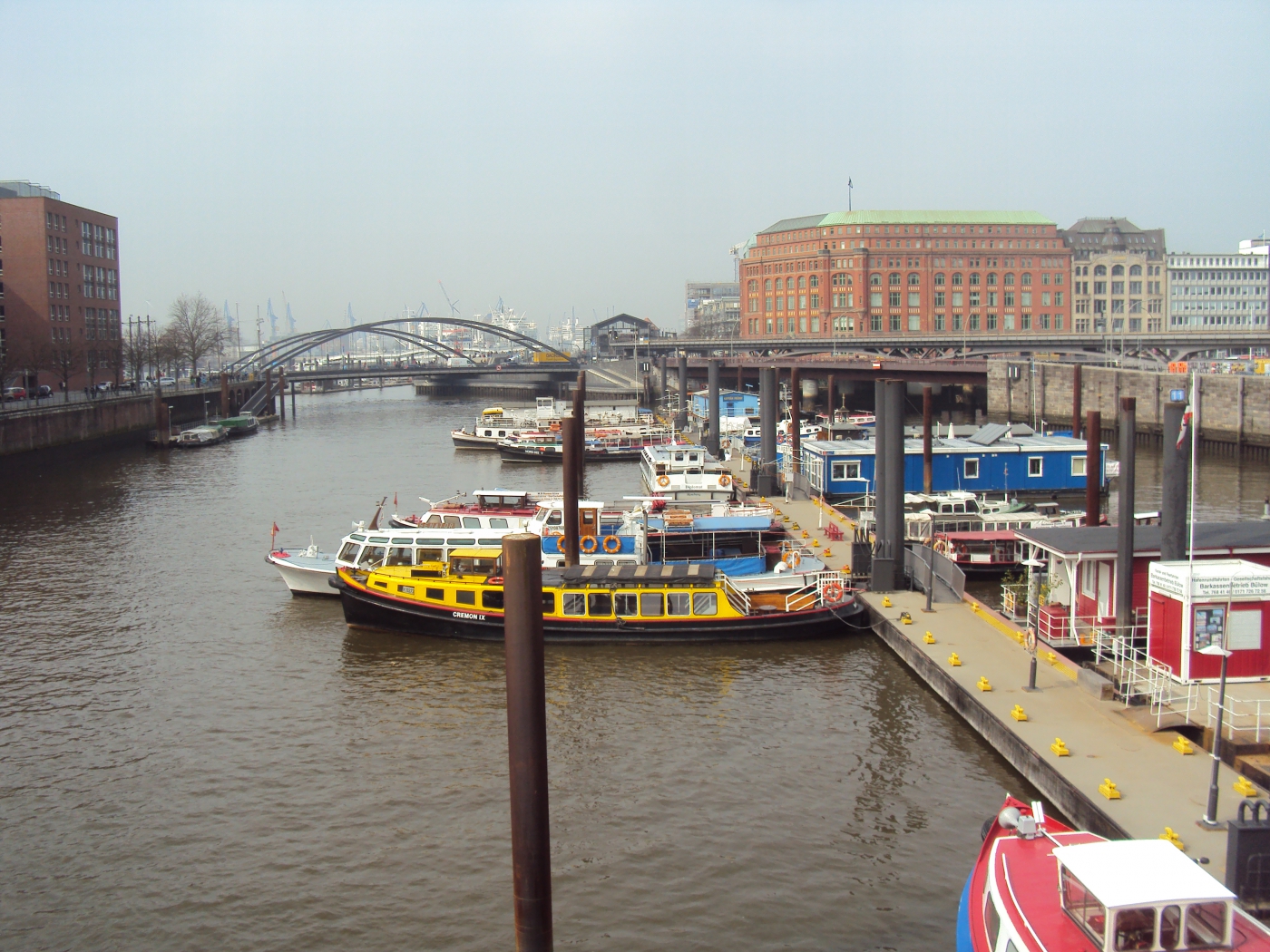
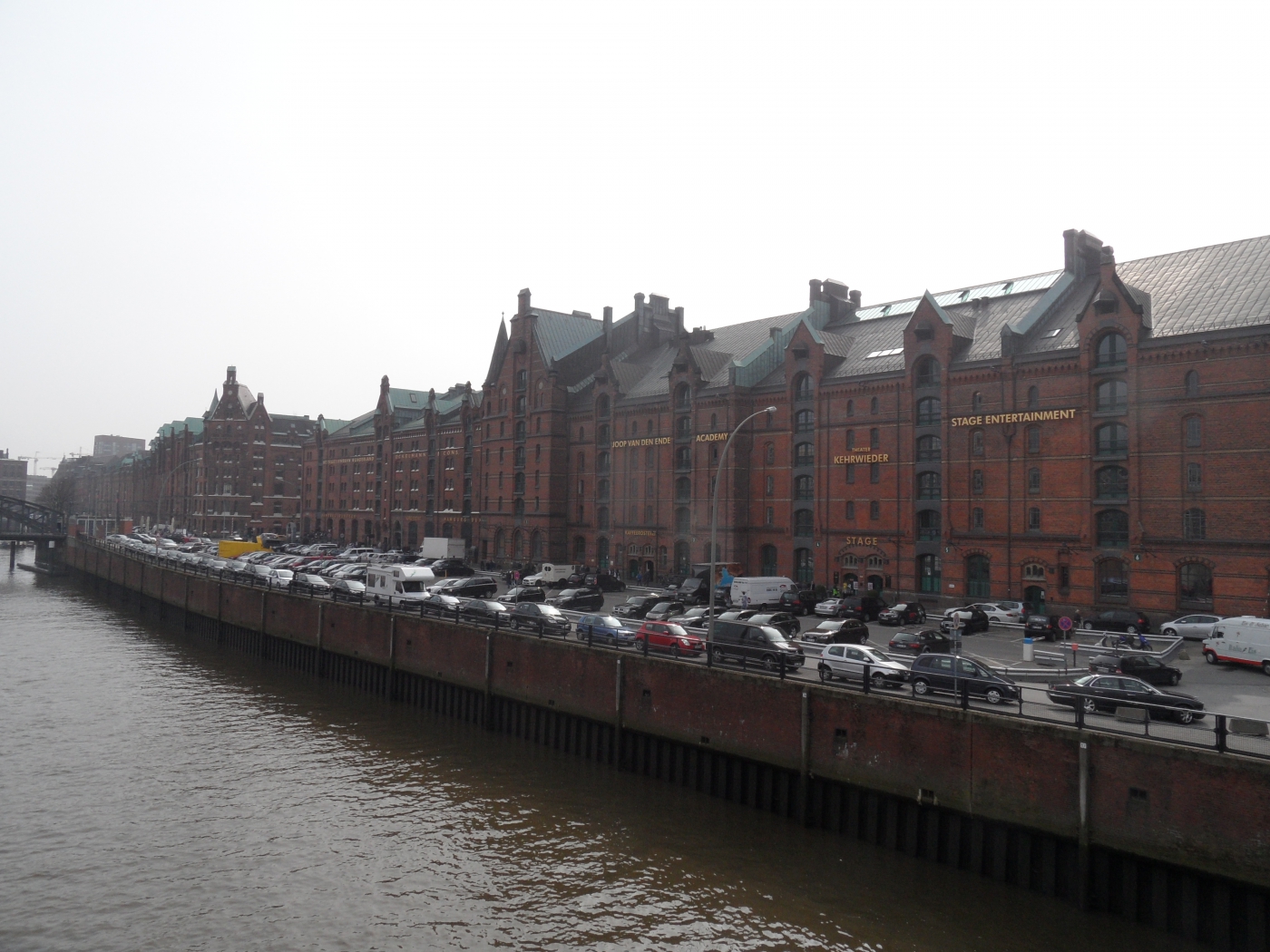
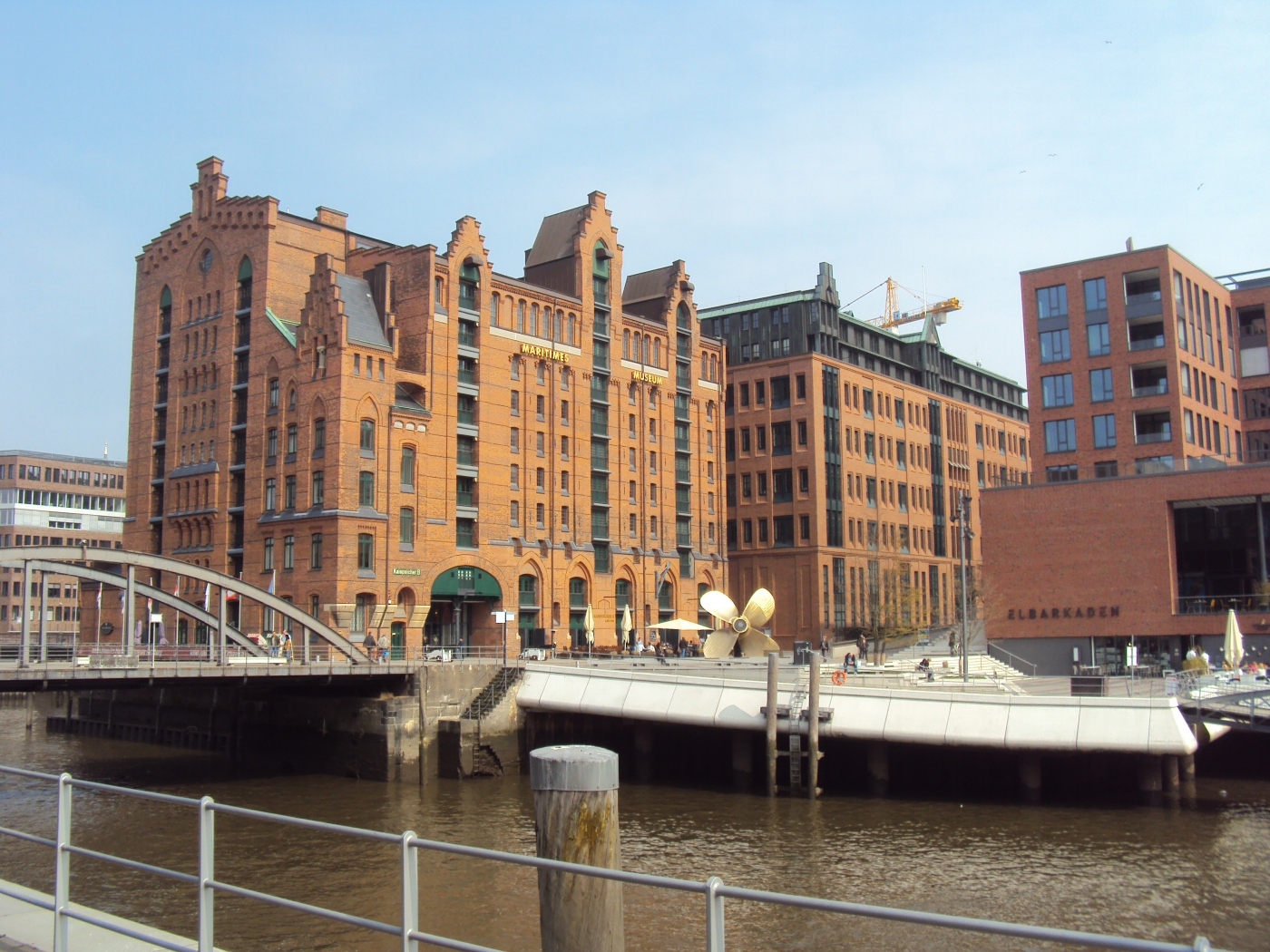
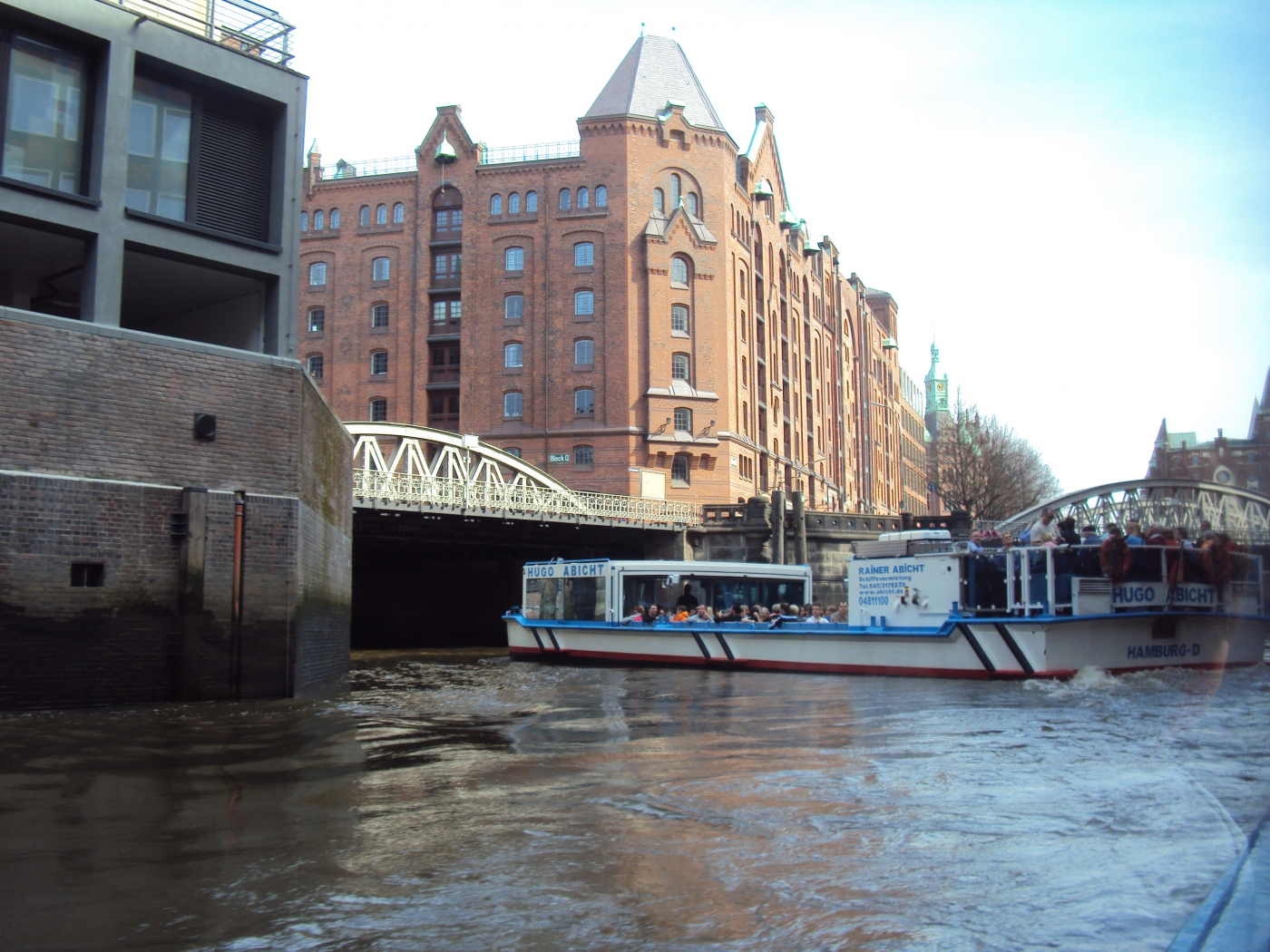
The **Speicherstadt**, meaning "Warehouse City," was constructed between 1883 and 1927, during the **German Empire**, as a free-trade zone to support **Hamburg**'s growing port. It represents a magnificent example of Neo-Gothic brick architecture, built on thousands of oak piles in the shallow waters of the **Elbe** river. This unique district, crisscrossed by canals known as **Fleete**, allowed goods to be transported directly from ships into the multi-story warehouses by barge or from land. It once stored valuable commodities such as coffee, tea, spices, oriental carpets, and cocoa, reflecting **Hamburg**'s pivotal role in international trade. The intricate gables, turrets, and ornate facades of these red-brick buildings create a dramatic and picturesque skyline, especially when illuminated at night.
The Kontorhausviertel and its Iconic Chilehaus
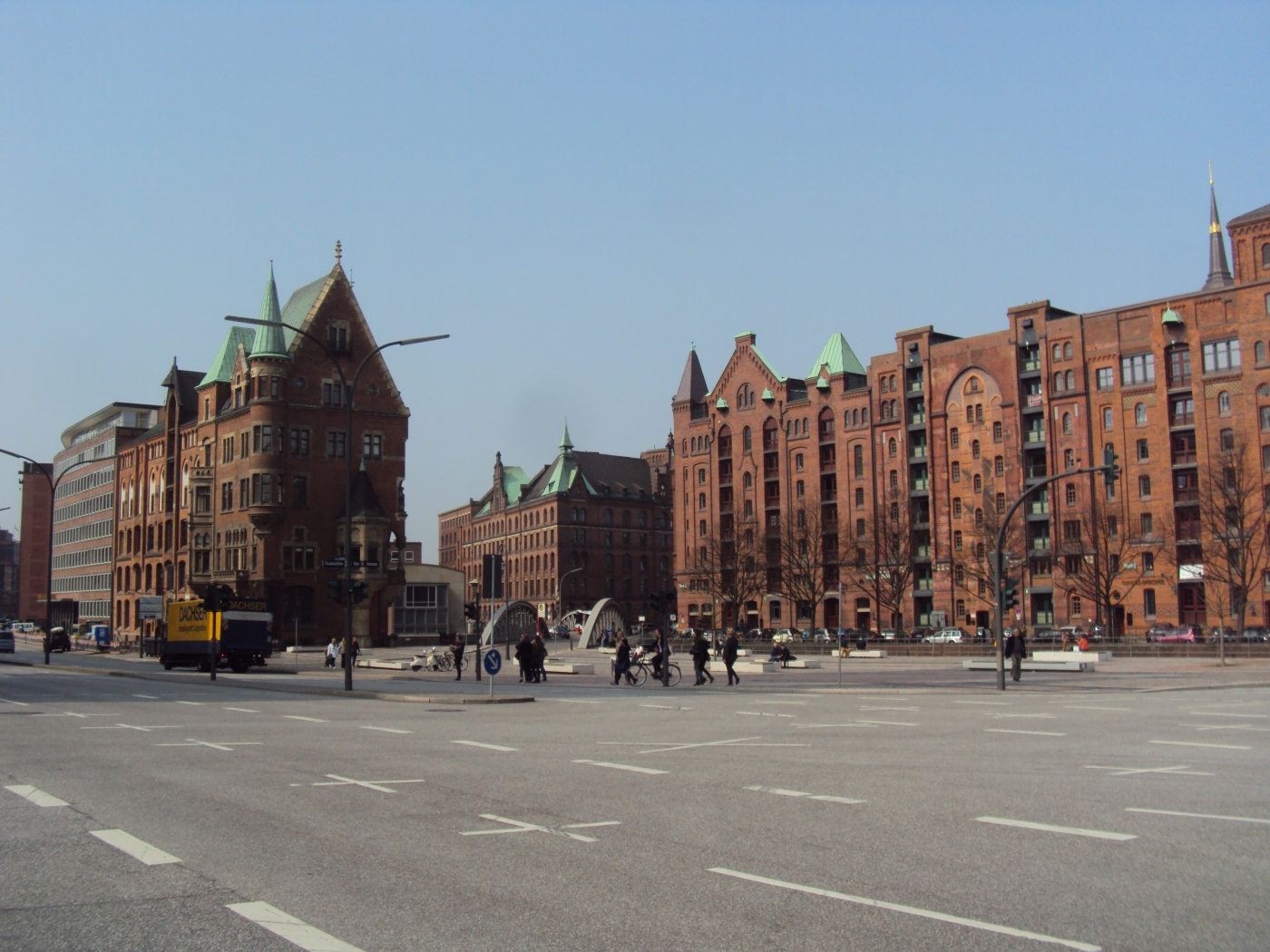
Adjacent to the **Speicherstadt** stands the **Kontorhausviertel**, built primarily in the 1920s and 1930s. This area was conceived as Europe's first pure office district, housing the administrative headquarters of shipping companies, insurance firms, and trading houses. Its architecture is characterized by the Expressionist brick style, which utilized robust, dark bricks and innovative designs to create monumental yet functional office buildings, known as "Kontorhäuser."
The most celebrated building within this quarter is the **Chilehaus**. Designed by architect **Fritz Höger** and completed in 1924, it was commissioned by businessman **Henry B. Sloman**, who made his fortune trading saltpeter from Chile, hence the name. The **Chilehaus** is an architectural marvel, famous for its distinctive sharp prow resembling a ship's bow, emphasizing **Hamburg**'s maritime connections. Its terraced upper floors and curved facades, crafted from dark brick, evoke a sense of movement and modernity, making it an icon of 20th-century German architecture.
A Legacy of Global Commerce and Urban Development
Together, the **Speicherstadt** and **Kontorhausviertel** illustrate the profound impact of the Industrial Revolution and the expansion of global trade on urban development. They demonstrate pioneering solutions in infrastructure, logistics, and office building design, embodying the aspirations and economic prowess of **Hamburg** during a crucial period of its history. This dual site offers a compelling narrative of how a city adapted and flourished as a gateway to the world.
Weiterführende Links
Speicherstadt and the adjacent Kontorhaus district are two densely built urban areas in the centre of the port city of Hamburg. Speicherstadt, originally developed on a group of narrow islands in the Elbe River between 1885 and 1927, was partly rebuilt from 1949 to 1967. It is one of the largest coherent historic ensembles of port warehouses in the world (300,000 m2). It includes 15 very large warehouse blocks as well as six ancillary buildings and a connecting network of short canals. Adjacent to the modernist Chilehaus office building, the Kontorhaus district is an area of over five hectares featuring six very large office complexes built from the 1920s to the 1940s to house port-related businesses. The complex exemplifies the effects of the rapid growth in international trade in the late 19th and early 20th centuries.