Historic Centre of Brugge
Brügge, Belgium
23.10.2010

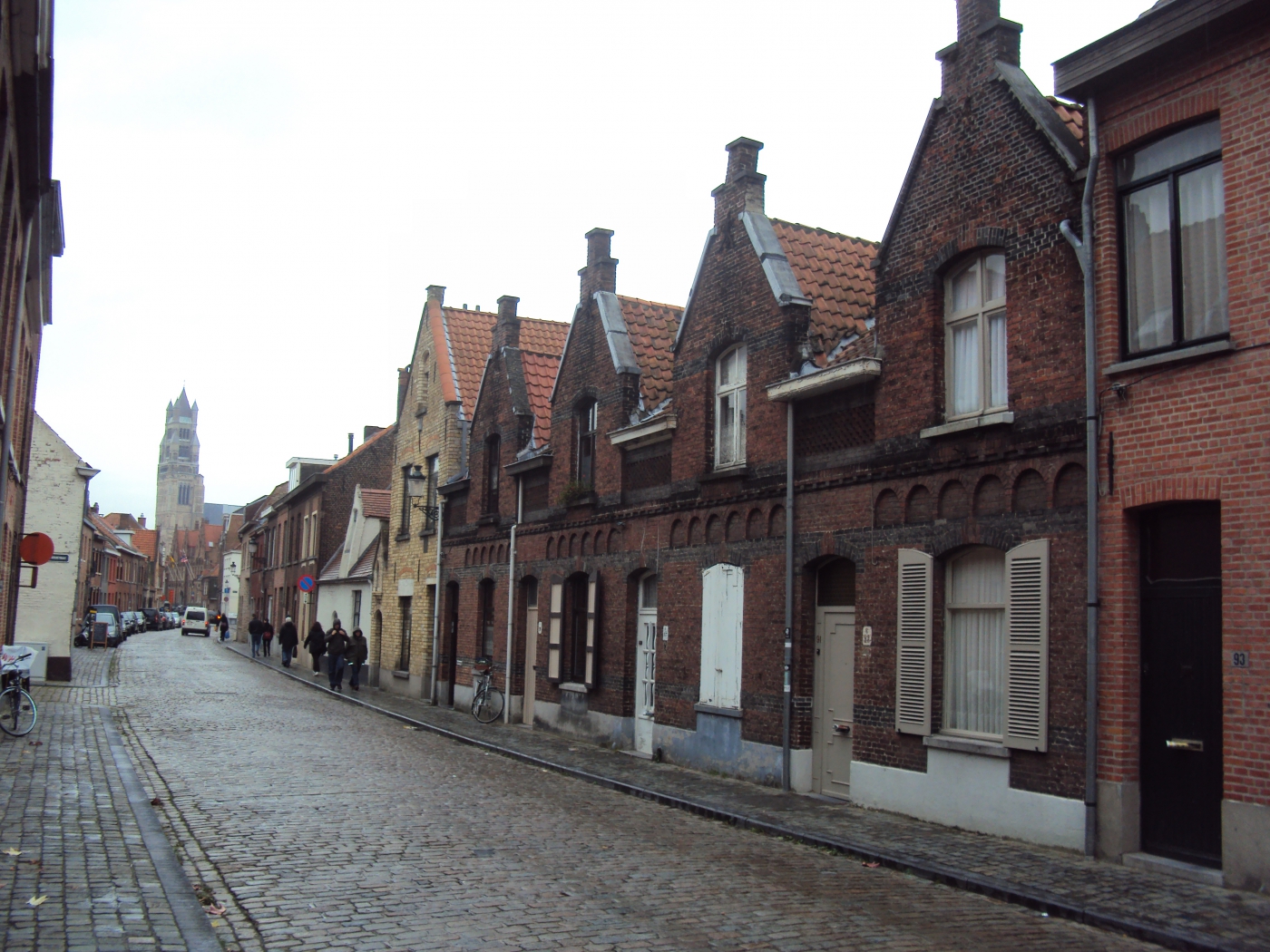
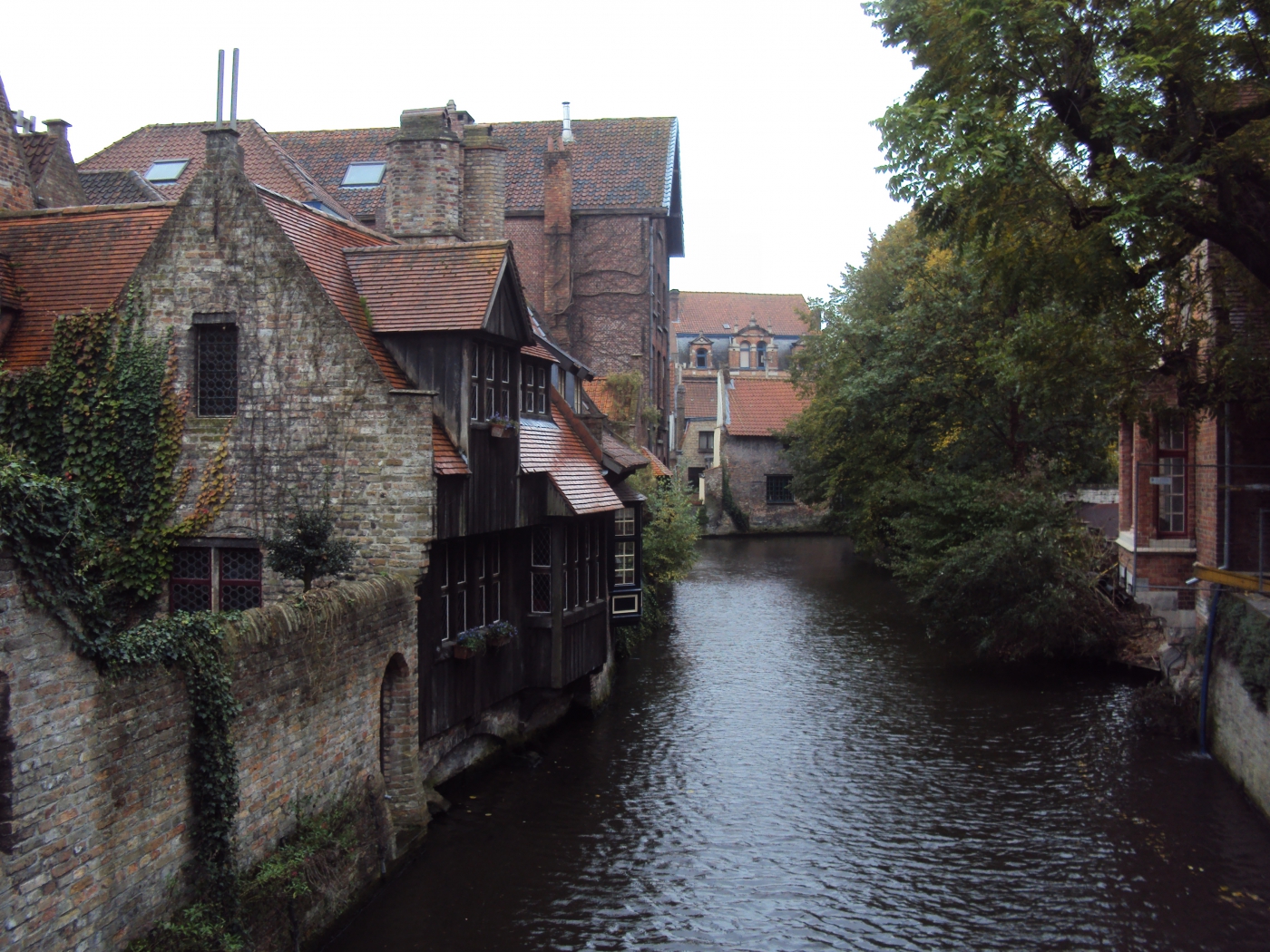
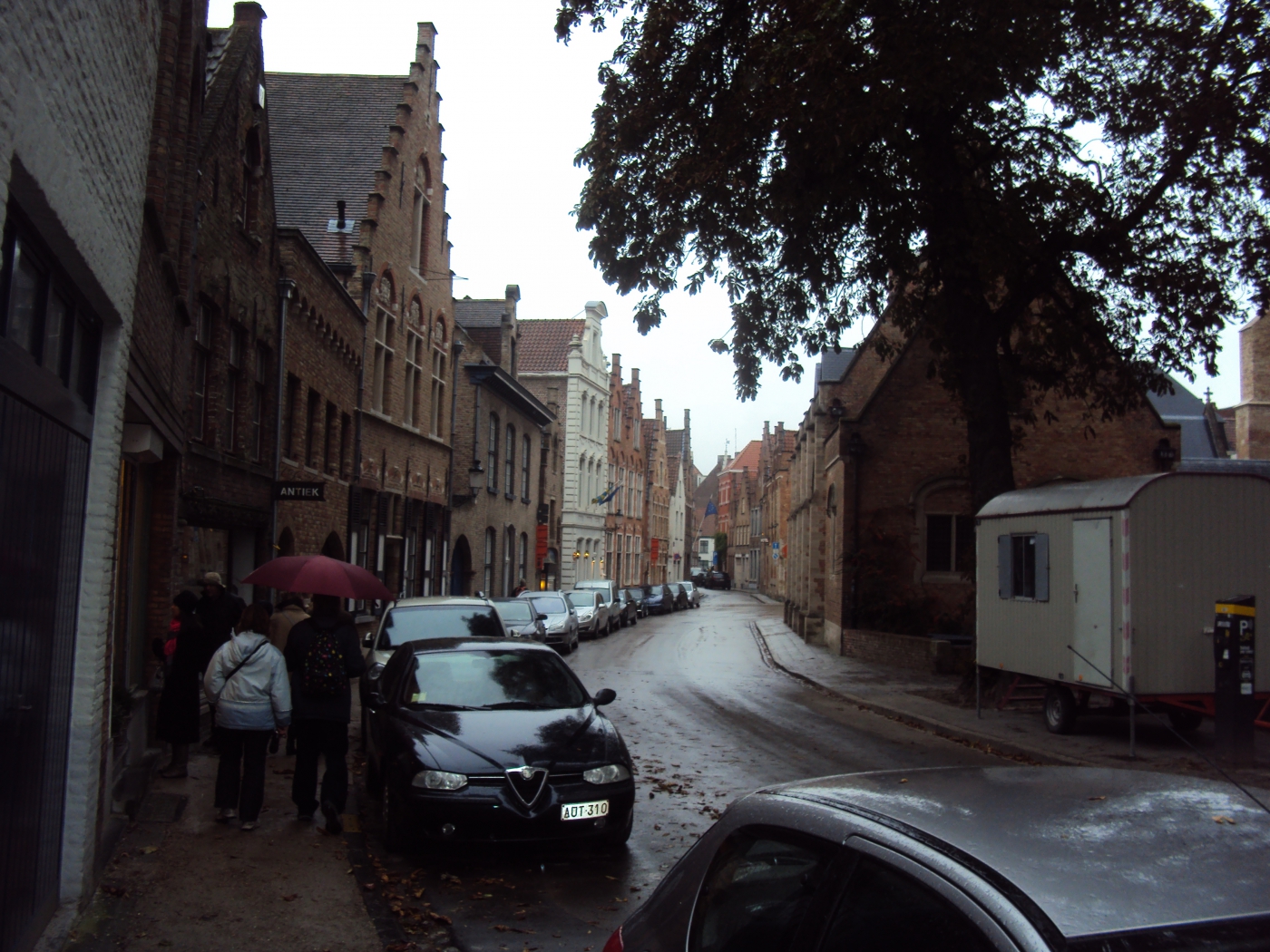
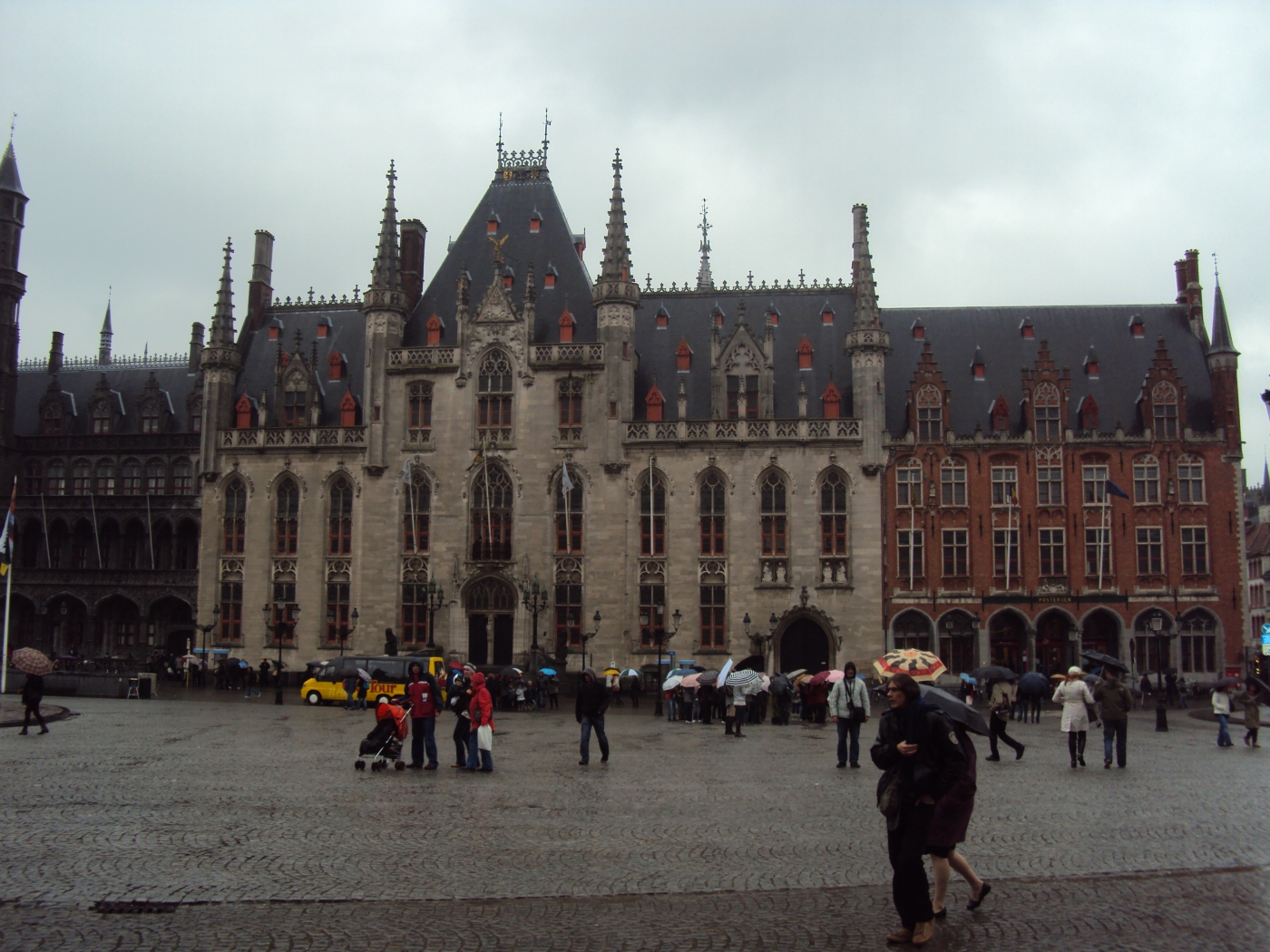
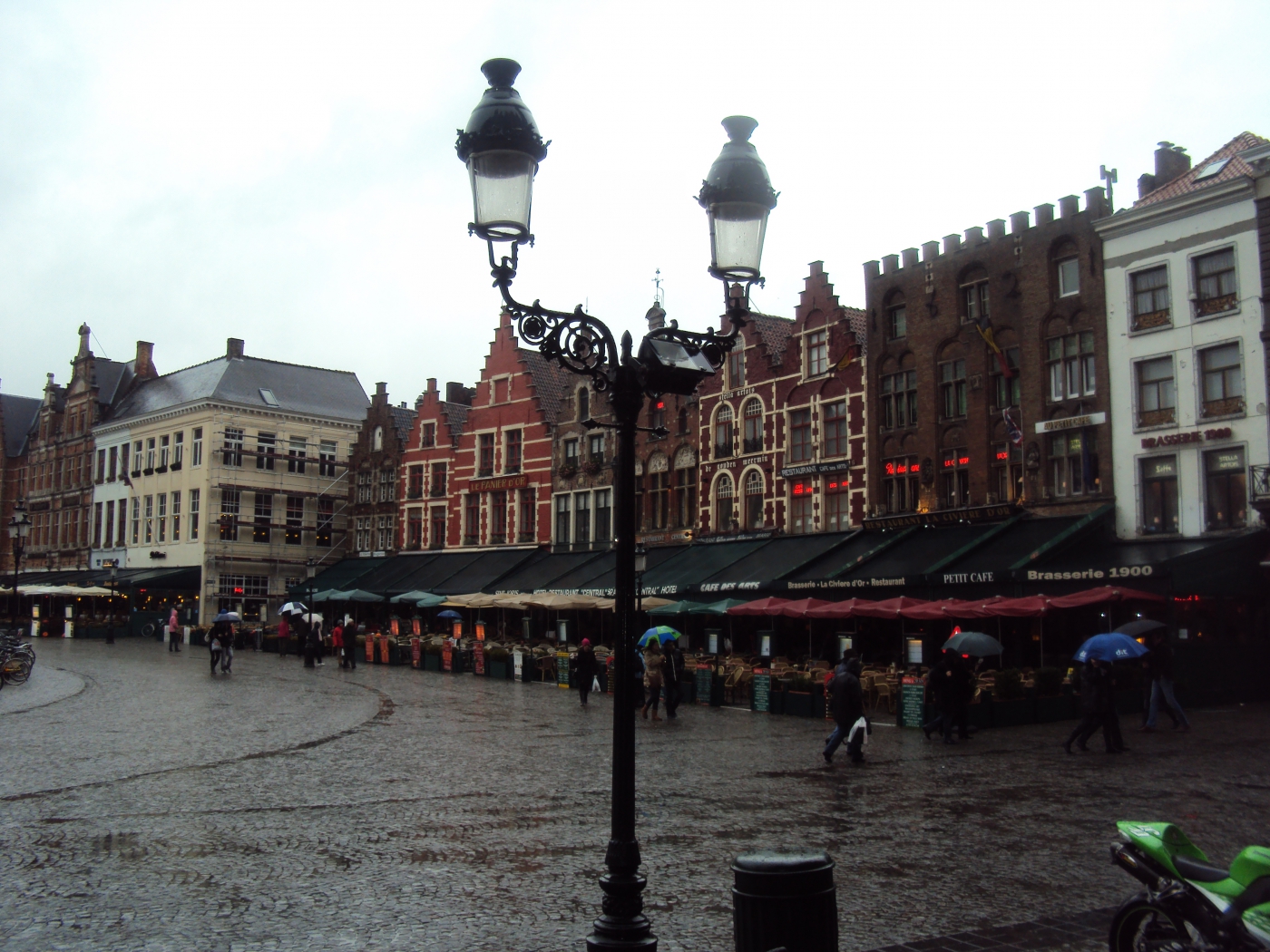
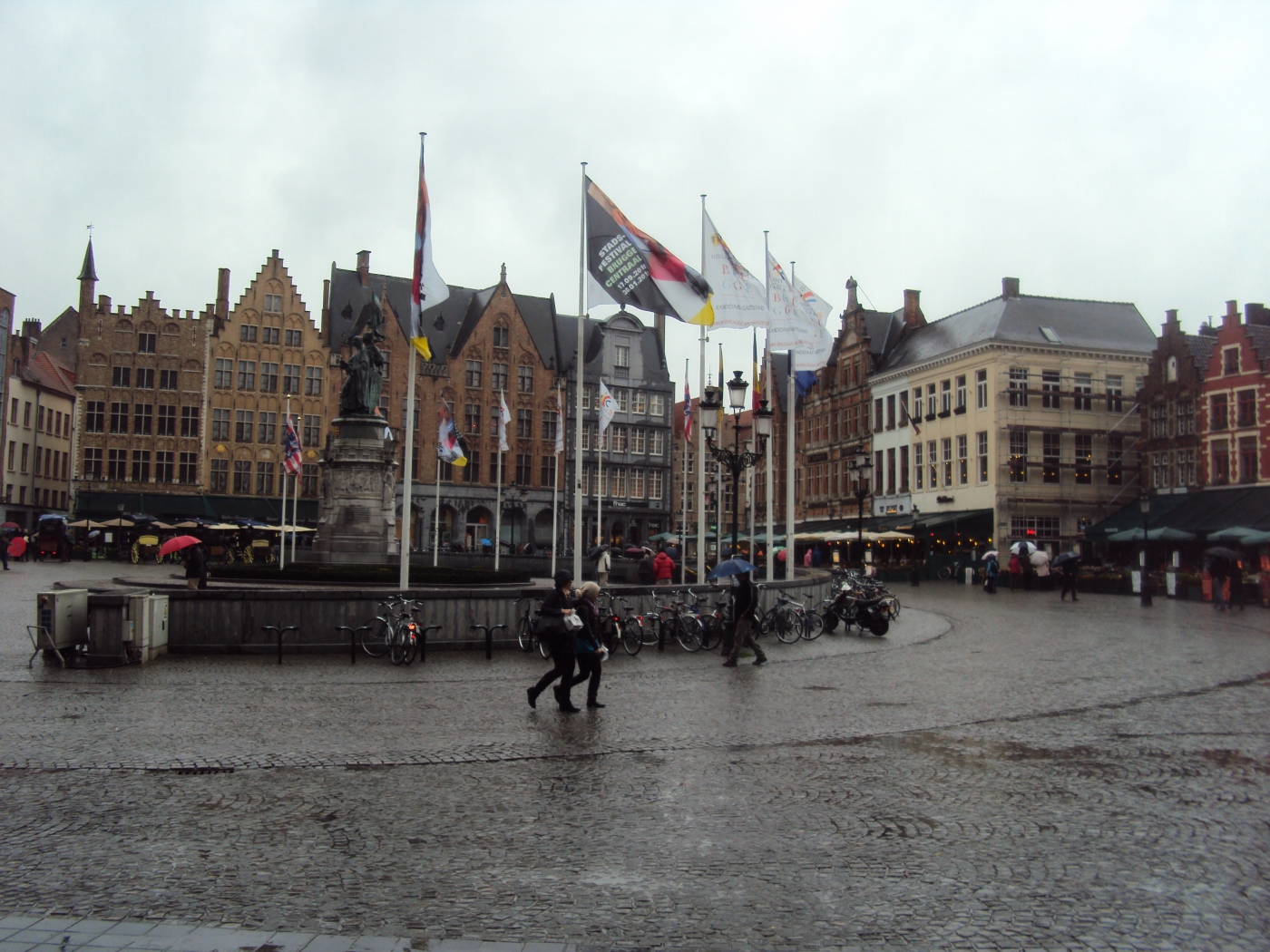
The Historic Centre of Bruges, a jewel nestled in the Flemish region of Belgium, stands as an extraordinary testament to medieval urban development and European commercial and cultural exchange. Designated a UNESCO World Heritage site in 2000, its remarkably preserved architectural heritage and picturesque canals offer a living chronicle of a bygone era.
A Glimpse into the Past
From Gallo-Roman roots, Bruges rose to prominence by the 12th century, becoming a vital international trading hub thanks to its access to the North Sea via the Zwin estuary. Its golden age, from the 13th to the 15th centuries, saw Bruges as a leading member of the Hanseatic League, attracting merchants, bankers, and artists. Flemish textiles and goods exchanged hands in its bustling markets, and this wealth funded magnificent Gothic churches and grand guild houses. However, the gradual silting of the Zwin estuary from the late 15th century led to its decline, with Antwerp eventually taking its place as the dominant port.
Architectural Splendor and Iconic Sites
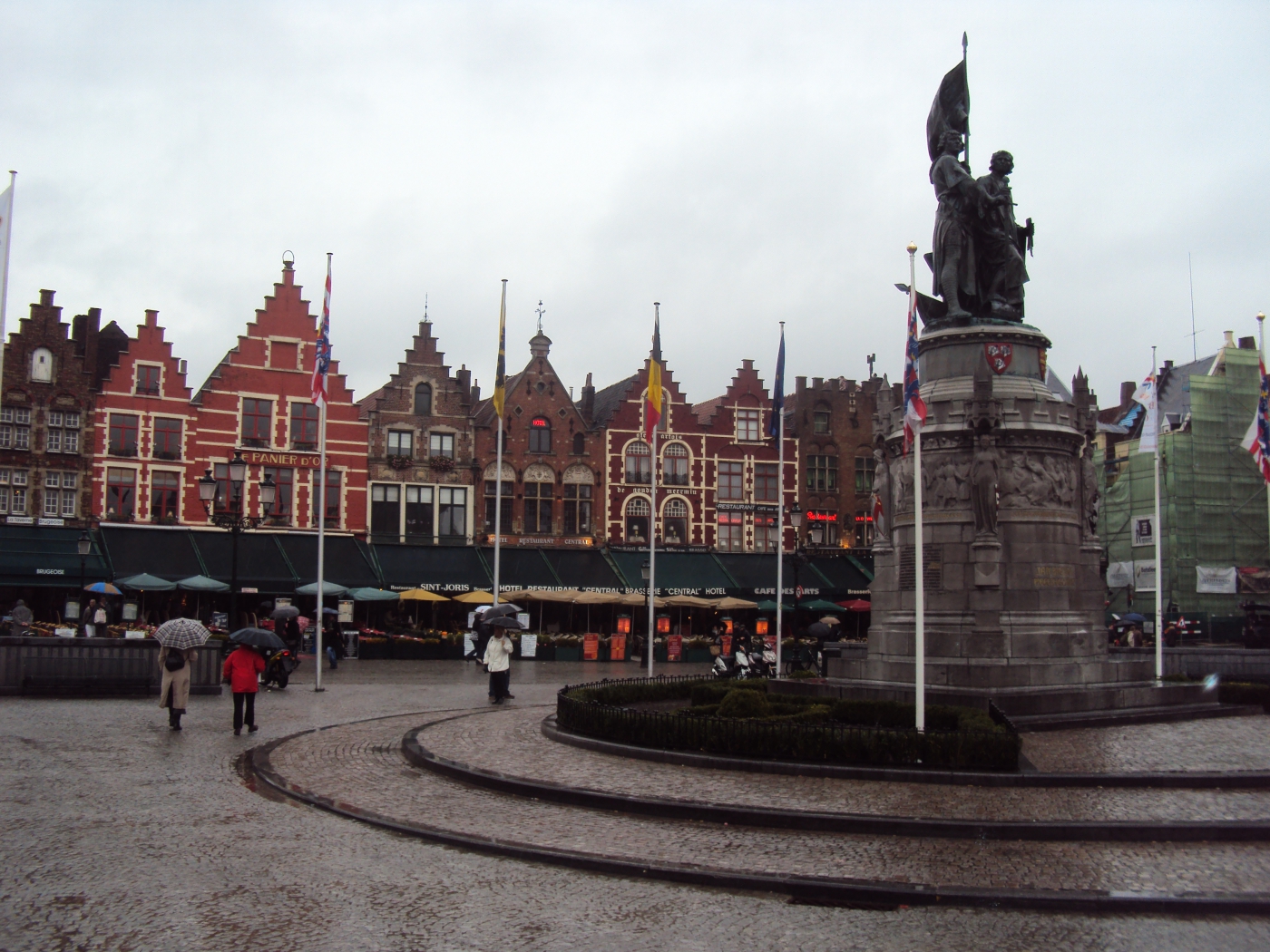
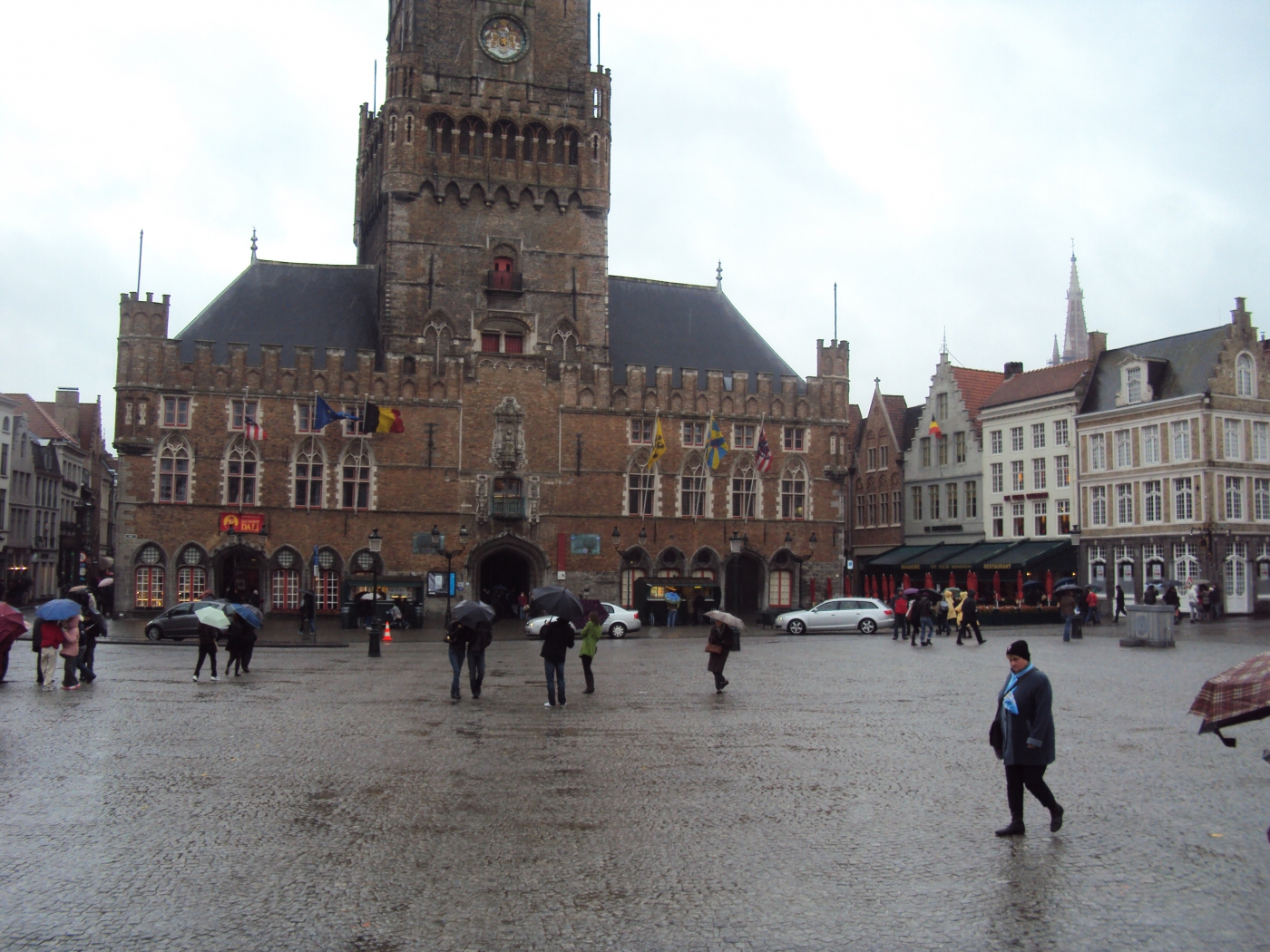
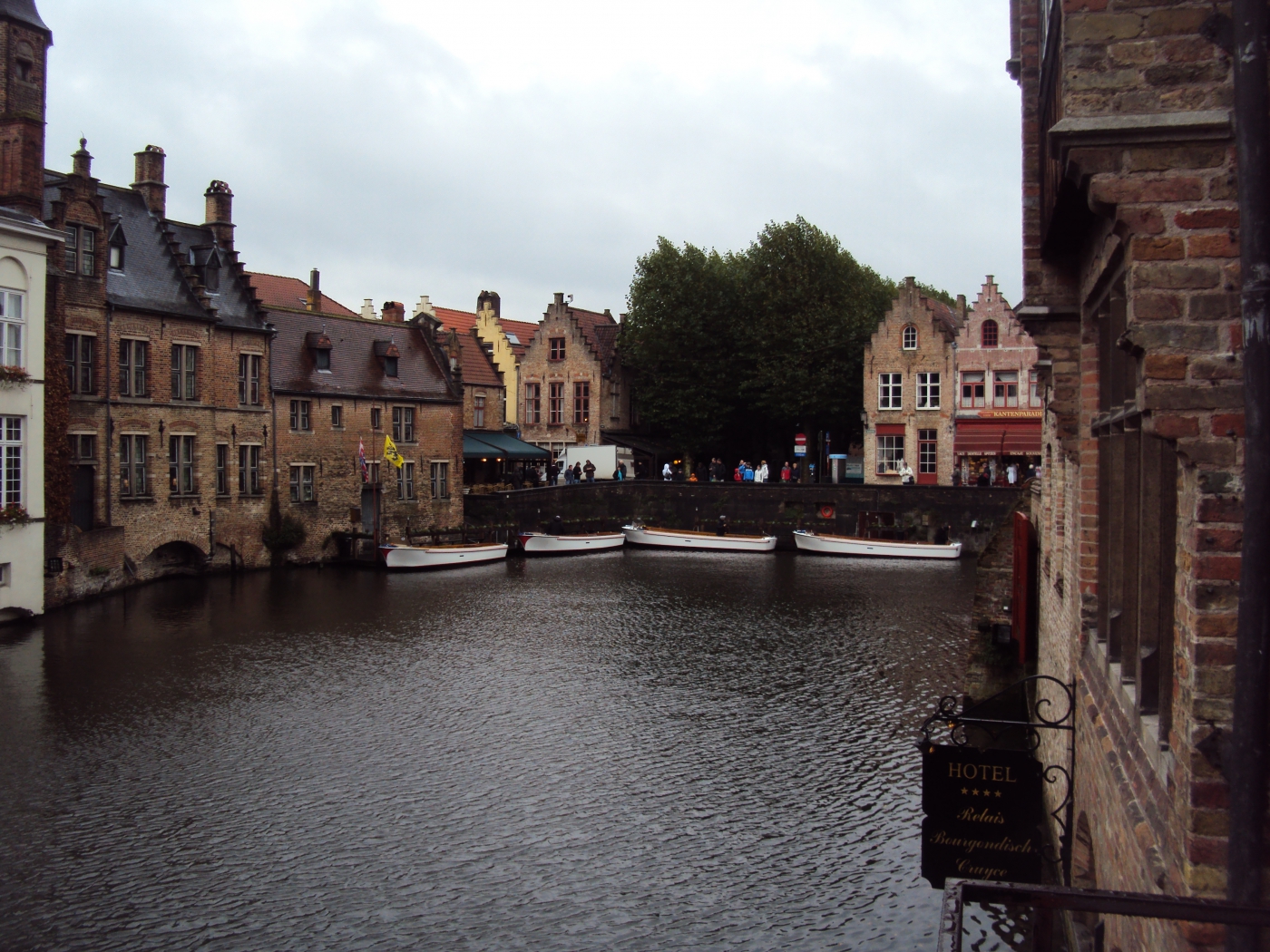
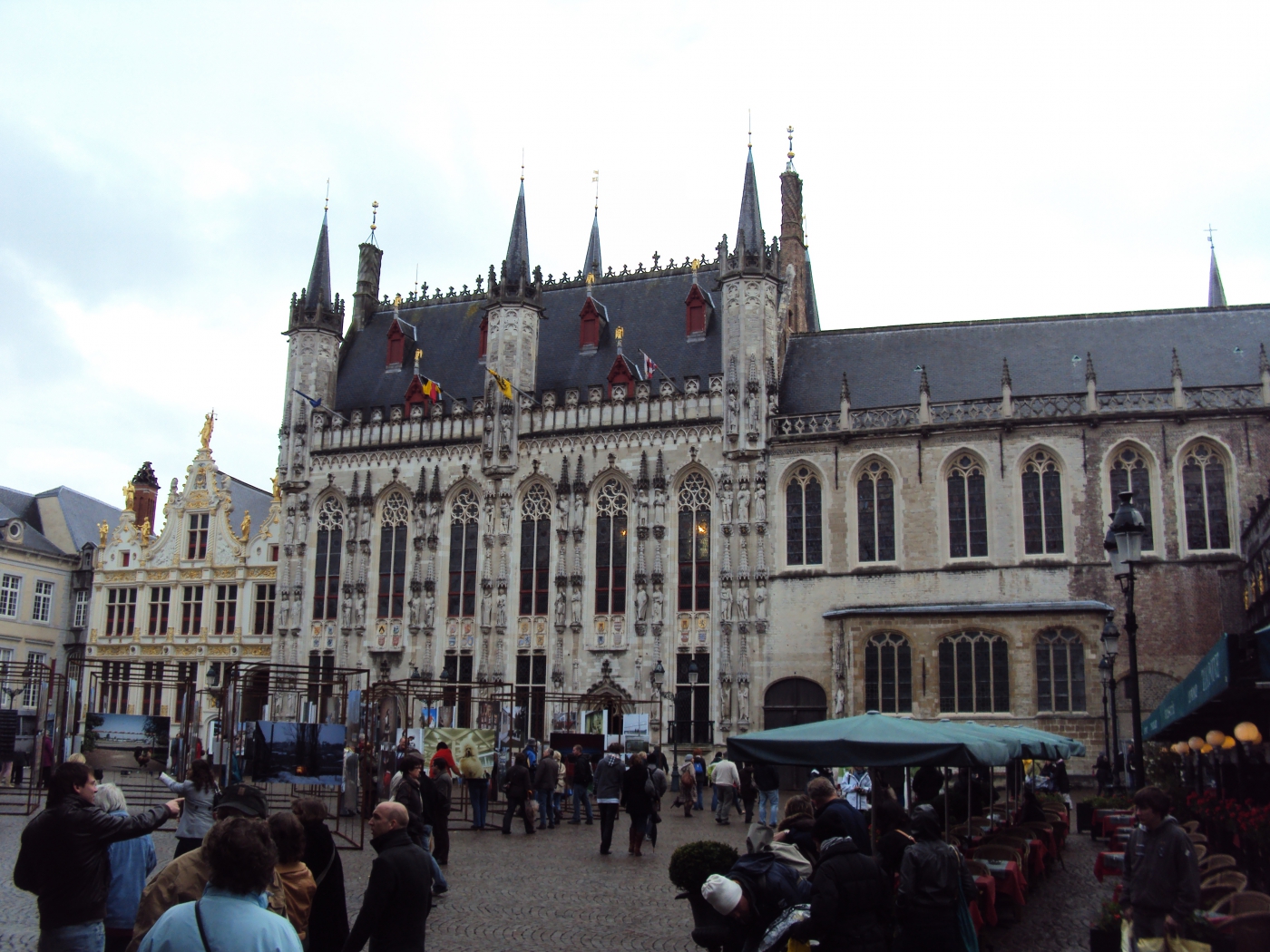
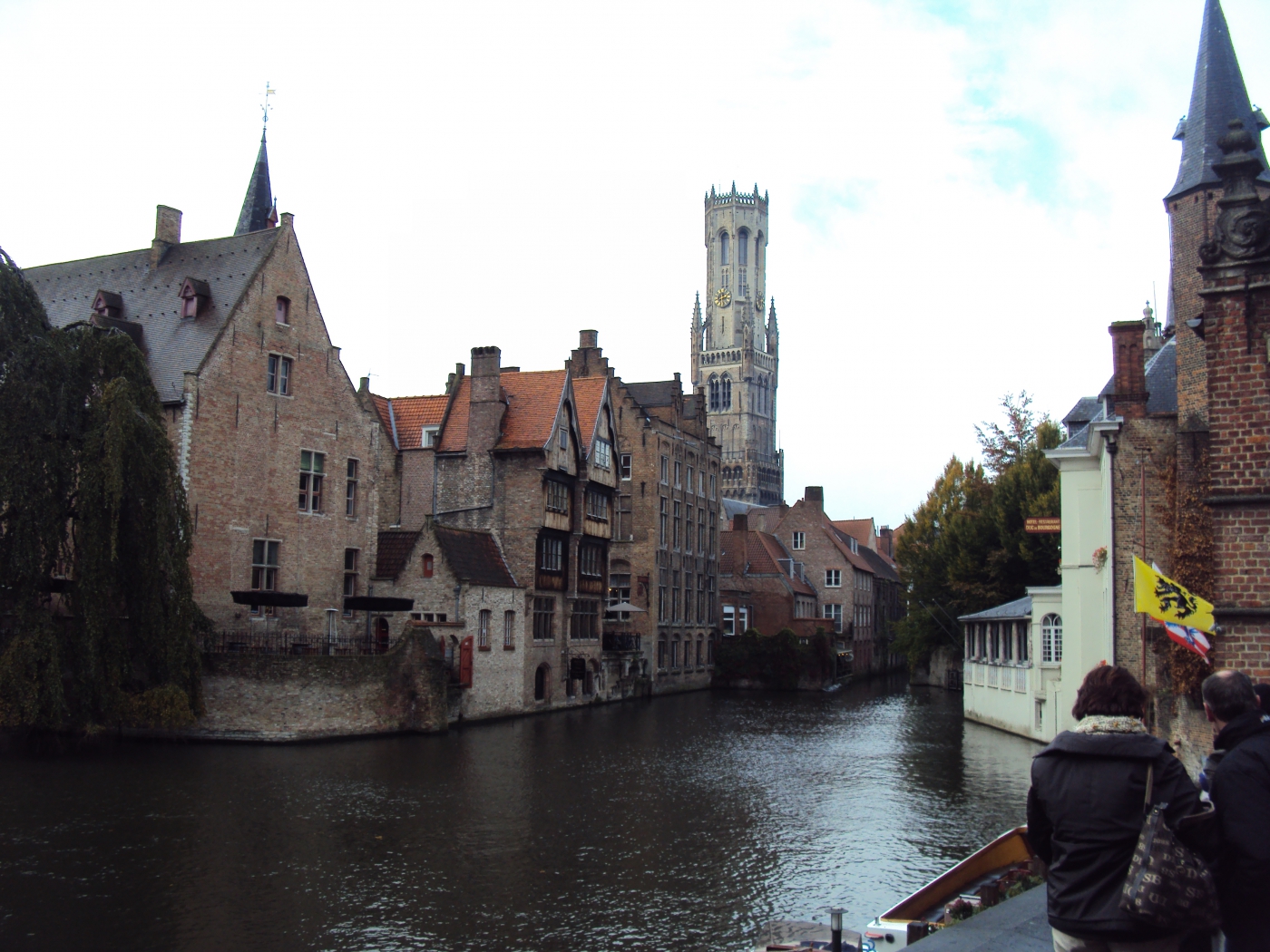
Despite its economic downturn, Bruges retained its medieval character, largely untouched by industrial transformation. This "sleeping beauty" aspect inadvertently preserved its historic core. Dominating the Market Square is the imposing 83-meter high Belfry of Bruges, a symbol of civic independence. The exquisite Basilica of the Holy Blood houses a revered relic. The Church of Our Lady proudly displays Michelangelo's Madonna and Child, a marble masterpiece. Serene canals, earning Bruges the moniker "Venice of the North," and the tranquil Béguinage, a unique historical community, further define its charm.
A Living Heritage
Today, the Historic Centre of Bruges continues to enchant as a vibrant city where history is palpable. Its World Heritage status acknowledges its authenticity, integrity, and outstanding universal value as a beautifully preserved example of a medieval urban settlement, reflecting centuries of European history and cultural achievement.
Further Links
Brugge is an outstanding example of a medieval historic settlement, which has maintained its historic fabric as this has evolved over the centuries, and where original Gothic constructions form part of the town's identity. As one of the commercial and cultural capitals of Europe, Brugge developed cultural links to different parts of the world. It is closely associated with the school of Flemish Primitive painting.